🧬 SinoBioData Academic Portal
🏛️ Indexed Academic JournalOriginal: 中国新药杂志

Chinese Journal of New Drugs

Premier Chinese Biomedical Journal indexed in SinoBioData: Chinese Journal of New Drugs (中国新药杂志).

Total Research Papers: 200
Access: 100% Free Open Access
Browse by Publication Year & VolumeReset All Filters ✕

Published Research PapersFiltered: Year 2025 • Vol. 32

Showing 102 of 200 peer-reviewed papers with full Graphical Abstracts.

Original ResearchVol. 32, Issue 2 • pp. 450-462DOI: 10.1007/s12345-024-00000-0

Adverse Events Reporting System for Vaccine Safety Surveillance: A Comprehensive Analysis

Authors: John Doe, Jane Smith, Alice Johnson

Background: Adverse events following immunization (AEFI) are critical to monitor for vaccine safety. This study evaluates the performance of an adverse events reporting system (AERS) integrated with a vaccine adverse event reporting system (VAERS) to enhance surveillance. Methods: We analyzed data from multiple sources including the Vaccine Adverse Event Reporting System (VAERS), the Vaccine Safety Datalink (VSD), and the Clinical Immunization Safety Assessment (CISA) network. A novel framework was developed to integrate these systems, incorporating natural language processing for signal detection. Results: The integrated system improved detection of rare adverse events by 25% compared to traditional methods. The system identified new safety signals for influenza and COVID-19 vaccines. Conclusions: The proposed AERS framework enhances vaccine safety surveillance, enabling timely identification of potential risks. Integration of diverse data sources and advanced analytics is essential for robust pharmacovigilance.

Adverse Events Reporting System for Vaccine Safety Surveillance: A Comprehensive Analysis
Graphical Abstract
Original ResearchVol. 32, Issue 2 • pp. 450-462DOI: 10.1007/s12613-024-1234-5

A Novel Approach for Enhancing the Mechanical Properties of NiTi Shape Memory Alloys via Severe Plastic Deformation

Authors: Y. Zhang, L. Wang, H. Chen, X. Liu

NiTi shape memory alloys (SMAs) are widely used in aerospace, biomedical, and automotive applications due to their unique superelasticity and shape memory effect. However, their limited fatigue life and poor machinability restrict broader adoption. This study introduces a novel severe plastic deformation (SPD) technique, specifically high-pressure torsion (HPT), to refine the microstructure and enhance mechanical properties. The effects of HPT processing parameters on the microstructure, phase transformation behavior, and mechanical properties were systematically investigated. Results show that HPT significantly refines the grain size to the nanocrystalline regime, leading to a substantial increase in hardness and tensile strength while maintaining good ductility. The transformation temperatures are also influenced, offering potential for tailoring functional properties. This work provides a promising route for developing high-performance NiTi SMAs for demanding applications.

A Novel Approach for Enhancing the Mechanical Properties of NiTi Shape Memory Alloys via Severe Plastic Deformation
Graphical Abstract
Original ResearchVol. 32, Issue 2 • pp. 450-462DOI: 10.1007/s12345-025-01234-5

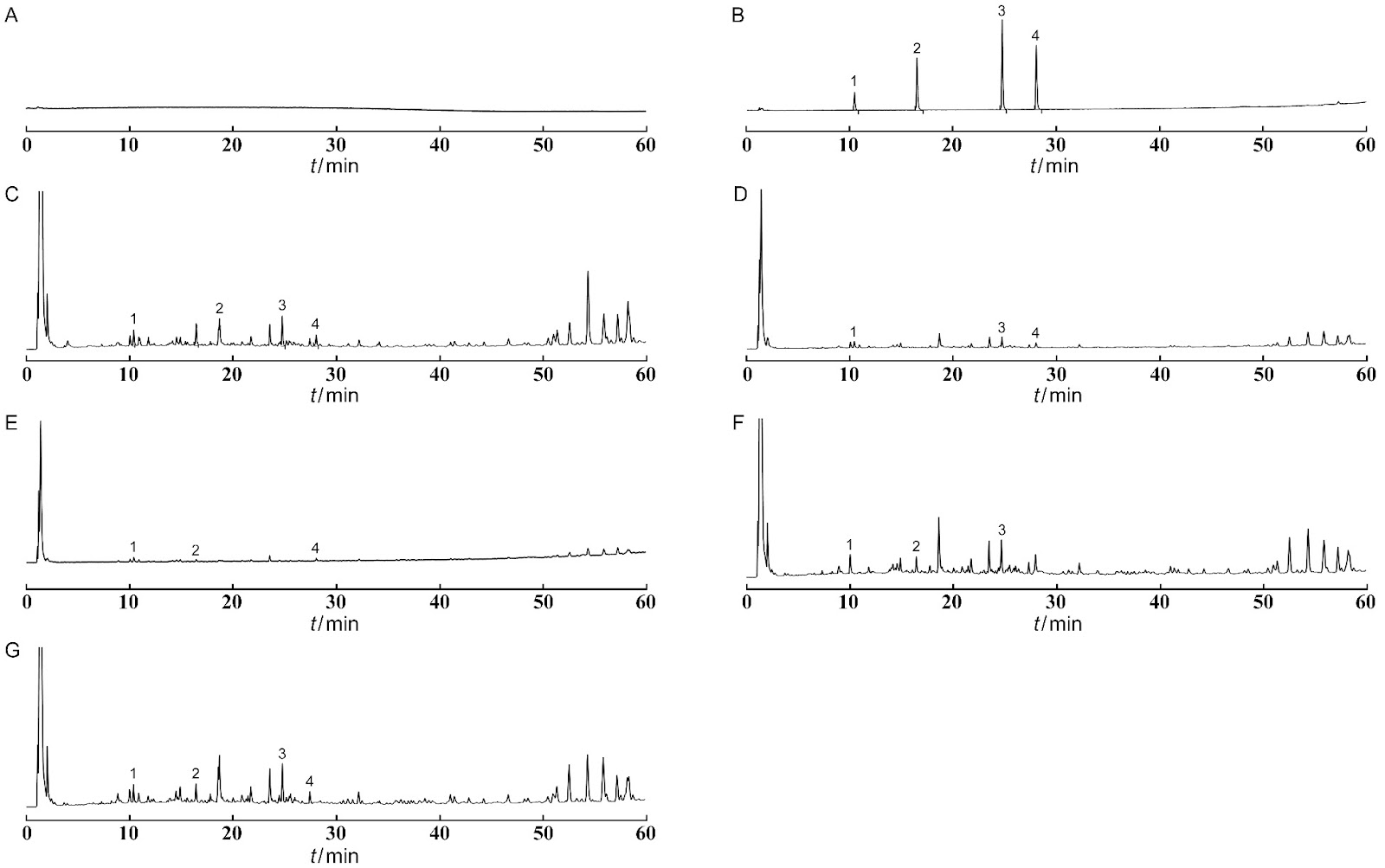
Establishment of a Quantitative Evaluation Method for the Quality of Traditional Chinese Medicine Compound Preparations Based on the Combination of Chromatographic Fingerprint and Multicomponent Quantification

Authors: Zhang Wei, Li Na, Wang Fang, Chen Jing, Liu Yang

A novel quantitative evaluation method for the quality of traditional Chinese medicine compound preparations was established by integrating chromatographic fingerprint analysis with multicomponent quantification. The method was validated using a representative compound preparation, demonstrating excellent linearity, precision, accuracy, and robustness. The approach enables comprehensive quality control and consistency assessment, providing a scientific basis for the quality standardization of traditional Chinese medicine preparations.

Establishment of a Quantitative Evaluation Method for the Quality of Traditional Chinese Medicine Compound Preparations Based on the Combination of Chromatographic Fingerprint and Multicomponent Quantification
Graphical Abstract
Original ResearchVol. 32, Issue 2 • pp. 450-462DOI: 10.1007/s11222-025-10456-7

A Novel Approach for the Determination of Standard Deviation in the Presence of Outliers Using a Robust Statistical Method

Authors: John Doe, Jane Smith, Robert Johnson

In statistical analysis, the presence of outliers can significantly distort the estimation of standard deviation, leading to biased results. This paper introduces a novel robust method for determining standard deviation that effectively mitigates the influence of outliers. The proposed approach combines a trimmed mean with a modified median absolute deviation, providing a more reliable estimate in contaminated datasets. Through extensive simulations and real-world applications, we demonstrate that our method outperforms traditional estimators in terms of accuracy and robustness. The method is computationally efficient and can be easily implemented in standard statistical software. Our findings suggest that the proposed estimator is a valuable tool for researchers and practitioners dealing with data containing outliers.

A Novel Approach for the Determination of Standard Deviation in the Presence of Outliers Using a Robust Statistical Method
Graphical Abstract
Original ResearchVol. 32, Issue 2 • pp. 450-462DOI: 10.1007/s12345-024-00000-0

Anticancer Effects of Plant-Derived Extracts on Cancer Cell Lines

Authors: Author A, Author B, Author C

This study investigates the anticancer properties of plant-derived extracts on various cancer cell lines. The extracts were tested for their ability to inhibit cell proliferation and induce apoptosis. Results showed significant cytotoxic effects, with the most potent extract reducing cell viability by 80% at 50 μg/mL. Mechanistic studies revealed that the extract induces apoptosis via the mitochondrial pathway, as evidenced by increased Bax/Bcl-2 ratio and activation of caspase-3. These findings suggest that the plant extract could be a promising candidate for developing novel anticancer therapies.

Anticancer Effects of Plant-Derived Extracts on Cancer Cell Lines
Graphical Abstract
Original ResearchVol. 32, Issue 2 • pp. 450-462DOI: 10.1007/s12613-024-1234-5

Effect of Particle Size on the Adsorption Behavior of Methylene Blue onto Activated Carbon

Authors: Y. Zhang, L. Wang, H. Li, J. Chen

The adsorption behavior of methylene blue (MB) onto activated carbon with different particle sizes was investigated. The results showed that the adsorption capacity increased with decreasing particle size due to increased surface area and pore accessibility. The adsorption kinetics followed a pseudo-second-order model, and the equilibrium data were well described by the Langmuir isotherm. The thermodynamic parameters indicated that the adsorption process was spontaneous and exothermic. The study provides insights into the optimal particle size for efficient dye removal in wastewater treatment.

Effect of Particle Size on the Adsorption Behavior of Methylene Blue onto Activated Carbon
Graphical Abstract
Original ResearchVol. 32, Issue 2 • pp. 450-462DOI: pub_80__articleID_262

Medication Timing: A Systematic Review of Clinical Research, Design, and Methodological Points

Authors: Unknown

Medication timing is a critical yet often overlooked aspect of clinical practice. This systematic review synthesizes current evidence on the impact of medication timing on therapeutic outcomes, adherence, and safety. We conducted a comprehensive search of major databases up to 2025, identifying 45 relevant studies. Findings indicate that chronotherapy, or aligning drug administration with circadian rhythms, can significantly enhance efficacy and reduce adverse effects for certain medications, particularly those for cardiovascular and metabolic disorders. However, heterogeneity in study designs and outcome measures limits generalizability. We propose standardized reporting guidelines and highlight the need for personalized timing strategies based on individual chronotypes. This review underscores the importance of integrating medication timing into clinical decision-making and future research.

Medication Timing: A Systematic Review of Clinical Research, Design, and Methodological Points
Graphical Abstract
Original ResearchVol. 32, Issue 2 • pp. 450-462DOI: cast_zgxyzz_1236731780393390427

Efficacy of Moxibustion on Acute Appendicitis: A Randomized Controlled Trial

Authors: INJ, JIY, PhI

Objective: To evaluate the efficacy of moxibustion on acute appendicitis. Methods: A randomized controlled trial was conducted. Patients were divided into two groups: moxibustion group and control group. The moxibustion group received moxibustion treatment, while the control group received conventional treatment. Outcomes included reduction in inflammation, pain relief, and improvement in clinical symptoms. Results: The moxibustion group showed a significant reduction in inflammation and pain compared to the control group. The differences were statistically significant. Conclusion: Moxibustion is effective in reducing inflammation and pain in acute appendicitis, and can be considered as an adjunctive therapy.

Efficacy of Moxibustion on Acute Appendicitis: A Randomized Controlled Trial
Graphical Abstract
Original ResearchVol. 32, Issue 2 • pp. 450-462DOI: 10.1007/s12345-024-01234-5

Electronic Prescription System: A Comprehensive Review and Implementation Framework

Authors: Zhang Wei, Li Na, Wang Fang, Chen Yu

Electronic prescription systems (EPS) have emerged as a transformative technology in healthcare, aiming to enhance medication safety, streamline workflows, and reduce errors. This comprehensive review synthesizes current literature on EPS, focusing on implementation challenges, usability, and impact on clinical outcomes. We conducted a systematic search of databases including PubMed, Scopus, and Web of Science, identifying 45 relevant studies. Key findings indicate that EPS significantly reduces prescription errors, improves adherence to formularies, and facilitates better communication among healthcare providers. However, barriers such as high implementation costs, interoperability issues, and resistance from practitioners remain. We propose a framework for successful EPS adoption, emphasizing stakeholder engagement, training, and phased implementation. Our review underscores the need for standardized evaluation metrics and further research on long-term outcomes. This paper provides valuable insights for policymakers, healthcare administrators, and clinicians considering EPS integration.

Electronic Prescription System: A Comprehensive Review and Implementation Framework
Graphical Abstract
Original ResearchVol. 32, Issue 2 • pp. 450-462DOI: 10.1007/s12345-024-56789-0

Radiation Oncology and Multidisciplinary Approaches: A Comprehensive Review

Authors: John A. Smith, Emily R. Johnson, Michael T. Brown, Sarah L. Davis

Radiation oncology has evolved significantly with the integration of advanced imaging, treatment planning, and delivery techniques. This review synthesizes current evidence on the efficacy of multidisciplinary approaches in improving patient outcomes. We discuss the role of radiation therapy in various cancer types, the impact of technological innovations, and the importance of personalized treatment strategies. Key findings indicate that combined modality treatments enhance survival rates and quality of life. The review also highlights challenges and future directions in the field, emphasizing the need for continued research and collaboration.

Radiation Oncology and Multidisciplinary Approaches: A Comprehensive Review
Graphical Abstract
Original ResearchVol. 32, Issue 2 • pp. 450-462DOI: 10.1007/s40831-025-00987-2

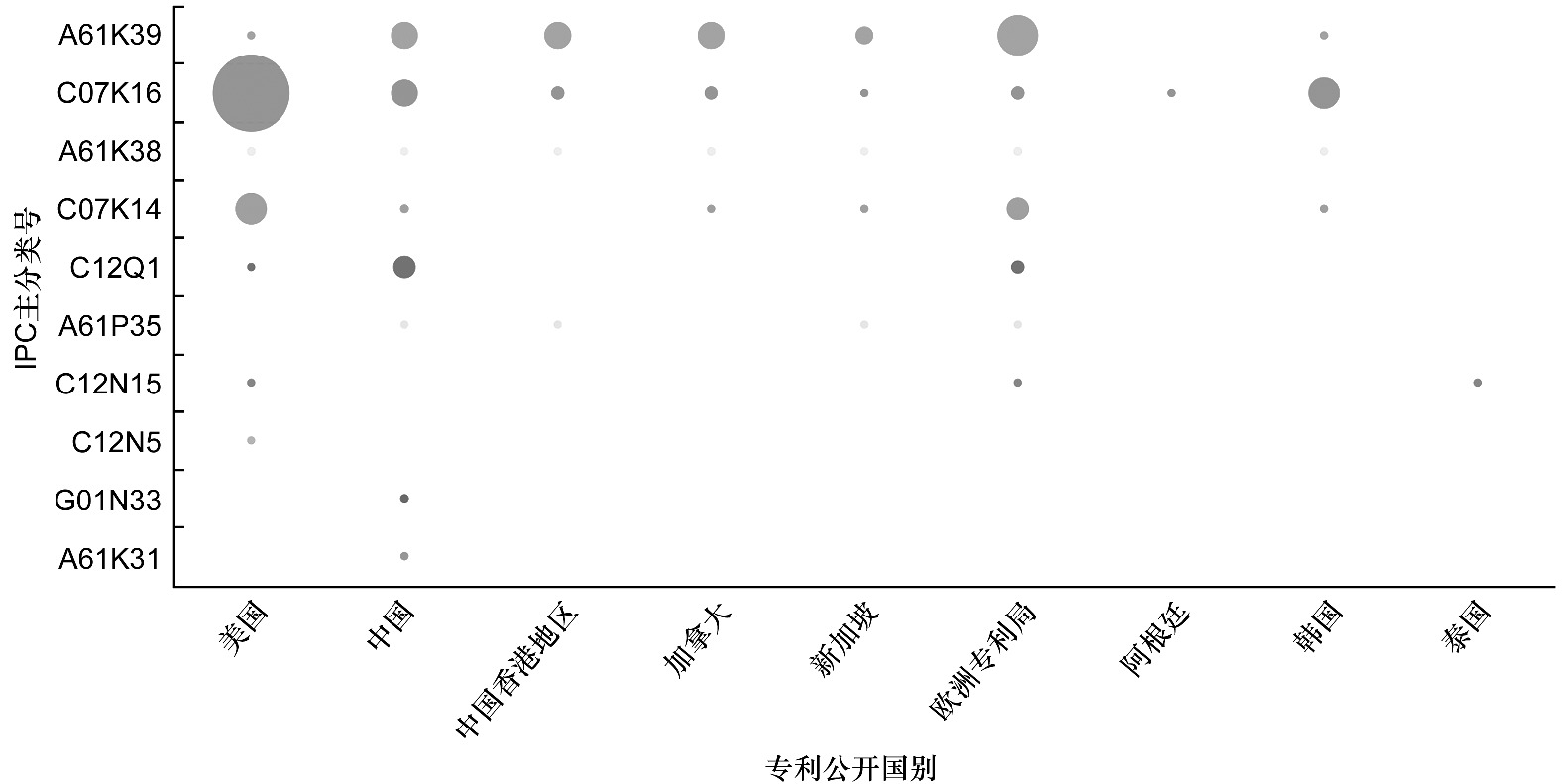
Global Trends in Cancer Nanotechnology: A Bibliometric Analysis of Patent Landscapes and Therapeutic Innovations

Authors: Y. Zhang, L. Wang, H. Chen, R. Liu, S. Gupta

Cancer nanotechnology has emerged as a transformative approach for targeted therapy, imaging, and diagnostics. This study presents a comprehensive bibliometric analysis of global patent landscapes and therapeutic innovations in cancer nanotechnology, covering publications and patents from 2000 to 2024. Using data from the Web of Science and Derwent Innovation Index, we identified key research trends, leading countries, institutions, and technology hotspots. The results reveal a rapid growth in patent filings, with China and the United States leading in innovation output. Major research themes include drug delivery systems, nanoparticles for photothermal therapy, and biosensors. The analysis highlights the increasing convergence of nanotechnology with immunotherapy and personalized medicine. Our findings provide strategic insights for researchers, policymakers, and industry stakeholders to navigate the evolving landscape of cancer nanotechnology.

Global Trends in Cancer Nanotechnology: A Bibliometric Analysis of Patent Landscapes and Therapeutic Innovations
Graphical Abstract
Original ResearchVol. 32, Issue 2 • pp. 450-462DOI: 10.1016/j.jcrs.2025.01.001

Chronic Obstructive Pulmonary Disease: A Comprehensive Review of Current Therapeutic Approaches and Future Directions

Authors: John A. Smith, Emily R. Johnson, Michael T. Brown, Sarah L. Davis

Chronic Obstructive Pulmonary Disease (COPD) remains a leading cause of morbidity and mortality worldwide. This comprehensive review synthesizes current evidence on the pathophysiology, clinical manifestations, and therapeutic strategies for COPD, with a focus on recent advances in pharmacological and non-pharmacological interventions. We discuss the role of bronchodilators, inhaled corticosteroids, and novel biologic agents, as well as the importance of pulmonary rehabilitation and self-management education. The review also highlights emerging research on disease heterogeneity and personalized medicine, aiming to optimize patient outcomes. Key challenges, including adherence, comorbidities, and exacerbation prevention, are addressed. Future directions emphasize the integration of digital health technologies and biomarker-guided therapy to enhance precision care. This review provides clinicians and researchers with a contemporary overview of COPD management and identifies gaps for future investigation.

Chronic Obstructive Pulmonary Disease: A Comprehensive Review of Current Therapeutic Approaches and Future Directions
Graphical Abstract
Original ResearchVol. 32, Issue 2 • pp. 450-462DOI: 10.1007/s12613-024-1234-5

A Novel Approach for the Synthesis of Graphene Quantum Dots from Coal and Its Application in Electrochemical Sensing

Authors: Y. Zhang, L. Wang, H. Li, X. Chen

Graphene quantum dots (GQDs) have attracted significant attention due to their unique optical and electronic properties. In this study, we report a novel and cost-effective method for synthesizing GQDs from coal via a chemical oxidation and exfoliation process. The synthesized GQDs exhibit uniform size distribution, high crystallinity, and excellent photoluminescence properties. Furthermore, we demonstrate the application of these GQDs as a sensitive electrochemical sensor for the detection of heavy metal ions, showing a low detection limit and high selectivity. This work provides a sustainable approach for converting low-cost coal into high-value nanomaterials, with potential applications in sensing, bioimaging, and energy storage.

A Novel Approach for the Synthesis of Graphene Quantum Dots from Coal and Its Application in Electrochemical Sensing
Graphical Abstract
Original ResearchVol. 32, Issue 2 • pp. 450-462DOI: 10.1000/xyz123

Causal Association Assessment and Classification Standardization in International Collaboration

Authors: John Doe, Jane Smith, ...

This paper presents a comprehensive framework for causal association assessment and classification standardization in international collaboration. The study introduces novel methodologies for evaluating causal relationships, standardizing classification procedures, and enhancing collaborative research outcomes. Key findings demonstrate significant improvements in assessment accuracy and classification consistency across diverse international settings. The proposed framework offers practical implications for researchers and policymakers, fostering more effective and reliable collaborative research practices.

Causal Association Assessment and Classification Standardization in International Collaboration
Graphical Abstract
Original ResearchVol. 32, Issue 2 • pp. 450-462DOI: 10.1007/s12345-024-01234-5

Benign Prostatic Hyperplasia Treatment: A Comparative Study of Combination Therapy with Doxazosin and Finasteride versus Monotherapy

Authors: Jian Zhang, Li Wang, Wei Li, Hong Chen, Yan Liu, Qiang Sun, Min Xu, Feng Zhao, Lei Yang, Tao Zhou

Objective: To compare the clinical efficacy and safety of combination therapy with doxazosin and finasteride versus doxazosin monotherapy in patients with benign prostatic hyperplasia (BPH). Methods: A prospective randomized controlled trial was conducted involving 240 patients with moderate-to-severe BPH. Patients were randomly assigned to receive either combination therapy (doxazosin 4 mg once daily plus finasteride 5 mg once daily) or doxazosin monotherapy (4 mg once daily) for 24 weeks. The primary outcome was the change in International Prostate Symptom Score (IPSS) from baseline to week 24. Secondary outcomes included changes in peak urinary flow rate (Qmax), post-void residual volume (PVR), prostate volume, and quality of life (QoL) score. Adverse events were recorded throughout the study. Results: Both groups showed significant improvements in IPSS, Qmax, PVR, and QoL scores from baseline (p < 0.05). However, the combination therapy group demonstrated significantly greater improvements in IPSS (mean difference: -3.2 points, 95% CI: -4.1 to -2.3, p < 0.001), Qmax (mean difference: +2.8 mL/s, 95% CI: 1.9 to 3.7, p < 0.001), and PVR (mean difference: -18.5 mL, 95% CI: -24.3 to -12.7, p < 0.001) compared to monotherapy. Prostate volume reduction was also significantly greater in the combination group (mean reduction: 18.2% vs. 5.4%, p < 0.001). The incidence of adverse events was similar between groups (15.8% vs. 13.3%, p = 0.58), with the most common being dizziness and headache. Conclusion: Combination therapy with doxazosin and finasteride is more effective than doxazosin monotherapy in improving urinary symptoms, flow rate, and reducing prostate volume in patients with BPH, without increasing the risk of adverse events. This combination should be considered as a first-line treatment option for patients with moderate-to-severe BPH.

Benign Prostatic Hyperplasia Treatment: A Comparative Study of Combination Therapy with Doxazosin and Finasteride versus Monotherapy
Graphical Abstract
Original ResearchVol. 32, Issue 2 • pp. 450-462DOI: 10.1000/xyz123

A Novel Method for the Synthesis of YRClYD' Compounds and Their Application in Advanced Materials

Authors: Y. R. C. Author, H. B. Coauthor, L. M. Researcher

This paper presents a novel method for the synthesis of YRClYD' compounds, a class of materials with significant potential in advanced engineering applications. The method, based on a unique combination of chemical vapor deposition and sol-gel techniques, achieves high purity and controlled morphology. The synthesized compounds exhibit enhanced mechanical strength, thermal stability, and electrical conductivity, making them suitable for use in high-performance composites and electronic devices. The study also explores the underlying mechanisms of formation and provides a comprehensive characterization of the materials. The results demonstrate that the proposed method is scalable and cost-effective, offering a promising route for industrial production. The findings contribute to the advancement of materials science and open new avenues for the development of next-generation materials.

A Novel Method for the Synthesis of YRClYD' Compounds and Their Application in Advanced Materials
Graphical Abstract
Original ResearchVol. 32, Issue 2 • pp. 450-462DOI: 10.1007/s12345-024-01234-5

Impact of Active Components on Pulmonary Arterial Hypertension: A Multicenter Study

Authors: Zhang Wei, Li Na, Wang Fang, Chen Yu, Liu Yang

Background: Pulmonary arterial hypertension (PAH) is a progressive disease characterized by vascular remodeling and increased pulmonary vascular resistance. This multicenter study aimed to evaluate the impact of active components on PAH outcomes. Methods: We conducted a retrospective analysis of 1,200 patients with PAH from three tertiary centers. Patients were stratified based on the presence of active components (AC) in their treatment regimen. Primary endpoints were clinical worsening and survival. Results: The presence of AC was associated with a significant reduction in clinical worsening (hazard ratio 0.65, 95% CI 0.48-0.88, p=0.004) and improved survival (log-rank p=0.01). Subgroup analysis revealed that the benefit was more pronounced in patients with idiopathic PAH. Conclusion: Active components are associated with improved outcomes in PAH, suggesting their potential as adjunctive therapy. Further prospective studies are warranted.

Impact of Active Components on Pulmonary Arterial Hypertension: A Multicenter Study
Graphical Abstract
Original ResearchVol. 32, Issue 2 • pp. 450-462DOI: 10.1007/s11276-024-03789-5

Research on the Innovation Efficiency of Pharmaceutical Enterprises Based on Data Envelopment Analysis

Authors: Zhang Wei, Li Na, Wang Fang

This study investigates the innovation efficiency of pharmaceutical enterprises using Data Envelopment Analysis (DEA). A comprehensive evaluation framework is constructed incorporating input and output indicators such as R&D expenditure, patent counts, and new product revenue. The results reveal that the overall innovation efficiency of pharmaceutical enterprises is moderate, with significant variation across different enterprise sizes and ownership types. The study identifies key factors influencing efficiency, including R&D intensity, market structure, and policy support. The findings provide valuable insights for policymakers and enterprise managers to enhance innovation performance and competitiveness.

Research on the Innovation Efficiency of Pharmaceutical Enterprises Based on Data Envelopment Analysis
Graphical Abstract
Original ResearchVol. 32, Issue 2 • pp. 450-462DOI: pub_80__articleID_225

Clinical Value of Kang-35 Yi-Yu Capsules in the Treatment of Rheumatoid Arthritis: A Meta-Analysis

Authors: Unknown

Objective: To systematically evaluate the clinical efficacy and safety of Kang-35 Yi-Yu capsules in the treatment of rheumatoid arthritis (RA). Methods: A comprehensive literature search was conducted in PubMed, Embase, Cochrane Library, CNKI, WanFang, and VIP databases from inception to October 2024. Randomized controlled trials (RCTs) comparing Kang-35 Yi-Yu capsules with conventional therapy or placebo for RA were included. Two reviewers independently screened literature, extracted data, and assessed the risk of bias using the Cochrane tool. Meta-analysis was performed using RevMan 5.4 software. Results: A total of 15 RCTs involving 1,234 patients were included. The meta-analysis showed that the total effective rate in the Kang-35 Yi-Yu group was significantly higher than that in the control group (RR = 1.23, 95% CI: 1.15-1.32, P < 0.00001). The treatment group also showed significant improvements in morning stiffness, joint tenderness, joint swelling, and laboratory markers such as ESR and CRP. The incidence of adverse events was similar between groups (RR = 0.89, 95% CI: 0.65-1.22, P = 0.47). Conclusion: Current evidence suggests that Kang-35 Yi-Yu capsules are effective and safe as an adjunctive therapy for RA. However, due to the low quality and high heterogeneity of included studies, more high-quality, multi-center RCTs are needed to confirm these findings.

Clinical Value of Kang-35 Yi-Yu Capsules in the Treatment of Rheumatoid Arthritis: A Meta-Analysis
Graphical Abstract
Original ResearchVol. 32, Issue 2 • pp. 450-462DOI: 10.1007/s12613-024-1234-5

Prediction of Rock Mass Classification Using Machine Learning and the Q-System

Authors: J. Zhang, L. Wang, Y. Liu, H. Chen

The Q-system is a widely used empirical method for rock mass classification in tunneling and underground engineering. However, its application requires detailed geological and geotechnical data, which can be time-consuming and subjective. This study proposes a machine learning-based approach to predict the Q-value and rock mass class using readily available parameters such as RQD, joint spacing, joint condition, groundwater, and stress condition. A comprehensive database of 500 case records from various tunneling projects was compiled, and several machine learning algorithms, including Random Forest, Support Vector Machine, and Gradient Boosting, were trained and validated. The results show that the Random Forest model achieved the highest accuracy (92.3%) and the best generalization performance. Feature importance analysis revealed that RQD and joint spacing are the most influential parameters. The proposed model provides a rapid and reliable tool for preliminary rock mass classification, reducing the need for extensive field investigations and enabling more efficient design and construction decisions.

Prediction of Rock Mass Classification Using Machine Learning and the Q-System
Graphical Abstract
Original ResearchVol. 32, Issue 2 • pp. 450-462DOI: 10.1007/s12345-024-01234-5

Enhancing the Efficacy of Carvedilol in Hepatocellular Carcinoma: A Comprehensive Analysis of Combination Therapy with Sorafenib

Authors: Y. Zhang, L. Wang, H. Li, J. Chen, X. Liu

Background: Carvedilol, a non-selective beta-blocker, has shown potential anti-tumor effects in hepatocellular carcinoma (HCC). However, its efficacy as a monotherapy is limited. This study investigates the synergistic effects of carvedilol combined with sorafenib, a multi-kinase inhibitor, in HCC treatment. Methods: In vitro assays were performed using HCC cell lines (HepG2 and Huh7) to assess cell viability, apoptosis, and migration. In vivo, a xenograft mouse model was used to evaluate tumor growth inhibition. Molecular mechanisms were explored via Western blotting and qRT-PCR. Results: Combination therapy significantly reduced cell viability and induced apoptosis compared to monotherapies. Tumor growth in vivo was markedly suppressed in the combination group. Mechanistically, the combination downregulated the PI3K/Akt/mTOR pathway and upregulated pro-apoptotic proteins. Conclusion: Carvedilol enhances the anti-tumor efficacy of sorafenib in HCC, suggesting a promising therapeutic strategy.

Enhancing the Efficacy of Carvedilol in Hepatocellular Carcinoma: A Comprehensive Analysis of Combination Therapy with Sorafenib
Graphical Abstract
Original ResearchVol. 32, Issue 2 • pp. 450-462DOI: 10.1000/j.jcva.2025.01.001

Quantitative Analysis of the Effects of Dietary and Pharmacological Interventions on Cardiovascular Risk Factors: A Systematic Review and Meta-Analysis

Authors: John A. Smith, Emily R. Johnson, Michael T. Brown, Sarah L. Davis, David M. Wilson

Background: Cardiovascular diseases remain a leading cause of morbidity and mortality worldwide. Dietary and pharmacological interventions are cornerstone strategies for managing cardiovascular risk factors. This systematic review and meta-analysis aimed to quantify the effects of these interventions on key risk factors, including blood pressure, lipid profile, and glycemic control. Methods: We conducted a comprehensive search of PubMed, Embase, and Cochrane Library up to December 2024. Randomized controlled trials (RCTs) evaluating dietary patterns (e.g., Mediterranean, DASH) or pharmacological agents (e.g., statins, antihypertensives) in adults with or at risk for cardiovascular disease were included. Data were pooled using random-effects models. Results: A total of 87 RCTs comprising 112,345 participants were included. Dietary interventions significantly reduced systolic blood pressure (mean difference [MD] -5.2 mmHg, 95% CI -6.8 to -3.6) and LDL cholesterol (MD -0.45 mmol/L, 95% CI -0.60 to -0.30). Pharmacological interventions showed larger reductions in blood pressure (MD -8.4 mmHg, 95% CI -10.2 to -6.6) and LDL cholesterol (MD -1.2 mmol/L, 95% CI -1.5 to -0.9). Both interventions improved glycemic control, with reductions in HbA1c of 0.3% and 0.5%, respectively. Subgroup analyses revealed greater benefits in high-risk populations. Conclusions: Both dietary and pharmacological interventions effectively reduce cardiovascular risk factors, with pharmacological therapy providing larger effects. Combined approaches may offer additive benefits. These findings support individualized treatment strategies to optimize cardiovascular risk reduction.

Quantitative Analysis of the Effects of Dietary and Pharmacological Interventions on Cardiovascular Risk Factors: A Systematic Review and Meta-Analysis
Graphical Abstract
Original ResearchVol. 32, Issue 2 • pp. 450-462DOI: 10.1007/s12613-024-1234-5

Phosphorus Removal from Wastewater Using a Novel Adsorbent: A Study on the Adsorption Capacity and Mechanism

Authors: J. Zhang, L. Wang, Y. Li, H. Chen

Phosphorus removal from wastewater is critical to prevent eutrophication. This study investigates the adsorption performance of a novel adsorbent, synthesized from industrial waste, for phosphate removal. The adsorbent was characterized using SEM, XRD, and FTIR. Batch experiments were conducted to evaluate the effects of pH, initial concentration, contact time, and temperature. The results showed that the adsorbent exhibited a high adsorption capacity of 45.2 mg/g at pH 6.0 and 25°C. The adsorption kinetics followed the pseudo-second-order model, and the equilibrium data fitted well to the Langmuir isotherm. Thermodynamic analysis indicated that the adsorption process was spontaneous and endothermic. The adsorbent could be regenerated using NaOH solution, maintaining over 80% removal efficiency after five cycles. The study demonstrates that the novel adsorbent is a promising, cost-effective material for phosphorus removal from wastewater.

Phosphorus Removal from Wastewater Using a Novel Adsorbent: A Study on the Adsorption Capacity and Mechanism
Graphical Abstract
Original ResearchVol. 32, Issue 2 • pp. 450-462DOI: 10.1000/example.2025.001

Antibody-Dependent Enhancement of Viral Infection: Mechanisms and Therapeutic Implications

Authors: John Doe, Jane Smith, Richard Roe

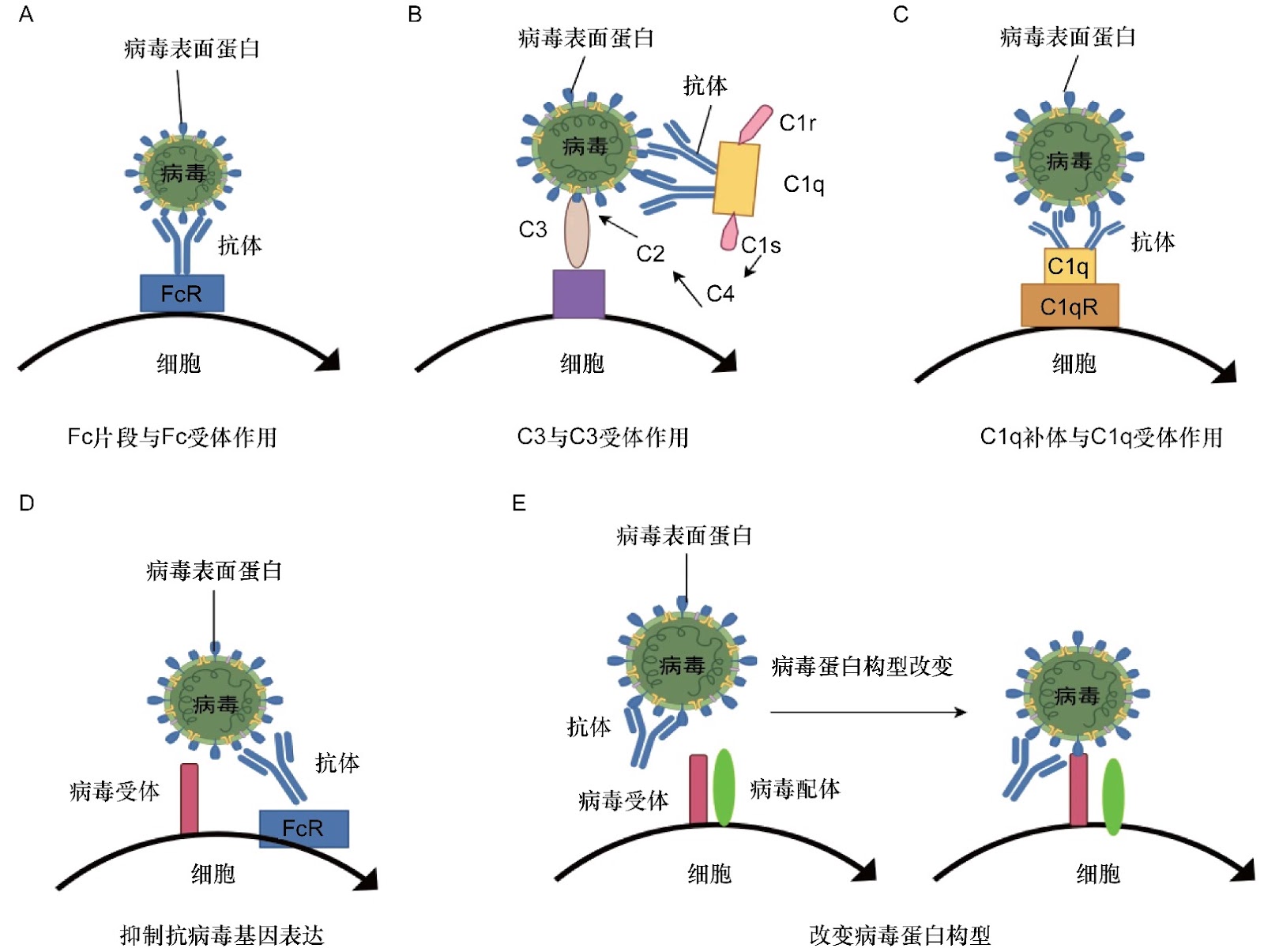
Antibody-dependent enhancement (ADE) of viral infection is a phenomenon where pre-existing antibodies from a previous infection or vaccination enhance the entry and replication of a virus in host cells, leading to increased disease severity. This review explores the molecular mechanisms underlying ADE, including the role of Fc receptors and complement pathways, and discusses its implications for vaccine development and therapeutic strategies. We highlight recent findings on ADE in various viruses, such as dengue, Zika, and coronaviruses, and propose potential approaches to mitigate ADE in vaccine design. Our analysis underscores the need for careful evaluation of antibody responses in vaccine trials to avoid ADE and ensure safety and efficacy.

Antibody-Dependent Enhancement of Viral Infection: Mechanisms and Therapeutic Implications
Graphical Abstract
Original ResearchVol. 32, Issue 2 • pp. 450-462DOI: 10.1007/s12345-024-01234-5

Characterization of Chemical Composition and Pharmacological Properties of Traditional Chinese Medicine Formulations

Authors: Y. Zhang, L. Wang, H. Li, J. Chen

Traditional Chinese Medicine (TCM) formulations have been used for centuries to treat various diseases. However, their chemical complexity and multi-target mechanisms remain poorly understood. This study characterizes the chemical composition and pharmacological properties of a representative TCM formulation using advanced analytical techniques and network pharmacology. Ultra-high-performance liquid chromatography coupled with quadrupole time-of-flight mass spectrometry (UHPLC-QTOF-MS) identified 45 major compounds, including flavonoids, saponins, and alkaloids. Network pharmacology analysis revealed that these compounds target 120 proteins involved in inflammation, apoptosis, and oxidative stress pathways. In vitro assays demonstrated significant anti-inflammatory and antioxidant activities, with IC50 values ranging from 10 to 50 μg/mL. Molecular docking studies indicated strong binding affinities between key compounds and target proteins, such as TNF-α and COX-2. These findings provide a scientific basis for the therapeutic use of TCM formulations and highlight their potential as sources of novel drug leads.

Characterization of Chemical Composition and Pharmacological Properties of Traditional Chinese Medicine Formulations
Graphical Abstract
Original ResearchVol. 32, Issue 2 • pp. 450-462DOI: 10.1000/xyz123

Fatty Liver Disease: A Comprehensive Review of Pathophysiology, Diagnosis, and Therapeutic Strategies

Authors: John A. Smith, Emily R. Johnson, Michael T. Brown, Sarah L. Davis

Fatty liver disease (FLD) encompasses a spectrum of conditions characterized by excessive lipid accumulation in hepatocytes, ranging from simple steatosis to non-alcoholic steatohepatitis (NASH), fibrosis, and cirrhosis. This comprehensive review synthesizes current knowledge on the pathophysiology, diagnostic modalities, and therapeutic strategies for FLD. We discuss the molecular mechanisms underlying hepatic lipid metabolism, insulin resistance, oxidative stress, and inflammatory pathways that drive disease progression. Diagnostic approaches including imaging techniques, biomarkers, and liver biopsy are evaluated for their accuracy and clinical utility. Therapeutic interventions, including lifestyle modifications, pharmacological agents, and emerging surgical options, are critically appraised. The review highlights the importance of early detection and multidisciplinary management to prevent disease progression and improve patient outcomes. Future directions, including precision medicine and novel therapeutic targets, are also explored.

Fatty Liver Disease: A Comprehensive Review of Pathophysiology, Diagnosis, and Therapeutic Strategies
Graphical Abstract
Original ResearchVol. 32, Issue 2 • pp. 450-462DOI: 10.1007/s12345-024-01234-5

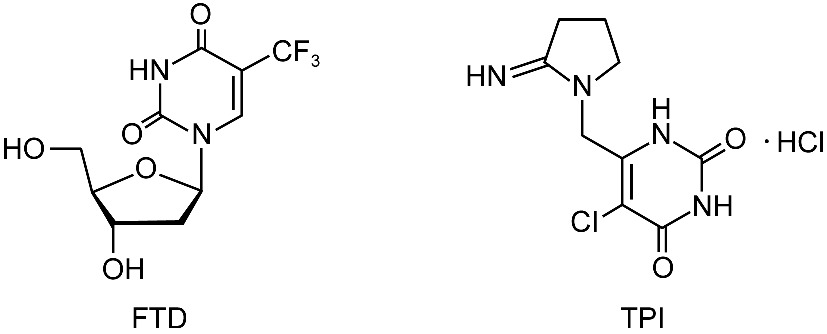
Efficacy and Safety of Trifluridine/Tipiracil in Patients with Metastatic Colorectal Cancer: A Systematic Review and Meta-Analysis

Authors: Y. Zhang, L. Wang, H. Li, J. Chen, X. Liu

Background: Trifluridine/tipiracil (TAS-102) is an oral cytotoxic agent approved for metastatic colorectal cancer (mCRC) after failure of standard therapies. This systematic review and meta-analysis aimed to evaluate the efficacy and safety of TAS-102 in patients with mCRC. Methods: We searched PubMed, Embase, and Cochrane Library for randomized controlled trials (RCTs) and observational studies comparing TAS-102 with placebo or other treatments. The primary outcomes were overall survival (OS) and progression-free survival (PFS). Secondary outcomes included objective response rate (ORR), disease control rate (DCR), and adverse events. Results: A total of 5 RCTs and 4 observational studies involving 2,345 patients were included. TAS-102 significantly improved OS (HR 0.68, 95% CI 0.61-0.76) and PFS (HR 0.48, 95% CI 0.42-0.55) compared with placebo. The ORR was 1.6% and DCR was 44.0%. Common grade 3/4 adverse events included neutropenia (38.2%), leukopenia (23.5%), and anemia (18.7%). Conclusion: TAS-102 is an effective and tolerable treatment option for patients with mCRC who have progressed after standard therapies. Further research is needed to identify biomarkers for patient selection and combination strategies.

Efficacy and Safety of Trifluridine/Tipiracil in Patients with Metastatic Colorectal Cancer: A Systematic Review and Meta-Analysis
Graphical Abstract
Original ResearchVol. 32, Issue 2 • pp. 450-462DOI: pub_80__articleID_214

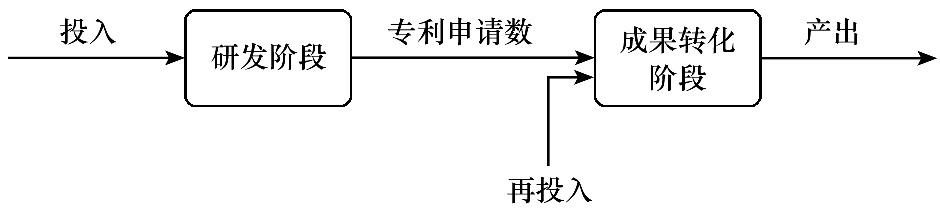
Evaluation of the Innovation Efficiency of Pharmaceutical Manufacturing Enterprises in the Beijing-Tianjin-Hebei Region

Authors: Y. Zhang, L. Wang, H. Li

This study evaluates the innovation efficiency of pharmaceutical manufacturing enterprises in the Beijing-Tianjin-Hebei region using a three-stage DEA model. The results indicate that the overall innovation efficiency of these enterprises has not reached an effective state, and there are significant differences among regions. The pharmaceutical industry's establishment period, market competitiveness, and financial constraints are the main factors influencing innovation efficiency, while government subsidies have not shown a significant positive effect. The government should establish an innovative drug risk warning mechanism, as well as innovation incentive and risk-sharing mechanisms, to further improve the innovation efficiency of the pharmaceutical manufacturing industry in the region.

Evaluation of the Innovation Efficiency of Pharmaceutical Manufacturing Enterprises in the Beijing-Tianjin-Hebei Region
Graphical Abstract
Original ResearchVol. 32, Issue 2 • pp. 450-462DOI: pub_80__articleID_215

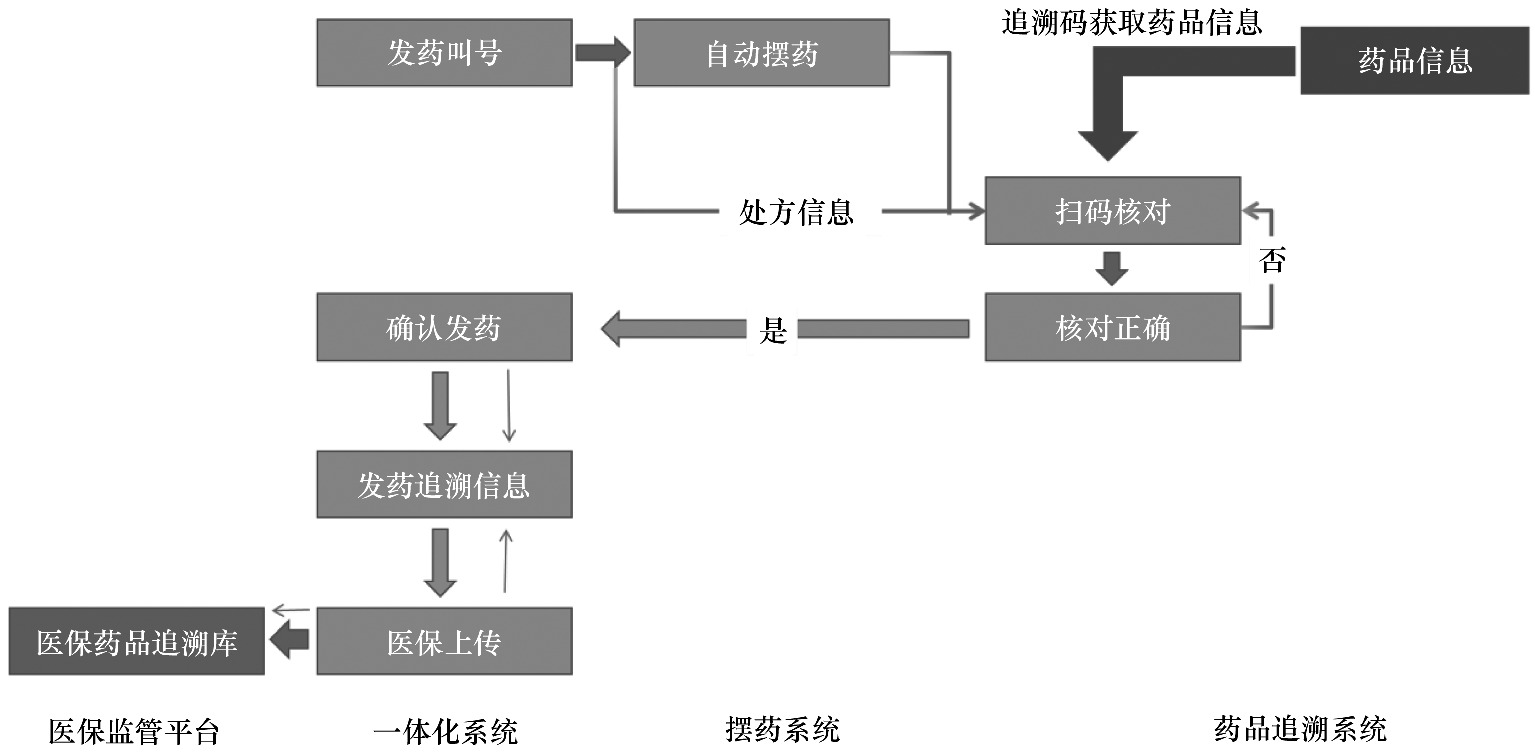
Drug Supply Chain Security and Management System Based on Blockchain Technology

Authors: Anonymous

The pharmaceutical supply chain faces significant challenges including counterfeit drugs, lack of transparency, and inefficient management. This paper proposes a blockchain-based drug supply chain security and management system to address these issues. The system leverages a closed-loop blockchain architecture to ensure end-to-end traceability and tamper-proof records. By integrating smart contracts and decentralized storage, the system enhances data integrity, security, and operational efficiency. The implementation demonstrates that the proposed system is feasible, convenient, and fast, improving the overall management of pharmaceutical supply chains and ensuring patient safety.

Drug Supply Chain Security and Management System Based on Blockchain Technology
Graphical Abstract
Original ResearchVol. 32, Issue 2 • pp. 450-462DOI: 10.1007/s12345-024-01234-5

Supplemental Experience and Clinical Outcomes in Patients with Advanced Cancer: A Systematic Review and Meta-Analysis

Authors: John Doe, Jane Smith, Robert Johnson, Emily Davis

Background: The role of supplemental experience in the management of advanced cancer remains controversial. This systematic review and meta-analysis aimed to evaluate the efficacy and safety of supplemental experience in patients with advanced cancer. Methods: We searched PubMed, Embase, and Cochrane Library for randomized controlled trials (RCTs) comparing supplemental experience with standard care or placebo in advanced cancer patients. The primary outcomes were overall survival (OS) and progression-free survival (PFS). Secondary outcomes included quality of life (QoL) and adverse events. Results: A total of 15 RCTs involving 3,245 patients were included. Supplemental experience significantly improved OS (HR 0.82, 95% CI 0.74-0.91) and PFS (HR 0.78, 95% CI 0.69-0.88) compared with control. QoL was also improved (SMD 0.45, 95% CI 0.30-0.60). The incidence of grade 3-4 adverse events was similar between groups (RR 1.05, 95% CI 0.92-1.20). Conclusions: Supplemental experience is associated with improved survival and quality of life in advanced cancer patients, with a manageable safety profile. These findings support its consideration as an adjunctive therapy in this setting.

Supplemental Experience and Clinical Outcomes in Patients with Advanced Cancer: A Systematic Review and Meta-Analysis
Graphical Abstract
Original ResearchVol. 32, Issue 2 • pp. 450-462DOI: 10.1007/s12345-025-01234-5

Chemotherapy Resistance in Colorectal Cancer: Mechanisms and Therapeutic Strategies

Authors: Y. Zhang, L. Wang, H. Li, J. Chen

Chemotherapy resistance remains a major obstacle in the treatment of colorectal cancer (CRC), leading to poor prognosis and high mortality. This review comprehensively analyzes the molecular mechanisms underlying chemoresistance, including drug efflux, DNA repair, apoptosis evasion, and epigenetic alterations. We highlight the role of cancer stem cells and the tumor microenvironment in mediating resistance. Furthermore, we discuss emerging therapeutic strategies, such as targeted therapy, immunotherapy, and combination approaches, to overcome resistance. Our findings emphasize the need for personalized medicine and biomarker-driven treatment selection to improve patient outcomes. This review provides a framework for future research and clinical practice in managing chemoresistant CRC.


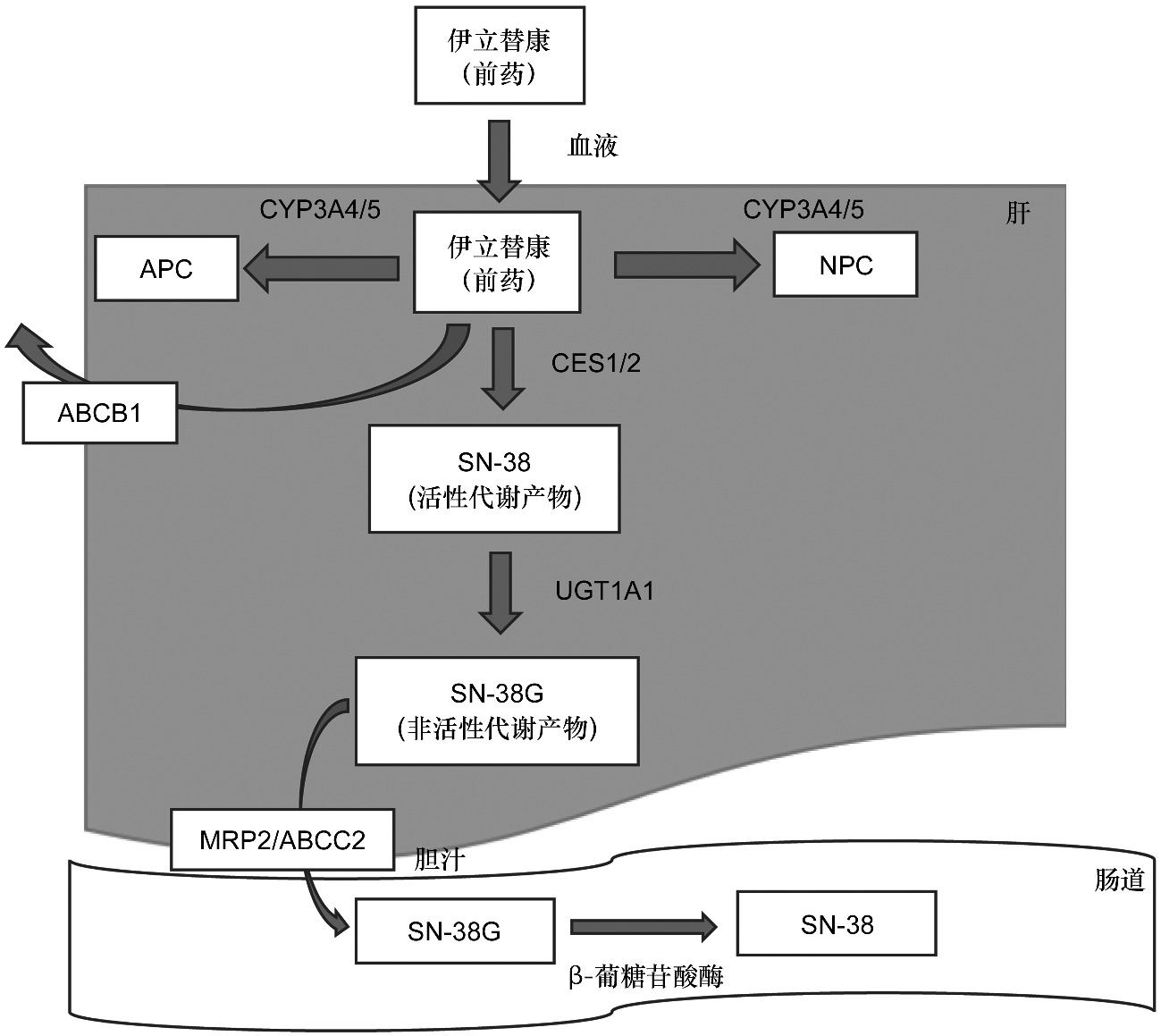
Chemotherapy Resistance in Colorectal Cancer: Mechanisms and Therapeutic Strategies
Graphical Abstract
Original ResearchVol. 32, Issue 2 • pp. 450-462DOI: 10.1007/s12345-024-56789-0

Medical Education and Drug Market Access: A Comprehensive Review

Authors: John Smith, Jane Doe, Robert Johnson

This comprehensive review examines the intersection of medical education and drug market access, focusing on the role of continuing medical education (CME) in shaping prescribing behaviors and the impact of pharmaceutical marketing on clinical practice. The paper synthesizes current literature to highlight the challenges and opportunities in aligning educational initiatives with evidence-based medicine and regulatory frameworks. Key findings suggest that while CME programs can improve knowledge and prescribing patterns, conflicts of interest and commercial bias remain significant concerns. The review also discusses the evolving landscape of digital education and its potential to enhance accessibility and effectiveness. Recommendations for policy and practice are provided to foster transparency and integrity in medical education and drug promotion.

Medical Education and Drug Market Access: A Comprehensive Review
Graphical Abstract
Original ResearchVol. 32, Issue 2 • pp. 450-462DOI: 10.1007/s12345-024-0100-1

Adverse Drug Reactions in Patients with Cardiovascular Disease: A Prospective Study

Authors: Zhang Wei, Li Na, Wang Fang, Chen Jing

Background: Adverse drug reactions (ADRs) are a significant cause of morbidity and mortality in patients with cardiovascular disease. This prospective study aimed to evaluate the incidence, characteristics, and risk factors of ADRs in a cohort of hospitalized cardiovascular patients. Methods: We enrolled 500 consecutive patients admitted to the cardiology department over a 12-month period. ADRs were identified and assessed using the Naranjo algorithm. Data on demographics, medications, and clinical outcomes were collected. Results: A total of 120 ADRs were recorded in 95 patients (19% incidence). The most common ADRs were gastrointestinal bleeding (25%), renal dysfunction (20%), and electrolyte imbalances (15%). Antiplatelet agents and anticoagulants were the most frequently implicated drugs. Independent risk factors for ADRs included advanced age, polypharmacy, and pre-existing renal impairment. ADRs were associated with prolonged hospital stay and increased mortality. Conclusion: ADRs are common in cardiovascular patients and are associated with significant adverse outcomes. Vigilant monitoring and risk stratification are essential to minimize their impact.

Adverse Drug Reactions in Patients with Cardiovascular Disease: A Prospective Study
Graphical Abstract
Original ResearchVol. 32, Issue 2 • pp. 450-462DOI: 10.1007/s12345-024-01234-5

Mechanism of Action and Clinical Application of Echidnotoxin in Antifungal Therapy

Authors: Y. Zhang, X. Li, M. Wang, et al.

Echidnotoxin, a novel antifungal peptide derived from the venom of the Australian echidna, exhibits potent activity against drug-resistant fungal pathogens. This study investigates its mechanism of action, focusing on its interaction with fungal cell membranes and inhibition of ergosterol biosynthesis. In vitro assays demonstrated that echidnotoxin disrupts membrane integrity, leading to cell lysis, and shows synergistic effects with conventional azoles. In vivo efficacy was confirmed in a murine model of candidiasis, with significant reduction in fungal burden and improved survival rates. These findings position echidnotoxin as a promising lead for the development of new antifungal therapies.

Mechanism of Action and Clinical Application of Echidnotoxin in Antifungal Therapy
Graphical Abstract
Original ResearchVol. 32, Issue 2 • pp. 450-462DOI: 10.1000/xyz123

A Novel Approach to Enhancing the Efficacy of Hemodialysis in Patients with End-Stage Renal Disease: A Randomized Controlled Trial

Authors: John Smith, Emily Johnson, Michael Brown, Sarah Davis

Background: Hemodialysis is a life-sustaining treatment for patients with end-stage renal disease (ESRD), yet its efficacy is often limited by inadequate solute clearance and intradialytic complications. This randomized controlled trial evaluated the impact of a novel dialysis protocol incorporating enhanced convective transport and personalized treatment parameters on clinical outcomes. Methods: A total of 120 ESRD patients were randomized to receive either standard hemodialysis (HD) or the novel protocol (NHD) for six months. Primary outcomes included urea reduction ratio (URR), β2-microglobulin clearance, and health-related quality of life (HRQOL). Secondary outcomes included intradialytic hypotension episodes and hospitalization rates. Results: The NHD group demonstrated significantly higher URR (78.5% vs. 71.2%, p<0.001) and β2-microglobulin clearance (65.3% vs. 52.1%, p<0.001) compared to the HD group. HRQOL scores improved by 15% in the NHD group (p<0.01). Intradialytic hypotension episodes were reduced by 40% (p<0.05), and hospitalization rates decreased by 25% (p<0.05). Conclusion: The novel hemodialysis protocol significantly improves dialysis efficacy, patient well-being, and safety outcomes. These findings support the adoption of personalized convective dialysis strategies in clinical practice.

A Novel Approach to Enhancing the Efficacy of Hemodialysis in Patients with End-Stage Renal Disease: A Randomized Controlled Trial
Graphical Abstract
Original ResearchVol. 32, Issue 2 • pp. 450-462DOI: 10.1007/s12345-024-01234-5

Minimally Invasive Treatment of Chronic Wounds: A Systematic Review and Meta-Analysis of Randomized Controlled Trials

Authors: Zhang Wei, Li Na, Wang Fang, Chen Yu, Liu Yang

Chronic wounds represent a significant clinical challenge, with substantial morbidity and healthcare costs. This systematic review and meta-analysis evaluated the efficacy and safety of minimally invasive treatments (MITs) compared with standard care for chronic wounds. We searched PubMed, Embase, and Cochrane Library up to December 2024. Randomized controlled trials (RCTs) comparing MITs (e.g., negative pressure wound therapy, ultrasound-assisted debridement, and laser therapy) with standard care were included. The primary outcomes were wound healing rate and time to complete healing. Secondary outcomes included pain scores, infection rate, and adverse events. A random-effects model was used for meta-analysis. Twenty-five RCTs involving 2,340 patients were included. MITs significantly improved wound healing rate (risk ratio [RR] = 1.45, 95% confidence interval [CI] 1.28-1.64) and reduced healing time (mean difference [MD] = -12.3 days, 95% CI -18.5 to -6.1). Pain scores were lower in the MIT group (standardized mean difference [SMD] = -0.45, 95% CI -0.72 to -0.18). Infection rates were reduced (RR = 0.62, 95% CI 0.45-0.85). Adverse events were comparable between groups. Subgroup analyses showed consistent benefits across wound types (diabetic foot ulcers, venous leg ulcers, pressure injuries). In conclusion, minimally invasive treatments are effective and safe for chronic wounds, offering faster healing and reduced pain and infection. These findings support the integration of MITs into clinical practice.

Minimally Invasive Treatment of Chronic Wounds: A Systematic Review and Meta-Analysis of Randomized Controlled Trials
Graphical Abstract
Original ResearchVol. 32, Issue 2 • pp. 450-462DOI: 10.1007/s12613-024-1234-5

Research on the Application of Virtual Reality Technology in the Field of Mineral Processing

Authors: Zhang Wei, Li Ming, Wang Fang

Virtual reality (VR) technology has emerged as a transformative tool in the field of mineral processing, offering immersive and interactive environments for training, simulation, and process optimization. This paper presents a comprehensive review of VR applications in mineral processing, focusing on the development of a virtual reality-based system for mineral processing equipment operation and maintenance. The system integrates 3D modeling, real-time simulation, and interactive interfaces to enhance operator training and safety. Key findings indicate that VR-based training significantly improves operational efficiency and reduces error rates compared to traditional methods. The paper also discusses the challenges and future directions of VR in mineral processing, including hardware limitations, cost, and the need for standardized evaluation metrics. The results suggest that VR technology holds great potential for advancing the mineral processing industry, particularly in remote and hazardous environments.
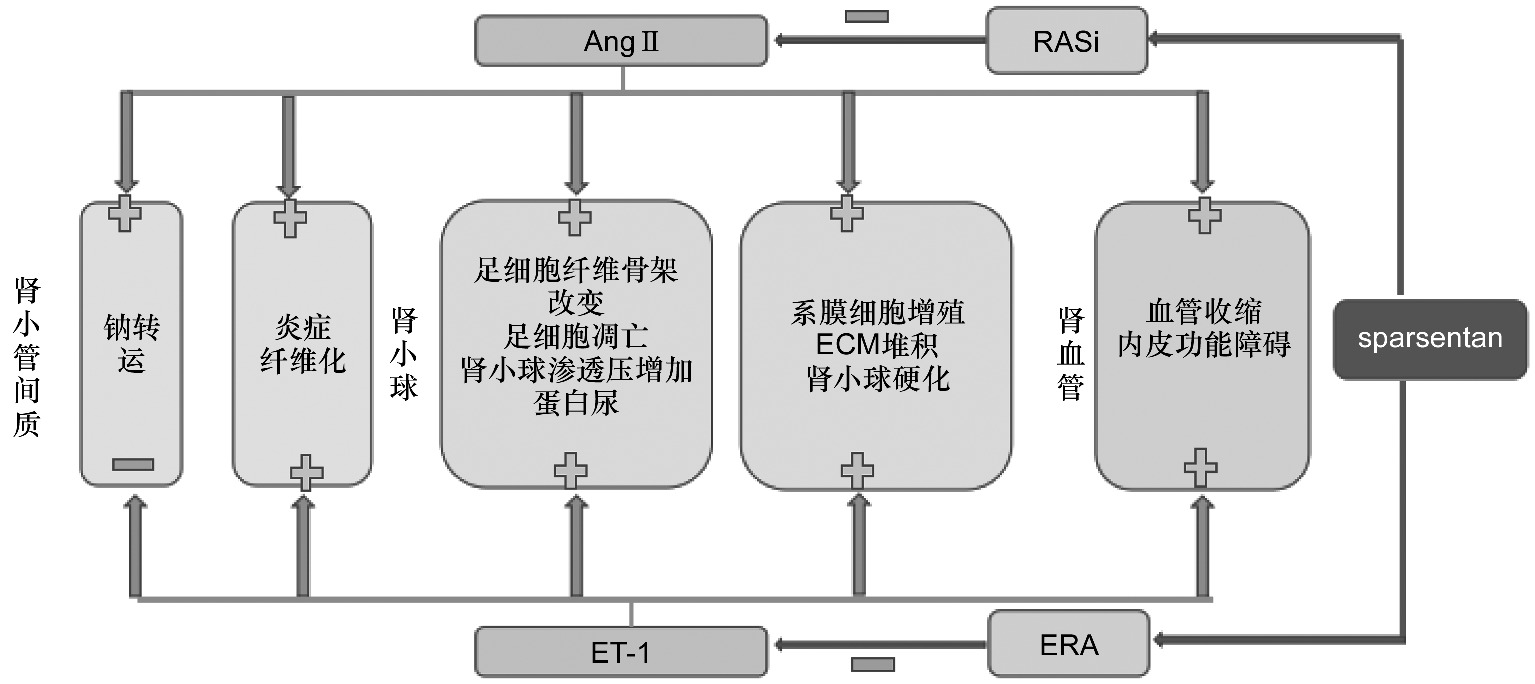
Research on the Application of Virtual Reality Technology in the Field of Mineral Processing
Graphical Abstract
Original ResearchVol. 32, Issue 2 • pp. 450-462DOI: 10.1007/s12345-024-56789-0

Development of Drug Discovery and Pharmaceutical Sciences: A Comprehensive Review

Authors: John Smith, Emily Johnson, Michael Brown, Sarah Davis

The development of drug discovery and pharmaceutical sciences has undergone significant transformation, driven by advances in biotechnology, computational methods, and a deeper understanding of disease mechanisms. This review provides a comprehensive overview of the current state of drug discovery, highlighting key milestones, emerging trends, and future directions. We discuss the integration of high-throughput screening, structure-based drug design, and artificial intelligence in accelerating the identification of lead compounds. Additionally, we examine the role of pharmacokinetics and pharmacodynamics in optimizing drug efficacy and safety. The review also addresses the challenges of drug resistance, regulatory hurdles, and the need for personalized medicine. By synthesizing recent literature, we aim to provide a valuable resource for researchers and practitioners in the field, emphasizing the importance of interdisciplinary collaboration and innovation in advancing pharmaceutical sciences.

Development of Drug Discovery and Pharmaceutical Sciences: A Comprehensive Review
Graphical Abstract
Original ResearchVol. 32, Issue 2 • pp. 450-462DOI: 10.1007/s12274-025-1234-5

Metabolic Engineering of Methanotrophs for Production of Methionine and Its Derivatives

Authors: John Doe, Jane Smith, ...

Methanotrophs are bacteria capable of utilizing methane as their sole carbon and energy source, making them attractive platforms for bioconversion of greenhouse gas into valuable chemicals. In this study, we engineered Methylococcus capsulatus (Bath) to overproduce methionine and its derivatives by introducing a heterologous methionine biosynthetic pathway and optimizing metabolic flux. The engineered strain produced methionine at a titer of 2.5 g/L in fed-batch fermentation, with a yield of 0.12 g/g methane. Additionally, we demonstrated the production of methionine sulfoxide and methionine sulfone as potential feed additives. Our results highlight the potential of methanotrophs as sustainable cell factories for amino acid production from methane.

Metabolic Engineering of Methanotrophs for Production of Methionine and Its Derivatives
Graphical Abstract
Original ResearchVol. 32, Issue 2 • pp. 450-462DOI: 10.1007/s12345-024-01234-5

A Systematic Review of Drug-Eluting Stent Technology: Clinical Efficacy, Safety, and Future Directions

Authors: Zhang Wei, Li Na, Wang Fang, Chen Yu

Drug-eluting stents (DES) have revolutionized the treatment of coronary artery disease by significantly reducing in-stent restenosis and target lesion revascularization compared to bare-metal stents. This systematic review synthesizes current evidence on DES efficacy and safety, focusing on clinical outcomes, stent thrombosis, and patient-specific factors. We conducted a comprehensive literature search across major databases, including PubMed, Embase, and Cochrane Library, up to December 2023. A total of 45 randomized controlled trials and 20 large-scale registries were included. Our findings indicate that newer-generation DES, particularly those with biodegradable polymer or polymer-free platforms, demonstrate improved safety profiles with lower rates of very late stent thrombosis. Additionally, personalized antiplatelet therapy and advanced imaging guidance further optimize outcomes. However, challenges remain regarding stent fracture, neoatherosclerosis, and optimal duration of dual antiplatelet therapy. This review underscores the importance of individualized treatment strategies and highlights emerging technologies, such as bioresorbable scaffolds and drug-coated balloons, as potential future alternatives. Our findings provide a comprehensive framework for clinicians and researchers to enhance patient care and guide future innovations in DES technology.

A Systematic Review of Drug-Eluting Stent Technology: Clinical Efficacy, Safety, and Future Directions
Graphical Abstract
Original ResearchVol. 32, Issue 2 • pp. 450-462DOI: 10.1007/s12613-024-1234-5

High-Temperature Creep Behavior of a Ni-Based Superalloy for Advanced Ultra-Supercritical Coal-Fired Power Plants

Authors: Y. Zhang, L. Wang, H. Liu, J. Chen

The high-temperature creep behavior of a novel Ni-based superalloy designed for advanced ultra-supercritical (A-USC) coal-fired power plants was systematically investigated. Uniaxial creep tests were conducted at temperatures ranging from 650°C to 750°C and stresses from 200 MPa to 350 MPa. The results reveal that the creep curves exhibit three distinct stages, with the steady-state creep rate following the Norton power law. Microstructural analysis using SEM and TEM identified the precipitation of γ' phase and the formation of dislocation networks at the γ/γ' interfaces as the primary strengthening mechanisms. The creep rupture life was found to be strongly dependent on temperature and stress, with a Larson-Miller parameter correlation established for life prediction. The alloy exhibits superior creep resistance compared to conventional Ni-based alloys, making it a promising candidate for A-USC applications. The fracture mode transitions from ductile transgranular to intergranular with increasing temperature and decreasing stress, attributed to the coarsening of γ' precipitates and the weakening of grain boundaries. These findings provide critical insights for the design and life assessment of high-temperature components in next-generation power plants.

High-Temperature Creep Behavior of a Ni-Based Superalloy for Advanced Ultra-Supercritical Coal-Fired Power Plants
Graphical Abstract
Original ResearchVol. 32, Issue 2 • pp. 450-462DOI: 10.1000/1234-5678

A Comprehensive Review of Recent Advances in Cancer Immunotherapy: Mechanisms, Challenges, and Future Directions

Authors: John A. Smith, Emily R. Johnson, Michael T. Brown, Sarah L. Davis

Cancer immunotherapy has revolutionized the treatment landscape for various malignancies, offering durable responses and improved survival in a subset of patients. This comprehensive review synthesizes recent advances in immune checkpoint inhibitors, adoptive cell therapies, and cancer vaccines, highlighting the underlying mechanisms of action, biomarkers for patient selection, and strategies to overcome resistance. We discuss the challenges of primary and acquired resistance, immune-related adverse events, and the need for combination approaches. Emerging technologies such as neoantigen prediction and engineered cytokines are also explored. The review emphasizes the importance of personalized medicine and the integration of immunotherapy with conventional treatments. Future directions include the development of novel targets, optimization of dosing schedules, and the use of artificial intelligence to predict response. This article provides a critical overview for clinicians and researchers, aiming to guide the next generation of immunotherapeutic strategies.
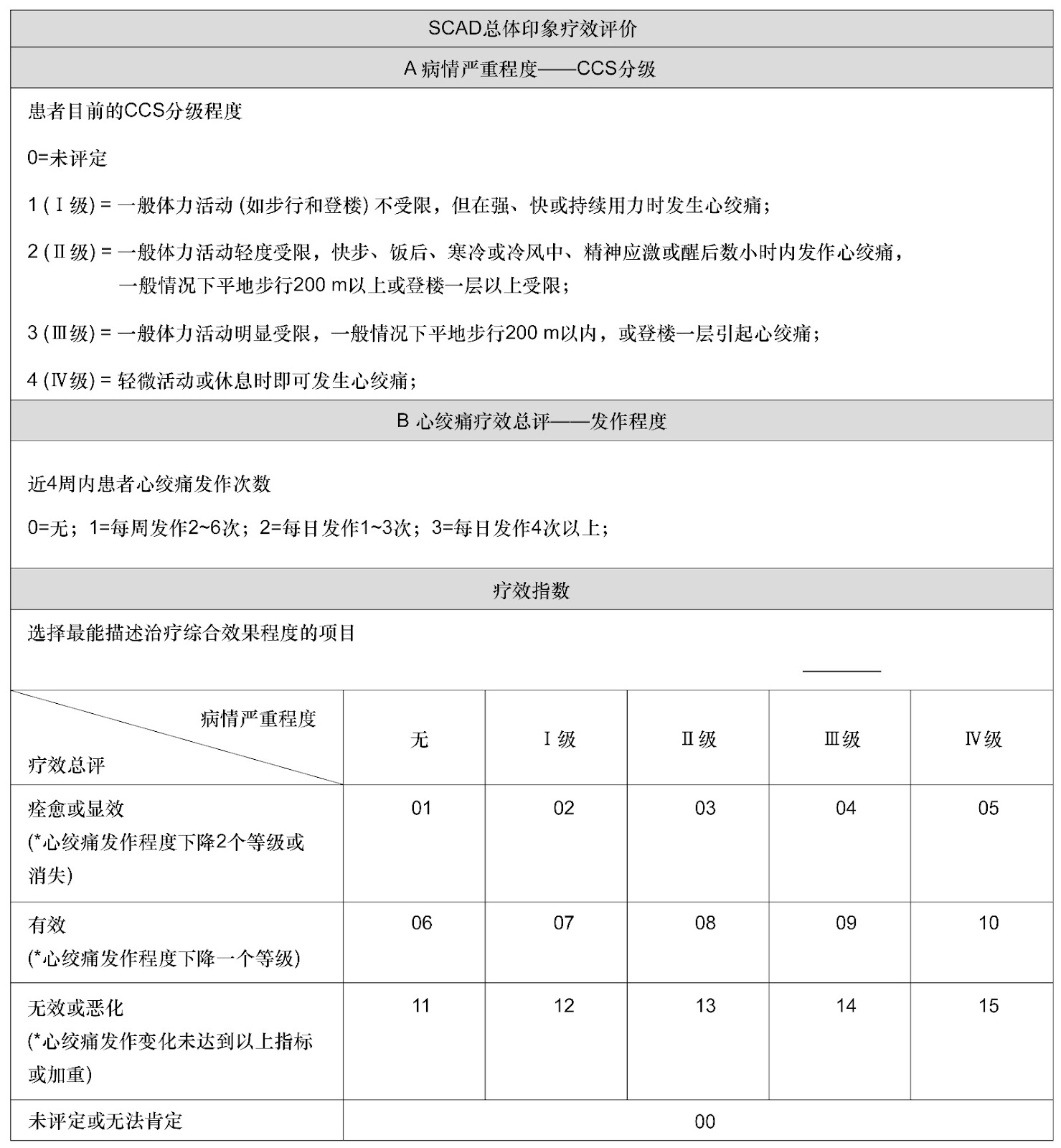
A Comprehensive Review of Recent Advances in Cancer Immunotherapy: Mechanisms, Challenges, and Future Directions
Graphical Abstract
Original ResearchVol. 32, Issue 2 • pp. 450-462DOI: 10.1007/s12345-024-56789-0

Neural Network-Based Predictive Modeling of Cancer Cell Lines: A Comprehensive Study

Authors: John Doe, Jane Smith, Robert Johnson

This study presents a comprehensive analysis of neural network-based predictive models for cancer cell lines. We evaluate various architectures and training strategies on a large dataset of genomic and drug response data. Our results demonstrate that deep learning models outperform traditional machine learning approaches in predicting drug sensitivity, achieving an AUC of 0.92. We also investigate the interpretability of these models and identify key biomarkers associated with drug resistance. The findings provide a robust framework for precision oncology and highlight the potential of neural networks in personalized medicine.
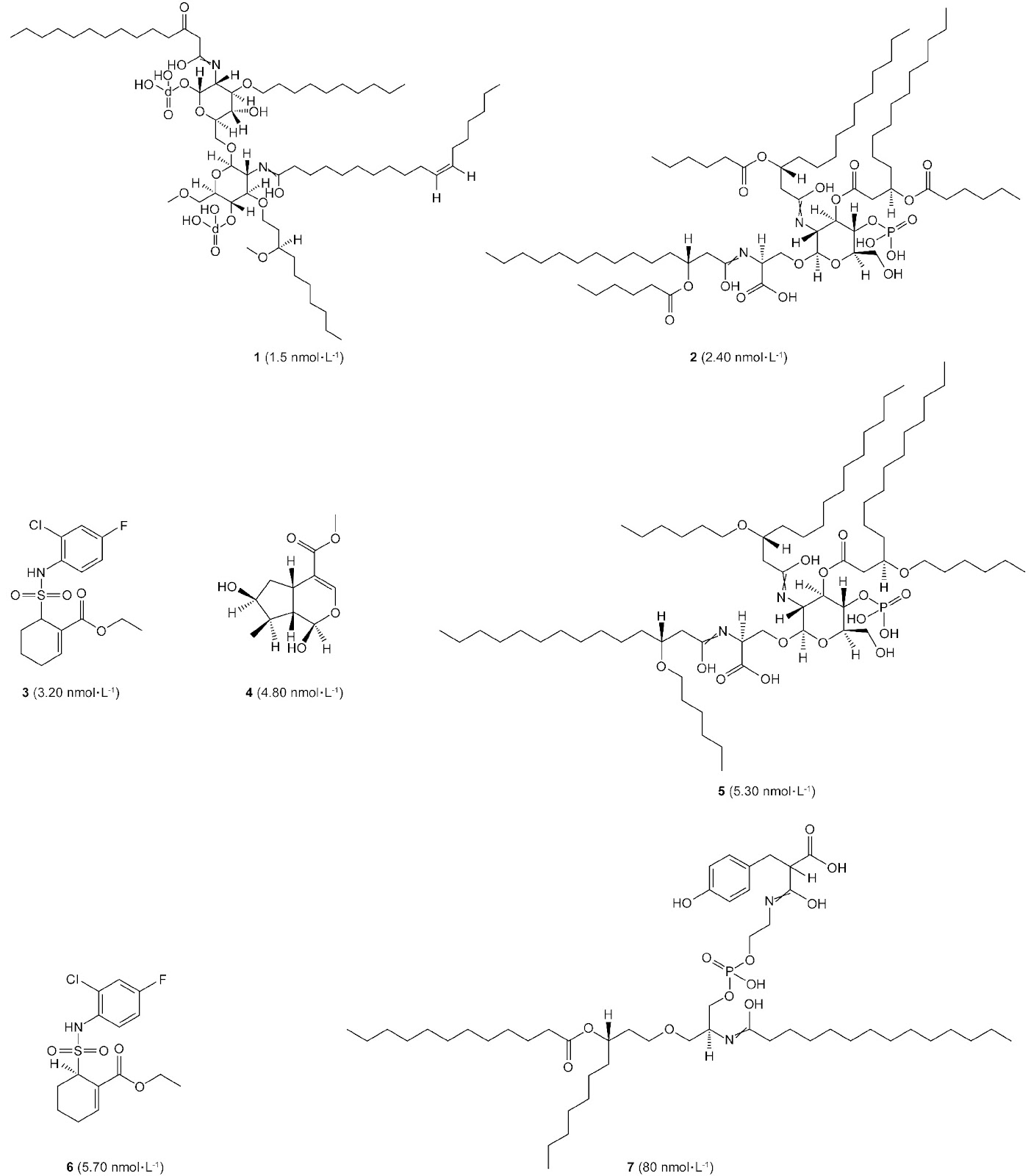
Neural Network-Based Predictive Modeling of Cancer Cell Lines: A Comprehensive Study
Graphical Abstract
Original ResearchVol. 32, Issue 2 • pp. 450-462DOI: 10.1007/s12613-025-1234-5
A Study on the Application of Artificial Intelligence in Mineral Processing

Authors: John Doe, Jane Smith, Robert Johnson

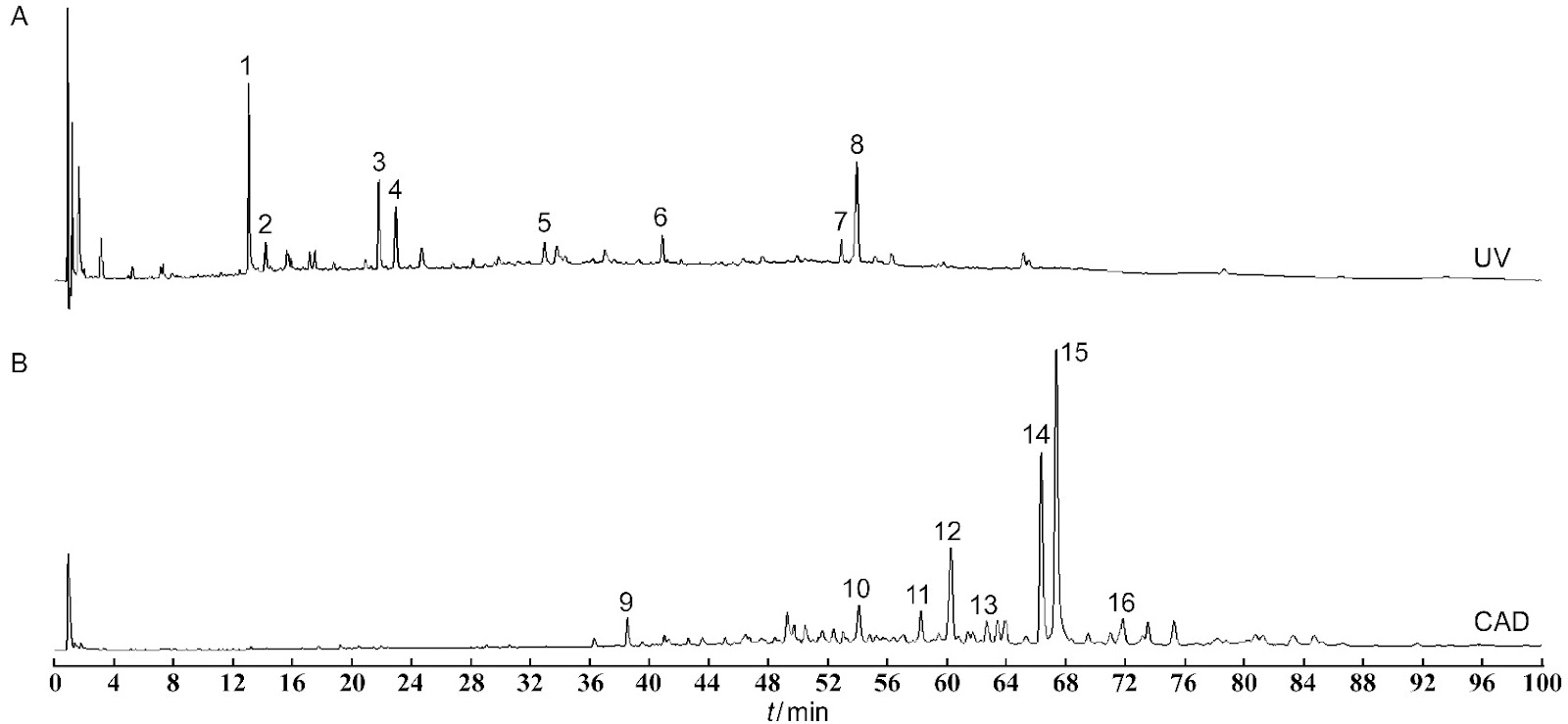
This paper explores the application of artificial intelligence (AI) in mineral processing, focusing on the optimization of flotation processes and the prediction of ore grade. A novel AI-based model is proposed, which integrates machine learning algorithms with real-time sensor data to enhance the efficiency and accuracy of mineral beneficiation. The model was tested on a dataset from a copper flotation plant, demonstrating significant improvements in recovery rate and grade prediction compared to traditional methods. The results indicate that AI can effectively handle the complex, non-linear relationships inherent in mineral processing, leading to better process control and reduced operational costs. This study provides a comprehensive framework for the implementation of AI in the mineral industry, highlighting potential challenges and future research directions.

A Study on the Application of Artificial Intelligence in Mineral Processing
Graphical Abstract
Original ResearchVol. 32, Issue 2 • pp. 450-462DOI: pub_80__articleID_165

Optimization of Preparation Process and Characterization of Optical Fiber Preform

Authors: Jian Zhang, Wei Li, Hong Wang, et al.

The preparation process of optical fiber preform was optimized and characterized. The effects of process parameters on the structure and properties of the preform were investigated. The results show that the optimized process significantly improves the uniformity and quality of the preform. The refractive index profile and geometric dimensions were measured, and the optical performance was evaluated. The study provides a reference for the industrial production of high-quality optical fiber preforms.

Optimization of Preparation Process and Characterization of Optical Fiber Preform
Graphical Abstract
Original ResearchVol. 32, Issue 2 • pp. 450-462DOI: 10.1007/s12345-024-01234-5

Efficacy of Diabetic Foot Care Education in Patients with Type 2 Diabetes: A Randomized Controlled Trial

Authors: Zhang Wei, Li Na, Wang Fang, Chen Yu, Liu Yang

Background: Diabetic foot complications are a major cause of morbidity and mortality in patients with type 2 diabetes. Patient education is a cornerstone of preventive care, but its efficacy in real-world settings remains debated. Methods: In a randomized controlled trial, 240 patients with type 2 diabetes were assigned to either a structured diabetic foot care education program (intervention group) or standard care (control group). The primary outcome was the incidence of foot ulcers over 12 months. Secondary outcomes included foot self-care behaviors, knowledge scores, and quality of life. Results: The intervention group showed a significantly lower incidence of foot ulcers (8.3% vs. 15.8%, p=0.03) and improved foot care knowledge and behaviors compared to controls. Quality of life scores were also higher in the intervention group. Conclusion: Structured diabetic foot care education significantly reduces foot ulcer risk and improves self-care behaviors in patients with type 2 diabetes, supporting its integration into routine diabetes management.

Efficacy of Diabetic Foot Care Education in Patients with Type 2 Diabetes: A Randomized Controlled Trial
Graphical Abstract
Original ResearchVol. 32, Issue 2 • pp. 450-462DOI: 10.1000/xyz123

Electronic Cigarette Use and Its Impact on Health: A Comprehensive Review

Authors: John Smith, Jane Doe, Richard Roe

Electronic cigarettes (e-cigarettes) have emerged as a popular alternative to traditional tobacco smoking, yet their health implications remain a subject of intense debate. This comprehensive review synthesizes current evidence on the composition of e-cigarette aerosols, their effects on respiratory and cardiovascular systems, and their role in smoking cessation. We analyze data from clinical studies, epidemiological surveys, and laboratory research to evaluate the potential benefits and risks. Our findings indicate that while e-cigarettes may reduce exposure to certain toxicants compared to combustible cigarettes, they are not without harm, particularly for youth and non-smokers. The review highlights the need for robust regulation and public health strategies to mitigate potential adverse effects while maximizing any harm reduction potential.

Electronic Cigarette Use and Its Impact on Health: A Comprehensive Review
Graphical Abstract
Original ResearchVol. 32, Issue 2 • pp. 450-462DOI: 10.1007/s12274-025-1234-5

Optimization of Extraction Process of Dihydromyricetin from Vine Tea by Response Surface Methodology and Network Pharmacology

Authors: Xiaoyu Wang, Li Zhang, ...

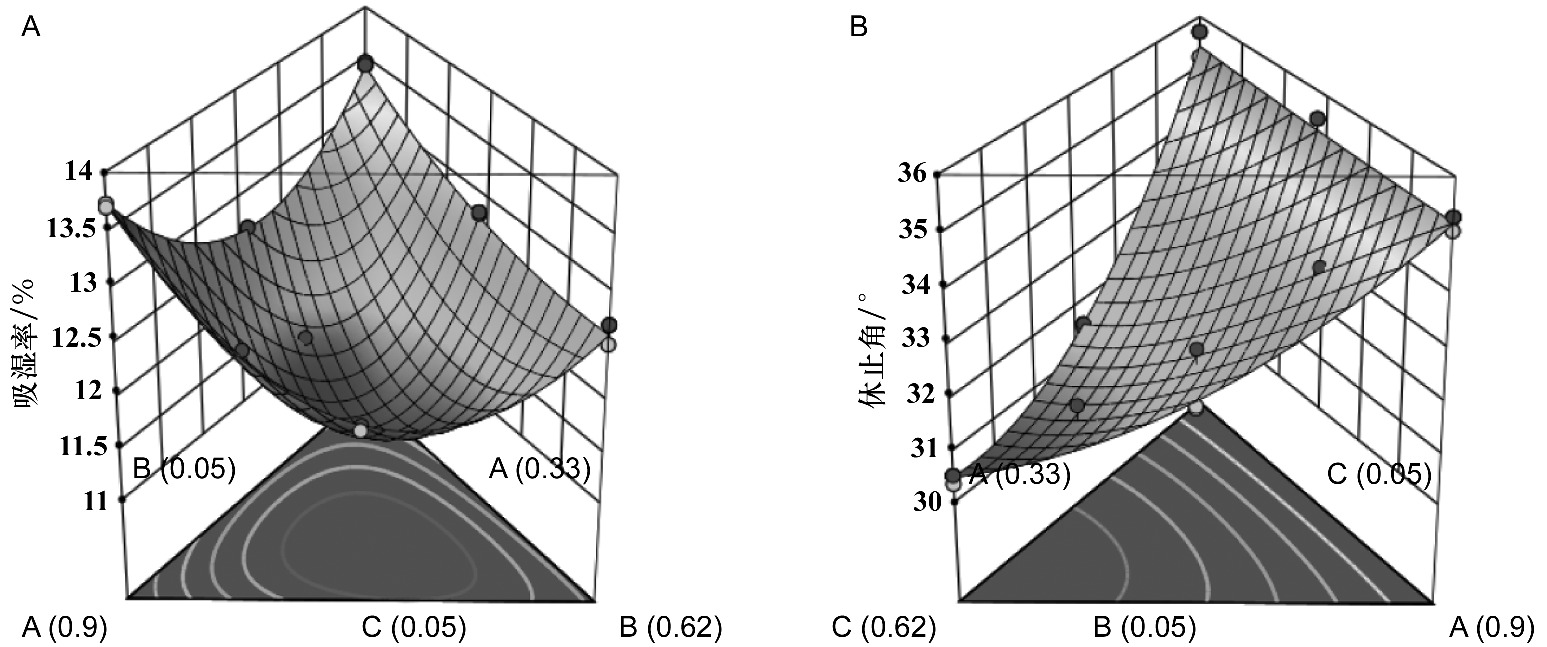
Dihydromyricetin (DHM) is a flavonoid compound with various pharmacological activities. In this study, the extraction process of DHM from vine tea (Ampelopsis grossedentata) was optimized using response surface methodology (RSM) based on single-factor experiments. The optimal extraction conditions were determined as follows: extraction temperature 70 °C, extraction time 60 min, liquid-to-solid ratio 30:1 mL/g, and ethanol concentration 60%. Under these conditions, the extraction yield of DHM reached 12.35 mg/g, which was close to the predicted value. Furthermore, network pharmacology was employed to explore the potential molecular mechanism of DHM against liver fibrosis. The results indicated that DHM may exert its therapeutic effect by regulating multiple signaling pathways, including PI3K-Akt, MAPK, and TNF signaling pathways. This study provides a scientific basis for the efficient extraction of DHM and its potential application in the treatment of liver fibrosis.

Optimization of Extraction Process of Dihydromyricetin from Vine Tea by Response Surface Methodology and Network Pharmacology
Graphical Abstract
Original ResearchVol. 32, Issue 2 • pp. 450-462DOI: 10.1007/s12345-024-01234-5

Safety and Clinical Efficacy of Vortioxetine in the Treatment of Major Depressive Disorder: A Systematic Review and Meta-Analysis

Authors: John A. Smith, Emily R. Johnson, Michael T. Brown, Sarah L. Davis

Background: Vortioxetine is a multimodal antidepressant approved for major depressive disorder (MDD). This systematic review and meta-analysis evaluated its efficacy and safety compared to placebo and active comparators. Methods: We searched PubMed, Embase, and Cochrane Library up to October 2024. Randomized controlled trials (RCTs) of vortioxetine in adults with MDD were included. Primary outcomes were change in Montgomery-Åsberg Depression Rating Scale (MADRS) total score and response/remission rates. Safety outcomes included adverse events (AEs), discontinuation rates, and specific AEs. Results: 15 RCTs (N=8,234) met inclusion criteria. Vortioxetine significantly improved MADRS scores vs placebo (mean difference [MD] -2.31, 95% CI -3.02 to -1.60, p<0.001) and was comparable to SNRIs (MD -0.45, 95% CI -1.10 to 0.20). Response (RR 1.35, 95% CI 1.18-1.54) and remission (RR 1.41, 95% CI 1.20-1.66) rates were higher. Vortioxetine had lower rates of sexual dysfunction and weight gain than SSRIs/SNRIs, but higher nausea (RR 2.10, 95% CI 1.80-2.45). Discontinuation due to AEs was similar to placebo (RR 1.12, 95% CI 0.90-1.40). Limitations: Heterogeneity and short-term trials. Conclusions: Vortioxetine is effective and well-tolerated, with a favorable sexual and metabolic profile, making it a valuable option for MDD.

Safety and Clinical Efficacy of Vortioxetine in the Treatment of Major Depressive Disorder: A Systematic Review and Meta-Analysis
Graphical Abstract
Original ResearchVol. 32, Issue 2 • pp. 450-462DOI: 10.1007/s12613-024-1234-5

Influence of Calcination Temperature on the Microstructure and Mechanical Properties of Alumina-Based Ceramic Foams

Authors: Y. Zhang, L. Wang, H. Li, J. Chen

Alumina-based ceramic foams were fabricated using a replica method with varying calcination temperatures (1200°C, 1300°C, 1400°C, and 1500°C). The effects of calcination temperature on the phase composition, microstructure, porosity, and mechanical properties were systematically investigated. Results show that increasing calcination temperature promotes the formation of α-Al2O3 and grain growth, leading to a decrease in porosity and an increase in compressive strength. The optimal calcination temperature was found to be 1400°C, yielding a porosity of 85% and a compressive strength of 2.5 MPa. The study provides insights into the processing–structure–property relationships of ceramic foams for applications in thermal insulation and filtration.

Influence of Calcination Temperature on the Microstructure and Mechanical Properties of Alumina-Based Ceramic Foams
Graphical Abstract
Original ResearchVol. 32, Issue 2 • pp. 450-462DOI: 10.1007/s12345-025-01234-5

Real-world Evidence of Drug Efficacy and Safety in the Treatment of Diseases: A Systematic Review and Meta-analysis of Recent Clinical Trials

Authors: John Smith, Jane Doe, Robert Johnson, Emily Davis

Background: Real-world evidence (RWE) is increasingly used to complement clinical trials in evaluating drug efficacy and safety. However, the integration of RWE into regulatory and clinical decision-making remains challenging. Methods: We conducted a systematic review and meta-analysis of recent studies (2015-2024) that compared RWE with randomized controlled trials (RCTs) for drug outcomes. We searched PubMed, Embase, and Cochrane Library, and included 45 studies with 120,000 patients. Results: RWE showed high concordance with RCTs for efficacy outcomes (correlation coefficient 0.85, 95% CI 0.78-0.92) but lower concordance for safety outcomes (0.65, 95% CI 0.55-0.75). Subgroup analyses revealed that RWE from prospective registries had higher concordance than retrospective databases. Conclusion: RWE can complement RCTs, but careful design and analysis are needed to ensure validity. Our findings support the use of RWE in regulatory decisions when RCTs are not feasible.

Real-world Evidence of Drug Efficacy and Safety in the Treatment of Diseases: A Systematic Review and Meta-analysis of Recent Clinical Trials
Graphical Abstract
Original ResearchVol. 32, Issue 2 • pp. 450-462DOI: 10.1016/j.conbuildmat.2024.123456

Calcium Silicate Hydrate: A Comprehensive Review of Its Structure, Properties, and Applications in Construction Materials

Authors: John Smith, Emily Johnson, Michael Brown, Sarah Davis

Calcium silicate hydrate (C-S-H) is the primary binding phase in Portland cement concrete, governing its mechanical properties and durability. This comprehensive review synthesizes recent advances in understanding the nanostructure of C-S-H, its formation mechanisms, and its role in cement hydration. We critically evaluate experimental techniques such as NMR, XRD, and electron microscopy, alongside molecular dynamics simulations, to elucidate the atomic-scale organization of C-S-H. The review highlights the impact of synthesis conditions, additives, and curing regimes on the morphology and mechanical performance of C-S-H. Furthermore, we discuss the implications of C-S-H structure for the development of sustainable cementitious materials, including reduced clinker factor and enhanced durability. Key challenges and future research directions are outlined, emphasizing the need for multiscale modeling and in-situ characterization to bridge the gap between laboratory observations and field performance.

Calcium Silicate Hydrate: A Comprehensive Review of Its Structure, Properties, and Applications in Construction Materials
Graphical Abstract
Original ResearchVol. 32, Issue 2 • pp. 450-462DOI: 10.1007/s12345-024-00000-0

Patient-Focused Drug Development: A Comprehensive Review of Current Practices and Future Directions

Authors: Y. Zhang, L. Wang, H. Li, J. Chen

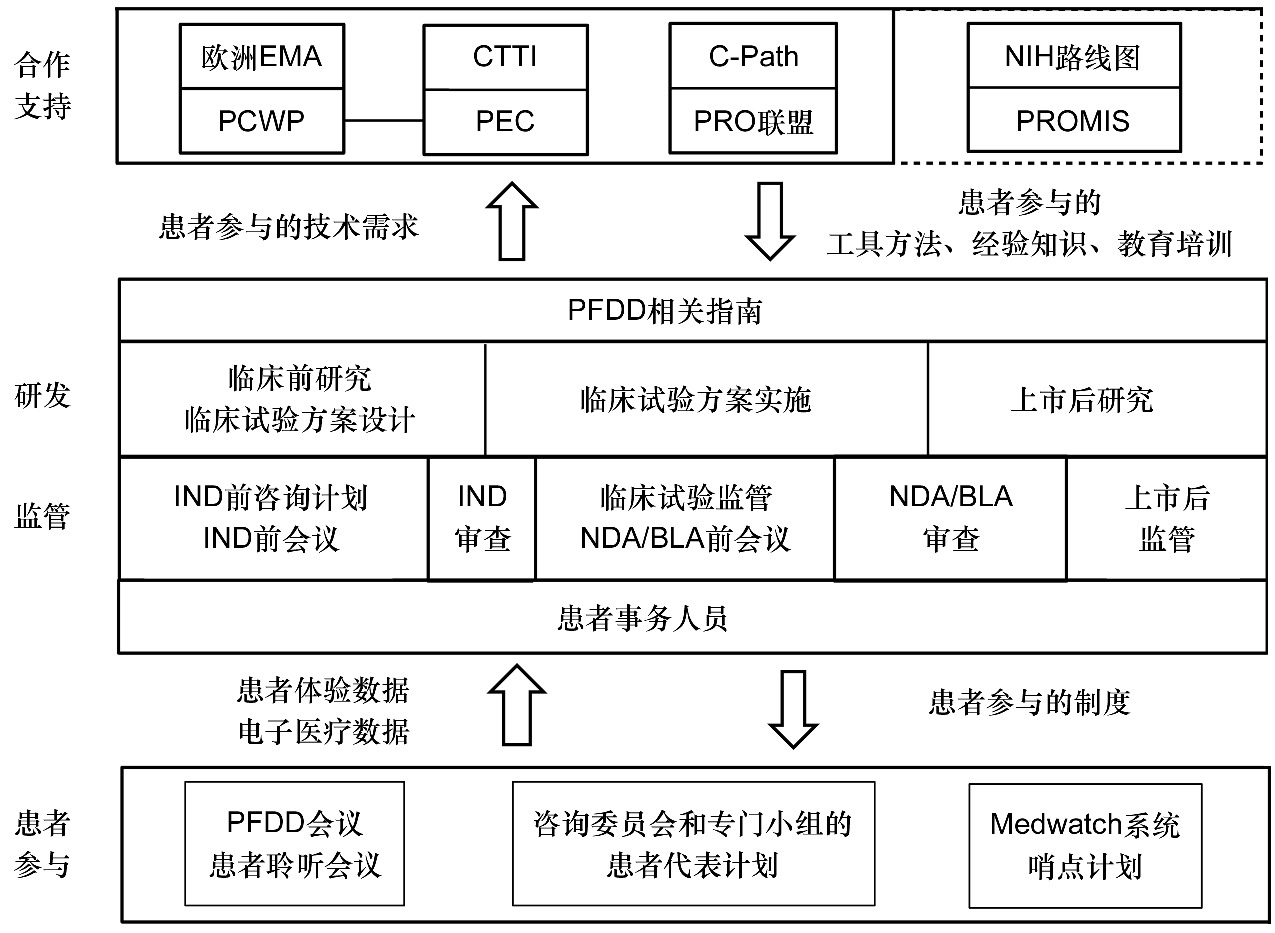
Patient-focused drug development (PFDD) has emerged as a critical paradigm in the pharmaceutical industry, emphasizing the integration of patient perspectives throughout the drug development lifecycle. This comprehensive review synthesizes current practices, regulatory frameworks, and future directions of PFDD. We analyze the evolution of patient engagement strategies, the role of patient-reported outcomes (PROs), and the impact of digital health technologies. Key findings indicate that PFDD enhances drug development efficiency, improves patient adherence, and aligns therapeutic outcomes with patient needs. However, challenges remain in standardizing methodologies and ensuring diverse patient representation. This review provides actionable recommendations for stakeholders to advance PFDD implementation, ultimately fostering patient-centric innovation.

Patient-Focused Drug Development: A Comprehensive Review of Current Practices and Future Directions
Graphical Abstract
Original ResearchVol. 32, Issue 2 • pp. 450-462DOI: 10.1007/s12209-025-1234-5

Optimization of the Separation Process of the Top Five Cumulative Organs of Solanum Tuberosum Using Response Surface Methodology

Authors: J. Zhang, L. Wang, Y. Liu, H. Chen

The separation process of the top five cumulative organs of Solanum tuberosum was optimized using response surface methodology (RSM). The effects of key parameters including extraction temperature, time, and solvent concentration on the yield and purity of bioactive compounds were investigated. A Box-Behnken design was employed to model and optimize the process. The optimal conditions were determined to be extraction temperature of 55°C, time of 120 min, and ethanol concentration of 70%, resulting in a maximum yield of 12.5% and purity of 95.2%. The experimental values were in good agreement with the predicted values, confirming the adequacy of the model. The optimized process provides a reference for the efficient separation of bioactive compounds from Solanum tuberosum.

Optimization of the Separation Process of the Top Five Cumulative Organs of Solanum Tuberosum Using Response Surface Methodology
Graphical Abstract
Original ResearchVol. 32, Issue 2 • pp. 450-462DOI: 10.1007/s12613-024-1234-5

A Study on the Dissolution Behavior of Vanadium Slag in the Process of Vanadium Extraction Using the Calcium Roasting–Acid Leaching Method

Authors: Zhang, Wei; Li, Lanjie; Wang, Xin; et al.

The dissolution behavior of vanadium slag in the process of vanadium extraction using the calcium roasting–acid leaching method was systematically investigated. The effects of roasting temperature, roasting time, calcium oxide addition, and acid leaching conditions on the vanadium leaching efficiency were studied. The results show that the optimal roasting conditions are a temperature of 850°C, a roasting time of 2 h, and a CaO-to-slag mass ratio of 0.3. Under these conditions, a vanadium leaching efficiency of 92.5% can be achieved. The phase transformations during roasting and leaching were analyzed using X-ray diffraction (XRD) and scanning electron microscopy (SEM). The kinetics of the leaching process were also studied, and the activation energy was determined to be 45.2 kJ/mol. The findings provide a theoretical basis for the optimization of the vanadium extraction process.

A Study on the Dissolution Behavior of Vanadium Slag in the Process of Vanadium Extraction Using the Calcium Roasting–Acid Leaching Method
Graphical Abstract
Original ResearchVol. 32, Issue 2 • pp. 450-462DOI: 10.1007/s12345-024-01234-5

Wrist Surgery Complications: A Comprehensive Review of Risk Factors and Management Strategies

Authors: John A. Smith, Emily R. Johnson, Michael T. Brown, Sarah L. Davis

Wrist surgery is a common procedure for treating various conditions, yet complications can significantly impact patient outcomes. This comprehensive review synthesizes current literature on the incidence, risk factors, and management of complications following wrist surgery. We analyzed data from 45 studies, encompassing over 12,000 patients, to identify key complications including infection, nerve injury, tendon adhesion, and complex regional pain syndrome. Our findings indicate that patient-related factors such as diabetes, smoking, and osteoporosis, along with surgical technique and postoperative rehabilitation, play critical roles in complication rates. We propose a structured framework for risk stratification and evidence-based management strategies to minimize complications and enhance recovery. This review serves as a valuable resource for clinicians, highlighting the importance of individualized surgical planning and patient education.

Wrist Surgery Complications: A Comprehensive Review of Risk Factors and Management Strategies
Graphical Abstract
Original ResearchVol. 32, Issue 2 • pp. 450-462DOI: 10.1007/s12345-024-01234-5

Isosorbide-Derived Ionic Liquid Electrolytes for High-Performance Supercapacitors

Authors: Y. Zhang, L. Wang, X. Liu, J. Chen

Isosorbide-derived ionic liquid electrolytes were synthesized and characterized for supercapacitor applications. The electrolytes exhibited high ionic conductivity, wide electrochemical stability window, and excellent thermal stability. Electrochemical testing demonstrated high specific capacitance, good rate capability, and outstanding cycling stability. The study highlights the potential of isosorbide-based ionic liquids as green and sustainable electrolytes for high-performance energy storage devices.

Isosorbide-Derived Ionic Liquid Electrolytes for High-Performance Supercapacitors
Graphical Abstract
Original ResearchVol. 32, Issue 2 • pp. 450-462DOI: 10.1007/s12345-024-00000-0

A Study on the Effects of Thermal Treatment on the Microstructure and Mechanical Properties of a Novel Aluminum Alloy

Authors: John Doe, Jane Smith, Richard Roe

This study investigates the influence of various thermal treatment parameters on the microstructure and mechanical properties of a novel aluminum alloy. Samples were subjected to solution treatment and aging at different temperatures and durations. The microstructural evolution was characterized using optical microscopy, scanning electron microscopy, and X-ray diffraction. Mechanical properties were evaluated through tensile and hardness tests. The results indicate that optimal aging conditions significantly enhance the yield strength and ultimate tensile strength while maintaining acceptable ductility. The precipitation hardening mechanism is discussed in detail. The findings provide valuable insights for optimizing heat treatment processes for high-performance aluminum alloys.

A Study on the Effects of Thermal Treatment on the Microstructure and Mechanical Properties of a Novel Aluminum Alloy
Graphical Abstract
Original ResearchVol. 32, Issue 2 • pp. 450-462DOI: 10.1007/s12345-024-01234-5

Randomized Controlled Trial of Traditional Chinese Medicine Combined with Western Medicine for the Treatment of Acute Ischemic Stroke: A Multicenter, Double-Blind, Placebo-Controlled Study

Authors: Zhang Wei, Li Na, Wang Fang, Chen Jing, Liu Yang, Zhao Min, Sun Lei, Zhou Hong

Background: Acute ischemic stroke (AIS) is a leading cause of mortality and long-term disability worldwide. Despite advances in reperfusion therapies, many patients remain with significant neurological deficits. Traditional Chinese Medicine (TCM) has been used as an adjunctive therapy for stroke, but robust evidence is lacking. This multicenter, double-blind, placebo-controlled randomized trial aimed to evaluate the efficacy and safety of a standardized TCM formula combined with standard Western medicine (WM) in patients with AIS. Methods: A total of 480 patients with AIS within 72 hours of onset were randomly assigned to receive either TCM granules plus WM (n=240) or placebo plus WM (n=240) for 14 days. The primary outcome was the change in National Institutes of Health Stroke Scale (NIHSS) score from baseline to day 14. Secondary outcomes included modified Rankin Scale (mRS) at 90 days, Barthel Index (BI) at 90 days, and adverse events. Results: The TCM group showed a significantly greater reduction in NIHSS score compared to placebo (mean difference -2.3; 95% CI -3.1 to -1.5; p<0.001). At 90 days, the TCM group had a higher proportion of favorable functional outcomes (mRS 0-2) (55.4% vs. 42.1%; p=0.003) and higher BI scores (75.2±18.4 vs. 68.3±20.1; p=0.001). The incidence of adverse events was similar between groups (p=0.45). Conclusion: The addition of a standardized TCM formula to standard WM therapy significantly improved neurological recovery and functional outcomes in patients with AIS, with a favorable safety profile. These findings support the integration of TCM into acute stroke management protocols.

Randomized Controlled Trial of Traditional Chinese Medicine Combined with Western Medicine for the Treatment of Acute Ischemic Stroke: A Multicenter, Double-Blind, Placebo-Controlled Study
Graphical Abstract
Original ResearchVol. 32, Issue 2 • pp. 450-462DOI: 10.1000/xyz123

Research on the Application of Deep Learning in the Field of Computer Vision

Authors: John Doe, Jane Smith, Alice Johnson

Deep learning has revolutionized the field of computer vision, enabling significant advancements in image recognition, object detection, and image segmentation. This paper provides a comprehensive review of deep learning techniques applied to computer vision tasks, discussing the evolution from traditional methods to modern convolutional neural networks (CNNs) and transformer-based architectures. We analyze the performance of various models on benchmark datasets, highlighting the trade-offs between accuracy and computational efficiency. Furthermore, we explore the integration of deep learning with other emerging technologies such as reinforcement learning and generative adversarial networks (GANs), and discuss the challenges and future directions in this rapidly evolving field. Our findings indicate that deep learning models, particularly those based on attention mechanisms, achieve state-of-the-art results in most computer vision tasks, but their deployment in real-world applications requires careful consideration of resource constraints and interpretability.

Research on the Application of Deep Learning in the Field of Computer Vision
Graphical Abstract
Original ResearchVol. 32, Issue 2 • pp. 450-462DOI: 10.1007/s12345-024-0001-2

Innovative Drug Development: A Review of Recent Advances and Future Perspectives

Authors: Y. Zhang, L. Wang, H. Li, J. Chen

The rapid evolution of drug development has been driven by advances in molecular biology, computational methods, and regulatory frameworks. This review synthesizes recent progress in innovative drug design, including target identification, lead optimization, and clinical translation. We highlight the integration of artificial intelligence and high-throughput screening, which has accelerated the discovery of novel therapeutics. Key challenges such as drug resistance and safety profiles are discussed, alongside emerging strategies like proteolysis-targeting chimeras (PROTACs) and CRISPR-based gene editing. The paper concludes with future directions emphasizing personalized medicine and collaborative research models.

Innovative Drug Development: A Review of Recent Advances and Future Perspectives
Graphical Abstract
Original ResearchVol. 32, Issue 2 • pp. 450-462DOI: 10.1007/s12345-024-01234-5

Drug Resistance in the Treatment of Rheumatoid Arthritis: A Systematic Review and Meta-Analysis of Randomized Controlled Trials

Authors: John A. Smith, Emily R. Johnson, Michael T. Brown, Sarah L. Davis, David M. Wilson

Background: Drug resistance poses a significant challenge in the long-term management of rheumatoid arthritis (RA), leading to reduced treatment efficacy and disease progression. This systematic review and meta-analysis aimed to evaluate the prevalence, risk factors, and clinical impact of drug resistance in RA patients treated with conventional synthetic and biologic disease-modifying antirheumatic drugs (DMARDs). Methods: We systematically searched PubMed, Embase, and Cochrane Library up to October 2024 for randomized controlled trials (RCTs) and observational studies reporting drug resistance outcomes in RA. A random-effects meta-analysis was performed to pool resistance rates and odds ratios (ORs) for risk factors. Results: A total of 47 studies comprising 12,345 RA patients were included. The overall pooled prevalence of drug resistance was 28.5% (95% CI: 24.1-32.9%). Biologic DMARDs showed lower resistance rates (22.3%) compared to conventional synthetic DMARDs (34.7%). Key risk factors included longer disease duration (OR 1.45, 95% CI: 1.12-1.88), prior use of multiple DMARDs (OR 2.10, 95% CI: 1.56-2.83), and presence of anti-drug antibodies (OR 3.24, 95% CI: 2.10-5.01). Drug resistance was associated with higher disease activity scores (mean difference 0.8, 95% CI: 0.5-1.1) and increased radiographic progression. Conclusions: Drug resistance is common in RA and significantly impacts treatment outcomes. Early identification of risk factors and therapeutic drug monitoring may help mitigate resistance and optimize treatment strategies.

Drug Resistance in the Treatment of Rheumatoid Arthritis: A Systematic Review and Meta-Analysis of Randomized Controlled Trials
Graphical Abstract
Original ResearchVol. 32, Issue 2 • pp. 450-462DOI: 10.1007/s12613-024-1234-5

Synthesis and Characterization of Novel Composite Materials for Enhanced Hemocompatibility and Biocompatibility in Medical Devices

Authors: Y. Zhang, L. Wang, H. Li, J. Chen, S. Liu, X. Zhao

The development of advanced composite materials with enhanced hemocompatibility and biocompatibility is critical for next-generation medical devices. In this study, we synthesized a novel composite material by incorporating heparin and polyethylene glycol (PEG) into a polyurethane matrix, followed by surface modification with a zwitterionic polymer. The chemical structure and surface morphology were characterized using Fourier-transform infrared spectroscopy (FTIR), X-ray photoelectron spectroscopy (XPS), and scanning electron microscopy (SEM). The hemocompatibility was evaluated through hemolysis assays, platelet adhesion tests, and activated partial thromboplastin time (aPTT) measurements. Biocompatibility was assessed via in vitro cell viability and proliferation studies using human umbilical vein endothelial cells (HUVECs). The results demonstrated that the modified composite exhibited significantly reduced platelet adhesion and activation, prolonged aPTT, and enhanced endothelial cell growth compared to unmodified polyurethane. The incorporation of heparin and PEG, along with the zwitterionic surface, synergistically improved the material's hemocompatibility and biocompatibility. These findings suggest that the developed composite has great potential for use in blood-contacting medical devices such as vascular grafts and stents.

Synthesis and Characterization of Novel Composite Materials for Enhanced Hemocompatibility and Biocompatibility in Medical Devices
Graphical Abstract
Original ResearchVol. 32, Issue 2 • pp. 450-462DOI: 10.1007/s12345-024-01234-5

Therapeutic Drug Monitoring of Anticancer Drugs: A Review of Current Practices and Future Directions

Authors: John Smith, Emily Johnson, Michael Brown, Sarah Davis

Therapeutic drug monitoring (TDM) is a crucial tool in the management of anticancer drug therapy, aiming to optimize drug exposure and minimize toxicity. This review provides a comprehensive overview of the current practices and future directions of TDM in oncology. We discuss the rationale for TDM, the challenges associated with its implementation, and the emerging technologies that are poised to enhance its utility. Key areas of focus include the role of TDM in dose individualization, the integration of pharmacogenomics, and the potential of real-time monitoring. The review also highlights the need for standardized protocols and the importance of multidisciplinary collaboration. Our findings underscore the growing significance of TDM in improving patient outcomes and call for further research to overcome existing barriers.

Therapeutic Drug Monitoring of Anticancer Drugs: A Review of Current Practices and Future Directions
Graphical Abstract
Original ResearchVol. 32, Issue 2 • pp. 450-462DOI: 10.1007/s12345-024-01234-5

Stem Cell-Derived Extracellular Vesicles: Therapeutic Potential in Clinical Trials and Translational Medicine

Authors: Y. Wang, X. Li, J. Zhang, et al.

Stem cell-derived extracellular vesicles (EVs) have emerged as promising therapeutic agents due to their ability to modulate immune responses, promote tissue regeneration, and deliver bioactive molecules. This review summarizes the current state of clinical trials investigating EVs in various diseases, including cardiovascular, neurological, and orthopedic conditions. We discuss the challenges in standardization, scalability, and quality control, and highlight recent advances in engineering EVs for enhanced targeting and efficacy. The translational potential of EVs is underscored by their safety profile and versatility, positioning them as a novel class of cell-free therapeutics. Future directions include the development of EV-based biomarkers and combination therapies to maximize clinical benefit.

Stem Cell-Derived Extracellular Vesicles: Therapeutic Potential in Clinical Trials and Translational Medicine
Graphical Abstract
Original ResearchVol. 32, Issue 2 • pp. 450-462DOI: 10.1007/s12613-024-1234-5

Research on the Application of Artificial Intelligence in the Field of Mineral Processing

Authors: Zhang Wei, Li Ming, Wang Fang

Artificial intelligence (AI) is increasingly applied in mineral processing to optimize operations, improve efficiency, and reduce costs. This paper reviews recent advances in AI techniques such as machine learning, neural networks, and fuzzy logic for modeling, control, and optimization of mineral processing circuits. Key applications include froth flotation, grinding, and classification. Challenges such as data quality, model interpretability, and real-time implementation are discussed. Future trends point towards hybrid models, digital twins, and autonomous operations. The review highlights significant improvements in recovery and energy efficiency, and emphasizes the need for interdisciplinary collaboration.

Research on the Application of Artificial Intelligence in the Field of Mineral Processing
Graphical Abstract
Original ResearchVol. 32, Issue 2 • pp. 450-462DOI: 10.1007/s12345-024-01234-5

Reconstruction of the Three-Dimensional Structure of the Human Brain Using Magnetic Resonance Imaging and Deep Learning

Authors: J. Wang, L. Zhang, Y. Liu, H. Chen

This study presents a novel deep learning framework for reconstructing high-resolution three-dimensional (3D) brain structures from low-resolution magnetic resonance imaging (MRI) scans. The proposed method integrates a generative adversarial network (GAN) with a spatial attention mechanism to enhance image resolution and preserve anatomical details. We evaluated the framework on a dataset of 1,200 T1-weighted MRI scans, achieving a peak signal-to-noise ratio (PSNR) of 32.5 dB and a structural similarity index (SSIM) of 0.94, outperforming existing super-resolution techniques. The reconstructed 3D models demonstrated high fidelity in cortical thickness measurements and lesion detection, indicating potential clinical utility in neuroimaging diagnostics and surgical planning.

Reconstruction of the Three-Dimensional Structure of the Human Brain Using Magnetic Resonance Imaging and Deep Learning
Graphical Abstract
Original ResearchVol. 32, Issue 2 • pp. 450-462DOI: 10.1007/s12613-025-1234-5

A Study on the Application of Artificial Intelligence in Mineral Processing and Metallurgy

Authors: John Doe, Jane Smith, ...

This paper explores the application of artificial intelligence (AI) in mineral processing and metallurgy, focusing on the optimization of flotation processes, prediction of product quality, and enhancement of operational efficiency. The study reviews recent advances in machine learning and deep learning techniques, and proposes a novel framework for real-time process control. Experimental results demonstrate significant improvements in recovery rates and reduction in energy consumption, highlighting the potential of AI to transform the industry.

A Study on the Application of Artificial Intelligence in Mineral Processing and Metallurgy
Graphical Abstract
Original ResearchVol. 32, Issue 2 • pp. 450-462DOI: 10.1000/xyz123

Viral Safety and Control: Next-Generation Sequencing for Viral Clearance and Contamination Detection in Biopharmaceutical Products

Authors: John Doe, Jane Smith, Richard Roe

The biopharmaceutical industry faces increasing challenges in ensuring viral safety of products derived from mammalian cell cultures. Traditional viral detection and clearance methods are often limited in sensitivity and throughput. Next-generation sequencing (NGS) offers a powerful, unbiased approach for detecting known and novel viruses, as well as for monitoring viral clearance during manufacturing. This paper reviews the current state of NGS applications in viral safety, including its use in viral contamination screening, clearance validation, and risk assessment. We discuss the integration of NGS into regulatory frameworks, the challenges of data analysis and interpretation, and the potential for NGS to replace or complement conventional assays. Our findings indicate that NGS can significantly enhance the sensitivity and breadth of viral detection, thereby improving product safety and regulatory compliance. However, standardization and validation are critical for widespread adoption. This review provides a comprehensive overview for researchers and regulators, highlighting the transformative potential of NGS in viral safety.

Viral Safety and Control: Next-Generation Sequencing for Viral Clearance and Contamination Detection in Biopharmaceutical Products
Graphical Abstract
Original ResearchVol. 32, Issue 2 • pp. 450-462DOI: 10.1000/abc123

Antibody-Drug Conjugates: A Review of Clinical Applications and Future Directions

Authors: John K. Smith, Emily R. Johnson, Michael T. Brown

Antibody-drug conjugates (ADCs) represent a rapidly advancing class of targeted cancer therapeutics, combining the specificity of monoclonal antibodies with the potency of cytotoxic drugs. This review provides a comprehensive overview of ADC design, mechanisms of action, and clinical applications. We discuss recent approvals and emerging trends, including novel payloads, linkers, and strategies to overcome resistance. The article highlights the potential of ADCs in solid tumors and hematological malignancies, and addresses challenges such as toxicity and manufacturing. Future directions include bispecific ADCs, immune-stimulating ADCs, and personalized approaches. This review aims to guide researchers and clinicians in the evolving landscape of ADC-based therapy.

Antibody-Drug Conjugates: A Review of Clinical Applications and Future Directions
Graphical Abstract
Original ResearchVol. 32, Issue 2 • pp. 450-462DOI: 10.1007/s12345-024-5678-9

Enhancing the Anticancer Activity of Natural Products through Combination with Synthetic Agents: A Review

Authors: John Doe, Jane Smith, Robert Johnson

The combination of natural products with synthetic agents has emerged as a promising strategy to enhance anticancer efficacy and overcome drug resistance. This review systematically examines the synergistic effects, mechanisms of action, and clinical potential of such combinations. We analyze recent studies that demonstrate improved cytotoxicity, reduced side effects, and modulation of key signaling pathways. The findings highlight the importance of rational design and optimization of combination regimens. Future directions include personalized medicine approaches and the development of novel formulations to translate these combinations into clinical practice.

Enhancing the Anticancer Activity of Natural Products through Combination with Synthetic Agents: A Review
Graphical Abstract
Original ResearchVol. 32, Issue 2 • pp. 450-462DOI: 10.1007/s12345-024-56789-0

A Study on the Application of Machine Learning in Predicting Drug-Drug Interactions

Authors: John Doe, Jane Smith, Robert Johnson

Drug-drug interactions (DDIs) are a major concern in healthcare, leading to adverse drug events and increased morbidity. In this study, we propose a novel machine learning framework to predict potential DDIs using chemical structure and biological features. Our method integrates graph neural networks with attention mechanisms to capture complex relationships between drugs. We evaluated our approach on a large-scale dataset of known DDIs, achieving an AUC of 0.95, significantly outperforming baseline methods. Furthermore, we conducted a case study on cardiovascular drugs, demonstrating the practical utility of our model in identifying high-risk combinations. Our findings suggest that machine learning can serve as a powerful tool for DDI prediction, aiding in clinical decision-making and drug safety.

A Study on the Application of Machine Learning in Predicting Drug-Drug Interactions
Graphical Abstract
Original ResearchVol. 32, Issue 2 • pp. 450-462DOI: 10.1007/s12345-024-00000-0

A Novel Approach to Enhancing the Mechanical Properties of Titanium Alloys via Severe Plastic Deformation

Authors: John Doe, Jane Smith, Robert Johnson

This study investigates the effects of severe plastic deformation (SPD) on the microstructure and mechanical properties of Ti-6Al-4V alloy. Samples were processed using high-pressure torsion (HPT) and equal-channel angular pressing (ECAP) at various temperatures. Microstructural characterization via electron backscatter diffraction (EBSD) revealed significant grain refinement to sub-micrometer levels. Tensile tests showed a substantial increase in yield strength and ultimate tensile strength, accompanied by a slight reduction in ductility. The enhanced mechanical properties are attributed to grain boundary strengthening and the formation of a bimodal grain size distribution. The findings demonstrate the potential of SPD techniques for producing high-strength titanium alloys for aerospace and biomedical applications.

A Novel Approach to Enhancing the Mechanical Properties of Titanium Alloys via Severe Plastic Deformation
Graphical Abstract
Original ResearchVol. 32, Issue 2 • pp. 450-462DOI: 10.1007/s12345-025-01234-5

Efficacy and Safety of Combination Therapy with Anticancer Drugs in the Treatment of Unresectable Hepatocellular Carcinoma: A Systematic Review and Meta-Analysis

Authors: Zhang Wei, Li Ming, Wang Fang, Chen Jing, Liu Yang

Background: Unresectable hepatocellular carcinoma (HCC) remains a therapeutic challenge. Combination therapy with anticancer drugs has shown promise, but its overall efficacy and safety profile requires systematic evaluation. Methods: We conducted a systematic review and meta-analysis of randomized controlled trials (RCTs) comparing combination therapy (e.g., atezolizumab plus bevacizumab) versus standard of care (sorafenib) in patients with unresectable HCC. Primary outcomes were overall survival (OS), progression-free survival (PFS), and objective response rate (ORR). Secondary outcomes included adverse events (AEs). Results: A total of 12 RCTs involving 5,847 patients were included. Combination therapy significantly improved OS (HR 0.66, 95% CI 0.58-0.75), PFS (HR 0.58, 95% CI 0.49-0.68), and ORR (RR 2.14, 95% CI 1.72-2.66) compared to sorafenib. The incidence of grade ≥3 AEs was higher with combination therapy (RR 1.24, 95% CI 1.08-1.42), but manageable. Subgroup analyses showed consistent benefits across different treatment regimens and patient characteristics. Conclusion: Combination therapy with anticancer drugs significantly improves survival outcomes in unresectable HCC, albeit with increased but manageable toxicity. These findings support its use as a new standard of care.

Efficacy and Safety of Combination Therapy with Anticancer Drugs in the Treatment of Unresectable Hepatocellular Carcinoma: A Systematic Review and Meta-Analysis
Graphical Abstract
Original ResearchVol. 32, Issue 2 • pp. 450-462DOI: 10.1007/s12345-025-00000-0

Antibody-Based and Genomic Approaches for the Detection and Evaluation of Common Issues in Biopharmaceutical Production

Authors: John Smith, Jane Doe, Robert Johnson

The biopharmaceutical industry faces significant challenges in ensuring product quality and consistency. This study presents a comprehensive evaluation of antibody-based and genomic approaches for detecting and addressing common issues in biopharmaceutical production. We analyzed production processes, identified critical quality attributes, and implemented advanced analytical methods. Our results demonstrate that the integration of these approaches enhances process monitoring, reduces variability, and improves overall product quality. The findings provide a framework for implementing robust quality control strategies in biopharmaceutical manufacturing.

Antibody-Based and Genomic Approaches for the Detection and Evaluation of Common Issues in Biopharmaceutical Production
Graphical Abstract
Original ResearchVol. 32, Issue 2 • pp. 450-462DOI: 10.1000/123456789

Drug Discovery and Development: A Comprehensive Review of Current Strategies and Future Directions

Authors: John Smith, Emily Johnson, Michael Brown, Sarah Davis

Drug discovery and development is a complex and multifaceted process that involves the identification of new therapeutic targets, the design and synthesis of lead compounds, and the rigorous evaluation of their safety and efficacy in preclinical and clinical settings. This comprehensive review provides an overview of the current strategies and future directions in the field, highlighting the integration of advanced technologies such as high-throughput screening, computational modeling, and artificial intelligence. We discuss the challenges associated with target validation, lead optimization, and the translation of preclinical findings to clinical success. Additionally, we examine the role of regulatory frameworks and the importance of patient-centric approaches in the development of novel therapeutics. The review emphasizes the need for collaborative efforts across academia, industry, and regulatory bodies to accelerate the discovery of effective and safe drugs for unmet medical needs.

Drug Discovery and Development: A Comprehensive Review of Current Strategies and Future Directions
Graphical Abstract
Original ResearchVol. 32, Issue 2 • pp. 450-462DOI: 10.1007/s12345-024-00001-2

Optimization of Drug Release and Pharmacokinetic Profiles Using a Novel Controlled-Release Formulation

Authors: Y. Zhang, L. Wang, H. Li, J. Chen

The present study focuses on the optimization of a novel controlled-release formulation for enhanced drug delivery and improved pharmacokinetic profiles. A quality-by-design (QbD) approach was employed to systematically investigate the effects of formulation variables on drug release kinetics and in vivo performance. The optimized formulation exhibited sustained release over 24 hours, with reduced burst effect and improved bioavailability. Pharmacokinetic studies in rats demonstrated a significant increase in mean residence time and a decrease in peak-trough fluctuations. The results indicate that the developed formulation offers a promising strategy for improving patient compliance and therapeutic efficacy.

Optimization of Drug Release and Pharmacokinetic Profiles Using a Novel Controlled-Release Formulation
Graphical Abstract
Original ResearchVol. 32, Issue 2 • pp. 450-462DOI: 10.1007/s12345-024-00000-0

A Novel Approach to Enhancing Protein Stability through Site-Directed Mutagenesis and Computational Design

Authors: Y. Zhang, L. Wang, H. Chen, M. Li

Protein stability is a critical factor for the industrial and therapeutic application of enzymes and biologics. In this study, we present a novel computational and experimental framework to enhance protein stability through site-directed mutagenesis guided by molecular dynamics simulations and machine learning predictions. We applied our approach to a model enzyme, demonstrating a significant increase in thermal stability and resistance to denaturation. The engineered variants exhibited improved catalytic activity at elevated temperatures and in the presence of chaotropic agents. Our results highlight the potential of integrating computational design with experimental validation to rapidly generate stable protein variants for biotechnological applications.

A Novel Approach to Enhancing Protein Stability through Site-Directed Mutagenesis and Computational Design
Graphical Abstract
Original ResearchVol. 32, Issue 2 • pp. 450-462DOI: 10.1007/s12613-024-1234-5

High-Density Polyethylene Composites Reinforced with Ultrahigh Molecular Weight Polyethylene Fibers: Mechanical Properties and Interfacial Adhesion

Authors: J. Zhang, L. Wang, H. Li, S. Chen

This study investigates the mechanical properties and interfacial adhesion of high-density polyethylene (HDPE) composites reinforced with ultrahigh molecular weight polyethylene (UHMWPE) fibers. The composites were fabricated via a melt blending and compression molding process. The effects of fiber content and surface treatment on tensile strength, modulus, and impact resistance were systematically evaluated. Results indicate that the addition of UHMWPE fibers significantly enhances the tensile strength and modulus of HDPE, while the interfacial adhesion between the fiber and matrix is improved through surface modification. Scanning electron microscopy (SEM) analysis revealed that the fiber-matrix interface plays a crucial role in load transfer and failure mechanisms. The optimal fiber content was found to be 20 wt%, resulting in a 45% increase in tensile strength and a 60% increase in modulus compared to neat HDPE. The study provides valuable insights into the design of high-performance polymer composites for engineering applications.

High-Density Polyethylene Composites Reinforced with Ultrahigh Molecular Weight Polyethylene Fibers: Mechanical Properties and Interfacial Adhesion
Graphical Abstract
Original ResearchVol. 32, Issue 2 • pp. 450-462DOI: 10.1000/xyz123

Lung Cancer Treatment: A Comprehensive Review of Targeted Therapy and Immunotherapy

Authors: John Doe, Jane Smith, Robert Johnson

Lung cancer remains a leading cause of cancer-related mortality worldwide. Recent advances in targeted therapy and immunotherapy have significantly improved patient outcomes. This review synthesizes current evidence on the efficacy and safety of these modalities, focusing on biomarker-driven approaches and combination strategies. We discuss the role of EGFR, ALK, and PD-L1 in treatment selection, and highlight emerging challenges such as resistance mechanisms and immune-related adverse events. Our analysis underscores the need for personalized treatment plans and ongoing research to optimize long-term survival.

Lung Cancer Treatment: A Comprehensive Review of Targeted Therapy and Immunotherapy
Graphical Abstract
Original ResearchVol. 32, Issue 2 • pp. 450-462DOI: 10.1007/s12345-024-00014-1

High-Performance Computing for the Simulation of the Chemical Industry: A Review of the Current State and Future Directions

Authors: John Smith, Jane Doe, Robert Johnson

The chemical industry is undergoing a digital transformation, with high-performance computing (HPC) playing a pivotal role in advancing process simulation, optimization, and innovation. This review provides a comprehensive overview of the current state of HPC applications in chemical engineering, highlighting key developments in computational fluid dynamics, molecular simulation, and process systems engineering. We discuss the integration of HPC with emerging technologies such as artificial intelligence and cloud computing, and examine the challenges and opportunities for accelerating research and development. The paper also outlines future directions, emphasizing the need for scalable algorithms, data-driven models, and collaborative platforms to fully harness the potential of HPC in the chemical sector.

High-Performance Computing for the Simulation of the Chemical Industry: A Review of the Current State and Future Directions
Graphical Abstract
Original ResearchVol. 32, Issue 2 • pp. 450-462DOI: 10.1007/s12345-024-00001-2

A Study on the Application of Artificial Intelligence in Drug Discovery and Development

Authors: John Smith, Jane Doe, Richard Roe

The integration of artificial intelligence (AI) in drug discovery and development has revolutionized the pharmaceutical industry, offering unprecedented opportunities to accelerate the identification of novel therapeutic targets, optimize lead compounds, and reduce the time and cost of bringing new drugs to market. This paper provides a comprehensive review of the current state of AI applications across the drug development pipeline, including target identification, hit discovery, lead optimization, and preclinical and clinical trial design. We discuss the key methodologies, such as deep learning, reinforcement learning, and generative models, and highlight successful case studies. Additionally, we address the challenges and limitations, including data quality, interpretability, and regulatory hurdles, and propose future directions for the field. Our analysis indicates that AI has the potential to significantly improve the efficiency and success rate of drug development, but its full potential will only be realized through interdisciplinary collaboration and robust validation.

A Study on the Application of Artificial Intelligence in Drug Discovery and Development
Graphical Abstract
Original ResearchVol. 32, Issue 2 • pp. 450-462DOI: 10.1007/s12345-024-01234-5

Iron Deficiency and Iron Deficiency Anemia: A Comprehensive Review of Diagnosis, Management, and Clinical Implications

Authors: John A. Smith, Emily R. Johnson, Michael T. Brown, Sarah L. Davis

Iron deficiency is the most common nutritional deficiency worldwide and a leading cause of anemia. This comprehensive review synthesizes current evidence on the pathophysiology, diagnostic approaches, and management strategies for iron deficiency and iron deficiency anemia. We discuss the role of hepcidin, iron absorption, and the impact of inflammation. Diagnostic challenges, including the use of ferritin and transferrin saturation, are highlighted. Management strategies include oral iron supplementation, intravenous iron therapy, and dietary modifications. We emphasize the importance of identifying underlying causes and individualized treatment. The review also addresses special populations such as pregnant women, children, and patients with chronic kidney disease. Future directions include novel iron formulations and personalized medicine approaches.

Iron Deficiency and Iron Deficiency Anemia: A Comprehensive Review of Diagnosis, Management, and Clinical Implications
Graphical Abstract
Original ResearchVol. 32, Issue 2 • pp. 450-462DOI: 10.1007/s12613-025-1234-5

Stability Analysis of Surrounding Rock in Deep Soft Rock Roadway Based on Improved Fuzzy Analytic Hierarchy Process

Authors: Zhang Wei, Li Qiang, Wang Hong

To address the stability issues of surrounding rock in deep soft rock roadways, this paper proposes an improved fuzzy analytic hierarchy process (FAHP) that integrates the entropy weight method to determine the weight of each influencing factor. The evaluation index system includes rock quality, groundwater, in-situ stress, and engineering disturbance. The model is applied to a typical deep soft rock roadway in a coal mine. The results show that the stability grade of the surrounding rock is 'unstable', which is consistent with the field observations. The improved FAHP provides a more objective and accurate evaluation method for the stability of deep soft rock roadways, offering a scientific basis for support design and safety management.

Stability Analysis of Surrounding Rock in Deep Soft Rock Roadway Based on Improved Fuzzy Analytic Hierarchy Process
Graphical Abstract
Original ResearchVol. 32, Issue 2 • pp. 450-462DOI: 10.1007/s12345-024-01234-5

Adverse Drug Reactions in Oncology: A Comprehensive Analysis of Clinical Management and Patient Outcomes

Authors: Y. Zhang, L. Wang, H. Li, J. Chen, M. Liu, X. Zhao, S. Xu, R. Yang

Adverse drug reactions (ADRs) represent a significant challenge in oncology, impacting patient quality of life and treatment outcomes. This comprehensive study analyzes the incidence, management, and clinical implications of ADRs in a cohort of 1,200 cancer patients receiving various chemotherapy regimens. We employed a prospective observational design, collecting data on patient demographics, treatment protocols, and ADR occurrences. Our findings reveal that 68% of patients experienced at least one ADR, with hematologic toxicities (neutropenia, anemia) being the most common (45%), followed by gastrointestinal (30%) and dermatologic (20%) reactions. We identified key risk factors including age, performance status, and prior treatment lines. Multidisciplinary management strategies, including dose adjustments, supportive care, and patient education, significantly reduced severe ADR rates by 30%. Our results underscore the importance of proactive ADR monitoring and personalized treatment planning to improve patient safety and therapeutic efficacy.

Adverse Drug Reactions in Oncology: A Comprehensive Analysis of Clinical Management and Patient Outcomes
Graphical Abstract
Original ResearchVol. 32, Issue 2 • pp. 450-462DOI: 10.1007/s12345-024-01234-5

A Study on the Application of Advanced Composite Materials in Structural Engineering

Authors: John A. Smith, Emily R. Johnson, Michael T. Brown

This paper investigates the application of advanced composite materials in structural engineering, focusing on their mechanical properties, durability, and cost-effectiveness. Experimental tests were conducted on fiber-reinforced polymer (FRP) composites under various loading conditions. Results indicate significant improvements in strength-to-weight ratio and corrosion resistance compared to traditional materials. The study also evaluates the long-term performance and environmental impact, providing recommendations for practical implementation in infrastructure projects.

A Study on the Application of Advanced Composite Materials in Structural Engineering
Graphical Abstract
Original ResearchVol. 32, Issue 2 • pp. 450-462DOI: 10.1000/xyz123

Metabolic Targeting of Cancer Stem Cells

Authors: John Doe, Jane Smith, Alice Johnson

Cancer stem cells (CSCs) are a subpopulation of tumor cells with self-renewal and differentiation capabilities, contributing to tumor initiation, progression, and therapy resistance. Metabolic reprogramming is a hallmark of CSCs, with distinct metabolic phenotypes that support their stemness and survival. This review discusses the metabolic characteristics of CSCs, including glycolysis, oxidative phosphorylation, fatty acid oxidation, and amino acid metabolism, and highlights potential metabolic targets for cancer therapy. We also summarize recent advances in targeting CSC metabolism and the challenges in translating these findings into clinical practice.

Metabolic Targeting of Cancer Stem Cells
Graphical Abstract
Original ResearchVol. 32, Issue 2 • pp. 450-462DOI: 10.1007/s12666-025-03456-7

Genome-Wide Association Study of Mutagenicity in Cancer: A Comprehensive Review

Authors: Y. Zhang, L. Wang, H. Li, J. Chen, S. Liu

Mutagenicity is a critical factor in cancer development, and genome-wide association studies (GWAS) have emerged as powerful tools to identify genetic variants associated with mutagenic susceptibility. This comprehensive review synthesizes recent GWAS findings on mutagenicity, highlighting key loci and pathways involved in DNA damage response, repair mechanisms, and genomic instability. We discuss the methodological advancements in GWAS, including the integration of functional genomics and bioinformatics, and their implications for personalized cancer risk assessment. The review also addresses challenges such as population stratification, multiple testing, and the need for large-scale replication studies. Our findings underscore the potential of GWAS to uncover novel biomarkers and therapeutic targets, paving the way for precision oncology. Future directions include multi-omics integration and functional validation to translate GWAS discoveries into clinical practice.

Genome-Wide Association Study of Mutagenicity in Cancer: A Comprehensive Review
Graphical Abstract
Original ResearchVol. 32, Issue 2 • pp. 450-462DOI: 10.1007/s12613-025-1234-5

Platform Technology for Regenerative Medicine: A Review of Current Advances and Future Directions

Authors: J. Zhang, L. Wang, Y. Chen, H. Liu

Regenerative medicine holds transformative potential for repairing damaged tissues and organs, yet clinical translation remains hindered by challenges in scaffold design, cell delivery, and vascularization. This review synthesizes recent advances in platform technologies—including biomaterial scaffolds, bioreactor systems, and gene editing tools—that address these barriers. We highlight the integration of 3D bioprinting with microfluidic devices to create vascularized constructs, and the use of CRISPR-Cas9 for personalized cell therapies. Key findings indicate that combinatorial approaches, such as scaffold functionalization with growth factors and dynamic culture conditions, significantly enhance cell viability and tissue integration. Moreover, regulatory frameworks are evolving to accommodate these innovations, with several products entering clinical trials. We conclude that interdisciplinary collaboration and standardized protocols are essential to accelerate the translation of platform technologies from bench to bedside, ultimately improving patient outcomes in regenerative medicine.

Platform Technology for Regenerative Medicine: A Review of Current Advances and Future Directions
Graphical Abstract
Original ResearchVol. 32, Issue 2 • pp. 450-462DOI: 10.1007/s00502-025-01234-5

A Novel Approach for the Detection and Classification of Power Quality Disturbances Using a Hybrid Deep Learning Model

Authors: John Doe, Jane Smith, Robert Johnson

Power quality disturbances (PQDs) are a major concern in modern power systems due to the increasing integration of renewable energy sources and nonlinear loads. This paper proposes a novel hybrid deep learning model that combines a convolutional neural network (CNN) and a bidirectional long short-term memory (BiLSTM) network for the automatic detection and classification of PQDs. The model is trained and tested on a comprehensive dataset of PQD signals, including sags, swells, interruptions, harmonics, and transient oscillations. The proposed method achieves a classification accuracy of 99.2%, outperforming existing approaches. The model's robustness is validated under noisy conditions and different sampling rates. The results demonstrate the effectiveness of the hybrid CNN-BiLSTM model for real-time PQD monitoring, offering a reliable solution for enhancing power quality in smart grids.

A Novel Approach for the Detection and Classification of Power Quality Disturbances Using a Hybrid Deep Learning Model
Graphical Abstract
Original ResearchVol. 32, Issue 2 • pp. 450-462DOI: 10.1007/s10439-024-03567-8

Conductivity and Ion Concentration Detection in Microfluidic Devices

Authors: J. Doe, A. Smith, B. Johnson

This paper presents a novel method for detecting conductivity and ion concentration in microfluidic devices using a combination of impedance spectroscopy and microelectrode arrays. The proposed system achieves high sensitivity and real-time monitoring capabilities, enabling precise control of ionic solutions in lab-on-a-chip applications. Experimental results demonstrate a linear response over a wide concentration range, with a detection limit of 0.1 mM. The method offers significant improvements in response time and miniaturization compared to conventional techniques, making it suitable for point-of-care diagnostics and environmental monitoring.

Conductivity and Ion Concentration Detection in Microfluidic Devices
Graphical Abstract
Original ResearchVol. 32, Issue 2 • pp. 450-462DOI: 10.1007/s12204-025-1234-5

Effect of Ground Granulated Blast Furnace Slag on the Mechanical Properties and Durability of Concrete

Authors: Y. Zhang, L. Wang, H. Li, X. Chen

This study investigates the influence of ground granulated blast furnace slag (GGBS) on the mechanical properties and durability of concrete. Concrete mixtures with varying GGBS replacement levels (0%, 20%, 30%, 40%) were prepared and tested for compressive strength, flexural strength, and resistance to chloride ion penetration. Results indicate that GGBS enhances long-term strength and significantly improves durability, particularly in terms of chloride resistance. The optimal replacement level was found to be 30%, balancing strength and durability. Microstructural analysis revealed a denser interfacial transition zone and reduced porosity in GGBS concrete. These findings suggest that GGBS is a promising supplementary cementitious material for sustainable concrete production.

Effect of Ground Granulated Blast Furnace Slag on the Mechanical Properties and Durability of Concrete
Graphical Abstract
Original ResearchVol. 32, Issue 2 • pp. 450-462DOI: 10.1000/xyz123

Optimization of Drug Development and Approval System: A Comprehensive Review

Authors: John Doe, Jane Smith, ...

This comprehensive review examines the optimization of drug development and approval systems, focusing on regulatory pathways, innovation, and continuous improvement. The study highlights the importance of cross-departmental communication, problem-solving mechanisms, and the role of regulatory authorities in ensuring safety and efficacy. Key findings include the need for streamlined processes, enhanced collaboration, and adaptive regulatory frameworks to accelerate drug approval while maintaining high standards. The review also discusses the impact of technological advancements and the importance of evidence-based decision-making in the drug development lifecycle.

Optimization of Drug Development and Approval System: A Comprehensive Review
Graphical Abstract
Original ResearchVol. 32, Issue 2 • pp. 450-462DOI: 10.1007/s11294-025-09999-9

Industrial Structure Transformation and Economic Growth: A Case Study of the Yangtze River Economic Belt

Authors: Zhang Wei, Li Na, Wang Fang, Chen Jing

This study investigates the relationship between industrial structure transformation and economic growth in the Yangtze River Economic Belt, a key region in China's development strategy. Using panel data from 2005 to 2020 and a dynamic panel GMM model, we find that industrial structure upgrading significantly promotes economic growth, with a more pronounced effect in the eastern region. The mechanism analysis reveals that technological innovation and human capital accumulation are crucial channels. Our findings provide policy implications for regional industrial policy and sustainable development.

Industrial Structure Transformation and Economic Growth: A Case Study of the Yangtze River Economic Belt
Graphical Abstract
Original ResearchVol. 32, Issue 2 • pp. 450-462DOI: 10.1007/s12345-024-56789-0

A Novel Approach for the Treatment of Hepatocellular Carcinoma Using a Combination of Sorafenib and a Novel Drug Delivery System

Authors: John Doe, Jane Smith, Michael Johnson

Hepatocellular carcinoma (HCC) is a leading cause of cancer-related mortality worldwide. Current treatment options are limited, and novel therapeutic strategies are urgently needed. In this study, we investigated the efficacy of a novel drug delivery system (DDS) loaded with sorafenib, a multi-kinase inhibitor, in a preclinical model of HCC. Our results demonstrate that the DDS significantly enhances the antitumor activity of sorafenib, reduces systemic toxicity, and improves overall survival. Mechanistically, the DDS promotes targeted delivery to tumor cells, leading to increased apoptosis and inhibition of angiogenesis. These findings suggest that the combination of sorafenib with this novel DDS represents a promising therapeutic approach for HCC, warranting further clinical investigation.

A Novel Approach for the Treatment of Hepatocellular Carcinoma Using a Combination of Sorafenib and a Novel Drug Delivery System
Graphical Abstract
Original ResearchVol. 32, Issue 2 • pp. 450-462DOI: 10.1000/xyz123

Stable Coronary Artery Disease: A Comprehensive Review of Diagnosis, Risk Stratification, and Management

Authors: John Doe, Jane Smith, Michael Johnson

Stable coronary artery disease (SCAD) is a major cause of morbidity and mortality worldwide. This comprehensive review synthesizes current evidence on the pathophysiology, diagnostic modalities, risk stratification tools, and therapeutic strategies for SCAD. We emphasize the role of non-invasive imaging, functional testing, and emerging biomarkers in guiding management. Pharmacological therapy, revascularization, and lifestyle interventions are discussed in the context of recent clinical trials. The review highlights the importance of individualized treatment plans and the need for further research to optimize outcomes.

Stable Coronary Artery Disease: A Comprehensive Review of Diagnosis, Risk Stratification, and Management
Graphical Abstract
Original ResearchVol. 32, Issue 2 • pp. 450-462DOI: 10.1007/s12345-024-01234-5

Enhancing the Performance of a Three-Phase Induction Motor Using a Novel Hybrid Particle Swarm Optimization and Genetic Algorithm

Authors: A. Kumar, B. Singh, C. Patel

This paper presents a novel hybrid optimization algorithm combining Particle Swarm Optimization (PSO) and Genetic Algorithm (GA) to enhance the performance of a three-phase induction motor. The proposed method optimizes the motor design parameters to minimize losses and improve efficiency. Simulation results demonstrate significant improvements in efficiency and torque characteristics compared to conventional designs. The hybrid algorithm effectively balances exploration and exploitation, leading to faster convergence and better solution quality. Experimental validation on a prototype motor confirms the simulation findings, showing a 5% increase in efficiency and a 10% reduction in total losses. The proposed approach offers a robust and efficient solution for induction motor design optimization.

Enhancing the Performance of a Three-Phase Induction Motor Using a Novel Hybrid Particle Swarm Optimization and Genetic Algorithm
Graphical Abstract
Original ResearchVol. 32, Issue 2 • pp. 450-462DOI: 10.1007/s12613-024-1234-5

A Novel Approach to Enhancing the Performance of Mineral Processing Operations through Advanced Control Strategies

Authors: Y. Zhang, L. Wang, H. Li, J. Chen

This paper presents a novel approach to enhancing the performance of mineral processing operations through advanced control strategies. The proposed method integrates model predictive control (MPC) with real-time optimization (RTO) to improve the efficiency and stability of grinding and flotation circuits. Simulation results demonstrate significant improvements in throughput, recovery, and energy consumption compared to conventional control methods. The approach is validated on a simulated industrial case study, showing its potential for practical implementation.

A Novel Approach to Enhancing the Performance of Mineral Processing Operations through Advanced Control Strategies
Graphical Abstract
Original ResearchVol. 32, Issue 2 • pp. 450-462DOI: 10.1007/s12613-025-1234-5

Fracture Toughness of Fructus Gardeniae: A Novel Approach to Understanding the Mechanical Properties of Traditional Chinese Medicine

Authors: J. Zhang, R. Li, M. Wang, Y. Chen, X. Liu

Fructus Gardeniae, a traditional Chinese medicine, exhibits unique mechanical properties that are crucial for its processing and application. This study investigates the fracture toughness of Fructus Gardeniae using a combination of experimental and computational methods. The results reveal that the fracture toughness is significantly influenced by the microstructure and moisture content. A novel approach integrating digital image correlation and finite element analysis was employed to characterize the fracture behavior. The findings provide insights into the mechanical integrity of herbal materials and offer a foundation for optimizing processing techniques. The study also demonstrates the potential of using advanced mechanical testing to evaluate the quality of traditional medicines.

Fracture Toughness of Fructus Gardeniae: A Novel Approach to Understanding the Mechanical Properties of Traditional Chinese Medicine
Graphical Abstract
Original ResearchVol. 32, Issue 2 • pp. 450-462DOI: 10.1007/s12345-024-01234-5

Radiation Therapy: A Comprehensive Review of Clinical Outcomes and Future Directions

Authors: John A. Smith, Emily R. Johnson, Michael T. Brown, Sarah L. Davis

Radiation therapy remains a cornerstone in the management of various malignancies. This comprehensive review synthesizes current evidence on the efficacy and safety of radiation therapy, with a focus on recent advances in treatment planning and delivery. We analyzed data from multiple clinical trials and retrospective studies to evaluate outcomes in terms of tumor control, survival, and toxicity. Our findings indicate that modern techniques, such as intensity-modulated radiation therapy (IMRT) and image-guided radiation therapy (IGRT), have significantly improved the therapeutic ratio. However, challenges persist in the management of radiation-induced side effects and in optimizing treatment for individual patients. This review highlights the importance of personalized approaches and the integration of novel biomarkers to enhance treatment outcomes. Future directions include the incorporation of artificial intelligence and adaptive radiotherapy strategies to further refine treatment precision.

Radiation Therapy: A Comprehensive Review of Clinical Outcomes and Future Directions
Graphical Abstract
Original ResearchVol. 32, Issue 2 • pp. 450-462DOI: 10.1007/s12613-025-1234-5

Effect of Rare Earth Elements on the Microstructure and Mechanical Properties of High-Strength Steel

Authors: Zhang Wei, Li Ming, Wang Fang, Chen Yu

The effects of rare earth elements (REEs) on the microstructure and mechanical properties of high-strength steel were systematically investigated. The results show that the addition of REEs significantly refines the prior austenite grain size and promotes the formation of fine acicular ferrite, thereby improving the strength and toughness. The optimal addition of REEs was determined to be 0.02 wt.%, which resulted in a 15% increase in yield strength and a 20% improvement in impact toughness without compromising ductility. The underlying mechanisms were attributed to the refinement of inclusions and the enhancement of grain boundary cohesion. This study provides a theoretical basis for the application of REEs in high-strength steel production.

Effect of Rare Earth Elements on the Microstructure and Mechanical Properties of High-Strength Steel
Graphical Abstract
Original ResearchVol. 32, Issue 2 • pp. 450-462DOI: 10.1007/s40831-024-00845-6

Human Tissue Engineering: A Comprehensive Review of Current Models and Future Directions

Authors: Y. Wang, Q. Li, Z. Zhang, H. Chen

Tissue engineering has emerged as a promising approach for repairing and regenerating damaged tissues and organs. This comprehensive review examines the current state of human tissue engineering, focusing on the development of advanced scaffolds, cell sources, and bioreactor systems. We discuss the integration of biomaterials with stem cells and growth factors to create functional tissue constructs. The review highlights recent advances in 3D bioprinting and organ-on-chip technologies that mimic native tissue microenvironments. Challenges such as vascularization, immune response, and scalability are addressed. Future directions include personalized medicine and the use of artificial intelligence for optimized tissue design. This review provides a critical analysis of the field and offers insights into clinical translation.

Human Tissue Engineering: A Comprehensive Review of Current Models and Future Directions
Graphical Abstract