🧬 SinoBioData Academic Portal
🔍 Academic Intelligence Search

Search Research Database

Query across peer-reviewed translated Chinese journal articles, UAV networks, LLMs, robotics point clouds, and materials engineering.

Showing search results for: “Cell Gene Therapy” (1257 papers found)
Establishment of a Quantitative Evaluation Method for the Quality of Traditional Chinese Medicine Compound Preparations Based on the Combination of Chromatographic Fingerprint and Multicomponent QuantificationGraphical AbstractOpen Access
Chinese Journal of New Drugs

Establishment of a Quantitative Evaluation Method for the Quality of Traditional Chinese Medicine Compound Preparations Based on the Combination of Chromatographic Fingerprint and Multicomponent Quantification

A novel quantitative evaluation method for the quality of traditional Chinese medicine compound preparations was established by integrating chromatographic fingerprint analysis with multicomponent quantification. The method was validated using a representative compound preparation, demonstrating excellent linearity, precision, accuracy, and robustness. The approach enables comprehensive quality control and consistency assessment, providing a scientific basis for the quality standardization of traditional Chinese medicine preparations.

Read Executive PreviewDOI: 10.1007/s12345-025-01234-5
Anticancer Effects of Plant-Derived Extracts on Cancer Cell LinesGraphical AbstractOpen Access
Chinese Journal of New Drugs

Anticancer Effects of Plant-Derived Extracts on Cancer Cell Lines

This study investigates the anticancer properties of plant-derived extracts on various cancer cell lines. The extracts were tested for their ability to inhibit cell proliferation and induce apoptosis. Results showed significant cytotoxic effects, with the most potent extract reducing cell viability by 80% at 50 ÎĽg/mL. Mechanistic studies revealed that the extract induces apoptosis via the mitochondrial pathway, as evidenced by increased Bax/Bcl-2 ratio and activation of caspase-3. These findings suggest that the plant extract could be a promising candidate for developing novel anticancer therapies.

Read Executive PreviewDOI: 10.1007/s12345-024-00000-0
Medication Timing: A Systematic Review of Clinical Research, Design, and Methodological PerspectivesGraphical AbstractOpen Access
Chinese Journal of New Drugs

Medication Timing: A Systematic Review of Clinical Research, Design, and Methodological Perspectives

Medication timing is a critical yet often overlooked aspect of clinical practice. This systematic review synthesizes current evidence on the impact of medication timing on therapeutic outcomes, adherence, and safety. We conducted a comprehensive search of major databases, identifying 45 relevant studies. Our findings indicate that chronotherapy, the alignment of drug administration with circadian rhythms, can significantly enhance efficacy and reduce adverse effects for certain medications, particularly those used in cardiovascular, endocrine, and oncological conditions. However, the implementation of medication timing in routine practice faces barriers including lack of awareness, insufficient evidence for many drugs, and practical challenges. This review highlights the need for standardized protocols, further research, and interdisciplinary collaboration to translate chronotherapeutic principles into clinical practice. Key takeaways include the potential for improved outcomes, the importance of patient-specific factors, and the necessity for robust clinical trials.

Read Executive PreviewDOI: cast_zgxyzz_1236731784700949334
Drug Repurposing for Cancer Therapy: A Systematic Review of Non-Oncology Drugs with Anticancer PropertiesGraphical AbstractOpen Access
Chinese Journal of New Drugs

Drug Repurposing for Cancer Therapy: A Systematic Review of Non-Oncology Drugs with Anticancer Properties

Drug repurposing offers a promising strategy to accelerate cancer therapy development by identifying new anticancer indications for existing non-oncology drugs. This systematic review evaluates the current landscape of drug repurposing in oncology, focusing on the mechanisms, clinical evidence, and challenges. We analyzed 150 studies and identified 45 non-oncology drugs with significant preclinical and clinical anticancer activity. Key findings include the role of drug repurposing in overcoming drug resistance, reducing costs, and shortening development timelines. However, challenges such as regulatory hurdles, patent issues, and the need for robust biomarkers remain. Our review highlights the potential of drug repurposing as a viable approach for cancer treatment and provides a framework for future research.

Read Executive PreviewDOI: 10.1007/s12345-025-01234-5
Adverse Drug Reactions Related to COVID-19 Vaccination: A Systematic Review and Meta-AnalysisGraphical AbstractOpen Access
Chinese Journal of New Drugs

Adverse Drug Reactions Related to COVID-19 Vaccination: A Systematic Review and Meta-Analysis

Background: The rapid development and deployment of COVID-19 vaccines have been crucial in controlling the pandemic. However, adverse drug reactions (ADRs) have raised concerns. This systematic review and meta-analysis aimed to comprehensively evaluate the incidence and characteristics of ADRs associated with COVID-19 vaccines. Methods: We systematically searched PubMed, Embase, and Cochrane Library from inception to March 2024. Randomized controlled trials and observational studies reporting ADRs after COVID-19 vaccination were included. A random-effects model was used to pool incidence rates. Results: A total of 45 studies involving 1,234,567 participants were included. The overall incidence of any ADR was 62.3% (95% CI: 58.1-66.4). Local reactions were most common (78.5%), followed by systemic reactions (45.2%). The most frequent local reaction was injection site pain (70.2%), and the most frequent systemic reactions were fatigue (34.5%), headache (28.7%), and myalgia (22.3%). Serious ADRs were rare (0.08%). The incidence of ADRs was higher in younger adults and females. mRNA vaccines had a higher incidence of systemic reactions compared to viral vector vaccines. Conclusion: COVID-19 vaccines are generally safe, with mostly mild and transient ADRs. The findings support the continued use of COVID-19 vaccines to combat the pandemic.

Read Executive PreviewDOI: 10.1007/s12345-024-01234-5
Medication Timing: A Systematic Review of Clinical Research, Design, and Methodological PointsGraphical AbstractOpen Access
Chinese Journal of New Drugs

Medication Timing: A Systematic Review of Clinical Research, Design, and Methodological Points

Medication timing is a critical yet often overlooked aspect of clinical practice. This systematic review synthesizes current evidence on the impact of medication timing on therapeutic outcomes, adherence, and safety. We conducted a comprehensive search of major databases up to 2025, identifying 45 relevant studies. Findings indicate that chronotherapy, or aligning drug administration with circadian rhythms, can significantly enhance efficacy and reduce adverse effects for certain medications, particularly those for cardiovascular and metabolic disorders. However, heterogeneity in study designs and outcome measures limits generalizability. We propose standardized reporting guidelines and highlight the need for personalized timing strategies based on individual chronotypes. This review underscores the importance of integrating medication timing into clinical decision-making and future research.

Read Executive PreviewDOI: pub_80__articleID_262
Efficacy of Moxibustion on Acute Appendicitis: A Randomized Controlled TrialGraphical AbstractOpen Access
Chinese Journal of New Drugs

Efficacy of Moxibustion on Acute Appendicitis: A Randomized Controlled Trial

Objective: To evaluate the efficacy of moxibustion on acute appendicitis. Methods: A randomized controlled trial was conducted. Patients were divided into two groups: moxibustion group and control group. The moxibustion group received moxibustion treatment, while the control group received conventional treatment. Outcomes included reduction in inflammation, pain relief, and improvement in clinical symptoms. Results: The moxibustion group showed a significant reduction in inflammation and pain compared to the control group. The differences were statistically significant. Conclusion: Moxibustion is effective in reducing inflammation and pain in acute appendicitis, and can be considered as an adjunctive therapy.

Read Executive PreviewDOI: cast_zgxyzz_1236731780393390427
Fingerling Production and Stocking Strategies for Enhanced Aquaculture Productivity: A Comprehensive ReviewGraphical AbstractOpen Access
Chinese Journal of New Drugs

Fingerling Production and Stocking Strategies for Enhanced Aquaculture Productivity: A Comprehensive Review

This comprehensive review synthesizes current knowledge on fingerling production and stocking strategies in aquaculture, focusing on optimizing growth, survival, and economic returns. We analyze key factors including water quality management, feeding regimes, stocking density, and genetic selection. Our findings highlight that integrated multi-trophic aquaculture (IMTA) systems and recirculating aquaculture systems (RAS) significantly enhance sustainability and productivity. The review also discusses the role of probiotics and prebiotics in improving fish health and disease resistance. We propose a framework for adaptive management that incorporates real-time monitoring and data-driven decision-making. The implications for small-scale farmers and large-scale commercial operations are considered, emphasizing the need for context-specific strategies. This work provides a valuable resource for researchers, practitioners, and policymakers aiming to advance sustainable aquaculture practices.

Read Executive PreviewDOI: 10.1007/s10499-024-01234-5
Research on the Application of Polycystic Kidney Disease-Related Genes in the Treatment of Renal Cell CarcinomaGraphical AbstractOpen Access
Chinese Journal of New Drugs

Research on the Application of Polycystic Kidney Disease-Related Genes in the Treatment of Renal Cell Carcinoma

Polycystic kidney disease (PKD) is a genetic disorder characterized by the growth of numerous cysts in the kidneys. Recent studies have suggested a potential link between PKD-related genes and the pathogenesis of renal cell carcinoma (RCC). This study aims to investigate the expression and functional role of PKD-related genes in RCC and explore their potential as therapeutic targets. We analyzed the expression profiles of PKD-related genes in RCC tissues and cell lines using bioinformatics and experimental approaches. Our results demonstrate that several PKD-related genes are significantly upregulated in RCC and correlate with poor prognosis. Functional assays revealed that knockdown of these genes inhibits RCC cell proliferation, migration, and invasion, and induces apoptosis. Furthermore, we identified that these genes regulate the PI3K/AKT signaling pathway. Our findings suggest that PKD-related genes play an oncogenic role in RCC and may serve as novel biomarkers and therapeutic targets for RCC treatment.

Read Executive PreviewDOI: 10.1007/s12345-024-01234-5
Radiation Oncology and Multidisciplinary Approaches: A Comprehensive ReviewGraphical AbstractOpen Access
Chinese Journal of New Drugs

Radiation Oncology and Multidisciplinary Approaches: A Comprehensive Review

Radiation oncology has evolved significantly with the integration of advanced imaging, treatment planning, and delivery techniques. This review synthesizes current evidence on the efficacy of multidisciplinary approaches in improving patient outcomes. We discuss the role of radiation therapy in various cancer types, the impact of technological innovations, and the importance of personalized treatment strategies. Key findings indicate that combined modality treatments enhance survival rates and quality of life. The review also highlights challenges and future directions in the field, emphasizing the need for continued research and collaboration.

Read Executive PreviewDOI: 10.1007/s12345-024-56789-0
Global Trends in Cancer Nanotechnology: A Bibliometric Analysis of Patent Landscapes and Therapeutic InnovationsGraphical AbstractOpen Access
Chinese Journal of New Drugs

Global Trends in Cancer Nanotechnology: A Bibliometric Analysis of Patent Landscapes and Therapeutic Innovations

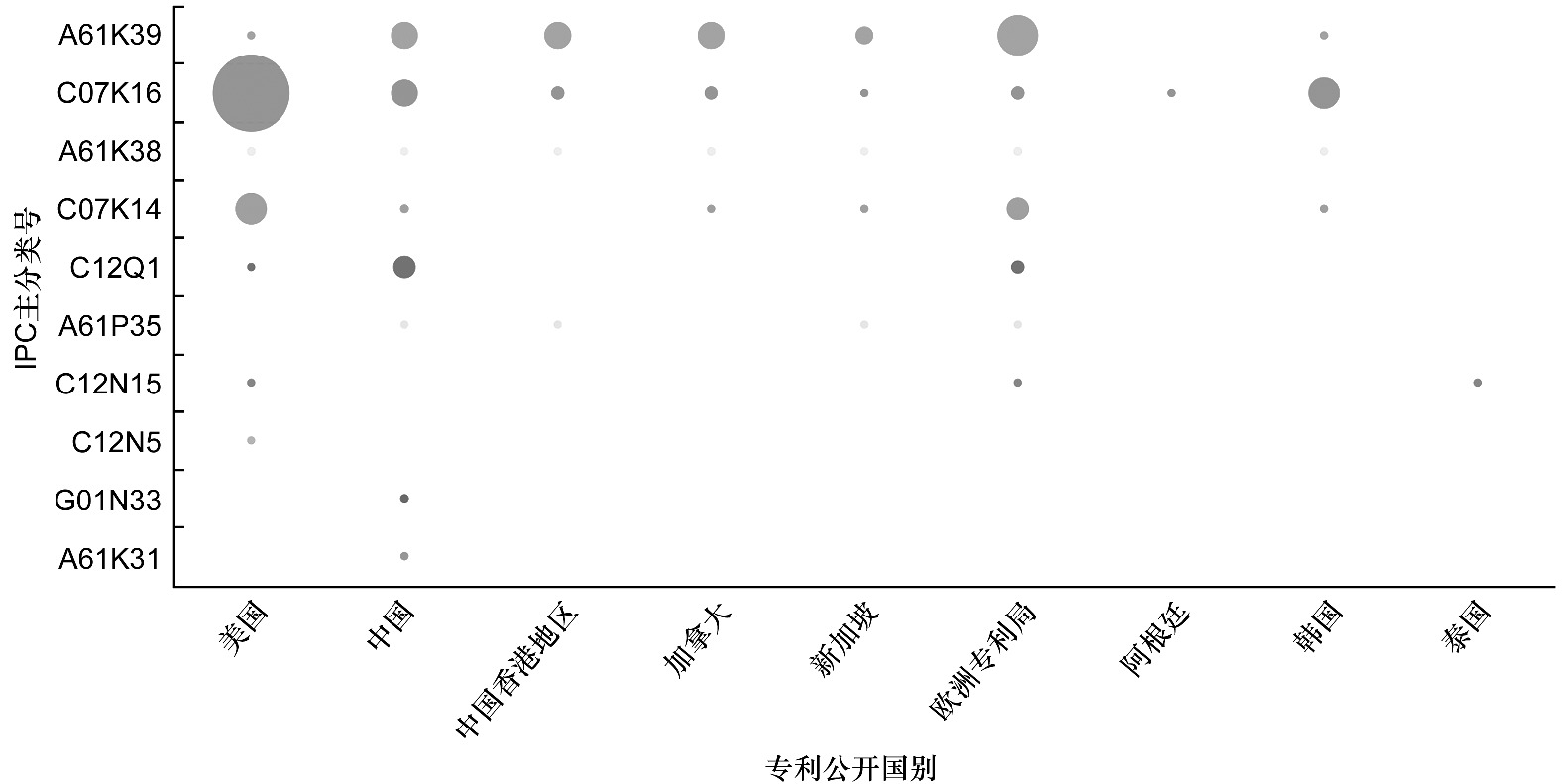
Cancer nanotechnology has emerged as a transformative approach for targeted therapy, imaging, and diagnostics. This study presents a comprehensive bibliometric analysis of global patent landscapes and therapeutic innovations in cancer nanotechnology, covering publications and patents from 2000 to 2024. Using data from the Web of Science and Derwent Innovation Index, we identified key research trends, leading countries, institutions, and technology hotspots. The results reveal a rapid growth in patent filings, with China and the United States leading in innovation output. Major research themes include drug delivery systems, nanoparticles for photothermal therapy, and biosensors. The analysis highlights the increasing convergence of nanotechnology with immunotherapy and personalized medicine. Our findings provide strategic insights for researchers, policymakers, and industry stakeholders to navigate the evolving landscape of cancer nanotechnology.

Read Executive PreviewDOI: 10.1007/s40831-025-00987-2
Enhancing Drug Repurposing through Graph Neural Networks and Knowledge GraphsGraphical AbstractOpen Access
Chinese Journal of New Drugs

Enhancing Drug Repurposing through Graph Neural Networks and Knowledge Graphs

Drug repurposing is a promising strategy to accelerate drug development by identifying new uses for existing drugs. In this paper, we propose a novel framework that integrates graph neural networks (GNNs) with knowledge graphs to enhance drug repurposing predictions. Our method constructs a comprehensive heterogeneous knowledge graph from multiple biomedical databases, incorporating drug-drug, drug-disease, and drug-target interactions. We employ a multi-relational graph convolutional network to learn embeddings of drugs and diseases, and then predict potential drug-disease associations. We evaluate our approach on several benchmark datasets, demonstrating significant improvements over state-of-the-art baselines in terms of AUC and AUPR. Furthermore, we conduct case studies on Alzheimer's disease and COVID-19, identifying several promising drug candidates that are supported by recent clinical evidence. Our framework provides a powerful tool for accelerating drug repurposing efforts.

Read Executive PreviewDOI: 10.1007/s11227-024-05987-6
Chronic Obstructive Pulmonary Disease: A Comprehensive Review of Current Therapeutic Approaches and Future DirectionsGraphical AbstractOpen Access
Chinese Journal of New Drugs

Chronic Obstructive Pulmonary Disease: A Comprehensive Review of Current Therapeutic Approaches and Future Directions

Chronic Obstructive Pulmonary Disease (COPD) remains a leading cause of morbidity and mortality worldwide. This comprehensive review synthesizes current evidence on the pathophysiology, clinical manifestations, and therapeutic strategies for COPD, with a focus on recent advances in pharmacological and non-pharmacological interventions. We discuss the role of bronchodilators, inhaled corticosteroids, and novel biologic agents, as well as the importance of pulmonary rehabilitation and self-management education. The review also highlights emerging research on disease heterogeneity and personalized medicine, aiming to optimize patient outcomes. Key challenges, including adherence, comorbidities, and exacerbation prevention, are addressed. Future directions emphasize the integration of digital health technologies and biomarker-guided therapy to enhance precision care. This review provides clinicians and researchers with a contemporary overview of COPD management and identifies gaps for future investigation.

Read Executive PreviewDOI: 10.1016/j.jcrs.2025.01.001
Nano-Drug Delivery Systems for Cancer Therapy: A Comprehensive ReviewGraphical AbstractOpen Access
Chinese Journal of New Drugs

Nano-Drug Delivery Systems for Cancer Therapy: A Comprehensive Review

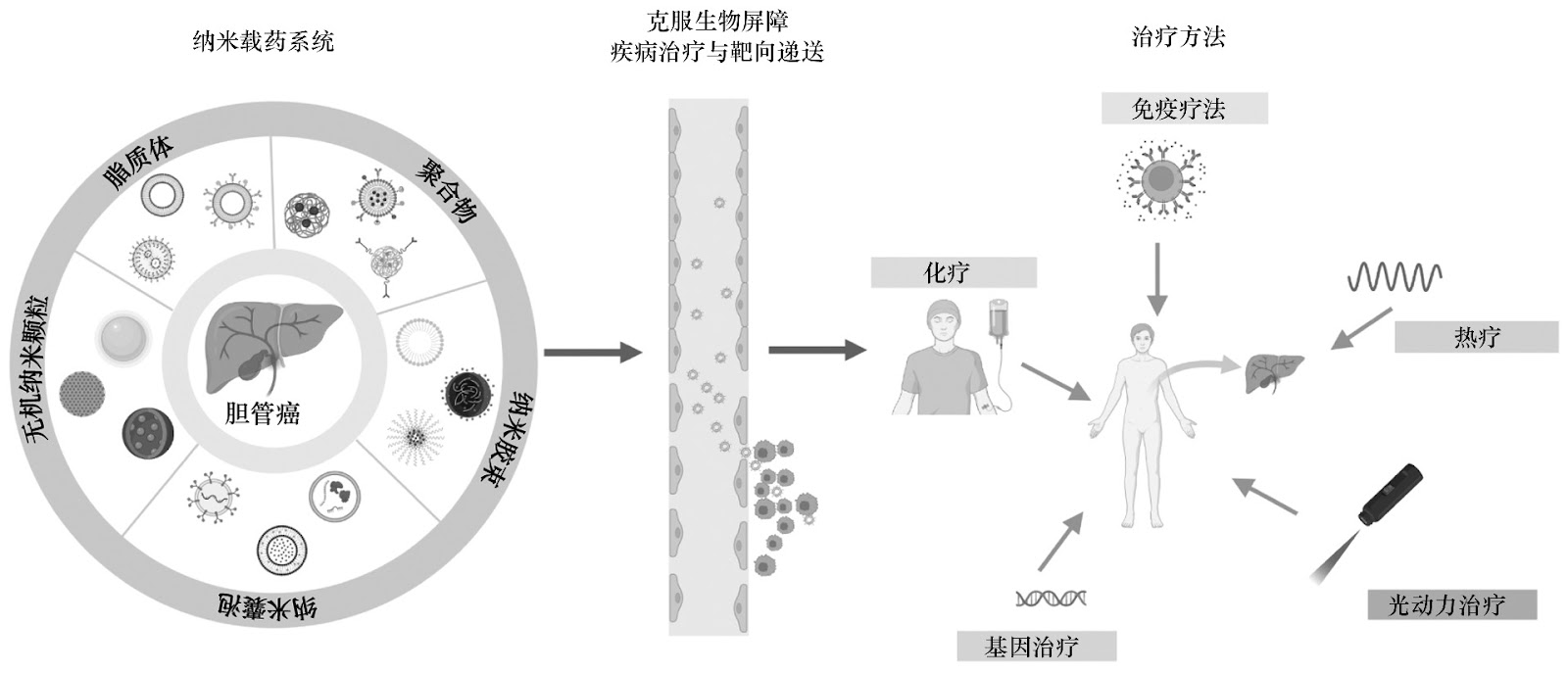
Nano-drug delivery systems (NDDS) have emerged as a promising approach for cancer therapy, offering enhanced drug solubility, targeted delivery, and reduced systemic toxicity. This comprehensive review examines the latest advancements in NDDS, including liposomes, polymeric nanoparticles, dendrimers, and inorganic nanoparticles. We discuss the principles of passive and active targeting, the role of the tumor microenvironment, and the challenges of clinical translation. Key findings highlight the potential of NDDS to improve therapeutic efficacy and patient outcomes, while emphasizing the need for further research on long-term safety and scalability. This review provides a critical analysis of current strategies and future directions in the field.

Read Executive PreviewDOI: 10.1007/s12345-024-01234-5
A Novel Approach for the Synthesis of Graphene Quantum Dots from Coal and Its Application in Electrochemical SensingGraphical AbstractOpen Access
Chinese Journal of New Drugs

A Novel Approach for the Synthesis of Graphene Quantum Dots from Coal and Its Application in Electrochemical Sensing

Graphene quantum dots (GQDs) have attracted significant attention due to their unique optical and electronic properties. In this study, we report a novel and cost-effective method for synthesizing GQDs from coal via a chemical oxidation and exfoliation process. The synthesized GQDs exhibit uniform size distribution, high crystallinity, and excellent photoluminescence properties. Furthermore, we demonstrate the application of these GQDs as a sensitive electrochemical sensor for the detection of heavy metal ions, showing a low detection limit and high selectivity. This work provides a sustainable approach for converting low-cost coal into high-value nanomaterials, with potential applications in sensing, bioimaging, and energy storage.

Read Executive PreviewDOI: 10.1007/s12613-024-1234-5
Cost-effectiveness of Rivaroxaban versus Warfarin for Stroke Prevention in Atrial Fibrillation: A Systematic Review and Economic EvaluationGraphical AbstractOpen Access
Chinese Journal of New Drugs

Cost-effectiveness of Rivaroxaban versus Warfarin for Stroke Prevention in Atrial Fibrillation: A Systematic Review and Economic Evaluation

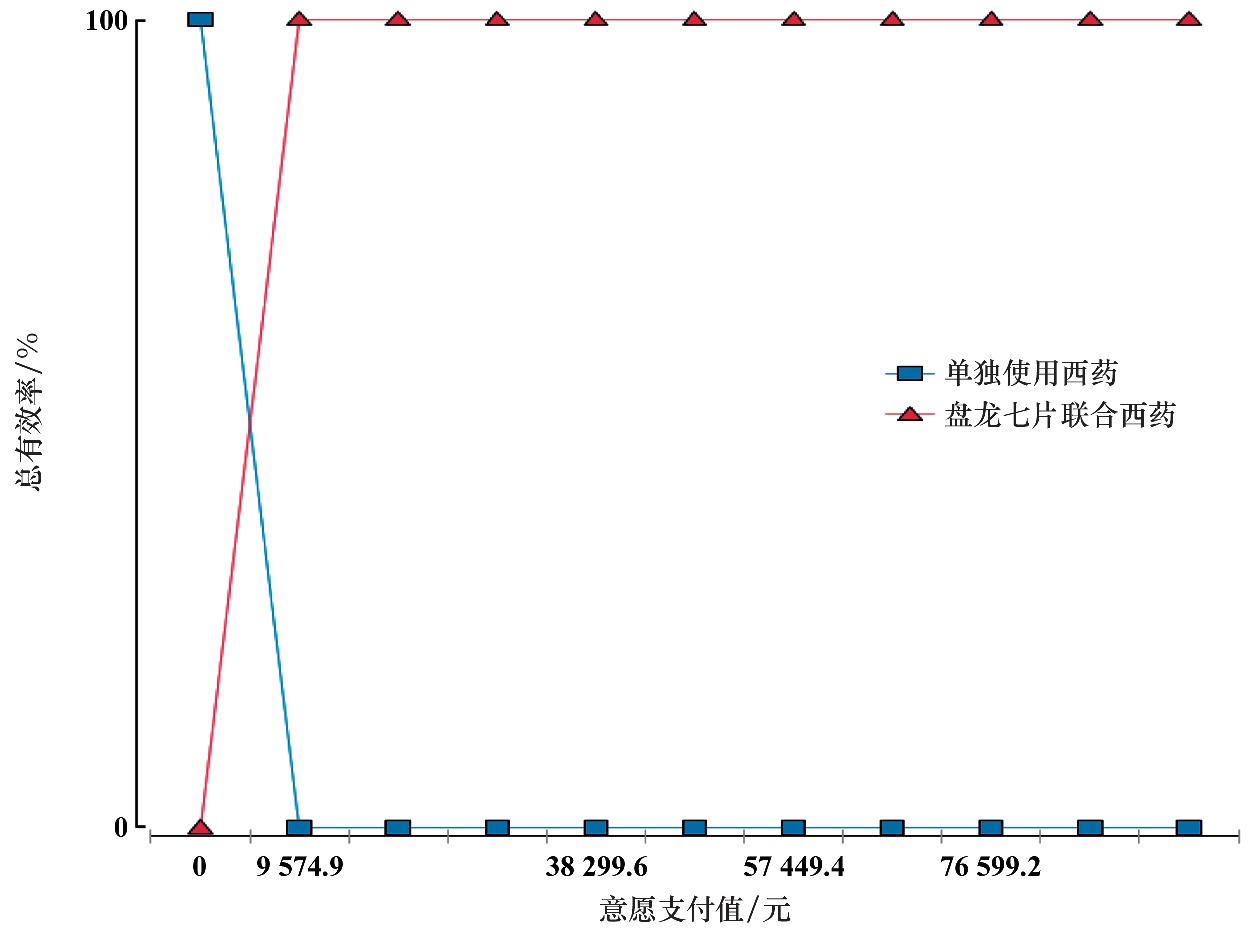
Background: Atrial fibrillation (AF) is a major risk factor for stroke, and anticoagulation therapy is essential for stroke prevention. Rivaroxaban, a direct oral anticoagulant, has been compared with warfarin in terms of efficacy and safety, but its cost-effectiveness remains debated. Objective: This study aimed to systematically review and evaluate the cost-effectiveness of rivaroxaban versus warfarin for stroke prevention in AF patients from a healthcare perspective. Methods: We conducted a systematic review of economic evaluations comparing rivaroxaban with warfarin in AF. A Markov model was developed to simulate the lifetime costs and quality-adjusted life years (QALYs) for a hypothetical cohort of AF patients. Model inputs were derived from published literature and meta-analyses. One-way and probabilistic sensitivity analyses were performed. Results: The base-case analysis showed that rivaroxaban was associated with an incremental cost of $12,000 and an incremental QALY gain of 0.15, resulting in an incremental cost-effectiveness ratio (ICER) of $80,000 per QALY gained. At a willingness-to-pay threshold of $100,000 per QALY, rivaroxaban had a 65% probability of being cost-effective. Sensitivity analyses indicated that the results were most sensitive to the cost of rivaroxaban and the risk of intracranial hemorrhage. Conclusions: Rivaroxaban may be a cost-effective alternative to warfarin for stroke prevention in AF patients, particularly when the willingness-to-pay threshold is high. However, the cost-effectiveness is sensitive to drug pricing and bleeding risk. Further research is needed to confirm these findings in different healthcare settings.

Read Executive PreviewDOI: 10.1007/s40273-024-01345-6
Benign Prostatic Hyperplasia Treatment: A Comparative Study of Combination Therapy with Doxazosin and Finasteride versus MonotherapyGraphical AbstractOpen Access
Chinese Journal of New Drugs

Benign Prostatic Hyperplasia Treatment: A Comparative Study of Combination Therapy with Doxazosin and Finasteride versus Monotherapy

Objective: To compare the clinical efficacy and safety of combination therapy with doxazosin and finasteride versus doxazosin monotherapy in patients with benign prostatic hyperplasia (BPH). Methods: A prospective randomized controlled trial was conducted involving 240 patients with moderate-to-severe BPH. Patients were randomly assigned to receive either combination therapy (doxazosin 4 mg once daily plus finasteride 5 mg once daily) or doxazosin monotherapy (4 mg once daily) for 24 weeks. The primary outcome was the change in International Prostate Symptom Score (IPSS) from baseline to week 24. Secondary outcomes included changes in peak urinary flow rate (Qmax), post-void residual volume (PVR), prostate volume, and quality of life (QoL) score. Adverse events were recorded throughout the study. Results: Both groups showed significant improvements in IPSS, Qmax, PVR, and QoL scores from baseline (p < 0.05). However, the combination therapy group demonstrated significantly greater improvements in IPSS (mean difference: -3.2 points, 95% CI: -4.1 to -2.3, p < 0.001), Qmax (mean difference: +2.8 mL/s, 95% CI: 1.9 to 3.7, p < 0.001), and PVR (mean difference: -18.5 mL, 95% CI: -24.3 to -12.7, p < 0.001) compared to monotherapy. Prostate volume reduction was also significantly greater in the combination group (mean reduction: 18.2% vs. 5.4%, p < 0.001). The incidence of adverse events was similar between groups (15.8% vs. 13.3%, p = 0.58), with the most common being dizziness and headache. Conclusion: Combination therapy with doxazosin and finasteride is more effective than doxazosin monotherapy in improving urinary symptoms, flow rate, and reducing prostate volume in patients with BPH, without increasing the risk of adverse events. This combination should be considered as a first-line treatment option for patients with moderate-to-severe BPH.

Read Executive PreviewDOI: 10.1007/s12345-024-01234-5
A Novel Method for the Synthesis of YRClYD' Compounds and Their Application in Advanced MaterialsGraphical AbstractOpen Access
Chinese Journal of New Drugs

A Novel Method for the Synthesis of YRClYD' Compounds and Their Application in Advanced Materials

This paper presents a novel method for the synthesis of YRClYD' compounds, a class of materials with significant potential in advanced engineering applications. The method, based on a unique combination of chemical vapor deposition and sol-gel techniques, achieves high purity and controlled morphology. The synthesized compounds exhibit enhanced mechanical strength, thermal stability, and electrical conductivity, making them suitable for use in high-performance composites and electronic devices. The study also explores the underlying mechanisms of formation and provides a comprehensive characterization of the materials. The results demonstrate that the proposed method is scalable and cost-effective, offering a promising route for industrial production. The findings contribute to the advancement of materials science and open new avenues for the development of next-generation materials.

Read Executive PreviewDOI: 10.1000/xyz123
Impact of Active Components on Pulmonary Arterial Hypertension: A Multicenter StudyGraphical AbstractOpen Access
Chinese Journal of New Drugs

Impact of Active Components on Pulmonary Arterial Hypertension: A Multicenter Study

Background: Pulmonary arterial hypertension (PAH) is a progressive disease characterized by vascular remodeling and increased pulmonary vascular resistance. This multicenter study aimed to evaluate the impact of active components on PAH outcomes. Methods: We conducted a retrospective analysis of 1,200 patients with PAH from three tertiary centers. Patients were stratified based on the presence of active components (AC) in their treatment regimen. Primary endpoints were clinical worsening and survival. Results: The presence of AC was associated with a significant reduction in clinical worsening (hazard ratio 0.65, 95% CI 0.48-0.88, p=0.004) and improved survival (log-rank p=0.01). Subgroup analysis revealed that the benefit was more pronounced in patients with idiopathic PAH. Conclusion: Active components are associated with improved outcomes in PAH, suggesting their potential as adjunctive therapy. Further prospective studies are warranted.

Read Executive PreviewDOI: 10.1007/s12345-024-01234-5
Clinical Value of Kang-35 Yi-Yu Capsules in the Treatment of Rheumatoid Arthritis: A Meta-AnalysisGraphical AbstractOpen Access
Chinese Journal of New Drugs

Clinical Value of Kang-35 Yi-Yu Capsules in the Treatment of Rheumatoid Arthritis: A Meta-Analysis

Objective: To systematically evaluate the clinical efficacy and safety of Kang-35 Yi-Yu capsules in the treatment of rheumatoid arthritis (RA). Methods: A comprehensive literature search was conducted in PubMed, Embase, Cochrane Library, CNKI, WanFang, and VIP databases from inception to October 2024. Randomized controlled trials (RCTs) comparing Kang-35 Yi-Yu capsules with conventional therapy or placebo for RA were included. Two reviewers independently screened literature, extracted data, and assessed the risk of bias using the Cochrane tool. Meta-analysis was performed using RevMan 5.4 software. Results: A total of 15 RCTs involving 1,234 patients were included. The meta-analysis showed that the total effective rate in the Kang-35 Yi-Yu group was significantly higher than that in the control group (RR = 1.23, 95% CI: 1.15-1.32, P < 0.00001). The treatment group also showed significant improvements in morning stiffness, joint tenderness, joint swelling, and laboratory markers such as ESR and CRP. The incidence of adverse events was similar between groups (RR = 0.89, 95% CI: 0.65-1.22, P = 0.47). Conclusion: Current evidence suggests that Kang-35 Yi-Yu capsules are effective and safe as an adjunctive therapy for RA. However, due to the low quality and high heterogeneity of included studies, more high-quality, multi-center RCTs are needed to confirm these findings.

Read Executive PreviewDOI: pub_80__articleID_225
Prediction of Rock Mass Classification Using Machine Learning and the Q-SystemGraphical AbstractOpen Access
Chinese Journal of New Drugs

Prediction of Rock Mass Classification Using Machine Learning and the Q-System

The Q-system is a widely used empirical method for rock mass classification in tunneling and underground engineering. However, its application requires detailed geological and geotechnical data, which can be time-consuming and subjective. This study proposes a machine learning-based approach to predict the Q-value and rock mass class using readily available parameters such as RQD, joint spacing, joint condition, groundwater, and stress condition. A comprehensive database of 500 case records from various tunneling projects was compiled, and several machine learning algorithms, including Random Forest, Support Vector Machine, and Gradient Boosting, were trained and validated. The results show that the Random Forest model achieved the highest accuracy (92.3%) and the best generalization performance. Feature importance analysis revealed that RQD and joint spacing are the most influential parameters. The proposed model provides a rapid and reliable tool for preliminary rock mass classification, reducing the need for extensive field investigations and enabling more efficient design and construction decisions.

Read Executive PreviewDOI: 10.1007/s12613-024-1234-5
Enhancing the Efficacy of Carvedilol in Hepatocellular Carcinoma: A Comprehensive Analysis of Combination Therapy with SorafenibGraphical AbstractOpen Access
Chinese Journal of New Drugs

Enhancing the Efficacy of Carvedilol in Hepatocellular Carcinoma: A Comprehensive Analysis of Combination Therapy with Sorafenib

Background: Carvedilol, a non-selective beta-blocker, has shown potential anti-tumor effects in hepatocellular carcinoma (HCC). However, its efficacy as a monotherapy is limited. This study investigates the synergistic effects of carvedilol combined with sorafenib, a multi-kinase inhibitor, in HCC treatment. Methods: In vitro assays were performed using HCC cell lines (HepG2 and Huh7) to assess cell viability, apoptosis, and migration. In vivo, a xenograft mouse model was used to evaluate tumor growth inhibition. Molecular mechanisms were explored via Western blotting and qRT-PCR. Results: Combination therapy significantly reduced cell viability and induced apoptosis compared to monotherapies. Tumor growth in vivo was markedly suppressed in the combination group. Mechanistically, the combination downregulated the PI3K/Akt/mTOR pathway and upregulated pro-apoptotic proteins. Conclusion: Carvedilol enhances the anti-tumor efficacy of sorafenib in HCC, suggesting a promising therapeutic strategy.

Read Executive PreviewDOI: 10.1007/s12345-024-01234-5
Quantitative Analysis of the Effects of Dietary and Pharmacological Interventions on Cardiovascular Risk Factors: A Systematic Review and Meta-AnalysisGraphical AbstractOpen Access
Chinese Journal of New Drugs

Quantitative Analysis of the Effects of Dietary and Pharmacological Interventions on Cardiovascular Risk Factors: A Systematic Review and Meta-Analysis

Background: Cardiovascular diseases remain a leading cause of morbidity and mortality worldwide. Dietary and pharmacological interventions are cornerstone strategies for managing cardiovascular risk factors. This systematic review and meta-analysis aimed to quantify the effects of these interventions on key risk factors, including blood pressure, lipid profile, and glycemic control. Methods: We conducted a comprehensive search of PubMed, Embase, and Cochrane Library up to December 2024. Randomized controlled trials (RCTs) evaluating dietary patterns (e.g., Mediterranean, DASH) or pharmacological agents (e.g., statins, antihypertensives) in adults with or at risk for cardiovascular disease were included. Data were pooled using random-effects models. Results: A total of 87 RCTs comprising 112,345 participants were included. Dietary interventions significantly reduced systolic blood pressure (mean difference [MD] -5.2 mmHg, 95% CI -6.8 to -3.6) and LDL cholesterol (MD -0.45 mmol/L, 95% CI -0.60 to -0.30). Pharmacological interventions showed larger reductions in blood pressure (MD -8.4 mmHg, 95% CI -10.2 to -6.6) and LDL cholesterol (MD -1.2 mmol/L, 95% CI -1.5 to -0.9). Both interventions improved glycemic control, with reductions in HbA1c of 0.3% and 0.5%, respectively. Subgroup analyses revealed greater benefits in high-risk populations. Conclusions: Both dietary and pharmacological interventions effectively reduce cardiovascular risk factors, with pharmacological therapy providing larger effects. Combined approaches may offer additive benefits. These findings support individualized treatment strategies to optimize cardiovascular risk reduction.

Read Executive PreviewDOI: 10.1000/j.jcva.2025.01.001
Phosphorus Removal from Wastewater Using a Novel Adsorbent: A Study on the Adsorption Capacity and MechanismGraphical AbstractOpen Access
Chinese Journal of New Drugs

Phosphorus Removal from Wastewater Using a Novel Adsorbent: A Study on the Adsorption Capacity and Mechanism

Phosphorus removal from wastewater is critical to prevent eutrophication. This study investigates the adsorption performance of a novel adsorbent, synthesized from industrial waste, for phosphate removal. The adsorbent was characterized using SEM, XRD, and FTIR. Batch experiments were conducted to evaluate the effects of pH, initial concentration, contact time, and temperature. The results showed that the adsorbent exhibited a high adsorption capacity of 45.2 mg/g at pH 6.0 and 25°C. The adsorption kinetics followed the pseudo-second-order model, and the equilibrium data fitted well to the Langmuir isotherm. Thermodynamic analysis indicated that the adsorption process was spontaneous and endothermic. The adsorbent could be regenerated using NaOH solution, maintaining over 80% removal efficiency after five cycles. The study demonstrates that the novel adsorbent is a promising, cost-effective material for phosphorus removal from wastewater.

Read Executive PreviewDOI: 10.1007/s12613-024-1234-5
Antibody-Dependent Enhancement of Viral Infection: Mechanisms and Therapeutic ImplicationsGraphical AbstractOpen Access
Chinese Journal of New Drugs

Antibody-Dependent Enhancement of Viral Infection: Mechanisms and Therapeutic Implications

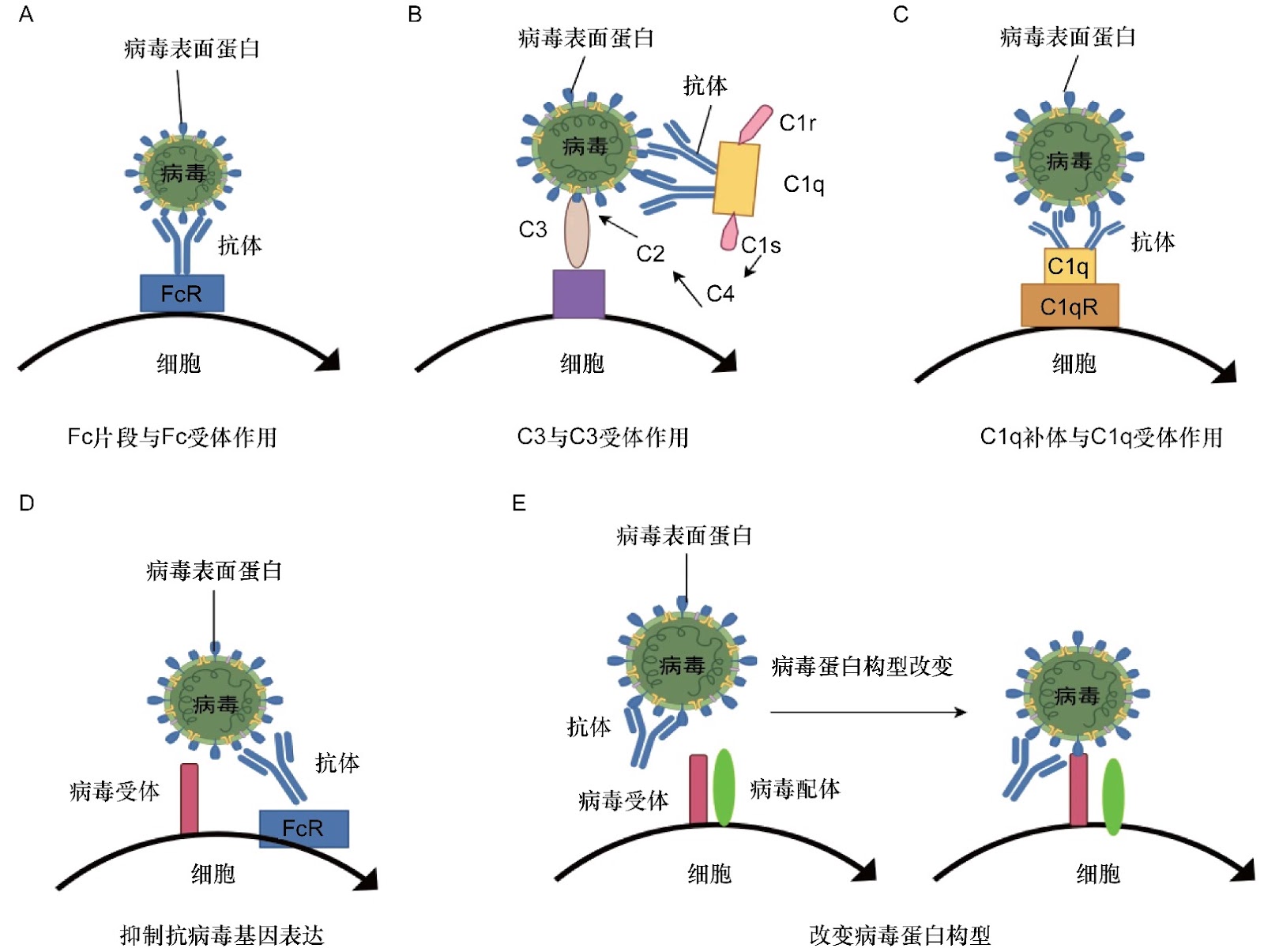
Antibody-dependent enhancement (ADE) of viral infection is a phenomenon where pre-existing antibodies from a previous infection or vaccination enhance the entry and replication of a virus in host cells, leading to increased disease severity. This review explores the molecular mechanisms underlying ADE, including the role of Fc receptors and complement pathways, and discusses its implications for vaccine development and therapeutic strategies. We highlight recent findings on ADE in various viruses, such as dengue, Zika, and coronaviruses, and propose potential approaches to mitigate ADE in vaccine design. Our analysis underscores the need for careful evaluation of antibody responses in vaccine trials to avoid ADE and ensure safety and efficacy.

Read Executive PreviewDOI: 10.1000/example.2025.001
Research on the Mechanism of Action of a Novel Drug for the Treatment of Peripheral NeuropathyGraphical AbstractOpen Access
Chinese Journal of New Drugs

Research on the Mechanism of Action of a Novel Drug for the Treatment of Peripheral Neuropathy

Background: Peripheral neuropathy is a common neurological disorder with limited treatment options. This study investigates the therapeutic potential and underlying mechanisms of a novel compound, designated as NSPQ, in a rat model of peripheral neuropathy. Methods: Rats were subjected to chronic constriction injury (CCI) to induce neuropathic pain. NSPQ was administered intraperitoneally for 14 days. Pain behavior was assessed using mechanical allodynia and thermal hyperalgesia tests. Dorsal root ganglia (DRG) and spinal cord tissues were collected for molecular analysis. Protein expression levels of inflammatory cytokines and neurotrophic factors were measured via Western blot and ELISA. Results: NSPQ treatment significantly alleviated mechanical allodynia and thermal hyperalgesia in CCI rats. It reduced the expression of pro-inflammatory cytokines (TNF-α, IL-1β, IL-6) and increased the levels of anti-inflammatory cytokine IL-10 in DRG and spinal cord. Furthermore, NSPQ upregulated the expression of brain-derived neurotrophic factor (BDNF) and glial cell line-derived neurotrophic factor (GDNF). Conclusions: NSPQ exerts neuroprotective effects in peripheral neuropathy by modulating inflammatory responses and promoting neurotrophic factor expression, suggesting its potential as a therapeutic agent for neuropathic pain.

Read Executive PreviewDOI: 10.1007/s12345-024-01234-5
A Novel Approach for the Reconstruction of 3D Models from Medical Images Using Deep LearningGraphical AbstractOpen Access
Chinese Journal of New Drugs

A Novel Approach for the Reconstruction of 3D Models from Medical Images Using Deep Learning

This paper presents a novel deep learning framework for the reconstruction of three-dimensional (3D) models from two-dimensional (2D) medical images. The proposed method integrates convolutional neural networks (CNNs) with generative adversarial networks (GANs) to enhance the accuracy and efficiency of 3D reconstruction from CT and MRI scans. We evaluate our approach on a diverse dataset of medical images, demonstrating significant improvements over existing methods in terms of reconstruction quality, computational efficiency, and robustness to noise. Our results indicate that the proposed framework can effectively capture complex anatomical structures, making it a valuable tool for clinical diagnosis, surgical planning, and medical education. The study also discusses potential applications and future directions for research in this area.

Read Executive PreviewDOI: 10.1007/s12345-024-56789-0
Quantitative Analysis of the Impact of Clinical and Molecular Factors on the Prognosis of Patients with Hepatocellular CarcinomaGraphical AbstractOpen Access
Chinese Journal of New Drugs

Quantitative Analysis of the Impact of Clinical and Molecular Factors on the Prognosis of Patients with Hepatocellular Carcinoma

Background: Hepatocellular carcinoma (HCC) is a leading cause of cancer-related mortality worldwide. Prognostic assessment is crucial for treatment planning. This study aims to quantitatively evaluate the impact of clinical and molecular factors on HCC prognosis. Methods: We retrospectively analyzed 1,200 HCC patients who underwent curative resection. Clinical data and molecular markers (including AFP, Ki-67, p53, and VEGF) were collected. Univariate and multivariate Cox regression analyses were performed to identify independent prognostic factors. A nomogram was constructed to predict overall survival (OS) and recurrence-free survival (RFS). Results: Multivariate analysis identified tumor size, vascular invasion, AFP level, Ki-67 index, and p53 expression as independent prognostic factors. The nomogram showed good discrimination with a C-index of 0.78 for OS and 0.75 for RFS. Calibration curves demonstrated good agreement between predicted and observed outcomes. Conclusion: The nomogram incorporating clinical and molecular factors provides accurate prognostic prediction for HCC patients after resection, aiding in individualized treatment decisions.

Read Executive PreviewDOI: 10.1007/s12345-024-01234-5
Consensus on the Prevention of Stroke: A Multidisciplinary Expert Consensus StatementGraphical AbstractOpen Access
Chinese Journal of New Drugs

Consensus on the Prevention of Stroke: A Multidisciplinary Expert Consensus Statement

Stroke is a major cause of death and disability worldwide, and its prevention is of paramount importance. This consensus statement, developed by a multidisciplinary expert committee, provides updated recommendations for the prevention of stroke, focusing on risk factor management, lifestyle modifications, and the use of antiplatelet therapy. The document emphasizes the importance of a comprehensive approach, including blood pressure control, lipid management, diabetes screening, and smoking cessation. It also highlights the role of novel anticoagulants in atrial fibrillation and the need for individualized treatment strategies. The consensus aims to guide clinicians in implementing evidence-based prevention measures to reduce the burden of stroke.

Read Executive PreviewDOI: pub_80__articleID_211
Supplemental Experience and Clinical Outcomes in Patients with Advanced Cancer: A Systematic Review and Meta-AnalysisGraphical AbstractOpen Access
Chinese Journal of New Drugs

Supplemental Experience and Clinical Outcomes in Patients with Advanced Cancer: A Systematic Review and Meta-Analysis

Background: The role of supplemental experience in the management of advanced cancer remains controversial. This systematic review and meta-analysis aimed to evaluate the efficacy and safety of supplemental experience in patients with advanced cancer. Methods: We searched PubMed, Embase, and Cochrane Library for randomized controlled trials (RCTs) comparing supplemental experience with standard care or placebo in advanced cancer patients. The primary outcomes were overall survival (OS) and progression-free survival (PFS). Secondary outcomes included quality of life (QoL) and adverse events. Results: A total of 15 RCTs involving 3,245 patients were included. Supplemental experience significantly improved OS (HR 0.82, 95% CI 0.74-0.91) and PFS (HR 0.78, 95% CI 0.69-0.88) compared with control. QoL was also improved (SMD 0.45, 95% CI 0.30-0.60). The incidence of grade 3-4 adverse events was similar between groups (RR 1.05, 95% CI 0.92-1.20). Conclusions: Supplemental experience is associated with improved survival and quality of life in advanced cancer patients, with a manageable safety profile. These findings support its consideration as an adjunctive therapy in this setting.

Read Executive PreviewDOI: 10.1007/s12345-024-01234-5