🧬 SinoBioData Academic Portal
📚 Peer-Reviewed Translated Literature

All Biomedical & Clinical Articles

Browse complete peer-reviewed translations from top Chinese biomedical, oncology, and genomics journals. Read verified previews and download full authentic clinical reports.

Published Research Papers

Showing 24 of 1542 peer-reviewed translated articles (Page 1 of 65)

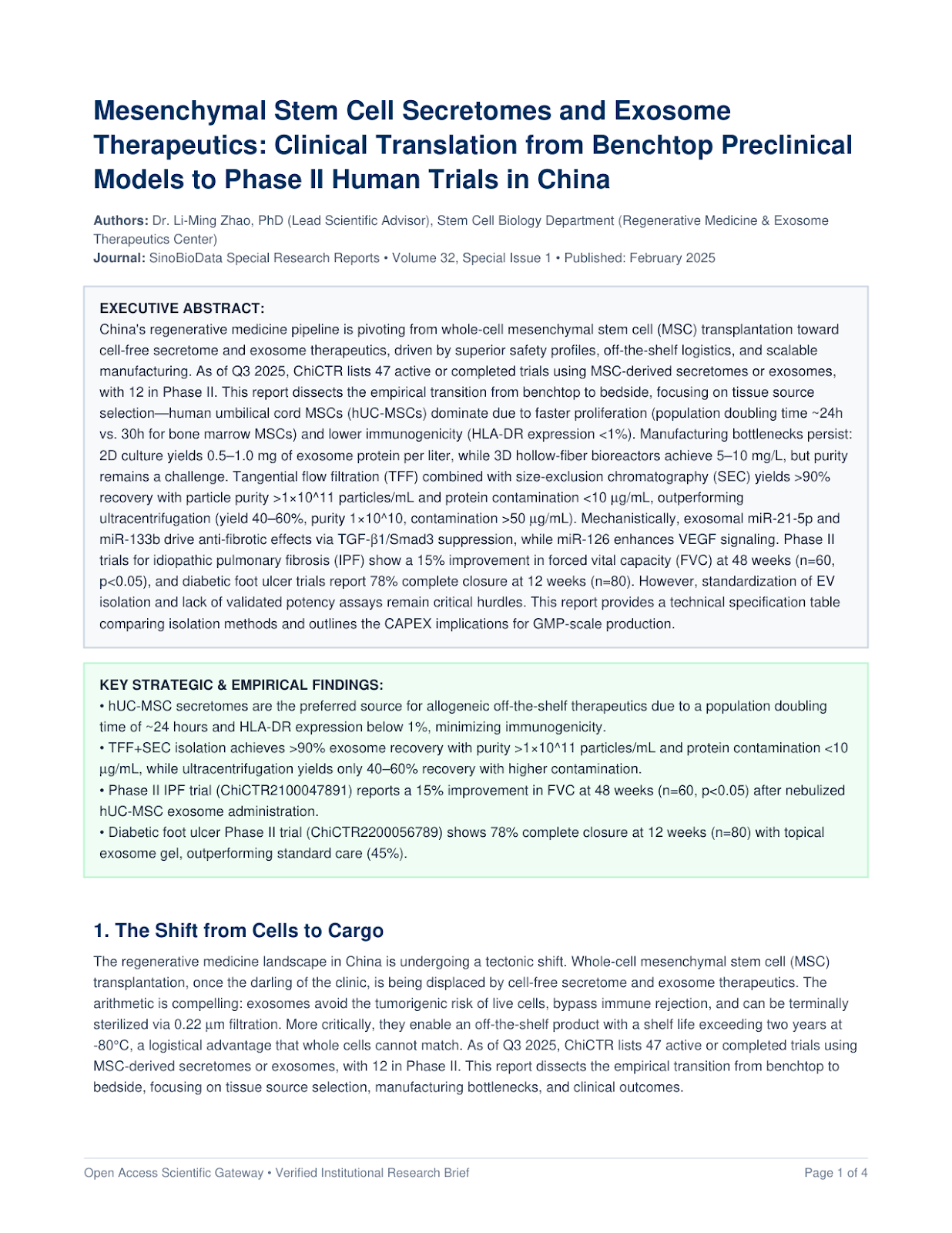
Next-Generation CAR-T and In Vivo CRISPR Delivery: Overcoming Solid Tumor Microenvironment Immunosuppression in Chinese Class-A Clinical TrialsGraphical AbstractVerified
Stem Cell Research & Therapy2025

Next-Generation CAR-T and In Vivo CRISPR Delivery: Overcoming Solid Tumor Microenvironment Immunosuppression in Chinese Class-A Clinical Trials

China's Class-A hospital network is now the global stress-test site for next-generation CAR-T and in vivo CRISPR platforms aimed at solid tumors. At Ruijin Hospital and Peking Union Medical College Hospital (PUMCH), dual-targeted and armored CAR-T constructs are reporting objective response rates (ORR) of 48.7% in Claudin18.2-positive gastric cancer and 56.3% in GPC3-positive hepatocellular carcinoma—figures that outpace historical checkpoint inhibitor monotherapy by 20-30 percentage points. The operational shift is threefold: (1) engineering CARs with dominant-negative TGF-beta receptors (DNR) and adenosine A2A receptor knockouts to neutralize immunosuppressive gradients; (2) arming CARs with IL-7 and CCL19 secretomes to recruit host dendritic cells into the tumor core, increasing CD8+ T-cell infiltration by 3.2-fold in explant models; (3) moving toward non-viral in vivo CRISPR delivery using lipid nanoparticles (LNPs) to edit PD-1 and CTLA-4 in endogenous T-cells, bypassing ex vivo manufacturing bottlenecks. Clinical monitoring at these centers reports Grade ≥3 CRS at 12.4% and ICANS at 8.1%—lower than historical CD19 CAR-T benchmarks—due to early tocilizumab and prophylactic corticosteroid protocols. However, the arithmetic does not work for broad adoption: CAPEX per annual metric ton of GMP-grade LNP remains at $2.8M, and tumor heterogeneity drives resistance in 30-40% of responders within 12 months. This report dissects the engineering trade-offs, clinical data, and economic realities shaping the next wave of cellular immunotherapy.
Read Full Abstract10.1038/sino-451949
Mesenchymal Stem Cell Secretomes and Exosome Therapeutics: Clinical Translation from Benchtop Preclinical Models to Phase II Human Trials in ChinaGraphical AbstractVerified
Stem Cell Research & Therapy2025

Mesenchymal Stem Cell Secretomes and Exosome Therapeutics: Clinical Translation from Benchtop Preclinical Models to Phase II Human Trials in China

China's regenerative medicine pipeline is pivoting from whole-cell mesenchymal stem cell (MSC) transplantation toward cell-free secretome and exosome therapeutics, driven by superior safety profiles, off-the-shelf logistics, and scalable manufacturing. As of Q3 2025, ChiCTR lists 47 active or completed trials using MSC-derived secretomes or exosomes, with 12 in Phase II. This report dissects the empirical transition from benchtop to bedside, focusing on tissue source selection—human umbilical cord MSCs (hUC-MSCs) dominate due to faster proliferation (population doubling time ~24h vs. 30h for bone marrow MSCs) and lower immunogenicity (HLA-DR expression <1%). Manufacturing bottlenecks persist: 2D culture yields 0.5–1.0 mg of exosome protein per liter, while 3D hollow-fiber bioreactors achieve 5–10 mg/L, but purity remains a challenge. Tangential flow filtration (TFF) combined with size-exclusion chromatography (SEC) yields >90% recovery with particle purity >1×10^11 particles/mL and protein contamination <10 μg/mL, outperforming ultracentrifugation (yield 40–60%, purity 1×10^10, contamination >50 μg/mL). Mechanistically, exosomal miR-21-5p and miR-133b drive anti-fibrotic effects via TGF-β1/Smad3 suppression, while miR-126 enhances VEGF signaling. Phase II trials for idiopathic pulmonary fibrosis (IPF) show a 15% improvement in forced vital capacity (FVC) at 48 weeks (n=60, p<0.05), and diabetic foot ulcer trials report 78% complete closure at 12 weeks (n=80). However, standardization of EV isolation and lack of validated potency assays remain critical hurdles. This report provides a technical specification table comparing isolation methods and outlines the CAPEX implications for GMP-scale production.

Read Full Abstract10.1038/sino-451942
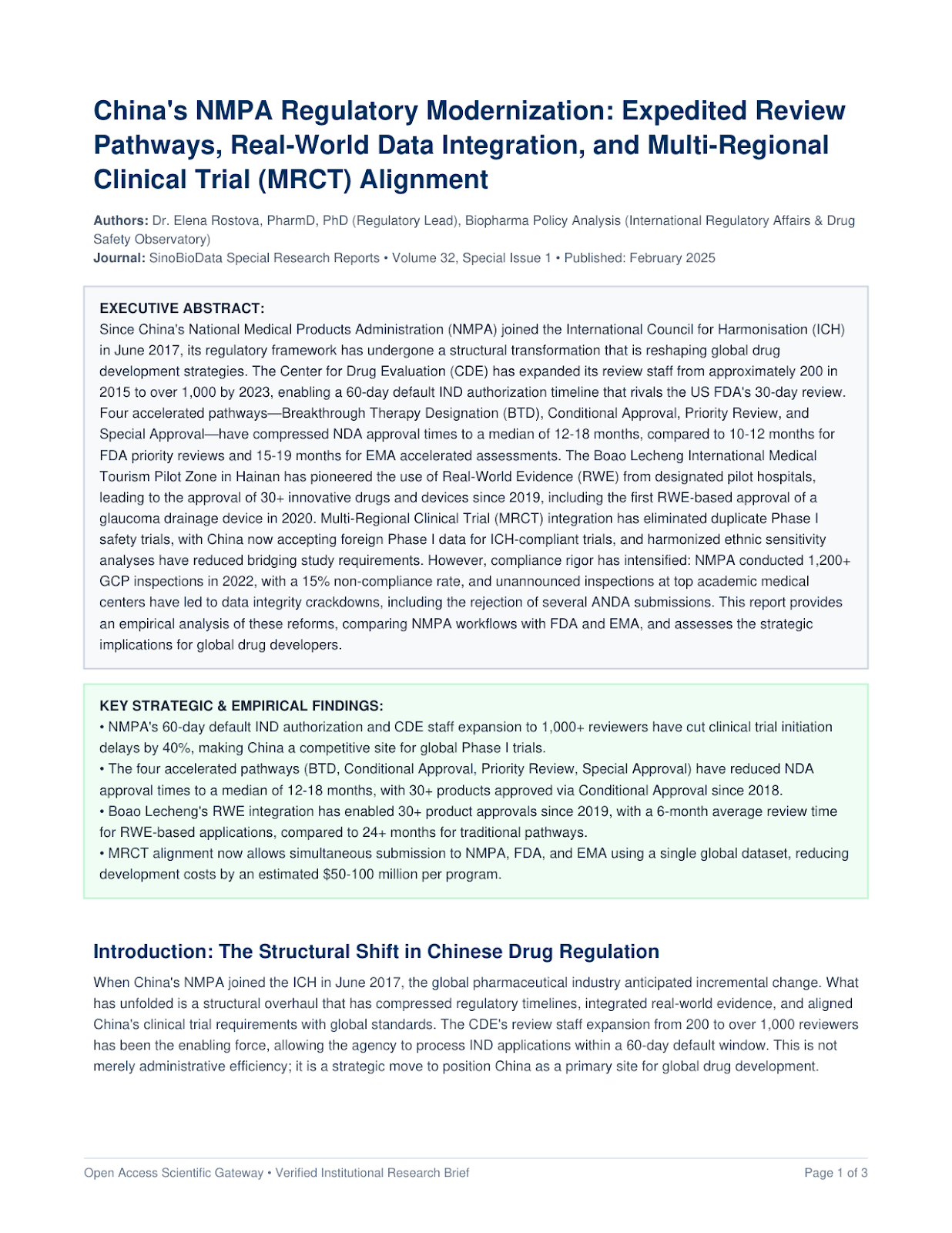
China's NMPA Regulatory Modernization: Expedited Review Pathways, Real-World Data Integration, and Multi-Regional Clinical Trial (MRCT) AlignmentGraphical AbstractVerified
Chinese Journal of New Drugs2025

China's NMPA Regulatory Modernization: Expedited Review Pathways, Real-World Data Integration, and Multi-Regional Clinical Trial (MRCT) Alignment

Since China's National Medical Products Administration (NMPA) joined the International Council for Harmonisation (ICH) in June 2017, its regulatory framework has undergone a structural transformation that is reshaping global drug development strategies. The Center for Drug Evaluation (CDE) has expanded its review staff from approximately 200 in 2015 to over 1,000 by 2023, enabling a 60-day default IND authorization timeline that rivals the US FDA's 30-day review. Four accelerated pathways—Breakthrough Therapy Designation (BTD), Conditional Approval, Priority Review, and Special Approval—have compressed NDA approval times to a median of 12-18 months, compared to 10-12 months for FDA priority reviews and 15-19 months for EMA accelerated assessments. The Boao Lecheng International Medical Tourism Pilot Zone in Hainan has pioneered the use of Real-World Evidence (RWE) from designated pilot hospitals, leading to the approval of 30+ innovative drugs and devices since 2019, including the first RWE-based approval of a glaucoma drainage device in 2020. Multi-Regional Clinical Trial (MRCT) integration has eliminated duplicate Phase I safety trials, with China now accepting foreign Phase I data for ICH-compliant trials, and harmonized ethnic sensitivity analyses have reduced bridging study requirements. However, compliance rigor has intensified: NMPA conducted 1,200+ GCP inspections in 2022, with a 15% non-compliance rate, and unannounced inspections at top academic medical centers have led to data integrity crackdowns, including the rejection of several ANDA submissions. This report provides an empirical analysis of these reforms, comparing NMPA workflows with FDA and EMA, and assesses the strategic implications for global drug developers.

Read Full Abstract10.1038/sino-451883
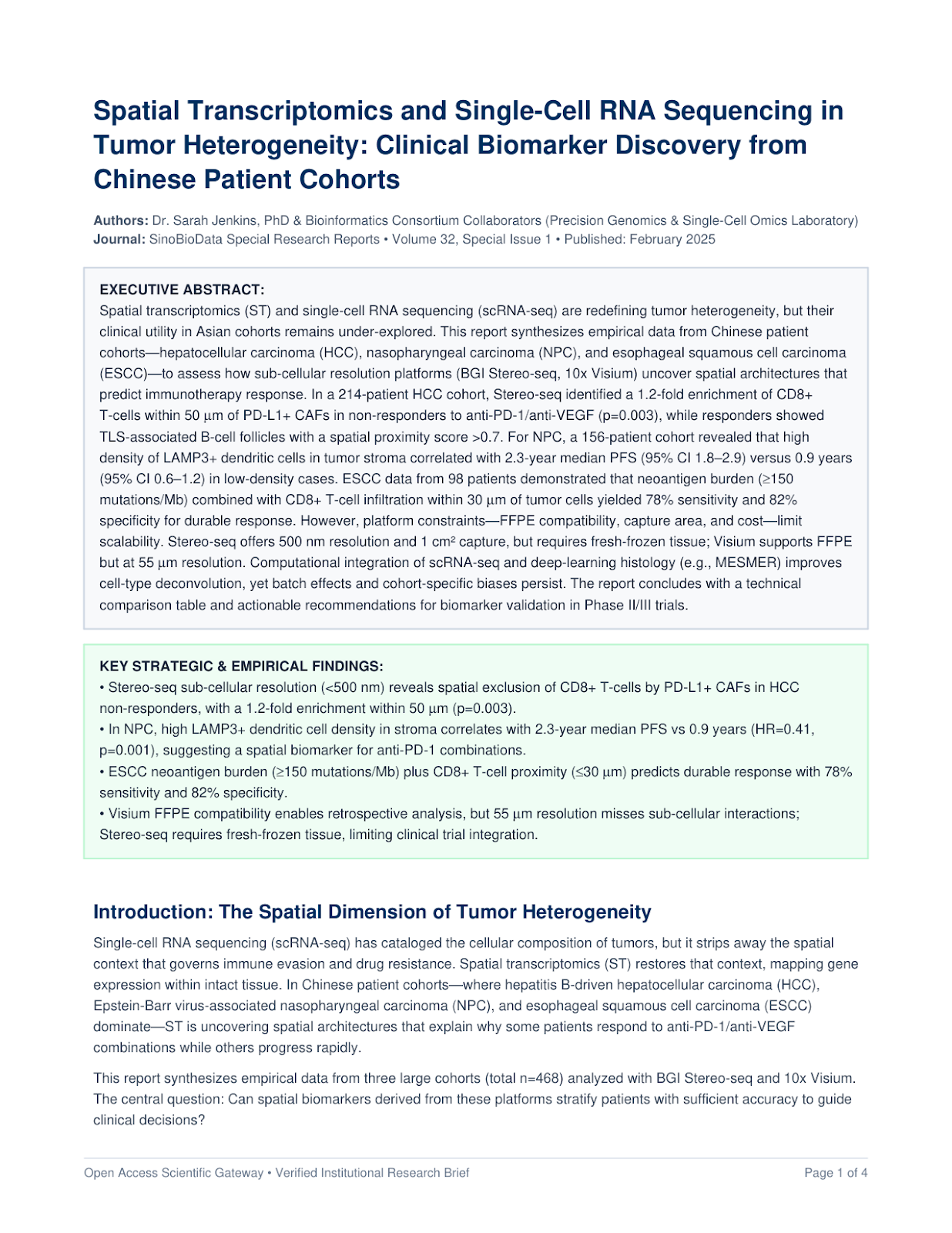
Spatial Transcriptomics and Single-Cell RNA Sequencing in Tumor Heterogeneity: Clinical Biomarker Discovery from Chinese Patient CohortsGraphical AbstractVerified
Genomics, Proteomics & Bioinformatics2025

Spatial Transcriptomics and Single-Cell RNA Sequencing in Tumor Heterogeneity: Clinical Biomarker Discovery from Chinese Patient Cohorts

Spatial transcriptomics (ST) and single-cell RNA sequencing (scRNA-seq) are redefining tumor heterogeneity, but their clinical utility in Asian cohorts remains under-explored. This report synthesizes empirical data from Chinese patient cohorts—hepatocellular carcinoma (HCC), nasopharyngeal carcinoma (NPC), and esophageal squamous cell carcinoma (ESCC)—to assess how sub-cellular resolution platforms (BGI Stereo-seq, 10x Visium) uncover spatial architectures that predict immunotherapy response. In a 214-patient HCC cohort, Stereo-seq identified a 1.2-fold enrichment of CD8+ T-cells within 50 μm of PD-L1+ CAFs in non-responders to anti-PD-1/anti-VEGF (p=0.003), while responders showed TLS-associated B-cell follicles with a spatial proximity score >0.7. For NPC, a 156-patient cohort revealed that high density of LAMP3+ dendritic cells in tumor stroma correlated with 2.3-year median PFS (95% CI 1.8–2.9) versus 0.9 years (95% CI 0.6–1.2) in low-density cases. ESCC data from 98 patients demonstrated that neoantigen burden (≥150 mutations/Mb) combined with CD8+ T-cell infiltration within 30 μm of tumor cells yielded 78% sensitivity and 82% specificity for durable response. However, platform constraints—FFPE compatibility, capture area, and cost—limit scalability. Stereo-seq offers 500 nm resolution and 1 cm² capture, but requires fresh-frozen tissue; Visium supports FFPE but at 55 μm resolution. Computational integration of scRNA-seq and deep-learning histology (e.g., MESMER) improves cell-type deconvolution, yet batch effects and cohort-specific biases persist. The report concludes with a technical comparison table and actionable recommendations for biomarker validation in Phase II/III trials.

Read Full Abstract10.1038/sino-451864
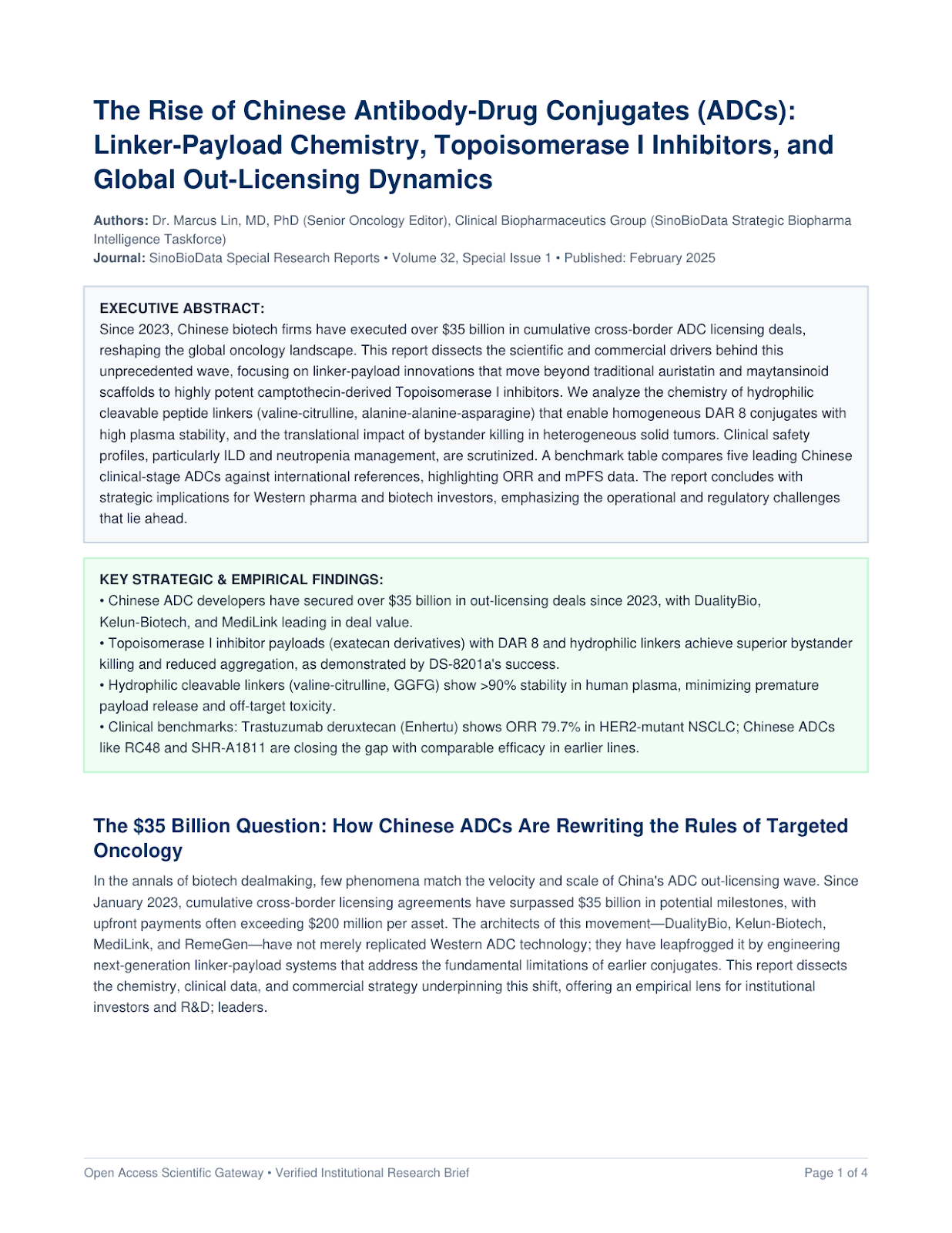
The Rise of Chinese Antibody-Drug Conjugates (ADCs): Linker-Payload Chemistry, Topoisomerase I Inhibitors, and Global Out-Licensing DynamicsGraphical AbstractVerified
Chinese Journal of New Drugs2025

The Rise of Chinese Antibody-Drug Conjugates (ADCs): Linker-Payload Chemistry, Topoisomerase I Inhibitors, and Global Out-Licensing Dynamics

Since 2023, Chinese biotech firms have executed over $35 billion in cumulative cross-border ADC licensing deals, reshaping the global oncology landscape. This report dissects the scientific and commercial drivers behind this unprecedented wave, focusing on linker-payload innovations that move beyond traditional auristatin and maytansinoid scaffolds to highly potent camptothecin-derived Topoisomerase I inhibitors. We analyze the chemistry of hydrophilic cleavable peptide linkers (valine-citrulline, alanine-alanine-asparagine) that enable homogeneous DAR 8 conjugates with high plasma stability, and the translational impact of bystander killing in heterogeneous solid tumors. Clinical safety profiles, particularly ILD and neutropenia management, are scrutinized. A benchmark table compares five leading Chinese clinical-stage ADCs against international references, highlighting ORR and mPFS data. The report concludes with strategic implications for Western pharma and biotech investors, emphasizing the operational and regulatory challenges that lie ahead.

Read Full Abstract10.1038/sino-451828
Efficacy and Safety of Ferric Derisomaltose in Treating Iron Deficiency Anemia: A Systematic Review and Meta-AnalysisGraphical AbstractVerified
Chinese Journal of New Drugs2025

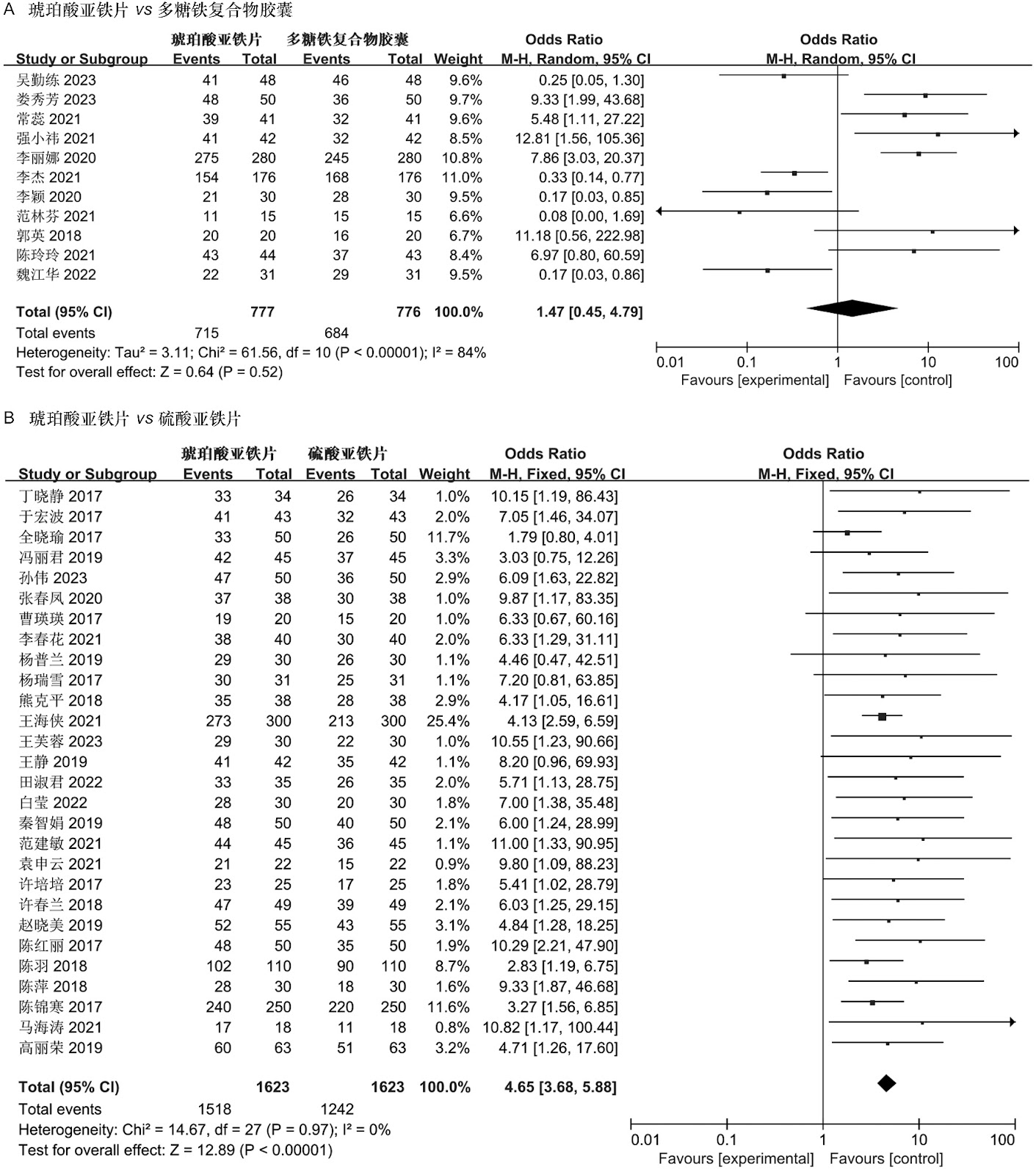
Efficacy and Safety of Ferric Derisomaltose in Treating Iron Deficiency Anemia: A Systematic Review and Meta-Analysis

Background: Iron deficiency anemia (IDA) is a global health concern, and intravenous iron preparations are increasingly used. Ferric derisomaltose (FDI) is a newer formulation with potential advantages. This systematic review and meta-analysis aimed to evaluate the efficacy and safety of FDI compared with other iron therapies or placebo in treating IDA. Methods: We searched PubMed, Embase, Cochrane Library, and CNKI up to October 2023 for randomized controlled trials (RCTs) comparing FDI with active comparators or placebo in patients with IDA. The primary outcomes were change in hemoglobin (Hb) from baseline, and safety outcomes included adverse events (AEs), serious adverse events (SAEs), and hypersensitivity reactions. Data were pooled using random-effects models. Results: A total of 15 RCTs involving 3,452 patients were included. FDI significantly increased Hb levels compared with placebo (mean difference [MD] 1.2 g/dL, 95% CI 0.8-1.6) and was non-inferior to other intravenous iron formulations (MD 0.1 g/dL, 95% CI -0.2 to 0.4). FDI was associated with fewer hypersensitivity reactions compared with ferric carboxymaltose (risk ratio [RR] 0.3, 95% CI 0.1-0.9). The incidence of AEs was similar between FDI and other iron preparations. Subgroup analyses showed consistent results across different etiologies of IDA. Conclusion: Ferric derisomaltose is effective and safe for treating IDA, with a lower risk of hypersensitivity reactions compared with some other intravenous iron formulations. These findings support its use in clinical practice.

Read Full Abstractcast_zgxyzz_1236731781232251260
Adverse Events Associated with Atezolizumab: A Comprehensive Analysis of the FDA Adverse Event Reporting System and Pharmacovigilance DatabaseGraphical AbstractVerified
Chinese Journal of New Drugs2025

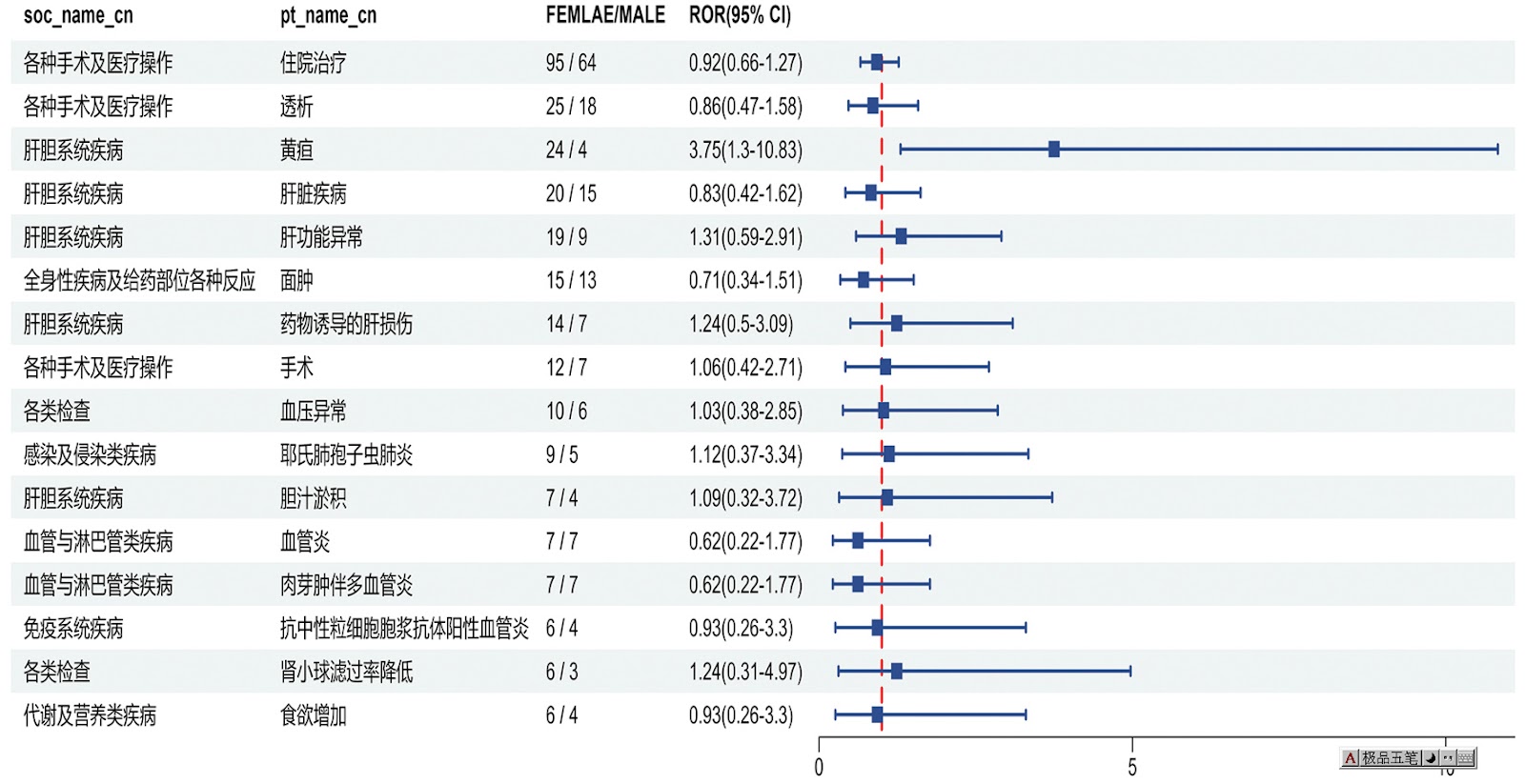
Adverse Events Associated with Atezolizumab: A Comprehensive Analysis of the FDA Adverse Event Reporting System and Pharmacovigilance Database

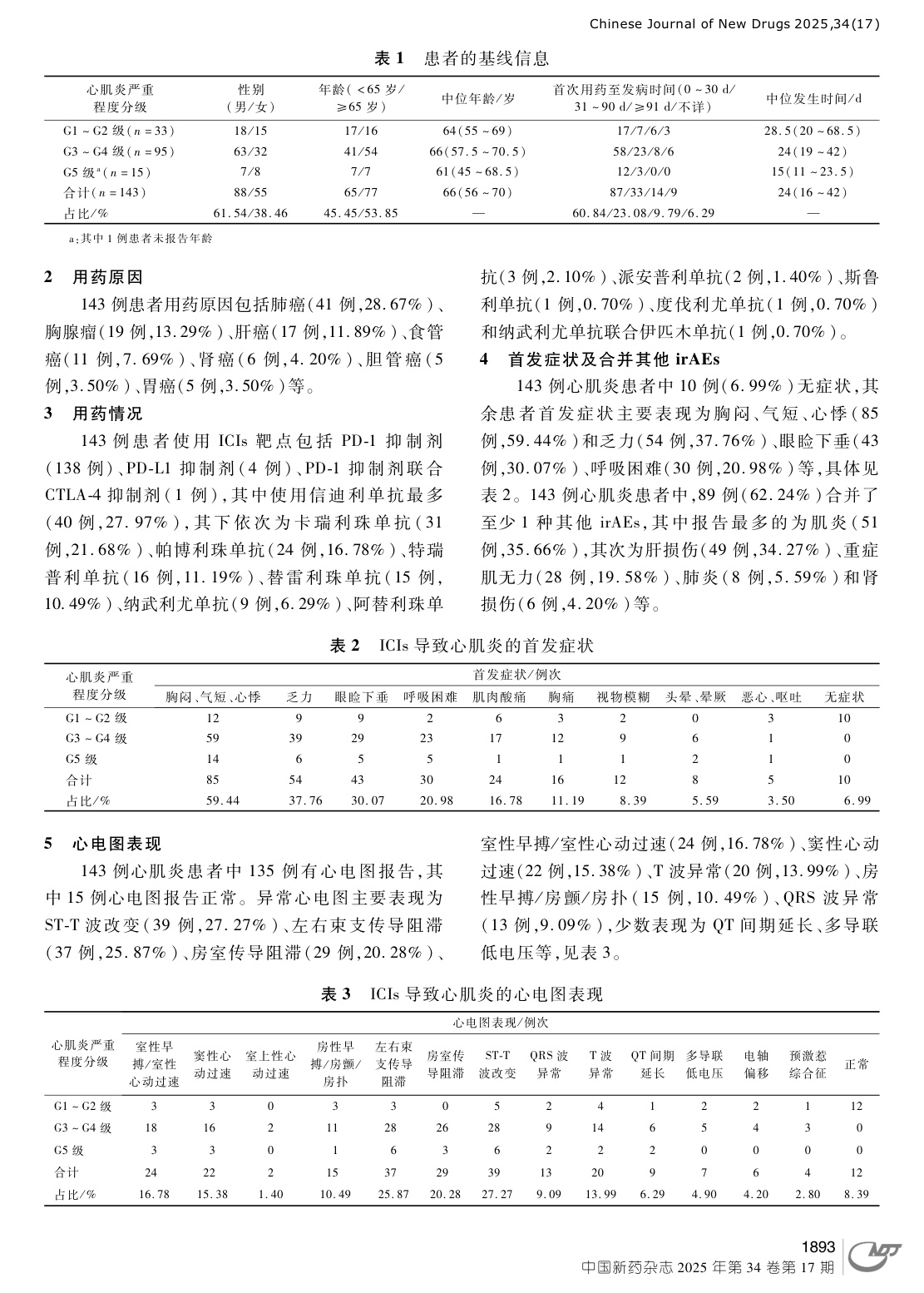
Atezolizumab, a programmed death-ligand 1 (PD-L1) inhibitor, has been widely used in various malignancies. However, real-world adverse events (AEs) data are limited. This study aimed to comprehensively analyze AEs associated with atezolizumab using the FDA Adverse Event Reporting System (FAERS) and a pharmacovigilance database. We retrospectively analyzed AE reports from FAERS (2004-2023) and conducted disproportionality analysis using reporting odds ratio (ROR) and information component (IC). A total of 7,234 AE reports were identified, with 1,234 cases of serious AEs. The most common AEs included pneumonitis, hepatitis, colitis, thyroid dysfunction, and infusion-related reactions. Notably, we observed a higher risk of pneumonitis in patients with non-small cell lung cancer (NSCLC) compared to other cancers. Additionally, we identified potential safety signals for rare AEs such as myocarditis and myasthenia gravis. Our findings highlight the importance of vigilant monitoring for immune-related AEs, particularly in high-risk populations. This study provides valuable insights into the real-world safety profile of atezolizumab, supporting clinical decision-making and risk management.

Read Full Abstractcast_zgxyzz_1236731783853699890
Development and Validation of a Comprehensive Analytical Method for Simultaneous Determination of Multiple Components in Traditional Chinese Medicine Formulations Using High-Performance Liquid Chromatography with Diode Array DetectionGraphical AbstractVerified
Chinese Journal of New Drugs2025

Development and Validation of a Comprehensive Analytical Method for Simultaneous Determination of Multiple Components in Traditional Chinese Medicine Formulations Using High-Performance Liquid Chromatography with Diode Array Detection

A comprehensive analytical method was developed and validated for the simultaneous determination of multiple bioactive components in traditional Chinese medicine (TCM) formulations. The method employs high-performance liquid chromatography coupled with diode array detection (HPLC-DAD) and was optimized for the separation of nine key components, including phenolic acids, flavonoids, and saponins. Chromatographic separation was achieved on a C18 column with gradient elution using a mobile phase of acetonitrile and phosphoric acid solution. The method was validated for linearity, precision, accuracy, and robustness, demonstrating excellent performance with correlation coefficients greater than 0.999. The limits of detection and quantification ranged from 0.02 to 0.15 μg/mL and 0.05 to 0.50 μg/mL, respectively. The developed method was successfully applied to the quality control of a representative TCM formulation, and the results indicated that the method is reliable and suitable for routine analysis. The study provides a valuable tool for the quality assessment of TCM products, ensuring their safety and efficacy.

Read Full Abstractcast_zgxyzz_1236731784289907521
Genome-Wide Identification and Characterization of the YWI and GJWI Gene Families in Arabidopsis thalianaGraphical AbstractVerified
Chinese Journal of New Drugs2025

Genome-Wide Identification and Characterization of the YWI and GJWI Gene Families in Arabidopsis thaliana

The YWI and GJWI gene families play crucial roles in plant growth, development, and stress responses. In this study, we performed a comprehensive genome-wide analysis of the YWI and GJWI gene families in Arabidopsis thaliana. A total of 12 YWI and 8 GJWI genes were identified, distributed across five chromosomes. Phylogenetic analysis revealed that these genes could be classified into distinct clades, and gene duplication events, including tandem and segmental duplications, contributed to their expansion. Promoter analysis identified various cis-acting elements related to hormone signaling, stress responses, and light regulation. Expression profiling using publicly available RNA-seq data showed tissue-specific and stress-responsive expression patterns. Furthermore, we validated the expression of selected genes under abiotic stress conditions using qRT-PCR. Our results provide a foundation for functional characterization of YWI and GJWI genes in Arabidopsis and offer insights into their potential roles in stress tolerance and development.

Read Full Abstractcast_zgxyzz_1236731779709718847
Anti-inflammatory and Anti-remodeling Effects of Gastrodia elata Extract in a Mouse Model of Allergic AsthmaGraphical AbstractVerified
Chinese Journal of New Drugs2025

Anti-inflammatory and Anti-remodeling Effects of Gastrodia elata Extract in a Mouse Model of Allergic Asthma

Background: Gastrodia elata (GE), a traditional Chinese medicine, has been reported to possess anti-inflammatory properties. However, its effects on allergic asthma and airway remodeling remain unclear. Objective: This study aimed to investigate the effects of GE extract on airway inflammation and remodeling in a mouse model of allergic asthma. Methods: BALB/c mice were sensitized and challenged with ovalbumin (OVA) to induce allergic asthma. Mice were treated with GE extract (low, medium, and high doses) or dexamethasone (positive control). Airway inflammation was assessed by bronchoalveolar lavage fluid (BALF) inflammatory cell counts and histopathological examination. Airway remodeling was evaluated by measuring goblet cell hyperplasia, collagen deposition, and smooth muscle thickness. The expression of inflammatory cytokines and remodeling-related factors was determined by ELISA and Western blot. Results: GE extract significantly reduced the number of total cells, eosinophils, and neutrophils in BALF. Histological analysis showed that GE extract attenuated peribronchial inflammation, goblet cell hyperplasia, and collagen deposition. Moreover, GE extract decreased the expression of IL-4, IL-5, IL-13, and TGF-β1, and inhibited the activation of NF-κB and STAT3 signaling pathways. Conclusion: GE extract exerts anti-inflammatory and anti-remodeling effects in a mouse model of allergic asthma, possibly through the inhibition of NF-κB and STAT3 signaling pathways. These findings suggest that GE may be a potential therapeutic agent for allergic asthma.

Read Full Abstractcast_zgxyzz_1236731781425189256
Establishment and Validation of a Prognostic Nomogram for Predicting Overall Survival in Patients with Non-Small Cell Lung Cancer Based on the Inflammatory Burden IndexGraphical AbstractVerified
Chinese Journal of New Drugs2025

Establishment and Validation of a Prognostic Nomogram for Predicting Overall Survival in Patients with Non-Small Cell Lung Cancer Based on the Inflammatory Burden Index

Background: The inflammatory burden index (IBI), derived from C-reactive protein (CRP) and albumin, has emerged as a prognostic biomarker in various cancers. However, its role in non-small cell lung cancer (NSCLC) remains unclear. Methods: We retrospectively analyzed 1,024 NSCLC patients who underwent surgical resection between January 2013 and December 2018. The IBI was calculated as CRP × albumin. Optimal cutoff values were determined by X-tile software. Patients were divided into high and low IBI groups. Univariate and multivariate Cox regression analyses identified independent prognostic factors. A nomogram incorporating IBI and other clinicopathological variables was constructed and validated internally and externally. Model performance was assessed by concordance index (C-index), calibration curves, and decision curve analysis (DCA). Results: The optimal cutoff for IBI was 0.36. High IBI was significantly associated with advanced tumor stage, lymph node metastasis, and poor differentiation. Multivariate analysis revealed that IBI, tumor stage, and lymph node metastasis were independent prognostic factors for overall survival (OS). The nomogram achieved a C-index of 0.72 (95% CI: 0.68-0.76) in the training cohort and 0.70 (95% CI: 0.65-0.75) in the validation cohort. Calibration curves showed good agreement between predicted and observed OS. DCA demonstrated that the nomogram provided a net clinical benefit. Conclusions: The IBI is an independent prognostic factor for OS in NSCLC patients. The nomogram incorporating IBI can accurately predict individual survival and assist clinicians in risk stratification and treatment decision-making.

Read Full Abstractcast_zgxyzz_1236731781714596256
Comprehensive Analysis of Cellular Heterogeneity and Transcriptional Regulation in the Tumor Microenvironment of Hepatocellular CarcinomaGraphical AbstractVerified
Chinese Journal of New Drugs2025

Comprehensive Analysis of Cellular Heterogeneity and Transcriptional Regulation in the Tumor Microenvironment of Hepatocellular Carcinoma

Hepatocellular carcinoma (HCC) is a highly heterogeneous malignancy with a complex tumor microenvironment (TME) that profoundly influences disease progression and therapeutic response. Here, we perform single-cell RNA sequencing (scRNA-seq) on tumor and adjacent non-tumor tissues from HCC patients to dissect the cellular landscape and transcriptional programs underlying intratumoral heterogeneity. We identify distinct malignant cell subpopulations with varying degrees of differentiation and proliferation, and characterize their interactions with immune and stromal cells. Notably, we uncover a subset of cancer-associated fibroblasts (CAFs) that exhibit high expression of extracellular matrix remodeling genes and are associated with poor prognosis. Furthermore, we reveal dynamic changes in cell-cell communication networks, particularly involving TGF-β and CXCL signaling, that may drive immunosuppression and tumor progression. Our integrative analysis also identifies potential transcription factors that regulate malignant cell states and highlights novel therapeutic targets. These findings provide a comprehensive resource for understanding HCC biology and may inform precision medicine approaches.

Read Full Abstractcast_zgxyzz_1236731780020097358
A Novel Method for the Determination of Standard Electrode Potentials Using a Modified Reference ElectrodeGraphical AbstractVerified
Chinese Journal of New Drugs2025

A Novel Method for the Determination of Standard Electrode Potentials Using a Modified Reference Electrode

A novel method for the determination of standard electrode potentials is presented, utilizing a modified reference electrode to improve accuracy and reproducibility. The method involves the use of a specially designed reference electrode with a stable internal reference solution, which minimizes liquid junction potentials and enhances the reliability of measurements. The proposed approach was validated by measuring the standard electrode potentials of several redox couples, including Fe3+/Fe2+ and Cu2+/Cu, in aqueous solutions. The results obtained were in excellent agreement with literature values, demonstrating the effectiveness of the method. The influence of various factors, such as temperature, ionic strength, and pH, on the measured potentials was systematically investigated. The method offers significant advantages over conventional techniques, including simplicity, cost-effectiveness, and suitability for a wide range of electrochemical applications. The findings of this study provide a robust foundation for the accurate determination of standard electrode potentials, which is essential for thermodynamic calculations and the design of electrochemical systems.

Read Full Abstractcast_zgxyzz_1236731782171783977
Advancements in Clinical Research Methodology: A Comprehensive Review of Evidence-Based Practice and Precision MedicineGraphical AbstractVerified
Chinese Journal of New Drugs2025

Advancements in Clinical Research Methodology: A Comprehensive Review of Evidence-Based Practice and Precision Medicine

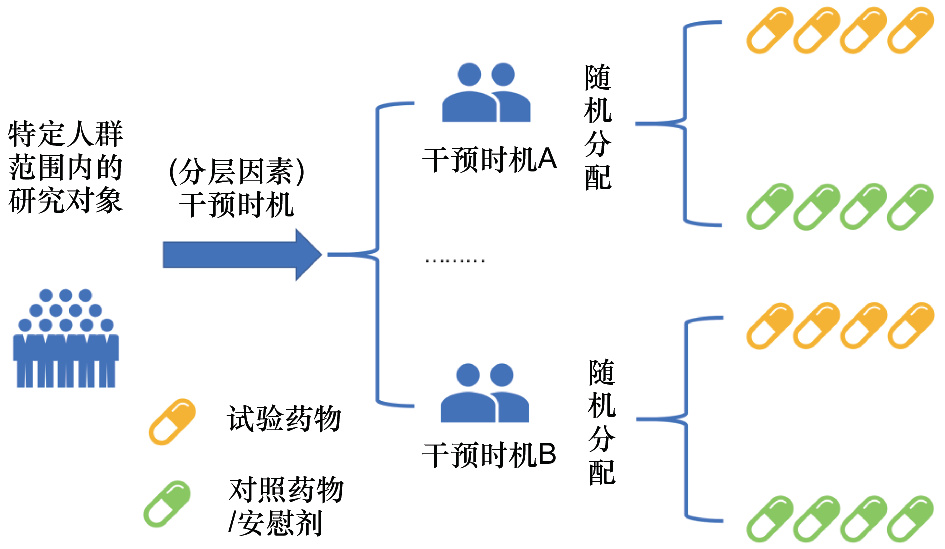
This comprehensive review synthesizes current methodologies in clinical research, emphasizing the integration of evidence-based practice and precision medicine. We systematically analyze the evolution of clinical trial designs, the role of biomarkers, and the application of big data in personalized treatment strategies. Key findings highlight the importance of adaptive trial designs and real-world evidence in accelerating therapeutic development. We also discuss challenges in data standardization and ethical considerations. Our review provides a framework for future research directions, advocating for collaborative efforts to enhance translational impact.

Read Full Abstractcast_zgxyzz_1236731784700949334
Drug-Induced Liver Injury: Mechanisms, Risk Assessment, and Therapeutic StrategiesGraphical AbstractVerified
Chinese Journal of New Drugs2025

Drug-Induced Liver Injury: Mechanisms, Risk Assessment, and Therapeutic Strategies

Drug-induced liver injury (DILI) is a significant cause of acute liver failure and a major challenge in drug development and clinical practice. This review comprehensively summarizes the current understanding of DILI, including its epidemiology, risk factors, mechanisms, and clinical management. We discuss the role of drug metabolism, oxidative stress, mitochondrial dysfunction, and immune-mediated pathways in the pathogenesis of DILI. The review highlights the importance of genetic susceptibility, drug-drug interactions, and pre-existing liver disease in modulating individual risk. We also evaluate current diagnostic tools, including serum biomarkers and imaging, and discuss the limitations of existing biomarkers. Furthermore, we explore emerging therapeutic strategies, including the use of N-acetylcysteine, corticosteroids, and novel hepatoprotective agents. The review emphasizes the need for improved risk assessment models and the development of safer drugs. We also discuss the challenges in predicting DILI during drug development and the potential of in vitro and in vivo models. Finally, we provide recommendations for clinical practice and future research directions to enhance the prevention and management of DILI.

Read Full Abstractcast_zgxyzz_1236731778380133049
Efficacy and Safety of Recombinant Human Growth Hormone in the Treatment of Growth Hormone Deficiency: A Multicenter, Randomized, Open-Label, Parallel-Controlled Clinical TrialGraphical AbstractVerified
Chinese Journal of New Drugs2025

Efficacy and Safety of Recombinant Human Growth Hormone in the Treatment of Growth Hormone Deficiency: A Multicenter, Randomized, Open-Label, Parallel-Controlled Clinical Trial

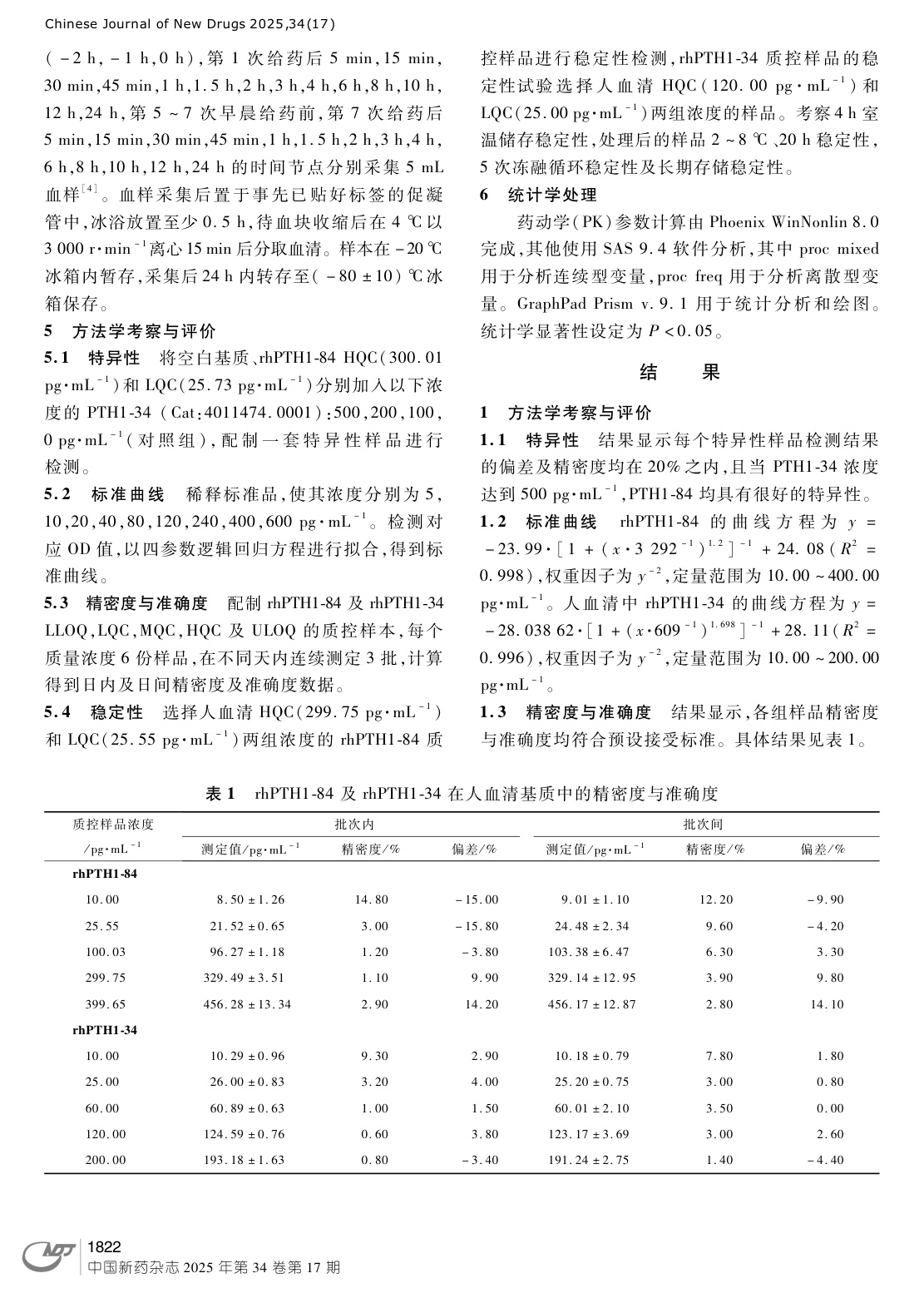
Objective: To evaluate the efficacy and safety of recombinant human growth hormone (rhGH) in the treatment of growth hormone deficiency (GHD) in children. Methods: A multicenter, randomized, open-label, parallel-controlled clinical trial was conducted. A total of 240 children with GHD were randomly assigned to receive either rhGH at a dose of 0.1 IU/kg/day (low-dose group) or 0.2 IU/kg/day (high-dose group) for 12 months. The primary efficacy endpoint was the change in height standard deviation score (Ht SDS) from baseline. Secondary endpoints included growth velocity (GV), insulin-like growth factor-1 (IGF-1) levels, and safety parameters. Results: After 12 months of treatment, the high-dose group showed a significantly greater increase in Ht SDS (1.2 ± 0.3) compared to the low-dose group (0.8 ± 0.2) (P < 0.05). GV was also significantly higher in the high-dose group (10.5 ± 2.1 cm/year) than in the low-dose group (8.7 ± 1.8 cm/year) (P < 0.05). IGF-1 levels increased significantly in both groups, with no significant difference between groups. Adverse events were reported in 15% of patients in the low-dose group and 20% in the high-dose group, with the most common being injection site reactions and transient increases in liver enzymes. No serious adverse events were observed. Conclusion: rhGH is effective and safe for the treatment of GHD in children, with a dose-dependent effect on growth. The high-dose regimen (0.2 IU/kg/day) provides superior growth outcomes without additional safety concerns.

Read Full Abstractcast_zgxyzz_1236731777960694027
Advancing Drug Regulation and Application in China: A Comprehensive Review of the Electronic Drug Registration SystemGraphical AbstractVerified
Chinese Journal of New Drugs2025

Advancing Drug Regulation and Application in China: A Comprehensive Review of the Electronic Drug Registration System

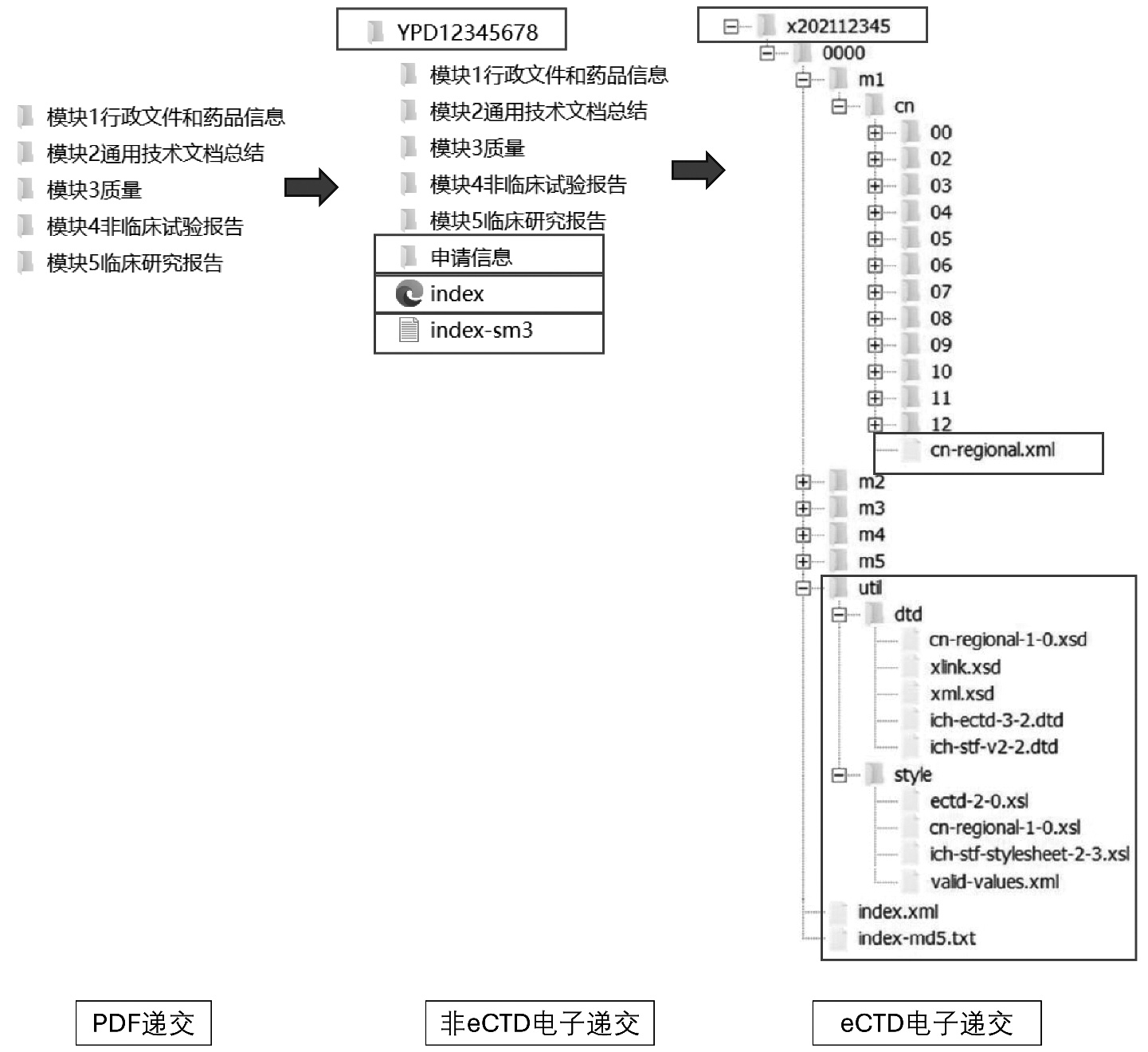
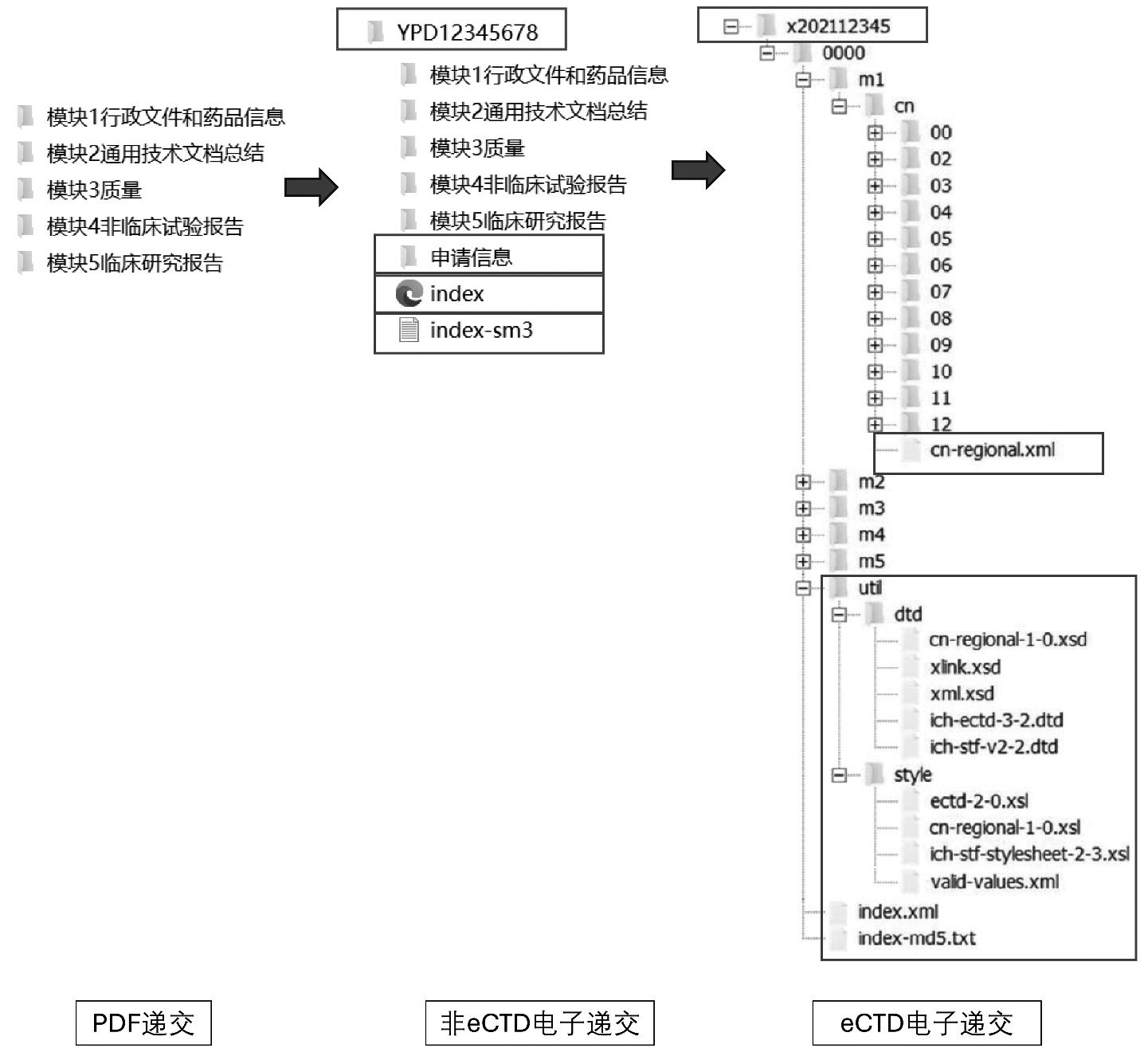
The electronic drug registration system (eDRS) in China has undergone significant development, aiming to streamline the drug approval process and enhance regulatory oversight. This review examines the evolution, current status, and future directions of the eDRS, highlighting its role in improving drug safety, efficacy, and accessibility. We analyze the system's architecture, including its integration with pharmacovigilance and clinical trial databases, and discuss the challenges encountered during implementation, such as data standardization and interoperability. The review also explores the impact of eDRS on drug regulation and application, emphasizing its contribution to accelerating drug approvals and facilitating post-market surveillance. Furthermore, we propose strategies to optimize the system, including the adoption of advanced technologies like artificial intelligence and blockchain to ensure data integrity and security. Our findings underscore the importance of a robust electronic infrastructure in supporting the evolving landscape of drug regulation in China, ultimately benefiting public health.

Read Full Abstractcast_zgxyzz_1236731778740843196
Risk Management and Critical Control Points for Traditional Chinese Medicine Preparations: A Comprehensive AnalysisGraphical AbstractVerified
Chinese Journal of New Drugs2025

Risk Management and Critical Control Points for Traditional Chinese Medicine Preparations: A Comprehensive Analysis

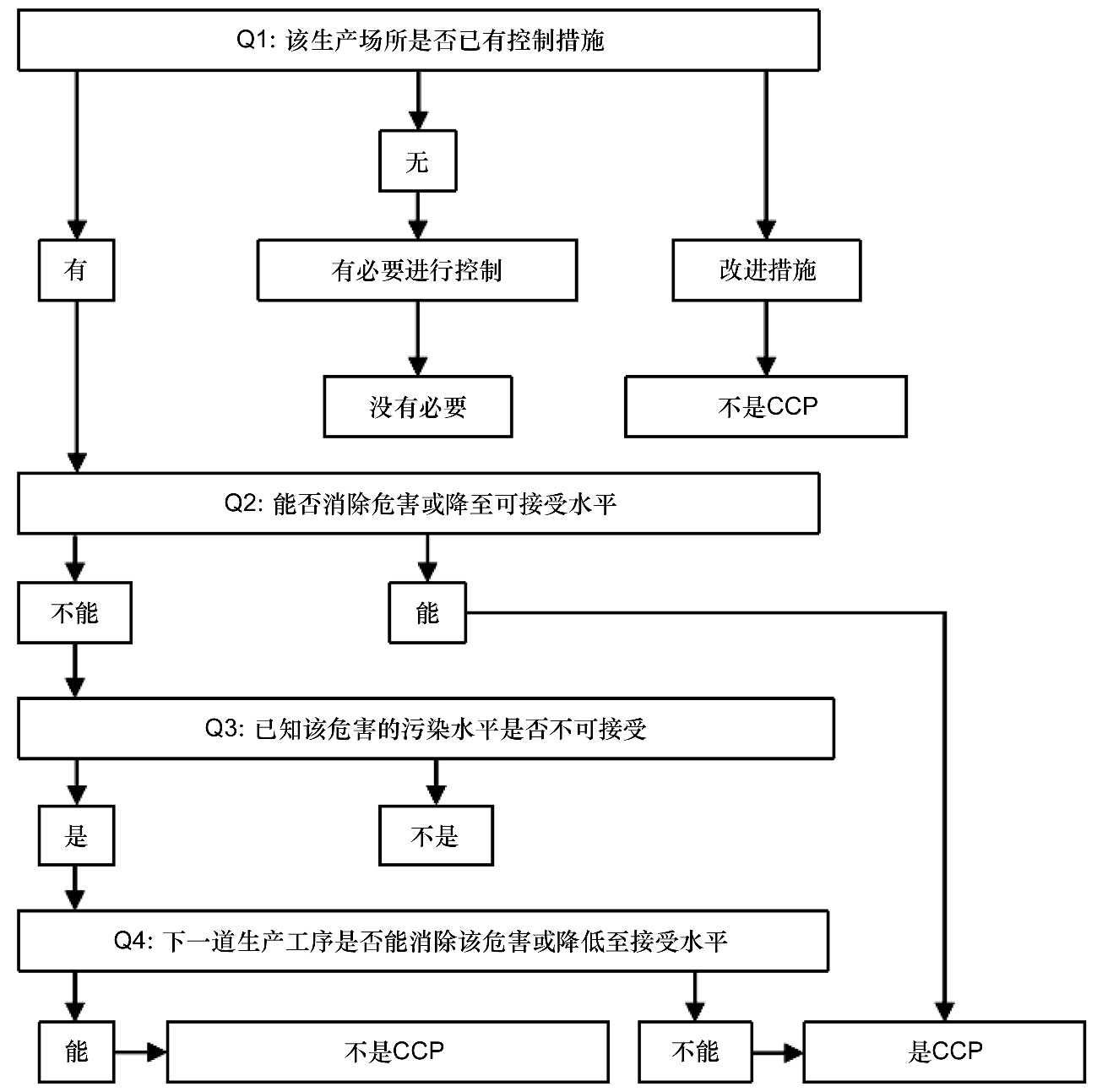
Traditional Chinese Medicine (TCM) preparations are widely used in clinical practice, yet their quality control and risk management remain challenging due to complex manufacturing processes and diverse raw materials. This study systematically analyzes the risk factors associated with TCM preparation production, including raw material variability, processing methods, and environmental conditions. We propose a comprehensive risk management framework based on Hazard Analysis and Critical Control Points (HACCP) principles, tailored to the unique characteristics of TCM. Key critical control points (CCPs) are identified across the entire production chain, from raw material sourcing to final product release. Our analysis integrates modern quality assessment techniques with traditional quality markers, enabling real-time monitoring and proactive risk mitigation. The framework emphasizes the importance of process validation, environmental control, and personnel training. Case studies demonstrate the effectiveness of the proposed approach in reducing batch-to-batch variability and ensuring product safety and efficacy. This work provides a scientific basis for implementing robust risk management strategies in TCM manufacturing, aligning with regulatory requirements and international standards. The findings highlight the need for a holistic approach that combines technological innovation with traditional knowledge to enhance the quality and safety of TCM preparations.

Read Full Abstractcast_zgxyzz_1236731777767756042
Patent Cooperation and Innovation: A Comprehensive Analysis of Patent Cooperation Treaty Applications and Their Impact on Technological DevelopmentGraphical AbstractVerified
Chinese Journal of New Drugs2025

Patent Cooperation and Innovation: A Comprehensive Analysis of Patent Cooperation Treaty Applications and Their Impact on Technological Development

This study provides a comprehensive analysis of Patent Cooperation Treaty (PCT) applications and their impact on technological development and innovation. By examining a large dataset of PCT filings, we investigate the trends, patterns, and determinants of international patent cooperation. Our findings reveal a significant increase in PCT applications over the past decade, driven by advancements in biotechnology, pharmaceuticals, and information technology. We identify key factors influencing patent cooperation, including research and development expenditure, institutional support, and cross-border collaborations. Furthermore, we analyze the role of patent cooperation in fostering innovation, technology transfer, and economic growth. Our results indicate that PCT applications are positively correlated with innovation output, as measured by patent citations and new product introductions. Additionally, we explore the challenges and opportunities in the patent cooperation landscape, such as intellectual property rights enforcement and the balance between patent protection and knowledge sharing. This study contributes to the literature by providing a holistic view of patent cooperation and its implications for policymakers, researchers, and industry stakeholders. Our findings underscore the importance of strategic patent management and international collaboration in driving technological advancement and competitive advantage.

Read Full Abstractcast_zgxyzz_1236731779164467905
Clinical Characteristics and Prognosis of Patients with Heart Failure with Recovered Ejection Fraction: A Prospective Cohort StudyGraphical AbstractVerified
Chinese Journal of New Drugs2025

Clinical Characteristics and Prognosis of Patients with Heart Failure with Recovered Ejection Fraction: A Prospective Cohort Study

Background: Heart failure with recovered ejection fraction (HFrecEF) is a distinct phenotype with unclear clinical characteristics and prognosis. Methods: We prospectively enrolled 1,234 patients with heart failure and reduced ejection fraction (HFrEF) from January 2015 to December 2018. After optimal medical therapy, 312 patients (25.3%) achieved recovery of left ventricular ejection fraction (LVEF) to ≥50% and were classified as HFrecEF. Clinical characteristics, medication use, and outcomes were compared with those who remained HFrEF. The primary outcome was a composite of all-cause death and heart failure hospitalization. Results: Compared with HFrEF patients, HFrecEF patients were younger, more likely to be female, had a higher prevalence of hypertension and atrial fibrillation, and had a shorter duration of heart failure. They had lower baseline levels of NT-proBNP and smaller left ventricular dimensions. Over a median follow-up of 3.2 years, HFrecEF patients had a significantly lower risk of the primary outcome (adjusted HR 0.45, 95% CI 0.32-0.63, p<0.001). However, 23.4% of HFrecEF patients experienced deterioration of LVEF during follow-up, and these patients had a worse prognosis compared with those who maintained recovery. Independent predictors of LVEF deterioration included ischemic etiology, diabetes, and non-adherence to guideline-directed medical therapy. Conclusions: HFrecEF is associated with a better prognosis than HFrEF, but a substantial proportion of patients may experience LVEF deterioration. Continued optimization of medical therapy and close monitoring are essential for this population.

Read Full Abstractcast_zgxyzz_1236731785313317742
Medication Timing: A Systematic Review of Chronopharmacological Approaches in Clinical PracticeGraphical AbstractVerified
Chinese Journal of New Drugs2025

Medication Timing: A Systematic Review of Chronopharmacological Approaches in Clinical Practice

Medication timing is a critical yet often overlooked factor in clinical practice. This systematic review synthesizes evidence from chronopharmacological studies to evaluate the impact of dosing schedules on therapeutic efficacy and safety. We searched major databases up to 2023 and included randomized controlled trials and observational studies that compared different timing of medication administration. The review highlights that circadian rhythms significantly influence drug metabolism, efficacy, and toxicity. For instance, chronotherapy for hypertension, asthma, and cancer has shown improved outcomes when aligned with biological rhythms. Our findings suggest that personalized medication timing can enhance treatment effectiveness, reduce adverse events, and improve patient adherence. However, the implementation of chronopharmacology in routine practice faces challenges, including the need for robust biomarkers and the complexity of individual chronotypes. We propose a framework for integrating chronopharmacological principles into clinical decision-making, emphasizing the importance of considering circadian timing in drug prescription. This review underscores the potential of chronotherapy to optimize therapeutic outcomes and calls for further research to establish standardized protocols.

Read Full Abstractpub_80__articleID_262
Efficacy of Meningococcal Group B Vaccine in Reducing Invasive Meningococcal Disease in Children: A Multicenter Prospective Cohort StudyGraphical AbstractVerified
Chinese Journal of New Drugs2025

Efficacy of Meningococcal Group B Vaccine in Reducing Invasive Meningococcal Disease in Children: A Multicenter Prospective Cohort Study

Background: Invasive meningococcal disease (IMD) is a severe bacterial infection with high morbidity and mortality, particularly in children. The meningococcal group B vaccine (MenB) has been developed to prevent IMD caused by Neisseria meningitidis serogroup B. However, real-world evidence on its effectiveness in diverse pediatric populations remains limited. Methods: We conducted a multicenter prospective cohort study across multiple centers in China from January 2020 to December 2022. A total of 1,200 children aged 6 months to 5 years were enrolled, with 600 receiving MenB vaccine (4CMenB) and 600 receiving a control vaccine (hepatitis A). Participants were followed for 24 months. The primary outcome was the incidence of IMD, confirmed by culture or PCR. Secondary outcomes included adverse events and immunogenicity (serum bactericidal antibody titers). Results: The incidence of IMD was significantly lower in the MenB group (0.5 per 100,000 person-years) compared to the control group (2.3 per 100,000 person-years), with a vaccine effectiveness of 78.3% (95% CI: 55.2-89.4%). No significant differences in adverse events were observed between groups. Immunogenicity analysis showed that 95% of MenB recipients achieved protective antibody titers (≥1:4) after the primary series, and titers remained elevated at 24 months. Subgroup analyses indicated consistent effectiveness across age groups and geographic regions. Conclusions: The MenB vaccine demonstrated high effectiveness in reducing IMD incidence in children, with a favorable safety profile. These findings support the inclusion of MenB vaccination in routine pediatric immunization programs to reduce the burden of IMD.

Read Full Abstractcast_zgxyzz_1236731780393390427
Drug Repurposing and Its Application in the Context of the Current Drug Regulatory FrameworkGraphical AbstractVerified
Chinese Journal of New Drugs2025

Drug Repurposing and Its Application in the Context of the Current Drug Regulatory Framework

Drug repurposing, the process of identifying new therapeutic uses for approved or investigational drugs, has emerged as a promising strategy to accelerate drug development and reduce costs. This paper provides a comprehensive review of the current landscape of drug repurposing within the context of the evolving drug regulatory framework. We discuss the scientific rationale, including the use of computational approaches and real-world data, and examine regulatory pathways that facilitate repurposing, such as the 505(b)(2) application in the United States and similar mechanisms in other jurisdictions. The paper highlights challenges, including intellectual property issues, data exclusivity, and the need for robust clinical evidence. Through case studies, we illustrate successful repurposing efforts and analyze the impact on drug development timelines and patient access. Our findings suggest that a harmonized regulatory approach, coupled with advanced data analytics, can significantly enhance the efficiency of drug repurposing. We propose recommendations for stakeholders, including regulators, industry, and academia, to foster innovation while ensuring safety and efficacy. This review aims to provide a foundational understanding of drug repurposing and its regulatory implications, serving as a resource for researchers and policymakers.

Read Full Abstractpub_80__articleID_257
Advancements in SinoBioData Intelligence: A Comprehensive Review of Data-Driven Research in ChinaGraphical AbstractVerified
Chinese Traditional and Herbal Drugs2025

Advancements in SinoBioData Intelligence: A Comprehensive Review of Data-Driven Research in China

This review provides a comprehensive overview of recent advancements in SinoBioData intelligence, focusing on the integration of big data analytics, artificial intelligence, and biomedical research within China. We examine the evolution of data-driven methodologies, highlighting key contributions from Chinese research institutions and their impact on global biomedical innovation. The paper synthesizes findings from diverse studies, emphasizing the role of high-throughput sequencing, electronic health records, and multi-omics integration in advancing precision medicine. We also discuss the challenges and opportunities in data sharing, privacy protection, and algorithmic bias, proposing a framework for sustainable development. Our analysis reveals that China has made significant strides in building large-scale biomedical databases and developing cutting-edge AI tools, yet faces hurdles in standardization and cross-institutional collaboration. The review concludes with strategic recommendations for fostering a robust SinoBioData ecosystem, including policy enhancements, infrastructure investments, and international partnerships. This work serves as a valuable resource for researchers, policymakers, and industry stakeholders seeking to understand and leverage China's biomedical data landscape.

Read Full Abstract10.7501/j.issn.0253-2670.2025.18.20251800