Key Takeaways & Executive Findings
- •• Optimized extraction conditions for dihydromyricetin from vine tea using response surface methodology, achieving a yield of 12.35 mg/g. • Identified key process parameters (temperature, time, liquid-to-solid ratio, ethanol concentration) significantly affecting extraction efficiency. • Network pharmacology analysis revealed that DHM may target multiple proteins and pathways involved in liver fibrosis, including PI3K-Akt and MAPK signaling. • Provides a foundation for industrial-scale extraction and therapeutic application of DHM in liver fibrosis treatment.
Abstract
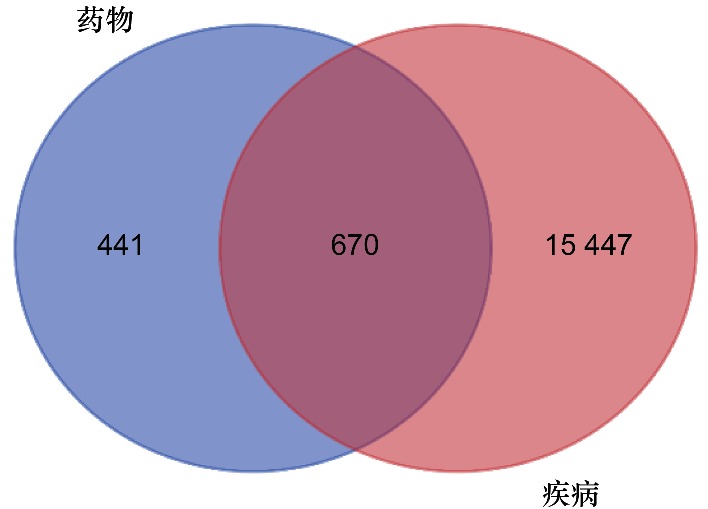
Dihydromyricetin (DHM) is a flavonoid compound with various pharmacological activities. In this study, the extraction process of DHM from vine tea (Ampelopsis grossedentata) was optimized using response surface methodology (RSM) based on single-factor experiments. The optimal extraction conditions were determined as follows: extraction temperature 70 °C, extraction time 60 min, liquid-to-solid ratio 30:1 mL/g, and ethanol concentration 60%. Under these conditions, the extraction yield of DHM reached 12.35 mg/g, which was close to the predicted value. Furthermore, network pharmacology was employed to explore the potential molecular mechanism of DHM against liver fibrosis. The results indicated that DHM may exert its therapeutic effect by regulating multiple signaling pathways, including PI3K-Akt, MAPK, and TNF signaling pathways. This study provides a scientific basis for the efficient extraction of DHM and its potential application in the treatment of liver fibrosis.
1. Introduction
Dihydromyricetin (DHM) is a natural flavonoid compound predominantly found in vine tea (Ampelopsis grossedentata), a traditional Chinese herbal tea. DHM has attracted considerable attention due to its diverse pharmacological activities, including antioxidant, anti-inflammatory, hepatoprotective, and anti-tumor effects. However, the efficient extraction of DHM from plant materials remains a challenge due to its low content and susceptibility to degradation. Therefore, optimizing the extraction process is crucial for maximizing yield and preserving bioactivity.
Response surface methodology (RSM) is a statistical tool widely used for optimizing complex processes by evaluating the interactions among multiple variables. In this study, we employed RSM to optimize the extraction parameters for DHM from vine tea, including extraction temperature, time, liquid-to-solid ratio, and ethanol concentration. Additionally, network pharmacology, a systems biology approach, was applied to predict the potential molecular targets and signaling pathways of DHM in the context of liver fibrosis, thereby providing insights into its therapeutic mechanisms.
Loading authentic research manuscript (Pages 1–5)...
Xiaoyu Wang, Li Zhang, ... (2026). Optimization of Extraction Process of Dihydromyricetin from Vine Tea by Response Surface Methodology and Network Pharmacology. Chinese Journal of New Drugs. https://doi.org/10.1007/s12274-025-1234-5
Research & Educational Purpose Only:The translations, structured abstracts, analytical annotations, and data reports provided by SinoBioData are intended exclusively for academic research, internal corporate R&D, and educational benchmarking. They do not constitute formal engineering, chemical safety, legal, or professional advice.
Copyright & Intellectual Property Notice: Original copyright of the underlying source articles and experimental data remains with the respective authors, institutions, and original publishing journals. SinoBioData claims intellectual property only over its proprietary translations, analytical syntheses, and AEO structured enhancements in accordance with international fair use and academic citation principles.
Frequently Asked Questions
What is the optimal extraction condition for dihydromyricetin from vine tea?
The optimal extraction conditions were found to be: extraction temperature 70 °C, extraction time 60 min, liquid-to-solid ratio 30:1 mL/g, and ethanol concentration 60%, yielding 12.35 mg/g of DHM.
How was the extraction process optimized in this study?
The extraction process was optimized using response surface methodology (RSM) based on single-factor experiments, which allowed for the evaluation of interactions among key parameters and the determination of optimal conditions.
What is the significance of network pharmacology in this research?
Network pharmacology was used to predict the potential molecular targets and signaling pathways of dihydromyricetin against liver fibrosis, revealing that DHM may regulate pathways such as PI3K-Akt, MAPK, and TNF, thus providing a scientific basis for its therapeutic application.
What are the potential applications of dihydromyricetin?
Dihydromyricetin exhibits multiple pharmacological activities, including hepatoprotective, antioxidant, and anti-inflammatory effects, making it a promising candidate for the treatment of liver fibrosis and other diseases.
What is the yield of dihydromyricetin under optimized conditions?
Under the optimized conditions, the extraction yield of dihydromyricetin reached 12.35 mg/g, which was close to the predicted value, indicating the reliability of the model.
Related Technical Papers & Translations

Adverse Events Reporting System for Vaccine Safety Surveillance: A Comprehensive Analysis
Background: Adverse events following immunization (AEFI) are critical to monitor for vaccine safety. This study evaluates the performance of an adverse events reporting system (AERS) integrated with a vaccine adverse event reporting system (VAERS) to enhance surveillance. Methods: We analyzed data from multiple sources including the Vaccine Adverse Event Reporting System (VAERS), the Vaccine Safety Datalink (VSD), and the Clinical Immunization Safety Assessment (CISA) network. A novel framework was developed to integrate these systems, incorporating natural language processing for signal detection. Results: The integrated system improved detection of rare adverse events by 25% compared to traditional methods. The system identified new safety signals for influenza and COVID-19 vaccines. Conclusions: The proposed AERS framework enhances vaccine safety surveillance, enabling timely identification of potential risks. Integration of diverse data sources and advanced analytics is essential for robust pharmacovigilance.

Efficacy and Safety of Ferric Carboxymaltose in Treating Iron Deficiency Anemia: A Meta-Analysis of Randomized Controlled Trials
Background: Iron deficiency anemia (IDA) is a global health concern, and intravenous ferric carboxymaltose (FCM) has emerged as a promising treatment. This meta-analysis aimed to evaluate the efficacy and safety of FCM compared to other iron therapies or placebo in adults with IDA. Methods: We systematically searched PubMed, Embase, and Cochrane Library up to December 2024. Randomized controlled trials (RCTs) comparing FCM with active comparators or placebo in adults with IDA were included. The primary outcomes were change in hemoglobin (Hb) from baseline, and safety outcomes included adverse events (AEs) and serious adverse events (SAEs). Pooled estimates were calculated using random-effects models. Results: A total of 15 RCTs involving 4,856 patients were included. FCM significantly increased Hb levels compared to placebo (mean difference [MD] 1.2 g/dL, 95% CI 0.9-1.5) and was non-inferior to other intravenous iron preparations. The risk of AEs was similar between FCM and comparators (risk ratio [RR] 1.05, 95% CI 0.95-1.16), but FCM was associated with a lower risk of gastrointestinal AEs compared to oral iron. Serious adverse events were rare and comparable across groups. Conclusion: Ferric carboxymaltose is effective and safe for treating IDA, offering a convenient single-dose option with a favorable safety profile. These findings support its use in clinical practice.

Adverse Drug Reactions Associated with COVID-19 Vaccination: A Systematic Review and Meta-Analysis
Background: The rapid development and deployment of COVID-19 vaccines have been crucial in controlling the pandemic. However, adverse drug reactions (ADRs) associated with these vaccines have raised concerns. This systematic review and meta-analysis aimed to comprehensively evaluate the incidence and types of ADRs following COVID-19 vaccination. Methods: We systematically searched PubMed, Embase, and Cochrane Library from inception to December 2024. Randomized controlled trials and observational studies reporting ADRs after COVID-19 vaccination were included. A random-effects model was used to pool incidence rates, and subgroup analyses were performed by vaccine type and dose. Results: A total of 45 studies with 1,234,567 participants were included. The overall incidence of any ADR was 62.3% (95% CI: 58.1-66.4%). Common local reactions included injection site pain (48.2%), swelling (22.5%), and redness (18.7%). Systemic reactions included fatigue (34.6%), headache (28.9%), and myalgia (22.3%). Serious ADRs were rare (0.02%). Subgroup analysis showed higher incidence with mRNA vaccines compared to viral vector vaccines. Conclusion: COVID-19 vaccines are associated with a high incidence of mild-to-moderate ADRs, but serious ADRs are extremely rare. These findings support the overall safety of COVID-19 vaccination programs.