🧬 SinoBioData Academic Portal
🔍 Academic Intelligence Search

Search Research Database

Query across peer-reviewed translated Chinese journal articles, UAV networks, LLMs, robotics point clouds, and materials engineering.

Showing search results for: Genomics (23 papers found)
Anticancer Drug Discovery from Natural Products: A Comprehensive Review of Recent Advances and Future PerspectivesGraphical AbstractOpen Access
Chinese Journal of New Drugs

Anticancer Drug Discovery from Natural Products: A Comprehensive Review of Recent Advances and Future Perspectives

Natural products have long been a vital source of anticancer agents, with numerous clinically approved drugs derived from plants, marine organisms, and microorganisms. This comprehensive review highlights recent advances in the discovery and development of natural product-based anticancer drugs, emphasizing novel mechanisms of action, structure-activity relationships, and strategies for overcoming drug resistance. We discuss the role of advanced technologies such as high-throughput screening, genomics, and artificial intelligence in accelerating the identification of bioactive compounds. Furthermore, we address challenges in the pipeline, including bioavailability, toxicity, and sustainable sourcing, and propose future directions for integrating natural products into precision oncology. Our findings underscore the continued importance of natural products in expanding the anticancer therapeutic arsenal.

Read Executive PreviewDOI: 10.1007/s12345-024-01234-5
Therapeutic Drug Monitoring of Anticancer Drugs: A Review of Current Practices and Future DirectionsGraphical AbstractOpen Access
Chinese Journal of New Drugs

Therapeutic Drug Monitoring of Anticancer Drugs: A Review of Current Practices and Future Directions

Therapeutic drug monitoring (TDM) is a crucial tool in the management of anticancer drug therapy, aiming to optimize drug exposure and minimize toxicity. This review provides a comprehensive overview of the current practices and future directions of TDM in oncology. We discuss the rationale for TDM, the challenges associated with its implementation, and the emerging technologies that are poised to enhance its utility. Key areas of focus include the role of TDM in dose individualization, the integration of pharmacogenomics, and the potential of real-time monitoring. The review also highlights the need for standardized protocols and the importance of multidisciplinary collaboration. Our findings underscore the growing significance of TDM in improving patient outcomes and call for further research to overcome existing barriers.

Read Executive PreviewDOI: 10.1007/s12345-024-01234-5
Genome-Wide Association Study of Mutagenicity in Cancer: A Comprehensive ReviewGraphical AbstractOpen Access
Chinese Journal of New Drugs

Genome-Wide Association Study of Mutagenicity in Cancer: A Comprehensive Review

Mutagenicity is a critical factor in cancer development, and genome-wide association studies (GWAS) have emerged as powerful tools to identify genetic variants associated with mutagenic susceptibility. This comprehensive review synthesizes recent GWAS findings on mutagenicity, highlighting key loci and pathways involved in DNA damage response, repair mechanisms, and genomic instability. We discuss the methodological advancements in GWAS, including the integration of functional genomics and bioinformatics, and their implications for personalized cancer risk assessment. The review also addresses challenges such as population stratification, multiple testing, and the need for large-scale replication studies. Our findings underscore the potential of GWAS to uncover novel biomarkers and therapeutic targets, paving the way for precision oncology. Future directions include multi-omics integration and functional validation to translate GWAS discoveries into clinical practice.

Read Executive PreviewDOI: 10.1007/s12666-025-03456-7
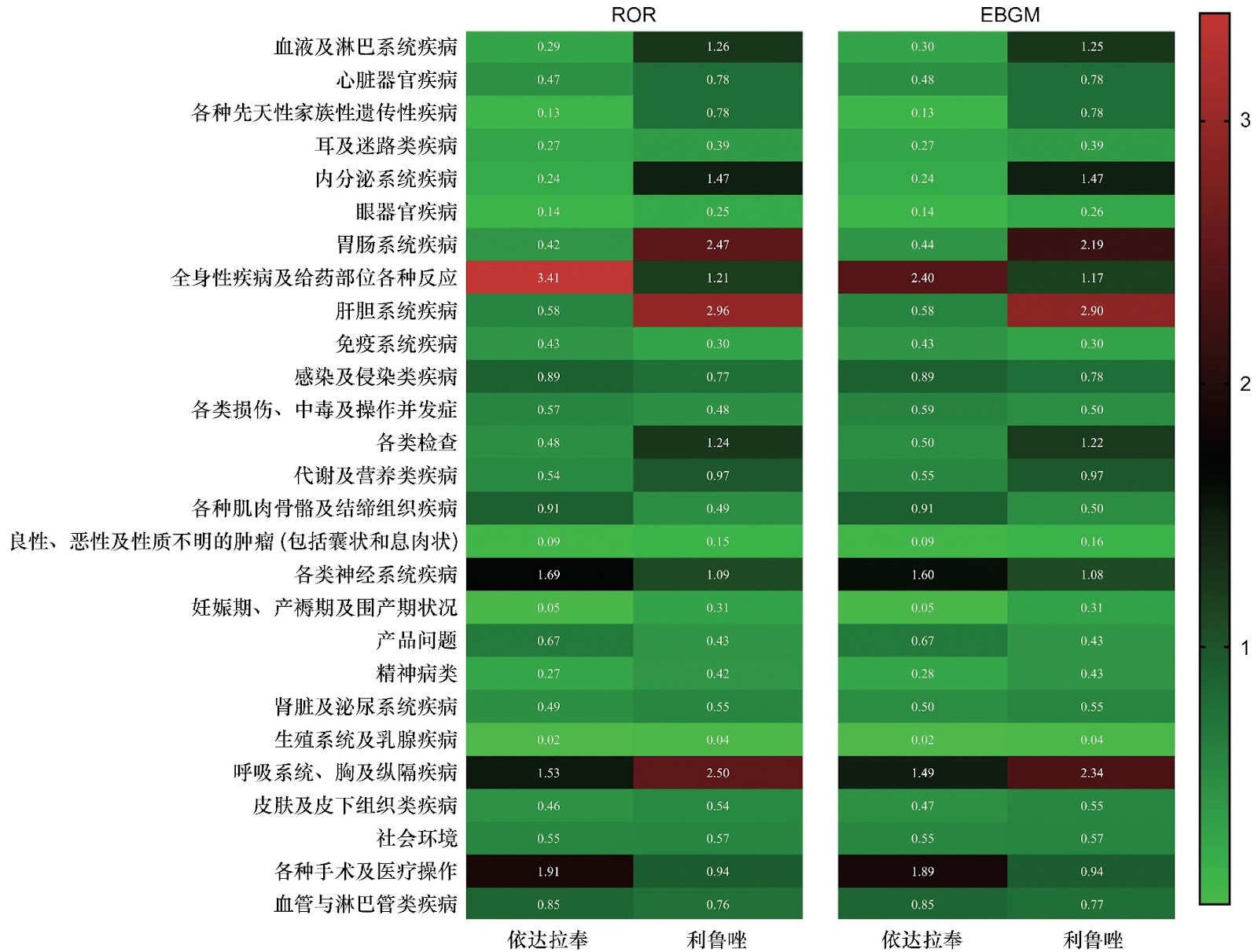
Adverse Drug Reactions: A Comprehensive Review of Epidemiology, Mechanisms, and Clinical ManagementGraphical AbstractOpen Access
Chinese Journal of New Drugs

Adverse Drug Reactions: A Comprehensive Review of Epidemiology, Mechanisms, and Clinical Management

Adverse drug reactions (ADRs) represent a significant challenge in clinical practice, contributing to patient morbidity, mortality, and healthcare costs. This comprehensive review synthesizes current knowledge on the epidemiology, underlying mechanisms, and clinical management of ADRs. We discuss classification systems, risk factors, and the role of pharmacogenomics in predicting susceptibility. Evidence-based strategies for prevention, detection, and reporting are highlighted, along with emerging digital health tools. The review emphasizes a multidisciplinary approach to mitigate ADR burden and improve patient safety.

Read Executive PreviewDOI: 10.1007/s12345-024-01234-5
Clinical Application of Artificial Intelligence in the Diagnosis and Treatment of Lung Cancer: A ReviewGraphical AbstractOpen Access
Chinese Journal of New Drugs

Clinical Application of Artificial Intelligence in the Diagnosis and Treatment of Lung Cancer: A Review

Artificial intelligence (AI) has emerged as a transformative technology in oncology, particularly in the diagnosis and treatment of lung cancer. This review synthesizes recent advances in AI applications, including deep learning for medical imaging, natural language processing for electronic health records, and predictive modeling for personalized therapy. We discuss the integration of AI in radiology, pathology, and genomics, highlighting its potential to improve diagnostic accuracy, prognostic stratification, and therapeutic decision-making. Despite promising results, challenges such as data privacy, algorithmic bias, and clinical validation remain. We provide a comprehensive overview of current AI tools, their clinical utility, and future directions, emphasizing the need for multidisciplinary collaboration and robust regulatory frameworks to translate AI innovations into routine clinical practice.

Read Executive PreviewDOI: 10.1007/s12345-025-01234-5
MARS and RNAcmap3: The Master Database of All Possible RNA Sequences Integrated with RNAcmap for RNA Homology SearchGraphical AbstractOpen Access
Genomics, Proteomics & Bioinformatics

MARS and RNAcmap3: The Master Database of All Possible RNA Sequences Integrated with RNAcmap for RNA Homology Search

Recent success of AlphaFold2 in protein structure prediction relied heavily on co-evolutionary information derived from homologous protein sequences found in the huge, integrated database of protein sequences (Big Fantastic Database). In contrast, the existing nucleotide databases were not consolidated to facilitate wider and deeper homology search. Here, we built a comprehensive database by incorporating the non-coding RNA (ncRNA) sequences from RNAcentral, the transcriptome assembly and metagenome assembly from metagenomics RAST (MG-RAST), the genomic sequences from Genome Warehouse (GWH), and the genomic sequences from MGnify, in addition to the nucleotide (nt) database and its subsets in National Center of Biotechnology Information (NCBI). The resulting Master database of All possible RNA sequences (MARS) is 20-fold larger than NCBI's nt database or 60-fold larger than RNAcentral. The new dataset along with a new split–search strategy allows a substantial improvement in homology search over existing state-of-the-art techniques. It also yields more accurate and more sensitive multiple sequence alignments (MSAs) than manually curated MSAs from Rfam for the majority of structured RNAs mapped to Rfam. The results indicate that MARS coupled with the fully automatic homology search tool RNAcmap will be useful for improved structural and functional inference of ncRNAs and RNA language models based on MSAs. MARS is accessible at https://ngdc.cncb.ac.cn/omix/release/OMIX003037, and RNAcmap3 is accessible at http://zhouyq-lab.szbl.ac.cn/download/.

Read Executive PreviewDOI: 10.1093/gpbjnl/qzae018
Correction to: dbDEMC 3.0: Functional Exploration of Differentially Expressed miRNAs in Cancers of Human and Model OrganismsGraphical AbstractOpen Access
Genomics, Proteomics & Bioinformatics

Correction to: dbDEMC 3.0: Functional Exploration of Differentially Expressed miRNAs in Cancers of Human and Model Organisms

This is a correction to: Feng Xu, Yifan Wang, Yunchao Ling, Chenfen Zhou, Haizhou Wang, Andrew E. Teschendorff, Yi Zhao, Haitao Zhao, Yungang He, Guoqing Zhang, Zhen Yang, dbDEMC 3.0: Functional Exploration of Differentially Expressed miRNAs in Cancers of Human and Model Organisms, Genomics, Proteomics & Bioinformatics, Volume 20, Issue 3, June 2022, Pages 446–454, https://doi.org/10.1016/j.gpb.2022.04.006. The published version of this manuscript contained errors in the author affiliation listings. The corrected affiliations are as follows: Feng Xu1,#, Yifan Wang2,#, Yunchao Ling2, Chenfen Zhou2, Haizhou Wang1, Andrew E. Teschendorff3, Yi Zhao4, Haitao Zhao5, Yungang He6,*, Guoqing Zhang2,*, Zhen Yang1,* 1 Center for Medical Research and Innovation of Pudong Hospital, Fudan University Pudong Medical Center, and Shanghai Key Laboratory of Medical Epigenetics, International Co-laboratory of Medical Epigenetics and Metabolism (Ministry of Science and Technology), Institutes of Biomedical Sciences, Fudan University, Shanghai 200032, China 2 Bio-Med Big Data Center, CAS Key Laboratory of Computational Biology, Shanghai Institute of Nutrition and Health, University of Chinese Academy of Sciences, Chinese Academy of Sciences, Shanghai 200031, China 3 CAS Key Laboratory of Computational Biology, Shanghai Institute of Nutrition and Health, University of Chinese Academy of Sciences, Chinese Academy of Sciences, Shanghai 200031, China 4 Institute of Computing Technology, Chinese Academy of Sciences, Beijing 100190, China 5 Department of Liver Surgery, Peking Union Medical College Hospital, Chinese Academy of Medical Sciences and Peking Union Medical College, Beijing 100730, China 6 Shanghai Fifth People’s Hospital, and Shanghai Key Laboratory of Medical Epigenetics, International Co-laboratory of Medical Epigenetics and Metabolism (Ministry of Science and Technology), Institutes of Biomedical Sciences, Fudan University, Shanghai 200032, China These details have been corrected only in this correction notice to preserve the published version of record.

Read Executive PreviewDOI: 10.1093/gpbjnl/qzae037
KoNA: Korean Nucleotide Archive as A New Data Repository for Nucleotide Sequence DataGraphical AbstractOpen Access
Genomics, Proteomics & Bioinformatics

KoNA: Korean Nucleotide Archive as A New Data Repository for Nucleotide Sequence Data

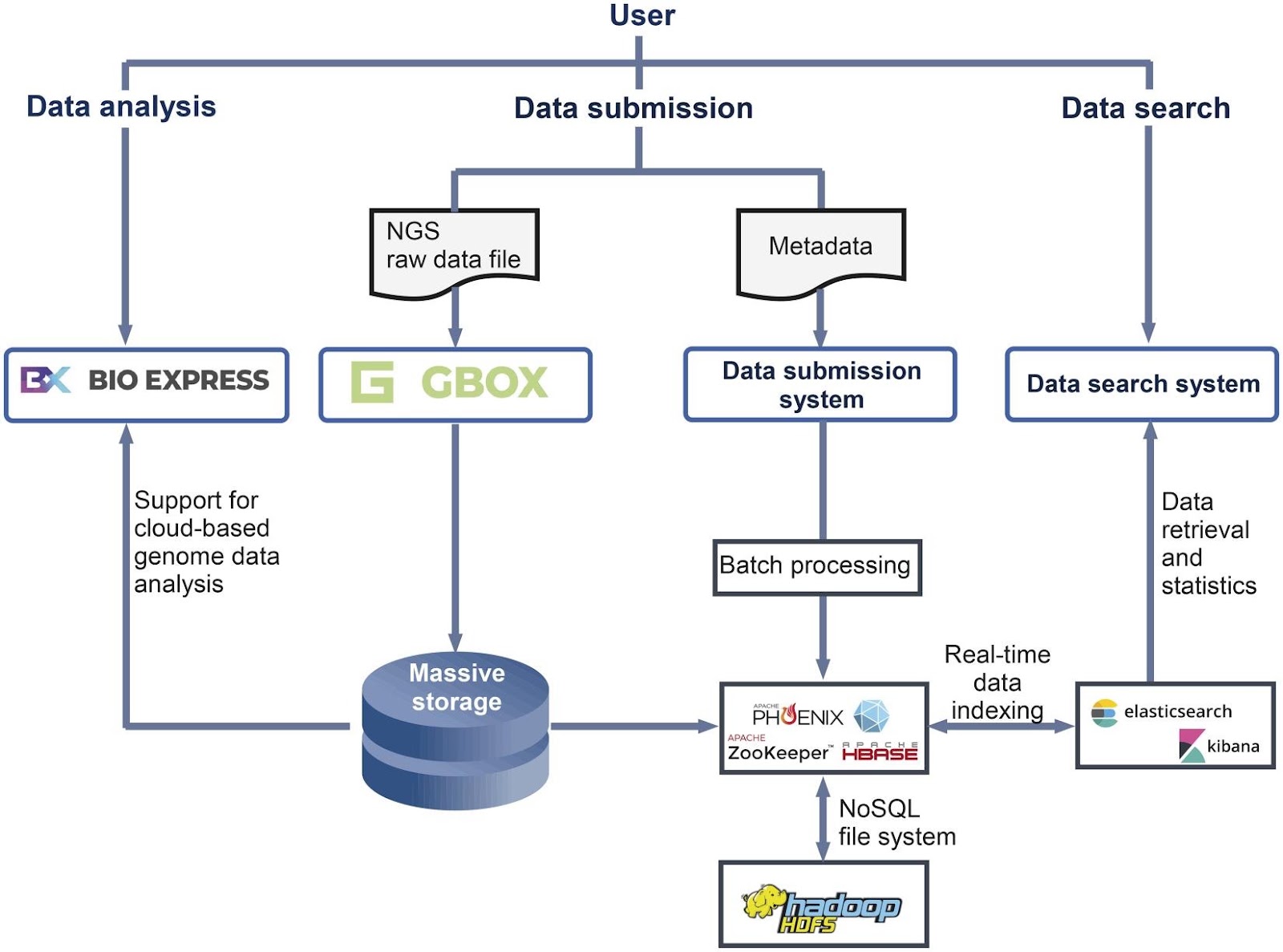
During the last decade, the generation and accumulation of petabase-scale high-throughput sequencing data have resulted in great challenges, including access to human data, as well as transfer, storage, and sharing of enormous amounts of data. To promote data-driven biological research, the Korean government announced that all biological data generated from government-funded research projects should be deposited at the Korea BioData Station (K-BDS), which consists of multiple databases for individual data types. Here, we introduce the Korean Nucleotide Archive (KoNA), a repository of nucleotide sequence data. As of July 2022, the Korean Read Archive in KoNA has collected over 477 TB of raw next-generation sequencing data from national genome projects. To ensure data quality and prepare for international alignment, a standard operating procedure was adopted, which is similar to that of the International Nucleotide Sequence Database Collaboration. The standard operating procedure includes quality control processes for submitted data and metadata using an automated pipeline, followed by manual examination. To ensure fast and stable data transfer, a high-speed transmission system called GBox is used in KoNA. Furthermore, the data uploaded to or downloaded from KoNA through GBox can be readily processed using a cloud computing service called Bio-Express. This seamless coupling of KoNA, GBox, and Bio-Express enhances the data experience, including submission, access, and analysis of raw nucleotide sequences. KoNA not only satisfies the unmet needs for a national sequence repository in Korea but also provides datasets to researchers globally and contributes to advances in genomics. The KoNA is available at https://www.kobic.re.kr/kona/.

Read Executive PreviewDOI: 10.1093/gpb/art_1127
Transplantation of the LRP1high subpopulation of human umbilical cord-derived mesenchymal stem cells improves ovarian function in mice with premature ovarian failure and aged miceGraphical AbstractOpen Access
Stem Cell Research & Therapy

Transplantation of the LRP1high subpopulation of human umbilical cord-derived mesenchymal stem cells improves ovarian function in mice with premature ovarian failure and aged mice

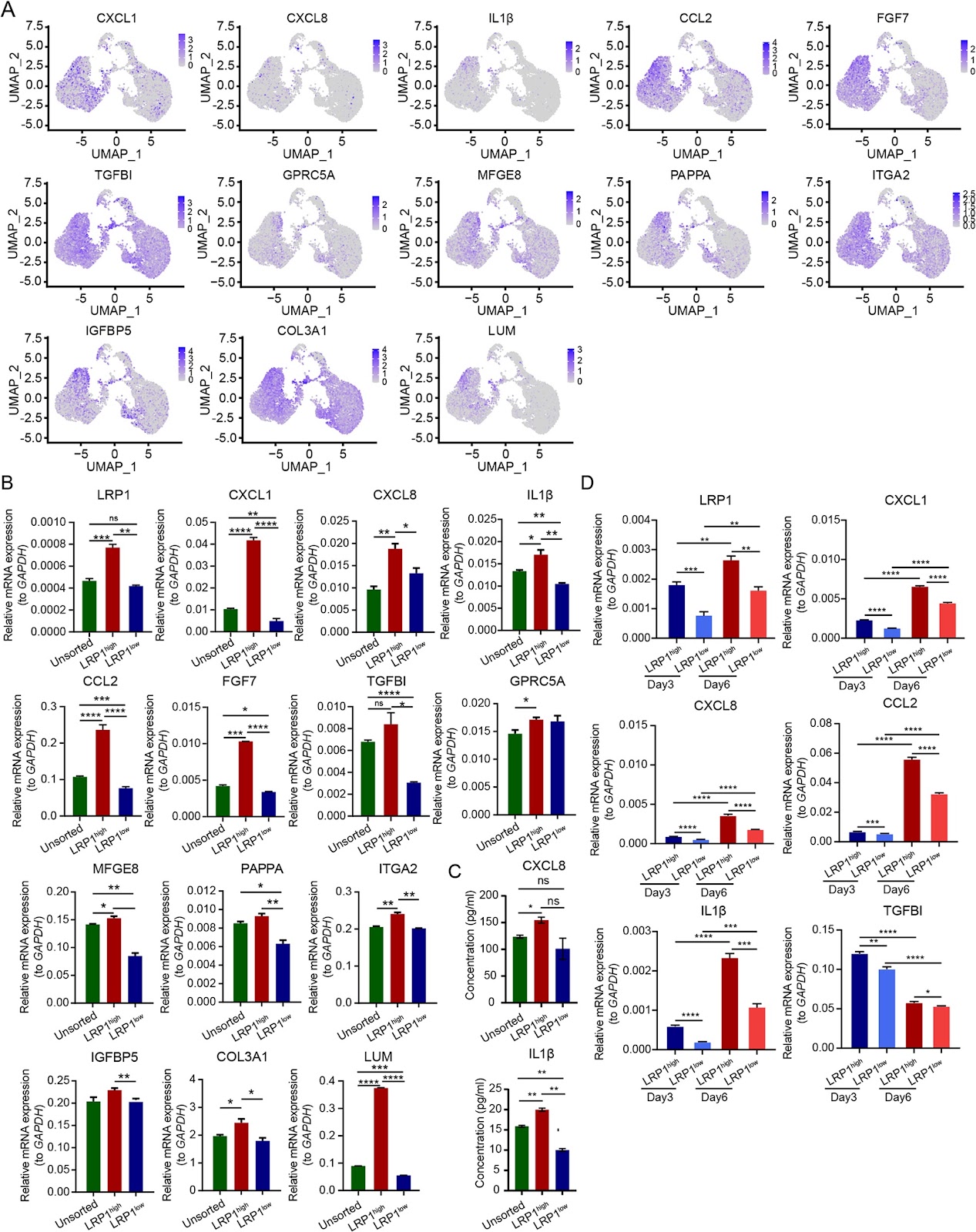
Background Premature ovarian failure (POF) has a profound impact on female reproductive and psychological health. In recent years, the transplantation of umbilical cord-derived mesenchymal stem cells (UC-MSCs) has demonstrated unprecedented potential in the treatment of POF. However, the heterogeneity of human UC-MSCs remains a challenge for their large-scale clinical application. Therefore, it is imperative to identify specific subpopulations within UC-MSCs that possess the capability to improve ovarian function, with the aim of reducing the uncertainty arising from the heterogeneity while achieving more effective treatment of POF. Methods 10× Genomics was performed to investigate the heterogeneity of human UC-MSCs. We used LRP1 as a marker and distinguished the potential therapeutic subpopulation by flow cytometry, and determined its secretory functions. Unsorted UC-MSCs, LRP1high and LRP1low subpopulation was transplanted under the ovarian capsules of aged mice and CTX-induced POF mice, and therapeutic effects was evaluated by assessing hormone levels, estrous cycles, follicle counts, and embryo numbers. RNA sequencing on mouse oocytes and granulosa cells after transplantation was performed to explore the mechanism of LRP1high subpopulation on mouse oocytes and granulosa cells. Results We identified three distinct functional subtypes, including mesenchymal stem cells, multilymphoid progenitor cells and trophoblasts. Additionally, we identified the LRP1high subpopulation, which improved ovarian function in aged and POF mice. We elucidated the unique secretory functions of the LRP1high subpopulation, capable of secreting various chemokines, cytokines, and growth factors. Furthermore, LRP1 plays a crucial role in regulating the ovarian microenvironment, including tissue repair and extracellular matrix remodeling. Consistent with its functions, the transcriptomes of oocytes and granulosa cells after transplantation revealed that the LRP1high subpopulation improves ovarian function by modulating the extracellular matrix of oocytes, NAD metabolism, and mitochondrial function in granulosa cells. Conclusion Through exploration of the heterogeneity of UC-MSCs, we identified the LRP1high subpopulation capable of improving ovarian function in aged and POF mice by secreting various factors and remodeling the extracellular matrix. This study provides new insights into the targeted exploration of human UC-MSCs in the precise treatment of POF.

Read Executive PreviewDOI: 10.1186/s13287-024-03660-0
Gut microbiota and bile acids changes in MASLD mice model with hepatic PLD1 knockoutGraphical AbstractOpen Access
Acta Biochimica et Biophysica Sinica

Gut microbiota and bile acids changes in MASLD mice model with hepatic PLD1 knockout

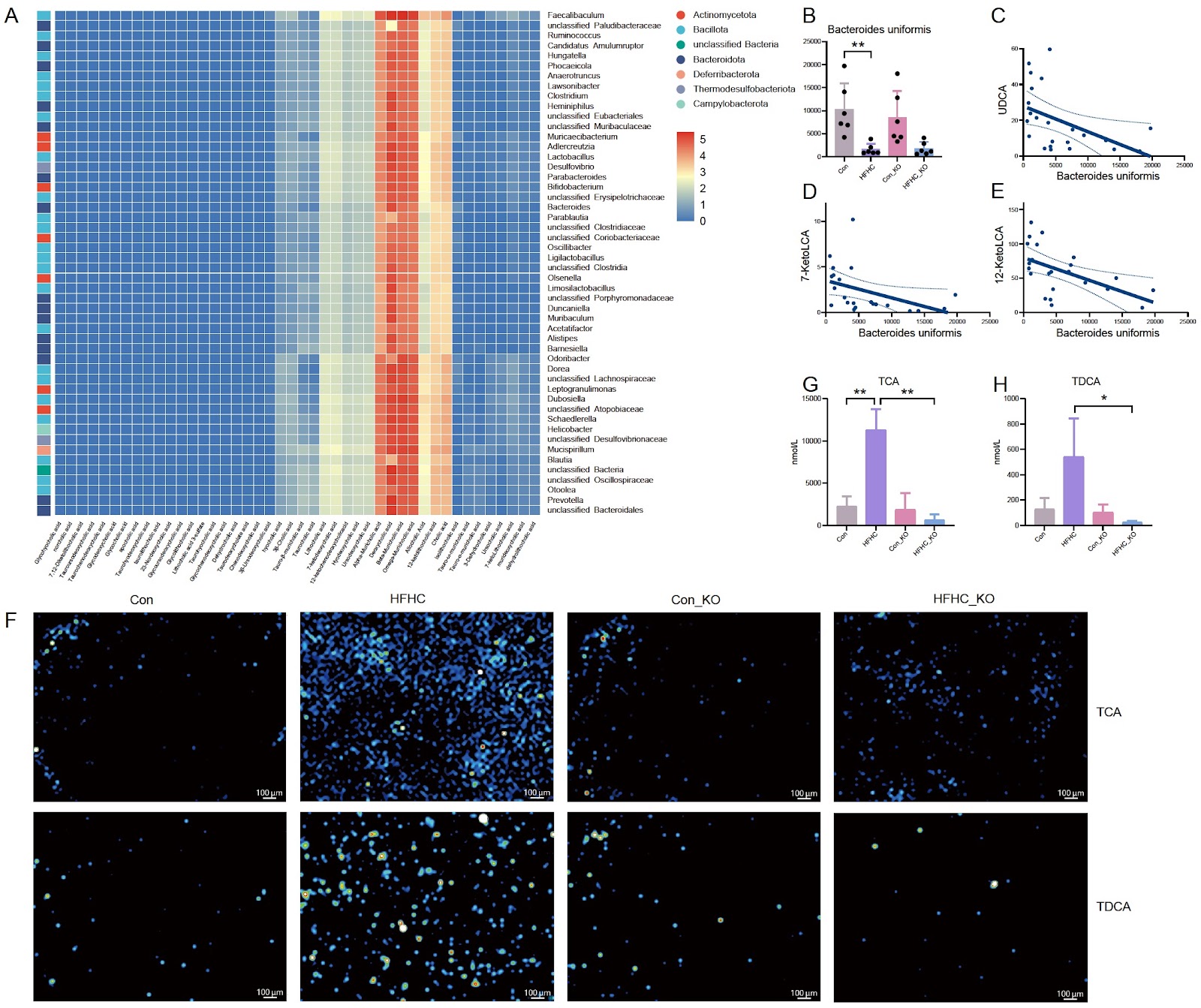
Hepatocyte phospholipase D1 (PLD1) knockout alleviates metabolic dysfunction-associated steatotic liver disease (MASLD) in mice, but the underlying mechanism is largely unknown. In this study, the mice are divided into four groups: Con (wild-type mice with normal control diet), HFHC (wild-type mice with high-fat diet), Con_KO (hepatocyte PLD1-knockout mice with normal control diet), and HFHC_KO (hepatocyte PLD1-knockout mice with high-fat diet). Intestinal contents of mice are analyzed via metagenomics and metabolomics, and the liver bile acids are assessed by mass spectrometry imaging. The results show that at the phylum level the abundance of Bacillota in the intestines of MASLD model mice is significantly increased, whereas that of Bacteroidota significantly is decreased. However, after the deletion of hepatocyte PLD1, Pseudomonadota and Candidatus Bathyarchaeota are significantly decreased in the MASLD model mice. At the species level, compared with that in the Con group, the abundance of Faecalibaculum rodentium is significantly increased in the HFHC group, whereas hepatocyte PLD1 knockout causes the abundances of Desulfovibrionaceae bacterium LT0009 and Lachnospiraceae bacterium 10-1 to be significantly decreased. In terms of intestinal bile acids, the levels of two bile acids (hyodeoxycholic acid and glycolithocholic acid) differ between the HFHC_KO group and the HFHC group. Association analysis shows that Faecalibaculum co-occurs with DCA, βMCA, ΩMCA and αMCA, while probiotic Bacteroides uniformis is significantly correlated with UDCA, 12-KetoLCA, and 7-KetoLCA. Finally, mass spectrometry imaging reveals that the TCA and TDCA contents in the liver are significantly decreased after PLD1 knockout in hepatocytes. These findings demonstrate that hepatocyte PLD1 knockout alters the gut microbiota and bile acids profiles, suggesting that PLD1 deficiency may modulate MASLD progression by changing intestinal microbiota-bile acid homeostasis.

Read Executive PreviewDOI: 10.3724/abbs.2025183
A simple, rapid, and transgene-free strategy for the generation of transgenic pigs via precise editing of monoclonal porcine fetal fibroblastsGraphical AbstractOpen Access
Acta Biochimica et Biophysica Sinica

A simple, rapid, and transgene-free strategy for the generation of transgenic pigs via precise editing of monoclonal porcine fetal fibroblasts

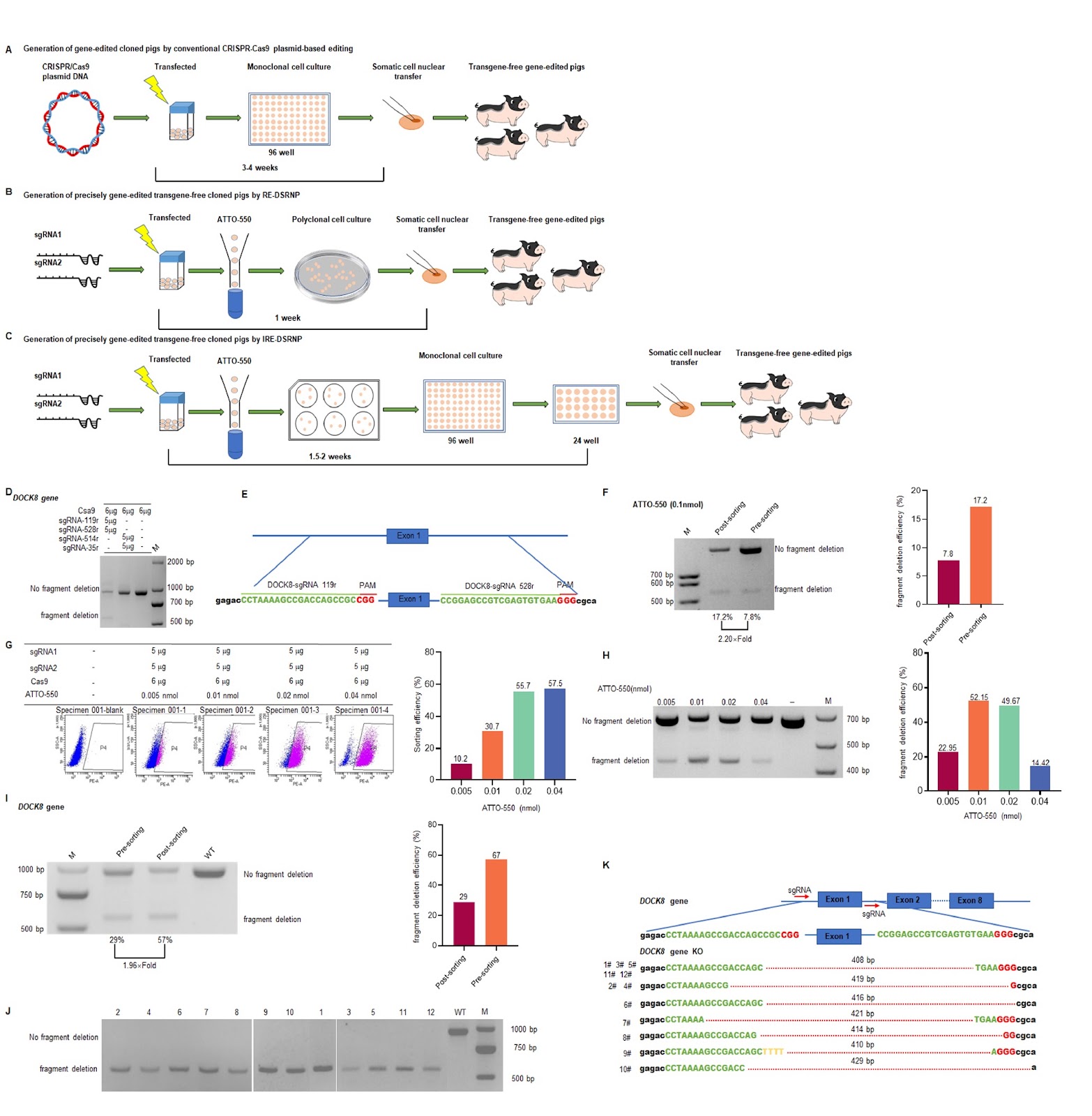
Pigs, as crucial economic livestock species, possess remarkable reproductive traits and thus play a highly significant role in promoting the progress of the livestock industry. With the advent and application of CRISPR/Cas9 technology, researchers have explored genetic editing techniques to increase swine reproductive performance, flavour profiles, and nutritional attributes. Additionally, with respect to anatomy, physiology, immunology, and genomics as well as other traits, pigs exhibit remarkable similarities to humans. Genetically edited pigs play crucial roles in human disease models, xenotransplantation, breed improvement, vaccine development, and drug assessment. Common methods deployed in the preparation of genetically edited pigs include somatic cell nuclear transfer (SCNT), microinjection and sperm-mediated approaches. For example, Shen et al. [1] successfully generated P53-knockout Diannan miniature pigs using transcription activator-like effector nucleases combined with SCNT, offering a valuable resource for preclinical oncology research. In 2019, Chen et al. [2] employed microinjection to deliver Cas9 messenger ribonucleic acid (mRNA) and single guide ribonucleic acid (sgRNA) into the cytoplasm of fertilized eggs. These authors successfully obtained both the albinism phenotype and the combined phenotype of albinism and immunodeficiency in Tibetan miniature pigs. More recently, Tenihara et al. [3] introduced the CRISPR/Cas9 protein into fertilized porcine eggs via electroporation, enabling a simple, micromanipulation-free approach for generating gene-edited pigs. Among these methods, SCNT has gained extensive interest among researchers because of its reliability. An essential aspect of SCNT is the preparation of embryonic fibroblasts to serve as donor cells. Previously, the CRISPR/Cas9 plasmid editing system served as the predominant technique to generate genetically edited embryonic fibroblasts (Figure 1A) [4]. This approach, which is distinguished by its relative simplicity, high stability, and low cost, was formerly widely utilized in the production of gene-edited pigs. However, plasmid editing is associated with several notable limitations. First, it introduces resistance genes, posing risks of inaccurate gene editing, drug resistance and biosafety concerns. Second, during the CRISPR/Cas9 editing process, there is a possibility of ongoing editing due to deoxyribonucleic acid (DNA) integration. This continuous editing can increase the likelihood of off-target effects, random mutations, and interference with DNA repair mechanisms. Third, the acquisition of positive cell lines via the plasmid editing system typically demands an extended period of in vitro cultivation (lasting 3–4 weeks), which increases the risk of apoptosis and chromosomal aberrations. Consequently, plasmid-based transfection is now largely supplanted by ribonucleoprotein (RNP) systems for gene editing. RNP systems bypass plasmids, delivering the Cas9 protein and sgRNA directly into cells, reducing off-target effects and cytotoxicity [5]. In 2022, Xu et al. [6] developed the reporter RNA-enriched dual-sgRNA CRISPR/Cas9 ribonucleoprotein (RE-DSRNP) method, a transgene-free approach using CRISPR/Cas9 RNPs enriched with ATTO550-tracrRNA (IDT, Iowa, USA) as a fluorescent RNA probe (Figure 1B). This method reduced the time needed to generate donor cells from 3-4 weeks to one week, resulting in high-efficiency WIP1 gene knockouts and the production of pigs with male reproductive disorders. However, owing to genetic diversity, not all target genes achieve 95% editing efficiency, as demonstrated by the RE-DSRNP method, with some falling below 90%. For example, DOCK8, which belongs to the DOCK family, is an atypical guanine nucleotide exchange factor that plays a crucial role in immune responses. DOCK8 deficiency syndrome, a rare hereditary disorder, often leads to combined immunodeficiency and is characterized by elevated serum immunoglobulin E levels, increased eosinophil

Read Executive PreviewDOI: 10.3724/abbs.2025044
CRISPR-based shuttle cloning of 1397 human genes into UAS vectorsGraphical AbstractOpen Access
Acta Biochimica et Biophysica Sinica

CRISPR-based shuttle cloning of 1397 human genes into UAS vectors

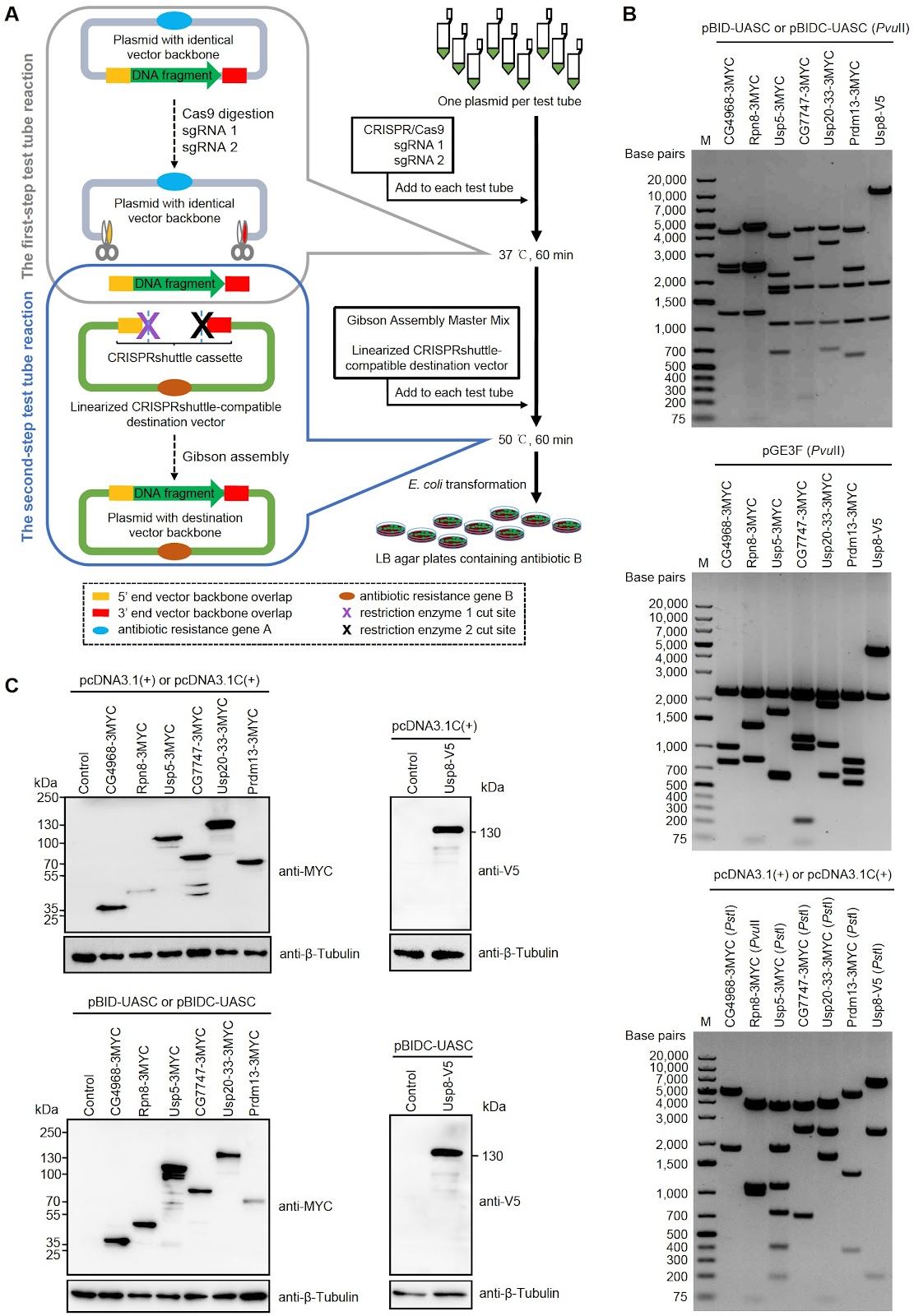
Functional genomics is a powerful tool for elucidating the function of all genes in an organism and primarily relies on construction and manipulation of genome-wide DNA libraries such as cDNAs, ORFs, gene promoters and inverted repeats for RNAi. Typically, a DNA library must be transferred to a destination vector in a high-throughput manner for functional genomics studies. However, the construction of genome-wide DNA libraries, such as cDNA/ORF overexpression libraries, has been challenging due to limitations in high-throughput DNA cloning methods. This severely restricts the use of functional genomics. The prevailing high-throughput cloning methods for constructing and manipulating genome-wide DNA libraries primarily include Gateway, In-Fusion, Creator, and Univector cloning systems, all of which are based on site-specific recombination. Among these, the Gateway cloning system is the most extensively employed high-throughput cloning method. All the aforementioned high-throughput cloning methods predominantly rely on PCR amplification of the DNA fragments of interest. This step requires individualized manipulations for each DNA fragment, including primer design and synthesis, gel purification, and DNA sequencing, which are laborious and time-consuming. Additionally, PCR amplification is particularly problematic for long DNA fragments. Consequently, the PCR amplification of DNA fragments of interest is not only costly but also a rate-limiting step in high-throughput cloning. For example, although cDNA and ORF resources for human, mouse and Drosophila have been publicly available for nearly two decades, the construction of a genome-wide GAL4/UAS (upstream activating sequence)-based UAS-cDNA/ORF plasmid library from these resources has been severely impeded by the PCR amplification of cDNAs and ORFs [1]. We previously developed a high-throughput cloning method, CRISPRmass, for constructing a genome-wide UAS-cDNA/ORF plasmid library from publicly available cDNA/ORF resources [2]. However, CRISPRmass is applicable solely to the insertion of an identical DNA fragment (e.g., a UAS module) into the identical backbones of different plasmids [2]. It does not allow for the transfer of DNA fragments (e.g., cDNAs or ORFs) between vectors, thereby limiting its use in DNA cloning. By introducing the concept of a CRISPRshuttle cassette, we developed a novel high-throughput DNA cloning method termed CRISPR-based shuttle cloning (CRISPRshuttle cloning). This method allows for the transfer of numerous DNA fragments of interest from original plasmids with identical backbones to a different vector background through two-step test tube reactions prior to bacterial transformation, thereby eliminating the need for PCR amplification of the DNA fragments (Figure 1A). In the first-step test tube reaction, different DNA fragments of interest are excised from their original plasmids by digesting the plasmid backbones with Cas9/sgRNA 1 and Cas9/sgRNA 2. Cas9/sgRNA 1 targets the backbone sequence adjacent to the 5′ end of the DNA fragments, while Cas9/sgRNA 2 targets the backbone sequence adjacent to the 3′ end. The released DNA fragments do not need to be purified, and the reaction products can be directly used in the second-step test tube reaction. In the second-step test tube reaction, the released DNA fragments are transferred to the CRISPRshuttle cassette of a CRISPRshuttle-compatible destination vector via Gibson assembly, yielding the desired plasmids. A CRISPRshuttle cassette consists of approximately 20‒40 bp of backbone sequence flanking both the 5′ and 3′ ends of the DNA fragments, and one or two unique restriction enzyme recognition sites between these sequences. These recognition sites are used for linearizing the CRISPRshuttle-compatible destination vector and must be unique within the vector.

Read Executive PreviewDOI: 10.3724/abbs.2025050
Berberine alters the gut microbiota metabolism and impairs spermatogenesisGraphical AbstractOpen Access
Acta Biochimica et Biophysica Sinica

Berberine alters the gut microbiota metabolism and impairs spermatogenesis

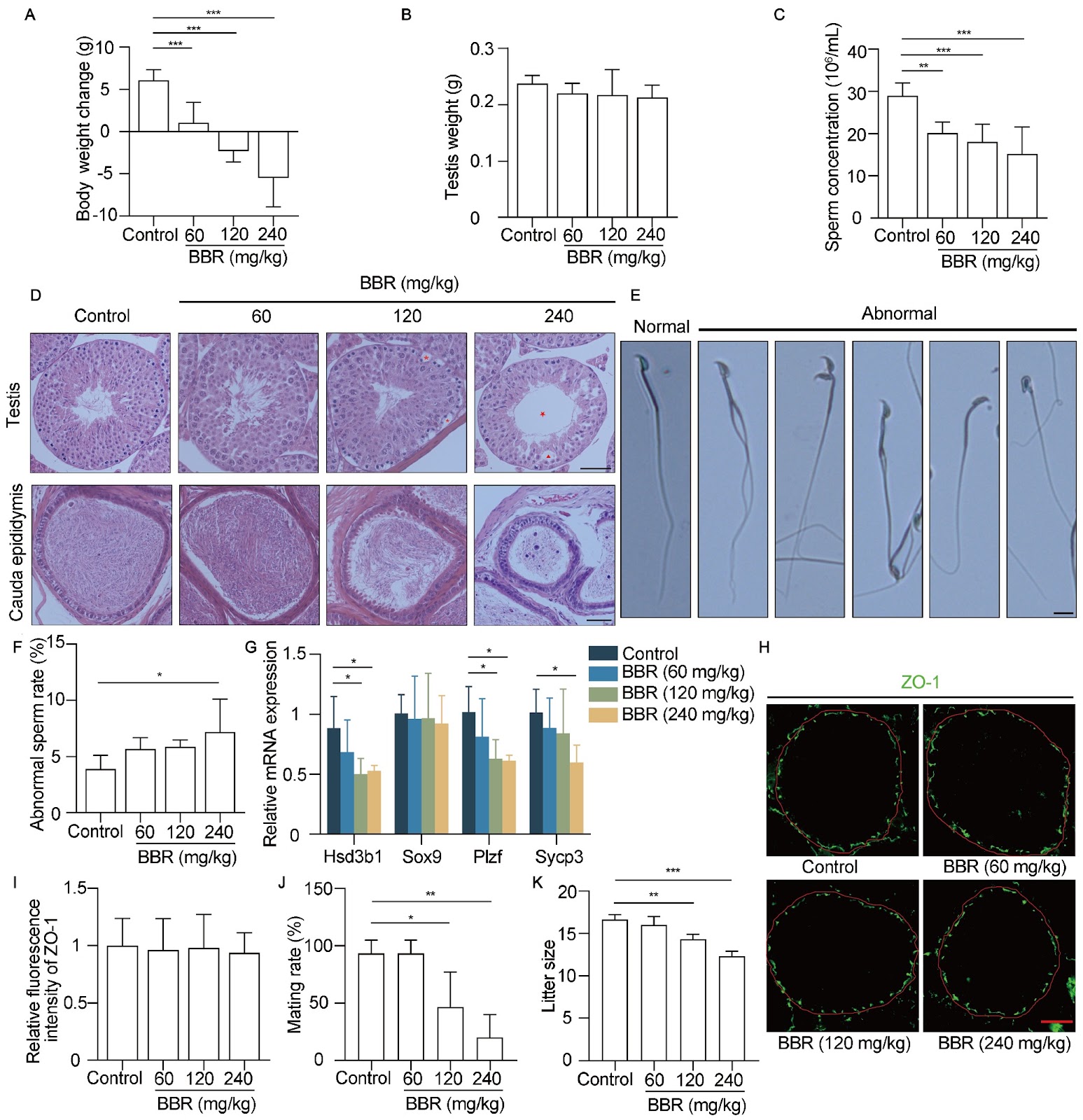
Berberine (BBR) is used to treat diarrhea clinically. However, its reproductive toxicity is unclear. This study aims to investigate the impact of BBR on the male reproductive system. Intragastric BBR administration for 14 consecutive days results in a significant decrease in the serum testosterone concentration, epididymal sperm concentration, mating rate and fecundity of male mice. Testicular treatment with testosterone propionate (TP) partially reverses the damage caused by BBR to the male reproductive system. Mechanistically, the decrease in Muribaculaceae abundance in the gut microbiota of mice is the principal cause of the BBR-induced decrease in the sperm concentration. Both fecal microbiota transplantation (FMT) and polyethylene glycol (PEG) treatment demonstrate that Muribaculaceae is necessary for spermatogenesis. The intragastric administration of Muribaculaceae intestinale to BBR-treated mice restores the sperm concentration and testosterone levels. Metabolomic analysis reveals that BBR affects arginine and proline metabolism, of which ornithine level is downregulated. Combined analysis via 16S rRNA metagenomics sequencing and metabolomics shows that Muribaculaceae regulates ornithine level. The transcriptomic results of the testes indicate that the expressions of genes related to the low-density lipoprotein receptor (LDLR)-mediated testosterone synthesis pathway decrease after BBR administration. The transcriptional activity of the Ldlr gene in TM3 cells is increased with increased ornithine supplementation in the culture media, leading to increased testosterone synthesis. Overall, this study reveals an association between a BBR-induced decrease in Muribaculaceae abundance and defective spermatogenesis, providing a prospective therapeutic approach for addressing infertility-related decreases in serum testosterone triggered by changes in the gut microbiota composition.

Read Executive PreviewDOI: 10.3724/abbs.2024174
Therapeutic potential of dihydrocapsaicin in vascular smooth muscle cell calcificationGraphical AbstractOpen Access
Acta Biochimica et Biophysica Sinica

Therapeutic potential of dihydrocapsaicin in vascular smooth muscle cell calcification

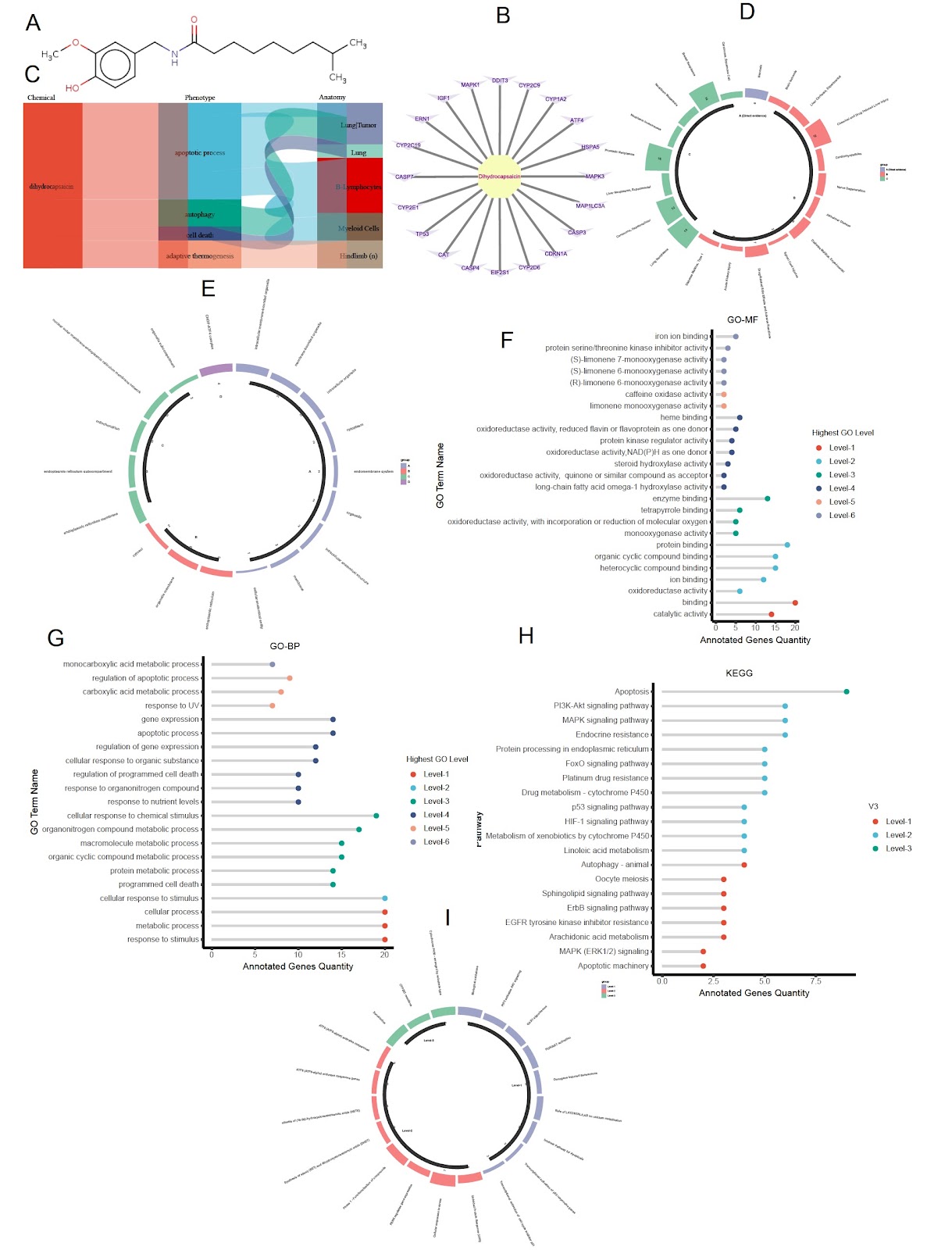
Dihydrocapsaicin (DHC) is the primary pungent component of natural capsaicinoids in chili peppers, with diverse pharmacological properties including analgesia, anticancer, anti-inflammatory, antioxidant, and anti-obesity effects. Vascular calcification (VC) is a common adverse phenotype of various vascular lesions and an independent risk factor for disease occurrence, progression, and mortality. However, no effective therapeutic strategy currently exists to reverse or cure VC. This study hypothesized a potential connection between DHC and VC and utilized the Comparative Toxicogenomics Database (CTD) to extract experimental target genes of DHC. The results demonstrated that DHC has 20 target genes, including ATF4, CASP3, CASP4, CASP7, CAT, CDKN1A, CYP1A2, CYP2C19, CYP2C9, CYP2D6, CYP2E1, DDIT3, EIF2S1, ERN1, HSPA5, IGF1, MAP1LC3A, MAPK1, MAPK3, and TP53. Chemical-phenotype analysis revealed cell death phenotypes such as apoptosis and autophagy. Disease analysis revealed necrosis, tumors, and cardiomyopathies. Gene Ontology (GO) and pathway analyses (KEGG, REACTOME) highlighted roles in metabolism, apoptosis, stress responses, and critical signaling pathways including MAPK, ErbB, HIF-1, FoxO, and sphingolipid signaling. These findings suggest that DHC may have therapeutic potential in vascular calcification, warranting further investigation.

Read Executive PreviewDOI: 10.3724/abbs.2025143
Evolutionary analysis of paired box gene family and biological function exploration of Lr.Pax7 in lamprey (Lethenteron reissneri)Graphical AbstractOpen Access
Acta Biochimica et Biophysica Sinica

Evolutionary analysis of paired box gene family and biological function exploration of Lr.Pax7 in lamprey (Lethenteron reissneri)

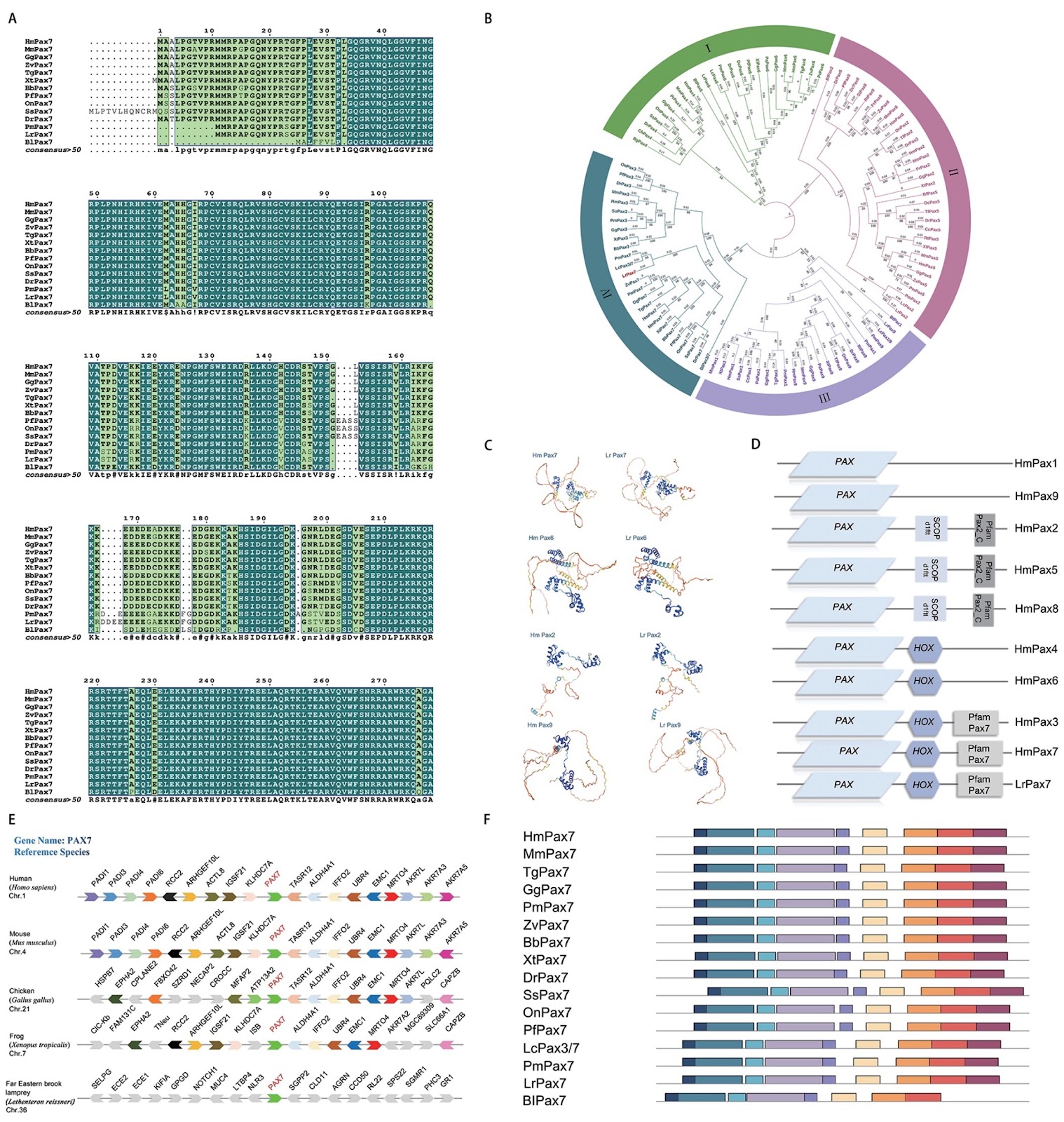
Gene regulation refers to the precise regulation of gene expression in an organism, and transcription factors are proteins that bind to DNA and regulate gene expression by promoting or inhibiting the expressions of target genes. Since the late 1980s [1], scientists have studied special genes called Pax genes that control how genes function in organisms as they grow. There are nine Pax genes found in animals such as mice, zebrafish, and humans [2]. Based on the composition domain and homology of the sequence, the Pax family is divided into four subfamilies: Pax1/9, Pax2/5/8, Pax4/6, and Pax3/7 [3]. Pax7 plays a pivotal role in the implementation, protection, and repair of skeletal muscle. Pax7 helps to control the balance between self-renewal and differentiation of satellite cells, ensuring that they can proliferate when needed to generate new muscle cells and differentiate into mature muscle fibers when necessary for muscle development and repair. The expression of the Pax7 gene in nerve cells is critical for dorsal root and sensory ganglia development. The Pax7 gene serves as a primary controlling factor for skeletal muscle development while influencing different biological processes; however, its exact role in jawless vertebrates such as lamprey remains unclear, and extensive research is needed to elucidate the intricate underlying mechanisms involved. Given the unique status of lamprey as an ancient jawless fish, possessing an ancient lineage and distinctive biological features, it is rare to explore gene function across hundreds of millions of years of vertebrate evolution. The use of lamprey as a model system for gene function research represents an innovative approach in the fields of evolutionary and comparative genomics. In this study, we investigated the regulatory mechanism of Pax7 in lamprey via gene cloning, gene expression analysis, gene silencing and transcriptome data analysis. We also explored the interactions between genes with significant differences. Identification of Lr.Pax7 in lamprey tissues began with the retrieval of protein sequences that are similar to those of human Pax family members in sea lamprey (Petromyzon marinus) or zebrafish (Danio rerio) from the NCBI protein database (Supplementary Table S1) and the use of BLAST to identify corresponding homologs (Supplementary Table S2). Subsequently, we extracted the Pax sequences from our library. Lethenteron reissneri specimens were dissected to isolate various tissues. Primers targeting the pax domains were designed based on the Pax7 nucleotide sequence in the Lampreys cDNA library, and the aim was to verify the effectiveness of the Lampreys cDNA as a template for validation (Supplementary Table S3). Lr.Pax7 was successfully amplified via PCR in muscle tissue. Here, a variety of methods were used for bioinformatics analysis. The results showed that the amino acid sequence of Pax7 is highly similar among animals (Figure 1A), with a decreasing trend from higher to lower organisms, as revealed by sequence alignment. It can be observed from the evolutionary tree (Figure 1B) that Pax genes for each subfamily are present in ancestral chordate and that Pax genes are present in amphioxus. Petromyzon marinus, Lethenteron camtschaticum, and Lethenteron reissneri constitute a sister group and have become good models for the study of jawless vertebrates. Pax9, Pax2, Pax6, and Pax7 show high similarity to those of other higher vertebrates. Therefore, these genes were named Lr.Pax9, Lr.Pax2, Lr.Pax7, and Lr.Pax6. The results indicate that the Pax7 gene is significantly preserved across various species, from higher to lower. This suggests that the DNA sequence of the gene is remarkably similar among different species. Lr.Pax7 is positioned between vertebrates and invertebrates and is most closely related to P. marinus Pax7. This finding provides more insight into the original evolutionary position of the lamprey. Crystal structure prediction analysis revealed that Lr.Paxs and Hm.Paxs have highly homologous structures (Figure 1C). The Pax gene has a similar structure (Figure 1D), including a conserved DNA-binding structure called the pair-box domain. This structure contains approximately 128 amino acids and is responsible for binding with specific DNA sequences, regulating gene expression, and interacting with other proteins. To further investigate the evolutionary history of Pax7 in vertebrates, we compared the genetic environment of Pax7 with that of other vertebrates (Figure 1E). In addition, many Pax gene members also contain DNA-binding structures called homeodomains, which play important roles in development.

Read Executive PreviewDOI: 10.3724/abbs.2024121
Advancements in SinoBioData: A Comprehensive Review of Integrative Multi-Omics Approaches in Precision MedicineGraphical AbstractOpen Access
Chinese Traditional and Herbal Drugs2026

Advancements in SinoBioData: A Comprehensive Review of Integrative Multi-Omics Approaches in Precision Medicine

The rapid evolution of high-throughput technologies has generated an unprecedented wealth of biological data, necessitating sophisticated integrative approaches to translate this information into actionable clinical insights. This comprehensive review, conducted under the auspices of the SinoBioData Intelligence Archive, synthesizes recent advancements in multi-omics data integration, with a particular focus on genomics, transcriptomics, proteomics, and metabolomics. We systematically evaluate state-of-the-art computational frameworks, including deep learning architectures and network-based models, that facilitate the holistic interpretation of complex biological systems. Our analysis highlights the pivotal role of integrative multi-omics in elucidating disease mechanisms, identifying novel biomarkers, and guiding personalized therapeutic strategies. Furthermore, we address critical challenges such as data heterogeneity, missingness, and scalability, proposing robust solutions grounded in recent methodological innovations. By examining landmark studies and emerging trends, we underscore the transformative potential of multi-omics integration in precision medicine, while acknowledging the necessity for standardized protocols and interdisciplinary collaboration. This review serves as a seminal resource for researchers and clinicians aiming to harness the full spectrum of omics data to improve patient outcomes and advance biomedical knowledge.

Read Executive PreviewDOI: 10.7501/j.issn.0253-2670.2026.12.2026120
Causal Association of Educational Attainment with Substance Use Disorders: A Mendelian Randomization StudyGraphical AbstractOpen Access
Chinese Journal of New Drugs2026

Causal Association of Educational Attainment with Substance Use Disorders: A Mendelian Randomization Study

Substance use disorders (SUDs) impose a substantial global health burden, and educational attainment (EA) has been inversely associated with SUD risk in observational studies. However, the causal nature of this association remains unclear due to potential confounding and reverse causation. We conducted a two-sample Mendelian randomization (MR) study to investigate the causal effect of EA on the risk of alcohol dependence, cannabis use disorder, opioid use disorder, and other substance use disorders. Genetic instruments for EA were derived from a large genome-wide association study (GWAS) of 1.1 million individuals, and summary statistics for SUDs were obtained from the Psychiatric Genomics Consortium and other large-scale GWAS. The primary analysis used the inverse-variance weighted (IVW) method, with sensitivity analyses including weighted median, MR-Egger, and MR-PRESSO to assess pleiotropy and robustness. Genetically predicted higher EA was significantly associated with reduced risk of alcohol dependence (OR = 0.58, 95% CI: 0.49-0.69, P = 1.2×10⁻¹⁰), cannabis use disorder (OR = 0.64, 95% CI: 0.53-0.77, P = 3.4×10⁻⁶), and opioid use disorder (OR = 0.72, 95% CI: 0.58-0.89, P = 0.002). No significant association was found for other SUDs. Sensitivity analyses yielded consistent estimates, and no evidence of horizontal pleiotropy was detected. Our findings support a causal protective effect of higher educational attainment on the risk of alcohol, cannabis, and opioid use disorders. Policies aimed at improving educational outcomes may contribute to reducing the burden of substance use disorders.

Read Executive PreviewDOI: pub_80__articleID_435
Systematic druggable genome-wide Mendelian randomization identifies therapeutic targets for major depressive disorderGraphical AbstractOpen Access
Chinese Journal of Tissue Engineering Research2026

Systematic druggable genome-wide Mendelian randomization identifies therapeutic targets for major depressive disorder

BACKGROUND: The occurrence of major depressive disorder is typically associated with genetic and environmental factors. Currently, the diagnosis of major depressive disorder mainly relies on clinical interviews and symptom assessments, lacking clear and reproducible biological markers. This can lead to misdiagnosis and missed diagnoses, delaying the timing of treatment. OBJECTIVE: To identify druggable genes that may act as potential therapeutic targets for major depressive disorder by conducting comprehensive genome-wide Mendelian randomization analysis. METHODS: By integrating expression quantitative trait locus (eQTL) data and protein quantitative trait locus (pQTL) data from pharmacologically actionable genes with genome-wide association study (GWAS) data on major depressive disorder (including 177 377 cases and 445 321 controls), Mendelian randomization analysis was conducted to identify druggable genes that have a causal relationship with major depressive disorder. Additionally, enrichment analysis, protein-protein interaction network construction, drug target identification, and molecular docking simulations were performed to further explore potential therapeutic strategies. RESULTS AND CONCLUSION: A total of 4 394 druggable genes were analyzed, and 21 druggable genes considerably associated with major depressive disorder were identified. Bayesian colocalization analysis indicated that BTN3A3, CISD1, and PSMB4 had posterior probabilities of hypothesis 4 (H4.abf) > 0.5, supporting the possibility of shared causal variants. GO enrichment analysis mainly involved 'antigen processing and presentation', 'protein degradation and processing', 'mitochondrial outer membrane', and 'immune receptor activity' pathways related to major depression. Protein-protein interaction network analysis showed moderate connectivity among the identified genes (21 nodes, 14 edges). Drug target identification determined gemcitabine (CID 60750), fucose (CID 17106), and isococculidine (CID 2826) as main candidate compounds, which had strong associations with several key genes. Molecular docking analysis revealed stable drug-protein interactions, with isococculidine showing the most stable binding energy (-52.74 kJ/mol) with BTN3A3. In conclusion, Mendelian randomization combined with genomics and structural biology analysis provides valuable decision-making basis for target prioritization and drug repurposing, offering new ideas and directions for efficient utilization of basic research resources and drug development for major depressive disorder.

Read Executive PreviewDOI: 10.12307/2026.21252
Potential targets of glucagon-like peptide 1 receptor agonist ticagrelor in the treatment of Alzheimer’s diseaseGraphical AbstractOpen Access
Chinese Journal of Tissue Engineering Research2026

Potential targets of glucagon-like peptide 1 receptor agonist ticagrelor in the treatment of Alzheimer’s disease

BACKGROUND: Glucagon-like peptide 1 receptor agonists, as novel drug candidates for the treatment of neurodegenerative diseases, have achieved breakthrough progress in clinical research on Alzheimer’s disease, with drugs such as Semaglutide advancing to phase III clinical trials. However, there remains a significant knowledge gap regarding the molecular mechanism of neuroprotective effects of these drugs. OBJECTIVE: To innovatively integrate multi-omics analysis techniques and network pharmacology methods, to systematically analyze the intersection network between the gene lineage related to Alzheimer’s disease pathology and the potential targets of ticagrelor, to identify key regulatory genes, and to verify their molecular mechanisms through in vitro and in vivo experiments. METHODS: A multi-dimensional research strategy was adopted: (1) Constructing the differential expression gene profile of Alzheimer’s disease using the DisGeNET database that covers various disease-related genomics. (2) Obtaining the structure of Tirzepatide from PubChem database with bioactive molecules and screening potential targets. (3) Conducting Gene Ontology (GO) functional annotation and Kyoto Encyclopedia of Genes and Genomes (KEGG) pathway enrichment analysis using DAVID database. (4) Constructing protein-protein interaction network using STRING database and Cytoscape 3.9.1, and screening key genes via topological network analysis. (5) Cell-level verification: HT22 cells were divided into control group, model group (treated with β-amyloid 1-42 oligomers for 36 h to establish an in vitro AD model), and treatment group (pretreated with β-amyloid 1-42 oligomers for 24 h, then co-treated with ticagrelor for 12 h). Western blot was used to analyze the protein expression of angiotensin II type 2 receptor (AGTR2), and ELISA was used to detect the expression levels of synaptic markers such as synaptophysin 1 and postsynaptic density protein 95. (6) Animal experiments: Three groups were used: control group (WT C57BL/6 mice, intraperitoneal injection of saline), model group (3xTg mice, intraperitoneal injection of saline), and treatment group (3xTg mice, intraperitoneal injection of 20 nmol/L ticagrelor), all administered every other day for a total of 15 doses. Morris water maze was used to analyze cognitive behavioral improvements in AD model mice; Western blot was used to quantitatively analyze the expression of β-amyloid (6E10) and phosphorylated Tau protein (P-tau-181). RESULTS AND CONCLUSION: (1) A total of 3,397 AD-related genes were screened from DisGeNET database; 10 key genes with the highest connectivity were identified based on protein association: AGTR2, NTSR1, NTSR2, GHSR, C5AR1, C3AR1, OPRM1, SSTR2, OPRD1, STAT3. GO enrichment and KEGG pathway analysis suggested that ticagrelor may improve AD by enhancing neuroreceptor-ligand function. (2) Cell experiments suggested that ticagrelor may exert therapeutic effects by improving synaptic function in AD, and AGTR2 may be a potential target of ticagrelor in treating AD. (3) Animal experiments indicated that ticagrelor improved cognitive ability in 3xTg mice, and ameliorated abnormal β-amyloid deposition and Tau protein phosphorylation in the brain of 3xTg mice. (4) Conclusion: The study reveals that AGTR2 is a key molecular target of ticagrelor in the pathological process of AD, and ticagrelor may treat AD by regulating AGTR2-mediated synaptic function improvement.

Read Executive PreviewDOI: 10.12307/2026.21276
Association between immune cells and cardiovascular disease risk: a genome-wide association study in European populationsGraphical AbstractOpen Access
Chinese Journal of Tissue Engineering Research2026

Association between immune cells and cardiovascular disease risk: a genome-wide association study in European populations

BACKGROUND: Previous studies have linked immune cells to cardiovascular disease risk. As confounding factors are incompletely addressed, the causal relationship between them remains unclear. OBJECTIVE: To evaluate the potential causal relationship between immune cells and cardiovascular disease. METHODS: The source of research data mainly involves three databases: Genome-Wide Association Study (GWAS) database (GWAS Catalog, jointly maintained by the National Institute of Human Genomics and the European Institute of Bioinformatics), UK biobank (a database of British population genomics, health, and disease phenotypes supported by the UK government and the Wellcome Trust), and IEU OpenGWAS (a GWAS database developed by the MRC Epidemiology Unit at the University of Bristol, UK, primarily for European populations). All are open databases, and the study has been approved by the relevant institutional review boards. Using 731 immune cell phenotypes as exposures and 7 cardiovascular diseases (atrial fibrillation, dilated cardiomyopathy, coronary atherosclerotic heart disease, heart failure, hypertrophic cardiomyopathy, hypertension, and valvular heart disease) as outcomes, a two-sample Mendelian randomization analysis was performed. Inverse variance weighting and weighted median methods were mainly used for Mendelian randomization analysis and sensitivity analysis to assess heterogeneity and pleiotropy. RESULTS AND CONCLUSION: (1) After false discovery rate correction, immune phenotypes had statistically significant effects on atrial fibrillation and hypertension. Five cell types were associated with atrial fibrillation risk, including CD11c on monocytes (OR=0.917, 95%CI: 0.876-0.960), FSC-A on myeloid dendritic cells (OR=0.942, 95%CI: 0.910-0.974), CX3CR1 on CD14+ CD16- monocytes (OR=1.045, 95%CI: 1.022-1.070), CX3CR1 on monocytes (OR=1.050, 95%CI: 1.024-1.076), and CX3CR1 on CD14+ CD16+ monocytes (OR=1.050, 95%CI: 1.024-1.077). Three immune phenotypes with protective effects on hypertension were identified: CD19 on switched memory B cells (OR=0.986, 95%CI: 0.980-0.993), CD25++CD8+ T cells (OR=0.993, 95%CI: 0.990-0.997), and CD25++CD8+ T cells absolute count (OR=0.993, 95%CI: 0.989-0.996). No potential heterogeneity or horizontal pleiotropy was observed in sensitivity analyses. (2) The study found causal relationships between 4 monocyte types and 1 myeloid dendritic cell type and atrial fibrillation, and potential causal relationships between 1 memory B cell type and 2 T cell types and hypertension, suggesting the necessity of considering immune cell phenotypes when monitoring and treating atrial fibrillation and hypertension. This study used public databases for analysis, providing a reference for research on immune cell subsets and cardiovascular disease in the Chinese population, and offering insights for further prevention and treatment of atrial fibrillation and hypertension in Chinese people.

Read Executive PreviewDOI: 10.12307/2026.21263
Integration of CD4+ T cell dynamic expression of quantitative trait loci reveals immunotherapeutic targets for sarcopeniaGraphical AbstractOpen Access
Chinese Journal of Tissue Engineering Research2026

Integration of CD4+ T cell dynamic expression of quantitative trait loci reveals immunotherapeutic targets for sarcopenia

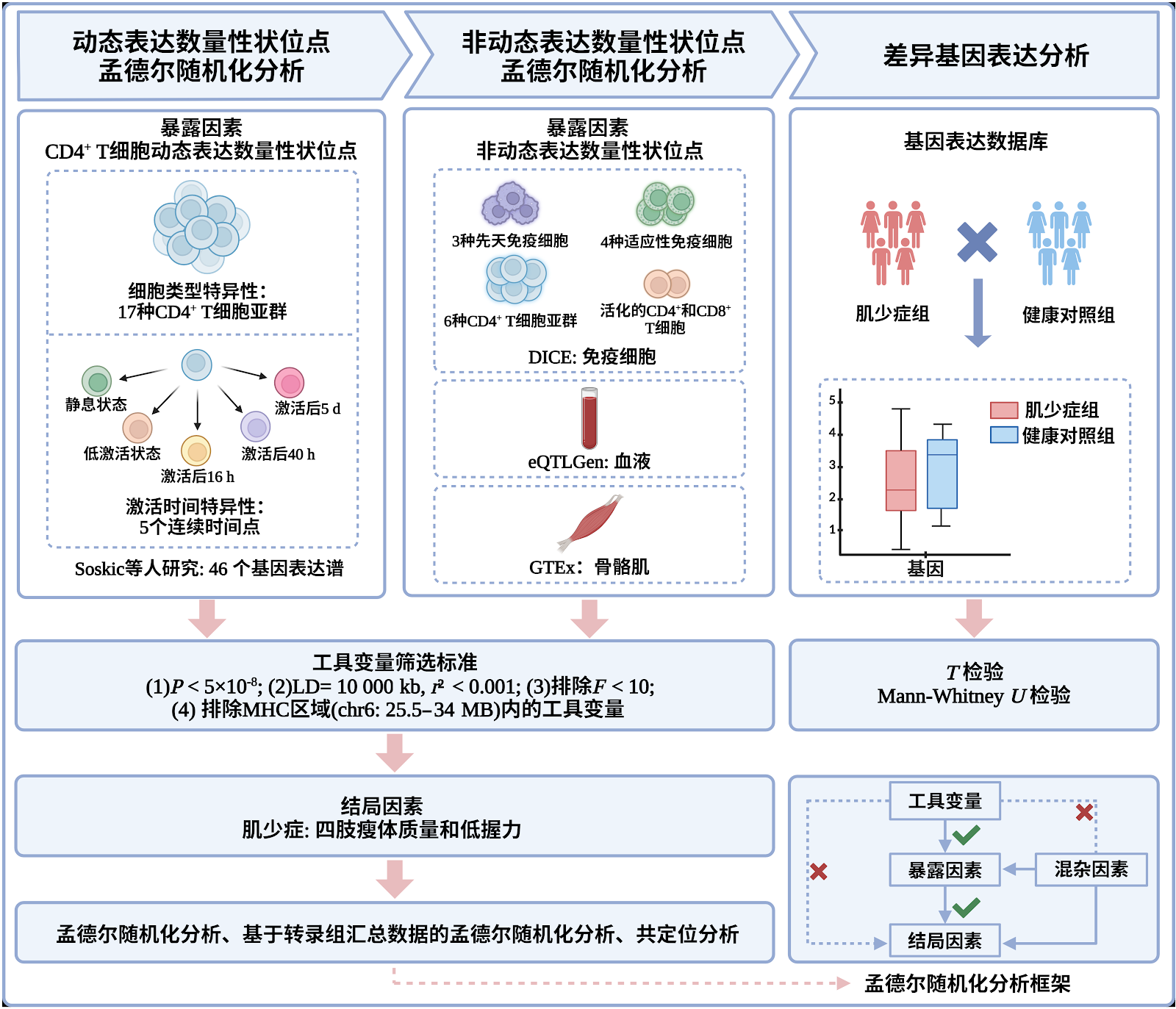
BACKGROUND: Sarcopenia is a degenerative illness in the elderly, and there is currently a dearth of particular therapeutic medications. Abnormalities in immune cells are risk factors for sarcopenia. CD4+ T lymphocytes play a vital role in skeletal muscle repair and regeneration. Previous research generally used expression quantitative trait loci data from whole tissues or blood to identify pharmacological targets, making it difficult to uncover the regulatory effects of gene expression on distinct cell subpopulations and their dynamic activation states. This study integrates dynamic expression quantitative trait locus data of CD4+ T cells to evaluate the immune cell specificity and activation time-dependent impacts of gene expression on sarcopenia, providing a platform for the development of precise immune intervention techniques. OBJECTIVE: To reveal the specific causal relationship between gene expression in different activation phases of CD4+ T cell subpopulations and sarcopenia. METHODS: Based on the dynamic eQTL data of CD4+ T cells from SOSKIC et al. (covering 46 cell-activation states in European populations), the Database of Immune Cell Expression, eQTLs and Epigenomics (DICE), eQTLGen, Genotype-Tissue Expression (GTEx), and GWAS Catalog, a two-sample Mendelian randomization analysis was systematically conducted. First, using CD4+ T cell dynamic eQTLs as exposure and sarcopenia phenotypes as outcomes, candidate genes were screened. Then, eQTL data from immune cells, whole blood, and skeletal muscle tissue were used for validation. Additionally, summary-data-based Mendelian randomization (SMR), heterogeneity tests, colocalization analysis, and differential gene expression analysis (using GEO dataset GSE111016) were performed to verify reliability. All data were publicly available summary statistics and met ethical requirements. All analyses strictly selected instrumental variables and followed the Strengthening the Reporting of Observational Studies in Epidemiology (STROBE) guidelines. RESULTS AND CONCLUSION: (1) SMR and heterogeneity tests showed that RAB29, NDUFS3, and MMP24OS had specific causal associations with sarcopenia. Specifically, expression of RAB29 in CD4+ naive T cells activated for 5 days and MMP24OS in CD4+ memory T cells activated for 5 days were positively associated with sarcopenia risk, while NDUFS3 expression in naive T cells activated for 16 and 40 hours was negatively associated with sarcopenia risk. (2) Colocalization analysis further confirmed that eQTLs for RAB29, NDUFS3, and MMP24OS shared potential causal variants with sarcopenia GWAS signals. (3) Differential expression analysis showed that NDUFS3 was significantly downregulated in sarcopenia patients compared with healthy controls, while RAB29 and MMP24OS showed no significant difference. NDUFS3 was identified as a potential gene therapy target with temporal regulatory characteristics in CD4+ T cells. This analysis was based on European population data; future studies should introduce dynamic eQTL Mendelian randomization frameworks to develop precise T-cell functional timing intervention strategies for the Chinese population.

Read Executive PreviewDOI: 10.12307/2026.21694
Causal relationship between immune cell-mediated circulating inflammatory proteins and rheumatoid arthritisGraphical AbstractOpen Access
Chinese Journal of Tissue Engineering Research2026

Causal relationship between immune cell-mediated circulating inflammatory proteins and rheumatoid arthritis

BACKGROUND: Studies have shown that circulating inflammatory proteins and immune cells are associated with rheumatoid arthritis, but the causal relationship is unclear. OBJECTIVE: To explore the causal relationships between circulating inflammatory proteins and rheumatoid arthritis mediated by immune cells. METHODS: We downloaded data on circulating inflammatory proteins and immune cell phenotypes from the GWAS Catalog database (a publicly accessible database jointly established and maintained by the National Human Genome Research Institute and the European Bioinformatics Institute), and genome-wide association study data for rheumatoid arthritis from the FinnGen database (a genomics project resulting from collaboration between Finnish research institutions, biobanks, and international industry partners, also publicly accessible). Two-step Mendelian randomization analyses were performed: inverse variance weighting was used to assess the causal effects of 91 circulating inflammatory proteins and 731 immune cell phenotypes on rheumatoid arthritis risk, supplemented by MR-Egger, weighted median, weighted mode, simple mode, and sensitivity analyses. The mediating role of identified immune cells in the relationship between circulating inflammatory proteins and rheumatoid arthritis was evaluated. RESULTS AND CONCLUSION: Inverse variance weighting analysis showed that four circulating inflammatory proteins were significantly associated with rheumatoid arthritis risk, of which one was a risk factor and three were protective factors. Forty-six immune cell phenotypes were significantly associated with rheumatoid arthritis, of which 20 were risk factors and 26 were protective factors. Reverse Mendelian randomization analysis found no causal association between rheumatoid arthritis and the four identified circulating inflammatory proteins. Sensitivity analyses revealed no significant heterogeneity or horizontal pleiotropy. Further mediation analysis showed that CD19 on IgD- CD38br partially mediated the causal effect of interleukin-18 (β=0.064, OR=1.066, P=0.044) on rheumatoid arthritis, with a mediation effect of 0.004, a mediation proportion of 5.7%, and a direct effect of 0.060. The results reveal causal associations between circulating inflammatory proteins and immune cells with rheumatoid arthritis, and identify that CD19 on IgD- CD38br partially mediates the causal relationship between interleukin-18 and rheumatoid arthritis. For the Chinese biomedical research field, reference can be made to the integrated analysis framework of international multi-omics platforms and cross-ethnic cohort data to construct a combined database of epigenomics, proteomics, and metabolomics specific to the Chinese population, revealing the molecular regulatory networks underlying complex diseases, and facilitating disease subtyping and early diagnostic biomarker development. By learning from transnational collaborative research mechanisms, establish natural population cohorts of multiple ethnicities and regions in China, systematically analyze the impact of environmental exposure and gene interactions on health, and provide scientific evidence for formulating localized disease prevention strategies.

Read Executive PreviewDOI: 10.12307/2026.21554
Advancements in SinoBioData Intelligence: A Comprehensive Review of Integrative Omics and Machine Learning in Precision MedicineGraphical AbstractOpen Access
Chinese Traditional and Herbal Drugs2025

Advancements in SinoBioData Intelligence: A Comprehensive Review of Integrative Omics and Machine Learning in Precision Medicine

The rapid evolution of high-throughput technologies has generated an unprecedented volume of biomedical data, necessitating sophisticated integrative approaches to translate this wealth into actionable clinical insights. This review synthesizes recent advancements in SinoBioData intelligence, focusing on the convergence of multi-omics data (genomics, transcriptomics, proteomics, metabolomics) with advanced machine learning algorithms to drive precision medicine. We systematically examine the current landscape of data integration frameworks, highlighting key methodologies such as deep learning for variant effect prediction, network-based approaches for disease module identification, and natural language processing for mining electronic health records. Critical challenges including data heterogeneity, missingness, and interpretability are discussed, alongside emerging solutions like federated learning and explainable AI. Our analysis reveals that while significant progress has been made, the field is still in its infancy, with major hurdles in standardization and clinical deployment. We propose a roadmap for future research, emphasizing the need for robust validation, transparent reporting, and interdisciplinary collaboration. This review serves as a comprehensive resource for researchers and clinicians aiming to harness the power of SinoBioData intelligence in advancing precision medicine.

Read Executive PreviewDOI: 10.7501/j.issn.0253-2670.2025.22.2025220