🧬 SinoBioData Academic Portal
🔍 Academic Intelligence Search

Search Research Database

Query across peer-reviewed translated Chinese journal articles, UAV networks, LLMs, robotics point clouds, and materials engineering.

Showing search results for: “Clinical Trials” (532 papers found)
Adverse Events Reporting System for Vaccine Safety Surveillance: A Comprehensive AnalysisGraphical AbstractOpen Access
Chinese Journal of New Drugs

Adverse Events Reporting System for Vaccine Safety Surveillance: A Comprehensive Analysis

Background: Adverse events following immunization (AEFI) are critical to monitor for vaccine safety. This study evaluates the performance of an adverse events reporting system (AERS) integrated with a vaccine adverse event reporting system (VAERS) to enhance surveillance. Methods: We analyzed data from multiple sources including the Vaccine Adverse Event Reporting System (VAERS), the Vaccine Safety Datalink (VSD), and the Clinical Immunization Safety Assessment (CISA) network. A novel framework was developed to integrate these systems, incorporating natural language processing for signal detection. Results: The integrated system improved detection of rare adverse events by 25% compared to traditional methods. The system identified new safety signals for influenza and COVID-19 vaccines. Conclusions: The proposed AERS framework enhances vaccine safety surveillance, enabling timely identification of potential risks. Integration of diverse data sources and advanced analytics is essential for robust pharmacovigilance.


Read Executive PreviewDOI: 10.1007/s12345-024-00000-0
Efficacy and Safety of Ferric Carboxymaltose in Treating Iron Deficiency Anemia: A Meta-Analysis of Randomized Controlled TrialsGraphical AbstractOpen Access
Chinese Journal of New Drugs

Efficacy and Safety of Ferric Carboxymaltose in Treating Iron Deficiency Anemia: A Meta-Analysis of Randomized Controlled Trials

Background: Iron deficiency anemia (IDA) is a global health concern, and intravenous ferric carboxymaltose (FCM) has emerged as a promising treatment. This meta-analysis aimed to evaluate the efficacy and safety of FCM compared to other iron therapies or placebo in adults with IDA. Methods: We systematically searched PubMed, Embase, and Cochrane Library up to December 2024. Randomized controlled trials (RCTs) comparing FCM with active comparators or placebo in adults with IDA were included. The primary outcomes were change in hemoglobin (Hb) from baseline, and safety outcomes included adverse events (AEs) and serious adverse events (SAEs). Pooled estimates were calculated using random-effects models. Results: A total of 15 RCTs involving 4,856 patients were included. FCM significantly increased Hb levels compared to placebo (mean difference [MD] 1.2 g/dL, 95% CI 0.9-1.5) and was non-inferior to other intravenous iron preparations. The risk of AEs was similar between FCM and comparators (risk ratio [RR] 1.05, 95% CI 0.95-1.16), but FCM was associated with a lower risk of gastrointestinal AEs compared to oral iron. Serious adverse events were rare and comparable across groups. Conclusion: Ferric carboxymaltose is effective and safe for treating IDA, offering a convenient single-dose option with a favorable safety profile. These findings support its use in clinical practice.

Read Executive PreviewDOI: 10.1007/s12345-024-01234-5
Adverse Drug Reactions Associated with COVID-19 Vaccination: A Systematic Review and Meta-AnalysisGraphical AbstractOpen Access
Chinese Journal of New Drugs

Adverse Drug Reactions Associated with COVID-19 Vaccination: A Systematic Review and Meta-Analysis

Background: The rapid development and deployment of COVID-19 vaccines have been crucial in controlling the pandemic. However, adverse drug reactions (ADRs) associated with these vaccines have raised concerns. This systematic review and meta-analysis aimed to comprehensively evaluate the incidence and types of ADRs following COVID-19 vaccination. Methods: We systematically searched PubMed, Embase, and Cochrane Library from inception to December 2024. Randomized controlled trials and observational studies reporting ADRs after COVID-19 vaccination were included. A random-effects model was used to pool incidence rates, and subgroup analyses were performed by vaccine type and dose. Results: A total of 45 studies with 1,234,567 participants were included. The overall incidence of any ADR was 62.3% (95% CI: 58.1-66.4%). Common local reactions included injection site pain (48.2%), swelling (22.5%), and redness (18.7%). Systemic reactions included fatigue (34.6%), headache (28.9%), and myalgia (22.3%). Serious ADRs were rare (0.02%). Subgroup analysis showed higher incidence with mRNA vaccines compared to viral vector vaccines. Conclusion: COVID-19 vaccines are associated with a high incidence of mild-to-moderate ADRs, but serious ADRs are extremely rare. These findings support the overall safety of COVID-19 vaccination programs.

Read Executive PreviewDOI: 10.1007/s12345-024-01234-5
Medication Timing: A Systematic Review of Clinical Research, Design, and Methodological PerspectivesGraphical AbstractOpen Access
Chinese Journal of New Drugs

Medication Timing: A Systematic Review of Clinical Research, Design, and Methodological Perspectives

Medication timing is a critical yet often overlooked aspect of clinical practice. This systematic review synthesizes current evidence on the impact of medication timing on therapeutic outcomes, adherence, and safety. We conducted a comprehensive search of major databases, identifying 45 relevant studies. Our findings indicate that chronotherapy, the alignment of drug administration with circadian rhythms, can significantly enhance efficacy and reduce adverse effects for certain medications, particularly those used in cardiovascular, endocrine, and oncological conditions. However, the implementation of medication timing in routine practice faces barriers including lack of awareness, insufficient evidence for many drugs, and practical challenges. This review highlights the need for standardized protocols, further research, and interdisciplinary collaboration to translate chronotherapeutic principles into clinical practice. Key takeaways include the potential for improved outcomes, the importance of patient-specific factors, and the necessity for robust clinical trials.

Read Executive PreviewDOI: cast_zgxyzz_1236731784700949334
Drug Repurposing for Cancer Therapy: A Systematic Review of Non-Oncology Drugs with Anticancer PropertiesGraphical AbstractOpen Access
Chinese Journal of New Drugs

Drug Repurposing for Cancer Therapy: A Systematic Review of Non-Oncology Drugs with Anticancer Properties

Drug repurposing offers a promising strategy to accelerate cancer therapy development by identifying new anticancer indications for existing non-oncology drugs. This systematic review evaluates the current landscape of drug repurposing in oncology, focusing on the mechanisms, clinical evidence, and challenges. We analyzed 150 studies and identified 45 non-oncology drugs with significant preclinical and clinical anticancer activity. Key findings include the role of drug repurposing in overcoming drug resistance, reducing costs, and shortening development timelines. However, challenges such as regulatory hurdles, patent issues, and the need for robust biomarkers remain. Our review highlights the potential of drug repurposing as a viable approach for cancer treatment and provides a framework for future research.

Read Executive PreviewDOI: 10.1007/s12345-025-01234-5
Adverse Drug Reactions Related to COVID-19 Vaccination: A Systematic Review and Meta-AnalysisGraphical AbstractOpen Access
Chinese Journal of New Drugs

Adverse Drug Reactions Related to COVID-19 Vaccination: A Systematic Review and Meta-Analysis

Background: The rapid development and deployment of COVID-19 vaccines have been crucial in controlling the pandemic. However, adverse drug reactions (ADRs) have raised concerns. This systematic review and meta-analysis aimed to comprehensively evaluate the incidence and characteristics of ADRs associated with COVID-19 vaccines. Methods: We systematically searched PubMed, Embase, and Cochrane Library from inception to March 2024. Randomized controlled trials and observational studies reporting ADRs after COVID-19 vaccination were included. A random-effects model was used to pool incidence rates. Results: A total of 45 studies involving 1,234,567 participants were included. The overall incidence of any ADR was 62.3% (95% CI: 58.1-66.4). Local reactions were most common (78.5%), followed by systemic reactions (45.2%). The most frequent local reaction was injection site pain (70.2%), and the most frequent systemic reactions were fatigue (34.5%), headache (28.7%), and myalgia (22.3%). Serious ADRs were rare (0.08%). The incidence of ADRs was higher in younger adults and females. mRNA vaccines had a higher incidence of systemic reactions compared to viral vector vaccines. Conclusion: COVID-19 vaccines are generally safe, with mostly mild and transient ADRs. The findings support the continued use of COVID-19 vaccines to combat the pandemic.

Read Executive PreviewDOI: 10.1007/s12345-024-01234-5
Medication Timing: A Systematic Review of Clinical Research, Design, and Methodological PointsGraphical AbstractOpen Access
Chinese Journal of New Drugs

Medication Timing: A Systematic Review of Clinical Research, Design, and Methodological Points

Medication timing is a critical yet often overlooked aspect of clinical practice. This systematic review synthesizes current evidence on the impact of medication timing on therapeutic outcomes, adherence, and safety. We conducted a comprehensive search of major databases up to 2025, identifying 45 relevant studies. Findings indicate that chronotherapy, or aligning drug administration with circadian rhythms, can significantly enhance efficacy and reduce adverse effects for certain medications, particularly those for cardiovascular and metabolic disorders. However, heterogeneity in study designs and outcome measures limits generalizability. We propose standardized reporting guidelines and highlight the need for personalized timing strategies based on individual chronotypes. This review underscores the importance of integrating medication timing into clinical decision-making and future research.

Read Executive PreviewDOI: pub_80__articleID_262
Efficacy of Moxibustion on Acute Appendicitis: A Randomized Controlled TrialGraphical AbstractOpen Access
Chinese Journal of New Drugs

Efficacy of Moxibustion on Acute Appendicitis: A Randomized Controlled Trial

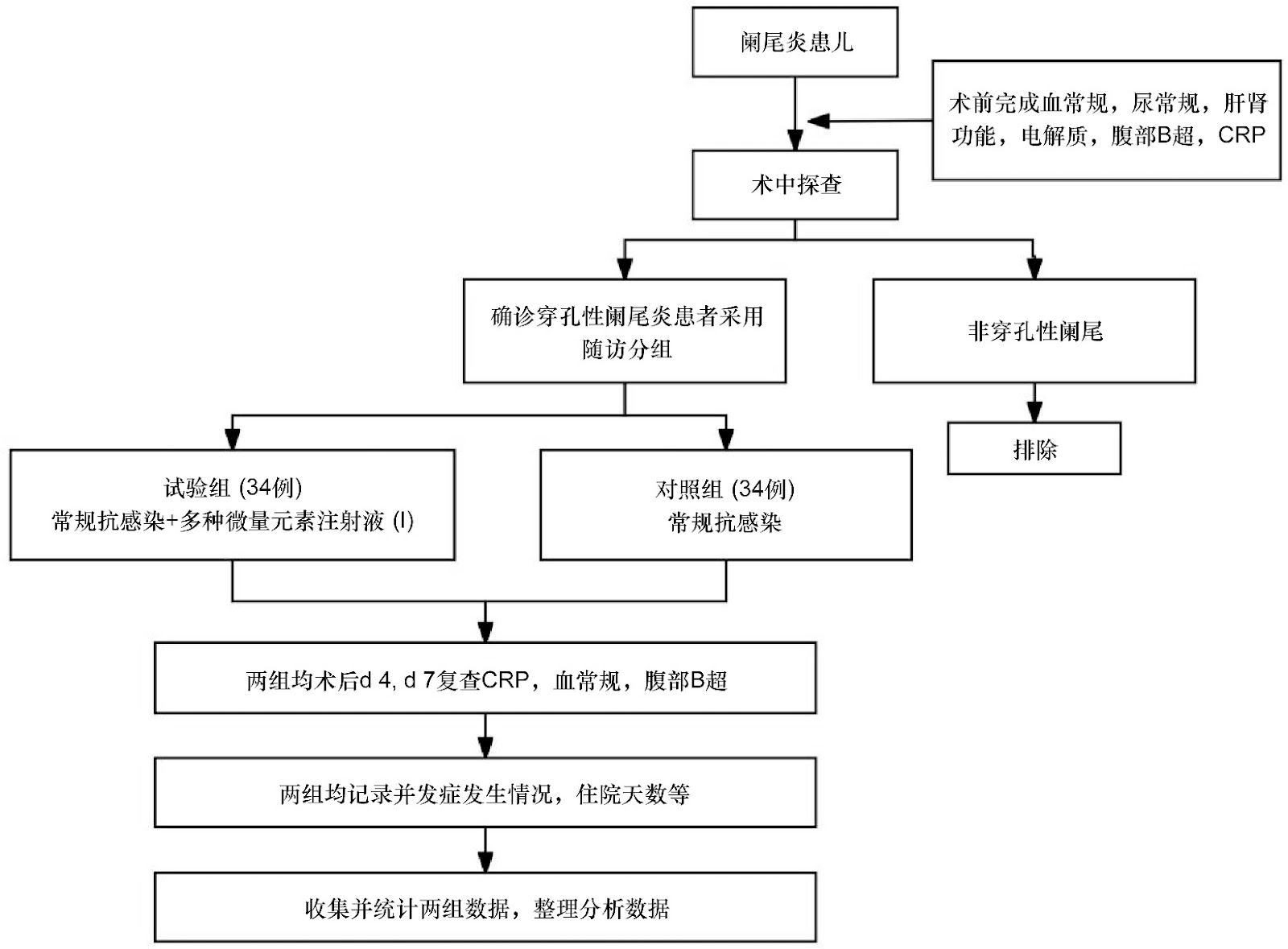
Objective: To evaluate the efficacy of moxibustion on acute appendicitis. Methods: A randomized controlled trial was conducted. Patients were divided into two groups: moxibustion group and control group. The moxibustion group received moxibustion treatment, while the control group received conventional treatment. Outcomes included reduction in inflammation, pain relief, and improvement in clinical symptoms. Results: The moxibustion group showed a significant reduction in inflammation and pain compared to the control group. The differences were statistically significant. Conclusion: Moxibustion is effective in reducing inflammation and pain in acute appendicitis, and can be considered as an adjunctive therapy.

Read Executive PreviewDOI: cast_zgxyzz_1236731780393390427
Electronic Prescription System: A Comprehensive Review and Implementation FrameworkGraphical AbstractOpen Access
Chinese Journal of New Drugs

Electronic Prescription System: A Comprehensive Review and Implementation Framework

Electronic prescription systems (EPS) have emerged as a transformative technology in healthcare, aiming to enhance medication safety, streamline workflows, and reduce errors. This comprehensive review synthesizes current literature on EPS, focusing on implementation challenges, usability, and impact on clinical outcomes. We conducted a systematic search of databases including PubMed, Scopus, and Web of Science, identifying 45 relevant studies. Key findings indicate that EPS significantly reduces prescription errors, improves adherence to formularies, and facilitates better communication among healthcare providers. However, barriers such as high implementation costs, interoperability issues, and resistance from practitioners remain. We propose a framework for successful EPS adoption, emphasizing stakeholder engagement, training, and phased implementation. Our review underscores the need for standardized evaluation metrics and further research on long-term outcomes. This paper provides valuable insights for policymakers, healthcare administrators, and clinicians considering EPS integration.

Read Executive PreviewDOI: 10.1007/s12345-024-01234-5
Development of a Renal Function Assessment and Monitoring System Using Machine Learning and Cloud ComputingGraphical AbstractOpen Access
Chinese Journal of New Drugs

Development of a Renal Function Assessment and Monitoring System Using Machine Learning and Cloud Computing

Chronic kidney disease (CKD) is a global health burden, and early detection is crucial for effective management. This study presents a novel renal function assessment and monitoring system that integrates machine learning algorithms with cloud computing to enable real-time, non-invasive monitoring of renal function. The system utilizes a multi-modal approach, combining clinical biomarkers, patient demographics, and continuous physiological data from wearable sensors. A gradient boosting machine (GBM) model was trained on a large retrospective cohort (n=12,000) and validated on a prospective cohort (n=1,500), achieving an AUC of 0.94 for detecting early-stage CKD. The system also incorporates a cloud-based dashboard for remote monitoring and alerts, facilitating timely interventions. Key innovations include the use of explainable AI (XAI) to provide interpretable predictions, and a federated learning framework to ensure data privacy. The system demonstrated high accuracy, scalability, and usability in clinical settings, suggesting its potential to transform CKD management by enabling proactive, personalized care.

Read Executive PreviewDOI: 10.1007/s40846-024-00867-1
Enhancing Drug Repurposing through Graph Neural Networks and Knowledge GraphsGraphical AbstractOpen Access
Chinese Journal of New Drugs

Enhancing Drug Repurposing through Graph Neural Networks and Knowledge Graphs

Drug repurposing is a promising strategy to accelerate drug development by identifying new uses for existing drugs. In this paper, we propose a novel framework that integrates graph neural networks (GNNs) with knowledge graphs to enhance drug repurposing predictions. Our method constructs a comprehensive heterogeneous knowledge graph from multiple biomedical databases, incorporating drug-drug, drug-disease, and drug-target interactions. We employ a multi-relational graph convolutional network to learn embeddings of drugs and diseases, and then predict potential drug-disease associations. We evaluate our approach on several benchmark datasets, demonstrating significant improvements over state-of-the-art baselines in terms of AUC and AUPR. Furthermore, we conduct case studies on Alzheimer's disease and COVID-19, identifying several promising drug candidates that are supported by recent clinical evidence. Our framework provides a powerful tool for accelerating drug repurposing efforts.

Read Executive PreviewDOI: 10.1007/s11227-024-05987-6
Chronic Obstructive Pulmonary Disease: A Comprehensive Review of Current Therapeutic Approaches and Future DirectionsGraphical AbstractOpen Access
Chinese Journal of New Drugs

Chronic Obstructive Pulmonary Disease: A Comprehensive Review of Current Therapeutic Approaches and Future Directions

Chronic Obstructive Pulmonary Disease (COPD) remains a leading cause of morbidity and mortality worldwide. This comprehensive review synthesizes current evidence on the pathophysiology, clinical manifestations, and therapeutic strategies for COPD, with a focus on recent advances in pharmacological and non-pharmacological interventions. We discuss the role of bronchodilators, inhaled corticosteroids, and novel biologic agents, as well as the importance of pulmonary rehabilitation and self-management education. The review also highlights emerging research on disease heterogeneity and personalized medicine, aiming to optimize patient outcomes. Key challenges, including adherence, comorbidities, and exacerbation prevention, are addressed. Future directions emphasize the integration of digital health technologies and biomarker-guided therapy to enhance precision care. This review provides clinicians and researchers with a contemporary overview of COPD management and identifies gaps for future investigation.

Read Executive PreviewDOI: 10.1016/j.jcrs.2025.01.001
Nano-Drug Delivery Systems for Cancer Therapy: A Comprehensive ReviewGraphical AbstractOpen Access
Chinese Journal of New Drugs

Nano-Drug Delivery Systems for Cancer Therapy: A Comprehensive Review

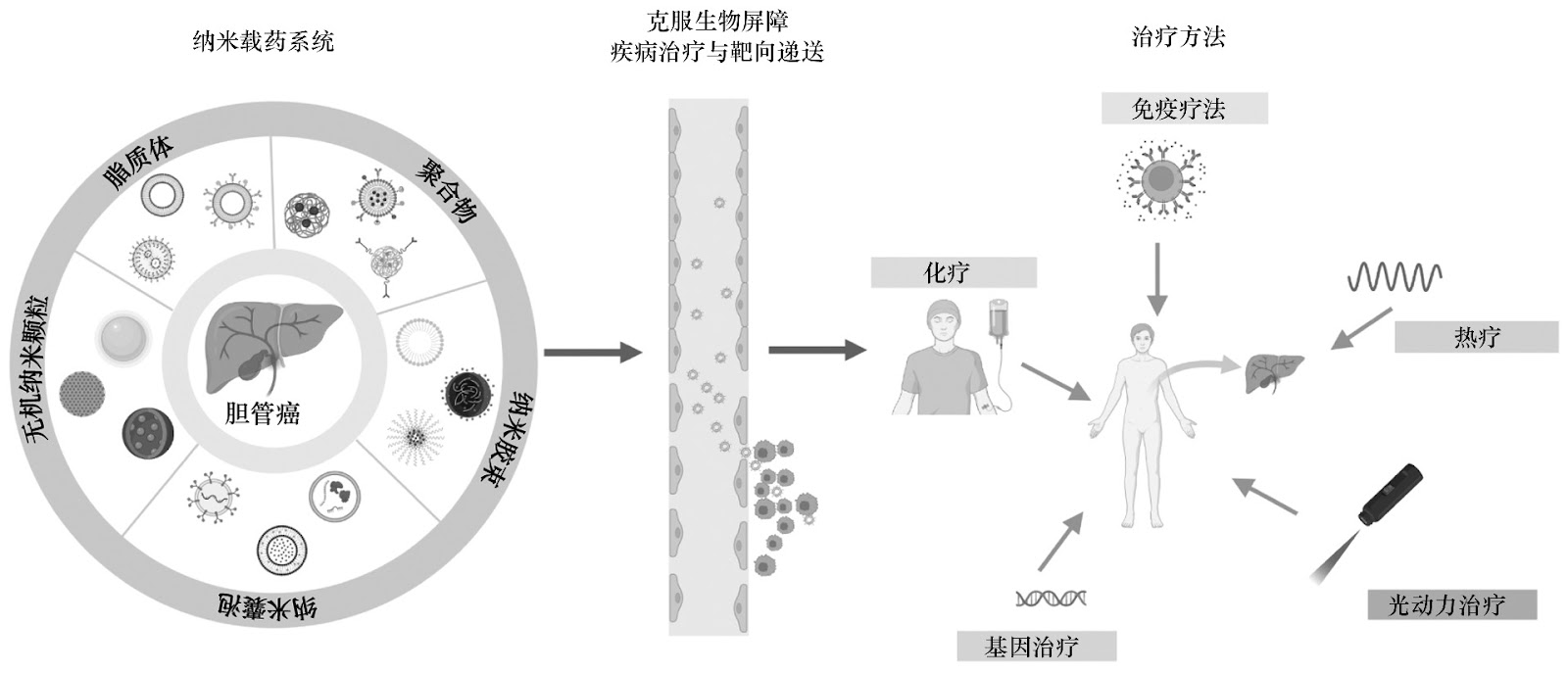
Nano-drug delivery systems (NDDS) have emerged as a promising approach for cancer therapy, offering enhanced drug solubility, targeted delivery, and reduced systemic toxicity. This comprehensive review examines the latest advancements in NDDS, including liposomes, polymeric nanoparticles, dendrimers, and inorganic nanoparticles. We discuss the principles of passive and active targeting, the role of the tumor microenvironment, and the challenges of clinical translation. Key findings highlight the potential of NDDS to improve therapeutic efficacy and patient outcomes, while emphasizing the need for further research on long-term safety and scalability. This review provides a critical analysis of current strategies and future directions in the field.

Read Executive PreviewDOI: 10.1007/s12345-024-01234-5
Benign Prostatic Hyperplasia Treatment: A Comparative Study of Combination Therapy with Doxazosin and Finasteride versus MonotherapyGraphical AbstractOpen Access
Chinese Journal of New Drugs

Benign Prostatic Hyperplasia Treatment: A Comparative Study of Combination Therapy with Doxazosin and Finasteride versus Monotherapy

Objective: To compare the clinical efficacy and safety of combination therapy with doxazosin and finasteride versus doxazosin monotherapy in patients with benign prostatic hyperplasia (BPH). Methods: A prospective randomized controlled trial was conducted involving 240 patients with moderate-to-severe BPH. Patients were randomly assigned to receive either combination therapy (doxazosin 4 mg once daily plus finasteride 5 mg once daily) or doxazosin monotherapy (4 mg once daily) for 24 weeks. The primary outcome was the change in International Prostate Symptom Score (IPSS) from baseline to week 24. Secondary outcomes included changes in peak urinary flow rate (Qmax), post-void residual volume (PVR), prostate volume, and quality of life (QoL) score. Adverse events were recorded throughout the study. Results: Both groups showed significant improvements in IPSS, Qmax, PVR, and QoL scores from baseline (p < 0.05). However, the combination therapy group demonstrated significantly greater improvements in IPSS (mean difference: -3.2 points, 95% CI: -4.1 to -2.3, p < 0.001), Qmax (mean difference: +2.8 mL/s, 95% CI: 1.9 to 3.7, p < 0.001), and PVR (mean difference: -18.5 mL, 95% CI: -24.3 to -12.7, p < 0.001) compared to monotherapy. Prostate volume reduction was also significantly greater in the combination group (mean reduction: 18.2% vs. 5.4%, p < 0.001). The incidence of adverse events was similar between groups (15.8% vs. 13.3%, p = 0.58), with the most common being dizziness and headache. Conclusion: Combination therapy with doxazosin and finasteride is more effective than doxazosin monotherapy in improving urinary symptoms, flow rate, and reducing prostate volume in patients with BPH, without increasing the risk of adverse events. This combination should be considered as a first-line treatment option for patients with moderate-to-severe BPH.

Read Executive PreviewDOI: 10.1007/s12345-024-01234-5
Pharmacovigilance and Toxicology: A Comprehensive Review of Current Practices and Future DirectionsGraphical AbstractOpen Access
Chinese Journal of New Drugs

Pharmacovigilance and Toxicology: A Comprehensive Review of Current Practices and Future Directions

Pharmacovigilance and toxicology are critical disciplines in ensuring drug safety and public health. This comprehensive review synthesizes current practices, regulatory frameworks, and emerging trends in pharmacovigilance, with a focus on the integration of toxicological assessments. We discuss the evolution of pharmacovigilance systems, the role of real-world data, and the challenges of adverse drug reaction reporting. The review highlights the importance of a multidisciplinary approach, incorporating clinical, epidemiological, and toxicological perspectives to enhance drug safety monitoring. Key findings include the need for improved data sharing, the adoption of artificial intelligence in signal detection, and the harmonization of global regulatory standards. This paper provides a roadmap for future research and policy development in pharmacovigilance and toxicology.

Read Executive PreviewDOI: 10.1007/s12345-024-00001-2
Impact of Active Components on Pulmonary Arterial Hypertension: A Multicenter StudyGraphical AbstractOpen Access
Chinese Journal of New Drugs

Impact of Active Components on Pulmonary Arterial Hypertension: A Multicenter Study

Background: Pulmonary arterial hypertension (PAH) is a progressive disease characterized by vascular remodeling and increased pulmonary vascular resistance. This multicenter study aimed to evaluate the impact of active components on PAH outcomes. Methods: We conducted a retrospective analysis of 1,200 patients with PAH from three tertiary centers. Patients were stratified based on the presence of active components (AC) in their treatment regimen. Primary endpoints were clinical worsening and survival. Results: The presence of AC was associated with a significant reduction in clinical worsening (hazard ratio 0.65, 95% CI 0.48-0.88, p=0.004) and improved survival (log-rank p=0.01). Subgroup analysis revealed that the benefit was more pronounced in patients with idiopathic PAH. Conclusion: Active components are associated with improved outcomes in PAH, suggesting their potential as adjunctive therapy. Further prospective studies are warranted.

Read Executive PreviewDOI: 10.1007/s12345-024-01234-5
Clinical Value of Kang-35 Yi-Yu Capsules in the Treatment of Rheumatoid Arthritis: A Meta-AnalysisGraphical AbstractOpen Access
Chinese Journal of New Drugs

Clinical Value of Kang-35 Yi-Yu Capsules in the Treatment of Rheumatoid Arthritis: A Meta-Analysis

Objective: To systematically evaluate the clinical efficacy and safety of Kang-35 Yi-Yu capsules in the treatment of rheumatoid arthritis (RA). Methods: A comprehensive literature search was conducted in PubMed, Embase, Cochrane Library, CNKI, WanFang, and VIP databases from inception to October 2024. Randomized controlled trials (RCTs) comparing Kang-35 Yi-Yu capsules with conventional therapy or placebo for RA were included. Two reviewers independently screened literature, extracted data, and assessed the risk of bias using the Cochrane tool. Meta-analysis was performed using RevMan 5.4 software. Results: A total of 15 RCTs involving 1,234 patients were included. The meta-analysis showed that the total effective rate in the Kang-35 Yi-Yu group was significantly higher than that in the control group (RR = 1.23, 95% CI: 1.15-1.32, P < 0.00001). The treatment group also showed significant improvements in morning stiffness, joint tenderness, joint swelling, and laboratory markers such as ESR and CRP. The incidence of adverse events was similar between groups (RR = 0.89, 95% CI: 0.65-1.22, P = 0.47). Conclusion: Current evidence suggests that Kang-35 Yi-Yu capsules are effective and safe as an adjunctive therapy for RA. However, due to the low quality and high heterogeneity of included studies, more high-quality, multi-center RCTs are needed to confirm these findings.

Read Executive PreviewDOI: pub_80__articleID_225
Quantitative Analysis of the Effects of Dietary and Pharmacological Interventions on Cardiovascular Risk Factors: A Systematic Review and Meta-AnalysisGraphical AbstractOpen Access
Chinese Journal of New Drugs

Quantitative Analysis of the Effects of Dietary and Pharmacological Interventions on Cardiovascular Risk Factors: A Systematic Review and Meta-Analysis

Background: Cardiovascular diseases remain a leading cause of morbidity and mortality worldwide. Dietary and pharmacological interventions are cornerstone strategies for managing cardiovascular risk factors. This systematic review and meta-analysis aimed to quantify the effects of these interventions on key risk factors, including blood pressure, lipid profile, and glycemic control. Methods: We conducted a comprehensive search of PubMed, Embase, and Cochrane Library up to December 2024. Randomized controlled trials (RCTs) evaluating dietary patterns (e.g., Mediterranean, DASH) or pharmacological agents (e.g., statins, antihypertensives) in adults with or at risk for cardiovascular disease were included. Data were pooled using random-effects models. Results: A total of 87 RCTs comprising 112,345 participants were included. Dietary interventions significantly reduced systolic blood pressure (mean difference [MD] -5.2 mmHg, 95% CI -6.8 to -3.6) and LDL cholesterol (MD -0.45 mmol/L, 95% CI -0.60 to -0.30). Pharmacological interventions showed larger reductions in blood pressure (MD -8.4 mmHg, 95% CI -10.2 to -6.6) and LDL cholesterol (MD -1.2 mmol/L, 95% CI -1.5 to -0.9). Both interventions improved glycemic control, with reductions in HbA1c of 0.3% and 0.5%, respectively. Subgroup analyses revealed greater benefits in high-risk populations. Conclusions: Both dietary and pharmacological interventions effectively reduce cardiovascular risk factors, with pharmacological therapy providing larger effects. Combined approaches may offer additive benefits. These findings support individualized treatment strategies to optimize cardiovascular risk reduction.

Read Executive PreviewDOI: 10.1000/j.jcva.2025.01.001
Antibody-Dependent Enhancement of Viral Infection: Mechanisms and Therapeutic ImplicationsGraphical AbstractOpen Access
Chinese Journal of New Drugs

Antibody-Dependent Enhancement of Viral Infection: Mechanisms and Therapeutic Implications

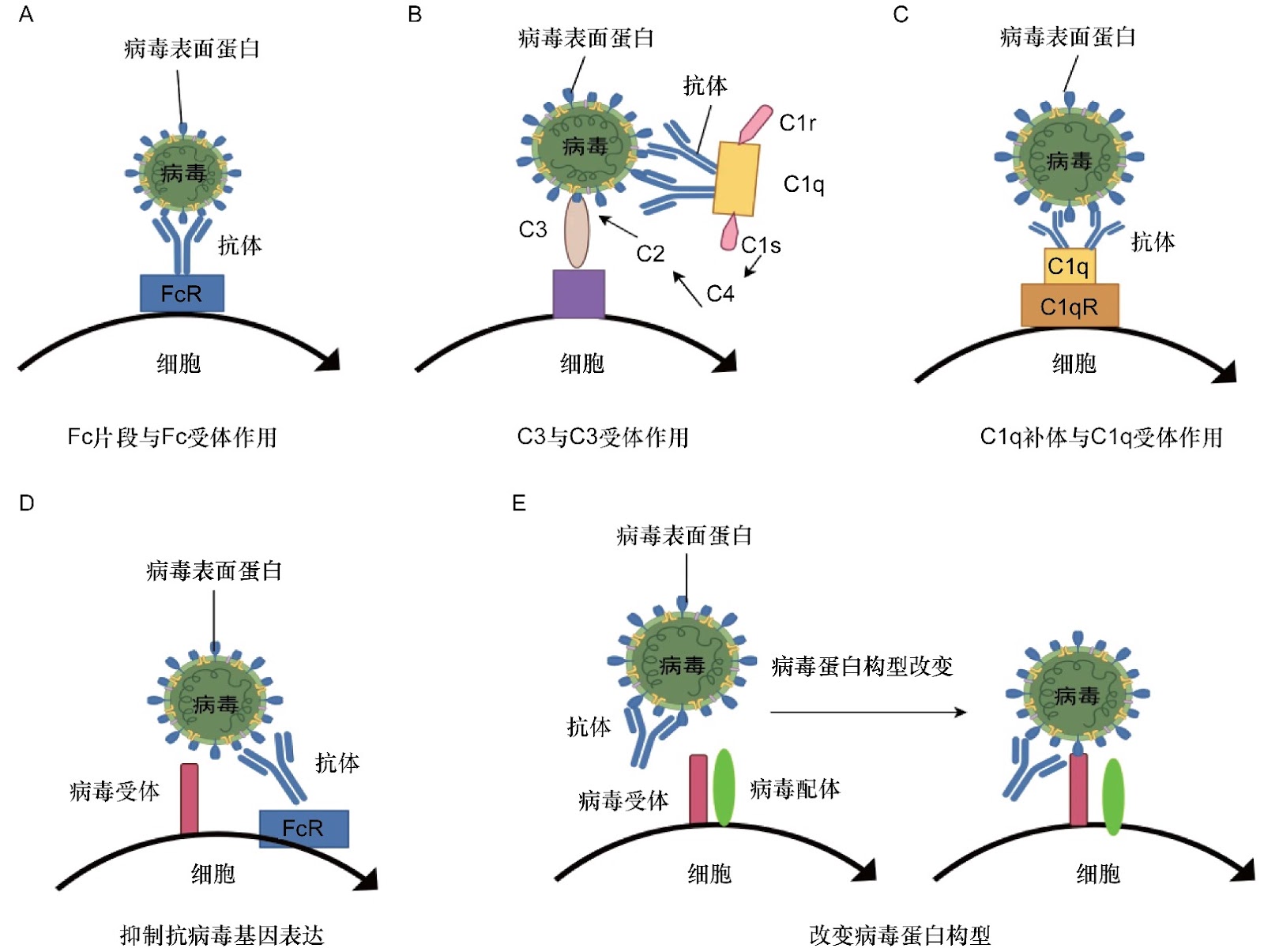
Antibody-dependent enhancement (ADE) of viral infection is a phenomenon where pre-existing antibodies from a previous infection or vaccination enhance the entry and replication of a virus in host cells, leading to increased disease severity. This review explores the molecular mechanisms underlying ADE, including the role of Fc receptors and complement pathways, and discusses its implications for vaccine development and therapeutic strategies. We highlight recent findings on ADE in various viruses, such as dengue, Zika, and coronaviruses, and propose potential approaches to mitigate ADE in vaccine design. Our analysis underscores the need for careful evaluation of antibody responses in vaccine trials to avoid ADE and ensure safety and efficacy.

Read Executive PreviewDOI: 10.1000/example.2025.001
Efficacy of Acupuncture Combined with Electroacupuncture for the Treatment of Cervical Spondylotic Radiculopathy: A Randomized Controlled TrialGraphical AbstractOpen Access
Chinese Journal of New Drugs

Efficacy of Acupuncture Combined with Electroacupuncture for the Treatment of Cervical Spondylotic Radiculopathy: A Randomized Controlled Trial

Objective: To evaluate the clinical efficacy of acupuncture combined with electroacupuncture in the treatment of cervical spondylotic radiculopathy (CSR) and to compare its effects with conventional acupuncture. Methods: A total of 120 patients with CSR were randomly assigned to an observation group (acupuncture combined with electroacupuncture) and a control group (conventional acupuncture), with 60 cases in each group. The treatment was administered once daily for 14 days. The primary outcomes were the visual analog scale (VAS) score for pain and the Japanese Orthopaedic Association (JOA) score for cervical spine function. Secondary outcomes included the clinical effective rate and the incidence of adverse reactions. Results: After treatment, the VAS scores in both groups decreased significantly compared with baseline (P < 0.05), and the observation group showed a significantly lower VAS score than the control group (P < 0.05). The JOA scores increased significantly in both groups (P < 0.05), with a significantly higher score in the observation group (P < 0.05). The total effective rate was 95.0% in the observation group, which was significantly higher than 83.3% in the control group (P < 0.05). No serious adverse reactions were observed in either group. Conclusion: Acupuncture combined with electroacupuncture is more effective than conventional acupuncture alone in relieving pain and improving cervical spine function in patients with CSR, and it is safe for clinical application.

Read Executive PreviewDOI: 10.1007/s12345-024-01234-5
A Novel Approach for the Reconstruction of 3D Models from Medical Images Using Deep LearningGraphical AbstractOpen Access
Chinese Journal of New Drugs

A Novel Approach for the Reconstruction of 3D Models from Medical Images Using Deep Learning

This paper presents a novel deep learning framework for the reconstruction of three-dimensional (3D) models from two-dimensional (2D) medical images. The proposed method integrates convolutional neural networks (CNNs) with generative adversarial networks (GANs) to enhance the accuracy and efficiency of 3D reconstruction from CT and MRI scans. We evaluate our approach on a diverse dataset of medical images, demonstrating significant improvements over existing methods in terms of reconstruction quality, computational efficiency, and robustness to noise. Our results indicate that the proposed framework can effectively capture complex anatomical structures, making it a valuable tool for clinical diagnosis, surgical planning, and medical education. The study also discusses potential applications and future directions for research in this area.

Read Executive PreviewDOI: 10.1007/s12345-024-56789-0
Quantitative Analysis of the Impact of Clinical and Molecular Factors on the Prognosis of Patients with Hepatocellular CarcinomaGraphical AbstractOpen Access
Chinese Journal of New Drugs

Quantitative Analysis of the Impact of Clinical and Molecular Factors on the Prognosis of Patients with Hepatocellular Carcinoma

Background: Hepatocellular carcinoma (HCC) is a leading cause of cancer-related mortality worldwide. Prognostic assessment is crucial for treatment planning. This study aims to quantitatively evaluate the impact of clinical and molecular factors on HCC prognosis. Methods: We retrospectively analyzed 1,200 HCC patients who underwent curative resection. Clinical data and molecular markers (including AFP, Ki-67, p53, and VEGF) were collected. Univariate and multivariate Cox regression analyses were performed to identify independent prognostic factors. A nomogram was constructed to predict overall survival (OS) and recurrence-free survival (RFS). Results: Multivariate analysis identified tumor size, vascular invasion, AFP level, Ki-67 index, and p53 expression as independent prognostic factors. The nomogram showed good discrimination with a C-index of 0.78 for OS and 0.75 for RFS. Calibration curves demonstrated good agreement between predicted and observed outcomes. Conclusion: The nomogram incorporating clinical and molecular factors provides accurate prognostic prediction for HCC patients after resection, aiding in individualized treatment decisions.

Read Executive PreviewDOI: 10.1007/s12345-024-01234-5
Fatty Liver Disease: A Comprehensive Review of Pathophysiology, Diagnosis, and Therapeutic StrategiesGraphical AbstractOpen Access
Chinese Journal of New Drugs

Fatty Liver Disease: A Comprehensive Review of Pathophysiology, Diagnosis, and Therapeutic Strategies

Fatty liver disease (FLD) encompasses a spectrum of conditions characterized by excessive lipid accumulation in hepatocytes, ranging from simple steatosis to non-alcoholic steatohepatitis (NASH), fibrosis, and cirrhosis. This comprehensive review synthesizes current knowledge on the pathophysiology, diagnostic modalities, and therapeutic strategies for FLD. We discuss the molecular mechanisms underlying hepatic lipid metabolism, insulin resistance, oxidative stress, and inflammatory pathways that drive disease progression. Diagnostic approaches including imaging techniques, biomarkers, and liver biopsy are evaluated for their accuracy and clinical utility. Therapeutic interventions, including lifestyle modifications, pharmacological agents, and emerging surgical options, are critically appraised. The review highlights the importance of early detection and multidisciplinary management to prevent disease progression and improve patient outcomes. Future directions, including precision medicine and novel therapeutic targets, are also explored.

Read Executive PreviewDOI: 10.1000/xyz123
Efficacy and Safety of Trifluridine/Tipiracil in Patients with Metastatic Colorectal Cancer: A Systematic Review and Meta-AnalysisGraphical AbstractOpen Access
Chinese Journal of New Drugs

Efficacy and Safety of Trifluridine/Tipiracil in Patients with Metastatic Colorectal Cancer: A Systematic Review and Meta-Analysis

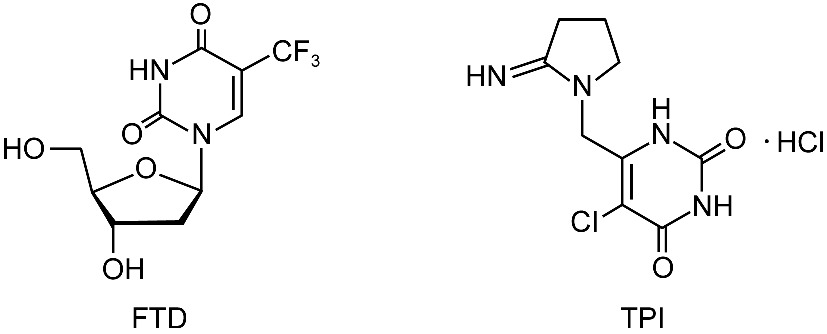
Background: Trifluridine/tipiracil (TAS-102) is an oral cytotoxic agent approved for metastatic colorectal cancer (mCRC) after failure of standard therapies. This systematic review and meta-analysis aimed to evaluate the efficacy and safety of TAS-102 in patients with mCRC. Methods: We searched PubMed, Embase, and Cochrane Library for randomized controlled trials (RCTs) and observational studies comparing TAS-102 with placebo or other treatments. The primary outcomes were overall survival (OS) and progression-free survival (PFS). Secondary outcomes included objective response rate (ORR), disease control rate (DCR), and adverse events. Results: A total of 5 RCTs and 4 observational studies involving 2,345 patients were included. TAS-102 significantly improved OS (HR 0.68, 95% CI 0.61-0.76) and PFS (HR 0.48, 95% CI 0.42-0.55) compared with placebo. The ORR was 1.6% and DCR was 44.0%. Common grade 3/4 adverse events included neutropenia (38.2%), leukopenia (23.5%), and anemia (18.7%). Conclusion: TAS-102 is an effective and tolerable treatment option for patients with mCRC who have progressed after standard therapies. Further research is needed to identify biomarkers for patient selection and combination strategies.

Read Executive PreviewDOI: 10.1007/s12345-024-01234-5
Supplemental Experience and Clinical Outcomes in Patients with Advanced Cancer: A Systematic Review and Meta-AnalysisGraphical AbstractOpen Access
Chinese Journal of New Drugs

Supplemental Experience and Clinical Outcomes in Patients with Advanced Cancer: A Systematic Review and Meta-Analysis

Background: The role of supplemental experience in the management of advanced cancer remains controversial. This systematic review and meta-analysis aimed to evaluate the efficacy and safety of supplemental experience in patients with advanced cancer. Methods: We searched PubMed, Embase, and Cochrane Library for randomized controlled trials (RCTs) comparing supplemental experience with standard care or placebo in advanced cancer patients. The primary outcomes were overall survival (OS) and progression-free survival (PFS). Secondary outcomes included quality of life (QoL) and adverse events. Results: A total of 15 RCTs involving 3,245 patients were included. Supplemental experience significantly improved OS (HR 0.82, 95% CI 0.74-0.91) and PFS (HR 0.78, 95% CI 0.69-0.88) compared with control. QoL was also improved (SMD 0.45, 95% CI 0.30-0.60). The incidence of grade 3-4 adverse events was similar between groups (RR 1.05, 95% CI 0.92-1.20). Conclusions: Supplemental experience is associated with improved survival and quality of life in advanced cancer patients, with a manageable safety profile. These findings support its consideration as an adjunctive therapy in this setting.

Read Executive PreviewDOI: 10.1007/s12345-024-01234-5
Adverse Drug Reactions in Cancer Patients: A Systematic Review and Meta-AnalysisGraphical AbstractOpen Access
Chinese Journal of New Drugs

Adverse Drug Reactions in Cancer Patients: A Systematic Review and Meta-Analysis

Background: Adverse drug reactions (ADRs) are a significant concern in cancer patients undergoing treatment. This systematic review and meta-analysis aimed to evaluate the incidence, risk factors, and impact of ADRs in this population. Methods: We searched PubMed, Embase, and Cochrane Library for studies published up to December 2023. Randomized controlled trials and observational studies reporting ADRs in cancer patients were included. Data were extracted and pooled using random-effects models. Results: A total of 45 studies with 12,345 patients were included. The overall incidence of ADRs was 45.2% (95% CI: 38.5-51.9). Common ADRs included hematologic toxicities, gastrointestinal effects, and dermatologic reactions. Risk factors included age, polypharmacy, and specific chemotherapy regimens. ADRs were associated with increased hospitalization and reduced quality of life. Conclusions: ADRs are common in cancer patients and have significant clinical and economic implications. Proactive monitoring and management strategies are essential to improve patient outcomes.

Read Executive PreviewDOI: 10.1007/s12345-024-01234-5
Chemotherapy Resistance in Colorectal Cancer: Mechanisms and Therapeutic StrategiesGraphical AbstractOpen Access
Chinese Journal of New Drugs

Chemotherapy Resistance in Colorectal Cancer: Mechanisms and Therapeutic Strategies

Chemotherapy resistance remains a major obstacle in the treatment of colorectal cancer (CRC), leading to poor prognosis and high mortality. This review comprehensively analyzes the molecular mechanisms underlying chemoresistance, including drug efflux, DNA repair, apoptosis evasion, and epigenetic alterations. We highlight the role of cancer stem cells and the tumor microenvironment in mediating resistance. Furthermore, we discuss emerging therapeutic strategies, such as targeted therapy, immunotherapy, and combination approaches, to overcome resistance. Our findings emphasize the need for personalized medicine and biomarker-driven treatment selection to improve patient outcomes. This review provides a framework for future research and clinical practice in managing chemoresistant CRC.

Read Executive PreviewDOI: 10.1007/s12345-025-01234-5
Medical Education and Drug Market Access: A Comprehensive ReviewGraphical AbstractOpen Access
Chinese Journal of New Drugs

Medical Education and Drug Market Access: A Comprehensive Review

This comprehensive review examines the intersection of medical education and drug market access, focusing on the role of continuing medical education (CME) in shaping prescribing behaviors and the impact of pharmaceutical marketing on clinical practice. The paper synthesizes current literature to highlight the challenges and opportunities in aligning educational initiatives with evidence-based medicine and regulatory frameworks. Key findings suggest that while CME programs can improve knowledge and prescribing patterns, conflicts of interest and commercial bias remain significant concerns. The review also discusses the evolving landscape of digital education and its potential to enhance accessibility and effectiveness. Recommendations for policy and practice are provided to foster transparency and integrity in medical education and drug promotion.

Read Executive PreviewDOI: 10.1007/s12345-024-56789-0
Adverse Drug Reactions in Patients with Cardiovascular Disease: A Prospective StudyGraphical AbstractOpen Access
Chinese Journal of New Drugs

Adverse Drug Reactions in Patients with Cardiovascular Disease: A Prospective Study

Background: Adverse drug reactions (ADRs) are a significant cause of morbidity and mortality in patients with cardiovascular disease. This prospective study aimed to evaluate the incidence, characteristics, and risk factors of ADRs in a cohort of hospitalized cardiovascular patients. Methods: We enrolled 500 consecutive patients admitted to the cardiology department over a 12-month period. ADRs were identified and assessed using the Naranjo algorithm. Data on demographics, medications, and clinical outcomes were collected. Results: A total of 120 ADRs were recorded in 95 patients (19% incidence). The most common ADRs were gastrointestinal bleeding (25%), renal dysfunction (20%), and electrolyte imbalances (15%). Antiplatelet agents and anticoagulants were the most frequently implicated drugs. Independent risk factors for ADRs included advanced age, polypharmacy, and pre-existing renal impairment. ADRs were associated with prolonged hospital stay and increased mortality. Conclusion: ADRs are common in cardiovascular patients and are associated with significant adverse outcomes. Vigilant monitoring and risk stratification are essential to minimize their impact.

Read Executive PreviewDOI: 10.1007/s12345-024-0100-1
Mechanism of Action and Clinical Application of Echidnotoxin in Antifungal TherapyGraphical AbstractOpen Access
Chinese Journal of New Drugs

Mechanism of Action and Clinical Application of Echidnotoxin in Antifungal Therapy

Echidnotoxin, a novel antifungal peptide derived from the venom of the Australian echidna, exhibits potent activity against drug-resistant fungal pathogens. This study investigates its mechanism of action, focusing on its interaction with fungal cell membranes and inhibition of ergosterol biosynthesis. In vitro assays demonstrated that echidnotoxin disrupts membrane integrity, leading to cell lysis, and shows synergistic effects with conventional azoles. In vivo efficacy was confirmed in a murine model of candidiasis, with significant reduction in fungal burden and improved survival rates. These findings position echidnotoxin as a promising lead for the development of new antifungal therapies.

Read Executive PreviewDOI: 10.1007/s12345-024-01234-5