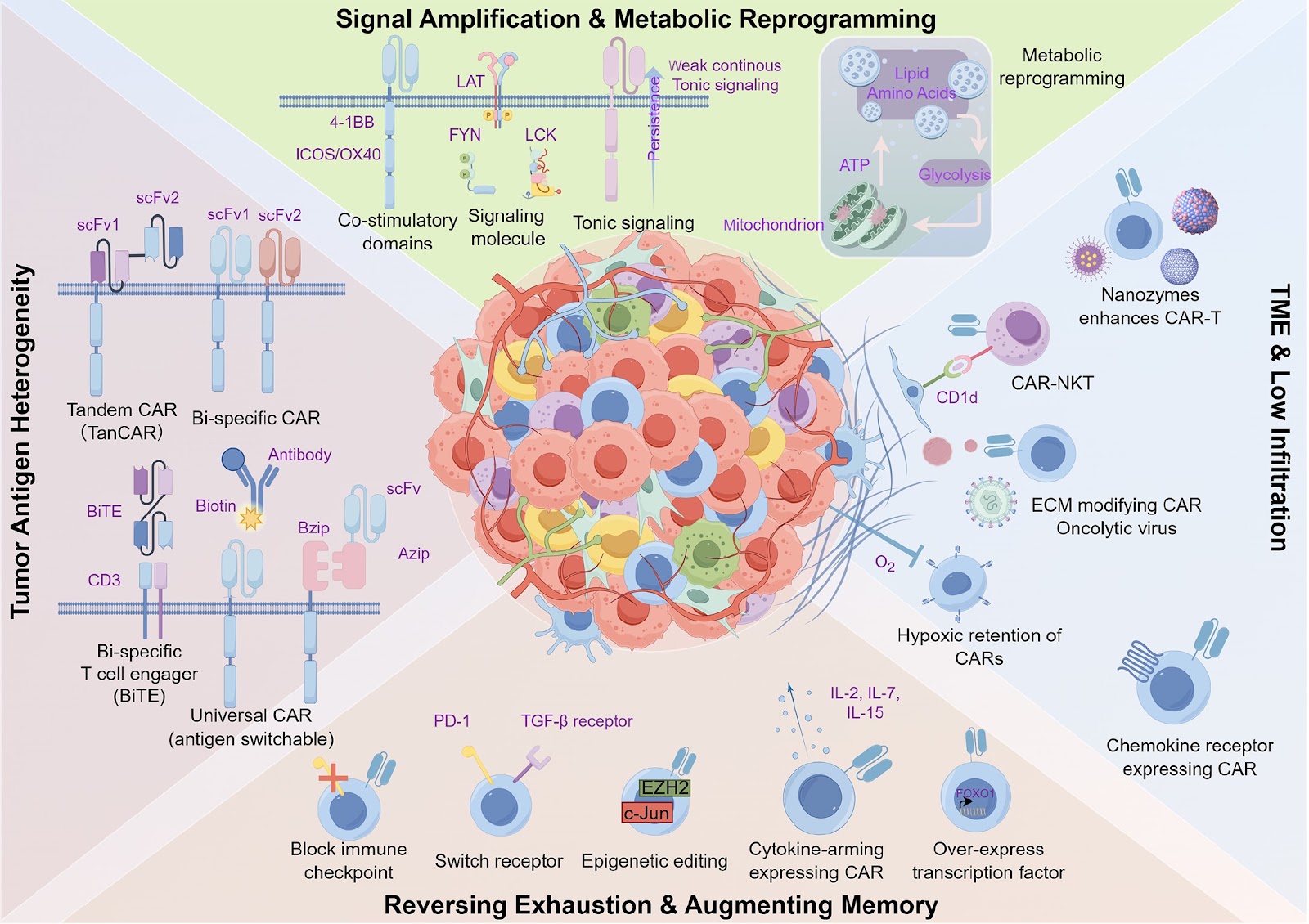
 Graphical AbstractVerified
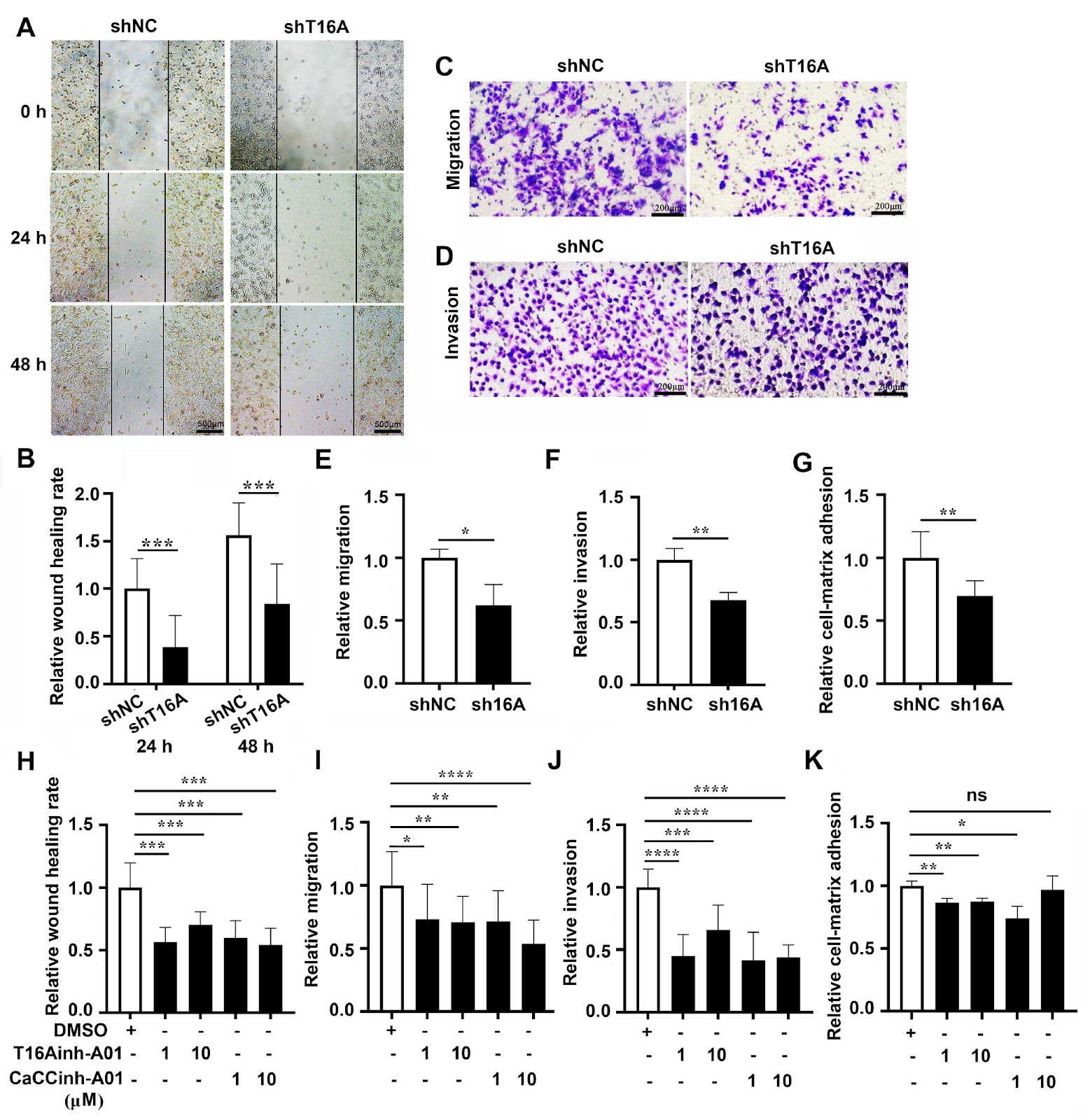
TMEM16A inhibition suppresses melanoma metastasis
As a highly aggressive malignancy arising from melanocytes, malignant melanoma accounts for the majority of skin cancer-related deaths worldwide. Metastases, particularly lung and brain metastases, contribute significantly to mortality. Although targeted therapy (BRAF/MEK inhibitors) and immunotherapy (checkpoint inhibitors) have greatly improved the overall survival of patients, drug resistance and toxicity remain major clinical challenges. Therefore, exploring new approaches to combat melanoma metastasis is imperative. Melanoma metastasis involves multiple processes, including phenotype switching (epithelial-mesenchymal transition, EMT), migration, invasion and infiltration. Phenotype switching occurs at the early stage of metastasis and is characterized by the downregulation of epithelial markers (e.g., E-cadherin) and the upregulation of mesenchymal markers (e.g., N-cadherin and Vimentin). Metastasis depends on highly regulated and complex remodeling of the tumor microenvironment formed by cells as well as by biochemical and biophysical components of the extracellular matrix (ECM) and their intricate interactions within and around a solid tumor mass. These processes are primarily mediated by the altered expression of metastasis-associated genes, and targeting the expression of these genes may be a promising strategy for inhibiting melanoma metastasis. TMEM16A (also known as ANO1), a calcium-activated chloride channel (CaCC) localized to the plasma membrane and organelle membranes, is widely expressed in tissues such as airways, smooth muscles, and neurons, where it plays important physiological roles in regulating smooth muscle contraction and chloride ion secretion. Growing evidence indicates that TMEM16A is overexpressed in various cancers and contributes to tumor progression by increasing cell proliferation, invasion, and metastasis. The expression level of TMEM16A is closely related to tumor size and differentiation, is associated with advanced stage and poor prognosis, and can even be used as a biomarker for certain malignant tumors. We previously observed a high expression level of TMEM16A in a human melanoma cell line, A375, which harbors a BRAF V600E mutation, and demonstrated its role in promoting tumor growth. Here, we further showed that elevated TMEM16A expression contributes to melanoma metastasis.