🧬 SinoBioData Academic Portal
šŸ“š Peer-Reviewed Translated Literature

All Biomedical & Clinical Articles (Page 60)

Browse complete peer-reviewed translations from top Chinese biomedical, oncology, and genomics journals. Read verified previews and download full authentic clinical reports.

Published Research Papers

Showing 24 of 1542 peer-reviewed translated articles (Page 60 of 65)

Therapeutic potential of dihydrocapsaicin in vascular smooth muscle cell calcificationGraphical AbstractVerified
Acta Biochimica et Biophysica Sinica

Therapeutic potential of dihydrocapsaicin in vascular smooth muscle cell calcification

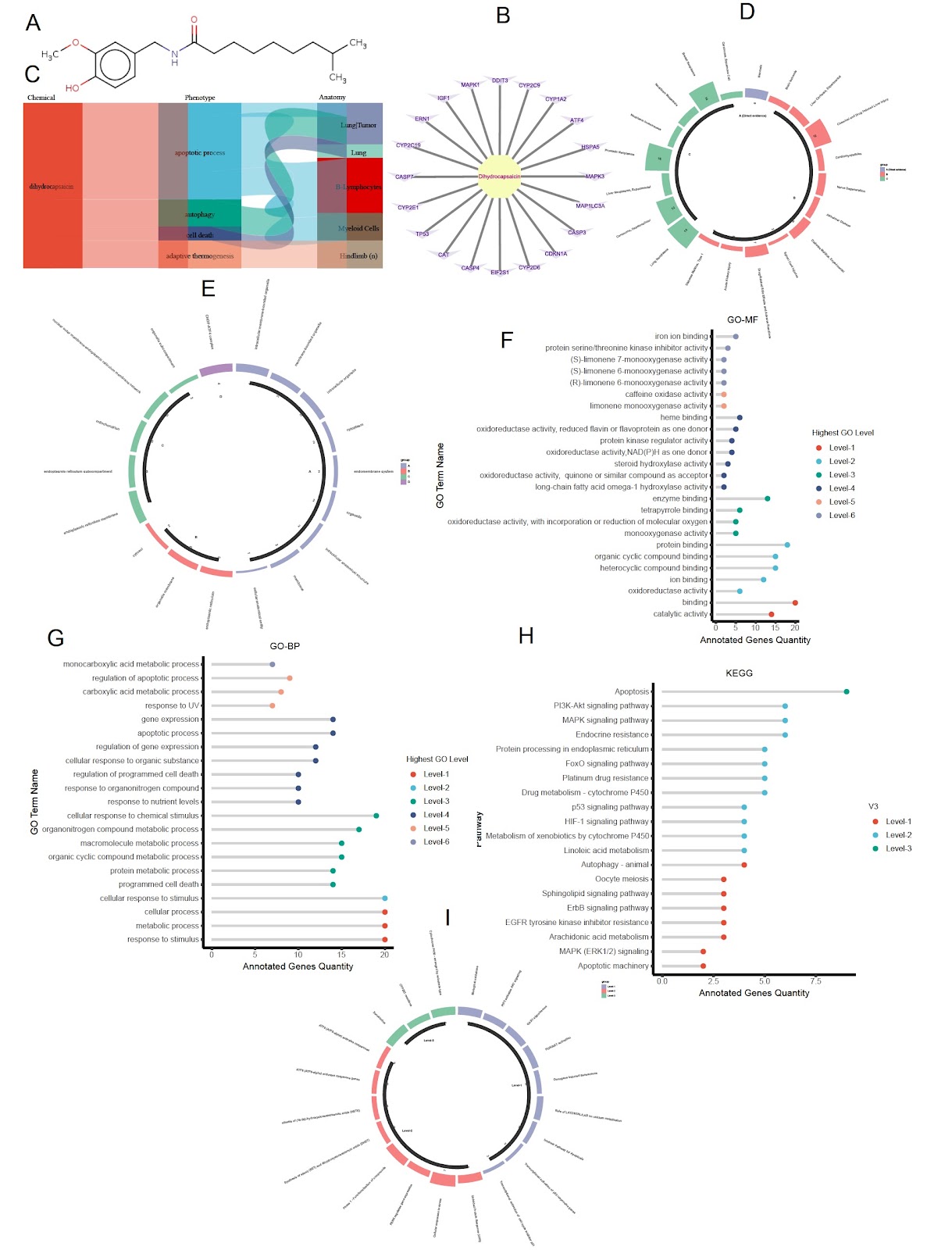
Dihydrocapsaicin (DHC) is the primary pungent component of natural capsaicinoids in chili peppers, with diverse pharmacological properties including analgesia, anticancer, anti-inflammatory, antioxidant, and anti-obesity effects. Vascular calcification (VC) is a common adverse phenotype of various vascular lesions and an independent risk factor for disease occurrence, progression, and mortality. However, no effective therapeutic strategy currently exists to reverse or cure VC. This study hypothesized a potential connection between DHC and VC and utilized the Comparative Toxicogenomics Database (CTD) to extract experimental target genes of DHC. The results demonstrated that DHC has 20 target genes, including ATF4, CASP3, CASP4, CASP7, CAT, CDKN1A, CYP1A2, CYP2C19, CYP2C9, CYP2D6, CYP2E1, DDIT3, EIF2S1, ERN1, HSPA5, IGF1, MAP1LC3A, MAPK1, MAPK3, and TP53. Chemical-phenotype analysis revealed cell death phenotypes such as apoptosis and autophagy. Disease analysis revealed necrosis, tumors, and cardiomyopathies. Gene Ontology (GO) and pathway analyses (KEGG, REACTOME) highlighted roles in metabolism, apoptosis, stress responses, and critical signaling pathways including MAPK, ErbB, HIF-1, FoxO, and sphingolipid signaling. These findings suggest that DHC may have therapeutic potential in vascular calcification, warranting further investigation.

Read Full Abstract10.3724/abbs.2025143
H-NS enhances phage resistance in Klebsiella pneumoniae by suppressing quorum sensingGraphical AbstractVerified
Acta Biochimica et Biophysica Sinica

H-NS enhances phage resistance in Klebsiella pneumoniae by suppressing quorum sensing

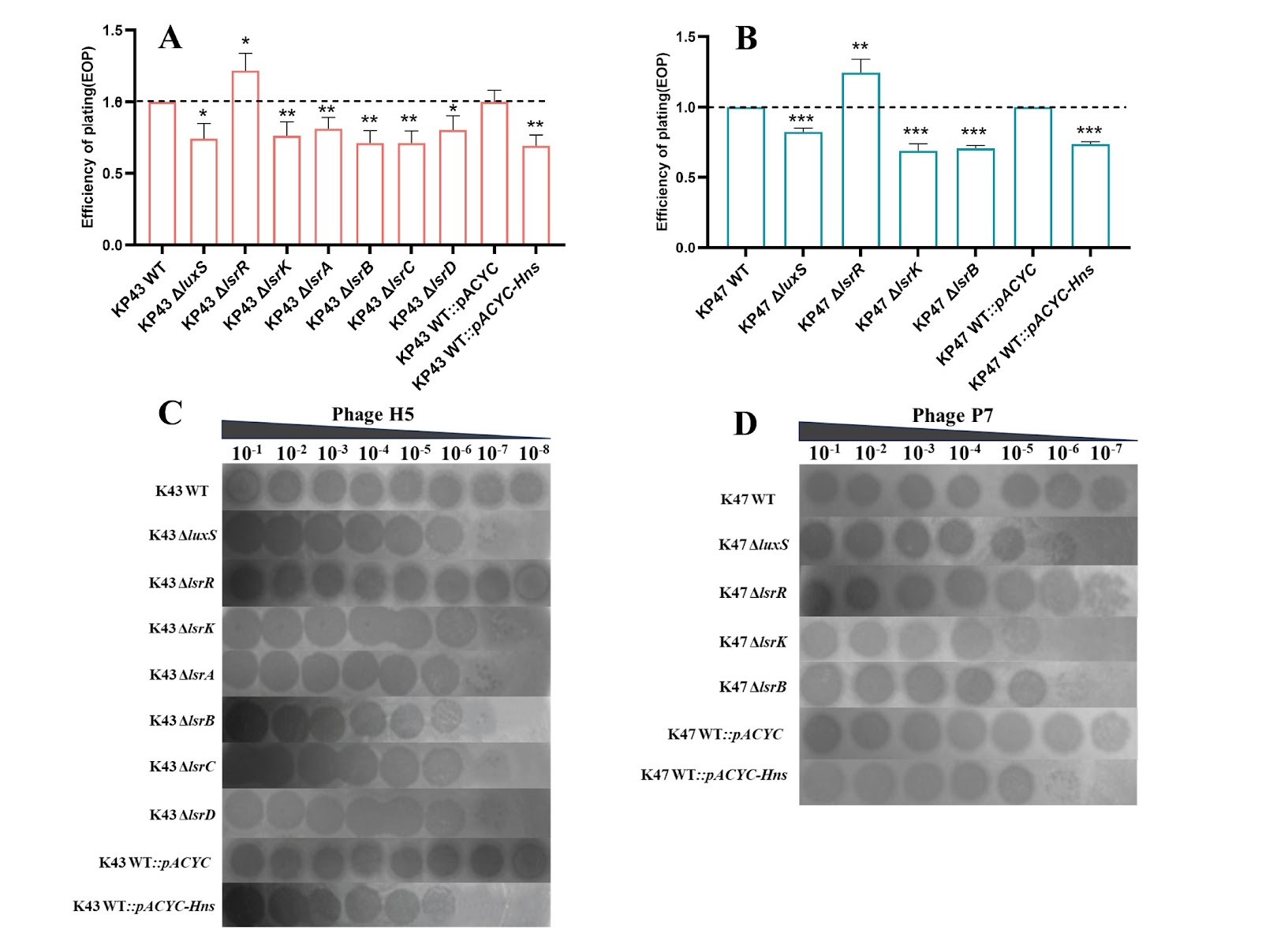
The molecular mechanisms underlying Klebsiella pneumoniae (KP) resistance to phages have not been fully elucidated, especially those involving the quorum-sensing (QS) system and the global regulator H-NS. In this work, we investigate the relationship between H-NS and QS in phage resistance by detecting transcriptional variation under phage pressure with RT-qPCR. LuxS and lsr operon knockout strains are generated via CRISPR editing, and H-NS-overexpressing mutants are constructed using plasmid-based overexpression. We also determine phage susceptibility by measuring the efficiency of plating (EOP). The capsular uronic acid content and phage adsorption efficiency are evaluated. The results show that phage pressure strongly downregulates luxS and lsr operon gene expressions but upregulates the transcription of H-NS. Knockout of either luxS/lsr operon genes or overexpression of H-NS results in diminished phage sensitivity and the downregulation of CPS synthase genes. However, these changes do not reduce the capsular uronic acid content or affect phage adsorption rates, suggesting that H-NS-mediated resistance is independent of capsular modulation. In addition, this H-NS-QS regulatory link is conserved between HvKP and CRKP. H-NS enhances phage resistance by suppressing QS through a mechanism independent of capsular polysaccharide modulation, as evidenced by unaltered phage adsorption and statistically insignificant changes in capsular uronic acid. This provides a novel explanation for a resistance mechanism involving intracellular defenses (e.g., abortive infection) and provides possible avenues for improving phage therapy targeting multidrug-resistant K. pneumoniae.

Read Full Abstract10.3724/abbs.2025218
Gut microbiota circadian rhythms: a key regulator of immunometabolic homeostasisGraphical AbstractVerified
Acta Biochimica et Biophysica Sinica

Gut microbiota circadian rhythms: a key regulator of immunometabolic homeostasis

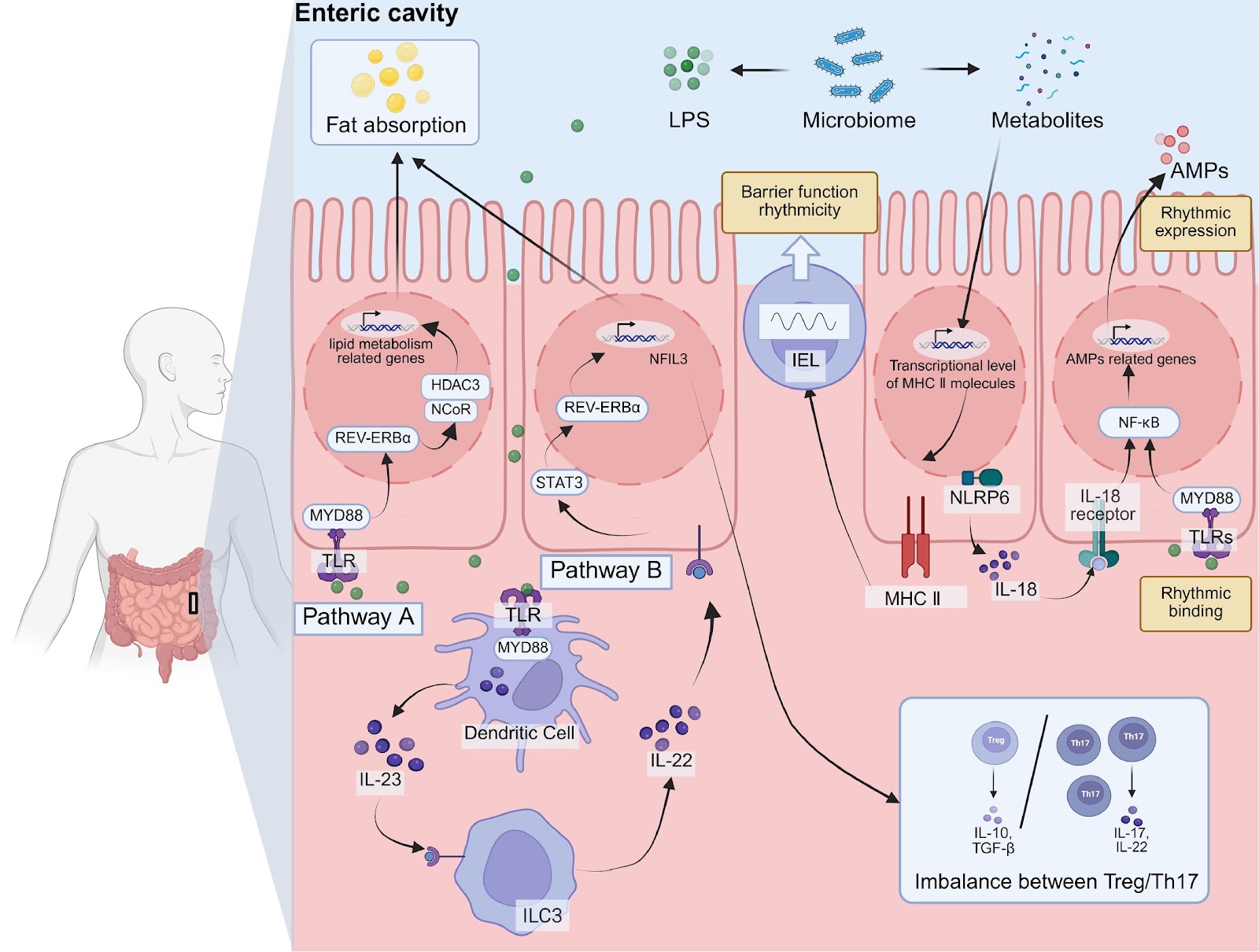
Emerging studies have revealed that disruptions in circadian crosstalk between the gut microbiota and the host play an essential role in the pathogenesis of metabolic disorders. Under physiological conditions, host circadian clocks regulate microbial diurnal oscillations through rhythmic behaviors, including feeding patterns and sleep-wake cycles. This temporal regulation manifests as robust 24-hour oscillations in microbial community composition, spatial organization, and metabolic activity. These rhythmic microbial signals and their metabolic outputs are subsequently translated into host immune modulation, establishing a bidirectional temporal dialogue between the host and microbiota. Modern lifestyle disruptions, including erratic eating patterns and shift work, desynchronize this temporal dialogue, leading to the loss of microbial rhythms, impaired intestinal barrier function, maladaptive immune responses, chronic inflammation, and systemic metabolic dysregulation. This review delineates the mechanisms through which host-microbiota circadian crosstalk governs immunometabolic homeostasis, provides a mechanistic framework for understanding immunometabolic diseases, and highlights therapeutic strategies that target microbial rhythms to reset host immunity and metabolism.

Read Full Abstract10.3724/abbs.2025220
Battling pain from osteoarthritis: causing novel cell deathGraphical AbstractVerified
Acta Biochimica et Biophysica Sinica

Battling pain from osteoarthritis: causing novel cell death

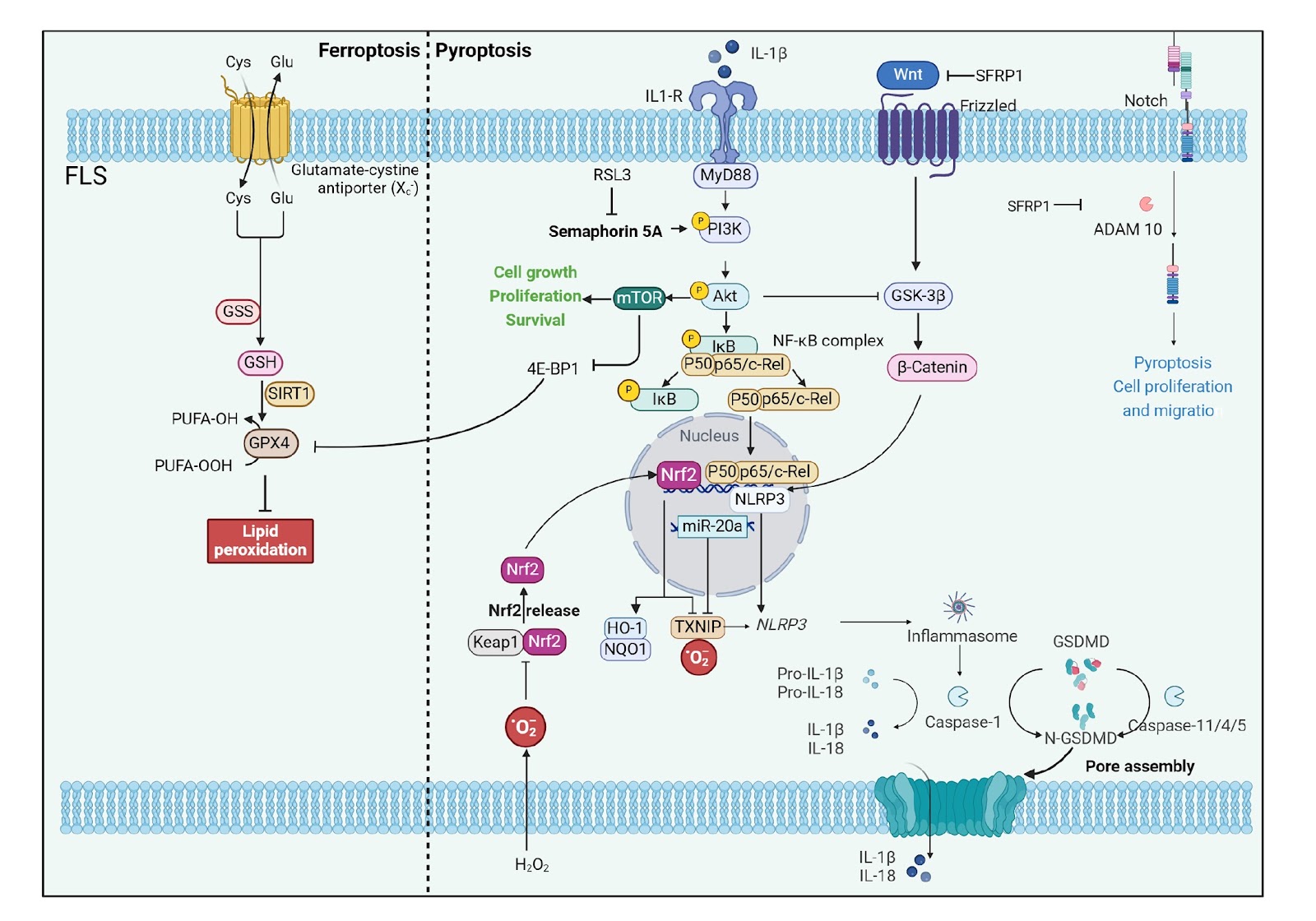
Osteoarthritis (OA) is a significant contributor to pain and disability worldwide. Pain is the main complaint of OA patients attending the clinic and has a large impact on their quality of life and economic standards. However, existing treatments for OA-related pain have not been shown to achieve good relief. The main focus is on preventing and slowing the progression of OA so that the problem of OA pain can be resolved. Pain caused by OA is complex, with the nature, location, duration, and intensity of pain changing as the disease progresses. Previous research has highlighted the role of various forms of cell death, such as apoptosis and necrosis, in the progression of pain in OA. Emerging studies have identified additional forms of novel cell death, such as pyroptosis, ferroptosis, and necroptosis that are linked to pain in OA. Different types of cell death contribute to tissue damage in OA by impacting inflammatory responses, reactive oxygen species (ROS) production, and calcium ion levels, ultimately leading to the development of pain. Evidence suggests that targeting novel types of cell death could help alleviate pain in OA patients. This review delves into the complex mechanisms of OA pain, explores the relationship between different modes of novel cell death and pain, and proposes novel cell death as a viable strategy for the treatment of these conditions, with the goal of providing scientific references for the development of future OA pain treatments and drugs.

Read Full Abstract10.3724/abbs.2024189
Methyltransferase DNMT3B promotes colorectal cancer cell proliferation by inhibiting PLCG2Graphical AbstractVerified
Acta Biochimica et Biophysica Sinica

Methyltransferase DNMT3B promotes colorectal cancer cell proliferation by inhibiting PLCG2

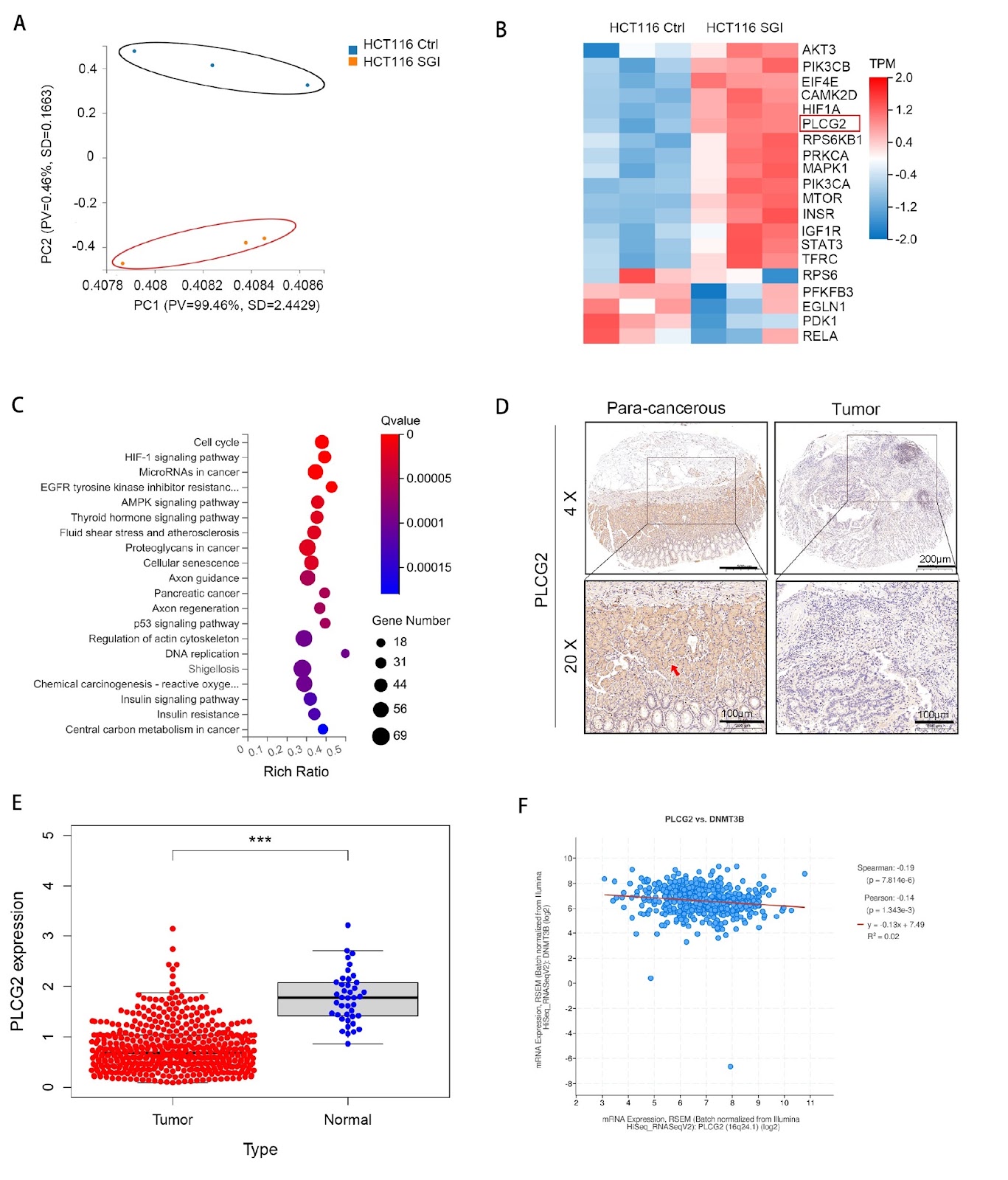
Aberrant DNA methylation patterns in the promoter region of PLCG2 are associated with dysregulated signaling pathways and cellular functions. Its role in colorectal cancer cells is still unknown. In this study, qRT-PCR is used to measure DNMT3B expression in colorectal cancer. Western blot analysis and immunohistochemistry are used to analyze DNMT3B and PLCG2 protein levels in colorectal tissues and cell lines. Cell Counting Kit-8 (CCK-8) and colony formation assays are used to assess the proliferation of colorectal cancer cells. Methylation-specific PCR (MSP) and bisulfite-sequencing PCR (BSP) are used to measure DNA methylation level. Our results show that DNMT3B is overexpressed in colorectal cells in the TCGA datasets according to Kaplan-Meier plots. DNMT3B is significantly overexpressed in tumor tissues compared to that in adjacent nontumor tissues. Western blot analysis results demonstrate high expression of DNMT3B in tumor tissues. Compared to normal colonic epithelial cells, colorectal cancer cell lines exhibit elevated level of PLCG2 methylation. Overexpression of PLCG2 effectively prevents the growth of colorectal cancer xenograft tumors in vivo. PLCG2 is identified as a key downstream regulatory protein of DNMT3B in colorectal cancer. DNMT3B inhibits PLCG2 transcription through methylation of the PLCG2 promoter region. DNMT3B controls colorectal cancer cell proliferation through PLCG2, which is useful for developing therapeutic approaches that target PLCG2 expression for the treatment of colorectal cancer.

Read Full Abstract10.3724/abbs.2024117
The recent advancement of TCR-T cell therapies for cancer treatmentGraphical AbstractVerified
Acta Biochimica et Biophysica Sinica

The recent advancement of TCR-T cell therapies for cancer treatment

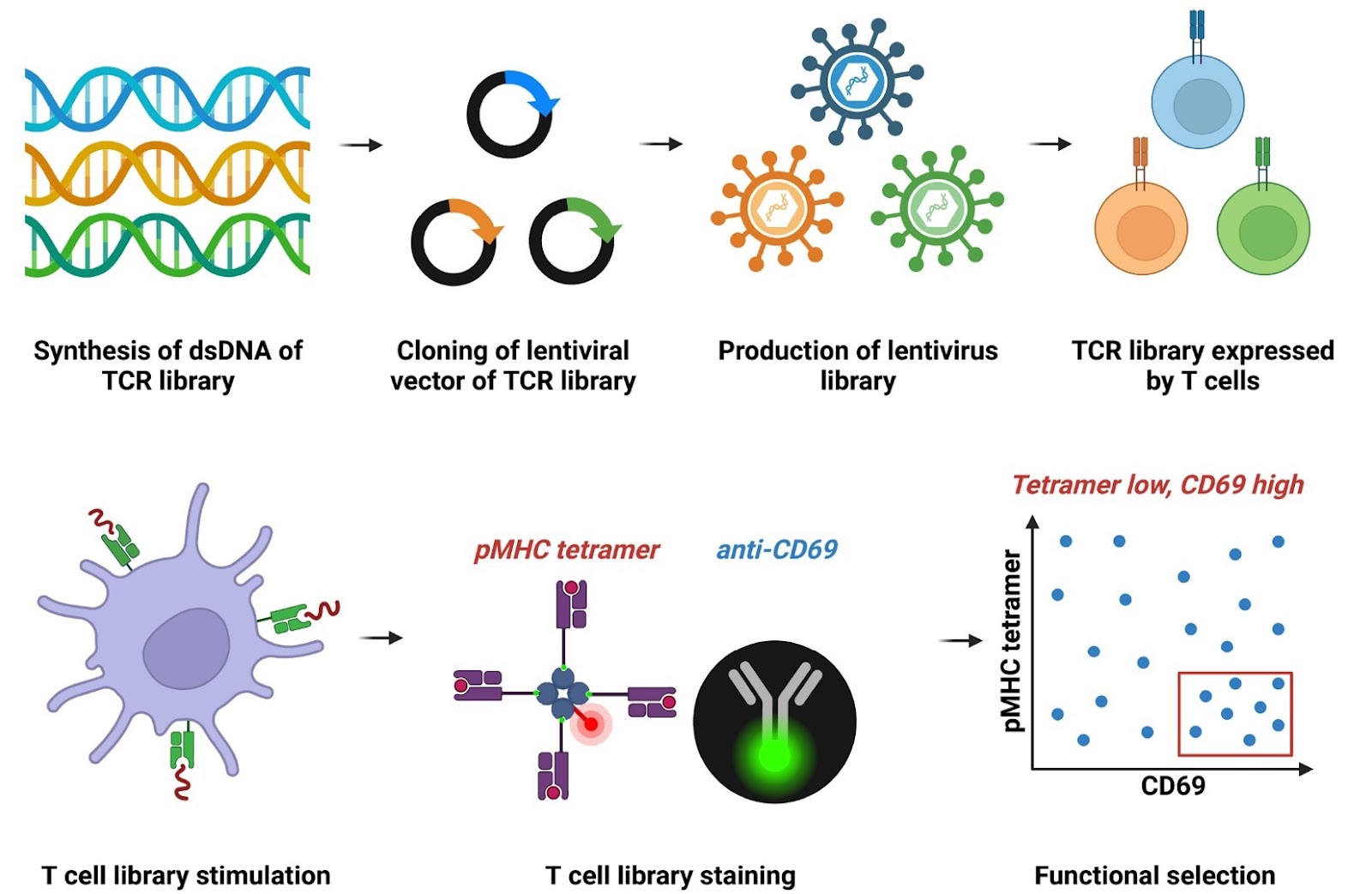
Adoptive cell therapies involve infusing engineered immune cells into cancer patients to recognize and eliminate tumor cells. Adoptive cell therapy, as a form of living drug, has undergone explosive growth over the past decade. The recognition of tumor antigens by the T-cell receptor (TCR) is one of the natural mechanisms that the immune system used to eliminate tumor cells. TCR-T cell therapy, which involves introducing exogenous TCRs into patients’ T cells, is a novel cell therapy strategy. TCR-T cell therapy can target the entire proteome of cancer cells. Engineering T cells with exogenous TCRs to help patients combat cancer has achieved success in clinical trials, particularly in treating solid tumors. In this review, we examine the progress of TCR-T cell therapy over the past five years. This includes the discovery of new tumor antigens, protein engineering techniques for TCR, reprogramming strategies for TCR-T cell therapy, clinical studies on TCR-T cell therapy, and the advancement of TCR-T cell therapy in China. We also propose several potential directions for the future development of TCR-T cell therapy.

Read Full Abstract10.3724/abbs.2024034
ADATs: roles in tRNA editing and relevance to diseaseGraphical AbstractVerified
Acta Biochimica et Biophysica Sinica

ADATs: roles in tRNA editing and relevance to disease

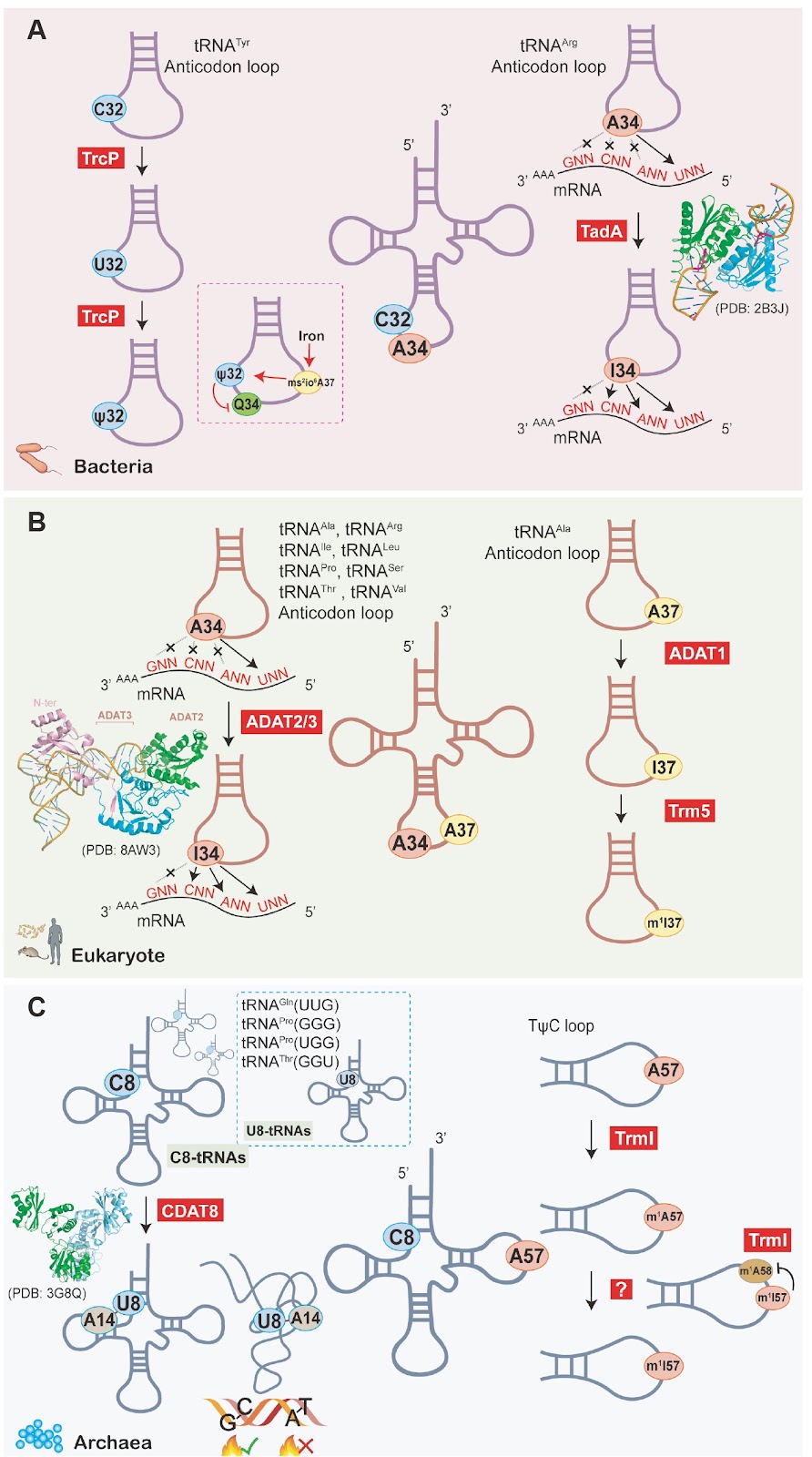
Transfer RNAs (tRNAs) play central roles in protein biosynthesis. Post-transcriptional RNA modifications affect tRNA function and stability. Among these modifications, RNA editing is a widespread RNA modification in three domains of life. Proteins of the adenosine deaminase acting on tRNA (ADAT) family were discovered more than 20 years ago. They catalyze the deamination of adenosine to inosine (A-to-I) or cytidine to uridine (C-to-U) during tRNA maturation. The most studied example is the TadA- or ADAT2/3-mediated A-to-I conversion of the tRNA wobble position in the anticodon of prokaryotic or eukaryotic tRNAs, respectively. This review provides detailed information on A-to-I and C-to-U editing of tRNAs in different domains of life, presents recent new findings on ADATs for DNA editing, and finally comments on the association of mutations in the ADAT3 gene with intellectual disability.

Read Full Abstract10.3724/abbs.2024125
Identification of the interaction between MAPK1 and Eimeria acervulina serine protease inhibitor: a preliminary functional studyGraphical AbstractVerified
Acta Biochimica et Biophysica Sinica

Identification of the interaction between MAPK1 and Eimeria acervulina serine protease inhibitor: a preliminary functional study

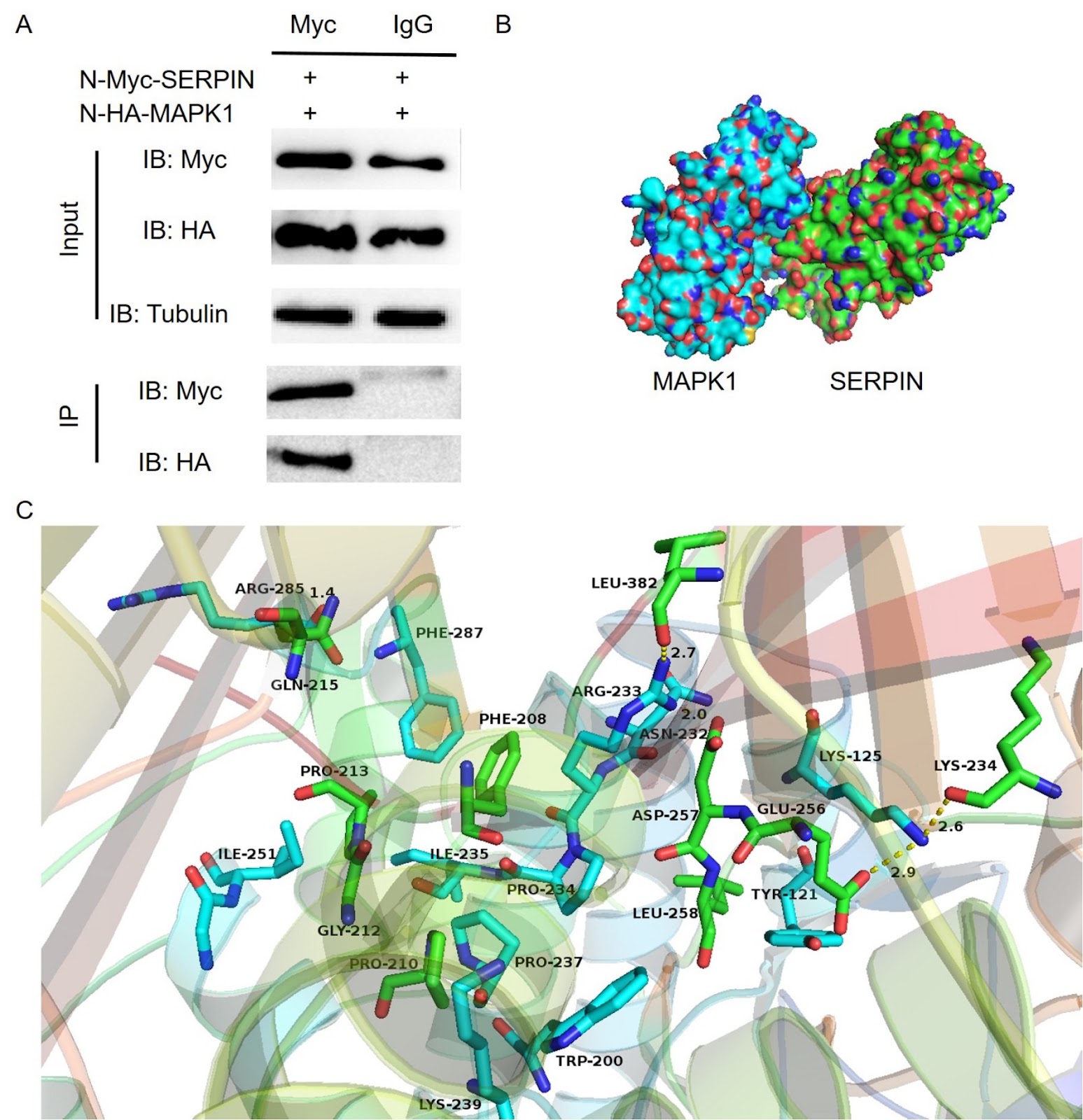
Eimeria spp. can invade different intestines of chickens. Among them, Eimeria acervulina (E. acervulina, Ea) is the most virulent, and it is characterized by disruption of the intestinal nutrient uptake mechanism, leading to weight loss and even death. As a result, coccidia have caused a heavy burden on the poultry industry [1]. Currently, understanding the invasion mechanism of E. acervulina in host cells is the basis for developing the most effective preventive method for coccidiosis. However, the specific mechanism of E. acervulina invasion is unclear, so the interactions between parasite and host cells need to be studied in depth. Serine thiol proteinase inhibitors widely exist in bacteria, viruses and parasites. It can protect against the dissolution of host proteins and the development of pathogens in the process of pathogen invasion [2]. The serine protease inhibitor (SERPIN) of Toxoplasma gondii, which has the ability to inhibit trypsin activity, was the first SERPIN to be studied in parasites. SERPIN in T. gondii may play an important role in protecting against the degradation of host intestinal proteases and reducing the ability of host proteins to hydrolyse T. gondii [3]. SERPIN in T. gondii can also promote the growth of tachyzoites in the host. Subsequently, a 79-amino acid protease inhibitor, SERPIN, which can completely inhibit the activity of bacterial subtilisin, was found in Neospora caninum [4]. SERPIN plays an important role not only in parasite physiology but also in the interactions with the host. Real-time quantitative PCR analysis at all developmental stages of E. tenella showed that SERPIN1 is highly expressed in sporozoites [5]. Previous studies have shown that the secreted SERPIN protein in sporozoites may also regulate the host immune pathway. In Schistosoma mansoni, SERPIN can inhibit neutrophil proteases and regulate the degradation of tissues to promote the migration of parasites in the host [6]. SERPIN secreted by parasites can also be used to protect themselves from degradation by host proteases, thus manipulating the host response to parasites. Studies have shown that they are mainly involved in physiological processes such as blood sucking, digestion, reproduction and immune response and affect the interaction between parasites and hosts [7]. SERPIN from Trichinella spiralis (TsSPI) is not directly involved in the growth and reproduction of parasites but regulates the interaction between T. spiralis and its host to a certain extent. TsSPIs can regulate the polarization of macrophages and subsequently affect the balance among host inflammatory factors to regulate the host immune response and create a favorable environment for the colonization of Trichinella spiralis in the host [8]. Taeniasis solium SERPIN can play a biological role by participating in the inflammatory and apoptotic pathways of the host [9]. Previous studies have shown that SERPIN plays important roles during host-cell invasion, and 66 related proteins that interact with E. tenella SERPIN on the host have been preliminarily screened [10]. However, few studies have focused on the binding partner of Ea-SERPIN. To identify the ligand-binding partner molecules that may play an important role in the invasion process of E. acervulina, a yeast two-hybrid system was used to screen the associated proteins from the yeast complementary DNA (cDNA) library of chicken duodenal epithelium cells using Ea-SERPIN as bait. In this study, a close genetic relationship was identified between E. acervulina and E. maxima and between E. acervulina and T. gondii. The protein homology of SERPIN between E. acervulina and E. maxima was 87%, and that between E. acervulina and Toxoplasma gondii was 43% (Supplementary Figure S1). The yeast cDNA library of chicken duodenal epithelium cells in the pGADT7 vector was constructed using a Matchmaker Library Construction and Screening kit (Clontech, Palo Alto, USA) as the prey. Preys containing a Gal4 activation domain (AD prey) were transformed into the yeast strain Y187. The efficiency of transformation and the size of the insert fragment satisfied the quality requirements of the yeast library. For yeast two-hybrid screening, SERPIN was amplified by polymerase chain reaction (PCR) using the forward primer 5′-CCC CATATGATGGCATTATTAAGTAAATTAACTCG-3′ and the reverse primer 5′-CCCCTGCAGTTACTGCTGTGCAGCTGTCGGGTCAG-3′ from E. acervulina cDNA and then ligated into the NdeI-PstI sites of pGBKT7 as a bait. The recombinant plasmid was transformed into Y2H GOLD yeast cells, and the transformants were separately grown on plates containing minimal yeast medium without tryptoph

Read Full Abstract10.3724/abbs.2024095
Tanshinone IIA potentiates the therapeutic efficacy of glucocorticoids in lipopolysaccharide-treated HEI-OC1 cells through modulation of the FOXP3/Nrf2 signaling pathwayGraphical AbstractVerified
Acta Biochimica et Biophysica Sinica

Tanshinone IIA potentiates the therapeutic efficacy of glucocorticoids in lipopolysaccharide-treated HEI-OC1 cells through modulation of the FOXP3/Nrf2 signaling pathway

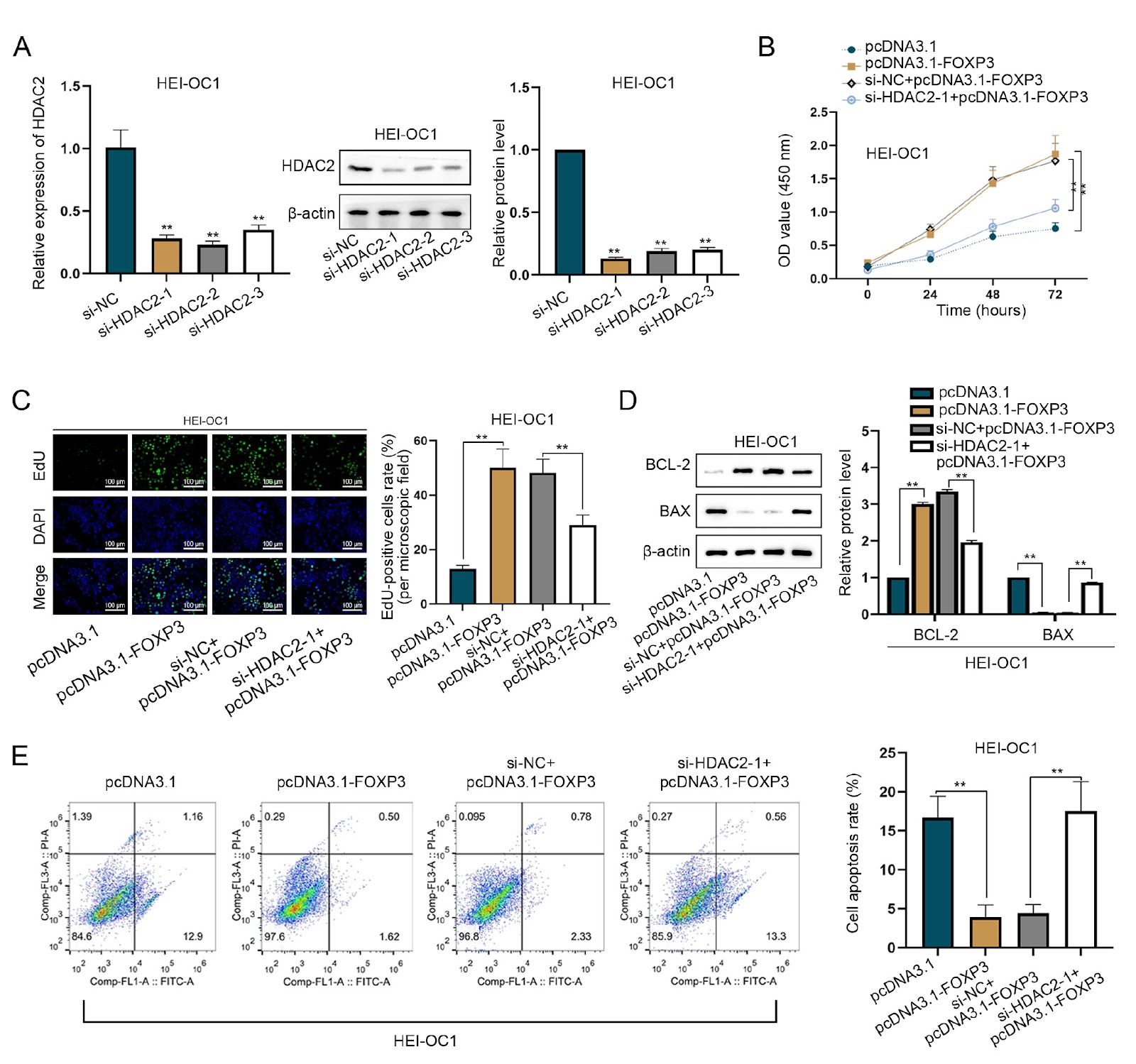
Glucocorticoids (GCs) are commonly used to treat sudden sensorineural hearing loss (SSNHL), although some patients are resistant to this therapeutic approach. Clinical studies have demonstrated the efficacy of tanshinone IIA (TA) in combination with GC for managing various human ailments. However, it remains unclear whether TA can mitigate GC resistance in SSNHL. Our aim is to elucidate the role of NRF2-induced transcriptional regulation of HDAC2 in influencing GC resistance and investigate the involvement of TA-related molecular pathways in GC resistance. Here, HEI-OC1 cells are treated with lipopolysaccharide (LPS) to establish an in vitro model for SSNHL. The cells are subsequently treated with dexamethasone (DXE) or DXE + TA. RT-qPCR and western blot analysis are used to measure the mRNA and protein levels of Forkhead box P3 (FOXP3), nuclear factor erythroid 2-related factor 2 (NRF2), and histone deacetylase 2 (HDAC2). Cell Counting Kit-8 (CCK-8) and 5-ethynyl-2’-deoxyuridine (EdU) assays are carried out to assess cell proliferation. Flow cytometry analysis is performed to evaluate apoptosis. Mechanistic studies involve chromatin immunoprecipitation (ChIP), luciferase reporter, and DNA pull-down assays. Our results show that treatment with TA + DEX significantly increases proliferation and suppresses apoptosis in LPS-treated HEI-treated OC1 cells. TA upregulates HDAC2 expression by activating NRF2-mediated transcription of HDAC2, with the NRF2-HDAC2 binding site located at bases 419–429 (ATGACACTCCA) in the promoter sequence of HDAC2. Furthermore, TA upregulates FOXP3 expression to activate NRF2 transcription, with the predicted FOXP3-binding site located at bases 864–870 (GCAAACA) in the promoter sequence of NRF2. In summary, these findings suggest that TA enhances the therapeutic effects of GC on the proliferation and apoptosis of HEI OC1 cells by increasing FOXP3/Nrf2 expression. These results indicate that TA may be promising for ameliorating GC resistance in patients with SSNHL.

Read Full Abstract10.3724/abbs.2024194
CTNNAL1 promotes the structural integrity of bronchial epithelial cells through the RhoA/ROCK1 pathwayGraphical AbstractVerified
Acta Biochimica et Biophysica Sinica

CTNNAL1 promotes the structural integrity of bronchial epithelial cells through the RhoA/ROCK1 pathway

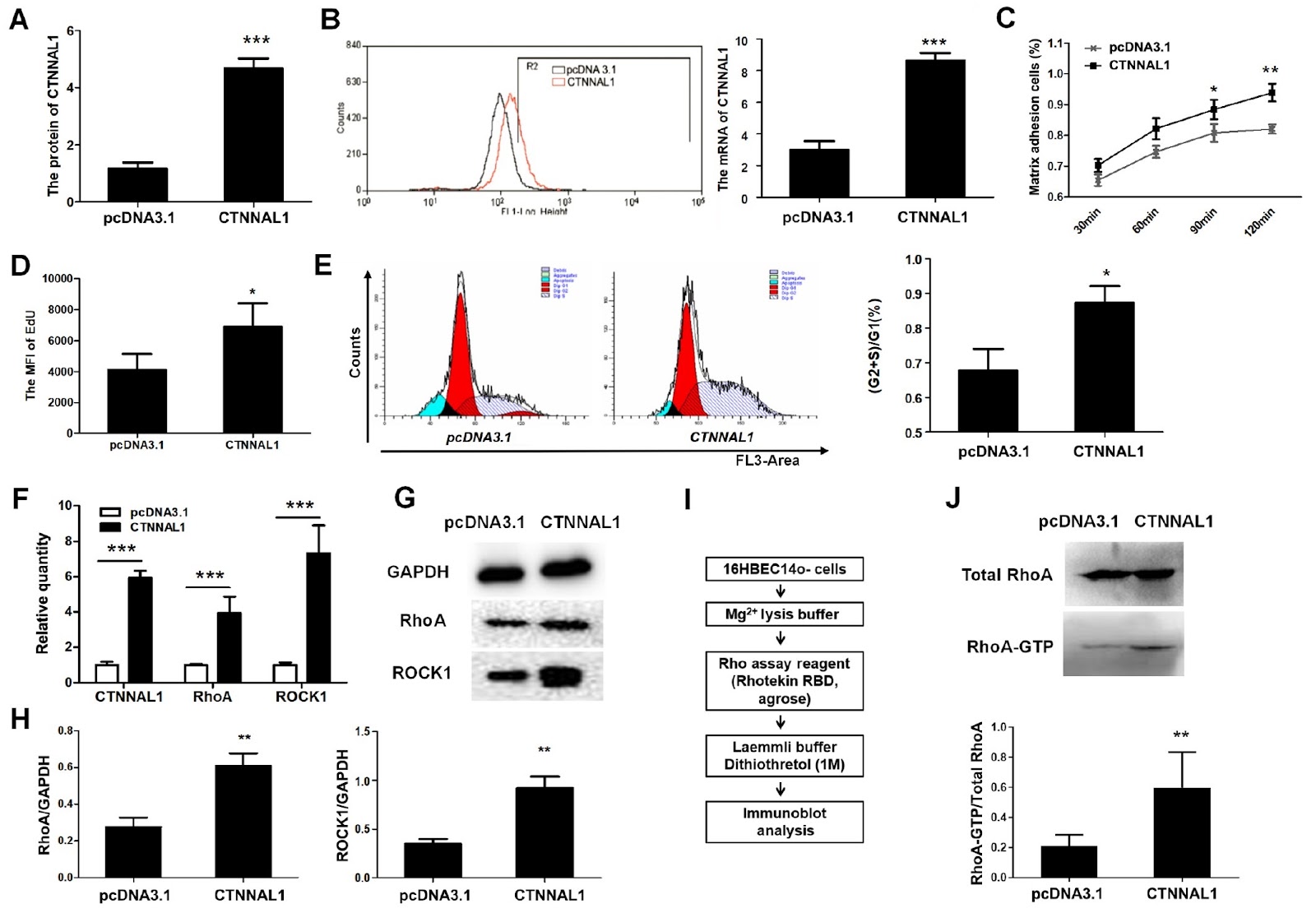
Adhesion molecules play critical roles in maintaining the structural integrity of the airway epithelium in airways under stress. Previously, we reported that catenin alpha-like 1 (CTNNAL1) is downregulated in an asthma animal model and upregulated at the edge of human bronchial epithelial cells (HBECs) after ozone stress. In this work, we explore the potential role of CTNNAL1 in the structural adhesion of HBECs and its possible mechanism. We construct a CTNNAL1‒/‒ mouse model with CTNNAL1-RNAi recombinant adeno-associated virus (AAV) in the lung and a CTNNAL1-silencing cell line stably transfected with CTNNAL1-siRNA recombinant plasmids. Hematoxylin and eosin (HE) staining reveals that CTNNAL1‒/‒ mice have denuded epithelial cells and structural damage to the airway. Silencing of CTNNAL1 in HBECs inhibits cell proliferation and weakens extracellular matrix adhesion and intercellular adhesion, possibly through the action of the cytoskeleton. We also find that the expressions of the structural adhesion-related molecules E-cadherin, integrin β1, and integrin β4 are significantly decreased in ozone-treated cells than in vector control cells. In addition, our results show that the expression levels of RhoA/ROCK1 are decreased after CTNNAL1 silencing. Treatment with Y27632, a ROCK inhibitor, abolished the expressions of adhesion molecules induced by ozone in CTNNAL1-overexpressing HBECs. Overall, the findings of the present study suggest that CTNNAL1 plays a critical role in maintaining the structural integrity of the airway epithelium under ozone challenge, and is associated with epithelial cytoskeleton dynamics and the expressions of adhesion-related molecules via the RhoA/ROCK1 pathway.

Read Full Abstract10.3724/abbs.2024026
Advances in PIWI-piRNA function in female reproduction in mammalsGraphical AbstractVerified
Acta Biochimica et Biophysica Sinica

Advances in PIWI-piRNA function in female reproduction in mammals

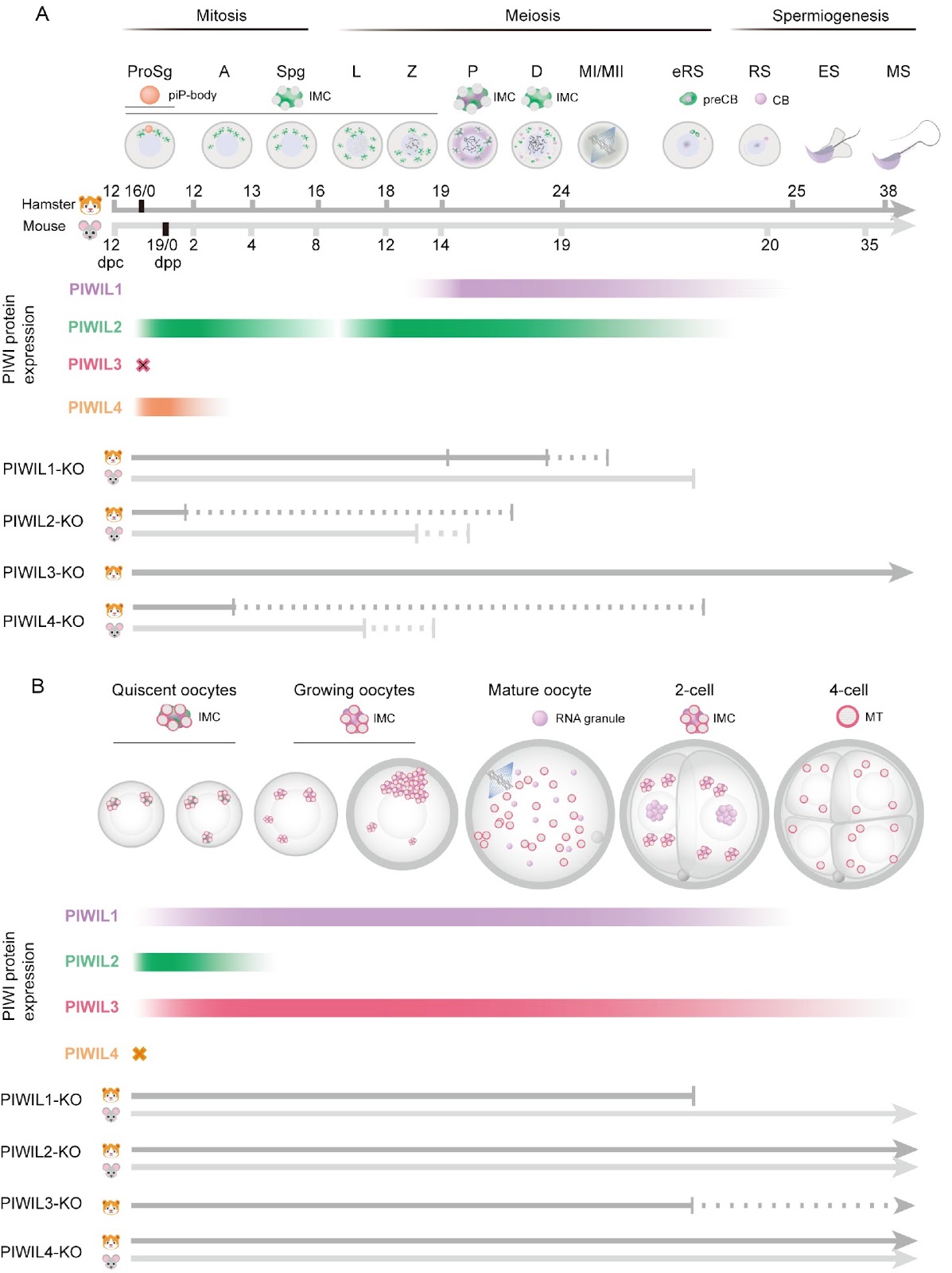
PIWI-interacting RNAs (piRNAs), which associate with PIWI clade Argonaute proteins to form piRNA-induced silencing complexes (piRISCs) in germline cells, are responsible for maintaining genomic integrity and reproductive function through transcriptional or post-transcriptional suppression of transposable elements and regulation of protein-coding genes. Recent discoveries of crucial PIWI-piRNA functions in oogenesis and embryogenesis in golden hamsters suggest an indispensable role in female fertility that has been obscured in the predominant mouse model of PIWI-piRNA pathway regulation. In particular, studies of piRNA expression dynamics, functional redundancies, and compositional variations across mammal species have advanced our understanding of piRNA functions in male and, especially, female reproduction. These findings further support the use of hamsters as a more representative model of piRNA biology in mammals. In addition to discussing these new perspectives, the current review also covers emerging directions for piRNA research, its implications for female fertility, and our fundamental understanding of reproductive mechanisms.

Read Full Abstract10.3724/abbs.2024195
Structural basis for the inhibition of coronaviral main proteases by PF-00835231Graphical AbstractVerified
Acta Biochimica et Biophysica Sinica

Structural basis for the inhibition of coronaviral main proteases by PF-00835231

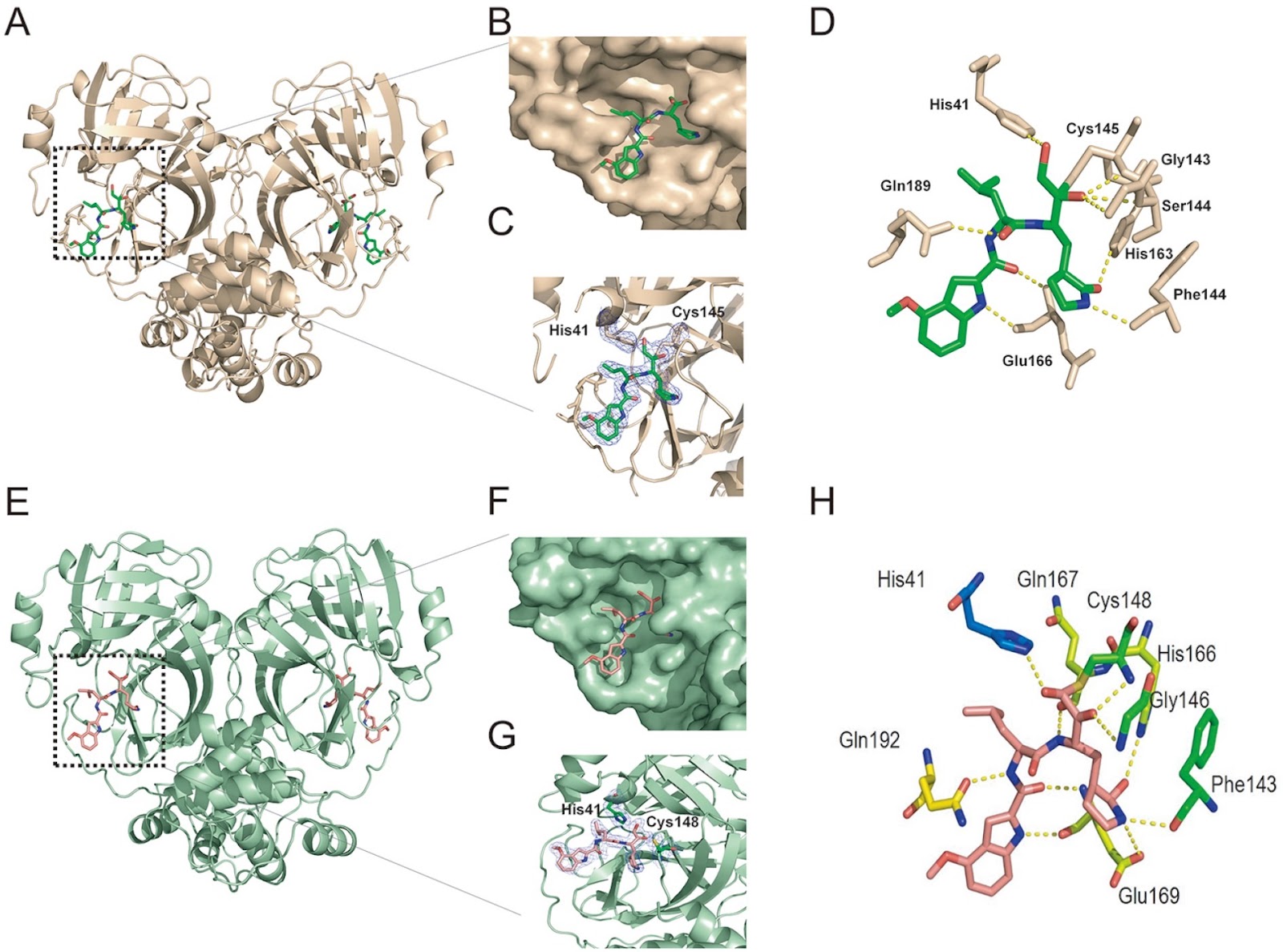
The main protease (Mpro) of coronaviruses plays a key role in viral replication, thus serving as a hot target for drug design. PF-00835231 is a promising inhibitor of SARS-CoV-2 Mpro. Here, we report the inhibitory potency of PF-00835231 against SARS-CoV-2 Mpro and seven Mpro mutants (G15S, M49I, Y54C, K90R, P132H, S46F, and V186F) from SARS-CoV-2 variants. The results confirm that PF-00835231 has broad-spectrum inhibition against various coronaviral Mpros. In addition, the crystal structures of SARS-CoV-2 Mpro, SARS-CoV Mpro, MERS-CoV Mpro, and seven SARS-CoV-2 Mpro mutants (G15S, M49I, Y54C, K90R, P132H, S46F, and V186F) in complex with PF-00835231 are solved. A detailed analysis of these structures reveals key determinants essential for inhibition and elucidates the binding modes of different coronaviral Mpros. Given the importance of the main protease for the treatment of coronaviral infection, structural insights into Mpro inhibition by PF-00835231 can accelerate the design of novel antivirals with broad-spectrum efficacy against different human coronaviruses.

Read Full Abstract10.3724/abbs.2024122
Valproic acid regulates the miR-155/Jarid2 axis by affecting miR-155 promoter methylation in gliomaGraphical AbstractVerified
Acta Biochimica et Biophysica Sinica

Valproic acid regulates the miR-155/Jarid2 axis by affecting miR-155 promoter methylation in glioma

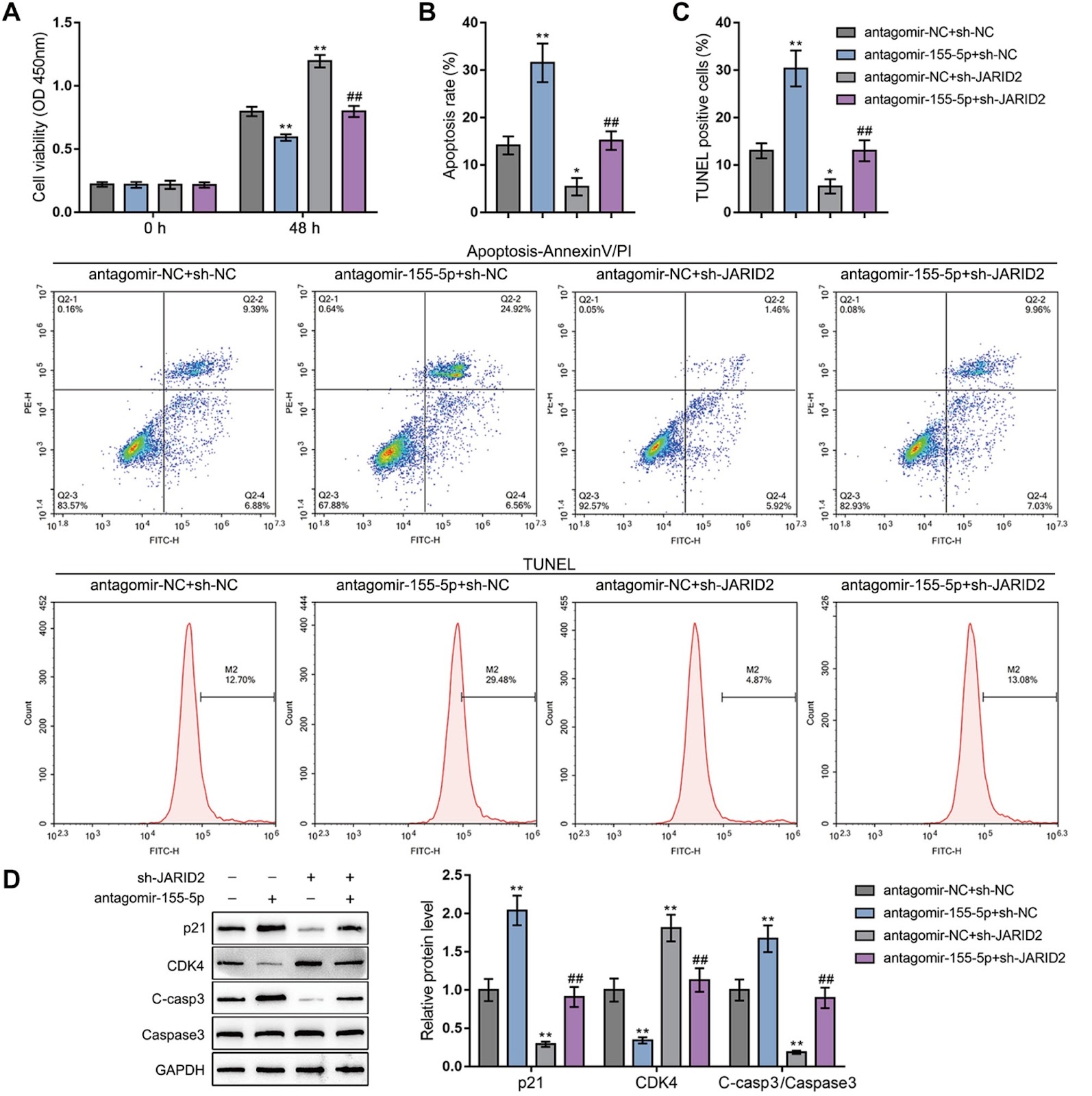
The most frequent primary brain tumor in adults is glioma, yet no effective curative treatments are currently available. Our previous study demonstrated the enhancing effects of JARID2 on glioma sensitivity to TMZ treatment. In this study, miR-155 is predicted to target JARID2. miR-155 is overexpressed in clinical glioma specimens and cell lines. miR-155 overexpression in glioma cells enhances cell viability and represses cell apoptosis. Through targeting, miR-155 inhibits JARID2 expression. miR-155 inhibition inhibits glioma cell viability and enhances cell apoptosis, whereas JARID2 knockdown enhances cell viability and inhibits cell apoptosis; JARID2 knockdown partially reverses miR-155 inhibition effects on glioma phenotypes. miR-155 inhibition reduces but knockdown of JARID2 promotes the tumor formation ability of glioma cells in vivo. Valproic acid (VPA) upregulates JARID2 expression, inhibits glioma cell viability and enhances cell apoptosis. VPA downregulates the expression level of miR-155 by increasing the methylation level of the miR-155 promoter, suggesting that the miR-155/JARID2 axis is implicated in VPA inhibition of glioma cell viability and enhancement of glioma cell apoptosis. This study demonstrates a new mechanism of VPA treatment of gliomas by affecting the miR-155/JARID2 axis, which could be regarded as a new strategy for the prevention and treatment of glioma.

Read Full Abstract10.3724/abbs.2023259
ZIPK collaborates with STAT5A in p53-mediated ROS accumulation in hyperglycemia-induced vascular injuryGraphical AbstractVerified
Acta Biochimica et Biophysica Sinica

ZIPK collaborates with STAT5A in p53-mediated ROS accumulation in hyperglycemia-induced vascular injury

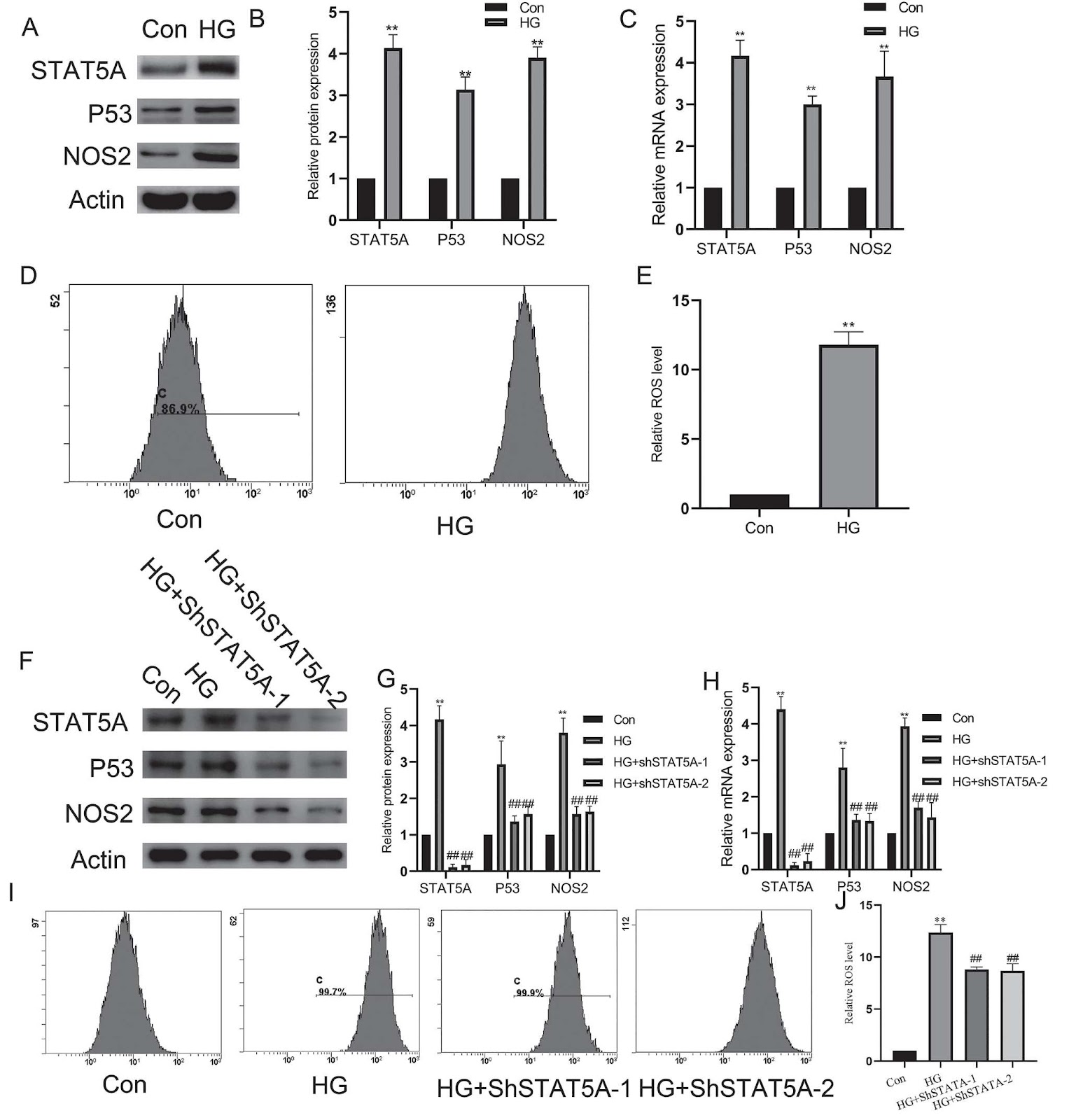
In this study we investigate the role of Zipper-interacting protein kinase (ZIPK) in high glucose-induced vascular injury, focusing on its interaction with STAT5A and its effects on p53 and inducible nitric oxide synthase (NOS2) expression. Human umbilical vein endothelial cells (HUVECs) are cultured under normal (5 mM) and high (25 mM) glucose conditions. Protein and gene expression levels are assessed by western blot analysis and qPCR respectively, while ROS levels are measured via flow cytometry. ZIPK expression is manipulated using overexpression plasmids, siRNAs, and shRNAs. The effects of the ZIPK inhibitor TC-DAPK6 are evaluated in a diabetic rat model. Our results show that high glucose significantly upregulates ZIPK, STAT5A, p53, and NOS2 expressions in HUVECs, thus increasing oxidative stress. Silencing of STAT5A reduces p53 and NOS2 expressions and reactive oxygen species (ROS) accumulation. ZIPK is essential for high glucose-induced p53 expression and ROS accumulation, while silencing of ZIPK reverses these effects. Overexpression of ZIPK combined with STAT5A silencing attenuates glucose-induced alterations in p53 and NOS2 expression, thereby preventing cell damage. Coimmunoprecipitation reveals a direct interaction between ZIPK and STAT5A in the nucleus under high-glucose condition. In diabetic rats, TC-DAPK6 treatment significantly decreases ZIPK, p53, and NOS2 expressions. Our findings suggest that ZIPK plays a critical role in high glucose-induced vascular injury via STAT5A-mediated pathways, proposing that ZIPK is a potential therapeutic target for diabetic vascular complications.

Read Full Abstract10.3724/abbs.2024120
Development of an alcoholic liver disease model for drug evaluation from human induced pluripotent stem cell-derived liver organoidsGraphical AbstractVerified
Acta Biochimica et Biophysica Sinica

Development of an alcoholic liver disease model for drug evaluation from human induced pluripotent stem cell-derived liver organoids

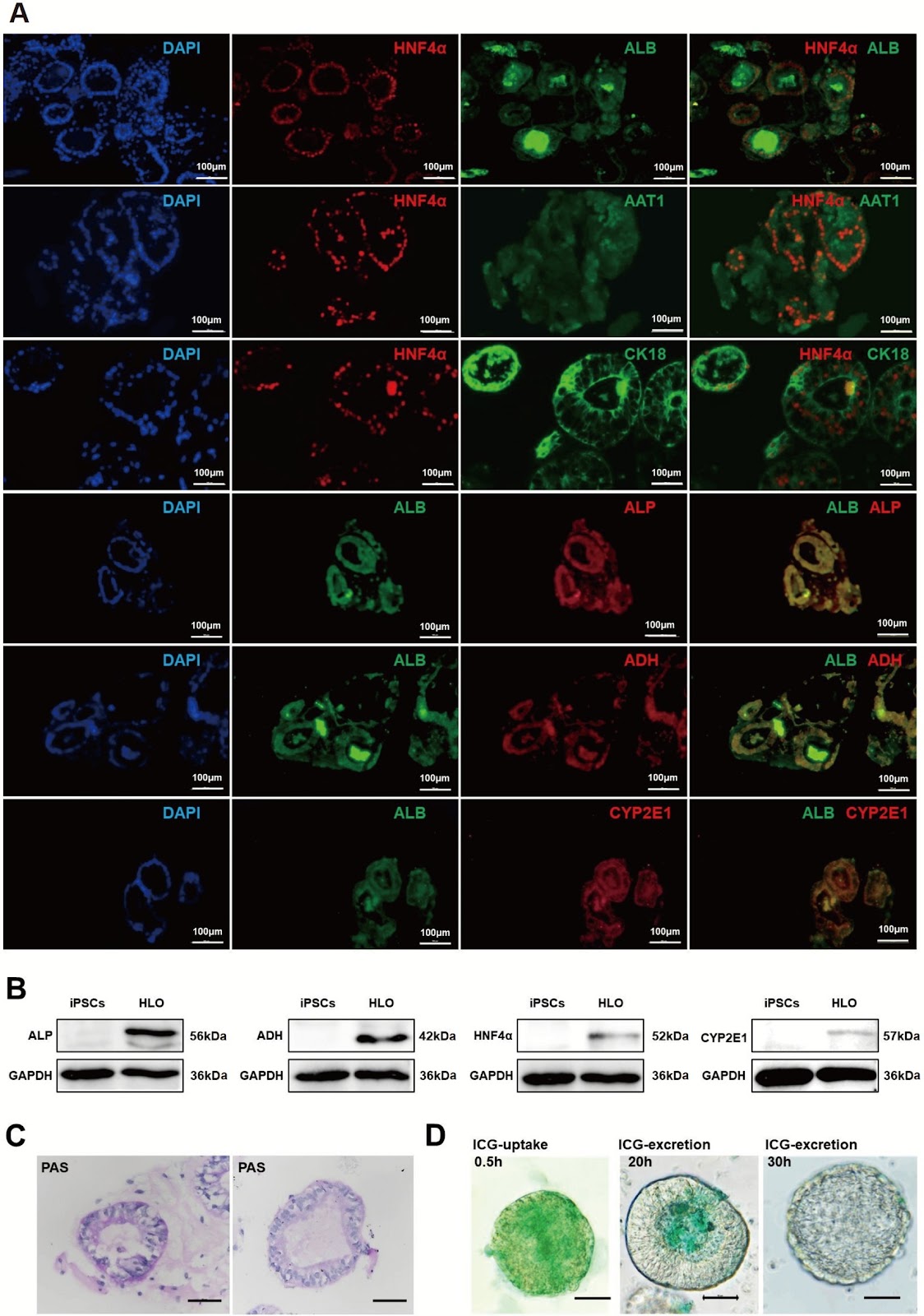
Alcoholic liver disease (ALD) poses a significant health challenge, so comprehensive research efforts to improve our understanding and treatment strategies are needed. However, the development of effective treatments is hindered by the limitation of existing liver disease models. Liver organoids, characterized by their cellular complexity and three-dimensional (3D) tissue structure closely resembling the human liver, hold promise as ideal models for liver disease research. In this study, we use a meticulously designed protocol involving the differentiation of human induced pluripotent stem cells (hiPSCs) into liver organoids. This process incorporates a precise combination of cytokines and small molecule compounds within a 3D culture system to guide the differentiation process. Subsequently, these differentiated liver organoids are subject to ethanol treatment to induce ALD, thus establishing a disease model. A rigorous assessment through a series of experiments reveals that this model partially recapitulates key pathological features observed in clinical ALD, including cellular mitochondrial damage, elevated cellular reactive oxygen species (ROS) levels, fatty liver, and hepatocyte necrosis. In addition, this model offers potential use in screening drugs for ALD treatment. Overall, the liver organoid model of ALD, which is derived from hiPSC differentiation, has emerged as an invaluable platform for advancing our understanding and management of ALD in clinical settings.

Read Full Abstract10.3724/abbs.2024074
Identification of neutrophil extracellular trap-driven gastric cancer heterogeneity and C5AR1 as a therapeutic targetGraphical AbstractVerified
Acta Biochimica et Biophysica Sinica

Identification of neutrophil extracellular trap-driven gastric cancer heterogeneity and C5AR1 as a therapeutic target

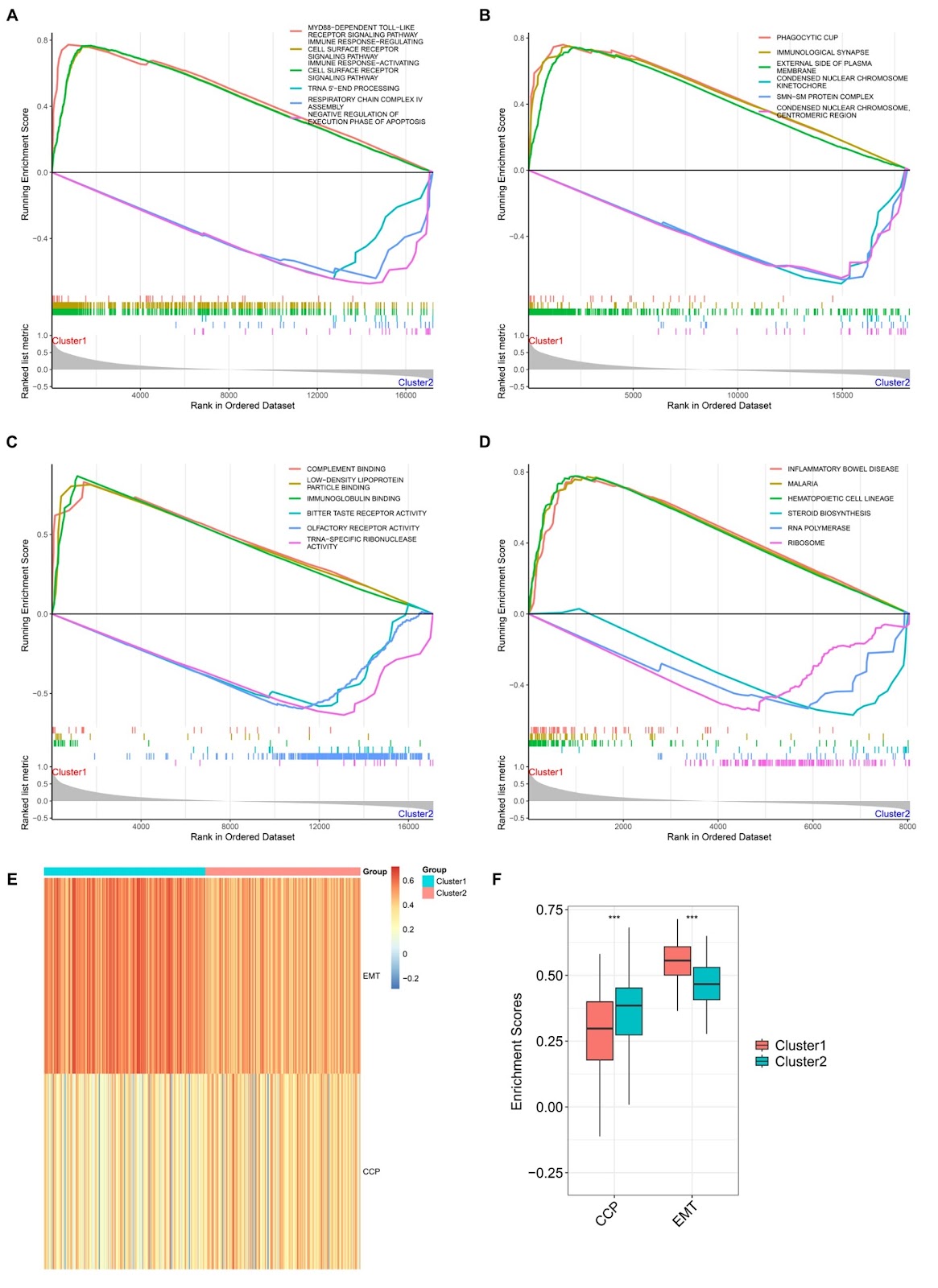
Neutrophil extracellular traps (NETs) are implicated in gastric cancer (GC) growth, metastatic dissemination, cancer-associated thrombosis, etc. This work is conducted to elucidate the heterogeneity of NETs in GC. The transcriptome heterogeneity of NETs is investigated in TCGA-STAD via a consensus clustering algorithm, with subsequent external verification in the GSE88433 and GSE88437 cohorts. Clinical and molecular traits, the immune microenvironment, and drug response are characterized in the identified NET-based clusters. Based upon the feature genes of NETs, a classifier is built for estimating NET-based clusters via machine learning. Multiple experiments are utilized to verify the expressions and implications of the feature genes in GC. A novel NET-based classification system is proposed for reflecting the heterogeneity of NETs in GC. Two NET-based clusters have unique and heterogeneous clinical and molecular features, immune microenvironments, and responses to targeted therapy and immunotherapy. A logistic regression model reliably differentiates the NET-based clusters. The feature genes C5AR1, CSF1R, CSF2RB, CYBB, HCK, ITGB2, LILRB2, MNDA, MPEG1, PLEK, SRGN, and STAB1 are proven to be aberrantly expressed in GC cells. Specific knockdown of C5AR1 effectively hinders GC cell growth and elicits intracellular ROS accumulation. In addition, its suppression suppresses the aggressiveness and EMT phenotype of GC cells. In all, NETs are the main contributors to intratumoral heterogeneity and differential drug sensitivity in GC, and C5AR1 has been shown to trigger GC growth and metastatic spread. These findings collectively provide a theoretical basis for the use of anti-NETs in GC treatment.

Read Full Abstract10.3724/abbs.2023290
RNA methylation in neurodevelopment and related diseasesGraphical AbstractVerified
Acta Biochimica et Biophysica Sinica

RNA methylation in neurodevelopment and related diseases

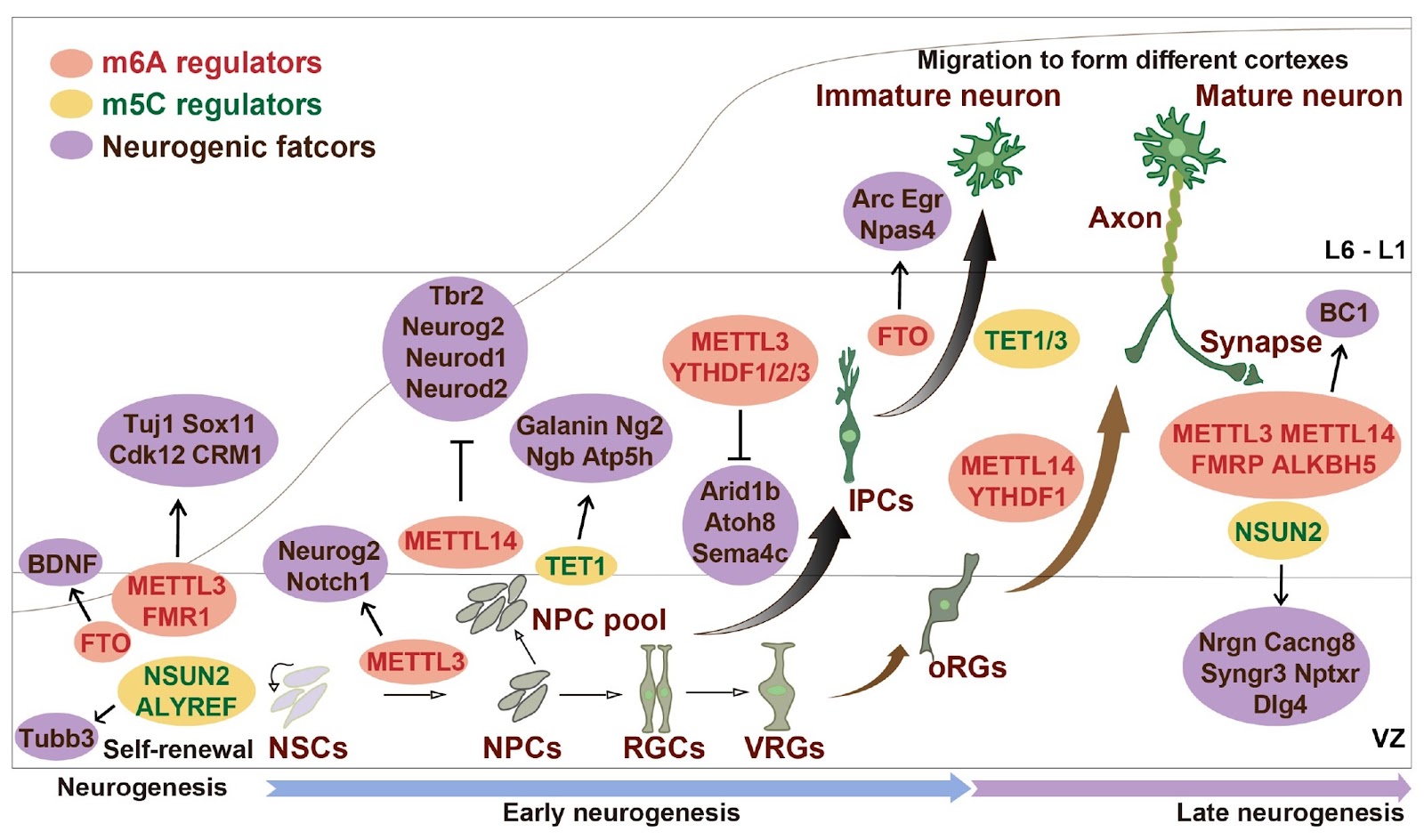
Biological development and genetic information transfer are governed by genetic, epigenetic, transcriptional, and posttranscriptional mechanisms. RNA methylation, the attachment of methyl (–CH3) groups to RNA molecules, is a posttranscriptional modification that has gained increasing attention in recent years because of its role in RNA epitranscriptomics. RNA modifications (RMs) influence various aspects of RNA metabolism and are involved in the regulation of diverse biological processes and diseases. Neural cell types emerge at specific stages of brain development, and recent studies have revealed that neurodevelopment, aging, and disease are tightly linked to transcriptome dysregulation. In this review, we discuss the roles of N6-methyladenine (m6A) and 5-methylcytidine (m5C) RNA modifications in neurodevelopment, physiological functions, and related diseases.

Read Full Abstract10.3724/abbs.2024159
Targeting LINC070974 inhibits lung adenocarcinoma cell proliferation and progression by interacting with Y-box binding protein 1Graphical AbstractVerified
Acta Biochimica et Biophysica Sinica

Targeting LINC070974 inhibits lung adenocarcinoma cell proliferation and progression by interacting with Y-box binding protein 1

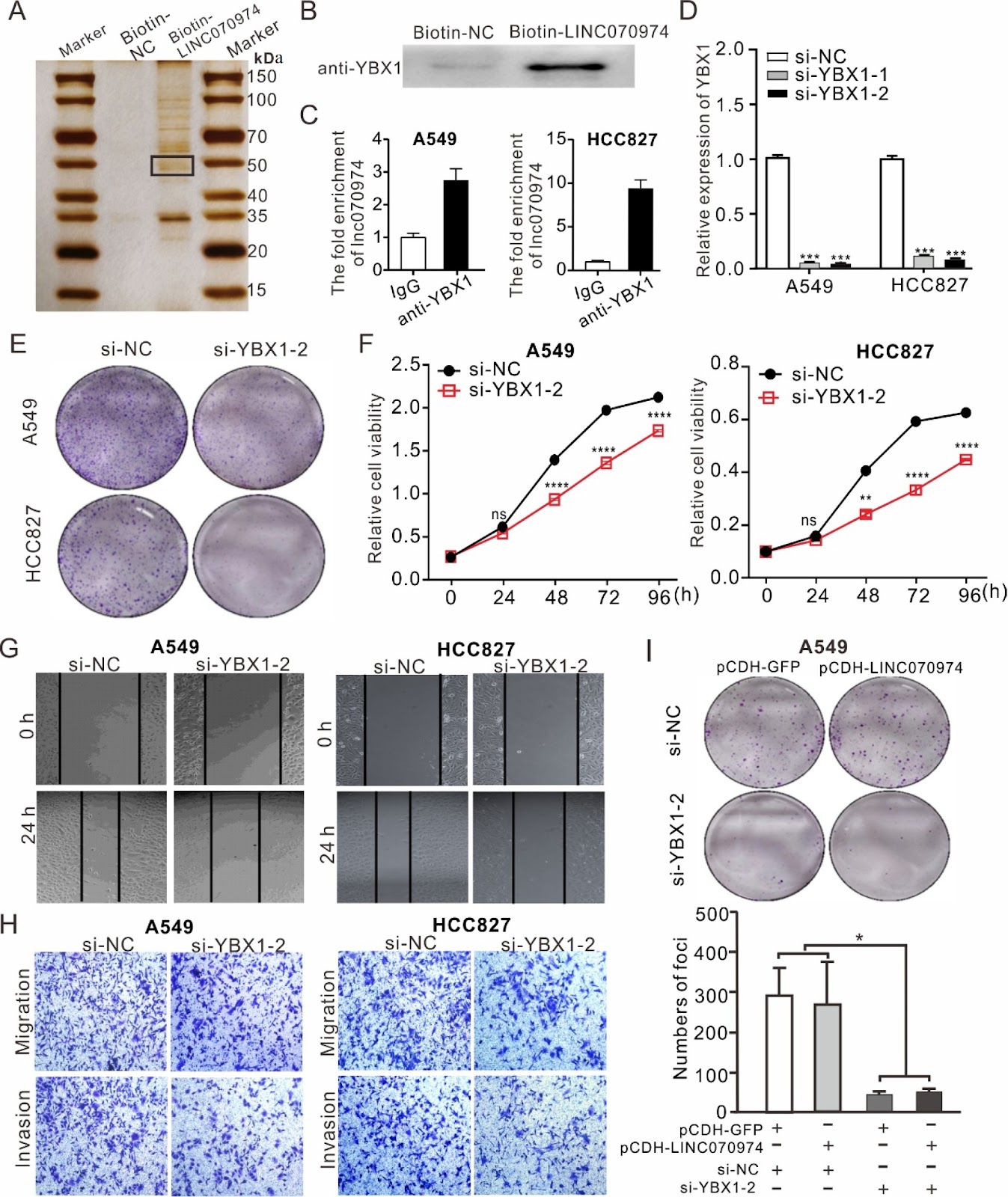
Non-small cell lung cancer (NSCLC) is the leading cause of cancer-related mortality worldwide. Increasing evidence suggests that long noncoding RNAs play crucial roles in lung cancer pathogenesis. We previously identified a novel lncRNA, LINC070974, which is associated with tumor cell proliferation. In the present study, we find that knockdown of LINC070974 inhibits cell proliferation, migration and invasion as well as tumor formation both in vitro and in nude mice. LINC070974 silencing also improves cisplatin efficacy in A549/DDP cells. The function of LINC070974 may depend on its interaction with YBX1. Knockdown of LINC070974 reduces the recruitment of YBX1 to the CCND1 promoter and delays tumor progression through its coregulatory genes, which are mainly involved in the p53 signaling pathway. We utilize nebulized inhalation to deliver siRNAs targeting LINC070974 and find that knockdown of LINC070974 significantly prevents tumor metastasis and growth in lung tissues. These findings reveal the role of LINC070974 in lung cancer and suggest a promising therapeutic approach involving siRNA inhalation.

Read Full Abstract10.3724/abbs.2024093
Soluble (pro)renin receptor as a novel laboratory biomarker of atherosclerosisGraphical AbstractVerified
Acta Biochimica et Biophysica Sinica

Soluble (pro)renin receptor as a novel laboratory biomarker of atherosclerosis

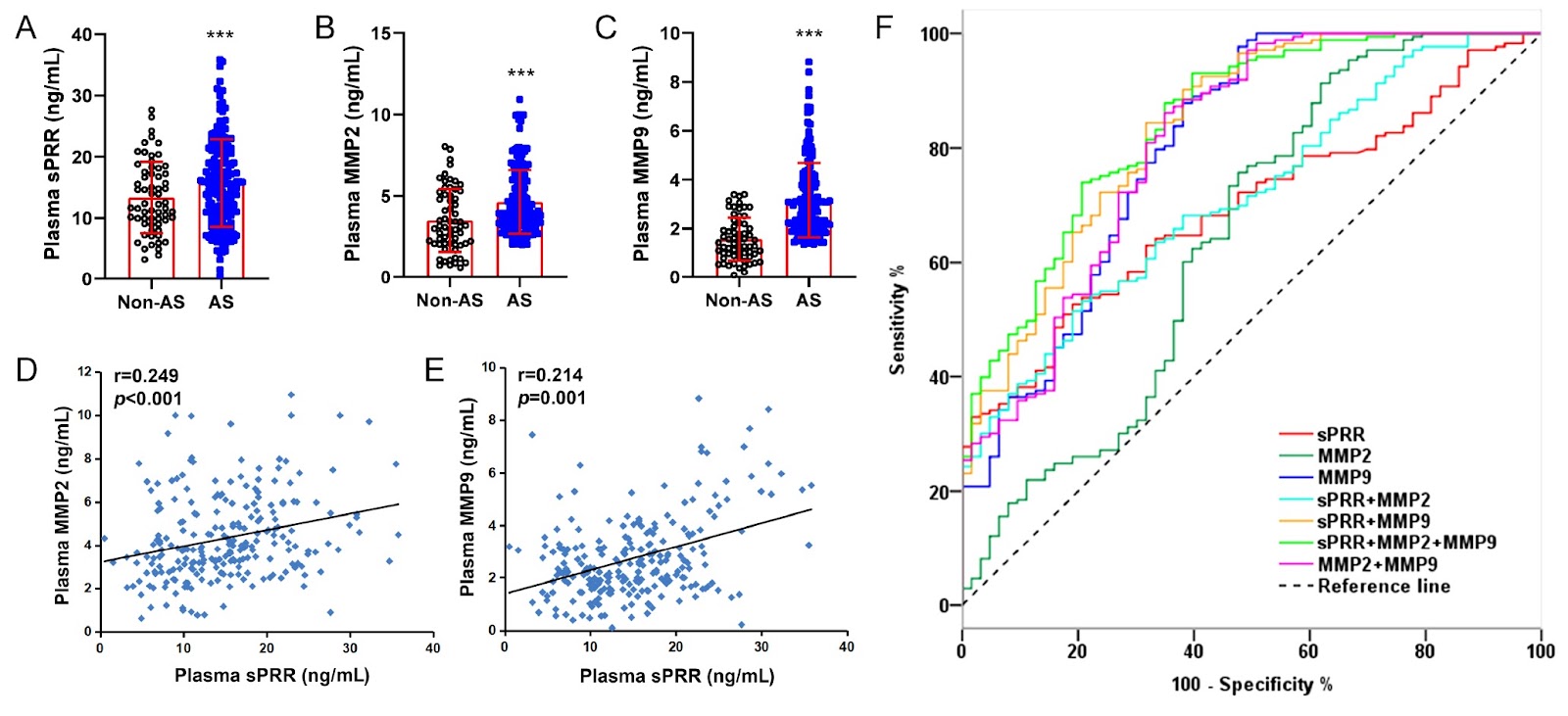
Atherosclerosis (AS), a chronic inflammatory disease involving the large and middle arteries, is characterized by inflammation, abnormal deposition of lipids, and other pathological events. Endothelial cell injury, the migration and proliferation of vascular smooth muscle cells, and the inflammatory polarization of macrophages play crucial roles in the formation and progression of atherosclerotic plaques. The renin–angiotensin system (RAS), an essential regulator of the inflammatory response, is closely correlated with atherosclerotic plaque formation. Targeting the components of the RAS could be a promising therapeutic strategy for AS. (Pro)renin receptor (PRR), a single transmembrane protein, works as a key regulator of the local RAS with nearly equal affinity to bind to renin and (pro)renin and plays essential roles in cardiovascular homeostasis by targeting multiple RAS-dependent and RAS-independent intracellular signals in cardiovascular cells. sPRR, a soluble form of PRR, is generated by proteases (Furin, a disintegrin and metalloproteinase 19, site-1-protease, or an unknown convertase)-mediated cleavage of the full-length PRR and is released into extracellular spaces, including the plasma and urine, where it participates in various physio-pathological processes. An increasing number of studies have demonstrated an increase in circulating sPRR levels in patients and animals with various cardiovascular diseases, including hypertension and heart failure, which may be promising indicators of these cardiovascular diseases. Amari et al. reported that serum sPRR levels were significantly greater in hemodialysis patients with an ankle–brachial index (ABI) < 0.9 (an indicator of severe AS or obstruction of lower limb arteries) than in patients with an ABI ≄0.9. They reported a negative correlation between serum sPRR levels and ABI independent of other atherogenic risk factors, including age and hemoglobin A1c, suggesting an association between serum sPRR levels and severe AS of the lower limbs. Thus, increased serum sPRR levels may be a marker for AS progression. However, the clinical significance of the sPRR in patients with AS remains unclear. To further determine the association between plasma sPRR levels and the severity of AS, we prospectively enrolled 236 participants in the present study, including 63 subjects with non-AS (n = 63, 58.8 ± 11.7 years) and 173 with AS (n = 173, 67.1 ± 11.0 years, P < 0.001 vs the non-AS group). The diagnosis of subclinical atherosclerosis was established after the carotid intima–media thickness and plaque area were evaluated via bilateral carotid ultrasonography. Patients with heart diseases (rheumatic heart disease, valvular heart disease, and cardiomyopathy), hepatic failure, chronic kidney disease, hyperthyroidism, chronic inflammatory disorders, malignancy, or pulmonary embolism were excluded. The baseline clinical characteristics are shown in Supplementary Table S1. Although plasma brain natriuretic peptide, urea nitrogen, and triglyceride levels were slightly higher in the AS group than in the non-AS group, there were no significant differences in sex, body mass index, comorbidities, blood pressure, parameters reflecting cardiac function, and plasma creatine, uric acid, low-density lipoprotein cholesterol (LDL-c), high density lipoprotein cholesterol (HDL-c), and total cholesterol between the two groups. The ApoE–/– mice were fed with a high-fat diet (HFD) for 16 weeks to establish an atherosclerotic mouse model successfully, which was determined by Oil-red-O staining of the full-length aorta and the aortic root as well as H&E staining of the aortic root (Supplementary Figure S1). The studies involving human participants were reviewed and approved by the Affiliated Hospital of Jiangxi University of Chinese Medicine (JZFYLL20230208002). The patients/participants provided written informed consent to participate in this study. The studies involving animals were reviewed and approved by the Animal Care and Use Committee, which approved the animal protocols at Jiangxi University of Chinese Medicine (No. JZLLSC20230254). The levels of plasma sPRR in AS patients were significantly higher than those in the non-AS groups (15.9 ± 6.9 vs 11.5 ± 4.0 ng/mL, P < 0.001, Figure 1A). After HFD feeding for 16 weeks, the levels of plasma sPRR in ApoE–/– mice were also significantly greater than those in ApoE–/– mice fed with a normal diet (24.1 ± 8.6 vs 10.3 ± 3.1 ng/mL, P < 0.001; Figure 2A). Thus, plasma sPRR levels are significantly elevated under atherosclerotic
Read Full Abstract10.3724/abbs.2024150
Glyco-signatures in patients with advanced lung cancer during anti-PD-1/PD-L1 immunotherapyGraphical AbstractVerified
Acta Biochimica et Biophysica Sinica

Glyco-signatures in patients with advanced lung cancer during anti-PD-1/PD-L1 immunotherapy

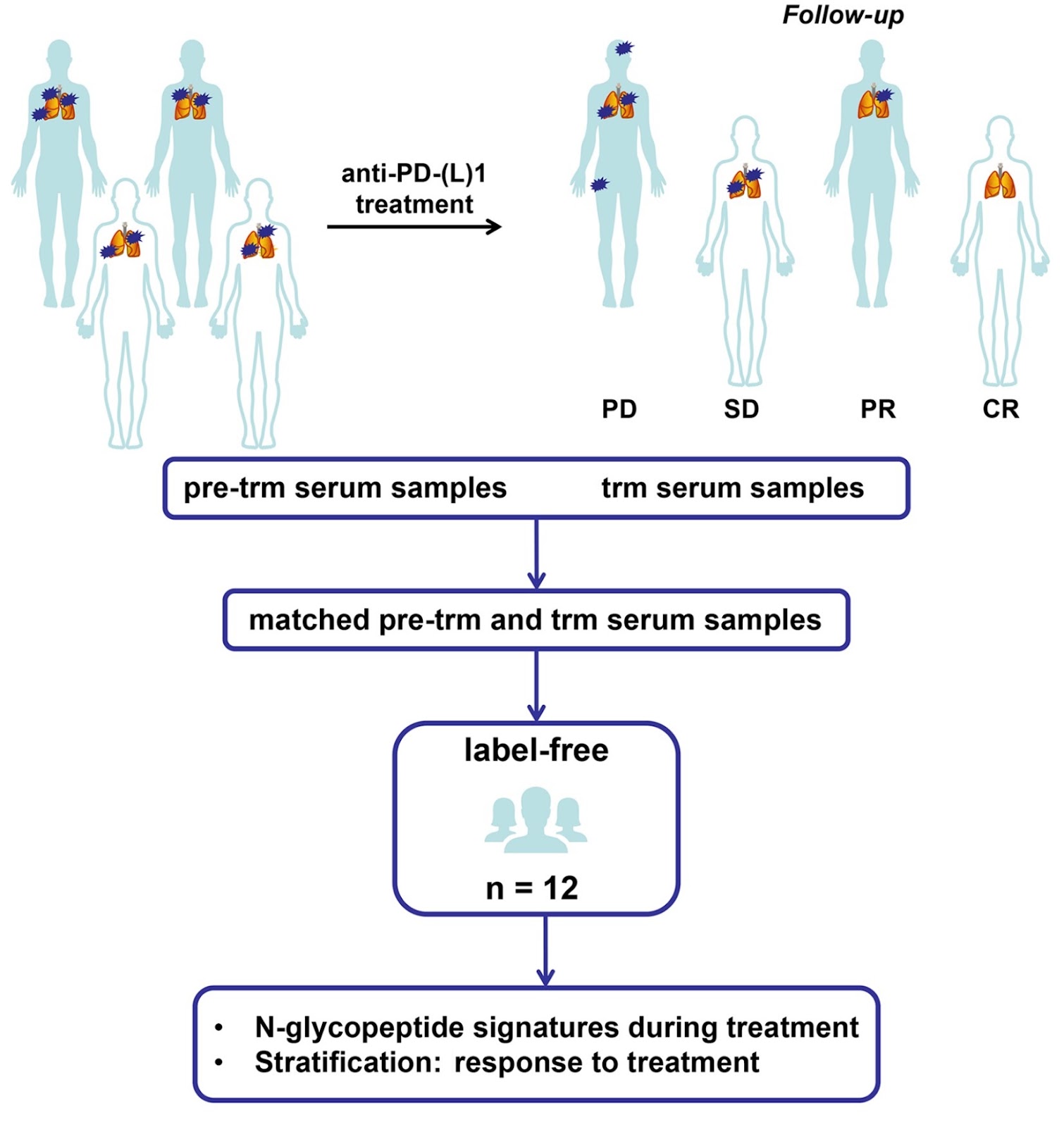
Immune checkpoint inhibitors (ICIs) targeting programmed cell death 1/programmed cell death ligand-1 (PD-1/PD-L1) have significantly prolonged the survival of advanced/metastatic patients with lung cancer. However, only a small proportion of patients can benefit from ICIs, and clinical management of the treatment process remains challenging. Glycosylation has added a new dimension to advance our understanding of tumor immunity and immunotherapy. To systematically characterize anti-PD-1/PD-L1 immunotherapy-related changes in serum glycoproteins, a series of serum samples from 12 patients with metastatic lung squamous cell carcinoma (SCC) and lung adenocarcinoma (ADC), collected before and during ICIs treatment, are firstly analyzed with mass-spectrometry-based label-free quantification method. Second, a stratification analysis is performed among anti-PD-1/PD-L1 responders and non-responders, with serum levels of glycopeptides correlated with treatment response. In addition, in an independent validation cohort, a large-scale site-specific profiling strategy based on chemical labeling is employed to confirm the unusual characteristics of IgG N-glycosylation associated with anti-PD-1/PD-L1 treatment. Unbiased label-free quantitative glycoproteomics reveals serum levels’ alterations related to anti-PD-1/PD-L1 treatment in 27 out of 337 quantified glycopeptides. The intact glycopeptide EEQFN177STYR (H3N4) corresponding to IgG4 is significantly increased during anti-PD-1/PD-L1 treatment (FC=2.65, P=0.0083) and has the highest increase in anti-PD-1/PD-L1 responders (FC=5.84, P=0.0190). Quantitative glycoproteomics based on protein purification and chemical labeling confirms this observation. Furthermore, obvious associations between the two intact glycopeptides (EEQFN177STYR (H3N4) of IgG4, EEQYN227STFR (H3N4F1) of IgG3) and response to treatment are observed, which may play a guiding role in cancer immunotherapy. Our findings could benefit future clinical disease management.

Read Full Abstract10.3724/abbs.2024110
Immunoglobulin G glycosylation and its alterations in aging-related diseasesGraphical AbstractVerified
Acta Biochimica et Biophysica Sinica

Immunoglobulin G glycosylation and its alterations in aging-related diseases

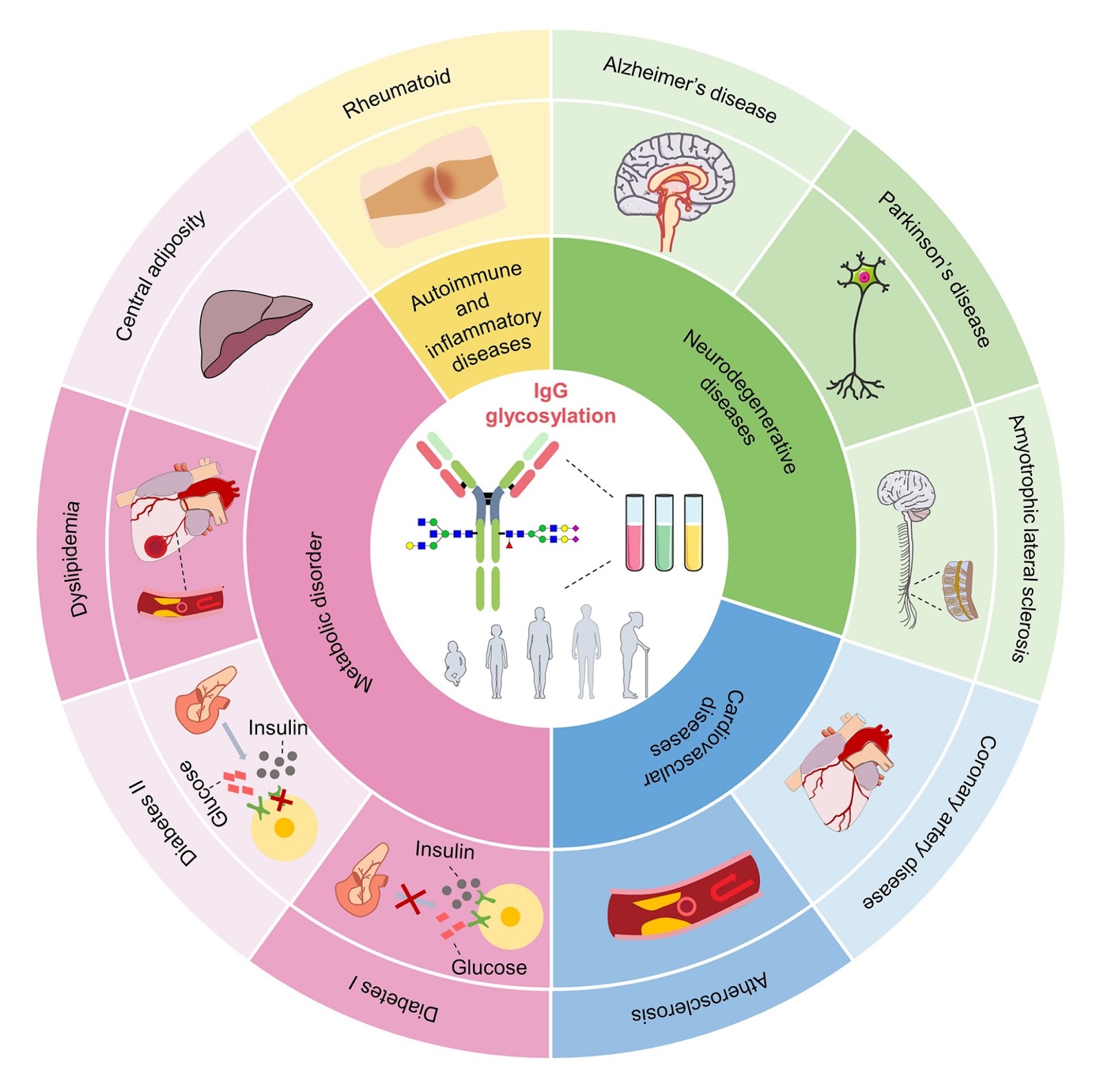
Immunoglobulin G (IgG) is an important serum glycoprotein and a major component of antibodies. Glycans on IgG affect the binding of IgG to the Fc receptor or complement C1q, which in turn affects the biological activity and biological function of IgG. Altered glycosylation patterns on IgG emerge as important biomarkers in the aging process and age-related diseases. Key aging-related alterations observed in IgG glycosylation include reductions in galactosylation and sialylation, alongside increases in agalactosylation, and bisecting GlcNAc. Understanding the role of IgG glycosylation in aging-related diseases offers insights into disease mechanisms and provides opportunities for the development of diagnostic and therapeutic strategies. This review summarizes five aspects of IgG: an overview of IgG, IgG glycosylation, IgG glycosylation with inflammation mediation, IgG glycan changes with normal aging, as well as the relevance of IgG glycan changes to aging-related diseases. This review provides a reference for further investigation of the regulatory mechanisms of IgG glycosylation in aging-related diseases, as well as for evaluating the potential of IgG glycosylation changes as markers of aging and aging-related diseases.

Read Full Abstract10.3724/abbs.2024137
Suppression of pancreatic cancer proliferation through TXNIP-mediated inhibition of the MAPK signaling pathwayGraphical AbstractVerified
Acta Biochimica et Biophysica Sinica

Suppression of pancreatic cancer proliferation through TXNIP-mediated inhibition of the MAPK signaling pathway

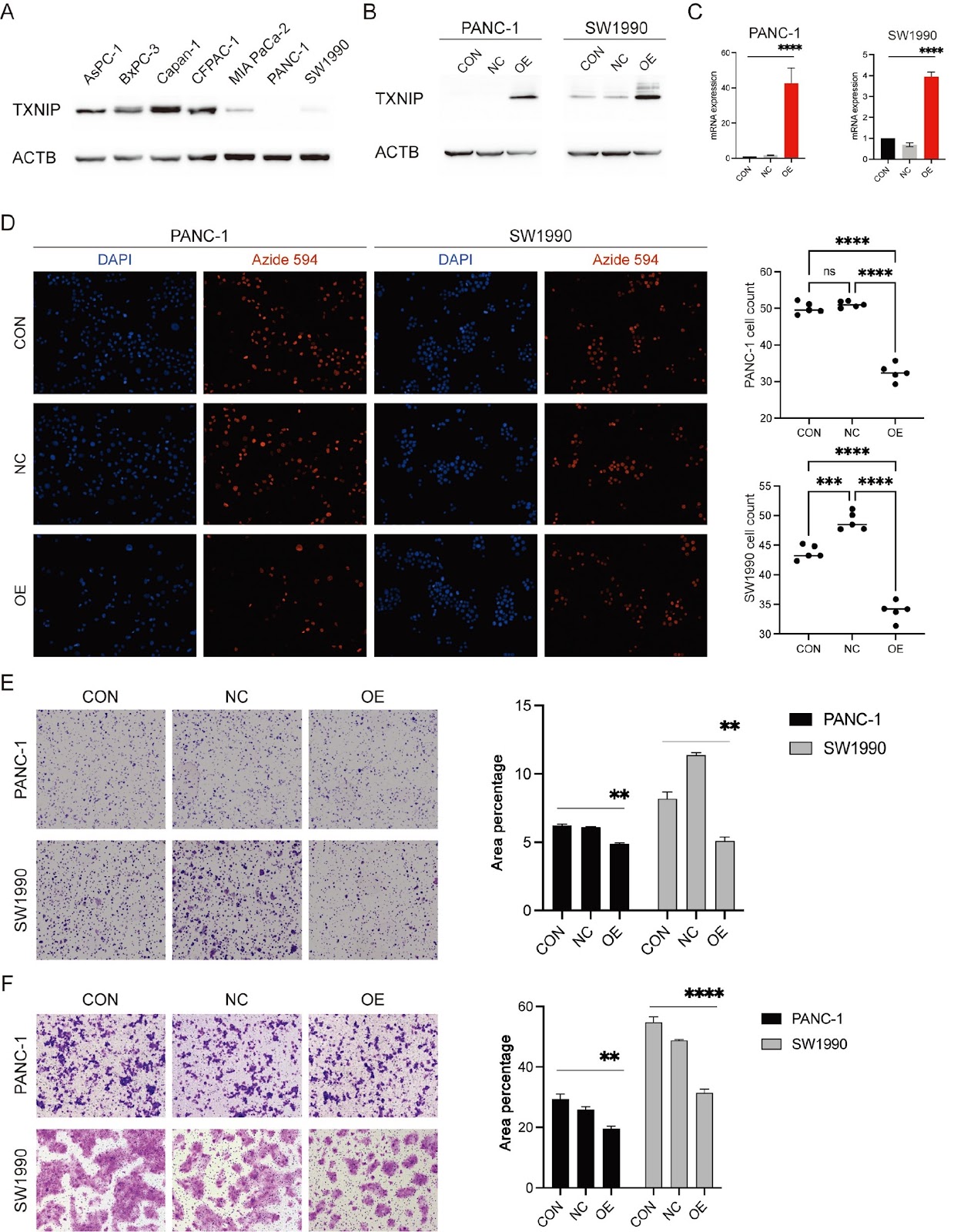
Thioredoxin-interacting protein (TXNIP) is a crucial thioredoxin-binding protein that is recognized as a tumor suppressor in diverse malignancies, such as breast cancer, lung cancer, hepatocellular carcinoma, and thyroid cancer. However, the specific role and molecular mechanisms of TXNIP in the pathogenesis and progression of pancreatic cancer cells have not been determined. In this study, we investigate the relationship between TXNIP expression and overall survival prognosis in pancreatic cancer patients. Mechanistic studies are conducted to reveal the role of TXNIP in pancreatic cancer cell proliferation, migration, and regulation during malignancy. Our findings indicate that patients with high TXNIP expression have a more favorable prognosis. In vitro experiments with pancreatic cell lines show that overexpression of TXNIP suppresses the proliferation and migration of pancreatic cancer cells. Furthermore, we find that TXNIP inhibits the activation of the MAPK signaling pathway, thereby decreasing the malignant potential of pancreatic cancer. In conclusion, our study reveals TXNIP as a promising new predictive marker and therapeutic target for pancreatic cancer.

Read Full Abstract10.3724/abbs.2023286
SPATS2L is a positive feedback regulator of the type I interferon signaling pathway and plays a vital role in lupusGraphical AbstractVerified
Acta Biochimica et Biophysica Sinica

SPATS2L is a positive feedback regulator of the type I interferon signaling pathway and plays a vital role in lupus

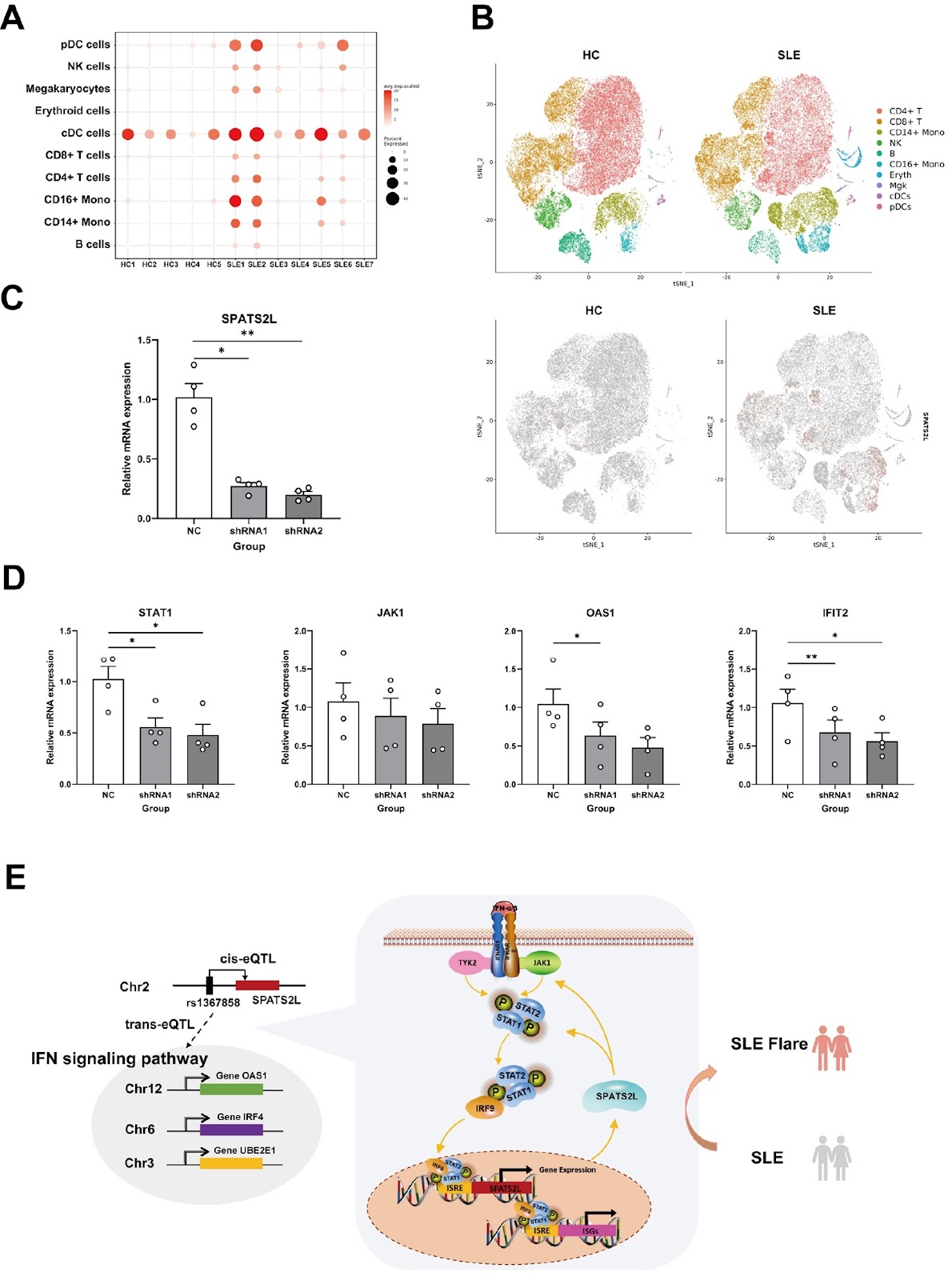
Through genome-wide association studies (GWAS) and integrated expression quantitative trait locus (eQTL) analyses, numerous susceptibility genes (ā€œeGenesā€, whose expressions are significantly associated with common variants) associated with systemic lupus erythematosus (SLE) have been identified. Notably, a subset of these eGenes is correlated with disease activity. However, the precise mechanisms through which these genes contribute to the initiation and progression of the disease remain to be fully elucidated. In this investigation, we initially identify SPATS2L as an SLE eGene correlated with disease activity. eSignaling and transcriptomic analyses suggest its involvement in the type I interferon (IFN) pathway. We observe a significant increase in SPATS2L expression following type I IFN stimulation, and the expression levels are dependent on both the concentration and duration of stimulation. Furthermore, through dual-luciferase reporter assays, western blot analysis, and imaging flow cytometry, we confirm that SPATS2L positively modulates the type I IFN pathway, acting as a positive feedback regulator. Notably, siRNA-mediated intervention targeting SPATS2L, an interferon-inducible gene, in peripheral blood mononuclear cells (PBMCs) from patients with SLE reverses the activation of the interferon pathway. In conclusion, our research highlights the pivotal role of SPATS2L as a positive-feedback regulatory molecule within the type I IFN pathway. Our findings suggest that SPATS2L plays a critical role in the onset and progression of SLE and may serve as a promising target for disease activity assessment and intervention strategies.

Read Full Abstract10.3724/abbs.2024132
Mass spectrometry-based structure-specific N-glycoproteomics and biomedical applicationsGraphical AbstractVerified
Acta Biochimica et Biophysica Sinica

Mass spectrometry-based structure-specific N-glycoproteomics and biomedical applications

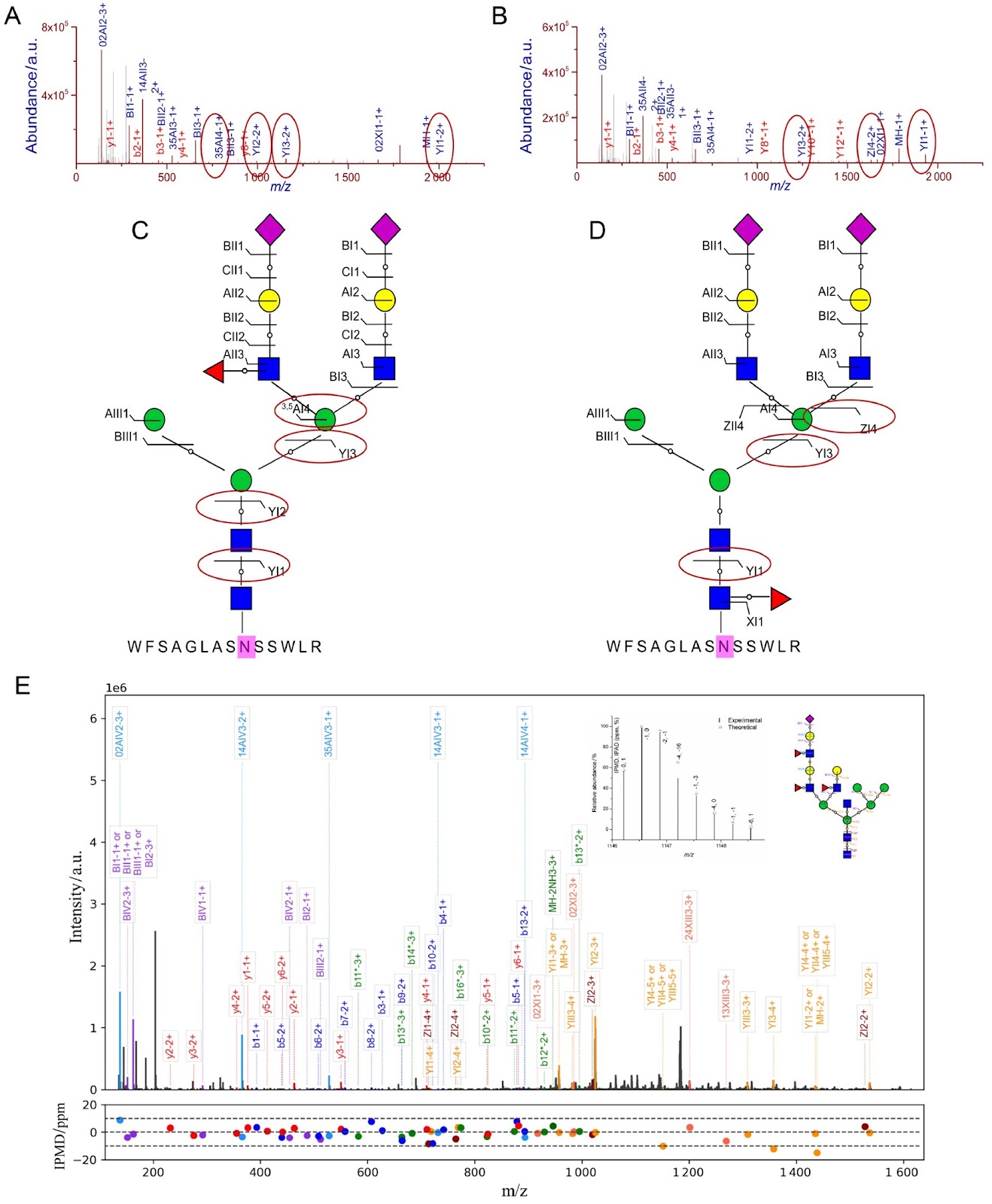
N-linked glycosylation is a common posttranslational modification of proteins that results in macroheterogeneity of the modification site. However, unlike simpler modifications, N-glycosylation introduces an additional layer of complexity with tens of thousands of possible structures arising from various dimensions, including different monosaccharide compositions, sequence structures, linking structures, isomerism, and three-dimensional conformations. This results in additional microheterogeneity of the modification site of N-glycosylation, i.e., the same N-glycosylation site can be modified with different glycans with a certain stoichiometric ratio. N-glycosylation regulates the structure and function of N-glycoproteins in a site- and structure-specific manner, and differential expression of N-glycosylation under disease conditions needs to be characterized through site- and structure-specific quantitative analysis. Numerous advanced methods ranging from sample preparation to mass spectrum analysis have been developed to distinguish N-glycan structures. Chemical derivatization of monosaccharides, online liquid chromatography separation and ion mobility spectrometry enable the physical differentiation of samples. Tandem mass spectrometry further analyzes the macro/microheterogeneity of intact N-glycopeptides through the analysis of fragment ions. Moreover, the development of search engines and AI-based software has enhanced our understanding of the dissociation patterns of intact N-glycopeptides and the clinical significance of differentially expressed intact N-glycopeptides. With the help of these modern methods, structure-specific N-glycoproteomics has become an important tool with extensive applications in the biomedical field.

Read Full Abstract10.3724/abbs.2024133