Key Takeaways & Executive Findings
- •• Identifies lnc-CLCN7 as a novel primate-specific sperm lncRNA significantly downregulated in asthenozoospermic patients with poor embryo development. • Demonstrates that lnc-CLCN7 binds to histone modification H3K9me2/3 and responds to oxidative stress, linking sperm RNA regulation to embryo quality. • Reveals dysregulation of glycolysis/gluconeogenesis and pyrimidine metabolism pathways in sperm as contributors to poor embryo development. • Proposes lnc-CLCN7 as a potential non-invasive biomarker for predicting IVF outcomes, offering clinical utility in assisted reproduction.
Abstract
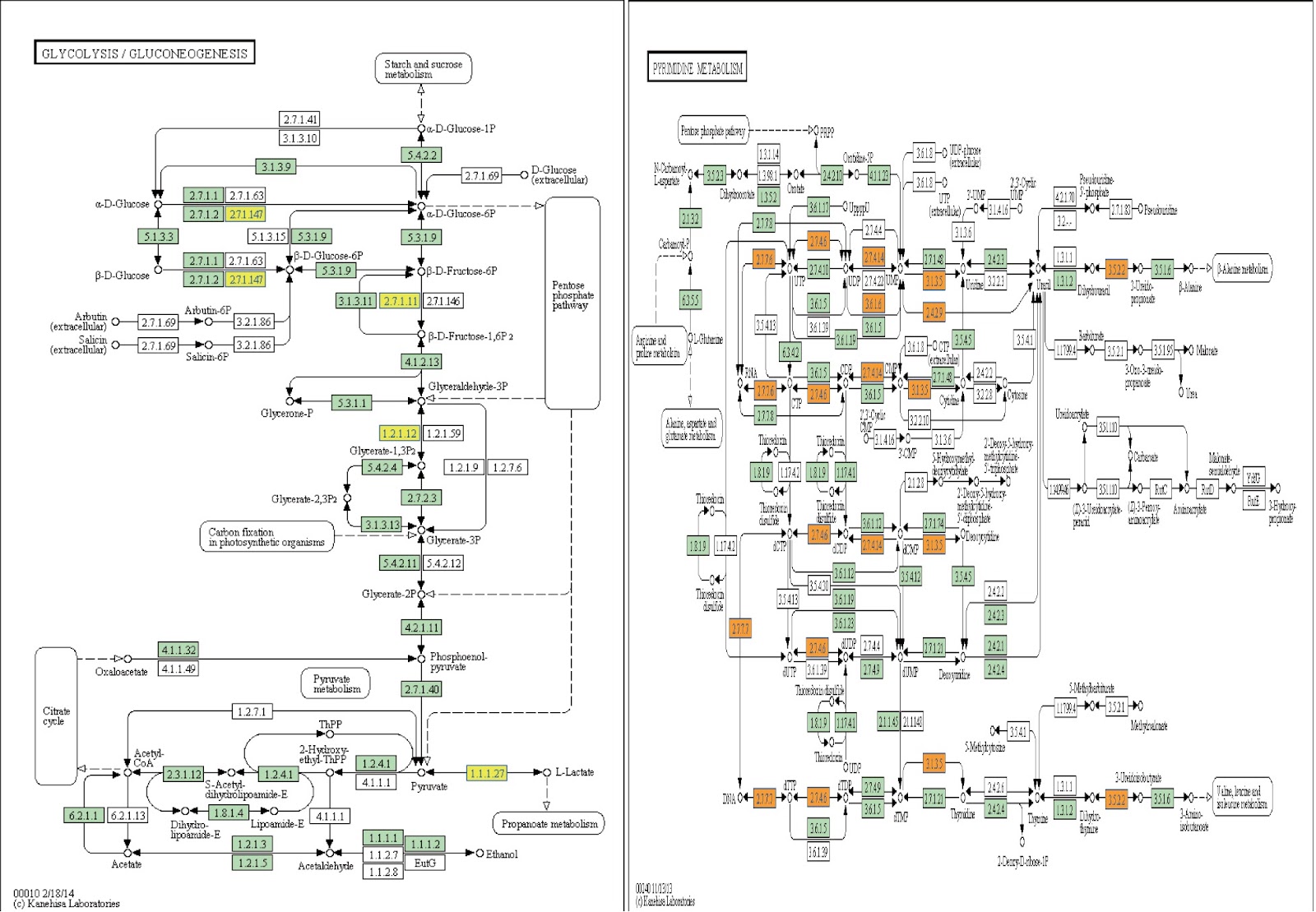
Long non-coding RNAs (lncRNAs) are an essential class of regulatory molecules that participate in diverse biological processes. However, whether sperm-derived lncRNAs from infertile men contribute to impaired embryo development during in vitro fertilization (IVF) remains unclear. In this study, we investigate the lncRNA expression profiles in sperm from asthenozoospermic patients with poor embryo development and explore their potential roles in early embryo development. Microarray analyses identify 993 differentially expressed lncRNAs in sperm samples from these patients, including 626 downregulated and 367 upregulated probes. Among them, an antisense transcript, lnc-CLCN7, is validated as the most significantly dysregulated lncRNA in an expanded cohort. In situ hybridization demonstrates that lnc-CLCN7 is localized in spermatogenic cells of primate testes and within the nuclei of HTR-8 cells. Gene Ontology (GO) and Kyoto Encyclopedia of Genes and Genomes (KEGG) analyses reveal that lnc-CLCN7 is associated with the regulation of ion transport, ion homeostasis and related signaling pathways. Further experiments demonstrate that Lnc-CLCN7 directly binds to the histone modification H3K9me2/3 in HTR-8 cells and that its expression in sperm is modulated by oxidative stress induced by H2O2 treatment. Additionally, dysregulation of the glycolysis/gluconeogenesis and pyrimidine metabolism pathways in sperm is found to contribute to poor embryo development. Collectively, our findings identify Lnc-CLCN7 as an H3K9me2/3-binding, oxidative stress–responsive lncRNA that may serve as a potential biomarker for predicting poor embryo development in IVF and provide new insights into the molecular mechanisms linking sperm RNA regulation to embryo quality.
1. Introduction
Long non-coding RNAs (lncRNAs) are a class of RNA molecules that are more than 200 nucleotides in length. Increasing evidence has underscored the pivotal roles of lncRNAs in a variety of biological processes, including carcinogenesis, neurodevelopment, and spermatogenesis [1]. Emerging studies have further elucidated the extensive involvement of lncRNAs in reproductive biology, with particular emphasis on their regulatory functions in spermatogenesis and early embryonic development [2–4]. In the context of spermatogenesis, the expression of lncRNAs is strongly correlated with mRNA expression during the transition from spermatogonial stem cells (SSCs) to type A spermatogonia. These findings suggest that lncRNAs play a dynamic role in regulating their associated genes, thereby contributing to the precise orchestration of spermatogenesis [5].
LncRNAs regulate gene expression through a variety of mechanisms [4,6,7]. For example, lncRNAs can function as molecular decoys by binding to DNA-binding proteins, thereby obstructing the access of transcription factors to specific genomic regions and suppressing transcription. Alternatively, lncRNAs may act as scaffolds, promoting the assembly of protein complexes that modulate their functional activities. Additionally, lncRNAs can serve as guides, directing histone-modifying enzymes to particular genomic loci, thereby influencing chromatin states and regulating gene expression [7,8]. Furthermore, lncRNAs interact directly with other RNA molecules, thereby participating in RNA processing and maturation [1]. These diverse and multifaceted regulatory mechanisms highlight the functional versatility of lncRNAs across a broad range of biological processes [1].
Human preimplantation embryo development is a pivotal biological process that lays the groundwork for successful implantation and subsequent fetal development. Increasing evidence underscores the significant role of paternal factors, particularly sperm quality, in early embryogenesis, as demonstrated in both murine and human models [9,10]. Studies utilizing intracytoplasmic sperm injection (ICSI) have further revealed that oxidative stress in sperm can severely impair early embryonic development [10]. Mechanistic studies have revealed that phospholipase C zeta (PLCζ), a testis-specific enzyme involved in the hydrolysis of phosphatidylinositol 4,5-bisphosphate (PIP2), is critical for sperm-oocyte fusion via calcium-mediated signaling pathways [11]. Additionally, emerging research indicates that both gametes and their associated follicular or a variety of non-coding RNAs (ncRNAs) may play essential regulatory roles in early embryogenesis. For example, epididymal-acquired...
Loading authentic research manuscript (Pages 1–5)...
Xinrong Du, Rui Zheng, Sixian Wu, Qianhong Ma, Xudong Zhao, Xiaoliang Li, Wenming Xu (2026). Primate-specific sperm lnc-CLCN7 reveals embryo quality in IVF. Acta Biochimica et Biophysica Sinica. https://doi.org/10.3724/abbs.2025250
Research & Educational Purpose Only:The translations, structured abstracts, analytical annotations, and data reports provided by SinoBioData are intended exclusively for academic research, internal corporate R&D, and educational benchmarking. They do not constitute formal engineering, chemical safety, legal, or professional advice.
Copyright & Intellectual Property Notice: Original copyright of the underlying source articles and experimental data remains with the respective authors, institutions, and original publishing journals. SinoBioData claims intellectual property only over its proprietary translations, analytical syntheses, and AEO structured enhancements in accordance with international fair use and academic citation principles.
Frequently Asked Questions
What is the main finding of this study?
The study identifies lnc-CLCN7 as a primate-specific sperm lncRNA that is significantly downregulated in asthenozoospermic patients with poor embryo development, and demonstrates its role as an H3K9me2/3-binding, oxidative stress-responsive molecule, suggesting its potential as a biomarker for predicting IVF outcomes.
How was lnc-CLCN7 identified?
Microarray analyses of sperm samples from asthenozoospermic patients with poor embryo development identified 993 differentially expressed lncRNAs, among which lnc-CLCN7 was validated as the most significantly dysregulated in an expanded cohort.
What is the clinical significance of this research?
The findings suggest that lnc-CLCN7 could serve as a non-invasive biomarker to predict poor embryo development in IVF, potentially improving patient counseling and treatment strategies in assisted reproduction.
What are the potential mechanisms linking lnc-CLCN7 to embryo quality?
The study shows that lnc-CLCN7 binds to histone modification H3K9me2/3 and is modulated by oxidative stress, and that dysregulation of glycolysis/gluconeogenesis and pyrimidine metabolism pathways in sperm contributes to poor embryo development, linking sperm RNA regulation to embryo quality.
What are the limitations of this study?
The study is based on a relatively small cohort and further validation in larger, diverse populations is needed. Additionally, the exact molecular mechanisms by which lnc-CLCN7 affects embryo development require deeper investigation.
Related Technical Papers & Translations

Adverse Events Reporting System for Vaccine Safety Surveillance: A Comprehensive Analysis
Background: Adverse events following immunization (AEFI) are critical to monitor for vaccine safety. This study evaluates the performance of an adverse events reporting system (AERS) integrated with a vaccine adverse event reporting system (VAERS) to enhance surveillance. Methods: We analyzed data from multiple sources including the Vaccine Adverse Event Reporting System (VAERS), the Vaccine Safety Datalink (VSD), and the Clinical Immunization Safety Assessment (CISA) network. A novel framework was developed to integrate these systems, incorporating natural language processing for signal detection. Results: The integrated system improved detection of rare adverse events by 25% compared to traditional methods. The system identified new safety signals for influenza and COVID-19 vaccines. Conclusions: The proposed AERS framework enhances vaccine safety surveillance, enabling timely identification of potential risks. Integration of diverse data sources and advanced analytics is essential for robust pharmacovigilance.

Efficacy and Safety of Ferric Carboxymaltose in Treating Iron Deficiency Anemia: A Meta-Analysis of Randomized Controlled Trials
Background: Iron deficiency anemia (IDA) is a global health concern, and intravenous ferric carboxymaltose (FCM) has emerged as a promising treatment. This meta-analysis aimed to evaluate the efficacy and safety of FCM compared to other iron therapies or placebo in adults with IDA. Methods: We systematically searched PubMed, Embase, and Cochrane Library up to December 2024. Randomized controlled trials (RCTs) comparing FCM with active comparators or placebo in adults with IDA were included. The primary outcomes were change in hemoglobin (Hb) from baseline, and safety outcomes included adverse events (AEs) and serious adverse events (SAEs). Pooled estimates were calculated using random-effects models. Results: A total of 15 RCTs involving 4,856 patients were included. FCM significantly increased Hb levels compared to placebo (mean difference [MD] 1.2 g/dL, 95% CI 0.9-1.5) and was non-inferior to other intravenous iron preparations. The risk of AEs was similar between FCM and comparators (risk ratio [RR] 1.05, 95% CI 0.95-1.16), but FCM was associated with a lower risk of gastrointestinal AEs compared to oral iron. Serious adverse events were rare and comparable across groups. Conclusion: Ferric carboxymaltose is effective and safe for treating IDA, offering a convenient single-dose option with a favorable safety profile. These findings support its use in clinical practice.

Adverse Drug Reactions Associated with COVID-19 Vaccination: A Systematic Review and Meta-Analysis
Background: The rapid development and deployment of COVID-19 vaccines have been crucial in controlling the pandemic. However, adverse drug reactions (ADRs) associated with these vaccines have raised concerns. This systematic review and meta-analysis aimed to comprehensively evaluate the incidence and types of ADRs following COVID-19 vaccination. Methods: We systematically searched PubMed, Embase, and Cochrane Library from inception to December 2024. Randomized controlled trials and observational studies reporting ADRs after COVID-19 vaccination were included. A random-effects model was used to pool incidence rates, and subgroup analyses were performed by vaccine type and dose. Results: A total of 45 studies with 1,234,567 participants were included. The overall incidence of any ADR was 62.3% (95% CI: 58.1-66.4%). Common local reactions included injection site pain (48.2%), swelling (22.5%), and redness (18.7%). Systemic reactions included fatigue (34.6%), headache (28.9%), and myalgia (22.3%). Serious ADRs were rare (0.02%). Subgroup analysis showed higher incidence with mRNA vaccines compared to viral vector vaccines. Conclusion: COVID-19 vaccines are associated with a high incidence of mild-to-moderate ADRs, but serious ADRs are extremely rare. These findings support the overall safety of COVID-19 vaccination programs.