 Graphical AbstractVerified
Chinese Traditional and Herbal Drugs
Example Research Paper Title
This is an example abstract.
Read Full Abstract10.1000/example
Browse complete peer-reviewed translations from top Chinese biomedical, oncology, and genomics journals. Read verified previews and download full authentic clinical reports.
Showing 6 of 1542 peer-reviewed translated articles (Page 65 of 65)
Graphical AbstractVerifiedThis is an example abstract.
 Graphical AbstractVerified
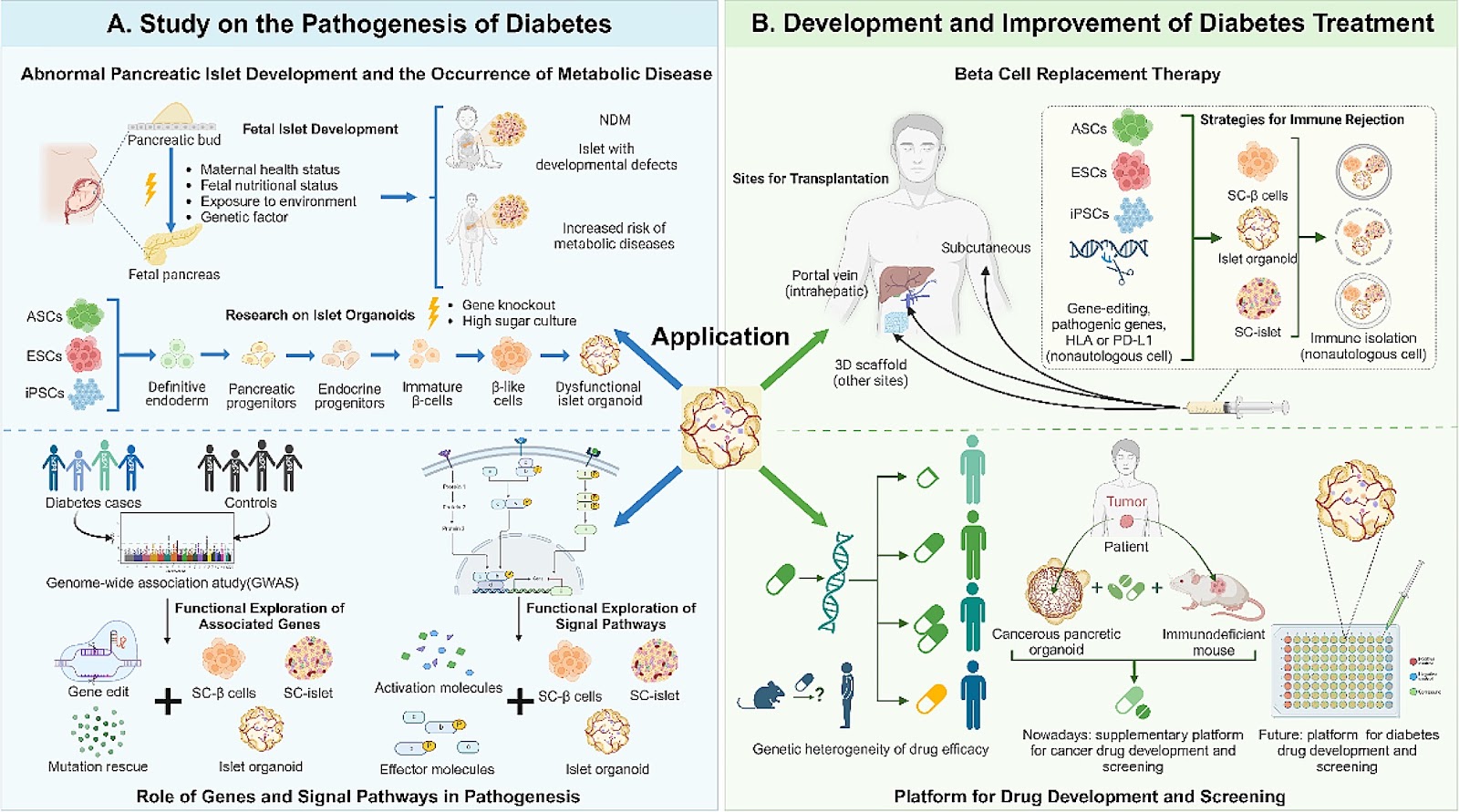
Diabetes mellitus, a significant global public health challenge, severely impacts human health worldwide. The organoid, an innovative in vitro three-dimensional (3D) culture model, closely mimics tissues or organs in vivo. Insulin-secreting islet organoid, derived from stem cells induced in vitro with 3D structures, has emerged as a potential alternative for islet transplantation and as a possible disease model that mirrors the human body’s in vivo environment, eliminating species difference. This technology has gained considerable attention for its potential in diabetes treatment. Despite advances, the process of stem cell differentiation into islet organoid and its cultivation demonstrates deficiencies, prompting ongoing efforts to develop more efficient differentiation protocols and 3D biomimetic materials. At present, the constructed islet organoid exhibit limitations in their composition, structure, and functionality when compared to natural islets. Consequently, further research is imperative to achieve a multi-tissue system composition and improved insulin secretion functionality in islet organoid, while addressing transplantation-related safety concerns, such as tumorigenicity, immune rejection, infection, and thrombosis. This review delves into the methodologies and strategies for constructing the islet organoid, its application in diabetes treatment, and the pivotal scientific challenges within organoid research, offering fresh perspectives for a deeper understanding of diabetes pathogenesis and the development of therapeutic interventions.
 Graphical AbstractVerified
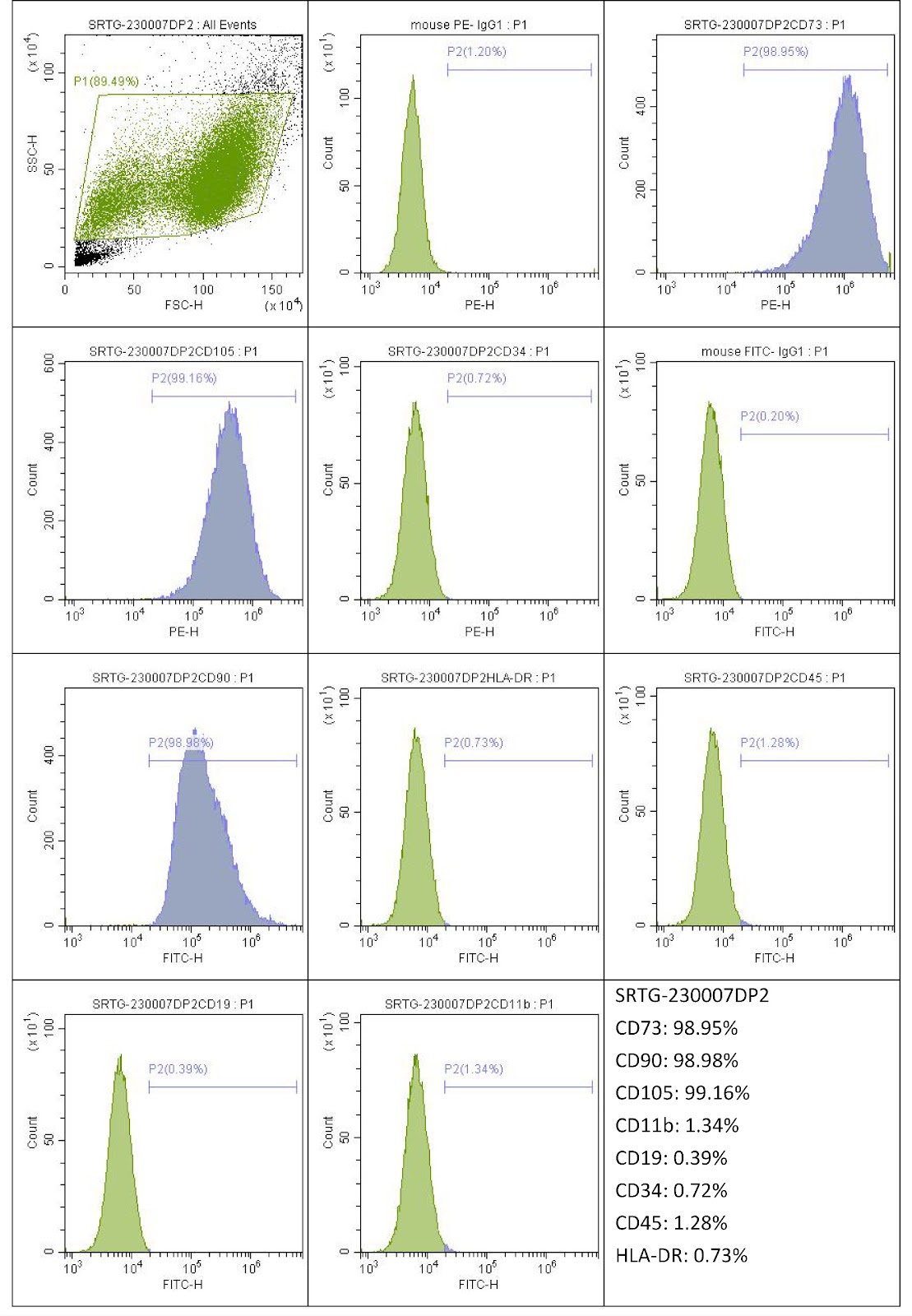
Background Eosinophilic granulomatosis with polyangiitis (EGPA), a rare but life-threatening systemic vasculitis, is distinguished by marked eosinophilia and presents with diverse symptoms, including asthma, cutaneous purpura, ecchymosis, skin necrosis, cardiac lesions, peripheral neuropathy, and necrotizing vasculitis. The etiology of EGPA involves a complex interaction among humoral, adaptive, innate, and allergic immune responses. Standard treatment employs prolonged high-dose glucocorticoid therapy, which is critical for survival; however, some patients’ symptoms cannot be relieved. Case report This case report details the medical management of an 11-year-old patient with EGPA, who was at risk of bilateral lower limb amputation due to differential arterial occlusion and severe, necrotizing vasculitis-induced gangrene in both feet. Treatment modalities administered included systemic infusion of Umbilical Cord Mesenchymal Stem Cells (UC-MSCs), targeted gastrocnemius muscle injections, and application of a Placenta-Derived Mesenchymal Stem Cells (PD-MSCs) hydrogel. Results After receiving a four-month regimen of allogeneic mesenchymal stem cell therapy via intravenous and local administration, the patient showed normalized eosinophil counts, reestablished blood flow in the dorsal arteries, and marked improvement in foot ulcerations. Conclusion Mesenchymal stem cell therapy is a promising option for severe EGPA cases refractory to glucocorticoids.
 Graphical AbstractVerified
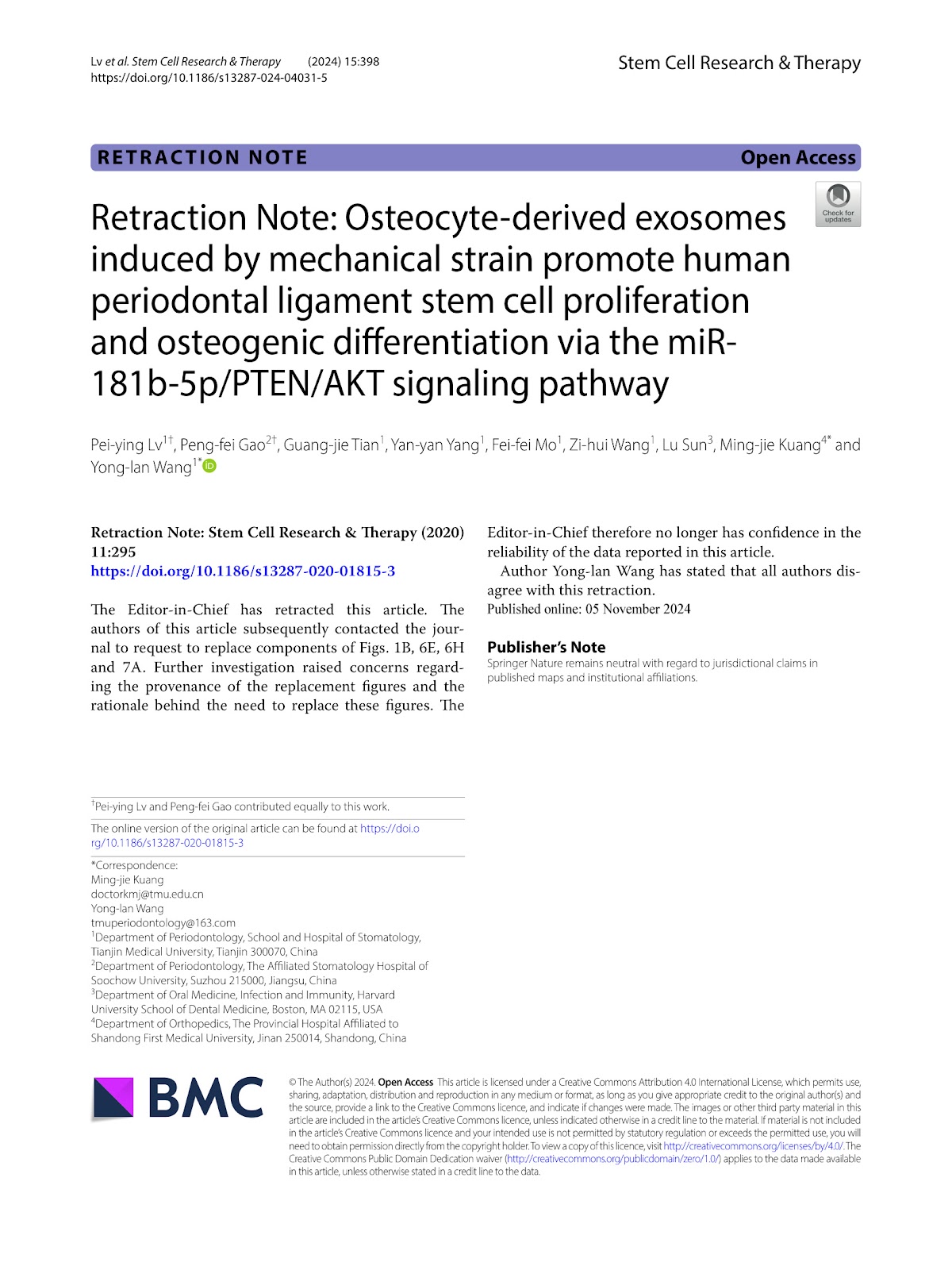
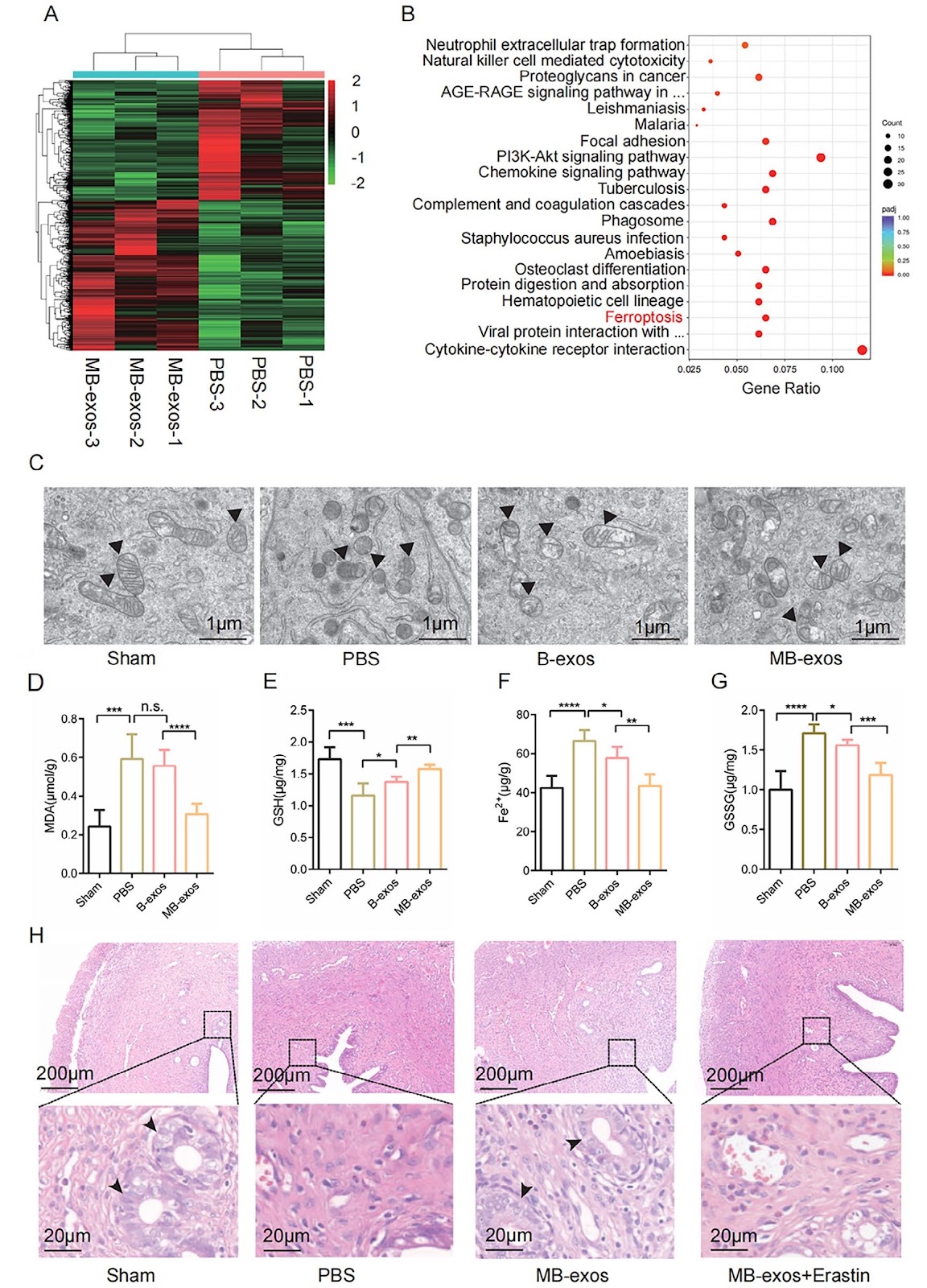
The Editor-in-Chief has retracted this article. The authors of this article subsequently contacted the journal to request to replace components of Figs. 1B, 6E, 6H and 7A. Further investigation raised concerns regarding the provenance of the replacement figures and the rationale behind the need to replace these figures. The Editor-in-Chief therefore no longer has confidence in the reliability of the data reported in this article. Author Yong-lan Wang has stated that all authors disagree with this retraction.
 Graphical AbstractVerified
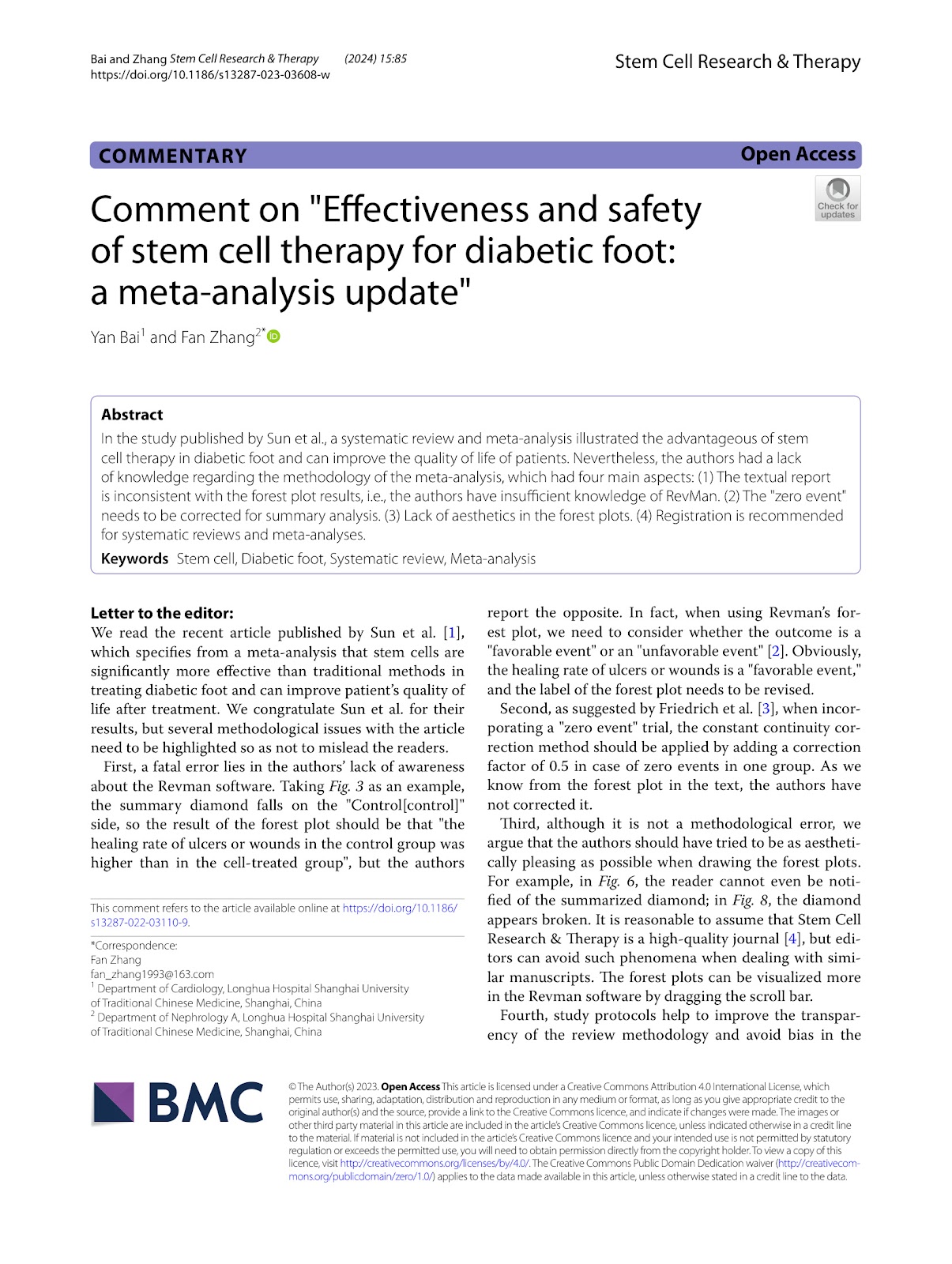
In the study published by Sun et al., a systematic review and meta-analysis illustrated the advantageous of stem cell therapy in diabetic foot and can improve the quality of life of patients. Nevertheless, the authors had a lack of knowledge regarding the methodology of the meta-analysis, which had four main aspects: (1) The textual report is inconsistent with the forest plot results, i.e., the authors have insufficient knowledge of RevMan. (2) The "zero event" needs to be corrected for summary analysis. (3) Lack of aesthetics in the forest plots. (4) Registration is recommended for systematic reviews and meta-analyses.
 Graphical AbstractVerified
The original article erroneously presents an overlapping artefact in Fig. 2H; the corrected figure can be viewed ahead in this Correction article.