🧬 SinoBioData Academic Portal
📚 Peer-Reviewed Translated Literature

All Biomedical & Clinical Articles (Page 61)

Browse complete peer-reviewed translations from top Chinese biomedical, oncology, and genomics journals. Read verified previews and download full authentic clinical reports.

Published Research Papers

Showing 24 of 1542 peer-reviewed translated articles (Page 61 of 65)

LINC00365 promotes miR-221-5p to inhibit pyroptosis via Dicer in colorectal cancerGraphical AbstractVerified
Acta Biochimica et Biophysica Sinica

LINC00365 promotes miR-221-5p to inhibit pyroptosis via Dicer in colorectal cancer

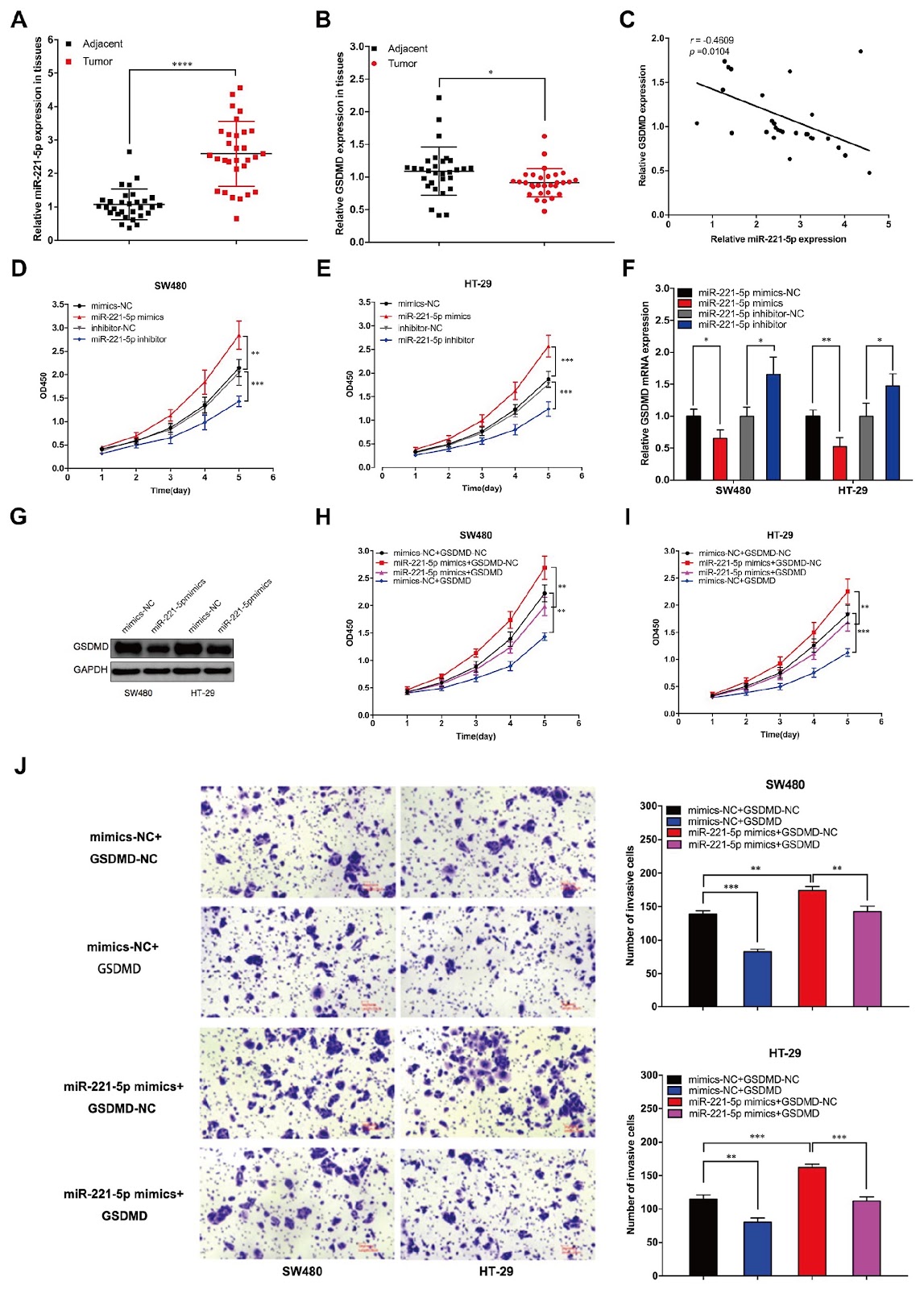
Pyroptosis, a newly discovered form of programmed cell death, is involved in the occurrence, development and drug resistance of a variety of tumors and has attracted increasing attention in recent years. LINC00365 is a novel lncRNA that has rarely been reported before. We previously reported that LINC00365 expression in colorectal cancer is closely associated with poor patient outcomes. Additionally, LINC00365 was confirmed to be positively correlated with miR-221-5p, and miR-221-5p is negatively correlated with gasdermin-D (GSDMD) in colorectal cancer tissues. Bioinformatics analysis and luciferase reporter gene experiments revealed that GSDMD is the target gene of miR-221-5p. Cell function experiments and nude mouse tumor transplantation assays confirmed that LINC00365 could regulate the expressions of pyroptosis-related proteins such as Caspase-1, Caspase-11, NLRP3 and GSDMD. RNA pulldown and RNA immunoprecipitation experiments further elucidated the mechanism by which LINC00365 regulates miR-221-5p. In the present study, we observe that LINC00365 promotes the expression of miR-221-5p by binding to the Dicer enzyme to inhibit GSDMD and plays an antipyroptotic role. Our findings suggest that LINC00365 may serve as a molecular biomarker for estimating the prognosis of patients with colorectal cancer and as a potential therapeutic target for colorectal cancer.
Read Full Abstract10.3724/abbs.2024173
miR-34b-3p-mediated regulation of STC2 and FN1 enhances chemosensitivity and inhibits proliferation in cervical cancerGraphical AbstractVerified
Acta Biochimica et Biophysica Sinica

miR-34b-3p-mediated regulation of STC2 and FN1 enhances chemosensitivity and inhibits proliferation in cervical cancer

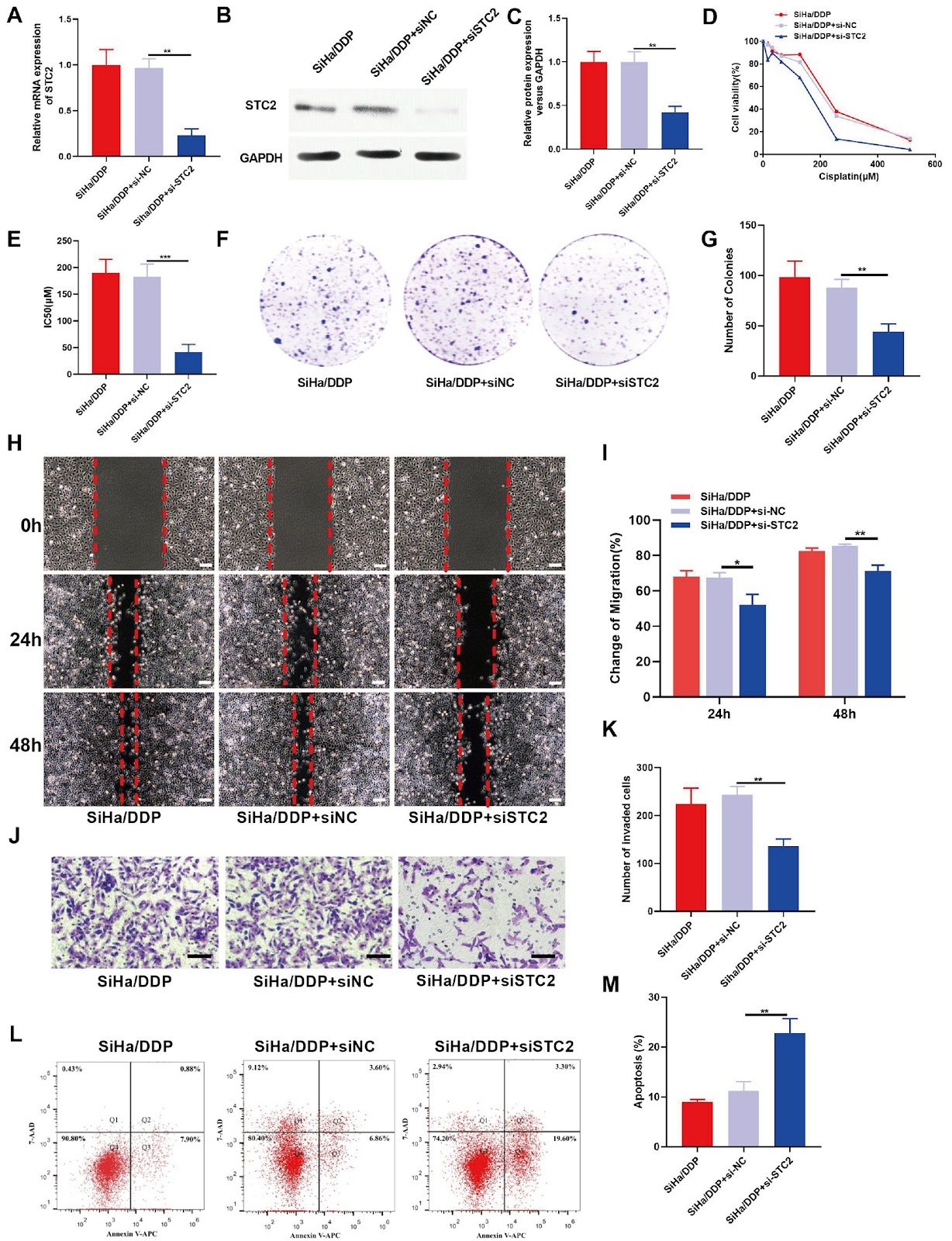
Dysregulation of microRNA (miRNA) expression in cancer is a significant factor contributing to the progression of chemoresistance. The objective of this study is to explore the underlying mechanisms by which miR-34b-3p regulates chemoresistance in cervical cancer (CC). Previous findings have demonstrated low expression levels of miR-34b-3p in both CC chemoresistant cells and tissues. In this study, we initially characterize the behavior of SiHa/DDP cells which are CC cells resistant to the chemotherapeutic drug cisplatin (DDP). Subsequently, miR-34b-3p mimics are transfected into SiHa/DDP cells. It is observed that overexpression of miR-34b-3p substantially inhibits the proliferation, migration, and invasion abilities of SiHa/DDP cells and also enhances their sensitivity to DDP-induced cell death. Quantitative RT-PCR and western blot analysis further reveal elevated expression levels of STC2 and FN1 in SiHa/DDP cells, contrary to the expression pattern of miR-34b-3p. Moreover, STC2 and FN1 contribute to DDP resistance, proliferation, migration, invasion, and decreased apoptosis in CC cells. Through dual-luciferase assay analysis, we confirm that STC2 and FN1 are direct targets of miR-34b-3p in CC. Finally, rescue experiments demonstrate that overexpression of either STC2 or FN1 can partially reverse the inhibitory effects of miR-34b-3p overexpression on chemoresistance, proliferation, migration and invasion in CC cells. In conclusion, our findings support the role of miR-34b-3p as a tumor suppressor in CC. This study indicates that targeting the miR-34b-3p/STC2 or FN1 axis has potential therapeutic implications for overcoming chemoresistance in CC patients.

Read Full Abstract10.3724/abbs.2024009
O-GlcNAcylation determines the function of the key O-GalNAc glycosyltransferase C1GalT1 in bladder cancerGraphical AbstractVerified
Acta Biochimica et Biophysica Sinica

O-GlcNAcylation determines the function of the key O-GalNAc glycosyltransferase C1GalT1 in bladder cancer

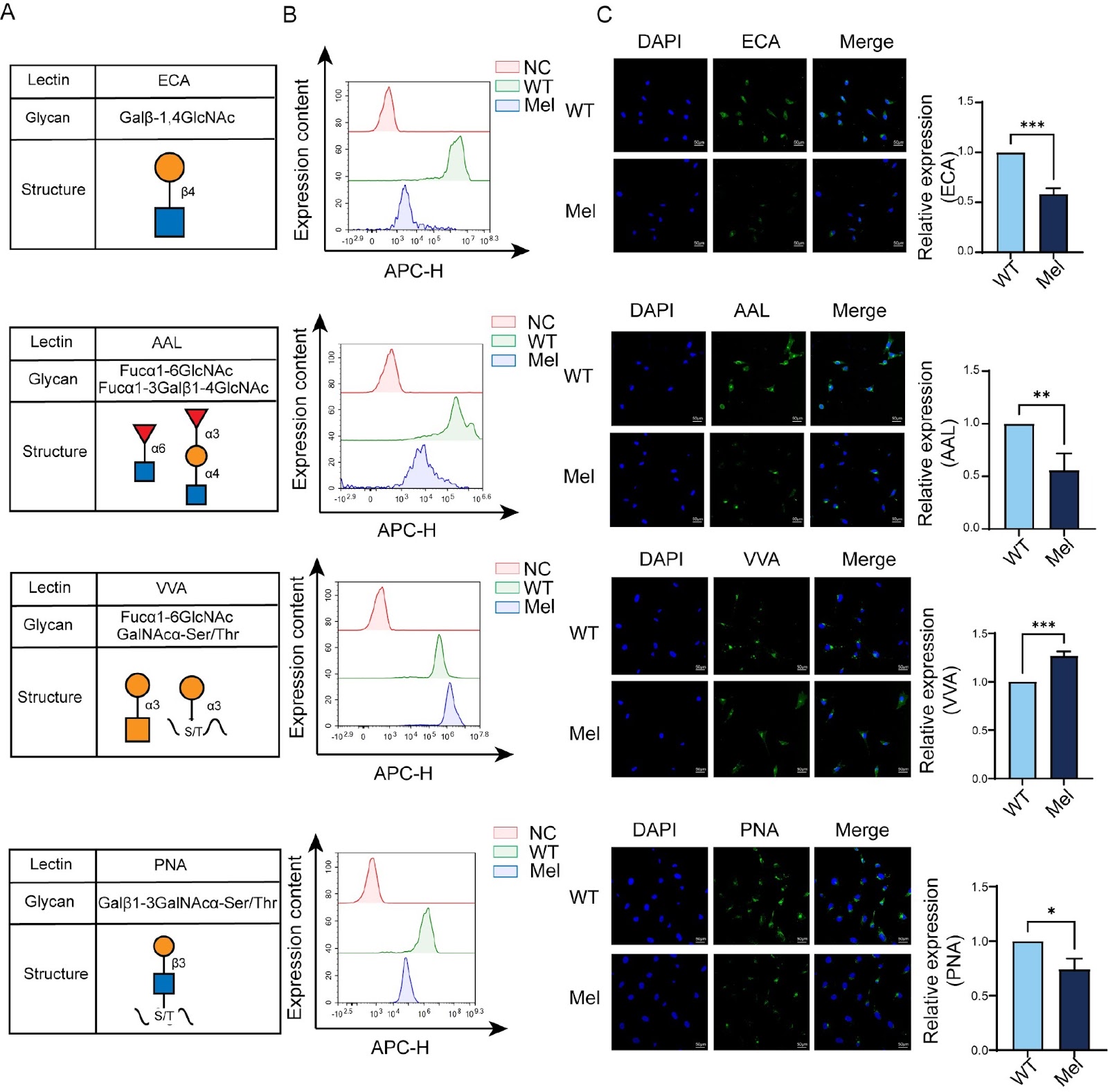
Protein glycosylation is a type of protein post-translational modification. One specific example is the modification of proteins with O-linked β-N-acetylglucosamine (O-GlcNAc) and O-linked α-N-acetylgalactosamine (O-GalNAc). Enhanced levels of both O-GalNAc and O-GlcNAc in bladder cancer (BlCa) have been reported previously. However, the interplay between O-GalNAc and O-GlcNAc has yet to be explored. Herein, we find that the expression level of core1 β-1,3-galactosyltransferase (C1GalT1), which is responsible for extending and maturing mucin-type O-glycans, is increased in BlCa. This increase is accompanied by O-GlcNAc modification of C1GalT1. This modification stabilizes C1GalT1 expression and strengthens its interaction with its chaperone Cosmc. Mutation at Thr229 or Thr233 attenuates C1GalT1 stability and facilitates its degradation via the proteasome pathway. Furthermore, a decrease in C1GalT1 inhibits the pro-tumorigenic effect on bladder cancer cells by suppressing glycolysis.

Read Full Abstract10.3724/abbs.2024129
A traditional formula of aconitum complex alleviates post-ischemic stroke by improving neural functionGraphical AbstractVerified
Acta Biochimica et Biophysica Sinica

A traditional formula of aconitum complex alleviates post-ischemic stroke by improving neural function

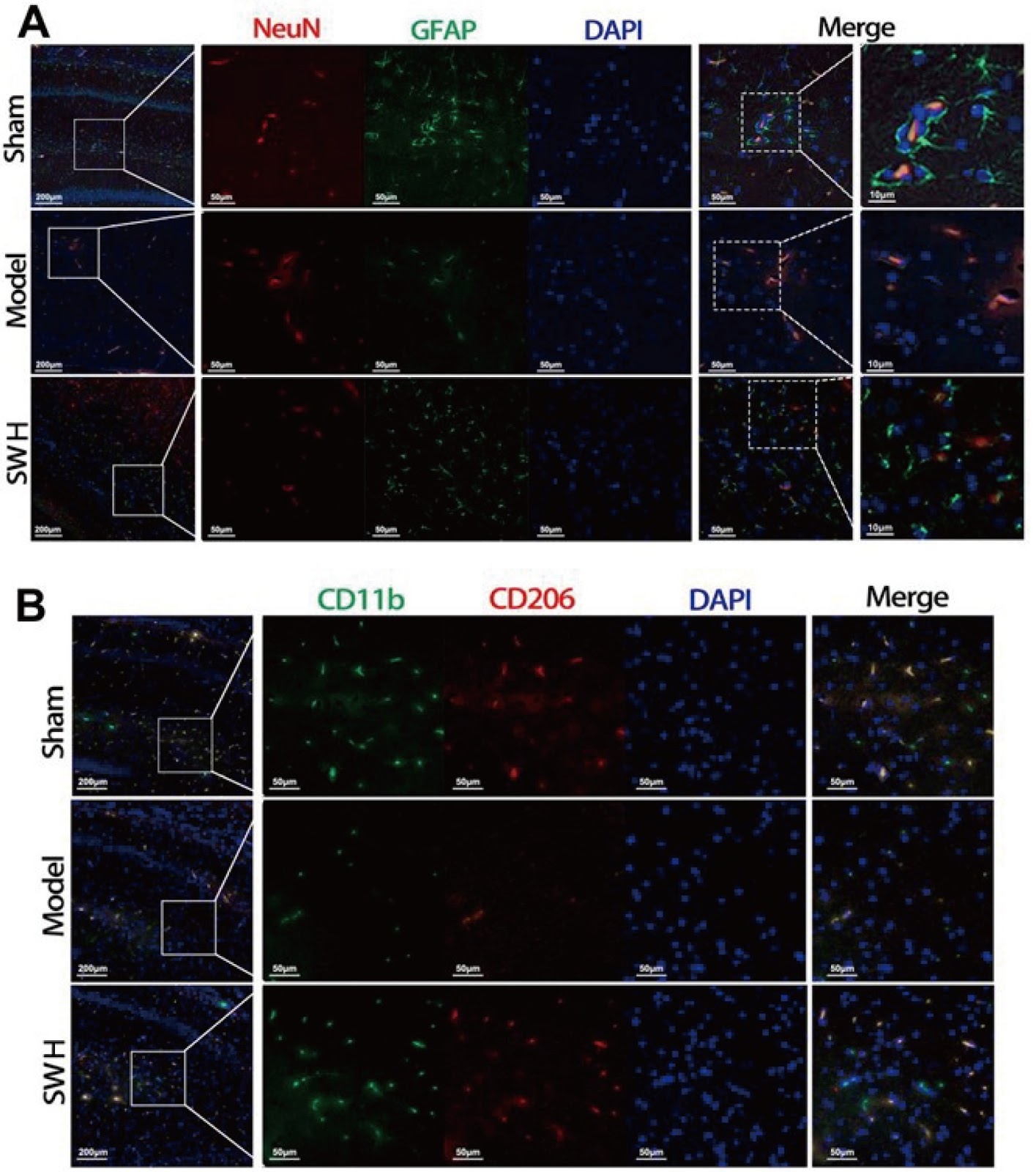
Stroke is the second leading cause of death worldwide, with ischemic strokes accounting for 60%–70% of cases in China. Current treatments focus on restoring neuron function, but effective therapies for post-ischemic stroke remain limited. Sanwu Jiao (SW), a traditional formula of aconitum complex from Yi ethnic medicine, has shown potential in improving hemiplegia in post-ischemic stroke patients. This study investigated the effects and pharmacological mechanism of SW in a rat model of middle cerebral artery occlusion (MCAO). Rats were treated with SW at three doses (450, 900, 1800 mg/kg/day) or NBP (positive control) for 14 days. Results showed that SW significantly improved neurological severity scores and motor function, reduced cerebral edema and infarction, and ameliorated neuronal and neuroglial injury, as indicated by increased GFAP expression and M2 microglia activation. These findings suggest that SW may be a promising therapeutic agent for post-ischemic stroke.

Read Full Abstract10.3724/abbs.2023291
Inducible Fgf13 ablation alleviates cardiac fibrosis via regulation of microtubule stabilityGraphical AbstractVerified
Acta Biochimica et Biophysica Sinica

Inducible Fgf13 ablation alleviates cardiac fibrosis via regulation of microtubule stability

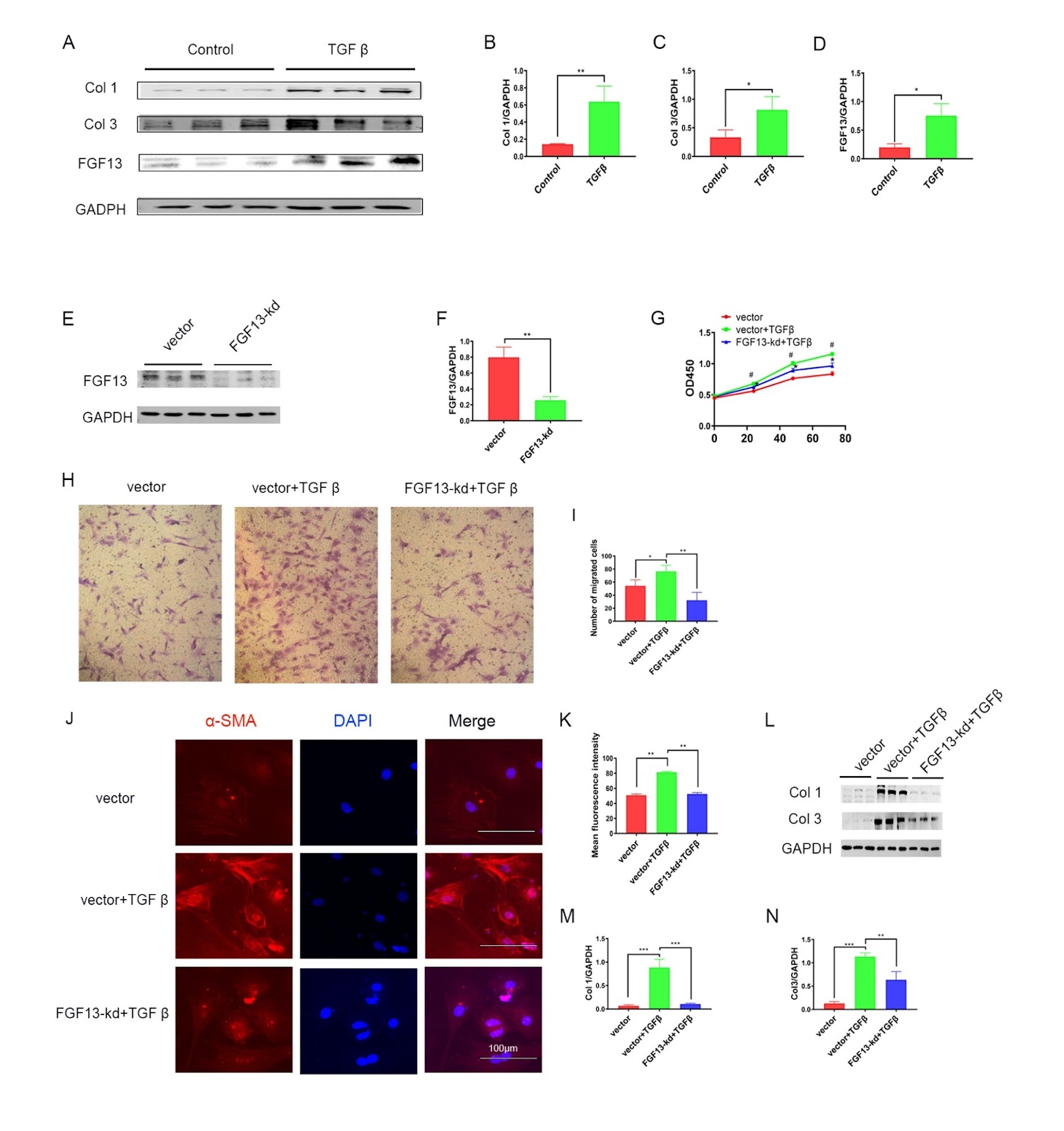
Fibroblast growth factor (FGF) isoform 13, a distinct type of FGF, boasts significant potential for therapeutic intervention in cardiovascular dysfunctions. However, its impact on regulating fibrosis remains unexplored. This study aims to elucidate the role and mechanism of FGF13 on cardiac fibrosis. Here, we show that following transverse aortic constriction (TAC) surgery, interstitial fibrosis and collagen content increase in mice, along with reduced ejection fraction and fractional shortening, augmented heart mass. However, following Fgf13 deletion, interstitial fibrosis is decreased, ejection fraction and fractional shortening are increased, and heart mass is decreased, compared with those in the TAC group. Mechanistically, incubation of cardiac fibroblasts with transforming growth factor β (TGFβ) increases the expressions of types I and III collagen proteins, as well as α-smooth muscle actin (α-SMA) proteins, and enhances fibroblast proliferation and migration. In the absence of Fgf13, the expressions of these proteins are decreased, and fibroblast proliferation and migration are suppressed, compared with those in the TGFβ-stimulated group. Overexpression of FGF13, but not FGF13 mutants defective in microtubule binding and stabilization, rescues the decrease in collagen and α-SMA protein and weakens the proliferation and migration function of the Fgf13 knockdown group. Furthermore, Fgf13 knockdown decreases ROCK protein expression via microtubule disruption. Collectively, cardiac Fgf13 knockdown protects the heart from fibrosis in response to haemodynamic stress by modulating microtubule stabilization and ROCK signaling pathway.

Read Full Abstract10.3724/abbs.2024075
PRMT1 alleviates isoprenaline-induced myocardial hypertrophy by methylating SRSF1Graphical AbstractVerified
Acta Biochimica et Biophysica Sinica

PRMT1 alleviates isoprenaline-induced myocardial hypertrophy by methylating SRSF1

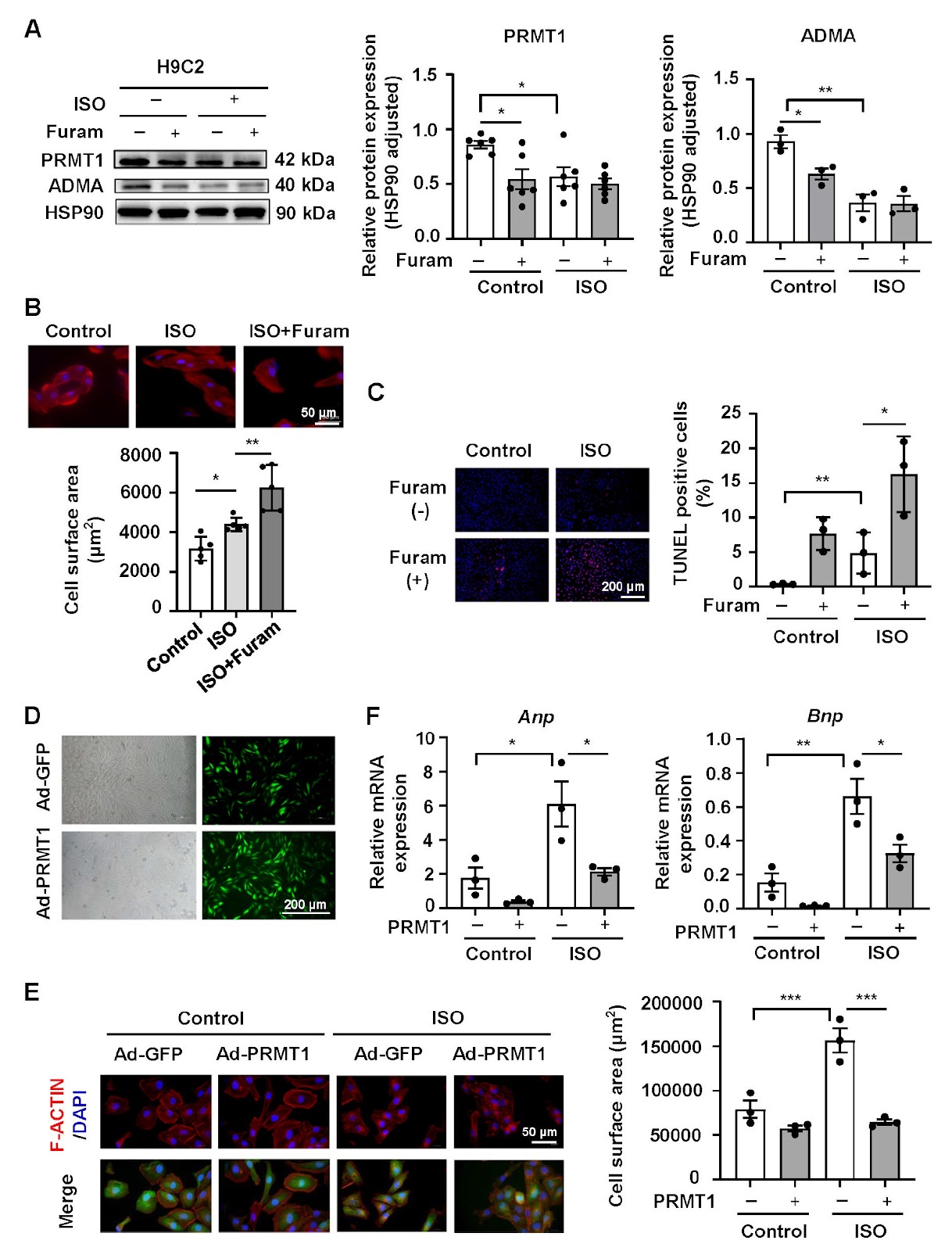
Myocardial hypertrophy (MH) is an important factor contributing to severe cardiovascular disease. Previous studies have demonstrated that specific deletion of the protein arginine methyltransferase 1 (PRMT1) leads to MH, but the exact mechanism remains unclear. Serine/arginine-rich splicing factor 1 (SRSF1) affects the development and progression of cardiovascular disease by selectively splicing downstream signaling proteins. The present study is designed to determine whether PRMT1 is involved in MH by regulating SRSF1 and, if so, to explore the underlying mechanisms. Adult male mice and H9C2 cardiomyocytes are treated with isoprenaline (ISO) to establish MH models. The expression levels of PRMT1 are significantly decreased in the ISO-induced MH models, and inhibiting PRMT1 worsens MH, whereas overexpression of PRMT1 ameliorates MH. SRSF1 serves as the downstream target of PRMT1, and its expression is markedly elevated in MH. Moreover, SRSF1 increases the mRNA expressions of CaMKIIδ A and CaMKIIδ B, decreases the mRNA expression of CaMKIIδ C by altering the selective splicing of CaMKIIδ, and further participates in MH. In addition, there is an interaction between PRMT1 and SRSF1, whereby PRMT1 reduces the phosphorylation level of SRSF1 via methylation, thus further altering its functional activity and eventually improving MH. Our present study demonstrates that PRMT1 relieves MH by methylating SRSF1, which is expected to provide a new theoretical basis for the pathogenic mechanism of MH and potential drug targets for reducing MH and associated cardiovascular disease.

Read Full Abstract10.3724/abbs.2024175
Rutaecarpine ameliorates imiquimod-induced psoriasis-like dermatitis in mice associated with alterations in the gut microbiotaGraphical AbstractVerified
Acta Biochimica et Biophysica Sinica

Rutaecarpine ameliorates imiquimod-induced psoriasis-like dermatitis in mice associated with alterations in the gut microbiota

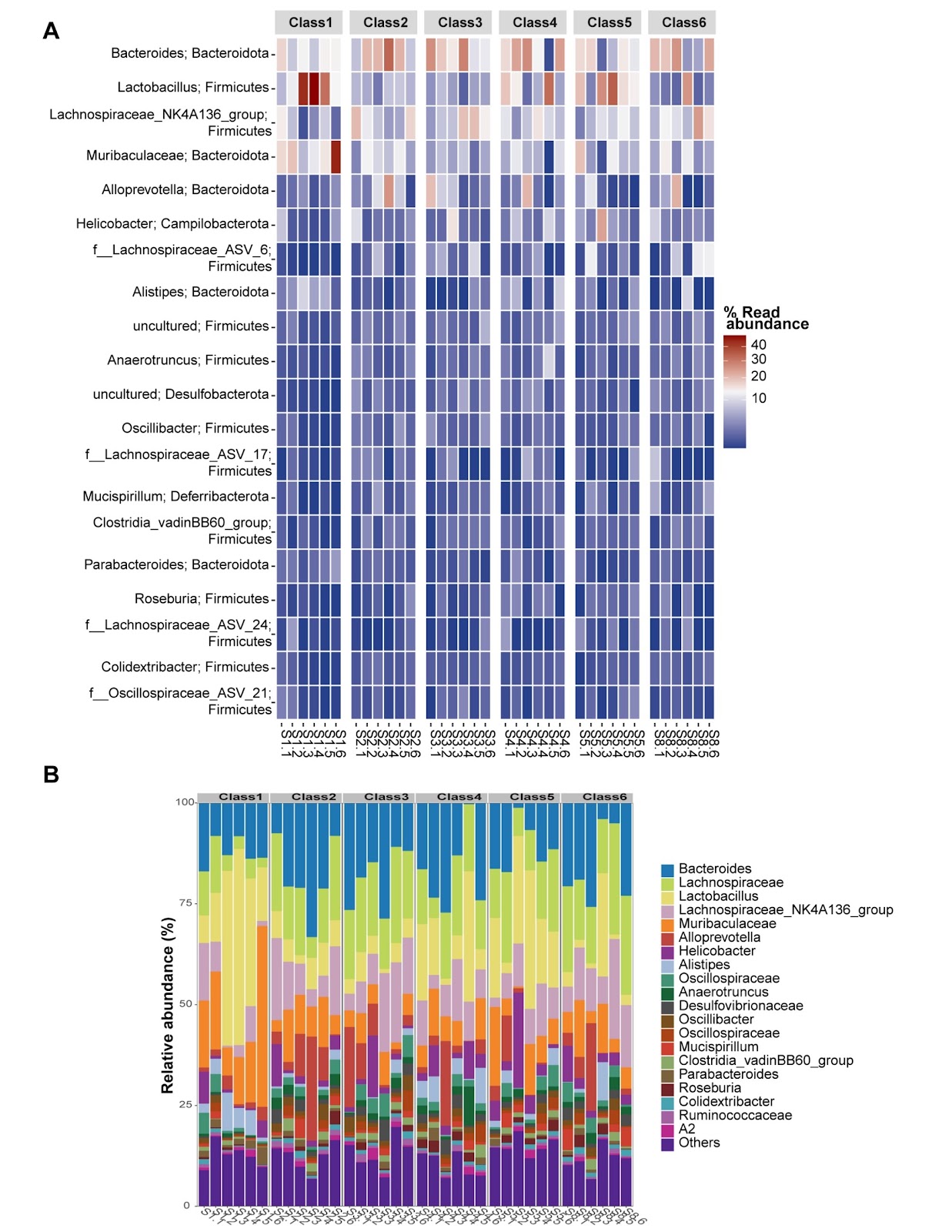
Psoriasis is accepted as a chronic, inflammatory, immune-mediated skin disease triggered by complex environmental and genetic factors. For a long time, disease recurrence, drug rejection, and high treatment costs have remained enormous challenges and burdens to patients and clinicians. Natural products with effective immunomodulatory and anti-inflammatory activities from medicinal plants have the potential to combat psoriasis and complications. Herein, an imiquimod (IMQ)-induced psoriasis-like dermatitis model is established in mice. The model mice are treated with 1% rutaecarpine (RUT) (external use) or the oral administration of RUT at different concentrations. Furthermore, high-throughput 16S rRNA gene sequencing is applied to analyze the changes in the diversity and composition of the gut microbiota. Based on the observation of mouse dorsal skin changes, RUT can protect against inflammation to improve psoriasis-like skin damage in mice. Additionally, RUT could suppress the expression levels of proinflammatory cytokines (IL-23, IL-17A, IL-22, IL-6, and IFN-α) within skin tissue samples. Concerning gut microbiota, we find obvious variations within the composition of gut microflora between IMQ-induced psoriasis mice and RUT-treated psoriasis mice. RUT effectively mediates the recovery of gut microbiota in mice induced by IMQ application. Psoriasis is linked to the production of several inflammatory cytokines and gut microbiome alterations. This research shows that RUT might restore gut microbiota homeostasis, reduce inflammatory cytokine production, and ameliorate psoriasis symptoms. In conclusion, the gut microbiota might be a therapeutic target or biomarker for psoriasis that aids in clinical diagnosis and therapy.

Read Full Abstract10.3724/abbs.2024018
circIARS: a potential plasma biomarker for diagnosing non-small cell lung cancerGraphical AbstractVerified
Acta Biochimica et Biophysica Sinica

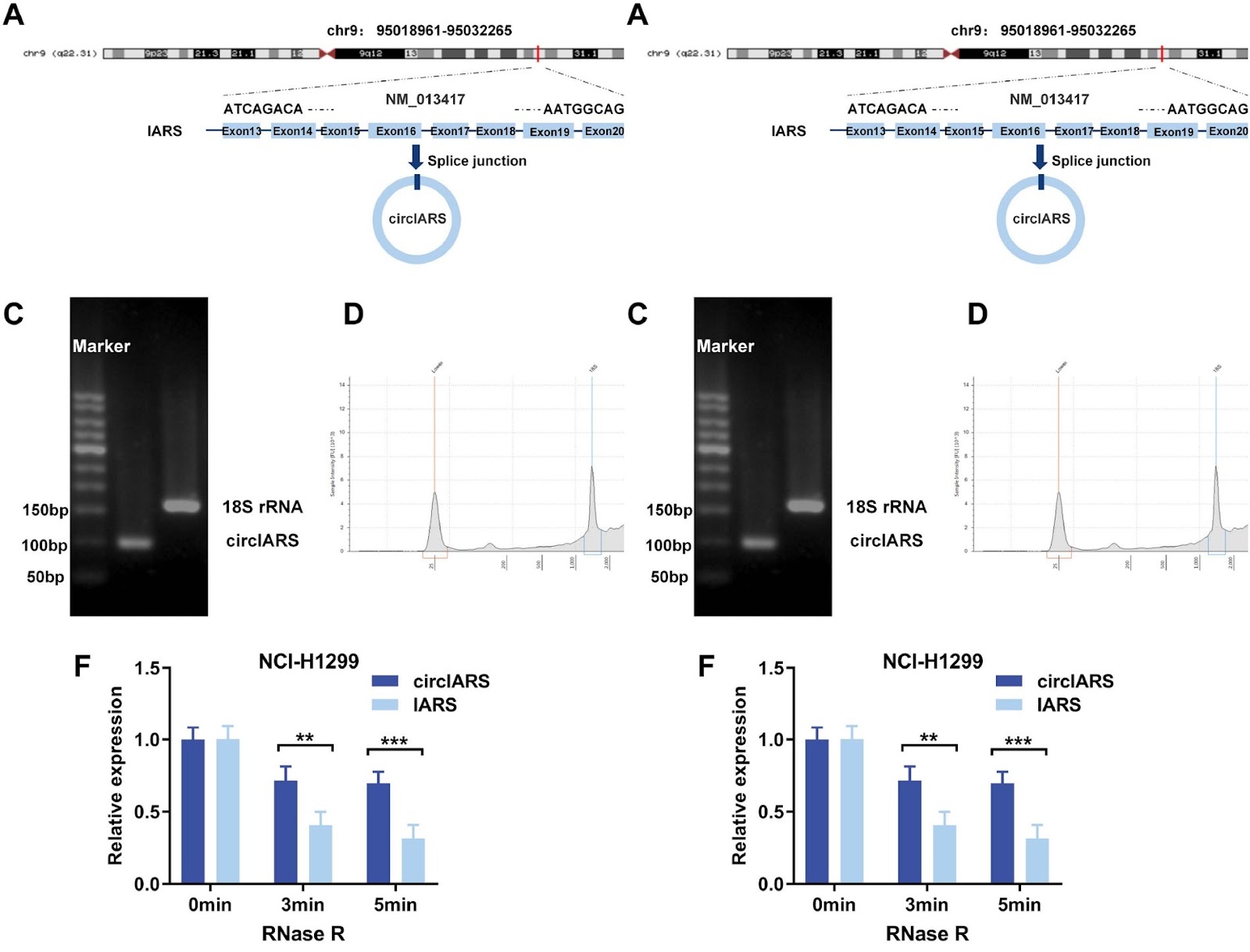
circIARS: a potential plasma biomarker for diagnosing non-small cell lung cancer

Non-small cell lung cancer (NSCLC) is one of the most prevalent cancers in the world, and early diagnosis can effectively improve patient survival. Here, differentially expressed circIARS genes are screened from the sequencing results, and their molecular characteristics are examined by Sanger sequencing, RNase R assay, agarose gel electrophoresis (AGE), and fluorescence in situ hybridization (FISH). Real-time fluorescence quantitative polymerase chain reaction (qRT-PCR) is performed to detect the expression level of circIARS. The diagnostic value of the signature is analyzed using a subject operating characteristic (ROC) curve. Moreover, plasma is collected from postsurgical, chemotherapy, and relapse patients to investigate the prognostic value of circIARS in NSCLC. The expression of circIARS is greater in both the plasma and tissues of NSCLC patients than in those of healthy individuals, and could be used to distinguish NSCLC patients from patients with benign pulmonary disease (BPD), small cell lung cancer (SCLC) patients, and healthy individuals. The expression level of circIARS relatively decreases after antitumor therapy, such as chemotherapy, and relatively increases after recurrence. ROC analysis reveals that circIARS has better detection efficiency than traditional markers. In addition, circIARS expression level is strongly correlated with several clinicopathological parameters. Finally, we tentatively predict the downstream miRNAs or RBP that might bind to circIARS. Plasma circIARS is significantly greater in NSCLC patients and has good stability and specificity as a diagnostic marker, which could aid in the adjuvant diagnosis and dynamic monitoring of NSCLC.

Read Full Abstract10.3724/abbs.2024043
Gallic acid attenuates LPS-induced inflammation in Caco-2 cells by suppressing the activation of the NF-κB/MAPK signaling pathwayGraphical AbstractVerified
Acta Biochimica et Biophysica Sinica

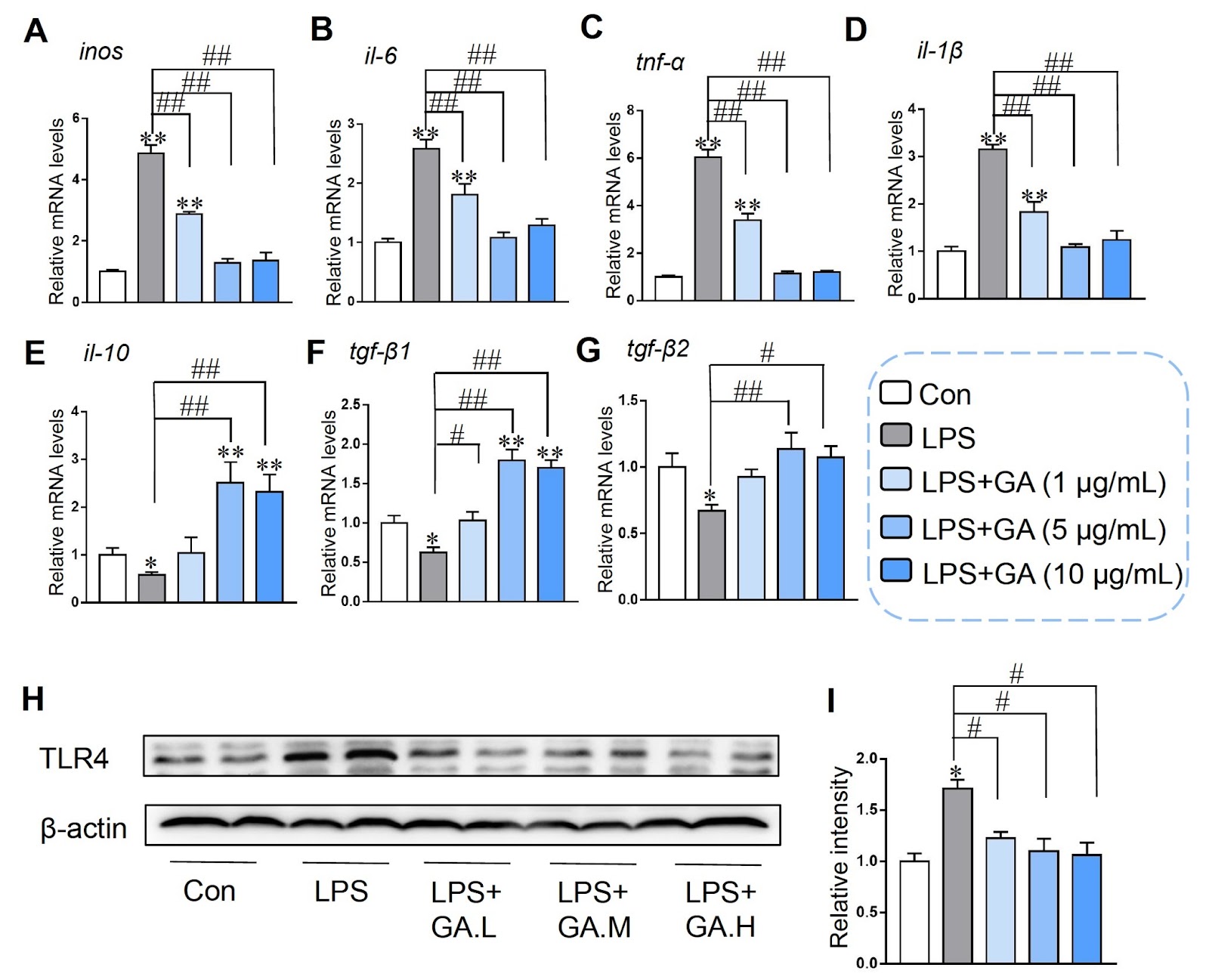
Gallic acid attenuates LPS-induced inflammation in Caco-2 cells by suppressing the activation of the NF-κB/MAPK signaling pathway

Inflammatory bowel disease (IBD) is a chronic inflammatory disease characterized by intestinal barrier dysfunction, inflammatory synergistic effects and excessive tissue injury. Gallic acid (GA) is renowned for its remarkable biological activity, encompassing anti-inflammatory and antioxidant properties. However, the underlying mechanisms by which GA protects against intestinal inflammation have not been fully elucidated. The aim of this study is to investigate the effect of GA on the inflammation of a lipopolysaccharide (LPS)-stimulated human colon carcinoma cell line (Caco-2) and on the intestinal barrier dysfunction, and explore the underlying molecular mechanism involved. Our findings demonstrate that 5 μg/mL GA restores the downregulation of the mRNA and protein levels of Claudin-1, Occludin, and ZO-1 and decreases the expressions of inflammatory factors such as IL-6, IL-1β and TNF-α induced by LPS. In addition, GA exhibits a protective effect by reducing the LPS-enhanced early and late apoptotic ratios, downregulating the mRNA levels of pro-apoptotic factors (Bax, Bad, Caspase-3, Caspase-8, and Caspase-9), and upregulating the mRNA levels of anti-apoptotic factor Bcl-2 in Caco-2 cells. GA also reduces the levels of reactive oxygen species increased by LPS and restores the activity of antioxidant enzymes, namely, superoxide dismutase and catalase, as well as the level of glutathione. More importantly, GA exerts its anti-inflammatory effects by inhibiting the LPS-induced phosphorylation of key signaling molecules in the NF-κB/MAPK pathway, including p65, IκB-α, p38, JNK, and ERK, in Caco-2 cells. Overall, our findings show that GA increases the expressions of tight junction proteins, reduces cell apoptosis, relieves oxidative stress and suppresses the activation of the NF-κB/MAPK pathway to reduce LPS-induced intestinal inflammation in Caco-2 cells, indicating that GA has potential as a therapeutic agent for intestinal inflammation.

Read Full Abstract10.3724/abbs.2024008
FANCA facilitates G1/S cell cycle advancement, proliferation, migration and invasion in gastric cancerGraphical AbstractVerified
Acta Biochimica et Biophysica Sinica

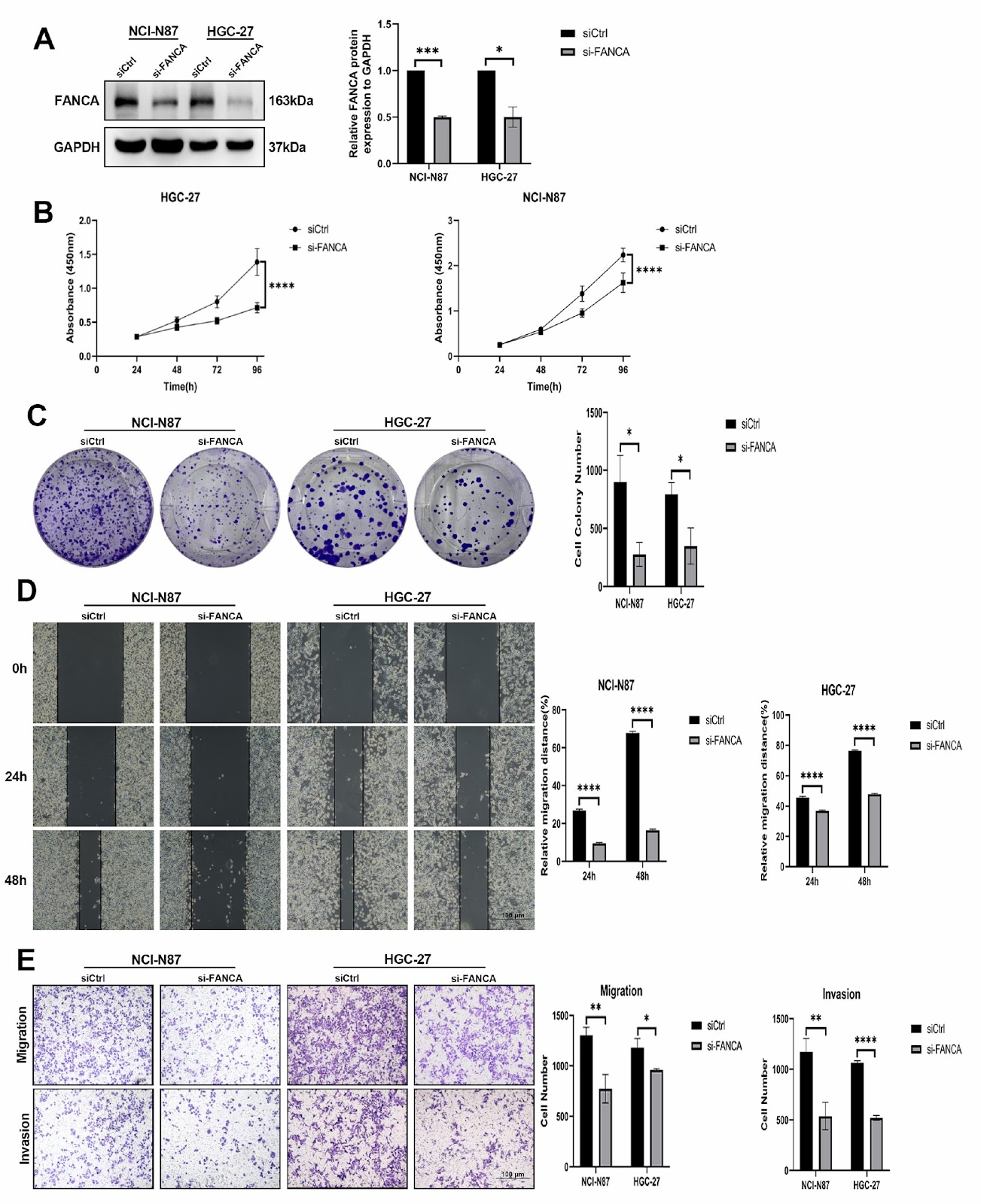
FANCA facilitates G1/S cell cycle advancement, proliferation, migration and invasion in gastric cancer

The present study explores the function of FANCA gene, a pivotal member of the Fanconi anaemia (FA) pathway crucial for preserving genomic stability and preventing cancer, particularly in the context of gastric cancer (GC). Using immunohistochemistry, quantitative real-time PCR, and western blot analysis, we evaluate FANCA mRNA and protein expressions in GC cell lines. The relationship between FANCA expression and clinicopathological characteristics is also explored. Various assays, including CCK8, colony formation, wound healing, and Transwell assays, are used to assess functional changes in cells associated with FANCA. Flow cytometry is utilized to evaluate alterations in the cell cycle resulted from FANCA knockdown and overexpression. Our findings show elevated FANCA expression in GC cell lines, with levels correlated with pathologic stage and lymphatic metastasis. FANCA knockdown impedes cell proliferation, migration, and invasion and induces G1/S phase cell cycle arrest. Conversely, FANCA overexpression stimulates cell proliferation, migration, and invasion. In vivo xenograft experiments confirm the promotional role of FANCA in GC tumor progression. Moreover, FANCA overexpression is associated with the activation of cell cycle. Collectively, our results suggest that FANCA drives malignant cell behaviors in GC through the cell cycle pathway, highlighting its potential as a therapeutic target for the treatment of GC.

Read Full Abstract10.3724/abbs.2024045
Huperzine A ameliorates neurological deficits after spontaneous subarachnoid hemorrhage through endothelial cell pyroptosis inhibitionGraphical AbstractVerified
Acta Biochimica et Biophysica Sinica

Huperzine A ameliorates neurological deficits after spontaneous subarachnoid hemorrhage through endothelial cell pyroptosis inhibition

This is a corrigendum to the original article. The original article reported that Huperzine A ameliorates neurological deficits after spontaneous subarachnoid hemorrhage through endothelial cell pyroptosis inhibition. The corrigendum corrects errors in the author list and affiliations. The corrected authors and affiliations are provided.

Read Full Abstract10.3724/abbs.2024037
Silencing of PCK1 mitigates the proliferation and migration of vascular smooth muscle cells and vascular intimal hyperplasia by suppressing STAT3/DRP1-mediated mitochondrial fissionGraphical AbstractVerified
Acta Biochimica et Biophysica Sinica

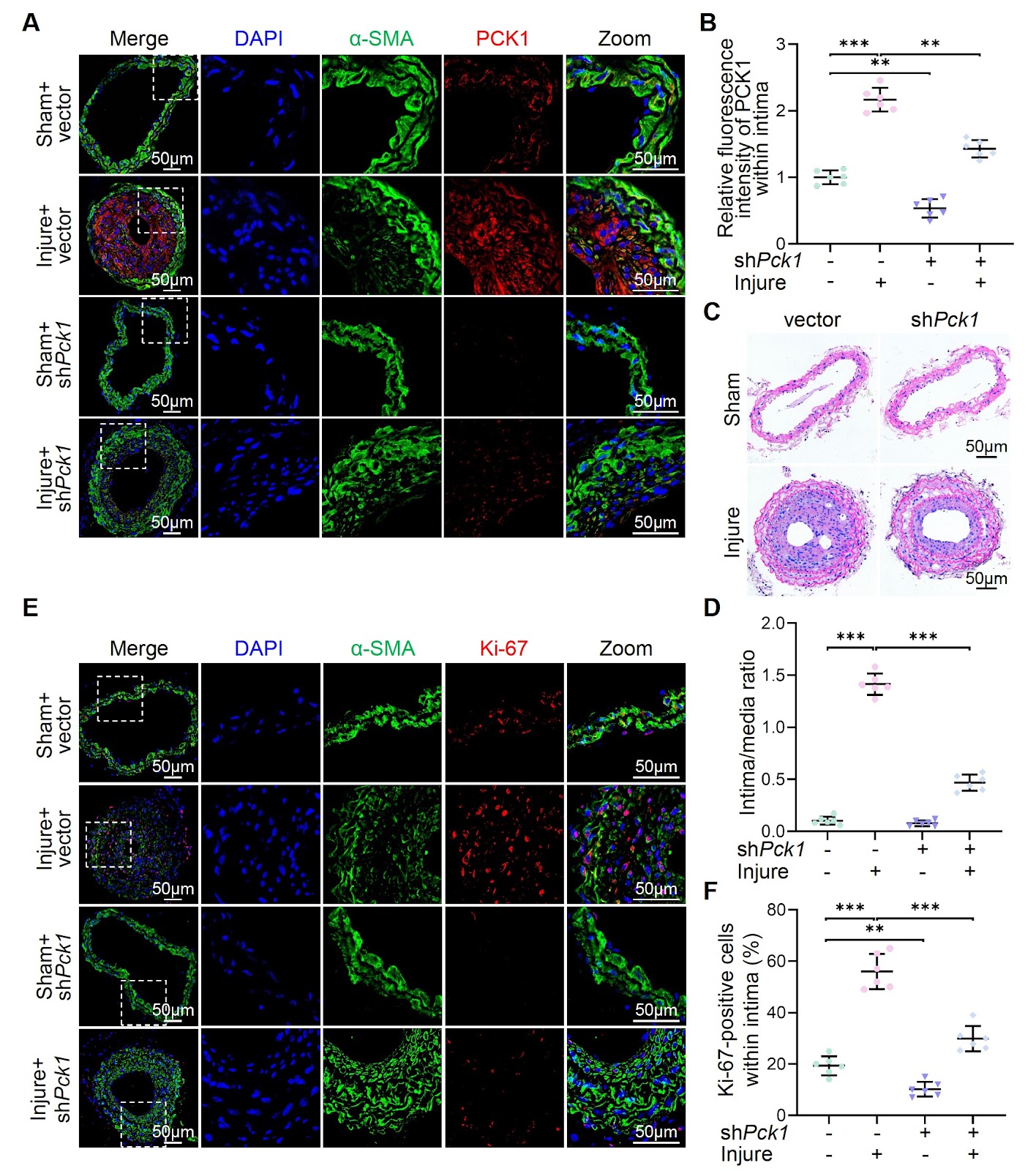
Silencing of PCK1 mitigates the proliferation and migration of vascular smooth muscle cells and vascular intimal hyperplasia by suppressing STAT3/DRP1-mediated mitochondrial fission

The pathological proliferation and migration of vascular smooth muscle cells (VSMCs) are key processes during vascular neointimal hyperplasia (NIH) and restenosis. Phosphoenolpyruvate carboxy kinase 1 (PCK1) is closely related to a variety of malignant proliferative diseases. However, the role of PCK1 in VSMCs has rarely been investigated. This study aims to examine the role of PCK1 in the proliferation and migration of VSMCs and vascular NIH after injury. In vivo, extensive NIH and increased expression of PCK1 within the neointima are observed in injured arteries. Interestingly, the administration of adeno-associated virus-9 (AAV-9) carrying Pck1 short hairpin RNA (shPck1) significantly attenuates NIH and stenosis of the vascular lumen. In vitro, Pck1 small interfering RNA (siPck1)-induced PCK1 silencing inhibits VSMC proliferation and migration. Additionally, silencing of PCK1 leads to reduced expression of dynamin-related protein 1 (DRP1) and attenuated mitochondrial fission. Lentivirus-mediated DRP1 overexpression markedly reverses the inhibitory effects of PCK1 silencing on VSMC proliferation, migration, and mitochondrial fission. Finally, PCK1 inhibition attenuates the phosphorylation of signal transducer and activator of transcription 3 (STAT3). Activation of STAT3 abolishes the suppressive effects of PCK1 silencing on DRP1 expression, mitochondrial fission, proliferation, and migration in VSMCs. In conclusion, PCK1 inhibition attenuates the mitochondrial fission, proliferation, and migration of VSMCs by inhibiting the STAT3/DRP1 axis, thereby suppressing vascular NIH and restenosis.

Read Full Abstract10.3724/abbs.2024154
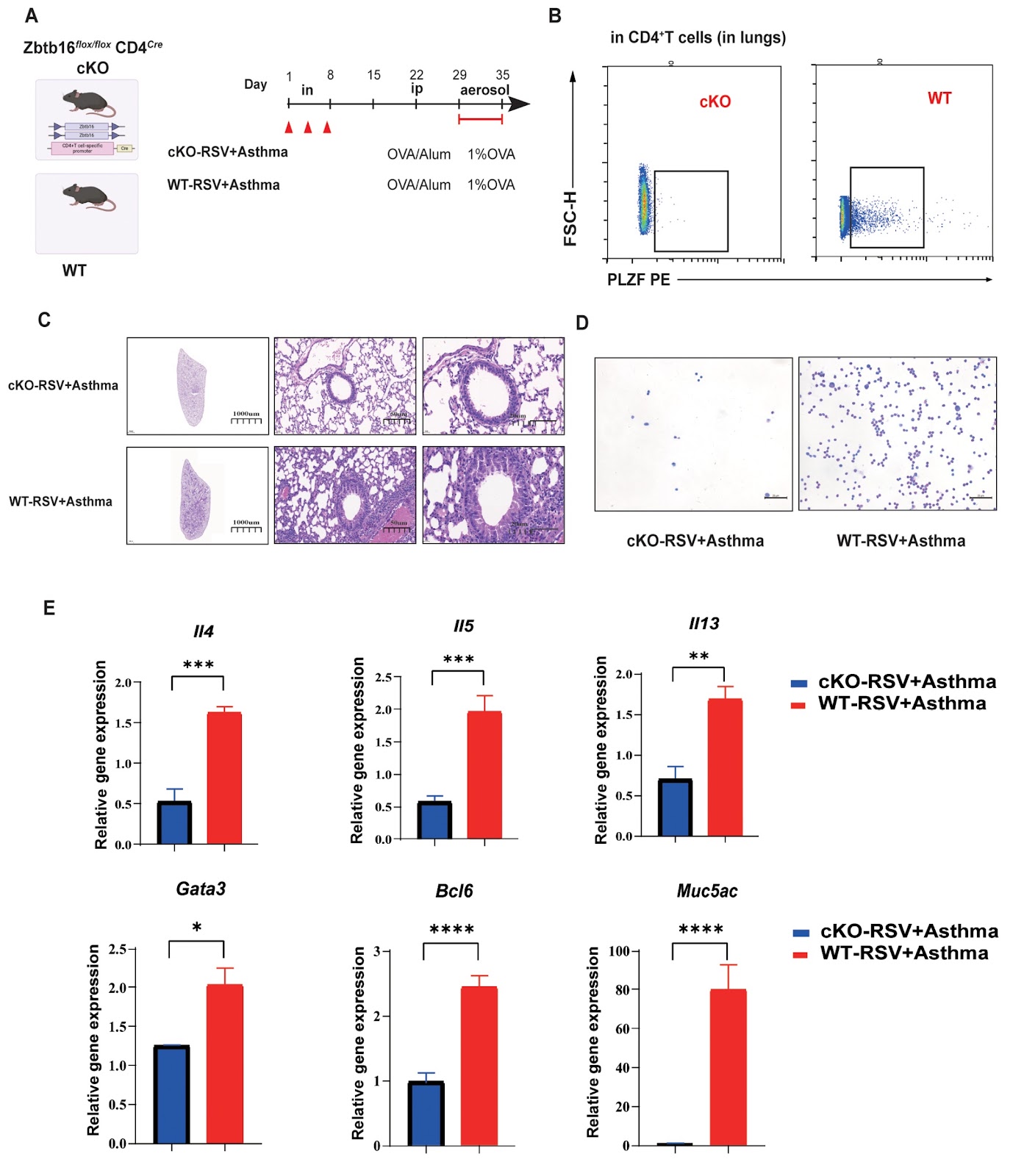
Early RSV infection aggravates asthma-related Th2 responses by increasing the number of CD4+ TRM cells through upregulation of PLZFGraphical AbstractVerified
Acta Biochimica et Biophysica Sinica

Early RSV infection aggravates asthma-related Th2 responses by increasing the number of CD4+ TRM cells through upregulation of PLZF

Respiratory syncytial virus (RSV) infection is correlated with the chronic pathogenesis and exacerbation of asthma. However, the mechanism remains unclear. In this study, acute and memory (Mem) asthma models with early RSV infection are established to explore the persistence of the effects of RSV infection on asthma. Intravascular injection of an anti-CD45 antibody is performed to define CD4+ TRM cells accurately. RSV infection has a sustained impact on asthma exacerbation for at least six weeks, with high Th2 cytokine secretion in lung tissue instead of IgE response-related B cells. CD45–CD4+ TRM cells are positively correlated with RSV-related asthma exacerbation and severe airway inflammation. Mechanistically, overexpression of the transcription factor PLZF in vitro increases the number of CD4+ TRM cells, and conditional knockout of Zbtb16 (encoding PLZF) can decrease the number of CD4+ TRM cells to aggravate allergic inflammation and reduce Th2 responses. This study provides evidence for potential combined strategies that might benefit asthma patients.

Read Full Abstract10.3724/abbs.2024220
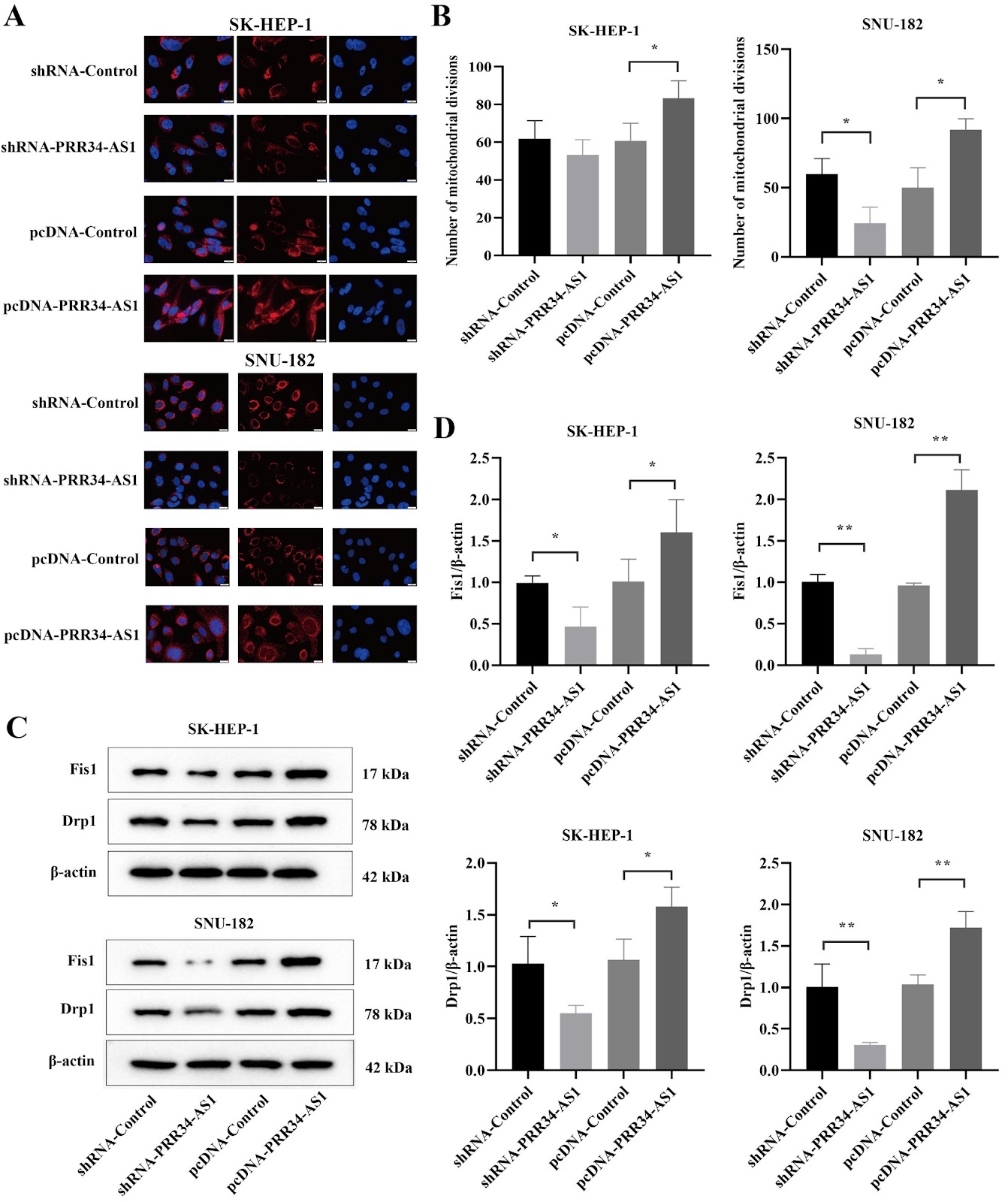
PRR34-AS1 promotes mitochondrial division and glycolytic reprogramming in hepatocellular carcinoma cells through upregulation of MIEF2Graphical AbstractVerified
Acta Biochimica et Biophysica Sinica

PRR34-AS1 promotes mitochondrial division and glycolytic reprogramming in hepatocellular carcinoma cells through upregulation of MIEF2

LncRNA PRR34-AS1 overexpression promotes the proliferation and invasion of hepatocellular carcinoma (HCC) cells, but whether it affects HCC energy metabolism remains unclear. Mitochondrial division and glycolytic reprogramming play important roles in tumor development. In this study, the differential expression of PRR34-AS1 is explored via TCGA analysis, and higher levels of PRR34-AS1 are detected in patients with liver cancer than in healthy individuals. A series of experiments, such as CCK-8, PCR, and immunofluorescence staining, reveal that the proliferation, invasion, glycolysis, and mitochondrial division of PRR34-AS1-overexpressing hepatoma cells are significantly promoted. TCGA analysis and immunohistochemistry reveal high expression of the mitochondrial dynamin MIEF2 in liver cancer tissues. Dual-luciferase reporter assays confirm that miR-498 targets and binds to mitochondrial elongation factor 2 (MIEF2). In addition, we show that PRR34-AS1 can sponge miR-498. Therefore, we further investigate the effects of the lncRNA PRR34-AS1/miR-498/MIEF2 axis on the growth, glucose metabolism, and mitochondrial division in hepatocellular carcinoma cells. A series of experiments are performed on hepatocellular carcinoma cells after different treatments. The results show that the proliferative activity, invasive ability, and glycolytic level of hepatocellular carcinoma cells are decreased in HCC cells with low PRR34-AS1 expression, and the miR-498 expression level is increased in these cells. Inhibition of miR-498 or overexpression of MIEF2 restored the proliferative activity, invasive ability, glycolysis, and mitochondrial division in hepatocellular carcinoma cells. Thus, PRR34-AS1 regulates MIEF2 by sponging miR-498, thereby promoting mitochondrial division, mediating glycolytic reprogramming and ultimately driving the growth and invasion of HCC cells. Furthermore, in vivo mouse experiments yield results similar to those of the in vitro experiments, verifying the above results.

Read Full Abstract10.3724/abbs.2024083
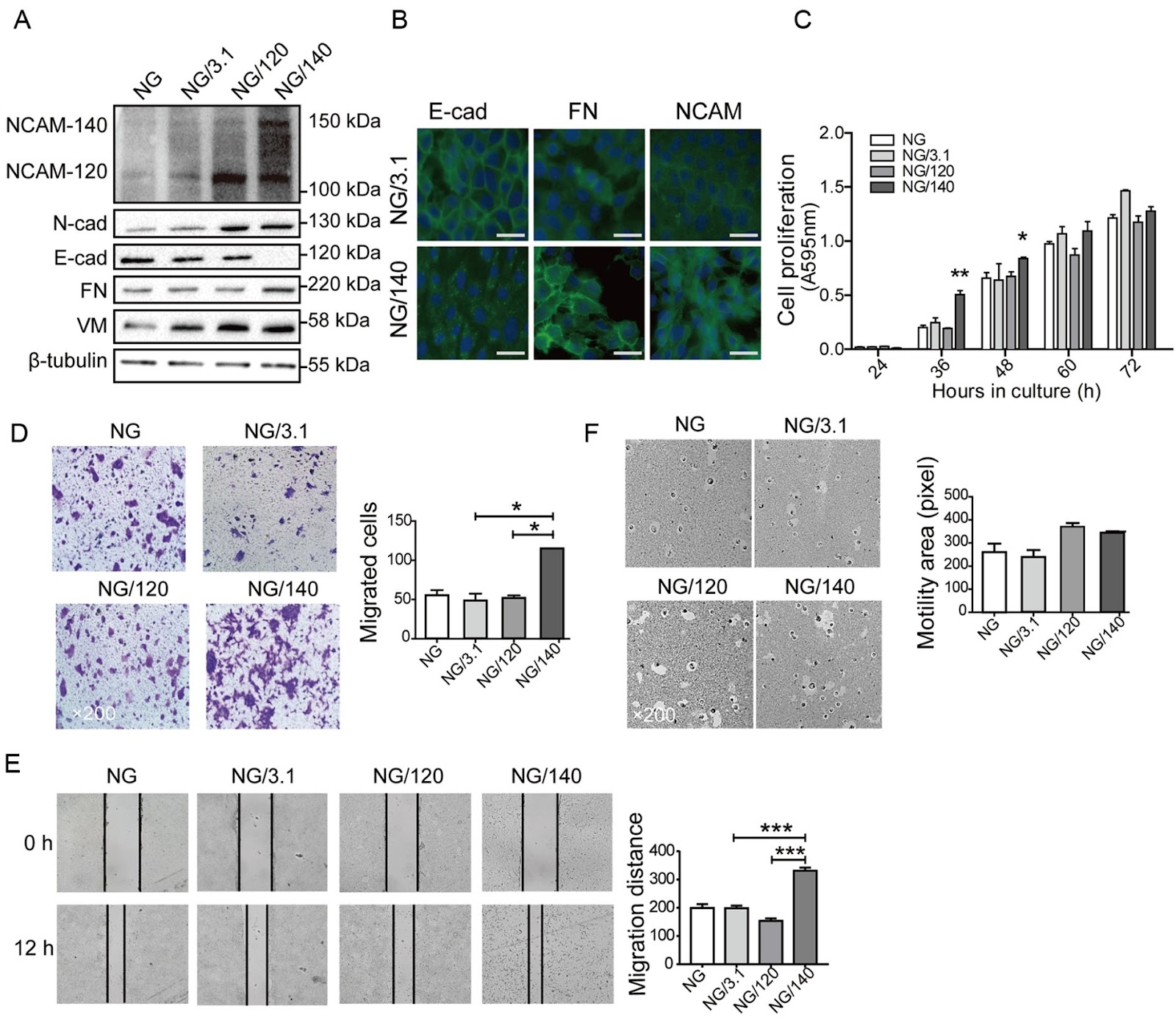
NCAM and attached polysialic acid affect behaviors of breast epithelial cells through differential signaling pathwaysGraphical AbstractVerified
Acta Biochimica et Biophysica Sinica

NCAM and attached polysialic acid affect behaviors of breast epithelial cells through differential signaling pathways

Neural cell adhesion molecule (NCAM), a common mammalian cell surface glycoprotein, is the major substrate of polysialic acid (polySia). Polysialylated NCAM occurs in many types of cancer, but rarely in normal adult tissues. The functional role of NCAM hypersialylation in the epithelial-mesenchymal transition (EMT) process remains unclear. The present study indicates that NCAM and attached polysialic acid affect behaviors of breast epithelial cells through differential signaling pathways. NCAM and polysialylated NCAM are aberrantly regulated in breast cancer cells. They are both upregulated in normal breast epithelial cells undergoing EMT. Western blot analysis demonstrates that NCAM-140 overexpression induces EMT in breast epithelial cells and promotes cell proliferation and migration through activation of the β-catenin/slug signaling pathway. Modification of polySia attached to NCAM modulates cell adhesion and promotes cell motility through activation of the EGFR/STAT3 pathway. These observations contribute to clarifying the molecular mechanisms by which polysialic acid and its major substrate, NCAM, modulate cell behaviors, and highlight the significance of increased polysialylated expression on NCAM during EMT and tumor development.

Read Full Abstract10.3724/abbs.2024176
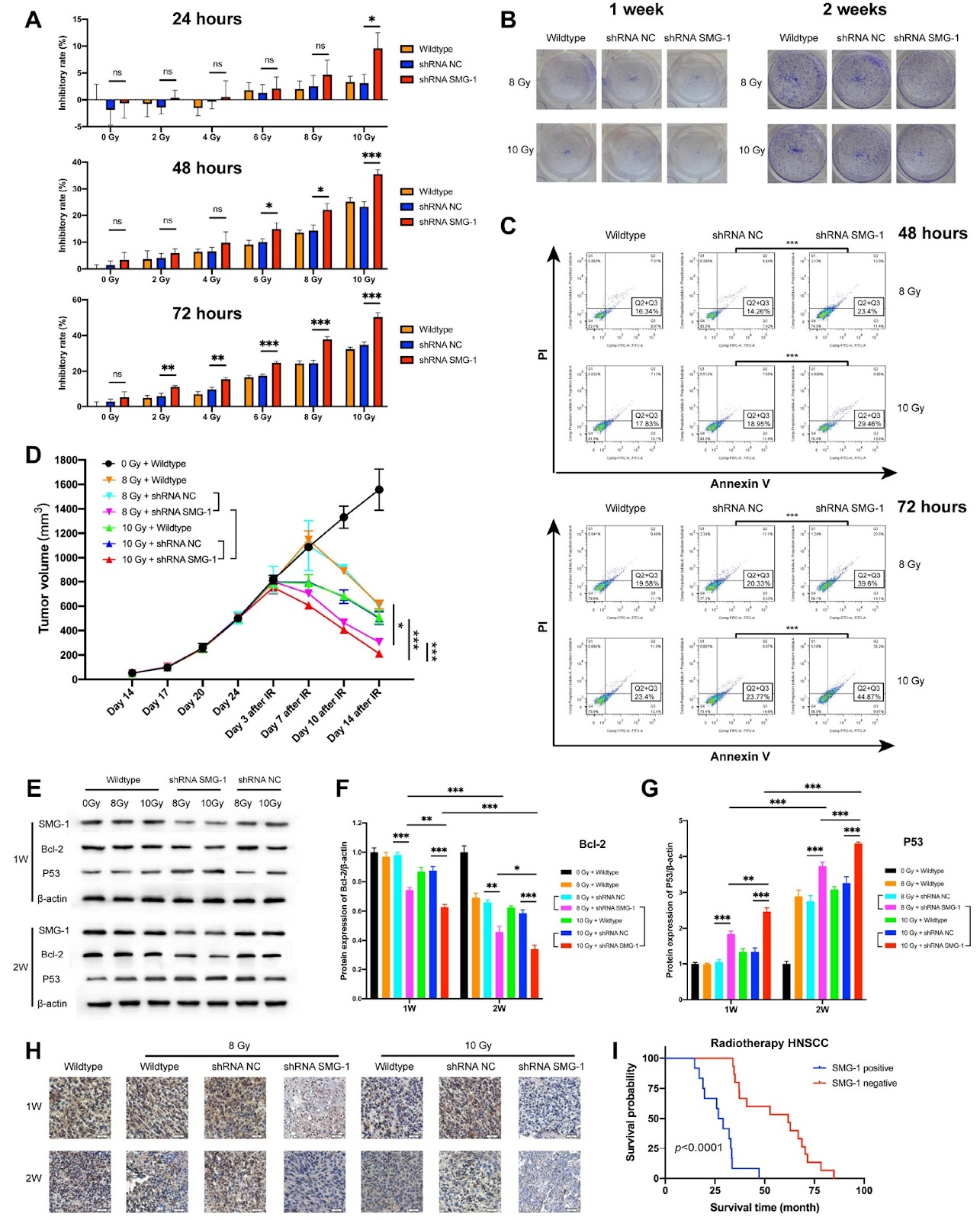
SMG-1 serves as a prognostic indicator for the radiotherapy response in head and neck squamous cell carcinoma xenografts and patientsGraphical AbstractVerified
Acta Biochimica et Biophysica Sinica

SMG-1 serves as a prognostic indicator for the radiotherapy response in head and neck squamous cell carcinoma xenografts and patients

Head and neck squamous cell carcinoma (HNSCC) is a common malignancy where radiotherapy is a primary treatment. The prognostic value of SMG-1, a PIKK family member involved in DNA damage response, remains controversial. This study investigated SMG-1 expression in HNSCC and its impact on tumor growth, prognosis, and radiosensitivity. Using bioinformatics analysis, we found elevated SMG-1 mRNA in HNSCC tissues. Knockdown of SMG-1 in SCC-090 cells did not affect proliferation in vitro or tumor growth in xenografts. In a cohort of 36 radiotherapy-naïve HNSCC patients, SMG-1 protein expression did not correlate with overall survival. However, SMG-1 knockdown enhanced radiosensitivity in vitro, suggesting SMG-1 as a potential prognostic indicator for radiotherapy response. These findings highlight the need for further validation in larger clinical cohorts.

Read Full Abstract10.3724/abbs.2024180
Collagen prolyl 4-hydroxylase subunit α member-induced head and neck squamous cell carcinoma aggressiveness is antagonized by LLGL2 via reduced expression of occludinGraphical AbstractVerified
Acta Biochimica et Biophysica Sinica

Collagen prolyl 4-hydroxylase subunit α member-induced head and neck squamous cell carcinoma aggressiveness is antagonized by LLGL2 via reduced expression of occludin

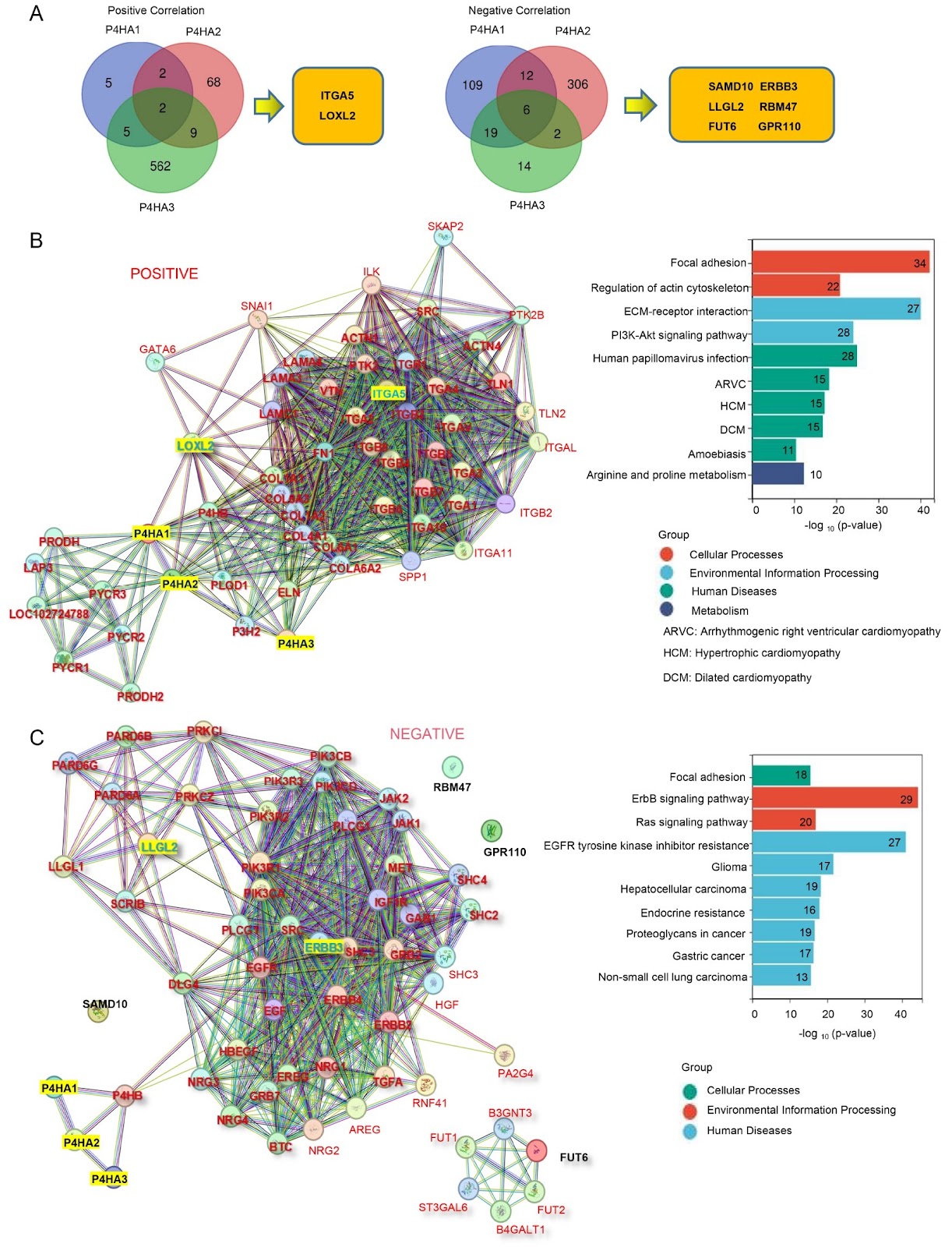
There are three isoforms of human collagen prolyl 4-hydroxylases (C-P4Hs), each of which has been reported to play an important role in regulating the progression of a variety of human cancers. By analyzing TGCA datasets on human head and neck squamous cell carcinoma (HNSC), we find that a higher expression of all three C-P4HAs (the α subunit of C-P4Hs) is a superior prognostic indicator than a higher expression of two or a single C-P4HA. Unexpectedly, some patients with higher levels of three C-P4HAs survive longer than patients whose tumors have lower expression of C-P4HAs. Therefore, there may be molecule(s) that can negate the deleterious effects of overexpressing C-P4HAs during cancer progression. By constructing a functional protein interaction network of C-P4HAs and analyzing molecules whose expressions are correlated significantly with that of C-P4HAs, we identify scribble cell polarity complex component 2 (LLGL2) as a factor that antagonizes the effects of overexpressed C-P4HAs on HNSC. Silencing of LLGL2 in the human oral squamous cell line Cal-27 upregulates the expression of occludin and increases cancer cell invasion and migration. In contrast, knocking down C-P4HA alone inhibits cell migration and invasion. Furthermore, simultaneously downregulating three C-P4HAs has more pronounced effects on inhibiting cell migration and invasion. Accordingly, high LLGL2 expression is also a marker indicating improved prognosis in patients with HNSC. These results suggest that the interplay between LLGL2 and C-P4HAs may be targeted to mitigate HNSC tumorigenesis and progression.

Read Full Abstract10.3724/abbs.2024140
Importance of PTM of FLT3 in acute myeloid leukemiaGraphical AbstractVerified
Acta Biochimica et Biophysica Sinica

Importance of PTM of FLT3 in acute myeloid leukemia

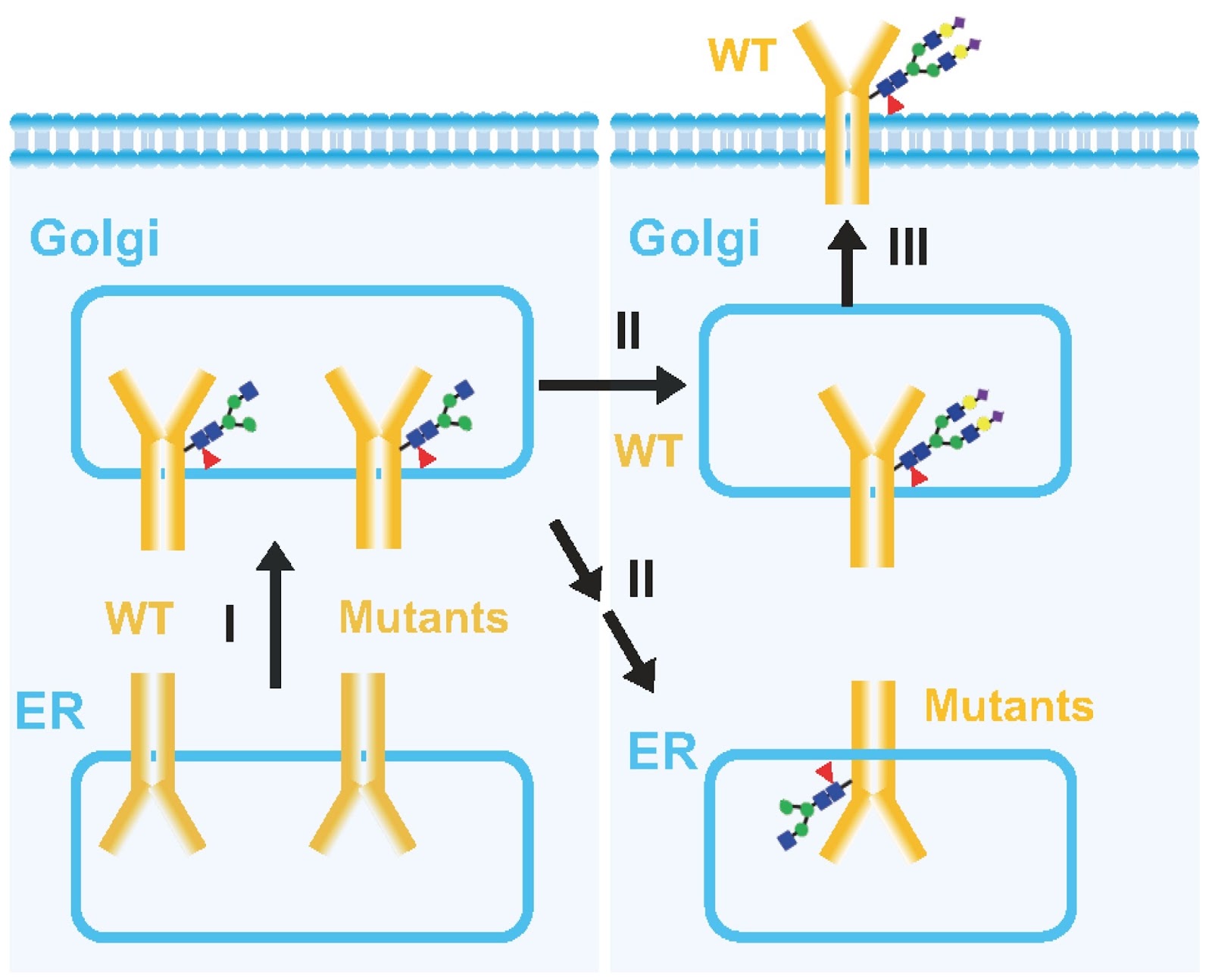
FMS-like tyrosine kinase 3 (FLT3) is a receptor tyrosine kinase expressed in hematopoietic cells. Internal-tandem duplication domain (ITD) mutation and tyrosine kinase domain (TKD) mutation are the two most common mutations in acute myeloid leukemia (AML). Post-translational modifications (PTMs) of FLT3, such as glycosylation and ubiquitination, have been shown to impact various aspects of the protein in both wild-type (WT) and mutant forms of FLT3. In this review, we describe how the glycosylation status of FLT3 affects its subcellular localization, which significantly impacts the activation of downstream signaling, and the impact of specific ubiquitination on FLT3 function and stability, which may be associated with disease progression. Moreover, potential novel therapeutic strategies involving a combination of FLT3 tyrosine kinase inhibitors and drugs targeting glycosylation or ubiquitination are discussed.

Read Full Abstract10.3724/abbs.2024112
Deciphering the role of transcription factors in glioblastoma cancer stem cellsGraphical AbstractVerified
Acta Biochimica et Biophysica Sinica

Deciphering the role of transcription factors in glioblastoma cancer stem cells

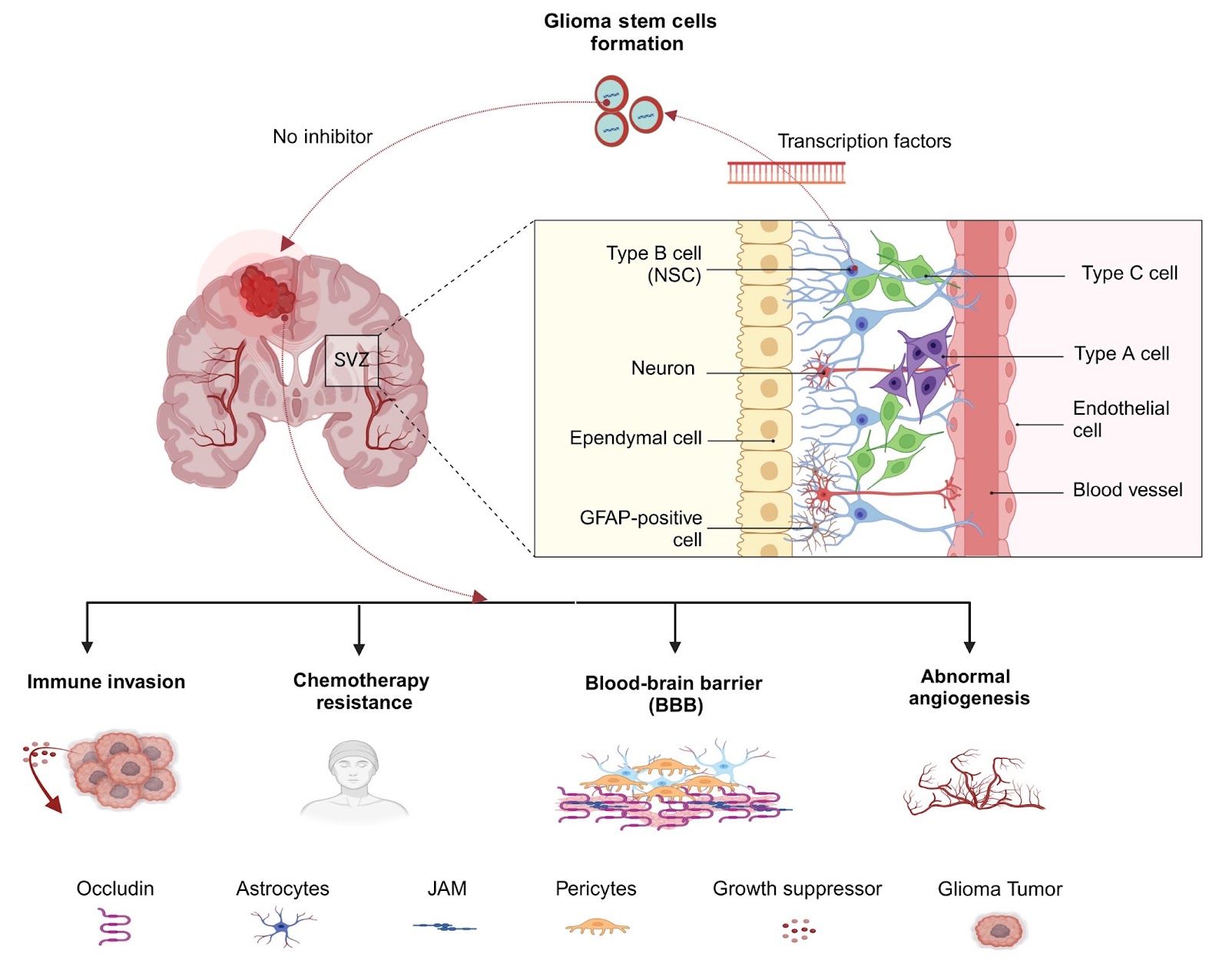
Glioblastoma (GBM), the most aggressive and fatal brain malignancy, is largely driven by a subset of tumor cells known as cancer stem cells (CSCs). CSCs possess stem cell-like properties, including self-renewal, proliferation, and differentiation, making them pivotal for tumor initiation, invasion, metastasis, and overall tumor progression. The regulation of CSCs is primarily controlled by transcription factors (TFs) which regulate the expressions of genes involved in maintaining stemness and directing differentiation. This review aims to provide a comprehensive overview of the role of TFs in regulating CSCs in GBM. The discussion encompasses the definitions of CSCs and TFs, the significance of glioma stem cells (GSCs) in GBM, and how TFs regulate GSC self-renewal, proliferation, differentiation, and transformation. The potential for developing TF-targeted GSC therapies is also explored, along with future research directions. By understanding the regulation of GSCs by TFs, we may uncover novel diagnostic and therapeutic strategies against this devastating disease of GBM.

Read Full Abstract10.3724/abbs.2024061
Selection of reference genes for quantitative real-time PCR analysis in exogenous hormone-treated Lycoris aureaGraphical AbstractVerified
Acta Biochimica et Biophysica Sinica

Selection of reference genes for quantitative real-time PCR analysis in exogenous hormone-treated Lycoris aurea

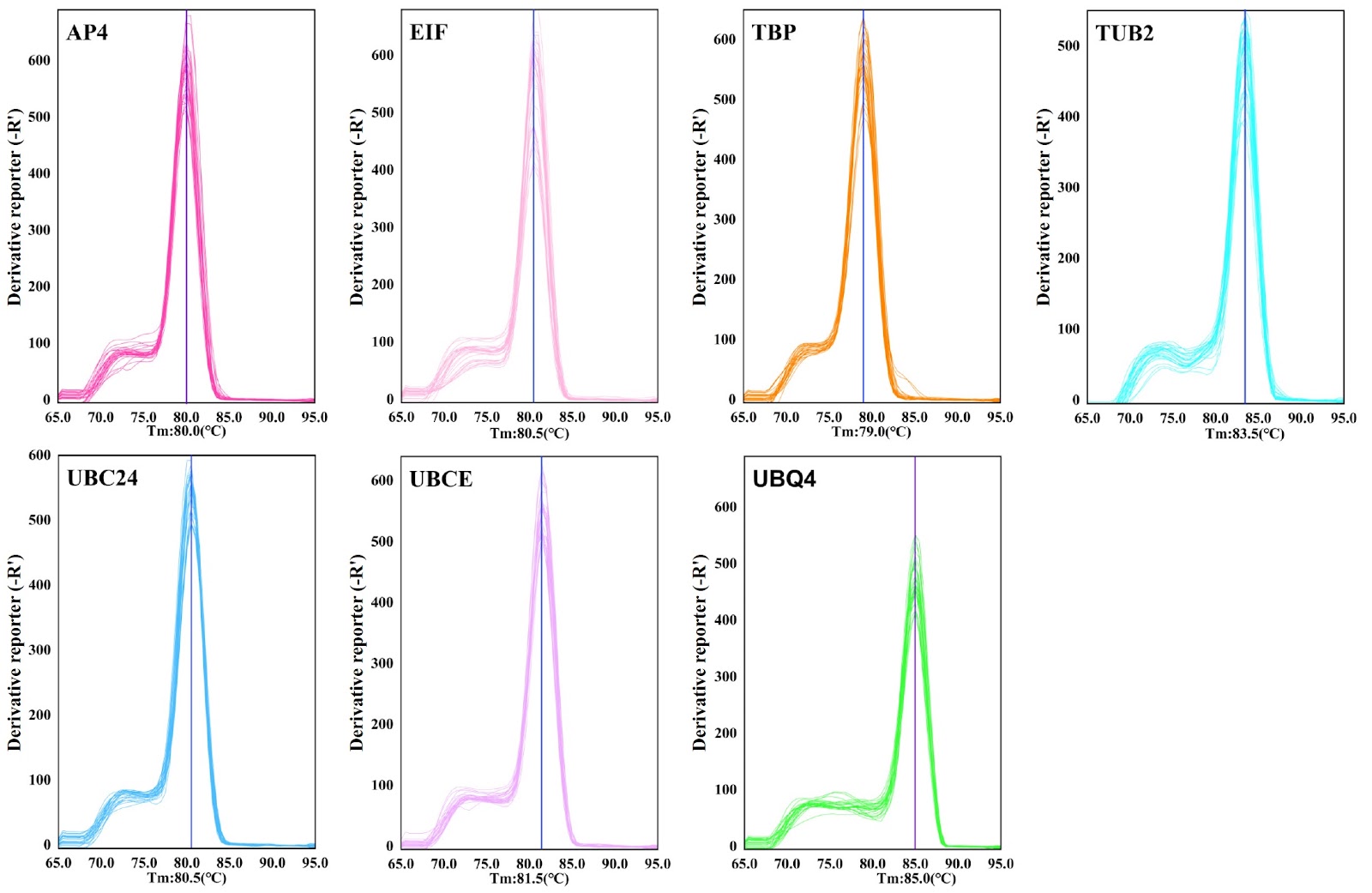
The bulbs of Lycoris aurea Herb can produce unique alkaloids, which have been shown to have antiviral, anti-tumor, anti-malarial, and immunostimulatory properties and are effective in the symptomatic treatment of Alzheimer’s disease. As a consequence, the demand for Lycoris bulbs has dramatically increased, especially for L. aurea, which is native to southern China and is highly important for increasing bulb yield. Previous research in this area reported that the use of exogenous hormones is a way to optimize the artificial reproduction of their bulbs. Therefore, studying the molecular mechanism of bulb growth and development is highly important. Quantitative real-time PCR (qRT-PCR) is widely used in gene expression analysis to explore gene functions that regulate plant growth and development because of its high specificity, accuracy, sensitivity and efficiency, and selecting reference genes correctly is crucial for obtaining proper results and interpretations via qRT-PCR analysis. The selection and validation of reference genes of some Lycoris species in different floral development stages and tissues have been carried out, but under some abnormal conditions, including abiotic stress and hormone treatments, have not been assessed. In this study, we aimed to identify suitable reference genes for L. aurea under seven hormone treatments. A total of seven candidate reference genes were selected for investigation. The expressions of these candidate genes were measured by qRT-PCR. The expression stability of candidate genes was comprehensively evaluated by four different statistical algorithms, including geNorm, BestKeeper, NormFinder and RefFinder.

Read Full Abstract10.3724/abbs.2024197
Exploring glyco-signatures and their clinical implications: a special issue focused on glycosylation studiesGraphical AbstractVerified
Acta Biochimica et Biophysica Sinica

Exploring glyco-signatures and their clinical implications: a special issue focused on glycosylation studies

Glycosylation is one of the most common post-translational modifications, playing a crucial role in various physiological and pathological processes. An increasing number of studies suggest that research on glycosylation holds promise for the development of clinical diagnostic biomarkers and therapeutic targets. This special issue combines four research studies and eight reviews that cover a vast range of topics within glycosylation research field, contributed by specialists in the field from various regions and countries. Considering the extensive correlation between glycosylation and various physiological and pathological processes, as well as the critical role of key technologies in glycosylation research, this special issue explores the role of glycosylation in cancer, infectious diseases, aging and associated disorders. Both N-linked and O-linked glycosylation, the two main forms of glycosylation modifications, were included. Additionally, the issue also reviews some major glycomics technologies used in glycosylation studies, including lectin microarrays, glycomics, and glycoproteomics, along with their applications in the research and development of glycan biomarkers and targets. Each topic focuses on different aspects of glycosylation, offering new insights and potential therapeutic strategies.

Read Full Abstract10.3724/abbs.2024143
The peripheral Atf3+ neuronal population is responsible for nerve regeneration at the early stage of nerve injury revealed by single-cell RNA sequencingGraphical AbstractVerified
Acta Biochimica et Biophysica Sinica

The peripheral Atf3+ neuronal population is responsible for nerve regeneration at the early stage of nerve injury revealed by single-cell RNA sequencing

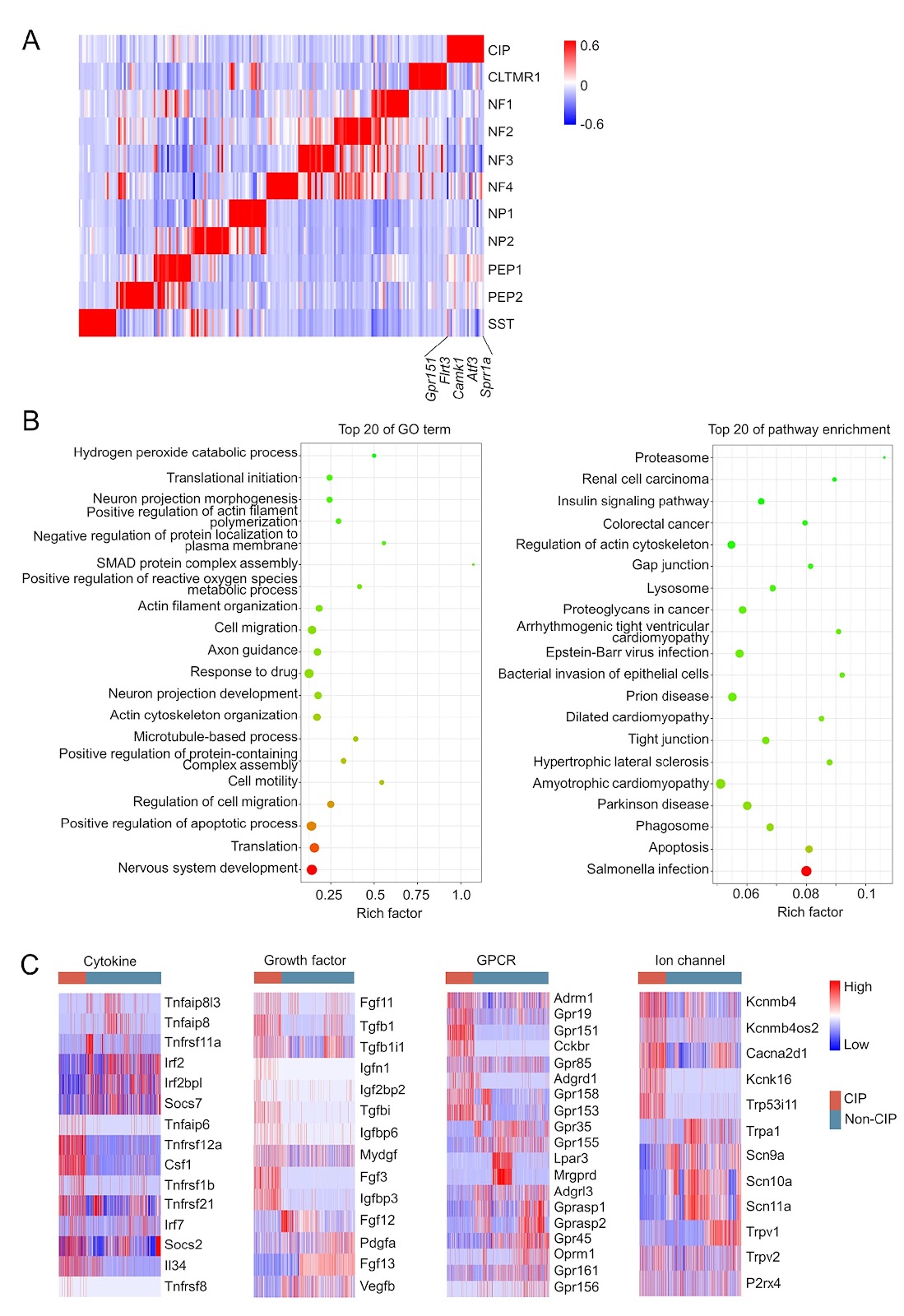
Peripheral nerve injury (PNI) can transform primary somatosensory neurons to a regenerative state. However, the details of the transcriptomic changes associated with the nerve regeneration of somatosensory neurons remain unclear. In this study, single-cell RNA sequencing (scRNA-seq) is conducted on mouse dorsal root ganglion (DRG) cells after the early stage of nerve injury on day 3 after chronic constriction injury (CCI). We observe that a novel CCI-induced neuronal population (CIP) emerge and express high levels of activating transcription factor (Atf3), a neuronal injury marker. CIP neurons highly express regeneration-associated genes (RAGs) and are enriched in regeneration-related gene ontology (GO) terms, suggesting that these neurons can constitute a pro-regenerative population. Moreover, intercellular communication networks show that CIP neurons closely communicate with satellite glial cells (SGCs) and specifically transmit strong Fgf3-Fgfr1 signaling to SGCs, which could initiate regeneration-associated transcriptional changes in SGCs. We also confirm that regenerative progress occurs at the early stage of nerve injury because immunohistochemistry shows that the expression of ATF3 is significantly increased beginning at 3 days post-CCI and decreased at 1 month post-CCI. Our bioinformatics analysis at single-cell resolution advances the knowledge of regenerative dynamic transcriptional changes in DRG cells after injury and the underlying molecular mechanisms involved.

Read Full Abstract10.3724/abbs.2024169
Hsp90α promotes chemoresistance in pancreatic cancer by regulating Keap1-Nrf2 axis and inhibiting ferroptosisGraphical AbstractVerified
Acta Biochimica et Biophysica Sinica

Hsp90α promotes chemoresistance in pancreatic cancer by regulating Keap1-Nrf2 axis and inhibiting ferroptosis

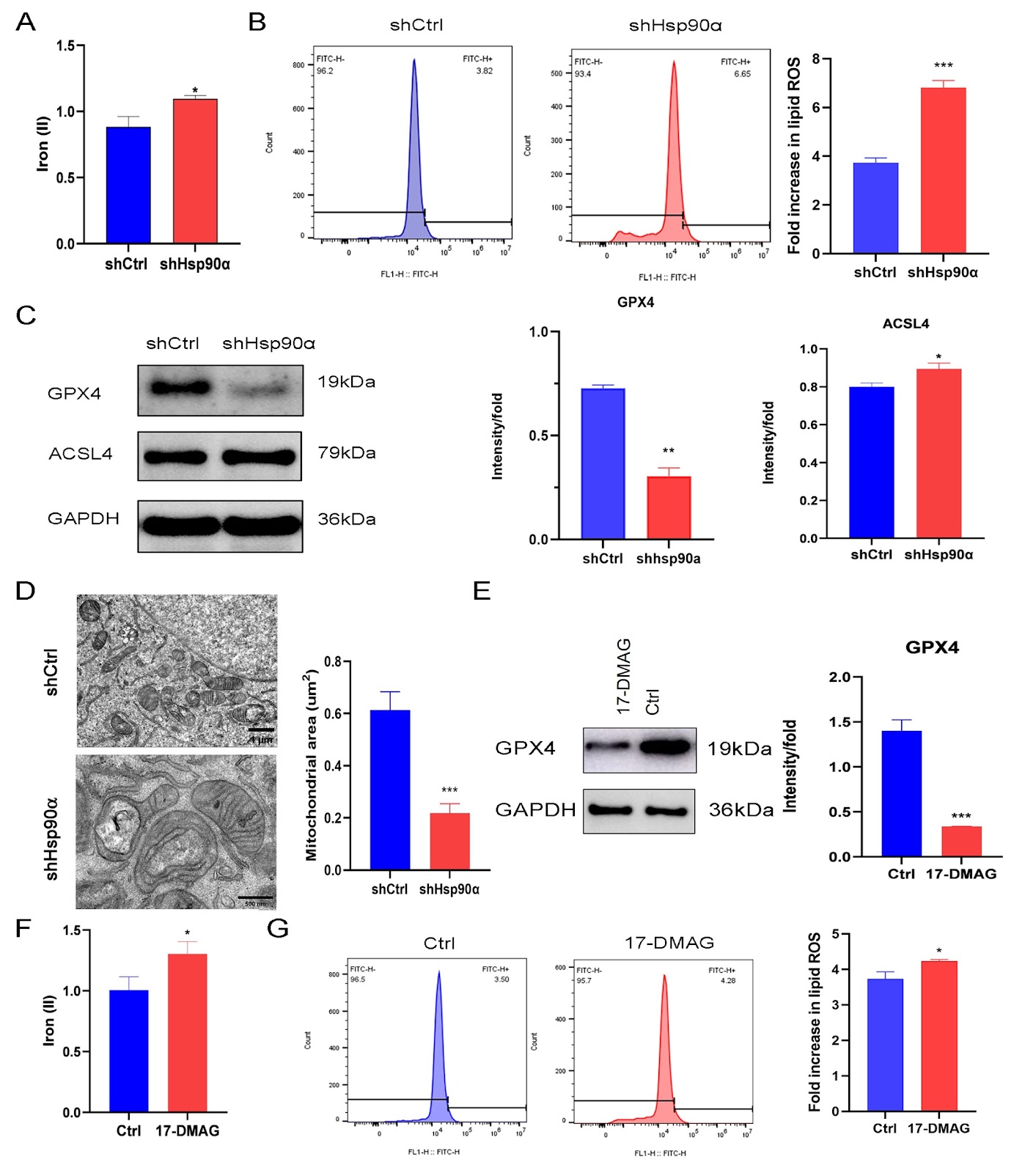
Chemoresistance is the primary reason for poor prognosis in patients with pancreatic cancer (PC). Recent studies have indicated that ferroptosis may improve chemoresistance, but the underlying mechanisms remain unclear. In this study, significant upregulation of heat shock protein 90α (Hsp90α) expression is detected in the peripheral blood and tissue samples of patients with chemoresistant PC. Further studies reveal that Hsp90α promotes the proliferation, migration, and invasion of a chemoresistant pancreatic cell line (Panc-1-gem) by suppressing ferroptosis. Hsp90α competitively binds to Kelch-like ECH-associated protein 1 (Keap1), liberating nuclear factor erythroid 2-related factor 2 (Nrf2) from Keap1 sequestration. Nrf2 subsequently translocates into the nucleus and activates the glutathione peroxidase 4 (GPX4) pathway, thereby suppressing ferroptosis. This process further worsens the chemoresistance of PC cells. This study provides valuable insight into potential molecular targets to overcome chemoresistance in PC. It sheds light on the intricate mechanisms linking Hsp90α and ferroptosis to chemoresistance in PC and provides a theoretical foundation for the development of novel therapeutic strategies.

Read Full Abstract10.3724/abbs.2024138
Using protein turnover assay to explore the drug mechanism of CarfilzomibGraphical AbstractVerified
Acta Biochimica et Biophysica Sinica

Using protein turnover assay to explore the drug mechanism of Carfilzomib

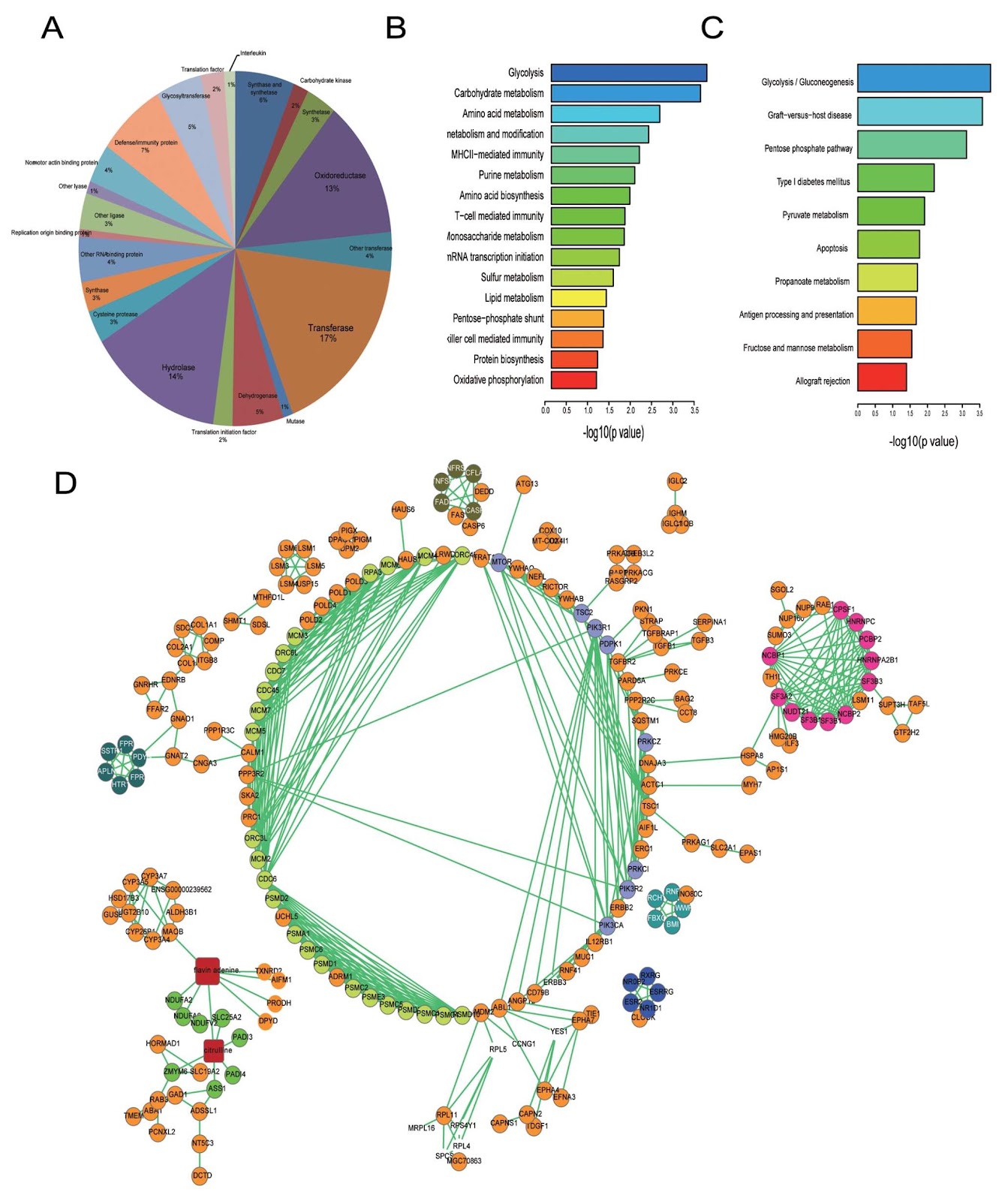
Carfilzomib (CFZ) is the second-generation proteasome inhibitor that is approved by Food and Drug Administration (FDA) of USA for the treatment of relapsed and refractory multiple myeloma. Although the preclinical and clinical efficacy of CFZ is obvious, the mechanism by which CFZ leads to cell death has not been fully elucidated. Since CFZ primarily functions as a proteasome inhibitor, profiling CFZ-induced changes in protein turnover at the systematic level is sufficient and necessary. In this study, we characterize the effects of CFZ on the stability of 15,000 human proteins using Protein Turnover Assay (ProTA). CFZ affects fundamental cellular glycolysis, nitric oxide production and proteasome subunit homeostasis in multiple myeloma cells. In addition, LY294002 or KU-0063794 has synergistic effects with CFZ in multiple myeloma treatment. A profound understanding of how cells respond to chemotherapeutic agents provides insights into the basic mechanism of drug function and the rationale for CFZ combination therapy.

Read Full Abstract10.3724/abbs.2024104