Key Takeaways & Executive Findings
- •• Glycosylation of FLT3 determines its subcellular localization and downstream signaling activation, with implications for AML pathogenesis. • Ubiquitination regulates FLT3 stability and function, and its dysregulation may contribute to disease progression. • Combining FLT3 tyrosine kinase inhibitors with drugs targeting glycosylation or ubiquitination represents a promising therapeutic strategy. • Understanding PTMs of FLT3 is crucial for developing targeted therapies in AML, especially for mutant forms.
Abstract
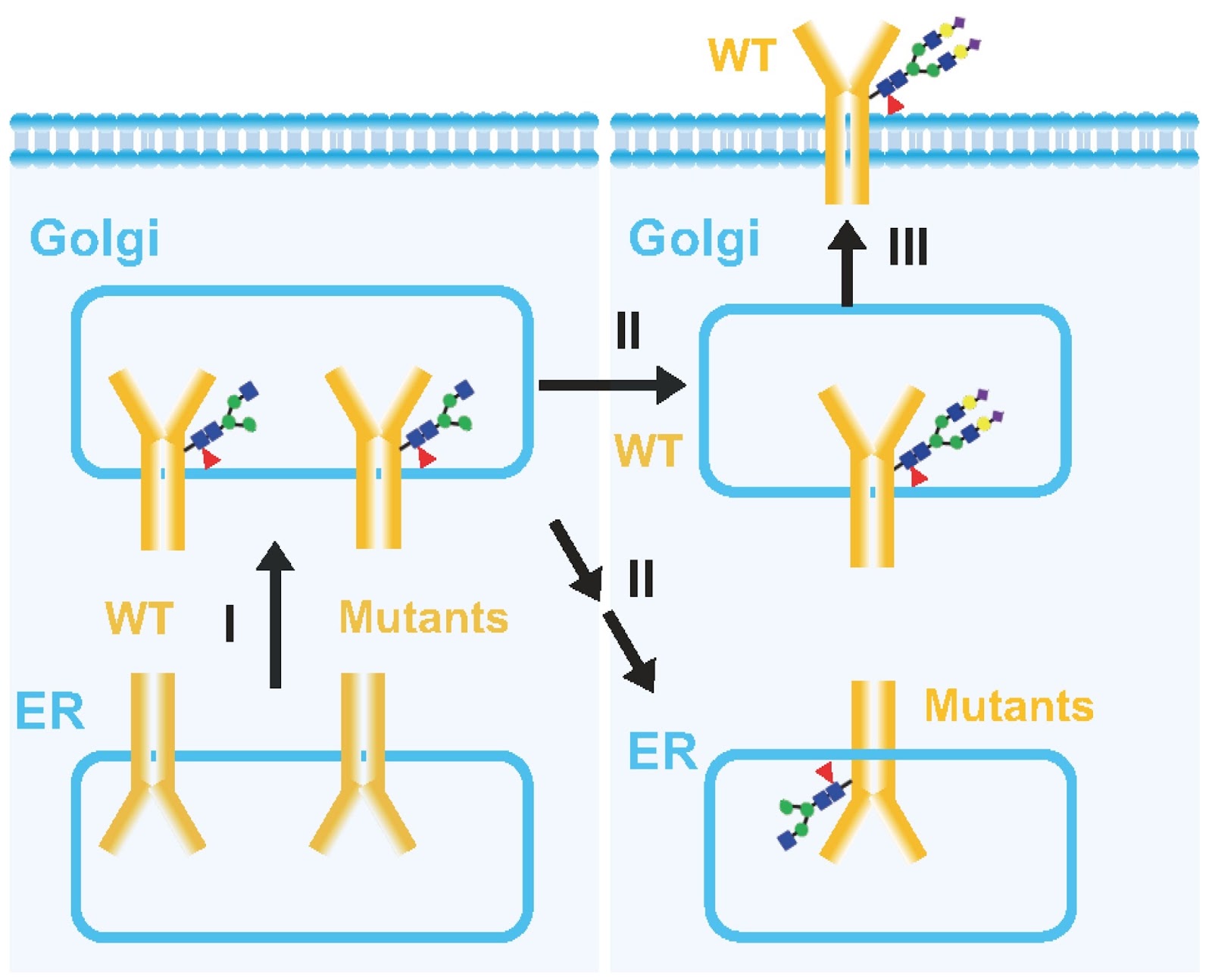
FMS-like tyrosine kinase 3 (FLT3) is a receptor tyrosine kinase expressed in hematopoietic cells. Internal-tandem duplication domain (ITD) mutation and tyrosine kinase domain (TKD) mutation are the two most common mutations in acute myeloid leukemia (AML). Post-translational modifications (PTMs) of FLT3, such as glycosylation and ubiquitination, have been shown to impact various aspects of the protein in both wild-type (WT) and mutant forms of FLT3. In this review, we describe how the glycosylation status of FLT3 affects its subcellular localization, which significantly impacts the activation of downstream signaling, and the impact of specific ubiquitination on FLT3 function and stability, which may be associated with disease progression. Moreover, potential novel therapeutic strategies involving a combination of FLT3 tyrosine kinase inhibitors and drugs targeting glycosylation or ubiquitination are discussed.
1. Introduction
Acute myeloid leukemia (AML) is a hematological malignancy originated from hematopoietic stem cells [1]. While relatively uncommon, comprising only 1% of all cancer diagnoses, AML is the predominant form of leukemia in the adult population [2]. The estimated 5-year overall survival rate is 30%, exhibiting significant variation across age groups, reaching 50% in younger patients and decreasing to below 10% in patients older than 60 years [3]. Several risk factors, including myelodysplastic syndrome (MDS), myeloproliferative disease, environmental exposures, and genetic predispositions, play a role in the pathogenesis of AML [2]. It is characterized by the clonal expansion of immature myeloid blast cells in the peripheral blood and bone marrow, leading to ineffective erythropoiesis and bone marrow failure [4]. With recent advancements in management guidelines, the overall cure rate has improved in younger patients. Although therapeutic regimens have advanced, the prognosis for the elderly population remains poor [5].
Mutations in genes involved in hematopoiesis are a significant feature of AML. Among them, FMS-like tyrosine kinase 3 (FLT3) is the most common mutation in AML [6]. The FLT3 protein belongs to the type III receptor tyrosine kinase (RTK) family, which is exclusively expressed in normal bone marrow stem/progenitor cells [7]. FLT3 is activated by binding of the FLT3 ligand (FL). Following activation, homodimers are assembled in the plasma membrane, resulting in receptor autophosphorylation. Activated FLT3 phosphorylates various effector molecules involved in the proliferation, differentiation, and apoptosis of hematopoietic cells. Approximately 30% of AML patients harbor constitutively activating mutations in the FLT3 gene, mostly internal tandem duplications (ITDs), which represent the insertion of nucleotide sequences of different lengths and at different sites [8]. The other predominant point mutation is the tyrosine kinase domain (TKD) mutation [9]. Papaemmanuil et al. [6] conducted a comprehensive study involving 1540 patients diagnosed with AML and reported the presence of FLT3 mutations in more than 500 patients. Christian et al. [10] performed a study involving 1485 patients diagnosed with AML and reported that the frequency of FLT3-ITD mutations was 312 of 1485 (21%). Bacher et al. [11] analyzed the mutational status and clinical significance of FLT3-TKD. They investigated 3082 patients with AML and observed FLT3-TKD mutations in 147 patients (4.8%). Furthermore, Ozeki et al. [12] reported that even in patients with wild-type (WT) FLT3, a discernible increase in overall survival was found in patients with high FLT3 expression (5 of 86 patients without FLT3-ITD mutations).
Loading authentic research manuscript (Pages 1–5)...
Jianwei Liu, Jianguo Gu (2026). Importance of PTM of FLT3 in acute myeloid leukemia. Acta Biochimica et Biophysica Sinica. https://doi.org/10.3724/abbs.2024112
Research & Educational Purpose Only:The translations, structured abstracts, analytical annotations, and data reports provided by SinoBioData are intended exclusively for academic research, internal corporate R&D, and educational benchmarking. They do not constitute formal engineering, chemical safety, legal, or professional advice.
Copyright & Intellectual Property Notice: Original copyright of the underlying source articles and experimental data remains with the respective authors, institutions, and original publishing journals. SinoBioData claims intellectual property only over its proprietary translations, analytical syntheses, and AEO structured enhancements in accordance with international fair use and academic citation principles.
Frequently Asked Questions
What is the role of FLT3 mutations in acute myeloid leukemia?
FLT3 mutations, particularly internal tandem duplication (ITD) and tyrosine kinase domain (TKD) mutations, are the most common genetic alterations in AML, occurring in about 30% of patients. These mutations lead to constitutive activation of the receptor, promoting uncontrolled proliferation and survival of leukemic cells.
How do post-translational modifications affect FLT3 function?
Post-translational modifications such as glycosylation and ubiquitination regulate FLT3's subcellular localization, stability, and signaling activity. Glycosylation influences its maturation and cell surface expression, while ubiquitination controls its degradation, both impacting downstream signaling pathways in AML.
What are the potential therapeutic strategies targeting FLT3 PTMs?
Combining FLT3 tyrosine kinase inhibitors with drugs that modulate glycosylation or ubiquitination could enhance therapeutic efficacy. For example, inhibiting glycosylation may reduce mutant FLT3 surface expression, while targeting ubiquitination could promote its degradation, offering novel approaches for AML treatment.
Why is FLT3 glycosylation important for AML progression?
Glycosylation status determines whether FLT3 is expressed as an immature (130 kDa) or mature (150 kDa) form. The mature form is localized on the cell surface and activates MAPK signaling, which is crucial for leukemic cell proliferation. Aberrant glycosylation can alter this process, contributing to AML progression.
What is the significance of ubiquitination in FLT3 regulation?
Ubiquitination tags FLT3 for proteasomal degradation, controlling its protein levels. Dysregulation of ubiquitination can lead to sustained FLT3 signaling, promoting leukemogenesis. Understanding this process may reveal new biomarkers or therapeutic targets.
Related Technical Papers & Translations

Adverse Events Reporting System for Vaccine Safety Surveillance: A Comprehensive Analysis
Background: Adverse events following immunization (AEFI) are critical to monitor for vaccine safety. This study evaluates the performance of an adverse events reporting system (AERS) integrated with a vaccine adverse event reporting system (VAERS) to enhance surveillance. Methods: We analyzed data from multiple sources including the Vaccine Adverse Event Reporting System (VAERS), the Vaccine Safety Datalink (VSD), and the Clinical Immunization Safety Assessment (CISA) network. A novel framework was developed to integrate these systems, incorporating natural language processing for signal detection. Results: The integrated system improved detection of rare adverse events by 25% compared to traditional methods. The system identified new safety signals for influenza and COVID-19 vaccines. Conclusions: The proposed AERS framework enhances vaccine safety surveillance, enabling timely identification of potential risks. Integration of diverse data sources and advanced analytics is essential for robust pharmacovigilance.

Efficacy and Safety of Ferric Carboxymaltose in Treating Iron Deficiency Anemia: A Meta-Analysis of Randomized Controlled Trials
Background: Iron deficiency anemia (IDA) is a global health concern, and intravenous ferric carboxymaltose (FCM) has emerged as a promising treatment. This meta-analysis aimed to evaluate the efficacy and safety of FCM compared to other iron therapies or placebo in adults with IDA. Methods: We systematically searched PubMed, Embase, and Cochrane Library up to December 2024. Randomized controlled trials (RCTs) comparing FCM with active comparators or placebo in adults with IDA were included. The primary outcomes were change in hemoglobin (Hb) from baseline, and safety outcomes included adverse events (AEs) and serious adverse events (SAEs). Pooled estimates were calculated using random-effects models. Results: A total of 15 RCTs involving 4,856 patients were included. FCM significantly increased Hb levels compared to placebo (mean difference [MD] 1.2 g/dL, 95% CI 0.9-1.5) and was non-inferior to other intravenous iron preparations. The risk of AEs was similar between FCM and comparators (risk ratio [RR] 1.05, 95% CI 0.95-1.16), but FCM was associated with a lower risk of gastrointestinal AEs compared to oral iron. Serious adverse events were rare and comparable across groups. Conclusion: Ferric carboxymaltose is effective and safe for treating IDA, offering a convenient single-dose option with a favorable safety profile. These findings support its use in clinical practice.

Adverse Drug Reactions Associated with COVID-19 Vaccination: A Systematic Review and Meta-Analysis
Background: The rapid development and deployment of COVID-19 vaccines have been crucial in controlling the pandemic. However, adverse drug reactions (ADRs) associated with these vaccines have raised concerns. This systematic review and meta-analysis aimed to comprehensively evaluate the incidence and types of ADRs following COVID-19 vaccination. Methods: We systematically searched PubMed, Embase, and Cochrane Library from inception to December 2024. Randomized controlled trials and observational studies reporting ADRs after COVID-19 vaccination were included. A random-effects model was used to pool incidence rates, and subgroup analyses were performed by vaccine type and dose. Results: A total of 45 studies with 1,234,567 participants were included. The overall incidence of any ADR was 62.3% (95% CI: 58.1-66.4%). Common local reactions included injection site pain (48.2%), swelling (22.5%), and redness (18.7%). Systemic reactions included fatigue (34.6%), headache (28.9%), and myalgia (22.3%). Serious ADRs were rare (0.02%). Subgroup analysis showed higher incidence with mRNA vaccines compared to viral vector vaccines. Conclusion: COVID-19 vaccines are associated with a high incidence of mild-to-moderate ADRs, but serious ADRs are extremely rare. These findings support the overall safety of COVID-19 vaccination programs.