🧬 SinoBioData Academic Portal
🏛️ Indexed Academic JournalOriginal: 中国组织工程研究

Chinese Journal of Tissue Engineering Research

Premier Chinese Biomedical Journal indexed in SinoBioData: Chinese Journal of Tissue Engineering Research (中国组织工程研究).

Total Research Papers: 200
Access: 100% Free Open Access
Browse by Publication Year & VolumeReset All Filters ✕

Published Research PapersFiltered: Year 2026 • Vol 1900 • 28

Showing 31 of 200 peer-reviewed papers with full Graphical Abstracts.

Original ResearchVol 1900, Issue 28 • pp. 100-112DOI: 10.12307/2026.21371Jan 15, 2026

Screening biomarkers for premature ovarian insufficiency based on cellular senescence and endoplasmic reticulum stress with experimental validation

Authors: Yan Yuge, Wang Yanxi, Qi Xiang, Cao Shan, Zou Xiaoyan, Liu Yujuan

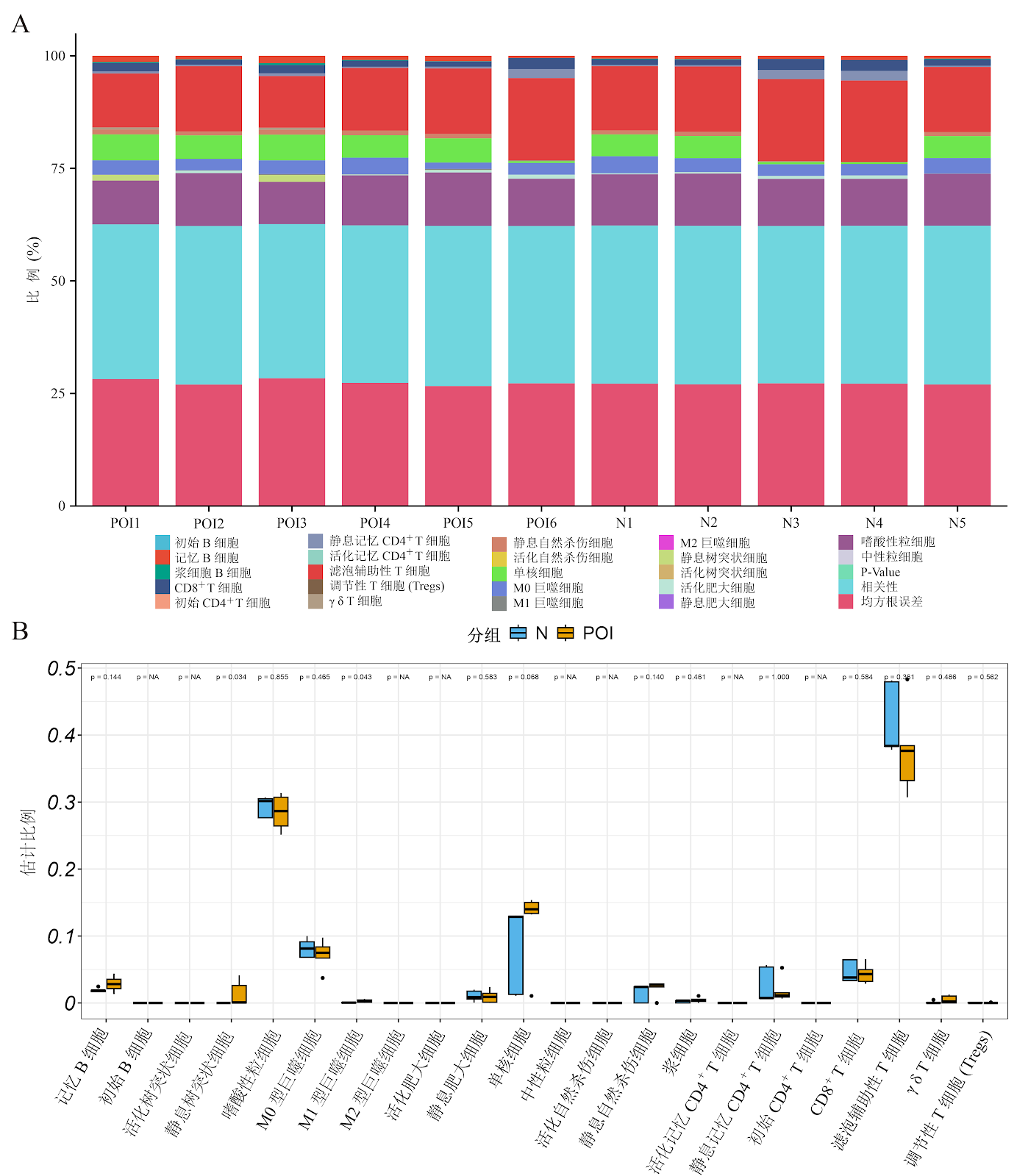
BACKGROUND: Ovarian granulosa cell senescence and endoplasmic reticulum stress are closely related to the development and progression of premature ovarian insufficiency; however, the underlying regulatory mechanisms remain unelucidated. OBJECTIVE: To identify potential biomarkers associated with cellular senescence and endoplasmic reticulum stress in granulosa cells in premature ovarian insufficiency using bioinformatic analysis and machine learning algorithms, with subsequent validation in animal experiments. METHODS: The premature ovarian insufficiency dataset GSE201276 was downloaded from the GEO database. Differentially expressed genes were screened, and weighted gene co-expression network analysis was performed to identify module genes. Gene sets related to cellular senescence and endoplasmic reticulum stress were obtained from the GeneCards database, and intersected with differentially expressed genes and module genes. Consensus clustering analysis was then performed to identify subtype-specific differentially expressed genes, followed by Gene Ontology and Kyoto Encyclopedia of Genes and Genomes enrichment analyses and immune infiltration analysis. Two machine learning algorithms were applied to screen key genes associated with cellular senescence and endoplasmic reticulum stress in granulosa cells, and a diagnostic model was constructed and validated. Finally, a premature ovarian insufficiency mouse model was established in C57BL/6J mice, and the model was verified by estrous cycle monitoring, hematoxylin-eosin staining, and serum ELISA. The expression of key genes was validated by real-time quantitative PCR and western blot. RESULTS AND CONCLUSION: Consensus clustering identified 911 subtype-specific differentially expressed genes associated with cellular senescence and endoplasmic reticulum stress. Gene Ontology enrichment analysis showed that these genes were mainly involved in biological processes such as negative regulation of cell cycle, meiosis, and female gonad development. Kyoto Encyclopedia of Genes and Genomes analysis revealed enrichment in pathways such as oocyte meiosis, progesterone-mediated oocyte maturation, and transforming growth factor beta signaling. Immune infiltration analysis showed significantly higher infiltration levels of M1 macrophages and resting dendritic cells in the premature ovarian insufficiency group (P < 0.05). Machine learning algorithms identified four key genes, and the diagnostic model and calibration curves showed that aurora kinase A and actin binding protein exhibited good predictive performance. Animal experiments showed that compared with the control group, the model group exhibited disrupted estrous cycles, reduced numbers of primary, secondary, and antral follicles, and increased numbers of atretic follicles (P < 0.01). Serum follicle-stimulating hormone levels were elevated, while anti-Müllerian hormone levels were decreased, with significant differences (P < 0.01). Compared with the control group, the mRNA and protein expression levels of aurora kinase A and actin binding protein in ovarian tissues of the model group were significantly decreased (P < 0.05). These results indicate that aurora kinase A and actin binding protein may participate in the development of premature ovarian insufficiency by regulating granulosa cell senescence and endoplasmic reticulum stress, and their specific regulatory roles and molecular mechanisms require further experimental validation.
Screening biomarkers for premature ovarian insufficiency based on cellular senescence and endoplasmic reticulum stress with experimental validation
Graphical Abstract
Original ResearchVol 1900, Issue 28 • pp. 100-112DOI: 10.12307/2026.21373Jan 15, 2026

Pathogenesis and potential therapeutic targets of idiopathic pulmonary fibrosis: analysis of data from a large-scale genome-wide association study

Authors: Fan Zhiliang, Chai Yihui, Chen Guanglei, Li Qian, Gu Chunsong, Chen Yunzhi, Li Wen, Wu Damei, Pu Xiang

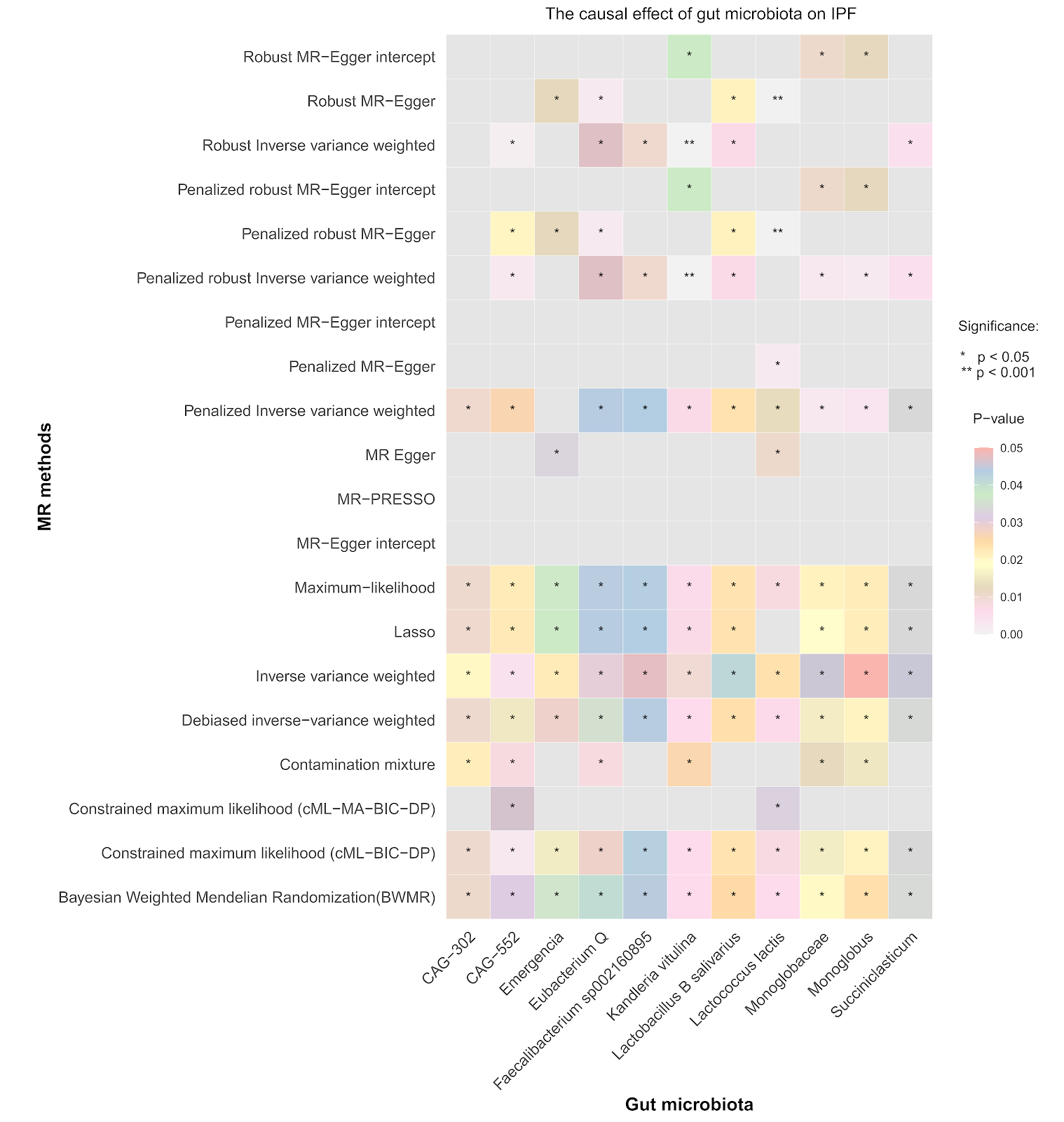
BACKGROUND: The gut–lung axis has emerged as a critical factor in the development of various pulmonary diseases. However, its role in idiopathic pulmonary fibrosis (IPF) remains insufficiently investigated, and the underlying causal relationships are yet to be clarified. This study integrates genome-wide association studies (GWAS), expression quantitative trait loci (eQTL) analysis, and colocalization-based molecular docking to comprehensively assess how gut microbiota may influence IPF through immune regulation, inflammatory mediators, and metabolic pathways. The research aims to provide mechanistic insights from genetic, transcriptional, and pharmacological perspectives. OBJECTIVE: To explore the causal relationship between gut microbiota and IPF, to elucidate the mediating effects of immune cells, inflammatory proteins, and circulating metabolites, to screen key microbial taxa and potential target genes, and to predict candidate therapeutic agents that may contribute to early diagnosis and drug development for IPF. METHODS: Using publicly available GWAS summary statistics for gut microbiota (473 species), immune cells (731 types), inflammatory proteins (91), metabolites (233), and IPF data from Finnish and eQTLGen databases, we performed univariate Mendelian randomization (MR) with inverse variance weighting and sensitivity analyses to explore causal links. Two-step mediation MR assessed whether immune cells, inflammatory proteins, and metabolites mediate the gut microbiota–IPF relationship. Additionally, MR and summary-data-based MR (SMR) were used to investigate causal relationships between gut microbiota and gene expression, followed by colocalization and druggability prediction, with molecular docking validation. RESULTS AND CONCLUSION: Bacteroides faecis, Megasphaera, and Pandoraea abundances showed causal relationships with IPF. B. faecis mediated IPF risk via 18:2 linoleic acid ratio and multiple CD4+ T cell subsets; Pandoraea risk was also influenced by different CD4+ T cell subsets; Megasphaera exerted protective effects mainly through interleukin-33, low-density lipoprotein-related metabolites, and CD4-CD8- T cell subsets. Further analysis identified GNF-Pf-2272, 5155877, and PpIX as potential drugs targeting KDM4C, CBR3, and YWHAG. Although the IPF GWAS data were predominantly from European populations, given the commonality of human genetic backgrounds across core pathways, these findings provide valuable reference for exploring gut microbiota modulation to reduce IPF risk in Chinese populations.

Pathogenesis and potential therapeutic targets of idiopathic pulmonary fibrosis: analysis of data from a large-scale genome-wide association study
Graphical Abstract
Original ResearchVol 1900, Issue 28 • pp. 100-112DOI: 10.12307/2026.21376Jan 15, 2026

A systematic review and network meta-analysis of neuromodulation techniques for promoting upper limb motor function after stroke

Authors: Fan Mengmeng, Ding Jiali, Wan Yujie, Huang Hailiang

OBJECTIVE: This study aimed to systematically compare the efficacy and safety of various neuromodulation techniques for upper limb motor function recovery after stroke, and to rank the relative advantages of different interventions through a network meta-analysis, thereby providing evidence-based guidance for clinical rehabilitation. METHODS: A comprehensive literature search was conducted in CNKI, WanFang, VIP, CBM, PubMed, EMbase, Web of Science, and Cochrane Library from inception to August 2025. Randomized controlled trials investigating different neuromodulation techniques for post-stroke upper limb motor impairment were included. Control group received sham stimulation or conventional rehabilitation, while trial group received additional neuromodulation therapies. The methodological quality of included studies was assessed using the Cochrane Risk of Bias Tool. Network meta-analyses were performed using Stata 16.0 and RevMan 5.4 software. RESULTS: A total of 51 randomized controlled trials were included, covering 12 neuromodulation stimulation modalities. Network meta-analysis results showed that compared with conventional treatment, high-frequency repetitive transcranial magnetic stimulation (MD=11.50, 95%CI: 6.83-16.16, P < 0.05) was most effective in improving basic upper limb motor function recovery; continuous theta burst stimulation (MD=12.10, 95%CI: 44.99-19.21, P < 0.05; MD=9.60, 95%CI: 1.32-17.88, P < 0.05) was most effective in improving the practicality and dexterity of upper limb function; and cathodal transcranial direct current stimulation (MD=15.40, 95%CI: 0.03-30.77, P < 0.05; MD=-0.83, 95%CI: -1.64 to -0.03, P < 0.05) was most effective in improving daily living activity limitations or with obvious spasticity. CONCLUSION: When the goal is to promote basic upper limb motor function recovery, high-frequency repetitive transcranial magnetic stimulation is most effective; for improving the practicality and dexterity of upper limb function, continuous theta burst stimulation is most effective; and for patients with impaired daily living ability accompanied by obvious spasticity, cathodal transcranial direct current stimulation is most effective.

A systematic review and network meta-analysis of neuromodulation techniques for promoting upper limb motor function after stroke
Graphical Abstract
Original ResearchVol 1900, Issue 28 • pp. 100-112DOI: 10.12307/2026.21375Jan 15, 2026

A network meta-analysis of effects of non-invasive neuromodulation techniques on language function in patients with aphasia after stroke

Authors: Li Sihui, Wang Qin, Cui Shenhong, Cheng Xiaofei, Feng Ziyun, Wang Dehua, Liang Chunting, Leng Jun

OBJECTIVE: Many studies have shown that non-invasive neuromodulation techniques can effectively improve the symptoms of non-fluent aphasia after stroke. However, the optimal stimulation protocols for these techniques still need to be further verified and explored. This article used a network meta-analysis method to systematically evaluate the effects of different non-invasive neuromodulation techniques on improving the language function of patients with non-fluent aphasia after stroke. METHODS: The CNKI, WanFang, VIP, CBM, PubMed, Cochrane Library, Embase, and Web of Science databases were searched for randomized controlled trials on the treatment of non-fluent aphasia after stroke with non-invasive neuromodulation techniques, with the search deadline of June 1, 2025. The control group received conventional treatment or sham stimulation, while the experimental group received non-invasive neuromodulation techniques in addition to the control treatment. Outcome measures included the Western Aphasia Battery, Chinese Aphasia Battery, and Communicative Abilities in Daily Living Scale. Stata 17.0 software was used for traditional meta-analysis and network meta-analysis, and GRADE was used to evaluate the evidence level of outcome measures. RESULTS: A total of 33 randomized controlled trials involving 10 non-invasive neuromodulation methods were included. (1) Traditional meta-analysis results showed that low-frequency repetitive transcranial magnetic stimulation (rTMS) over the right Broca's area, transcranial direct current stimulation (tDCS) over bilateral Broca's area, and tDCS over the left Broca's area improved Western Aphasia Battery scores (P < 0.001); low-frequency rTMS over the right Broca's area, low-frequency rTMS over the posterior superior temporal gyrus, and low-frequency rTMS over the right Broca's area combined with high-frequency rTMS over the left Broca's area improved Chinese Aphasia Battery scores (P < 0.05); low-frequency rTMS over the right Broca's area, tDCS over bilateral Broca's area, continuous theta burst stimulation over the right Broca's area combined with intermittent theta burst stimulation over the left Broca's area, high-frequency rTMS over the right Broca's area, and low-frequency rTMS over the right Broca's area combined with high-frequency stimulation over the left Broca's area improved Communicative Abilities in Daily Living Scale scores (P < 0.05). (2) Network meta-analysis results showed that low-frequency rTMS over the right Broca's area was more effective in improving Western Aphasia Battery scores [SMD=1.13, 95%CI(0.59, 1.67), P < 0.05] and Chinese Aphasia Battery scores [SMD=4.73, 95%CI(1.28, 8.18), P < 0.05], while tDCS over bilateral Broca's area was more effective in improving Communicative Abilities in Daily Living Scale scores [SMD=1.81, 95%CI(0.51, 2.12), P < 0.05]. (3) GRADE evidence level evaluation showed that the evidence levels for Western Aphasia Battery, Chinese Aphasia Battery, and Communicative Abilities in Daily Living Scale outcome measures were all low. CONCLUSION: Different non-invasive neuromodulation techniques can improve the language function of patients with non-fluent aphasia after stroke. Low-frequency rTMS over the right Broca's area has significant efficacy in improving multi-dimensional language function, especially in spontaneous speech coherence, auditory comprehension accuracy, and naming fluency; tDCS over bilateral Broca's area is more focused on improving patients' daily communication ability. However, the results are affected by the quantity and quality of included studies, and the evidence level is low, requiring more high-quality studies for further verification.

A network meta-analysis of effects of non-invasive neuromodulation techniques on language function in patients with aphasia after stroke
Graphical Abstract
Original ResearchVol 1900, Issue 28 • pp. 100-112DOI: 10.12307/2026.21374Jan 15, 2026

Meta-analysis of robot-assisted walking training on lower limb motor function improvement in Parkinson's disease patients

Authors: Ren Yi, Wang Qing, Yu Shaohong, Qiu Zhengang

OBJECTIVE: Studies have confirmed that robot-assisted walking training can effectively improve motor function in patients with neurological diseases such as stroke, spinal cord injury, and multiple sclerosis. Currently, different robot-assisted gait training devices differ in design and function, but their impact on Parkinson's disease patients remains unclear. Different robots can provide different motion parameters, motion frequencies, and training modes, but related research is scarce. Therefore, this article systematically evaluates the impact of robot-assisted walking training on lower limb motor function in Parkinson's disease patients. METHODS: Randomized controlled trials addressing the impact of robot-assisted walking training on lower limb motor function in Parkinson's disease patients were searched in English databases (PubMed, Web of Science, Embase, Cochrane Library) and Chinese databases (CNKI, VIP, Wanfang) from inception to April 20, 2025. Methodological quality was assessed using the Cochrane Risk of Bias tool, and meta-analysis was performed using RevMan 5.3 software. RESULTS: A total of 12 studies involving 526 patients were included. Meta-analysis showed that compared with the control group, robot-assisted walking training significantly improved Berg Balance Scale scores (MD=4.08, 95%CI 2.59 to 5.58, P<0.00001), Activities-specific Balance Confidence Scale scores (MD=4.31, 95%CI 2.97 to 5.83, P<0.00001), 6-minute walk test distance (MD=32.62, 95%CI 13.41 to 51.83, P=0.0009), Timed Up and Go test time (MD=-1.88, 95%CI -2.58 to -1.18, P<0.00001), cadence (MD=2.98, 95%CI 0.67 to 5.29, P=0.01), stride length (MD=9.11, 95%CI 7.06 to 11.15, P<0.00001), gait speed (MD=0.04, 95%CI 0.02 to 0.06, P=0.0001), Unified Parkinson's Disease Rating Scale part II score (MD=-2.05, 95%CI -2.55 to -1.55, P<0.00001), and part III score (MD=-3.73, 95%CI -4.17 to -3.29, P<0.00001). CONCLUSION: Robot-assisted walking training can effectively improve lower limb motor function in Parkinson's disease patients, specifically enhancing balance and walking ability, and improving gait parameters. Notably, intervention periods of 8 weeks or more showed greater improvements in walking endurance (6-minute walk test) and dynamic balance (Timed Up and Go test), with an average increase in gait speed of 0.04 m/s and stride length of 9.11 cm. However, large-sample, high-quality randomized controlled trials are still needed for further verification.

Meta-analysis of robot-assisted walking training on lower limb motor function improvement in Parkinson's disease patients
Graphical Abstract
Original ResearchVol 1900, Issue 28 • pp. 100-112DOI: 10.12307/2026.21357Jan 15, 2026

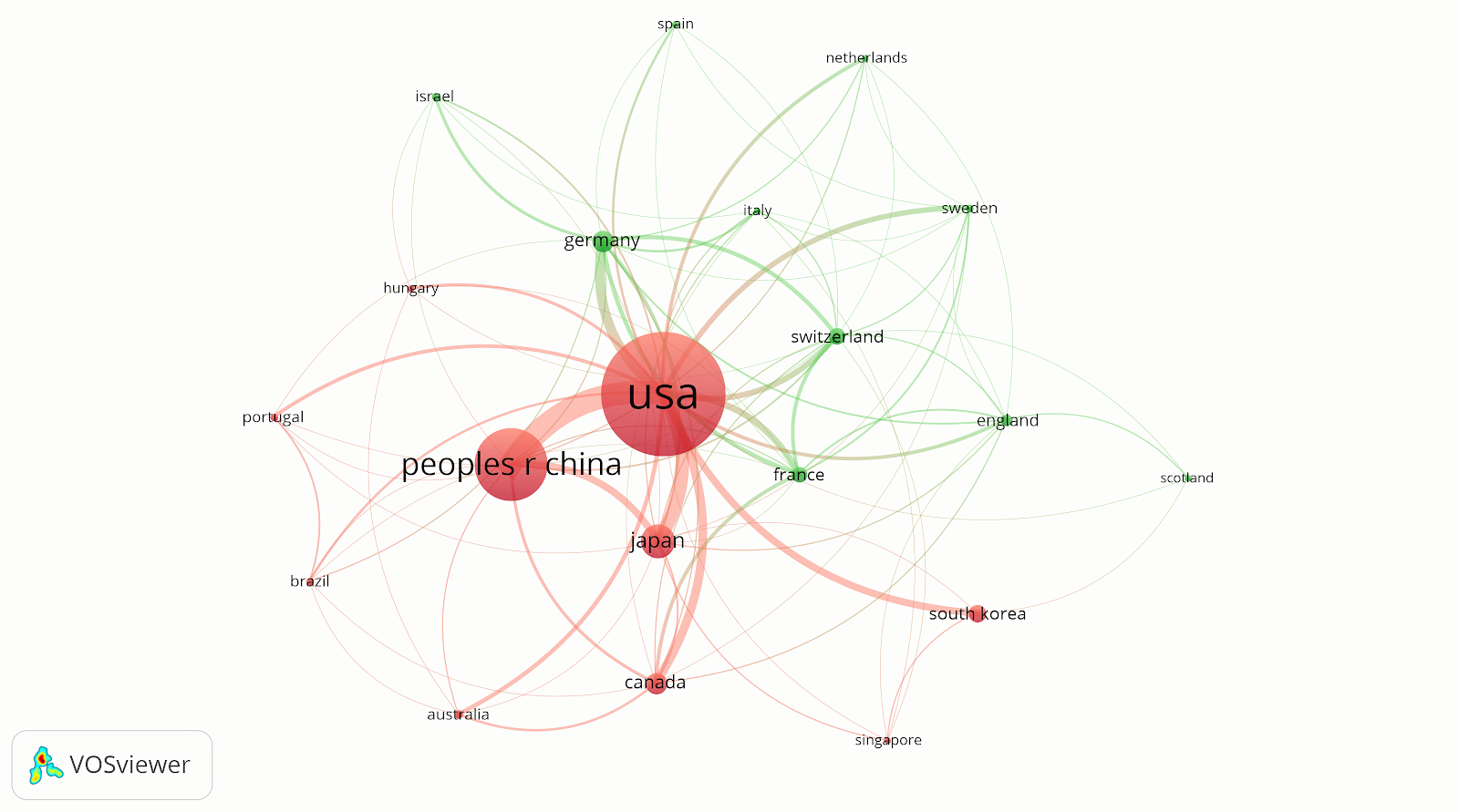
Research hotspots and trends of optogenetics in behavioral neuroscience

Authors: Liu Yan, Zuo Qingchun, Li Weiying, Wu Xubo

BACKGROUND: Optogenetics has achieved considerable advances in emotion regulation, reward mechanisms, social behavior, and motor control, demonstrating broad prospects for investigating the pathological mechanisms underlying various neuropsychiatric disorders, including depression, autism spectrum disorder, Parkinson’s disease, and epilepsy. OBJECTIVE: To analyze the global scientific collaboration network of optogenetics in behavioral neuroscience, identify key research foci, and explore future research directions. METHODS: A bibliometric analysis was performed using CiteSpace and VOSviewer software to perform a visualized analysis of relevant literature indexed in the Web of Science Core Collection from January 2010 to December 2024. RESULTS AND CONCLUSION: (1) A total of 859 articles were included, involving 47 countries, 834 research institutions, and 5 525 authors, and 125 journals. Since 2020, the annual number of publications in optogenetics in behavioral neuroscience has increased significantly, indicating that this field has entered a stage of rapid development. The United States and European high-income countries are leading in research output and academic influence. The Chinese Academy of Sciences, Stanford University, Columbia University, University of California San Diego, and University of Washington are core institutions in the collaboration network. Deisseroth Karl, Stuber Garret D., and Duan Shumin are representative high-yield authors. (2) Optogenetics in behavioral neuroscience has initially formed a stable international collaboration network, with high-income countries playing a leading role in technological innovation and theoretical guidance. Research hotspots mainly focus on emotion regulation, reward and motivation mechanisms, and social behavior modeling. Future research hotspots are expected to focus on neural regulation of sleep comorbid emotional disorders and higher cognitive functions such as social cognition and decision-making, showing an overall trend from basic mechanisms to complex behavioral systems and from single-modal intervention to multimodal integration.

Research hotspots and trends of optogenetics in behavioral neuroscience
Graphical Abstract
Original ResearchVol 1900, Issue 28 • pp. 100-112DOI: 10.12307/2026.21372Jan 15, 2026

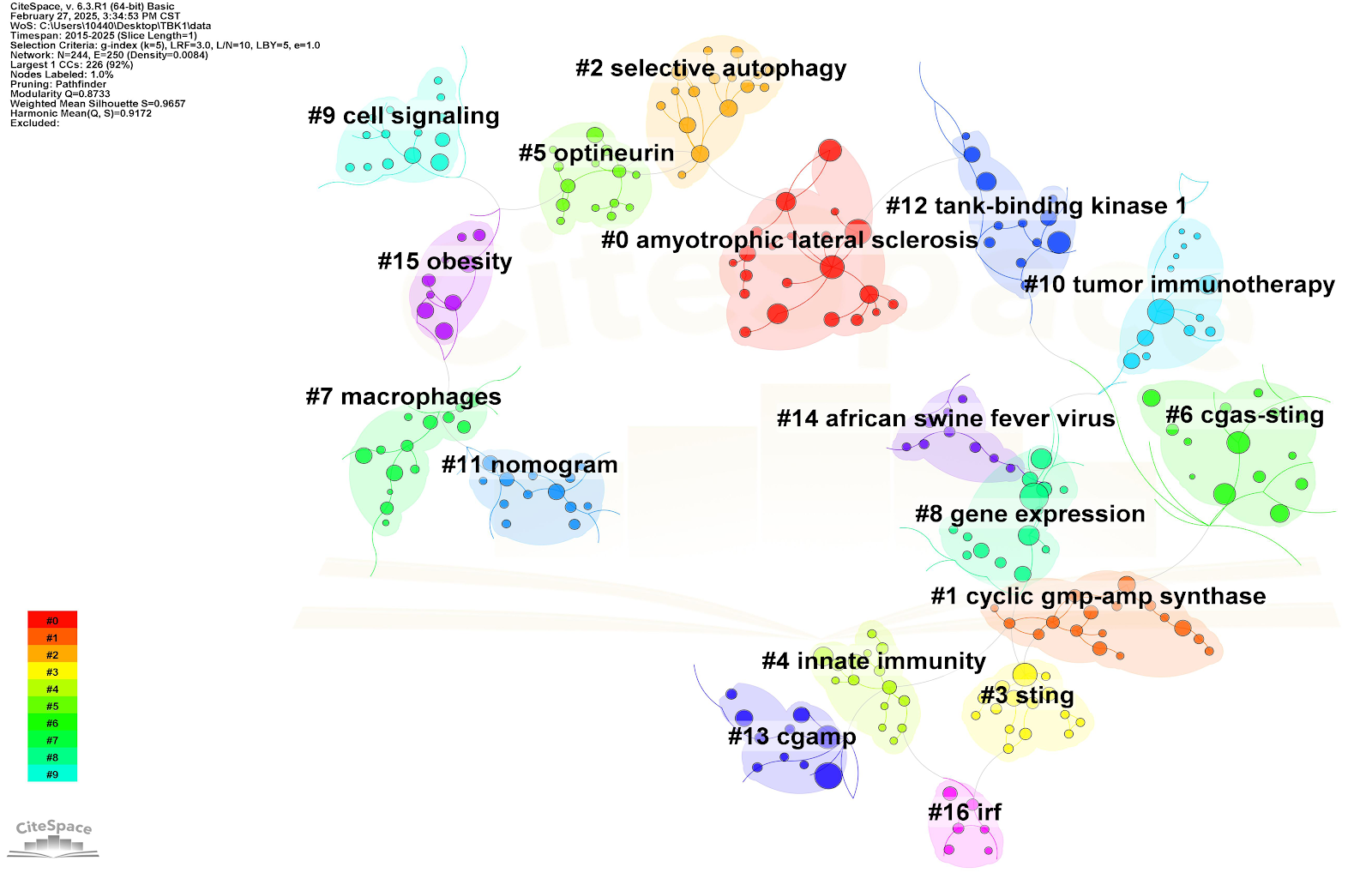
Research context and trend of TANK binding kinase 1 in autoimmunity and tumor prevention and treatment

Authors: Xu Canli, He Wenxing, Wang Yuping, Ba Yinying, Chi Li, Wang Wenjuan, Wang Jiajia

BACKGROUND: The research results on TANK binding kinase 1, a bi-directional tumor regulator, have been increasing yearly, but there is no bibliometric literature to analyze the information in the literature related to TANK binding kinase 1. OBJECTIVE: To explore the research status, hot spots, and trends of TANK binding kinase 1 based on bibliometric analysis. METHODS: We collected literature related to TANK binding kinase 1 in the last 10 years based on the SCIE database in the Web of Science Core Collection. The data were imported into CiteSpace 6.3.R1 and analyzed bibliometrically and visually with five options: country, author, institution, reference, and keyword. In addition, Origin 2021 was used to plot the relevant statistical graphs. RESULTS AND CONCLUSION: There was an upward trend in the number of publications and co-citations involved in TANK binding kinase 1 research. Dan-Dan Chen, Jian-Fang Gui, Qiwei Qin, and Shun Li were the four authors with the highest number of publications (n=11), while the Chinese Academy of Sciences, University of Chinese Academy of Sciences, Zhejiang University, Chinese Academy of Agricultural Sciences, and Wuhan University had a larger number of publications (> 50). The research hot spots of TANK binding kinase 1 in the last decade mainly focus on innate immunity, the cyclic gmp-amp synthase (cGAS)-stimulator of interferon genes (STING) pathway, NF-κB, inflammation, optineurin, expression, and cancer. The results indicate that scholars from various countries have conducted continuous and in-depth research in related fields in recent years, and TANK binding kinase 1 shows great scientific potential in autoimmune systems, signaling pathways, gene expression, and tumor prevention and treatment. However, academic cooperation among scholars and institutions is not close, and future scholars should strengthen cooperation and communication, grasp the research hotspots and trends of TANK binding kinase 1, expand the scope of research in disease fields, and provide more evidence for further elucidating the pharmacological mechanisms and pathological changes of diseases.

Research context and trend of TANK binding kinase 1 in autoimmunity and tumor prevention and treatment
Graphical Abstract
Original ResearchVol 1900, Issue 28 • pp. 100-112DOI: 10.12307/2026.21355Jan 15, 2026

Sarcopenia and cognitive impairment: a data analysis based on European population databases

Authors: Yin Xingxiao, Peng Hao, Song Yanping, Yao Na, Shen Zhen, Jiang Yang, Chen Hongbo, Huang Li, Song Yueyu, Li Yanqi, Chen Qigang

BACKGROUND: In recent years, multiple epidemiological studies have suggested a potential pathological link between sarcopenia and cognitive impairment. However, due to methodological limitations in traditional observational studies and difficulties in controlling confounding factors, their genetic-level causal relationship has not yet been fully elucidated. OBJECTIVE: To systematically analyze the causal relationship and underlying pathogenesis between sarcopenia and cognitive impairment in European populations using Mendelian randomization methods. METHODS: This study utilized genome-wide association study (GWAS) summary data for sarcopenia-related phenotypes (whole-body fat-free mass, hand grip strength, and walking speed) from the UK Biobank, and cognitive function GWAS summary data from the IEU database. After rigorous threshold filtering and linkage disequilibrium clumping, bidirectional Mendelian randomization analyses were performed. Forward analysis used sarcopenia-related traits as exposures and cognitive function as the outcome; reverse analysis swapped the direction. Inverse variance weighting was the primary analysis method, supplemented by weighted median, MR-Egger regression, and robust adjusted profile scoring. Heterogeneity and sensitivity analyses were conducted to ensure robustness. RESULTS AND CONCLUSION: Forward MR-IVW analysis showed that whole-body fat-free mass (OR=1.091, 95%CI: 1.001-1.188, P=0.045), left hand grip strength (OR=1.283, 95%CI: 1.077-1.527, P=0.005), right hand grip strength (OR=1.220, 95%CI: 1.022-1.456, P=0.027), and walking speed (OR=3.069, 95%CI: 1.997-4.717, P<0.001) were significantly positively associated with cognitive function. Reverse analysis showed that cognitive function had a significant positive causal effect only on walking speed (OR=1.023, 95%CI: 1.004-1.043, P=0.014), but not on fat-free mass or grip strength. Sensitivity analyses indicated some heterogeneity but no horizontal pleiotropy. The findings suggest a causal relationship between sarcopenia and cognitive impairment, indicating that sarcopenia may serve as a predictor for cognitive impairment, providing a theoretical basis for early clinical screening. This study, based on international public databases, offers new evidence for the association between sarcopenia and cognitive impairment in Chinese populations and has important reference value for early screening and prevention of both diseases.

Sarcopenia and cognitive impairment: a data analysis based on European population databases
Graphical Abstract
Original ResearchVol 1900, Issue 28 • pp. 100-112DOI: 10.12307/2026.21370Jan 15, 2026

Association between plasma metabolites and osteoarthritis

Authors: LI Yunpeng, LYU Yuqiang, ZHANG Jialin, TANG You, WANG Kai, ZHAO Wenzhi

BACKGROUND: In recent years, metabolic disorders have been confirmed to be closely related to the onset of osteoarthritis, but the causal relationship between plasma metabolites and osteoarthritis has not been systematically elucidated. OBJECTIVE: To explore the causal relationship between 1,400 plasma metabolites and 9 types of osteoarthritis using two-sample Mendelian randomization. METHODS: A genome-wide association study of 1,400 metabolites was used as the exposure. Nine types of arthritis, namely any-site osteoarthritis, early osteoarthritis, knee and/or hip osteoarthritis, knee osteoarthritis, hip osteoarthritis, spinal osteoarthritis, finger osteoarthritis, hand osteoarthritis, and thumb osteoarthritis, were set as the outcomes. Single nucleotide polymorphisms were used as instrumental variables, and sensitive single nucleotide polymorphisms were selected for Mendelian randomization analysis. The inverse variance weighted method was used as the main analysis approach. Meanwhile, four methods, namely MR-Egger, weighted median, simple mode, and weighted mode, were employed for cross-validation. MR-PRESSO, Cochran's Q test, and other methods were used for sensitivity and pleiotropy analyses. The false discovery rate method was used for further correction. RESULTS AND CONCLUSION: Mendelian randomization analysis showed that finger osteoarthritis, hand osteoarthritis, hip osteoarthritis, and spinal osteoarthritis had no results meeting FDR < 0.05. Any-site osteoarthritis, early osteoarthritis, knee and/or hip osteoarthritis, knee osteoarthritis, and thumb osteoarthritis were significantly causally associated with multiple metabolites. Metabolites such as glycine, serine, higenamine, and sulfate were closely related to multiple osteoarthritis types. Compared with some non-weight-bearing joint osteoarthritis (e.g., finger and hand osteoarthritis), plasma metabolites showed stronger sensitivity with weight-bearing joint osteoarthritis (e.g., knee and hip osteoarthritis). This study provides a theoretical basis for metabolic intervention strategies for osteoarthritis in the Chinese population and offers a methodological paradigm for mechanistic research on complex diseases in China.

Association between plasma metabolites and osteoarthritis
Graphical Abstract
Original ResearchVol 1900, Issue 28 • pp. 100-112DOI: 10.12307/2026.21352Jan 15, 2026

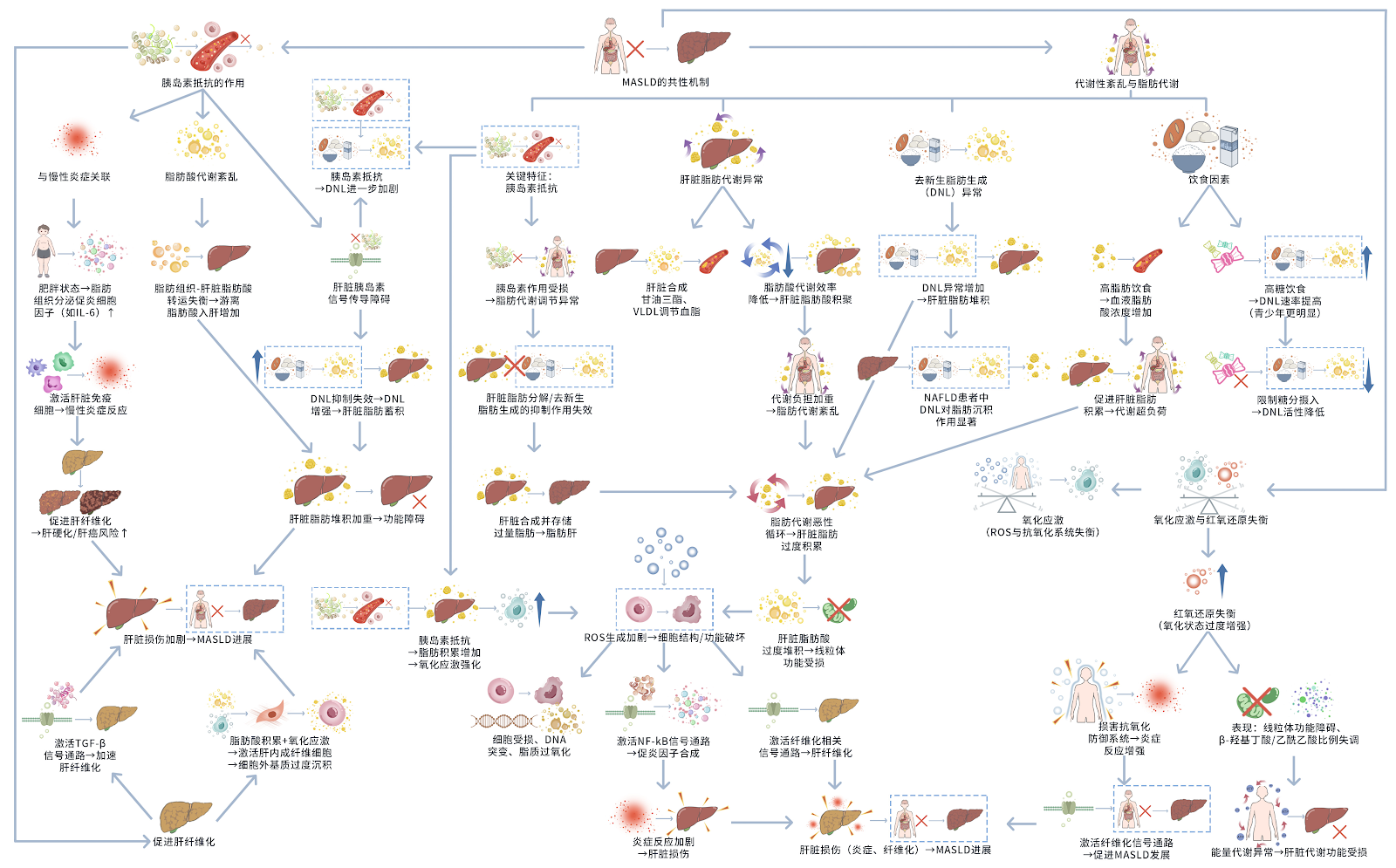
Metabolic dysfunction-related fatty liver disease: pathological mechanisms mediated by common and heterogeneous pathways

Authors: SUN Zhiyuan, XU Kai, TIAN Xuewen, SHANG Qinghui

BACKGROUND: In recent years, with the continuous maturity of the research system, metabolic dysfunction-related fatty liver disease has become independent from traditional non-alcoholic fatty liver disease. Its metabolic disorder background and heterogeneous disease progression patterns have updated the academic understanding of this type of disease. However, the relationship between the common occurrence mechanism of this type of disease and the pathological differences between individuals still needs to be further elucidated through systematic research. OBJECTIVE: To review the common pathways (such as insulin resistance and oxidative stress) commonly found in the pathological mechanism of metabolic dysfunction-related fatty liver disease, and to deeply explore its heterogeneous regulatory network (such as genetic variation and adipose tissue dysfunction), so as to analyze the interaction between the two. METHODS: A systematic search was conducted in Web of Science, PubMed, Embase, CNKI, Wanfang, and VIP databases for Chinese and English literature, with the search time limit from the establishment of each database to June 2025, focusing on the common metabolic disorder mechanisms, genetic/microenvironment heterogeneity pathways, and clinical phenotype classification of metabolic dysfunction-related fatty liver disease, sorting out relevant literature and integrating research evidence. RESULTS AND CONCLUSION: The pathological mechanism of metabolic dysfunction-related fatty liver disease revolves around the core of 'common pathways, heterogeneous regulation, dynamic interaction'. Among the common pathways, insulin resistance is the core link, which activates de novo lipogenesis in the liver, inhibits fatty acid oxidation, and jointly leads to abnormal lipid deposition in hepatocytes; activates the nuclear factor kappa B inflammatory pathway to aggravate hepatocyte injury, and upregulates the transforming growth factor beta pathway to promote liver fibrosis. The synergistic effects of oxidative stress and redox imbalance, and excessive fatty acid accumulation impair mitochondrial function, increase reactive oxygen species production, and destroy cell structure, while an imbalanced state (such as abnormal beta-hydroxybutyrate/acetoacetate ratio) further aggravates injury and promotes the progression of metabolic dysfunction-related fatty liver disease. In terms of heterogeneous regulation, PNPLA3 I148M inhibits triglyceride hydrolysis, TM6SF2 E167K reduces very low-density lipoprotein precursor secretion, independently driving the risk of metabolic dysfunction-related fatty liver disease, liver fibrosis, and cancer; adipose tissue dysfunction is key in lean metabolic dysfunction-related fatty liver disease, leading to ectopic fat deposition and decreased adiponectin levels; among the three metabolic subtypes, type A has lower cardiovascular risk, while types B/C progress rapidly in liver fibrosis. Therefore, the dynamic interaction between genetics, metabolism, and environment affects the disease trajectory, and differentiated intervention based on metabolic subtypes and genetic metabolic risk scores can provide theoretical support for precise risk stratification and personalized treatment of metabolic dysfunction-related fatty liver disease.

Metabolic dysfunction-related fatty liver disease: pathological mechanisms mediated by common and heterogeneous pathways
Graphical Abstract
Original ResearchVol 1900, Issue 28 • pp. 100-112DOI: 10.12307/2026.21369Jan 15, 2026

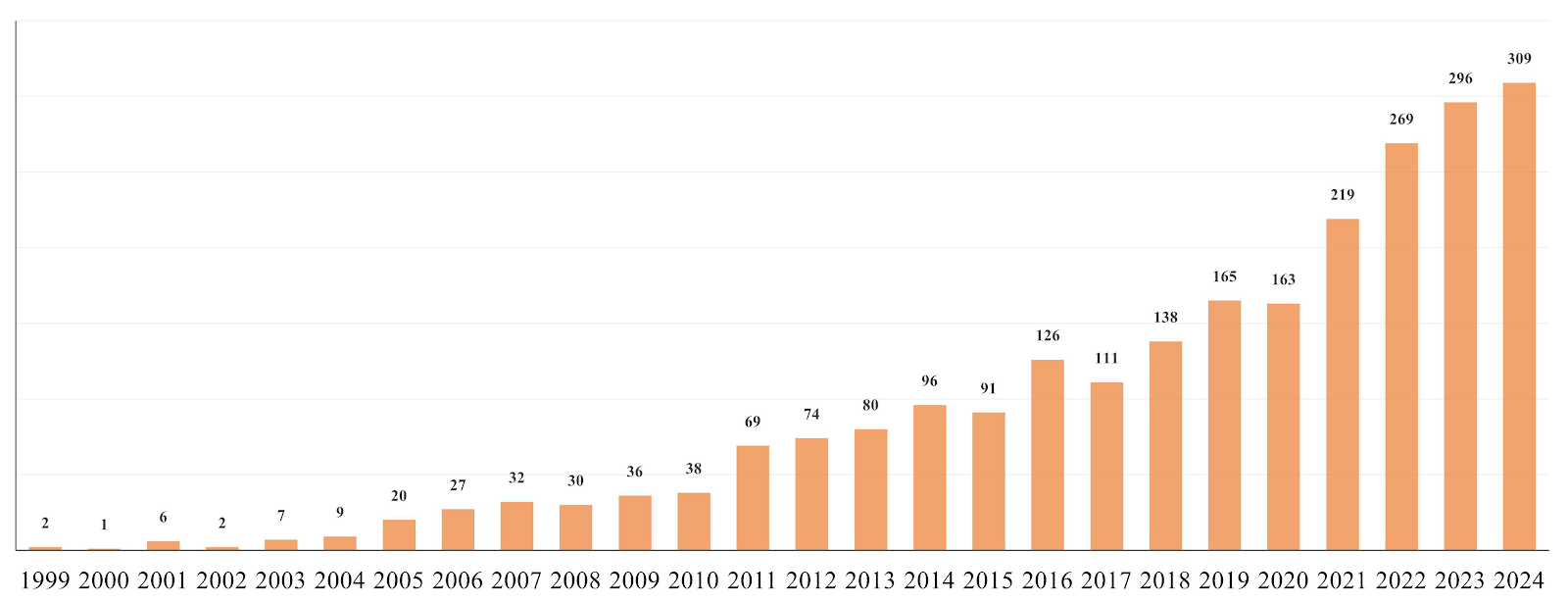
Oxidative stress and osteoporosis: a bibliometric analysis of literature from SCI core database

Authors: GUO Jun, LU Zheng, YU Jinling, HAO Yuanyuan, LIU Kaishun, LIU Xuexia, HUANG Yourong

BACKGROUND: Oxidative stress, representing an imbalance between oxidative and antioxidant systems in the body, plays a crucial role in the pathogenesis of osteoporosis. However, a systematic analysis of the current research status and trends in the field of oxidative stress and osteoporosis is lacking. OBJECTIVE: To analyze the current research status, hot topics, and trends in the field of oxidative stress and osteoporosis using bibliometric methods. METHODS: The Web of Science core database was searched using “oxidative stress” and “osteoporosis” as search terms, with the language limited to “English” and the document type limited to “article” and “review article.” The search period was from January 1, 1999 to December 31, 2024. After screening the literature according to the inclusion and exclusion criteria, CiteSpace (6.3.R1) and VOSviewer (1.6.20) software were used for data analysis and visualization of publication volume, country, institution, author, journal, and keywords. RESULTS AND CONCLUSION: (1) Publication volume analysis: A total of 2 558 articles were retrieved, with 2 416 articles included. From 1999 to 2024, the number of publications in the field of oxidative stress and osteoporosis showed a significant increasing trend, especially after 2011, reflecting the gradual deepening and rising popularity of research in this field. (2) Country analysis: China ranked first with 1 088 publications, but the average citations per article were relatively low. The United States ranked second with 353 publications, but the average citations per article were as high as 74.62, demonstrating international influence in research quality. (3) Institution analysis: Chinese institutions dominated in publication volume, but the level of international cooperation needs improvement. Among them, Shanghai Jiao Tong University and Soochow University had extensive cooperation and high citation counts. (4) Author and co-cited author analysis: A few core authors such as Almeida and Manolagas had significant influence in this field, with extremely high citation counts and diverse collaboration models, dominated by international authors. (5) Journal analysis: American journals such as the Journal of Bone and Mineral Research occupied a core position in the field of osteoporosis and oxidative stress, with significant academic authority and influence. (6) Keyword analysis: The research core focused on the interaction mechanism between “osteoporosis” and “oxidative stress.” High-frequency keywords included “reactive oxygen species,” “inflammation,” “osteoblasts,” and “osteoclasts.” Keyword clustering analysis showed that research hotspots concentrated on inflammation, oxidative stress and bone metabolic imbalance, population and clinical studies, and the development and application of antioxidant therapy. (7) The field of oxidative stress and osteoporosis is growing rapidly. Although China occupies a dominant position, its international influence needs improvement. Future research should deeply analyze the oxidative stress signaling network, explore cross-disease interactions, develop novel antioxidants and therapeutic methods, promote precision medicine and multi-omics technology applications, and strengthen international cooperation and exchange, in order to provide more scientific and effective solutions for the prevention and treatment of osteoporosis.

Oxidative stress and osteoporosis: a bibliometric analysis of literature from SCI core database
Graphical Abstract
Original ResearchVol 1900, Issue 28 • pp. 100-112DOI: 10.12307/2026.21368Jan 15, 2026

Bibliometric analysis of application of artificial intelligence in orthopedic imaging diagnosis

Authors: Yue Yuhang, Xie Liangyu, Shi Liupeng, Yin Zuozhen, Cao Shengnan, Shi Bin, Sun Guodong

BACKGROUND: In the process of applying artificial intelligence to orthopedic imaging, the technical system exhibits a clear hierarchical structure: machine learning is the primary pathway to achieving artificial intelligence, while convolutional neural networks, a branch of deep learning, have become the core model for image analysis. Clarifying this technical lineage helps to systematically review the research evolution and trends in this field through bibliometric methods. OBJECTIVE: To comprehensively analyze the research status and development trends of artificial intelligence in the field of orthopedic imaging based on bibliometric methods, providing ideas and methods for future research. METHODS: By searching the Web of Science Core Collection database, with keywords including artificial intelligence, deep learning, convolutional neural network, and orthopedic imaging, a total of 460 relevant English articles published between 2015 and 2025 were included. CiteSpace 6.4.R1, VOSviewer 1.6.20, and Bibliometrix software were used to conduct visual analysis from dimensions such as annual publication volume, country and institution distribution, author collaboration network, keyword co-occurrence, clustering, and burst word evolution. RESULTS AND CONCLUSION: (1) The number of publications in this field has steadily increased over the past 10 years. (2) China and the United States are the main publishing countries, with the United States showing outstanding performance in citation frequency and international collaboration influence; Sichuan University, the University of California, and Harvard University constitute a core collaborative institutional network. (3) Research hotspots mainly focus on bone age assessment, automated image segmentation, and the application of deep learning in fracture detection and osteoarthritis diagnosis. Related keywords such as bone age assessment, automated segmentation, and deep learning have continued to burst, indicating the evolutionary trajectory of research focus. (4) The research enthusiasm for artificial intelligence in orthopedic imaging continues to rise, with intelligent segmentation, disease grading, and multimodal data fusion being important future research directions. (5) This paper systematically reviews the field from a macro perspective, providing a reference for promoting the deep integration of artificial intelligence technology in orthopedic clinical practice; through bibliometric analysis, it constructs a knowledge map of the application of artificial intelligence in orthopedic imaging, systematically summarizes the research status and hotspots in this field, and aims to provide reference and guidance for future related research.

Bibliometric analysis of application of artificial intelligence in orthopedic imaging diagnosis
Graphical Abstract
Original ResearchVol 1900, Issue 28 • pp. 100-112DOI: 10.12307/2026.21367Jan 15, 2026

Extracorporeal shock wave therapy: current research status, hotspots, and trends

Authors: ZHANG Jingyi, ZHI Liang, YANG Zeyu, LI Yaning, HU Jia, WANG Jia, WANG Yulong, LONG Jianjun

BACKGROUND: Extracorporeal shock wave therapy, as a non-invasive and non-invasive treatment technique, is widely used in various fields. Currently, there is no systematic analysis of the latest research status, hot topics, and development trends in this field. OBJECTIVE: To analyze the research status, hotspots, and trends of extracorporeal shock wave therapy using bibliometric visualization software over the past 10 years. METHODS: Relevant literature in the field of extracorporeal shock wave therapy was retrieved from the Web of Science core database from January 1, 2015 to December 31, 2024. CiteSpace was used for analyzing publication volume, collaborations among countries/regions, institutions, and authors, citation analysis of journals and co-cited literature. Additionally, keyword co-occurrence, clustering, and burst analyses were conducted, and visualized knowledge maps were generated. RESULTS AND CONCLUSION: A total of 1 641 articles were included. The number of publications in the field of extracorporeal shock wave therapy is generally on the rise over the past 10 years. China, the United States, and Italy are the top three countries in terms of publication volume, while Chang Gung University, the University of California, and Harvard University are the top three research institutions. A total of 280 journals published articles related to extracorporeal shock wave therapy, among which Clinical Orthopaedics and Related Research was the most cited journal, and PLoS One had the highest centrality. The author with the highest publication volume was Wang, Ching-Jen from Chang Gung University, and there was little collaboration among high-yield authors and their research groups. The hot keywords in this field were mainly double-blind, pain, erectile dysfunction, plantar fasciitis, lateral epicondylitis, etc. Burst keywords included rabbit, ischemia, myocardial infarction, fasciopathy, muscle spasm, and erectile function, showing diversified research directions. Extracorporeal shock wave therapy is a non-invasive and safe treatment method. Pain management, musculoskeletal system diseases, and urological-related diseases are the research hotspots in the field of extracorporeal shock wave therapy in the past 10 years, and research on related mechanisms is also a focus of interest. Future research directions may focus on standard parameter research and long-term efficacy verification of extracorporeal shock wave therapy.

Extracorporeal shock wave therapy: current research status, hotspots, and trends
Graphical Abstract
Original ResearchVol 1900, Issue 28 • pp. 100-112DOI: 10.12307/2026.21366Jan 15, 2026

Post-stroke rehabilitation robotics: current research status and hot topics in and outside China

Authors: WANG Xueting, YANG Wei, WANG Pengqin

BACKGROUND: In recent years, the research on stroke rehabilitation robots has developed rapidly both domestically and internationally. It involves the intersection of multiple disciplines such as rehabilitation medicine, artificial intelligence, virtual reality, and sensor technology, and has become a research hotspot in the field of stroke rehabilitation. OBJECTIVE: To grasp the current status and hotspots of research in this field through a comparative analysis of domestic and international studies, and to predict future development trends. METHODS: The Web of Science Core Collection and CNKI databases were selected as data sources to collect relevant literature on stroke rehabilitation robots from 2005 to 2025. CiteSpace 6.2.R3 visualization software and bibliometric methods were used to compare the annual publication volume, countries, and keywords of included studies, analyze differences between domestic and international research, and summarize and prospect frontier technologies. RESULTS AND CONCLUSION: A total of 3,522 English and 717 Chinese articles were included. From 2005 to 2025, 81 countries participated in research, forming a cross-continental cooperation network centered on the United States, China, and Italy. Publication trends showed a yearly increase both domestically and internationally, with an average annual growth rate of 13.06% internationally and 20.17% domestically, the latter being about 1.5 times faster. Research trends indicated that international research has gone through stages of mechanism exploration, clinical translation, and intelligent integration, currently focusing on multidisciplinary intersection and technology integration such as robot perception systems and machine learning. Domestic research started with technology introduction and clinical validation, gradually developing into intelligent integration and precise rehabilitation, with significant progress in multimodal fusion such as brain-computer interfaces and virtual reality in recent years. Research hotspots: international research mainly focuses on design optimization of robot technology and multimodal technology integration, while domestic research emphasizes the impact on functional outcomes after stroke. Additionally, international research is more advanced in neurophysiological signal fusion, advanced algorithms, and model construction, whereas domestic research shows unique advantages in combining rehabilitation technology with traditional Chinese medicine therapies. The results indicate that the field of stroke rehabilitation robots is in a rapid development stage, with technology integration and clinical translation being the core trends for future development. Although domestic and international research have different emphases, both are committed to improving the intelligence, lightweight design, and clinical practicality of rehabilitation robots. Domestic research started later but is developing rapidly, gradually building a multimodal technology system characterized by intelligent integration and precise rehabilitation. In the future, domestic and international research can complement each other, with China contributing clinical big data and application scenarios, and foreign countries providing core technologies and innovative methods, jointly advancing breakthroughs and applications in stroke rehabilitation robot technology.

Post-stroke rehabilitation robotics: current research status and hot topics in and outside China
Graphical Abstract
Original ResearchVol 1900, Issue 28 • pp. 100-112DOI: 10.12307/2026.21323Jan 15, 2026

Molecular mechanisms of active compounds from Tripterygium wilfordii in prevention and treatment of rheumatoid arthritis

Authors: ZHANG Hongrui, WU Ruiqi, WANG Wenchi, PENG Qinglin, CUI Wei

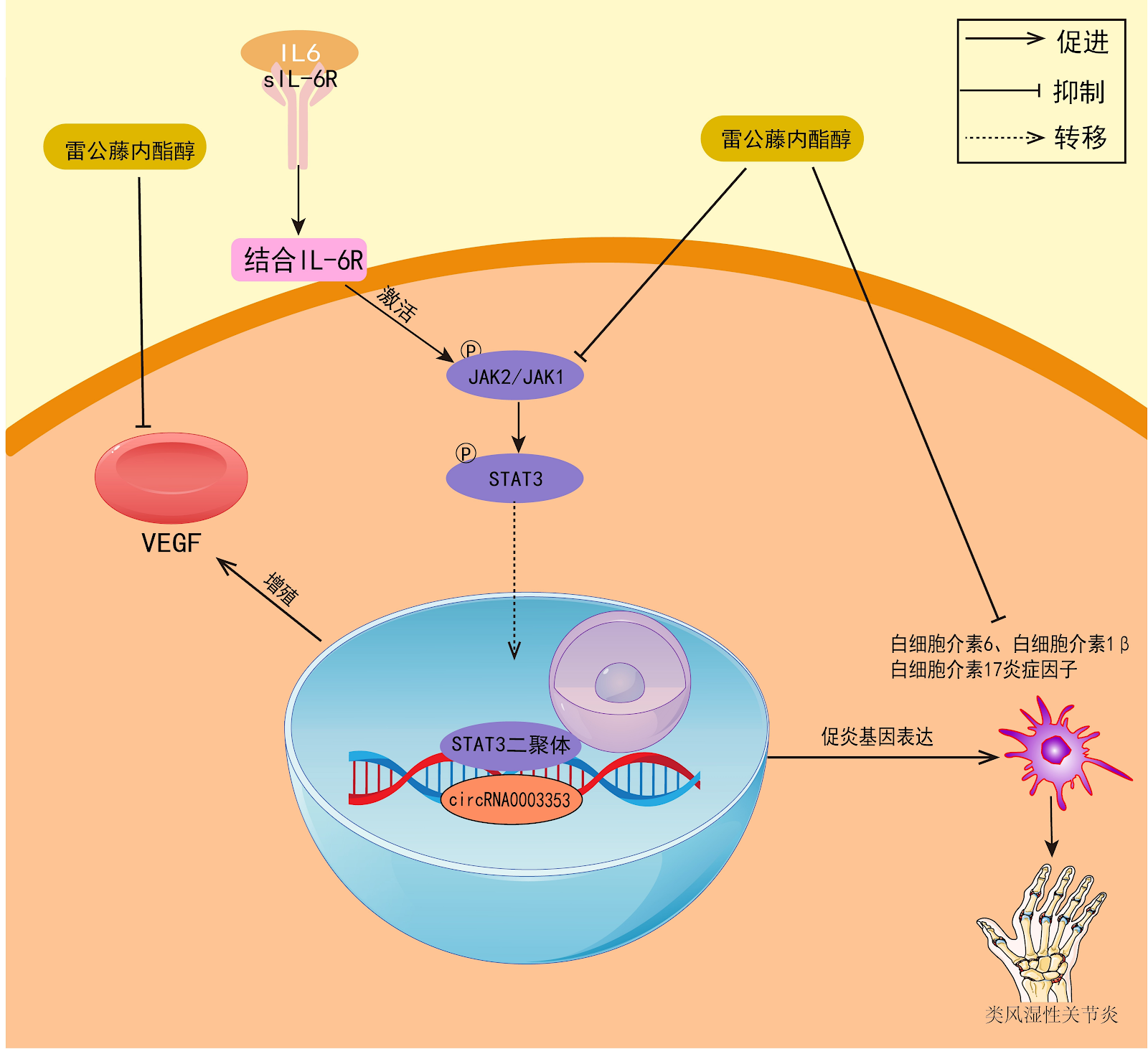
BACKGROUND: Currently, traditional Chinese medicine has been proven to play a significant role in combating rheumatoid arthritis. The efficacy and mechanisms of active components of Tripterygium wilfordii against rheumatoid arthritis have gained increasing recognition among researchers. OBJECTIVE: To summarize the research progress on the anti-rheumatoid arthritis effects of active components from Tripterygium wilfordii in vitro and in vivo. METHODS: Relevant literature published from inception to March 2025 was retrieved from CNKI, WanFang, VIP, and PubMed databases. Search terms included “rheumatoid arthritis, synovial cells, bone erosion, osteoclast, Tripterygium wilfordii, signal path” in Chinese and English. Eighty-seven articles were ultimately selected for review. RESULTS AND CONCLUSION: (1) Triptolide effectively alleviates joint inflammation and inhibits the abnormal proliferation and migration of fibroblast-like synoviocytes. Triptolide inhibits the Janus kinase 2/signal transducer and activator of transcription 3 signaling pathway mediated by interleukin-6 and soluble interleukin-6 receptor, thereby suppressing downstream pro-inflammatory cytokines (e.g., interleukin-6, interleukin-17), and time-dependently inhibits the expression of circRNA0003353 in rheumatoid arthritis fibroblast-like synoviocytes, while increasing the level of anti-inflammatory cytokine interleukin-4, reducing cell viability and migration, demonstrating dual potential for anti-inflammatory and inhibition of pathological synovial hyperplasia. (2) Celastrol significantly reduces joint swelling, synovial hyperplasia, inflammatory cell infiltration, and bone erosion. Celastrol inhibits the reactive oxygen species/nuclear factor kappa B/NOD-like receptor pyrin domain-containing protein 3 signaling pathway, reducing secretion of pro-inflammatory cytokines interleukin-1β and interleukin-18 in serum and immune cells. In collagen-induced arthritis rat models, celastrol induces autophagy and inhibits the phosphatidylinositol 3 kinase/protein kinase B/mammalian target of rapamycin signaling pathway, significantly reducing levels of inflammatory cytokines such as tumor necrosis factor α and interleukin-1β, exerting cytoprotective and anti-inflammatory effects. (3) Wilforine can inhibit the inflammatory response of rheumatoid arthritis and potentially affect bone metabolism. In collagen-induced arthritis rat models, wilforine significantly downregulates levels of interleukin-6, interleukin-1β, and tumor necrosis factor α, and exerts therapeutic effects by inhibiting the abnormally activated Wnt/β-catenin signaling pathway. (4) The active components of Tripterygium wilfordii show good therapeutic effects in rheumatoid arthritis, but the mechanisms are complex, involving interactions of multiple genes, proteins, and signaling pathways. Current research has not fully elucidated the specific mechanisms, limiting their widespread clinical application. Future research should further explore the molecular mechanisms of active components and conduct large-scale clinical trials to verify efficacy and safety, while exploring combination strategies with other drugs to achieve better therapeutic outcomes.

Molecular mechanisms of active compounds from Tripterygium wilfordii in prevention and treatment of rheumatoid arthritis
Graphical Abstract
Original ResearchVol 1900, Issue 28 • pp. 100-112DOI: 10.12307/2026.21350Jan 15, 2026

Signaling pathways associated with dopaminergic neuronal axonal degeneration in Parkinson's disease

Authors: WANG Jiao, SONG Wenjun, XIN Rui, LIU Wei, YING Zhenhao

BACKGROUND: Clarifying the interactions between multiple signaling pathways and axonal pathological alterations, and elucidating the role and mechanisms of axonal degeneration in the onset and progression of Parkinson's disease will pave the way for research on the pathogenesis and pathological mechanisms of Parkinson's disease centered around axonal degenerative changes. OBJECTIVE: Through in-depth analysis of the roles and interactions of the signaling pathways mentioned in this review during the occurrence and development of Parkinson's disease, to uncover potential clinical early warning mechanisms and explore novel strategies for prevention and treatment, including targeted gene sites, drug therapy, and rehabilitation interventions. METHODS: A search of the PubMed database was conducted using the following keywords: "Parkinson, PD, axonal regeneration, aging, α-syn, pathological mechanism, autopsy, mitochondria, ER stress, inflammatory response, Nrf2/ Keap1, BDNF, NGF, NT3/TrkC, GDNF, RhoA, Rac/Cdc42, Wnt/β-catenin, SHH, Notch, Slit-Robo, Ephrin, Netrin, Semaphorin, integrin, ubiquitin-proteasome, autophagy-lysosome, apoptosis, exercise." Another search of CNKI database was conducted using the search terms of "Parkinson's, axonal degeneration, exercise, oxidative stress, brain-derived neurotrophic factor." Literature was screened based on inclusion and exclusion criteria, and 101 articles were finally included for review and analysis. RESULTS AND CONCLUSION: Studies have shown that Parkinson's disease lesions initially occur in the limbic system region of the brain or the olfactory bulb, and that early axonal degeneration usually precedes cytosolic degeneration. Abnormal protein folding and aggregation, mitochondrial dysfunction, endoplasmic reticulum stress, and inflammatory responses may directly lead to axonal damage; meanwhile, cellular stress responses, neurotrophic factors, cytoskeletal regulation, development and regeneration, axonal growth and guidance, and clearance of abnormal proteins contribute to the repair of damaged axons. Therefore, prevention and treatment strategies for Parkinson's disease should focus on promoting the activation and expression of repair pathways, such as the use of quinacrine and niclosamide or exercise-induced activation of brain-derived neurotrophic factor and other axonal repair pathways, which can effectively promote axonal repair; at the same time, inhibiting abnormal activation of damage pathways is also a key strategy, including knocking out α-synuclein, Parkin genes or using drugs such as empagliflozin to reduce oxidative stress and inflammatory responses, potentially delaying the progression of Parkinson's disease.

Signaling pathways associated with dopaminergic neuronal axonal degeneration in Parkinson's disease
Graphical Abstract
Original ResearchVol 1900, Issue 28 • pp. 100-112DOI: 10.12307/2026.21327Jan 15, 2026

Single hyperbaric oxygen for exercise-induced fatigue: an evaluation using conventional monitoring indicators

Authors: Xiang Yang, Hu Jiangping, Liu Qi, Fu Beilun, Li Miao, Zhu Huan, Qian Youling, Wang Kangfeng

BACKGROUND: Currently, the research on the fatigue elimination effect of hyperbaric oxygen therapy mainly involves two forms: single-session intervention and periodic multiple intervention, with the application research of single therapy being the main focus. However, the effectiveness of single-session hyperbaric oxygen therapy on exercise-induced fatigue remains controversial, affecting its application in sports training. OBJECTIVE: To summarize the intervention effect of a single hyperbaric oxygen therapy on exercise-induced fatigue from two aspects: the commonly used biochemical monitoring indicators and physiological monitoring indicators for exercise-induced fatigue, and proposes corresponding application strategies based on the current research status and training practice. METHODS: A literature search was conducted in Chinese databases (CNKI, Wanfang) and English databases (PubMed) using combinations of keywords such as 'hyperbaric oxygenation', 'micro-barometric oxygen', 'oxygen therapy', 'micro-hyperbaric oxygen' with 'exercise fatigue', 'high intensity exercise', 'heart rate', 'heart rate variability', 'rating of perceived exertion', 'blood urea', 'creatine kinase', 'testosterone', 'cortisol', 'white blood cell', 'hemoglobin'. The search period was from January 2001 to June 2025, and 62 articles were finally included for review. RESULTS AND CONCLUSION: (1) Single-session hyperbaric oxygen intervention can promote the elimination of exercise-induced fatigue, but its intervention effect on commonly used physiological monitoring indicators is better than that on biochemical indicators. The differences in fatigue type and fatigue degree (differences in fatigue induction protocols), insufficient dosage of hyperbaric oxygen, and metabolic characteristics of biochemical indicators in the body may be the main factors causing this issue. (2) In view of the current research status, it is recommended that future research should be conducted in the following directions: 'comprehensively comparing the advantages and disadvantages of different hyperbaric oxygen modes', 'deeply comparing the intervention effects of different hyperbaric oxygen intervention times on exercise-induced fatigue', 'clarifying the intervention effect of single-session hyperbaric oxygen therapy during non-acute exercise fatigue period', and 'establishing a comprehensive evaluation index system for the intervention effect of hyperbaric oxygen'.

Single hyperbaric oxygen for exercise-induced fatigue: an evaluation using conventional monitoring indicators
Graphical Abstract
Original ResearchVol 1900, Issue 28 • pp. 100-112DOI: 10.12307/2026.21321Jan 15, 2026

Evolution, development and molecular regulation of fish tooth

Authors: WANG Shuoran, HUANG Rui, DONG Lingyue, AN Wei, HUANG Xiaofeng

BACKGROUND: Fish tooth serves as a pivotal model for depicting evolution and development of vertebrate and human tooth. Recent advancements in molecular developmental biology have provided new insights in the developmental homology between the teeth and scales of fish, as well as the signaling pathways involved. However, comparative studies across species and integration of evolutionary mechanisms require further exploration. OBJECTIVE: To synthesize the evolutionary origins, morphological diversification, and molecular regulatory mechanisms of fish dentition, while critically comparing core propositions and limitations of existing hypotheses. METHODS: A systematic literature search was conducted using PubMed and China National Knowledge Infrastructure databases with search terms “fish teeth, teeth development, evolution of teeth, molecular regulation of teeth” in both English and Chinese. Articles published between 1970 and 2025 were screened. According to the inclusion criteria, 77 articles were ultimately included for comprehensive analysis. RESULTS AND CONCLUSION: Molecular evidence supports the revised “outside-in” hypothesis, confirming that ectodermal scales and endodermal mesenchyme synergistically evolve to form teeth. Fish dentin is classified into four types: orthodentin, osteodentin, pseudodentin, and vascular dentin. In cartilaginous fish, enameloid mineralization is initiated by tubular vesicles secreted by odontoblasts, whereas in teleosts, collagen fibers guide crystal growth, indicating an evolutionary transition from vesicle-mediated to collagen-templated enameloid mineralization. Sonic hedgehog signaling precisely regulates tooth replacement sites in cartilaginous fish, while zebrafish pharyngeal teeth depend on spatiotemporal activation of retinoic acid signaling, confirming functional conservation of core pathways (FGF, Shh, Wnt) but with regulatory mechanisms driven by natural selection, leading to species-specific adaptations.

Evolution, development and molecular regulation of fish tooth
Graphical Abstract
Original ResearchVol 1900, Issue 28 • pp. 100-112DOI: 10.12307/2026.21328Jan 15, 2026

Mechanisms and potential therapeutic strategies for skeletal muscle extracellular matrix aging

Authors: ZHOU Jing, SU Dongming, YANG Dan

BACKGROUND: Skeletal muscle aging has been primarily attributed to cellular dysfunction. Emerging evidence indicates that pathological remodeling of the extracellular matrix (ECM) is a core driver. However, a systematic discussion of ECM pathology and intervention strategies is lacking. OBJECTIVE: To systematically elucidate the pathological changes of the ECM in aged skeletal muscle and construct a vicious cycle model of 'component imbalance → physical stiffening → functional decline'. Based on this model, to review multiple potential intervention strategies targeting the ECM. METHODS: A systematic search of PubMed, Web of Science, Scopus, Embase, Cochrane Library, CNKI, Wanfang Data, and VIP was conducted from inception to September 1, 2025. Following predefined inclusion and exclusion criteria, 70 relevant studies were selected from 4,789 articles for comprehensive analysis and review of the pathological mechanisms and interventions for aged skeletal muscle ECM. RESULTS AND CONCLUSION: (1) Aging transforms the ECM from a functional matrix into an inhibitory fibrotic barrier, with core pathology involving three aspects: ① component imbalance: excessive collagen deposition; ② physical stiffening: accumulation of chemical cross-links (e.g., advanced glycation end products); ③ functional decline: impaired ECM signaling that inhibits muscle regeneration. (2) Targeting this pathological cycle, the authors propose a three-tier intervention framework: Tier 1, restoring dynamic balance and physical properties (e.g., exercise); Tier 2, targeting and eliminating upstream drivers (e.g., senescent cells); Tier 3, functional reconstruction using tissue engineering. (3) Pathological ECM remodeling is a key therapeutic target for muscle aging. The proposed 'pathological cycle-layered intervention' framework deepens the understanding of aging mechanisms and provides direction for future combination therapies and personalized precision medicine.

Mechanisms and potential therapeutic strategies for skeletal muscle extracellular matrix aging
Graphical Abstract
Original ResearchVol 1900, Issue 28 • pp. 100-112DOI: 10.12307/2026.21315Jan 15, 2026

Regulatory role of ADAMTS8 in proliferation and apoptosis of hypertrophic scar fibroblasts

Authors: ZHANG Jingyi, MA Fang, LIU Honglin, WANG Jianjun, XIA Tongtong, YANG Jiaqi, WANG Yajing, SHEN Jiangyong, JIANG Yideng

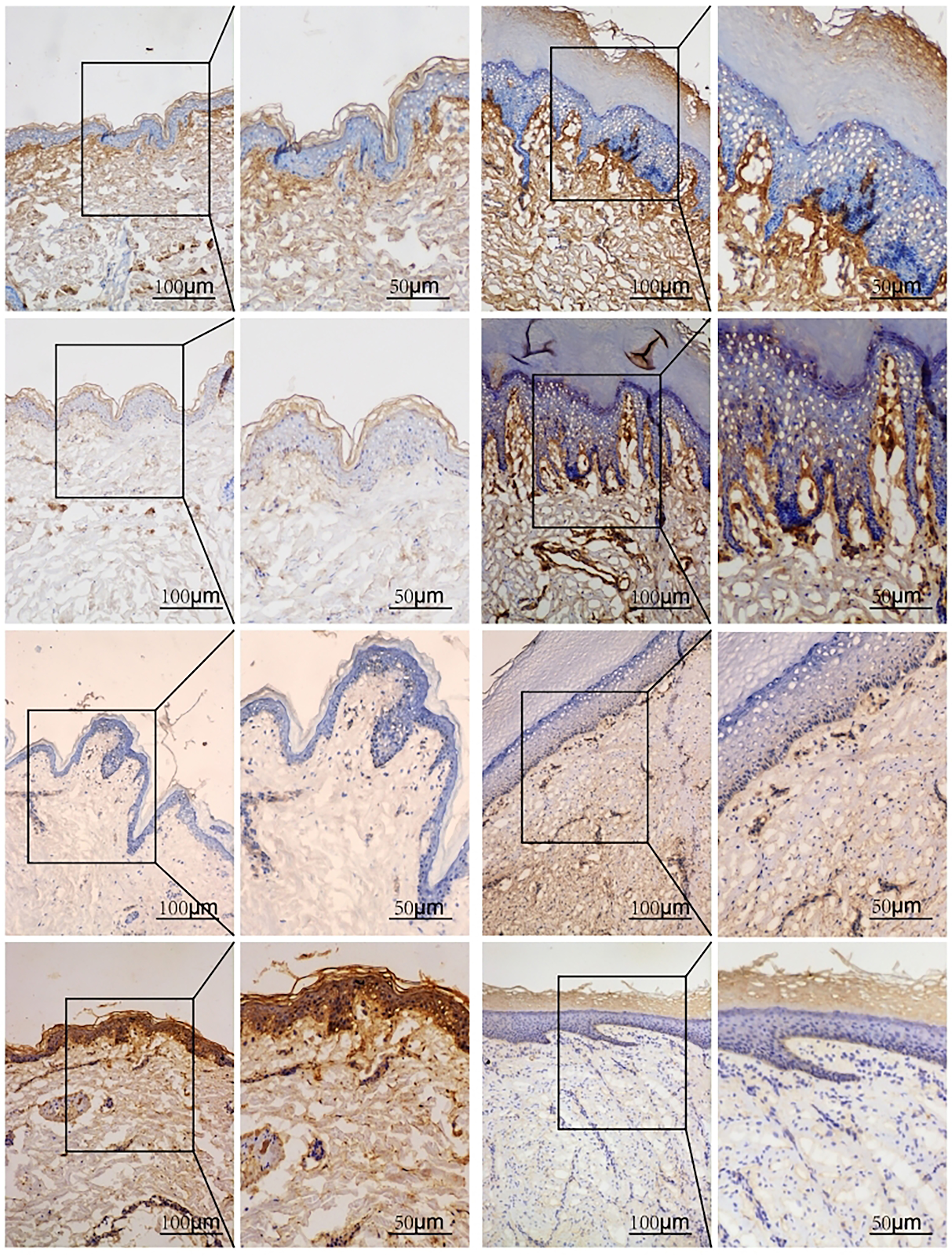
BACKGROUND: Studies have confirmed that A disintegrin and metalloproteinase with thrombospondin motifs 8 (ADAMTS8) plays a regulatory role in fibrosis, so it is of great clinical significance to explore the mechanism of ADAMTS8 in hypertrophic scars. OBJECTIVE: To investigate the regulatory effect of ADAMTS8 on hypertrophic scars. METHODS: (1) Immunohistochemical staining was used to detect the expression of type I collagen, type III collagen, alpha-smooth muscle actin and ADAMTS8 in normal human skin and hypertrophic scar tissues. Western blot was used to detect ADAMTS8 protein expression in normal skin and hypertrophic scar tissues. With hypertrophic scar as positive sample and normal skin as negative sample, receiver operating characteristic curve was drawn to analyze the ability of ADAMTS8 to predict and distinguish normal skin from hypertrophic scar. (2) STRING 12.0 platform was used to construct a protein-protein interaction network for ADAMTS8, and GO functional enrichment and KEGG pathway enrichment analyses were performed on the obtained targets. (3) Fibroblasts from human hypertrophic scar tissue were isolated and cultured. The 3rd to 6th generation fibroblasts were divided into three groups: control group (routine culture), Ad-NC group (transfected with empty adenovirus), and Ad-ADAMTS8 group (transfected with adenovirus overexpressing ADAMTS8). CCK-8 assay and EdU staining were used to detect cell proliferation activity, and flow cytometry and TUNEL staining were used to detect cell apoptosis. RESULTS AND CONCLUSION: (1) Immunohistochemical staining showed that the expression of type I collagen, type III collagen and alpha-smooth muscle actin in hypertrophic scars was higher than that in normal skin (P < 0.001), while ADAMTS8 expression was lower than that in normal skin (P < 0.001). Western blot showed that ADAMTS8 protein expression in hypertrophic scars was lower than that in normal skin (P < 0.001). Receiver operating characteristic curve showed that the area under the curve of ADAMTS8 predicting hypertrophic scar was 0.86, indicating that ADAMTS8 has good ability to distinguish hypertrophic scar from normal skin. (2) The top 41 genes were screened through STRING database. KEGG enrichment showed that ADAMTS8 was mainly involved in extracellular matrix receptor interaction, phosphatidylinositol-3-kinase-protein kinase B signaling pathway, efferocytosis and other biological processes and key mechanisms. GO enrichment showed that ADAMTS8 was involved in apoptosis-related pathway enrichment, including negative regulation of fibroblast growth factor receptor signaling pathway, fibroblast growth factor binding, negative regulation of apoptosis and apoptotic process. (3) CCK-8 assay and EdU staining showed that overexpression of ADAMTS8 inhibited the proliferation of hypertrophic scar fibroblasts; flow cytometry and TUNEL staining showed that overexpression of ADAMTS8 promoted apoptosis of hypertrophic scar fibroblasts. (4) These results indicate that ADAMTS8 expression is decreased in human hypertrophic scars, and overexpression of ADAMTS8 can inhibit proliferation and promote apoptosis of hypertrophic scar fibroblasts.

Regulatory role of ADAMTS8 in proliferation and apoptosis of hypertrophic scar fibroblasts
Graphical Abstract
Original ResearchVol 1900, Issue 28 • pp. 100-112DOI: 10.12307/2026.21326Jan 15, 2026

Exercise regulation of pyroptosis for the prevention and treatment of bone metabolic disorders

Authors: Zan Junhao, Hu Shujuan, Yuan Xinguo, Pu Rui

BACKGROUND: Pyroptosis is extensively involved in bone formation mediated by osteoblasts and bone resorption mediated by osteoclasts. Inflammatory factors released during pyroptosis contribute to bone metabolic imbalance. Exercise can inhibit pyroptosis and regulate the progression of bone metabolic disorders, which has become a research hotspot for preventing and treating such diseases. OBJECTIVE: To summarize the regulatory role of pyroptosis in bone metabolic disorders and to elucidate the molecular mechanisms by which exercise-mediated pyroptosis improves these conditions. METHODS: CNKI and PubMed were searched for relevant literature published from 1992 to 2025. The search terms were “exercise, pyroptosis, osteoporosis, osteoarthritis, rheumatoid arthritis, abnormal bone metabolism, osteoblasts, osteoclasts, bone marrow mesenchymal stem cells, osteocytes, chondrocytes” in Chinese and English, respectively. According to the inclusion and exclusion criteria, 80 articles were included for review. RESULTS AND CONCLUSION: Pyroptosis plays a critical role in the pathogenesis of bone metabolic disorders. Recent studies have indicated that exercise, as a safe and effective non-pharmacological intervention, can alleviate pyroptosis by inhibiting inflammasome activation, suppressing pyroptotic protein expression, modulating myokine secretion, and reducing oxidative stress, thereby decreasing bone resorption and increasing bone formation. However, current research on pyroptosis and bone metabolic disorders has limitations, and the specific pathways and regulatory mechanisms by which exercise-mediated pyroptosis participates in bone metabolic disorders require further investigation.

Exercise regulation of pyroptosis for the prevention and treatment of bone metabolic disorders
Graphical Abstract
Original ResearchVol 1900, Issue 28 • pp. 100-112DOI: 10.12307/2026.21322Jan 15, 2026

Synergistic imbalance in lumbar core muscles and novel targeted interventions for intervertebral disc degeneration

Authors: YOU Chenyang, JIANG Chao, CHE Yanjun

BACKGROUND: Research on the mechanical stability imbalance mechanism in intervertebral disc degeneration has long focused on the paraspinal muscles, with insufficient attention paid to the anterior/posterior abdominal wall and hip core muscle groups. There is a particular lack of systematic analysis of the synergistic actions of multiple muscle groups, and the link between molecular mechanisms and muscle function remains unclear. OBJECTIVE: To integrate evidence on the association between the anterior/posterior abdominal wall, paraspinal, and hip core muscle groups and intervertebral disc degeneration, to elucidate interaction of synergistic muscle imbalance with molecular pathways such as Piezo1–YAP, and to propose targeted prevention and treatment strategies. METHODS: A search was conducted in CNKI, WanFang, PubMed and Web of Science using a combination of MeSH terms (e.g., transversus abdominis[MeSH]) and free terms (e.g., TrA, IVDD) connected by Boolean operators (AND/OR) for muscle anatomy terms (transversus abdominis, gluteus maximus, etc.), disease terms (intervertebral disc degeneration, low back pain, etc.), and study types (RCT, cohort study, etc.). Finally, 61 articles were selected according to preset criteria for analysis. RESULTS AND CONCLUSION: There is a complex association between lumbar core muscles and intervertebral disc degeneration. The transversus abdominis maintains lumbar stability by regulating intra-abdominal pressure and thoracolumbar fascia tension; its decompensation (inhibition/atrophy) is an important pathological feature of intervertebral disc degeneration. Meanwhile, patients with intervertebral disc degeneration exhibit characteristic synergistic dysfunction of core muscles: (1) antagonistic compensation of abdominal wall muscles (overactivation of internal/external oblique to compensate for transversus abdominis dysfunction); (2) dual compensation in the quadratus lumborum region (intra-regional psoas-quadratus lumborum synergistic reorganization, inter-regional erector spinae-quadratus lumborum/psoas compensation); (3) gluteal muscle imbalance (gluteus maximus fatty infiltration/inhibition, gluteus medius protective compensation on the dominant side). These synergistic dysfunctions are core links in disrupting spinal stability and accelerating intervertebral disc degeneration. Multi-muscle synergistic imbalance (e.g., disruption of the gluteus-psoas-abdominal muscle kinetic chain) not only exacerbates local mechanical abnormalities but also affects overall spine-pelvic biomechanical balance through systemic compensation, and causes dysregulation of intra-abdominal pressure. Molecular mechanism studies indicate that abnormal mechanical loading activates the Piezo1-Ca²⁺-F-actin-YAP signaling axis, promoting extracellular matrix degradation and inflammatory responses; meanwhile, imbalance of the nuclear factor E2-related factor 2/nuclear factor κB pathway exacerbates oxidative stress and inflammatory microenvironment, forming a mechanical-biological vicious cycle. Intervention strategies targeting recovery of core muscle synergistic function (e.g., transversus abdominis targeted training, gluteal strengthening, correction of abnormal activation patterns) and their combination with molecular targeted drugs have important clinical potential. Future research should delve into the mechanisms of interaction among muscle groups and compensation patterns to optimize prevention and treatment strategies for intervertebral disc degeneration.

Synergistic imbalance in lumbar core muscles and novel targeted interventions for intervertebral disc degeneration
Graphical Abstract
Original ResearchVol 1900, Issue 28 • pp. 100-112DOI: 10.12307/2026.21320Jan 15, 2026

Xanthohumol combined with swimming ameliorates hepatic injury in rats with metabolic associated fatty liver disease

Authors: WANG Zheng, WU Weidong, ZHU Jingsheng

BACKGROUND: Xanthohumol is a natural polyphenol that exhibits biological activities such as antioxidant and anti-inflammatory properties. Recently, it has been found to potentially improve lipid metabolism disorders. As an aerobic exercise, swimming can effectively regulate body energy metabolism and reduce hepatic fat accumulation. However, the intervention effect and mechanism of their combined application on metabolic associated fatty liver disease remain unclear. OBJECTIVE: To investigate the effect of xanthohumol combined with swimming on the ferroptosis pathway mediated by nuclear factor erythroid 2-related factor 2 in rats with metabolic associated fatty liver disease. METHODS: Rats were randomly divided into seven groups: control group, model group, exercise group, low-, medium-, and high-dose xanthohumol, and combination groups, with 12 rats in each group. The rats in control group were fed with normal feed, while the rats in other groups were used to prepare metabolic associated fatty liver disease models. Rats in the exercise and combination groups received swimming training once a day, 6 days per week, for a total of 8 weeks. Rats in other groups were raised quietly. Rats in the low-, medium-, and high-dose xanthohumol groups were intragastrically administered 2 mL of 25, 50, and 100 mg/(kg·d) xanthohumol, respectively; rats in the combination group were intragastrically administered 2 mL of 100 mg/(kg·d) xanthohumol while undergoing swimming training; other groups were intragastrically administered 2 mL of 0.3% sodium carboxymethyl cellulose, for a total of 8 weeks. After treatment, serum alanine aminotransferase, aspartate aminotransferase, and free fatty acid levels were measured; hepatic lipid accumulation was observed by hematoxylin-eosin staining; hepatic malondialdehyde and reduced glutathione levels were detected according to kit instructions; hepatic ferrous ion content was measured by microassay; Western blot was used to detect the protein expression of nuclear factor erythroid 2-related factor 2, Kelch-like ECH-associated protein 1, and glutathione peroxidase 4 in liver tissue; RT-qPCR was used to detect the mRNA levels of ferroptosis-related genes (glutathione peroxidase 4, solute carrier family 7 member 11, ferritin heavy chain 1, ferroportin 1, and cationic transport regulator-like protein 1). RESULTS AND CONCLUSION: Compared with the exercise group and high-dose xanthohumol group, the combination group showed lower serum alanine aminotransferase, aspartate aminotransferase, and free fatty acid levels, improved liver morphology, decreased hepatic malondialdehyde level, increased reduced glutathione level, decreased hepatic ferrous ion content, increased protein expression of nuclear factor erythroid 2-related factor 2 (nuclear) and glutathione peroxidase 4, decreased protein expression of Kelch-like ECH-associated protein 1, increased mRNA levels of glutathione peroxidase 4, solute carrier family 7 member 11, ferritin heavy chain 1, and ferroportin 1, and decreased mRNA level of cationic transport regulator-like protein 1 (P < 0.05). These findings suggest that xanthohumol combined with swimming may improve hepatic injury in rats with metabolic associated fatty liver disease by regulating the ferroptosis pathway mediated by nuclear factor erythroid 2-related factor 2.

Xanthohumol combined with swimming ameliorates hepatic injury in rats with metabolic associated fatty liver disease
Graphical Abstract
Original ResearchVol 1900, Issue 28 • pp. 100-112DOI: 10.12307/2026.21324Jan 15, 2026

Hedgehog signaling pathway and diabetic osteoporosis: a potential target for specific drug therapy

Authors: Tian Tan, Bao Shanjun

BACKGROUND: The Hedgehog signaling pathway has been demonstrated to play a crucial role in osteogenesis, promoting osteoblast differentiation and maturation, maintaining bone metabolic homeostasis, enhancing glucose metabolism, and improving insulin resistance, thereby offering therapeutic potential for both osteoporosis and diabetes. Currently, the primary treatment strategy for diabetic osteoporosis involves a combination of hypoglycemic agents and calcium supplements. However, studies indicate that some antidiabetic drugs may disrupt calcium and phosphate balance, accelerating bone loss. Therefore, identifying effective therapeutic targets for diabetic osteoporosis is imperative. OBJECTIVE: To explore the relationship between Hedgehog signaling pathway activation and diabetic osteoporosis pathogenesis, providing a reference and theoretical basis for the subsequent development of targeted drugs for diabetic osteoporosis. METHODS: Literature on the link between Hedgehog signaling pathway transduction and the pathological mechanism of diabetic osteoporosis published from the inception of PubMed and CNKI databases up to July 2025 was retrieved. Chinese search terms included "diabetic osteoporosis, Hedgehog signaling pathway, osteogenic differentiation, glucose metabolism, Runx2, advanced glycation end products"; English search terms included "diabetic osteoporosis, hedgehog signaling pathway, osteogenic differentiation, glucose metabolism, Runx2, AGEs". A total of 81 articles were included after screening for relevance and avoiding duplication. RESULTS AND CONCLUSION: (1) The prevention and treatment of diabetic osteoporosis requires simultaneous regulation of bone metabolism and glucose metabolism. Activation of the Hedgehog signaling pathway promotes osteoblast differentiation and increases bone mass by initiating transcription of the target gene Runt-related transcription factor 2 and synergistically regulating with the Wnt signaling pathway. (2) Additionally, Hedgehog signaling pathway expression promotes the activation of phosphatidylinositol 3-kinase-protein kinase B and AMP-activated protein kinase signaling pathways, and reduces advanced glycation end products. Activation of these pathways enhances glucose transport and utilization, improving glucose metabolism, while reduced AGEs alleviate stress responses, inhibit pancreatic β-cell apoptosis, and maintain glucose homeostasis.

Hedgehog signaling pathway and diabetic osteoporosis: a potential target for specific drug therapy
Graphical Abstract
Original ResearchVol 1900, Issue 28 • pp. 100-112DOI: 10.12307/2026.21316Jan 15, 2026

Molecular mechanisms of Toddalia asiatica against rheumatoid arthritis: bioinformatics and molecular dynamics simulation

Authors: Deng Qian, Peng Zining, Meng Fanyu, Huang Yuanbo, Liu Nian, Yan Weitian, Li Zhaofu, Peng Jiangyun

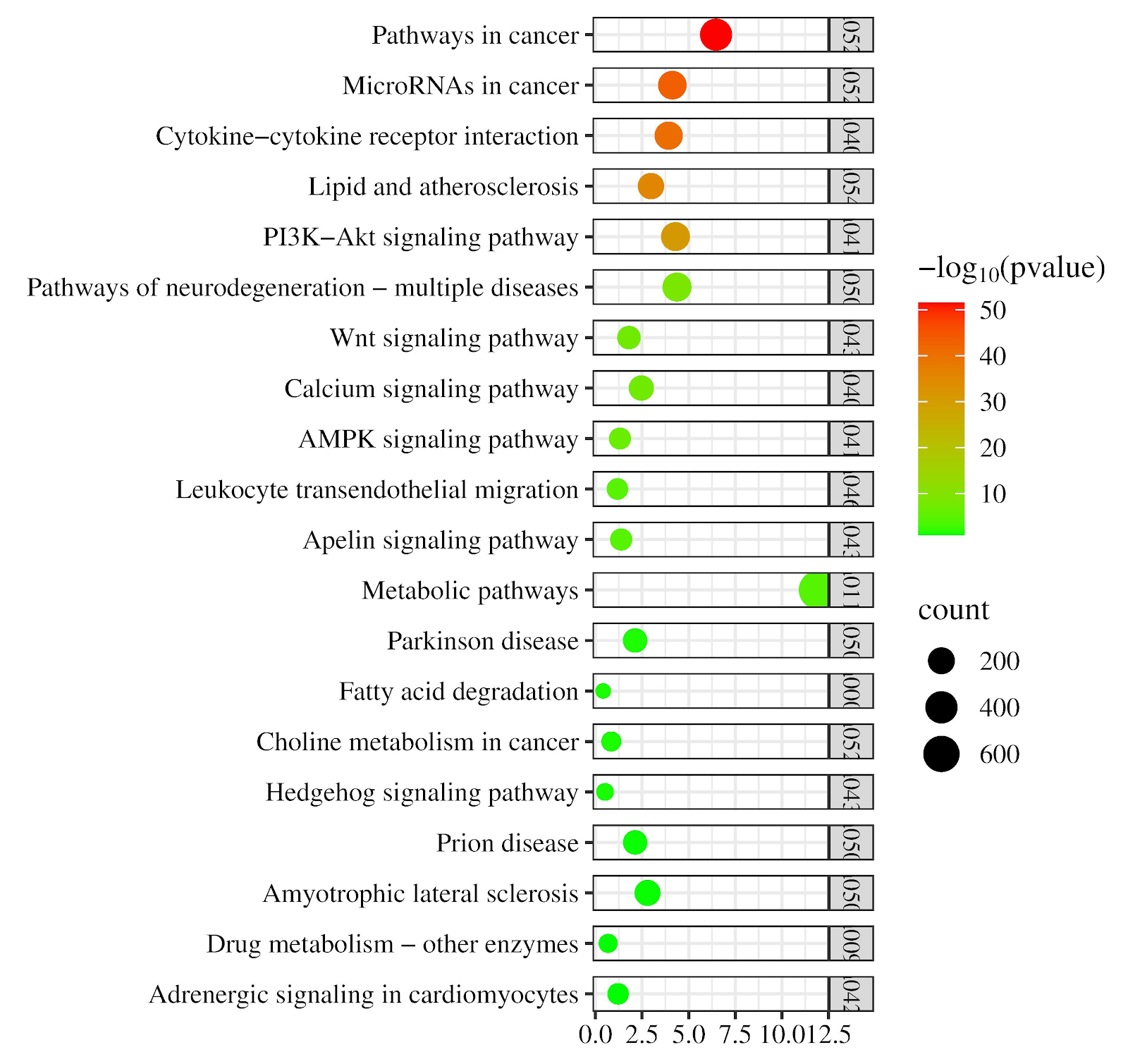
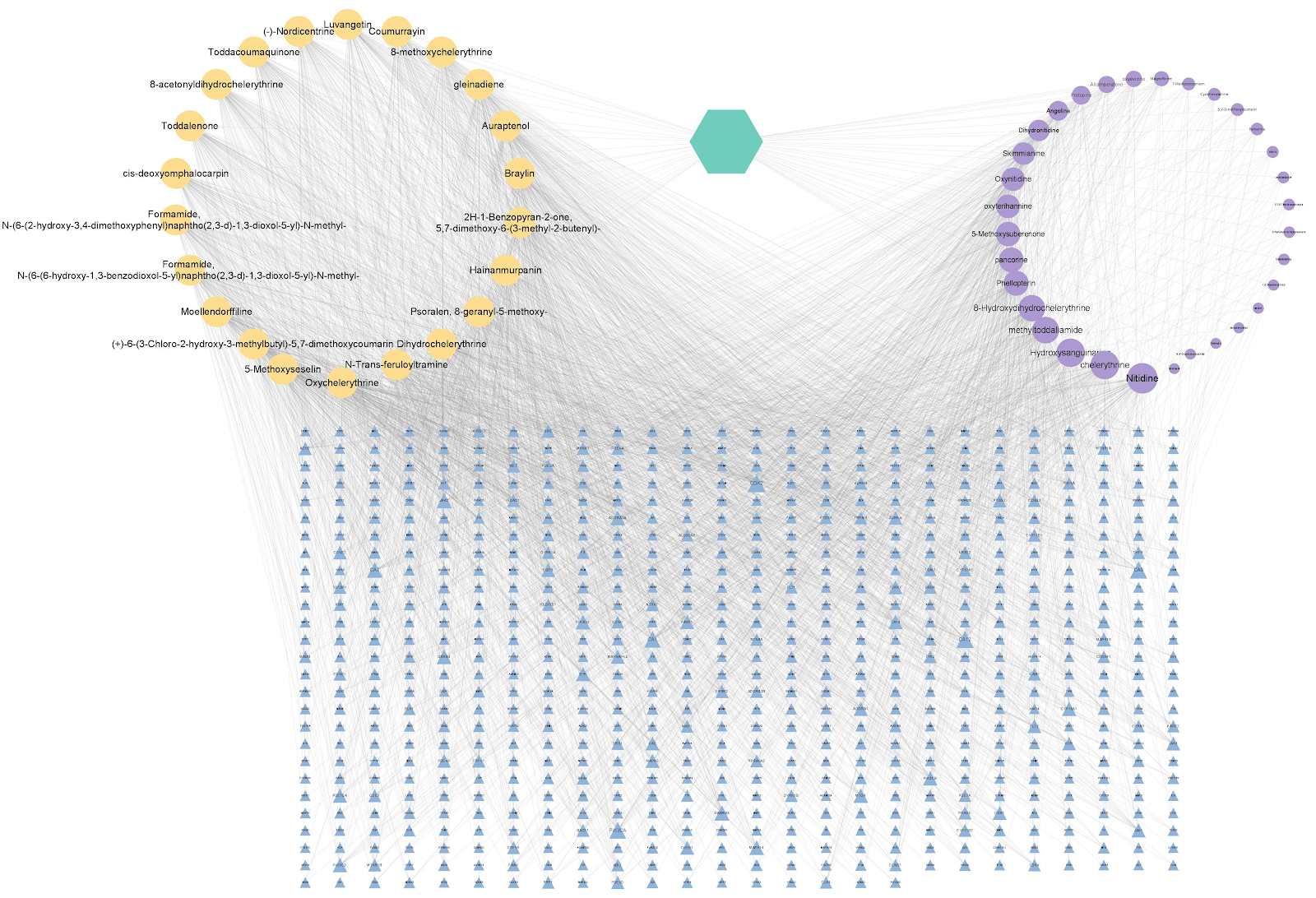
BACKGROUND: The therapeutic potential of Toddalia asiatica in rheumatoid arthritis has garnered increasing attention, yet its mechanisms remain incompletely elucidated. OBJECTIVE: To investigate the underlying mechanisms of Toddalia asiatica in treating rheumatoid arthritis using bioinformatics combined with molecular dynamics simulation. METHODS: Active ingredients of Toddalia asiatica and their targets were retrieved. Drug targets were intersected with rheumatoid arthritis-related targets, followed by enrichment analysis of the overlapping genes. Molecular docking and molecular dynamics simulation were performed to validate the binding mechanisms of core active ingredients with key targets. RESULTS AND CONCLUSION: Through literature retrieval, 22 core active ingredients of Toddalia asiatica and their key targets against rheumatoid arthritis were identified. Enrichment analysis indicated that Toddalia asiatica may exert therapeutic effects by modulating disease-related signaling pathways (including cancer, infectious diseases, metabolic diseases, and cardiovascular diseases) as well as biological pathways related to metabolism, immunity, and inflammation. Meanwhile, the main components Dihydrochelerythrine and 8-Methoxychelerythrine specifically target phospholipase C gamma 2 (PLCG2) and mitogen-activated protein kinase 8 (MAPK8), respectively, suggesting that Toddalia asiatica may exert anti-rheumatoid arthritis effects through synergistic multi-pathway regulation.

Molecular mechanisms of Toddalia asiatica against rheumatoid arthritis: bioinformatics and molecular dynamics simulation
Graphical Abstract
Original ResearchVol 1900, Issue 28 • pp. 100-112DOI: 10.12307/2026.21318Jan 15, 2026

Differential proteomic analysis of exercise-induced and pathological cardiac hypertrophy models in mice

Authors: QIN Di, QIN Xuelin, LI Zhu, YE Jiachi, CHEN Gan, LIN Yi, PENG Yong

BACKGROUND: Improving outcomes for patients with pathological cardiac hypertrophy by leveraging the mechanisms of exercise-induced cardiac hypertrophy is currently a significant focus in cardiovascular research. However, the molecular mechanisms underlying the differences between exercise-induced and pathological cardiac hypertrophy remain incompletely understood. OBJECTIVE: To identify potential therapeutic targets for pathological cardiac hypertrophy based on cardiac proteomics using mouse models of exercise-induced and pathological cardiac hypertrophy. METHODS: Twenty-one 6-8-week-old male C57BL/6J mice were randomly divided into control, exercise, and isoproterenol groups (n=7 per group). Exercise-induced cardiac hypertrophy was established by 8 weeks of continuous training, while pathological cardiac hypertrophy was induced by subcutaneous injection of isoproterenol for 7 days. After confirming successful modeling via heart mass index, heart-to-tibia ratio, hematoxylin-eosin staining, wheat germ agglutinin staining, and Sirius red staining, tandem mass tag technology was used to reveal differential protein expression and functional characteristics between the two hypertrophy models. RESULTS AND CONCLUSION: Compared with the control group, heart mass index and heart-to-tibia ratio were significantly increased in both exercise and isoproterenol groups (P < 0.001, P < 0.05). Isoproterenol group showed disordered cardiomyocyte arrangement, extensive inflammatory cell infiltration, and obvious cardiomyocyte damage. Cardiomyocyte cross-sectional area was significantly increased in both exercise and isoproterenol groups (P < 0.05, P < 0.01), and myocardial fibrosis area was significantly higher in the isoproterenol group than in the control group (P < 0.01). Compared with the control group, 46 differentially expressed proteins were identified in the exercise group, 302 in the isoproterenol group, and 340 between exercise and isoproterenol groups. Among these, two overlapping proteins were peroxisomal acyl-coenzyme A oxidase 1 (Acox1) and galectin-3 (Gal-3). Gene Ontology and Kyoto Encyclopedia of Genes and Genomes enrichment analyses suggested that exercise may induce physiological cardiac hypertrophy by upregulating Acox1 to promote fatty acid metabolism, while isoproterenol may induce pathological cardiac hypertrophy by downregulating Acox1 leading to peroxisome dysfunction and lipotoxicity. These findings suggest that Acox1 and Gal-3 may serve as potential intervention targets for pathological cardiac hypertrophy.

Differential proteomic analysis of exercise-induced and pathological cardiac hypertrophy models in mice
Graphical Abstract
Original ResearchVol 1900, Issue 28 • pp. 100-112DOI: 10.12307/2026.21319Jan 15, 2026

Transcriptomic analysis of potential targets of protocatechualdehyde in treatment of atherosclerosis

Authors: PENG Shijing, JIANG Tong, ZHAO Wenjie, WANG Hui, YANG Wenqing, KAN Dongfang

BACKGROUND: Protocatechualdehyde has the potential to delay the progression of atherosclerosis. Nevertheless, its specific mechanisms of action within multi-target regulatory networks remain unclear and require further investigation. OBJECTIVE: To investigate the potential targets of protocatechualdehyde in intervening atherosclerosis based on transcriptomics. METHODS: (1) Thirty ApoE-/- mice were randomly divided into a model group (n=10), a rosuvastatin group (n=10), and a protocatechualdehyde group (n=10). An atherosclerosis model was induced by feeding the mice with a high-fat diet for 12 weeks. Seven C57BL/6J mice were selected as a control group (without modeling). After successful modeling, the control group and model group were given physiological saline by gavage; the rosuvastatin group was given rosuvastatin by gavage, and the protocatechualdehyde group was given protocatechualdehyde by gavage, once a day for 12 consecutive weeks. After the last administration, samples were collected. Serum lipid levels were measured using an automatic biochemical analyzer. Aortic plaque pathology was assessed by gross oil red O staining, hematoxylin-eosin staining, and Masson staining of aortic root paraffin sections. (2) High-throughput sequencing was used to analyze the transcriptome expression profiles of aortic samples from the control, model, and protocatechualdehyde groups. Differential gene screening (FC > 2, q < 0.05), GO and KEGG enrichment analyses, weighted gene co-expression network analysis, and short time-series expression miner analysis were performed based on the Ouyi Cloud platform. A protein-protein interaction network was constructed using the STRING database, and core genes were screened using Cytoscape. (3) RT-PCR was used to detect the mRNA expression of Calm4 (calmodulin pseudogene 4), Kprp (keratinocyte proline-rich protein), Hrnr (filaggrin 2), and Lor (loricrin) in aortic samples from the control, model, and protocatechualdehyde groups to validate candidate targets. RESULTS AND CONCLUSION: (1) Protocatechualdehyde significantly reduced serum total cholesterol, triglycerides, high-density lipoprotein cholesterol, and low-density lipoprotein cholesterol levels in atherosclerotic mice. Gross oil red O staining and hematoxylin-eosin and Masson staining of aortic root paraffin sections showed that protocatechualdehyde reduced plaque formation, inhibited intimal thickening, increased collagen fiber content in plaques, and stabilized plaques. (2) Transcriptome analysis identified 191 differentially expressed genes, and Cytoscape analysis preliminarily identified Kprp, Calm4, Hrnr, and Lor as key candidate targets. (3) RT-PCR showed that the mRNA expression of Kprp, Calm4, Hrnr, and Lor in the model group was higher than that in the control group (P < 0.05), while the mRNA expression of Kprp, Calm4, and Lor in the protocatechualdehyde group was lower than that in the model group (P < 0.05). These results indicate that protocatechualdehyde intervention can significantly improve atherosclerotic plaques, and Kprp, Calm4, and Lor may be potential targets for protocatechualdehyde in the treatment of atherosclerosis.

Transcriptomic analysis of potential targets of protocatechualdehyde in treatment of atherosclerosis
Graphical Abstract
Original ResearchVol 1900, Issue 28 • pp. 100-112DOI: 10.12307/2026.21312Jan 15, 2026

Function and molecular mechanism of physcion in regulating bone homeostasis

Authors: Qi Yuxin, Dang Yifan, Dai Liming, Zhang Xiaoling

BACKGROUND: Although physcion has been shown to have protective effects against osteoporosis, the exact mechanism is not fully understood. OBJECTIVE: Through multidimensional analysis of the regulatory effect of physcion on the AKT signaling pathway, the molecular mechanism of its regulation on osteoclast induced differentiation and osteogenic function induced differentiation is revealed. METHODS: (1) RAW264.7 cells and C3H10T1/2 cells were cultured in vitro and subsequently exposed to 0, 10, 20, 30, 40, 50, and 60 µmol/L physcion, respectively. The cytotoxicity of physcion was detected by cell counting kit-8 assay. (2) RAW264.7 cells and C3H10T1/2 cells were treated with different concentrations (0, 20, 40 µmol/L) of physcion during osteoclast and osteoblast differentiation, respectively. Differentiation ability was assessed by qPCR, Western Blot, and alkaline phosphatase staining. (3) Network pharmacology was used to analyze the regulation of physcion on osteoclast differentiation and related signaling pathways, and molecular docking was performed for target proteins. (4) Western Blot was used to verify the phosphorylation level of AKT in the downstream target signaling pathway AKT axis regulated by physcion. RESULTS AND CONCLUSION: (1) At concentrations of 0-60 µmol/L, cell viability in all groups was greater than 90%, indicating no significant cytotoxicity. (2) Physcion significantly inhibited the expression of osteoclast differentiation-related genes, with Acp5, CTSK, DC-STAMP, and Nfatc1 showing downregulation, but had no significant effect on osteoblast differentiation-related genes COL1A1, Runx2, OSX expression or alkaline phosphatase staining intensity. (3) Network pharmacology and molecular docking suggested that physcion affects osteoclast differentiation and regulates the PI3K-AKT pathway, with a binding energy of -10.72 kJ/mol to AKT1, indicating strong binding activity. (4) During osteoclast differentiation, the p-AKT/AKT ratio in RAW264.7 cells increased (n=3, P=0.0063), while physcion decreased this ratio. These findings indicate that physcion inhibits osteoclast differentiation by regulating the AKT signaling pathway, thereby modulating bone homeostasis.

Function and molecular mechanism of physcion in regulating bone homeostasis
Graphical Abstract
Original ResearchVol 1900, Issue 28 • pp. 100-112DOI: 10.12307/2026.21317Jan 15, 2026

Construction of an early knee osteoarthritis rat model: CatWalk-based gait analysis and evaluation

Authors: BAI Xue, TIAN Yukui, GUO Lei, SHI Mengni, CUI Xiaofeng, WANG Cheng, LI Jingxian, ZHU Qingguang, LIU Junchang

BACKGROUND: Existing animal models of knee osteoarthritis predominantly focus on mechanical injury factors but fail to simulate and observe the "cold-dampness obstruction" syndrome characteristics in traditional Chinese medicine. OBJECTIVE: To construct a traditional Chinese medicine-Western medicine integrated knee osteoarthritis model for cold-dampness obstruction syndrome and validate its efficacy via a multidimensional assessment. METHODS: Twenty-four male Sprague-Dawley rats (SPF-grade) were randomly divided into sham-operated, model, and cold-dampness obstruction groups. The latter two groups underwent anterior cruciate ligament transection of the right hind knee. The cold-dampness obstruction group received artificial cold-damp environment intervention (temperature 10.5 °C, humidity 90%, 4 h/day, for 4 weeks) starting 14 days post-surgery. The sham-operated group had skin incision and immediate closure. Before modeling and at 1, 2 weeks post-modeling, and 4 weeks after cold-damp intervention, traditional Chinese medicine syndrome scores and CatWalk gait analysis were performed. Right hind knee joint tissues were harvested for histopathological observation and Mankin scoring. RESULTS AND CONCLUSION: (1) Traditional Chinese medicine syndrome scores: The cold-dampness obstruction group showed significant mental fatigue, reduced activity, loose stools, dark purple tongue, dull fur, decreased food intake, and slower weight gain (P < 0.01). (2) CatWalk gait parameters: At 1 week post-modeling, compared with the sham-operated group, the model and cold-dampness obstruction groups showed decreased maximum contact intensity, print length, maximum intensity, average intensity of 15 maximum pixels, and increased swing phase of the right hind paw (all P < 0.01). The cold-dampness obstruction group also showed significantly decreased swing speed (P < 0.05). After 4 weeks in the artificial climate chamber, compared with the sham-operated group, the cold-dampness obstruction group showed significantly decreased maximum contact intensity, maximum intensity, average intensity of 15 maximum pixels (P < 0.01), increased swing phase (P < 0.01), and decreased swing speed (P < 0.05). (3) Histopathology: Mankin scores in the model and cold-dampness obstruction groups were significantly higher than in the sham-operated group (P < 0.01), and the cold-dampness obstruction group had significantly higher scores than the model group (P < 0.01). These results indicate that anterior cruciate ligament transection combined with cold-damp environment can successfully construct a cold-dampness obstruction type early knee osteoarthritis rat model. CatWalk gait parameters and traditional Chinese medicine syndrome scores provide an objective evaluation system for studying the mechanisms of traditional Chinese medicine in knee osteoarthritis.

Construction of an early knee osteoarthritis rat model: CatWalk-based gait analysis and evaluation
Graphical Abstract
Original ResearchVol 1900, Issue 28 • pp. 100-112DOI: 10.12307/2026.21314Jan 15, 2026

Shaoyang Shenggu Fang inhibits oxidative stress and delays cartilage aging in rats with knee osteoarthritis

Authors: Yong Qiao, Xin Sun, Guoyou Wang, Lei Zhang, Huarui Shen, Huan Liu, Taiyuan Guan

BACKGROUND: Preliminary studies have demonstrated that Shaoyang Shenggu Fang can alleviate joint cartilage degeneration and promote cartilage repair, but its specific mechanism for alleviating knee osteoarthritis symptoms remains unclear. The Wnt/β-catenin pathway and oxidative stress play crucial roles in maintaining articular cartilage homeostasis. OBJECTIVE: To investigate the molecular mechanisms by which Shaoyang Shenggu Fang regulates the Wnt/β-catenin pathway to inhibit oxidative stress in cartilage and thereby delay cartilage aging in a rat model of knee osteoarthritis. METHODS: Thirty-two Sprague-Dawley rats were randomly divided into four groups: a blank control group, a model group, a Western medicine group, and a Chinese medicine group. Animal models of knee osteoarthritis were established in all groups except for the blank control group by transecting the anterior cruciate ligament and resecting the anterior horn of the medial meniscus. After 28 days of modeling, the Chinese medicine group was administered concentrated Shaoyang Shenggu Fang at a dose of 16 g/(kg·d) by gavage, the Western medicine group received glucosamine hydrochloride solution at 4 mL/d, and the blank and model groups received the same volume of normal saline. After 4 weeks, hematoxylin-eosin staining and Safranin O-fast green staining were used to observe the degree of cartilage damage and degeneration. ELISA was used to detect serum levels of inflammatory factors and oxidative stress indicators. Western blot was used to detect the expression of p21Cip1, p16INK4a, and Wnt signaling pathway-related proteins in knee cartilage. RESULTS AND CONCLUSION: Compared with the model group, the Western medicine and Chinese medicine groups showed significant improvement in cartilage defects, thinning of the cartilage layer, and decreased density, with significantly lower Mankin scores (P < 0.05). Compared with the model group, serum levels of interleukin-1β, tumor necrosis factor-α, and interleukin-6 were significantly decreased in the Western medicine and Chinese medicine groups (P < 0.05), while superoxide dismutase and glutathione peroxidase levels were increased and malondialdehyde concentration was decreased (all P < 0.05). In the Chinese medicine group, the expression levels of p21Cip1, p16INK4a, and Wnt5a proteins were significantly decreased (P < 0.05 and P < 0.01), β-catenin and C-Myc protein expression levels were decreased (P < 0.05), and glycogen synthase kinase-3β protein expression was significantly increased (P < 0.05). These results suggest that Shaoyang Shenggu Fang can significantly reduce inflammation and alleviate cartilage aging in rats with knee osteoarthritis, and the potential mechanism may be through regulation of the Wnt/β-catenin pathway to inhibit cartilage oxidative stress.

Shaoyang Shenggu Fang inhibits oxidative stress and delays cartilage aging in rats with knee osteoarthritis
Graphical Abstract
Original ResearchVol 1900, Issue 28 • pp. 100-112DOI: 10.12307/2026.21313Jan 15, 2026

Effects of platelet-rich fibrin on osteogenic genes and bone microstructure in rats with peri-implant bone defect

Authors: YANG Li, WANG Chao, MA Xuliang, YAO Yao, WANG Ruicong, ZHANG Yixuan, MIAO Wei

BACKGROUND: Peri-implant bone defects may affect implant stability. Platelet-rich fibrin, a second-generation autologous platelet concentrate, contains abundant growth factors and fibrin scaffolds and can facilitate bone regeneration. Nevertheless, its mechanism of action in the context of peri-implant bone defects remains to be fully investigated. OBJECTIVE: To investigate the effects of platelet-rich fibrin on osteogenic genes, bone microstructure, and IκB kinase/inhibitor of nuclear factor-κB/nuclear factor-κB signaling pathway in rats with peri-implant bone defect using a rat tibia model to simulate peri-implant bone defects, combined with ligature-induced inflammation. METHODS: Thirty male Sprague-Dawley rats were selected, and 20 of them were selected to establish peri-implant bone defect model. After modeling, they were randomly divided into model group and platelet-rich fibrin group, with an average of 10 rats per group, and the remaining 10 rats were assigned to the control group. The control group and the model group were not treated with any intervention, and the platelet-rich fibrin group was treated with platelet-rich fibrin implantation at the bone defect site. After 8 weeks, Image-Pro-Plus software was used to detect implant-bone contact rate and new bone formation rate; Micro-CT was used to detect bone microstructure changes; hematoxylin-eosin staining was used to observe histopathological changes; western blot was used to detect the protein expression of nuclear factor-κB, inhibitor of nuclear factor-κB, and IκB kinase in tibial tissue; RT-PCR was used to detect the expression of osteogenic-related genes osteopontin, osteocalcin, and Runt-related transcription factor 2. RESULTS AND CONCLUSION: (1) At 4 and 8 weeks after surgery, the new bone formation rate and implant-bone contact rate in the model group and platelet-rich fibrin group were increased (P < 0.05); the new bone formation rate and implant-bone contact rate in the platelet-rich fibrin group were significantly higher than those in the model group (P < 0.05). (2) Compared with the control group, the model group showed decreased trabecular bone number, bone volume fraction, Lane-Sandhu histological score, and mRNA expression of Runt-related transcription factor 2, osteocalcin, and osteopontin (P < 0.05), while trabecular separation, and protein expression of IκB kinase, inhibitor of nuclear factor-κB, and nuclear factor-κB were increased (P < 0.05). Compared with the model group, the platelet-rich fibrin group showed increased trabecular bone number, bone volume fraction, Lane-Sandhu histological score, and mRNA expression of Runt-related transcription factor 2, osteocalcin, and osteopontin (P < 0.05), while trabecular separation, and protein expression of IκB kinase, inhibitor of nuclear factor-κB, and nuclear factor-κB were decreased (P < 0.05). (3) Micro-CT showed no new bone tissue formation in the model group, while a large amount of new bone formation and connection with bone ends were observed in the platelet-rich fibrin group. (4) Hematoxylin-eosin staining showed that the platelet-rich fibrin group had good bone repair status and a large number of new bone cells around the defect. These results suggest that platelet-rich fibrin can accelerate the process of bone cell repair, has a significant promoting effect on bone healing in rats with peri-implant bone defects, can increase the expression level of osteogenic-related genes, improve bone microstructure, and enhance the activity of the IκB kinase/inhibitor of nuclear factor-κB/nuclear factor-κB signaling pathway.

Effects of platelet-rich fibrin on osteogenic genes and bone microstructure in rats with peri-implant bone defect
Graphical Abstract