🧬 SinoBioData Academic Portal
🏛️ Indexed Academic JournalOriginal: 中国组织工程研究

Chinese Journal of Tissue Engineering Research

Premier Chinese Biomedical Journal indexed in SinoBioData: Chinese Journal of Tissue Engineering Research (中国组织工程研究).

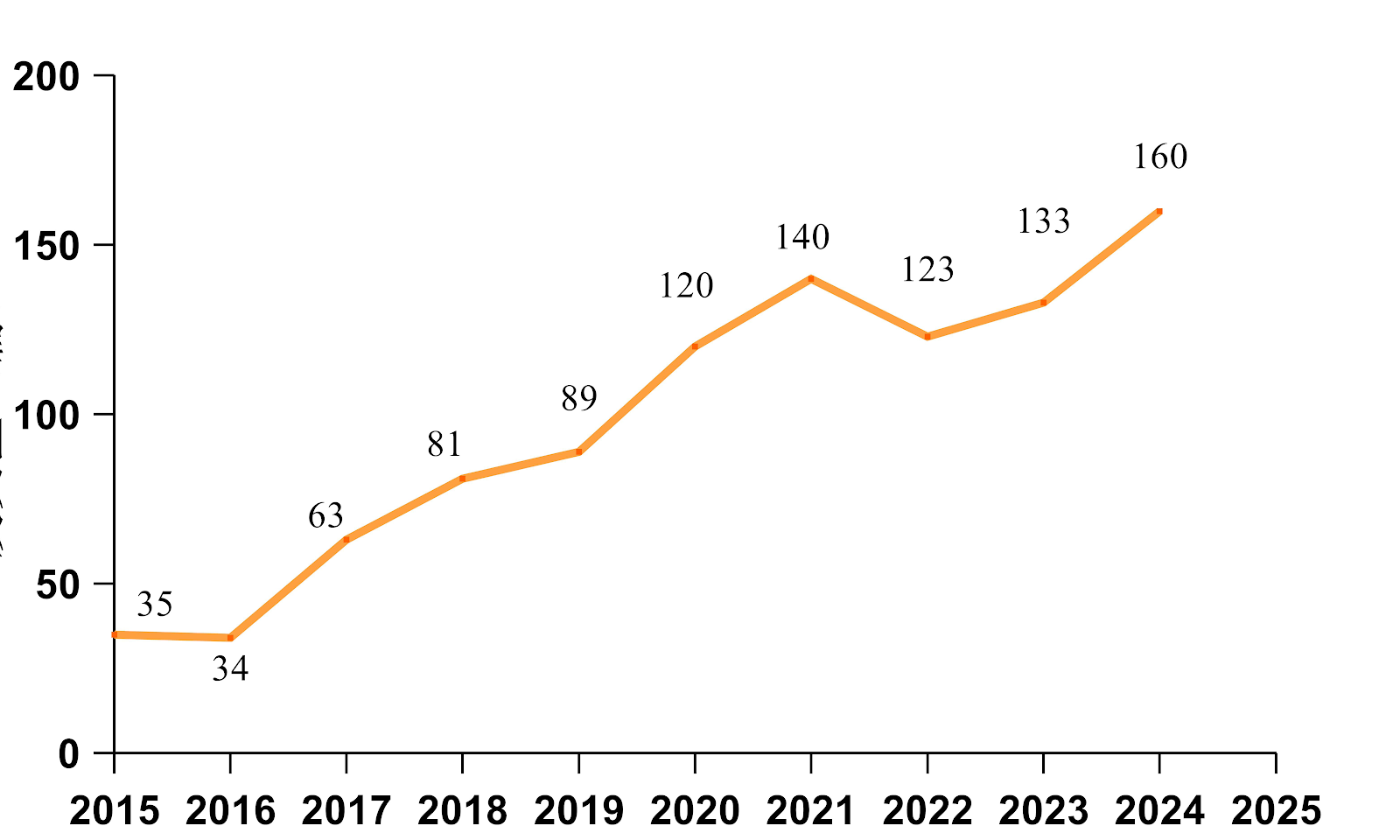
Total Research Papers: 200
Access: 100% Free Open Access
Browse by Publication Year & VolumeReset All Filters ✕

Published Research PapersFiltered: Year 2026 • Vol 1897 • 25

Showing 27 of 200 peer-reviewed papers with full Graphical Abstracts.

Original ResearchVol 1897, Issue 25 • pp. 100-112DOI: 10.12307/2026.21279Jan 15, 2026

Effect of blood flow restriction training on the magnitude and temporal characteristics of post-activation performance enhancement: a systematic review and meta-analysis

Authors: Li Yanfeng, Zhang Yilin, Kong Hao, Zheng Hang, Liu Jiajun, Yin Mingyue, Qiu Bopeng, Huang Kongyun, Liu Hengxian, Zhong Yuming, Chen Jun, Xu Kai

Objective: To systematically compare the acute effects of blood flow restriction combined with preconditioning (to induce post-activation performance enhancement) versus preconditioning alone or sitting, low-intensity preconditioning combined with blood flow restriction versus high-intensity preconditioning, and sitting combined with blood flow restriction versus sitting on sports performance using a multilevel meta-analysis. Methods: Following the PRISMA guidelines, Web of Science, PubMed, SPORTDiscus, and CNKI databases were systematically searched (from inception to May 24, 2025). Inclusion criteria: (1) healthy individuals who were at least physically active; (2) studies with at least one of the following four comparisons: preconditioning + blood flow restriction vs. preconditioning alone; preconditioning + blood flow restriction vs. sitting; low-intensity preconditioning + blood flow restriction vs. high-intensity preconditioning; sitting + blood flow restriction vs. sitting; (3) sports performance (e.g., jump, sprint, bench press throw) as the primary outcome; (4) randomized or non-randomized crossover/parallel designs; (5) published in peer-reviewed Chinese or English journals. Risk of bias was assessed using ROB-2, and evidence quality was evaluated with GRADE. Data were fitted using cluster robust variance estimation and a three-level mixed-effects model, with small-sample corrections. Subgroup analyses and meta-regression explored moderators and sources of heterogeneity. Results: Twelve studies (196 participants, 12 women, 184 men) were included. Main findings: (1) Preconditioning + blood flow restriction was more effective than preconditioning alone in enhancing sports performance (ES=0.21, 95%CI=0.01-0.40, GRADE=low), with the best effect at recovery times of 4-12 min and 50% arterial occlusion pressure (ES=1.49); (2) Preconditioning + blood flow restriction did not significantly differ from sitting (ES=0.52, 95%CI=-0.12-1.15, GRADE=very low), but preconditioning + 140 mmHg blood flow restriction was superior to preconditioning alone (ES=1.21, 95%CI=0.14-2.28); (3) Low-intensity preconditioning + blood flow restriction did not differ from high-intensity preconditioning (ES=-0.10, 95%CI=-0.84-0.64, GRADE=low); (4) Sitting + blood flow restriction did not significantly differ from sitting (ES=0.24, 95%CI=-0.03-0.52, GRADE=very low). Notably, the effects of the latter two comparisons significantly decreased with recovery time (β=-0.04, P < 0.01 and β=-0.04, P=0.02). Conclusion: Preconditioning combined with blood flow restriction is more effective than preconditioning alone in inducing post-activation performance enhancement, preliminarily suggesting the use of 50% arterial occlusion pressure and 4-12 min recovery time. However, preconditioning combined with blood flow restriction does not appear to be more effective than sitting, possibly due to insufficient number of included studies. Additionally, low-intensity preconditioning + blood flow restriction can achieve similar post-activation performance enhancement as high-intensity preconditioning, while the potential benefit of sitting + blood flow restriction on sports performance may diminish over time. Overall, it is preliminarily recommended to use low-intensity preconditioning (e.g., 30% one-repetition maximum squat or bodyweight training) combined with 50% arterial occlusion pressure or 140 mmHg blood flow restriction, with 4-12 min recovery before subsequent performance testing.
Effect of blood flow restriction training on the magnitude and temporal characteristics of post-activation performance enhancement: a systematic review and meta-analysis
Graphical Abstract
Original ResearchVol 1897, Issue 25 • pp. 100-112DOI: 10.12307/2026.21275Jan 15, 2026

Mechanisms by which mitochondria-endoplasmic reticulum interaction stress mediates activation of inflammatory vesicles in nerve roots of lumbar intervertebral disc herniation rabbits modulated by acupotomy

Authors: Jiang Qiang, Ding Yu, Ding Zhili, Han Jiaheng

BACKGROUND: Acupotomy, as one of the representative therapies of minimally invasive interventional therapy, has been applied to the clinical treatment of lumbar disc herniation, which can antagonize nerve root inflammatory response in lumbar disc herniation with precise curative effects, but its potential mechanism of action remains to be explored. OBJECTIVE: To investigate how acupotomy intervention affects the mitochondrial-mitochondria-associated endoplasmic reticulum membranes-endoplasmic reticulum interaction stress-mediated NLRP3 inflammasome activation in the microenvironment of nerve roots in the model rabbits of lumbar disc herniation. METHODS: Forty healthy adult New Zealand white rabbits were randomly divided into a blank control group (10 rabbits) and a model group (30 rabbits). Animal models were established in the model group through a standard autologous nucleus pulposus transplantation method. Once the model was successfully established, the model rabbits were randomly divided into model control group (10 rabbits), electroacupuncture intervention group (10 rabbits), and acupotomy intervention group (10 rabbits). One week after modeling, acupotomy and electroacupuncture interventions were performed. After 3 weeks of intervention, rabbit dorsal root ganglion cells were isolated and cultured. TUNEL staining was used to detect cell apoptosis. Western blot was used to detect the expression levels of NLRP3, MAMs-related proteins, endoplasmic reticulum stress marker protein GRP78, specific marker protein CHOP, and TXNIP protein in the key PERK axis. Mito Tracker and ER Tracker fluorescent probe staining and transmission electron microscopy were used to observe the structural coupling of mitochondria and endoplasmic reticulum. Flow cytometry was used to analyze Ca2+ levels. Reactive oxygen species probe staining was used to detect reactive oxygen species content. RESULTS AND CONCLUSION: Compared with the model control group, the apoptosis rate in the acupotomy intervention group was significantly decreased (P=0.000 2); the protein expressions of NLRP3 (P=0.014 4), IP3R (P=0.013 2), GRP75 (P=0.009 9), VDAC1 (P=0.000 3), GRP78 (P=0.006 5), CHOP (P=0.008 5), and TXNIP (P=0.001 5) were significantly downregulated, while MFN2 (P=0.010 8) protein expression was significantly upregulated; Ca2+ level (P < 0.000 1) and reactive oxygen species level (P=0.039 2) were significantly decreased. Mito Tracker and ER Tracker fluorescent probe staining results showed that the co-localization level of mitochondria-endoplasmic reticulum was highest in the model control group, lowest in the normal control group, and higher in the acupotomy intervention group than in the normal control group but lower than in the model control group. Transmission electron microscopy observation showed that the contact/association between mitochondria and endoplasmic reticulum was enhanced in the model control group, less in the normal control group, and enhanced in the acupotomy intervention group compared with the normal control group but lower than in the model control group. These results indicate that acupotomy intervention can regulate the interaction stress between mitochondria and endoplasmic reticulum, modulate mitochondria-associated endoplasmic reticulum membranes, reduce Ca2+ influx, reactive oxygen species generation, and mitochondrial dysfunction, thereby inhibiting the formation of NLRP3 inflammasome. This elucidates the upstream mechanism by which acupotomy inhibits NLRP3 inflammasome assembly by regulating mitochondria-endoplasmic reticulum interaction stress, reveals the deep-level therapeutic targets of acupotomy for lumbar disc herniation, and provides a theoretical basis for acupotomy treatment of lumbar disc herniation.

Mechanisms by which mitochondria-endoplasmic reticulum interaction stress mediates activation of inflammatory vesicles in nerve roots of lumbar intervertebral disc herniation rabbits modulated by acupotomy
Graphical Abstract
Original ResearchVol 1897, Issue 25 • pp. 100-112DOI: 10.12307/2026.21271Jan 15, 2026

Visual analysis of research hotspots in the field of gut microbiota in the elderly at home and abroad

Authors: Li Yiguang, Guo Haonan, Ding Xiaotao, Yuan Mengyao, Jiang Lijin, Fan Xinfeng, Feng Yan

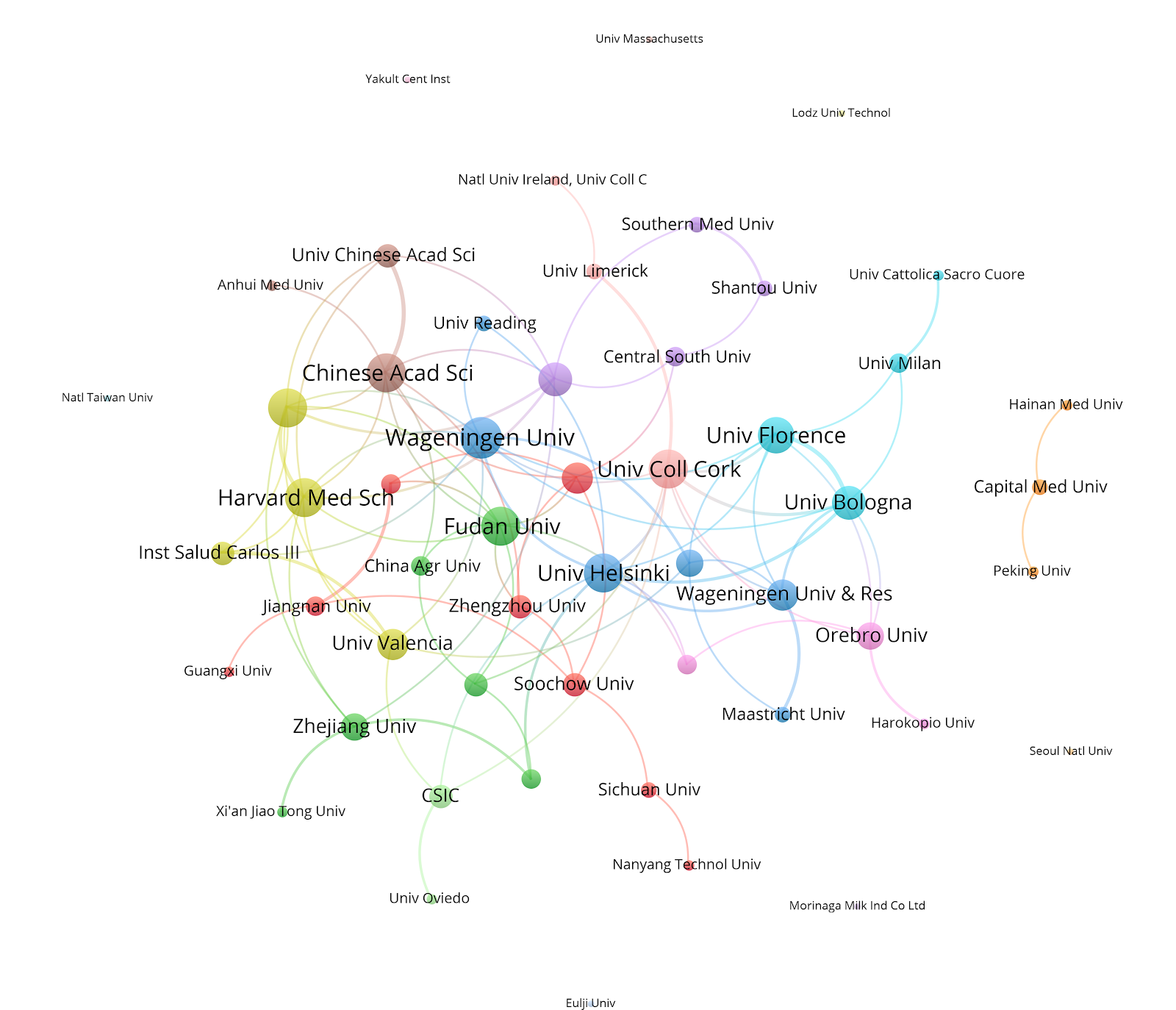
BACKGROUND: As the population ages, research on gut microbiota in the elderly is gaining attention. However, bibliometric analysis in this field is still lacking. OBJECTIVE: To comprehensively analyze literature on gut microbiota in older adults from multiple databases, identify current research hotspots, predict future trends, and provide potential directions for subsequent research. METHODS: CNKI was searched using the subject terms “gut microbiota in older adults,” “gut microecology in older adults,” and “intestinal flora in older adults.” The Web of Science database was searched using the search strategy of “TS=(elderly gut microbe OR elderly gut microbiome OR elderly gut microbiota OR elderly intestinal microbiome OR elderly intestinal microbiota).” Bibliometric tools VOSviewer and CiteSpace were employed to systematically analyze publication years, country distribution, research institutions, authors, and keywords in the retrieved literature. RESULTS AND CONCLUSION: A total of 250 and 604 eligible articles were obtained from the CNKI and Web of Science databases, respectively. From 2014 to 2023, the global publication volume in the field of gut microbiota in older adults showed a steady upward trend. Research interest and discussions in this field have increased significantly worldwide, with expanding depth and breadth through interdisciplinary collaboration. Notably, COVID-19, oxidative stress, depression, and cognitive impairment emerged as prominent keywords in the past 2 years. This bibliometric analysis visually demonstrated the research status and development trends in the field of gut microbiota in the elderly over the past decade. The field is currently in a rising phase, and further exploration of the mechanisms of gut microbiota and intervention strategies for related diseases is still needed.

Visual analysis of research hotspots in the field of gut microbiota in the elderly at home and abroad
Graphical Abstract
Original ResearchVol 1897, Issue 25 • pp. 100-112DOI: 10.12307/2026.21272Jan 15, 2026

Feng's spinal manipulation for cervical spondylosis: kinematic changes

Authors: GU Jiang-peng, GUO Wei, CHEN Xu-jing, LIU Xiao-min, LIU Hong-bo, SUN Peng, YE Chao-qun, FENG Wei, WANG Fei

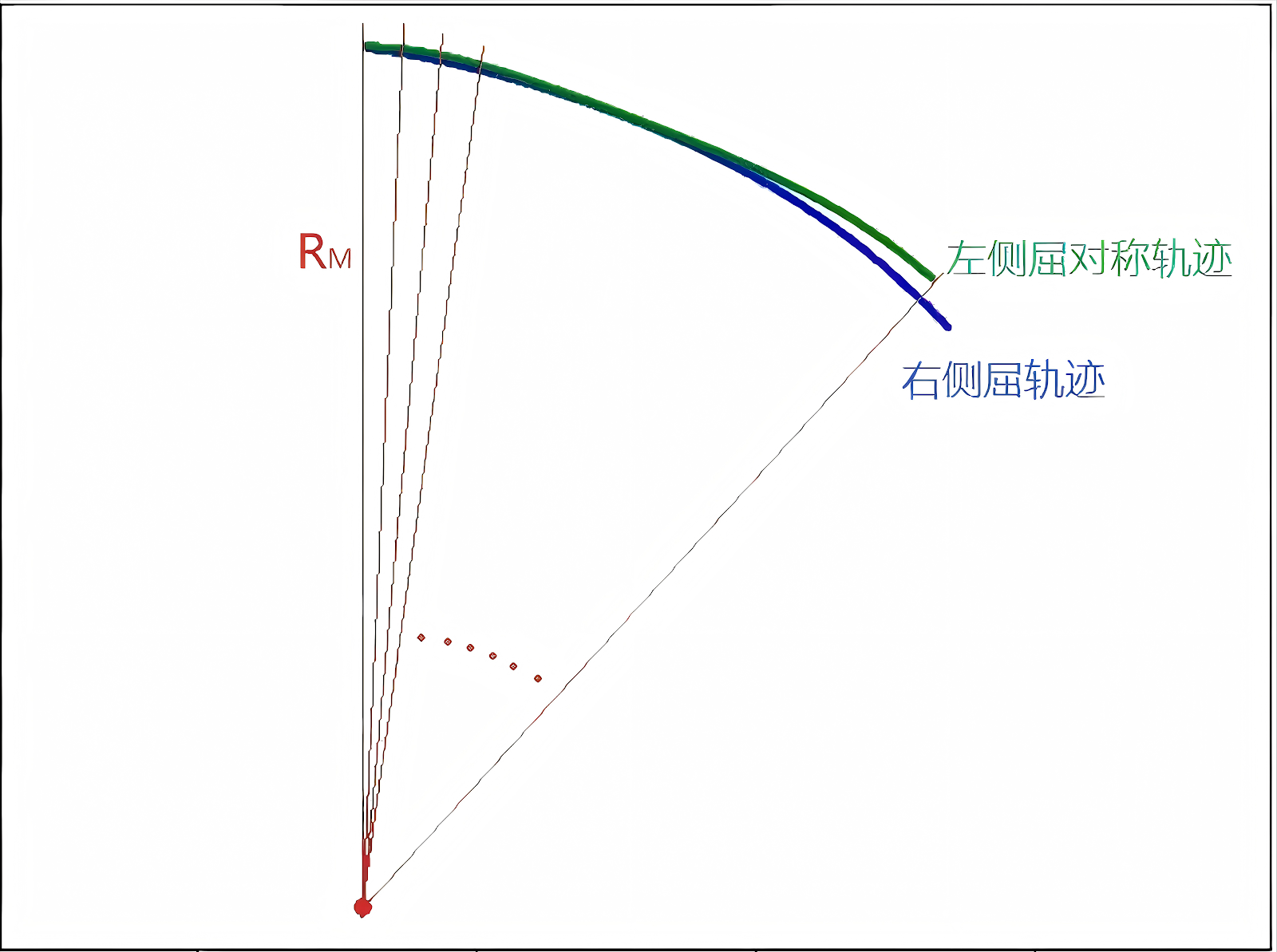
BACKGROUND: Patients with cervical spondylosis often exhibit varying kinematic abnormalities due to degenerative structural changes and biomechanical imbalances in the cervical spine. Although previous studies have compared specific kinematic parameters between healthy individuals and cervical spondylosis patients, research on coupled motions and their associated ratios remains limited. OBJECTIVE: To investigate changes in kinematic parameters in cervical spondylosis patients before and after Feng's spinal manipulation therapy. METHODS: Thirty patients with cervical spondylosis and 30 healthy controls were enrolled. Participants completed three standardized motion tasks: lateral flexion, flexion-extension, and axial rotation. Three-dimensional cervical spine kinematics were quantified using stereophotogrammetry upon admission and discharge. The following kinematic parameters were analyzed: primary range of motion, coupled motion range, coupled motion patterns, motion symmetry, motion smoothness, and motion velocity. RESULTS AND CONCLUSION: Compared with healthy controls, patients with cervical spondylosis showed significantly reduced maximal angles in lateral flexion, flexion-extension, and axial rotation (P < 0.05), and significantly increased ratios of coupled flexion-extension during lateral flexion, coupled rotation during lateral flexion, coupled lateral flexion during extension, and coupled lateral flexion during rotation (P < 0.05). After treatment, patients showed significant improvements in visual analog scale score and cervical dysfunction index (P < 0.05). Significant differences were found in maximal lateral flexion angle, lateral flexion symmetry, maximum and average lateral flexion velocity, maximal flexion-extension angle, maximum and average flexion-extension velocity, maximal rotation angle, rotation symmetry, maximum rotation velocity, and average left rotation velocity before and after treatment (P < 0.05). No significant differences were observed in coupled motion patterns before and after treatment (P > 0.05). Significant differences were found in the ratios of coupled flexion-extension during right lateral flexion, coupled rotation during lateral flexion, coupled flexion-extension during right rotation, and coupled lateral flexion during rotation before and after treatment (P < 0.05). In conclusion, patients with cervical spondylosis exhibit increased ratios of some coupled motions relative to primary motions. Feng's spinal manipulation can significantly improve clinical symptoms and effectively restore cervical motor function.

Feng's spinal manipulation for cervical spondylosis: kinematic changes
Graphical Abstract
Original ResearchVol 1897, Issue 25 • pp. 100-112DOI: 10.12307/2026.21270Jan 15, 2026

Burn and multi-omic biomarkers: causal relationships with 41 inflammatory factors and 35 blood and urine markers

Authors: Gao Minyi, Liu Pinghong, Lin Haixiong

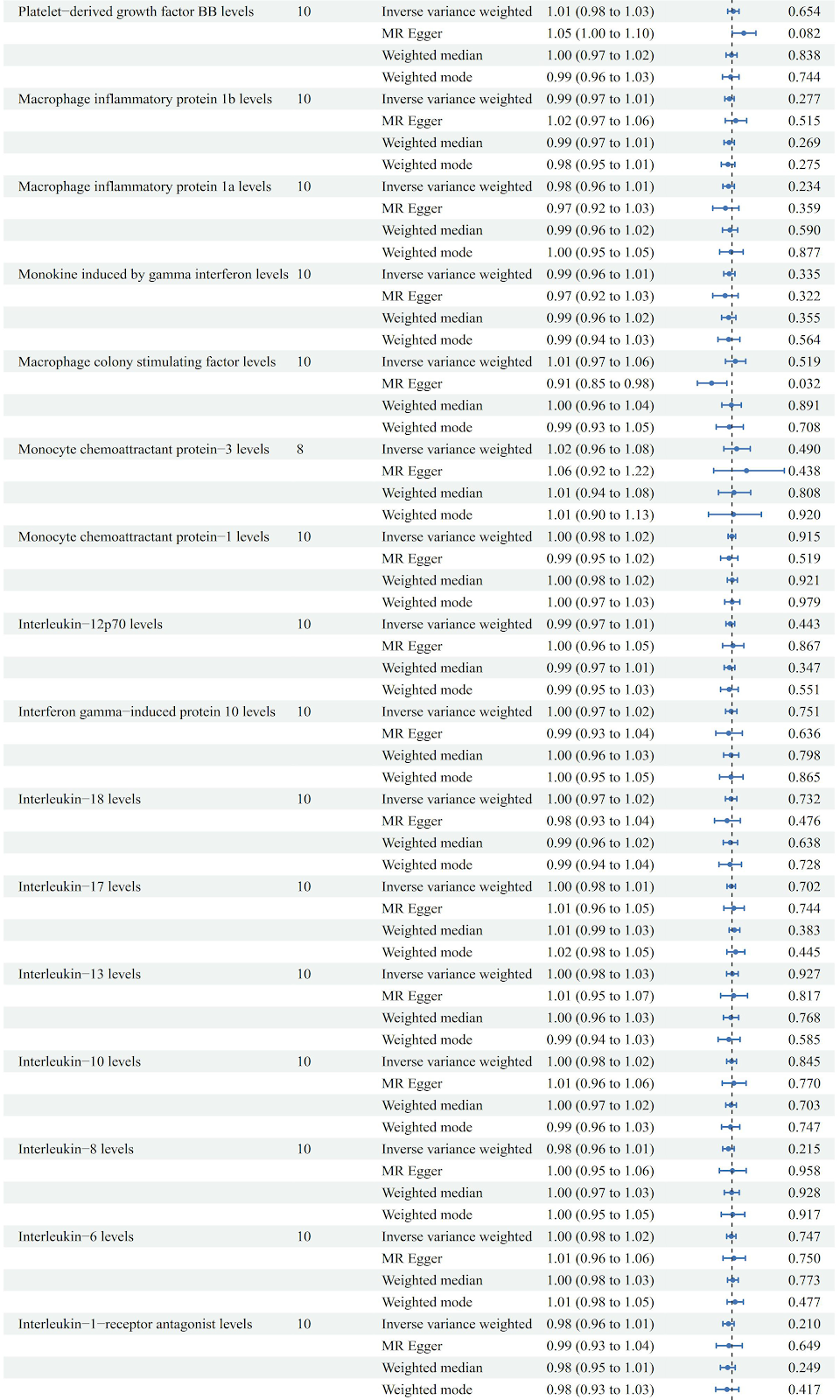
BACKGROUND: Conventional observational studies are inadequate to reveal the potential causal relationship of biomarkers in burns patients. Mendelian randomization, leveraging genetic variation as an instrumental variable to mimic the advantages of randomized controlled trials, has emerged as a crucial tool for dissecting causal associations in complex diseases. OBJECTIVE: To explore the relationship of burn injury with 41 inflammatory cytokines and 35 blood and urinary biomarkers using Mendelian Randomization. METHODS: (1) Burn-related data of genome-wide association studies were obtained from the IEU open GWAS project database, constructed by The University of Bristol, UK, including 218 131 samples and 16 380 465 single nucleotide polymorphisms were included in the study. (2) Data for 41 types of inflammatory cytokines were derived from a study involving 8 293 participants in the Finnish Young Cardiovascular Risk Study database, which is constructed by the Research Centre for Applied and Preventive Cardiovascular Medicine, University of Turku. (3) Data for 35 types of blood and urinary biomarkers were derived from a study involving 363 228 participants from the UK Biobank, which is a large biomedical database project jointly initiated by the UK government, the Wellcome Trust, and the Medical Research Council of the UK. Single nucleotide polymorphisms were employed as instrumental variables, and analyses were conducted using inverse variance weighting, MR Egger, weighted median, and weighted mode methods. Cochrane's Q test was used to identify heterogeneity, and MR Egger intercept test, MR-PRESSO test, and leave-one-out analysis were used to assess the reliability of exposure-outcome associations. RESULTS AND CONCLUSION: Burn injury reduced levels of interleukin-9 (OR=0.97; 95%CI, 0.949 to 0.997; P=0.030) and testosterone (OR=0.997; 95%CI, 0.995 to 0.999; P=0.025), with no heterogeneity or horizontal pleiotropy, demonstrating robustness. The Mendelian randomization analysis indicates that burn injury leads to decreased levels of interleukin-9 and testosterone, suggesting that increasing these levels may aid in tissue repair and improve protein breakdown rate after burn.

Burn and multi-omic biomarkers: causal relationships with 41 inflammatory factors and 35 blood and urine markers
Graphical Abstract
Original ResearchVol 1897, Issue 25 • pp. 100-112DOI: 10.12307/2026.21274Jan 15, 2026

Performance of unstable barbell bench press and changes in electromyographic activity after transcranial direct current stimulation

Authors: Wang Lejun, Chi Wenxin, Song Xiaoqian, Li Qian, Qiao Minjie, Tao Haifeng

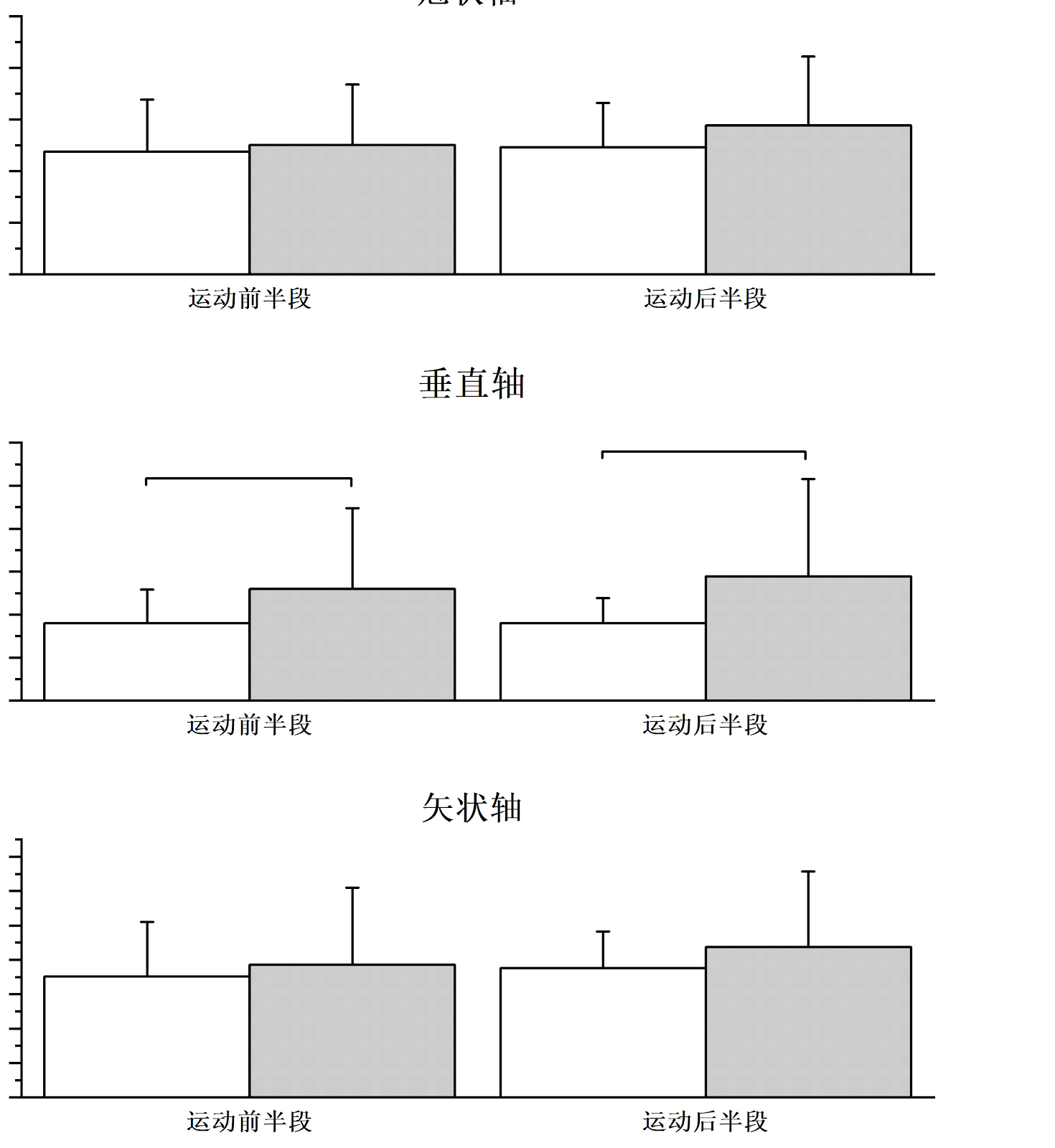
BACKGROUND: Transcranial direct current stimulation can enhance human motor performance by modulating cortical excitability, but its impact on the performance of unstable resistance exercise remains unclear. OBJECTIVE: To investigate the effects of transcranial direct current stimulation on unstable barbell bench press performance and electromyographic activity. METHODS: A randomized, self-controlled crossover design was employed. Twenty-two male college students were randomly assigned to receive either active anodal transcranial direct current stimulation or sham stimulation. After transcranial direct current stimulation interventions, subjects performed a fatigue test involving the unstable barbell bench press. Performance during the unstable barbell bench press task was assessed by recording both the number of completed repetitions and barbell acceleration, serving as indicators of load capacity and movement stability control. In addition, surface electromyographic signals were collected from the right biceps brachii, triceps brachii, anterior deltoid, posterior deltoid, and pectoralis major during the exercise. A paired t-test was used to examine differences in repetition counts between true and sham stimulation conditions. Repeated measures analysis of variance was applied to analyze differences in triaxial acceleration, agonist muscle activation levels, and antagonist co-activation levels. RESULTS AND CONCLUSION: (1) No significant difference in the number of barbell bench press repetitions was observed between the true and sham stimulation conditions. However, the mean amplitude of Y-axis acceleration was substantially lower in the true stimulation group than the sham stimulation group. (2) True transcranial direct current stimulation markedly increased the activation level of the anterior deltoid and the co-activation level of the posterior deltoid. (3) There was no significant interaction between transcranial direct current stimulation and exercise phase on any measured variable. (4) These findings suggest that transcranial direct current stimulation does not significantly affect muscle endurance performance during unstable barbell bench press, but it can improve movement stability, possibly by increasing anterior deltoid activation and posterior deltoid co-activation, thereby enhancing shoulder joint stiffness and stability. In competitive sports and clinical rehabilitation, transcranial direct current stimulation may be considered to modulate performance in unstable load-bearing tasks according to training objectives.

Performance of unstable barbell bench press and changes in electromyographic activity after transcranial direct current stimulation
Graphical Abstract
Original ResearchVol 1897, Issue 25 • pp. 100-112DOI: 10.12307/2026.21266Jan 15, 2026

Visual analysis of shear wave elastography in skeletal muscle research

Authors: Li Qian, Li Zhenxing, Qiao Pengyan, Wang Pingzhi

BACKGROUND: Shear-wave elastography is valuable for rehabilitation diagnosis and treatment, but it has not been sufficiently promoted in clinical practice. OBJECTIVE: To explore the trends and hotspots of ultrasound shear wave elastography in skeletal muscle research by visualizing and analyzing the international literature from the past 10 years, thereby providing a reference for clinical diagnosis and follow-up research. METHODS: Based on the Web of Science Core Collection database (2015-2024), the number of publications, countries/regions, institutions, authors, journals, cited literature, and key words from the 978 included articles were visualized and analyzed using CiteSpace software. RESULTS AND CONCLUSION: (1) With a 16.2% average annual growth in global publications, China has the highest number of publications worldwide (197), but its international collaborative network is relatively weak. The University of Nantes in France has the highest number of publications (50), and the University of Queensland has the most influential collaborative network. (2) Ultrasound in Medicine and Biology is the journal with the most publications (33). Noriaki Ichihashi is the most prolific author. (3) The gastrocnemius muscle is one of the most frequently examined sites. Shear wave elastography shows significant clinical potential in central nervous system diseases and sports injuries. (4) The research focus has shifted from basic biomechanics to dynamic clinical assessment and therapeutic interventions. (5) Future diagnostic techniques should be more standardized and refined, establishing normative data ranges for muscle tissue, while considering individual biological variability in elasticity values.

Visual analysis of shear wave elastography in skeletal muscle research
Graphical Abstract
Original ResearchVol 1897, Issue 25 • pp. 100-112DOI: 10.12307/2026.21267Jan 15, 2026

Association between sarcopenia and osteoporosis: a genome-wide data analysis in European populations

Authors: Yin Xingxiao, Jiang Yang, Song Yanping, Yao Na, Shen Zhen, Li Yanqi, Song Yueyu, Peng Hao, Chen Qigang

BACKGROUND: Sarcopenia and osteoporosis have attracted significant attention in the academic community due to their high prevalence and severe adverse outcomes. Although existing studies have suggested a potential causal relationship between sarcopenia and osteoporosis, the evidence remains insufficient. OBJECTIVE: Based on large-scale genome-wide data, to explore the causal relationship between genetically predicted sarcopenia and osteoporosis through a bidirectional Mendelian randomization approach. METHODS: Genome-wide significant loci (P < 5×10⁻⁸) associated with sarcopenia-related traits were selected from the UK Biobank database (an open database jointly developed by the UK government, the Medical Research Council, and the Wellcome Trust), followed by linkage disequilibrium analysis. Osteoporosis data were obtained from the GEnetic Factors for OSteoporosis Consortium (GEFOS; an open database funded by the EU Framework Program for Research and Development, jointly led by Erasmus University Medical Center in the Netherlands), including 28,498 European ancestry subjects, with a focus on data from osteoporosis-prone fracture sites. The study used inverse variance weighting as the primary analysis method, supplemented by MR-Egger regression, weighted median method, and MR-RAPS for multiple validation. To ensure the reliability of the results, multiple sensitivity analyses were performed. RESULTS AND CONCLUSION: Inverse variance weighting analysis showed a bidirectional causal relationship between whole-body fat-free mass and bone mineral density (P < 0.05). Forward causal analysis indicated that whole-body fat-free mass was positively associated with lumbar spine bone mineral density (OR=1.124, 95%CI: 1.008-1.253, P=0.035) and negatively associated with forearm bone mineral density (OR=0.821, 95%CI: 0.699-0.966, P=0.017). Reverse causal analysis showed that forearm bone mineral density (OR=1.033, 95%CI: 1.002-1.066, P=0.036), lumbar spine bone mineral density (OR=1.054, 95%CI: 1.025-1.084, P < 0.001), and femoral neck bone mineral density (OR=1.059, 95%CI: 1.008-1.113, P=0.021) were all positively associated with whole-body fat-free mass. A reduction in whole-body fat-free mass can lead to decreased lumbar spine bone mineral density, and a decrease in bone mineral density at various sites further exacerbates the loss of whole-body fat-free mass. Although the data in this study mainly come from European populations, due to the universality of genome-wide association analysis methods and the commonality of genetic backgrounds, the results still have important reference value for exploring the pathogenesis of sarcopenia and osteoporosis in the Chinese population, formulating clinical intervention strategies, and assessing genetic risk.

Association between sarcopenia and osteoporosis: a genome-wide data analysis in European populations
Graphical Abstract
Original ResearchVol 1897, Issue 25 • pp. 100-112DOI: 10.12307/2026.21265Jan 15, 2026

Application of patch-clamp technique in traditional Chinese medicine: a visual analysis of relevant literature

Authors: YANG Jun, LI Bin, XING Guogang, CAI Jie, LIU Lu, CHEN Peng, ZHANG Tao, FU Yuanbo, LIU Huilin

BACKGROUND: In recent years, the interdisciplinary application potential of patch-clamp technique in traditional Chinese medicine research has gradually emerged, but a systematic summary of its applications in this field has not yet been conducted. OBJECTIVE: To visualize the application of patch-clamp technology in traditional Chinese medicine field through CiteSpace knowledge map analysis, and to reveal the progress and trends of this technology in the modernization research of traditional Chinese medicine. METHODS: The literature sources included CNKI, VIP, WanFang, PubMed and Web of Science Core Collection database. The computer-assisted literature search was conducted to build a database of patch-clamp technology applications in traditional Chinese medicine field from database inception to September 2024. The authors, institutions, and keywords were subjected to visual analysis and knowledge map drawing using CiteSpace 6.3.R1 software and bibliometric methods. RESULTS AND CONCLUSION: (1) A total of 819 articles were included, with 968 authors. The First Affiliated Hospital of Henan University of Chinese Medicine was the institution with the most publications in the Chinese database, while Harbin Medical University was the institution with the most publications in the English database. (2) The research directions, keyword clustering, and emergence analysis of each institution showed that the application of patch-clamp technique in traditional Chinese medicine mainly focused on cardiovascular electrophysiology, pharmacology of Chinese materia medica, and nervous system electrophysiology. (3) The development of patch-clamp technique in traditional Chinese medicine generally presented an evolutionary path of 'basic mechanism → target deepening → clinical translation', reflecting a transformation from a single technical tool to a multidisciplinary intersection platform. (4) It is suggested that the core influence of authors needs further improvement, and cross-regional cooperation among research institutions is insufficient, so cross-regional cooperation should be strengthened. Current research techniques are single and research content is thin; future research should integrate multiple technologies, cross disciplines, enrich research content, and expand research directions, providing evidence support for in-depth exploration of the internal mechanisms of traditional Chinese medicine.

Application of patch-clamp technique in traditional Chinese medicine: a visual analysis of relevant literature
Graphical Abstract
Original ResearchVol 1897, Issue 25 • pp. 100-112DOI: 10.12307/2026.21278Jan 15, 2026

Intervention with Compound Kidney-Invigorating Granules in a mouse model of osteoporosis: role of the TRIB3/beta-catenin axis

Authors: WANG Yan, LYU Hao, HU Zhimu, ZHOU Yao, LIU Qiang, YANG Yuxiang, YI Hairu, WANG Jiuxiang, JIANG Ting

BACKGROUND: Previous studies have shown that knockdown of β-catenin can inhibit the osteogenic differentiation of human bone marrow mesenchymal stem cells and reduce the expression of TRIB3. Serum containing Compound Kidney-Invigorating Granules can promote the expression of β-catenin and TRIB3 in human bone marrow mesenchymal stem cells, and induce human bone marrow mesenchymal stem cells to differentiate into osteogenic cells. OBJECTIVE: To further explore the mechanism of Compound Kidney-Invigorating Granules in a mouse model of osteoporosis based on the TRIB3/β-catenin axis. METHODS: 8-week-old female C57BL/6 mice were randomly divided into the following experimental groups: blank control, sham operation, model, and low-, medium-, and high-dose Compound Kidney-Invigorating Granules groups, and positive drug group. Except for the blank control and sham operation groups, bilateral ovariectomy was performed to establish an osteoporosis mouse model. One week after modeling, mice in the low-, medium-, and high-dose groups were intragastrically administered 7.05, 14.1, and 28.2 g/kg Compound Kidney-Invigorating Granules, respectively; the blank control, sham operation, and model groups received an equal volume of normal saline once daily; the positive control group received 1.53 mg/kg alendronate sodium once weekly. After 12 weeks of administration, Micro-CT was used to detect changes in femoral bone microarchitecture; hematoxylin-eosin staining and Masson staining were used to detect pathological changes in the femur; Western blot was used to detect the expression levels of TRIB3, β-catenin, alkaline phosphatase, and osteopontin in bone tissue. RESULTS AND CONCLUSION: Compared with the blank control and sham operation groups, the model group showed sparse bone trabeculae and significantly increased empty lacunae; the protein expression levels of TRIB3, β-catenin, alkaline phosphatase, and osteopontin were significantly decreased (P < 0.05). Compared with the model group, the medium- and high-dose Compound Kidney-Invigorating Granules groups showed more complete and regular bone trabeculae, and the protein expression levels of TRIB3, β-catenin, alkaline phosphatase, and osteopontin were significantly upregulated (P < 0.05). These results indicate that Compound Kidney-Invigorating Granules exert a therapeutic effect on osteoporosis model mice, suggesting that the formula may act through the TRIB3/β-catenin axis.

Intervention with Compound Kidney-Invigorating Granules in a mouse model of osteoporosis: role of the TRIB3/beta-catenin axis
Graphical Abstract
Original ResearchVol 1897, Issue 25 • pp. 100-112DOI: 10.12307/2026.21268Jan 15, 2026

Osteoporotic vertebral compression fractures: a visual analysis of current status and emerging trends

Authors: Qu Bolin, Ciren Lunzhu, Guo Jinyang, Meng Hanlu, Ding Guanxiang, Sang Hongpeng

BACKGROUND: Current literature primarily focuses on comparing the clinical efficacy and surgical safety of various operative approaches for osteoporotic vertebral compression fractures, while there is a notable lack of research addressing the current status, hotspots, and future trends in the treatment and prognosis of osteoporotic vertebral compression fractures. OBJECTIVE: To analyze the current status, hotspots and trends of research on osteoporotic vertebral compression fractures by bibliometric methods. METHODS: English articles related to the treatment and prognosis of osteoporotic vertebral compression fractures published between 1994 and 2023 were retrieved from the Web of Science Core Collection. Bibliometric and visualization analyses were conducted using CiteSpace and VOSviewer to evaluate publication volume, geographic distribution, institutional contributions, journal sources, author contributions, keyword frequency, research hotspots, and the most influential literature. RESULTS AND CONCLUSION: A total of 2,275 articles were included. Global research output on osteoporotic vertebral compression fractures increased annually, with the highest number of publications in 2022 (215 articles). The literature spanned 68 countries/regions, with China leading with 644 articles. Soochow University was the most productive institution (90 articles). European Spine Journal had the highest number of publications (n=146), while Spine had the highest citation count (n=1,923), average citations per article (58.5), and H-index (45), ranking second in publication volume (n=106). Yang, Huilin was the most prolific author (n=65), and French physician Galibert, P had the highest citations (n=300). Early research hotspots focused on 'vertebroplasty', 'balloon kyphoplasty', and 'polymethylmethacrylate', which later shifted to 'surgical management' and 'nonoperative treatment', and more recently expanded to 'safety' and 'risk factors', which are expected to remain future research trends.

Osteoporotic vertebral compression fractures: a visual analysis of current status and emerging trends
Graphical Abstract
Original ResearchVol 1897, Issue 25 • pp. 100-112DOI: 10.12307/2026.21269Jan 15, 2026

Molecular mechanism and natural drug screening for ferroptosis-targeted therapy in rheumatoid arthritis

Authors: Zhou Wen, Yang Hongwei

BACKGROUND: Current research in rheumatoid arthritis focuses on iron metabolism-related proteins and the effects of ferroptosis on immune cells. This study proposes new approaches to target ferroptosis in the treatment of rheumatoid arthritis from the perspective of traditional Chinese medicine. These approaches include developing new traditional Chinese medicine therapies, creating individualized treatment plans based on patients’ genes and biomarkers, optimizing therapeutic strategies, and improving symptoms. These strategies aim to facilitate early treatment and improve prognosis. OBJECTIVE: Bioinformatics was applied to investigate the molecular mechanism of treating rheumatoid arthritis from the perspective of ferroptosis, and to screen potential traditional Chinese medicines and active ingredients, opening up a new way for the treatment of rheumatoid arthritis. METHODS: The Gene Expression Omnibus database, maintained by the National Center for Biotechnology Information, is primarily used to store and share high-throughput gene expression, microarray, and sequencing data. The Gene Expression Omnibus database enables researchers to search and analyze genomic data related to various diseases. This study is based on publicly available summary statistics databases and does not require ethical approval. The Gene Expression Omnibus database was searched for datasets related to rheumatoid arthritis that met the screening criteria. The Sanger sequencing platform was then used to obtain the transcriptome data of rheumatoid arthritis. Finally, the limma algorithm was applied to screen the differentially expressed genes. Meanwhile, the ferroptosis-related gene set was extracted from the FerrDb database. Through integration analysis, we obtained the intersection of the differentially expressed genes and the ferroptosis-related genes. We constructed a protein interaction network and performed network topology analysis. Then, using DAVID Bioinformatics Resources 6.8, we conducted Gene Ontology and Kyoto Encyclopedia of Genes and Genomes pathway enrichment analyses to explore biological functions and signaling pathways. Finally, the SymMap platform was used to identify natural medicines, and the Traditional Chinese Medicine Systems Pharmacology Database and Analysis Platform was used to find small molecule compounds and corresponding targets for molecular docking analysis. RESULTS AND CONCLUSION: Two datasets, GSE55457 and GSE55235, were identified from the GEO database, and 340 common differentially expressed targets were obtained via limma analysis. A total of 487 ferroptosis-related targets were collected from the FerrDb platform, and 17 common targets related to ferroptosis and rheumatoid arthritis were obtained after intersection. A protein interaction network was constructed using the 17 common targets, containing 16 target proteins and 33 interactions. Core targets such as EGFR, AR, MAPK8, CDKN1A, JUN, ATM, and EGR1 occupied important positions in the network. Five core targets (EGFR, AR, MAPK8, CDKN1A, and JUN) were identified as key ferroptosis-related targets in rheumatoid arthritis. GO and KEGG enrichment analyses showed that treating rheumatoid arthritis via the ferroptosis pathway may be related to DNA binding processes and SMAD2/3 signaling pathways. Molecular docking results showed that natural small molecule compounds such as progesterone, estradiol, and quercetin could form good binding with core targets, providing new directions for drug development and research in rheumatoid arthritis.

Molecular mechanism and natural drug screening for ferroptosis-targeted therapy in rheumatoid arthritis
Graphical Abstract
Original ResearchVol 1897, Issue 25 • pp. 100-112DOI: 10.12307/2026.21277Jan 15, 2026

Tetramethylpyrazine improves iron metabolism disorders in a rat model of spinal cord injury via the Keap-1/Nrf2 signaling pathway

Authors: ZHENG Peng, JIA Xiaoning, TAO Jingwei, FAN Xiao

BACKGROUND: The clinical management of spinal cord injury remains a global medical challenge, with no currently available ideal treatment. Traditional Chinese medicine has therapeutic advantages for spinal cord injury. Notably, tetramethylpyrazine, an active component of Chuanxiong rhizome, has been shown to significantly suppress pathological responses including neuroinflammation and apoptosis after spinal cord injury, exhibiting promising therapeutic potential. However, its mechanisms require further elucidation. OBJECTIVE: To investigate the regulatory effects of tetramethylpyrazine on the Kelch-like ECH-associated protein 1/nuclear factor-erythroid 2-related factor 2 (Keap-1/Nrf2) signaling pathway and iron metabolism following spinal cord injury, and to elucidate its neuroprotective mechanisms. METHODS: Thirty-six Sprague-Dawley rats were randomly allocated into: sham group (laminectomy+saline, n=12), model group (spinal cord injury+saline, n=12), and tetramethylpyrazine group (spinal cord injury+tetramethylpyrazine, n=12). After 4 weeks, neuronal morphology was assessed by Nissl staining; iron deposition by Prussian blue staining; iron content by iron assay kit; expression of Keap-1, ferritin heavy chain 1 (FTH1), and ferritin light chain (FTL) by immunohistochemistry; Nrf2 expression by immunofluorescence; protein levels of Nrf2, FTH1, and FTL by western blot; and mRNA levels of Nrf2, Keap-1, FTH1, and FTL by RT-PCR. RESULTS AND CONCLUSION: Compared with the sham group, the model group showed disrupted neuronal structure, increased iron deposition and iron content, increased Keap-1 expression, and decreased Nrf2, FTH1, and FTL expression at both protein and mRNA levels (P < 0.01). Tetramethylpyrazine treatment significantly ameliorated these changes, as evidenced by improved neuronal structure, reduced iron deposition and content, decreased Keap-1 expression, and increased Nrf2, FTH1, and FTL expression compared with the model group (P < 0.01). These findings indicate that tetramethylpyrazine can regulate the Keap-1/Nrf2 signaling pathway and its downstream targets FTH1 and FTL, thereby improving iron metabolism disorders and facilitating spinal cord injury repair.

Tetramethylpyrazine improves iron metabolism disorders in a rat model of spinal cord injury via the Keap-1/Nrf2 signaling pathway
Graphical Abstract
Original ResearchVol 1897, Issue 25 • pp. 100-112DOI: 10.12307/2026.21276Jan 15, 2026

Potential targets of glucagon-like peptide 1 receptor agonist ticagrelor in the treatment of Alzheimer’s disease

Authors: ZHANG Xiaomin, DU Pengyang, ZHANG Xiuping, XUE Guofang

BACKGROUND: Glucagon-like peptide 1 receptor agonists, as novel drug candidates for the treatment of neurodegenerative diseases, have achieved breakthrough progress in clinical research on Alzheimer’s disease, with drugs such as Semaglutide advancing to phase III clinical trials. However, there remains a significant knowledge gap regarding the molecular mechanism of neuroprotective effects of these drugs. OBJECTIVE: To innovatively integrate multi-omics analysis techniques and network pharmacology methods, to systematically analyze the intersection network between the gene lineage related to Alzheimer’s disease pathology and the potential targets of ticagrelor, to identify key regulatory genes, and to verify their molecular mechanisms through in vitro and in vivo experiments. METHODS: A multi-dimensional research strategy was adopted: (1) Constructing the differential expression gene profile of Alzheimer’s disease using the DisGeNET database that covers various disease-related genomics. (2) Obtaining the structure of Tirzepatide from PubChem database with bioactive molecules and screening potential targets. (3) Conducting Gene Ontology (GO) functional annotation and Kyoto Encyclopedia of Genes and Genomes (KEGG) pathway enrichment analysis using DAVID database. (4) Constructing protein-protein interaction network using STRING database and Cytoscape 3.9.1, and screening key genes via topological network analysis. (5) Cell-level verification: HT22 cells were divided into control group, model group (treated with β-amyloid 1-42 oligomers for 36 h to establish an in vitro AD model), and treatment group (pretreated with β-amyloid 1-42 oligomers for 24 h, then co-treated with ticagrelor for 12 h). Western blot was used to analyze the protein expression of angiotensin II type 2 receptor (AGTR2), and ELISA was used to detect the expression levels of synaptic markers such as synaptophysin 1 and postsynaptic density protein 95. (6) Animal experiments: Three groups were used: control group (WT C57BL/6 mice, intraperitoneal injection of saline), model group (3xTg mice, intraperitoneal injection of saline), and treatment group (3xTg mice, intraperitoneal injection of 20 nmol/L ticagrelor), all administered every other day for a total of 15 doses. Morris water maze was used to analyze cognitive behavioral improvements in AD model mice; Western blot was used to quantitatively analyze the expression of β-amyloid (6E10) and phosphorylated Tau protein (P-tau-181). RESULTS AND CONCLUSION: (1) A total of 3,397 AD-related genes were screened from DisGeNET database; 10 key genes with the highest connectivity were identified based on protein association: AGTR2, NTSR1, NTSR2, GHSR, C5AR1, C3AR1, OPRM1, SSTR2, OPRD1, STAT3. GO enrichment and KEGG pathway analysis suggested that ticagrelor may improve AD by enhancing neuroreceptor-ligand function. (2) Cell experiments suggested that ticagrelor may exert therapeutic effects by improving synaptic function in AD, and AGTR2 may be a potential target of ticagrelor in treating AD. (3) Animal experiments indicated that ticagrelor improved cognitive ability in 3xTg mice, and ameliorated abnormal β-amyloid deposition and Tau protein phosphorylation in the brain of 3xTg mice. (4) Conclusion: The study reveals that AGTR2 is a key molecular target of ticagrelor in the pathological process of AD, and ticagrelor may treat AD by regulating AGTR2-mediated synaptic function improvement.

Potential targets of glucagon-like peptide 1 receptor agonist ticagrelor in the treatment of Alzheimer’s disease
Graphical Abstract
Original ResearchVol 1897, Issue 25 • pp. 100-112DOI: 10.12307/2026.21273Jan 15, 2026

Analysis of influencing factors and risk prediction model for spasticity severity in stroke patients with hemiplegia

Authors: Cao Xinyan, Leng Xiaoxuan, Gao Shiai, Chen Jinhui, Liu Xihua

BACKGROUND: Spastic hemiplegia remains a challenging clinical problem that urgently needs to be addressed. Currently, most research primarily focuses on discussing the influencing factors of spasticity onset. This study, however, utilizes binary logistic regression to primarily explore the key factors affecting the severity of spasticity in stroke patients, providing a reliable basis for personalized treatment plans for patients. OBJECTIVE: To identify the influencing factors of spasticity severity in stroke patients with hemiplegia through univariate and multivariate logistic regression analyses, and to construct a risk prediction model. METHODS: A total of 120 patients with post-stroke spasticity hospitalized at the Affiliated Hospital of Shandong University of Traditional Chinese Medicine from November 2024 to March 2025 were enrolled. A self-designed questionnaire was used for data collection. Logistic regression analysis was performed to screen the influencing factors of spasticity severity in hemiplegic patients, and a risk prediction model was constructed. The predictive performance of the model was evaluated via a receiver operating characteristic curve analysis. RESULTS AND CONCLUSION: Among 120 stroke spasticity patients, 66 had mild spasticity with Modified Ashworth Scale < 2 and 54 had severe spasticity with Modified Ashworth Scale ≥ 2. The results of logistic regression analysis showed that for stroke spasticity patients, advanced age, normal sensory function, higher Barthel index, and Fugl-Meyer motor function score were protective factors for spasticity severity; while depression and anxiety, poor sleep quality, and pain were risk factors. The area under the receiver operating characteristic curve of the logistic regression model for spasticity severity in stroke hemiplegic patients was 0.969 [95%CI (0.944, 0.994)], indicating that the prediction model based on these factors has high predictive efficacy. Clinicians should adopt multidimensional and individualized intervention strategies to actively prevent and reduce spasticity, thereby improving functional prognosis and quality of life.

Analysis of influencing factors and risk prediction model for spasticity severity in stroke patients with hemiplegia
Graphical Abstract
Original ResearchVol 1897, Issue 25 • pp. 100-112DOI: 10.12307/2026.21264Jan 15, 2026

Sarcopenia and non-alcoholic fatty liver disease: analysis of the gut microbiota

Authors: ZHANG Zheng, ZHANG Yibo, XU Bin, YAN Shichao, GUO Hui

BACKGROUND: Previous studies have established a correlation between non-alcoholic fatty liver disease and sarcopenia; however, their causal relationship remains uncertain. The gut-muscle-liver axis hypothesis posits intricate interactions between the gut microbiota and both sarcopenia and non-alcoholic fatty liver disease, yet the precise pathogenic mechanisms underlying these interactions remain poorly elucidated. OBJECTIVE: To investigate the potential causal relationship between sarcopenia and non-alcoholic fatty liver disease using Mendelian randomization analysis and to delve into the potential role of the gut microbiota in mediating or influencing the interplay between non-alcoholic fatty liver disease and sarcopenia. METHODS: Sarcopenia data were sourced from the UK Biobank (the UK National-Level Biomedical Database, supported by the UK government and developed in 2006 in collaboration with institutions such as the University of Oxford and the University of Manchester, which encompasses multidimensional data including genes, imaging, and health records from 500 000 participants), with relevant traits including appendicular muscle mass, grip strength, and walking speed. The non-alcoholic fatty liver disease dataset was derived from a publicly accessible GWAS summary dataset compiled by Ghodsian et al., comprising aggregated statistics from GWAS cohorts including eMERGE and FinnGen, updated GWAS data of non-alcoholic fatty liver disease from the UK Biobank, and newly conducted GWAS data from the Estonian Biobank. The 211 gut microbiota data were obtained from a large-scale human gut microbiome composition study conducted by the MiBioGen consortium. Inverse variance weighting, weighted median, MR-Egger, weighted model, and simple model methods were used to assess the mutual influences among non-alcoholic fatty liver disease, sarcopenia, and gut microbiota-related traits. RESULTS AND CONCLUSION: The inverse variance weighting analysis indicated that walking speed and appendicular muscle mass were negatively correlated with non-alcoholic fatty liver disease, while left and right hand grip strength showed no significant correlation with non-alcoholic fatty liver disease risk. Reverse Mendelian randomization analysis showed that non-alcoholic fatty liver disease was negatively correlated with appendicular muscle mass, but no significant correlation was found between non-alcoholic fatty liver disease and walking speed or left and right hand grip strength. Thirty-nine gut microbiota taxa were significantly associated with sarcopenia onset, and six gut microbiota taxa had a causal relationship with non-alcoholic fatty liver disease. The study suggests that gut microbiota may regulate the 'gut-liver-muscle axis' through short-chain fatty acid metabolism, providing a new direction for cross-organ mechanism research for Chinese scholars. Combined with the unique genetic background of the Chinese population (such as ALDH2 mutations and genes related to high-salt diet), it can further analyze the race-specific pathways of metabolic-muscle comorbidity, providing a scientific basis for formulating dietary recommendations that conform to the Chinese dietary structure (such as high grain intake).

Sarcopenia and non-alcoholic fatty liver disease: analysis of the gut microbiota
Graphical Abstract
Original ResearchVol 1897, Issue 25 • pp. 100-112DOI: 10.12307/2026.21258Jan 15, 2026

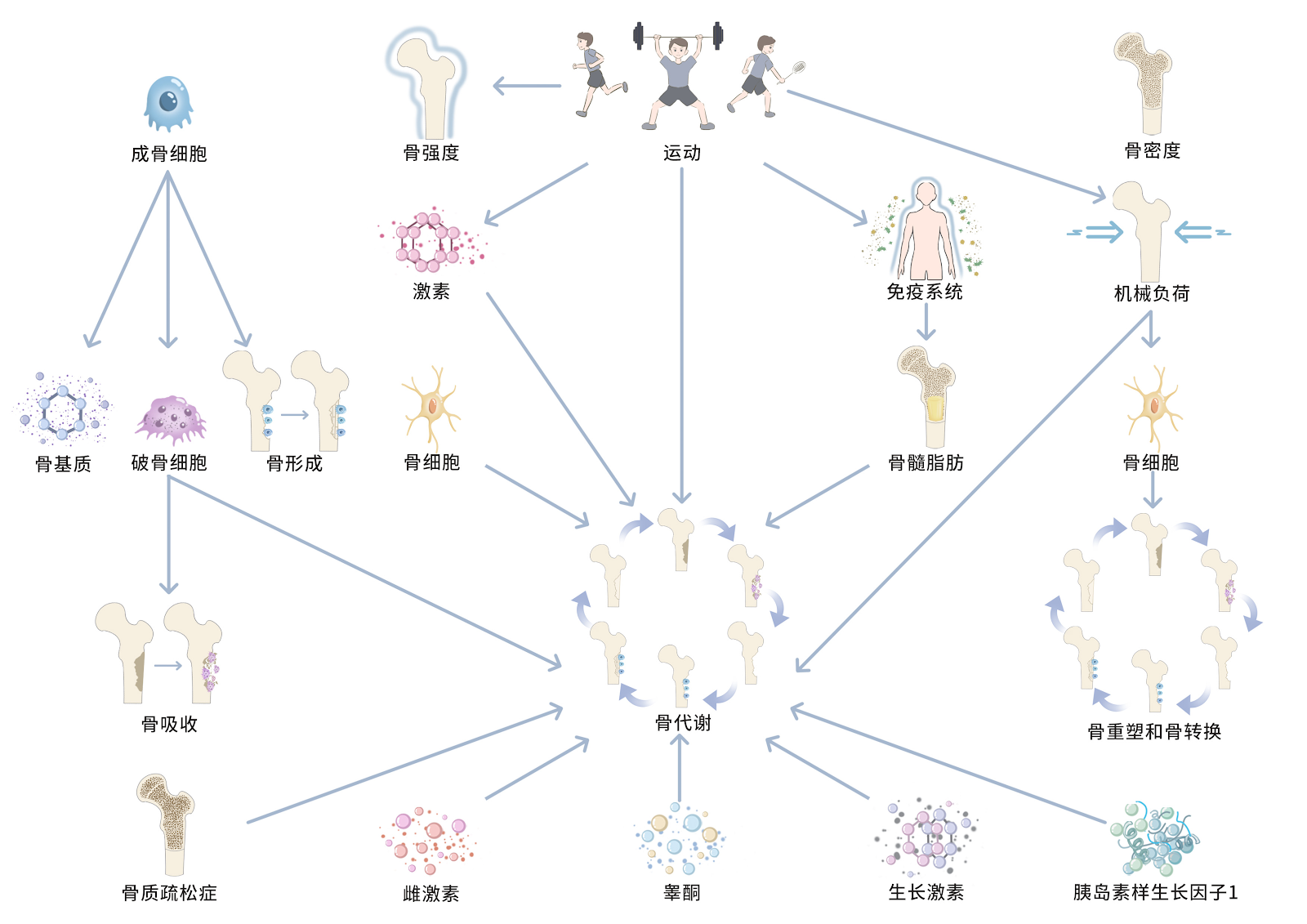
Traditional Chinese sports in the treatment of osteoporosis: potential biological mechanisms and clinical application progress

Authors: DU Xingbin, JIANG Fugao, KONG Jianda

BACKGROUND: Although traditional drug therapy has achieved good results in the treatment of osteoporosis, long-term use often leads to adverse events. Currently, exercise intervention (including traditional Chinese sports) has gradually become a hot topic and a new choice for the prevention and treatment of osteoporosis. OBJECTIVE: To analyze the biological mechanisms and related clinical application progress of traditional Chinese sports (such as Tai Chi Chuan, Baduanjin, Wuqinxi, Yijinjing) in the prevention and treatment of osteoporosis, and to explore their potential mechanisms and effects in improving bone health in multiple aspects. METHODS: Relevant literature search was retrieved in the Web of Science, PubMed, CNKI, WanFang Database, and VIP Journal Database. The search terms included "Osteoporosis, Traditional Chinese Exercises, Tai Chi Chuan, Baduanjin, Wuqinxi, Yijinjing, Bone Mineral Density, Bone Metabolism, Blood Circulation, Anti-inflammatory, Antioxidant, Clinical Application" in English and Chinese. Finally, 59 articles were included for review. RESULTS AND CONCLUSION: Traditional Chinese exercises significantly improve bone mineral density and mitigate bone loss through the combined effects of multiple pathways, including mechanical loading to regulate bone metabolism, modulating the gut microbiota-bone axis, enhancing anti-inflammatory and antioxidant effects, and endocrine regulation. Clinical evidence has indicated that Tai Chi Chuan has particularly significant effects on improving lumbar spine and femoral neck bone mineral density in postmenopausal women; Baduanjin combined with medication can significantly regulate glucose metabolism and bone turnover; Wuqinxi indirectly reduces fracture risk by improving joint function; Yijinjing shows advantages in gender-related bone mineral density maintenance. Notably, traditional exercises regulate immune cells (such as Th1 cells, regulatory T cells) and oxidative stress pathways, providing a theoretical basis for developing novel exercise intervention programs.

Traditional Chinese sports in the treatment of osteoporosis: potential biological mechanisms and clinical application progress
Graphical Abstract
Original ResearchVol 1897, Issue 25 • pp. 100-112DOI: 10.12307/2026.21263Jan 15, 2026

Association between immune cells and cardiovascular disease risk: a genome-wide association study in European populations

Authors: Huang Zhe, Shang Baoling, Yao Gengzhen, Pan Guangming

BACKGROUND: Previous studies have linked immune cells to cardiovascular disease risk. As confounding factors are incompletely addressed, the causal relationship between them remains unclear. OBJECTIVE: To evaluate the potential causal relationship between immune cells and cardiovascular disease. METHODS: The source of research data mainly involves three databases: Genome-Wide Association Study (GWAS) database (GWAS Catalog, jointly maintained by the National Institute of Human Genomics and the European Institute of Bioinformatics), UK biobank (a database of British population genomics, health, and disease phenotypes supported by the UK government and the Wellcome Trust), and IEU OpenGWAS (a GWAS database developed by the MRC Epidemiology Unit at the University of Bristol, UK, primarily for European populations). All are open databases, and the study has been approved by the relevant institutional review boards. Using 731 immune cell phenotypes as exposures and 7 cardiovascular diseases (atrial fibrillation, dilated cardiomyopathy, coronary atherosclerotic heart disease, heart failure, hypertrophic cardiomyopathy, hypertension, and valvular heart disease) as outcomes, a two-sample Mendelian randomization analysis was performed. Inverse variance weighting and weighted median methods were mainly used for Mendelian randomization analysis and sensitivity analysis to assess heterogeneity and pleiotropy. RESULTS AND CONCLUSION: (1) After false discovery rate correction, immune phenotypes had statistically significant effects on atrial fibrillation and hypertension. Five cell types were associated with atrial fibrillation risk, including CD11c on monocytes (OR=0.917, 95%CI: 0.876-0.960), FSC-A on myeloid dendritic cells (OR=0.942, 95%CI: 0.910-0.974), CX3CR1 on CD14+ CD16- monocytes (OR=1.045, 95%CI: 1.022-1.070), CX3CR1 on monocytes (OR=1.050, 95%CI: 1.024-1.076), and CX3CR1 on CD14+ CD16+ monocytes (OR=1.050, 95%CI: 1.024-1.077). Three immune phenotypes with protective effects on hypertension were identified: CD19 on switched memory B cells (OR=0.986, 95%CI: 0.980-0.993), CD25++CD8+ T cells (OR=0.993, 95%CI: 0.990-0.997), and CD25++CD8+ T cells absolute count (OR=0.993, 95%CI: 0.989-0.996). No potential heterogeneity or horizontal pleiotropy was observed in sensitivity analyses. (2) The study found causal relationships between 4 monocyte types and 1 myeloid dendritic cell type and atrial fibrillation, and potential causal relationships between 1 memory B cell type and 2 T cell types and hypertension, suggesting the necessity of considering immune cell phenotypes when monitoring and treating atrial fibrillation and hypertension. This study used public databases for analysis, providing a reference for research on immune cell subsets and cardiovascular disease in the Chinese population, and offering insights for further prevention and treatment of atrial fibrillation and hypertension in Chinese people.

Association between immune cells and cardiovascular disease risk: a genome-wide association study in European populations
Graphical Abstract
Original ResearchVol 1897, Issue 25 • pp. 100-112DOI: 10.12307/2026.21260Jan 15, 2026

Association between environmental exposure to endocrine disrupting chemicals and the risk of type 1 diabetes

Authors: WANG Ting, YANG Yang, LI Yuping, YANG Lin

BACKGROUND: As a group of ubiquitous exogenous compounds in the environment, endocrine disrupting chemicals can interfere with endocrine system function and contribute to various diseases. In recent years, the correlation between exposure to endocrine disrupting chemicals and type 1 diabetes risk has become a research hotspot, but the exact underlying mechanisms remain unclear. OBJECTIVE: To review the research progress on the association between endocrine disrupting chemicals and type 1 diabetes in terms of epidemiological studies, animal experiments, and related mechanism studies. METHODS: The literature retrieval was conducted on CNKI and PubMed databases from January 2000 to January 2025 with the keywords of “endocrine disrupting chemicals; EDCs; type 1 diabetes; T1DM” in Chinese and English, respectively. A total of 55 articles were selected for the review. RESULTS AND CONCLUSION: Typical endocrine disrupting chemicals such as bisphenol A, pesticides and heavy metals can promote the development of type 1 diabetes through various pathways, including inducing immune dysregulation, activating oxidative stress, and epigenetic regulation. However, existing studies are limited by issues such as non-unified exposure assessment methods, an unclear dose-response relationship, and population heterogeneity. Future research should focus on identifying critical exposure windows and integrating multi-omics approaches to provide new strategies for the prevention of type 1 diabetes.

Association between environmental exposure to endocrine disrupting chemicals and the risk of type 1 diabetes
Graphical Abstract
Original ResearchVol 1897, Issue 25 • pp. 100-112DOI: 10.12307/2026.21254Jan 15, 2026

Roles and mechanisms of mitochondrial dynamics in bone defect repair

Authors: Zhou Fada, Long Zhisheng

BACKGROUND: Mitochondrial dynamic changes, such as fusion, fission and autophagy, are particularly important for maintaining mitochondrial health homeostasis and cellular balance. Increasing studies have shown that these mitochondrial dynamic changes play a significant role in the healing process of bone defects. In-depth research on mitochondrial dynamics creates new possibilities for the treatment of bone defects. OBJECTIVE: To explore the mechanism and principles of mitochondrial dynamics and its research and development in bone defect repair. METHODS: Relevant literature was retrieved from databases such as CNKI, WanFang Data, and PubMed published from 1990 to 2024 using the keywords of “mitochondrial dynamics, bone defect repair, mitochondrial fusion and fission, osteocytes” in Chinese and “mitochondrial dynamics, bone defect repair, mitochondrial dysfunction” in English. All retrieved documents were strictly screened, analyzed, and sorted one by one according to the inclusion criteria. A total of 77 documents were included for comprehensive analysis, consisting of 15 Chinese documents and 62 English documents. RESULTS AND CONCLUSION: (1) The repair of bone defects is finely regulated by a variety of cells and molecular signaling pathways, which is a highly complex process. Mitochondrial dynamics play a particularly critical role in this process, as they can significantly influence bone cell function and bone metabolism, thereby further promoting the repair of bone defects. (2) Future research could focus on in-depth exploration of the molecular mechanisms of mitochondrial dynamics, development of novel nano-targeted particles and mitochondrial clinical drugs, and creating more possibilities for the clinical application of mitochondrial dynamics in bone defect repair.

Roles and mechanisms of mitochondrial dynamics in bone defect repair
Graphical Abstract
Original ResearchVol 1897, Issue 25 • pp. 100-112DOI: 10.12307/2026.21257Jan 15, 2026

Animal experimental study on the treatment of lumbar intervertebral disc degeneration with Chinese herbal compound: species selection, modeling method and drug administration

Authors: XIE Ziying, LI Songbo, LI Jianwen, YIN Yuchao, ZHENG Baichuan, HU Chengshang

BACKGROUND: Chinese herbal compound has a unique curative effect on lumbar disc degeneration. In order to further understand the mechanism of its action, researchers have carried out many animal experiments in vivo, but there is no agreement on the animal model, the way of administration and the choice of observation indicators. OBJECTIVE: To review the progress in animal experimental studies on the treatment of lumbar disc degeneration with Chinese herbal compounds, focusing on the preparation of animal models of lumbar disc degeneration, the administration methods of Chinese herbal compounds and the evaluation indexes of efficacy, in order to provide a reference for related studies. METHODS: CNKI, WanFang, VIP, PubMed and Web of Science were retrieved by computer for relevant literature published from database inception to November 2024. The Chinese terms were “Chinese medicine, compound, Chinese medicine, herbal, drug combination, soup, formula, low back pain, degenerative disc disease, disc degeneration, intervertebral disc injury, animal, rat, mouse, rabbit, dog, pig, sheep, monkey, primate, model, modeling, experiment, research, progress, review”; the English terms were “traditional Chinese medicine, Chinese herbal medicine, Chinese medicine formula, herbal formula, intervertebral disc degeneration, degenerative disc disease, disc degeneration, intervertebral disc injury, animal model, animal experiment, preclinical study, rat, mouse, rabbit, sheep, dog, pig, non-human primate, monkey, primate, treatment, therapy, effect, intervention”. A total of 789 relevant articles were retrieved, and 139 articles met the inclusion criteria. RESULTS AND CONCLUSION: (1) Researchers using Chinese herbal compounds to treat intervertebral disc degeneration preferred rats, gerbils, guinea pigs, mice, or New Zealand rabbits as experimental animals. (2) Various modeling methods for intervertebral disc degeneration have their own advantages and disadvantages; the annulus fibrosus puncture model is the most widely used model in such studies, and combined modeling methods can better simulate the process of intervertebral disc degeneration. (3) The administration routes of Chinese herbal compounds in animal models are consistent with those in humans, with oral administration being the main route. (4) Chinese herbal compounds have good therapeutic effects on intervertebral disc degeneration, often verified by imaging, behavioral, molecular biological, and histological methods.

Animal experimental study on the treatment of lumbar intervertebral disc degeneration with Chinese herbal compound: species selection, modeling method and drug administration
Graphical Abstract
Original ResearchVol 1897, Issue 25 • pp. 100-112DOI: 10.12307/2026.21261Jan 15, 2026

Glycocalyx: the new link between exercise and disease

Authors: Ma Zhennan, Wang Yinfeng, Yao Lijuan, Chen Leqin

BACKGROUND: The glycocalyx serves as a selective permeability barrier that enables the controlled exchange of substances and maintains fluid balance between within and outside the blood vessels. It is also involved in various pathological processes, including inflammation, thrombus formation, and microcirculation disorders, and is significantly associated with the development and progression of diseases such as atherosclerosis, diabetes, and cancer. OBJECTIVE: To correlate glycocalyx with exercise and disease. METHODS: A literature search was conducted across international databases (MedReading, PubMed, and Web of Science) and Chinese databases (CNKI, WanFang, and VIP) to identify academic articles. The search terms used were “glycocalyx, physical exercise, disease” in Chinese and “glycocalyx, physical exercise, exercises, physical activity, acute exercise, isometric exercises, aerobic exercise, resistance training, exercise training, disease, diseases” in English. A total of 81 publications were included in the final analysis. RESULTS AND CONCLUSION: As a biological barrier of the vascular endothelium, the glycocalyx plays a key role in regulating vascular permeability, mediating inflammatory responses, sensing blood shear stress, and facilitating anticoagulation. The integrity of the glycocalyx is essential for maintaining stable normal blood circulation and ensuring the physiological functions of various organs in the body. Shedding of the glycocalyx can induce structural changes in the endothelial barrier, leading to an abnormal increase in endothelial permeability and accelerating the pathological processes associated with atherosclerosis. Research has confirmed that the extensive thickening and shedding of the glycocalyx on the surface of cancer cells promote tumor proliferation, metastasis, and disease progression. In traumatic diseases, the severity can be assessed by measuring the levels of debris resulting from glycocalyx injury. The glycocalyx is influenced by factors such as the duration of exercise, changes in exercise mode, and exercise intensity. Acute exercise can induce microvascular changes and increase glycocalyx thickness. Aerobic exercise-induced shedding sensitivity of glycocalyx components varies by sex, age, and body mass index. Resistance exercise has positive acute effects on endothelial glycocalyx. Long-term exercise training can protect the glycocalyx. The glycocalyx serves as an intervention target for atherosclerosis, sepsis, cancer, and other diseases, providing theoretical support for developing non-pharmacological therapeutic strategies. However, clinical application of glycocalyx damage markers is not yet standardized, and the mechanisms among glycocalyx, exercise, and disease require further investigation.

Glycocalyx: the new link between exercise and disease
Graphical Abstract
Original ResearchVol 1897, Issue 25 • pp. 100-112DOI: 10.12307/2026.21262Jan 15, 2026

Mitophagy regulates osteoclasts: a new perspective for osteoporosis treatment

Authors: Gao Jiabin, Li Tianqi, Xu Kun, Zhu Hanmin, Zhou Xi, Li Wei

BACKGROUND: The development of osteoporosis is closely associated with the disruption of bone homeostasis, particularly due to the enhanced bone resorption activity of osteoclasts. Mitophagy, an autophagic pathway that selectively degrades damaged mitochondria, has recently been identified as being intricately linked to the pathogenesis and progression of osteoporosis. OBJECTIVE: To elucidate the mechanisms of mitophagy and its regulatory roles in osteoclasts and to investigate the potential mechanisms by which mitophagy influences bone homeostasis through the regulation of osteoclastogenesis and apoptosis. METHODS: The databases searched included PubMed, CNKI, WanFang Data, and VIP databases. The search terms were “mitophagy, bone metabolism, osteoclasts, bone homeostasis, bone resorption, bone loss” in Chinese and English. The search time frame was from January 2008 to April 2025. Based on the inclusion criteria, the search results were screened and excluded, and 101 articles were finally included for review and analysis. RESULTS AND CONCLUTION: Mitophagy is a crucial mitochondrial quality control mechanism within cells, primarily responsible for the selective elimination of damaged or dysfunctional mitochondria. The main pathways of mitophagy include the phosphatase and tensin homolog-induced kinase 1/E3 ubiquitin ligase pathway and the receptor-mediated mitophagy pathway. Mitophagy often exhibits dual beneficial and detrimental properties in the body. Excessive mitophagy can lead to imbalance of bone metabolism and subsequent osteoporosis by maintaining intracellular reactive oxygen species homeostasis, regulating energy metabolism, promoting osteoclast differentiation, inhibiting osteoclast apoptosis, and increasing bone resorption.

Mitophagy regulates osteoclasts: a new perspective for osteoporosis treatment
Graphical Abstract
Original ResearchVol 1897, Issue 25 • pp. 100-112DOI: 10.12307/2026.21256Jan 15, 2026

Application and progress of transcriptomics and proteomics techniques in the study of intervertebral disc degeneration

Authors: ZHOU Tianle, WANG Wei, ZHANG Zhiwen, LIU Ximing

BACKGROUND: Intervertebral disc degeneration is a chronic spinal disease characterized by accelerated apoptosis of nucleus pulposus cells and decomposition of the extracellular matrix, which often leads to low back pain and spinal dysfunction. The molecular mechanism has not been fully understood, hindering the development of precision treatment strategies. Transcriptomics technology can be used to deeply analyze gene expression patterns, and proteomics technology can be used to identify protein function dynamics. The combined application of these two technologies provides an important means to elucidate the pathological mechanism of intervertebral disc degeneration. OBJECTIVE: To review the research progress of transcriptomics and proteomics technologies in intervertebral disc degeneration, and discuss the key roles of these two omics technologies in analyzing molecular mechanisms, screening diagnostic markers, and exploring therapeutic targets. METHODS: A computerized search of relevant literature published from January 1995 to April 2025 in PubMed, Web of Science, CNKI, and Sinomed databases was performed. Chinese search terms were "transcriptomics, ribonucleic acid sequencing, proteomics, intervertebral disc degeneration, nucleus pulposus, annulus fibrosus, cartilage endplate" and English search terms were "transcriptomics, ribonucleic acid sequencing, proteomics, intervertebral disc degeneration, nucleus pulposus, annulus fibrosus, cartilage endplate". After excluding duplicate and irrelevant literature, 24 articles were included for review. RESULTS AND CONCLUSION: Transcriptomics studies have elucidated the dynamic evolution of gene expression in intervertebral disc degeneration, revealing key regulatory networks involved in apoptosis, inflammatory response, and matrix degradation. Proteomics has deeply analyzed the dynamic changes in protein composition in the nucleus pulposus and annulus fibrosus, emphasizing the key functions of matrix metalloproteinases and cytokines in matrix degradation. The combination of the two provides a multi-dimensional perspective on the molecular mechanisms of intervertebral disc degeneration, enhancing the depth of mechanistic research. Comprehensive analysis indicates that the synergistic application of transcriptomics and proteomics shows significant potential in revealing the molecular mechanisms and potential therapeutic targets of intervertebral disc degeneration.

Application and progress of transcriptomics and proteomics techniques in the study of intervertebral disc degeneration
Graphical Abstract
Original ResearchVol 1897, Issue 25 • pp. 100-112DOI: 10.12307/2026.21259Jan 15, 2026

Exercise interventions regulate thyroid hormones: effects on the liver, skeleton, muscle, heart, and brain

Authors: CHENG Yang, HUANG Qingqiang, BU Shumin, YI Yue

BACKGROUND: Thyroid hormones play a critical role in regulating growth, development, energy metabolism, and maintaining homeostasis in mammals. Exercise interventions can modulate thyroid hormones levels through various mechanisms. However, the regulatory effects of exercise on multiple organs via thyroid hormones have not yet been fully elucidated. OBJECTIVE: To summarize thyroid hormones synthesis, metabolism, and its regulation through exercise, and explore its dynamic regulatory functions in the liver, bone, muscle, heart, and brain. METHODS: A comprehensive search was conducted in databases including China National Knowledge Infrastructure (CNKI), WanFang database, VIP, Web of Science, and PubMed for relevant articles published from database inception until February 2025. The search terms were “thyroid hormones, thyroxine, triiodothyronine, thyroid, hypothyroidism, hyperthyroidism, exercise, training, physical activity, liver, hepatic, muscle, bone, osteoporosis, osteoblasts, osteoclasts, heart, myocardium, cardiomyopathy, cardiac, myocardial infarction, brain, cognition, nervous” in Chinese and English. A total of 81 studies were included in this review. RESULTS AND CONCLUSION: Exercise can regulate thyroid hormones levels, reshape tissue-specific expression of deiodinases, or alter target organ thyroid hormone receptor sensitivity, forming dynamic regulation of multiple organs. Exercise interventions have the potential to reverse multi-organ pathological phenotypes caused by thyroid dysfunction, such as metabolic dysfunction-associated fatty liver disease, bone homeostasis imbalance, muscle function decline, cardiac function decline, and cognitive dysfunction. Although existing evidence reveals the regulatory effects of exercise on thyroid hormones, its molecular mechanisms and regulatory effects on multiple organs still need further analysis. In addition, current related studies are mostly based on rodents and mostly aerobic exercise; the extent to which they apply to human metabolic diseases requires more clinical evidence support.

Exercise interventions regulate thyroid hormones: effects on the liver, skeleton, muscle, heart, and brain
Graphical Abstract
Original ResearchVol 1897, Issue 25 • pp. 100-112DOI: 10.12307/2026.21253Jan 15, 2026

Mitophagy impairment mediated muscular atrophy: insights from the Drosophila model

Authors: Li Zijing, Chen Xuwu, Ouyang Xinye, Wang Maoyuan

BACKGROUND: Muscular atrophy is a pathological process characterized by the progressive decline in muscle mass and function, which severely affects patients' quality of life. In recent years, the role of mitophagy, as an important mitochondrial quality control mechanism for maintaining intracellular homeostasis, has attracted significant attention in the context of muscle atrophy. Drosophila, as a classical model organism, has become a crucial tool for studying the connection between muscle atrophy and mitophagy mechanism due to its conserved muscle functional structure and straightforward genetic manipulation. OBJECTIVE: To review the molecular mechanism of mitophagy dysfunction in muscular atrophy and to summarize the research progress of relevant Drosophila models in this field, with the aim of providing new insights and directions for the study of the pathological mechanism and the development of therapeutic strategies for muscular atrophy. METHODS: PubMed and China National Knowledge Infrastructure databases were searched using keywords including 'skeletal muscle, muscle regenerate, denervation muscle atrophy, muscle atrophy, sarcopenia, drosophila, drosophila melanogaster, mitophagy, mitochondrial dysfunction' and 'muscle atrophy, skeletal muscle, muscle regeneration, sarcopenia, denervation muscle atrophy, Drosophila, mitophagy, mitochondrial dysfunction'. The search period was from January 2001 to February 2025. After screening, 68 articles were included for review. RESULTS AND CONCLUSION: Studies using Drosophila models indicate that mitophagy plays a critical role in the development of muscle atrophy. Mitophagy dysfunction leads to the accumulation of damaged mitochondria in muscle cells, triggering oxidative stress, energy metabolism disorders, and inducing myocyte apoptosis, thereby exacerbating muscle atrophy. Furthermore, Drosophila models have shown great advantages in screening potential therapeutic targets and identifying intervention strategies, providing new avenues for mechanistic research and therapeutic development for muscle atrophy. By summarizing the findings from Drosophila models, this review emphasizes the strategy of treating muscle atrophy by modulating mitophagy mechanisms, highlights the unique advantages of Drosophila models in studying the molecular mechanisms of mitophagy and muscle atrophy, and suggests that future research should integrate translational medicine, high-throughput molecular screening, and multi-omics approaches to further explore unknown molecular mechanisms and new therapeutic targets.

Mitophagy impairment mediated muscular atrophy: insights from the Drosophila model
Graphical Abstract
Original ResearchVol 1897, Issue 25 • pp. 100-112DOI: 10.12307/2026.21255Jan 15, 2026

Biological mechanisms and future research trends of cartilaginous endplate degeneration

Authors: Jiang Chao, Che Yanjun

BACKGROUND: The cartilaginous endplate is the bridge connecting the intervertebral disc to the vertebral body. Degeneration of the cartilaginous endplate is a central link in various degenerative spinal disorders. OBJECTIVE: To conduct an in-depth analysis of the biological mechanisms of cartilaginous endplate degeneration and to reveal the key role of cartilaginous endplate degeneration in intervertebral disc degeneration. METHODS: Computerized searches were conducted in Web of Science, PubMed, CNKI, WanFang, and VIP databases. The search terms included “cartilaginous endplate degeneration, inflammatory factors, biomechanics, extracellular matrix” in Chinese and English. The literature search spanned from the inception of each database to August 2024. Based on predefined inclusion and exclusion criteria, a total of 68 articles were ultimately selected for review. RESULTS AND CONCLUSION: Intervertebral disc degeneration is a cascade reaction triggered by changes in the mechanical environment, leading to cell-mediated biochemical, mechanical, and structural changes. The cartilaginous endplate, as a dynamic mechanical barrier of the intervertebral disc, has biomechanical properties determined by the components of the extracellular matrix. The degeneration of the cartilaginous endplate is characterized by changes in the extracellular matrix components, including the degradation of type II collagen and proteoglycans, and the increase in type I collagen and type X collagen. These changes directly impact the attachment, proliferation, and differentiation of cartilaginous endplate cells. Maintaining and restoring a healthy extracellular matrix is the main direction for the treatment of intervertebral disc degeneration. Cartilaginous endplate degeneration is a complex process involving multiple factors and mechanisms, spanning biomechanics, biochemistry, and cell biology. Through multidisciplinary collaboration, such as the combination of biomechanics and molecular biology, applying controlled fixation-traction under a comprehensive understanding of the mechanism of traction promoting intervertebral disc regeneration may provide more effective treatment for patients with intervertebral disc degeneration.

Biological mechanisms and future research trends of cartilaginous endplate degeneration
Graphical Abstract