Key Takeaways & Executive Findings
- •• Identified 17 common targets between ferroptosis and rheumatoid arthritis, with EGFR, AR, MAPK8, CDKN1A, and JUN as core targets. • GO and KEGG enrichment analyses revealed involvement of DNA binding and SMAD2/3 signaling pathways in ferroptosis-mediated RA treatment. • Natural compounds progesterone, estradiol, and quercetin showed strong molecular docking with core targets, suggesting potential therapeutic agents. • Bioinformatics approach provides a novel strategy for drug discovery in RA by targeting ferroptosis.
Abstract
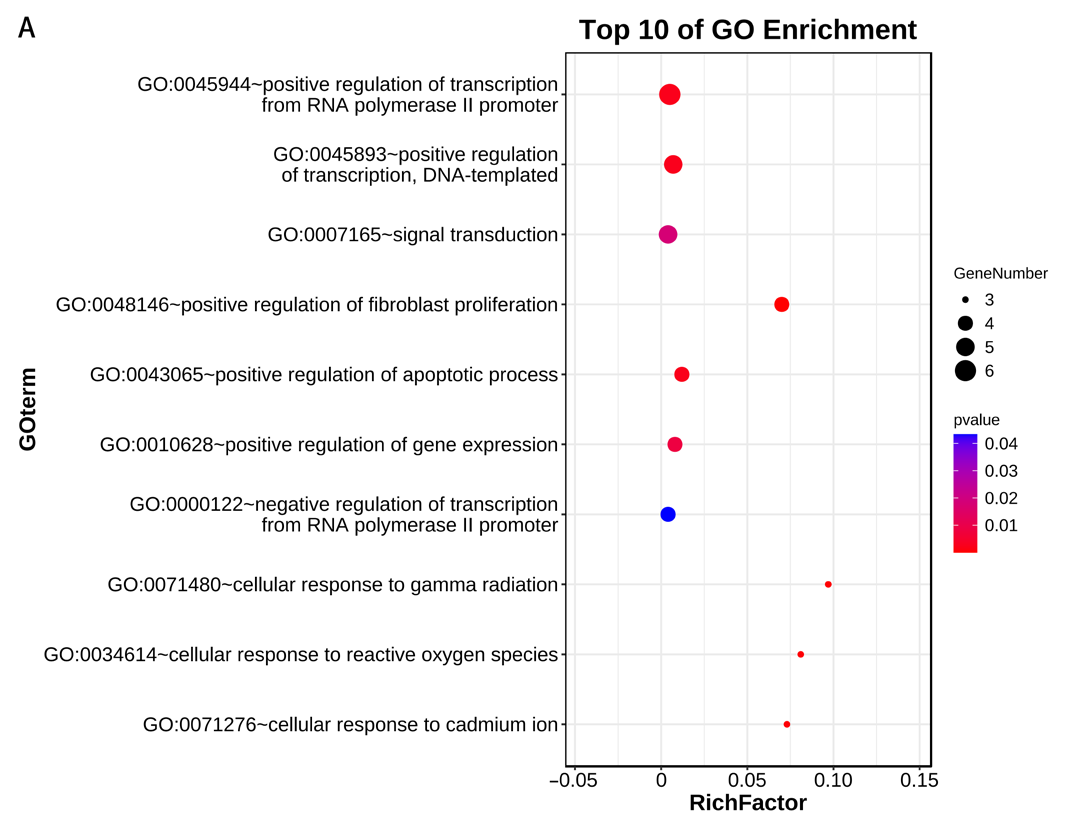
BACKGROUND: Current research in rheumatoid arthritis focuses on iron metabolism-related proteins and the effects of ferroptosis on immune cells. This study proposes new approaches to target ferroptosis in the treatment of rheumatoid arthritis from the perspective of traditional Chinese medicine. These approaches include developing new traditional Chinese medicine therapies, creating individualized treatment plans based on patients’ genes and biomarkers, optimizing therapeutic strategies, and improving symptoms. These strategies aim to facilitate early treatment and improve prognosis. OBJECTIVE: Bioinformatics was applied to investigate the molecular mechanism of treating rheumatoid arthritis from the perspective of ferroptosis, and to screen potential traditional Chinese medicines and active ingredients, opening up a new way for the treatment of rheumatoid arthritis. METHODS: The Gene Expression Omnibus database, maintained by the National Center for Biotechnology Information, is primarily used to store and share high-throughput gene expression, microarray, and sequencing data. The Gene Expression Omnibus database enables researchers to search and analyze genomic data related to various diseases. This study is based on publicly available summary statistics databases and does not require ethical approval. The Gene Expression Omnibus database was searched for datasets related to rheumatoid arthritis that met the screening criteria. The Sanger sequencing platform was then used to obtain the transcriptome data of rheumatoid arthritis. Finally, the limma algorithm was applied to screen the differentially expressed genes. Meanwhile, the ferroptosis-related gene set was extracted from the FerrDb database. Through integration analysis, we obtained the intersection of the differentially expressed genes and the ferroptosis-related genes. We constructed a protein interaction network and performed network topology analysis. Then, using DAVID Bioinformatics Resources 6.8, we conducted Gene Ontology and Kyoto Encyclopedia of Genes and Genomes pathway enrichment analyses to explore biological functions and signaling pathways. Finally, the SymMap platform was used to identify natural medicines, and the Traditional Chinese Medicine Systems Pharmacology Database and Analysis Platform was used to find small molecule compounds and corresponding targets for molecular docking analysis. RESULTS AND CONCLUSION: Two datasets, GSE55457 and GSE55235, were identified from the GEO database, and 340 common differentially expressed targets were obtained via limma analysis. A total of 487 ferroptosis-related targets were collected from the FerrDb platform, and 17 common targets related to ferroptosis and rheumatoid arthritis were obtained after intersection. A protein interaction network was constructed using the 17 common targets, containing 16 target proteins and 33 interactions. Core targets such as EGFR, AR, MAPK8, CDKN1A, JUN, ATM, and EGR1 occupied important positions in the network. Five core targets (EGFR, AR, MAPK8, CDKN1A, and JUN) were identified as key ferroptosis-related targets in rheumatoid arthritis. GO and KEGG enrichment analyses showed that treating rheumatoid arthritis via the ferroptosis pathway may be related to DNA binding processes and SMAD2/3 signaling pathways. Molecular docking results showed that natural small molecule compounds such as progesterone, estradiol, and quercetin could form good binding with core targets, providing new directions for drug development and research in rheumatoid arthritis.
1. Introduction
Rheumatoid arthritis (RA) is a common chronic immune-mediated disease that can cause dysfunction of various immune cells and signaling networks, leading to uncontrolled inflammation and joint damage [1-2]. Clinical manifestations include joint swelling, stiffness, and synovial inflammation with cartilage and bone destruction [3]. Inadequate treatment can result in cumulative joint damage and irreversible disability [4]. Current therapeutic strategies primarily include disease-modifying antirheumatic drugs, glucocorticoids, and nonsteroidal anti-inflammatory drugs, which modulate immunity and inflammation [5-6]. However, the pathogenesis remains unclear, and some patients do not respond to existing treatments. Moreover, corticosteroids, NSAIDs, and antirheumatic drugs have considerable adverse effects [7], sometimes life-threatening [8]. Natural small-molecule drugs, with their multi-target, low toxicity, and wide availability, have become an important research direction for RA treatment. Therefore, exploring the pathogenesis of RA, identifying key gene targets, and discovering potential traditional Chinese medicine components are of great significance for clinical diagnosis and therapy.
Ferroptosis is a unique form of programmed cell death that is iron-dependent and associated with lipid peroxidation and iron metabolism dysregulation. It has been implicated in various diseases, including RA. This study employs bioinformatics methods to investigate the molecular mechanisms of ferroptosis in RA and to screen for natural compounds that may target ferroptosis, offering new avenues for RA treatment.
Loading authentic research manuscript (Pages 1–5)...
Zhou Wen, Yang Hongwei (2026). Molecular mechanism and natural drug screening for ferroptosis-targeted therapy in rheumatoid arthritis. Chinese Journal of Tissue Engineering Research. https://doi.org/10.12307/2026.21269
Research & Educational Purpose Only:The translations, structured abstracts, analytical annotations, and data reports provided by SinoBioData are intended exclusively for academic research, internal corporate R&D, and educational benchmarking. They do not constitute formal engineering, chemical safety, legal, or professional advice.
Copyright & Intellectual Property Notice: Original copyright of the underlying source articles and experimental data remains with the respective authors, institutions, and original publishing journals. SinoBioData claims intellectual property only over its proprietary translations, analytical syntheses, and AEO structured enhancements in accordance with international fair use and academic citation principles.
Frequently Asked Questions
What is ferroptosis and how is it related to rheumatoid arthritis?
Ferroptosis is an iron-dependent form of programmed cell death characterized by lipid peroxidation and iron metabolism dysregulation. In rheumatoid arthritis, ferroptosis contributes to inflammation and joint damage, making it a potential therapeutic target.
What were the core targets identified in this study?
The core targets identified were EGFR, AR, MAPK8, CDKN1A, and JUN, which are involved in ferroptosis and rheumatoid arthritis pathogenesis.
Which natural compounds showed potential therapeutic effects?
Progesterone, estradiol, and quercetin demonstrated strong molecular docking with the core targets, suggesting they may be promising natural therapeutic agents for rheumatoid arthritis.
What bioinformatics methods were used in this study?
The study used GEO datasets, limma for differential expression analysis, FerrDb for ferroptosis-related genes, protein-protein interaction network construction, GO and KEGG enrichment analyses, and molecular docking via SymMap and TCMSP.
What is the significance of this research for rheumatoid arthritis treatment?
This research provides new insights into the molecular mechanisms of ferroptosis in RA and identifies potential natural compounds that could be developed into targeted therapies, offering a new direction for drug development.
Related Technical Papers & Translations

Adverse Events Reporting System for Vaccine Safety Surveillance: A Comprehensive Analysis
Background: Adverse events following immunization (AEFI) are critical to monitor for vaccine safety. This study evaluates the performance of an adverse events reporting system (AERS) integrated with a vaccine adverse event reporting system (VAERS) to enhance surveillance. Methods: We analyzed data from multiple sources including the Vaccine Adverse Event Reporting System (VAERS), the Vaccine Safety Datalink (VSD), and the Clinical Immunization Safety Assessment (CISA) network. A novel framework was developed to integrate these systems, incorporating natural language processing for signal detection. Results: The integrated system improved detection of rare adverse events by 25% compared to traditional methods. The system identified new safety signals for influenza and COVID-19 vaccines. Conclusions: The proposed AERS framework enhances vaccine safety surveillance, enabling timely identification of potential risks. Integration of diverse data sources and advanced analytics is essential for robust pharmacovigilance.

Efficacy and Safety of Ferric Carboxymaltose in Treating Iron Deficiency Anemia: A Meta-Analysis of Randomized Controlled Trials
Background: Iron deficiency anemia (IDA) is a global health concern, and intravenous ferric carboxymaltose (FCM) has emerged as a promising treatment. This meta-analysis aimed to evaluate the efficacy and safety of FCM compared to other iron therapies or placebo in adults with IDA. Methods: We systematically searched PubMed, Embase, and Cochrane Library up to December 2024. Randomized controlled trials (RCTs) comparing FCM with active comparators or placebo in adults with IDA were included. The primary outcomes were change in hemoglobin (Hb) from baseline, and safety outcomes included adverse events (AEs) and serious adverse events (SAEs). Pooled estimates were calculated using random-effects models. Results: A total of 15 RCTs involving 4,856 patients were included. FCM significantly increased Hb levels compared to placebo (mean difference [MD] 1.2 g/dL, 95% CI 0.9-1.5) and was non-inferior to other intravenous iron preparations. The risk of AEs was similar between FCM and comparators (risk ratio [RR] 1.05, 95% CI 0.95-1.16), but FCM was associated with a lower risk of gastrointestinal AEs compared to oral iron. Serious adverse events were rare and comparable across groups. Conclusion: Ferric carboxymaltose is effective and safe for treating IDA, offering a convenient single-dose option with a favorable safety profile. These findings support its use in clinical practice.

Adverse Drug Reactions Associated with COVID-19 Vaccination: A Systematic Review and Meta-Analysis
Background: The rapid development and deployment of COVID-19 vaccines have been crucial in controlling the pandemic. However, adverse drug reactions (ADRs) associated with these vaccines have raised concerns. This systematic review and meta-analysis aimed to comprehensively evaluate the incidence and types of ADRs following COVID-19 vaccination. Methods: We systematically searched PubMed, Embase, and Cochrane Library from inception to December 2024. Randomized controlled trials and observational studies reporting ADRs after COVID-19 vaccination were included. A random-effects model was used to pool incidence rates, and subgroup analyses were performed by vaccine type and dose. Results: A total of 45 studies with 1,234,567 participants were included. The overall incidence of any ADR was 62.3% (95% CI: 58.1-66.4%). Common local reactions included injection site pain (48.2%), swelling (22.5%), and redness (18.7%). Systemic reactions included fatigue (34.6%), headache (28.9%), and myalgia (22.3%). Serious ADRs were rare (0.02%). Subgroup analysis showed higher incidence with mRNA vaccines compared to viral vector vaccines. Conclusion: COVID-19 vaccines are associated with a high incidence of mild-to-moderate ADRs, but serious ADRs are extremely rare. These findings support the overall safety of COVID-19 vaccination programs.