🧬 SinoBioData Academic Portal
📚 Peer-Reviewed Translated Literature

All Biomedical & Clinical Articles (Page 44)

Browse complete peer-reviewed translations from top Chinese biomedical, oncology, and genomics journals. Read verified previews and download full authentic clinical reports.

Published Research Papers

Showing 24 of 1542 peer-reviewed translated articles (Page 44 of 65)

Serum metabonomics reveal the effectiveness of human placental mesenchymal stem cell therapy for primary sclerosing cholangitisGraphical AbstractVerified
Stem Cell Research & Therapy

Serum metabonomics reveal the effectiveness of human placental mesenchymal stem cell therapy for primary sclerosing cholangitis

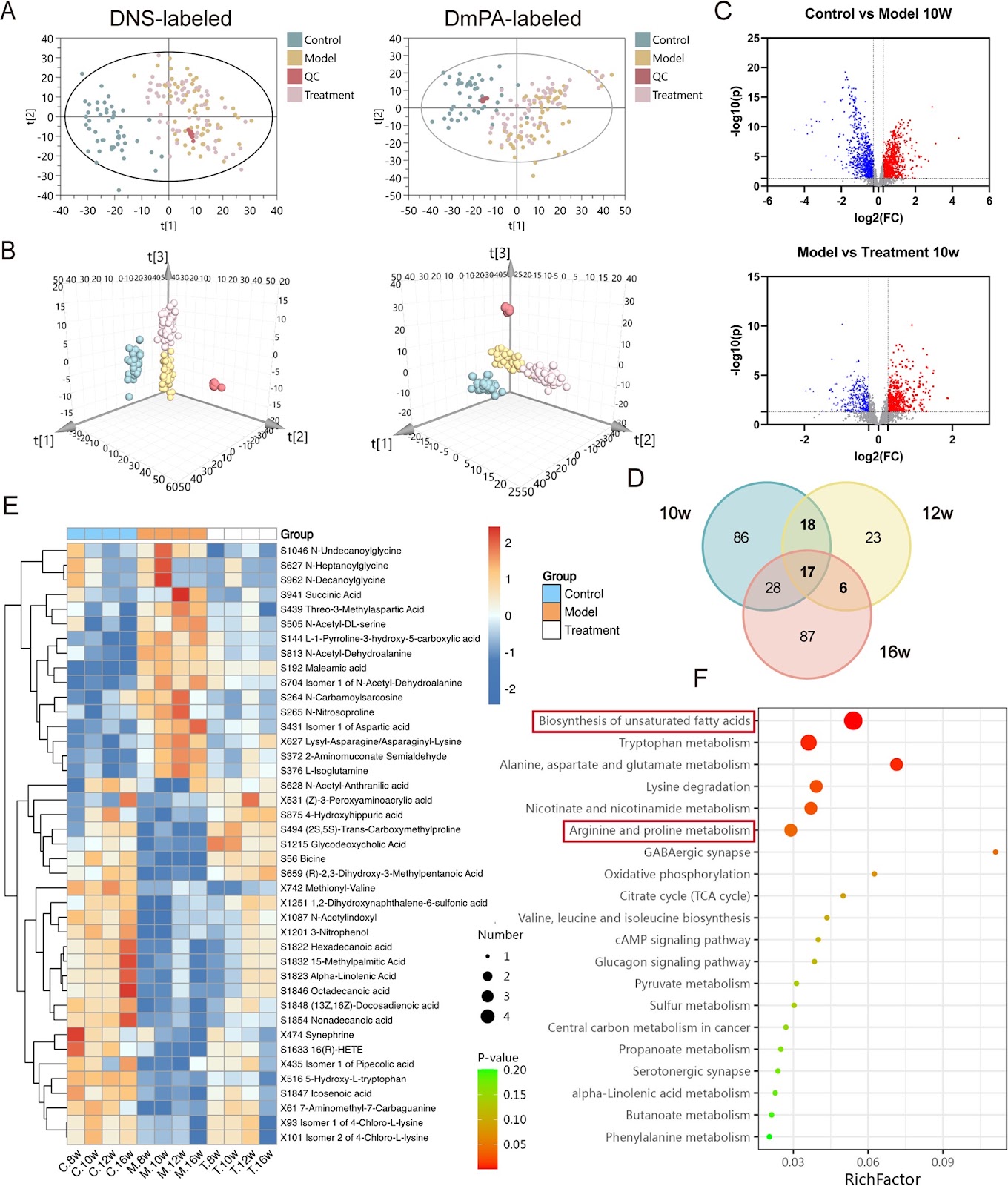
Background The metabolic patterns of human placental-derived mesenchymal stem cell (hP-MSC) treatment for primary sclerosing cholangitis (PSC) remain unclear, and therapeutic effects significantly vary due to individual differences. Therefore, it is crucial to investigate the serological response to hP-MSC transplantation through small molecular metabolites and identify easily detectable markers for efficacy evaluation. Methods Using Mdr2−/− mice as a PSC model and Mdr2+/+ mice as controls, the efficacy of hP-MSC treatment was assessed based on liver pathology, liver enzymes, and inflammatory factors. Serum samples were collected for 12C-/13C-dansylation and DmPA labeling LC–MS analysis to investigate changes in metabolic pathways after hP-MSC treatment. Key metabolites and regulatory enzymes were validated by qRT-PCR and Western blotting. Potential biomarkers of hP-MSC efficacy were identified through correlation analysis and machine learning. Results Collectively, the results of the liver histology, serum liver enzyme levels, and inflammatory factors supported the therapeutic efficacy of hP-MSC treatment. Based on significant differences, 41 differentially expressed metabolites were initially identified; these were enriched in bile acid, lipid, and hydroxyproline metabolism. After treatment, bile acid transport was accelerated, whereas bile acid production was reduced; unsaturated fatty acid synthesis was upregulated overall, with increased FADS2 and elongase expression and enhanced fatty acid ÎČ-oxidation; hepatic proline 4-hydroxylase expression was decreased, leading to reduced hydroxyproline production. Correlation analysis of liver enzymes and metabolites, combined with time trends, identified eight potential biomarkers: 2-aminomuconate semialdehyde, l-1-pyrroline-3-hydroxy-5-carboxylic acid, l-isoglutamine, and maleamic acid were more abundant in model mice but decreased after hP-MSC treatment. Conversely, 15-methylpalmitic, eicosenoic, nonadecanoic, and octadecanoic acids were less abundant in model mice but increased after hP-MSC treatment. Conclusions This study revealed metabolic regulatory changes in PSC model mice after hP-MSC treatment and identified eight promising biomarkers, providing preclinical evidence to support therapeutic applications of hP-MSC.

Read Full Abstract10.1186/s13287-024-03967-y
Correction: Safety and feasibility of intravenous administration of a single dose of allogenic-Muse cells to treat human cervical traumatic spinal cord injury: a clinical trialGraphical AbstractVerified
Stem Cell Research & Therapy

Correction: Safety and feasibility of intravenous administration of a single dose of allogenic-Muse cells to treat human cervical traumatic spinal cord injury: a clinical trial

The original article contains two errors which the authors wish to address: 1. On line 3 of page 3, the sentence should simply read, 'B1 and B2, which indicates complete [
]', and the word '(Ref)' should be disregarded. 2. In Fig. 2C, the Y-axis label should instead read as 'Change in total motor score', and the word 'lower' should be disregarded.

Read Full Abstract10.1186/s13287-024-04044-0
Advancements in extracellular vesicle targeted therapies for rheumatoid arthritis: insights into cellular origins, current perspectives, and emerging challengesGraphical AbstractVerified
Stem Cell Research & Therapy

Advancements in extracellular vesicle targeted therapies for rheumatoid arthritis: insights into cellular origins, current perspectives, and emerging challenges

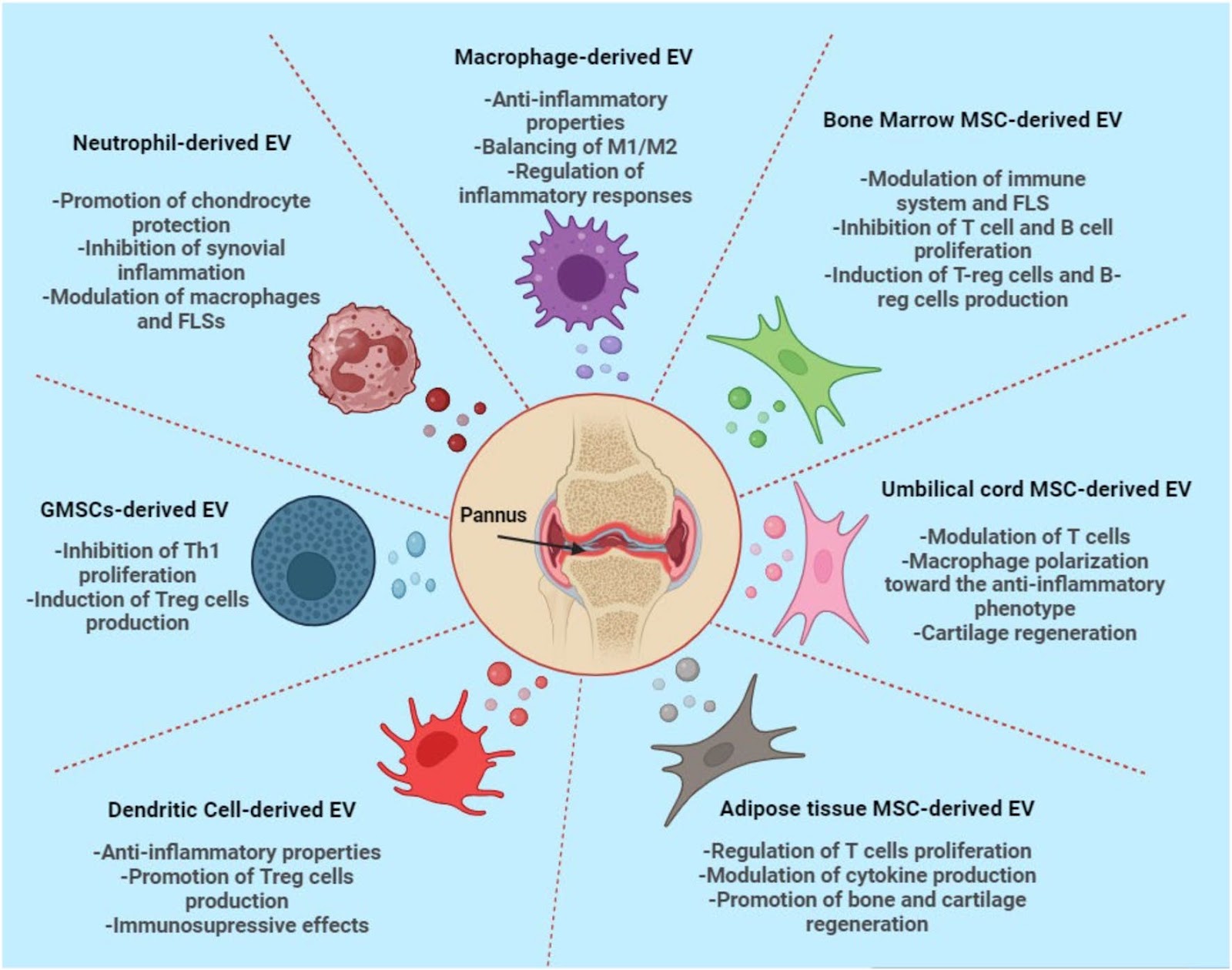
Rheumatoid arthritis (RA) remains a challenging chronic autoimmune disorder characterized by persistent joint inflammation and damage. While modern regenerative strategies, encompassing cell/stem cell-based therapies, gene therapy, and tissue engineering, have advanced tissue repair efforts, a definitive cure for RA remains elusive. Consequently, there is growing interest in developing targeted therapies that directly address the underlying mechanisms driving RA pathogenesis, such as extracellular vesicles (EVs). These small membrane-bound particles can modulate immune responses within the inflammatory microenvironment of damaged cartilage. To launch the clinical potential of EVs, they can be isolated from various cell types through several techniques. EVs can carry various bioactive molecules and anti-inflammatory or pro-regenerative drugs, deliver them directly to the affected joints, and affect the behavior of injured cells, making them a compelling choice for targeted therapy and drug delivery in RA patients. However, there are still several challenges and limitations associated with EV-based therapy, including the absence of standardized protocols for EV isolation, characterization, and delivery. This review provides a comprehensive overview of the cellular sources of EVs in RA and delves into their therapeutic potential and the hurdles they must overcome.

Read Full Abstract10.1186/s13287-024-03887-x
Distinct miR319a identified from Persicaria chinensis mediates cross-kingdom suppression of cervical cancer by targeting ITGA3Graphical AbstractVerified
Acta Biochimica et Biophysica Sinica

Distinct miR319a identified from Persicaria chinensis mediates cross-kingdom suppression of cervical cancer by targeting ITGA3

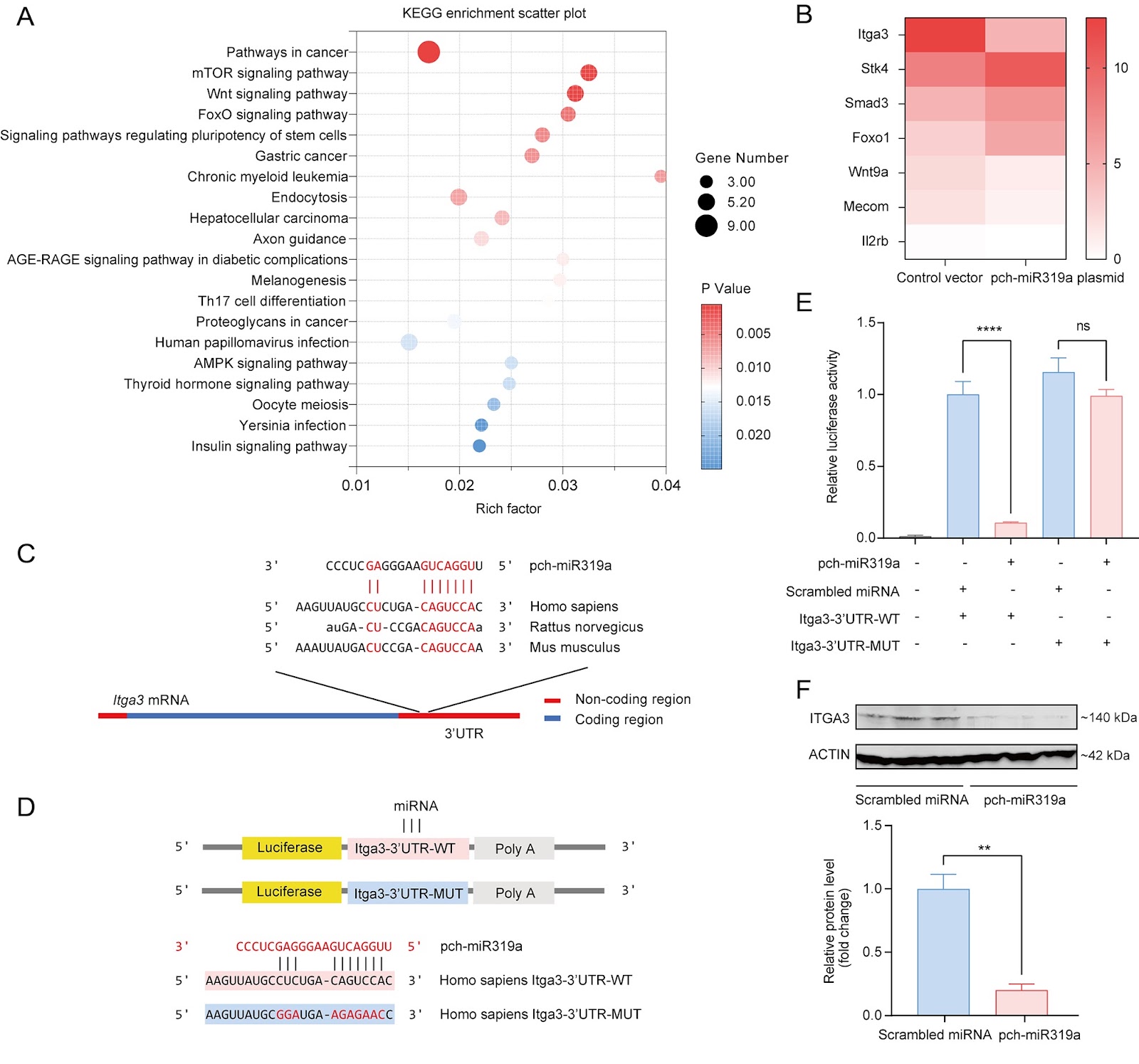
Persicaria chinensis, a well-known traditional Chinese medicinal herb that is both edible and medicinal, has been widely acknowledged for its therapeutic effects, such as anti-inflammatory, antioxidant, and antitumor activities. However, the role of miRNAs from this plant in the cross-kingdom regulation of human diseases has not been investigated. In this study, we analyze the miRNA expression profile of P. chinensis using high-throughput sequencing and identify a total of 673 miRNAs, including 422 novel miRNAs that are unique to this plant and 251 conserved miRNAs. Among the conserved miRNAs, pch-miR319a is found to be the most abundant. Moreover, food-oriented pch-miR319a accumulates in the uterus and tumors and exhibits a rich repertoire of target genes within cancer-related pathways, demonstrating significant cross-kingdom regulatory potential. Utilizing the dual-luciferase reporter gene assay, we demonstrate that pch-miR319a from P. chinensis targets the Itga3 gene, which is associated with cervical cancer progression. Overexpression of pch-miR319a significantly decreases the viability, migration, and induces apoptosis of HeLa cervical cancer cells in vitro. Moreover, in a syngeneic mouse tumor model of cervical cancer, treatment with pch-miR319a effectively inhibits tumor growth and downregulates the expressions of ITGA3 and the proliferation marker Ki-67. Our study highlights the potential of pch-miR319a from P. chinensis as a novel therapeutic agent for cervical cancer by targeting ITGA3 and provides new insights into the cross-kingdom regulatory mechanisms of plant miRNAs in human diseases.

Read Full Abstract10.3724/abbs.2026010
Development of an in vitro TurboID labeling assay for the detection of protoRAG-interacting proteins in the amphioxusGraphical AbstractVerified
Acta Biochimica et Biophysica Sinica

Development of an in vitro TurboID labeling assay for the detection of protoRAG-interacting proteins in the amphioxus

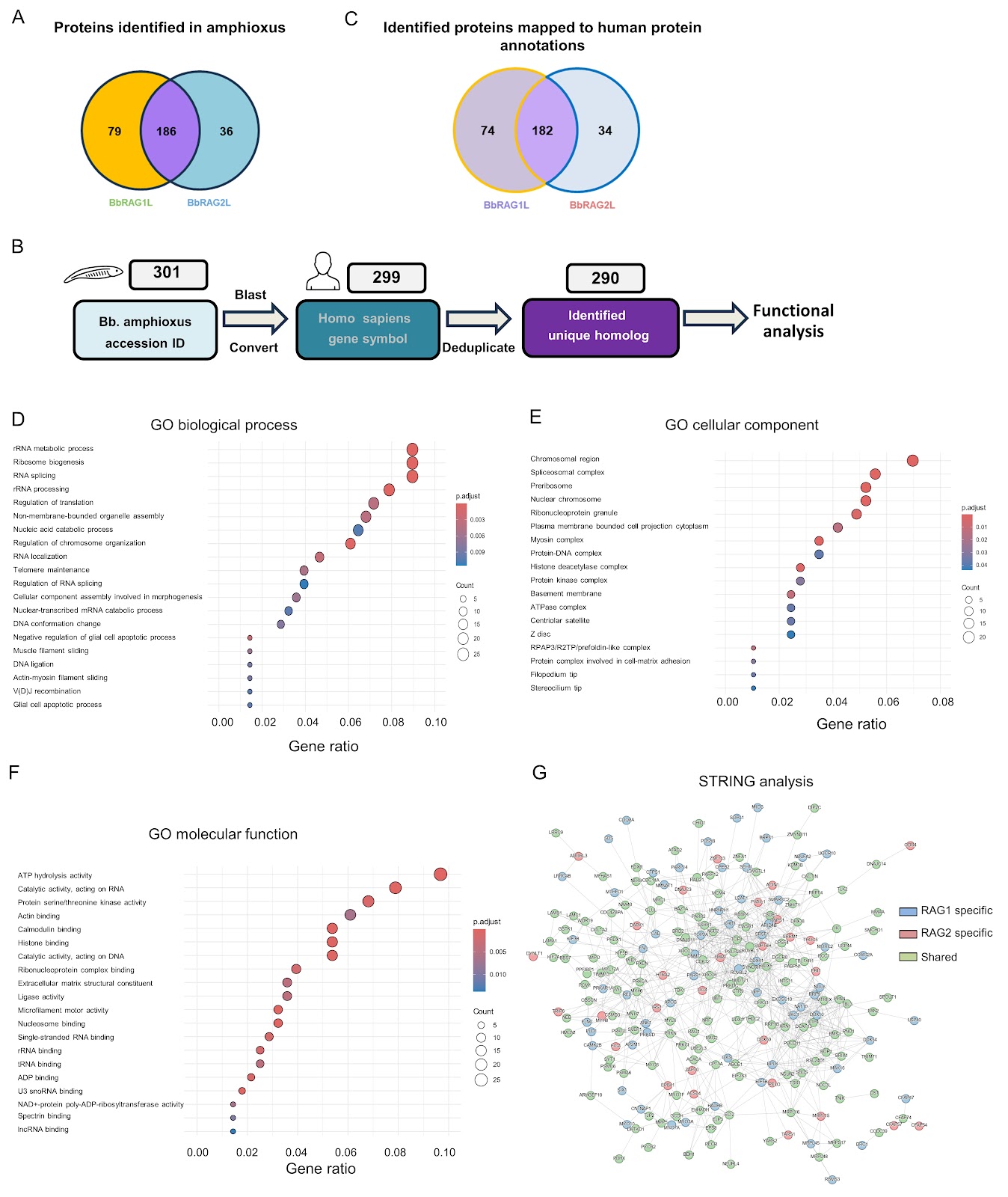
The recombination-activating gene (RAG)-mediated V(D)J rearrangement mechanism is essential for generating the diversity of the adaptive immune system in jawed vertebrates. The RAG1 and RAG2 proteins form a tetrameric complex that recognizes and cleaves pairs of recombination signal sequences (RSSs). In jawed vertebrates, the N-terminal region of RAG1 and the C-terminal region of RAG2 are critical for the regulation of physiological function and enhancement of recombination accuracy. Moreover, the intracellular activity of RAG1/2 is rigorously regulated and is thought to represent the aspect shaped by host coevolution. However, these regulatory mechanisms remain incompletely understood, impeding our deeper understanding of the physiological functions of RAG. Previous studies have shown that jawed vertebrate RAG evolved from invertebrate RAG-like (RAGL) transposases and underwent key structural changes during evolution. RAGL genes have been identified in multiple invertebrate species, but from Branchiostoma belcheri (Bb), the RAG-like protein in Bb amphioxus (BbRAG1L) and the RAG2-like protein in Bb amphioxus (BbRAG2L) are among the most extensively characterized to date. Lancelets (amphioxus) represent the most basal extant chordates (cephalochordates) that diverged from the other two chordate lineages (urochordates and vertebrates). Consequently, amphioxus has been considered a “living fossil” for studying the origins and evolution of adaptive immunity. Homologs of the core structural domain of RAG1 were discovered in the amphioxus genome in 2005, and the homologs were subsequently shown to exhibit recombinase activity in cooperation with murine-derived RAG2. A large number of transposon genes were then identified in the amphioxus genome, followed by the identification of target site duplication (TSD) and terminal inverted repeat (TIR) sequences in the amphioxus genome. Notably, BbRAG2L lacks the C-terminal region present in murine RAG2, including the acidic hinge and PHD domain. BbRAG1L coupled with BbRAG2L displays significant transposition activity in vitro and in human cell lines. In contrast, vertebrate RAG exhibits limited transposon activity in vitro and extremely low transposon activity in vivo. This leads to the question of how RAG lost its transposase activity during evolution. Structural comparison and functional experiments of BbRAGL (protoRAG) and vertebrate RAG have revealed that vertebrates undergo essential adaptive changes to eliminate the primitive transposase activity of protoRAG. Research on BbRAGL has therefore provided strong support for the hypothesis that RAG originated from a domesticated transposon. Given the similarity in both structure and function between BbRAG1L and vertebrate RAG and the fact that BbRAGL proteins are the only RAGL proteins that can currently be efficiently expressed in vertebrate cells, characterizing the binding partners of BbRAGL involved in amphioxus is of great significance for understanding the regulation of BbRAGL and its adaptation and evolution. Parallel comparison of BbRAGL and RAG interaction networks may further clarify how BbRAGL transitioned from a transposase to a recombinase during host coevolution and reveal general principles of vertebrate intracellular RAG regulation. In recent years, proximity labeling techniques have greatly facilitated approaches to identifying RAG cofactors. For example, RAG1 fused to biotin ligase RAG1 fused to a biotin ligase found in Escherichia coli (BirM) has been used to define dynamic interaction networks of RAG-associated proteins. Inspired by these advances, we sought to apply a similar approach to identify the BbRAGL cofactors in amphioxus and build a regulatory network of BbRAGL that could shed light on its relationship with host evolution. However, endogenous BbRAGL expression is undetectable in the adult amphioxus (data not shown), and the generation of transgenic amphioxus lines expressing proximity-based labeling proteins remains technically challenging. These constraints make it difficult to analyze native cofactors of endogenous BbRAGL in vivo. Because BbRAGL can be expressed in vertebrate cell lines, we instead developed an in vitro proximity-labeling strategy. We fused TurboID (TbID), an engineered biotin ligase, to the N-terminus of BbRAG1L or BbRAG2L (Figure 1A), purified the fusion proteins, and incubated them with protein lysates prepared from the hepatic cecum and colons of adult B. belcheri amphioxus in vitro to label the interacting proteins. The proteins were finally analyzed by liquid chromatography-tandem mass spectrometry (LC-MS/MS) (Figure 1B). A pTT5 vector was used to express plasmids encoding maltose-binding protein (MBP) and TurboID with or without full-length BbRAG1L or BbRAG2L, yielding pTT5-MBP-TurboID, pTT5-MBP-TurboID-BbRAG1L, and pTT5-MBP-TurboID-BbRAG2L. Plasmids expressing MBP-BbRAG1L and MBP-BbRAG2L were also generated.

Read Full Abstract10.3724/abbs.2026030
Multifaceted elucidation of aminoguanidine in protecting against diabetes-induced vascular endothelial injuryGraphical AbstractVerified
Acta Biochimica et Biophysica Sinica2026

Multifaceted elucidation of aminoguanidine in protecting against diabetes-induced vascular endothelial injury

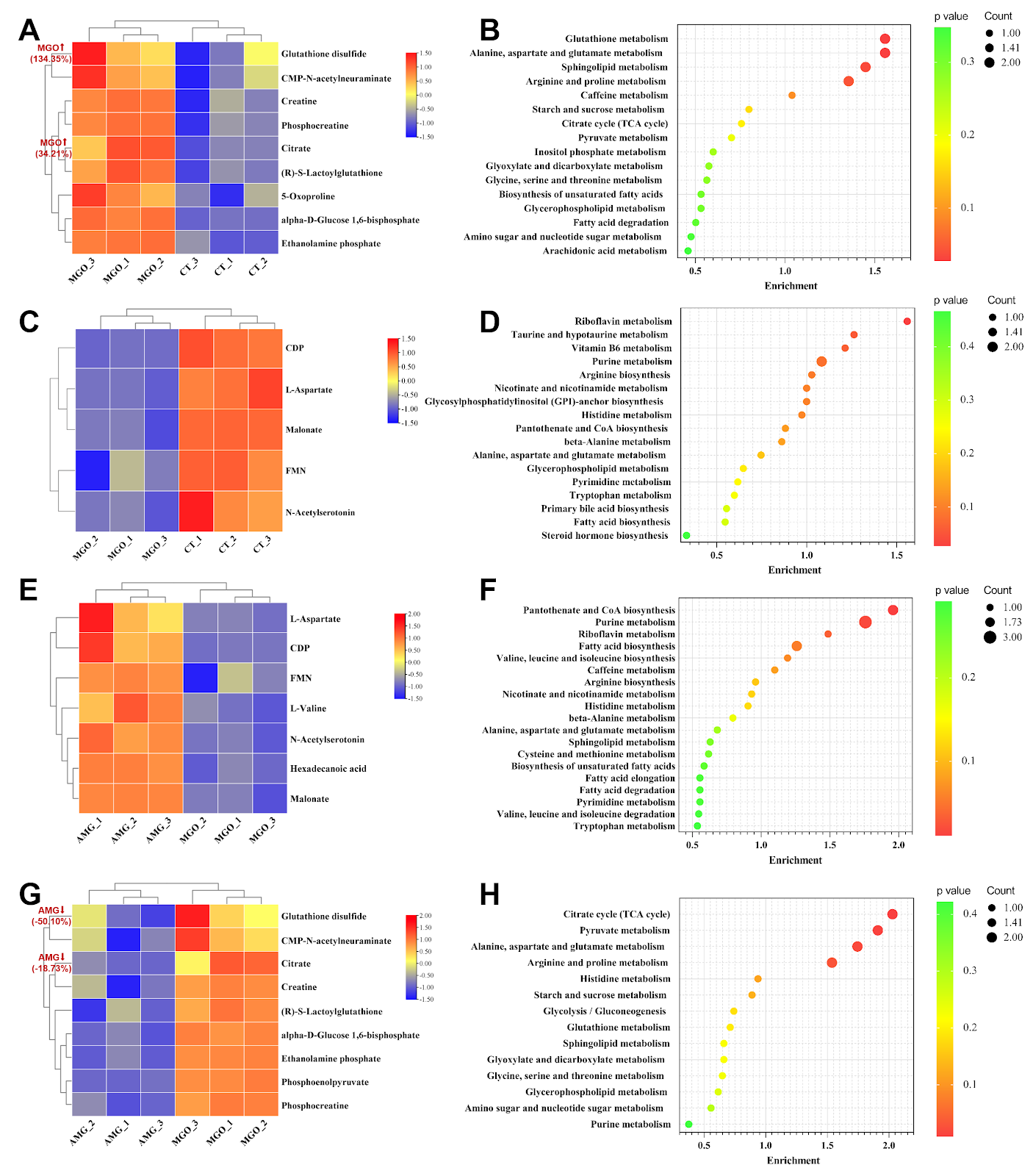
Chronic hyperglycemia-driven protein glycation in diabetes is a key pathogenic factor in vascular endothelial injury. This study demonstrates the multifaceted protective profile of aminoguanidine (AMG) against diabetes-induced vascular injury. As a carbonyl scavenger, AMG effectively traps methylglyoxal (MGO), inhibiting advanced glycation end products (AGEs) formation while preserving endothelial glycocalyx integrity and permeability. Mechanistically, AMG suppresses NF-ÎșB-mediated inflammation, upregulates the eNOS/NO pathway, and restores CD31 expression, collectively mitigating oxidative stress, apoptosis and impaired proliferation in human umbilical vein endothelial cells (HUVECs). Metabolomic profiling further reveals AMG's capacity to alleviate MGO-induced metabolic dysregulation by modulating critical pathways, including glutathione metabolism and the TCA cycle. In diabetic mice, AMG attenuates site-specific glycation adducts on plasma albumin and demonstrates significant therapeutic efficacy by improving endothelial-dependent vasodilation via the eNOS/NO pathway, reducing vascular fibrosis and basement membrane thickening, and suppressing NF-ÎșB-driven inflammatory responses. These integrated findings establish AMG as a promising therapeutic candidate with multifaceted protective effects against diabetic vascular injury.

Read Full Abstract10.3724/abbs.2026005
SinoBioData ResearchActa Biochimica et Biophysica Sinica
Acta Biochimica et Biophysica Sinica2026

A Model for Microbiota-Mediated Regulation and Intervention of Intestinal Motility

Intestinal motility is essential for nutrient absorption, waste excretion, and toxin clearance, and its impairment underlies functional constipation, slow-transit constipation, and irritable bowel syndrome. While traditional research has focused on smooth muscle contractility and enteric nervous system (ENS) autonomy, emerging evidence highlights the gut microbiota as a critical regulator. This perspective article synthesizes recent findings into the 'Microbiota-Mediated Regulation and Intervention of Intestinal Motility' model, proposing that dysmotility arises from a vicious cycle of microbiota dysbiosis, impaired motility, and exacerbated dysbiosis. The model integrates four regulatory axes—metabolic, neuronal, immunological, and mechanical—through which the microbiota positively drives motility. Key pathways include the butyrate-5-HT axis, tryptophan-aryl hydrocarbon receptor signaling, microbiota-immune balance, and a novel microbiota-ammonia-acetylcholine metabolic compensation pathway. Under pathological conditions, four self-reinforcing sub-loops (butyrate-hypoxia, Piezo2-Fusobacterium, ENS damage, and brain-gut axis) perpetuate the cycle. The model's novelty lies in explicitly integrating these loops and proposing multi-node combination intervention strategies, including pathogen clearance with probiotic augmentation, combined butyrate and prokinetic therapy, metabolic compensation with neuroprotection, and chronoregulatory approaches. This framework provides a comprehensive basis for understanding and treating intestinal motility disorders.

Read Full Abstract10.3724/abbs.2026128
The Intratumoral Microbiota: From Origin and Identification to Function and Therapeutic PerspectiveGraphical AbstractVerified
Acta Biochimica et Biophysica Sinica2026

The Intratumoral Microbiota: From Origin and Identification to Function and Therapeutic Perspective

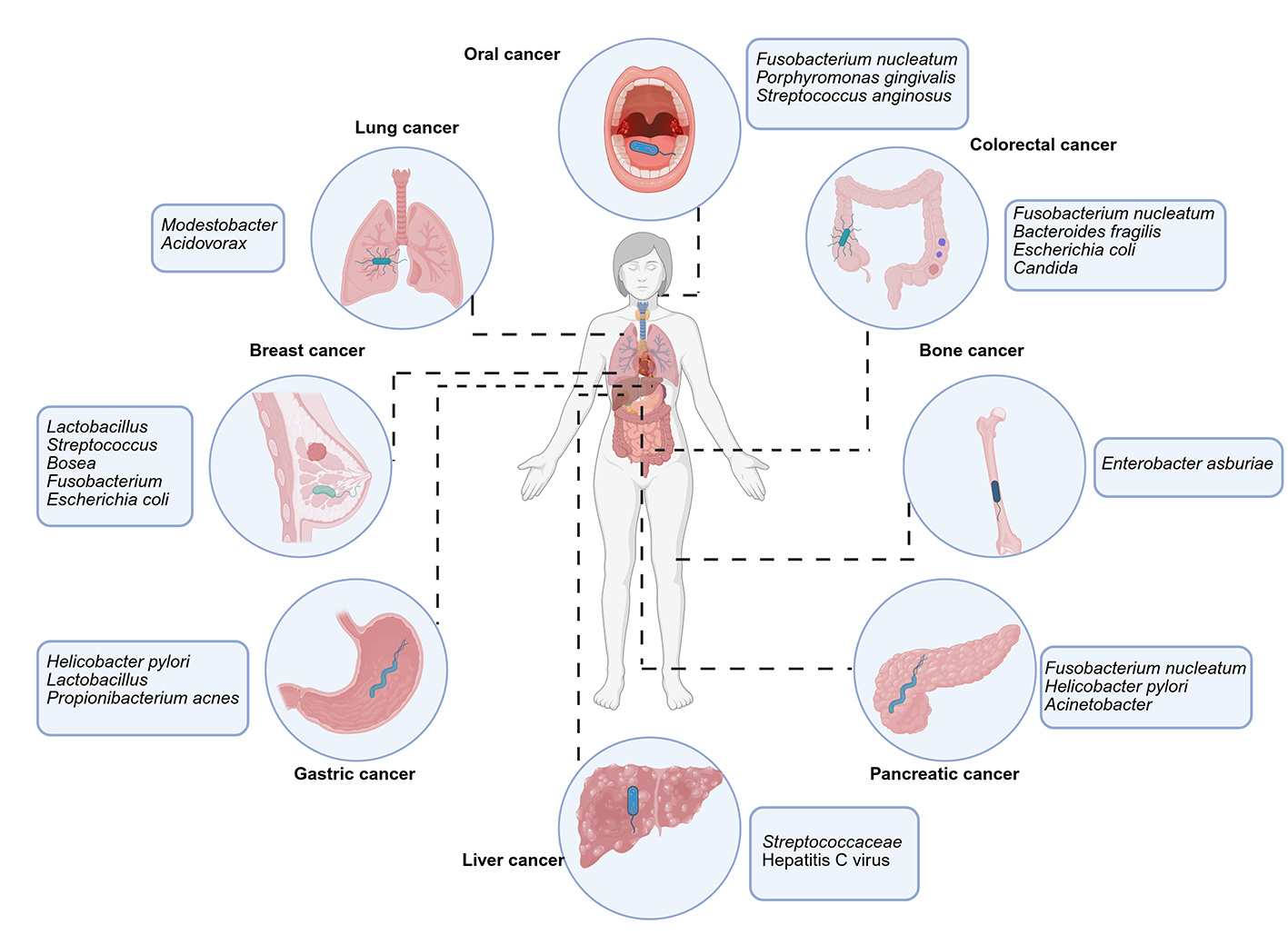
Tumor tissues, once considered sterile, actually host diverse microbial communities that play key roles in several physiological and pathological processes, closely related to tumorigenesis and progression. Studies have demonstrated that intratumoral microbiota potentially contributes to immune regulation and significantly influences cancer treatment outcomes. Here, we aim to provide an extensive review of the conceptual framework, potential origins, spatial heterogeneity, and analytical methodologies of intratumoral microbiota, explore their carcinogenic mechanisms and potential role in tumor prognosis. In addition, we discuss current therapeutic strategies that target intratumoral microbiota and highlight the research prospects and limitations in this field, although there are some inevitable challenges.

Read Full Abstract10.3724/abbs.2026098
Identification and experimental validation of core genes associated with breast cancer brain metastasis via machine learningGraphical AbstractVerified
Acta Biochimica et Biophysica Sinica

Identification and experimental validation of core genes associated with breast cancer brain metastasis via machine learning

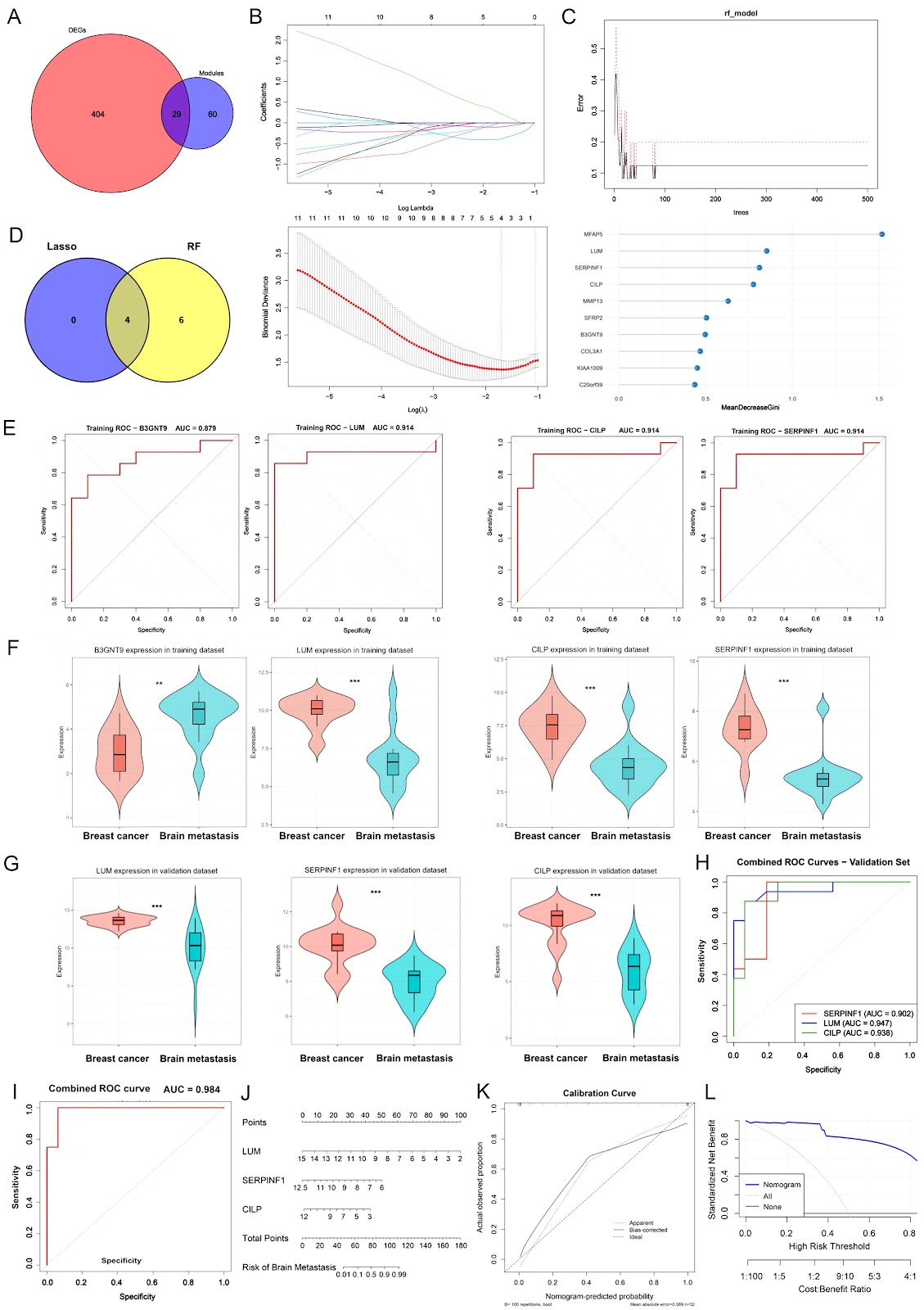
Breast cancer (BC) is the most common malignancy among women, with approximately 2.3 million new cases diagnosed annually, accounting for approximately 11.6% of all cancer cases worldwide. Distant metastasis is the primary cause of mortality in BC patients, with nearly 50% of patients ultimately developing metastatic disease. The predominant metastatic sites of BC include the lung, liver, brain, and bone, each exhibiting distinct biological characteristics that drive the organ-specific tropism of cancer cells. Among these, brain metastasis represents a significant cause of mortality in BC patients and is particularly prevalent in those with human epidermal growth factor receptor 2 (HER2)-positive or triple-negative breast cancer (TNBC) subtypes. Breast cancer brain metastasis (BCBM) can manifest in three forms: choroid plexus metastasis (rare), leptomeningeal metastasis (approximately 8%), and parenchymal metastasis, the most common presentation, with multiple lesions in 78% of cases and solitary lesions in 14%. Distinct anatomical regions of the brain provide different micro-environments, which in turn shape epidemiological patterns, biological behaviors, and therapeutic vulnerabilities of metastatic cancer. With the continuous advancement of systemic therapies and imaging surveillance, brain metastases from BC have become increasingly prevalent, accounting for approximately 10%–30% of all metastatic breast cancer (MBC) cases. The continuous progression of BCBM often compromises patients’ cognitive and sensory functions, leading to neurological impairment and severely limiting quality of life (QOL). Notably, the mortality rate within one year after diagnosis remains at 80%. Current therapeutic strategies for BCBM primarily include surgery, whole-brain radiotherapy (WBRT), stereotactic radiosurgery (SRS), chemotherapy, or combinations thereof. Although these approaches provide some clinical benefit, the efficacy remains limited due to the blood-brain barrier (BBB), which restricts drug penetration and contributes to chemoresistance. Therefore, elucidating the molecular mechanisms underlying BCBM is imperative to identify novel diagnostic biomarkers and therapeutic targets, with the ultimate goal of improving treatment efficacy and patient prognosis. Bioinformatics provides a powerful platform and data foundation for exploring the mechanisms of tumor initiation and progression. High-throughput platforms for gene expression analysis have gained significant popularity, with next-generation sequencing (NGS) and microarray analysis now widely applied as essential tools in medical oncology. These techniques have diverse clinical applications, including molecular cancer classification, prediction of therapeutic response, prognostic assessment, molecular diagnostics, and the discovery of novel drugs and therapeutic targets. Weighted gene coexpression network analysis (WGCNA) has been widely applied in studies of gene regulatory networks, biomarker discovery, and elucidation of the molecular mechanisms underlying complex phenotypes. In this study, we utilized the BCBM microarray dataset GSE43837. We performed differential expression analysis and WGCNA clustering using the R packages limma and WGCNA to identify potential gene modules and candidate targets. GSE43837 consists of 19 nonmetastatic primary breast tumor samples and 19 breast cancer brain metastasis samples. Differential expression analysis, with thresholds set at |logFC| > 1 and P < 0.05, identified 245 upregulated and 188 downregulated genes (Supplementary Table S1 and Supplementary Figure S1A). WGCNA further confirmed that the constructed network satisfied the scale-free topology criterion, with the optimal soft-threshold power determined to be 14 based on model fit and mean connectivity (Supplementary Figure S1B). Using the dynamic tree cut method, we clustered genes into multiple modules, each representing a group of coexpressed genes with varying degrees of correlation among modules (Supplementary Figure S1C,D). Notably, the midnightblue and black modules showed stronger correlations, and a significant positive relationship was observed between gene significance (GS) and module membership (MM) within these modules (Supplementary Figure S1E). This finding suggests that the core genes in these modules are highly representative and stable within the coexpression network. A total of 89 BCBM-related candidate genes were extracted from these key modules (Supplementary Table S2). To further identify key feature genes associated with BCBM, we applied two machine learning methods, LASSO regression and random forest (RF), to the 29 overlapping genes obtained from the intersection of DEGs and hub module genes (Figure 1A and Supplementary Table S3). In the LASSO regression analysis, the optimal penalty parameter λ was determined by cross-validation, yielding a set of candidate genes with nonzero regression coefficients (Figure 1B). Concurrently, in the RF model, 500 decision trees were constructed, and the classification ...
Read Full Abstract10.3724/abbs.2026037
Natural product 2-dihydroailanthone suppresses colorectal cancer via targeting integrin α3Graphical AbstractVerified
Acta Biochimica et Biophysica Sinica2026

Natural product 2-dihydroailanthone suppresses colorectal cancer via targeting integrin α3

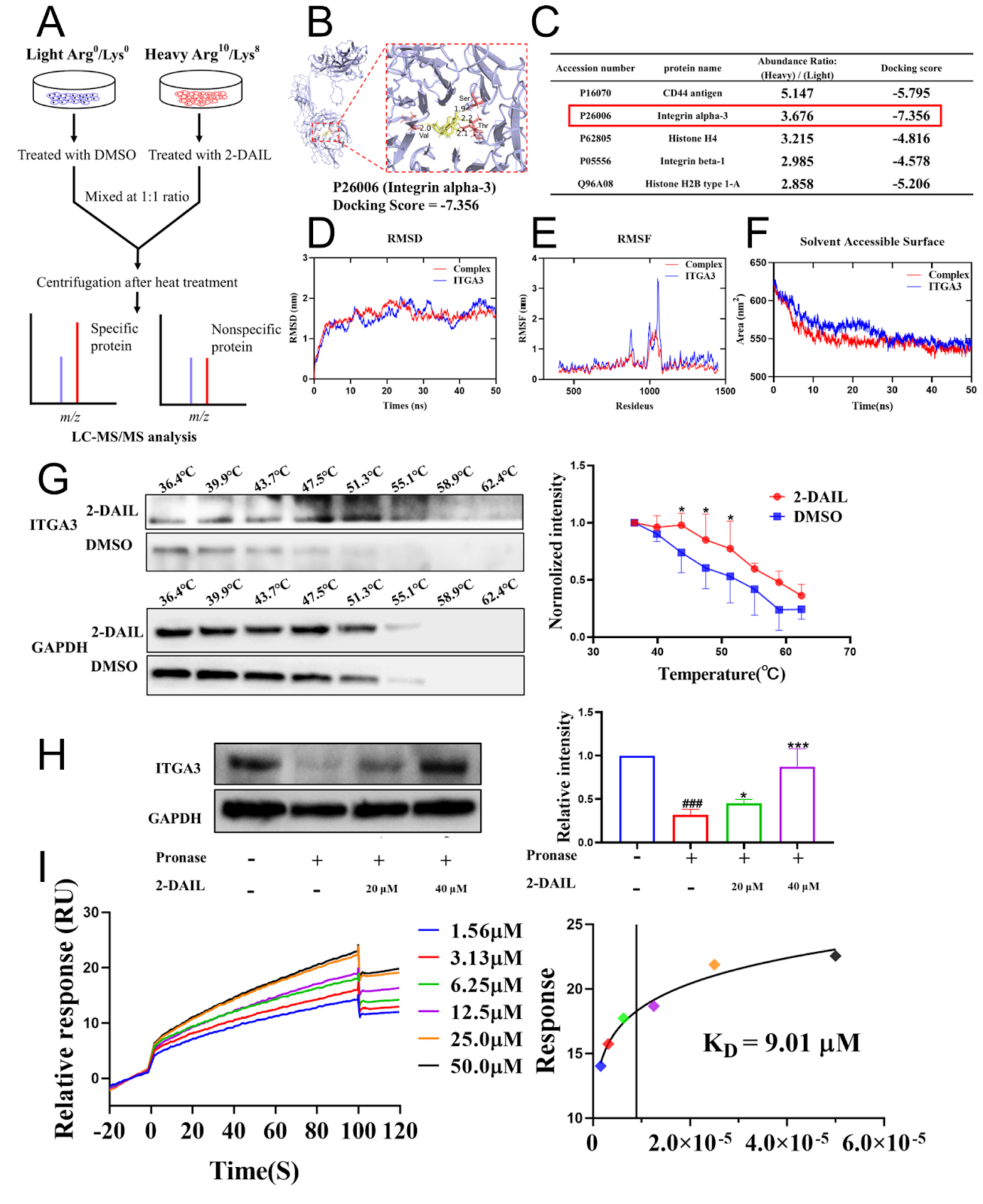
Colorectal cancer (CRC) remains a leading cause of cancer-related mortality, necessitating the discovery of novel therapeutic agents. Here, we report a natural small molecule, 2-dihydroailanthone (2-DAIL), as a promising candidate for CRC treatment. First, our results demonstrate that 2-DAIL exhibits significant anti-CRC activity in vitro and in vivo. Then, we find that 2-DAIL directly binds to integrin alpha-3 (ITGA3) revealed by stable isotope labeling by amino acids in cell culture coupled with thermal proteome profiling (SILAC-TPP). Additionally, the RNA sequencing data obtained from CRC cells and tumor tissues suggest that 2-DAIL blocks the PI3K/AKT signaling pathway mediated by ITGA3 inhibition. Collectively, 2-DAIL exerts its anti-CRC effects, at least partially, by binding to and inhibiting the function of ITGA3, thereby blocking the activation of the PI3K/AKT signaling pathway, which leads to CRC cell growth inhibition. Our study provides a promising drug candidate for the treatment of CRC and suggests the potential of 2-DAIL in treating other diseases linked to ITGA3 dysfunction.

Read Full Abstract10.3724/abbs.2026045
Super-resolution imaging reveals higher-order structures within common fragile sites in human mitotic chromosomesGraphical AbstractVerified
Acta Biochimica et Biophysica Sinica

Super-resolution imaging reveals higher-order structures within common fragile sites in human mitotic chromosomes

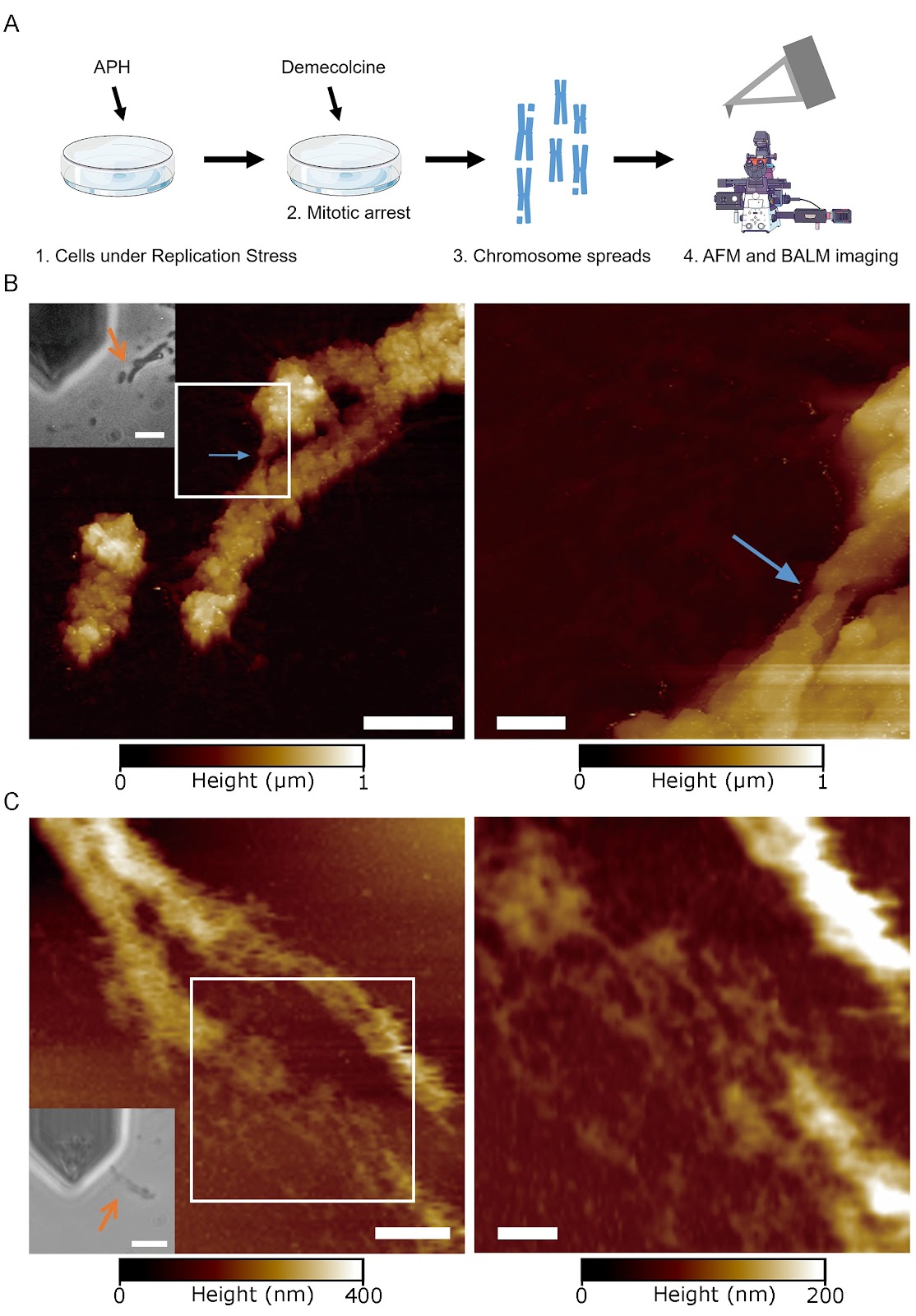
Common fragile sites (CFSs) are large genomic loci that are frequently deleted under replication stress and are thought to play a role in carcinogenesis as well as developmental disorders during early embryogenesis. They often appear as gaps or breaks in mitotic chromosomes by conventional optical microscopy and are also loci that are replicated in mitosis in a process called mitotic DNA synthesis (MiDAS). However, we still have a very poor understanding of the potential mechanisms underlying their genomic instability. We recently found that in normal mitotic chromosomes, there is a two-level hierarchy in the higher-order chromatin structure, with mechanically resistant ~90 nm Mitotic NanoDomains (MNDs) assembling into ~125 nm compact granules (CGs). In this work, we combine multiple super-resolution imaging techniques, including binding-activated localization microscopy (BALM), atomic force microscopy (AFM), and stochastic optical reconstruction microscopy (STORM), to characterize CFSs. Our super-resolution data indicate that sites that appear as gaps by conventional microscopy can be filled with chromatin of the size and shape of MNDs but not CGs. Moreover, we find that MiDAS loci only form an array of MNDs with no CGs. Taken together, our work suggests that under replication stress, CFS loci can not only be replicated but also assembled into higher-order chromatin. However, this organization is limited to the level of MNDs, which suggests that a failure to progress beyond MNDs to form CGs constitutes a key structural deficiency at these loci.

Read Full Abstract10.3724/abbs.2026014
Spatiotemporal Orchestration of Macrophage Heterogeneity by Cell Adhesion MoleculesGraphical AbstractVerified
Acta Biochimica et Biophysica Sinica2026

Spatiotemporal Orchestration of Macrophage Heterogeneity by Cell Adhesion Molecules

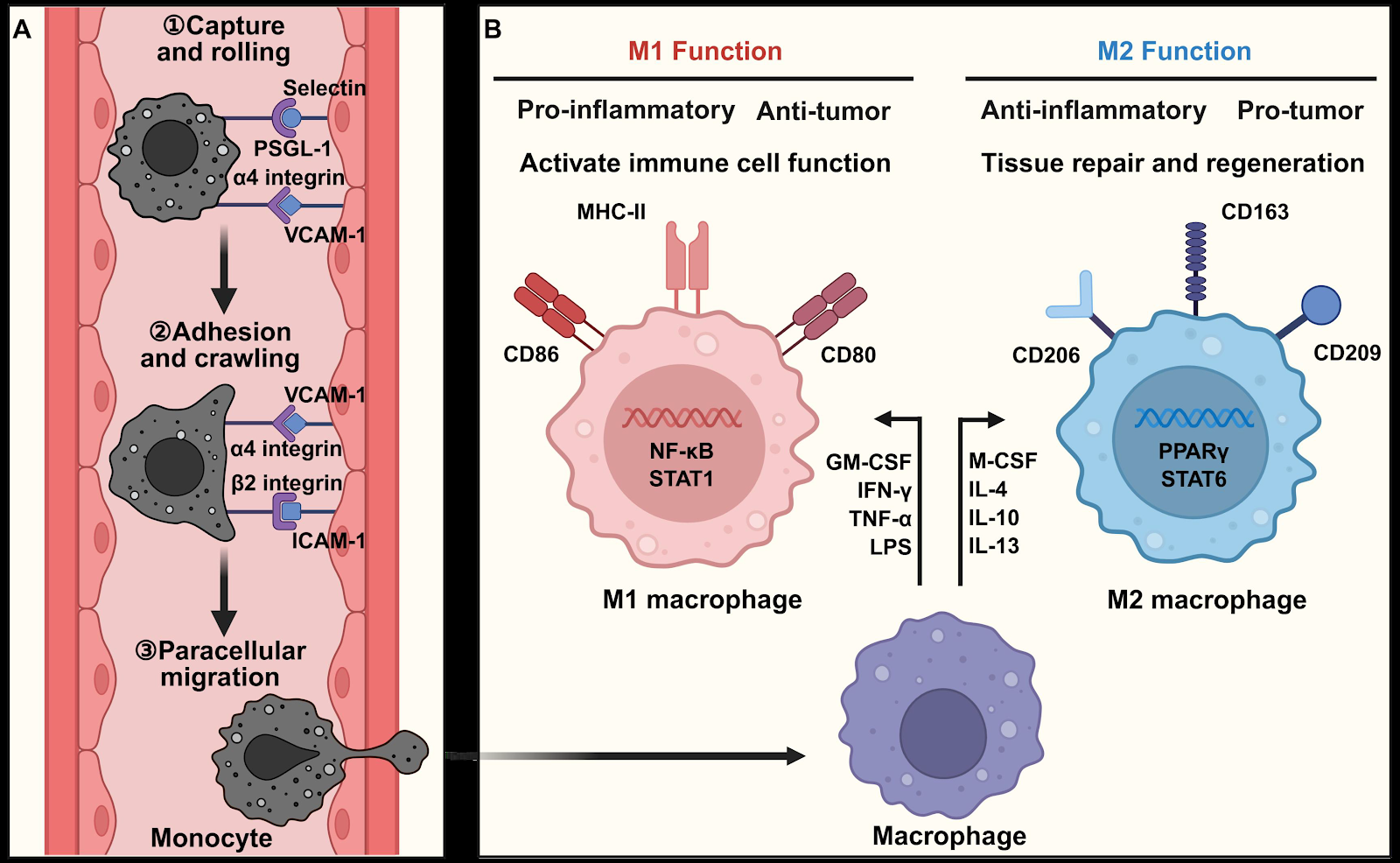
Monocyte-derived macrophages (mo-macs) are central regulators of innate immunity and are essential for maintaining physiological homeostasis and host defense. Their functional efficacy relies on precisely coordinated transendothelial migration (TEM) and phenotypic polarization into classically activated (M1) or alternatively activated (M2) macrophages. This review delineates how cell adhesion molecules (CAMs), including integrins, selectins, the immunoglobulin superfamily (IgSF), and cadherins, act as pivotal sensors that orchestrate these spatiotemporal dynamics. CAMs facilitate the multi-step TEM of mo-macs and trigger intracellular signaling pathways, such as nuclear factor kappa-light-chain-enhancer of activated B cells (NF-ÎșB) and signal transducer and activator of transcription (STAT), to dictate macrophage plasticity in response to inflammation and the tumor microenvironment (TME). We highlight the dual role of CAMs in driving the pathogenesis of atherosclerosis and cancer while also exploring their potential in bioengineering for regenerative medicine. Elucidating these CAM-dependent regulatory networks not only helps to explain the intrinsic mechanisms underlying immune regulation but also provides a theoretical framework for designing next-generation targeted immunotherapies and personalized clinical interventions for inflammatory diseases and malignancies.

Read Full Abstract10.3724/abbs.2026127
Biochemical and structural studies reveal the substrate specificity and catalytic mechanism of MYG1 as a two-metal ion-dependent 3â€Č→5â€Č exonucleaseGraphical AbstractVerified
Acta Biochimica et Biophysica Sinica

Biochemical and structural studies reveal the substrate specificity and catalytic mechanism of MYG1 as a two-metal ion-dependent 3â€Č→5â€Č exonuclease

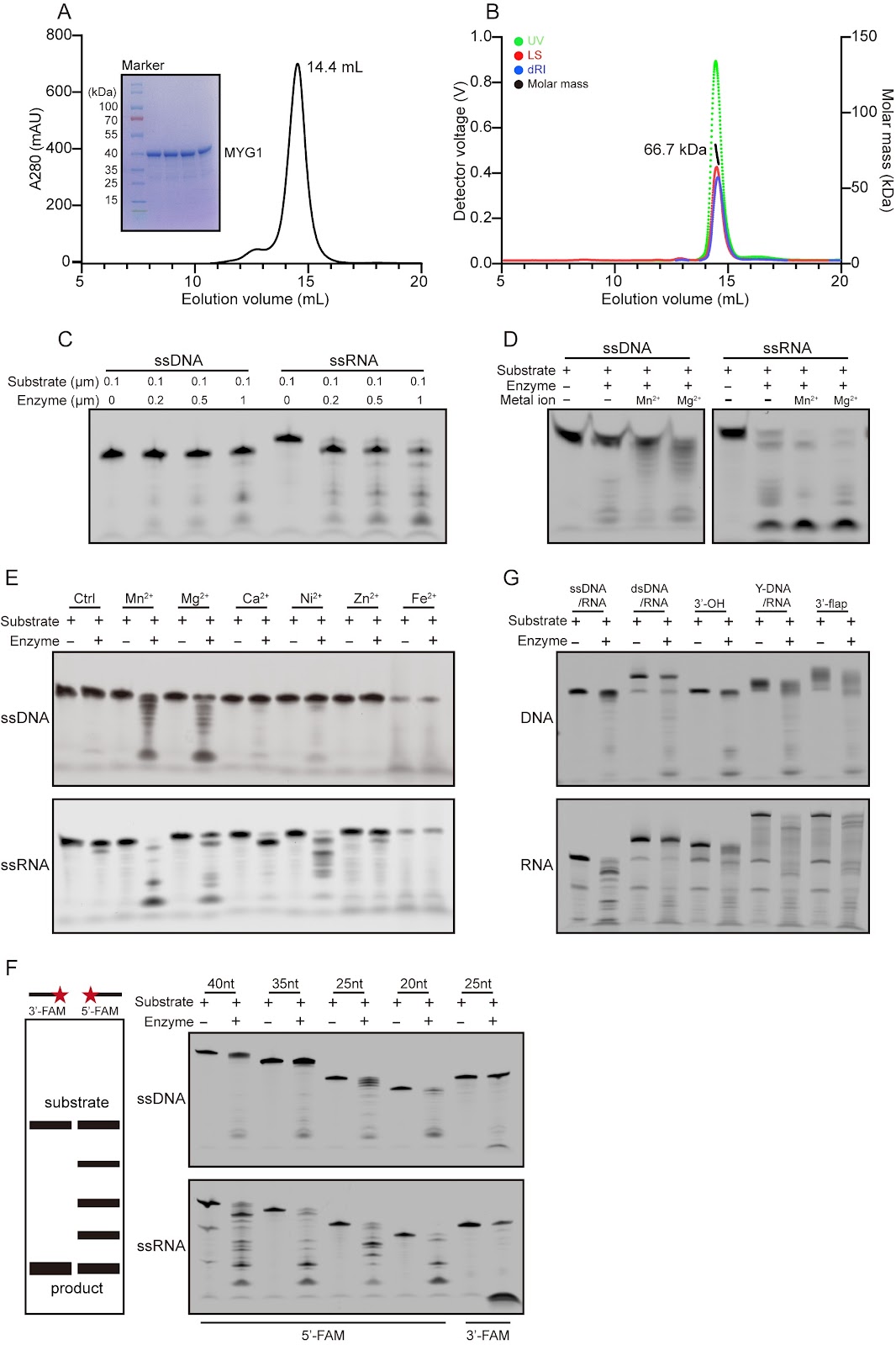
Nucleases are a class of enzymes that specifically cleave nucleic acids in all living organisms. They play crucial roles in essential biological processes, including the regulation of gene expression, DNA damage repair, and RNA processing and degradation. MYG1 (melanocyte proliferating gene 1) is a highly conserved eukaryotic protein that exhibits 3â€Č→5â€Č exonuclease activity. This study systematically characterizes the enzymatic properties of MYG1 and determines its structures in complexes with metal ions and various mono- and poly-(deoxy)nucleotides. The functional roles of key residues involved in metal ion binding and substrate binding in the catalytic reaction are examined through site-directed mutagenesis, enzymatic activity assay, and structure determination. Our biochemical and structural data together demonstrate that MYG1 is a Mn2+- or Mg2+-dependent 3â€Č→5â€Č exonuclease capable of cleaving a variety of nucleic acids with different structures. It exhibits the highest activity for single-stranded RNA and a nucleotide preference for U in single-stranded RNA and dT in single-stranded DNA. Mechanistically, MYG1 functions as a dimer, with the active site formed by the catalytic domain of monomer 1 and the substrate-binding domain of monomer 2, and cleaves nucleic acids through a two-metal ion-mediated catalytic mechanism. These findings establish a molecular basis for further investigations into the biological functions and molecular mechanisms of MYG1 within cells and its potential roles in human diseases.

Read Full Abstract10.3724/abbs.2026058
The effect of liver-specific ketohexokinase deletion on the intestinal-liver-kidney axis in high-fructose-induced metabolic syndrome miceGraphical AbstractVerified
Acta Biochimica et Biophysica Sinica

The effect of liver-specific ketohexokinase deletion on the intestinal-liver-kidney axis in high-fructose-induced metabolic syndrome mice

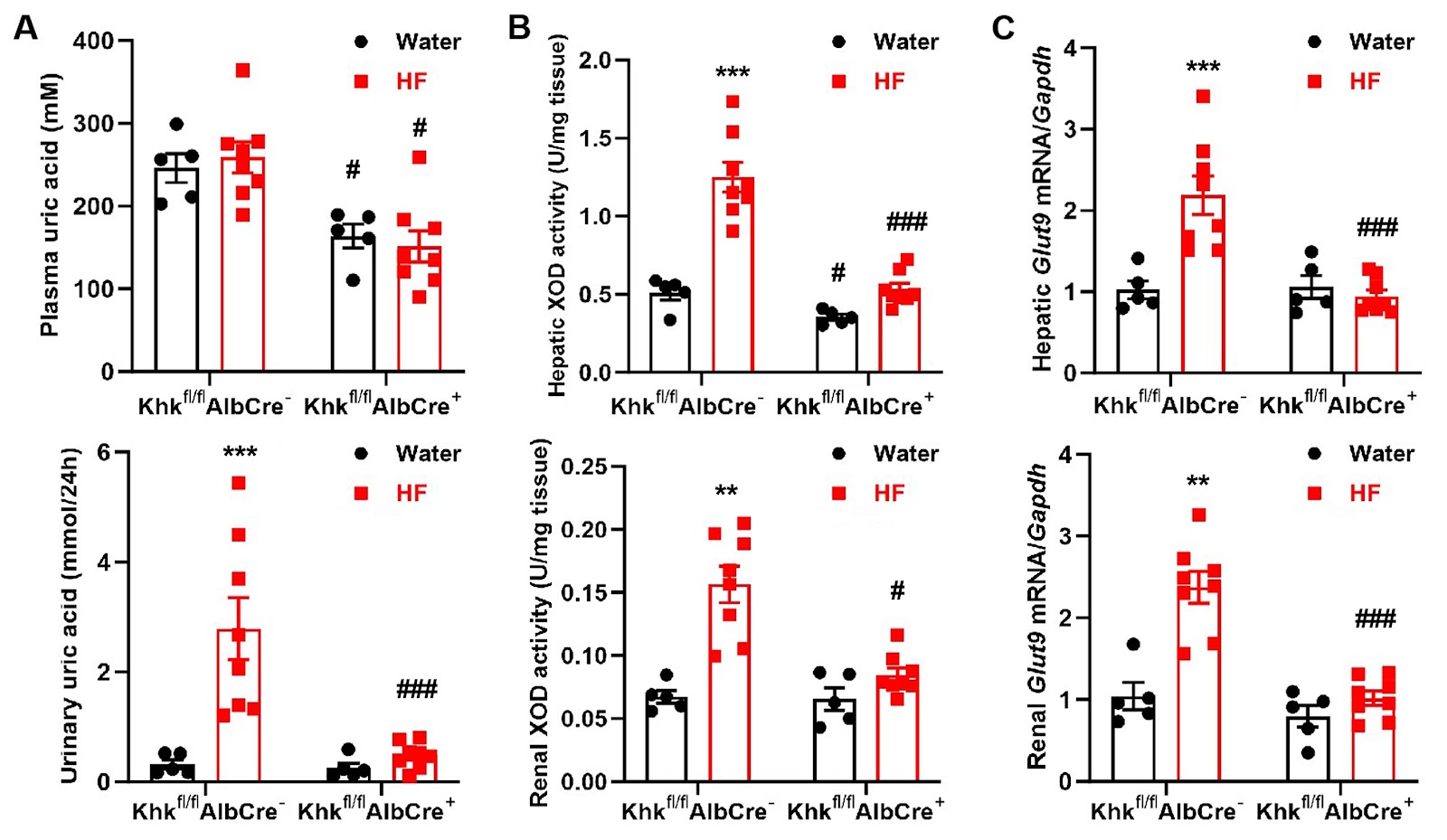
The liver is a crucial site for fructose uptake and metabolism, a function intricately linked to fructose-associated pathologies. This study examines the role of hepatic ketohexokinase (KHK) in metabolic syndrome induced solely by high-fructose intake. Liver-specific Khk-deficient mice are generated and fed with a 20% fructose solution for 3 months, after which the features of metabolic syndrome are examined. Compared with fructose-fed floxed controls, fructose-fed liver-specific Khk-deficient mice present alleviated liver injury and hepatic steatosis, along with lower triglyceride levels in the plasma and liver, plasma aspartate transaminase and alanine transaminase levels, and mRNA levels of genes related to triglyceride and fatty acid synthesis. Liver-specific Khk deficiency also leads to lower uric acid levels in the plasma and urine, as well as xanthine oxidase activity and Glut9 mRNA levels in the liver and kidneys of fructose-fed mice. Although intestinal villus length and epithelial barrier integrity remain unaffected, the deletion of liver Khk significantly reduces fructose-stimulated KHK, Glut2, Glut5, and aldolase B expression in the intestine and kidneys, suggesting inhibited fructose absorption and metabolism in these tissues. In the adipose tissue, fructose-induced increases in adipocyte size and tumor necrosis factor-α and interleukin-6 mRNA levels are blocked by liver-specific Khk deficiency, indicating improved remodeling of adipose tissue and reduced inflammation in adipocytes. Overall, liver-specific Khk deletion is sufficient to protect against metabolic syndrome induced by excessive fructose intake. Our findings underscore the critical role of liver KHK-mediated fructose metabolism in driving the physiological and pathological consequences associated with fructose consumption along the intestinal-liver-kidney axis.

Read Full Abstract10.3724/abbs.2025191
Glycolysis reprogramming predicts poor prognosis and drives therapy resistance via CLN6 in lethal prostate cancerGraphical AbstractVerified
Acta Biochimica et Biophysica Sinica

Glycolysis reprogramming predicts poor prognosis and drives therapy resistance via CLN6 in lethal prostate cancer

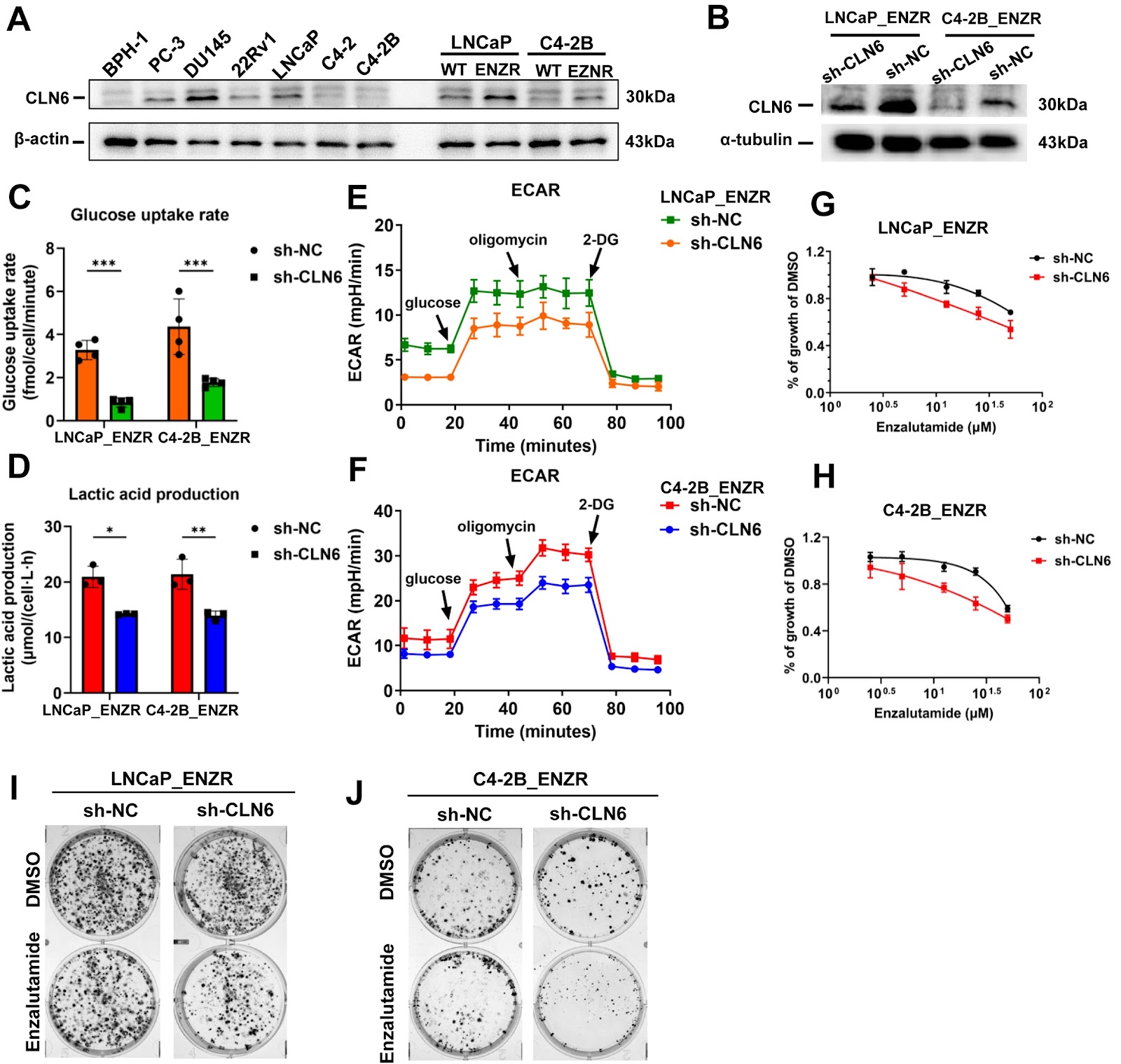
Lethal prostate cancer is marked by tumor heterogeneity and resistance to androgen receptor signaling inhibitors (ARSIs). In this study we identify glycolysis as a driver of disease progression and therapy resistance. Using single-sample gene set enrichment analysis (ssGSEA) on the SU2C cohort, we demonstrate that elevated glycolysis activity is associated with poor progression-free and overall survival. The glycolysis-based prognostic score (GLY score) is derived from the HALLMARK_GLYCOLYSIS gene set which includes CLN6, SDHC, B4GALT2, RPE, NANP, and KIF20A, via LASSO-Cox regression. The GLY score effectively stratifies risk in the SU2C and WDCT cohorts, with higher scores predicting worse outcomes and increased SYNE1 mutation frequency. Pan-cancer analysis across TCGA datasets confirm its prognostic value. In vitro, enzalutamide-resistant prostate cancer cell lines exhibit heightened glycolysis, and 2-DG inhibition reverses this effect, restoring drug sensitivity. CLN6 knockdown reduces glycolytic activity and cell proliferation. The GLY score offers robust prognostic value, and CLN6 represents a promising therapeutic target for precision medicine in lethal prostate cancer.

Read Full Abstract10.3724/abbs.2025257
Discovery and Validation of Biomarkers for Epstein-Barr Virus Associated Gastric CancerGraphical AbstractVerified

Acta Biochimica et Biophysica Sinica2026

Discovery and Validation of Biomarkers for Epstein-Barr Virus Associated Gastric Cancer

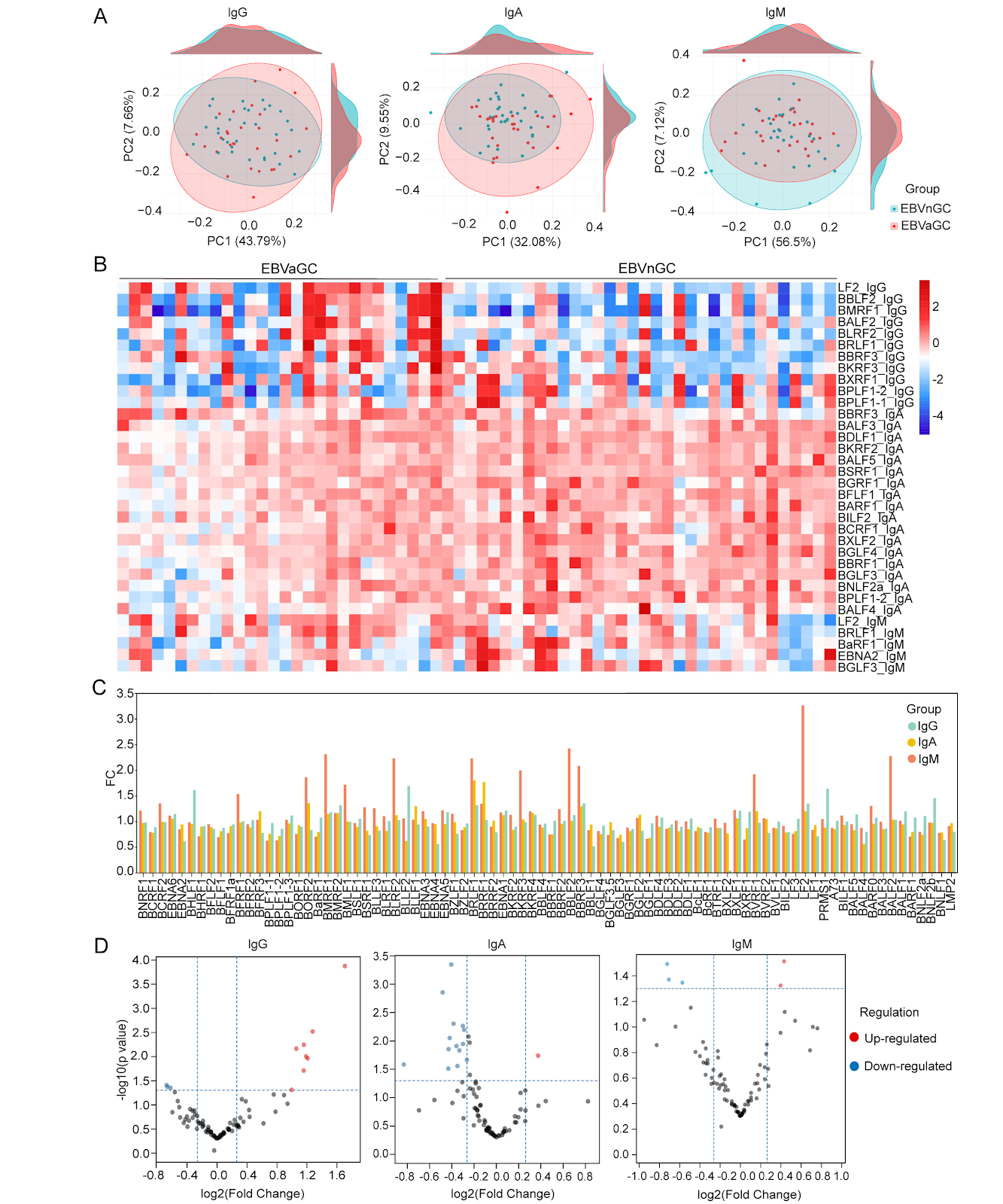
Epstein-Barr virus-associated gastric cancer (EBVaGC) displays unique clinicopathological hallmarks, yet serology-based tools for its detection are still limited. Here, we develop a functional EBV proteome microarray covering 72 viral proteins and apply it to profile antibody responses in 62 gastric cancer patients. The resulting landscape reveals an IgG-skewed humoral signature specific to EBVaGC and identifies 34 EBV antigens exhibiting differential reactivities. Multivariable logistic regression integrates complementary markers into an optimal five-analyte panel (LF2_IgG, BBLF2_IgG, BLRF2_IgG, BPLF1-2_IgA, and BGLF4_IgA) that achieves outstanding discrimination performance (AUC = 0.93) in an independent validation set (n = 316). The panel’s performance is further validated in a community-based screening cohort (n = 474), where it achieves 87.3% sensitivity and 88.3% specificity for distinguishing EBVaGC from non-malignant gastric conditions spanning gastritis to dysplasia (AUC = 0.94). Together, these results establish a serological framework for EBVaGC diagnosis and provide a scalable strategy for population-level screening that could materially improve the management of this virus-driven malignancy.

Read Full Abstract10.3724/abbs.2026046
CLINT1 is a subtype-specific biomarker and a downstream effector of p53-R273H in lung adenocarcinoma migrationGraphical AbstractVerified
Acta Biochimica et Biophysica Sinica2026

CLINT1 is a subtype-specific biomarker and a downstream effector of p53-R273H in lung adenocarcinoma migration

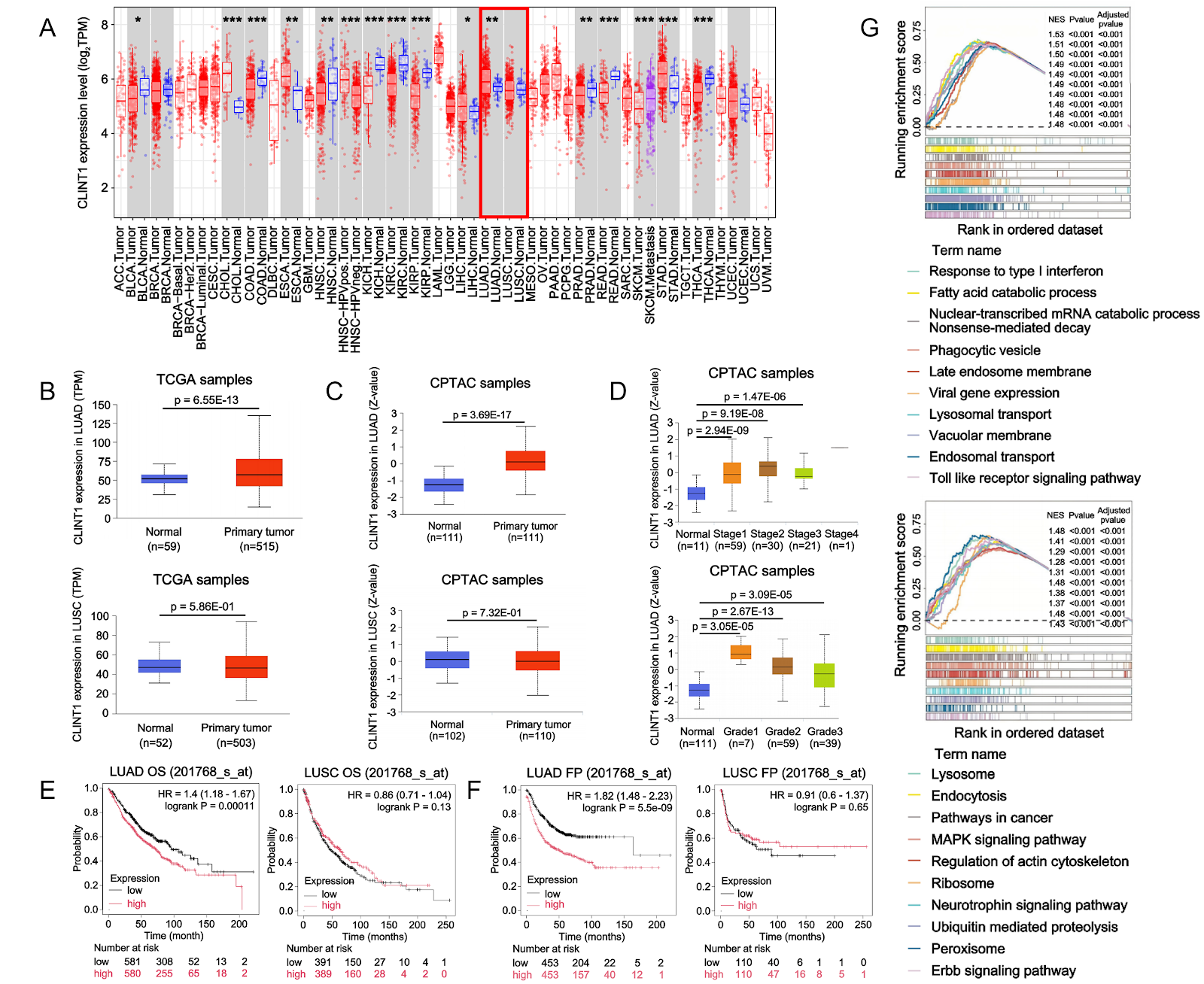
Lung cancer is the leading cause of cancer-related deaths worldwide, with lung adenocarcinoma (LUAD) being the most prevalent subtype of non-small cell lung cancer (NSCLC). The p53-R273H mutation, a common gain-of-function mutant, promotes tumor progression. Clathrin interactor 1 (CLINT1) is an adaptor protein involved in vesicular transport, but its role in lung cancer remains unclear. Here, we systematically analyzed CLINT1 expression across 33 cancer types using TIMER, UALCAN, and CPTAC databases. CLINT1 was significantly upregulated in LUAD at both mRNA and protein levels, but not in lung squamous cell carcinoma (LUSC). High CLINT1 expression correlated with poor overall survival and first-progression survival in LUAD patients, but not in LUSC. Gene set enrichment analysis revealed that CLINT1 is associated with type I interferon response and fatty acid catabolic processes. Mechanistically, CLINT1 was identified as a downstream effector of p53-R273H, mediating its pro-migratory effects in LUAD cells. Knockdown of CLINT1 inhibited cell migration and invasion, while overexpression enhanced these phenotypes. Our findings establish CLINT1 as a subtype-specific biomarker and a potential therapeutic target for LUAD, particularly in p53-R273H-mutant tumors.

Read Full Abstract10.3724/abbs.2026029
Total flavonoids of litchi seed attenuates cellular senescence by inhibiting the production of SASP through p65 suppression and ameliorates pulmonary fibrosisGraphical AbstractVerified
Acta Biochimica et Biophysica Sinica

Total flavonoids of litchi seed attenuates cellular senescence by inhibiting the production of SASP through p65 suppression and ameliorates pulmonary fibrosis

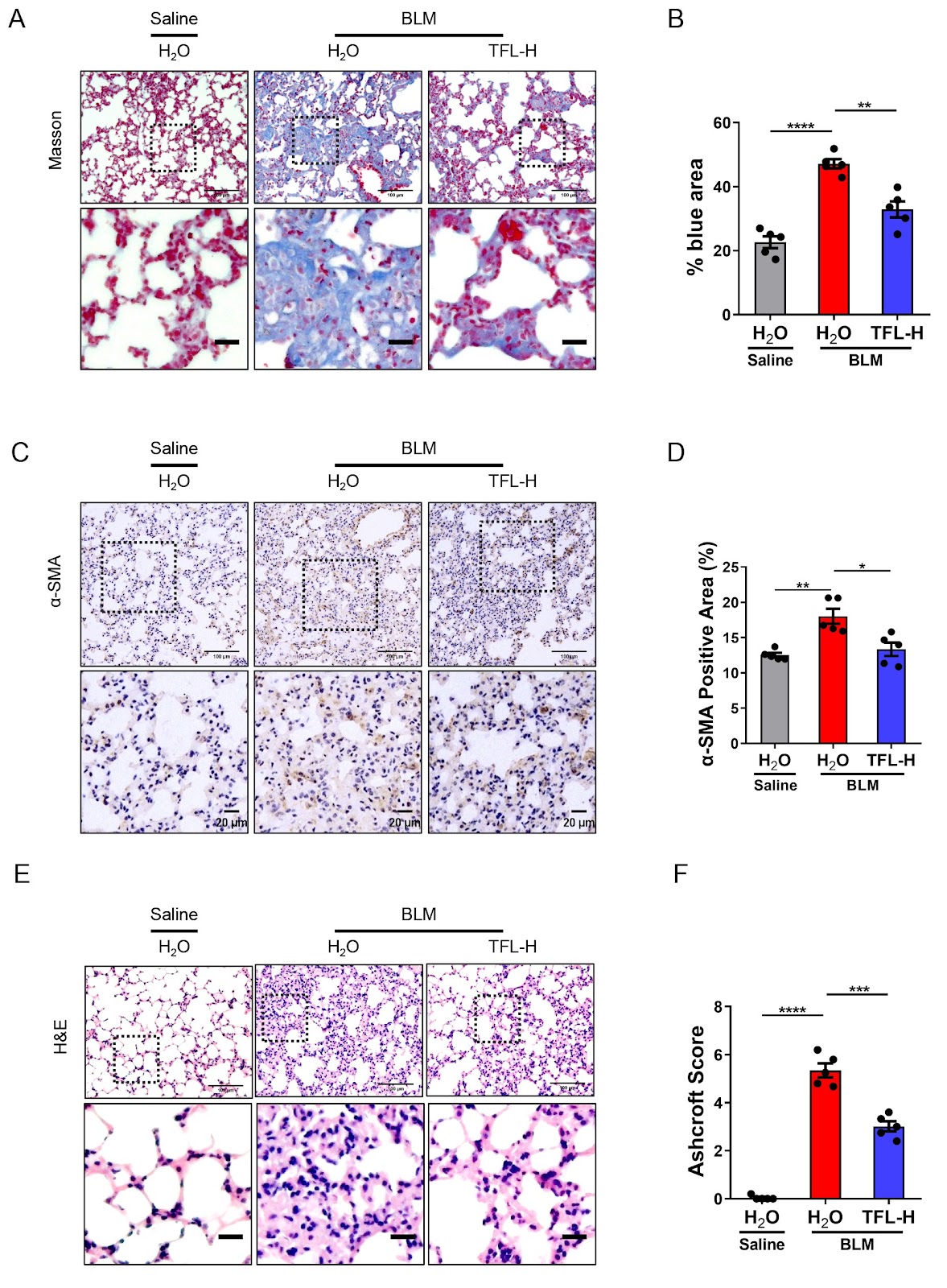
Anti-aging foods not only benefit elderly individuals but also drive the development of safe and effective natural drugs. Here, we report that the addition of total flavonoids of litchi seed (TFL) delays replicative senescence and stress-induced senescence. TFL alleviates the senescence-associated secretory phenotype (SASP) and reduces the degree of DNA damage caused by bleomycin (BLM). TFL also counteracts stress-induced pulmonary senescence and fibrosis. TFL reduces the protein level of p21 in mouse lung and alleviates pulmonary fibrosis. Transcriptome profiling further reveals that TFL plays a key role in its anti-aging mechanism by inhibiting the SASP. Mechanistically, TFL suppresses p65 protein expression, thereby inhibiting IL-1α and IL-1ÎČ and delaying cellular senescence. Gut microbiome analysis reveals that the abundance and functions of the mouse gut microbiome change after BLM exposure and that TFL treatment reverses these changes. Overall, we provide a theoretical basis for the future application of TFL as a potential anti-aging product.

Read Full Abstract10.3724/abbs.2025206
Small chemical molecule CPP promotes angiogenesis in surgically created severe lower limb ischemia and diabetes-induced limb vascular reduction modelsGraphical AbstractVerified
Acta Biochimica et Biophysica Sinica

Small chemical molecule CPP promotes angiogenesis in surgically created severe lower limb ischemia and diabetes-induced limb vascular reduction models

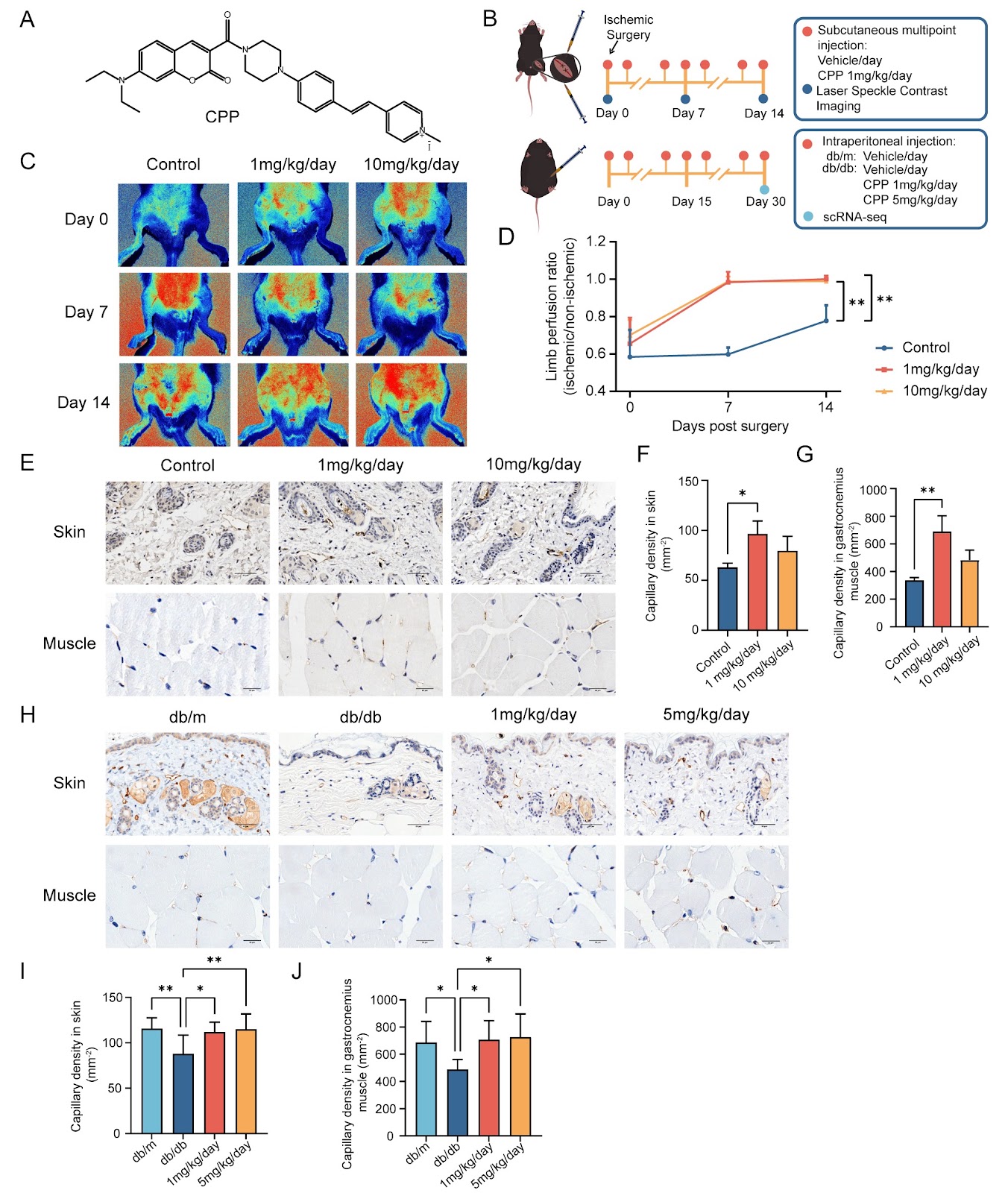
Patients with peripheral artery disease (PAD) commonly experience chronic limb-threatening ischemia (CLTI) in the end stage, leading to severe functional impairment of the limbs, amputation, and even death. Among the various disease factors contributing to PAD, diabetes is significantly associated with PAD risk, leading to more severe symptoms and a poorer prognosis. Promoting angiogenesis at ischemic sites and improving blood flow are key to the recovery of limbs from ischemic injury. Angiogenic therapies based on cells and small-molecule drugs are considered important and promising strategies. Cell-based therapies can be classified based on cell source into allogeneic therapies and autologous therapies. Autologous cells offer the advantage of not requiring immunosuppression but may be limited by factors such as cell unavailability and scarcity due to autologous factors. Allogeneic cells, while offering a more abundant cell source, present drawbacks, including immune incompatibility and ethical concerns, which restrict their application. Small chemical molecules offer advantages such as convenience, low cost, ease of synthesis and storage, and rapid action without the need for introducing exogenous genes. They circumvent the high costs associated with cell therapies and potential side effects from allogeneic cell transplantation, holding significant promise and potential in both biomedical research and clinical applications. Fibroblasts are a cell type with functional and transcriptional heterogeneity and cellular fate plasticity, making them a promising source of seed cells for clinical tissue and organ repair and regeneration. Small molecules have become recognized as crucial tools for the induction of cellular reprogramming. In our laboratory’s previous research, a novel small chemical molecule probe, CPP ((E)-4-(4-(4-(7-(diethylamino)-2-oxo-2H-chromene-3-carbonyl)piperazin-1-yl)styryl)-1-methylpyridin-1-ium iodide), was identified as an inhibitor of prolyl-4-hydroxylase 2 (PHD2). CPP induces the differentiation of cultured human dermal fibroblasts into vascular endothelial cells (VECs) via the PHD2/hypoxia-inducible factor-1α/hairy-related transcription factor 1 (PHD2/HIF1α/HEY1) signaling pathway. The differentiated VECs exhibited therapeutic efficacy in treating lower limb ischemia in mice, indicating that CPP holds promise as a therapeutic candidate for limb ischemia. In this study, we aimed to investigate the capability of CPP to directly induce angiogenesis in vivo under conditions of vascular injury. Critical limb ischemia (CLI) occurs at the end stage of PAD. To evaluate the in situ therapeutic effects of CPP on CLI, a CLI model was established using C57BL/6 mice (Hubei Research Center of Laboratory Animals, Wuhan, China). CPP was synthesized and provided by the laboratory of Professor Baoxiang Zhao at Shandong University (Jinan, China). Following surgery, continuous subcutaneous multipoint injections of CPP were administered for 14 d to mimic localized drug treatment (Figure 1A). Laser speckle blood flow imaging was used to assess lower limb perfusion on days 0, 7, and 14 (Figure 1B, upper panel). The results showed that by day 7 post-surgery, both CPP concentrations significantly enhanced perfusion in the ischemic limb compared to the control group. From days 7 to 14, perfusion changes in both CPP-treated groups plateaued. Meanwhile, the control group showed increased perfusion. Throughout the treatment period, no significant differences were observed between the 1 and 10 mg/kg/day CPP treatment groups (Figure 1C,D). On day 14, the capillary density in the skin and muscle was significantly higher in the 1 mg/kg/day CPP group than in the control group. Although the 10 mg/kg/day group had a slightly higher density than the control, the difference was not statistically significant (Figure 1E–G). In addition, the organ toxicity

Read Full Abstract10.3724/abbs.2026039
Fibroblast growth factor 13 deficiency attenuates doxorubicin-induced cardiotoxicity by regulating Parkin-mediated myocardial injuryGraphical AbstractVerified
Acta Biochimica et Biophysica Sinica

Fibroblast growth factor 13 deficiency attenuates doxorubicin-induced cardiotoxicity by regulating Parkin-mediated myocardial injury

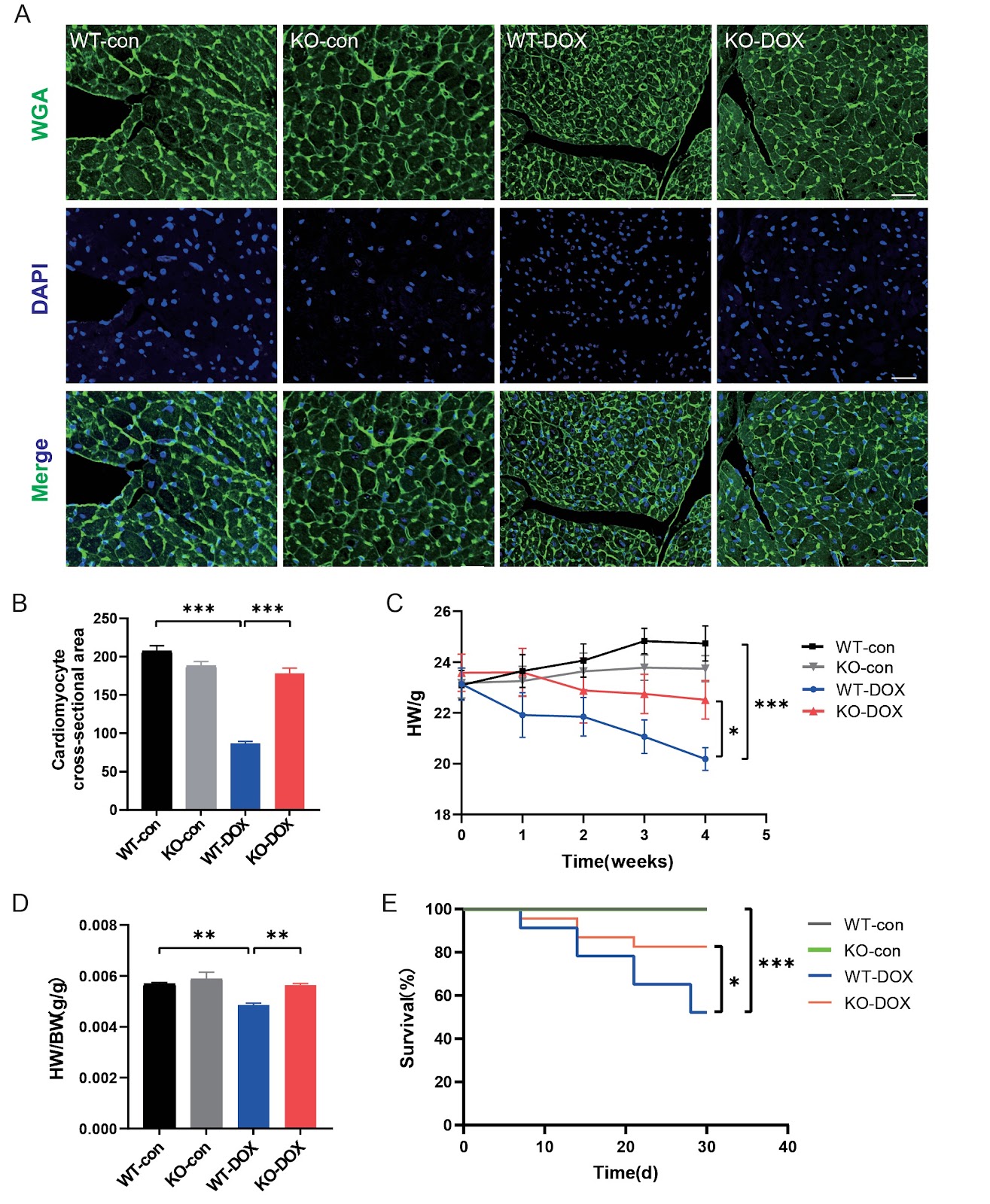
The clinical use of doxorubicin (DOX) as a chemotherapeutic agent is limited by its cardiotoxic effects. Fibroblast growth factor (FGF) isoform 13, a distinct type of FGF, has been increasingly recognized as an important regulator of cardiovascular disease. However, its role in doxorubicin-induced cardiotoxicity remains unknown. Therefore, the objective of this study is to investigate the role and mechanism of FGF13 in doxorubicin-induced cardiac injury. C57BL/6 mice are used to establish Dox-induced cardiotoxicity models. The results reveal that mouse weight, cardiomyocyte cross-sectional area, ejection fraction and fractional shortening are decreased in the DOX group. In contrast, Fgf13 deficiency mitigates doxorubicin-mediated cardiotoxicity, as indicated by increased mouse weight, cardiomyocyte cross-sectional area, ejection fraction and fractional shortening. Mechanistically, the protein expressions of bax and cleaved caspase 3 are elevated in the DOX-treated group, along with decreased JC-1 fluorescence intensity and bcl-2 expression, whereas Fgf13 knockout prevents these alterations. In addition, Parkin, but not p53, interacts with FGF13 and is upregulated in response to Fgf13 deficiency in a mouse model of doxorubicin-induced cardiotoxicity. Overall, Fgf13 knockout attenuates doxorubicin-induced cardiomyocyte apoptosis and mitochondrial damage through the modulation of Parkin, indicating that FGF13 may serve as a promising therapeutic target for DOX-induced cardiotoxicity.

Read Full Abstract10.3724/abbs.2025223
Glucose is a potential source of glutamate for glutamine-deprived pancreatic cancer cells with KRAS mutationGraphical AbstractVerified
Acta Biochimica et Biophysica Sinica2026

Glucose is a potential source of glutamate for glutamine-deprived pancreatic cancer cells with KRAS mutation

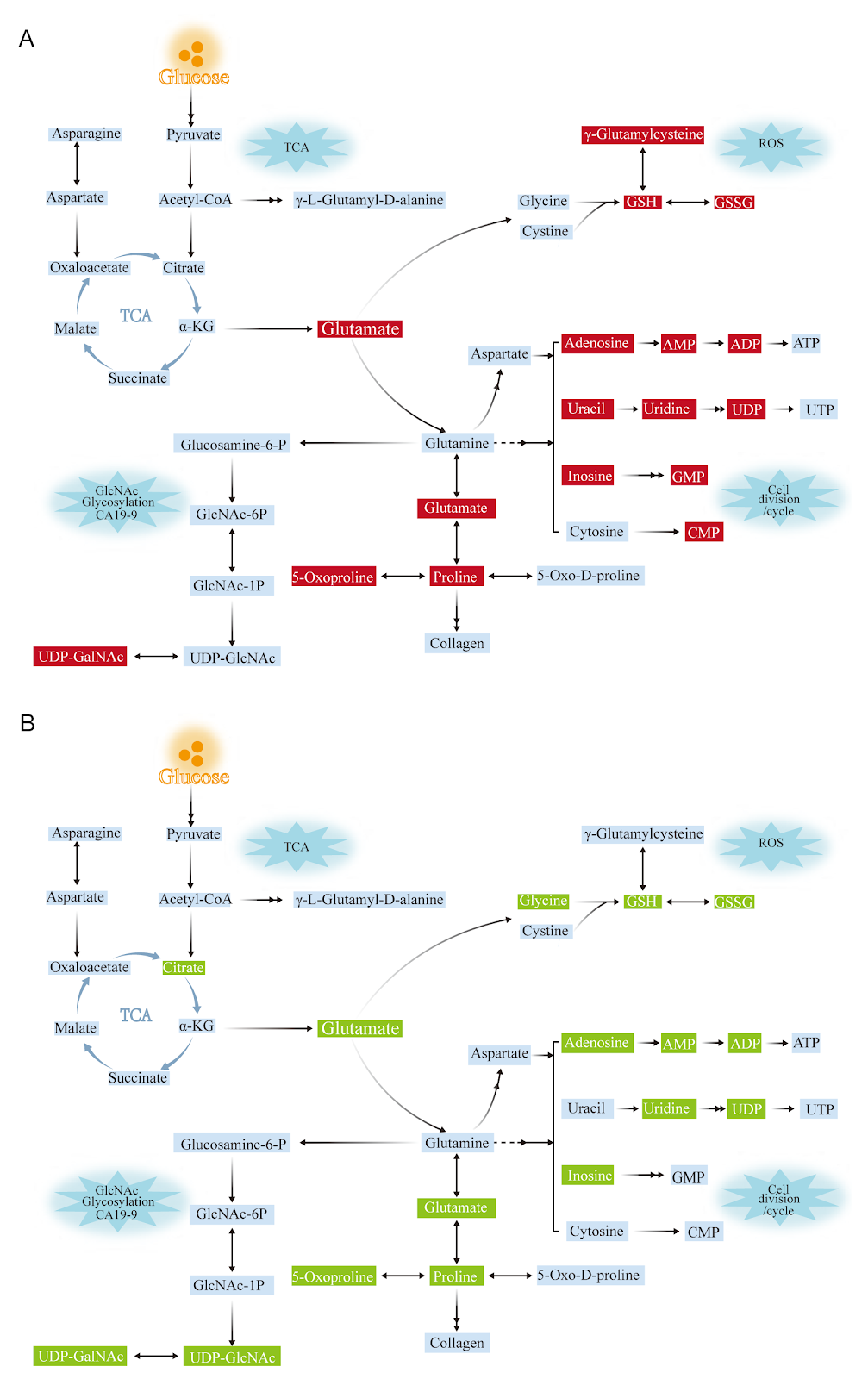
Pancreatic cancer is a highly lethal malignancy with a five-year survival of only 13% overall and 8% for pancreatic adenocarcinoma. KRAS mutations, present in over 90% of cases, drive oncogenesis and metabolic reprogramming, including a glycolytic switch. Glutamine and glutamate play interconnected roles in pancreatic cancer metabolism, with glutamine fueling CA19-9 biosynthesis via the hexosamine pathway. Son et al. (2013) identified a non-canonical glutamine metabolism pathway regulated by KRAS, where glutamine-derived aspartate is processed by GOT1 in the cytoplasm, bypassing GLUD1. However, pancreatic tumors are often nutrient-deficient, and under glutamine deprivation, cells may rewire glucose metabolism to generate glutamate. This study analyzed 684 pancreatic adenocarcinoma patients from a prospective database (2021-2025) and found that only 19.6% had normal fasting glucose, with high fasting blood glucose (≄126 mg/dL) being an adverse prognostic factor (HR=1.41, 95% CI 1.07-1.86, P=0.015). Using isotope tracing with D-glucose-13C6 in KRAS-mutated pancreatic cancer cells deprived of glutamine, we observed that glucose-derived carbons were incorporated into glutamate and related metabolites, including glycosylation precursors (UDP-GalNAc), collagen/stroma components (proline, 5-oxoproline), cell division metabolites (adenosine, AMP, ADP, etc.), and ROS-related molecules (GSH, GSSG, Îł-glutamylcysteine) at 24h, with additional labeling in UDP-GlcNAc, glycine, and citrate at 48h. These findings suggest that glucose can serve as a potential source of glutamate under glutamine deprivation, providing a metabolic adaptation mechanism for KRAS-mutated pancreatic cancer cells. This rewiring may contribute to tumor progression and represents a potential therapeutic target.

Read Full Abstract10.3724/abbs.2026063
A novel biomarker SNHG11 promotes tumor progression and oxidative phosphorylation in clear cell renal cell carcinomaGraphical AbstractVerified
Acta Biochimica et Biophysica Sinica

A novel biomarker SNHG11 promotes tumor progression and oxidative phosphorylation in clear cell renal cell carcinoma

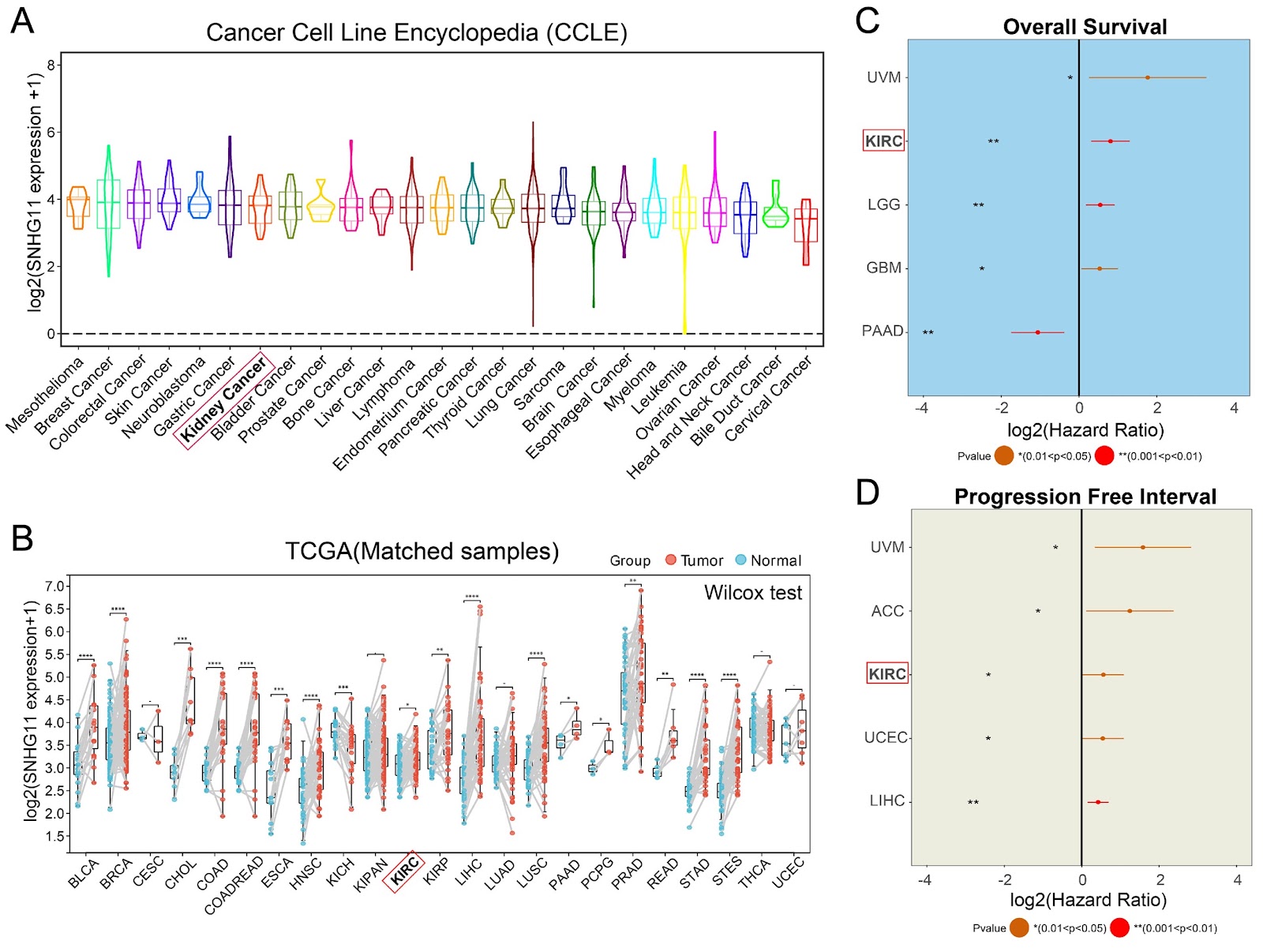
Kidney renal clear cell carcinoma (KIRC) is the most common and aggressive subtype of renal cell carcinoma and is characterized by poor prognosis and high molecular heterogeneity. Long noncoding RNAs (lncRNAs) have emerged as crucial regulators in cancer, yet the functional role of SNHG11 in KIRC remains unclear. In this study, we perform integrated multiomics analysis using data from the TCGA and ICGC cohorts and reveal that SNHG11, a methylation-associated lncRNA, is significantly correlated with poor clinical outcomes. In vitro and in vivo assays demonstrate that SNHG11 promotes tumor proliferation and progression. Mechanistically, SNHG11 enhances oxidative phosphorylation, as evidenced by increased ATP production, disrupted mitochondrial membrane potential, and altered NAD+/NADH ratios. Furthermore, SNHG11 expression is associated with somatic mutation patterns, particularly those involving BAP1 and PBRM1, indicating potential crosstalk between epigenetic regulation and genetic alterations. These findings reveal that SNHG11 is a novel biomarker in KIRC and a potential therapeutic target.

Read Full Abstract10.3724/abbs.2025253
SinoBioData ResearchActa Biochimica et Biophysica Sinica
Acta Biochimica et Biophysica Sinica2026

SGLT2 inhibitor dapagliflozin treats heart failure with preserved ejection fraction via the SIRT1/PGC-1α pathway

Sodium-glucose cotransporter 2 inhibitors (SGLT2i) have demonstrated clinical benefits in heart failure with preserved ejection fraction (HFpEF), yet the underlying mechanisms remain poorly defined. Given that mitochondrial dysfunction represents a central feature of HFpEF pathophysiology, we investigate whether modulation of mitochondrial homeostasis contributes to the cardioprotective effects of dapagliflozin. Using a Dahl salt-sensitive rat model of HFpEF, we find that dapagliflozin markedly improves diastolic function and attenuates cardiac hypertrophy, fibrosis, and apoptosis. These beneficial effects are accompanied by significant restoration of mitochondrial structure and function. Consistently, in an in vitro HFpEF model, dapagliflozin enhances mitochondrial respiratory capacity in cardiomyocytes, indicating a direct mitochondrial regulatory effect. Mechanistically, integrative transcriptomic and experimental analyses identify the SIRT1/PGC-1α/Mitofusin-2 (Mfn-2) signaling axis as a critical pathway suppressed in HFpEF but reactivated following dapagliflozin treatment. Activation of this pathway promotes mitochondrial biogenesis and improves mitochondrial dynamics, thereby preserving cardiomyocyte homeostasis. Collectively, our findings reveal that dapagliflozin exerts cardioprotective effects in HFpEF by restoring mitochondrial homeostasis through the SIRT1/PGC-1α/Mfn-2 axis, providing mechanistic insight into SGLT2i-mediated benefits and highlighting mitochondrial regulation as a potential therapeutic strategy for HFpEF.

Read Full Abstract10.3724/abbs.2026078
Metabolic reprogramming—the nexus of cellular adaptations, organ crosstalk, and therapeutic innovations in human diseasesGraphical AbstractVerified
Acta Biochimica et Biophysica Sinica

Metabolic reprogramming—the nexus of cellular adaptations, organ crosstalk, and therapeutic innovations in human diseases

For decades, cellular metabolism was viewed as a static network of biochemical pathways designed solely to produce ATP and fulfill basic energy needs. Classical pathophysiology frequently attributes systemic disorders, including cardiovascular disease, oncogenesis and tissue fibrosis, to structural defects, hormonal dysregulations or localized inflammation. However, advanced multi-omics frameworks have driven a paradigm shift, with metabolic reprogramming being recognized not merely as a passive consequence of disease but also as a primary driver of initiation, progression, and therapeutic resistance across human pathologies. This Special Issue, titled “Metabolic Reprogramming”, brings together 17 comprehensive studies alongside 3 New Phenomena exploring these transformations. The contributions span four interrelated thematic areas: (1) systemic cardiometabolic and gestational syndromes; (2) acute and chronic organ injury; (3) oncological metabolic dependencies; and (4) systemic organ-axis interdependencies. By integrating transcriptomics, metabolomics, single-cell deconvolution, and targeted biochemical analyses, these studies elucidate the precise molecular mechanisms governing metabolic remodeling.

Read Full Abstract10.3724/abbs.2026110