Vitamin D3 Supplementation on Antioxidant Capacity and Ferroptosis in Juvenile Gibel Carp (Carassius auratus gibelio var. CAS V) at Different Stocking Densities
Authors: WANG Yi-Jia, RIZWAN Muhammad, ZHANG Ying-Hui, HUANG Min, CHENG Ke, ZHANG Chu-Yi, WANG Chun-Fang
Dietary VD3 at 5000 IU/kg significantly reduced hepatic LPO and Fe2+ contents (P=0.0448 and P=0.0054, respectively) under high-density stress, mitigating ferroptosis markers.
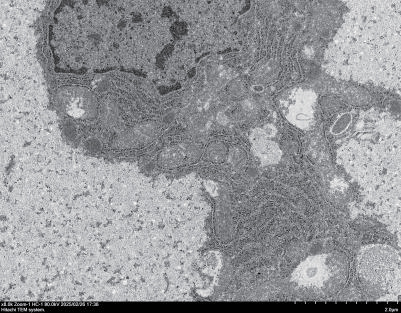
High-density crowding stress during the initial feeding stage poses severe challenges to fish health, promoting lipid peroxidation. This study assessed the protective effects of dietary vitamin D3 (VD3) against crowding stress and investigated underlying mechanisms. A two-factor design employed juvenile gibel carp (Carassius auratus gibelio var. CAS V) (0.47±0.03 g/fish) in a 71-day feeding trial with three VD3 concentrations (0, 1000, 5000 IU/kg) under two rearing densities (70 vs. 210 fish/tank). Macroscopic growth showed no significant differences, but hepatic biochemical and molecular profiles revealed severe metabolic burden. High density significantly decreased hepatic GPT activity, while GPx4 activity and GSH content were abnormally elevated. Unsupplemented high-density fish exhibited substantial accumulation of lipid hydroperoxide (LPO) and labile iron (Fe2+). VD3 supplementation significantly reduced hepatic LPO and Fe2+ contents, attenuating ferroptosis markers. Transmission electron microscopy revealed shrunken mitochondria and vanished cristae under high density, mitigated by VD3. Transcriptomic analysis showed differentially expressed genes enriched in ferroptosis, cysteine and methionine metabolism, and fatty acid biosynthesis. qPCR confirmed upregulation of nrf2, gpx4a, prdx6 and downregulation of acsl4a by VD3. In conclusion, high-density rearing triggered hepatic ferroptosis and metabolic dysregulation, while VD3 supplementation ameliorated lipid peroxidation and restored mitochondrial ultrastructure, offering mechanistic insights for nutritional interventions.