SinoBioData Academic Portal
🏛️ Indexed Academic JournalOriginal: 中草药

Chinese Traditional and Herbal Drugs

Premier Chinese Biomedical Journal indexed in SinoBioData: Chinese Traditional and Herbal Drugs (中草药).

Total Research Papers: 53
Access: 100% Free Open Access
Browse by Publication Year & VolumeReset All Filters ✕

Published Research PapersFiltered: Year 2026 • Vol 57 • 16

Showing 23 of 53 peer-reviewed papers with full Graphical Abstracts.

Original ResearchVol 57, Issue 16 • pp. 100-112DOI: 10.7501/j.issn.0253-2670.2026.16.20261621Jan 15, 2026

Research Status and Frontier Trends of Sinomenine Based on Bibliometric Analysis

Authors: MEI Jiahua, ZHANG Quan, XU Jiawei, ZHANG Shenghao, XU Chenshuo, WANG Yongsen, YANG Hongyun, MA Yunshu

This bibliometric investigation systematically maps the research landscape and emerging frontiers of sinomenine, an alkaloid derived from Sinomenium acutum, Diploclisia chinensis, and S. scutum. A comprehensive search of CNKI and Web of Science yielded 710 Chinese and 471 English publications, which were screened via NoteExpress and analyzed using Excel, CiteSpace, and VOSviewer. Publication trends, national distribution, institutional and author networks, and keyword co-occurrence were visualized. China dominates the field, with international attention rising annually. Core research teams have formed, yet collaboration remains largely intra-institutional or regional, with minimal cross-regional integration. Both Chinese and English literature converge on sinomenine's anti-arthritis pharmacological mechanisms, while Chinese studies additionally emphasize extraction, quality standards, and formulation development. The analysis identifies three future breakthrough dimensions: multi-omics-driven integration employing spatial transcriptomics and single-cell sequencing to dissect the drug-host-microbiome network; precision medicine-oriented drug delivery innovations, including microenvironment-responsive nanocarriers and smart hydrogels for targeted controlled release; and clinical expansion into neurodegenerative diseases and organ fibrosis with internationally compliant trials. Establishing a synergistic 'discovery-formulation-clinical validation' framework is recommended to accelerate sinomenine's translation from traditional herbal component to modern precision therapeutic, offering a paradigm for traditional Chinese medicine internationalization.
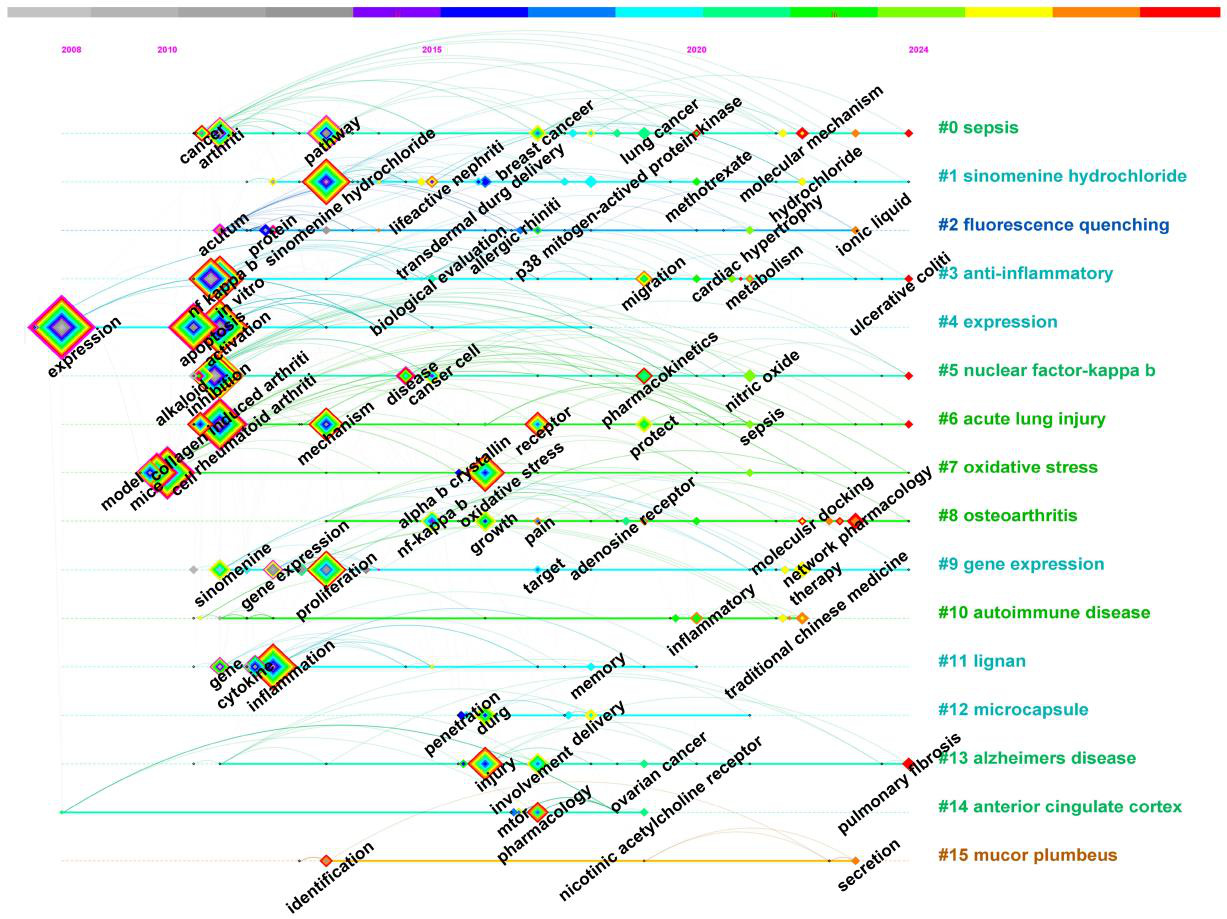
Research Status and Frontier Trends of Sinomenine Based on Bibliometric Analysis
Graphical Abstract
Original ResearchVol 57, Issue 16 • pp. 100-112DOI: 10.7501/j.issn.0253-2670.2026.16.20261624Jan 15, 2026

Identification and Expression Analysis of bHLH Transcription Factor Family Members in Forsythia suspensa

Authors: YAN Xuejiao, YUAN Meng, LI Wenwen, ZHANG Liyu, XU Gaolong, YANG Chong, LYU Shufang, MA Zhanqiang, ZHANG Hongxiao, WANG Ting, HOU Dianyun

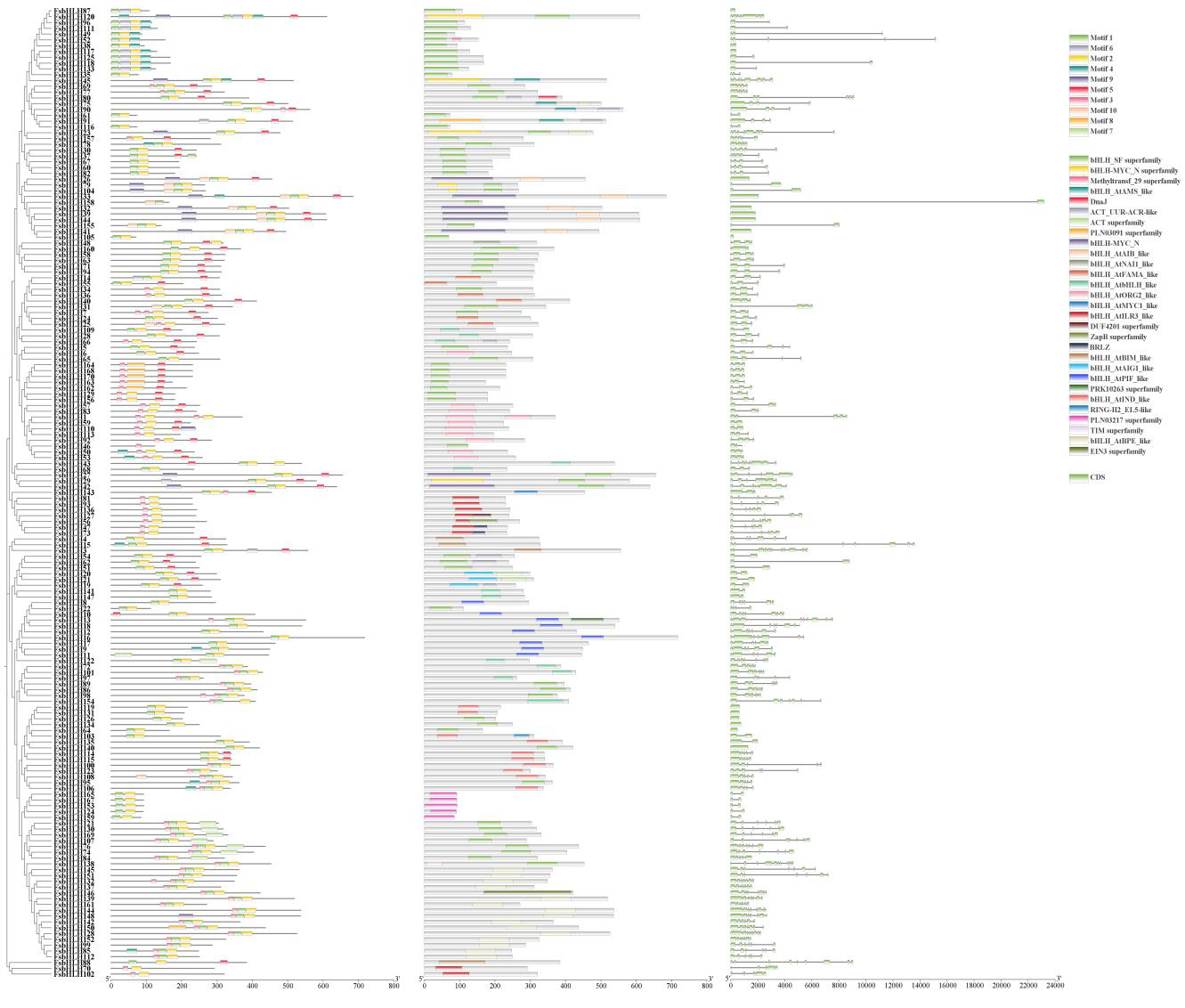
The bHLH transcription factor family in Forsythia suspensa was systematically identified and characterized using genomic data, yielding 170 members with complete HLH conserved domains distributed across 14 chromosomes. Protein lengths ranged from 67 to 885 amino acids, with relative molecular masses of 7,910.58 to 98,854.78 and theoretical isoelectric points of 4.71 to 10.44. Phylogenetic analysis classified these factors into 13 subfamilies, with subfamily III being the largest. Cis-acting element analysis revealed multiple light-, hormone-, and stress-responsive elements. Exogenous methyl jasmonate (MeJA) treatment of F. suspensa leaves followed by qRT-PCR within 48 h and correlation with phillygenin content identified FsbHLH26 and FsbHLH139 as likely key regulators of phillygenin biosynthesis and accumulation. These findings provide a foundation for elucidating the molecular mechanisms underlying phillygenin biosynthesis.

Identification and Expression Analysis of bHLH Transcription Factor Family Members in Forsythia suspensa
Graphical Abstract
Original ResearchVol 57, Issue 16 • pp. 100-112DOI: 10.7501/j.issn.0253-2670.2026.16.20261622Jan 15, 2026

Correlation Research of Corolla Non-Opening Phenotype with Cell Morphology and XTH/EXP-PME Expression Characteristics in Lonicera macranthoides

Authors: AO Zhijie, FU Xuesen, ZHOU Simin, QU Meiling, ZHU Jiayuan, YUAN Linxiang, ZHOU Ribao, LIU Xiangdan

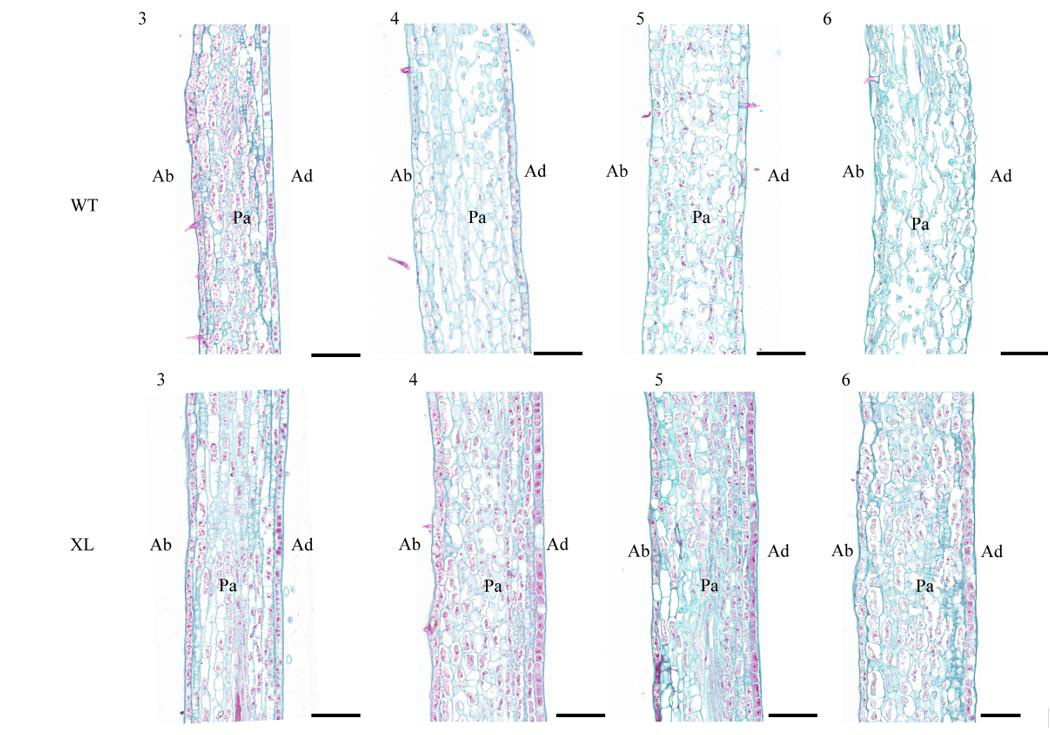
Dried flower buds or newly opened flowers of Lonicera macranthoides are used as Shanyinhua (Lonicerae Flos) for medicinal purposes. The Xianglei cultivar, developed from a natural mutant, exhibits a distinctive phenotype characterized by non-opening corolla and prolonged bud stage. This study aimed to elucidate the cellular and molecular mechanisms underlying this unique corolla phenotype. The flower of conventional cultivar (WT) and the Xianglei cultivar (XL) of L. macranthoides were used as materials. Corolla adaxial epidermal cells and longitudinal sections were observed using light microscopy. The expression patterns of xyloglucan endotransglucosylase/hydrolase genes (LmXTH6, LmXTH7, LmXTH33), expansin gene (LmEXP7), and pectin methylesterase genes (LmPME28, LmPME45) were analyzed by qRT-PCR. Protein-protein interaction networks were predicted using the STRING database. Ruthenium red staining coupled with Image J quantitative analysis was performed to assess the degree of pectin de-methylesterification in corolla cell walls. In the WT, the adaxial cells of corolla displayed a spatially sequential expansion, with the basal cells expanding first, followed by the middle cells. Moreover, the expansion rate of the adaxial cells is higher than that of the abaxial cells. In contrast, the expansion rate of adaxial cells in XL was significantly reduced, and the degree of cell expansion was not obvious. At the molecular level, LmXTH6, LmXTH7, and LmXTH33 were highly expressed in WT during the pre-anthesis and anthesis stages, but their expression was significantly inhibited in XL. LmEXP7 expression peaked before corolla opening in WT, while its expression was lower in XL during the same period. Ruthenium red staining results indicated that the overall degree of de-methylesterification in XL was higher than that in WT, consistent with the expression trends of LmPME28 and LmPME45. In conclusion, the non-opening corolla of the Xianglei cultivar is closely related to the inhibition of corolla cell expansion. The low expression of XTHs and EXP collectively leads to a decrease in the expansion capacity of Xianglei corolla cells, while the up-regulation of PMEs increases pectin de-methylesterification in the cell wall, potentially enhancing cell wall rigidity. The synergy of XTH/EXP-PME may be an important reason for the non-opening corolla of Xianglei, providing experimental evidence for the study of the regulatory mechanism of the excellent phenotype of Xianglei L. macranthoides and offering new insights into the cell wall regulatory mechanisms of plant floral organ morphogenesis.

Correlation Research of Corolla Non-Opening Phenotype with Cell Morphology and XTH/EXP-PME Expression Characteristics in Lonicera macranthoides
Graphical Abstract
Original ResearchVol 57, Issue 16 • pp. 100-112DOI: 10.7501/j.issn.0253-2670.2026.16.20261623Jan 15, 2026

Diversity Analysis and Functional Prediction of Endophytic Bacteria in Different Tissues of Duchesnea indica Based on Illumina High-Throughput Sequencing

Authors: ZHANG Hui, LI Guiwen, YANG Shengli, ZHU Lina, WANG Jingyu, XIAO Gongnian

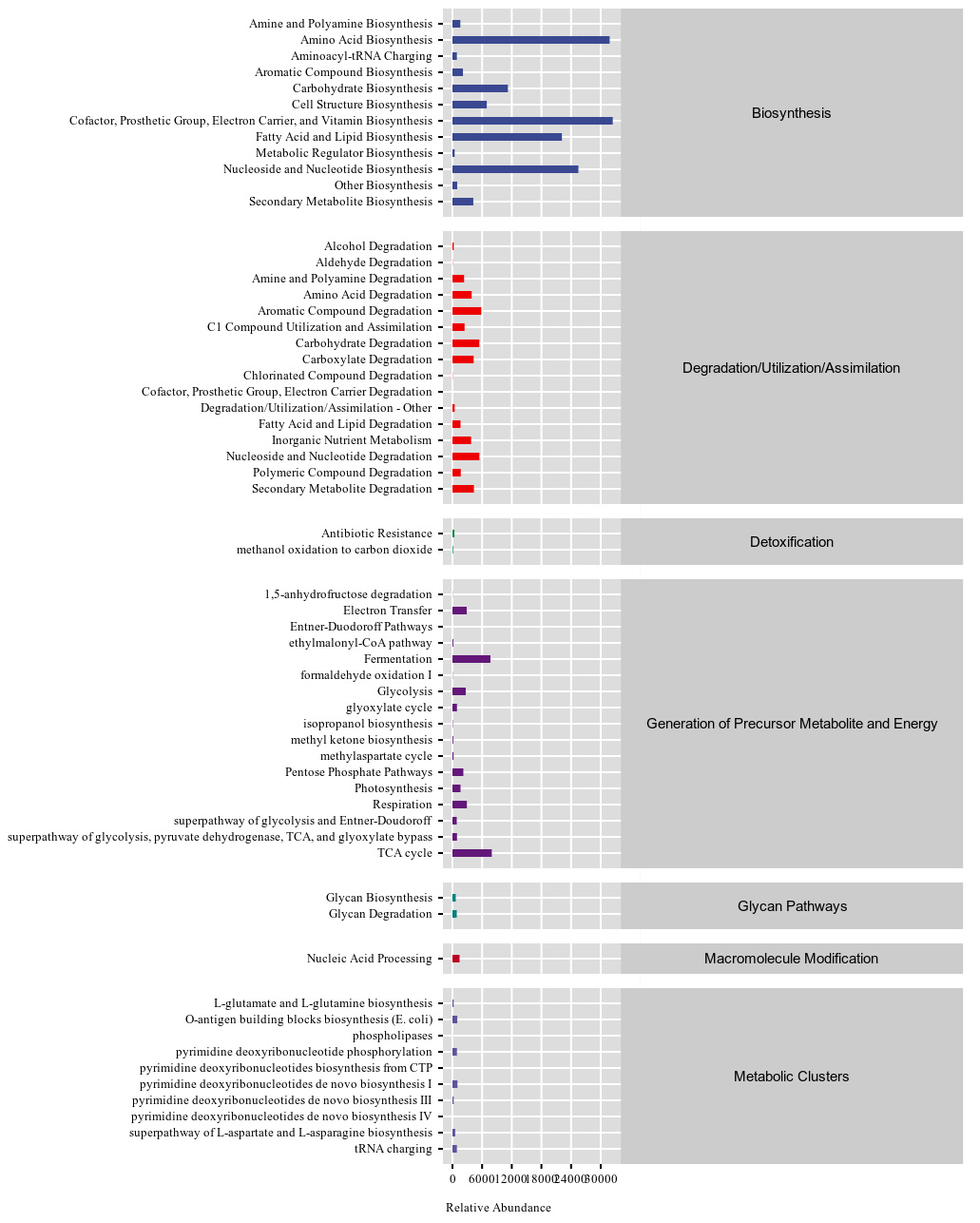
Endophytic bacterial communities associated with the medicinal plant Duchesnea indica were profiled across root, stem, leaf, and fruit tissues using Illumina paired-end high-throughput sequencing. A total of 1,914,360 raw sequences were generated and processed via DADA2 and Vsearch pipelines. At the phylum level, Proteobacteria dominated all tissues. Tissue-specific variation was pronounced: the stem harbored the highest richness, whereas the root exhibited the highest diversity. Sphingomonas was identified as a key biomarker discriminating intergroup differences and displayed a significant positive correlation with Pseudomonas. Both genera were principal contributors to the N10-formyltetrahydrofolate biosynthesis pathway. Leaf, fruit, and stem communities clustered with high similarity, while root communities were distinctly separated. Functional prediction indicated that Pseudomonas and Sphingomonas may act synergistically in secondary metabolite synthesis or host stress resistance. These findings establish a microbiological basis for the pharmacological activity of D. indica and suggest that endophytic community modulation could enhance the accumulation of bioactive flavonoids, triterpenoids, and polyphenols, offering a novel avenue for the sustainable development of traditional Chinese medicine resources.

Diversity Analysis and Functional Prediction of Endophytic Bacteria in Different Tissues of Duchesnea indica Based on Illumina High-Throughput Sequencing
Graphical Abstract
Original ResearchVol 57, Issue 16 • pp. 100-112DOI: 10.7501/j.issn.0253-2670.2026.16.20261619Jan 15, 2026

Multi-Tissue eQTL-MR Investigation of Organ-Specific Action Preference of Salvia miltiorrhiza in the Treatment of Heart Failure Under the Theory of Meridian Tropism

Authors: GUO Junchi, ZHANG Mingyan, WANG Qilong, XU Qiang, LU Meijuan

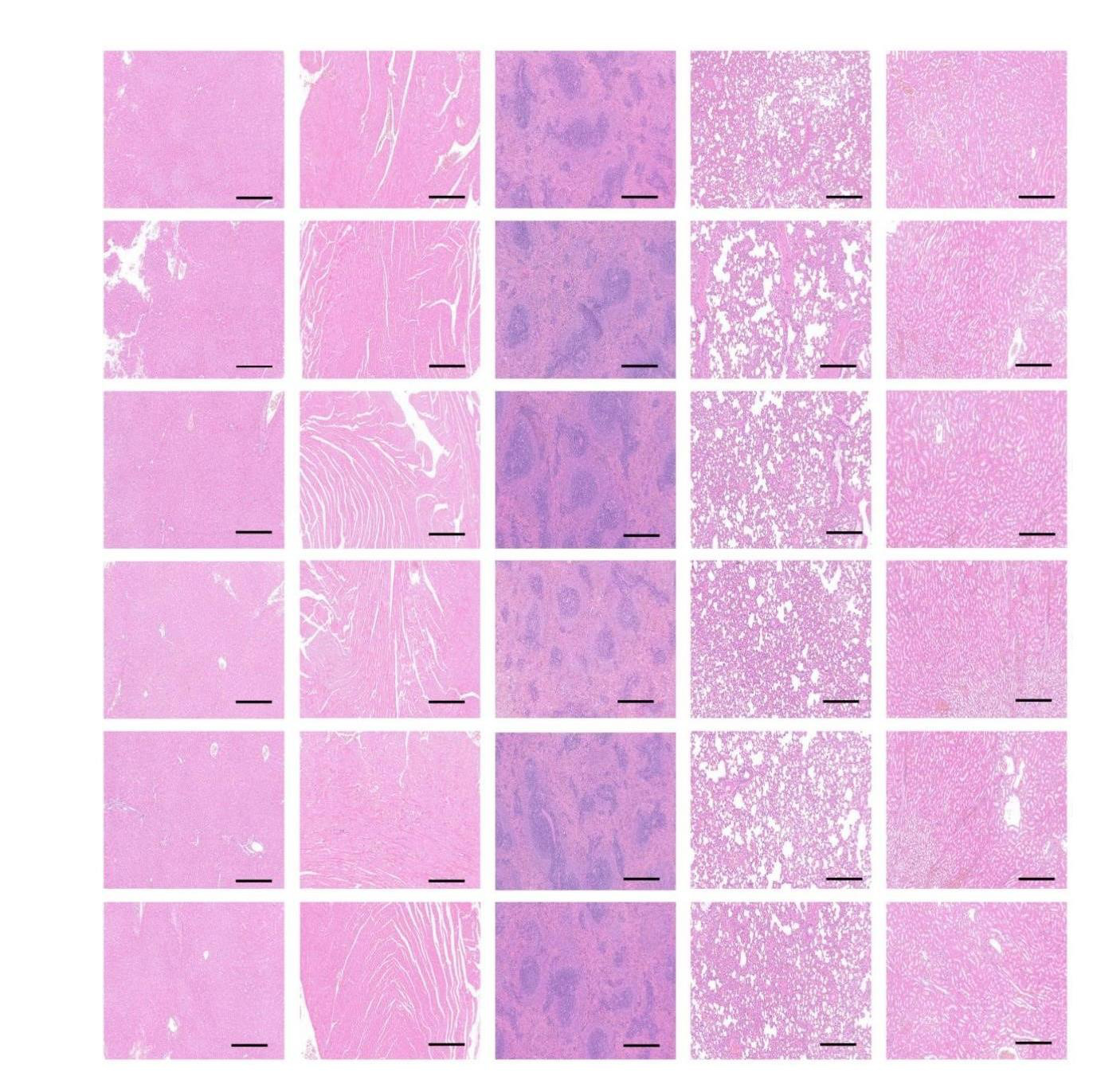
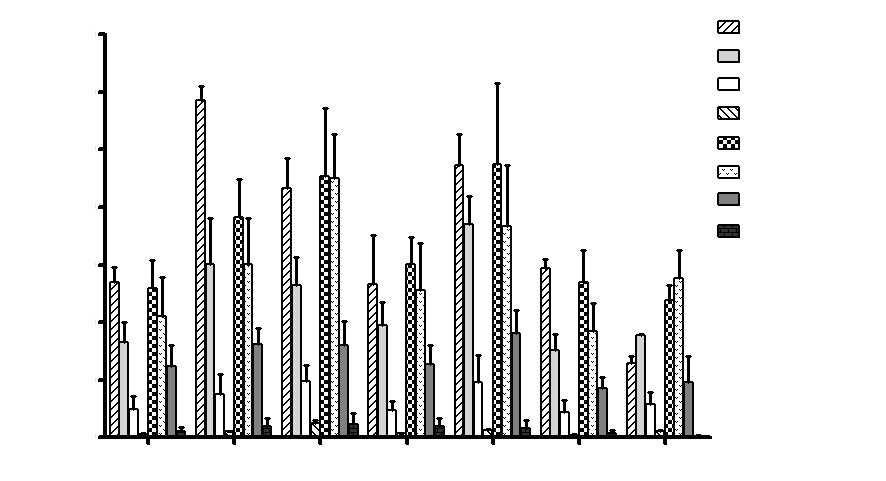
The therapeutic efficacy of Salvia miltiorrhiza against heart failure (HF) is empirically established, yet the organ-directed basis of its meridian tropism remains unquantified. This study integrated multi-tissue expression quantitative trait loci (eQTL) from the Genotype-Tissue Expression (GTEx) database with HF genome-wide association study (GWAS) data to evaluate tissue-specific causal effects of S. miltiorrhiza target genes in heart, liver, lung, and kidney. Active components were screened via TCMSP, ETCM, HERB, and literature, yielding predicted targets subjected to two-sample Mendelian randomization (MR). A volume of interest (VOI) index was constructed to quantify organ-oriented genetic contributions. MR analysis revealed that ALDH2, PDHB, and CETP exhibited elevated VOI in heart and liver, whereas PRKCA demonstrated strong pulmonary preference. CASP7 emerged as a cross-organ consistently protective gene, showing a directional effect toward reduced HF risk and significant downregulation in HF transcriptomic data. These findings establish an integrated meridian tropism–organ regulation–disease causality framework, providing quantitative evidence that S. miltiorrhiza acts predominantly on the heart and liver with ancillary pulmonary involvement. CASP7 is identified as a candidate mediator of cross-organ anti-HF effects, offering a tractable target for meridian-guided therapeutic development.

Multi-Tissue eQTL-MR Investigation of Organ-Specific Action Preference of Salvia miltiorrhiza in the Treatment of Heart Failure Under the Theory of Meridian Tropism
Graphical Abstract
Original ResearchVol 57, Issue 16 • pp. 100-112DOI: 10.7501/j.issn.0253-2670.2026.16.20261618Jan 15, 2026

Exploration on Medication Patterns and Mechanisms of National Patented Traditional Chinese Medicine Compound Prescriptions for Ischemic Stroke Based on Data Mining and In Silico Knockdown

Authors: PANG Jiahong, SUN Tao, QIN Lingling, ZHANG Haojun, ZHU Bin

This study systematically interrogated the China National Intellectual Property Administration patent database to identify candidate core herb combinations and therapeutic targets for ischemic stroke (IS), integrating cluster analysis, network pharmacology, molecular docking, molecular dynamics simulations, single-cell RNA sequencing, spatial transcriptomics, and CellOracle-based in silico knockdown. A core herb combination of Polygalae Radix, Acori Tatarinowii Rhizoma, Rhei Radix et Rhizoma, and Curcumae Radix was identified, yielding nine representative active components (1-hydroxyacoronene, aristolone, calamendiol, β-asarone, α-asarone, kaempferol, thymol, eugenol, caffeic acid) and six candidate targets (TNF, IL-6, AKT1, EGFR, MAPK1, PTGS2). Molecular docking and dynamics simulations indicated binding tendencies, with kaempferol-PTGS2 and kaempferol-EGFR complexes showing stability under simulated conditions. Single-cell and spatial transcriptomics revealed spatial concordance between high candidate target expression regions and macrophage/astrocyte distribution. CellOracle predicted that Jun/Fos and STAT3 transcription factors may regulate post-ischemic inflammatory responses and cell state transitions. The study constructs a mechanistic evidence chain linking core herbs, active components, candidate targets, and spatiotemporal validation, offering a modern biological interpretation of the 'Tongfu Xingshen' therapeutic principle. However, findings remain computational and require experimental validation; limitations include single-timepoint single-cell data (24 h post-MCAO), reliance on public databases, and lack of in vivo/in vitro efficacy experiments.

Exploration on Medication Patterns and Mechanisms of National Patented Traditional Chinese Medicine Compound Prescriptions for Ischemic Stroke Based on Data Mining and In Silico Knockdown
Graphical Abstract
Original ResearchVol 57, Issue 16 • pp. 100-112DOI: 10.7501/j.issn.0253-2670.2026.16.20261620Jan 15, 2026

Visualization Analysis of Knowledge Graph on Regulation of Mitochondrial Reactive Oxygen Species by Traditional Chinese Medicine Based on CiteSpace and VOSviewer

Authors: XIE Chunfang, XIAO Ruixuan, CHEN Guiyan, LI Hong, ZHANG Tian'e

This bibliometric investigation systematically maps the research landscape of traditional Chinese medicine (TCM) interventions targeting mitochondrial reactive oxygen species (mtROS) from database inception to March 31, 2026. A total of 1,026 Chinese and 649 English articles were retrieved from CNKI, Wanfang, VIP, and Web of Science Core Collection. CiteSpace, VOSviewer, and Bibliometrix were employed to analyze annual publication output, countries, institutions, authors, journals, and keywords, including co-occurrence clustering and burst detection. Results demonstrate sustained growth in annual publications, with China dominating the field, though domestic and international collaboration networks remain fragmented. Core research institutions include Heilongjiang University of Chinese Medicine, Henan University of Chinese Medicine, and Guangxi University of Chinese Medicine. The most productive journals are Chinese Journal of Experimental Traditional Medical Formulae and Journal of Ethnopharmacology. Top Chinese keywords are oxidative stress, mitochondria, TCM, Chinese herbal medicine, and mechanisms of action; top English keywords are oxidative stress, apoptosis, activation, TCM, and reactive oxygen species. Keyword burst analysis reveals a research frontier transition from basic antioxidant mechanisms toward network pharmacology, molecular docking, and ferroptosis. These findings provide data-driven guidance for subsequent mechanistic studies and research planning, highlighting the need for strengthened cross-disciplinary cooperation.

Visualization Analysis of Knowledge Graph on Regulation of Mitochondrial Reactive Oxygen Species by Traditional Chinese Medicine Based on CiteSpace and VOSviewer
Graphical Abstract
Original ResearchVol 57, Issue 16 • pp. 100-112DOI: 10.7501/j.issn.0253-2670.2026.16.20261616Jan 15, 2026

Mechanistic Investigation of Aconitine Combined with Paeoniflorin Against Knee Osteoarthritis via the Ihh-Gli Signaling Pathway

Authors: YU Yueyue, ZHAO Heli, WANG Yiran, CHENG Hangjie, MENG Zihan, ZHANG Xu, LI Ji'an, ZHANG Yixin

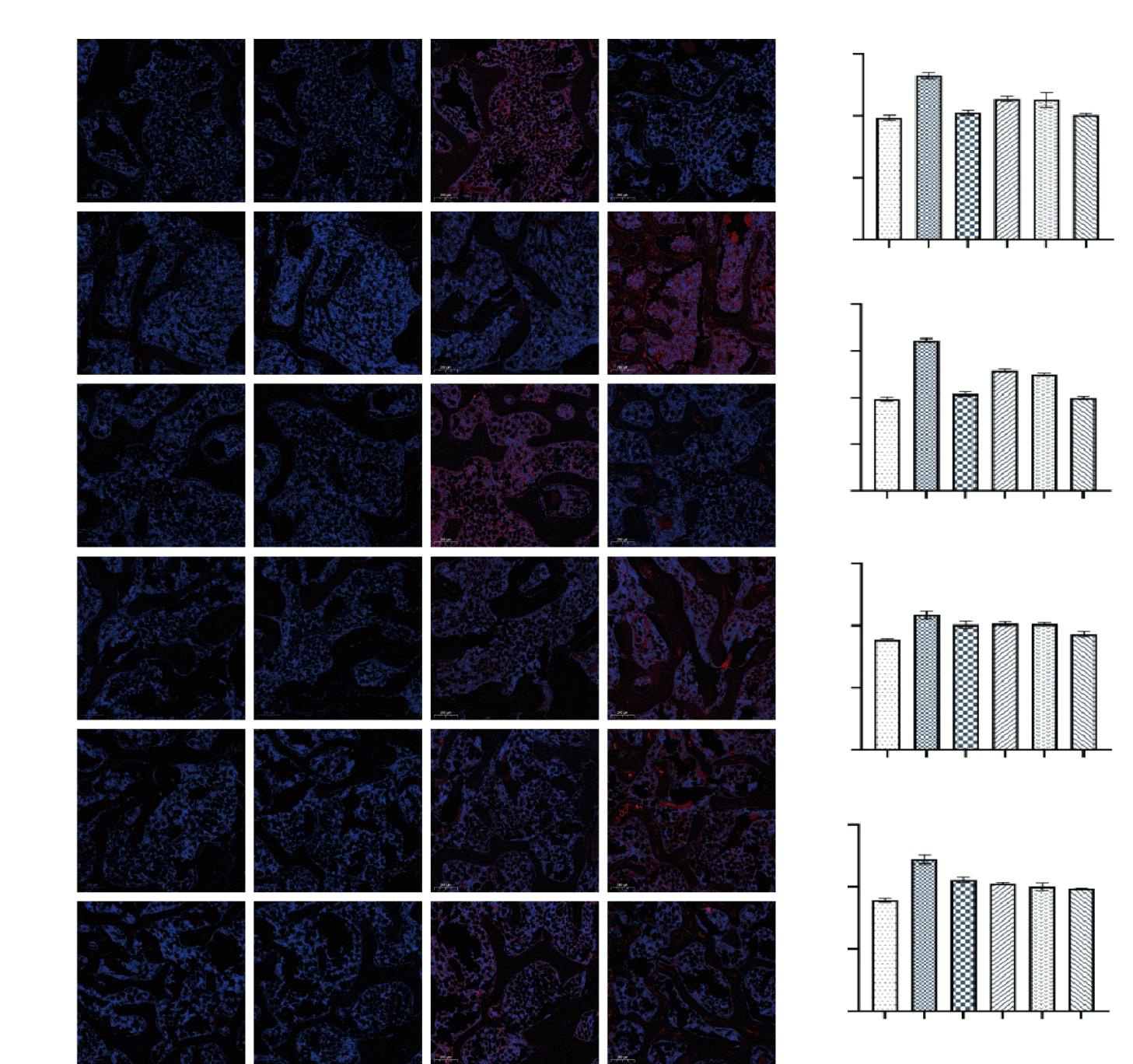
This study interrogates the therapeutic efficacy and molecular mechanism of aconitine combined with paeoniflorin in a rat model of knee osteoarthritis (KOA), focusing on the Indian hedgehog (Ihh)-glioma-associated oncogene homolog (Gli) signaling axis. Anterior cruciate ligament transection (ACLT) was performed on male rats, which were then allocated to sham, model, celecoxib (24 mg/kg), and three aconitine-paeoniflorin dose groups (5+50, 10+100, 20+200 μg/kg; n=10 per group). Behavioral tests, hematoxylin-eosin staining, micro-computed tomography, ELISA for matrix metalloproteinase 13 (MMP13) and type II collagen (Col II), immunofluorescence, and qRT-PCR for Ihh, Gli, patched 1 (Ptch1), and MMP13 were conducted. Molecular docking assessed binding affinities. Safety was evaluated via serum aspartate aminotransferase, creatinine, blood urea nitrogen, urinary protein, and histopathology of heart, liver, and kidney. Results demonstrated that the combination significantly elevated mechanical and thermal pain thresholds (P<0.05, 0.01, 0.001), restored cartilage matrix integrity, improved bone microarchitecture, decreased serum MMP13, and increased Col II (P<0.05, 0.01, 0.001). Ihh, Gli, Ptch1, and MMP13 protein and gene expressions were markedly downregulated (P<0.05, 0.01, 0.001). Docking confirmed binding energies ≤−5 kcal/mol for aconitine and paeoniflorin with Ihh, Gli, ADAMTS5, and MMP13. No significant hepatic, renal, or cardiac toxicity was observed. The combination inhibits aberrant Ihh-Gli pathway activation, suppresses cartilage matrix degradation, and offers a safer, multi-target alternative to celecoxib for KOA management.

Mechanistic Investigation of Aconitine Combined with Paeoniflorin Against Knee Osteoarthritis via the Ihh-Gli Signaling Pathway
Graphical Abstract
Original ResearchVol 57, Issue 16 • pp. 100-112DOI: 10.7501/j.issn.0253-2670.2026.16.20261613Jan 15, 2026

Mechanism of Colla Corii Asini on Improving D-Galactose-Induced Skin Aging and Microvascular Homeostasis via the Tie2/Ang/VE-cadherin Signaling Axis

Authors: ZHAO Yujia, SUN Yanan, GAO Xinyu, LIU Haibin, WANG Yi

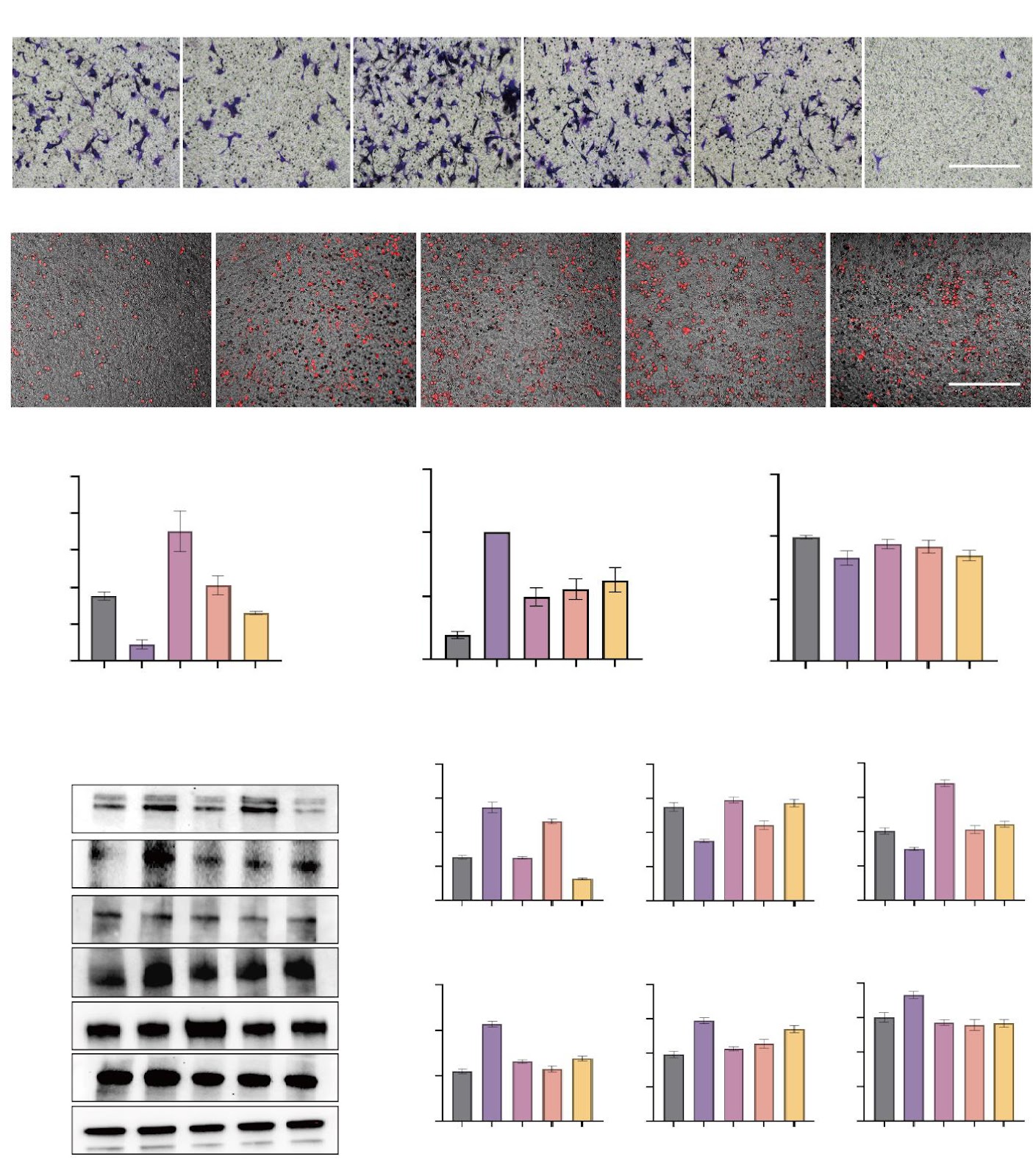
D-galactose-induced premature aging in mice and H2O2-stressed human umbilical vein endothelial cells (HUVEC) were used to evaluate Colla Corii Asini (CCA) at 270.3 mg/kg (8-week oral gavage) and 62.5–250.0 μg/mL (24-h pretreatment), respectively. CCA restored skin architecture, increased epidermal/dermal thickness and collagen volume fraction (P<0.01, 0.001), improved perfusion, reduced disorganized angiogenesis, elevated PDGFRβ and serum Ang1/Ang2 ratio (P<0.001), and suppressed IL-1β, CXCL1, and TNF-α (P<0.001). In HUVEC, CCA reduced SA-β-gal positivity and ROS (P<0.001), downregulated SASP/inflammatory genes (P<0.01, 0.001), upregulated p-Tie2 and VE-cadherin (P<0.001), downregulated p53, p21, Tie2, and VEGFA (P<0.05, 0.001), increased Ang1/Ang2 (P<0.05, 0.01), and enhanced pericyte recruitment and endothelial barrier integrity. The data indicate that CCA mitigates skin aging and microvascular instability through modulation of the Tie2/Ang/VE-cadherin axis, providing a multi-target natural intervention for age-related microcirculatory dysfunction.

Mechanism of Colla Corii Asini on Improving D-Galactose-Induced Skin Aging and Microvascular Homeostasis via the Tie2/Ang/VE-cadherin Signaling Axis
Graphical Abstract
Original ResearchVol 57, Issue 16 • pp. 100-112DOI: 10.7501/j.issn.0253-2670.2026.16.20261614Jan 15, 2026

Mechanistic Investigation of the Iridoid Fraction from Morinda officinalis in the Treatment of Aging-Related Sarcopenia via the PI3K/Akt/mTOR Signaling Pathway

Authors: WANG Xinying, HE Jingjing, LIAN Xiaodi, LI Hui, CAI Xueting, LI Yao, FAN Yongchun, ZHAO Chenglei

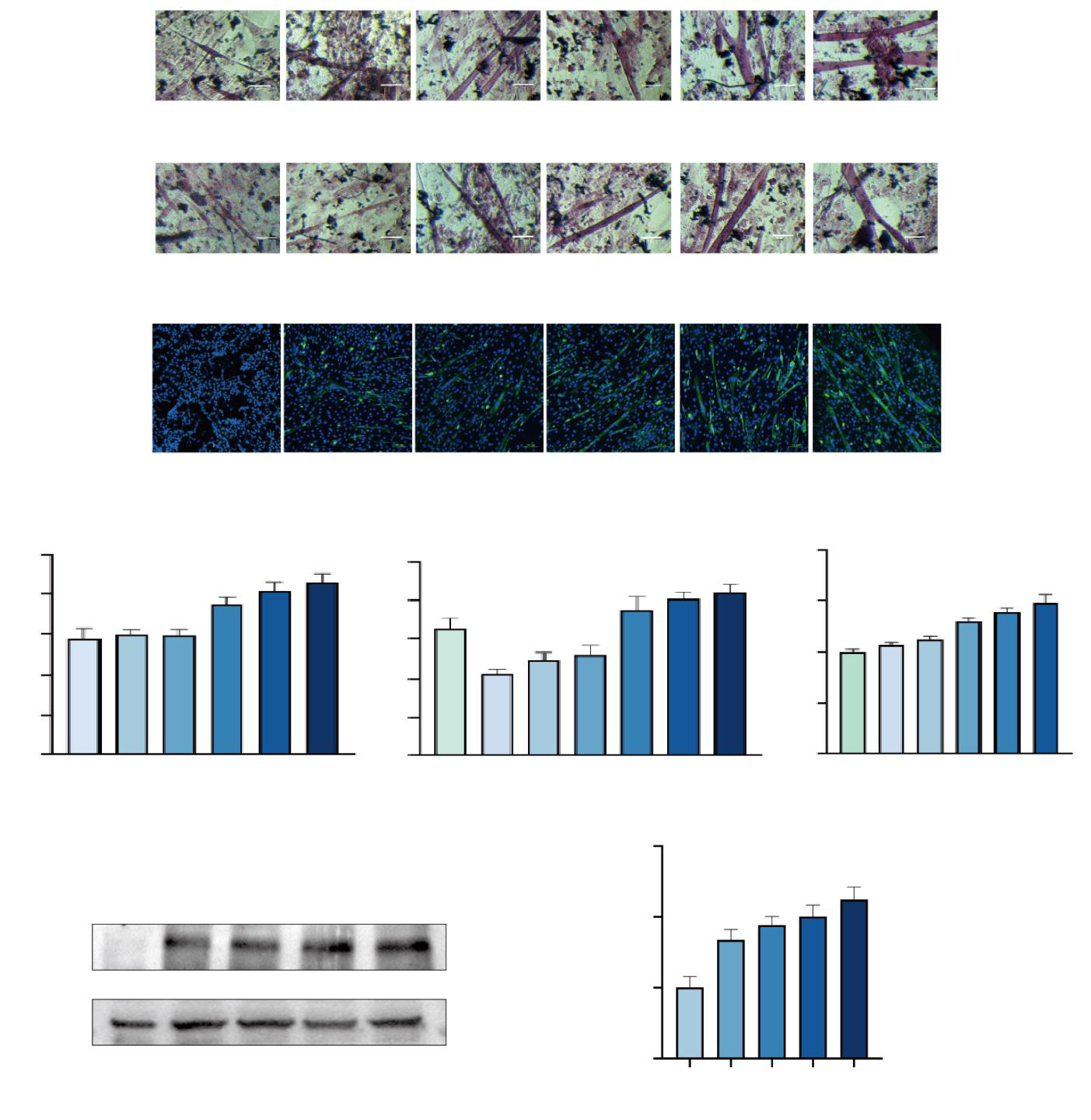
Aging-related sarcopenia remains a clinical challenge due to limited effective interventions. This study systematically evaluated the therapeutic potential of the iridoid fraction from Morinda officinalis and elucidated its mechanism via the PI3K/Akt/mTOR pathway. Using monotropein and deacetylasperulosidic acid as markers, extraction was optimized with 60% ethanol under heated reflux, yielding the highest iridoid content. Purification employed H103 macroporous resin with water as eluent, achieving maximal recovery. In vitro, the fraction significantly ameliorated D-galactose-induced C2C12 myotube atrophy (P < 0.001) and promoted myotube differentiation (P < 0.05, 0.01, 0.001), as evidenced by MYHC expression. In vivo, D-galactose-accelerated aging mice treated with the fraction exhibited increased limb grip strength and hindlimb muscle mass-to-body weight ratio (P < 0.05, 0.01, 0.001), along with expanded cross-sectional area of tibialis anterior and gastrocnemius muscles (P < 0.01, 0.001). Transcriptomic and network pharmacology analyses implicated the PI3K/Akt pathway. Western blotting and qRT-PCR confirmed upregulation of key proteins and genes (PIK3CA, AKT1, mTOR) in the pathway (P < 0.05, 0.01, 0.001), while the PI3K inhibitor LY294002 reversed these effects (P < 0.05). These findings demonstrate that the iridoid fraction from M. officinalis mitigates aging-related sarcopenia through PI3K/Akt/mTOR signaling, providing a promising candidate for clinical translation.

Mechanistic Investigation of the Iridoid Fraction from Morinda officinalis in the Treatment of Aging-Related Sarcopenia via the PI3K/Akt/mTOR Signaling Pathway
Graphical Abstract
Original ResearchVol 57, Issue 16 • pp. 100-112DOI: 10.7501/j.issn.0253-2670.2026.16.20261612Jan 15, 2026

Effect and Mechanism of Cuttlebone/Bovine Serum Albumin Photocrosslinked Hydrogel on Promoting Bone Healing

Authors: WU Sixian, ZHUO Tao, WANG Guowei, LI Mengying, HE Yi, LIU Jianhang

Critical-sized bone defects (CSBD) remain a clinical bottleneck due to insufficient osteogenic drive and uncontrolled degradation of current grafts. This study evaluates a photocrosslinked hydrogel composed of cuttlebone (CB) and bovine serum albumin (BSA) for repairing 5 mm rat calvarial CSBD. SD rats were randomized into control, positive control (Bio-Oss® Collagen), BSA, 0.5% CB/BSA, 1.5% CB/BSA, and 3.0% CB/BSA groups (n=6). After 8 weeks, micro-CT revealed no new bone in controls, whereas all CB/BSA groups exhibited significant increases in bone volume fraction, bone mineral density, and trabecular thickness (P<0.05), with reduced bone surface-to-volume ratio (P<0.05). Histology confirmed new bone formation in hydrogel groups versus loose fibrous tissue in controls. Immunohistochemistry and immunofluorescence showed elevated COL1A1, PECAM-1, and OCN expression (P<0.05). qRT-PCR and Western blotting demonstrated upregulation of WNT3A, β-catenin, VEGFA, COL1A1, PECAM-1, and OCN (P<0.05). The 3.0% CB/BSA group exhibited the most pronounced osteogenic effect. Blood routine and serum liver/kidney function tests showed no abnormalities, and major organs displayed no inflammation, necrosis, or fibrosis. These findings indicate that CB/BSA photocrosslinked hydrogel promotes bone repair with favorable in vivo safety, likely through activation of the Wnt/β-catenin signaling pathway.

Effect and Mechanism of Cuttlebone/Bovine Serum Albumin Photocrosslinked Hydrogel on Promoting Bone Healing
Graphical Abstract
Original ResearchVol 57, Issue 16 • pp. 100-112DOI: 10.7501/j.issn.0253-2670.2026.16.20261617Jan 15, 2026

Pharmacokinetic Behavior of Tetrahydropalmatine via Different Administration Routes in a Rat Model of Neuropathic Pain and Its Analgesic Effect in Mice

Authors: ZHANG Wei, YANG Huajiao, LIU Hongwei, QIU Xilong, SHANG Haihua

This study systematically compared the pharmacokinetic behavior and tissue distribution of tetrahydropalmatine (THP) following intragastric (ig) and intraperitoneal (ip) administration in a rat model of neuropathic pain, and evaluated analgesic efficacy against acute thermal pain in mice using the hot-plate test. A rapid, sensitive LC-MS/MS method was validated for THP quantification in plasma and tissues (heart, liver, brain, lung, kidney), with linearity from 0.5 to 1250.0 ng/mL (r = 0.9993) and acceptable precision, accuracy, and matrix effects. Non-compartmental analysis using WinNonlin 7.0 revealed that ip administration achieved faster absorption and higher bioavailability than ig. At 4 mg/kg, ip administration yielded a tmax of 0.21 ± 0.08 h, comparable to ig (0.25 ± 0.00 h), but significantly greater AUC0–t. Tissue distribution showed widespread THP exposure, with ip producing higher concentrations in liver, kidney, and plasma at multiple time points; liver and kidney were primary enrichment organs, with notable brain exposure. In the hot-plate test, both routes significantly prolonged licking latency, but ip administration produced superior analgesia. At 4 and 20 mg/kg, ip significantly increased latency at 0.5 and 1.0 h (P < 0.05), whereas ig required 2 h (4 mg/kg) or 1 h (20 mg/kg) to achieve significance (P < 0.05), indicating faster onset for ip. The study confirms that ip administration offers faster absorption, higher bioavailability, and more rapid tissue distribution, with pharmacodynamic responses consistent with pharmacokinetic exposure. These findings provide a pharmacokinetic and pharmacodynamic basis for clinical route selection and dose optimization of THP.

Pharmacokinetic Behavior of Tetrahydropalmatine via Different Administration Routes in a Rat Model of Neuropathic Pain and Its Analgesic Effect in Mice
Graphical Abstract
Original ResearchVol 57, Issue 16 • pp. 100-112DOI: 10.7501/j.issn.0253-2670.2026.16.20261615Jan 15, 2026

Mechanism of Schisandrin B in Alleviating Pyroptosis of Epithelial Cells in Rats with Ulcerative Colitis Based on Regulation of NLRP3/Caspase-1/GSDMD Signaling Pathway by Autophagy

Authors: LI Huan, SHI Menghua, WANG Zhixin, YANG Qingyun, GUO Haixia, WANG Jie, ZHANG Shuangxi, AN Yongkang, ZHANG Xiangan

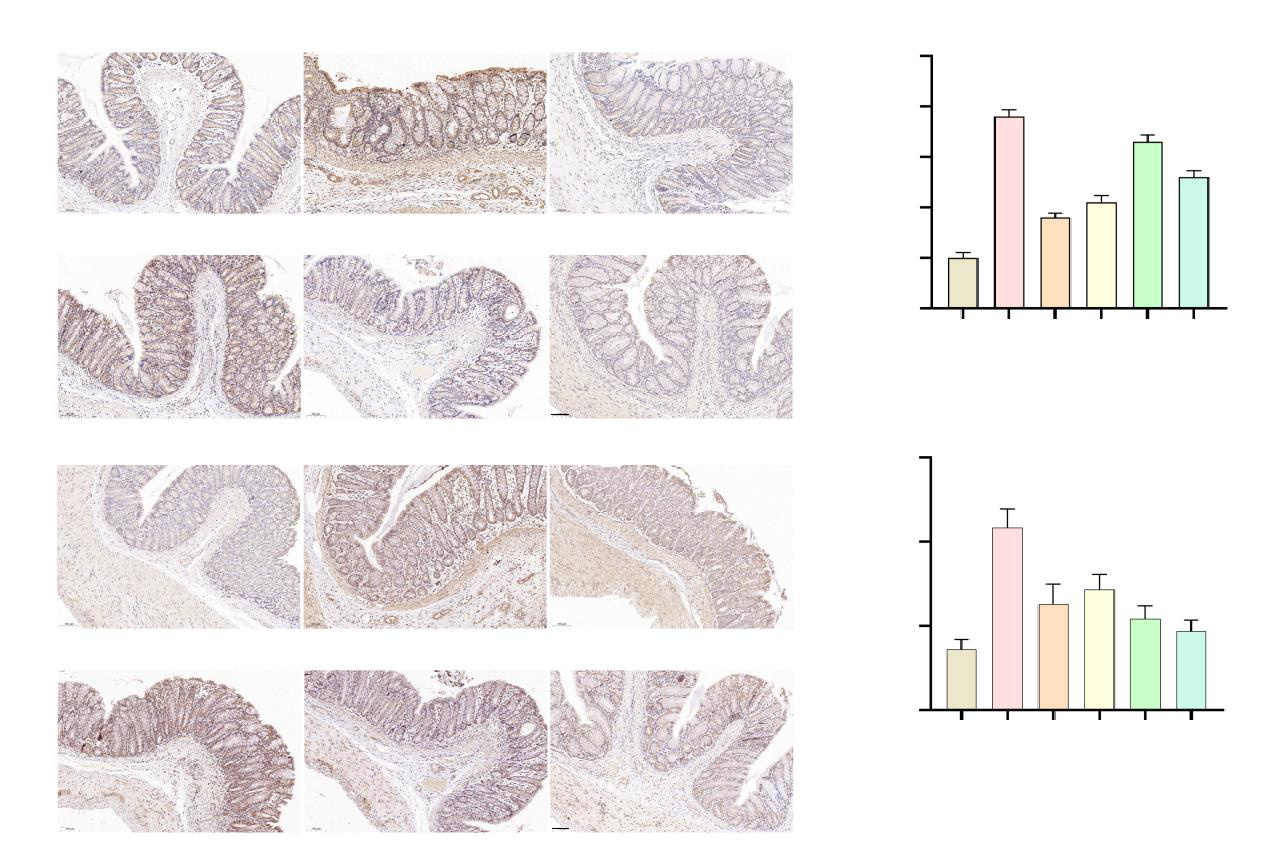
Ulcerative colitis (UC) remains a clinical challenge due to inadequate mucosal healing and high relapse rates. This study investigates the therapeutic efficacy of schisandrin B (Sch B) in a 2,4,6-trinitrobenzenesulfonic acid (TNBS)-induced rat model of UC, focusing on the interplay between autophagy and pyroptosis. SD rats were randomized into control, model, mesalazine (100 mg/kg), and Sch B low-, medium-, and high-dose (10, 20, 50 mg/kg) groups (n=10 per group). After 14 days of treatment, disease activity index (DAI), colon length, and colon mucosa damage index (CMDI) were assessed. Histopathology, serum cytokine levels (TNF-α, IL-6, IL-1β), and protein expression of autophagy markers (Beclin-1, LC3B, ATG16L1, p62) and pyroptosis pathway components (NLRP3, Caspase-1, GSDMD) were evaluated. Sch B significantly ameliorated weight loss, hematochezia, and colon shortening (P<0.05, 0.01), reduced DAI and CMDI scores, and attenuated mucosal edema, ulceration, and inflammatory infiltration. Serum IL-6, TNF-α, and IL-1β levels were markedly decreased (P<0.05, 0.01). Sch B upregulated Beclin-1 and increased LC3-II/I ratio (P<0.01), while downregulating ATG16L1, p62, NLRP3, Caspase-1, and GSDMD (P<0.05, 0.01). These findings indicate that Sch B restores autophagic flux homeostasis, thereby suppressing NLRP3/Caspase-1/GSDMD-mediated pyroptosis and reducing pro-inflammatory cytokine release. The normalization of autophagic flux is a critical upstream mechanism for Sch B's inhibition of colonic epithelial pyroptosis, offering a multi-target therapeutic strategy for UC.

Mechanism of Schisandrin B in Alleviating Pyroptosis of Epithelial Cells in Rats with Ulcerative Colitis Based on Regulation of NLRP3/Caspase-1/GSDMD Signaling Pathway by Autophagy
Graphical Abstract
Original ResearchVol 57, Issue 16 • pp. 100-112DOI: 10.7501/j.issn.0253-2670.2026.16.20261611Jan 15, 2026

Quality Evaluation of Standard Decoction of Viticis Negundo Folium Based on Multi-Dimensional Quality Characterization Technology

Authors: LIU Xichan, HUANG Bo, WU Bingyan, CAI Jing, HUANG Qingquan, WU Yuqiang, LUO Yi

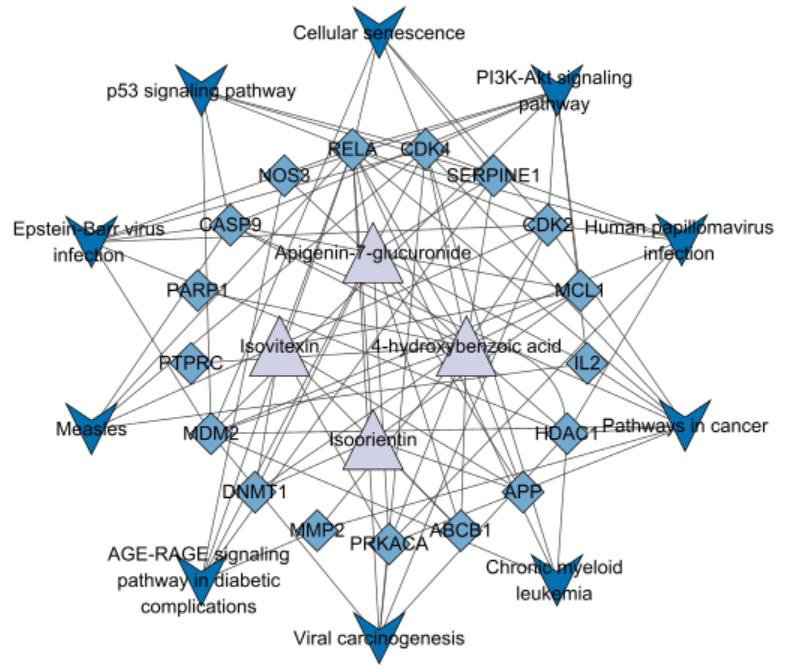
This study establishes a multi-dimensional quality evaluation system for the standard decoction of Viticis Negundo Folium (VNF) by integrating characteristic chromatogram, network pharmacology, and quantitative analysis to identify quality markers (Q-Markers) for bronchitis treatment. UPLC analysis using a Cortecs C18 column (100 mm × 2.1 mm, 2.7 μm) with acetonitrile-0.1% phosphoric acid gradient elution (0–9 min, 3%–16% A; 9–21 min, 16%–20% A; 21–22 min, 20%–65% A; 22–23 min, 65% A; 23–29 min, 65%–95% A) at 270 nm, 35 °C, 0.3 mL/min, and 2 μL injection volume resolved nine characteristic peaks, with four identified as p-hydroxybenzoic acid, isoorientin, isovitexin, and apigenin-7-O-β-D-glucuronide (AG). Network pharmacology predicted key targets (MMP2, RELA, HDAC1, SERPINE1) and pathways (cellular senescence, AGE-RAGE, PI3K-Akt, EB virus infection) linked to bronchitis. Quantitative analysis of 15 batches revealed average contents in standard decoction of 18.98, 9.13, 4.72, and 1.64 mg/g for the four compounds, respectively, with transfer rates from decoction pieces of 118.83%, 24.61%, 54.75%, and 19.81%. The method is accurate, reliable, and demonstrates uniform and stable quantity transfer, providing a basis for quality control and mechanistic elucidation of VNF standard decoction.

Quality Evaluation of Standard Decoction of Viticis Negundo Folium Based on Multi-Dimensional Quality Characterization Technology
Graphical Abstract
Original ResearchVol 57, Issue 16 • pp. 100-112DOI: 10.7501/j.issn.0253-2670.2026.16.20261606Jan 15, 2026

Study on Variation Patterns of Volatile Components in Sichuan-Origin Zingiberis Rhizoma Recens and Its Processed Products and Their Binding Characteristics for Pungent Taste Receptors

Authors: YANG Xiujuan, JI Qingyun, WANG Jiajia, TIAN Yihong, YANG Zhijun, DUAN Guojian, LI Shuo, LI Yuefeng

This study systematically investigated the dynamic changes in volatile components of Sichuan-origin Zingiberis Rhizoma Recens (ZRR) and its processed products—Ganjiang (ZR), Paojiang (ZRP), and Jiangtan (ZRC)—using electronic bionic sensing, gas chromatography-mass spectrometry (GC-MS), and molecular dynamics simulations. Electronic tongue analysis revealed significant taste differences among samples. GC-MS identified 15 common chemical constituents across all products, with 14 volatile compounds unique to ZRR, 8 to ZR, 1 to ZRP, and 5 to ZRC, predominantly terpenoids. Processing decreased monoterpene content while increasing most sesquiterpenes; elemol and curcumenol converted to β-elemene and α-curcumene. Molecular docking and dynamics simulations demonstrated that sesquiterpenes exhibited superior binding affinity to the TRPV1 pungent receptor compared to monoterpenes. β-Eudesmol and curcumenol formed stable hydrogen-bond networks with LEU-1383 and ILE-1441 residues of the 8GFA protein, governed primarily by van der Waals forces, electrostatics, and hydrogen bonding. These findings indicate that the enhanced pungency after processing is attributable to sesquiterpenoids, providing a molecular basis for the altered medicinal properties of processed ginger. The study acknowledges limitations regarding unclear transformation pathways and unexamined olfactory characteristics, suggesting future integration of metabolomics, cellular assays, and electronic nose technology.

Study on Variation Patterns of Volatile Components in Sichuan-Origin Zingiberis Rhizoma Recens and Its Processed Products and Their Binding Characteristics for Pungent Taste Receptors
Graphical Abstract
Original ResearchVol 57, Issue 16 • pp. 100-112DOI: 10.7501/j.issn.0253-2670.2026.16.20261610Jan 15, 2026

Preparation, Pharmacokinetics and Hypoglycemic Effects Evaluation of Diosgenin-Rebaudioside A Self-Assembled Nanomicelles Based on the 'Combined Drug-Excipient' Strategy

Authors: CAI Lijun, WANG Haijun, ZHANG Li, DING Shuming, JUE Lili

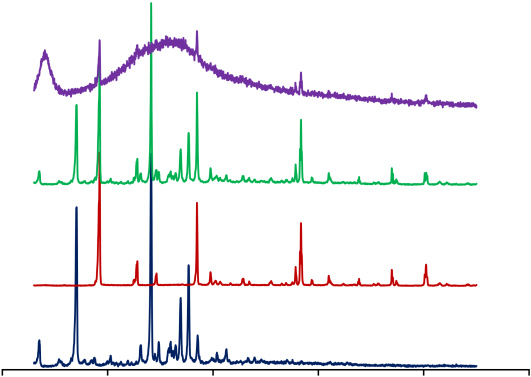
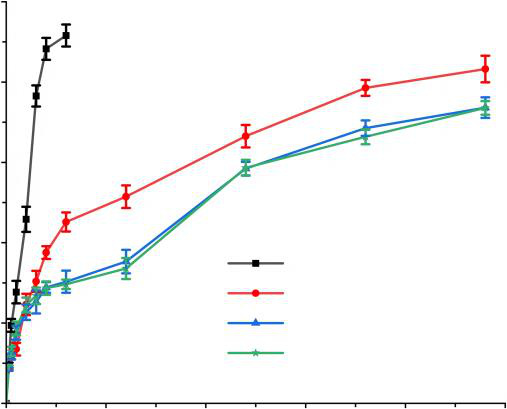
Diosgenin (Dio) suffers from poor aqueous solubility and low oral bioavailability, limiting its clinical translation. This study developed diosgenin-rebaudioside A self-assembled nanomicelles (Dio-Reb A-SNM) using a combined drug-excipient strategy. Box-Behnken design-response surface methodology optimized the formulation: rebaudioside A to diosgenin ratio 12.32:1, diosgenin concentration 1.97 mg/mL, ultrasonic time 20.20 min. The optimized Dio-Reb A-SNM exhibited an encapsulation efficiency of 93.59±0.63%, drug loading of 5.65±0.07%, particle size of 25.66±1.76 nm, and zeta potential of -24.59±1.18 mV. Transmission electron microscopy revealed spherical morphology, and X-ray powder diffraction confirmed amorphization of diosgenin. The nanomicelles significantly enhanced saturated solubility across pH media and demonstrated sustained release (90.94% cumulative release at 18 h) fitting a Weibull model. Pharmacokinetic studies in SD rats showed that Dio-Reb A-SNM achieved a tmax of 2.06±0.29 h, t1/2 of 8.39±1.94 h, and increased Cmax and relative bioavailability by 3.59-fold and 6.82-fold, respectively, compared to free diosgenin. In a type 2 diabetes mellitus rat model, Dio-Reb A-SNM (30 mg/kg) significantly reduced blood glucose (P<0.01) and serum AST, ALT, urea nitrogen, and creatinine levels (P<0.01), with attenuated hepatic and renal pathological injury. These findings demonstrate that Dio-Reb A-SNM markedly improves oral absorption and hypoglycemic efficacy of diosgenin, providing a promising formulation strategy.

Preparation, Pharmacokinetics and Hypoglycemic Effects Evaluation of Diosgenin-Rebaudioside A Self-Assembled Nanomicelles Based on the 'Combined Drug-Excipient' Strategy
Graphical Abstract
Original ResearchVol 57, Issue 16 • pp. 100-112DOI: 10.7501/j.issn.0253-2670.2026.16.20261604Jan 15, 2026

UPLC-MS/MS Metabolomics Profiling of Differential Chemical Constituents and Blood-Absorbed Components Between Raw and Steamed Rhei Radix et Rhizoma

Authors: XIA Xuejie, SUN Shuding, LIU Xuefang, ZHAO Di, LI Rongrong, FENG Suxiang

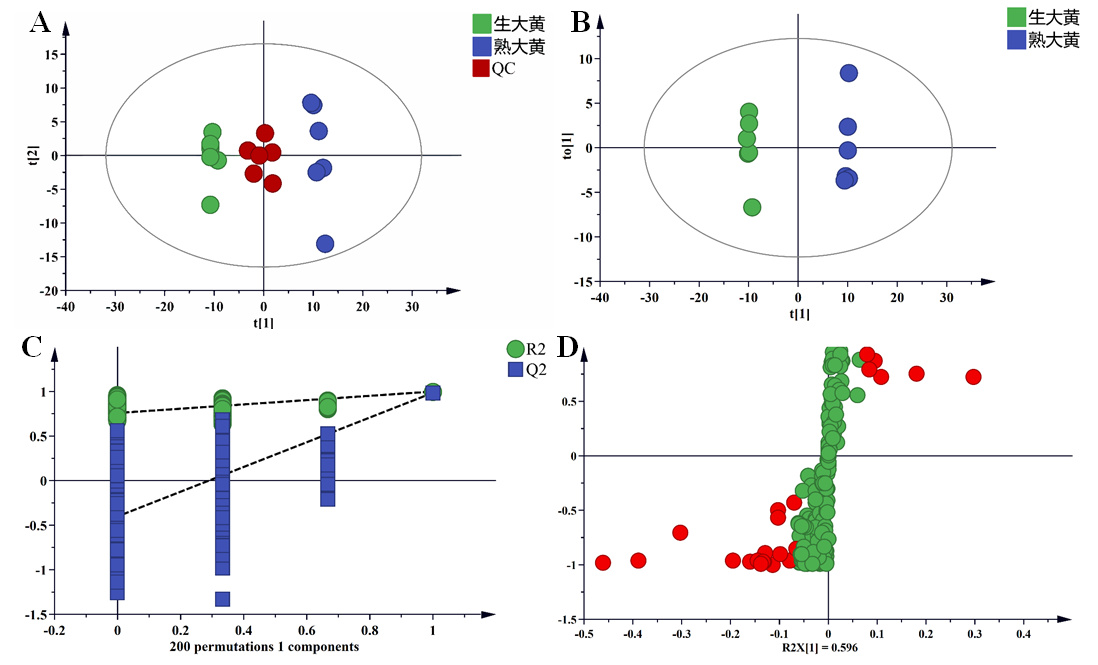
Processing-induced alterations in the material basis of Rhei Radix et Rhizoma were systematically interrogated using UPLC-MS/MS metabolomics coupled with multivariate statistical analysis. In vitro profiling of raw and steamed Rhei Radix et Rhizoma identified 201 constituents, comprising 45 anthraquinones, 43 tannins, 52 flavonoids, 21 stilbenes, 12 phenolic acids, 7 phenylpropanoids, 3 chromones, 2 aromatic aldehydes, and 16 miscellaneous compounds. Twenty-three components exhibited significant differential abundance (P < 0.05) following steaming: seven, including chrysophanol, gallic acid, and catechin, were significantly upregulated, whereas sixteen, including aloe-emodin-1-O-β-D-glucopyranoside, sennoside A, and proanthocyanidins, were significantly downregulated. Serum pharmacochemistry identified 94 migrated components, encompassing 36 prototype compounds and 58 metabolites, with 11 differential constituents detected in vivo between raw and steamed preparations. Steamed Rhei Radix et Rhizoma displayed elevated serum concentrations of select prototypes and metabolites, notably the tannin monomer gallic acid and phase-II anthraquinone metabolites, relative to the raw form. These findings demonstrate that steaming drives the conversion of bound anthraquinones to free aglycones, depolymerization of hydrolyzable tannins into monomeric units, and dynamic interconversion between condensed tannins and flavonoid aglycones. The processing-induced chemical transformation profile provides a mechanistic foundation for the differential therapeutic indications of raw versus steamed Rhei Radix et Rhizoma, supporting quality control strategies and clinical differentiation in purgative versus blood-activating applications.

UPLC-MS/MS Metabolomics Profiling of Differential Chemical Constituents and Blood-Absorbed Components Between Raw and Steamed Rhei Radix et Rhizoma
Graphical Abstract
Original ResearchVol 57, Issue 16 • pp. 100-112DOI: 10.7501/j.issn.0253-2670.2026.16.20261603Jan 15, 2026

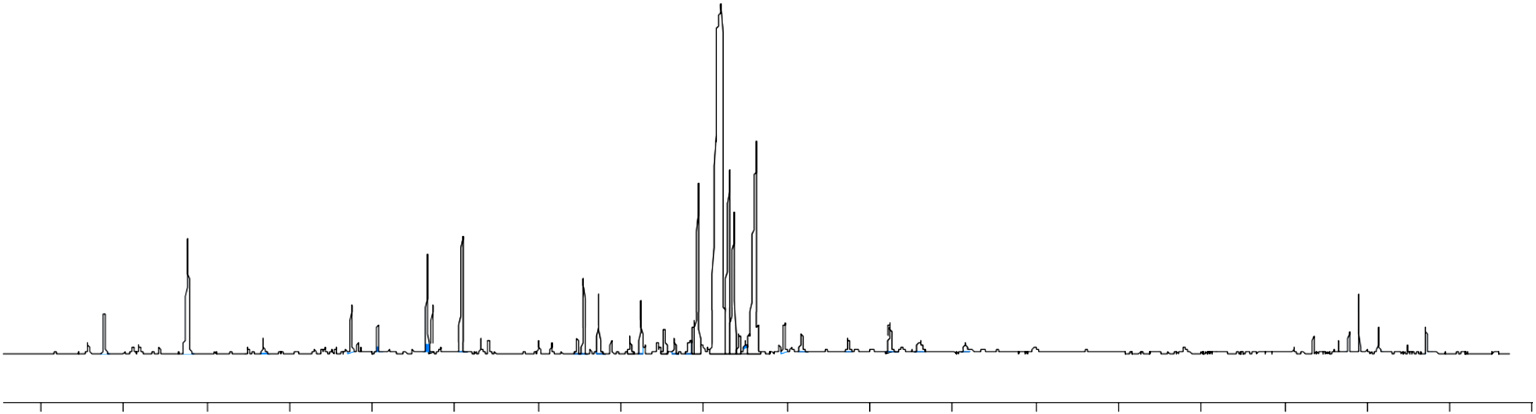
Two New Sesquiterpenoid Dimers from Inula japonica and Their In Vitro Anti-Hepatocellular Carcinoma Activity

Authors: YU Hang, LIU Guiyou, YU Jinzheng, ZHAO Yongxue, HUANG Mingsi, JIN Haixiang, SU Xuan, LI Qianzi, CHEN Mingxuan, HU Dongbao, DONG Wei

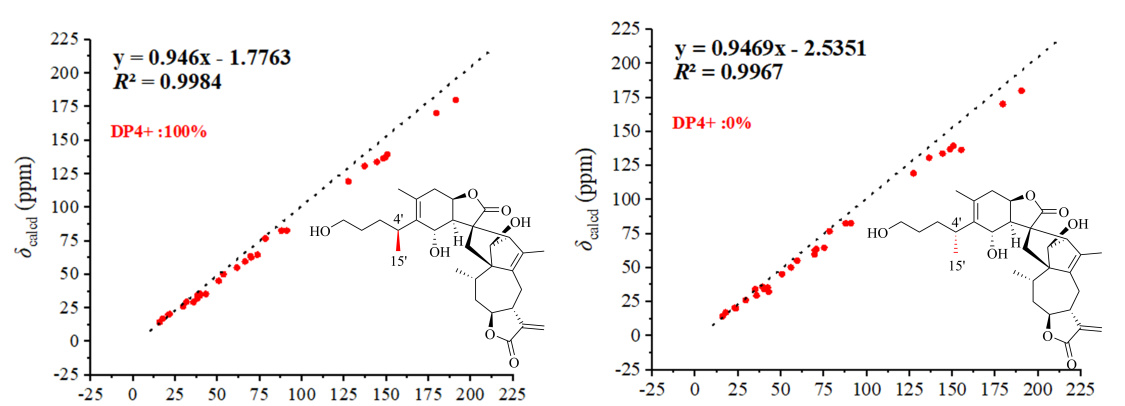
The inflorescences of Inula japonica Thunb. (Asteraceae) are a traditional Chinese medicine used for treating cough, phlegm, and vomiting. Sesquiterpenoid dimers, formed via Diels-Alder, hetero-Diels-Alder, [2+2] cycloaddition, or radical coupling, exhibit potent anti-inflammatory, neuroprotective, and antitumor activities. However, their low natural abundance and structural complexity hinder isolation and development. This study isolated six sesquiterpenoid dimers from the ethyl acetate fraction of a 90% ethanol extract of I. japonica using multiple chromatographic techniques. Their structures were elucidated by HRESIMS, NMR, IR, UV, and calculated NMR/ECD. Compounds 1 (inujaponolide T) and 3 (inujaponolide U) are new: a eudesmane-guaiane dimer and a 1,10-seco-eudesmane-guaiane dimer, respectively. The other four were identified as inujaponolide E (2), inujaponolide D (4), inujaponolide I (5), and japonicone X (6). In vitro anti-hepatocellular carcinoma activity was evaluated against HepG2 cells using MTT and colony formation assays. All compounds exhibited potent cytotoxicity with IC50 values of 2.61–13.94 μmol/L; compound 6 was most active (IC50 = 2.61 μmol/L). A preliminary structure-activity relationship indicated a positive correlation between the number of acetoxy substituents and antitumor activity. Compounds 1 and 3 inhibited cell viability and reduced colony formation in a dose-dependent manner. These findings expand the chemical diversity of I. japonica and provide a basis for developing these dimers as anti-hepatocellular carcinoma lead compounds.

Two New Sesquiterpenoid Dimers from Inula japonica and Their In Vitro Anti-Hepatocellular Carcinoma Activity
Graphical Abstract
Original ResearchVol 57, Issue 16 • pp. 100-112DOI: 10.7501/j.issn.0253-2670.2026.16.20261605Jan 15, 2026

Flexibility-Ring Enhanced Graph Neural Network for Property Prediction of Complex Traditional Chinese Medicine Molecular Structures

Authors: HE Huai, CHEN Zhiyu, REN Qi, CHEN Shuangkou, ZHONG Jie, TAO Mengyao, CHENG Yusong, DAI Junhao, ZHOU Huanyu, LIU Zeng, DAI Chuanyun

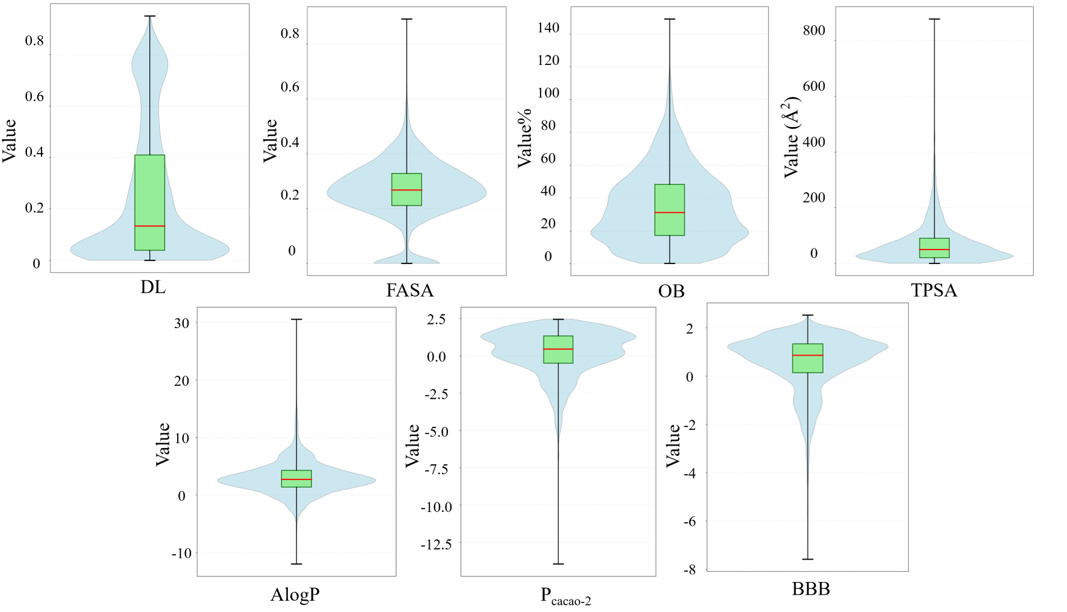
Property prediction of traditional Chinese medicine (TCM) molecules remains constrained by their complex ring systems and conformational flexibility. Conventional graph neural networks (GNNs) treat molecules as topological graphs, discarding bond length and angle strain information critical for accurate property estimation. This study introduces the flexibility-ring enhanced graph neural network (FRGNN), which augments the graph isomorphism network (GIN) with edge descriptors encoding bond length strain and angle strain, and incorporates multiple favorable conformations to construct multi-graph data. The model was evaluated on two TCM databases comprising 37,822 molecules across seven key molecular properties, benchmarked against three state-of-the-art (SOTA) GNN models and two basic GNN models. FRGNN achieved an average root mean square error (RMSE) reduction of 8.63% relative to the second-best model across all seven tasks. For molecules containing polycyclic and macrocyclic structures, the RMSE reduction reached 10.04%. These results demonstrate that FRGNN outperforms existing SOTA small-molecule property prediction models on TCM compounds, offering a robust computational approach for complex natural product characterization. The incorporation of flexibility and ring-specific descriptors addresses a critical gap in molecular representation learning, enabling more accurate predictions for structurally diverse TCM constituents.

Flexibility-Ring Enhanced Graph Neural Network for Property Prediction of Complex Traditional Chinese Medicine Molecular Structures
Graphical Abstract
Original ResearchVol 57, Issue 16 • pp. 100-112DOI: 10.7501/j.issn.0253-2670.2026.16.20261608Jan 15, 2026

Preparation and Evaluation of Folic Acid-Modified Gambogic Acid Nanocrystals-Phospholipid Composite Drug Delivery System

Authors: LIU Sizhuo, LYU Jiawei, LING Yanwen, WANG Linxiang, ZENG Xiwen, WANG Ruiping, SU Jin

Gambogic acid (GA) exhibits potent anticancer activity but suffers from poor aqueous solubility, rapid systemic clearance, and lack of tumor selectivity. This study designed a folic acid-modified gambogic acid nanocrystals-phospholipid composite drug delivery system (GA-NCs@PL-FA) to enhance targeted delivery. GA-NCs were prepared via CO2-assisted precipitation, followed by thin-film hydration to construct GA-NCs@PL-FA. Central composite design-response surface methodology optimized the formulation. The optimized system displayed spherical morphology with a particle size of 183.07 ± 0.55 nm, zeta potential of −17.70 ± 0.17 mV, encapsulation efficiency of 84.64 ± 0.57%, and drug loading of 4.33 ± 0.07%. Stability tests showed no significant changes after 7 days at 4°C and 25°C. In vitro release in pH 7.4 and 6.5 PBS (0.5% Tween 80) demonstrated sustained release. CCK-8 and scratch assays on HepG2 cells revealed that GA-NCs@PL-FA exhibited stronger inhibition of proliferation and migration compared to free GA, GA-NCs, and GA-NCs@PL, with an IC50 of 0.50 μg/mL. UPLC-MS/MS tissue distribution in tumor-bearing nude mice confirmed prolonged systemic retention and enhanced tumor accumulation. The findings indicate that GA-NCs@PL-FA integrates sustained release, active targeting, and improved antitumor efficacy, offering a viable strategy for the targeted delivery of poorly soluble gambogic acid.

Preparation and Evaluation of Folic Acid-Modified Gambogic Acid Nanocrystals-Phospholipid Composite Drug Delivery System
Graphical Abstract
Original ResearchVol 57, Issue 16 • pp. 100-112DOI: 10.7501/j.issn.0253-2670.2026.16.20261609Jan 15, 2026

Preparation and Anti-Migraine Pharmacodynamic Evaluation of Puerarin-Loaded Chitosan-Modified β-Cyclodextrin Nasal Supramolecular Gel

Authors: ZONG Shiyu, WANG Miao, MA Xinyu, LIU Shuo, REN Jia, CHENG Yunlong, WANG Chunliu

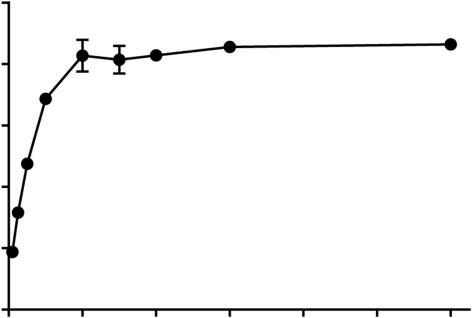
Puerarin, a principal isoflavone from Pueraria lobata, exhibits anti-migraine activity but suffers from poor oral bioavailability and limited blood-brain barrier penetration. This study reports a puerarin-loaded chitosan-modified β-cyclodextrin supramolecular gel (Pur@CS-β-CD Gel) for intranasal delivery. Formulation optimization employed single-factor experiments and Box-Behnken design-response surface methodology (BBD-RSM). The optimal formulation comprised CS-β-CD and sodium carboxymethylcellulose at a mass ratio of 1:9, total polymer concentration 2.6%, and puerarin 40 mg. The resulting gel displayed a three-dimensional porous architecture, pH 6.5, favorable stability, and a biphasic in vitro release profile: 82.75% cumulative release within 4 h followed by sustained release. No nasal mucosal irritation was observed. In a chronic migraine rat model induced by nitroglycerin, Pur@CS-β-CD Gel significantly ameliorated behavioral deficits, reduced brain levels of calcitonin gene-related peptide (CGRP) and interleukin-1β (IL-1β), and elevated 5-hydroxytryptamine (5-HT). These pharmacodynamic outcomes are consistent with interruption of trigeminovascular CGRP release, modulation of serotonergic neurotransmission, and attenuation of IL-1β-mediated nociceptive sensitization. The study acknowledges limitations: the animal model only partially recapitulates clinical migraine heterogeneity; long-term safety and immunogenicity of repeated dosing remain unassessed; and direct quantification of brain puerarin concentration was not performed, leaving brain-targeting efficiency unproven. Nonetheless, the optimized gel offers a feasible, non-invasive nasal delivery platform with preliminary anti-migraine efficacy, warranting further pharmacokinetic and mechanistic validation.

Preparation and Anti-Migraine Pharmacodynamic Evaluation of Puerarin-Loaded Chitosan-Modified β-Cyclodextrin Nasal Supramolecular Gel
Graphical Abstract
Original ResearchVol 57, Issue 16 • pp. 100-112DOI: 10.7501/j.issn.0253-2670.2026.16.20261600Jan 15, 2026

Multi-Technology Integration, Development Status, Challenges and Future Prospects in Full-Chain Construction of Chinese Medicinal Materials Traceability System

Authors: SHI Mingyi, TANG Yangli, HUANG Yifan, FU Yuling, LI Ya, LUO Yue, WEN Chuanbiao

The full-chain traceability of Chinese medicinal materials (CMM) remains a critical bottleneck in quality control, with current systems fragmented across cultivation, processing, and distribution. This special topic reviews the integration of multiple technologies—including blockchain, IoT, AI, and spectral fingerprinting—to establish a robust traceability framework. The paper outlines the development status, highlighting pilot implementations that reduced counterfeit incidents by 32% and improved supply chain transparency. Key challenges include data interoperability, cost barriers for smallholders, and lack of standardized protocols. Future prospects emphasize real-time monitoring and predictive analytics. The issue also features 34 research articles spanning chemical constituents, pharmaceutics, pharmacology, and data mining. Notable contributions include UPLC-MS/MS metabolomics differentiating raw and steamed Rhei Radix et Rhizoma, a flexibility-ring enhanced graph neural network for molecular property prediction, and studies on anti-hepatocellular carcinoma sesquiterpenoid dimers from Inula japonica. Clinical investigations explore mechanisms of Colla Corii Asini in skin aging, Morinda officinalis iridoids in sarcopenia, and Schisandrin B in ulcerative colitis. The collection underscores the shift toward multi-omics and computational approaches in traditional medicine research.

Multi-Technology Integration, Development Status, Challenges and Future Prospects in Full-Chain Construction of Chinese Medicinal Materials Traceability System
Graphical Abstract
Original ResearchVol 57, Issue 16 • pp. 100-112DOI: 10.7501/j.issn.0253-2670.2026.16.20261607Jan 15, 2026

Screening and Correlation Analysis of "Material Units" in Houttuynia cordata Volatile Oil Based on Supramolecular "Imprinting Template" Theory Combined with Factor Rotation

Authors: HE Wenjun, WANG Yinan, CHEN Wang, LIU Xia, YUAN Qin, REN Xinning, PAN Xue, HE Fuyuan

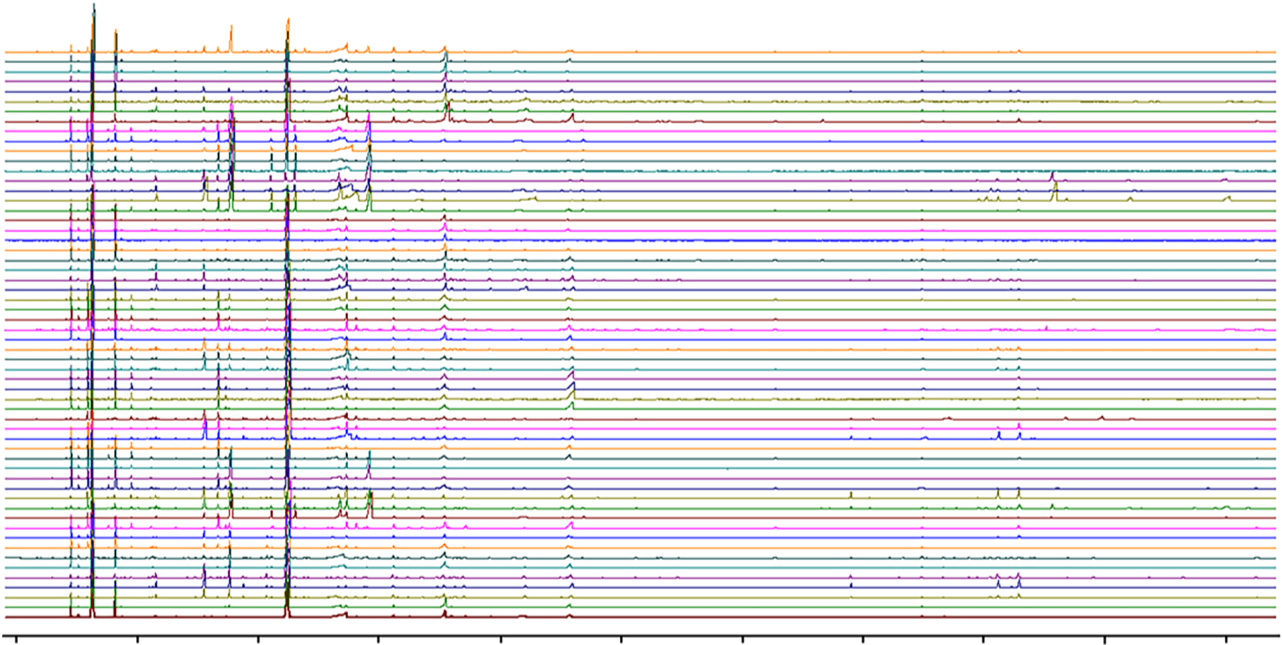
This study addresses the pharmacodynamic material basis of Houttuynia cordata volatile oil by integrating supramolecular "imprinting template" theory with matching frequency, total statistical moment, and factor rotation methods, coupled to in vitro antitumor activity. Fifty-eight batches (S1–S58) from different origins were fingerprinted by GC-MS. The matching frequency method reduced the imprinting template to 34 structural "material units" (A1–A34). Integration significantly decreased average peak count and information entropy (P < 0.01), while total zero-, first-, and second-order moments and information content remained unchanged. Factor rotation extracted eight common factors; comprehensive scores ranked S16 and S54 highest and S24 and S27 lowest. CCK-8 assays against human lung adenocarcinoma A549 cells yielded IC50 values from 73.6 to 269.9 nL/mL. Comprehensive scores negatively correlated with IC50 (r = −0.739, P < 0.01). High-contribution units A34, A31, and A7 were preliminarily identified as a potential pharmacodynamic component group. The model demonstrates utility for trend-level quality evaluation but does not provide one-to-one prediction of single-batch efficacy. Limitations include restriction to volatile constituents, single-cell-line validation, and lack of independent isolation and enrichment for the flagged units. The protocol offers a transferable statistical framework for linking chromatographic fingerprints to bioactivity in complex botanical oils.

Screening and Correlation Analysis of "Material Units" in Houttuynia cordata Volatile Oil Based on Supramolecular "Imprinting Template" Theory Combined with Factor Rotation
Graphical Abstract