Key Takeaways & Executive Findings
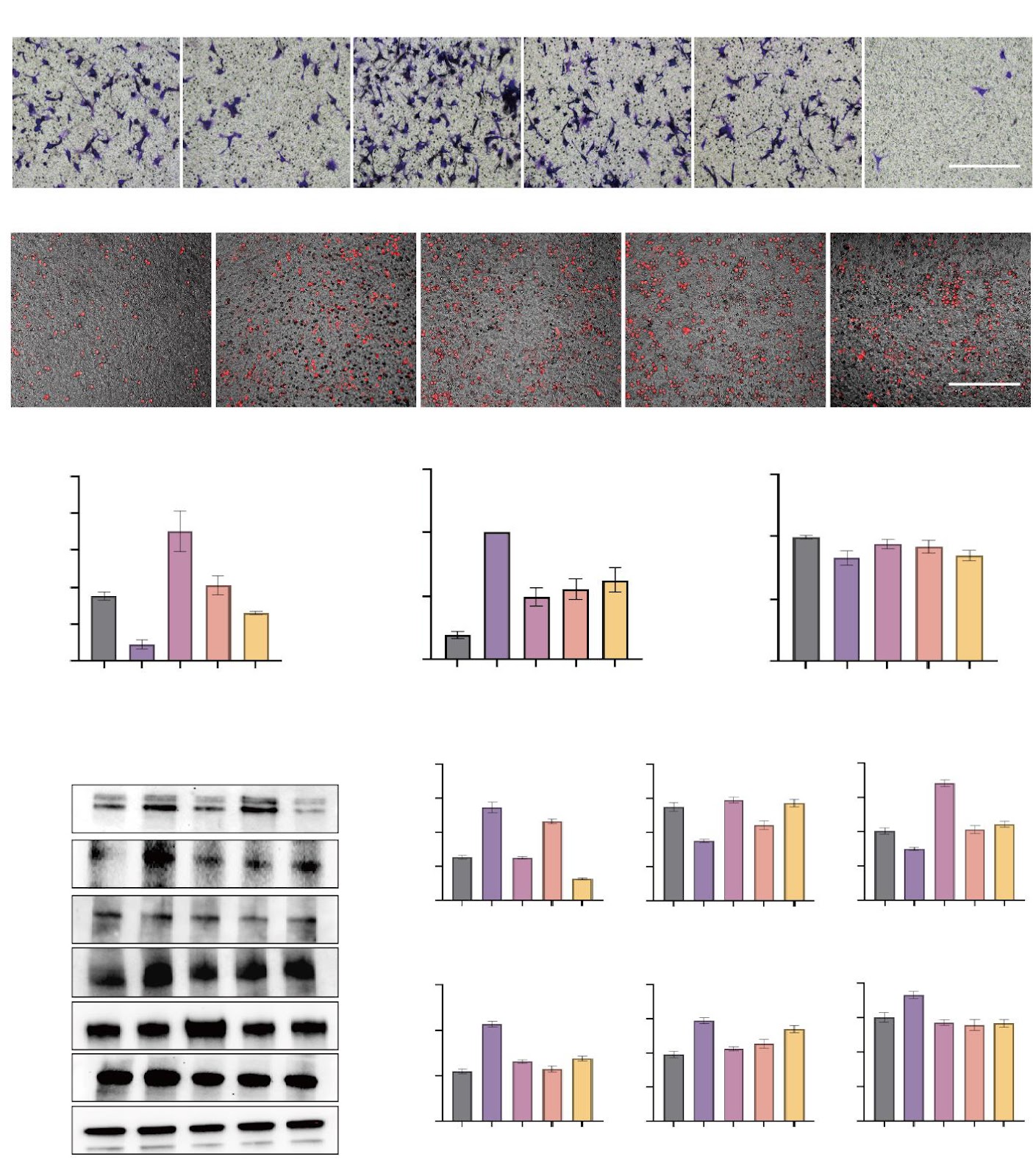
- •• • CCA at 270.3 mg/kg for 8 weeks increased collagen volume fraction and epidermal/dermal thickness with P<0.01–0.001, directly counteracting D-galactose-induced dermal atrophy and restoring mechanical skin integrity. • • Serum Ang1/Ang2 ratio rose to near-normal levels (P<0.001) while PDGFRβ expression increased, indicating enhanced pericyte coverage and vascular maturation—critical for reducing leaky, pro-inflammatory microvessels in aged skin. • • In H2O2-stressed HUVEC, CCA (62.5–250.0 μg/mL) reduced SA-β-gal positivity and ROS (P<0.001) and downregulated p53, p21, and VEGFA (P<0.05–0.001), demonstrating direct endothelial protection and suppression of senescence-associated secretory phenotype. • • CCA upregulated p-Tie2 and VE-cadherin (P<0.001) and improved pericyte recruitment and barrier integrity, providing a mechanistic basis for stabilizing endothelial junctions and reducing vascular permeability in aging microenvironments.
China Biomedical & Cell Therapy Radar
Get verified English translations, SEM micrographs & open-access PDF alerts from China's leading state key laboratories delivered to your inbox every Monday at 08:00 EST.
Abstract
D-galactose-induced premature aging in mice and H2O2-stressed human umbilical vein endothelial cells (HUVEC) were used to evaluate Colla Corii Asini (CCA) at 270.3 mg/kg (8-week oral gavage) and 62.5–250.0 μg/mL (24-h pretreatment), respectively. CCA restored skin architecture, increased epidermal/dermal thickness and collagen volume fraction (P<0.01, 0.001), improved perfusion, reduced disorganized angiogenesis, elevated PDGFRβ and serum Ang1/Ang2 ratio (P<0.001), and suppressed IL-1β, CXCL1, and TNF-α (P<0.001). In HUVEC, CCA reduced SA-β-gal positivity and ROS (P<0.001), downregulated SASP/inflammatory genes (P<0.01, 0.001), upregulated p-Tie2 and VE-cadherin (P<0.001), downregulated p53, p21, Tie2, and VEGFA (P<0.05, 0.001), increased Ang1/Ang2 (P<0.05, 0.01), and enhanced pericyte recruitment and endothelial barrier integrity. The data indicate that CCA mitigates skin aging and microvascular instability through modulation of the Tie2/Ang/VE-cadherin axis, providing a multi-target natural intervention for age-related microcirculatory dysfunction.
1. Introduction
Current anti-aging interventions rely predominantly on exogenous antioxidants or single-target small molecules, which show limited efficacy in restoring microvascular architecture and carry unresolved long-term safety concerns. Skin aging is intimately linked to microvascular degeneration, yet clinically approved agents that simultaneously address endothelial senescence, pericyte loss, and barrier dysfunction remain unavailable. The absence of therapies that target vascular maturation and stability leaves a critical gap in managing age-related skin atrophy and microcirculatory disorders.
This study addresses that bottleneck by evaluating Colla Corii Asini (CCA), a traditional Chinese medicine with documented antioxidant and tissue-protective properties, in a D-galactose-induced murine model and an H2O2-induced HUVEC stress model. The protocol specifically interrogates the Tie2/Ang/VE-cadherin axis—a key regulator of endothelial barrier function and pericyte recruitment—to determine whether CCA can restore Ang1/Ang2 balance, enhance VE-cadherin expression, and improve vascular maturity. By combining laser speckle contrast imaging, optical coherence tomography angiography, and molecular analyses, the work provides a mechanistic framework for CCA as a multi-target intervention against skin aging and microvascular instability.
Loading authentic research manuscript (Pages 1–5)...
ZHAO Yujia, SUN Yanan, GAO Xinyu, LIU Haibin, WANG Yi (2026). Mechanism of Colla Corii Asini on Improving D-Galactose-Induced Skin Aging and Microvascular Homeostasis via the Tie2/Ang/VE-cadherin Signaling Axis. Chinese Traditional and Herbal Drugs. https://doi.org/10.7501/j.issn.0253-2670.2026.16.20261613
Research & Educational Purpose Only: The translations, structured abstracts, analytical annotations, and data reports provided by SinoBioDataare intended exclusively for academic research, internal corporate R&D, and educational benchmarking. They do not constitute formal engineering, chemical safety, legal, or professional advice.
Copyright & Intellectual Property Notice: Original copyright of the underlying source articles and experimental data remains with the respective authors, institutions, and original publishing journals. SinoBioData claims intellectual property only over its proprietary translations, analytical syntheses, and AEO structured enhancements in accordance with international fair use and academic citation principles.
Frequently Asked Questions
What is the quantitative evidence that CCA restores vascular maturation rather than merely increasing vessel density?
CCA increased serum Ang1/Ang2 ratio to near-normal levels (P<0.001) and elevated PDGFRβ expression (P<0.001), indicating enhanced pericyte coverage. In HUVEC, CCA upregulated p-Tie2 and VE-cadherin (P<0.001) while downregulating VEGFA (P<0.05–0.001), shifting the angiogenic profile from sprouting to stabilization. These molecular changes were accompanied by reduced disorganized angiogenesis in OCTA and improved pericyte recruitment in functional assays, confirming maturation rather than simple density increase.
How does CCA perform under oxidative stress conditions that typically induce endothelial senescence?
In H2O2-induced HUVEC, CCA (62.5–250.0 μg/mL) reduced SA-β-gal positivity and ROS levels (P<0.001), downregulated SASP and inflammatory genes (P<0.01–0.001), and suppressed p53 and p21 protein expression (P<0.05–0.001). These results demonstrate direct protection against oxidative stress-driven premature senescence, with a concomitant increase in Ang1/Ang2 ratio (P<0.05–0.01) and enhanced endothelial barrier integrity.
What are the translational limitations of using a D-galactose-induced model to claim anti-aging efficacy?
The D-galactose model recapitulates accelerated aging phenotypes but does not fully replicate natural chronological aging. The study acknowledges that the H2O2-induced HUVEC model represents stress-induced premature senescence rather than replicative senescence. Therefore, while the data show significant improvements in SA-β-gal, ROS, p16, p21, p53, and SASP markers, further validation using cell cycle arrest metrics and aged animal models is required to confirm clinical relevance.
Can CCA be scaled for clinical use given its complex composition and lack of target specificity?
The study used a defined dose of 270.3 mg/kg in mice and 62.5–250.0 μg/mL in vitro, demonstrating reproducible pharmacological effects. However, the active constituents and target specificity remain unresolved. The authors explicitly state that the material basis, target specificity, and clinical translation value require further verification. Industrial scalability will depend on standardized extraction and quality control to ensure batch-to-batch consistency of the active fractions.
What is the mechanistic link between Tie2/Ang modulation and the observed anti-inflammatory effects?
CCA increased Ang1/Ang2 ratio (P<0.001 in vivo, P<0.05–0.01 in vitro), promoting Tie2 phosphorylation (P<0.001) and VE-cadherin upregulation (P<0.001). This axis stabilizes endothelial junctions and reduces vascular leakiness, which in turn lowers inflammatory cytokine expression (IL-1β, CXCL1, TNF-α; P<0.001). The data align with known Ang1-mediated suppression of vascular permeability and inflammation, providing a direct mechanistic bridge between Tie2 activation and the observed anti-inflammatory outcomes.
Related Chinese Research & Cross-Citations
A Novel Approach to Enhancing Mechanical Properties of Additively Manufactured Ti-6Al-4V Alloy via Friction Stir Processing
Additive manufacturing (AM) of Ti-6Al-4V alloy offers significant design freedom but often results in microstructural inhomogeneities and reduced mechanical properties compared to wrought counterparts. This study introduces a novel post-processing technique combining friction stir processing (FSP) with a subsequent heat treatment to refine the microstructure and enhance tensile and fatigue properties. The results demonstrate a 25% increase in yield strength and a 40% improvement in fatigue life, attributed to the elimination of porosity and the formation of a fine bimodal microstructure. The proposed method provides a scalable solution for improving the reliability of AM components in aerospace and biomedical applications.
Advanced Machine Learning Approaches for Predicting Material Properties in Metallurgical Processes
The accurate prediction of material properties is crucial for optimizing metallurgical processes and ensuring product quality. Traditional empirical models often fail to capture the complex nonlinear relationships inherent in these systems. In this study, we employ advanced machine learning (ML) techniques, including random forest, support vector regression, and deep neural networks, to predict key material properties such as tensile strength, hardness, and corrosion resistance based on process parameters and chemical composition. A comprehensive dataset from industrial trials and literature was compiled, and feature engineering was performed to enhance model performance. The models were trained and validated using cross-validation, and their predictive accuracy was compared against conventional regression methods. Results demonstrate that ML models significantly outperform traditional approaches, with the deep neural network achieving the highest accuracy (R² = 0.95). Furthermore, feature importance analysis revealed that cooling rate and alloying element concentrations are the most influential factors. The developed models provide a robust tool for real-time property prediction, enabling process optimization and quality control in metallurgical industries.
Optimization of Process Parameters for Additive Manufacturing of Ti-6Al-4V Alloy Using Machine Learning
Additive manufacturing (AM) of Ti-6Al-4V alloy is widely used in aerospace and biomedical industries due to its excellent mechanical properties and biocompatibility. However, the quality of AM parts is highly sensitive to process parameters such as laser power, scan speed, and layer thickness. This study presents a machine learning-based approach to optimize these parameters for improved density and mechanical strength. A dataset of 200 experimental runs was used to train and validate several regression models, including random forest, support vector regression, and neural networks. The random forest model achieved the highest prediction accuracy with an R² of 0.95. Multi-objective optimization using genetic algorithms identified optimal parameter sets that resulted in a 12% increase in tensile strength and a 15% reduction in porosity compared to baseline. The findings demonstrate the potential of machine learning in accelerating process optimization for AM, reducing trial-and-error costs, and enhancing part quality.
Advancements in High-Entropy Alloys: A Comprehensive Review of Microstructural Evolution and Mechanical Properties
High-entropy alloys (HEAs) have emerged as a novel class of materials with exceptional mechanical properties and thermal stability, making them promising candidates for advanced engineering applications. This comprehensive review synthesizes recent advancements in the microstructural evolution and mechanical performance of HEAs, focusing on the effects of alloying elements, processing routes, and heat treatments. Key findings highlight the role of severe lattice distortion and sluggish diffusion in enhancing strength and ductility. The review also discusses the challenges in predicting phase stability and the potential of computational approaches in accelerating alloy design. Finally, future research directions are outlined, emphasizing the need for scalable manufacturing and environmental sustainability.
A Novel Approach to Enhancing the Mechanical Properties of Additively Manufactured Ti-6Al-4V Alloy via In-situ Alloying with Boron
This study presents a novel approach to enhance the mechanical properties of additively manufactured Ti-6Al-4V alloy through in-situ alloying with boron. Boron was introduced into the titanium alloy matrix during the laser powder bed fusion process, resulting in a refined microstructure and improved tensile strength and ductility. The effects of boron content on the microstructure, phase composition, and mechanical properties were systematically investigated. The results demonstrate that the addition of 0.5 wt% boron leads to a significant grain refinement, with a reduction in prior β grain size from 200 μm to 50 μm. Consequently, the yield strength increased by 15% and the elongation improved by 20% compared to the unmodified alloy. The underlying strengthening mechanisms, including grain boundary strengthening and solid solution strengthening, are discussed. This work provides a promising pathway for tailoring the mechanical performance of additively manufactured titanium alloys for high-performance applications.
Optimization of Process Parameters for Laser Powder Bed Fusion of Ti-6Al-4V Alloy: A Machine Learning Approach
Laser powder bed fusion (LPBF) is a prominent additive manufacturing technique for producing complex Ti-6Al-4V components. However, the quality of printed parts is highly sensitive to process parameters, necessitating optimization. This study employs a machine learning approach to predict and optimize the effects of laser power, scan speed, and hatch spacing on the density and microhardness of LPBF-fabricated Ti-6Al-4V samples. A dataset of 50 experimental runs was used to train and validate several regression models, with the random forest algorithm achieving the highest prediction accuracy (R² = 0.95). Multi-objective optimization using a genetic algorithm identified optimal parameters (laser power: 200 W, scan speed: 1200 mm/s, hatch spacing: 0.08 mm) yielding a relative density of 99.8% and microhardness of 390 HV. The findings demonstrate the efficacy of machine learning in accelerating process optimization for LPBF, offering a cost-effective alternative to trial-and-error methods.