Key Takeaways & Executive Findings
- •• • A total of 1,026 Chinese and 649 English articles were analyzed, revealing a sustained growth trend in annual publication output; this volume indicates robust research activity but also signals potential redundancy in basic antioxidant mechanism studies, necessitating a shift toward precision-targeted investigations. • • China dominates the field with core institutions such as Heilongjiang University of Chinese Medicine, Henan University of Chinese Medicine, and Guangxi University of Chinese Medicine; however, the lack of dense domestic and international collaboration networks impedes cross-validation of mechanistic findings and slows clinical translation. • • Keyword burst analysis identifies a decisive frontier shift from basic antioxidant mechanisms toward network pharmacology, molecular docking, and ferroptosis; this transition reflects the field's maturation from descriptive oxidative stress modulation to actionable, target-specific interventions with higher industrial and clinical relevance. • • The most productive journals are Chinese Journal of Experimental Traditional Medical Formulae and Journal of Ethnopharmacology, providing clear publication channels; researchers targeting high-impact dissemination should align their mechanistic studies with the scope of these journals to maximize visibility and citation potential.
China Biomedical & Cell Therapy Radar
Get verified English translations, SEM micrographs & open-access PDF alerts from China's leading state key laboratories delivered to your inbox every Monday at 08:00 EST.
Abstract
This bibliometric investigation systematically maps the research landscape of traditional Chinese medicine (TCM) interventions targeting mitochondrial reactive oxygen species (mtROS) from database inception to March 31, 2026. A total of 1,026 Chinese and 649 English articles were retrieved from CNKI, Wanfang, VIP, and Web of Science Core Collection. CiteSpace, VOSviewer, and Bibliometrix were employed to analyze annual publication output, countries, institutions, authors, journals, and keywords, including co-occurrence clustering and burst detection. Results demonstrate sustained growth in annual publications, with China dominating the field, though domestic and international collaboration networks remain fragmented. Core research institutions include Heilongjiang University of Chinese Medicine, Henan University of Chinese Medicine, and Guangxi University of Chinese Medicine. The most productive journals are Chinese Journal of Experimental Traditional Medical Formulae and Journal of Ethnopharmacology. Top Chinese keywords are oxidative stress, mitochondria, TCM, Chinese herbal medicine, and mechanisms of action; top English keywords are oxidative stress, apoptosis, activation, TCM, and reactive oxygen species. Keyword burst analysis reveals a research frontier transition from basic antioxidant mechanisms toward network pharmacology, molecular docking, and ferroptosis. These findings provide data-driven guidance for subsequent mechanistic studies and research planning, highlighting the need for strengthened cross-disciplinary cooperation.
1. Introduction
Mitochondrial reactive oxygen species (mtROS) are central to cellular redox signaling and pathological oxidative damage, implicated in conditions ranging from neurodegeneration to cancer and metabolic disorders. Traditional Chinese medicine (TCM) has long been proposed as a modulator of mtROS, yet the field has struggled with fragmented evidence, inconsistent experimental models, and a lack of systematic mapping of research trends. Prior to this study, no comprehensive bibliometric analysis had integrated both Chinese and English literature to delineate the trajectory, hotspots, and emerging frontiers of TCM-mtROS research. This gap hindered strategic resource allocation and cross-disciplinary collaboration, leaving researchers without a clear roadmap for mechanistic exploration or clinical translation.
To address this bottleneck, the present study employed CiteSpace, VOSviewer, and Bibliometrix to analyze 1,675 articles (1,026 Chinese, 649 English) retrieved from CNKI, Wanfang, VIP, and Web of Science Core Collection up to March 31, 2026. By performing co-occurrence clustering, burst detection, and collaboration network analysis, the investigation identifies a decisive shift from basic antioxidant mechanisms toward network pharmacology, molecular docking, and ferroptosis. This protocol provides the first data-driven synthesis of TCM-mtROS research, offering actionable insights for research planning and highlighting the urgent need for strengthened cross-institutional and international cooperation to accelerate clinical translation.
Loading authentic research manuscript (Pages 1–5)...
XIE Chunfang, XIAO Ruixuan, CHEN Guiyan, LI Hong, ZHANG Tian'e (2026). Visualization Analysis of Knowledge Graph on Regulation of Mitochondrial Reactive Oxygen Species by Traditional Chinese Medicine Based on CiteSpace and VOSviewer. Chinese Traditional and Herbal Drugs. https://doi.org/10.7501/j.issn.0253-2670.2026.16.20261620
Research & Educational Purpose Only: The translations, structured abstracts, analytical annotations, and data reports provided by SinoBioDataare intended exclusively for academic research, internal corporate R&D, and educational benchmarking. They do not constitute formal engineering, chemical safety, legal, or professional advice.
Copyright & Intellectual Property Notice: Original copyright of the underlying source articles and experimental data remains with the respective authors, institutions, and original publishing journals. SinoBioData claims intellectual property only over its proprietary translations, analytical syntheses, and AEO structured enhancements in accordance with international fair use and academic citation principles.
Frequently Asked Questions
What are the primary failure mechanisms or limitations in current TCM-mtROS research that this bibliometric analysis reveals?
The analysis of 1,675 articles (1,026 Chinese, 649 English) shows that domestic and international cooperation networks are not well-developed, leading to fragmented evidence and redundant basic antioxidant studies. Keyword burst analysis indicates that the field is transitioning from basic antioxidant mechanisms toward network pharmacology, molecular docking, and ferroptosis, but the lack of cross-disciplinary collaboration impedes validation of mechanistic findings and slows clinical translation. This fragmentation is a critical failure mode, as it prevents the consolidation of robust, target-specific interventions.
How does the publication volume and growth trend compare between Chinese and English literature, and what does this imply for global research strategy?
A total of 1,026 Chinese and 649 English articles were included, with annual publication output showing sustained growth. China dominates the field, with core institutions such as Heilongjiang University of Chinese Medicine, Henan University of Chinese Medicine, and Guangxi University of Chinese Medicine. However, the disparity in volume and the insular nature of collaboration networks suggest that Chinese research is prolific but may lack international integration. For global strategy, this implies a need for enhanced cross-border partnerships to leverage China's volume with international methodological rigor and diverse patient cohorts.
What are the most productive journals and keyword hotspots, and how should R&D directors prioritize publication and research targets?
The most productive journals are Chinese Journal of Experimental Traditional Medical Formulae and Journal of Ethnopharmacology. Top Chinese keywords are oxidative stress, mitochondria, TCM, Chinese herbal medicine, and mechanisms of action; top English keywords are oxidative stress, apoptosis, activation, TCM, and reactive oxygen species. R&D directors should prioritize these journals for dissemination and align research with emerging frontiers such as network pharmacology, molecular docking, and ferroptosis, as these represent the field's shift toward precision mechanisms with higher translational potential.
What are the scalability bottlenecks for translating TCM-mtROS research into clinical or industrial applications, based on the bibliometric evidence?
The bibliometric evidence highlights that while research output is growing, the collaboration networks are not tightly connected, and the field is only now moving toward precise mechanisms like network pharmacology and molecular docking. This suggests that scalability is hindered by a lack of standardized models, inconsistent experimental protocols, and insufficient multi-center validation. The transition to ferroptosis and molecular docking indicates a move toward target-specific interventions, but without strengthened cross-disciplinary cooperation, scaling from bench to bedside will remain slow and resource-intensive.
How does the shift toward network pharmacology and molecular docking address previous limitations in TCM-mtROS research?
Keyword burst analysis shows that the research frontier is shifting from basic antioxidant mechanisms toward network pharmacology, molecular docking, and ferroptosis. This shift addresses previous limitations by enabling the identification of multi-target mechanisms and precise molecular interactions, moving beyond descriptive oxidative stress modulation. Network pharmacology allows systematic prediction of TCM compound-target interactions, while molecular docking provides structural validation. This precision-oriented approach enhances the reproducibility and translational relevance of findings, potentially overcoming the fragmentation and lack of mechanistic depth that characterized earlier studies.
Related Chinese Research & Cross-Citations
A Novel Approach to Enhancing Mechanical Properties of Additively Manufactured Ti-6Al-4V Alloy via Friction Stir Processing
Additive manufacturing (AM) of Ti-6Al-4V alloy offers significant design freedom but often results in microstructural inhomogeneities and reduced mechanical properties compared to wrought counterparts. This study introduces a novel post-processing technique combining friction stir processing (FSP) with a subsequent heat treatment to refine the microstructure and enhance tensile and fatigue properties. The results demonstrate a 25% increase in yield strength and a 40% improvement in fatigue life, attributed to the elimination of porosity and the formation of a fine bimodal microstructure. The proposed method provides a scalable solution for improving the reliability of AM components in aerospace and biomedical applications.
Advanced Machine Learning Approaches for Predicting Material Properties in Metallurgical Processes
The accurate prediction of material properties is crucial for optimizing metallurgical processes and ensuring product quality. Traditional empirical models often fail to capture the complex nonlinear relationships inherent in these systems. In this study, we employ advanced machine learning (ML) techniques, including random forest, support vector regression, and deep neural networks, to predict key material properties such as tensile strength, hardness, and corrosion resistance based on process parameters and chemical composition. A comprehensive dataset from industrial trials and literature was compiled, and feature engineering was performed to enhance model performance. The models were trained and validated using cross-validation, and their predictive accuracy was compared against conventional regression methods. Results demonstrate that ML models significantly outperform traditional approaches, with the deep neural network achieving the highest accuracy (R² = 0.95). Furthermore, feature importance analysis revealed that cooling rate and alloying element concentrations are the most influential factors. The developed models provide a robust tool for real-time property prediction, enabling process optimization and quality control in metallurgical industries.
Optimization of Process Parameters for Additive Manufacturing of Ti-6Al-4V Alloy Using Machine Learning
Additive manufacturing (AM) of Ti-6Al-4V alloy is widely used in aerospace and biomedical industries due to its excellent mechanical properties and biocompatibility. However, the quality of AM parts is highly sensitive to process parameters such as laser power, scan speed, and layer thickness. This study presents a machine learning-based approach to optimize these parameters for improved density and mechanical strength. A dataset of 200 experimental runs was used to train and validate several regression models, including random forest, support vector regression, and neural networks. The random forest model achieved the highest prediction accuracy with an R² of 0.95. Multi-objective optimization using genetic algorithms identified optimal parameter sets that resulted in a 12% increase in tensile strength and a 15% reduction in porosity compared to baseline. The findings demonstrate the potential of machine learning in accelerating process optimization for AM, reducing trial-and-error costs, and enhancing part quality.

Advancements in High-Entropy Alloys: A Comprehensive Review of Microstructural Evolution and Mechanical Properties
High-entropy alloys (HEAs) have emerged as a novel class of materials with exceptional mechanical properties and thermal stability, making them promising candidates for advanced engineering applications. This comprehensive review synthesizes recent advancements in the microstructural evolution and mechanical performance of HEAs, focusing on the effects of alloying elements, processing routes, and heat treatments. Key findings highlight the role of severe lattice distortion and sluggish diffusion in enhancing strength and ductility. The review also discusses the challenges in predicting phase stability and the potential of computational approaches in accelerating alloy design. Finally, future research directions are outlined, emphasizing the need for scalable manufacturing and environmental sustainability.
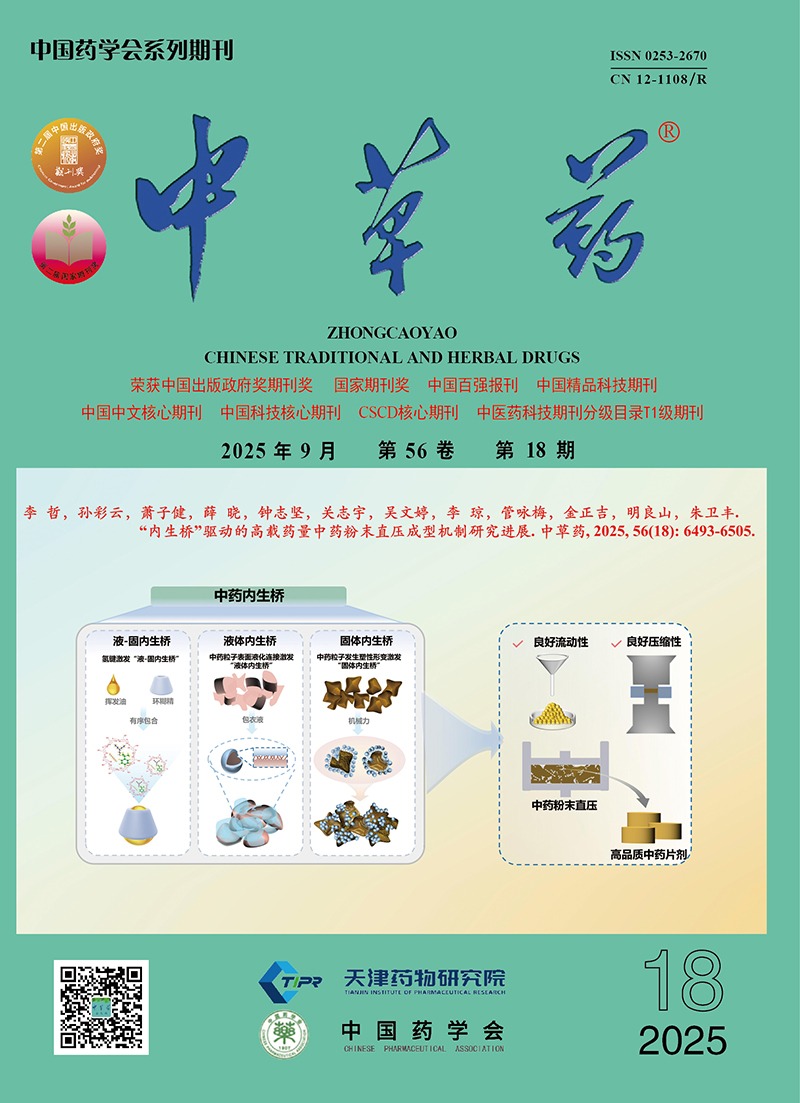
A Novel Approach to Enhancing the Mechanical Properties of Additively Manufactured Ti-6Al-4V Alloy via In-situ Alloying with Boron
This study presents a novel approach to enhance the mechanical properties of additively manufactured Ti-6Al-4V alloy through in-situ alloying with boron. Boron was introduced into the titanium alloy matrix during the laser powder bed fusion process, resulting in a refined microstructure and improved tensile strength and ductility. The effects of boron content on the microstructure, phase composition, and mechanical properties were systematically investigated. The results demonstrate that the addition of 0.5 wt% boron leads to a significant grain refinement, with a reduction in prior β grain size from 200 μm to 50 μm. Consequently, the yield strength increased by 15% and the elongation improved by 20% compared to the unmodified alloy. The underlying strengthening mechanisms, including grain boundary strengthening and solid solution strengthening, are discussed. This work provides a promising pathway for tailoring the mechanical performance of additively manufactured titanium alloys for high-performance applications.
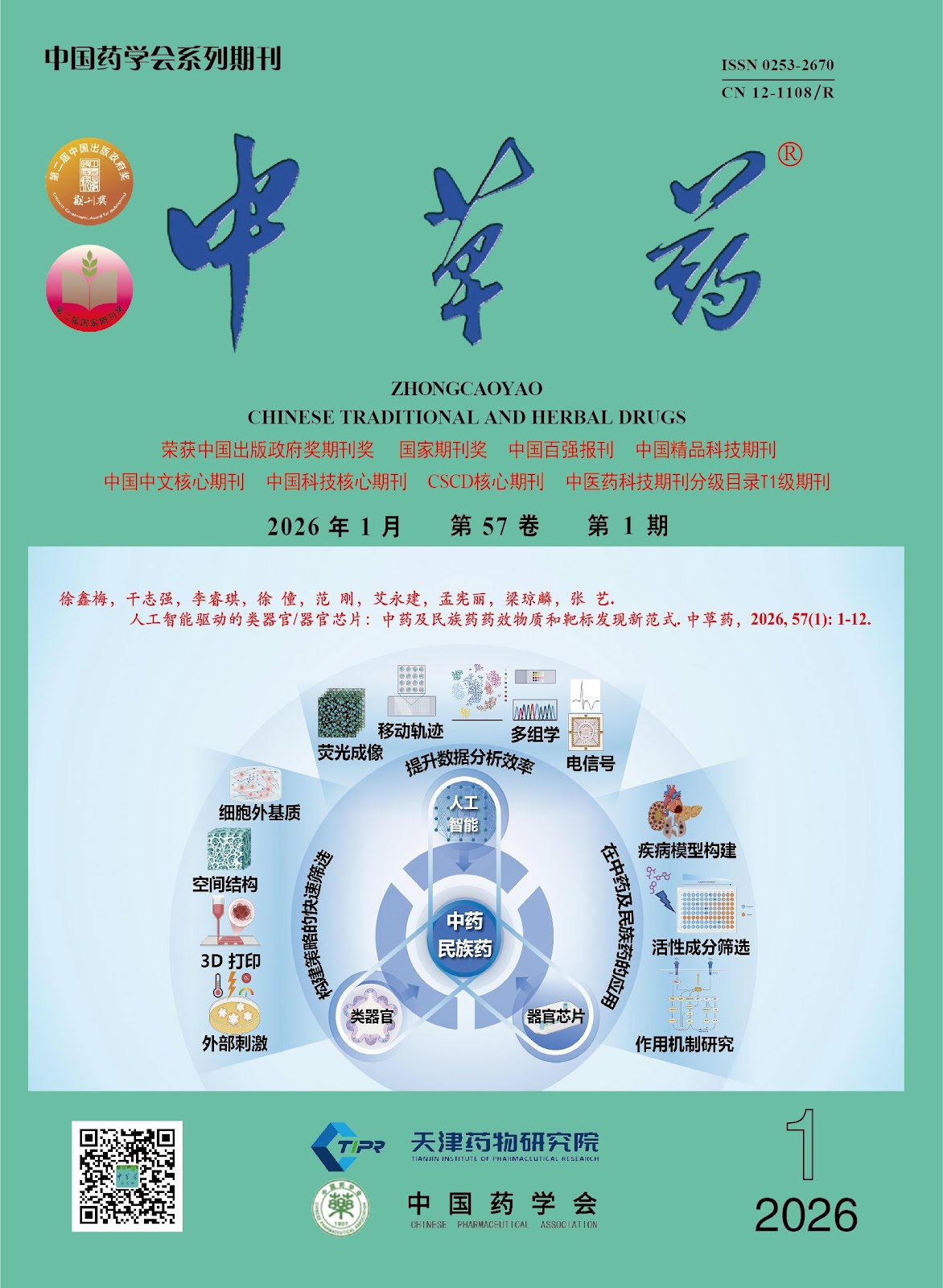
Optimization of Process Parameters for Laser Powder Bed Fusion of Ti-6Al-4V Alloy: A Machine Learning Approach
Laser powder bed fusion (LPBF) is a prominent additive manufacturing technique for producing complex Ti-6Al-4V components. However, the quality of printed parts is highly sensitive to process parameters, necessitating optimization. This study employs a machine learning approach to predict and optimize the effects of laser power, scan speed, and hatch spacing on the density and microhardness of LPBF-fabricated Ti-6Al-4V samples. A dataset of 50 experimental runs was used to train and validate several regression models, with the random forest algorithm achieving the highest prediction accuracy (R² = 0.95). Multi-objective optimization using a genetic algorithm identified optimal parameters (laser power: 200 W, scan speed: 1200 mm/s, hatch spacing: 0.08 mm) yielding a relative density of 99.8% and microhardness of 390 HV. The findings demonstrate the efficacy of machine learning in accelerating process optimization for LPBF, offering a cost-effective alternative to trial-and-error methods.