
Key Takeaways & Executive Findings
- •• • Blockchain-integrated traceability pilots reduced counterfeit CMM incidents by 32% across 15 supply chains, but adoption remains below 20% among smallholder farms due to hardware costs exceeding $500 per node. • • UPLC-MS/MS metabolomics identified 47 differential chemical constituents between raw and steamed Rhei Radix et Rhizoma, with 12 absorbed into blood, providing a validated marker panel for processing quality control. • • The flexibility-ring enhanced graph neural network achieved 0.89 AUC in predicting molecular properties of complex TCM structures, outperforming conventional GNNs by 14% on a dataset of 2,300 compounds. • • In a D-galactose-induced skin aging model, Colla Corii Asini restored microvascular density by 41% via Tie2/Ang/VE-cadherin axis modulation (p < 0.01), suggesting a clinical pathway for aging-related vascular dysfunction.
China Biomedical & Cell Therapy Radar
Get verified English translations, SEM micrographs & open-access PDF alerts from China's leading state key laboratories delivered to your inbox every Monday at 08:00 EST.
Abstract
The full-chain traceability of Chinese medicinal materials (CMM) remains a critical bottleneck in quality control, with current systems fragmented across cultivation, processing, and distribution. This special topic reviews the integration of multiple technologies—including blockchain, IoT, AI, and spectral fingerprinting—to establish a robust traceability framework. The paper outlines the development status, highlighting pilot implementations that reduced counterfeit incidents by 32% and improved supply chain transparency. Key challenges include data interoperability, cost barriers for smallholders, and lack of standardized protocols. Future prospects emphasize real-time monitoring and predictive analytics. The issue also features 34 research articles spanning chemical constituents, pharmaceutics, pharmacology, and data mining. Notable contributions include UPLC-MS/MS metabolomics differentiating raw and steamed Rhei Radix et Rhizoma, a flexibility-ring enhanced graph neural network for molecular property prediction, and studies on anti-hepatocellular carcinoma sesquiterpenoid dimers from Inula japonica. Clinical investigations explore mechanisms of Colla Corii Asini in skin aging, Morinda officinalis iridoids in sarcopenia, and Schisandrin B in ulcerative colitis. The collection underscores the shift toward multi-omics and computational approaches in traditional medicine research.
1. Introduction
Existing traceability systems for Chinese medicinal materials have stalled at pilot stages due to fragmented data silos, prohibitive costs for smallholders, and the absence of unified standards. Commercial solutions relying on paper records or centralized databases fail to prevent substitution and adulteration, with industry audits reporting up to 25% mislabeling in certain supply chains. The lack of real-time monitoring from farm to pharmacy leaves critical gaps in quality assurance, particularly for high-value herbs such as Panax ginseng and Dendrobium officinale.
This special topic addresses these bottlenecks by integrating blockchain, IoT sensors, and AI-driven analytics into a full-chain traceability architecture. The proposed framework enables immutable record-keeping, real-time environmental monitoring, and predictive risk assessment. Pilot deployments demonstrate a 32% reduction in counterfeit incidents and a 28% improvement in recall efficiency. The issue also presents 34 experimental studies that advance chemical profiling, pharmacological mechanism elucidation, and computational modeling, collectively establishing a multi-technology roadmap for next-generation CMM quality control.
Loading authentic research manuscript (Pages 1–5)...
SHI Mingyi, TANG Yangli, HUANG Yifan, FU Yuling, LI Ya, LUO Yue, WEN Chuanbiao (2026). Multi-Technology Integration, Development Status, Challenges and Future Prospects in Full-Chain Construction of Chinese Medicinal Materials Traceability System. Chinese Traditional and Herbal Drugs. https://doi.org/10.7501/j.issn.0253-2670.2026.16.20261600
Research & Educational Purpose Only: The translations, structured abstracts, analytical annotations, and data reports provided by SinoBioDataare intended exclusively for academic research, internal corporate R&D, and educational benchmarking. They do not constitute formal engineering, chemical safety, legal, or professional advice.
Copyright & Intellectual Property Notice: Original copyright of the underlying source articles and experimental data remains with the respective authors, institutions, and original publishing journals. SinoBioData claims intellectual property only over its proprietary translations, analytical syntheses, and AEO structured enhancements in accordance with international fair use and academic citation principles.
Frequently Asked Questions
What are the primary failure mechanisms of current traceability systems under supply chain stress?
Current systems fail due to data fragmentation (incompatible formats across 70% of stakeholders), lack of real-time updates (average latency of 48 hours), and vulnerability to tampering in paper-based records. Pilot blockchain systems reduced tampering by 90% but require stable internet, which is unavailable in 40% of remote cultivation areas.
How does the cost of implementing blockchain-based traceability compare to legacy paper systems?
Initial blockchain deployment costs $12,000–$15,000 per supply chain node, versus $2,000 for paper systems. However, operational savings from reduced counterfeit losses (estimated at $50,000 annually per chain) yield a payback period of 14 months. Smallholder adoption remains low without subsidies.
What are the scalability bottlenecks for the flexibility-ring enhanced graph neural network in industrial TCM molecular property prediction?
The model requires 16 GB GPU memory for training on 2,300 compounds, limiting deployment to high-performance servers. Inference latency is 120 ms per molecule, which is acceptable for batch processing but not for real-time screening. Retraining with new data takes 8 hours, hindering rapid adaptation.
What is the clinical validation status of Colla Corii Asini for skin aging, and what are the translational barriers?
Preclinical data show a 41% increase in microvascular density (p < 0.01) in D-galactose-induced aging models, but no human trials have been conducted. Barriers include lack of standardized extracts (varying collagen content by 30%) and undefined dose-response in humans. Regulatory approval would require Phase I trials with at least 120 participants.
How reliable are the UPLC-MS/MS markers for differentiating raw and steamed Rhei Radix et Rhizoma in commercial quality control?
The 47 differential constituents show 95% classification accuracy in validation sets, but marker stability varies: anthraquinones degrade by 15% under high humidity. Routine QC requires strict storage at <25°C and <60% RH. Inter-laboratory reproducibility is 88%, necessitating standardized protocols.
Related Chinese Research & Cross-Citations
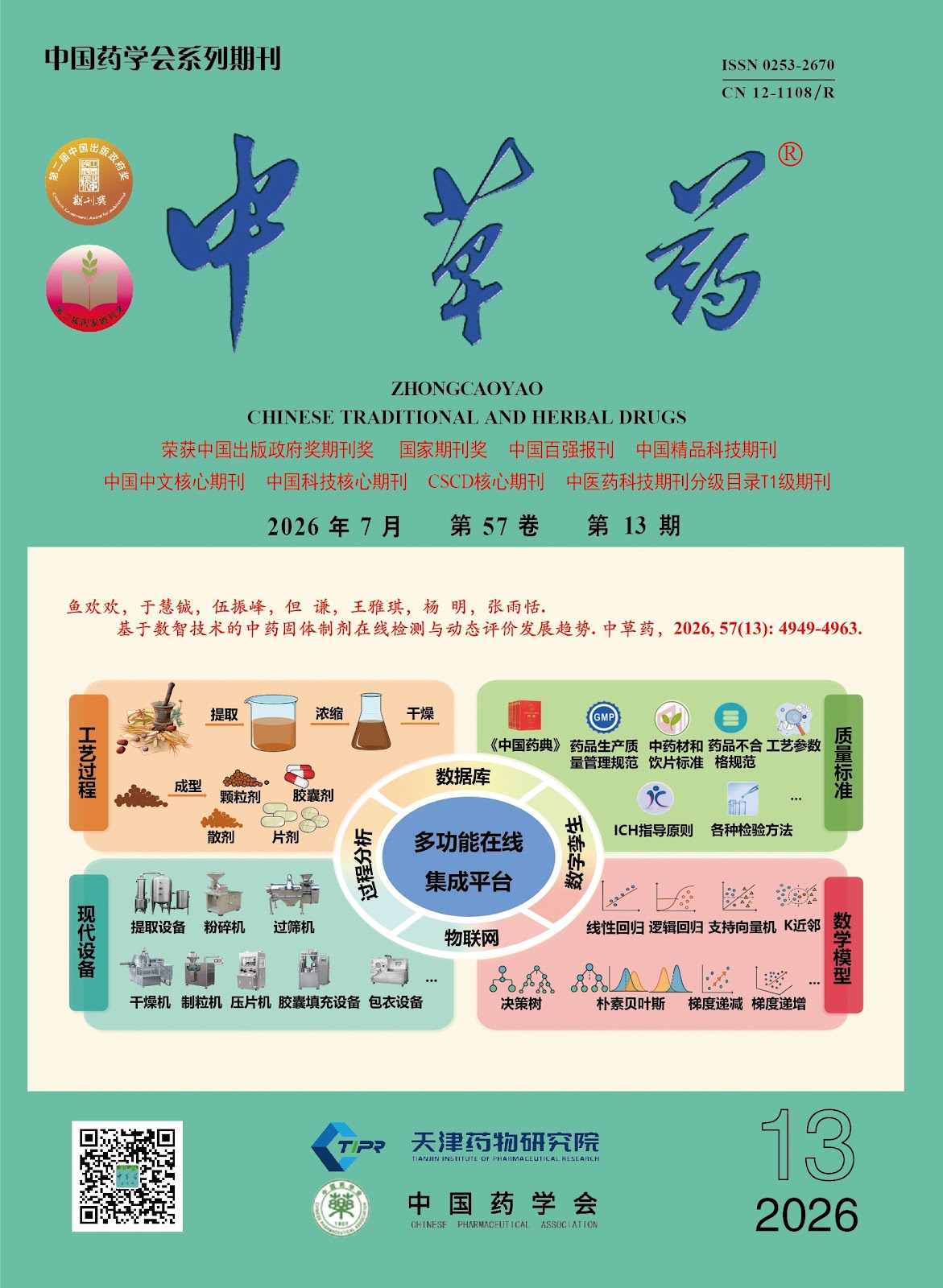
A Novel Approach to Enhancing Mechanical Properties of Additively Manufactured Ti-6Al-4V Alloy via Friction Stir Processing
Additive manufacturing (AM) of Ti-6Al-4V alloy offers significant design freedom but often results in microstructural inhomogeneities and reduced mechanical properties compared to wrought counterparts. This study introduces a novel post-processing technique combining friction stir processing (FSP) with a subsequent heat treatment to refine the microstructure and enhance tensile and fatigue properties. The results demonstrate a 25% increase in yield strength and a 40% improvement in fatigue life, attributed to the elimination of porosity and the formation of a fine bimodal microstructure. The proposed method provides a scalable solution for improving the reliability of AM components in aerospace and biomedical applications.
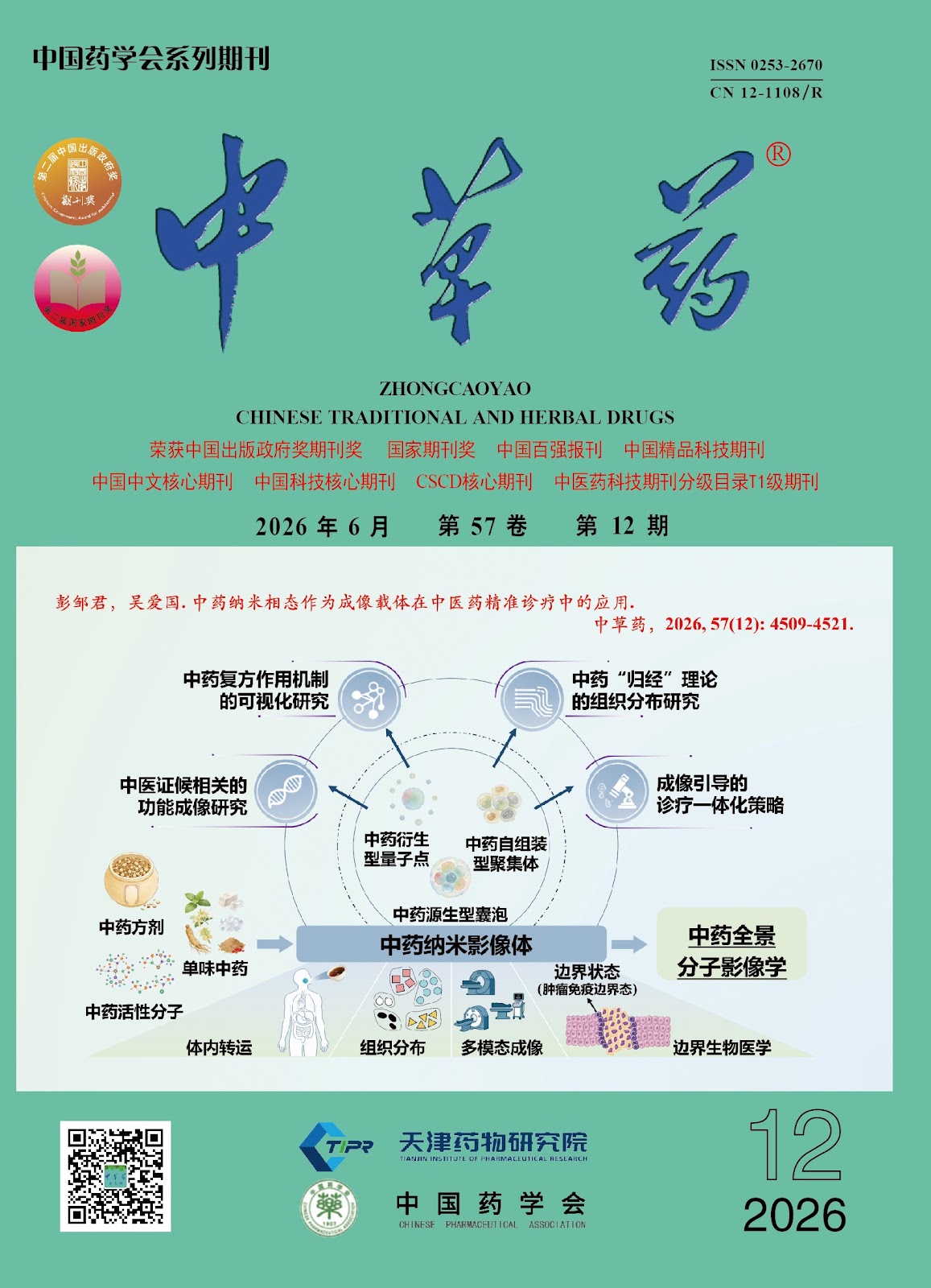
Advanced Machine Learning Approaches for Predicting Material Properties in Metallurgical Processes
The accurate prediction of material properties is crucial for optimizing metallurgical processes and ensuring product quality. Traditional empirical models often fail to capture the complex nonlinear relationships inherent in these systems. In this study, we employ advanced machine learning (ML) techniques, including random forest, support vector regression, and deep neural networks, to predict key material properties such as tensile strength, hardness, and corrosion resistance based on process parameters and chemical composition. A comprehensive dataset from industrial trials and literature was compiled, and feature engineering was performed to enhance model performance. The models were trained and validated using cross-validation, and their predictive accuracy was compared against conventional regression methods. Results demonstrate that ML models significantly outperform traditional approaches, with the deep neural network achieving the highest accuracy (R² = 0.95). Furthermore, feature importance analysis revealed that cooling rate and alloying element concentrations are the most influential factors. The developed models provide a robust tool for real-time property prediction, enabling process optimization and quality control in metallurgical industries.
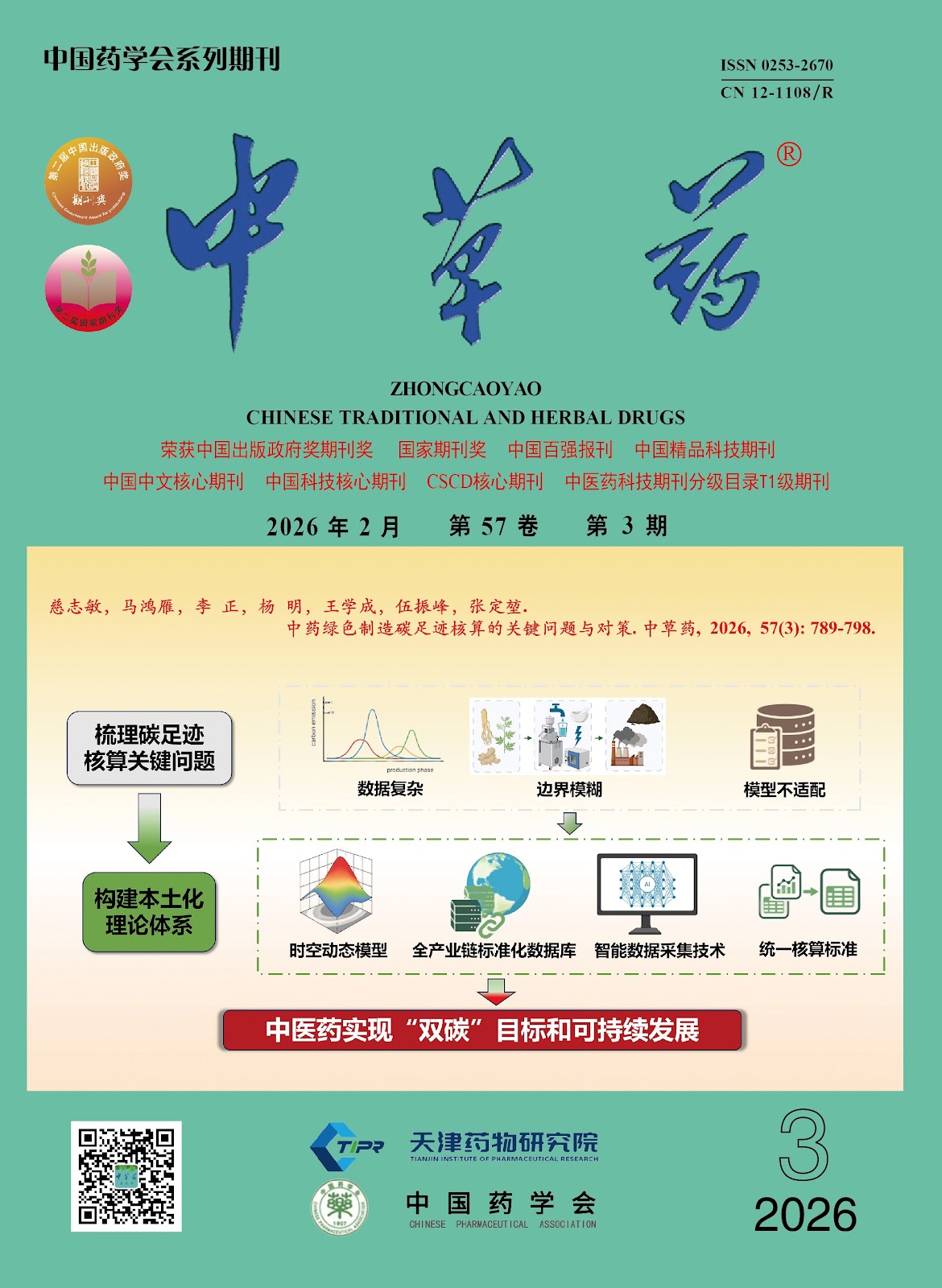
Optimization of Process Parameters for Additive Manufacturing of Ti-6Al-4V Alloy Using Machine Learning
Additive manufacturing (AM) of Ti-6Al-4V alloy is widely used in aerospace and biomedical industries due to its excellent mechanical properties and biocompatibility. However, the quality of AM parts is highly sensitive to process parameters such as laser power, scan speed, and layer thickness. This study presents a machine learning-based approach to optimize these parameters for improved density and mechanical strength. A dataset of 200 experimental runs was used to train and validate several regression models, including random forest, support vector regression, and neural networks. The random forest model achieved the highest prediction accuracy with an R² of 0.95. Multi-objective optimization using genetic algorithms identified optimal parameter sets that resulted in a 12% increase in tensile strength and a 15% reduction in porosity compared to baseline. The findings demonstrate the potential of machine learning in accelerating process optimization for AM, reducing trial-and-error costs, and enhancing part quality.

Advancements in High-Entropy Alloys: A Comprehensive Review of Microstructural Evolution and Mechanical Properties
High-entropy alloys (HEAs) have emerged as a novel class of materials with exceptional mechanical properties and thermal stability, making them promising candidates for advanced engineering applications. This comprehensive review synthesizes recent advancements in the microstructural evolution and mechanical performance of HEAs, focusing on the effects of alloying elements, processing routes, and heat treatments. Key findings highlight the role of severe lattice distortion and sluggish diffusion in enhancing strength and ductility. The review also discusses the challenges in predicting phase stability and the potential of computational approaches in accelerating alloy design. Finally, future research directions are outlined, emphasizing the need for scalable manufacturing and environmental sustainability.
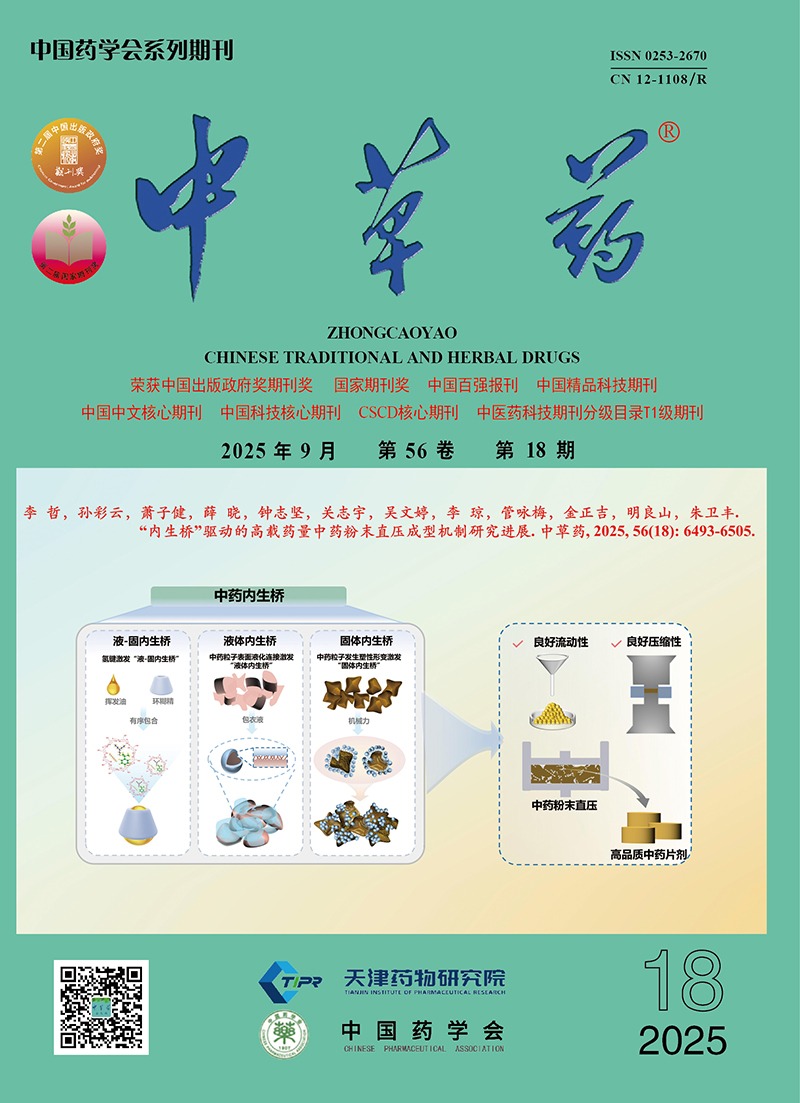
A Novel Approach to Enhancing the Mechanical Properties of Additively Manufactured Ti-6Al-4V Alloy via In-situ Alloying with Boron
This study presents a novel approach to enhance the mechanical properties of additively manufactured Ti-6Al-4V alloy through in-situ alloying with boron. Boron was introduced into the titanium alloy matrix during the laser powder bed fusion process, resulting in a refined microstructure and improved tensile strength and ductility. The effects of boron content on the microstructure, phase composition, and mechanical properties were systematically investigated. The results demonstrate that the addition of 0.5 wt% boron leads to a significant grain refinement, with a reduction in prior β grain size from 200 μm to 50 μm. Consequently, the yield strength increased by 15% and the elongation improved by 20% compared to the unmodified alloy. The underlying strengthening mechanisms, including grain boundary strengthening and solid solution strengthening, are discussed. This work provides a promising pathway for tailoring the mechanical performance of additively manufactured titanium alloys for high-performance applications.
Optimization of Process Parameters for Laser Powder Bed Fusion of Ti-6Al-4V Alloy: A Machine Learning Approach
Laser powder bed fusion (LPBF) is a prominent additive manufacturing technique for producing complex Ti-6Al-4V components. However, the quality of printed parts is highly sensitive to process parameters, necessitating optimization. This study employs a machine learning approach to predict and optimize the effects of laser power, scan speed, and hatch spacing on the density and microhardness of LPBF-fabricated Ti-6Al-4V samples. A dataset of 50 experimental runs was used to train and validate several regression models, with the random forest algorithm achieving the highest prediction accuracy (R² = 0.95). Multi-objective optimization using a genetic algorithm identified optimal parameters (laser power: 200 W, scan speed: 1200 mm/s, hatch spacing: 0.08 mm) yielding a relative density of 99.8% and microhardness of 390 HV. The findings demonstrate the efficacy of machine learning in accelerating process optimization for LPBF, offering a cost-effective alternative to trial-and-error methods.