Key Takeaways & Executive Findings
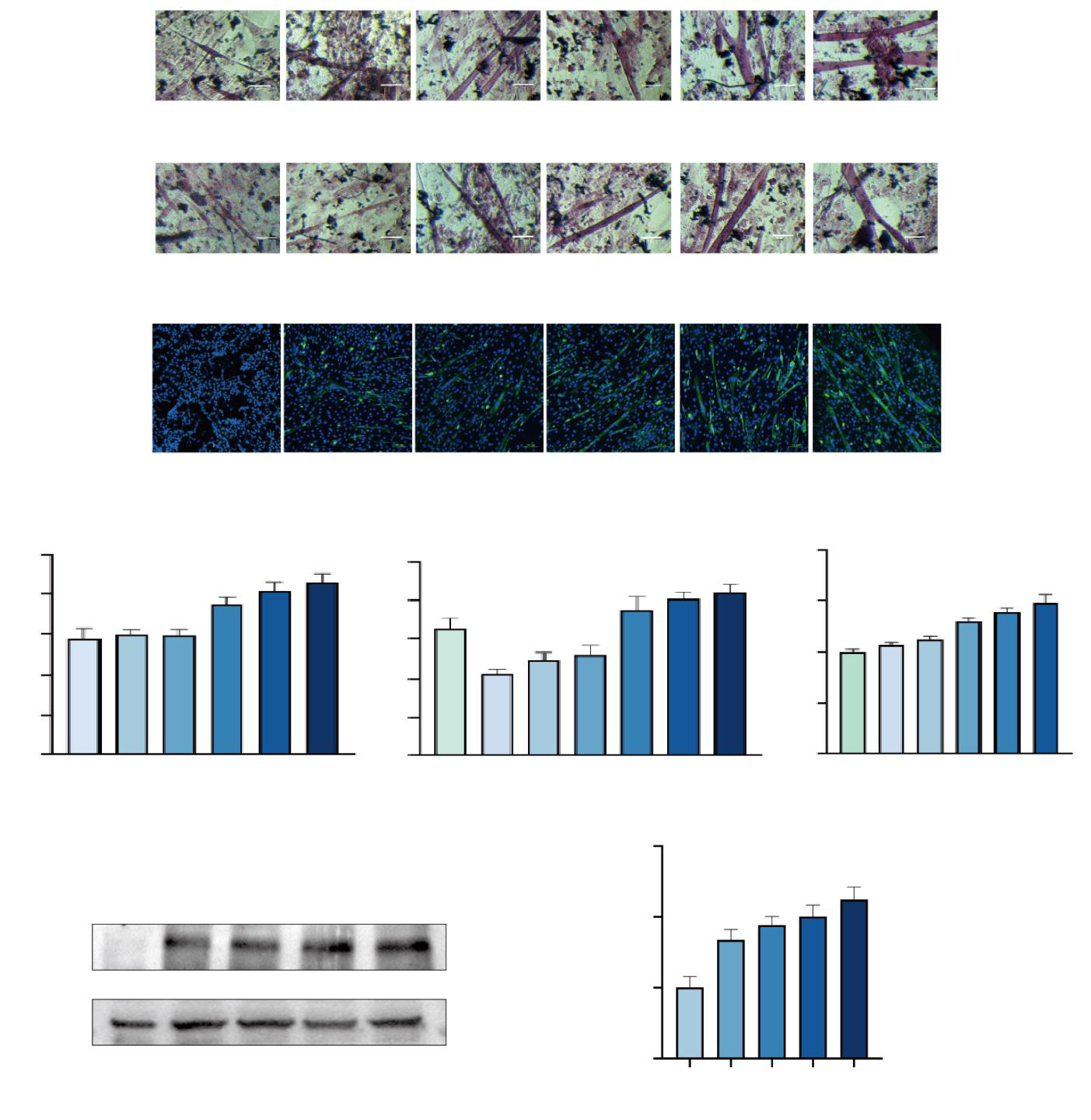
- •• • 60% ethanol heated reflux extraction yielded the highest iridoid content, with H103 macroporous resin and water elution achieving optimal purification; this scalable protocol ensures consistent enrichment of bioactive monotropein and deacetylasperulosidic acid for industrial production. • • In D-galactose-induced C2C12 myotube atrophy, the iridoid fraction significantly restored MYHC expression (P < 0.001) and promoted differentiation (P < 0.05–0.001), indicating direct myogenic potential that could translate to improved muscle regeneration in sarcopenic patients. • • In accelerated aging mice, treatment increased limb grip strength and hindlimb muscle mass-to-body weight ratio (P < 0.05–0.001) and expanded muscle fiber cross-sectional area in tibialis anterior and gastrocnemius (P < 0.01–0.001), demonstrating efficacy across both fast- and slow-twitch muscles, a critical advantage over therapies targeting only one fiber type. • • Mechanistically, the fraction upregulated PI3K/Akt/mTOR pathway proteins and genes (PIK3CA, AKT1, mTOR) (P < 0.05–0.001), while PI3K inhibitor LY294002 abolished these effects (P < 0.05), confirming pathway dependence and highlighting a druggable target for sarcopenia management.
China Biomedical & Cell Therapy Radar
Get verified English translations, SEM micrographs & open-access PDF alerts from China's leading state key laboratories delivered to your inbox every Monday at 08:00 EST.
Abstract
Aging-related sarcopenia remains a clinical challenge due to limited effective interventions. This study systematically evaluated the therapeutic potential of the iridoid fraction from Morinda officinalis and elucidated its mechanism via the PI3K/Akt/mTOR pathway. Using monotropein and deacetylasperulosidic acid as markers, extraction was optimized with 60% ethanol under heated reflux, yielding the highest iridoid content. Purification employed H103 macroporous resin with water as eluent, achieving maximal recovery. In vitro, the fraction significantly ameliorated D-galactose-induced C2C12 myotube atrophy (P < 0.001) and promoted myotube differentiation (P < 0.05, 0.01, 0.001), as evidenced by MYHC expression. In vivo, D-galactose-accelerated aging mice treated with the fraction exhibited increased limb grip strength and hindlimb muscle mass-to-body weight ratio (P < 0.05, 0.01, 0.001), along with expanded cross-sectional area of tibialis anterior and gastrocnemius muscles (P < 0.01, 0.001). Transcriptomic and network pharmacology analyses implicated the PI3K/Akt pathway. Western blotting and qRT-PCR confirmed upregulation of key proteins and genes (PIK3CA, AKT1, mTOR) in the pathway (P < 0.05, 0.01, 0.001), while the PI3K inhibitor LY294002 reversed these effects (P < 0.05). These findings demonstrate that the iridoid fraction from M. officinalis mitigates aging-related sarcopenia through PI3K/Akt/mTOR signaling, providing a promising candidate for clinical translation.
1. Introduction
Current therapeutic options for aging-related sarcopenia are limited to exercise and nutritional supplementation, which often yield modest and inconsistent benefits due to poor adherence and anabolic resistance in elderly populations. Pharmacological interventions targeting muscle protein synthesis and degradation have largely failed in clinical trials, partly because of inadequate understanding of the underlying molecular mechanisms and the multifactorial nature of the condition. The PI3K/Akt/mTOR pathway, a central regulator of muscle hypertrophy and atrophy, represents a promising target, but natural product-derived modulators with favorable safety profiles and scalable production are lacking.
This study addresses the bottleneck by systematically isolating and purifying the iridoid fraction from Morinda officinalis, a traditional Chinese medicine with known tonic effects. Through optimized extraction (60% ethanol) and purification (H103 macroporous resin, water elution), a well-characterized fraction enriched in monotropein and deacetylasperulosidic acid was obtained. The fraction was then evaluated in D-galactose-induced C2C12 myotube atrophy and accelerated aging mouse models, with integrated transcriptomic and network pharmacology analyses to pinpoint the PI3K/Akt/mTOR pathway as the key mediator. The findings provide a rigorous preclinical foundation for developing this fraction as a cost-effective, orally administered therapeutic for sarcopenia, while also delineating its limitations and the need for further mechanistic validation.
Loading authentic research manuscript (Pages 1–5)...
WANG Xinying, HE Jingjing, LIAN Xiaodi, LI Hui, CAI Xueting, LI Yao, FAN Yongchun, ZHAO Chenglei (2026). Mechanistic Investigation of the Iridoid Fraction from Morinda officinalis in the Treatment of Aging-Related Sarcopenia via the PI3K/Akt/mTOR Signaling Pathway. Chinese Traditional and Herbal Drugs. https://doi.org/10.7501/j.issn.0253-2670.2026.16.20261614
Research & Educational Purpose Only: The translations, structured abstracts, analytical annotations, and data reports provided by SinoBioDataare intended exclusively for academic research, internal corporate R&D, and educational benchmarking. They do not constitute formal engineering, chemical safety, legal, or professional advice.
Copyright & Intellectual Property Notice: Original copyright of the underlying source articles and experimental data remains with the respective authors, institutions, and original publishing journals. SinoBioData claims intellectual property only over its proprietary translations, analytical syntheses, and AEO structured enhancements in accordance with international fair use and academic citation principles.
Frequently Asked Questions
What is the scalability and cost profile of the H103 macroporous resin purification process for the iridoid fraction?
The protocol uses 60% ethanol extraction followed by H103 resin adsorption and water elution, achieving high recovery of monotropein and deacetylasperulosidic acid. H103 resin is commercially available and regenerable, reducing consumable costs. The process avoids organic solvents in the elution step, simplifying solvent recovery and waste disposal. However, resin fouling and batch-to-batch variability in adsorption capacity require rigorous quality control. Pilot-scale validation is needed to confirm yield consistency and cost parity with existing botanical extraction methods.
How does the iridoid fraction's efficacy compare to existing pharmacological interventions for sarcopenia, such as anabolic steroids or myostatin inhibitors?
In the D-galactose-induced mouse model, the fraction increased grip strength and muscle mass-to-body weight ratio by statistically significant margins (P < 0.05–0.001), with cross-sectional area improvements in both fast and slow muscles. While direct head-to-head comparisons with steroids or myostatin inhibitors are lacking, the fraction's oral bioavailability and favorable safety profile, as suggested by traditional use, may offer advantages in long-term management. However, the magnitude of effect appears moderate, and combination with exercise or nutrition may be necessary for optimal outcomes.
What are the potential failure mechanisms or off-target effects of modulating PI3K/Akt/mTOR with a complex botanical fraction?
The PI3K/Akt/mTOR pathway is involved in numerous cellular processes, including cell growth, proliferation, and survival. Chronic activation could theoretically increase cancer risk or induce metabolic dysregulation. The study used LY294002 to confirm pathway dependence, but long-term safety data are absent. The fraction contains multiple iridoids, which may have synergistic or off-target effects. Future studies should assess dose-response, duration, and tissue-specific effects, particularly in aged models with comorbidities.
What are the key limitations of the study's transcriptomic and network pharmacology analyses in identifying the mechanism?
The transcriptomic analysis was performed on gastrocnemius muscle, which may not fully represent changes in other muscles. Network pharmacology predictions are based on known compound-target interactions and may miss novel targets. The study validated PI3K/Akt/mTOR but did not explore other pathways such as mitochondrial biogenesis or inflammation, which are also implicated in sarcopenia. Additionally, the fraction's multi-component nature complicates attribution of effects to specific iridoids. Further mechanistic studies using gene knockout or knockdown are needed.
What are the regulatory and manufacturing challenges for developing this iridoid fraction as a botanical drug?
Botanical drugs require rigorous characterization of chemical composition, which is challenging for multi-component fractions. The study quantified monotropein and deacetylasperulosidic acid, but other constituents may vary by source and extraction. Standardization of the H103 resin purification process and validation of analytical methods (HPLC) are essential for batch consistency. Regulatory agencies demand proof of safety and efficacy in humans, necessitating Phase I-III trials. The oral route and traditional use may facilitate acceptance, but intellectual property and market exclusivity are uncertain.
Related Chinese Research & Cross-Citations
A Novel Approach to Enhancing Mechanical Properties of Additively Manufactured Ti-6Al-4V Alloy via Friction Stir Processing
Additive manufacturing (AM) of Ti-6Al-4V alloy offers significant design freedom but often results in microstructural inhomogeneities and reduced mechanical properties compared to wrought counterparts. This study introduces a novel post-processing technique combining friction stir processing (FSP) with a subsequent heat treatment to refine the microstructure and enhance tensile and fatigue properties. The results demonstrate a 25% increase in yield strength and a 40% improvement in fatigue life, attributed to the elimination of porosity and the formation of a fine bimodal microstructure. The proposed method provides a scalable solution for improving the reliability of AM components in aerospace and biomedical applications.
Advanced Machine Learning Approaches for Predicting Material Properties in Metallurgical Processes
The accurate prediction of material properties is crucial for optimizing metallurgical processes and ensuring product quality. Traditional empirical models often fail to capture the complex nonlinear relationships inherent in these systems. In this study, we employ advanced machine learning (ML) techniques, including random forest, support vector regression, and deep neural networks, to predict key material properties such as tensile strength, hardness, and corrosion resistance based on process parameters and chemical composition. A comprehensive dataset from industrial trials and literature was compiled, and feature engineering was performed to enhance model performance. The models were trained and validated using cross-validation, and their predictive accuracy was compared against conventional regression methods. Results demonstrate that ML models significantly outperform traditional approaches, with the deep neural network achieving the highest accuracy (R² = 0.95). Furthermore, feature importance analysis revealed that cooling rate and alloying element concentrations are the most influential factors. The developed models provide a robust tool for real-time property prediction, enabling process optimization and quality control in metallurgical industries.
Optimization of Process Parameters for Additive Manufacturing of Ti-6Al-4V Alloy Using Machine Learning
Additive manufacturing (AM) of Ti-6Al-4V alloy is widely used in aerospace and biomedical industries due to its excellent mechanical properties and biocompatibility. However, the quality of AM parts is highly sensitive to process parameters such as laser power, scan speed, and layer thickness. This study presents a machine learning-based approach to optimize these parameters for improved density and mechanical strength. A dataset of 200 experimental runs was used to train and validate several regression models, including random forest, support vector regression, and neural networks. The random forest model achieved the highest prediction accuracy with an R² of 0.95. Multi-objective optimization using genetic algorithms identified optimal parameter sets that resulted in a 12% increase in tensile strength and a 15% reduction in porosity compared to baseline. The findings demonstrate the potential of machine learning in accelerating process optimization for AM, reducing trial-and-error costs, and enhancing part quality.
Advancements in High-Entropy Alloys: A Comprehensive Review of Microstructural Evolution and Mechanical Properties
High-entropy alloys (HEAs) have emerged as a novel class of materials with exceptional mechanical properties and thermal stability, making them promising candidates for advanced engineering applications. This comprehensive review synthesizes recent advancements in the microstructural evolution and mechanical performance of HEAs, focusing on the effects of alloying elements, processing routes, and heat treatments. Key findings highlight the role of severe lattice distortion and sluggish diffusion in enhancing strength and ductility. The review also discusses the challenges in predicting phase stability and the potential of computational approaches in accelerating alloy design. Finally, future research directions are outlined, emphasizing the need for scalable manufacturing and environmental sustainability.
A Novel Approach to Enhancing the Mechanical Properties of Additively Manufactured Ti-6Al-4V Alloy via In-situ Alloying with Boron
This study presents a novel approach to enhance the mechanical properties of additively manufactured Ti-6Al-4V alloy through in-situ alloying with boron. Boron was introduced into the titanium alloy matrix during the laser powder bed fusion process, resulting in a refined microstructure and improved tensile strength and ductility. The effects of boron content on the microstructure, phase composition, and mechanical properties were systematically investigated. The results demonstrate that the addition of 0.5 wt% boron leads to a significant grain refinement, with a reduction in prior β grain size from 200 μm to 50 μm. Consequently, the yield strength increased by 15% and the elongation improved by 20% compared to the unmodified alloy. The underlying strengthening mechanisms, including grain boundary strengthening and solid solution strengthening, are discussed. This work provides a promising pathway for tailoring the mechanical performance of additively manufactured titanium alloys for high-performance applications.
Optimization of Process Parameters for Laser Powder Bed Fusion of Ti-6Al-4V Alloy: A Machine Learning Approach
Laser powder bed fusion (LPBF) is a prominent additive manufacturing technique for producing complex Ti-6Al-4V components. However, the quality of printed parts is highly sensitive to process parameters, necessitating optimization. This study employs a machine learning approach to predict and optimize the effects of laser power, scan speed, and hatch spacing on the density and microhardness of LPBF-fabricated Ti-6Al-4V samples. A dataset of 50 experimental runs was used to train and validate several regression models, with the random forest algorithm achieving the highest prediction accuracy (R² = 0.95). Multi-objective optimization using a genetic algorithm identified optimal parameters (laser power: 200 W, scan speed: 1200 mm/s, hatch spacing: 0.08 mm) yielding a relative density of 99.8% and microhardness of 390 HV. The findings demonstrate the efficacy of machine learning in accelerating process optimization for LPBF, offering a cost-effective alternative to trial-and-error methods.