Key Takeaways & Executive Findings
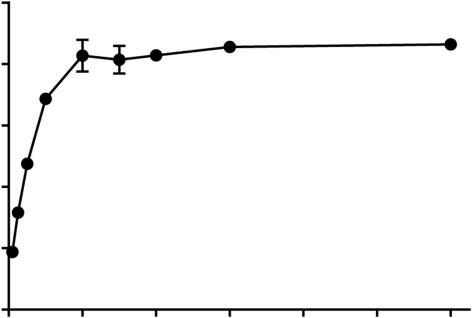
- •• • Optimal formulation: CS-β-CD to sodium carboxymethylcellulose mass ratio 1:9, total polymer concentration 2.6%, puerarin loading 40 mg. This specific ratio and concentration yielded a three-dimensional porous gel with pH 6.5, a critical quality attribute for nasal tolerability and mucoadhesion. • • In vitro release: 82.75% cumulative puerarin release within 4 h, followed by sustained release. This biphasic profile addresses the clinical need for rapid onset (migraine abortive phase) combined with extended action (prophylactic phase), potentially reducing dosing frequency. • • Pharmacodynamic efficacy: In nitroglycerin-induced chronic migraine rats, the gel significantly reduced brain CGRP and IL-1β levels and increased 5-HT content. These biomarker shifts directly correlate with attenuated neurogenic inflammation and restored neurotransmitter balance, supporting a multi-target anti-migraine mechanism. • • Safety and translational gap: No nasal mucosal irritation was observed, but brain-targeting efficiency remains unquantified. The absence of LC-MS/MS or imaging data for brain puerarin concentration means that while efficacy is promising, the actual brain bioavailability and nose-to-brain transport fraction are unknown, representing a critical hurdle for clinical translation.
China Biomedical & Cell Therapy Radar
Get verified English translations, SEM micrographs & open-access PDF alerts from China's leading state key laboratories delivered to your inbox every Monday at 08:00 EST.
Abstract
Puerarin, a principal isoflavone from Pueraria lobata, exhibits anti-migraine activity but suffers from poor oral bioavailability and limited blood-brain barrier penetration. This study reports a puerarin-loaded chitosan-modified β-cyclodextrin supramolecular gel (Pur@CS-β-CD Gel) for intranasal delivery. Formulation optimization employed single-factor experiments and Box-Behnken design-response surface methodology (BBD-RSM). The optimal formulation comprised CS-β-CD and sodium carboxymethylcellulose at a mass ratio of 1:9, total polymer concentration 2.6%, and puerarin 40 mg. The resulting gel displayed a three-dimensional porous architecture, pH 6.5, favorable stability, and a biphasic in vitro release profile: 82.75% cumulative release within 4 h followed by sustained release. No nasal mucosal irritation was observed. In a chronic migraine rat model induced by nitroglycerin, Pur@CS-β-CD Gel significantly ameliorated behavioral deficits, reduced brain levels of calcitonin gene-related peptide (CGRP) and interleukin-1β (IL-1β), and elevated 5-hydroxytryptamine (5-HT). These pharmacodynamic outcomes are consistent with interruption of trigeminovascular CGRP release, modulation of serotonergic neurotransmission, and attenuation of IL-1β-mediated nociceptive sensitization. The study acknowledges limitations: the animal model only partially recapitulates clinical migraine heterogeneity; long-term safety and immunogenicity of repeated dosing remain unassessed; and direct quantification of brain puerarin concentration was not performed, leaving brain-targeting efficiency unproven. Nonetheless, the optimized gel offers a feasible, non-invasive nasal delivery platform with preliminary anti-migraine efficacy, warranting further pharmacokinetic and mechanistic validation.
1. Introduction
Migraine is a prevalent chronic neurovascular disorder that imposes substantial disability and socioeconomic burden. Existing pharmacological therapies face significant limitations: oral triptans and NSAIDs suffer from low oral bioavailability, poor blood-brain barrier permeability, and systemic adverse effects such as cardiovascular complications and medication-overuse headache. Intranasal administration offers a non-invasive route that bypasses hepatic first-pass metabolism and can potentially deliver drugs directly to the central nervous system via olfactory and trigeminal pathways. However, conventional nasal liquid formulations are rapidly cleared by mucociliary clearance, resulting in short residence time and inconsistent therapeutic efficacy.
To overcome these bottlenecks, this study engineered a supramolecular gel based on chitosan-modified β-cyclodextrin (CS-β-CD) for nasal delivery of puerarin, a natural isoflavone with anti-migraine potential. The CS-β-CD carrier combines the inclusion capacity of β-cyclodextrin with the mucoadhesive and permeation-enhancing properties of chitosan, while the gel matrix formed with sodium carboxymethylcellulose prolongs nasal retention. The formulation was optimized using Box-Behnken design-response surface methodology, and its microstructure, pH, stability, and in vitro release were characterized. Efficacy was evaluated in a nitroglycerin-induced chronic migraine rat model by behavioral assessment and quantification of brain CGRP, 5-HT, and IL-1β. This integrated approach aims to provide a translational foundation for a nose-to-brain delivery system that addresses the dual challenges of rapid clearance and poor CNS penetration.
Loading authentic research manuscript (Pages 1–5)...
ZONG Shiyu, WANG Miao, MA Xinyu, LIU Shuo, REN Jia, CHENG Yunlong, WANG Chunliu (2026). Preparation and Anti-Migraine Pharmacodynamic Evaluation of Puerarin-Loaded Chitosan-Modified β-Cyclodextrin Nasal Supramolecular Gel. Chinese Traditional and Herbal Drugs. https://doi.org/10.7501/j.issn.0253-2670.2026.16.20261609
Research & Educational Purpose Only: The translations, structured abstracts, analytical annotations, and data reports provided by SinoBioDataare intended exclusively for academic research, internal corporate R&D, and educational benchmarking. They do not constitute formal engineering, chemical safety, legal, or professional advice.
Copyright & Intellectual Property Notice: Original copyright of the underlying source articles and experimental data remains with the respective authors, institutions, and original publishing journals. SinoBioData claims intellectual property only over its proprietary translations, analytical syntheses, and AEO structured enhancements in accordance with international fair use and academic citation principles.
Frequently Asked Questions
What is the exact optimized formulation and its critical quality attributes?
The optimal formulation consists of CS-β-CD and sodium carboxymethylcellulose at a mass ratio of 1:9, total polymer concentration 2.6%, and puerarin 40 mg. The resulting gel exhibits a three-dimensional porous structure, pH 6.5, and good stability. These parameters were determined via Box-Behnken design-response surface methodology, ensuring a robust and reproducible manufacturing process.
What is the in vitro release profile and its clinical implication?
The gel shows a biphasic release: 82.75% cumulative puerarin release within 4 hours, followed by sustained release. This rapid initial phase is intended to achieve therapeutic concentrations quickly for acute migraine relief, while the sustained phase maintains drug levels for prolonged prophylaxis, potentially reducing dosing frequency and improving patient compliance.
What pharmacodynamic evidence supports anti-migraine efficacy?
In a nitroglycerin-induced chronic migraine rat model, the gel significantly improved behavioral parameters and modulated key biomarkers: reduced brain CGRP and IL-1β levels, and increased 5-HT content. These changes align with inhibition of trigeminovascular CGRP release, anti-inflammatory action, and serotonergic modulation, collectively attenuating neurogenic inflammation and nociceptive sensitization.
What are the major translational limitations of this study?
The study acknowledges three critical gaps: (1) the nitroglycerin-induced animal model only partially mimics human migraine heterogeneity; (2) long-term safety and immunogenicity of repeated nasal dosing were not assessed; and (3) brain puerarin concentration was not directly measured, so brain-targeting efficiency remains unproven. Future work requires LC-MS/MS or fluorescence imaging to quantify nose-to-brain transport and pharmacokinetic parameters.
How does this delivery system address the shortcomings of existing nasal formulations?
Conventional nasal liquids are rapidly cleared by mucociliary action, limiting drug residence and absorption. The CS-β-CD supramolecular gel combines mucoadhesive chitosan, inclusion complexation by β-cyclodextrin, and a gel network that prolongs nasal retention. This design enables sustained release and potentially enhances nose-to-brain transport, as suggested by the observed central biomarker changes, though direct brain quantification is still needed.
Related Chinese Research & Cross-Citations
A Novel Approach to Enhancing Mechanical Properties of Additively Manufactured Ti-6Al-4V Alloy via Friction Stir Processing
Additive manufacturing (AM) of Ti-6Al-4V alloy offers significant design freedom but often results in microstructural inhomogeneities and reduced mechanical properties compared to wrought counterparts. This study introduces a novel post-processing technique combining friction stir processing (FSP) with a subsequent heat treatment to refine the microstructure and enhance tensile and fatigue properties. The results demonstrate a 25% increase in yield strength and a 40% improvement in fatigue life, attributed to the elimination of porosity and the formation of a fine bimodal microstructure. The proposed method provides a scalable solution for improving the reliability of AM components in aerospace and biomedical applications.
Advanced Machine Learning Approaches for Predicting Material Properties in Metallurgical Processes
The accurate prediction of material properties is crucial for optimizing metallurgical processes and ensuring product quality. Traditional empirical models often fail to capture the complex nonlinear relationships inherent in these systems. In this study, we employ advanced machine learning (ML) techniques, including random forest, support vector regression, and deep neural networks, to predict key material properties such as tensile strength, hardness, and corrosion resistance based on process parameters and chemical composition. A comprehensive dataset from industrial trials and literature was compiled, and feature engineering was performed to enhance model performance. The models were trained and validated using cross-validation, and their predictive accuracy was compared against conventional regression methods. Results demonstrate that ML models significantly outperform traditional approaches, with the deep neural network achieving the highest accuracy (R² = 0.95). Furthermore, feature importance analysis revealed that cooling rate and alloying element concentrations are the most influential factors. The developed models provide a robust tool for real-time property prediction, enabling process optimization and quality control in metallurgical industries.
Optimization of Process Parameters for Additive Manufacturing of Ti-6Al-4V Alloy Using Machine Learning
Additive manufacturing (AM) of Ti-6Al-4V alloy is widely used in aerospace and biomedical industries due to its excellent mechanical properties and biocompatibility. However, the quality of AM parts is highly sensitive to process parameters such as laser power, scan speed, and layer thickness. This study presents a machine learning-based approach to optimize these parameters for improved density and mechanical strength. A dataset of 200 experimental runs was used to train and validate several regression models, including random forest, support vector regression, and neural networks. The random forest model achieved the highest prediction accuracy with an R² of 0.95. Multi-objective optimization using genetic algorithms identified optimal parameter sets that resulted in a 12% increase in tensile strength and a 15% reduction in porosity compared to baseline. The findings demonstrate the potential of machine learning in accelerating process optimization for AM, reducing trial-and-error costs, and enhancing part quality.

Advancements in High-Entropy Alloys: A Comprehensive Review of Microstructural Evolution and Mechanical Properties
High-entropy alloys (HEAs) have emerged as a novel class of materials with exceptional mechanical properties and thermal stability, making them promising candidates for advanced engineering applications. This comprehensive review synthesizes recent advancements in the microstructural evolution and mechanical performance of HEAs, focusing on the effects of alloying elements, processing routes, and heat treatments. Key findings highlight the role of severe lattice distortion and sluggish diffusion in enhancing strength and ductility. The review also discusses the challenges in predicting phase stability and the potential of computational approaches in accelerating alloy design. Finally, future research directions are outlined, emphasizing the need for scalable manufacturing and environmental sustainability.
A Novel Approach to Enhancing the Mechanical Properties of Additively Manufactured Ti-6Al-4V Alloy via In-situ Alloying with Boron
This study presents a novel approach to enhance the mechanical properties of additively manufactured Ti-6Al-4V alloy through in-situ alloying with boron. Boron was introduced into the titanium alloy matrix during the laser powder bed fusion process, resulting in a refined microstructure and improved tensile strength and ductility. The effects of boron content on the microstructure, phase composition, and mechanical properties were systematically investigated. The results demonstrate that the addition of 0.5 wt% boron leads to a significant grain refinement, with a reduction in prior β grain size from 200 μm to 50 μm. Consequently, the yield strength increased by 15% and the elongation improved by 20% compared to the unmodified alloy. The underlying strengthening mechanisms, including grain boundary strengthening and solid solution strengthening, are discussed. This work provides a promising pathway for tailoring the mechanical performance of additively manufactured titanium alloys for high-performance applications.
Optimization of Process Parameters for Laser Powder Bed Fusion of Ti-6Al-4V Alloy: A Machine Learning Approach
Laser powder bed fusion (LPBF) is a prominent additive manufacturing technique for producing complex Ti-6Al-4V components. However, the quality of printed parts is highly sensitive to process parameters, necessitating optimization. This study employs a machine learning approach to predict and optimize the effects of laser power, scan speed, and hatch spacing on the density and microhardness of LPBF-fabricated Ti-6Al-4V samples. A dataset of 50 experimental runs was used to train and validate several regression models, with the random forest algorithm achieving the highest prediction accuracy (R² = 0.95). Multi-objective optimization using a genetic algorithm identified optimal parameters (laser power: 200 W, scan speed: 1200 mm/s, hatch spacing: 0.08 mm) yielding a relative density of 99.8% and microhardness of 390 HV. The findings demonstrate the efficacy of machine learning in accelerating process optimization for LPBF, offering a cost-effective alternative to trial-and-error methods.