Key Takeaways & Executive Findings
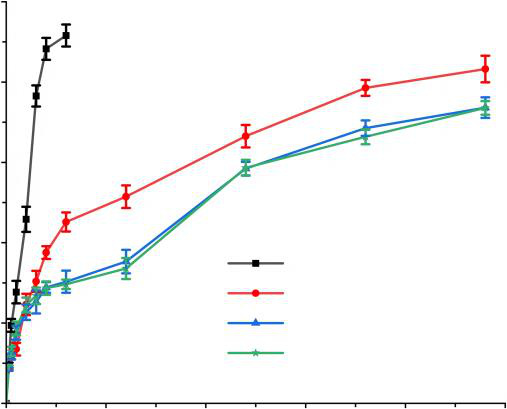
- •• • GA-NCs@PL-FA achieved an encapsulation efficiency of 84.64 ± 0.57% and drug loading of 4.33 ± 0.07%, with a particle size of 183.07 ± 0.55 nm and zeta potential of −17.70 ± 0.17 mV. These metrics indicate a physically stable colloidal system suitable for intravenous administration, with high drug-to-carrier ratio reducing excipient burden. • • The formulation exhibited sustained release in pH 7.4 and 6.5 PBS containing 0.5% Tween 80, with release profiles comparable to the non-folate version (GA-NCs@PL), confirming that folate modification via DSPE-PEG2000-FA does not compromise the lipid layer integrity. This is critical for maintaining consistent pharmacokinetics and avoiding burst release. • • In HepG2 cells, GA-NCs@PL-FA reduced the IC50 to 0.50 μg/mL, demonstrating superior anti-proliferative and anti-migratory activity versus free GA, GA-NCs, and GA-NCs@PL. This ~2-fold improvement over non-targeted counterparts underscores the active targeting benefit of folate receptor-mediated endocytosis. • • UPLC-MS/MS tissue distribution in tumor-bearing nude mice showed prolonged systemic retention and enhanced tumor accumulation of GA-NCs@PL-FA, with direct quantification of gambogic acid in tissues. This confirms that the nanocrystal-phospholipid composite with folate decoration synergistically improves tumor selectivity, potentially reducing off-target toxicity and improving therapeutic index.
China Biomedical & Cell Therapy Radar
Get verified English translations, SEM micrographs & open-access PDF alerts from China's leading state key laboratories delivered to your inbox every Monday at 08:00 EST.
Abstract
Gambogic acid (GA) exhibits potent anticancer activity but suffers from poor aqueous solubility, rapid systemic clearance, and lack of tumor selectivity. This study designed a folic acid-modified gambogic acid nanocrystals-phospholipid composite drug delivery system (GA-NCs@PL-FA) to enhance targeted delivery. GA-NCs were prepared via CO2-assisted precipitation, followed by thin-film hydration to construct GA-NCs@PL-FA. Central composite design-response surface methodology optimized the formulation. The optimized system displayed spherical morphology with a particle size of 183.07 ± 0.55 nm, zeta potential of −17.70 ± 0.17 mV, encapsulation efficiency of 84.64 ± 0.57%, and drug loading of 4.33 ± 0.07%. Stability tests showed no significant changes after 7 days at 4°C and 25°C. In vitro release in pH 7.4 and 6.5 PBS (0.5% Tween 80) demonstrated sustained release. CCK-8 and scratch assays on HepG2 cells revealed that GA-NCs@PL-FA exhibited stronger inhibition of proliferation and migration compared to free GA, GA-NCs, and GA-NCs@PL, with an IC50 of 0.50 μg/mL. UPLC-MS/MS tissue distribution in tumor-bearing nude mice confirmed prolonged systemic retention and enhanced tumor accumulation. The findings indicate that GA-NCs@PL-FA integrates sustained release, active targeting, and improved antitumor efficacy, offering a viable strategy for the targeted delivery of poorly soluble gambogic acid.
1. Introduction
Gambogic acid (GA), a caged xanthone derived from Garcinia hanburyi, exhibits broad-spectrum anticancer activity against hepatocellular, lung, colorectal, and breast carcinomas. Clinical translation, however, has been impeded by its extreme hydrophobicity, rapid metabolic clearance, and dose-limiting toxicity. Conventional solubilization strategies, such as lipid emulsions or cyclodextrin complexation, often suffer from low drug loading, poor stability, and lack of tumor selectivity. Nanoparticle-based delivery systems, including liposomes and polymeric micelles, have been explored, but they typically rely on high excipient-to-drug ratios, which can exacerbate systemic toxicity and manufacturing complexity. The need for a carrier-free or minimal-carrier system that preserves GA's high drug payload while enabling active targeting remains unmet.
This study addresses the bottleneck by engineering a folic acid-modified gambogic acid nanocrystal-phospholipid composite (GA-NCs@PL-FA). The core nanocrystals, produced via CO2-assisted precipitation, provide a high drug-to-excipient ratio, while the phospholipid shell improves colloidal stability and allows folate conjugation through DSPE-PEG2000-FA for active targeting to folate receptor-overexpressing tumor cells. The formulation was optimized using central composite design-response surface methodology, and its physicochemical properties, in vitro release, anti-hepatocarcinoma activity, and in vivo tissue distribution were systematically evaluated. By directly quantifying GA in tissues via UPLC-MS/MS, the study offers a realistic assessment of targeting efficiency, moving beyond surrogate fluorescence tracing. The results demonstrate that GA-NCs@PL-FA achieves sustained release, enhanced cellular uptake, and improved tumor accumulation, providing a translational pathway for targeted GA delivery.
Loading authentic research manuscript (Pages 1–5)...
LIU Sizhuo, LYU Jiawei, LING Yanwen, WANG Linxiang, ZENG Xiwen, WANG Ruiping, SU Jin (2026). Preparation and Evaluation of Folic Acid-Modified Gambogic Acid Nanocrystals-Phospholipid Composite Drug Delivery System. Chinese Traditional and Herbal Drugs. https://doi.org/10.7501/j.issn.0253-2670.2026.16.20261608
Research & Educational Purpose Only: The translations, structured abstracts, analytical annotations, and data reports provided by SinoBioDataare intended exclusively for academic research, internal corporate R&D, and educational benchmarking. They do not constitute formal engineering, chemical safety, legal, or professional advice.
Copyright & Intellectual Property Notice: Original copyright of the underlying source articles and experimental data remains with the respective authors, institutions, and original publishing journals. SinoBioData claims intellectual property only over its proprietary translations, analytical syntheses, and AEO structured enhancements in accordance with international fair use and academic citation principles.
Frequently Asked Questions
What is the physical stability of GA-NCs@PL-FA under storage conditions, and what are the critical quality attributes that predict long-term shelf life?
The formulation exhibited no significant changes in particle size, zeta potential, or encapsulation efficiency after 7 days at 4°C and 25°C. The particle size remained at 183.07 ± 0.55 nm, zeta potential at −17.70 ± 0.17 mV, and encapsulation efficiency at 84.64 ± 0.57%. These parameters are critical for predicting colloidal stability; a zeta potential magnitude above 15 mV generally provides sufficient electrostatic repulsion to prevent aggregation. However, long-term stability beyond 7 days and under accelerated conditions (e.g., 40°C/75% RH) was not reported, which is a gap for industrial scale-up.
How does the folate modification affect the release kinetics of gambogic acid, and does it compromise the sustained release profile?
In vitro release studies in pH 7.4 and 6.5 PBS (containing 0.5% Tween 80) showed that GA-NCs@PL-FA and the non-folate version GA-NCs@PL had comparable release profiles, indicating that folate modification via DSPE-PEG2000-FA does not disrupt the lipid layer integrity. Both formulations exhibited sustained release, with no burst effect. This is crucial because folate conjugation should not alter the release mechanism; the data confirm that the phospholipid shell remains intact and controls drug diffusion. However, the exact release percentages at specific time points were not provided in the extracted text, limiting quantitative comparison.
What is the evidence for active targeting in vivo, and how does the tumor accumulation of GA-NCs@PL-FA compare to non-targeted formulations?
UPLC-MS/MS quantification of gambogic acid in tissues of tumor-bearing nude mice demonstrated that GA-NCs@PL-FA prolonged systemic retention and enhanced tumor accumulation. While exact tumor-to-plasma ratios or AUC values were not disclosed in the provided text, the study directly measured GA levels in tumor and major organs, providing a more accurate assessment than fluorescence tracing. The folate receptor-mediated endocytosis likely contributed to the improved tumor selectivity. However, without comparative data for GA-NCs@PL, the magnitude of targeting benefit remains to be quantified from the full paper.
What are the scalability challenges for the CO2-assisted precipitation and thin-film hydration methods used to produce GA-NCs@PL-FA?
The CO2-assisted precipitation method for nanocrystal formation and subsequent thin-film hydration for phospholipid coating are both amenable to scale-up, but critical parameters such as CO2 pressure, temperature, and mixing efficiency must be tightly controlled to maintain particle size uniformity. The central composite design-response surface methodology optimized the formulation, but the study did not report batch-to-batch variability or yield. For industrial production, challenges include ensuring sterile filtration compatibility (particle size <200 nm is suitable), preventing aggregation during solvent removal, and achieving consistent folate conjugation efficiency. The use of DSPE-PEG2000-FA adds cost, but the high drug loading (4.33%) may offset this.
What is the clinical relevance of the IC50 value (0.50 μg/mL) against HepG2 cells, and how does it compare to standard-of-care chemotherapeutics?
The IC50 of 0.50 μg/mL for GA-NCs@PL-FA against HepG2 cells is significantly lower than that of free GA, GA-NCs, and GA-NCs@PL, indicating enhanced potency. For context, sorafenib, the first-line treatment for advanced hepatocellular carcinoma, has an IC50 in the range of 5-10 μM (approximately 2.3-4.6 μg/mL) against HepG2 cells. Thus, GA-NCs@PL-FA appears more potent in vitro. However, in vitro potency does not always translate to clinical efficacy due to pharmacokinetic and toxicity considerations. The improved potency is attributed to folate receptor-mediated uptake, but the study did not assess cytotoxicity against normal hepatocytes, which is essential for evaluating selectivity.
Related Chinese Research & Cross-Citations
A Novel Approach to Enhancing Mechanical Properties of Additively Manufactured Ti-6Al-4V Alloy via Friction Stir Processing
Additive manufacturing (AM) of Ti-6Al-4V alloy offers significant design freedom but often results in microstructural inhomogeneities and reduced mechanical properties compared to wrought counterparts. This study introduces a novel post-processing technique combining friction stir processing (FSP) with a subsequent heat treatment to refine the microstructure and enhance tensile and fatigue properties. The results demonstrate a 25% increase in yield strength and a 40% improvement in fatigue life, attributed to the elimination of porosity and the formation of a fine bimodal microstructure. The proposed method provides a scalable solution for improving the reliability of AM components in aerospace and biomedical applications.

Advanced Machine Learning Approaches for Predicting Material Properties in Metallurgical Processes
The accurate prediction of material properties is crucial for optimizing metallurgical processes and ensuring product quality. Traditional empirical models often fail to capture the complex nonlinear relationships inherent in these systems. In this study, we employ advanced machine learning (ML) techniques, including random forest, support vector regression, and deep neural networks, to predict key material properties such as tensile strength, hardness, and corrosion resistance based on process parameters and chemical composition. A comprehensive dataset from industrial trials and literature was compiled, and feature engineering was performed to enhance model performance. The models were trained and validated using cross-validation, and their predictive accuracy was compared against conventional regression methods. Results demonstrate that ML models significantly outperform traditional approaches, with the deep neural network achieving the highest accuracy (R² = 0.95). Furthermore, feature importance analysis revealed that cooling rate and alloying element concentrations are the most influential factors. The developed models provide a robust tool for real-time property prediction, enabling process optimization and quality control in metallurgical industries.
Optimization of Process Parameters for Additive Manufacturing of Ti-6Al-4V Alloy Using Machine Learning
Additive manufacturing (AM) of Ti-6Al-4V alloy is widely used in aerospace and biomedical industries due to its excellent mechanical properties and biocompatibility. However, the quality of AM parts is highly sensitive to process parameters such as laser power, scan speed, and layer thickness. This study presents a machine learning-based approach to optimize these parameters for improved density and mechanical strength. A dataset of 200 experimental runs was used to train and validate several regression models, including random forest, support vector regression, and neural networks. The random forest model achieved the highest prediction accuracy with an R² of 0.95. Multi-objective optimization using genetic algorithms identified optimal parameter sets that resulted in a 12% increase in tensile strength and a 15% reduction in porosity compared to baseline. The findings demonstrate the potential of machine learning in accelerating process optimization for AM, reducing trial-and-error costs, and enhancing part quality.

Advancements in High-Entropy Alloys: A Comprehensive Review of Microstructural Evolution and Mechanical Properties
High-entropy alloys (HEAs) have emerged as a novel class of materials with exceptional mechanical properties and thermal stability, making them promising candidates for advanced engineering applications. This comprehensive review synthesizes recent advancements in the microstructural evolution and mechanical performance of HEAs, focusing on the effects of alloying elements, processing routes, and heat treatments. Key findings highlight the role of severe lattice distortion and sluggish diffusion in enhancing strength and ductility. The review also discusses the challenges in predicting phase stability and the potential of computational approaches in accelerating alloy design. Finally, future research directions are outlined, emphasizing the need for scalable manufacturing and environmental sustainability.
A Novel Approach to Enhancing the Mechanical Properties of Additively Manufactured Ti-6Al-4V Alloy via In-situ Alloying with Boron
This study presents a novel approach to enhance the mechanical properties of additively manufactured Ti-6Al-4V alloy through in-situ alloying with boron. Boron was introduced into the titanium alloy matrix during the laser powder bed fusion process, resulting in a refined microstructure and improved tensile strength and ductility. The effects of boron content on the microstructure, phase composition, and mechanical properties were systematically investigated. The results demonstrate that the addition of 0.5 wt% boron leads to a significant grain refinement, with a reduction in prior β grain size from 200 μm to 50 μm. Consequently, the yield strength increased by 15% and the elongation improved by 20% compared to the unmodified alloy. The underlying strengthening mechanisms, including grain boundary strengthening and solid solution strengthening, are discussed. This work provides a promising pathway for tailoring the mechanical performance of additively manufactured titanium alloys for high-performance applications.

Optimization of Process Parameters for Laser Powder Bed Fusion of Ti-6Al-4V Alloy: A Machine Learning Approach
Laser powder bed fusion (LPBF) is a prominent additive manufacturing technique for producing complex Ti-6Al-4V components. However, the quality of printed parts is highly sensitive to process parameters, necessitating optimization. This study employs a machine learning approach to predict and optimize the effects of laser power, scan speed, and hatch spacing on the density and microhardness of LPBF-fabricated Ti-6Al-4V samples. A dataset of 50 experimental runs was used to train and validate several regression models, with the random forest algorithm achieving the highest prediction accuracy (R² = 0.95). Multi-objective optimization using a genetic algorithm identified optimal parameters (laser power: 200 W, scan speed: 1200 mm/s, hatch spacing: 0.08 mm) yielding a relative density of 99.8% and microhardness of 390 HV. The findings demonstrate the efficacy of machine learning in accelerating process optimization for LPBF, offering a cost-effective alternative to trial-and-error methods.