Osteoarthritis characteristic genes and prediction of targeted food-medicine homology traditional Chinese medicine: bioinformatics analysis and kinetic simulation
Authors: LI Zhengpeng, SHAO Weigang, ZENG Hao, XIANG Kelin, ZHANG Botao, ZOU Shunyi, CHEN Sheng, QI Wen
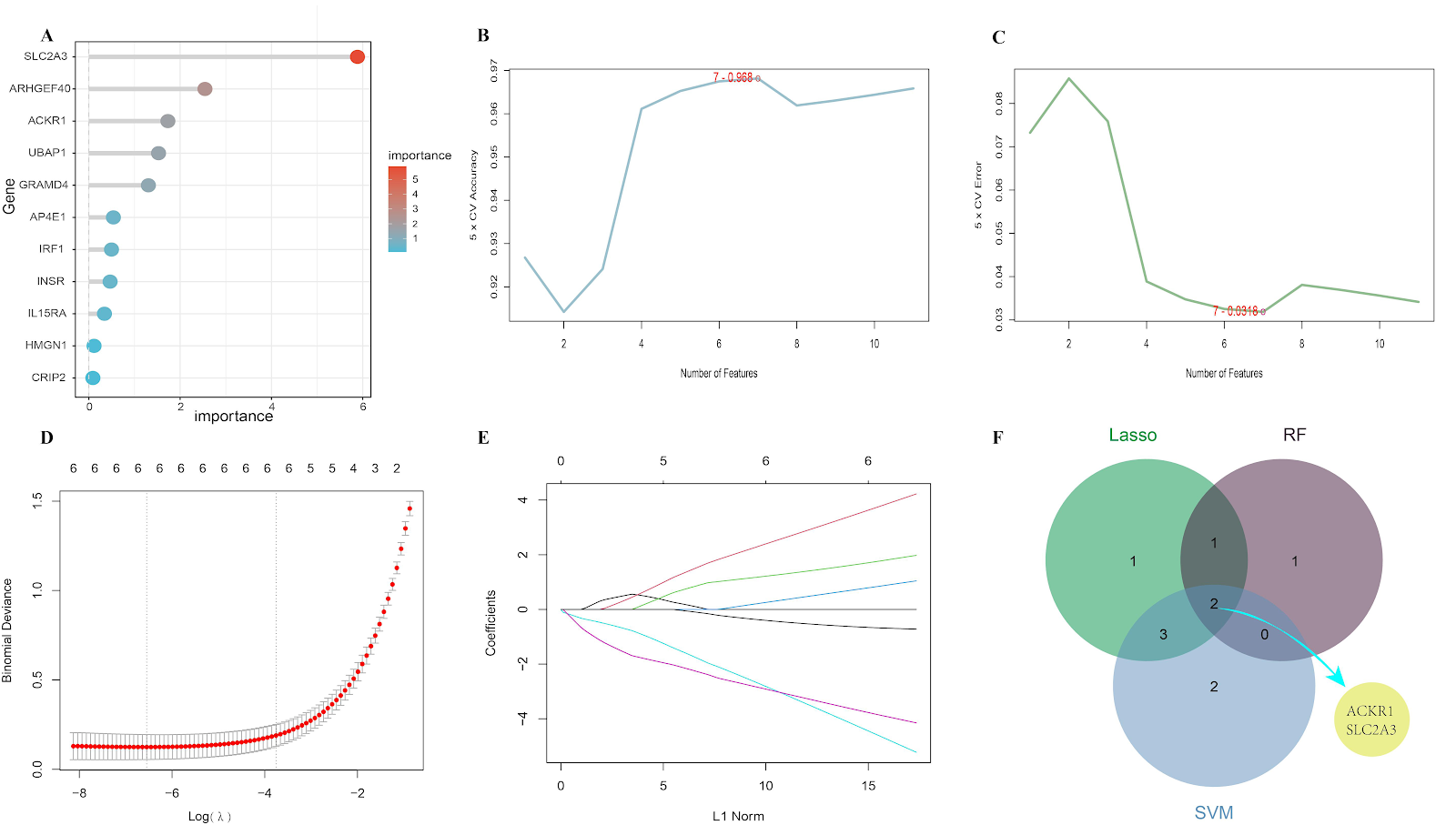
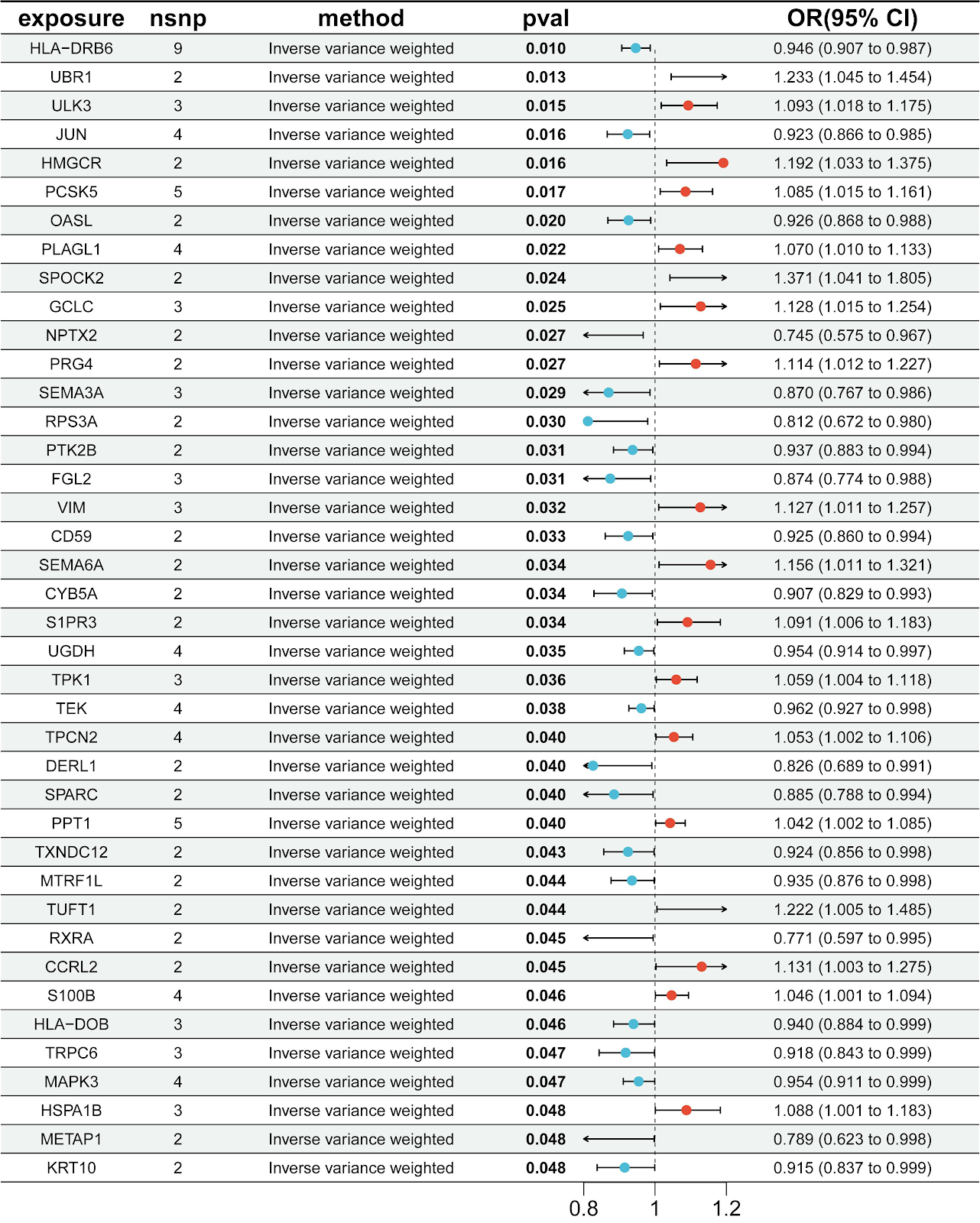
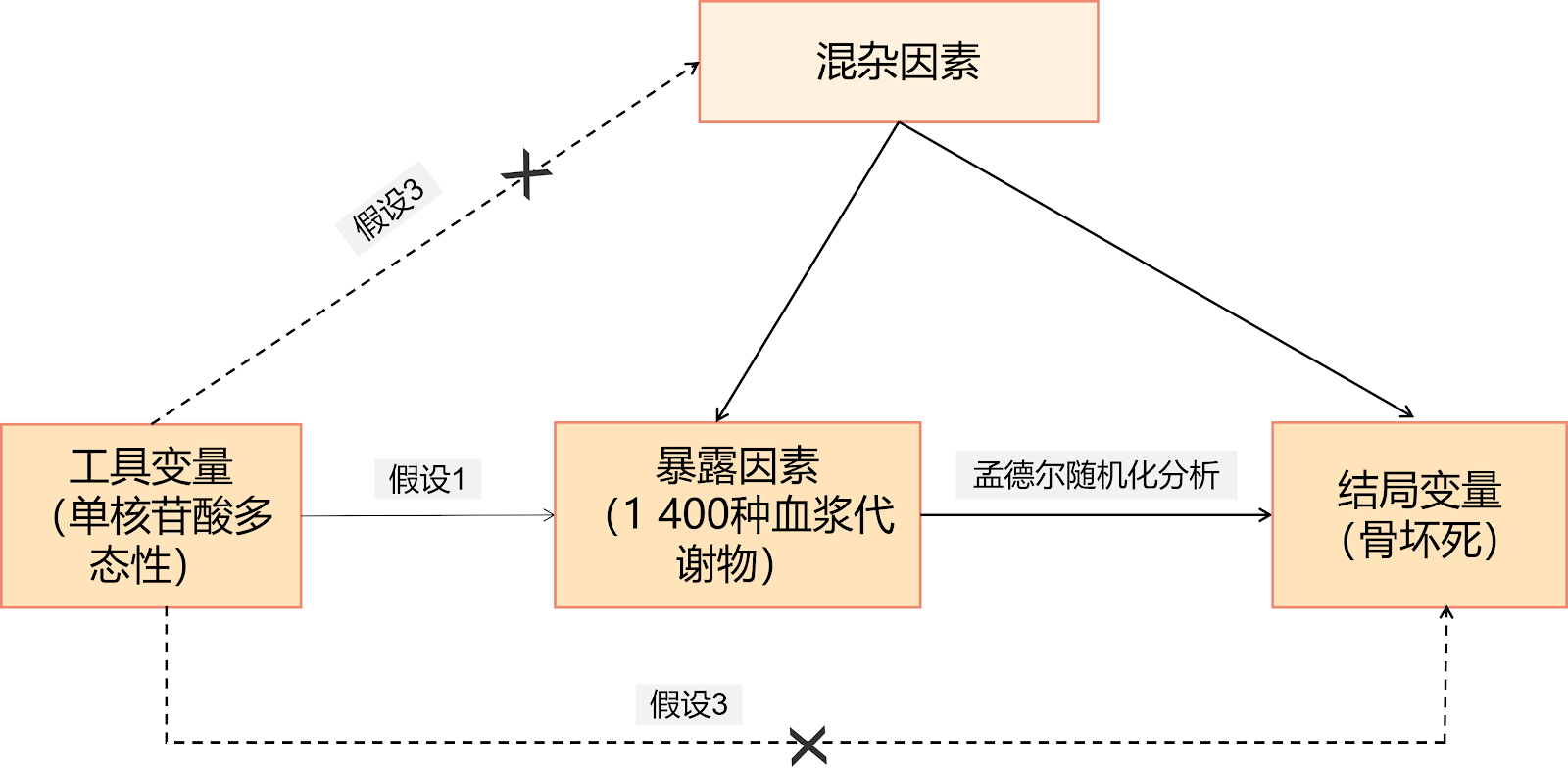
BACKGROUND: Early diagnosis and treatment of osteoarthritis remain a significant challenge due to the lack of highly specific biomarkers. OBJECTIVE: To screen characteristic genes of osteoarthritis, predict potential food-medicine homology traditional Chinese medicine and their core components, and validate their therapeutic potential through molecular docking and molecular dynamics simulations. METHODS: This study is based on three datasets (GSE55235, GSE169077, and GSE55457) from the GEO database, including a total of 25 normal samples and 26 osteoarthritis samples. It combines genes extracted from the eQTL database as exposure factors, and osteoarthritis data from the IEU openGWAS database (407,746 samples) as outcome factors. Core biomarkers were identified using least absolute shrinkage and selection operator regression, random forest, and support vector machine algorithms. CIBERSORT was used to evaluate immune infiltration characteristics and single-gene gene set enrichment analysis was performed. Potential traditional Chinese medicines were predicted using Coremine Medical and HERB databases, and food-medicine homology traditional Chinese medicines and their core components were screened, followed by molecular docking and molecular dynamics simulations. RESULTS AND CONCLUSION: ① Two genes, glucose transporter 3 (GLUT3) and atypical chemokine receptor 1 (ACKR1), were identified as characteristic genes of osteoarthritis, showing good diagnostic efficacy (AUC > 0.8) and involvement in metabolic regulation, cell signal transduction, and inflammatory responses, closely related to glucose metabolism, immune regulation, and inflammatory signaling pathways. ② Seven food-medicine homology traditional Chinese medicines were screened, including Cornus officinalis, Perilla frutescens, Ganoderma lucidum, Gastrodia elata, bitter almond, clove, and Rehmannia glutinosa, with core components β-sitosterol and stigmasterol. Molecular docking and dynamics simulations showed that stigmasterol had the best affinity with GLUT3 and the complex exhibited high stability. ③ This study systematically reveals the key roles of GLUT3 and ACKR1 in the pathogenesis of osteoarthritis, preliminarily validates the possibility of food-medicine homology traditional Chinese medicines intervening in the pathological process of osteoarthritis through multi-target and multi-pathway mechanisms, providing new molecular evidence for early diagnosis and targeted therapy, as well as theoretical support for prevention and treatment strategies. This research, from the perspective of traditional Chinese medicine and modern molecular biology, can provide a reference for the clinical application of traditional Chinese medicine in osteoarthritis.