Chinese Journal of Pathophysiology2026
Calcium Sensitivity, but Not Its Level, Determines Hypoxic Constriction of Porcine Coronary Arteries
AIM: Acute hypoxia can induce transient contraction of coronary arteries, leading to myocardial ischemia and even cardiac dysfunction. However, the precise regulatory mechanisms remain unclear. In this study, we applied various interventions to isolated porcine coronary arteries by modulating cytoplasmic calcium concentrations mediated by calcium channels on the plasma membrane and sarcoplasmic reticulum, aiming to investigate the relationship between hypoxic contraction and intracellular calcium levels as well as calcium sensitization effects. METHODS: Isolated rings of the porcine left anterior descending coronary artery served as the experimental model. Based on distinct intervention targets, four core experimental groups were established. The specific grouping, sample size (n) for each group, and treatments were as follows: (1) nitric oxide (NO)-soluble guanylyl cyclase (sGC) pathway and energy metabolism intervention groups including control (n=5), nitric oxide synthase inhibitor nitro-L-arginine (NLA, 10^-4 mol/L; n=4 to 5), soluble guanylyl cyclase (sGC) antagonist 1H-[1,2,4]oxadiazolo[4,3-a]quinoxalin-1-one (ODQ, 3×10^-5 mol/L; n=5), endothelium-denuded (n=5), normal glucose incubation (n=3), and glucose-free incubation (n=3) groups; (2) calcium source intervention groups including normal calcium control (n=4), calcium-free incubation with 5×10^-3 mol/L ethylene glycol tetraacetic acid (EGTA; n=4), L-type calcium channel antagonist nifedipine (10^-6 mol/L; n=5 to 7), non-selective cation channel inhibitor NiCl2 (5×10^-5 mol/L; n=5 to 7), sarcoplasmic reticulum Ca²⁺-ATPase inhibitor thapsigargin (2×10^-6 mol/L; n=5 to 7), and inositol trisphosphate (IP3) receptor antagonist 2-aminoethoxydiphenyl borate (2-APB, 10^-4 mol/L; n=5 to 7) groups; (3) myosin light chain kinase (MLCK) pathway intervention groups including control (n=4) and MLCK-specific inhibitor 1-(5-iodonaphthalene-1-sulfonyl)-1H-hexahydro-1,4-diazepine hydrochloride (ML-7, 10^-5 mol/L; n=6) groups; (4) myosin light chain phosphatase (MLCP) activity and endothelium-dependence intervention groups including endothelium-intact (n=4) and mechanically endothelium-denuded (n=6) groups. All arterial rings were pre-contracted with either U46619 (3×10^-7 mol/L) or KCl (6×10^-2 mol/L) and then subjected to 10 minutes of hypoxia (95% N2+5% CO2). Changes in vascular tension were continuously monitored and recorded using a multi-channel physiological signal acquisition system. Furthermore, combined with Western blotting, the phosphorylation level of myosin light chain (MLC) and the activity of MLCP were determined; the phosphorylation levels of MLC and MLCP were also compared between endothelium-intact and endothelium-denuded coronary arteries under hypoxic conditions. RESULTS: (1) Hypoxic constriction of porcine coronary arteries is dependent on the activation of endothelium-derived nitric oxide (NO) and sGC in vascular smooth muscle cells. (2) Hypoxic contraction in porcine coronary arteries is independent of extracellular Ca²⁺ influx. (3) Hypoxic contraction in porcine coronary arteries does not rely on intracellular Ca²⁺ release from the sarcoplasmic reticulum. (4) Hypoxic contraction in porcine coronary arteries leads to inhibition of myosin light chain phosphatase activity, suggesting increased calcium sensitization in coronary artery smooth muscle. CONCLUSION: The mechanism underlying acute hypoxia-induced vasoconstriction exhibits distinct characteristics: it does not rely on extracellular calcium influx mediated by plasma membrane calcium channels, nor is it associated with intracellular calcium mobilization from sarcoplasmic reticulum stores. Instead, it is mediated by a significant enhancement in calcium sensitivity regulated by myosin light chain phosphatase, a process referred to as calcium sensitization.
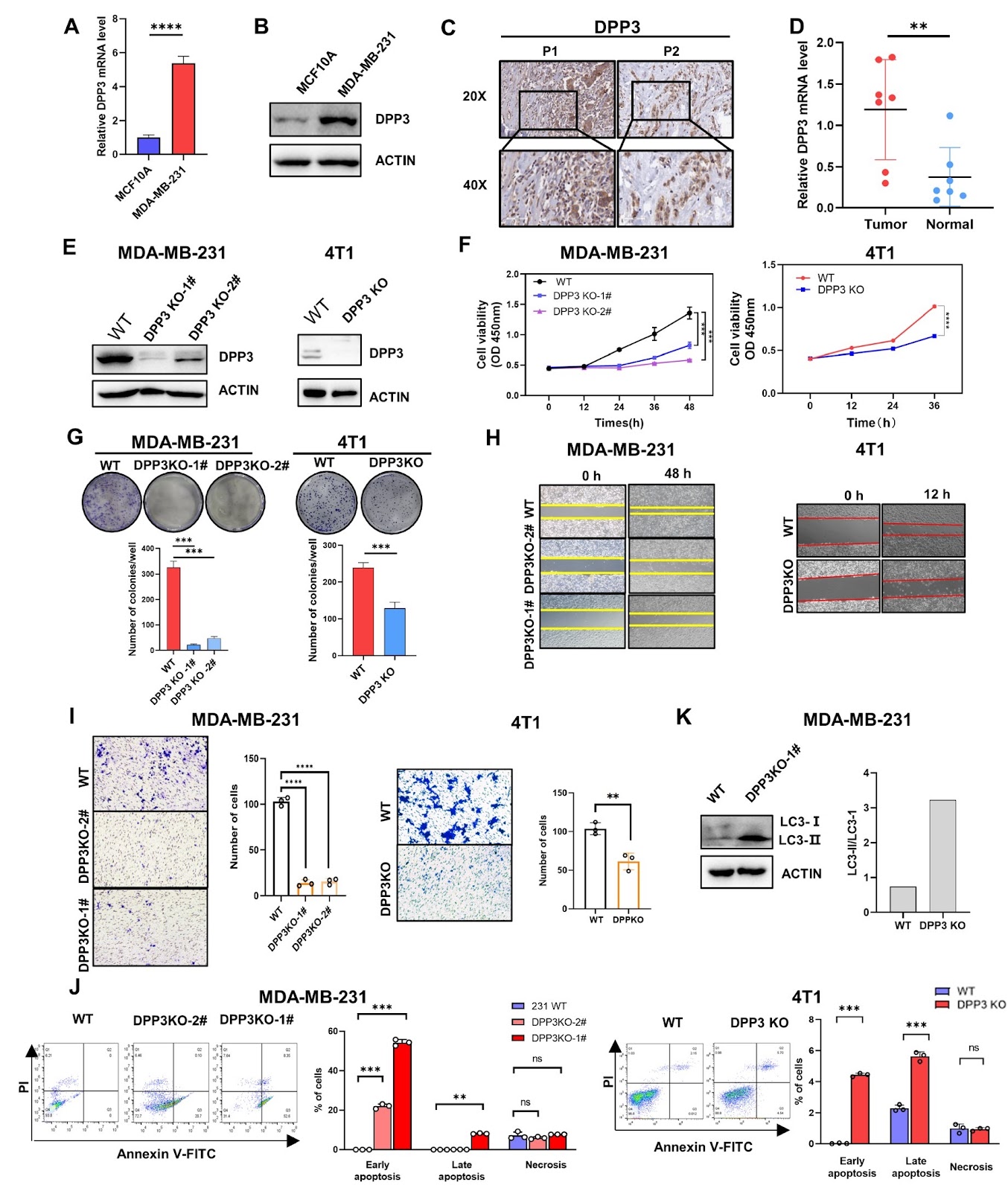 Graphical AbstractVerified