🧬 SinoBioData Academic Portal
🏛️ Indexed Academic JournalOriginal: 生物化学与生物物理学报

Acta Biochimica et Biophysica Sinica

Premier Chinese Biomedical Journal indexed in SinoBioData: Acta Biochimica et Biophysica Sinica (生物化学与生物物理学报).

Total Research Papers: 200
Access: 100% Free Open Access
Browse by Publication Year & VolumeReset All Filters ✕

Published Research PapersFiltered: Year 2026 • 58 • 1

Showing 9 of 200 peer-reviewed papers with full Graphical Abstracts.

Original ResearchVol. 58, Issue 1 • pp. 1-2DOI: 10.3724/abbs.2025247

Special issue: advances in immunology and its applications

Authors: Mingshun Han, Hongyan Wang

Innate immunity and adaptive immunity play crucial roles in regulating inflammation-related diseases such as tumors, infections, and autoimmune diseases. The interplay between innate immunity and adaptive immunity ensures the maintenance of tissue homeostasis and effective clearance of invading pathogens or tumor cells. However, dysregulation in each type of immune cells or their communications leads to pathological conditions, ranging from chronic inflammation to malignant progression. In recent years, the field of immunology has witnessed a paradigm shift, moving from merely describing immune cell signaling or phenotypes to actively exploring strategies that reshape immune functions for therapeutic benefit. Exploring effectors or strategies to reshape T cell function for the improved anti-tumor and anti-infection efficacy has emerged as a critical research direction. This includes the development and optimization of chimeric antigen receptor T-cell (CAR-T) therapies for clinical applications. While CAR-T therapy has revolutionized the treatment of hematologic malignancies, its success in solid tumors remains limited. Chen et al. [1] dissect the distinct signaling mechanisms of chimeric antigen receptors (CARs) compared to T cell receptors (TCRs). They elucidate how CAR-T cells, despite overcoming MHC restrictions, encounter significant hurdles such as inefficient tumor infiltration and the hostility of the immunosuppressive tumor microenvironment (TME). To address these challenges, the authors underscore several innovative strategies, such as optimizing receptor clustering to facilitate immune synapse formation and integrating novel co-stimulatory domains to augment therapeutic efficacy in solid tumors. Moving beyond engineering, fundamental insights into microenvironmental stress and T cell intrinsic signaling are pivotal. While oxidative stress is a well-established concept in the TME, Ji and Xiao [2] draw attention to the phenomenon of “reductive stress”. They explain how a surplus of intracellular reducing agents disrupts redox balance, creating a reductive environment that significantly influences immune cell differentiation and tumor survival. In a complementary study, Shi et al. [3] investigate the intrinsic role of pattern recognition receptor (PRR) signaling within T cells. Although PRRs are historically classified as innate sensors, this review highlights their critical function in adaptive immunity, discussing how T cells utilize PRRs to interpret endogenous danger signals and microbial cues to regulate cytokine release and proliferation. Additionally, Ma et al. [4] provide a comprehensive update on T cell immunoglobulin and mucin-containing molecule 3 (TIM-3), an important immune checkpoint. By detailing its expression profile across T cells, NK cells, and myeloid lineages, they propose that rational combination therapies targeting TIM-3 alongside other checkpoints offer a promising avenue to surmount current resistance mechanisms. This issue also highlights the regulation of immunity by neurotransmitters and biological rhythms, illustrating the profound integration of the immune system with physiological networks. Fan and Zhao [5] summarize the neurotransmitter-receptor landscape in T cell tumor immunology. They elaborate on how specific neurotransmitters, including glutamate, acetylcholine, GABA, and serotonin, could dictate T cell activation and differentiation within the TME. The authors advocate for targeting these neuro-immune axes, such as through β-blockers or glutamate receptor inhibitors, as a new frontier for enhancing cancer immunotherapy. From a different perspective, Sun et al. [6] assess the influence of circadian rhythms on the TME and immunotherapy outcomes. They present evidence indicating that the efficacy of treatments like immune checkpoint blockade depends on administration timing, suggesting that future clinical protocols should incorporate chronobiology to maximize patient benefit. Further exploring this dimension, Zhao et al. [7] examine the bidirectional circadian dialogue between the host and the gut microbiota. They describe how modern lifestyle factors, such as shift work and irregular dietary habits, disrupt this synchronization, resulting in compromised barrier integrity and systemic metabolic disorders. This issue also focuses on the function of various innate immune cells, including ILCs, macrophages, and dendritic cells (DCs), as well as their crosstalk with T cells in maintaining homeostasis across lung, gut, and aging contexts. Chen et al. [8] concentrate on Group 2 innate lymphoid cells (ILC2s), which functionally mirror Th2 cells. They underscore the context-specific roles of ILC2s in pulmonary diseases, explaining how these cells react to environmental alarmins such as IL-33 and thymic stromal lymphopoietin (TSLP). The review also discusses targeting ILC2 plasticity as a potential therapeutic intervention for lung inflammation. Recent findings suggest lipid metabolism as a crucial determinant of innate immune function. Huang et al. [9] offer an updated survey of lipid-regulated immunobiology in macrophages, examining how

Special issue: advances in immunology and its applications
Graphical Abstract
Original ResearchVol. 58, Issue 1 • pp. 49-66DOI: 10.3724/abbs.2025235

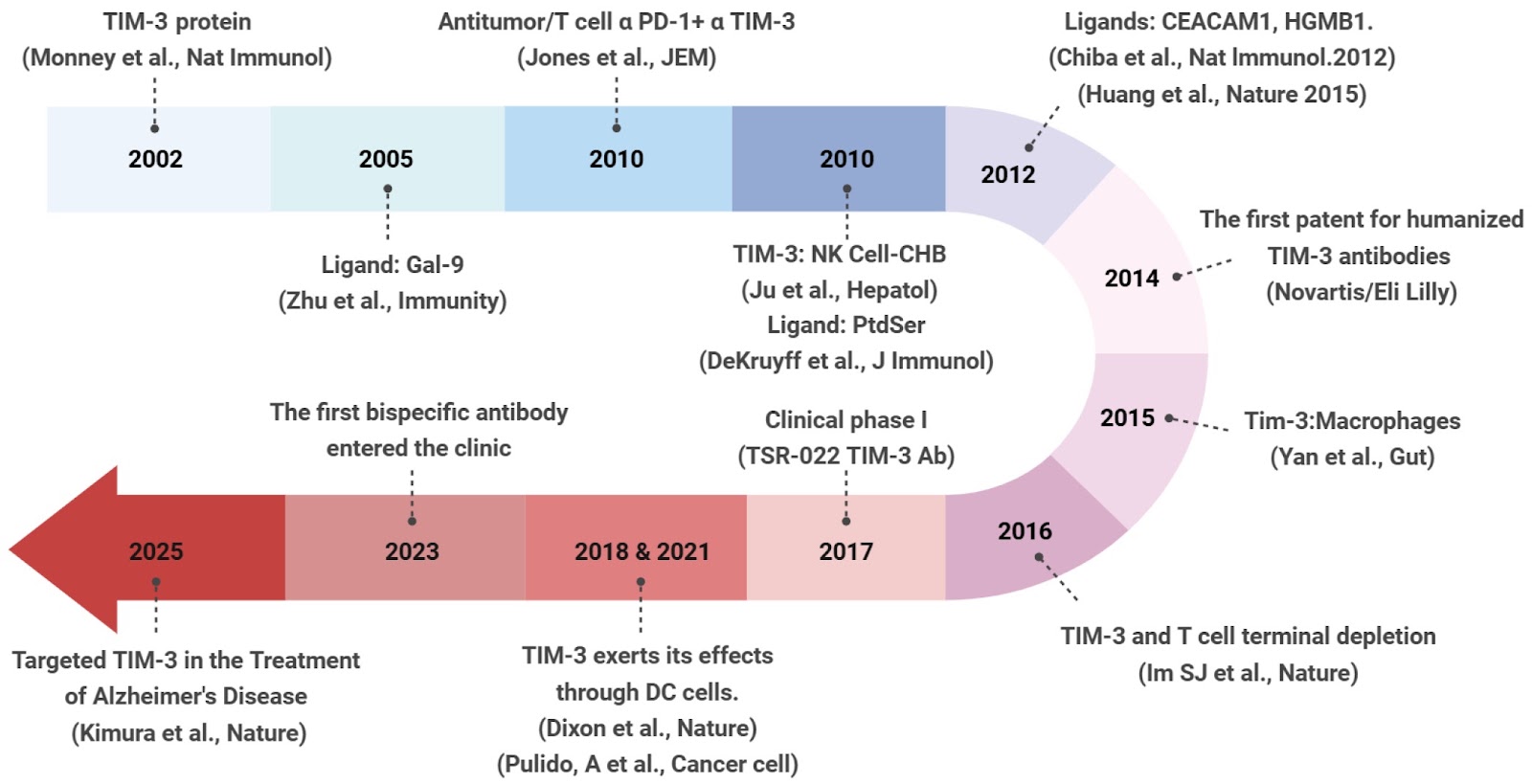
Immune checkpoint TIM-3 in tumor immunotherapy

Authors: Shuaiya Ma, Mengyao Zhu, Chunhong Ma, Chunyang Li

Over the past decade, immunotherapy has emerged as a pivotal therapeutic strategy in cancer treatment. Immune checkpoint inhibitors (ICIs), such as CTLA-4 and PD-1 monoclonal antibodies, have demonstrated remarkable clinical efficacy in different types of cancer. However, the overall success rate of immune checkpoint therapies remains low. Investigating alternative immune checkpoint molecules is imperative. T-cell immunoglobulin and mucin-containing molecule-3 (TIM-3), which is expressed in T cells, natural killer (NK) cells, macrophages, and dendritic cells, has gained recognition as a promising candidate for tumor immunotherapy. Targeting TIM-3 represents a promising approach for cancer immunotherapy, particularly through the rational design of novel combination therapies with other ICIs. In this review, we present a comprehensive summary of the research advancements concerning the role of TIM-3 in regulating immune responses in different cell types and explore theoretical frameworks for targeting TIM-3 to achieve more effective immunotherapeutic breakthroughs.

Immune checkpoint TIM-3 in tumor immunotherapy
Graphical Abstract
Original ResearchVol. 58, Issue 1 • pp. 137-155DOI: 10.3724/abbs.2025239

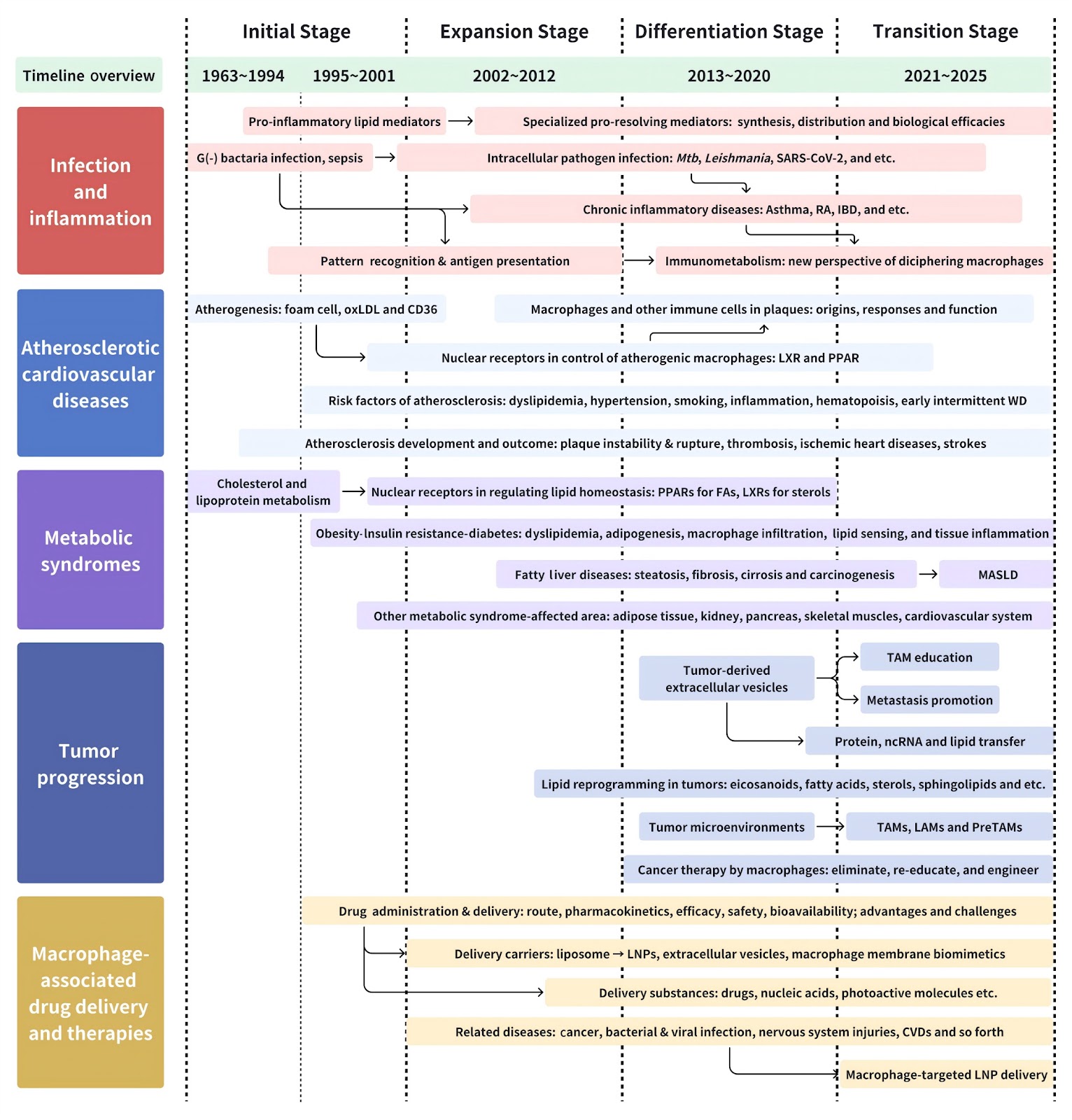
An updated overview of lipid-regulated immunobiology in macrophages

Authors: Ziyang Huang, He Xu, Han Lin, Quan D. Zhou

Macrophages are well known for their widespread distribution, diverse roles, and involvement in multiple pathophysiological contexts, thereby constructing an immunological front line. Meanwhile, constant efforts over the past few decades have unveiled diverse reprogramming patterns of lipid metabolism as crucial, response- and context-specific drivers of macrophage functions and fate. Here, we take a bird’s-eye view of major fields across the research landscape of lipid-regulated macrophages; review the latest advances in understanding how alterations in several lipid subclasses, especially their fatty acyl composition and oxidative status, direct macrophage-mediated responses and pathology outcomes; and summarize representative insights that have deciphered the lipidome composition of macrophages or profiled specific lipid species under different scenarios. We hope that this review provides readers with a handy grip to learn and explore the field of lipid-regulated immunobiology, exemplified by but not limited to macrophages.

An updated overview of lipid-regulated immunobiology in macrophages
Graphical Abstract
Original ResearchVol. 58, Issue 1 • pp. 39-48DOI: 10.3724/abbs.2025227

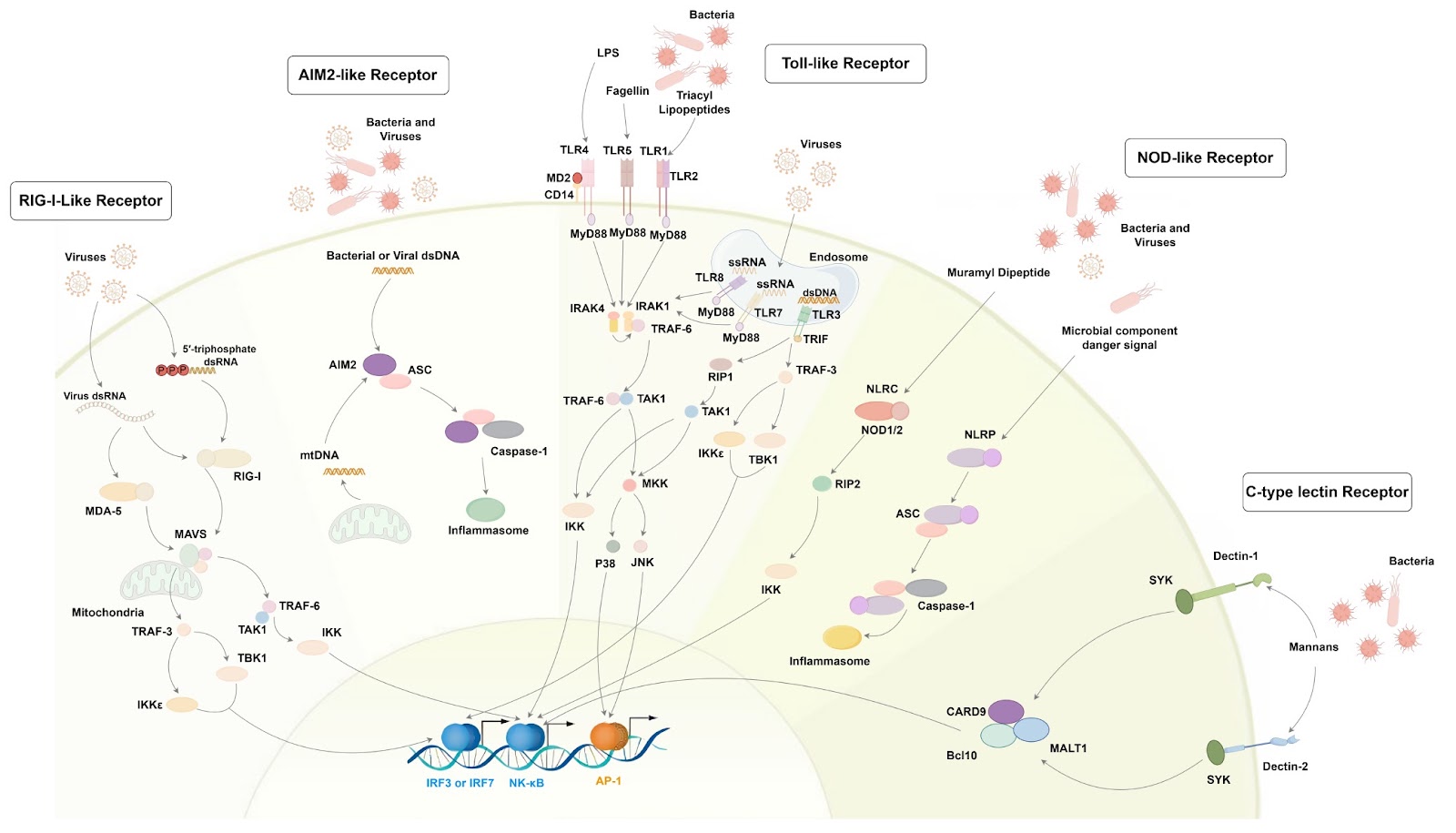
T cell-intrinsic PRR signaling in immunity and pathology

Authors: Yixuan Shi, Meng Wang, Baodi Dai, Xinliang Lu, Sirui Li

The immune system orchestrates a delicate balance between robust defense against pathogens and restraint to prevent tissue damage, with T cells serving as central mediators of adaptive immunity. The canonical pathway for T-cell activation hinges on the precise recognition of peptide antigens presented by major histocompatibility complex (MHC) molecules via the T-cell receptor (TCR), which is complemented by essential co-stimulatory signals. However, this model alone cannot fully explain the nuanced contextualization of immune responses, particularly how T cells integrate signals related to the nature of the threat. Pattern recognition receptors (PRRs), which are traditionally studied in innate immune cells, are recognized as critical regulators of T cell function, challenging the conventional dichotomy between innate and adaptive immunity. T cell-intrinsic PRR signaling integrates endogenous danger signals and microbes to modulate critical processes, including cytokine production, proliferation, and polarization, thereby shaping immune responses and disease outcomes in contexts ranging from viral infections to chronic inflammation and cancer. However, the molecular mechanisms underlying PRR-mediated T cell regulation and their contributions to immune homeostasis or pathology remain incompletely understood. This study investigates the role of T cell-intrinsic PRR signaling in shaping immune responses and its implications for disease. By elucidating key signaling pathways and their impact on T cell function, we aim to offer novel insights into the complex regulation of T cell-mediated immunity and uncover an underappreciated paradigm for immune-related disorders, providing new insights into the pathogenesis of inflammatory and neoplastic diseases.

T cell-intrinsic PRR signaling in immunity and pathology
Graphical Abstract
Original ResearchVol. 58, Issue 1 • pp. 90-105DOI: 10.3724/abbs.2025203

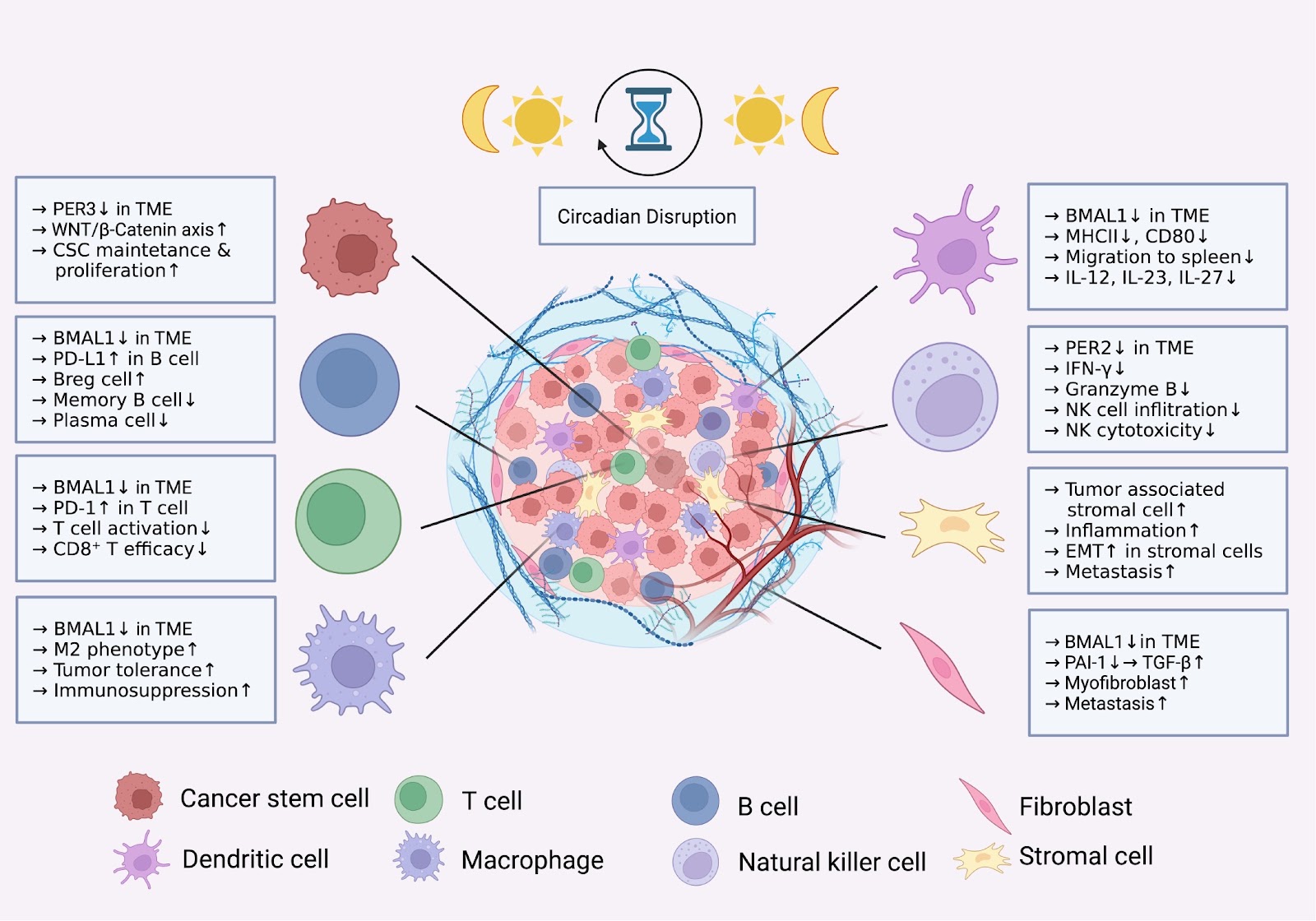
Circadian rhythm in immunotherapy and cellular therapy: impacts on the tumor microenvironment

Authors: Xiaoyang Sun, Lulu Qin, Xinghua Liang, Dongrui Wang

Immunotherapy, including cellular therapy, has emerged as a crucial pillar in cancer treatment, complementing established modalities such as surgery, chemotherapy and radiotherapy. The clinical observation that immunotherapy is effective in only a limited proportion of patients inspires mechanistic research on the complicated regulatory network within the tumor microenvironment (TME). Circadian regulation significantly affects immune cell behavior, including the activity of immune cells and cytokine production, and emerging evidence suggests the key role of circadian regulation in the TME, which subsequently affects the effectiveness of immunotherapy. Results from preclinical and clinical studies indicate that appropriate timing of adoptive cellular therapy and immune checkpoint blockade therapy improves their efficacy. Therefore, understanding the molecular mechanism of the circadian rhythm together with its role in immunotherapy is essential for optimizing cellular function, proliferation and persistence in the TME. Here, we review how circadian rhythms influence immunotherapy and the TME across different stages of tumor progression. Future clinical protocols may integrate concepts of circadian rhythm and immunotherapy to enhance treatment response.

Circadian rhythm in immunotherapy and cellular therapy: impacts on the tumor microenvironment
Graphical Abstract
Original ResearchVol. 58, Issue 1 • pp. 120-136DOI: 10.3724/abbs.2025243

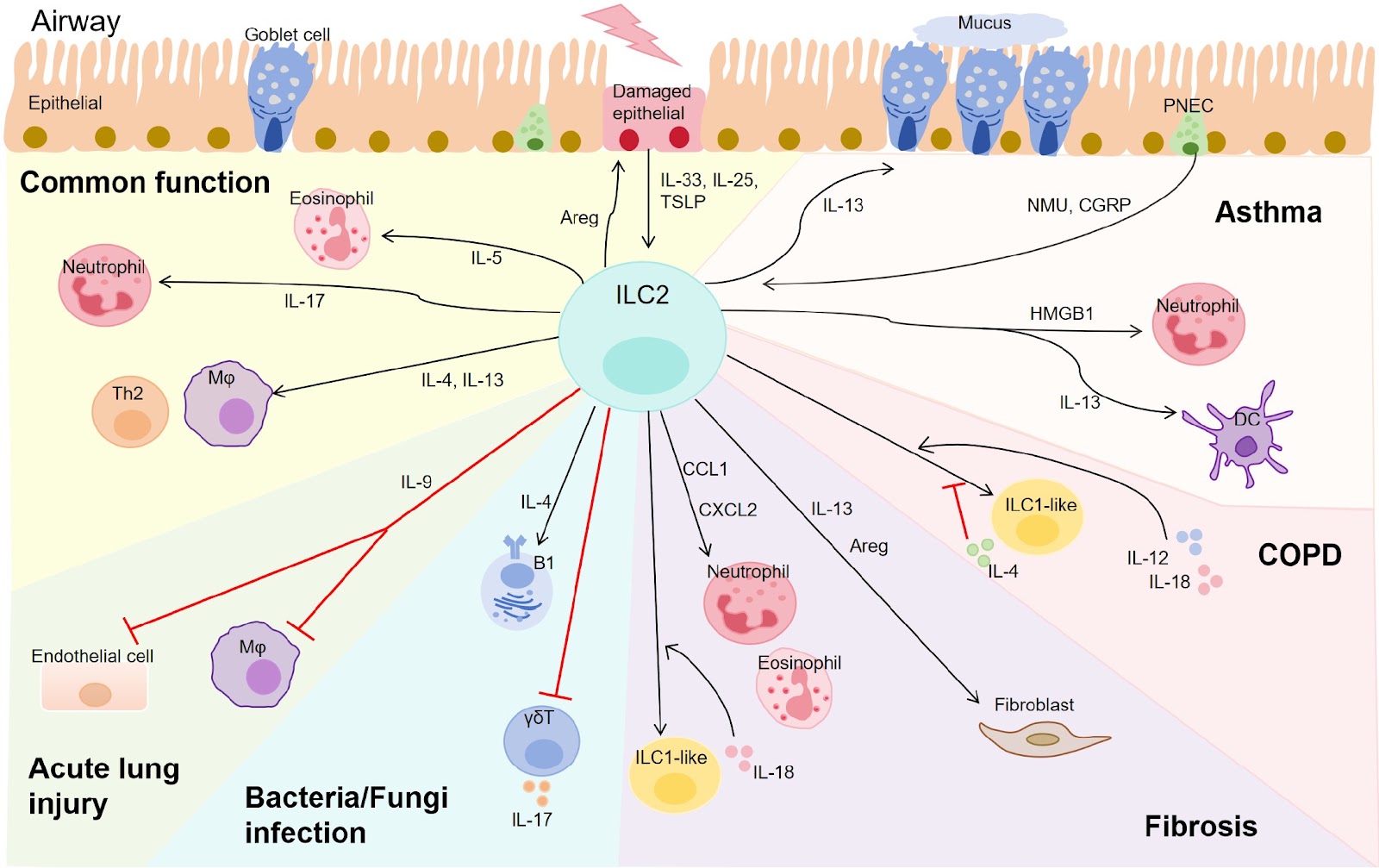
The context-dependent role of group 2 innate lymphoid cells in lung diseases

Authors: Yue Chen, Xiaojuan Ji, Jinxin Qiu, Ju Qiu

Group 2 innate lymphoid cells (ILC2s), a subset of innate lymphoid cells (ILCs) lacking antigen-specific receptors and functionally mirroring T helper 2 (Th2) cells, are indispensable components of the innate immune system that lack antigen-specific receptors but phenotypically and functionally mirror T helper 2 (Th2) cells, particularly in their expression of the transcription factor GATA3 and the secretion of type 2 cytokines for mediating type 2 immune responses. ILC2s are tissue-resident cells in mucosal tissues, including the lung, where they play crucial roles in maintaining tissue homeostasis and regulating immune responses. ILC2s are poised to respond to environmental signals such as IL-25, IL-33, and TSLP, which activate and expand ILC2s. Their functions are highly context-dependent and influenced by interactions with other immune cells. In this review, we summarize recent findings on the roles of ILC2s in lung diseases, highlighting their typical characteristics and their responsiveness to environmental signals in the context of pulmonary pathology. We also discuss potential therapeutic strategies targeting ILC2s, which may offer new avenues for the treatment of inflammatory lung diseases. Understanding the mechanisms by which ILC2s contribute to lung disease progression will provide valuable insights for the development of novel diagnostic (e.g., ILC2 phenotypic markers) and therapeutic approaches (e.g., targeting ILC2 plasticity or alarmin-ILC2 signaling axes).

The context-dependent role of group 2 innate lymphoid cells in lung diseases
Graphical Abstract
Original ResearchVol. 58, Issue 1 • pp. 183-200DOI: 10.3724/abbs.2025157

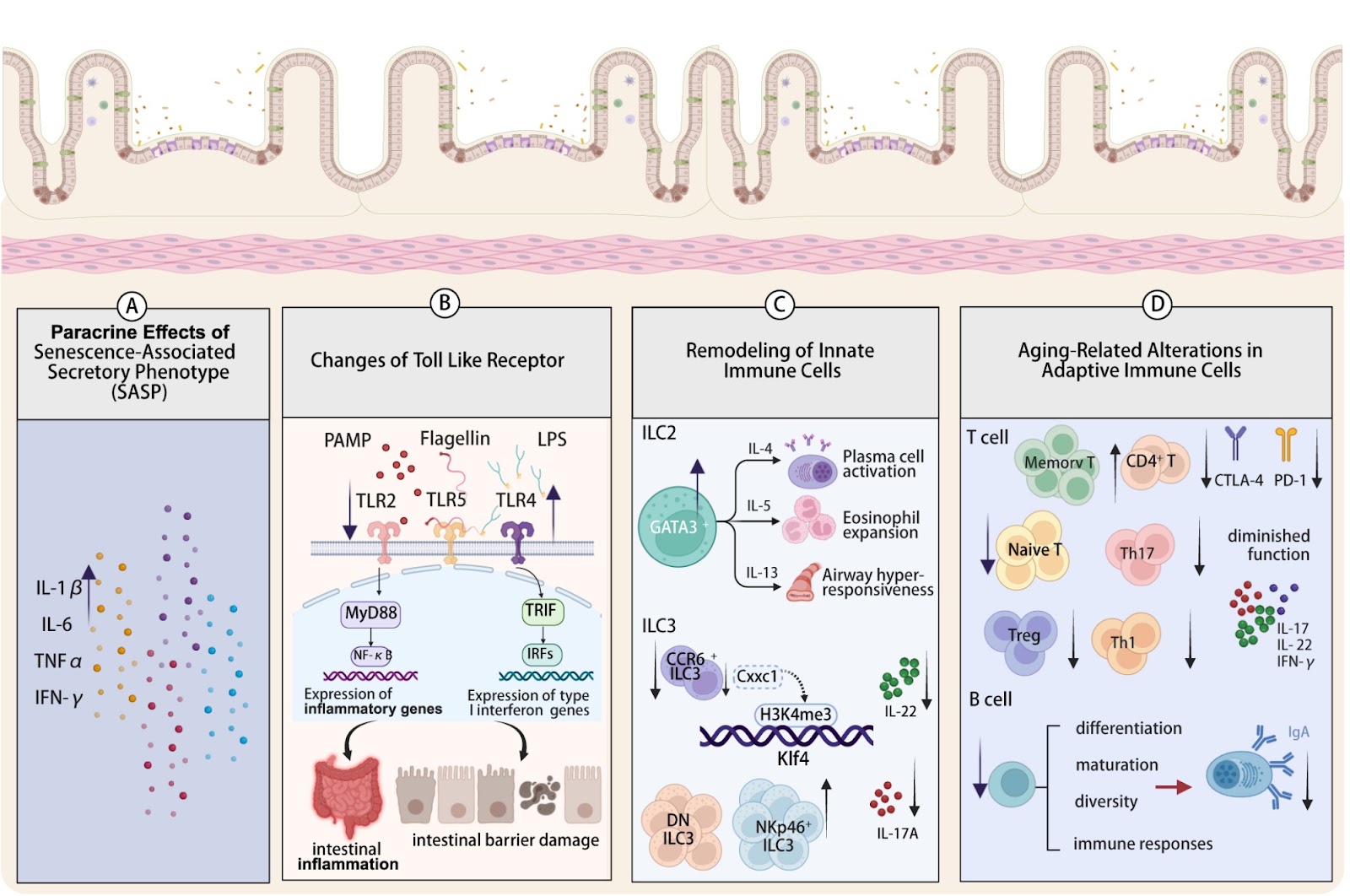
Intestinal aging-related immune dysfunction: mechanisms and interventions

Authors: Xin Shen, Xianzhi Gao, Lie Wang

Intestinal immunosenescence, a hallmark of organismal aging, has emerged as a critical biological process impacting the health of elderly individuals. This review systematically examines the core mechanisms underlying intestinal immunosenescence, including immune cell dysfunction, imbalances in immune-microbiota interactions, and impaired barrier function. We analyze its associations with infectious diseases, chronic inflammation, and neurodegenerative disorders, summarizing recent advances in dietary interventions, microecological therapy, and other emerging strategies. By integrating cutting-edge technologies, we prospect the development of precision interventions aimed at delaying intestinal immunosenescence, thereby providing a theoretical basis for improving the healthspan of the aging population.

Intestinal aging-related immune dysfunction: mechanisms and interventions
Graphical Abstract
Original ResearchVol. 58, Issue 1 • pp. 156-168DOI: 10.3724/abbs.2025231

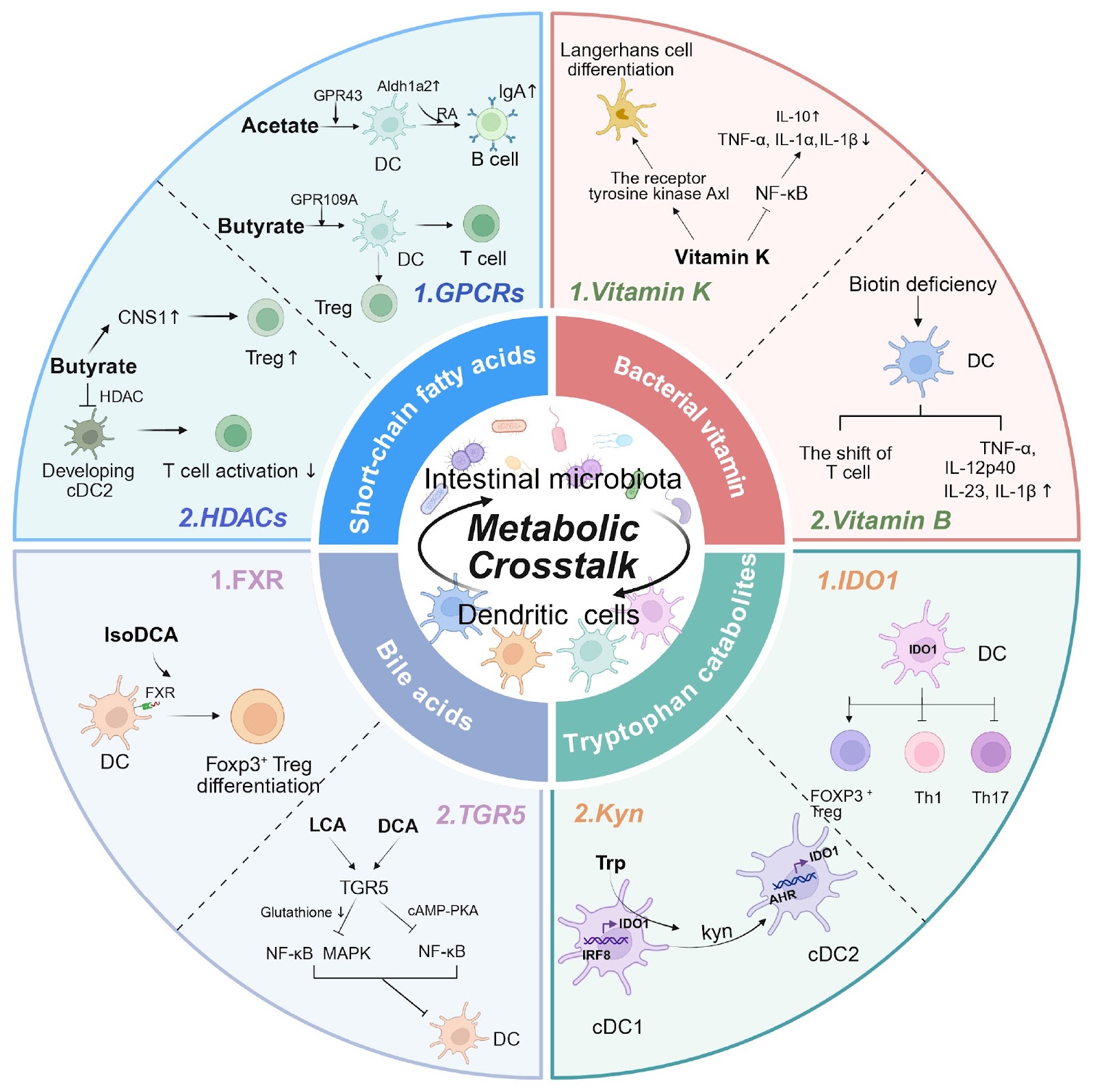
Metabolic crosstalk between intestinal microbiota and dendritic cells: from homeostasis to inflammation

Authors: Mengjie Wang, Haibi Su, Juan Liu

The intestinal microbiota plays critical roles in regulating immunity and inflammation through intricate interactions between microbial metabolites and diverse immune cells. Dendritic cells (DCs), the most potent professional antigen-presenting cells, are essential for sensing the complicated microbiota environment and subsequently initiating and regulating adaptive immune responses. While the commensal microbiota typically mediates DC-triggered immune tolerance and thus the maintenance of intestinal homeostasis, epithelial injury or pathogenic infection generally drives the proinflammatory function of DCs, contributing to harmful inflammation and intestinal disorders. Various microbiota metabolites (such as short-chain fatty acids, bile acids, and tryptophan derivatives) play critical roles in modulating the developmental and functional diversity of DCs through metabolic, epigenetic, or signaling reprogramming. In this review, we discuss the metabolic crosstalk between the intestinal microbiota and DCs and its pivotal function in orchestrating the balance between intestinal homeostasis and pathogenic inflammation. We also discuss future directions to better elucidate the microbiota-DC dialog in intestinal immunity and develop therapeutic approaches for manipulating the microbiota-DC axis against inflammatory disorders.

Metabolic crosstalk between intestinal microbiota and dendritic cells: from homeostasis to inflammation
Graphical Abstract
Original ResearchVol. 58, Issue 1 • pp. 169-182DOI: 10.3724/abbs.2025192

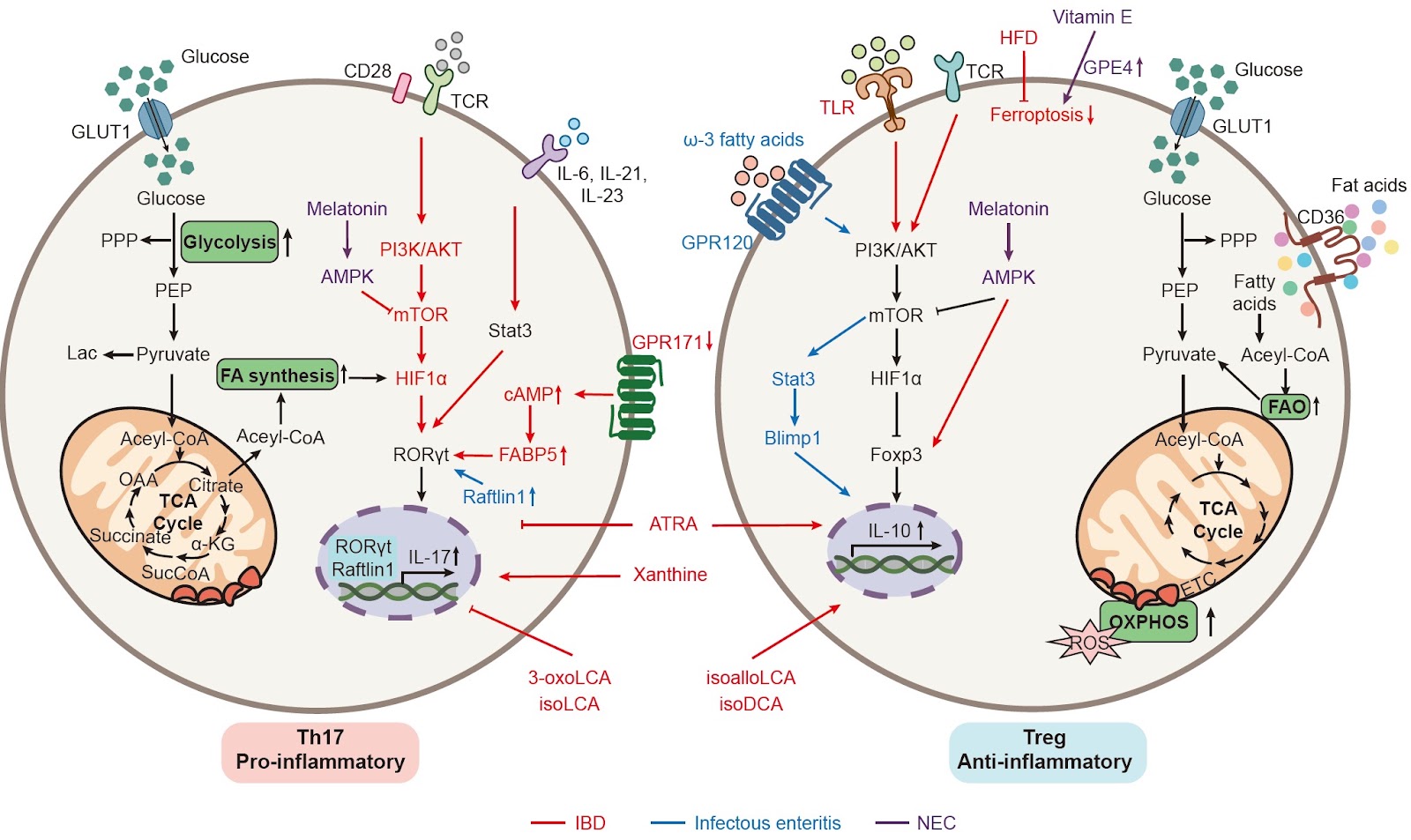
Dysregulated immunometabolism in gut inflammation

Authors: Mengqi Zheng, Qiuheng Tian, Jing Shen, Shiyang Li

Gut inflammatory diseases, including inflammatory bowel disease (IBD), infectious enteritis, and other inflammatory conditions, are among the most common non-neoplastic intestinal disorders. Their pathogenesis is often driven by an imbalance between pro-inflammatory and anti-inflammatory signals, with immune cells playing pivotal roles in maintaining this equilibrium. Immune cells in the gut exhibit complex, multifaceted functions: they eliminate pathogens, promote tissue repair, and counteract tumors, but excessive immune activation can exacerbate tissue damage and disease progression. Notably, metabolic reprogramming in inflammatory contexts serves as a key regulator of immune cell function and phenotypic switching. This includes alterations in cellular energy metabolism (e.g., macrophage polarization via disrupted glycolysis or fatty acid oxidation) and the modulation of immune responses by microenvironmental metabolites (e.g., bile acid-mediated Th17/Treg balance). While alterations in immune cell function and composition within the inflammatory milieu are well-established, the significance of disease-associated metabolic reprogramming—specifically how metabolism regulates immune cell function—has garnered increasing attention. This review explores how cellular metabolic reprogramming, changes in the metabolic microenvironment, and gut dysbiosis collectively influence the differentiation, proliferation, and function of immune cells in various intestinal inflammatory diseases, as well as their impact on disease progression.

Dysregulated immunometabolism in gut inflammation
Graphical Abstract