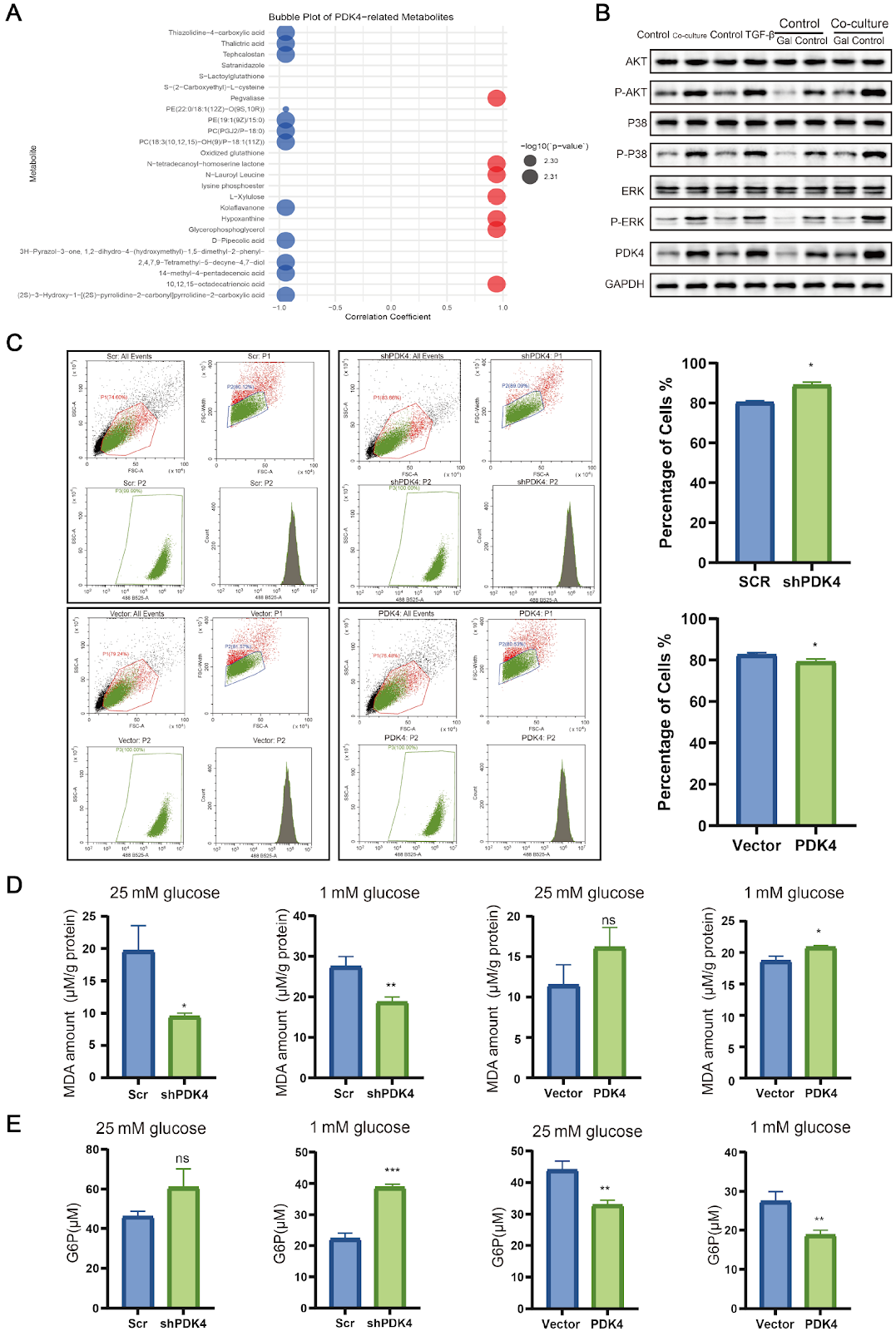
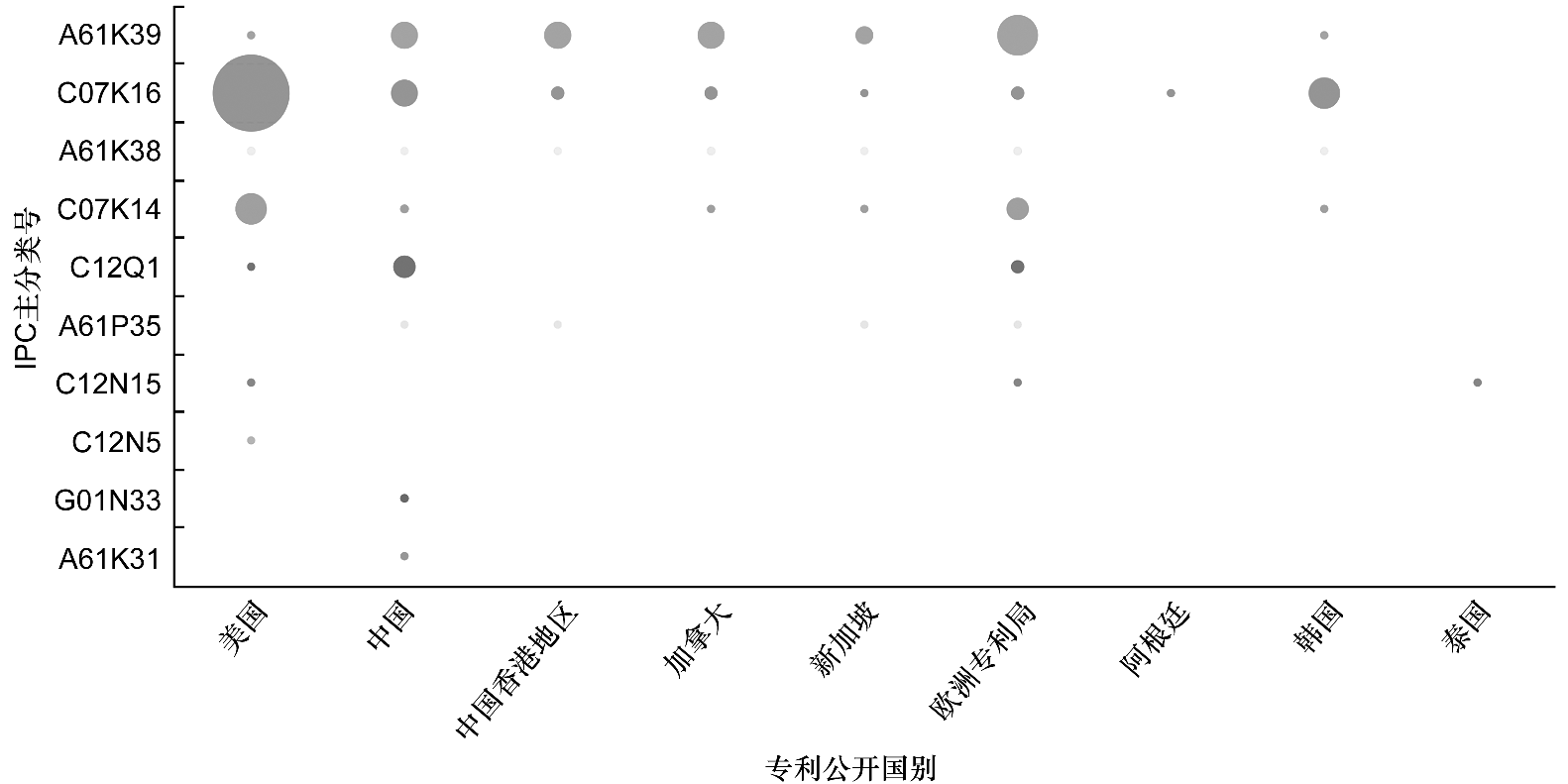
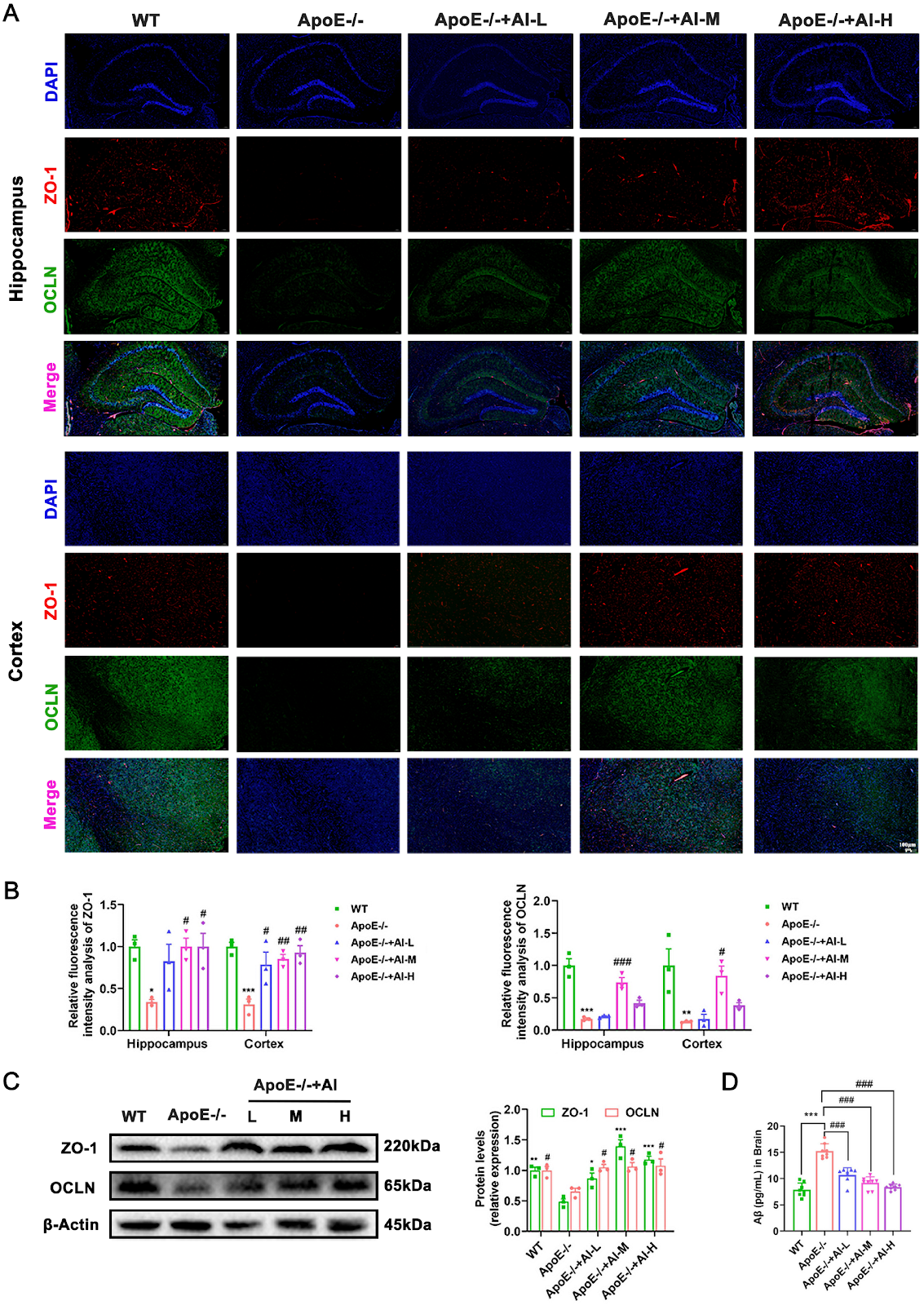
 Graphical AbstractVerified
Advances in Nano-Drug Delivery Systems for Cancer Therapy: A Comprehensive Review
Cancer remains a leading cause of mortality worldwide, necessitating innovative therapeutic strategies. Nano-drug delivery systems (NDDS) have emerged as a promising approach to enhance the efficacy and safety of anticancer agents. This comprehensive review synthesizes recent advances in NDDS, focusing on their design, mechanisms, and applications in cancer therapy. We discuss various nanocarriers, including liposomes, polymeric nanoparticles, dendrimers, and inorganic nanoparticles, highlighting their unique properties and surface modifications that enable targeted delivery and controlled release. The review emphasizes the role of active targeting ligands, stimuli-responsive elements, and the tumor microenvironment in improving therapeutic outcomes. Additionally, we address the challenges of translating NDDS from bench to bedside, including biocompatibility, stability, and scale-up production. Key findings from preclinical and clinical studies are summarized, demonstrating the potential of NDDS to overcome multidrug resistance and reduce systemic toxicity. Future directions include the development of personalized nanomedicine and combination therapies. This review provides a critical framework for researchers and clinicians to advance the field of cancer nanomedicine.