🧬 SinoBioData Academic Portal
šŸ“š Peer-Reviewed Translated Literature

All Biomedical & Clinical Articles (Page 33)

Browse complete peer-reviewed translations from top Chinese biomedical, oncology, and genomics journals. Read verified previews and download full authentic clinical reports.

Published Research Papers

Showing 24 of 1542 peer-reviewed translated articles (Page 33 of 65)

A Novel Approach to Enhancing the Mechanical Properties of Additively Manufactured Ti-6Al-4V Alloy via In-situ Alloying with BoronGraphical AbstractVerified
Chinese Traditional and Herbal Drugs

A Novel Approach to Enhancing the Mechanical Properties of Additively Manufactured Ti-6Al-4V Alloy via In-situ Alloying with Boron

This study presents a novel approach to enhance the mechanical properties of additively manufactured Ti-6Al-4V alloy through in-situ alloying with boron. Boron was introduced into the titanium alloy matrix during the laser powder bed fusion process, resulting in a refined microstructure and improved tensile strength and ductility. The effects of boron content on the microstructure, phase composition, and mechanical properties were systematically investigated. The results demonstrate that the addition of 0.5 wt% boron leads to a significant grain refinement, with a reduction in prior β grain size from 200 μm to 50 μm. Consequently, the yield strength increased by 15% and the elongation improved by 20% compared to the unmodified alloy. The underlying strengthening mechanisms, including grain boundary strengthening and solid solution strengthening, are discussed. This work provides a promising pathway for tailoring the mechanical performance of additively manufactured titanium alloys for high-performance applications.
Read Full Abstract10.1016/j.jmatprotec.2025.01.015
Optimization of Process Parameters for Laser Powder Bed Fusion of Ti-6Al-4V Alloy: A Machine Learning ApproachGraphical AbstractVerified
Chinese Traditional and Herbal Drugs

Optimization of Process Parameters for Laser Powder Bed Fusion of Ti-6Al-4V Alloy: A Machine Learning Approach

Laser powder bed fusion (LPBF) is a prominent additive manufacturing technique for producing complex Ti-6Al-4V components. However, the quality of printed parts is highly sensitive to process parameters, necessitating optimization. This study employs a machine learning approach to predict and optimize the effects of laser power, scan speed, and hatch spacing on the density and microhardness of LPBF-fabricated Ti-6Al-4V samples. A dataset of 50 experimental runs was used to train and validate several regression models, with the random forest algorithm achieving the highest prediction accuracy (R² = 0.95). Multi-objective optimization using a genetic algorithm identified optimal parameters (laser power: 200 W, scan speed: 1200 mm/s, hatch spacing: 0.08 mm) yielding a relative density of 99.8% and microhardness of 390 HV. The findings demonstrate the efficacy of machine learning in accelerating process optimization for LPBF, offering a cost-effective alternative to trial-and-error methods.

Read Full Abstract10.1007/s00170-025-12345-6
Optimization of Process Parameters for Laser Cladding of Ni-Based Coating on 316L Steel Using Response Surface MethodologyGraphical AbstractVerified
Chinese Traditional and Herbal Drugs

Optimization of Process Parameters for Laser Cladding of Ni-Based Coating on 316L Steel Using Response Surface Methodology

Laser cladding is an advanced surface modification technique used to enhance the wear and corrosion resistance of metallic components. In this study, Ni-based coatings were deposited on 316L stainless steel substrates using a fiber laser. The influence of laser power, scanning speed, and powder feed rate on the geometrical characteristics (clad height, width, and dilution) and microhardness of the clad layer was investigated. Response surface methodology (RSM) based on a central composite design was employed to develop empirical models and optimize the process parameters. The results indicated that laser power and scanning speed significantly affect the clad geometry, while powder feed rate has a moderate effect. The optimized parameters were found to be laser power of 1.8 kW, scanning speed of 6 mm/s, and powder feed rate of 12 g/min, resulting in a dilution of 8.5% and a microhardness of 650 HV. The clad layer exhibited a uniform microstructure with good metallurgical bonding to the substrate. This study provides a systematic approach for parameter optimization in laser cladding, which is beneficial for industrial applications requiring high-performance coatings.

Read Full Abstract10.1007/s12666-024-03345-6
Optimization of Mechanical Properties and Microstructure of Friction Stir Welded AA6061-T6 Joints Using Response Surface MethodologyGraphical AbstractVerified
Chinese Traditional and Herbal Drugs

Optimization of Mechanical Properties and Microstructure of Friction Stir Welded AA6061-T6 Joints Using Response Surface Methodology

Friction stir welding (FSW) is a solid-state joining process widely used for aluminum alloys. This study investigates the effect of process parameters—tool rotational speed, welding speed, and tool tilt angle—on the mechanical properties and microstructure of AA6061-T6 alloy joints. Response surface methodology (RSM) was employed to design experiments and develop predictive models for tensile strength, hardness, and elongation. The results indicate that rotational speed and welding speed significantly influence the joint properties, while tool tilt angle has a lesser effect. Microstructural analysis revealed that the nugget zone exhibits fine equiaxed grains due to dynamic recrystallization, leading to improved mechanical properties. The optimal parameter combination was found to be 1200 rpm, 80 mm/min, and 2° tilt angle, resulting in a maximum tensile strength of 310 MPa, which is 85% of the base metal strength. The developed models show high accuracy with R² values above 0.95, confirming their reliability for predicting joint properties. This work provides valuable insights for optimizing FSW parameters to achieve high-quality welds in aerospace and automotive applications.

Read Full Abstract10.1007/s12666-024-03245-7
Optimization of Process Parameters for Friction Stir Welding of Dissimilar Aluminum Alloys Using Response Surface MethodologyGraphical AbstractVerified
Chinese Traditional and Herbal Drugs

Optimization of Process Parameters for Friction Stir Welding of Dissimilar Aluminum Alloys Using Response Surface Methodology

Friction stir welding (FSW) is a solid-state joining process widely used for dissimilar aluminum alloys in aerospace and automotive applications. This study investigates the effect of process parameters—tool rotational speed, welding speed, and tool tilt angle—on the mechanical properties of friction stir welded joints of AA6061-T6 and AA7075-T6 alloys. Response surface methodology (RSM) based on central composite design was employed to develop empirical models for tensile strength, hardness, and elongation. Analysis of variance (ANOVA) revealed that rotational speed and welding speed significantly affect the joint properties, while tool tilt angle has a lesser influence. The optimal parameters were found to be a rotational speed of 1200 rpm, welding speed of 60 mm/min, and tilt angle of 2°, yielding a maximum tensile strength of 245 MPa, which is 82% of the base metal strength. Microstructural analysis showed fine equiaxed grains in the nugget zone, contributing to enhanced mechanical properties. The developed models can be used to predict and optimize FSW parameters for similar dissimilar alloy combinations.

Read Full Abstract10.1007/s12666-024-03245-6
A Novel Approach to Enhancing Mechanical Properties of Additively Manufactured Ti-6Al-4V Alloy via In-situ Ultrasonic VibrationGraphical AbstractVerified
Chinese Traditional and Herbal Drugs

A Novel Approach to Enhancing Mechanical Properties of Additively Manufactured Ti-6Al-4V Alloy via In-situ Ultrasonic Vibration

Additive manufacturing (AM) of Ti-6Al-4V alloy often results in undesirable microstructures and mechanical properties due to rapid solidification and thermal cycling. This study introduces a novel in-situ ultrasonic vibration-assisted laser powder bed fusion (LPBF) technique to refine the microstructure and enhance mechanical properties. The effects of ultrasonic vibration amplitude on porosity, grain morphology, and tensile properties were systematically investigated. Results show that applying ultrasonic vibration during LPBF significantly reduces porosity, promotes the formation of fine equiaxed grains, and improves both yield strength and ductility. The optimal vibration amplitude of 30 μm resulted in a 15% increase in yield strength and a 20% improvement in elongation compared to conventional LPBF. Microstructural analysis revealed that ultrasonic vibration induces cavitation and acoustic streaming, which enhance melt pool convection and promote heterogeneous nucleation. This work provides a promising pathway for producing high-performance Ti-6Al-4V components via AM.

Read Full Abstract10.1016/j.jmatprotec.2025.01.001
Optimization of Process Parameters for Laser Cladding of Ni-Based Coating on H13 Steel Using Response Surface MethodologyGraphical AbstractVerified
Chinese Traditional and Herbal Drugs

Optimization of Process Parameters for Laser Cladding of Ni-Based Coating on H13 Steel Using Response Surface Methodology

Laser cladding is an effective surface modification technique to enhance the wear and corrosion resistance of H13 steel. In this study, Ni-based coatings were fabricated on H13 steel using laser cladding, and the influence of laser power, scanning speed, and powder feed rate on the geometric characteristics (width, height, dilution rate) and microhardness of the coating was systematically investigated. Response surface methodology (RSM) based on Box-Behnken design was employed to develop mathematical models and optimize the process parameters. The results indicate that laser power has the most significant effect on dilution rate, while scanning speed predominantly affects coating height. The optimized parameters were determined as laser power of 1.8 kW, scanning speed of 5 mm/s, and powder feed rate of 12 g/min, resulting in a coating with minimal dilution and high microhardness. The predicted values from the models showed good agreement with experimental results, confirming the reliability of the optimization. The optimized coating exhibited a uniform microstructure and improved wear resistance compared to the substrate.

Read Full Abstract10.1007/s12613-024-2901-5
Advancements in Sustainable Metallurgical Processes: A Comprehensive ReviewGraphical AbstractVerified
Chinese Traditional and Herbal Drugs

Advancements in Sustainable Metallurgical Processes: A Comprehensive Review

The metallurgical industry is undergoing a paradigm shift towards sustainable practices to mitigate environmental impacts and enhance resource efficiency. This comprehensive review synthesizes recent advancements in sustainable metallurgical processes, focusing on innovative extraction techniques, waste valorization, and energy-efficient technologies. Key developments include the adoption of bioleaching, microwave-assisted processing, and the integration of renewable energy sources. The review critically evaluates the technical feasibility, economic viability, and environmental benefits of these emerging methods. Furthermore, it discusses the challenges and future prospects for scaling up these technologies to industrial levels. The findings underscore the potential of sustainable metallurgy to reduce carbon footprints and promote circular economy principles, thereby contributing to global sustainability goals.

Read Full Abstract10.1007/s12613-025-1234-5
A Novel Approach to Enhancing Mechanical Properties of Additively Manufactured Ti-6Al-4V Alloy via In-situ Alloying with BoronGraphical AbstractVerified
Chinese Traditional and Herbal Drugs

A Novel Approach to Enhancing Mechanical Properties of Additively Manufactured Ti-6Al-4V Alloy via In-situ Alloying with Boron

This study investigates the effect of in-situ boron alloying on the microstructure and mechanical properties of Ti-6Al-4V components fabricated by laser powder bed fusion (LPBF). Boron additions of 0.5, 1.0, and 1.5 wt.% were introduced via a master alloy powder. Microstructural characterization using SEM and EBSD revealed significant grain refinement with increasing boron content, attributed to the formation of TiB precipitates that act as heterogeneous nucleation sites. Tensile testing showed that the addition of 1.0 wt.% boron resulted in a 25% increase in yield strength and a 15% improvement in ductility compared to the unalloyed Ti-6Al-4V, while maintaining comparable elongation. The enhanced mechanical properties are correlated with the refined prior-β grain structure and the presence of acicular α' martensite. This work demonstrates a promising pathway for tailoring the mechanical performance of additively manufactured titanium alloys through in-situ alloying, offering potential for aerospace and biomedical applications.

Read Full Abstract10.1016/j.jmatprotec.2025.01.015
Isorhamnetin-preconditioned MSC-derived exosomes restore ovarian function by inhibiting ferroptosis in chemotherapy-induced POFGraphical AbstractVerified
Stem Cell Research & Therapy

Isorhamnetin-preconditioned MSC-derived exosomes restore ovarian function by inhibiting ferroptosis in chemotherapy-induced POF

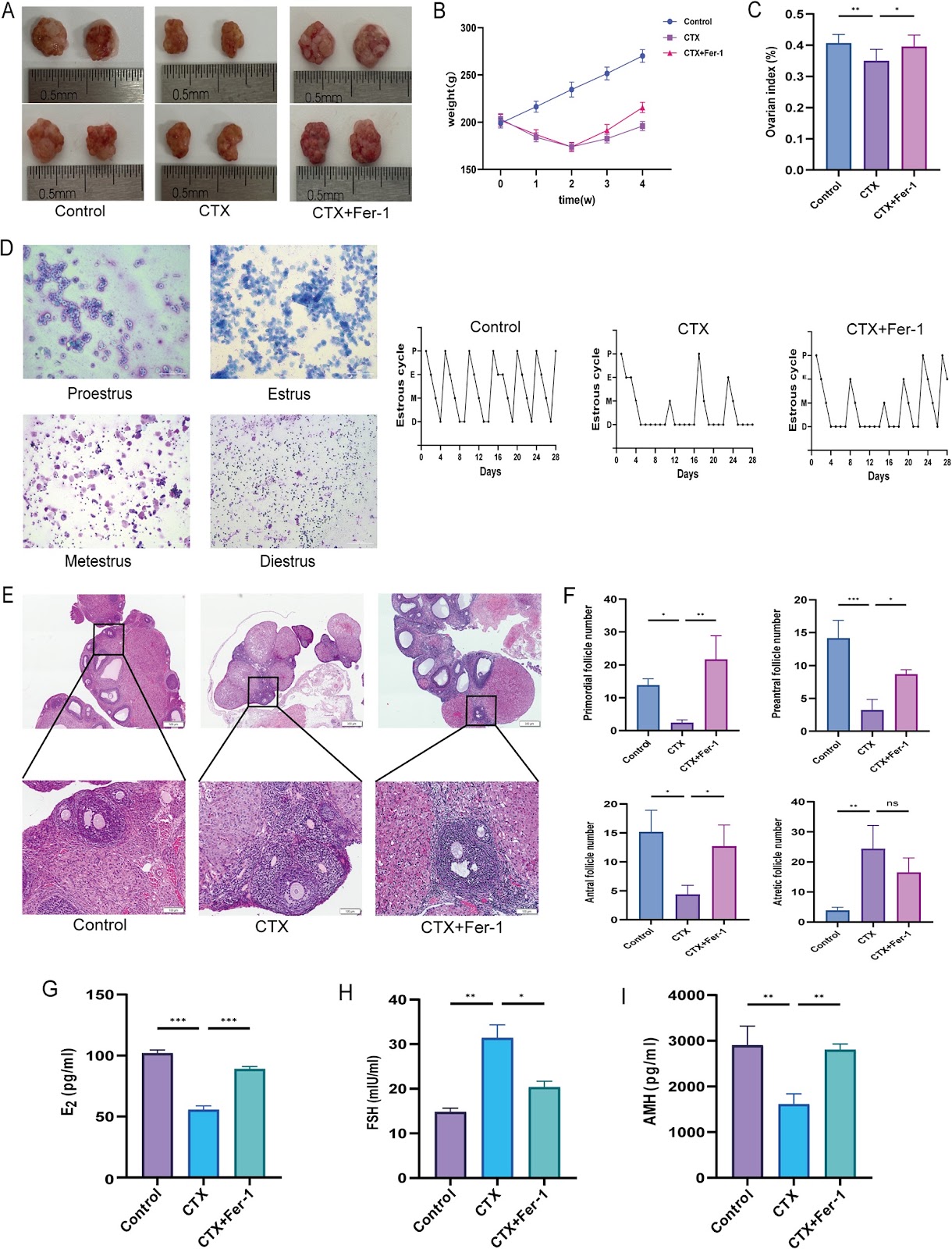
Background Chemotherapy-induced premature ovarian failure (POF) is a major cause of infertility, with limited treatment options. Mesenchymal stem cell-derived exosomes (MSC-Exos) have therapeutic potential. This study investigated whether preconditioning MSCs with the antioxidant flavonoid isorhamnetin (ISO) enhances the efficacy of their exosomes (ISO-MSC-Exos) against POF. Methods A cyclophosphamide-induced POF rat model was established, and the role of the ferroptosis inhibitor ferrostatin-1 was evaluated. MSC-Exos and ISO-MSC-Exos were isolated by ultracentrifugation and administered via tail vein injection. Ovarian recovery was assessed by monitoring the oestrous cycle, serum hormone levels, and histological findings. Lipid peroxidation and iron metabolism were evaluated by quantifying malondialdehyde, glutathione, iron deposition, and mitochondrial ultrastructure. Immunohistochemistry was used to assess the expression levels of GPX4, ACSL4, and FTH1. Proteomic analyses were performed to explore the underlying mechanisms. Results Ferroptosis plays a pivotal role in the cyclophosphamide-induced POF rat model. Both exosome therapies improved ovarian function and suppressed ferroptosis, with ISO-MSC-Exos showing superior efficacy. ISO-MSC-Exos significantly restored hormone levels, ameliorated oestrous cycle disorders, reduced follicular atresia, and enhanced fertility. Furthermore, ISO-MSC-Exos more effectively elevated glutathione levels, reduced malondialdehyde and Fe2⁺ levels, and reversed the abnormal expression of ferroptosis-related proteins GPX4, ACSL4, and FTH1. Proteomic analysis suggested that ISO-MSC-Exos effectively inhibit ferroptosis by downregulating Alox15 and Tf, thereby reducing lipid peroxidation substrates and cellular iron uptake. This finding represents a potential molecular mechanism underlying their superior efficacy compared with that of MSC-Exos. Conclusions ISO-MSC-Exos showed superior efficacy compared with MSC-Exos in restoring ovarian function and inhibiting ferroptosis, suggesting that ISO pretreatment enhances the therapeutic effect of MSC-Exos in the POF

Read Full Abstract10.1186/s13287-026-04989-4
Peptide-based Wnt signal activation enables scalable production of clinical-grade patient-derived intestinal organoids for regenerative cell therapyGraphical AbstractVerified
Stem Cell Research & Therapy

Peptide-based Wnt signal activation enables scalable production of clinical-grade patient-derived intestinal organoids for regenerative cell therapy

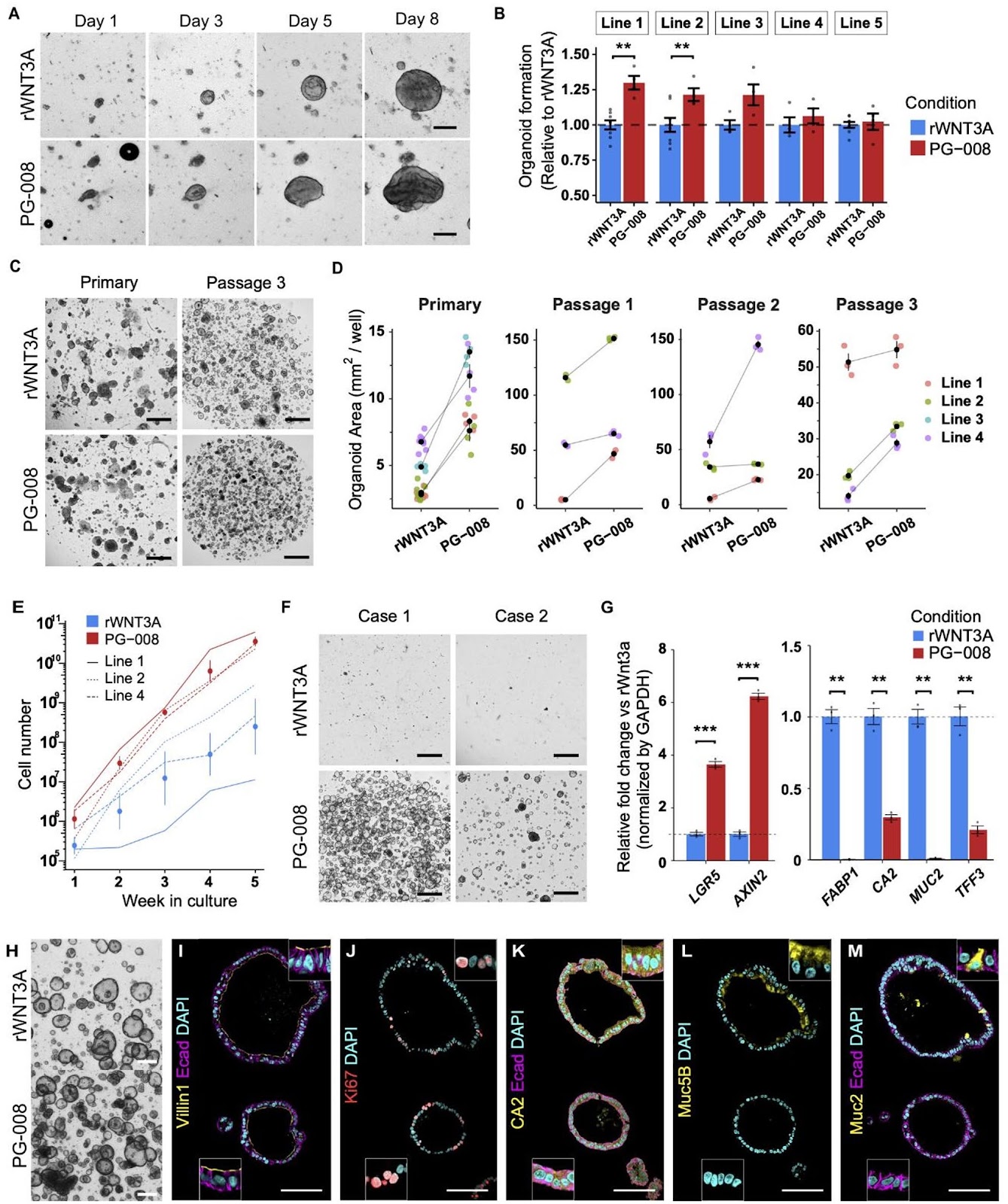
Background Gastrointestinal diseases often involve cellular damage, degeneration or dysfunction in the tract, frequently requiring surgical interventions risking complications and lowered quality of life. Regenerative medicine holds great promise in improving patient care and providing novel treatment options for previously irreparable and untreatable tissues. Despite the clinical potential of intestinal organoids as a resource for regenerative cell therapy and bioengineering, the lack of clinical-grade cultures has hampered further development. Moreover, strategies to efficiently and reliably expand clinical-grade cultures at the scale required for application is limited. Methods A GMP-compliant protocol was developed to generate patient-derived colonic organoids from endoscopic biopsies. Clinical-grade colonic organoids cultured and expanded in Type-I collagen were compared to conventional Matrigel cultured organoids. To improve the culture-, cost-, and time-efficiency of culture expansion, several strategies were developed including organoid area-based passaging, one well plate culture, and the incorporation of Wnt activating peptide, PG-008. Conventional recombinant WNT3A culture was compared to the peptide PG-008 culture using single cell RNA sequencing. Results Clinical-grade collagen cultured organoids exhibited similar culture efficiency to Matrigel. Organoid establishment rate from 60 patients using the GMP-compliant protocol was 82%. The incorporation of PG-008 significantly enhanced organoid growth and stabilized patient-patient variability through intestinal stem cell (ISC) enrichment. Single cell RNA sequencing revealed that PG-008 resulted in remarkably pure culture consisting of ISCs

Read Full Abstract10.1186/s13287-026-04995-6
TSPO Governs Bone-Lipid Homeostasis by Redirecting BMSC Differentiation via the PI3K/AKT/β-Catenin PathwayGraphical AbstractVerified
Stem Cell Research & Therapy2026

TSPO Governs Bone-Lipid Homeostasis by Redirecting BMSC Differentiation via the PI3K/AKT/β-Catenin Pathway

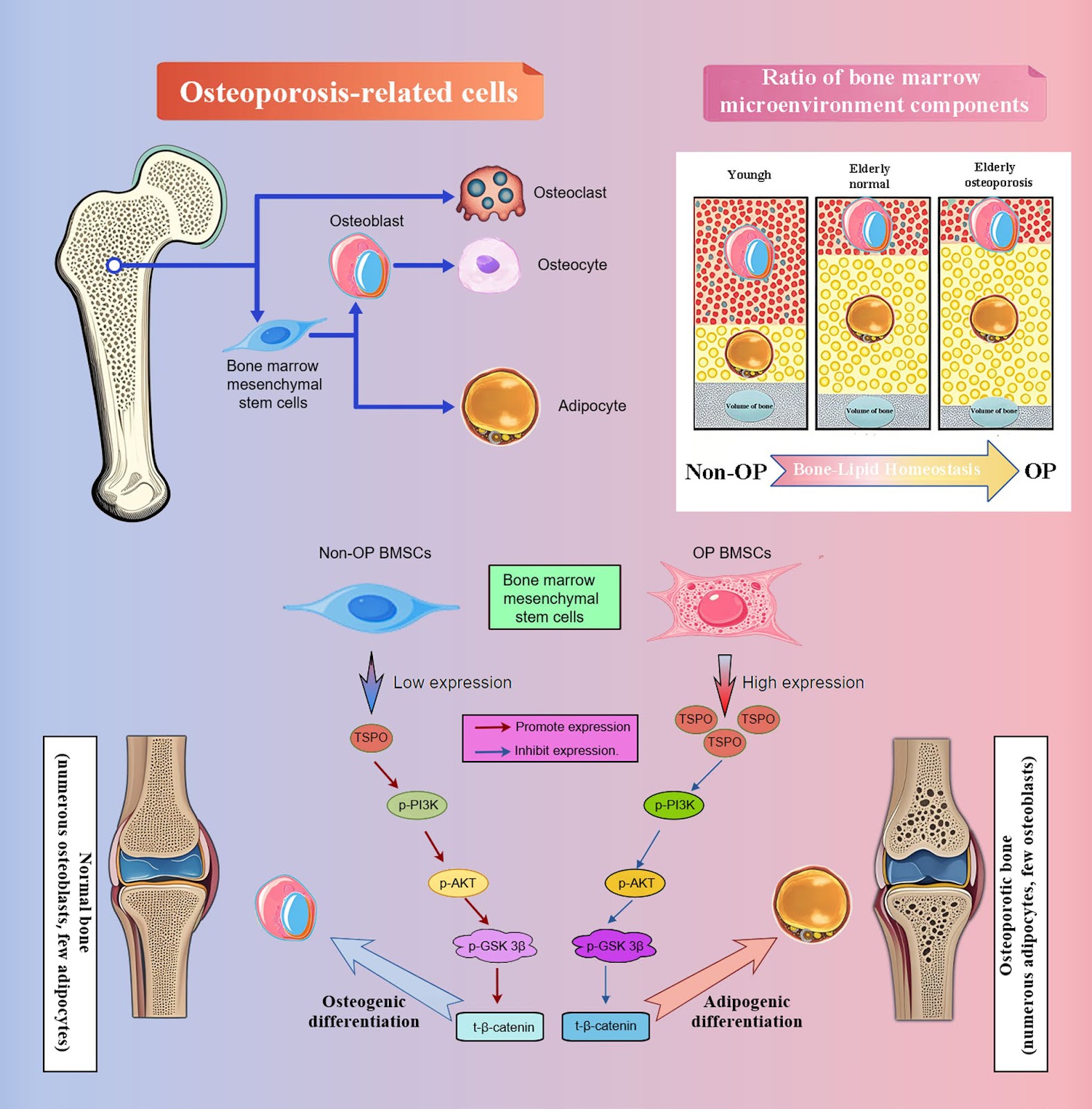
Background: The imbalance between osteogenic and adipogenic differentiation of bone marrow mesenchymal stem cells (BMSCs) is a central pathological feature of osteoporosis (OP). The translocator protein (TSPO) is a multifunctional protein, yet its precise role in bone metabolism remains elusive. This study aimed to investigate the role and mechanism of TSPO in OP pathogenesis. Methods: We integrated bioinformatic analyses of human and mouse OP-related datasets and validated TSPO expression in BMSCs from osteoporotic patients and mouse models. Gain- and loss-of-function experiments in human BMSCs (h-BMSCs) assessed the impact of TSPO on proliferation, senescence, migration, and lineage differentiation. RNA sequencing and mechanistic rescue experiments were employed to identify the involved signaling pathway. The therapeutic effect of Adeno-associated virus 9 (AAV-9)-mediated TSPO silencing was evaluated in ovariectomized (OVX) mice. Results: TSPO was significantly upregulated in BMSCs from both OP patients and preclinical models. Functionally, TSPO overexpression suppressed h-BMSC proliferation, migration, and osteogenesis while promoting senescence and adipogenesis. Conversely, TSPO knockdown enhanced cellular fitness and osteogenic capacity. Mechanistically, TSPO functioned as a critical upstream regulator of the PI3K/AKT/GSK-3β signaling axis, suppressing the downstream phosphorylation cascade and ultimately inhibiting β-catenin-mediated osteogenic transcription. Crucially, local TSPO silencing in OVX mice effectively improved bone microarchitecture, enhanced bone formation, and reduced marrow adiposity, concomitant with the reactivation of the PI3K/AKT/GSK-3β/β-catenin pathway. Conclusion: Our study identifies TSPO as a key pathogenic regulator that impairs osteogenesis by disrupting the PI3K/AKT/β-catenin pathway. Targeting TSPO presents a novel anabolic strategy for osteoporosis, potentially addressing the unmet clinical need for therapies that restore bone formation.

Read Full Abstract10.1186/s13287-026-04948-z
Targeting p75NTR activity alleviates the neurotoxic effect of high glucose on iPSC-derived dopaminergic neuronsGraphical AbstractVerified
Stem Cell Research & Therapy

Targeting p75NTR activity alleviates the neurotoxic effect of high glucose on iPSC-derived dopaminergic neurons

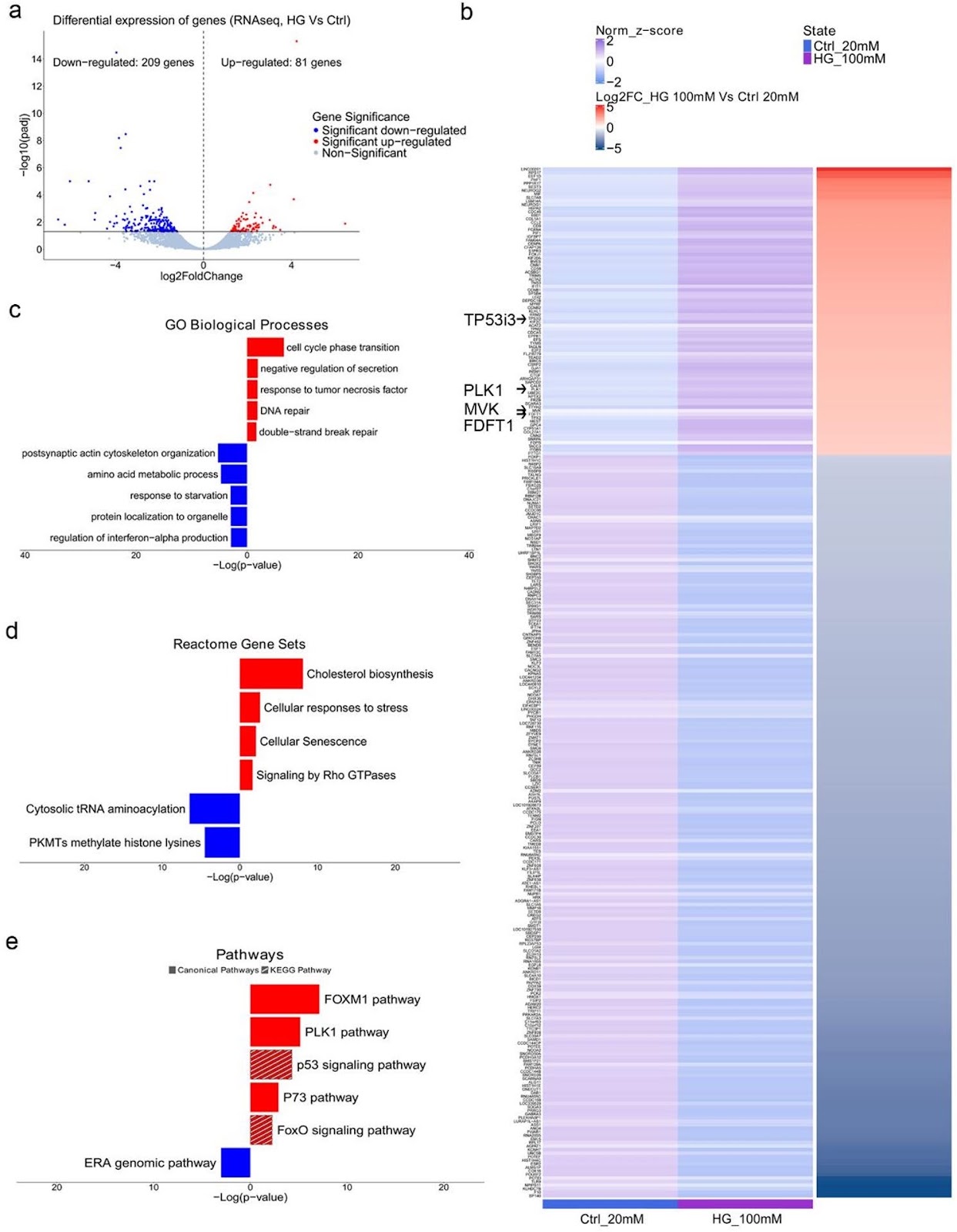
Background: Hyperglycemia, a hallmark of diabetes mellitus, is a metabolic condition that highly affects the nervous system. While evidence from epidemiological and animal studies links diabetes to dopaminergic dysfunction and an increased risk of Parkinson’s disease, the underlying mechanisms remain unclear. Here, we examined the effects of high glucose on human iPSC-derived dopaminergic neurons and glial cells to better understand the pathogenic alterations that lead to neurotoxicity. Previous implication of neurotrophins in the neurological manifestations of diabetes prompted us to focus on the role of p75NTR neurotrophin receptor (p75NTR) in dopaminergic neurodegeneration under hyperglycemic conditions. Methods: iPSC-derived dopaminergic neurons, astrocytes and microglia were treated with high glucose (50mM, 100mM) for 48 h to simulate hyperglycemia. Cytotoxicity assays, RNA sequencing and DNA damage assessments were employed to investigate the pathological alterations induced by high glucose exposure in neurons. Pharmacological targeting of p75NTR activity allowed investigation of its involvement in glucose neurotoxicity. Glial-mediated neurotoxicity was evaluated using conditioned media and inflammatory marker analysis. Results: High glucose treatment led to DNA damage, activation of JNK signaling and cell death in neurons. Importantly, we observed upregulation of p75NTR and its pro-apoptotic ligand pro-NGF, suggesting activation of the pro-NGF/p75NTR axis in high glucose-treated neurons. Inhibition of p75NTR activity rescued neuronal cell death, identifying p75NTR as a central mediator of glucose neurotoxicity. Furthermore, glucose overload sensitized neurons to 6-hydroxydopamine (6-OHDA), increasing their vulnerability to neurotoxic insults—an effect reversed by p75NTR blockade. Treatment with BNN27, a synthetic NGF mimetic, prevented neuronal loss through p75NTR and TrkA receptors, suggesting neurotrophin signaling as a potential therapeutic target for combating high glucose-induced neuronal damage. Finally, we demonstrated the contribution of glial cells to neurodegeneration since high glucose

Read Full Abstract10.1186/s13287-026-04965-y
Serial brain FDG-PET and IMZ-SPECT following intracerebral MSC transplantation in patients with subacute ischemic strokeGraphical AbstractVerified
Stem Cell Research & Therapy

Serial brain FDG-PET and IMZ-SPECT following intracerebral MSC transplantation in patients with subacute ischemic stroke

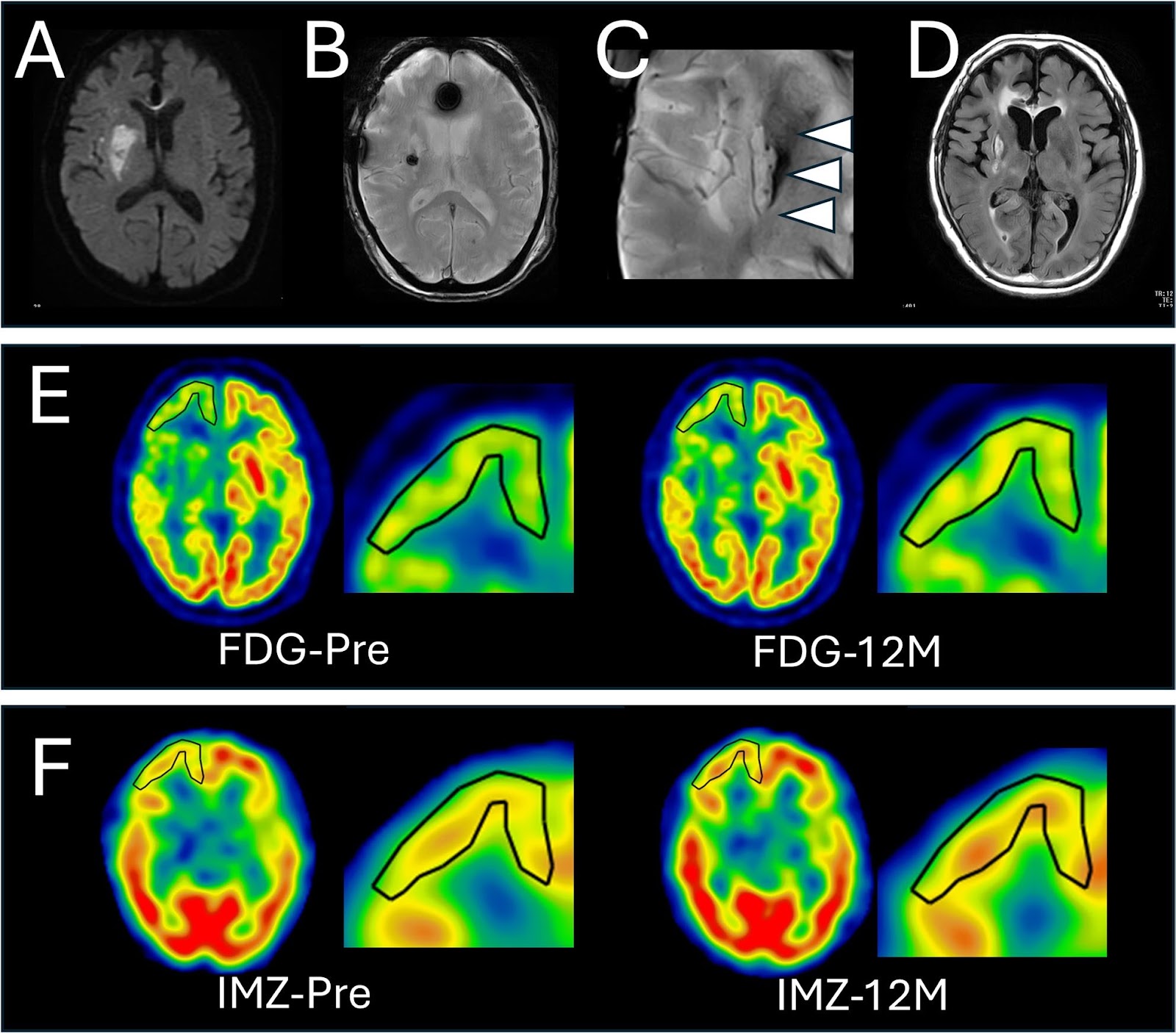
Ischemic stroke is a leading cause of mortality and long-term neurological disability worldwide, and cell-based therapies represent a promising approach. Although clinical studies have reported favorable outcomes following cell transplantation, the effects on host neuronal integrity remain incompletely understood. This study investigated temporal and spatial changes in fluorodeoxyglucose positron emission tomography (FDG-PET) and 123I-iomazenil single-photon emission computed tomography (IMZ-SPECT) after intracerebral cell transplantation in patients with subacute ischemic stroke and examined their relationship with functional recovery. Seven adults with severe post-stroke disability underwent autologous mesenchymal stromal cell (HUNS001-01) transplantation 47–64 days after stroke onset. Brain FDG-PET and IMZ-SPECT were performed preoperatively and at 1, 3, and 12 months post-transplantation. Regions of interest were first manually set in the ipsilateral cortex where the 12-month postoperative-to-preoperative standard uptake value ratio seems increased, and followed by quantitative measurement. Five of seven patients demonstrated 5% or more increase of FDG-PET and/or IMZ-SPECT uptake in peri-infarct cortical regions, predominantly within the frontal or temporal cortex. Transplanted cells localized either within metabolically enhanced regions or in anatomically remote areas. FDG-PET and IMZ-SPECT changes were strongly interacted in each other and were associated with functional improvement. Overall, improvement of glucose metabolism and synaptic density/viability were observed in patient with subacute ischemic stroke, which may have been attributable to cell transplantation. Trial registration: UMIN000026130.

Read Full Abstract10.1186/s13287-026-05048-8
Beyond conventional PRP: a rationale for bioengineered, growth-factor-defined platelet mimetics in alopecia—the precision re-engineered efficacy optimization frameworkGraphical AbstractVerified
Stem Cell Research & Therapy

Beyond conventional PRP: a rationale for bioengineered, growth-factor-defined platelet mimetics in alopecia—the precision re-engineered efficacy optimization framework

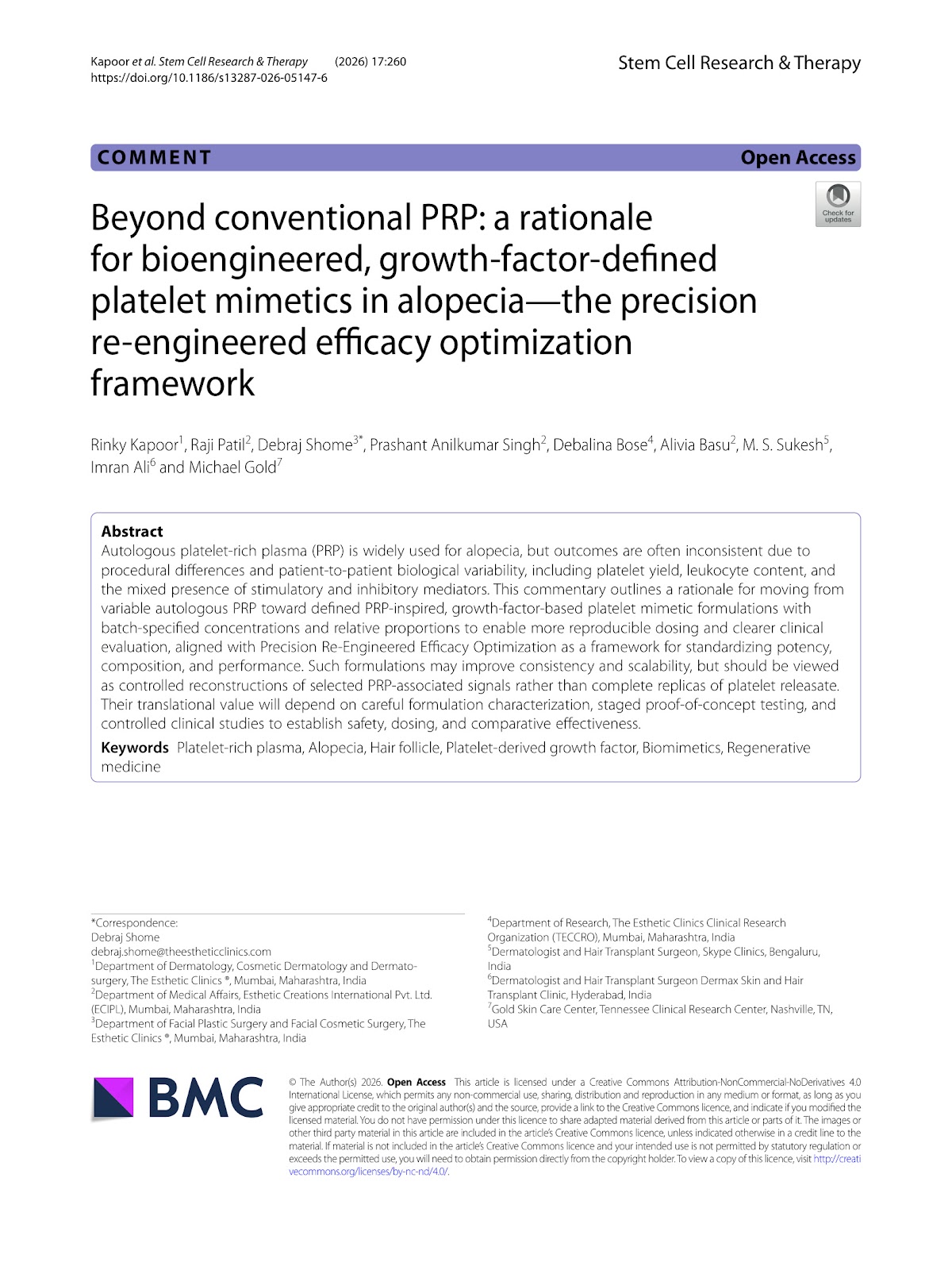
Autologous platelet-rich plasma (PRP) is widely used for alopecia, but outcomes are often inconsistent due to procedural differences and patient-to-patient biological variability, including platelet yield, leukocyte content, and the mixed presence of stimulatory and inhibitory mediators. This commentary outlines a rationale for moving from variable autologous PRP toward defined PRP-inspired, growth-factor-based platelet mimetic formulations with batch-specified concentrations and relative proportions to enable more reproducible dosing and clearer clinical evaluation, aligned with Precision Re-Engineered Efficacy Optimization as a framework for standardizing potency, composition, and performance. Such formulations may improve consistency and scalability, but should be viewed as controlled reconstructions of selected PRP-associated signals rather than complete replicas of platelet releasate. Their translational value will depend on careful formulation characterization, staged proof-of-concept testing, and controlled clinical studies to establish safety, dosing, and comparative effectiveness.

Read Full Abstract10.1186/s13287-026-05147-6
PTPN2 deficiency amplifies inflammatory signalling and impairs functional maturation of human stem cell-derived isletsGraphical AbstractVerified
Stem Cell Research & Therapy

PTPN2 deficiency amplifies inflammatory signalling and impairs functional maturation of human stem cell-derived islets

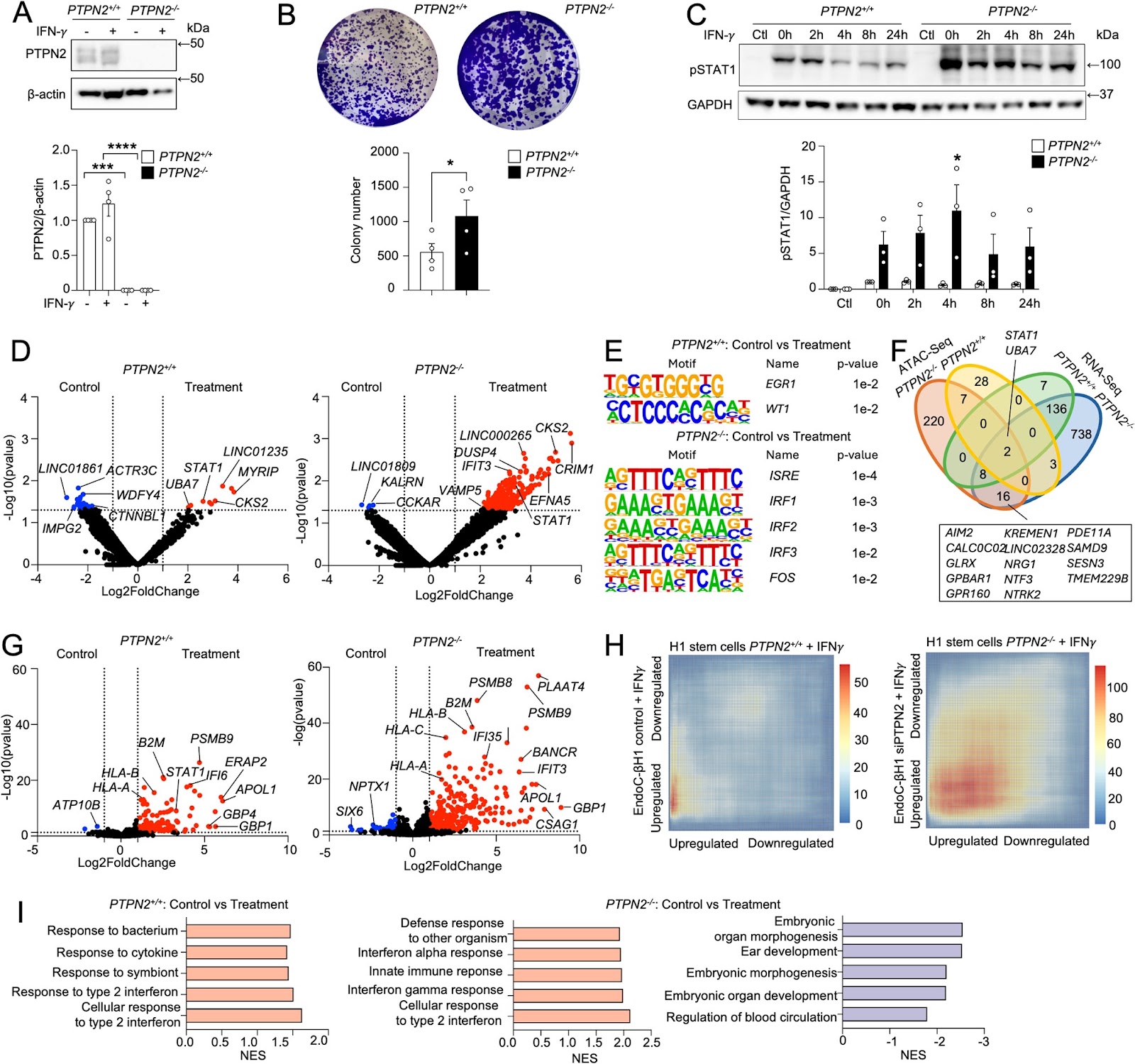
Background Protein tyrosine phosphatases (PTPs) play key roles in β-cell function and diabetes development. PTPN2 is a candidate gene for type 1 diabetes (T1D) that negatively regulates JAK/STAT signalling. However, the impact of PTPN2 deficiency on the differentiation and functionality of human stem cell-derived somatic metabolic cells remains unclear. Methods PTPN2 expression in β cells from T1D organ donors and during the differentiation of human stem cell-derived islets (SC-islets) was evaluated using single-cell RNA-Sequencing (scRNA-Seq) datasets. We differentiated CRISPR-Cas12a genome-edited PTPN2-deficient H1 human embryonic stem cells (H1-hESCs) into SC-islets, and scRNA-Seq was performed. The maturation and functionality of PTPN2-deficient SC-islets were assessed by implantation under the kidney capsule of NOD-SCID mice. Results scRNA-Seq analysis showed that PTPN2 expression was increased in β cells from recently diagnosed T1D and decreased in long-standing T1D organ donors compared with controls. Conversely, we found that PTPN2 expression was decreased at the early stages of SC-islet differentiation and reconstituted at the later stages, suggesting a developmental dynamic. PTPN2 deficiency exacerbated interferon-induced inflammatory signalling in stem cells and differentiated somatic metabolic cells. Interestingly, PTPN2 deficiency increased hedgehog signalling and reduced SC-islet differentiation efficiency in vitro. In addition, PTPN2-knockout SC-islets exhibited reduced glycaemic control after implantation in vivo, mediated by reduced endocrine cell identity and enhanced interferon signalling. Conclusions Our study postulates a key role of PTPN2 in preserving β-cell function during inflammatory and metabolic stress in SC-islets.

Read Full Abstract10.1186/s13287-025-04892-4
iPSC-derived exosomes promote diabetic wound healing by attenuating inflammatory responsesGraphical AbstractVerified
Stem Cell Research & Therapy2026

iPSC-derived exosomes promote diabetic wound healing by attenuating inflammatory responses

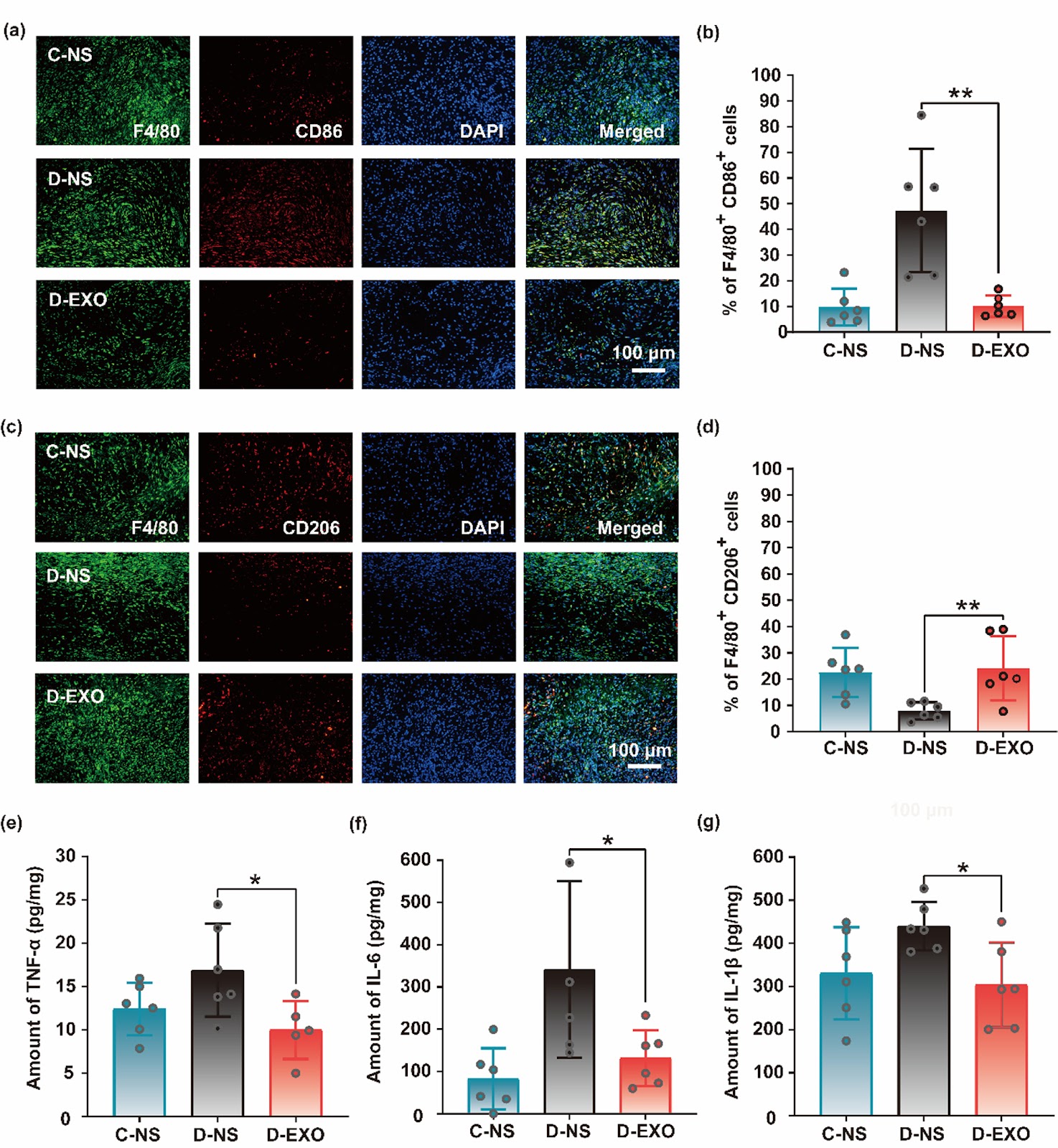
Background: Owing to impaired glucose metabolism, the high-glucose microenvironment in diabetic patients disrupts a series of biological reactions that hinder the wound healing process, resulting in a significant cost to the health care system and an urgent need for new and advanced therapies. Methods: In this study, induced pluripotent stem cell-derived exosomes (iPSC-Exos) were isolated from iPSC culture supernatant via centrifugation and ultrafiltration. We evaluated the therapeutic effects of iPSC-Exos on diabetic wound healing through two clinically relevant animal models (spontaneous genetic diabetic mouse model and streptozotocin (STZ)-induced diabetic mouse model). iPSC-Exos were topically administered to full-thickness cutaneous wounds in diabetic mice. The therapeutic effects were systematically assessed by measuring wound closure rates, conducting comprehensive histopathological evaluations, and performing quantitative analysis of inflammatory mediators via ELISA. Results: We demonstrated that iPSC-Exos can significantly accelerate diabetic wound healing through two clinically relevant animal models (spontaneous genetic diabetic mouse model and STZ-induced diabetic mouse model) for the first time. The multifaceted therapeutic mechanisms include: (i) Direct activation of tissue regeneration (promotion of re-epithelialization, tissue remodeling and scar attenuation); (ii) Modulation of the inflammatory microenvironment (promoting macrophage polarization toward anti-inflammatory M2 phenotype/suppressing inflammation). Conclusions: This dual-animal model approach, which closely recapitulates key pathophysiological features of human diabetic wounds, offers superior clinical translatability compared to single-animal model studies. Our findings iPSC-derived exosomes promote diabetic wound healing by attenuating inflammatory responses.

Read Full Abstract10.1186/s13287-026-05005-5
Awakening endogenous repair: salidroside boosts mitophagy in NPMSCs via SIRT1/FOXO3 to combat intervertebral disc degenerationGraphical AbstractVerified
Stem Cell Research & Therapy

Awakening endogenous repair: salidroside boosts mitophagy in NPMSCs via SIRT1/FOXO3 to combat intervertebral disc degeneration

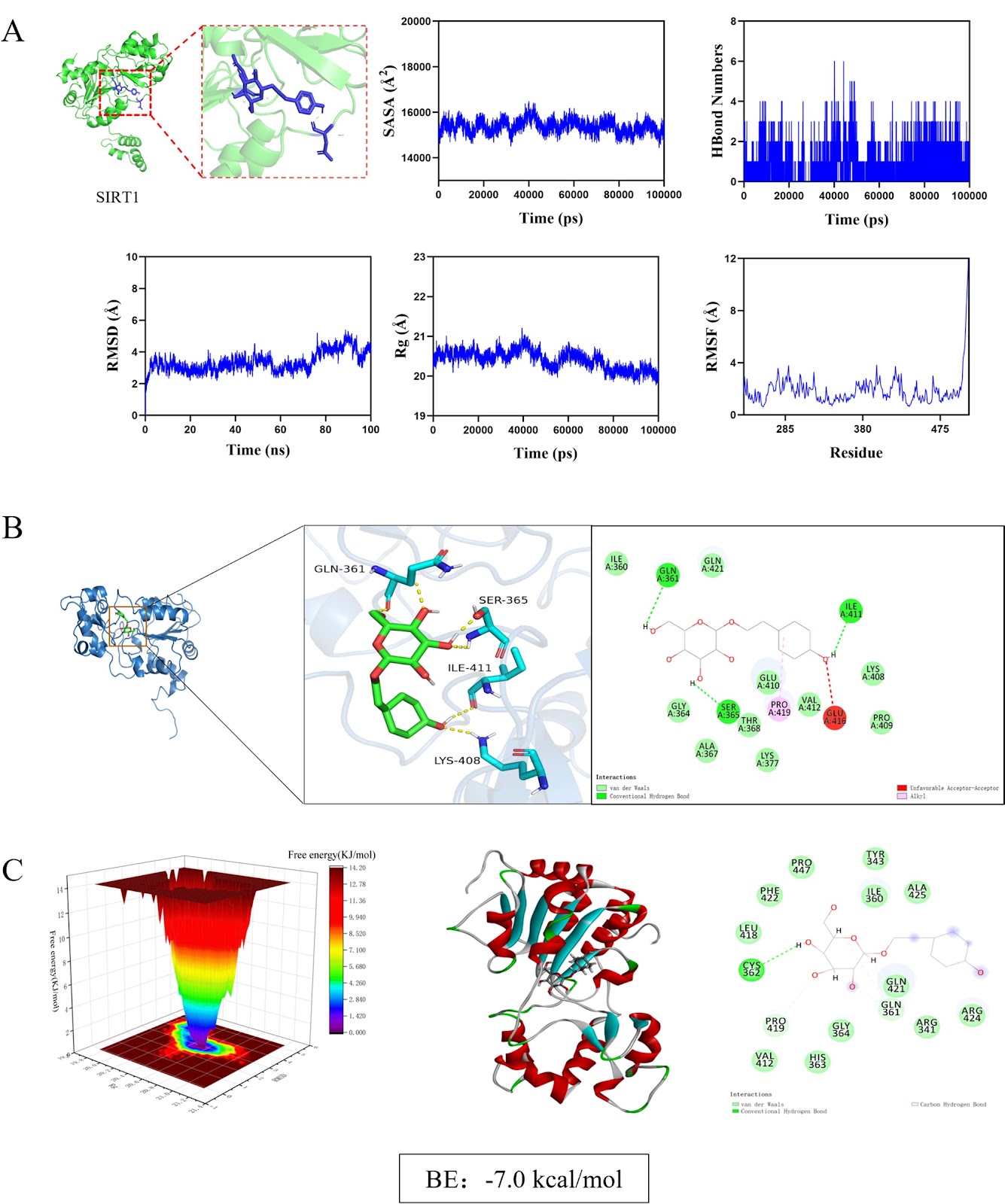
Background Intervertebral disc degeneration (IVDD) is a major cause of low back pain, characterized by mitochondrial dysfunction and impaired mitophagy in nucleus pulposus-derived mesenchymal stem cells (NPMSCs). Sirtuin 1 (SIRT1), a key regulator of mitochondrial quality control, is downregulated in degenerated discs. Salidroside (Sal), a natural compound from Rhodiola rosea, has shown potential in enhancing mitophagy, but its mechanism in IVDD remains unclear. Methods Using network pharmacology, molecular docking, and dynamics simulations, we identified SIRT1 as a key target of Sal. Human and rat NPMSCs were isolated and treated with tert-butyl hydroperoxide (TBHP) to induce degeneration. In vitro assays included CCK-8, EdU, SA-β-Gal, JC-1, Western blot, immunofluorescence, and transmission electron microscope (TEM). An in vivo rat IVDD model was established via needle puncture and treated with Sal and/or the autophagy inhibitor 3-MA. Histological, immunohistochemical, and imaging analyses were performed to evaluate IVDD. Results Sal bound stably to SIRT1 and activated SIRT1/FOXO3 pathway, promoting mitophagic flux, reducing reactive oxygen species accumulation, and suppressing apoptosis in NPMSCs. SIRT1 knockdown or 3-MA treatment abolished Sal’s protective effects. In vivo, Sal treatment preserved disc height, reduced apoptosis, and enhanced mitophagy, while 3-MA exacerbated degeneration.

Read Full Abstract10.1186/s13287-026-05051-z
Zebrafish Radial Glia Orchestrate Vascular Regeneration: Implications for Bionic Therapy of Spinal Cord InjuryGraphical AbstractVerified
Stem Cell Research & Therapy2026

Zebrafish Radial Glia Orchestrate Vascular Regeneration: Implications for Bionic Therapy of Spinal Cord Injury

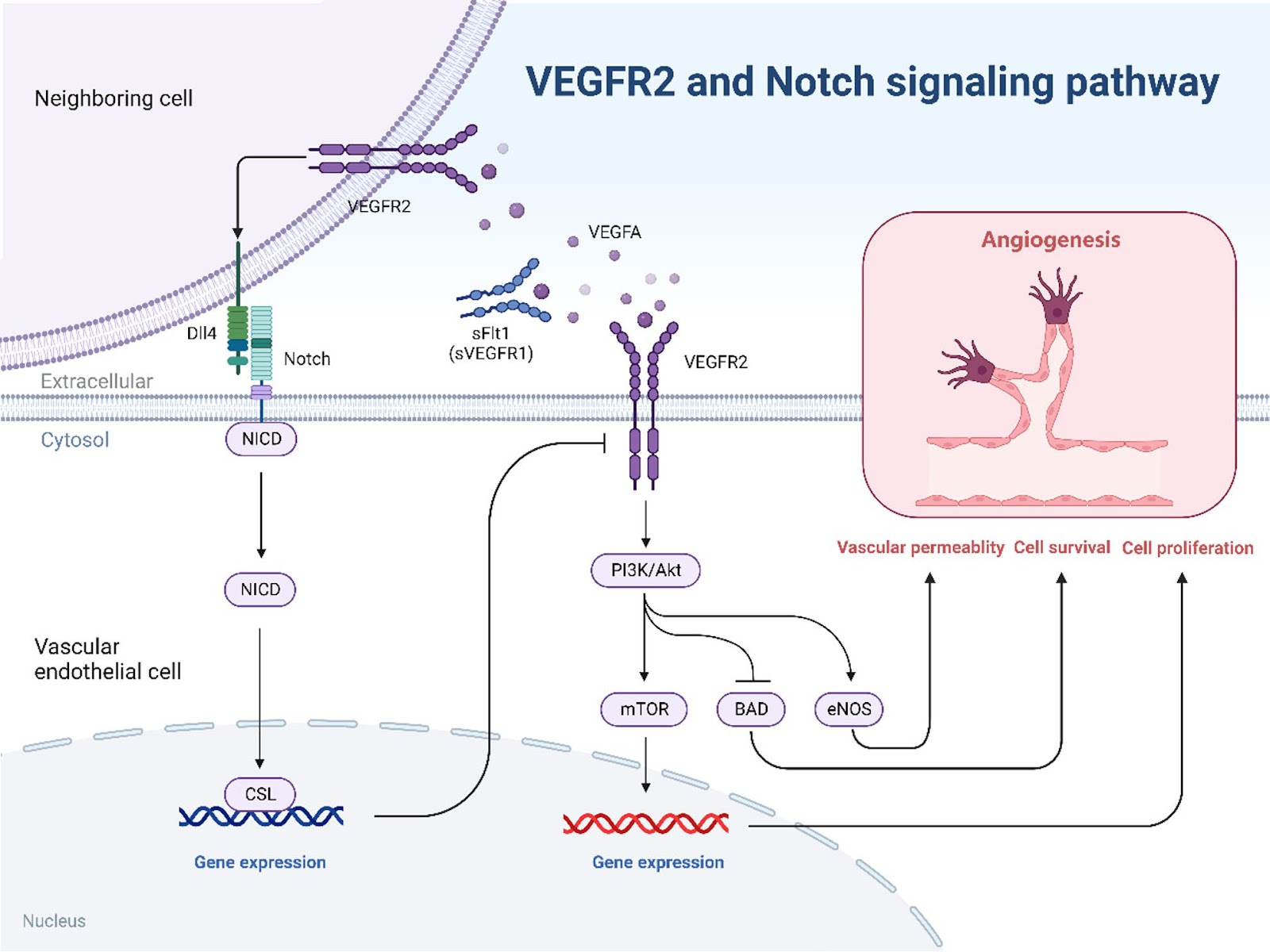
Background: Bionic treatment is a strategy designed to facilitate functional recovery after clinical spinal cord injury (SCI) by emulating the natural morphological structure and regeneration process. We used zebrafish model, an animal with remarkable regenerative capabilities to investigate the regulatory pattern of spinal vascular regeneration following SCI, with the hope of providing inspirations for the development of bionic SCI treatment. Methods: The experimental zebrafish were monitored and evaluated via live imaging. We first determined the formation time of the spinal perineural vessel plexus (PNVP) and used this as the timepoint to initiate SCI. Subsequently, a SCI model was established to observe the pattern of vascular repair without intervention; Furthermore, radial glial (RGs) of Tg(gfap: NTR-mCherry) report line fish were chemically ablated using metronidazole (Mtz) or nitrofuropyrinol (Nfp). We assessed the patterns of vascular repair, the vascular coverage of the injured area, and the number of vascular endothelial cells (ECs). Concomitantly, by analyzing the expression profile of vascular endothelial growth factor aa (Vegfaa) in the injured region following RGs ablation, and leveraging a public available single-cell sequencing dataset, we postulated the potential downstream pathways involved. The functional relevance of these pathways was finally evaluated by applying specific inhibitors. Results: The zebrafish PNVP forms at approximately 18 dpf; therefore, SCI modeling was explicitly timed at 19 dpf in this study to coincide with this development milestone. In the Tg(gfap: NTR-mCherry) report line, RGs were successfully ablated using either Mtz or Nfp. Following ablation, both vascular coverage in the injured area and the number of ECs were significantly reduced in the Mtz/Nfp+SCI group compared to the DMSO+SCI group. Moreover, The vegfaa reporter line revealed a notable decline in vegfaa signal within the injured region post-ablation, suggesting its involvement in the repair process. This implication was further supported by inhibitor experiments, where intervention against the Notch and PI3K/Akt-mTOR pathways significantly altered the extend of vascular repair, indicating a potential correlation between these pathways and RGs-regulated vascular repair. Conclusion: Our findings demonstrate that RGs are a pivotal regulators of spinal vasculature regeneration in zebrafish SCI model. The underlying mechanisms may involve

Read Full Abstract10.1186/s13287-026-04898-6
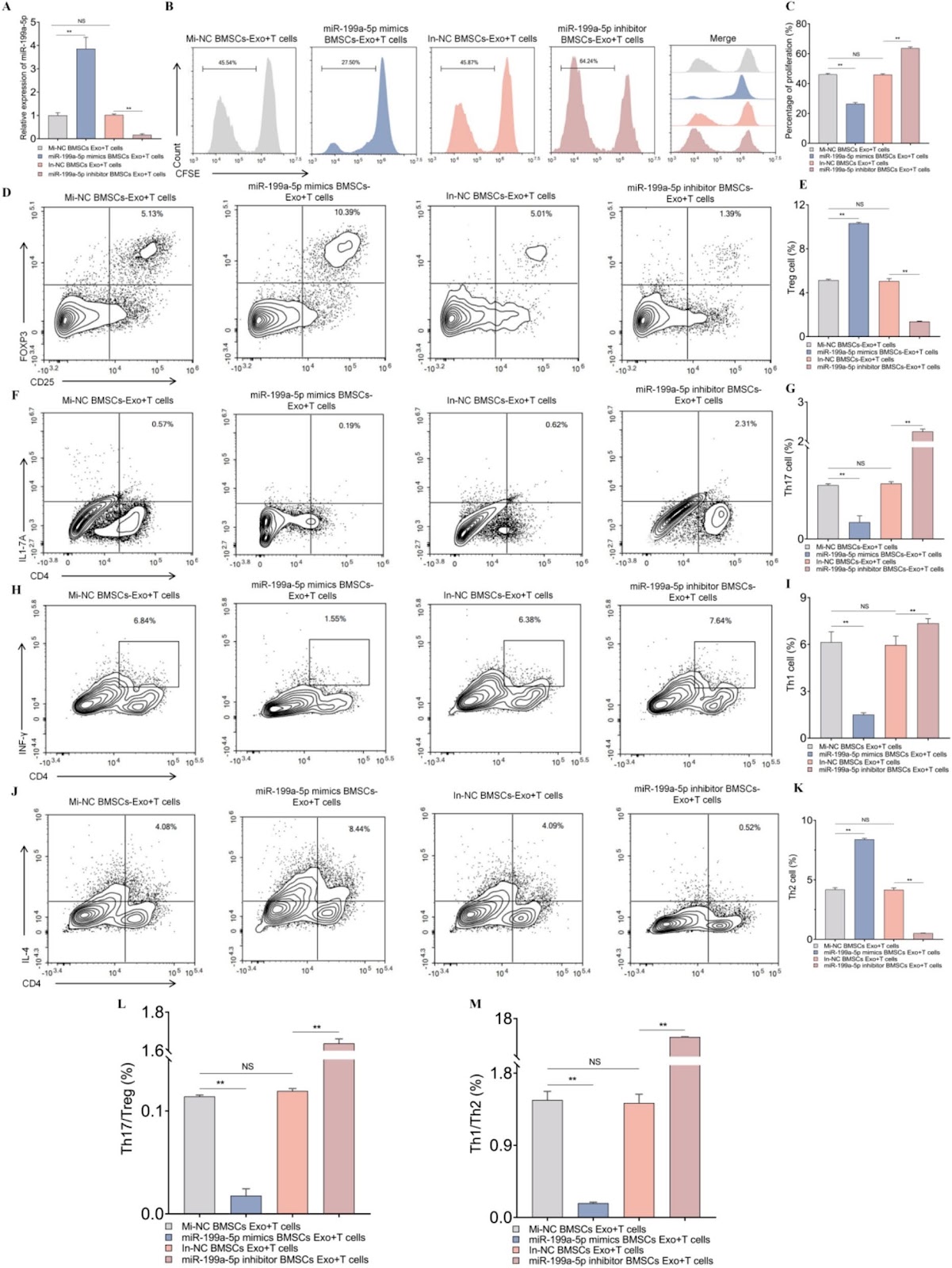
Ningxue Shengban decoction containing serum alleviates immune thrombocytopenia by modulating CD4+T cells balance via BMSCs-Exo-miR-199a-5pGraphical AbstractVerified
Stem Cell Research & Therapy

Ningxue Shengban decoction containing serum alleviates immune thrombocytopenia by modulating CD4+T cells balance via BMSCs-Exo-miR-199a-5p

Background The abnormal immune response mediated by CD4+T cells is a key factor in Immune thrombocytopenia(ITP) progression. While Ningxue Shengban Decoction (NXSBD) is an effective therapeutic, its underlying mechanism and targets remain obscure. Aim This study aims to clarify the role of exosomal miR-199a-5p derived from bone marrow mesenchymal stem cells (BMSCs) in immune homeostasis, and to explore the therapeutic effects of exosomes from BMSCs(BMSCs-Exo) pretreated with NXSBD containing serum on ITP. Method We co-cultured CD4+T cells with BMSCs or pre-treated BMSCs-Exo. The proliferation and differentiation of CD4+T cells were then assessed using CFSE staining and flow cytometry (FCM). Additionally, an active ITP murine model was employed to assess the therapeutic efficacy of pre-treated BMSCs-Exo. Platelet counts were measured and organ indices were calculated. Serum autoantibody levels were measured by FCM and ELISA, changes in CD4⁺T cells subsets in the spleen were analyzed by FCM, megakaryocyte number and morphology in bone marrow tissues were examined by H&E staining, and key cytokine levels in mouse serum were quantified by ELISA. Results Our results indicate that the immunomodulatory effect of BMSCs-Exo on CD4+T cells is mediated by miR-199a-5p, and that NXSBD containing serum enhances this effect by increasing miR-199a-5p levels. In an active ITP murine model, BMSCs-Exo treatment significantly ameliorated the pathological features of ITP, as evidenced by increased peripheral platelet counts, reduced spleen and thymus indices, and decreased levels of autoantibodies. Immunophenotypic analysis revealed that an increased percentage of splenic Treg and Th2 cells, and a decreased percentage of Th17 and Th1 cells, were observed after BMSCs-Exo treatment. Additionally, BMSCs-Exo enhanced the production of mature megakaryocytes. Following BMSCs-Exo treatment, the levels of pro-inflammatory cytokines were sharply lowered, whereas anti-inflammatory cytokine levels were markedly elevated. BMSCs-Exo pretreated with NXSBD containing serum exert superior therapeutic efficacy compared with those derived from untreated BMSCs.

Read Full Abstract10.1186/s13287-026-04936-3
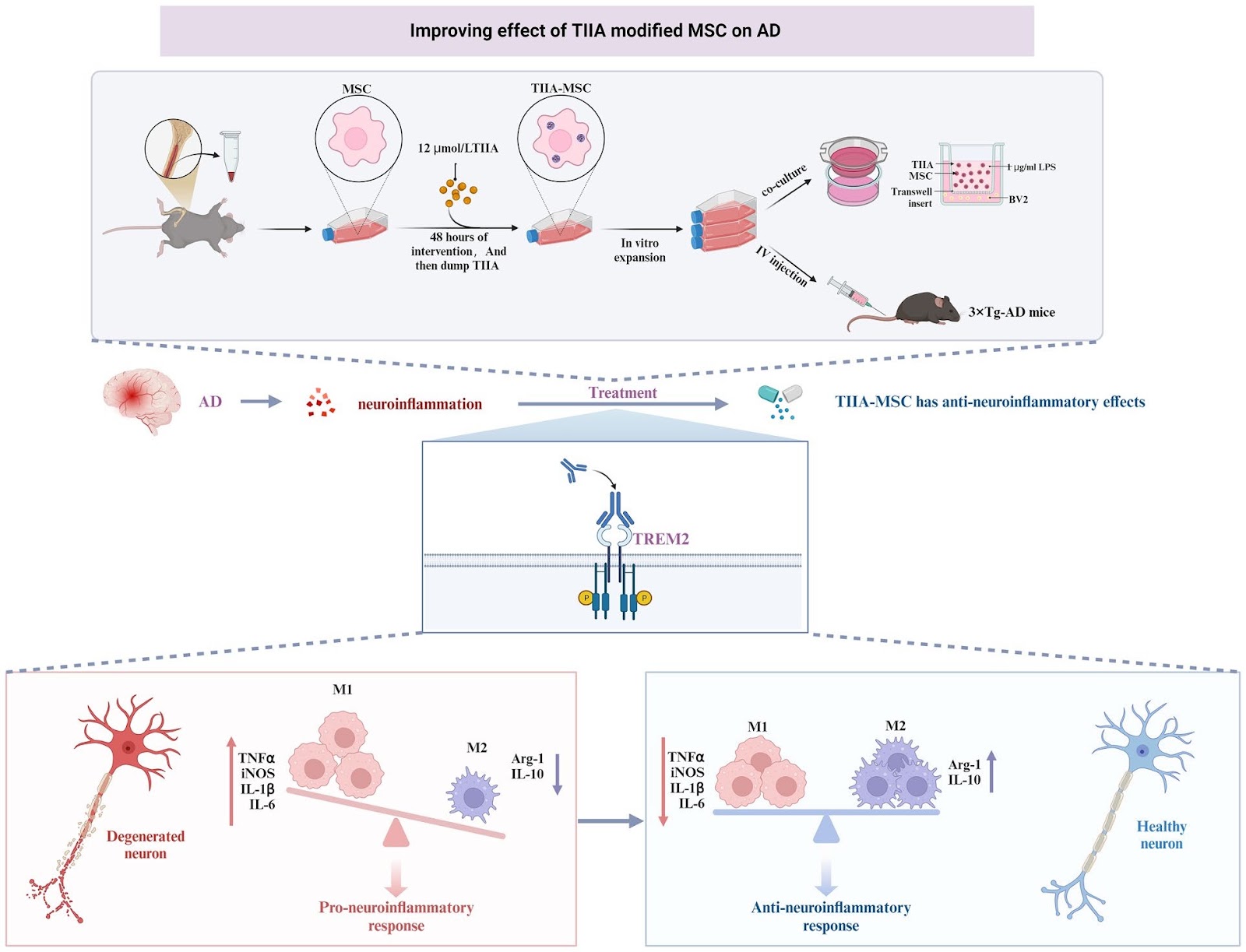
Tanshinone IIA-pretreated mesenchymal stem cells alleviate neuroinflammation in 3ƗTg-AD mice via the TREM2/PI3K/Akt pathwayGraphical AbstractVerified
Stem Cell Research & Therapy

Tanshinone IIA-pretreated mesenchymal stem cells alleviate neuroinflammation in 3ƗTg-AD mice via the TREM2/PI3K/Akt pathway

Neuroinflammation is a key pathogenic factor for neurodegenerative diseases. Mesenchymal stem cell (MSC) transplantation, as a potential strategy for regulating neuroinflammation, has received extensive attention. Our previous research revealed that compared with ordinary MSC, MSC pretreated with tanshinone IIA (TIIA), referred to as TIIA-MSC, exhibited superior anti-neuroinflammatory activity, but the mechanism of action remains unclear. To clarify the underlying mechanism, this study integrated in vitro and in vivo experiments and evaluated the therapeutic effect of TIIA-MSC in a triple-transgenic Alzheimer’s disease mouse model (3ƗTg-AD mice) and explored its mechanism of action in a lipopolysaccharide (LPS)-induced BV2 microglial cell inflammation model. The results showed that TIIA-MSC could significantly improve the cognitive function of 3ƗTg-AD mice, increase brain glucose metabolism levels, promote the recovery of synaptic and mitochondrial structures, and effectively alleviate neuroinflammatory responses. In vitro experiments further verified the superior inhibitory effect of TIIA-MSC on microglial cell activation and proinflammatory factor release. Mechanistic studies have indicated that the triggering receptor expressed on myeloid cells 2 (TREM2) is the key molecule that mediates this process. The knockdown of TREM2 expression significantly weakened the anti-inflammatory effect of TIIA-MSC, suggesting that TREM2 plays a central role in this process. Further analysis revealed that by activating the phosphoinositide 3-kinase (PI3K)/protein kinase B (Akt) signaling pathway downstream of TREM2, TIIA-MSC may promote the transformation of the functional state of microglia from mainly proinflammatory to having neuroprotective and repair properties. This study systematically revealed the molecular mechanism by which TIIA-MSC regulate microglial cell phenotypic transformation through the TREM2/PI3K/Akt pathway and exert anti-neuroinflammatory effects, providing new ideas and an experimental basis for expanding the application of MSC in the treatment of neurodegenerative diseases.

Read Full Abstract10.1186/s13287-026-04954-1
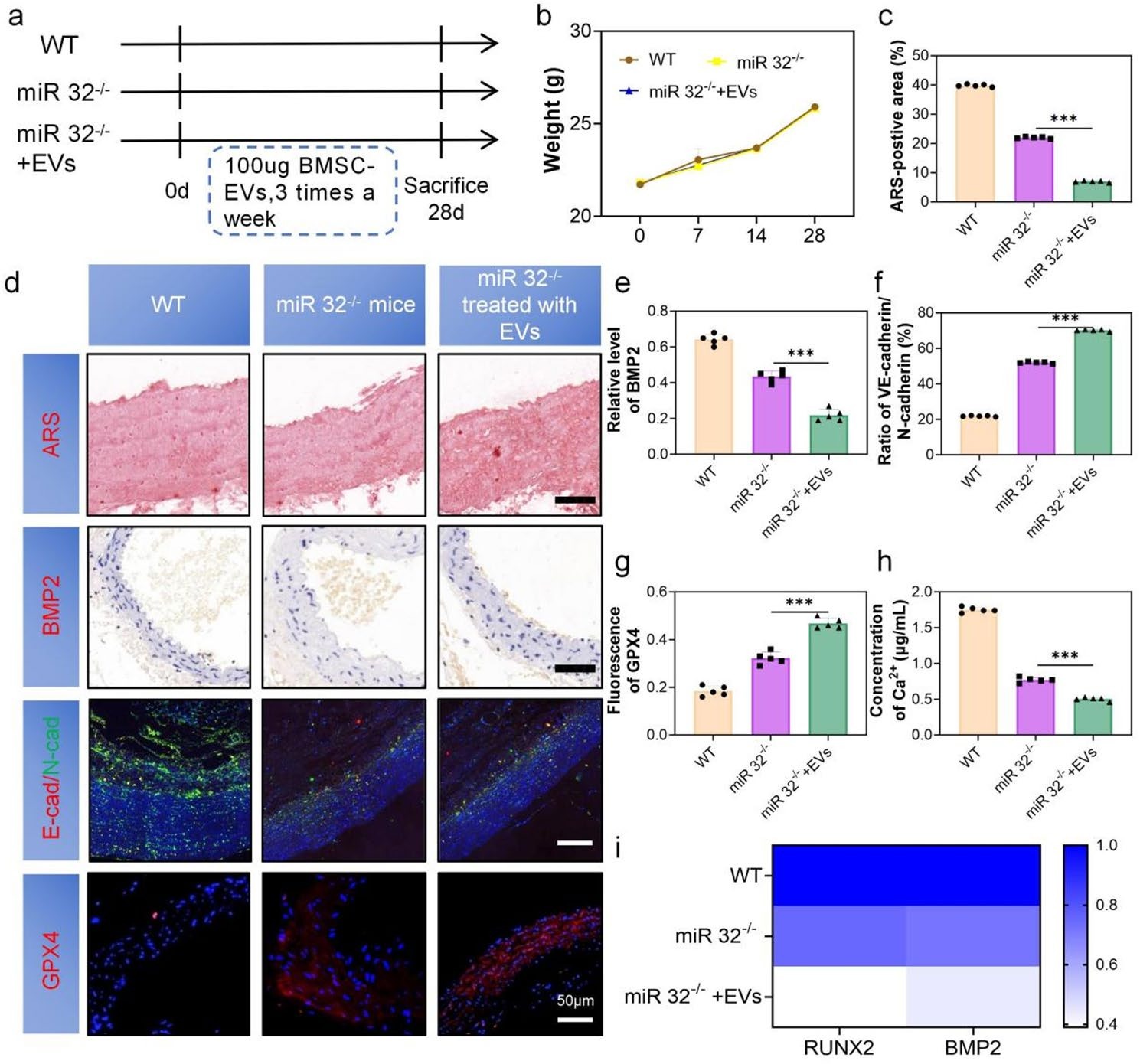
Deficiency of extracellular vesicles miR-32 from bone marrow mesenchymal stem cells alleviates vascular calcification in type 2 diabetes by inhibiting endothelial ferroptosisGraphical AbstractVerified
Stem Cell Research & Therapy

Deficiency of extracellular vesicles miR-32 from bone marrow mesenchymal stem cells alleviates vascular calcification in type 2 diabetes by inhibiting endothelial ferroptosis

Background The development of vascular calcification (VC) in diabetes is closely related to the endothelial-to-mesenchymal transition (EndMT). We found that microRNA-32-5p (miR-32) was elevated in the plasma of calcification patients. However, it is unclear whether miR-32 mediates the function of bone marrow mesenchymal stem cell-derived extracellular vesicles (BMSC-EVs) in type 2 diabetes (T2D) VC. Methods BMSC-EVs were characterized by TEM, NTA, Western blotting, and confocal microscopy. Alizarin Red and ALP staining assessed the severity of VC. qRT-PCR and Western blotting evaluated the expression of BMP2, RUNX2, GPX4, SLC7A11, VE-cadherin, and N-cadherin, while immunofluorescence was used for detecting VE-cadherin and N-cadherin. In vivo validation was performed using miR-32–/– and ApoE–/– mice. RNA sequencing (RNA-seq) and bioinformatics analysis was conducted to explore underlying mechanisms. Results We demonstrated that BMSC-EVs attenuate VC in endothelial cells (ECs) and inhibit EndMT. In vivo, histological analysis showed that treatment with BMSC-EVs significantly reduced the severity of VC associated with T2D. Notably, knockout of miR-32 further enhanced the inhibitory effect of BMSC-EVs on VC. Mechanistically, transcriptomic and functional analyses suggest that the protective effect of BMSC-EVs on VC is associated with regulation of the MAPK/FoxO signaling pathway, potentially mediated by modulation of ferroptosis. Conclusion These findings demonstrate that BMSC-EVs attenuate T2D-associated VC, partially through miR-32-mediated suppression of EC ferroptosis.

Read Full Abstract10.1186/s13287-026-04896-8
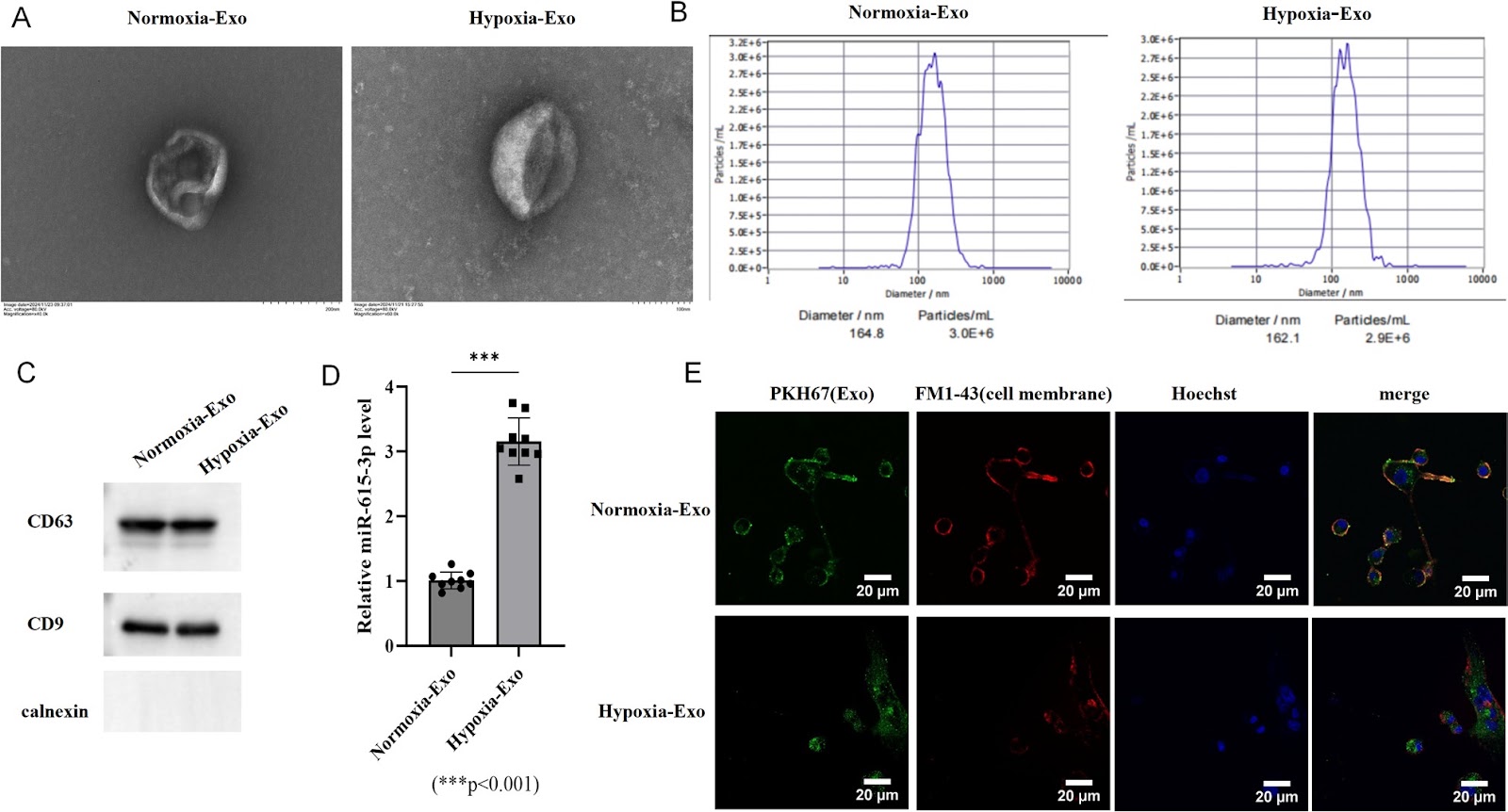
Hypoxia-conditioned BMSC exosomes improve short-term spinal cord injury outcomes via the miR-615-3p/PDE4C-mediated cAMP/PKA pathwayGraphical AbstractVerified
Stem Cell Research & Therapy

Hypoxia-conditioned BMSC exosomes improve short-term spinal cord injury outcomes via the miR-615-3p/PDE4C-mediated cAMP/PKA pathway

Spinal cord injury (SCI) remains a significant global health challenge with limited effective therapeutic options. Exosomes derived from mesenchymal stem cells (MSCs) have emerged as promising neuroprotective agents due to their biocompatibility and immunomodulatory properties. This study investigated the therapeutic potential of hypoxia-conditioned bone marrow MSC (BMSC)-derived exosomes in both in vitro and in vivo SCI models. Hypoxic preconditioning significantly enriched miR-615-3p in bone marrow mesenchymal stem cell (BMSC)-derived exosomes. In spinal neuron injury models, hypoxic exosomes enhanced cell viability, reduced apoptosis, and ameliorated dysfunction of the mitochondria-associated endoplasmic reticulum membranes (MAMs). Mechanistically, miR-615-3p directly targeted and suppressed phosphodiesterase 4 C (PDE4C), activating the cyclic adenosine monophosphate (cAMP)/protein kinase A (PKA) pathway. This in turn modulated calcium signaling, attenuated mitochondrial calcium overload, and reduced endoplasmic reticulum stress (ERS). In a mouse model of SCI, short-term treatment with hypoxic exosomes promoted functional recovery within a 14-day post-injury period, as evidenced by improved locomotor performance, reduced lesion volume, attenuated tissue edema, and decreased inflammatory cell infiltration. Furthermore, in vivo administration of hypoxic exosomes upregulated miR-615-3p and downregulated PDE4C expression in injured spinal cord tissues. These results demonstrate that hypoxia-conditioned BMSC-derived exosomes exert neuroprotective effects via the miR-615-3p/PDE4C axis, highlighting their potential as a novel therapeutic strategy for SCI by targeting calcium homeostasis and mitochondrial-ER dysfunction. These findings demonstrate the short-term therapeutic potential of hypoxia-conditioned exosomes in SCI. However, further preclinical studies, including long-term follow-up to assess the durability of recovery and potential late-onset effects, alongside clinical validation, are warranted before clinical translation.

Read Full Abstract10.1186/s13287-026-04895-9
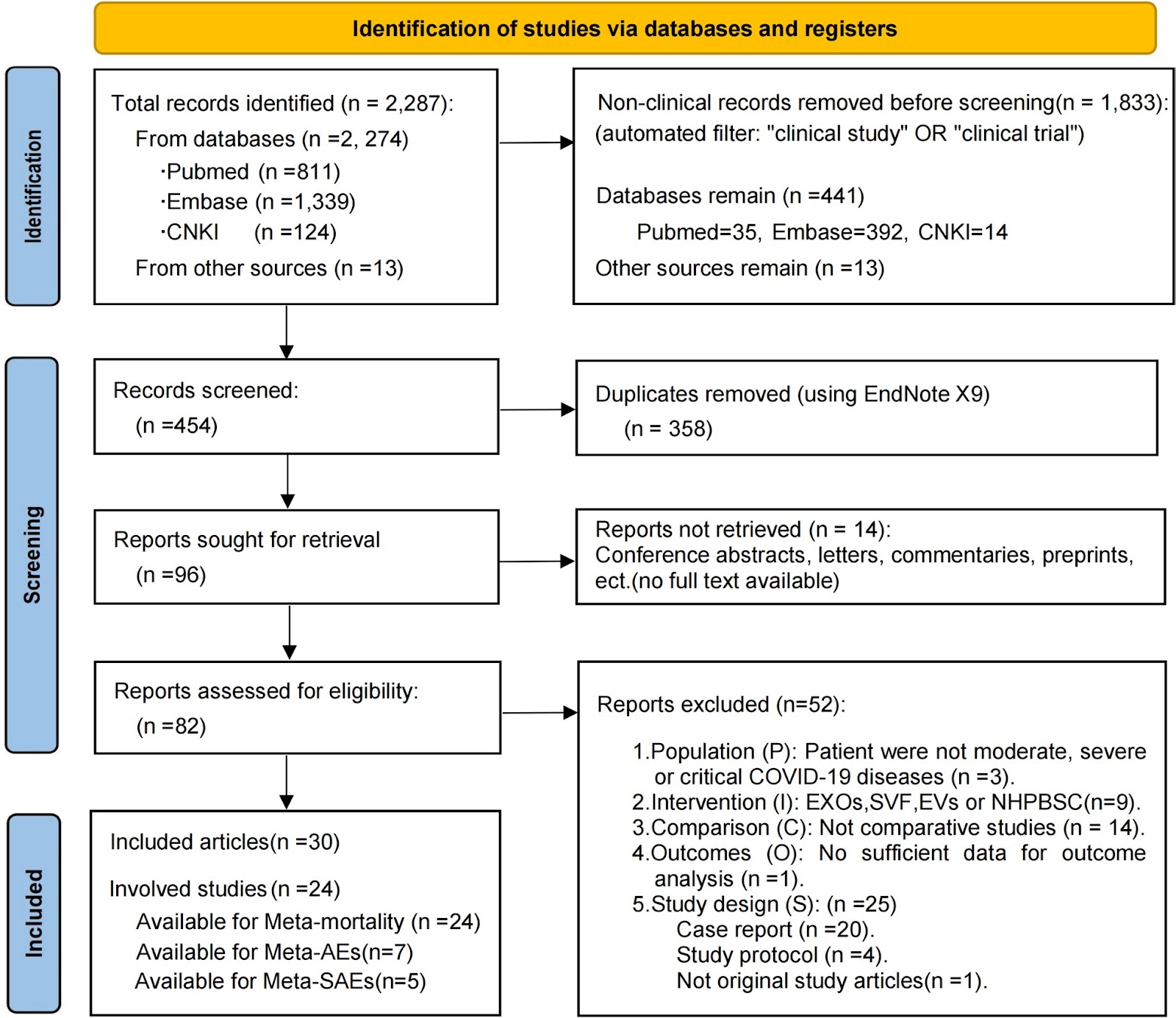
Therapeutic potential of mesenchymal stromal cells in COVID-19: a meta-analysis of clinical trials conducted since the pandemic onsetGraphical AbstractVerified
Stem Cell Research & Therapy

Therapeutic potential of mesenchymal stromal cells in COVID-19: a meta-analysis of clinical trials conducted since the pandemic onset

Background Severe acute respiratory syndrome coronavirus 2 (SARS-CoV-2) infection can induce immune dysregulation and multi-organ injury; mesenchymal stromal cell (MSC) therapy has shown promise in clinical trials for COVID-19 and may have broader applicability to pneumonia induced by respiratory viruses (e.g., the influenza virus). This meta-analysis synthesized the available comparative clinical evidence on the safety and efficacy of MSCs in patients with moderate to critical COVID-19 and examined the reported outcomes relevant to Long-COVID. Methods We searched the PubMed, Embase, and CNKI databases for original, comparative studies in moderate, severe, or critical COVID-19 published up to September 2, 2024. Twenty-four eligible studies (13 RCTs and 11 non-randomized controlled trials; n=1080) were included in the mortality meta-analysis. Patients were assigned to either the intervention group (MSC therapy plus standard care) or the control group (standard care with or without placebo). The primary efficacy outcome was all-cause mortality, while the primary safety outcomes were adverse events (AEs) and serious adverse events (SAEs). Secondary outcomes included clinical recovery, hospitalization metrics, chest imaging, and inflammatory biomarkers. We performed a pooled meta-analysis on mortality with subgroup analyses (by disease severity, administration route, dosing frequency, and study design), assessment of publication bias (using funnel plots and Egger’s test), and evaluation of the quality of evidence via the GRADE approach. AEs/SAEs were analyzed using meta-analysis and descriptive statistics, while other secondary outcomes were summarized descriptively. Results MSC therapy significantly reduced all-cause mortality (MSC: 26.4% vs control: 31.9%; fixed-effect OR=0.74, 95% CI 0.55–0.99), with low heterogeneity (I2=2.8%, P=0.422[Q-test]) and no publication bias. The quality of evidence

Read Full Abstract10.1186/s13287-026-05020-6