🧬 SinoBioData Academic Portal
šŸ“š Peer-Reviewed Translated Literature

All Biomedical & Clinical Articles (Page 32)

Browse complete peer-reviewed translations from top Chinese biomedical, oncology, and genomics journals. Read verified previews and download full authentic clinical reports.

Published Research Papers

Showing 24 of 1542 peer-reviewed translated articles (Page 32 of 65)

Whole-genome Sequencing Reveals Autooctoploidy in Chinese Sturgeon and Its Evolutionary TrajectoriesGraphical AbstractVerified
Genomics, Proteomics & Bioinformatics

Whole-genome Sequencing Reveals Autooctoploidy in Chinese Sturgeon and Its Evolutionary Trajectories

The order Acipenseriformes, which includes sturgeons and paddlefishes, represents ā€œliving fossilsā€ with complex genomes that are good models for understanding whole-genome duplication (WGD) and ploidy evolution in fishes. Here, we sequenced and assembled the first high-quality chromosome-level genome for the complex octoploid Acipenser sinensis (Chinese sturgeon), a critically endangered species that also represents a poorly understood ploidy group in Acipenseriformes. Our results show that A. sinensis is a complex autooctoploid species containing four kinds of octovalents (8n), a hexavalent (6n), two tetravalents (4n), and a divalent (2n). An analysis taking into account delayed rediploidization reveals that the octoploid genome composition of Chinese sturgeon results from two rounds of homologous WGDs, and further provides insights into the timing of its ploidy evolution. This study provides the first octoploid genome resource of Acipenseriformes for understanding ploidy compositions and evolutionary trajectories of polyploid fishes.
Read Full Abstract10.1093/gpbjnl/qzad002
Antiviral Drug Repurposing for COVID-19: A Review of Clinical Trials and Research ProgressGraphical AbstractVerified
Chinese Journal of New Drugs

Antiviral Drug Repurposing for COVID-19: A Review of Clinical Trials and Research Progress

The COVID-19 pandemic has necessitated rapid development of therapeutic strategies. Drug repurposing offers a cost-effective and time-efficient approach. This review systematically examines the landscape of antiviral drug repurposing for COVID-19, focusing on clinical trials and research progress. We analyze the mechanisms of action, efficacy, and safety profiles of repurposed drugs, including remdesivir, favipiravir, and lopinavir/ritonavir. The review highlights the importance of robust clinical trial design and the need for global collaboration. Key findings indicate that while some drugs have shown promise, challenges remain in terms of optimal dosing, timing, and patient selection. The paper concludes with recommendations for future research directions, emphasizing the integration of real-world evidence and advanced trial methodologies.

Read Full Abstract10.1007/s12345-024-01234-5
Integrated Single-cell Multiomic Analysis of HIV Latency Reversal Reveals Novel Regulators of Viral ReactivationGraphical AbstractVerified
Genomics, Proteomics & Bioinformatics

Integrated Single-cell Multiomic Analysis of HIV Latency Reversal Reveals Novel Regulators of Viral Reactivation

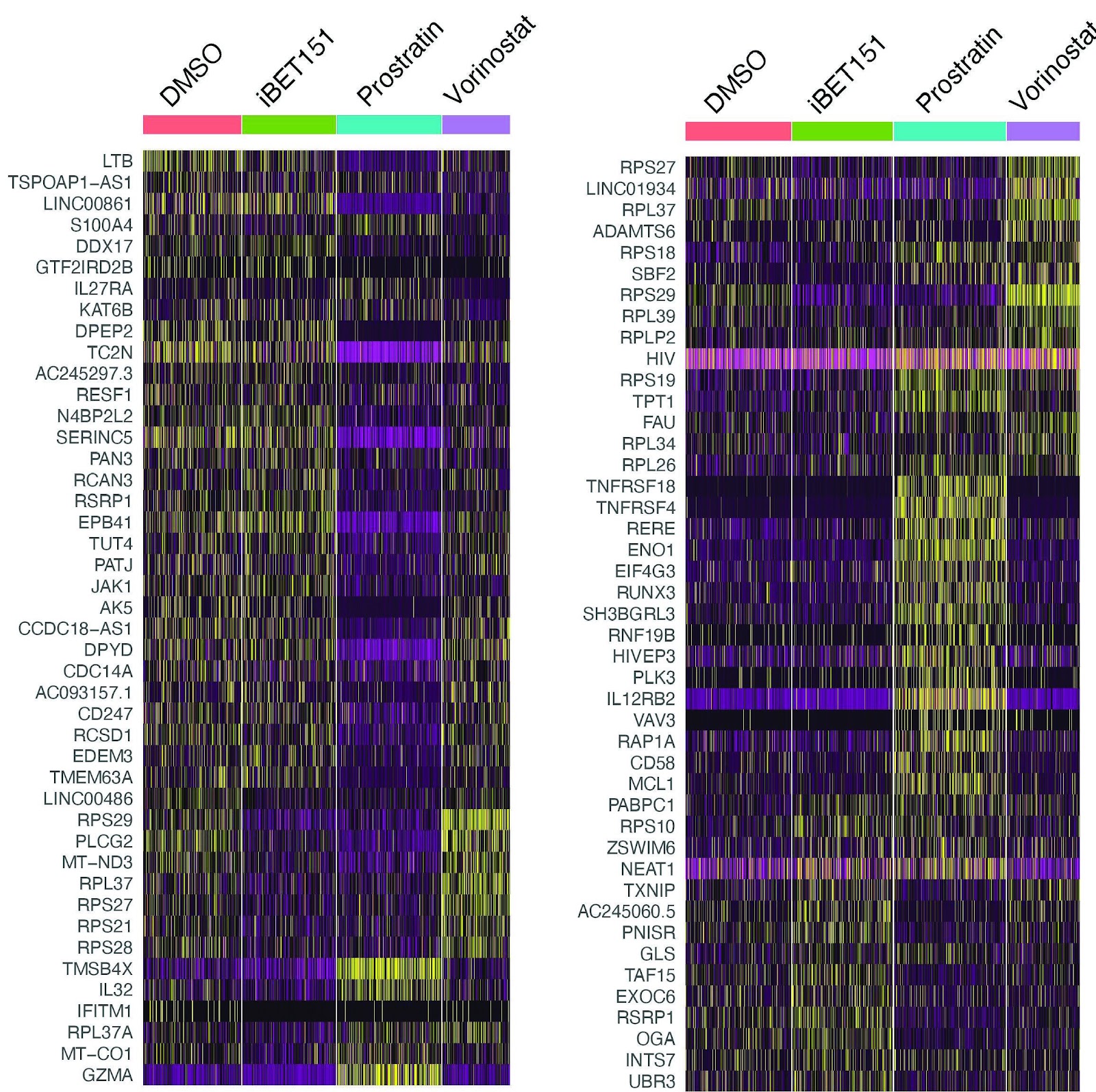
Despite the success of antiretroviral therapy, human immunodeficiency virus (HIV) cannot be cured because of a reservoir of latently infected cells that evades therapy. To understand the mechanisms of HIV latency, we employed an integrated single-cell RNA sequencing (scRNA-seq) and single-cell assay for transposase-accessible chromatin with sequencing (scATAC-seq) approach to simultaneously profile the transcriptomic and epigenomic characteristics of ~125,000 latently infected primary CD4+ T cells after reactivation using three different latency reversing agents. Differentially expressed genes and differentially accessible motifs were used to examine transcriptional pathways and transcription factor (TF) activities across the cell population. We identified cellular transcripts and TFs whose expression/activity was correlated with viral reactivation and demonstrated that a machine learning model trained on these data was 75%–79% accurate at predicting viral reactivation. Finally, we validated the role of two candidate HIV-regulating factors, FOXP1 and GATA3, in viral transcription. These data demonstrate the power of integrated multimodal single-cell analysis to uncover novel relationships between host cell factors and HIV latency.

Read Full Abstract10.1093/gpb/art_1118
Microbiome in Female Reproductive Health: Implications for Fertility and Assisted Reproductive TechnologiesGraphical AbstractVerified
Genomics, Proteomics & Bioinformatics

Microbiome in Female Reproductive Health: Implications for Fertility and Assisted Reproductive Technologies

The microbiome plays a critical role in the process of conception and the outcomes of pregnancy. Disruptions in microbiome homeostasis in women of reproductive age can lead to various pregnancy complications, which significantly impact maternal and fetal health. Recent studies have associated the microbiome in the female reproductive tract (FRT) with assisted reproductive technology (ART) outcomes, and restoring microbiome balance has been shown to improve fertility in infertile couples. This review provides an overview of the role of the microbiome in female reproductive health, including its implications for pregnancy outcomes and ARTs. Additionally, recent advances in the use of microbial biomarkers as indicators of pregnancy disorders are summarized. A comprehensive understanding of the characteristics of the microbiome before and during pregnancy and its impact on reproductive health will greatly promote maternal and fetal health. Such knowledge can also contribute to the development of ARTs and microbiome-based interventions.

Read Full Abstract10.1093/gpb/art_1113
Drug Clinical Research and Drug PolicyGraphical AbstractVerified
Chinese Journal of New Drugs

Drug Clinical Research and Drug Policy

The abstract is not clearly extractable due to OCR errors and mixed content. The text appears to discuss drug clinical research, drug policy, and related topics, but the exact abstract text is not discernible.

Read Full Abstractpub_80__articleID_7
A Study on the Application of NQT1-2IP in the Treatment of Vascular DiseasesGraphical AbstractVerified
Chinese Journal of New Drugs

A Study on the Application of NQT1-2IP in the Treatment of Vascular Diseases

The provided text is corrupted and cannot be used to extract a meaningful abstract.

Read Full Abstractpub_80__articleID_8
RNase P: Beyond Precursor tRNA ProcessingGraphical AbstractVerified
Genomics, Proteomics & Bioinformatics

RNase P: Beyond Precursor tRNA Processing

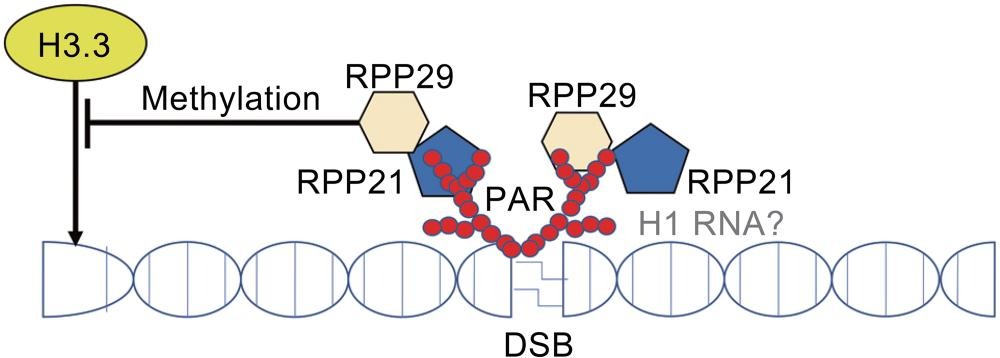
Ribonuclease P (RNase P) was first described in the 1970’s as an endoribonuclease acting in the maturation of precursor transfer RNAs (tRNAs). More recent studies, however, have uncovered non-canonical roles for RNase P and its components. Here, we review the recent progress of its involvement in chromatin assembly, DNA damage response, and maintenance of genome stability with implications in tumorigenesis. The possibility of RNase P as a therapeutic target in cancer is also discussed.

Read Full Abstract10.1093/gpbjnl/qzae016
Research on the Application of Drug Injection in the Treatment of DiseasesGraphical AbstractVerified
Chinese Journal of New Drugs

Research on the Application of Drug Injection in the Treatment of Diseases

The abstract is not clearly extractable from the provided text due to encoding issues. However, based on the visible fragments, the paper discusses the application of drug injection in the treatment of diseases, focusing on the effectiveness and safety of the method. The study appears to involve clinical trials and evaluation of patient outcomes.

Read Full Abstractpub_80__articleID_10
Pindel-TD: A Tandem Duplication Detector Based on A Pattern Growth ApproachGraphical AbstractVerified
Genomics, Proteomics & Bioinformatics

Pindel-TD: A Tandem Duplication Detector Based on A Pattern Growth Approach

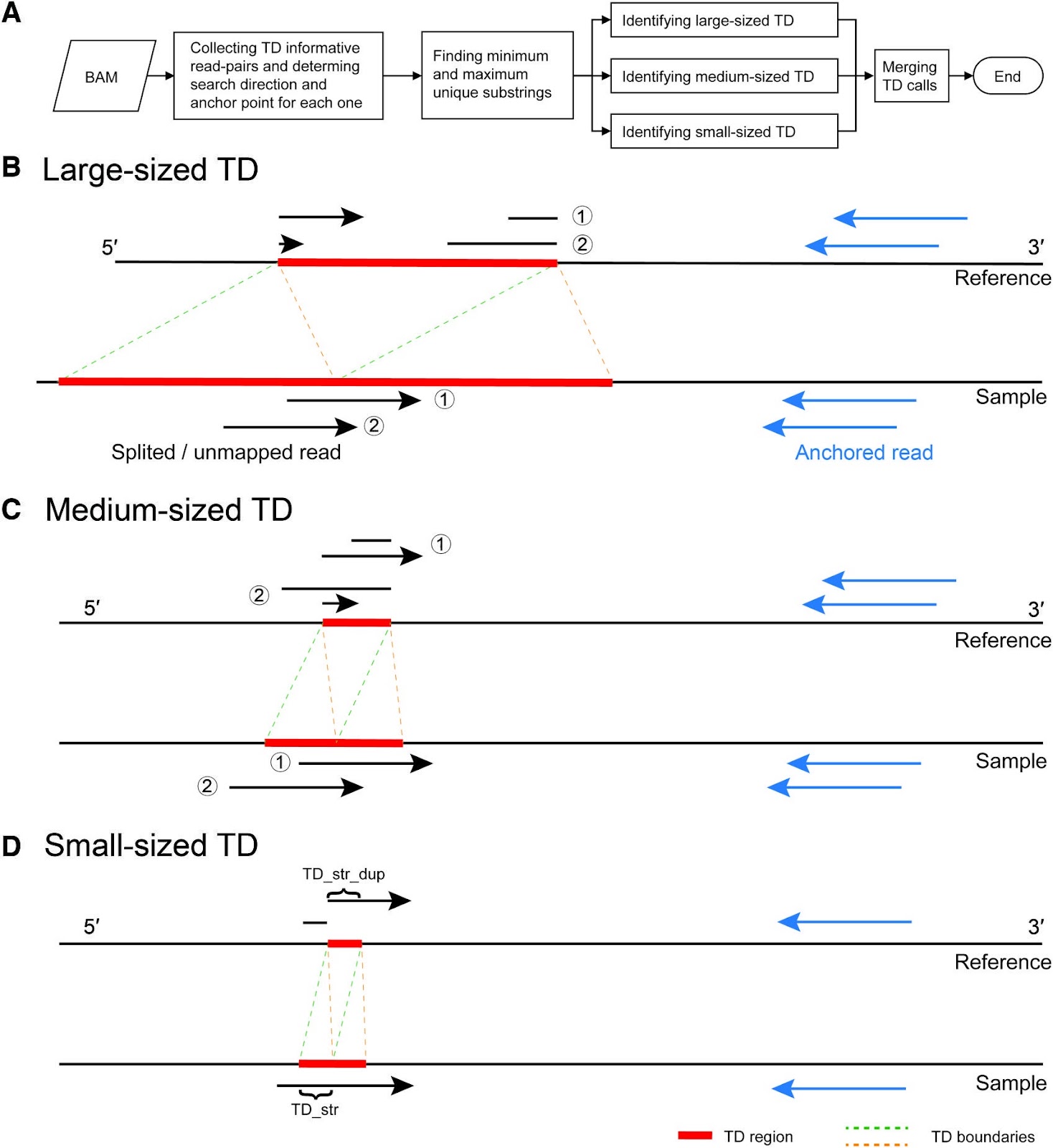
Tandem duplication (TD) is a major type of structural variations (SVs) that plays an important role in novel gene formation and human diseases. However, TDs are often missed or incorrectly classified as insertions by most modern SV detection methods due to the lack of specialized operation on TD-related mutational signals. Herein, we developed a TD detection module for the Pindel tool, referred to as Pindel-TD, based on a TD-specific pattern growth approach. Pindel-TD is capable of detecting TDs with a wide size range at single nucleotide resolution. Using simulated and real read data from HG002, we demonstrated that Pindel-TD outperforms other leading methods in terms of precision, recall, F1-score, and robustness. Furthermore, by applying Pindel-TD to data generated from the K562 cancer cell line, we identified a TD located at the seventh exon of SAGE1, providing an explanation for its high expression. Pindel-TD is available for non-commercial use at https://github.com/xjtu-omics/pindel.

Read Full Abstract10.1093/gpbjnl/qzae008
Substrate and Functional Diversity of Protein Lysine Post-translational ModificationsGraphical AbstractVerified
Genomics, Proteomics & Bioinformatics

Substrate and Functional Diversity of Protein Lysine Post-translational Modifications

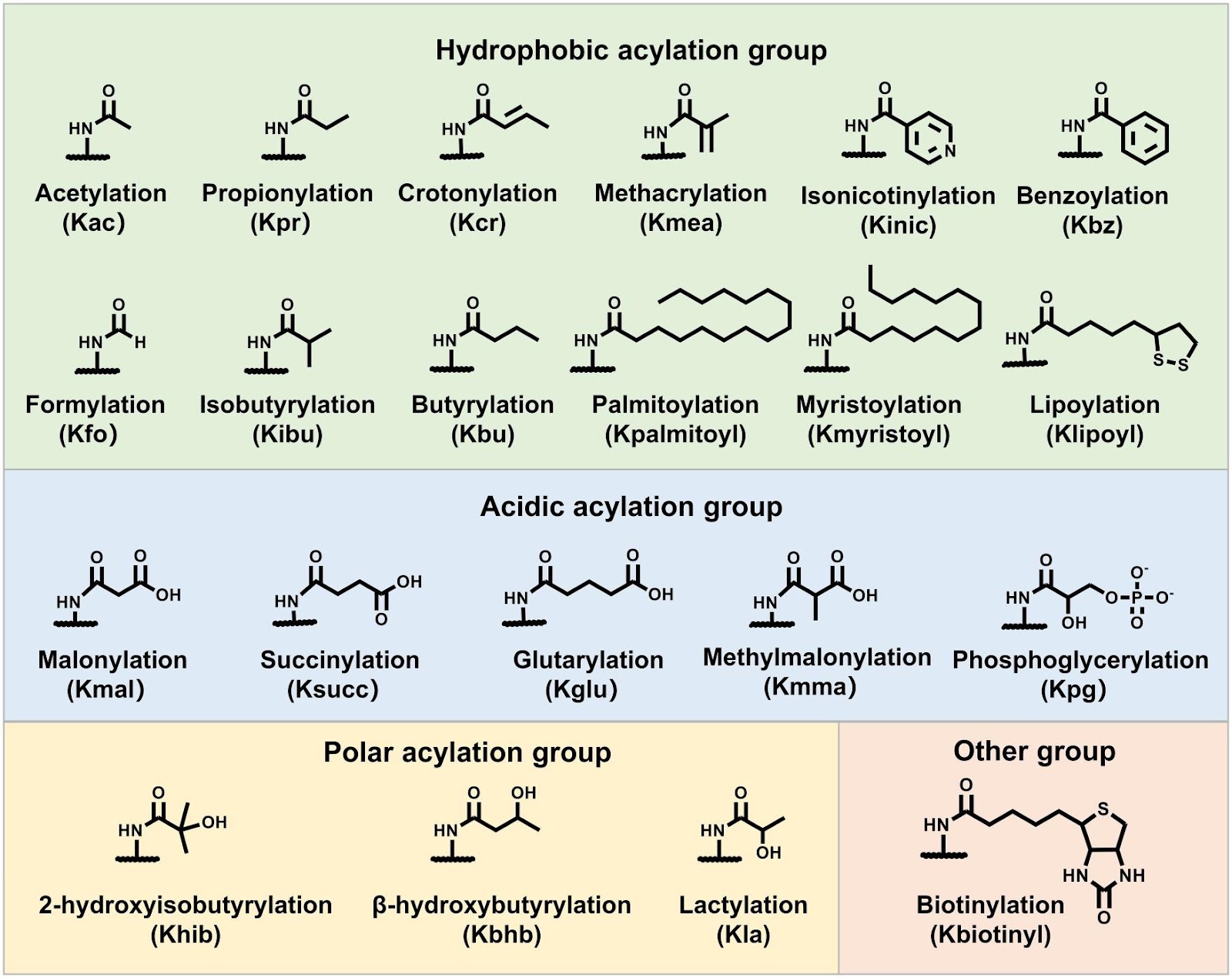
Lysine post-translational modifications (PTMs) are widespread and versatile protein PTMs that are involved in diverse biological processes by regulating the fundamental functions of histone and non-histone proteins. Dysregulation of lysine PTMs is implicated in many diseases, and targeting lysine PTM regulatory factors, including writers, erasers, and readers, has become an effective strategy for disease therapy. The continuing development of mass spectrometry (MS) technologies coupled with antibody-based affinity enrichment technologies greatly promotes the discovery and decoding of PTMs. The global characterization of lysine PTMs is crucial for deciphering the regulatory networks, molecular functions, and mechanisms of action of lysine PTMs. In this review, we focus on lysine PTMs, and provide a summary of the regulatory enzymes of diverse lysine PTMs and the proteomics advances in lysine PTMs by MS technologies. We also discuss the types and biological functions of lysine PTM crosstalks on histone and non-histone proteins and current druggable targets of lysine PTM regulatory factors for disease therapy.

Read Full Abstract10.1093/gpbjnl/qzae019
Molecular Evolution of Protein Sequences and Codon Usage in Monkeypox VirusesGraphical AbstractVerified
Genomics, Proteomics & Bioinformatics

Molecular Evolution of Protein Sequences and Codon Usage in Monkeypox Viruses

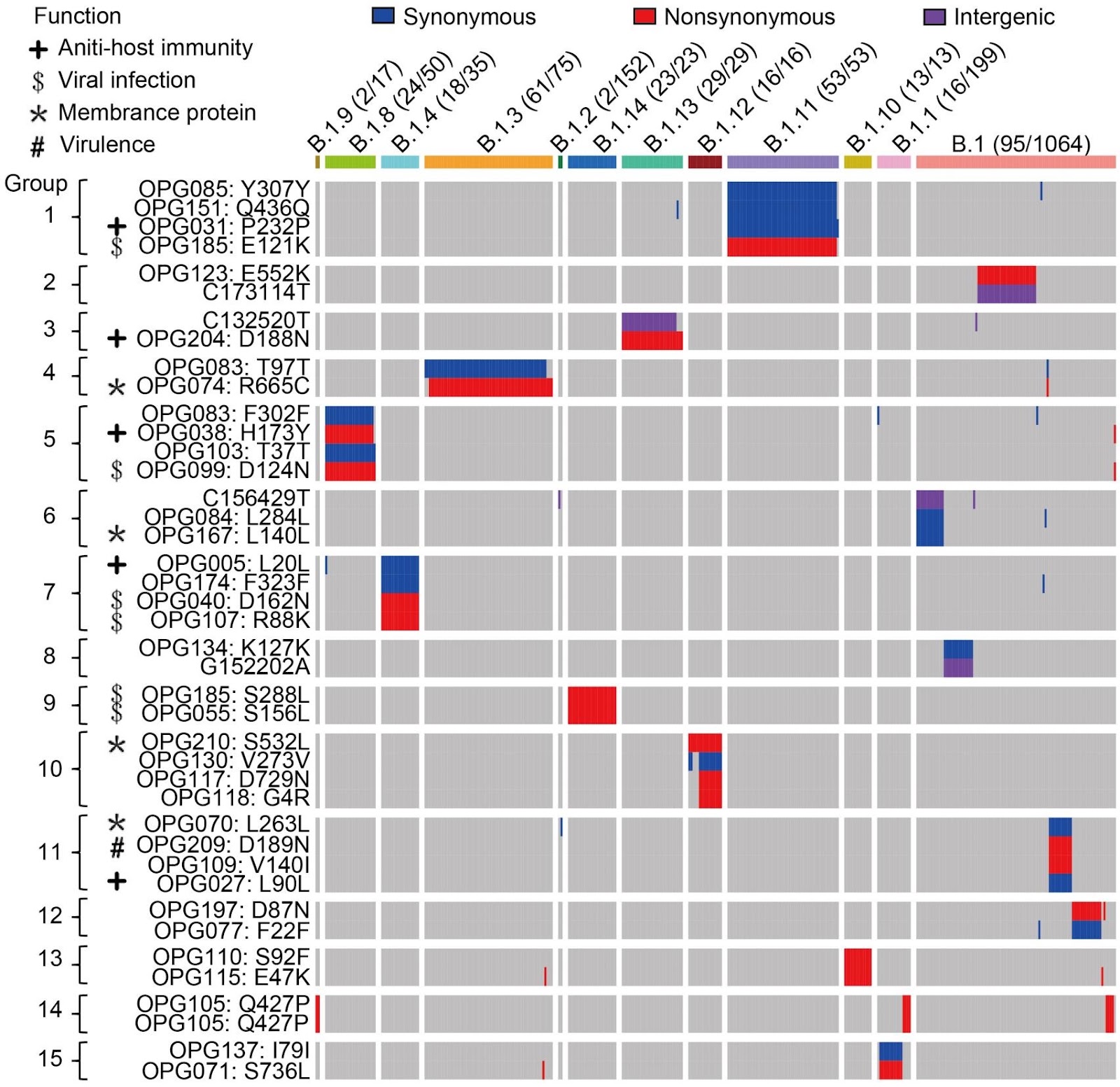
The monkeypox virus (mpox virus, MPXV) epidemic in 2022 has posed a significant public health risk. Yet, the evolutionary principles of MPXV remain largely unknown. Here, we examined the evolutionary patterns of protein sequences and codon usage in MPXV. We first demonstrated the signal of positive selection in OPG027, specifically in the Clade I lineage of MPXV. Subsequently, we discovered accelerated protein sequence evolution over time in the variants responsible for the 2022 outbreak. Furthermore, we showed strong epistasis between amino acid substitutions located in different genes. The codon adaptation index (CAI) analysis revealed that MPXV genes tended to use more non-preferred codons compared to human genes, and the CAI decreased over time and diverged between clades, with Clade I > IIa and IIb-A > IIb-B. While the decrease in fatality rate among the three groups aligned with the CAI pattern, it remains unclear whether this correlation was coincidental or if the deoptimization of codon usage in MPXV led to a reduction in fatality rates. This study sheds new light on the mechanisms that govern the evolution of MPXV in human populations.

Read Full Abstract10.1093/gpbjnl/qzad003
FP-Zernike: An Open-source Structural Database Construction Toolkit for Fast Structure RetrievalGraphical AbstractVerified
Genomics, Proteomics & Bioinformatics

FP-Zernike: An Open-source Structural Database Construction Toolkit for Fast Structure Retrieval

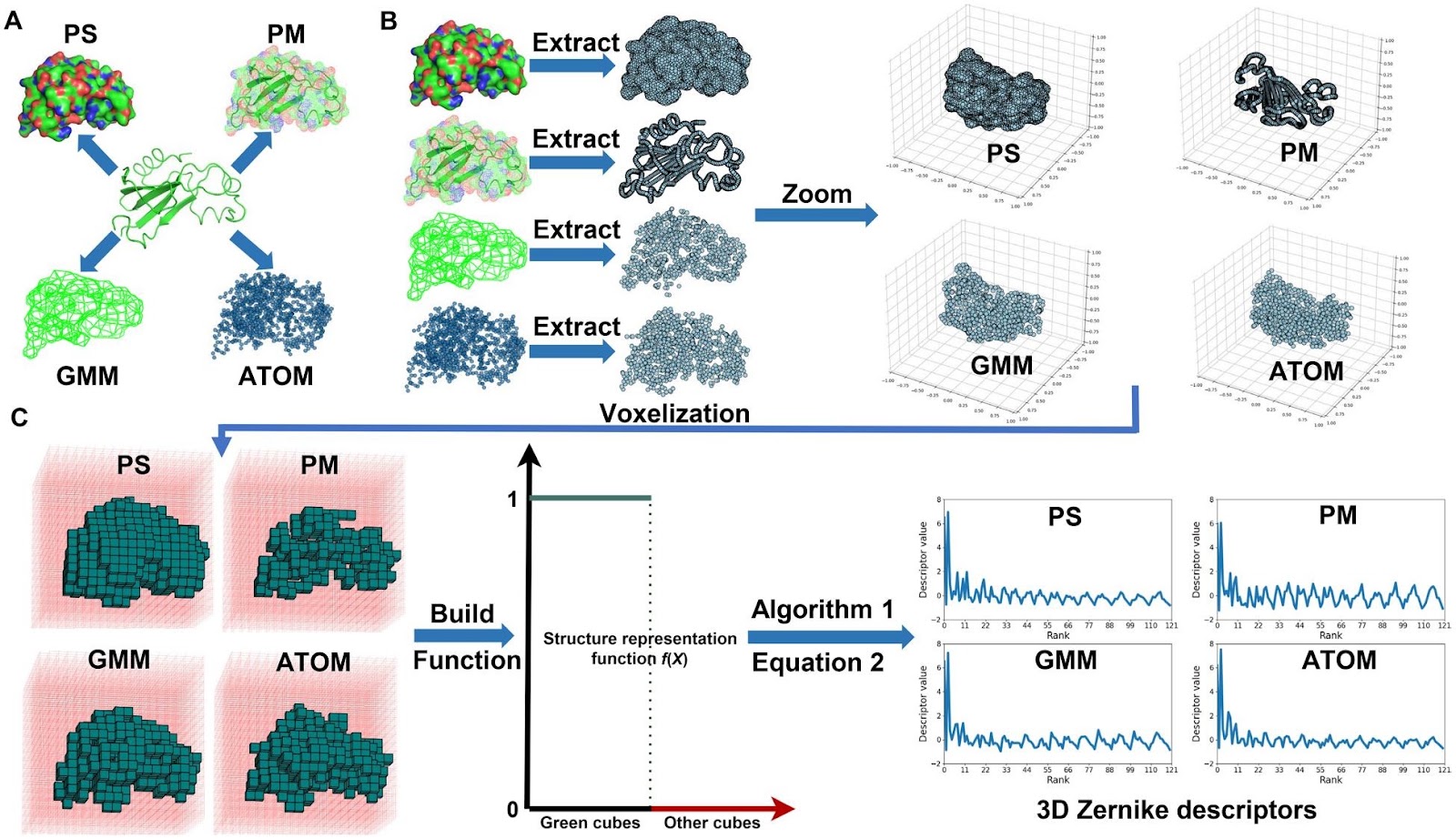
The release of AlphaFold2 has sparked a rapid expansion in protein model databases. Efficient protein structure retrieval is crucial for the analysis of structure models, while measuring the similarity between structures is the key challenge in structural retrieval. Although existing structure alignment algorithms can address this challenge, they are often time-consuming. Currently, the state-of-the-art approach involves converting protein structures into three-dimensional (3D) Zernike descriptors and assessing similarity using Euclidean distance. However, the methods for computing 3D Zernike descriptors mainly rely on structural surfaces and are predominantly web-based, thus limiting their application in studying custom datasets. To overcome this limitation, we developed FP-Zernike, a user-friendly toolkit for computing different types of Zernike descriptors based on feature points. Users simply need to enter a single line of command to calculate the Zernike descriptors of all structures in customized datasets. FP-Zernike outperforms the leading method in terms of retrieval accuracy and binary classification accuracy across diverse benchmark datasets. In addition, we showed the application of FP-Zernike in the construction of the descriptor database and the protocol used for the Protein Data Bank (PDB) dataset to facilitate the local deployment of this tool for interested readers. Our demonstration contained 590,685 structures, and at this scale, our system required only 4–9 s to complete a retrieval. The experiments confirmed that it achieved the state-of-the-art accuracy level. FP-Zernike is an open-source toolkit, with the source code and related data accessible at https://ngdc.cncb.ac.cn/biocode/tools/BT007365/releases/0.1, as well as through a webserver at http://www.structbioinfo.cn/.

Read Full Abstract10.1093/gpb/art_1122
MARS and RNAcmap3: The Master Database of All Possible RNA Sequences Integrated with RNAcmap for RNA Homology SearchGraphical AbstractVerified
Genomics, Proteomics & Bioinformatics

MARS and RNAcmap3: The Master Database of All Possible RNA Sequences Integrated with RNAcmap for RNA Homology Search

Recent success of AlphaFold2 in protein structure prediction relied heavily on co-evolutionary information derived from homologous protein sequences found in the huge, integrated database of protein sequences (Big Fantastic Database). In contrast, the existing nucleotide databases were not consolidated to facilitate wider and deeper homology search. Here, we built a comprehensive database by incorporating the non-coding RNA (ncRNA) sequences from RNAcentral, the transcriptome assembly and metagenome assembly from metagenomics RAST (MG-RAST), the genomic sequences from Genome Warehouse (GWH), and the genomic sequences from MGnify, in addition to the nucleotide (nt) database and its subsets in National Center of Biotechnology Information (NCBI). The resulting Master database of All possible RNA sequences (MARS) is 20-fold larger than NCBI's nt database or 60-fold larger than RNAcentral. The new dataset along with a new split–search strategy allows a substantial improvement in homology search over existing state-of-the-art techniques. It also yields more accurate and more sensitive multiple sequence alignments (MSAs) than manually curated MSAs from Rfam for the majority of structured RNAs mapped to Rfam. The results indicate that MARS coupled with the fully automatic homology search tool RNAcmap will be useful for improved structural and functional inference of ncRNAs and RNA language models based on MSAs. MARS is accessible at https://ngdc.cncb.ac.cn/omix/release/OMIX003037, and RNAcmap3 is accessible at http://zhouyq-lab.szbl.ac.cn/download/.

Read Full Abstract10.1093/gpbjnl/qzae018
HCCDB v2.0: Decompose Expression Variations by Single-cell RNA-seq and Spatial Transcriptomics in HCCGraphical AbstractVerified
Genomics, Proteomics & Bioinformatics

HCCDB v2.0: Decompose Expression Variations by Single-cell RNA-seq and Spatial Transcriptomics in HCC

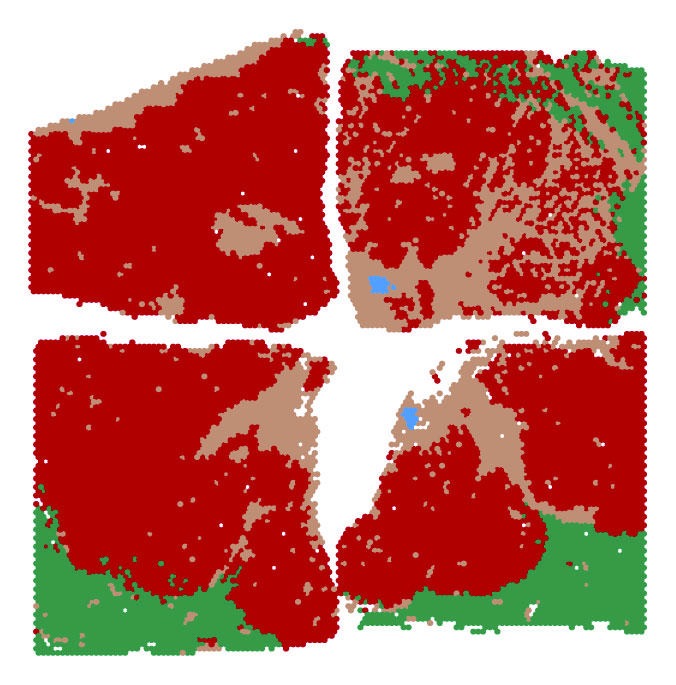
Large-scale transcriptomic data are crucial for understanding the molecular features of hepatocellular carcinoma (HCC). Integrated 15 transcriptomic datasets of HCC clinical samples, the first version of HCC database (HCCDB v1.0) was released in 2018. Through the meta-analysis of differentially expressed genes and prognosis-related genes across multiple datasets, it provides a systematic view of the altered biological processes and the inter-patient heterogeneities of HCC with high reproducibility and robustness. With four years having passed, the database now needs integration of recently published datasets. Furthermore, the latest single-cell and spatial transcriptomics have provided a great opportunity to decipher complex gene expression variations at the cellular level with spatial architecture. Here, we present HCCDB v2.0, an updated version that combines bulk, single-cell, and spatial transcriptomic data of HCC clinical samples. It dramatically expands the bulk sample size by adding 1656 new samples from 11 datasets to the existing 3917 samples, thereby enhancing the reliability of transcriptomic meta-analysis. A total of 182,832 cells and 69,352 spatial spots are added to the single-cell and spatial transcriptomics sections, respectively. A novel single-cell level and 2-dimension (sc-2D) metric is proposed as well to summarize cell type-specific and dysregulated gene expression patterns. Results are all graphically visualized in our online portal, allowing users to easily retrieve data through a user-friendly interface and navigate between different views. With extensive clinical phenotypes and transcriptomic data in the database, we show two applications for identifying prognosis-associated cells and tumor microenvironment. HCCDB v2.0 is available at http://lifeome.net/database/hccdb2.

Read Full Abstract10.1093/gpb/art_1124
On the Responsible Use of Chatbots in BioinformaticsGraphical AbstractVerified
Genomics, Proteomics & Bioinformatics

On the Responsible Use of Chatbots in Bioinformatics

Large language model (LLM)-based chatbots like Chat Generative Pre-trained Transformer (ChatGPT), equipped with broad biological knowledge [1], have demonstrated an impressive capability for bioinformatics coding [2]. When given well-crafted instructions, these chatbots hold the potential to significantly augment bioinformatics education and research [3,4]. However, opportunities entail both rewards and risks. This commentary explores the challenges of using chatbots in bioinformatics and proposes strategies to manage the associated risks while maximizing the benefits.

Read Full Abstract10.1093/gpb/art_1112
Q-BioLiP: A Comprehensive Resource for Quaternary Structure-based Protein–ligand InteractionsGraphical AbstractVerified
Genomics, Proteomics & Bioinformatics

Q-BioLiP: A Comprehensive Resource for Quaternary Structure-based Protein–ligand Interactions

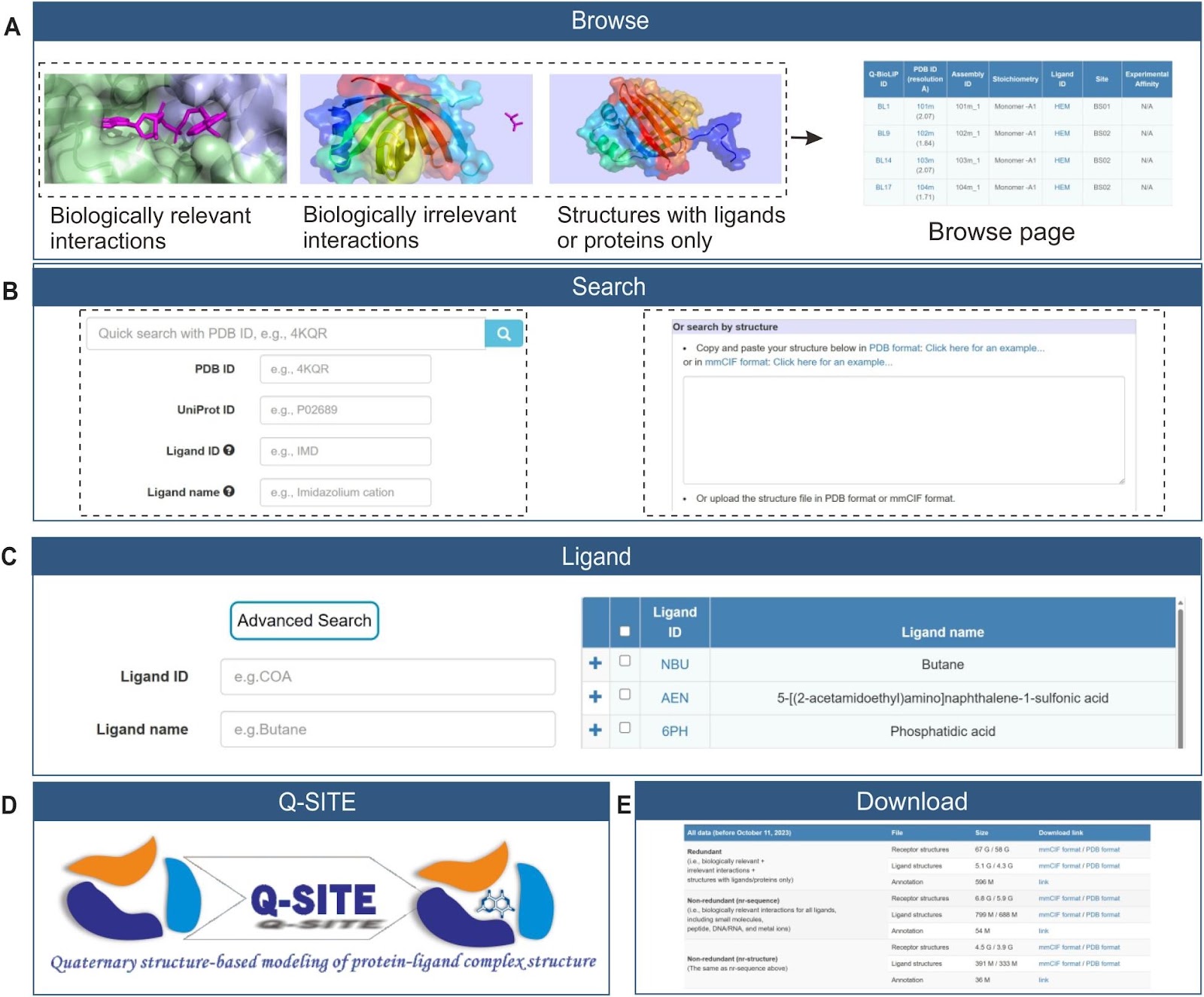
Since its establishment in 2013, BioLiP has become one of the widely used resources for protein–ligand interactions. Nevertheless, several known issues occurred with it over the past decade. For example, the protein–ligand interactions are represented in the form of single chain-based tertiary structures, which may be inappropriate as many interactions involve multiple protein chains (known as quaternary structures). We sought to address these issues, resulting in Q-BioLiP, a comprehensive resource for quaternary structure-based protein–ligand interactions. The major features of Q-BioLiP include: (1) representing protein structures in the form of quaternary structures rather than single chain-based tertiary structures; (2) pairing DNA/RNA chains properly rather than separation; (3) providing both experimental and predicted binding affinities; (4) retaining both biologically relevant and irrelevant interactions to alleviate the wrong justification of ligands’ biological relevance; and (5) developing a new quaternary structure-based algorithm for the modelling of protein–ligand complex structure. With these new features, Q-BioLiP is expected to be a valuable resource for studying biomolecule interactions, including protein–small molecule interaction, protein–metal ion interaction, protein–peptide interaction, protein–protein interaction, protein–DNA/RNA interaction, and RNA–small molecule interaction. Q-BioLiP is freely available at https://yanglab.qd.sdu.edu.cn/Q-BioLiP/.

Read Full Abstract10.1093/gpb/art_1126
A Two-color Single-molecule Sequencing Platform and Its Clinical ApplicationsGraphical AbstractVerified
Genomics, Proteomics & Bioinformatics

A Two-color Single-molecule Sequencing Platform and Its Clinical Applications

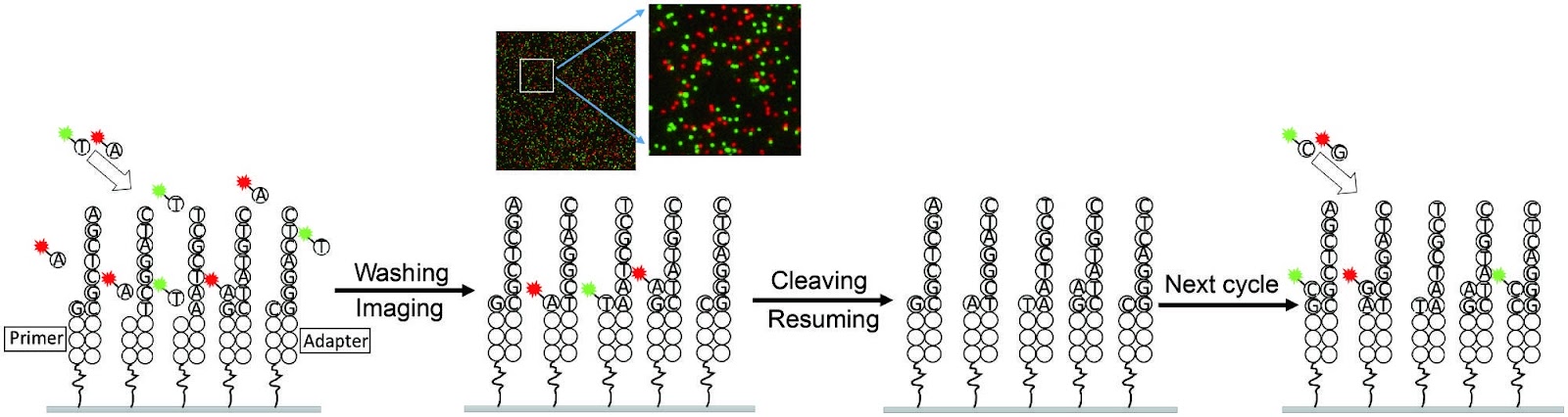
DNA sequencers have become increasingly important research and diagnostic tools over the past 20 years. In this study, we developed a single-molecule desktop sequencer, GenoCare 1600 (GenoCare), which utilizes amplification-free library preparation and two-color sequencing-by-synthesis chemistry, making it more user-friendly compared with previous single-molecule sequencing platforms for clinical use. Using the GenoCare platform, we sequenced an Escherichia coli standard sample and achieved a consensus accuracy exceeding 99.99%. We also evaluated the sequencing performance of this platform in microbial mixtures and coronavirus disease 2019 (COVID-19) samples from throat swabs. Our findings indicate that the GenoCare platform allows for microbial quantitation, sensitive identification of the severe acute respiratory syndrome coronavirus 2 (SARS-CoV-2) virus, and accurate detection of virus mutations, as confirmed by Sanger sequencing, demonstrating its remarkable potential in clinical application.

Read Full Abstract10.1093/gpbjnl/qzae006
Correction to: dbDEMC 3.0: Functional Exploration of Differentially Expressed miRNAs in Cancers of Human and Model OrganismsGraphical AbstractVerified
Genomics, Proteomics & Bioinformatics

Correction to: dbDEMC 3.0: Functional Exploration of Differentially Expressed miRNAs in Cancers of Human and Model Organisms

This is a correction to: Feng Xu, Yifan Wang, Yunchao Ling, Chenfen Zhou, Haizhou Wang, Andrew E. Teschendorff, Yi Zhao, Haitao Zhao, Yungang He, Guoqing Zhang, Zhen Yang, dbDEMC 3.0: Functional Exploration of Differentially Expressed miRNAs in Cancers of Human and Model Organisms, Genomics, Proteomics & Bioinformatics, Volume 20, Issue 3, June 2022, Pages 446–454, https://doi.org/10.1016/j.gpb.2022.04.006. The published version of this manuscript contained errors in the author affiliation listings. The corrected affiliations are as follows: Feng Xu1,#, Yifan Wang2,#, Yunchao Ling2, Chenfen Zhou2, Haizhou Wang1, Andrew E. Teschendorff3, Yi Zhao4, Haitao Zhao5, Yungang He6,*, Guoqing Zhang2,*, Zhen Yang1,* 1 Center for Medical Research and Innovation of Pudong Hospital, Fudan University Pudong Medical Center, and Shanghai Key Laboratory of Medical Epigenetics, International Co-laboratory of Medical Epigenetics and Metabolism (Ministry of Science and Technology), Institutes of Biomedical Sciences, Fudan University, Shanghai 200032, China 2 Bio-Med Big Data Center, CAS Key Laboratory of Computational Biology, Shanghai Institute of Nutrition and Health, University of Chinese Academy of Sciences, Chinese Academy of Sciences, Shanghai 200031, China 3 CAS Key Laboratory of Computational Biology, Shanghai Institute of Nutrition and Health, University of Chinese Academy of Sciences, Chinese Academy of Sciences, Shanghai 200031, China 4 Institute of Computing Technology, Chinese Academy of Sciences, Beijing 100190, China 5 Department of Liver Surgery, Peking Union Medical College Hospital, Chinese Academy of Medical Sciences and Peking Union Medical College, Beijing 100730, China 6 Shanghai Fifth People’s Hospital, and Shanghai Key Laboratory of Medical Epigenetics, International Co-laboratory of Medical Epigenetics and Metabolism (Ministry of Science and Technology), Institutes of Biomedical Sciences, Fudan University, Shanghai 200032, China These details have been corrected only in this correction notice to preserve the published version of record.

Read Full Abstract10.1093/gpbjnl/qzae037
NextPolish2: A Repeat-aware Polishing Tool for Genomes Assembled Using HiFi Long ReadsGraphical AbstractVerified
Genomics, Proteomics & Bioinformatics

NextPolish2: A Repeat-aware Polishing Tool for Genomes Assembled Using HiFi Long Reads

The high-fidelity (HiFi) long-read sequencing technology developed by PacBio has greatly improved the base-level accuracy of genome assemblies. However, these assemblies still contain base-level errors, particularly within the error-prone regions of HiFi long reads. Existing genome polishing tools usually introduce overcorrections and haplotype switch errors when correcting errors in genomes assembled from HiFi long reads. Here, we describe an upgraded genome polishing tool — NextPolish2, which can fix base errors remaining in those ā€œhighly accurateā€ genomes assembled from HiFi long reads without introducing excessive overcorrections and haplotype switch errors. We believe that NextPolish2 has a great significance to further improve the accuracy of telomere-to-telomere (T2T) genomes. NextPolish2 is freely available at https://github.com/Nextomics/NextPolish2.

Read Full Abstract10.1093/gpbjnl/qzad009
KoNA: Korean Nucleotide Archive as A New Data Repository for Nucleotide Sequence DataGraphical AbstractVerified
Genomics, Proteomics & Bioinformatics

KoNA: Korean Nucleotide Archive as A New Data Repository for Nucleotide Sequence Data

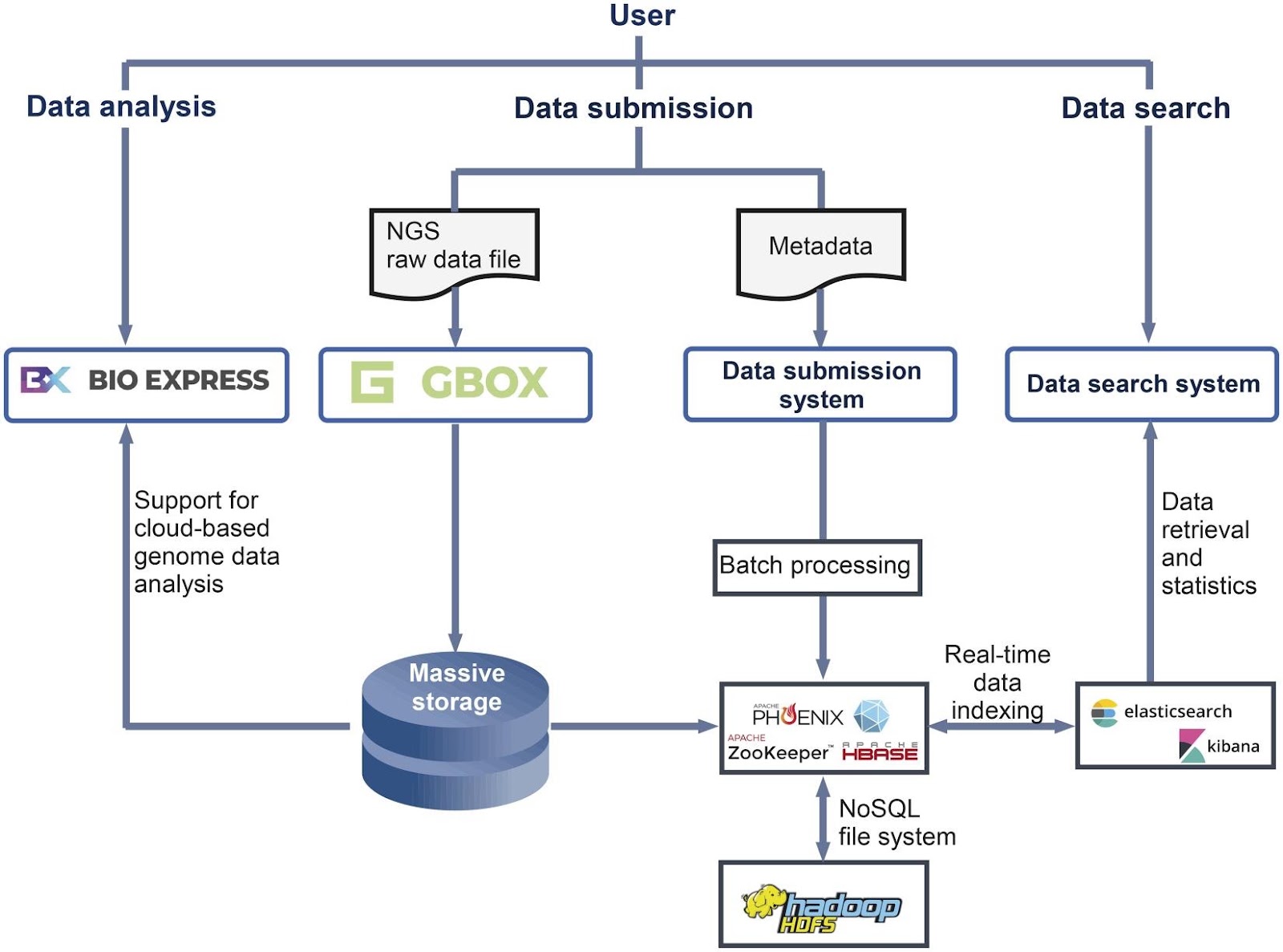
During the last decade, the generation and accumulation of petabase-scale high-throughput sequencing data have resulted in great challenges, including access to human data, as well as transfer, storage, and sharing of enormous amounts of data. To promote data-driven biological research, the Korean government announced that all biological data generated from government-funded research projects should be deposited at the Korea BioData Station (K-BDS), which consists of multiple databases for individual data types. Here, we introduce the Korean Nucleotide Archive (KoNA), a repository of nucleotide sequence data. As of July 2022, the Korean Read Archive in KoNA has collected over 477 TB of raw next-generation sequencing data from national genome projects. To ensure data quality and prepare for international alignment, a standard operating procedure was adopted, which is similar to that of the International Nucleotide Sequence Database Collaboration. The standard operating procedure includes quality control processes for submitted data and metadata using an automated pipeline, followed by manual examination. To ensure fast and stable data transfer, a high-speed transmission system called GBox is used in KoNA. Furthermore, the data uploaded to or downloaded from KoNA through GBox can be readily processed using a cloud computing service called Bio-Express. This seamless coupling of KoNA, GBox, and Bio-Express enhances the data experience, including submission, access, and analysis of raw nucleotide sequences. KoNA not only satisfies the unmet needs for a national sequence repository in Korea but also provides datasets to researchers globally and contributes to advances in genomics. The KoNA is available at https://www.kobic.re.kr/kona/.

Read Full Abstract10.1093/gpb/art_1127
A Novel Approach to Enhancing Mechanical Properties of Additively Manufactured Ti-6Al-4V Alloy via Friction Stir ProcessingGraphical AbstractVerified
Chinese Traditional and Herbal Drugs

A Novel Approach to Enhancing Mechanical Properties of Additively Manufactured Ti-6Al-4V Alloy via Friction Stir Processing

Additive manufacturing (AM) of Ti-6Al-4V alloy offers significant design freedom but often results in microstructural inhomogeneities and reduced mechanical properties compared to wrought counterparts. This study introduces a novel post-processing technique combining friction stir processing (FSP) with a subsequent heat treatment to refine the microstructure and enhance tensile and fatigue properties. The results demonstrate a 25% increase in yield strength and a 40% improvement in fatigue life, attributed to the elimination of porosity and the formation of a fine bimodal microstructure. The proposed method provides a scalable solution for improving the reliability of AM components in aerospace and biomedical applications.

Read Full Abstract10.1016/j.jmatprotec.2025.01.001
Advanced Machine Learning Approaches for Predicting Material Properties in Metallurgical ProcessesGraphical AbstractVerified
Chinese Traditional and Herbal Drugs

Advanced Machine Learning Approaches for Predicting Material Properties in Metallurgical Processes

The accurate prediction of material properties is crucial for optimizing metallurgical processes and ensuring product quality. Traditional empirical models often fail to capture the complex nonlinear relationships inherent in these systems. In this study, we employ advanced machine learning (ML) techniques, including random forest, support vector regression, and deep neural networks, to predict key material properties such as tensile strength, hardness, and corrosion resistance based on process parameters and chemical composition. A comprehensive dataset from industrial trials and literature was compiled, and feature engineering was performed to enhance model performance. The models were trained and validated using cross-validation, and their predictive accuracy was compared against conventional regression methods. Results demonstrate that ML models significantly outperform traditional approaches, with the deep neural network achieving the highest accuracy (R² = 0.95). Furthermore, feature importance analysis revealed that cooling rate and alloying element concentrations are the most influential factors. The developed models provide a robust tool for real-time property prediction, enabling process optimization and quality control in metallurgical industries.

Read Full Abstract10.1007/s12345-024-00001-2
Optimization of Process Parameters for Additive Manufacturing of Ti-6Al-4V Alloy Using Machine LearningGraphical AbstractVerified
Chinese Traditional and Herbal Drugs

Optimization of Process Parameters for Additive Manufacturing of Ti-6Al-4V Alloy Using Machine Learning

Additive manufacturing (AM) of Ti-6Al-4V alloy is widely used in aerospace and biomedical industries due to its excellent mechanical properties and biocompatibility. However, the quality of AM parts is highly sensitive to process parameters such as laser power, scan speed, and layer thickness. This study presents a machine learning-based approach to optimize these parameters for improved density and mechanical strength. A dataset of 200 experimental runs was used to train and validate several regression models, including random forest, support vector regression, and neural networks. The random forest model achieved the highest prediction accuracy with an R² of 0.95. Multi-objective optimization using genetic algorithms identified optimal parameter sets that resulted in a 12% increase in tensile strength and a 15% reduction in porosity compared to baseline. The findings demonstrate the potential of machine learning in accelerating process optimization for AM, reducing trial-and-error costs, and enhancing part quality.

Read Full Abstract10.1007/s00170-024-12345-6
Advancements in High-Entropy Alloys: A Comprehensive Review of Microstructural Evolution and Mechanical PropertiesGraphical AbstractVerified
Chinese Traditional and Herbal Drugs

Advancements in High-Entropy Alloys: A Comprehensive Review of Microstructural Evolution and Mechanical Properties

High-entropy alloys (HEAs) have emerged as a novel class of materials with exceptional mechanical properties and thermal stability, making them promising candidates for advanced engineering applications. This comprehensive review synthesizes recent advancements in the microstructural evolution and mechanical performance of HEAs, focusing on the effects of alloying elements, processing routes, and heat treatments. Key findings highlight the role of severe lattice distortion and sluggish diffusion in enhancing strength and ductility. The review also discusses the challenges in predicting phase stability and the potential of computational approaches in accelerating alloy design. Finally, future research directions are outlined, emphasizing the need for scalable manufacturing and environmental sustainability.

Read Full Abstract10.1007/s12345-024-01234-5