🧬 SinoBioData Academic Portal
🏛️ Indexed Academic JournalOriginal: 生物化学与生物物理学报

Acta Biochimica et Biophysica Sinica

Premier Chinese Biomedical Journal indexed in SinoBioData: Acta Biochimica et Biophysica Sinica (生物化学与生物物理学报).

Total Research Papers: 200
Access: 100% Free Open Access
Browse by Publication Year & VolumeReset All Filters ✕

Published Research PapersFiltered: Year 2026 • 58 • 7

Showing 12 of 200 peer-reviewed papers with full Graphical Abstracts.

Original ResearchVol. 58, Issue 7 • pp. 1579-1596DOI: 10.3724/abbs.2026054

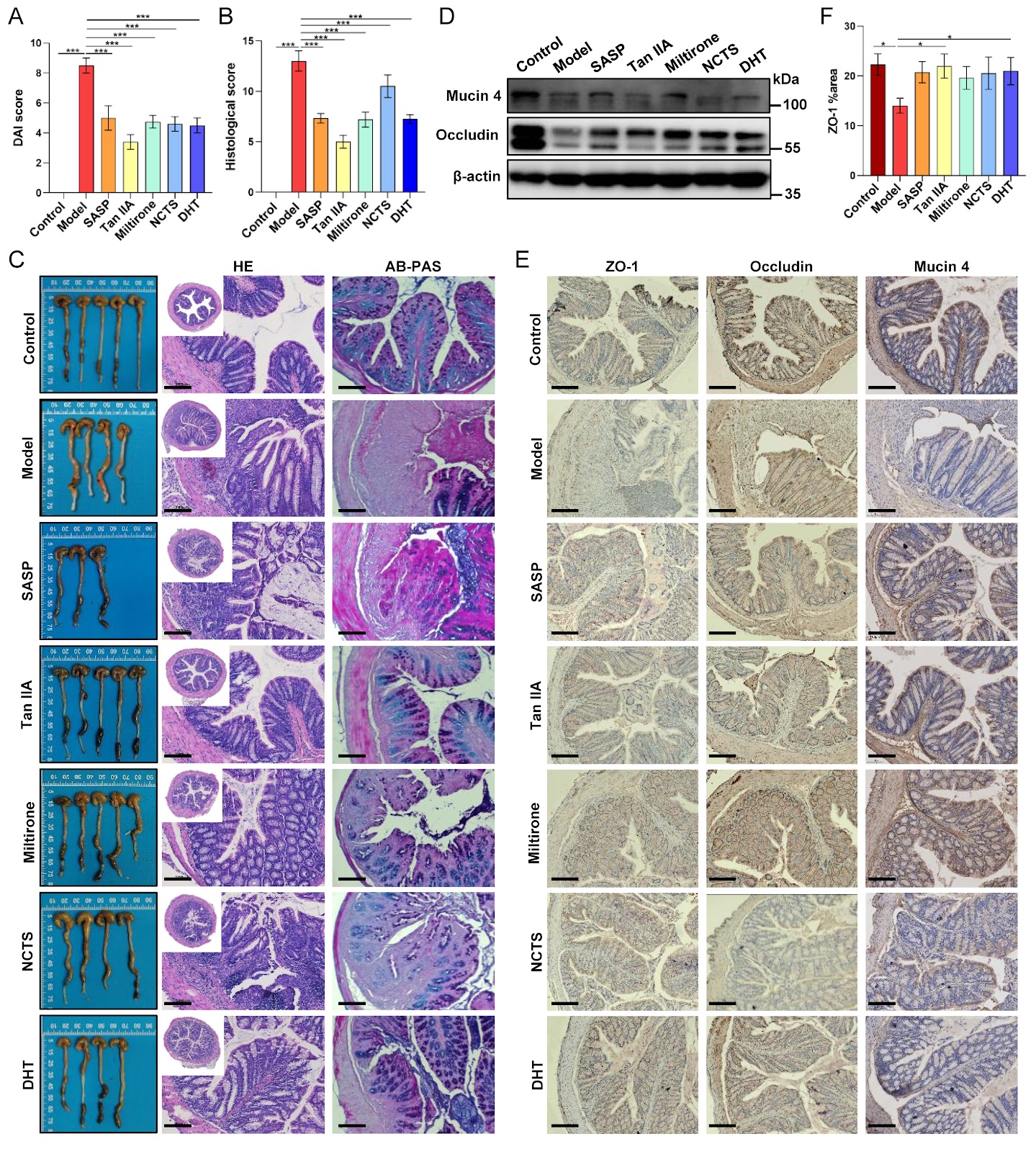
Tanshinones from Salvia miltiorrhiza alleviate ulcerative colitis via reprogramming the gut microbiota-metabolite axis

Authors: Zhe Liu, Chan Hui, Guochao Zhang, Haicheng Yang, Yi Wang, Yaqian Shi, Chao Wang, Yanfei Liu, Xia Gao, Yuting Wen

The anti-inflammatory properties of the traditional herb Salvia miltiorrhiza Bunge are well-established, yet its precise mechanism of action in ulcerative colitis (UC) remains unclear. Herein, we evaluate the therapeutic potential of four major tanshinones–tanshinone IIA (Tan IIA), miltirone, neocryptotanshinone, and dihydrotanshinone I–in a murine dextran sulfate sodium (DSS)-induced colitis model. Our results show that tanshinones effectively alleviate disease severity, suppress systemic and local inflammation, and restore intestinal barrier integrity. Integrated multi-omics analysis reveals that the therapeutic efficacy originates from a comprehensive reprogramming of the gut microbiota-metabolite axis. Specifically, tanshinones reverse colitis-associated dysbiosis and rectify metabolic disturbances in linoleic acid metabolism, bile acid biosynthesis, and amino acid utilization. Correlation network analysis identifies key functional modules linking beneficial microbes (e.g., Akkermansia) to anti-inflammatory lipid mediators and associating pathobionts (e.g., Desulfovibrio) with disrupted bile acid metabolism. Notably, supplementation with Akkermansia muciniphila synergizes with Tan IIA to amplify barrier restoration and metabolic normalization. Our findings establish that tanshinones ameliorate UC through microbiota-driven metabolic reprogramming, wherein the restructured microbial community actively shapes a therapeutic metabolic output. This work elucidates a metabolite-mediated mechanism of action and positions tanshinones as promising microbiome-targeting therapeutics for inflammatory bowel disease.

Tanshinones from Salvia miltiorrhiza alleviate ulcerative colitis via reprogramming the gut microbiota-metabolite axis
Graphical Abstract
Original ResearchVol. 58, Issue 7 • pp. 1597-1610DOI: 10.3724/abbs.2025191

The effect of liver-specific ketohexokinase deletion on the intestinal-liver-kidney axis in high-fructose-induced metabolic syndrome mice

Authors: Huiru Yang, Xiaoli Yi, Shanshan Song, Mulan Wang, Wenting Tan, Ying Zhu, Jun Yu, Chuanming Xu

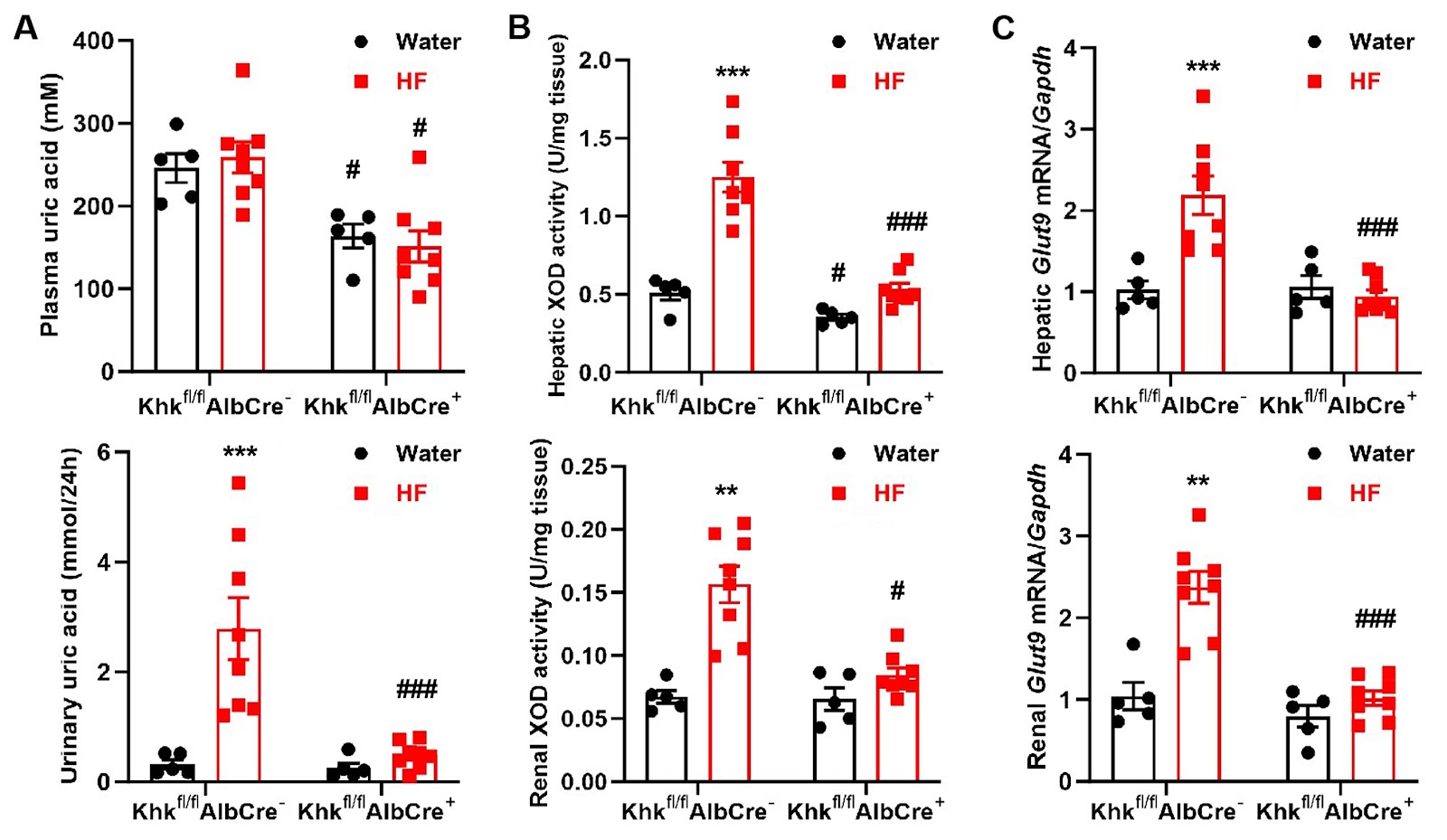
The liver is a crucial site for fructose uptake and metabolism, a function intricately linked to fructose-associated pathologies. This study examines the role of hepatic ketohexokinase (KHK) in metabolic syndrome induced solely by high-fructose intake. Liver-specific Khk-deficient mice are generated and fed with a 20% fructose solution for 3 months, after which the features of metabolic syndrome are examined. Compared with fructose-fed floxed controls, fructose-fed liver-specific Khk-deficient mice present alleviated liver injury and hepatic steatosis, along with lower triglyceride levels in the plasma and liver, plasma aspartate transaminase and alanine transaminase levels, and mRNA levels of genes related to triglyceride and fatty acid synthesis. Liver-specific Khk deficiency also leads to lower uric acid levels in the plasma and urine, as well as xanthine oxidase activity and Glut9 mRNA levels in the liver and kidneys of fructose-fed mice. Although intestinal villus length and epithelial barrier integrity remain unaffected, the deletion of liver Khk significantly reduces fructose-stimulated KHK, Glut2, Glut5, and aldolase B expression in the intestine and kidneys, suggesting inhibited fructose absorption and metabolism in these tissues. In the adipose tissue, fructose-induced increases in adipocyte size and tumor necrosis factor-α and interleukin-6 mRNA levels are blocked by liver-specific Khk deficiency, indicating improved remodeling of adipose tissue and reduced inflammation in adipocytes. Overall, liver-specific Khk deletion is sufficient to protect against metabolic syndrome induced by excessive fructose intake. Our findings underscore the critical role of liver KHK-mediated fructose metabolism in driving the physiological and pathological consequences associated with fructose consumption along the intestinal-liver-kidney axis.

The effect of liver-specific ketohexokinase deletion on the intestinal-liver-kidney axis in high-fructose-induced metabolic syndrome mice
Graphical Abstract
Original ResearchVol. 58, Issue 7 • pp. 1557-1567DOI: 10.3724/abbs.2025257

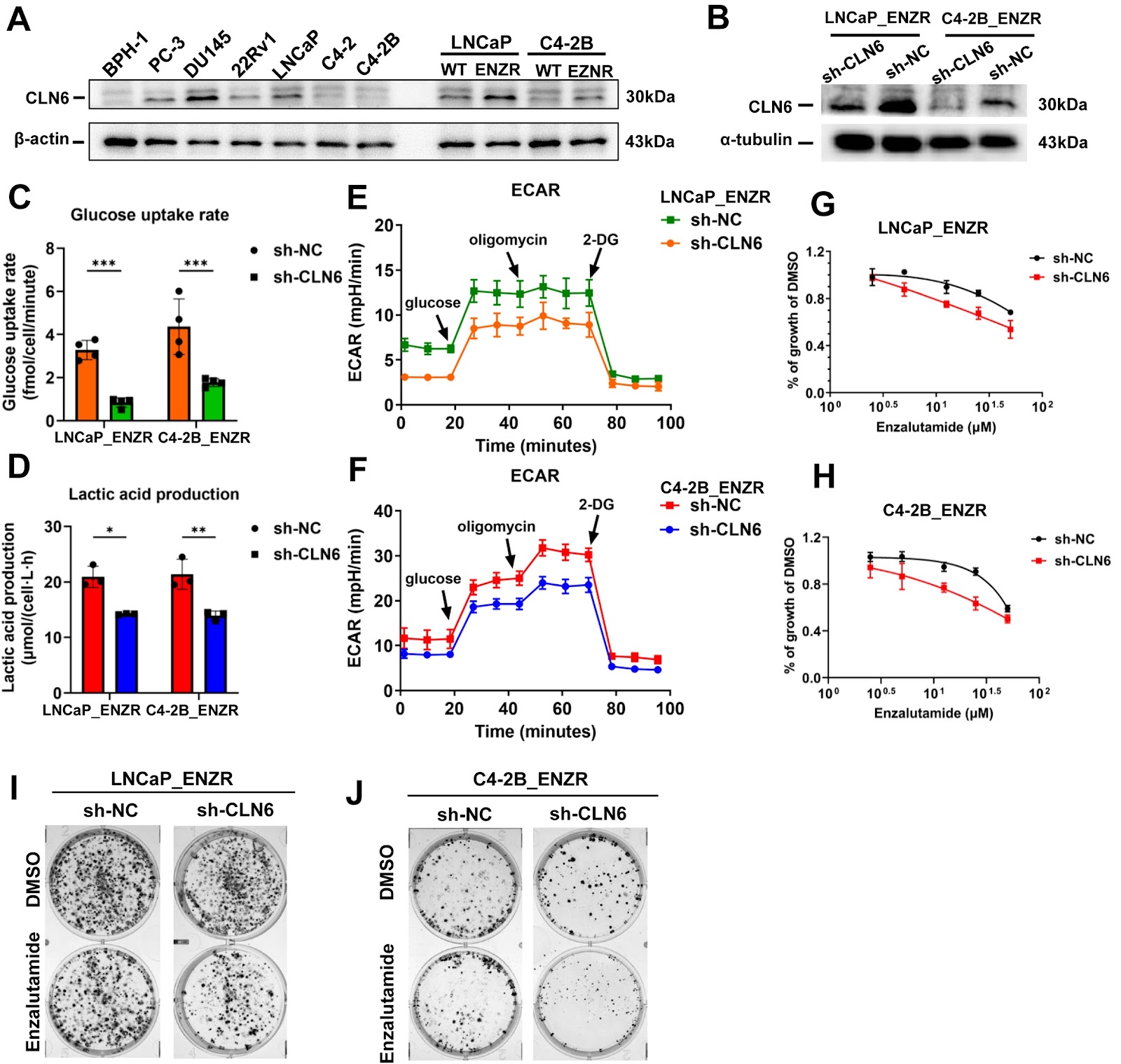
Glycolysis reprogramming predicts poor prognosis and drives therapy resistance via CLN6 in lethal prostate cancer

Authors: Zhouda Cai, Jianming Lu, Shanshan Mo, Jipu Liu, Chuanfan Zhong, Yongding Wu, Fen Zou, Jianheng Ye, Zhaodong Han, Yuxiang Liang, Le Zhang, Fengping Liu, Weide Zhong

Lethal prostate cancer is marked by tumor heterogeneity and resistance to androgen receptor signaling inhibitors (ARSIs). In this study we identify glycolysis as a driver of disease progression and therapy resistance. Using single-sample gene set enrichment analysis (ssGSEA) on the SU2C cohort, we demonstrate that elevated glycolysis activity is associated with poor progression-free and overall survival. The glycolysis-based prognostic score (GLY score) is derived from the HALLMARK_GLYCOLYSIS gene set which includes CLN6, SDHC, B4GALT2, RPE, NANP, and KIF20A, via LASSO-Cox regression. The GLY score effectively stratifies risk in the SU2C and WDCT cohorts, with higher scores predicting worse outcomes and increased SYNE1 mutation frequency. Pan-cancer analysis across TCGA datasets confirm its prognostic value. In vitro, enzalutamide-resistant prostate cancer cell lines exhibit heightened glycolysis, and 2-DG inhibition reverses this effect, restoring drug sensitivity. CLN6 knockdown reduces glycolytic activity and cell proliferation. The GLY score offers robust prognostic value, and CLN6 represents a promising therapeutic target for precision medicine in lethal prostate cancer.

Glycolysis reprogramming predicts poor prognosis and drives therapy resistance via CLN6 in lethal prostate cancer
Graphical Abstract
Original ResearchVol. 58, Issue 7 • pp. 1637-1652DOI: 10.3724/abbs.2025206

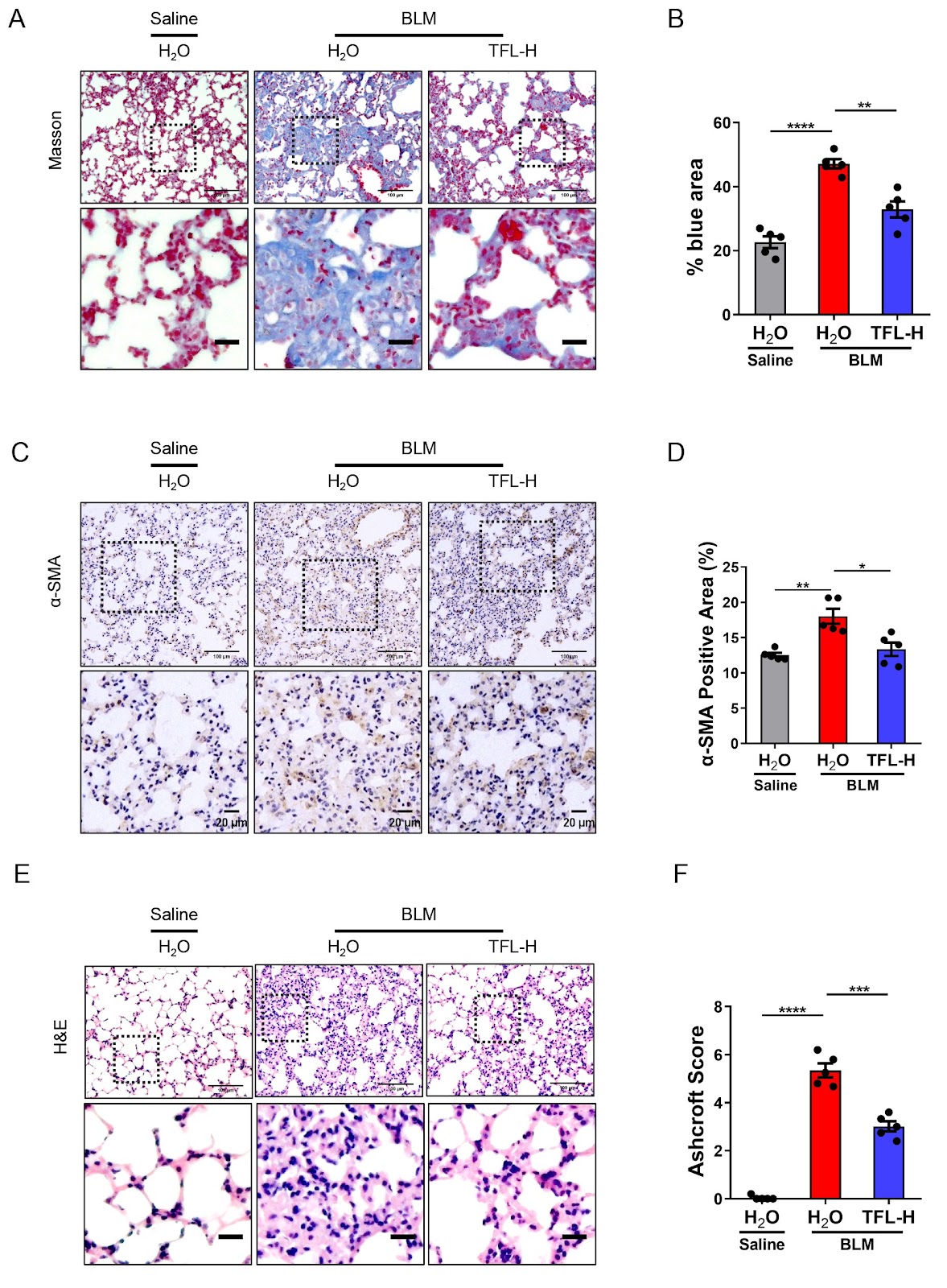
Total flavonoids of litchi seed attenuates cellular senescence by inhibiting the production of SASP through p65 suppression and ameliorates pulmonary fibrosis

Authors: Xiaocui Li, Yao Wei, Qiuchen Cheng, Suyu Xiao, Sisi Yao, Daikang Yang, Jilong Wang, Liping Chen, Qing Li, Tingzheng Zhan

Anti-aging foods not only benefit elderly individuals but also drive the development of safe and effective natural drugs. Here, we report that the addition of total flavonoids of litchi seed (TFL) delays replicative senescence and stress-induced senescence. TFL alleviates the senescence-associated secretory phenotype (SASP) and reduces the degree of DNA damage caused by bleomycin (BLM). TFL also counteracts stress-induced pulmonary senescence and fibrosis. TFL reduces the protein level of p21 in mouse lung and alleviates pulmonary fibrosis. Transcriptome profiling further reveals that TFL plays a key role in its anti-aging mechanism by inhibiting the SASP. Mechanistically, TFL suppresses p65 protein expression, thereby inhibiting IL-1α and IL-1β and delaying cellular senescence. Gut microbiome analysis reveals that the abundance and functions of the mouse gut microbiome change after BLM exposure and that TFL treatment reverses these changes. Overall, we provide a theoretical basis for the future application of TFL as a potential anti-aging product.

Total flavonoids of litchi seed attenuates cellular senescence by inhibiting the production of SASP through p65 suppression and ameliorates pulmonary fibrosis
Graphical Abstract
Original ResearchVol. 58, Issue 7 • pp. 1671-1675DOI: 10.3724/abbs.2026039

Small chemical molecule CPP promotes angiogenesis in surgically created severe lower limb ischemia and diabetes-induced limb vascular reduction models

Authors: Xinyu Dong, Yangyang Zhang, Congyao Zhao, Xiaomeng Yan, Xiaohui Chi, Xinyu Xie, Baoxiang Zhao, Jian Zhang, Li Wang, Junying Miao, Zhaomin Lin

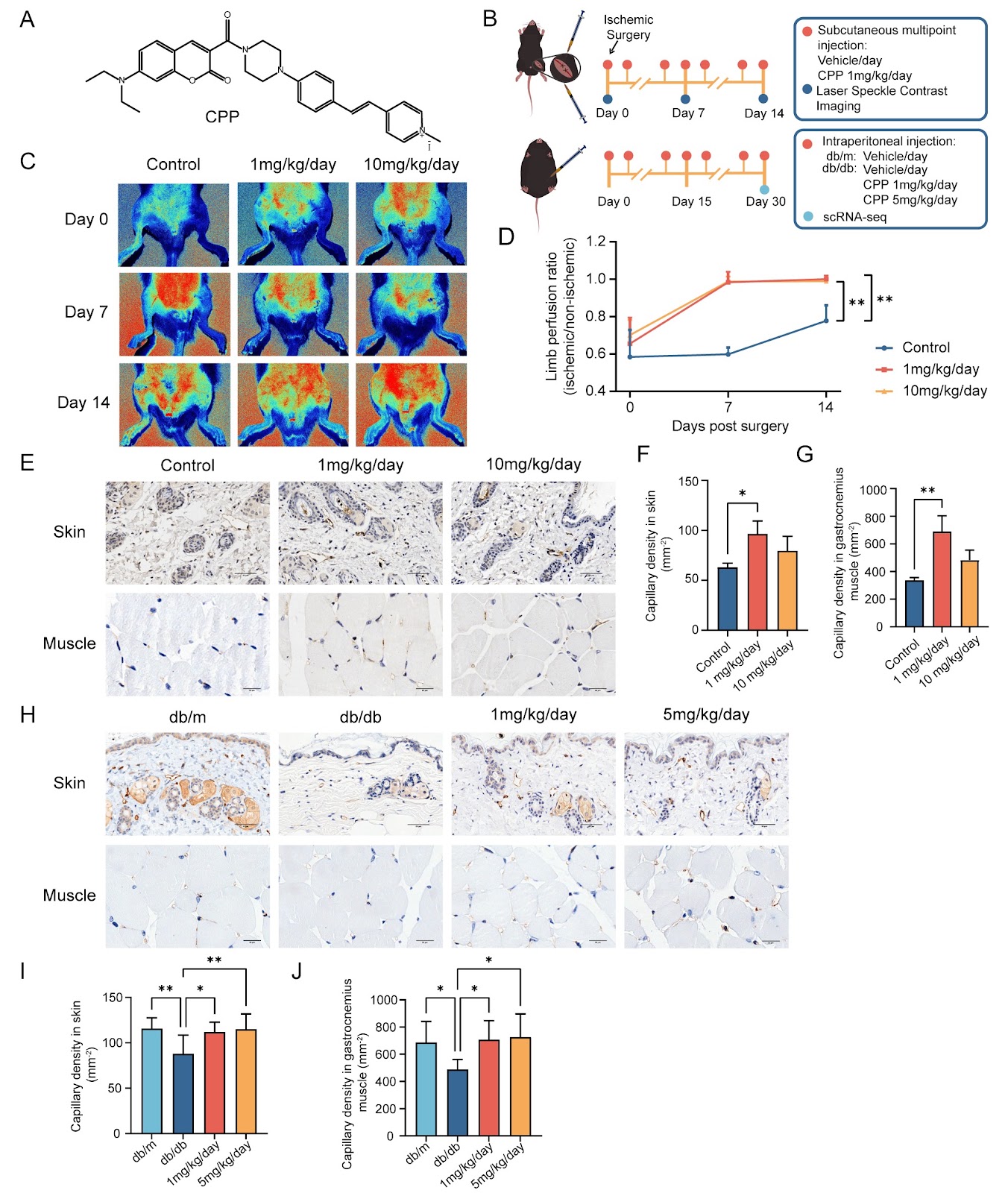
Patients with peripheral artery disease (PAD) commonly experience chronic limb-threatening ischemia (CLTI) in the end stage, leading to severe functional impairment of the limbs, amputation, and even death. Among the various disease factors contributing to PAD, diabetes is significantly associated with PAD risk, leading to more severe symptoms and a poorer prognosis. Promoting angiogenesis at ischemic sites and improving blood flow are key to the recovery of limbs from ischemic injury. Angiogenic therapies based on cells and small-molecule drugs are considered important and promising strategies. Cell-based therapies can be classified based on cell source into allogeneic therapies and autologous therapies. Autologous cells offer the advantage of not requiring immunosuppression but may be limited by factors such as cell unavailability and scarcity due to autologous factors. Allogeneic cells, while offering a more abundant cell source, present drawbacks, including immune incompatibility and ethical concerns, which restrict their application. Small chemical molecules offer advantages such as convenience, low cost, ease of synthesis and storage, and rapid action without the need for introducing exogenous genes. They circumvent the high costs associated with cell therapies and potential side effects from allogeneic cell transplantation, holding significant promise and potential in both biomedical research and clinical applications. Fibroblasts are a cell type with functional and transcriptional heterogeneity and cellular fate plasticity, making them a promising source of seed cells for clinical tissue and organ repair and regeneration. Small molecules have become recognized as crucial tools for the induction of cellular reprogramming. In our laboratory’s previous research, a novel small chemical molecule probe, CPP ((E)-4-(4-(4-(7-(diethylamino)-2-oxo-2H-chromene-3-carbonyl)piperazin-1-yl)styryl)-1-methylpyridin-1-ium iodide), was identified as an inhibitor of prolyl-4-hydroxylase 2 (PHD2). CPP induces the differentiation of cultured human dermal fibroblasts into vascular endothelial cells (VECs) via the PHD2/hypoxia-inducible factor-1α/hairy-related transcription factor 1 (PHD2/HIF1α/HEY1) signaling pathway. The differentiated VECs exhibited therapeutic efficacy in treating lower limb ischemia in mice, indicating that CPP holds promise as a therapeutic candidate for limb ischemia. In this study, we aimed to investigate the capability of CPP to directly induce angiogenesis in vivo under conditions of vascular injury. Critical limb ischemia (CLI) occurs at the end stage of PAD. To evaluate the in situ therapeutic effects of CPP on CLI, a CLI model was established using C57BL/6 mice (Hubei Research Center of Laboratory Animals, Wuhan, China). CPP was synthesized and provided by the laboratory of Professor Baoxiang Zhao at Shandong University (Jinan, China). Following surgery, continuous subcutaneous multipoint injections of CPP were administered for 14 d to mimic localized drug treatment (Figure 1A). Laser speckle blood flow imaging was used to assess lower limb perfusion on days 0, 7, and 14 (Figure 1B, upper panel). The results showed that by day 7 post-surgery, both CPP concentrations significantly enhanced perfusion in the ischemic limb compared to the control group. From days 7 to 14, perfusion changes in both CPP-treated groups plateaued. Meanwhile, the control group showed increased perfusion. Throughout the treatment period, no significant differences were observed between the 1 and 10 mg/kg/day CPP treatment groups (Figure 1C,D). On day 14, the capillary density in the skin and muscle was significantly higher in the 1 mg/kg/day CPP group than in the control group. Although the 10 mg/kg/day group had a slightly higher density than the control, the difference was not statistically significant (Figure 1E–G). In addition, the organ toxicity
Small chemical molecule CPP promotes angiogenesis in surgically created severe lower limb ischemia and diabetes-induced limb vascular reduction models
Graphical Abstract
Original ResearchVol. 58, Issue 7 • pp. 1509-1518DOI: 10.3724/abbs.2025223

Fibroblast growth factor 13 deficiency attenuates doxorubicin-induced cardiotoxicity by regulating Parkin-mediated myocardial injury

Authors: Jiabing Han, Xuyan Li, Yiming Dong, Yidan Wang, Simeng Lv, Yiyi Zhang, Ran Zhao, Yingke Yan, Yanxue Han, Yu Wang, Jing Yang, Cong Wang, Chuan Wang

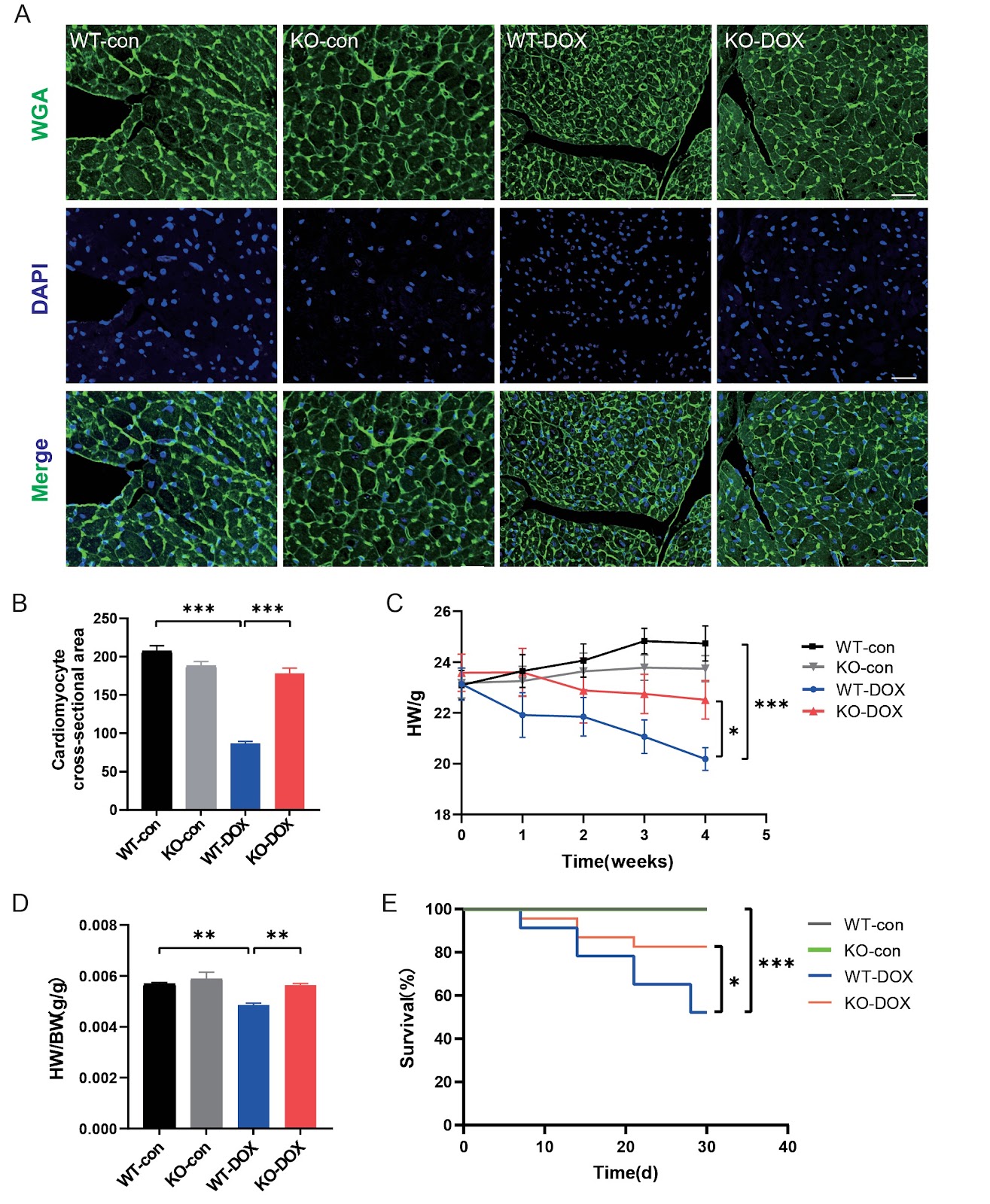
The clinical use of doxorubicin (DOX) as a chemotherapeutic agent is limited by its cardiotoxic effects. Fibroblast growth factor (FGF) isoform 13, a distinct type of FGF, has been increasingly recognized as an important regulator of cardiovascular disease. However, its role in doxorubicin-induced cardiotoxicity remains unknown. Therefore, the objective of this study is to investigate the role and mechanism of FGF13 in doxorubicin-induced cardiac injury. C57BL/6 mice are used to establish Dox-induced cardiotoxicity models. The results reveal that mouse weight, cardiomyocyte cross-sectional area, ejection fraction and fractional shortening are decreased in the DOX group. In contrast, Fgf13 deficiency mitigates doxorubicin-mediated cardiotoxicity, as indicated by increased mouse weight, cardiomyocyte cross-sectional area, ejection fraction and fractional shortening. Mechanistically, the protein expressions of bax and cleaved caspase 3 are elevated in the DOX-treated group, along with decreased JC-1 fluorescence intensity and bcl-2 expression, whereas Fgf13 knockout prevents these alterations. In addition, Parkin, but not p53, interacts with FGF13 and is upregulated in response to Fgf13 deficiency in a mouse model of doxorubicin-induced cardiotoxicity. Overall, Fgf13 knockout attenuates doxorubicin-induced cardiomyocyte apoptosis and mitochondrial damage through the modulation of Parkin, indicating that FGF13 may serve as a promising therapeutic target for DOX-induced cardiotoxicity.

Fibroblast growth factor 13 deficiency attenuates doxorubicin-induced cardiotoxicity by regulating Parkin-mediated myocardial injury
Graphical Abstract
Original ResearchVol. 58, Issue 7 • pp. 1544-1556DOI: 10.3724/abbs.2025253

A novel biomarker SNHG11 promotes tumor progression and oxidative phosphorylation in clear cell renal cell carcinoma

Authors: Zhuoyuan Lin, Chaojiang Chen, Jianxin Li, Jun Zhao, Jia Xu, Le Zhang, Chuanfan Zhong, Shanshan Mo, Jianming Lu, Yu Zheng

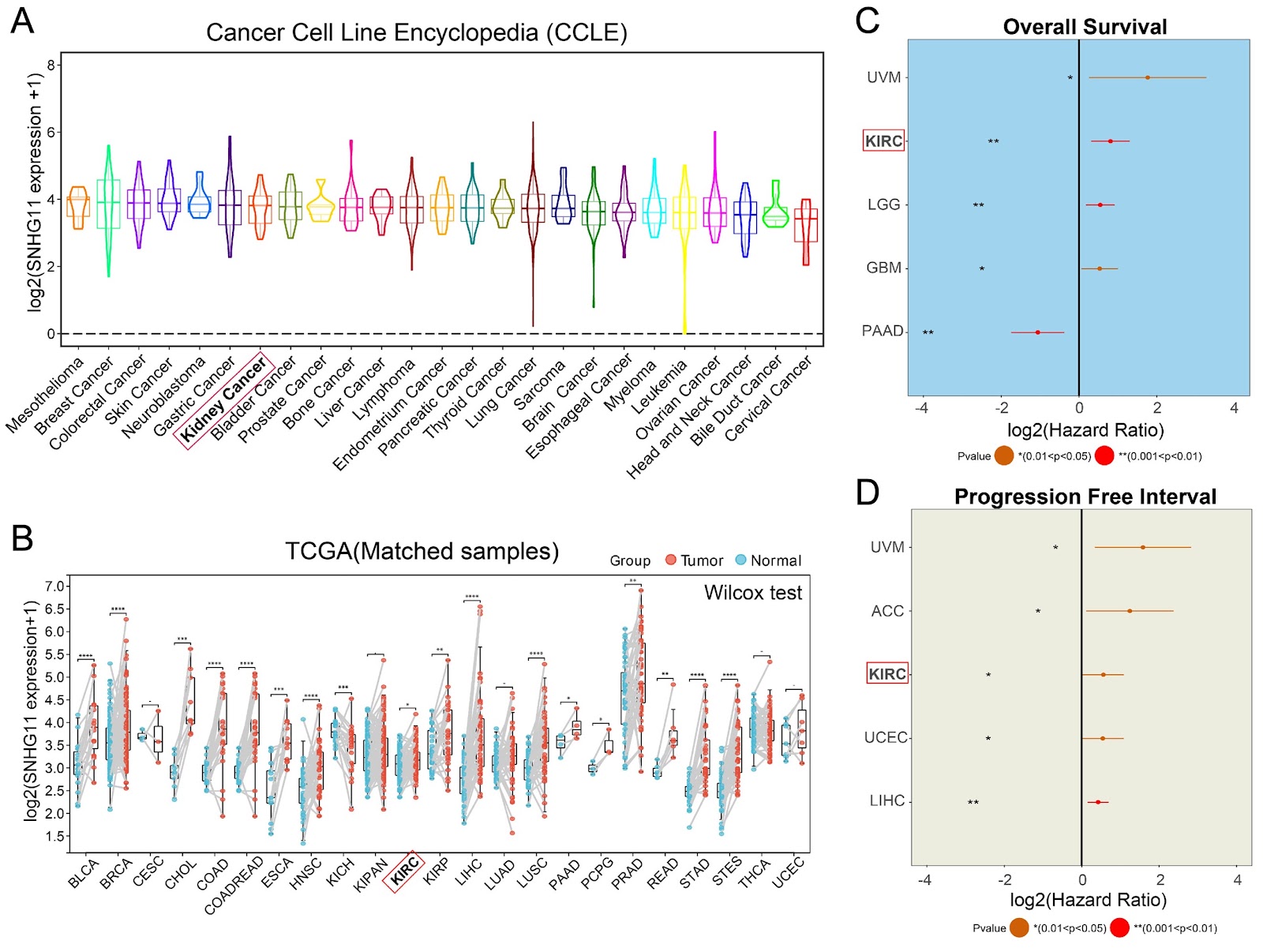
Kidney renal clear cell carcinoma (KIRC) is the most common and aggressive subtype of renal cell carcinoma and is characterized by poor prognosis and high molecular heterogeneity. Long noncoding RNAs (lncRNAs) have emerged as crucial regulators in cancer, yet the functional role of SNHG11 in KIRC remains unclear. In this study, we perform integrated multiomics analysis using data from the TCGA and ICGC cohorts and reveal that SNHG11, a methylation-associated lncRNA, is significantly correlated with poor clinical outcomes. In vitro and in vivo assays demonstrate that SNHG11 promotes tumor proliferation and progression. Mechanistically, SNHG11 enhances oxidative phosphorylation, as evidenced by increased ATP production, disrupted mitochondrial membrane potential, and altered NAD+/NADH ratios. Furthermore, SNHG11 expression is associated with somatic mutation patterns, particularly those involving BAP1 and PBRM1, indicating potential crosstalk between epigenetic regulation and genetic alterations. These findings reveal that SNHG11 is a novel biomarker in KIRC and a potential therapeutic target.

A novel biomarker SNHG11 promotes tumor progression and oxidative phosphorylation in clear cell renal cell carcinoma
Graphical Abstract
Original ResearchVol. 58, Issue 7 • pp. 1437-1440DOI: 10.3724/abbs.2026110

Metabolic reprogramming—the nexus of cellular adaptations, organ crosstalk, and therapeutic innovations in human diseases

Authors: Jun Ren, Hartmut Schlüter, Marcel Kwiatkowski, Ling Lin

For decades, cellular metabolism was viewed as a static network of biochemical pathways designed solely to produce ATP and fulfill basic energy needs. Classical pathophysiology frequently attributes systemic disorders, including cardiovascular disease, oncogenesis and tissue fibrosis, to structural defects, hormonal dysregulations or localized inflammation. However, advanced multi-omics frameworks have driven a paradigm shift, with metabolic reprogramming being recognized not merely as a passive consequence of disease but also as a primary driver of initiation, progression, and therapeutic resistance across human pathologies. This Special Issue, titled “Metabolic Reprogramming”, brings together 17 comprehensive studies alongside 3 New Phenomena exploring these transformations. The contributions span four interrelated thematic areas: (1) systemic cardiometabolic and gestational syndromes; (2) acute and chronic organ injury; (3) oncological metabolic dependencies; and (4) systemic organ-axis interdependencies. By integrating transcriptomics, metabolomics, single-cell deconvolution, and targeted biochemical analyses, these studies elucidate the precise molecular mechanisms governing metabolic remodeling.

Metabolic reprogramming—the nexus of cellular adaptations, organ crosstalk, and therapeutic innovations in human diseases
Graphical Abstract
Original ResearchVol. 58, Issue 7 • pp. 1499-1508DOI: 10.3724/abbs.2025121

Carfilzomib triggers cardiotoxicity by suppressing SENP1-mediated deSUMOylation of DDX17

Authors: Sheng Wang, Jingjing Wang, Xin Li, Zhigao Dai, Tiantian Li, Yixuan Wang, Ziyi Peng, Mengqi Wang, Hao Cheng, Linchuang Jia, Danchen Su, Mu Qiao, Jingya Wang, Ying Xie, Jing Guo, Xiaozhi Liu, Tong Liu

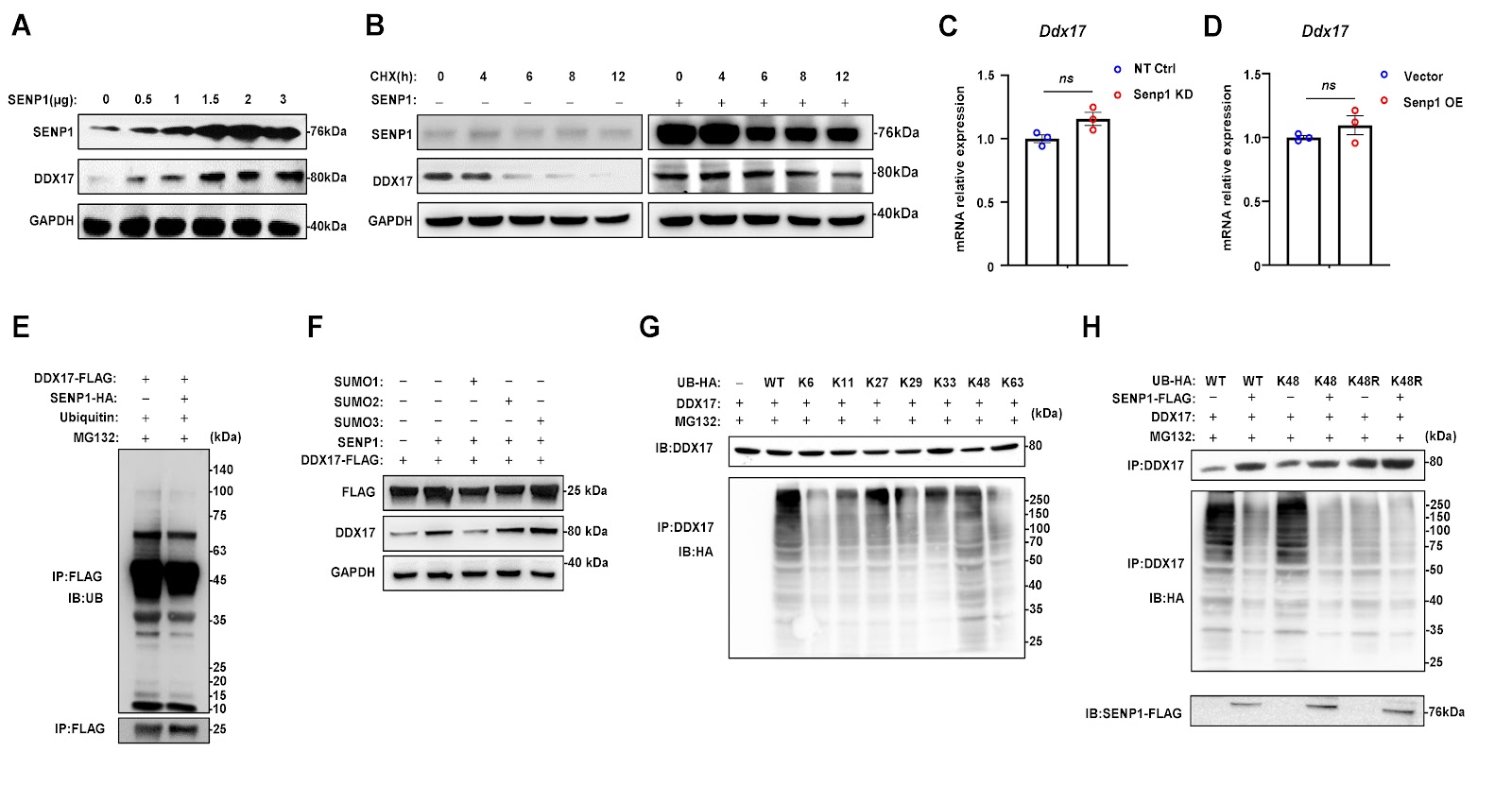
Carfilzomib (Cfz) is a second-generation proteasome inhibitor approved for the treatment of relapsed/refractory multiple myeloma (RRMM). Previous studies have shown that Cfz is associated with a higher incidence of severe adverse cardiac effects than bortezomib (Btz); however, the underlying mechanisms remain to be elucidated. The aim of this study is to identify key regulators of cardiotoxicity induced by Cfz and to investigate the mechanisms by which these factors exert their effects. We establish a mouse model of cardiac toxicity induced by Cfz and confirm the phenotype through cardiac functional analysis, morphology assessment, myocardial fibrosis, and apoptosis analysis. We subsequently perform RNA sequencing to identify differentially expressed genes (DEGs) and further validate their functions and mechanisms. We find that Cfz induces myocardial hypertrophy and myocardial injury, along with the suppression of SENP1 expression in mouse heart tissues and in vitro cultured neonatal rat cardiomyocytes. Suppression of SENP1 exacerbates Cfz-induced injury and remodeling in cardiomyocytes by directly binding to and deconjugating the SUMO1-mediated SUMOylation of the RNA helicase DDX17. This process leads to a reduction in K-48 ubiquitin-linked polyubiquitination and degradation of DDX17, resulting in increased expressions of anti-apoptotic genes and maintenance of mitochondrial homeostasis. Therefore, the overexpression of SENP1 using AAV vectors alleviates Cfz-induced cardiotoxicity in mice. In summary, our findings reveal a previously unknown role of the SENP1-DDX17 axis in protecting against cardiotoxicity induced by Cfz, providing a potential foundation for developing therapeutic strategies to mitigate cardiac side effects in the clinical management of MM patients.

Carfilzomib triggers cardiotoxicity by suppressing SENP1-mediated deSUMOylation of DDX17
Graphical Abstract
Original ResearchVol. 58, Issue 7 • pp. 1667-1670DOI: 10.3724/abbs.2025193

Investigation of the cardioprotective potential of dantrolene in mitigating arsenic-induced cardiac dysfunction in rats

Authors: Chuncui Chen, Ruoxi Chen, Xueting Guo, Lei Huang, Kuican Liu, Wenrong Shi, Caiyun Zhang, Kunxuan Liu, Huan Liu, Shanshan Dong, Guilin Lu, Wenjuan Qin

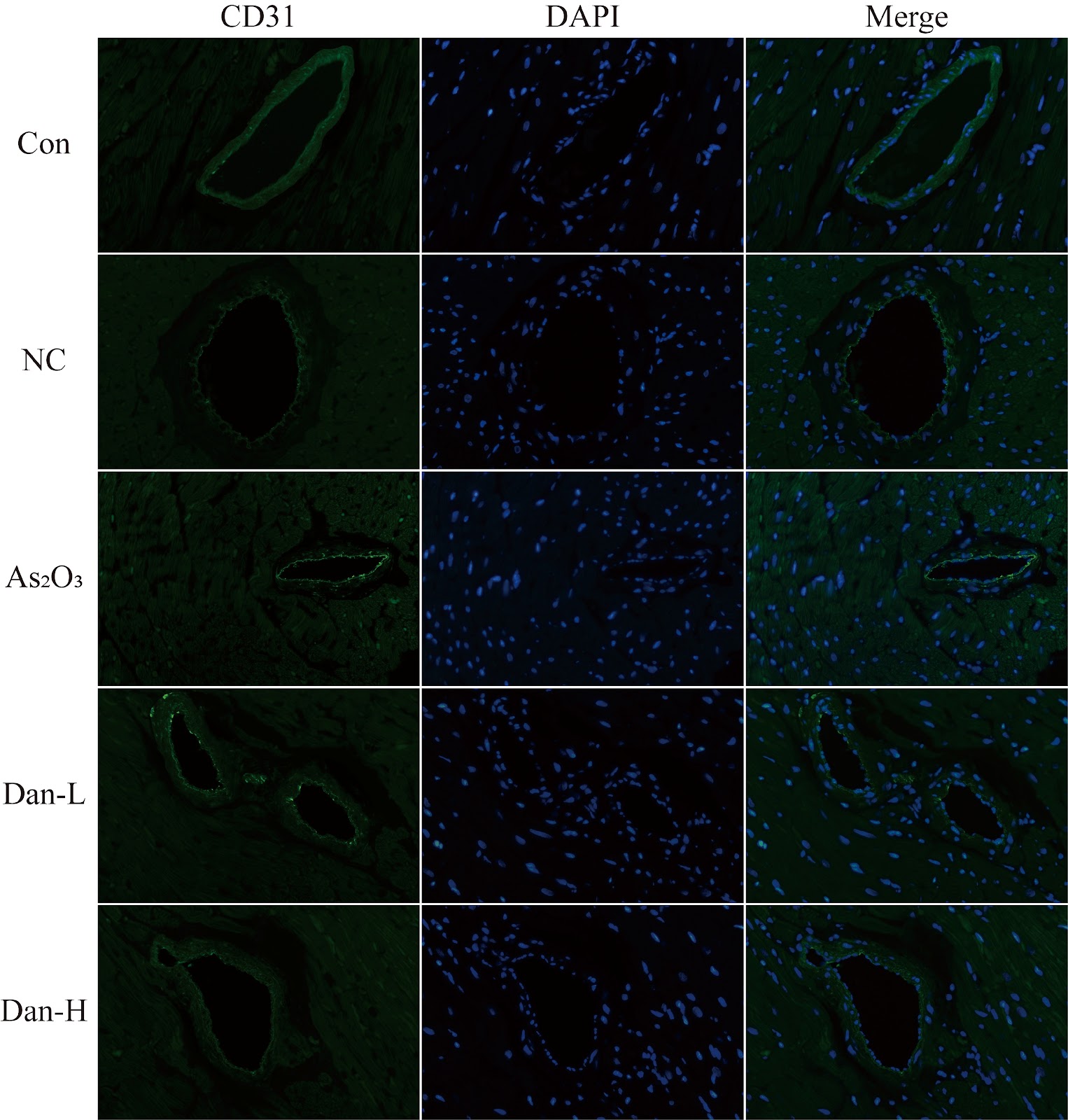
Arsenic, a toxic metalloid, exists in organic or inorganic states within the Earth’s seawater, river water, soil, atmosphere, food sources, and diverse biological tissues [1]. It poses a threat to the health of hundreds of millions of people globally [2]. Arsenic exposure has toxic effects on the cardiovascular system of organisms, thus endangering human health [3]. Research has indicated that the harmful effect of arsenic exposure on the heart is associated with abnormal calcium handling in myocardial cells [4]. The cardiac ryanodine receptor type 2 (RyR2) is a primary channel involved in the surface of the endoplasmic reticulum in cardiac myocytes that regulates the release of Ca2+ during the systolic phase [5]. The integrity of its function is crucial for maintaining calcium homeostasis in cardiac myocytes. However, when myocardial tissue is damaged and undergoes pathological changes, the spatial structure of the RyR2 protein becomes unstable and becomes excessively activated, thereby triggering Ca2+ leakage [6]. Dantrolene (Dan), which serves as a stabilizer of RyR1, is frequently employed in clinical settings for the treatment of malignant hyperpyrexia and relieves spastic muscle tension [7]. Previous studies have demonstrated that dantrolene also has a stabilizing effect on RyR2 [8]. Research has shown that dantrolene can prevent calcium leakage in myocardial cells by stabilizing the tertiary structure of the RyR2 protein and thereby inhibiting the pathological hyperactivity of RyR2 [9]. Therefore, this study hypothesizes that dantrolene, by virtue of this stabilizing effect, can alleviate myocardial injury caused by arsenic exposure to some extent and plays a role in protecting cardiac function. For this purpose, we established an arsenic exposure model and a Dan intervention arsenic exposure model to verify the protective effect of Dan on the myocardial tissue and cardiac function of arsenic-exposed rats.

Investigation of the cardioprotective potential of dantrolene in mitigating arsenic-induced cardiac dysfunction in rats
Graphical Abstract
Original ResearchVol. 58, Issue 7 • pp. 1473-1485DOI: 10.3724/abbs.2025165

Levosimendan ameliorates cardiomyocyte injury and mitochondrial dysfunction in an Nrf2-dependent manner in mice with sepsis-induced cardiomyopathy

Authors: Xinyuan Zhu, Hongyan Zhai, Huishuang Shao, Dawei Wu, Jun Ren, Daqing Sun, Sujuan Liu

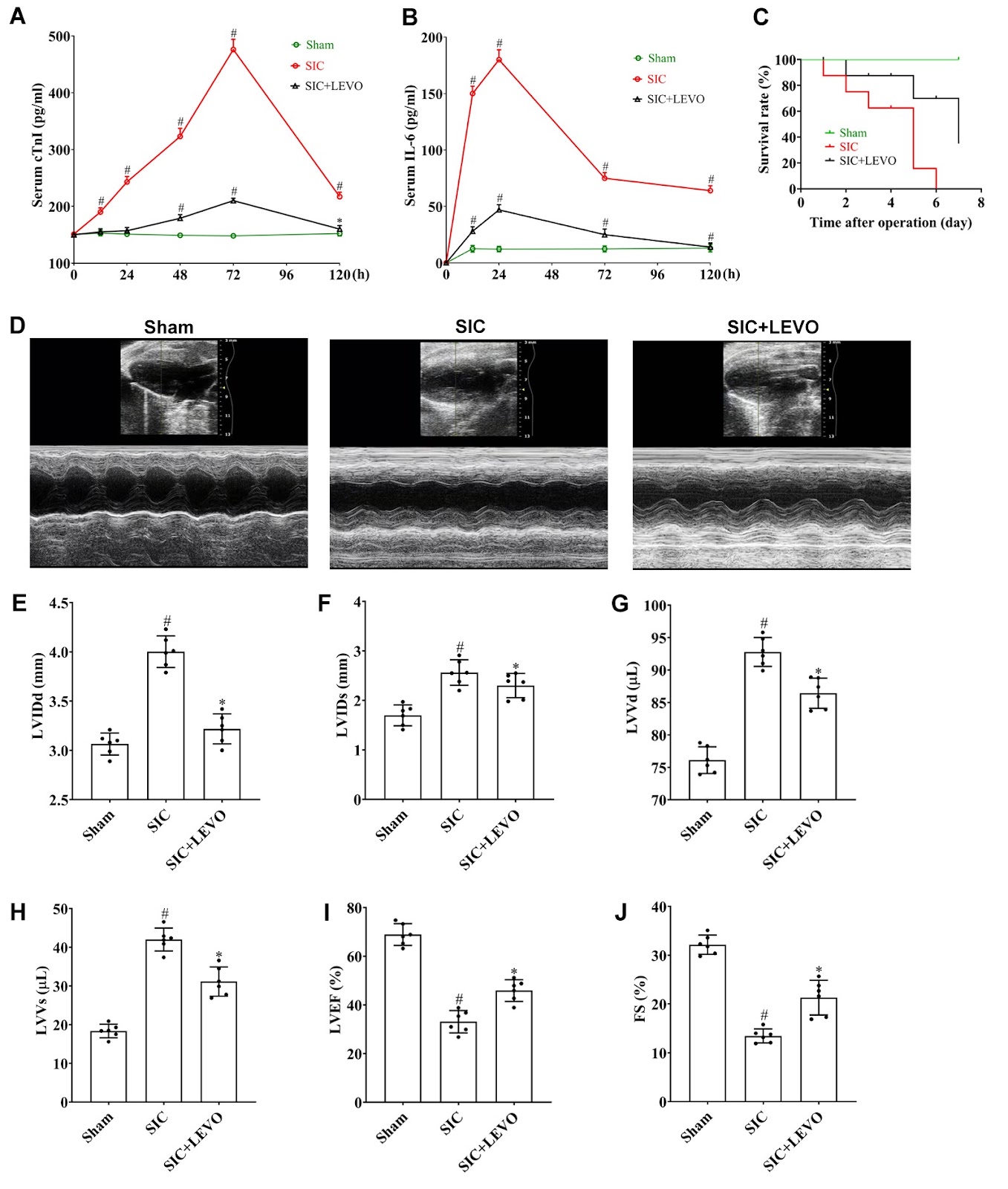
Sepsis-induced cardiomyopathy (SIC) is a severe complication of sepsis and septic shock and is characterized by cardiac dysfunction. Levosimendan (LEVO), a calcium sensitizer, has shown therapeutic potential in SIC, although its underlying mechanism remains unclear. Nrf2, a pivotal regulator of antioxidant and anti-inflammatory responses, may represent a potential target for SIC treatment. In this study, we examine the effects of LEVO on SIC and explore the mechanistic role of Nrf2 in mediating its cardioprotective effects. A murine SIC model is established via cecal ligation and puncture (CLP), and cardiomyocyte injury is induced in vitro via lipopolysaccharide (LPS) exposure in HL-1 cells. The CLP procedure significantly elevates serum cTnI and IL-6 levels and reduces the survival rates of mice. Echocardiographic analysis reveals impaired cardiac structure and function, accompanied by mitochondrial morphological and functional damage, in SIC mice. Interestingly, these pathological changes in SIC are markedly attenuated by LEVO treatment. Similarly, LEVO administration restores proliferative capacity; increases mitochondrial ATP, mitochondrial membrane potential (MMP) and NADH levels; and reduces ROS production and intracellular calcium overload. Notably, the protective effects of LEVO on cardiomyocyte viability and mitochondrial function are significantly diminished following Nrf2 inhibition or Nrf2 knockout (KO). Collectively, these findings demonstrate that LEVO mitigates cardiomyocyte injury and mitochondrial dysfunction in SIC through an Nrf2-dependent mechanism.

Levosimendan ameliorates cardiomyocyte injury and mitochondrial dysfunction in an Nrf2-dependent manner in mice with sepsis-induced cardiomyopathy
Graphical Abstract
Original ResearchVol. 58, Issue 7 • pp. 1458-1472DOI: 10.3724/abbs.2025199

Pregnancy-induced metabolic reprogramming in skeletal muscle: a multi-omics interrogation of transcriptional and metabolic adaptations

Authors: Zhongliang Lin, Kejing Zhu, Renke He, Xueying Liu, Qinyu Luo, Jianzhong Sheng, Jiexue Pan, Hefeng Huang

Pregnancy induces profound physiological adaptations to meet the dynamic nutritional demands of fetal development, including a deliberate reduction in maternal insulin sensitivity to ensure fetal glucose availability. However, excessive insulin resistance may precipitate gestational diabetes mellitus (GDM), increasing the risk of both obstetric complications and long-term metabolic disorders in mothers and offspring. Although the role of adipose tissue in pregnancy-associated metabolic adaptation has been extensively studied, the contribution of skeletal muscle remains poorly understood. Here, we systematically characterize pregnancy-induced molecular and metabolic changes in maternal skeletal muscle through multi-omics profiling. We use transcriptomic, metabolomic, computational single-cell deconvolution, and qPCR validation in an established C57BL/6J mouse pregnancy model (8-week-old females). Pregnancy triggers remarkable skeletal muscle remodelling, featuring histological reorganization with myofiber depletion and expanded endothelial compartments. Concurrent metabolic disturbances include insulin resistance, dysregulated TCA cycle activity, and impaired ubiquinone biosynthesis. This study represents a multi-omics-based systematic elucidation of pregnancy-induced maternal skeletal muscle adaptations. Our findings demonstrate that pregnancy induces profound structural reorganization and metabolic reprogramming in maternal skeletal muscle, characterized by prioritized fetal nutrient provision at the expense of maternal tissue utilization. These observations not only reveal previously unrecognized mechanisms of pregnancy-specific metabolic regulation but also, more importantly, establish a critical theoretical foundation for developing skeletal muscle-targeted intervention strategies to prevent gestational diabetes mellitus.

Pregnancy-induced metabolic reprogramming in skeletal muscle: a multi-omics interrogation of transcriptional and metabolic adaptations
Graphical Abstract