🧬 SinoBioData Academic Portal
📚 Peer-Reviewed Translated Literature

All Biomedical & Clinical Articles (Page 22)

Browse complete peer-reviewed translations from top Chinese biomedical, oncology, and genomics journals. Read verified previews and download full authentic clinical reports.

Published Research Papers

Showing 24 of 1542 peer-reviewed translated articles (Page 22 of 65)

Mechanisms by which voluntary wheel running improves endothelial progenitor cell function in diabetic ratsGraphical AbstractVerified
Chinese Journal of Tissue Engineering Research2026

Mechanisms by which voluntary wheel running improves endothelial progenitor cell function in diabetic rats

BACKGROUND: Exercise therapy is a non-drug management strategy for diabetic patients and can significantly improve endothelial function. However, its effect on endothelial progenitor cells and its specific biological mechanism are still unclear. OBJECTIVE: To explore the effects of voluntary wheel running on the function of endothelial progenitor cells in type 2 diabetic rats and reveal the possible mechanisms of action. METHODS: (1) Animal experiment: Sixty Wistar rats were randomly divided into four groups. The control group (n=15) underwent neither modeling nor any exercise intervention. In the model group (n=15), a rat model of type 2 diabetes was established using a high-fat diet combined with streptozotocin induction, with no exercise intervention after modeling. In the model exercise group (n=15), model rats underwent voluntary wheel running for 5 days per week over 8 weeks. In the model exercise + gene silencing group (n=15), after establishing the type 2 diabetes model, rats received tail vein injection of insulin-like growth factor 1 receptor-specific small interfering RNA adenovirus recombinant, and 4 hours later underwent voluntary wheel running for 5 days per week over 8 weeks. After exercise intervention, fasting blood glucose, serum insulin-like growth factor 1 and insulin levels, and insulin resistance index were measured. Thoracic aortic endothelial diastolic function was assessed by in vitro vascular ring assay. (2) Cell experiment: After exercise intervention, bone marrow endothelial progenitor cells were isolated and cultured from each group. Cell proliferation, migration, and tube formation abilities were detected by MTT assay, scratch test, and Matrigel tube formation assay. Real-time fluorescence quantitative PCR was used to detect the mRNA expression of insulin-like growth factor 1 receptor in cells. Western blot was used to detect the protein expression of insulin-like growth factor 1, insulin-like growth factor 1 receptor, phosphorylated phosphatidylinositol-3 kinase, and phosphorylated protein kinase B. RESULTS AND CONCLUSION: (1) Animal experiment: Compared with the control group, the model group showed increased fasting blood glucose, insulin levels, and insulin resistance index (P < 0.05), and decreased insulin-like growth factor 1 level (P < 0.05). Compared with the model exercise group, the model group and the model exercise + gene silencing group showed increased fasting blood glucose, insulin levels, and insulin resistance index (P < 0.05), and the model group showed decreased insulin-like growth factor 1 level (P < 0.05). The vascular endothelial diastolic function in the model group, model exercise group, and model exercise + gene silencing group was weaker than that in the control group (P < 0.05), and the model exercise group showed stronger vascular endothelial diastolic function than the model group and the model exercise + gene silencing group (P < 0.05). (2) Cell experiment: The proliferation, migration, and tube formation abilities of bone marrow endothelial progenitor cells and the mRNA expression of insulin-like growth factor 1 receptor in the model group were lower than those in the control group. The proliferation, migration, and tube formation abilities of bone marrow endothelial progenitor cells and the mRNA expression of insulin-like growth factor 1 receptor in the model exercise group were higher than those in the model group and the model exercise + gene silencing group (P < 0.05). The protein expression of insulin-like growth factor 1, insulin-like growth factor 1 receptor, phosphorylated phosphatidylinositol-3 kinase, and phosphorylated protein kinase B in the model group was lower than that in the control group (P < 0.05). The protein expression of insulin-like growth factor 1 receptor, phosphorylated phosphatidylinositol-3 kinase, and phosphorylated protein kinase B in the model exercise group was higher than that in the model group and the model exercise + gene silencing group (P < 0.05), and the protein expression of insulin-like growth factor 1 was higher than that in the model group (P < 0.05). (3) These results indicate that voluntary wheel running can improve the function of endothelial progenitor cells in type 2 diabetic rats, and the mechanism is related to the activation of the insulin-like growth factor 1 receptor-mediated phosphatidylinositol-3 kinase/protein kinase B signaling pathway.


Read Full Abstract10.12307/2026.21576
Mechanism of spontaneous resorption in lumbar disc herniation and new strategies for precision treatmentGraphical AbstractVerified
Chinese Journal of Tissue Engineering Research2026

Mechanism of spontaneous resorption in lumbar disc herniation and new strategies for precision treatment

BACKGROUND: Lumbar disc herniation is a prevalent spinal degenerative disorder in clinical practice. Traditional treatment predominantly relies on surgical intervention; however, the phenomenon of spontaneous resorption in lumbar disc herniation offers a novel non-surgical approach. OBJECTIVE: To investigate the efficacy of a comprehensive non-surgical treatment regimen in promoting the spontaneous resorption of a severely herniated L5/S1 disc through a two-year follow-up. METHODS: A patient with severe L5/S1 disc herniation was treated with a comprehensive non-surgical regimen including non-steroidal anti-inflammatory drugs, physical therapy, and exercise rehabilitation, and followed for two years. During follow-up, pain symptoms were closely monitored, and serial MRI examinations dynamically recorded the evolution of the herniation. Additionally, an extensive literature review was conducted to explore the underlying mechanisms of spontaneous resorption. RESULTS AND CONCLUSION: After two years of comprehensive non-surgical treatment, the patient's pain symptoms significantly alleviated, visual analog scale scores markedly decreased, and MRI clearly showed gradual resorption of the herniation, indicating the effectiveness of this therapy in promoting spontaneous resorption. Spontaneous resorption is accomplished by the synergistic action of multiple biological processes including inflammatory response activation, neovascularization, macrophage infiltration (M1/M2 polarization regulation), and matrix degradation. Key predictors of resorption potential include herniation characteristics, MRI rim enhancement, and posterior longitudinal ligament integrity. Future applications of single-cell sequencing, multimodal imaging, and deep learning technologies may elucidate molecular mechanisms, enable early prediction, and assist precise clinical treatment. In summary, this comprehensive non-surgical treatment protocol provides a reliable basis for the treatment of lumbar disc herniation, multi-mechanism synergy clarifies the resorption principle, key predictive indicators facilitate personalized treatment planning, and advanced technology applications point the way toward precision biological therapy and improved clinical outcomes.

Read Full Abstract10.12307/2026.21563
Transcriptomic analysis of the mechanism of electroacupuncture in alleviating early synovial inflammation in a rat model of knee osteoarthritisGraphical AbstractVerified
Chinese Journal of Tissue Engineering Research2026

Transcriptomic analysis of the mechanism of electroacupuncture in alleviating early synovial inflammation in a rat model of knee osteoarthritis

BACKGROUND: Early synovial inflammation plays a crucial role in the onset and progression of knee osteoarthritis and has become a significant focus for research and intervention in joint diseases. Electroacupuncture, as a common physical intervention, lacks systematic molecular-level elucidation of its mechanism on the synovium. Combining transcriptomic technology to analyze the gene expression profile of synovial tissue can help reveal key signaling pathways and targets regulated by electroacupuncture, providing theoretical basis and data support for early intervention in osteoarthritis. OBJECTIVE: To investigate the effect of electroacupuncture on early synovial inflammation in a rat model of knee osteoarthritis based on transcriptomic sequencing technology. METHODS: Twenty-four 3-month-old male Sprague-Dawley rats were randomly divided into control, model, and electroacupuncture groups (n=8 per group). The model and electroacupuncture groups underwent anterior cruciate ligament transection to induce knee osteoarthritis, while the control group did not. Four weeks after modeling, the electroacupuncture group received electroacupuncture at bilateral "Zusanli" (ST36), "Xuehai" (SP10), "Taixi" (KI3), and "Yanglingquan" (GB34) with dense-disperse waves of 3 Hz/15 Hz, current intensity 1 mA, 30 minutes per session, once daily, 5 days per week, for 2 weeks. After intervention, left knee synovium was collected for mRNA sequencing, and right knee joints were subjected to safranin O-fast green staining and Mankin's scoring. RESULTS AND CONCLUSION: (1) Compared with the control group, the model group showed rough cartilage surface and disordered synovial cell arrangement, with increased Mankin's score (P < 0.001). Compared with the model group, the electroacupuncture group showed smoother cartilage surface, reduced inflammatory infiltration in synovial tissue, and decreased Mankin's score (P < 0.05). (2) There were 29 genes upregulated in the model group and downregulated in the electroacupuncture group, and 19 genes downregulated in the model group and upregulated in the electroacupuncture group. (3) Gene Ontology analysis showed that these differentially expressed genes were mainly enriched in MHC protein complex binding, protein homodimerization activity, and BH3 domain binding. Kyoto Encyclopedia of Genes and Genomes pathway analysis showed enrichment in cell adhesion molecules, phosphatidylinositol 3-kinase-protein kinase B signaling pathway, nuclear factor κB signaling pathway, and peroxisome proliferator-activated receptor signaling pathway. (4) Compared with the control group, the model group showed significantly increased mRNA expression of Myh9, Hmox1, and S100a8 (P < 0.001, P < 0.001, P < 0.001), and significantly decreased mRNA expression of Rack1 and Ddit3 (P < 0.01, P < 0.001). Compared with the model group, the electroacupuncture group showed significantly decreased mRNA expression of Myh9, Hmox1, and S100a8 (P < 0.05, P < 0.001, P < 0.001), and significantly increased Ddit3 mRNA expression (P < 0.001), while Rack1 mRNA expression showed an increasing trend but without significant difference (P > 0.05). Real-time quantitative PCR results were basically consistent with gene sequencing results. These findings indicate that electroacupuncture can significantly alleviate early synovial inflammation in knee osteoarthritis rats, possibly by inhibiting the expression of Myh9, Hmox1, and S100a8, and promoting the expression of Rack1 and Ddit3 in synovial tissue.

Read Full Abstract10.12307/2026.21582
Comparison of Cobimetinib versus Combination of Dasatinib and Quercetin in Relieving Inflammatory Chondrocyte SenescenceGraphical AbstractVerified
Chinese Journal of Tissue Engineering Research2026

Comparison of Cobimetinib versus Combination of Dasatinib and Quercetin in Relieving Inflammatory Chondrocyte Senescence

BACKGROUND: Osteoarthritis is closely related to aging and characterized by degeneration of articular cartilage, subchondral bone sclerosis, and low-grade inflammatory responses. Aging and injury are significant triggers for inflammatory factors that mediate joint pathological changes. Cobimetinib, a MEK1 inhibitor, has an unclear effect on the inflammatory senescence of chondrocytes. OBJECTIVE: To compare the effects of cobimetinib and the classic anti-aging drug combination of dasatinib and quercetin (D+Q) in inhibiting inflammatory senescence of chondrocytes, and to explore its potential application in the treatment of osteoarthritis. METHODS: Primary chondrocytes were isolated and cultured, and cell viability was detected by CCK-8 assay. Cells were divided into control group, model group, D+Q group, and cobimetinib group. Except for the control group, cells in the other three groups were induced with interleukin-1β to establish an inflammatory senescence model, and then treated with cobimetinib or D+Q combination. Senescence phenotype was observed by β-galactosidase staining. The activation of MEK-ERK1/2 pathway was detected by real-time quantitative PCR, western blot, and immunofluorescence. The expression levels of senescence markers (P16, P21, P53) and senescence-associated secretory phenotype factors (inducible nitric oxide synthase, cyclooxygenase-2, chemokine ligand 3, interleukin-6) were measured, and the changes in extracellular matrix synthesis and degradation-related molecules (COL2A1, matrix metalloproteinase 13, matrix metalloproteinase 3) were evaluated. RESULTS AND CONCLUSION: Both cobimetinib and D+Q effectively inhibited the activation of MEK-ERK1/2 pathway, alleviated the senescence phenotype of chondrocytes, significantly downregulated the expression of P16, P21, and P53, reduced the levels of senescence-associated secretory phenotype factors, restored COL2A1 expression, and inhibited the expression of matrix metalloproteinase 13 and matrix metalloproteinase 3. These results indicate that cobimetinib effectively alleviates interleukin-1β-induced inflammatory senescence of chondrocytes by inhibiting the MEK-ERK1/2 pathway, and has a similar anti-aging effect to the D+Q combination, while showing greater potential in promoting matrix synthesis and inhibiting degradation.

Read Full Abstract10.12307/2026.21566
Construction and functional verification of vascular endothelial growth factor receptor 2 gene knockdown ratsGraphical AbstractVerified
Chinese Journal of Tissue Engineering Research2026

Construction and functional verification of vascular endothelial growth factor receptor 2 gene knockdown rats

BACKGROUND: Vascular endothelial growth factor receptor 2 is mainly expressed in vascular endothelial cells and plays a crucial role in angiogenesis, tissue repair, and the occurrence and development of diseases. Adeno-associated virus, due to its unique advantages, has been widely applied in mechanism research, disease modeling, and gene therapy fields. OBJECTIVE: To construct an adeno-associated viral vector for vascular endothelial growth factor receptor 2 gene knockdown in rat muscle tissue, determine the knockdown efficiency of vascular endothelial growth factor receptor 2 gene-knockdown adeno-associated virus in the rat sternocleidomastoid muscle and assess its effects on muscle and blood vessels. METHODS: The vector was constructed, and packaged into adeno-associated virus. Following target screening experiments in Sprague-Dawley rats, immunofluorescence assays were conducted to assess viral infection efficiency and vascular endothelial growth factor receptor 2 protein expression. Quantitative real-time PCR was used to measure vascular endothelial growth factor receptor 2 mRNA expression. Ultimately, the optimal shRNA sequences were determined to be Y29478 and the control sequence Y9957. Twelve Sprague-Dawley rats were randomly divided into an adeno-associated virus group and a control adeno-associated virus group for functional verification. The adeno-associated virus was injected into the rat sternocleidomastoid muscle. After 20 weeks, quantitative real-time PCR and western blot were used to detect vascular endothelial growth factor receptor 2 mRNA and protein expression in cervical muscle, hematoxylin-eosin staining was used to detect muscle fiber area, and CD31 immunohistochemistry was used to detect the number of microvessels in cervical muscle. RESULTS AND CONCLUSION: (1) The shRNA sequence and dose that could knock down vascular endothelial growth factor receptor 2 expression were successfully screened, and the knockdown efficiency of vascular endothelial growth factor receptor 2 in rat muscle tissue after in situ injection of vascular endothelial growth factor receptor 2 gene knockdown adeno-associated virus reached 60%. (2) Compared with the control adeno-associated virus group, the mRNA and protein expression of vascular endothelial growth factor receptor 2 in the adeno-associated virus group decreased, the muscle fiber area decreased, and the number of microvessels decreased. (3) A rat model of vascular endothelial growth factor receptor 2 gene knockdown was successfully constructed, and knockdown of vascular endothelial growth factor receptor 2 in muscle tissue caused a reduction in muscle fiber area and a decrease in the number of microvessels.

Read Full Abstract10.12307/2026.21578
Exercise combined with magnetic stimulation improves muscle strength and gait speed in patients with disuse-induced muscle atrophy of the lower limbsGraphical AbstractVerified
Chinese Journal of Tissue Engineering Research2026

Exercise combined with magnetic stimulation improves muscle strength and gait speed in patients with disuse-induced muscle atrophy of the lower limbs

BACKGROUND: In recent years, magnetic stimulation therapy can activate the classical transient receptor potential channel 1, triggering the calcium-mitochondrial axis to enhance myogenesis and mitochondrial biogenesis in vivo, thereby recapitulating physiological adaptations related to exercise-induced metabolic responses. As an emerging technique for promoting muscle function, magnetic stimulation has gained widespread attention and validation in the rehabilitation of muscular diseases due to its advantages of being non-invasive, passive, and safe. However, there is a lack of clinical studies on the therapeutic efficacy of this technique in the treatment of disuse-induced muscle atrophy. OBJECTIVE: To investigate the therapeutic effect of exercise therapy combined with magnetic stimulation on the recovery of muscle strength and locomotor ability in patients with disuse-induced muscle atrophy of the lower limbs. METHODS: Sixteen patients with lower limb disuse muscle atrophy caused by prolonged bed rest after unilateral Achilles tendon rupture surgery were recruited and randomly divided into control group and experimental group, 8 cases in each group. The control group received traditional exercise rehabilitation therapy, including joint range of motion training, muscle strength training, and soft tissue stretching training, 3 times a week. The experimental group additionally received medical magnetic physical factor stimulation (intensity 1.5 mT, frequency 3 300 Hz, 48 h per session, 10 min each time) on this basis, with a total trial duration of 4 weeks. All subjects underwent maximum voluntary contraction (MVC) test of the lower limbs and gait speed measurements including Timed Up and Go test (TUG), 5-times sit-to-stand test (5STS), and 6 m normal walking speed test before and after intervention. RESULTS AND CONCLUSION: After 4 weeks of intervention, all 16 subjects completed the trial. In the experimental group, the maximum voluntary contraction of the affected lower limb (P=0.001) and the difference rate of MVC between affected and healthy sides (P=0.001) significantly decreased, and the improvements were superior to those in the control group. In terms of gait speed indicators, the experimental group showed significant improvements in TUG (P=0.038), 6 m normal walking speed (P=0.025), and 5STS (P=0.050) compared with baseline. Between-group comparison revealed that the experimental group had significantly greater improvements in MVC of the affected leg (P=0.003), difference rate of MVC between affected and healthy sides (P=0.004), TUG (P=0.019), and 6 m normal walking speed (P=0.011) than the control group. These data confirm that after 4 weeks of low-frequency pulsed magnetic field (1.5 mT, 3 300 Hz) combined with exercise therapy, patients with disuse muscle atrophy after Achilles tendon rupture showed significantly better improvements in MVC of the affected and healthy legs, TUG, and 6 m normal walking speed than the control group, demonstrating that magnetic stimulation combined with exercise therapy has an auxiliary synergistic effect on isometric muscle strength and lower limb motor function. Therefore, magnetic stimulation combined with exercise therapy can be used as a new means for rehabilitation of disuse muscle atrophy.

Read Full Abstract10.12307/2026.21581
Effects of physiological osmotic pressure on chondrocyte differentiation and extracellular matrix metabolismGraphical AbstractVerified
Chinese Journal of Tissue Engineering Research2026

Effects of physiological osmotic pressure on chondrocyte differentiation and extracellular matrix metabolism

BACKGROUND: The vicious cycle of osteoarthritis initiation and progression is driven by the combined effects of mechanical microenvironment disruption and collapse of osmotic pressure homeostasis. Sustained abnormal osmotic pressure disrupts chondrocyte homeostasis and markedly impairs the ability of bone marrow mesenchymal stem cells to differentiate into chondrocytes. Consequently, this compromises the regenerative capacity of cartilage and accelerates the degeneration of articular cartilage. OBJECTIVE: To develop a pathological osmotic pressure model for use in osmotic intervention experiments, in order to investigate the effects of osmotic pressure on chondrogenic differentiation of bone marrow mesenchymal stem cells and chondrocyte matrix metabolism, and to explore the role of imbalanced osmotic pressure within the joint cavity in the pathogenesis of osteoarthritis. METHODS: Bone marrow mesenchymal stem cells were isolated from 6- to 8-week-old rats and cultured to the third passage. Third-passage rat chondrocytes were revived and performed expansion culture. Physiological or pathological osmotic pressure regulating solutions were prepared by adding NaCl to the culture medium, and their biocompatibility was assessed via cell counting kit-8 assays. Bone marrow mesenchymal stem cells were treated with different osmotic pressure regulating solutions in chondrogenic induction medium for 7 or 14 days. Safranin O staining was used to identify the secretion of glycosaminoglycan (a cartilage marker). Quantitative real-time PCR was used to detect the expression of cartilage synthesis-related genes. The effects of physiological or pathological osmotic pressure regulating solutions on chondrocyte anabolic and catabolic metabolism after interleukin-1β inflammation induction were detected. Furthermore, RNA-seq was used to identify differentially expressed genes between the physiological and pathological osmotic pressure groups and perform enrichment analysis. RESULTS AND CONCLUSION: (1) Third-passage bone marrow mesenchymal stem cells were successfully isolated and cultured, and third-passage chondrocytes were successfully revived and expanded. (2) CCK-8 assay results showed that both pathological and physiological osmotic pressure regulating solutions had good biocompatibility. (3) Safranin O staining indicated that at days 7 and 14, the chondrogenic capacity of the physiological osmotic pressure group was significantly enhanced compared with the pathological osmotic pressure group. (4) qRT-PCR results further showed that compared with the interleukin-1β group and the pathological osmotic pressure group, the physiological osmotic pressure group significantly upregulated the expression of cartilage synthesis-related genes aggrecan and collagen type II alpha 1, while downregulating the expression of catabolism-related genes matrix metalloproteinase 13 and matrix metalloproteinase 3. (5) RNA-seq results showed that under physiological osmotic pressure conditions, multiple molecules and signaling pathways related to osteoarthritis pathogenesis were significantly downregulated.

Read Full Abstract10.12307/2026.21565
Zizhu ointment enhances wound healing in diabetic ulcer mice via angiogenesis regulationGraphical AbstractVerified
Chinese Journal of Tissue Engineering Research2026

Zizhu ointment enhances wound healing in diabetic ulcer mice via angiogenesis regulation

BACKGROUND: Angiogenesis is one of the critical issues in chronic ulcer healing. Previous studies have indicated that Zizhu ointment can increase the expression of vascular endothelial growth factor in wounds, promote wound healing, and stimulate angiogenesis in high-glucose and high-lipid cell models. OBJECTIVE: To investigate the effects of Zizhu ointment on angiogenesis in diabetic ulcer model mice and elucidate its underlying mechanisms in promoting wound healing. METHODS: Twenty-four mice were randomly divided into four groups: normal control, model control, saline-treated, and Zizhu ointment groups. The diabetic mouse model was established in the latter three groups through a high-fat diet combined with streptozotocin injections. After blood glucose stabilization, full-thickness dorsal skin was removed to simulate diabetic ulcers, with regular monitoring of body mass and blood glucose levels. In the Zizhu ointment group, wound dressings were changed daily. Wound conditions were documented on days 3, 7, 11, and 14. Skin samples were collected after 14 days. Hematoxylin-eosin and Masson staining were used to assess wound healing status. Immunofluorescence staining for vascular endothelial growth factor A (VEGFA) and CD34 was performed to evaluate angiogenesis. Quantitative real-time PCR and western blot analysis were used to detect the expression of angiogenesis-related genes and proteins, including VEGFA, angiopoietin-2 (ANGPT2), sprouty-related EVH1 domain-containing protein 1 (SPRED1), and phosphoinositide-3-kinase regulatory subunit 2 (PIK3R2). RESULTS AND CONCLUSION: The diabetic ulcer model was successfully established. Ulcer healing was delayed in the model group, while the Zizhu ointment group showed significantly faster healing at days 3, 7, 11, and 14 compared with the model group, and at days 7, 11, and 14 compared with the saline group (P < 0.01). Histological staining revealed increased inflammation, reduced hair follicles, and decreased neovascularization in the model group compared with the normal group; the Zizhu ointment group showed increased appendages and neovascularization. Immunofluorescence staining showed reduced positive cells for CD34 and VEGFA in the model group, which were increased after Zizhu ointment treatment. The mean microvessel density in the Zizhu ointment group was higher than that in the model and saline groups (P < 0.05). Gene and protein expression of VEGFA and ANGPT2 were decreased in the model group compared with the normal group (P < 0.01), while SPRED1 and PIK3R2 were significantly increased (P < 0.001). Compared with the model group, the Zizhu ointment group showed significantly increased expression of VEGFA and ANGPT2 (P < 0.05) and decreased expression of SPRED1 and PIK3R2 (P < 0.05), with similar differences compared with the saline group (P < 0.05 or P < 0.01). These findings indicate that streptozotocin-induced diabetic ulcer model mice exhibit delayed ulcer healing and reduced neovascularization. Zizhu ointment treatment accelerates ulcer healing, promotes angiogenesis, and regulates the expression of angiogenesis-related genes and proteins. Thus, topical application of Zizhu ointment may promote diabetic ulcer healing, possibly by modulating wound angiogenesis.

Read Full Abstract10.12307/2026.21580
Association between preoperative dental anxiety and the time of mandibular third molar extractionGraphical AbstractVerified
Chinese Journal of Tissue Engineering Research2026

Association between preoperative dental anxiety and the time of mandibular third molar extraction

BACKGROUND: Patients undergoing mandibular third molar extraction show significantly higher dental anxiety levels than those receiving other dental procedures. Preoperative anxiety not only prolongs operation time but also worsens postoperative complications. OBJECTIVE: To investigate the relationship between preoperative dental anxiety and the time of mandibular third molar extraction. METHODS: A cross-sectional observational study was designed for the patient's extraction of mandibular third molar in the outpatient clinic of Department of Stomatology of Aerospace Center Hospital. The Modified Dental Anxiety Scale for Third Molar Surgery (MDAS-TMS) was used to evaluate the preoperative anxiety status. Demographic characteristics, surgical and radiographic features of the patients were recorded. The main outcome indicator was the duration of surgery. Multivariable linear regression models were developed to analyze their influences, and a restricted cubic spline function was used to evaluate their potential nonlinear associations. RESULTS AND CONCLUSION: A total of 216 patients (71 men and 145 women) were included in the study. The mean DAS-TMS score was 10.4, 32.4% were mildly anxious, and 8.8% were highly anxious. For each 1-unit increase in the DAS-TMS after multivariate adjustment, operation time increased by 1.1 minutes (β=1.10, P < 0.001, 95%CI: 0.76-1.49). Restricted cubic spline analysis revealed evidence of a nonlinear association (P for nonlinearity=0.013). The results indicate that preoperative dental anxiety has a significant impact on the duration of mandibular third molar extraction.

Read Full Abstract10.12307/2026.21573
SinoBioData ResearchChinese Journal of Tissue Engineering Research
Chinese Journal of Tissue Engineering Research2026

Bushen Jianpi Huoxue Formula inhibits bone loss and improves trabecular biomechanical parameters in ovariectomized rats

BACKGROUND: Previous studies have confirmed that the Bushen Jianpi Huoxue Formula can increase bone mineral density in osteoporotic rats. OBJECTIVE: To investigate the effect of Bushen Jianpi Huoxue Formula on bone loss and trabecular biomechanical parameters in ovariectomized rats. METHODS: Fifty female Sprague-Dawley rats were randomly divided into five groups: normal group (n=10) without any intervention, sham-operated group (n=10) with removal of adipose tissue near the ovaries, ovariectomized group (n=10), Bushen Jianpi Huoxue Formula group (n=10), and alendronate group (n=10). The latter three groups underwent bilateral ovariectomy to establish osteoporosis models. After 12 weeks of modeling, the Bushen Jianpi Huoxue Formula group and alendronate group were administered the respective drugs by gavage once daily for 12 weeks, while the other three groups received normal saline. After treatment, lumbar spine bone mineral density was measured, micro-CT analysis of the distal femur and proximal tibia was performed, hematoxylin-eosin staining was used to observe the histological morphology of the proximal tibia, and finite element analysis was used to analyze the strain and stress of the distal femur. RESULTS AND CONCLUSION: (1) The lumbar spine bone mineral density in the ovariectomized group was lower than that in the normal and sham-operated groups (P < 0.05), while the Bushen Jianpi Huoxue Formula and alendronate groups had higher lumbar spine bone mineral density than the ovariectomized group (P < 0.05). (2) Micro-CT analysis showed that compared with the normal and sham-operated groups, the ovariectomized group had lower bone volume fraction, bone surface density, and trabecular number in the proximal tibia (or distal femur) (P < 0.05), and higher trabecular separation and structure model index (P < 0.05). Compared with the ovariectomized group, the Bushen Jianpi Huoxue Formula and alendronate groups had higher bone volume fraction, bone surface density, and trabecular number in the distal femur (P < 0.05), and lower trabecular separation and structure model index in the distal femur (P < 0.05); in the proximal tibia, bone volume fraction, bone surface density, and trabecular number were also higher (P < 0.05). (3) Hematoxylin-eosin staining showed that the degree of bone marrow fat infiltration in the ovariectomized group was higher than that in the normal and sham-operated groups, while the Bushen Jianpi Huoxue Formula and alendronate groups showed significant improvement. (4) Finite element analysis showed that under the same load, the trabecular stress and strain in the ovariectomized group were higher than those in the normal and sham-operated groups (P < 0.05), while the Bushen Jianpi Huoxue Formula and alendronate groups had lower trabecular stress and strain than the ovariectomized group (P < 0.05). These results indicate that Bushen Jianpi Huoxue Formula can prevent bone loss and improve trabecular biomechanical properties in ovariectomized rats, suggesting potential efficacy in preventing osteoporotic fractures.

Read Full Abstract10.12307/2026.21562
Nimbolide relieves osteoporosis by regulating osteoclast differentiation and apoptosisGraphical AbstractVerified
Chinese Journal of Tissue Engineering Research2026

Nimbolide relieves osteoporosis by regulating osteoclast differentiation and apoptosis

BACKGROUND: Nimbolide, a triterpenoid bioactive compound, exhibits multiple biological activities including anti-inflammatory, antioxidant, antitumor, and antibacterial effects. However, its potential to alleviate osteoporosis by regulating osteoclast differentiation and apoptosis remains unreported. OBJECTIVE: To investigate the effects of nimbolide on osteoclast differentiation, osteoclast apoptosis, and osteoporosis. METHODS: (1) Cell experiments: Mouse bone marrow-derived macrophages were divided into four groups: the cells were cultured in α-MEM complete medium containing macrophage colony-stimulating factor in the control group; the cells were cultured in α-MEM complete medium containing macrophage colony-stimulating factor and receptor activator of nuclear factor-κB ligand in the osteoclast induction group; the cells were cultured in osteoclast-inducing differentiation medium supplemented with 100 nmol/L or 200 nmol/L nimbolide, respectively in the low- and high-dose nimbolide groups. The effects of nimbolide on osteoclast differentiation and apoptosis were assessed using tartrate-resistant acid phosphatase staining, Annexin V-FITC/PI staining, and RT-qPCR. (2) In vivo experiments: Twenty-four 8-week-old female C57BL/6J mice were randomly divided into four groups: The mice in the sham group underwent only removal of periovarian fat; the model group underwent bilateral ovariectomy; the low- and high-dose nimbolide groups received intraperitoneal injections of 5 and 10 mg/kg nimbolide solution every 2 days after modeling. After 8 weeks of modeling, serum and femurs were collected for relevant assays. RESULTS AND CONCLUSION: (1) Cell experiments: RT-qPCR and tartrate-resistant acid phosphatase staining results showed that nimbolide inhibited the expression of osteoclast differentiation-related genes and suppressed osteoclast differentiation in vitro; RT-qPCR and Annexin V-FITC/PI staining results showed that nimbolide inhibited the expression of apoptosis-related genes and induced apoptosis of mature osteoclasts; RT-qPCR results showed that nimbolide promoted osteoclast apoptosis via the Fas/FasL signaling pathway, and the regulatory effects of nimbolide on osteoclast differentiation and apoptosis were concentration-dependent. (2) Animal experiments: Micro-CT and hematoxylin-eosin staining results showed that nimbolide reduced bone loss in estrogen deficiency-induced osteoporotic mice, with 10 mg/kg nimbolide showing better effects; nimbolide had no significant effect on serum estradiol levels in ovariectomized mice. These results indicate that in vitro experiments confirmed that nimbolide not only inhibits osteoclast differentiation but also promotes apoptosis of mature osteoclasts; in vivo experiments confirmed that nimbolide alleviates excessive bone loss in estrogen deficiency-induced osteoporotic mice.

Read Full Abstract10.12307/2026.21561
Induced Pluripotent Stem Cells in the Treatment of Liver Disease: A Comprehensive ReviewGraphical AbstractVerified
Chinese Journal of New Drugs2025

Induced Pluripotent Stem Cells in the Treatment of Liver Disease: A Comprehensive Review

Induced pluripotent stem cells (iPSCs) hold great promise for regenerative medicine, particularly in the treatment of liver diseases. This review provides a comprehensive overview of the current state of iPSC-based therapies for liver disorders, including the generation of hepatocyte-like cells (HLCs) from iPSCs, their functional characterization, and their application in disease modeling and drug discovery. We discuss the challenges and limitations of current differentiation protocols, such as low efficiency and heterogeneity of HLCs, and highlight recent advances in three-dimensional culture systems and genetic engineering that aim to overcome these hurdles. Furthermore, we examine the potential of iPSC-derived liver organoids for studying liver development and disease, as well as their use in personalized medicine. The safety concerns associated with iPSC transplantation, including tumorigenicity and immune rejection, are also addressed. Finally, we provide an outlook on the future directions of iPSC research in hepatology, emphasizing the need for standardized protocols and rigorous preclinical evaluation to facilitate clinical translation.

Read Full Abstractpub_80__articleID_50
Development and Validation of a Novel Liquid Chromatography-Tandem Mass Spectrometry Method for the Quantification of Isavuconazole in Human Plasma and Its Application to a Pharmacokinetic StudyGraphical AbstractVerified
Chinese Journal of New Drugs2025

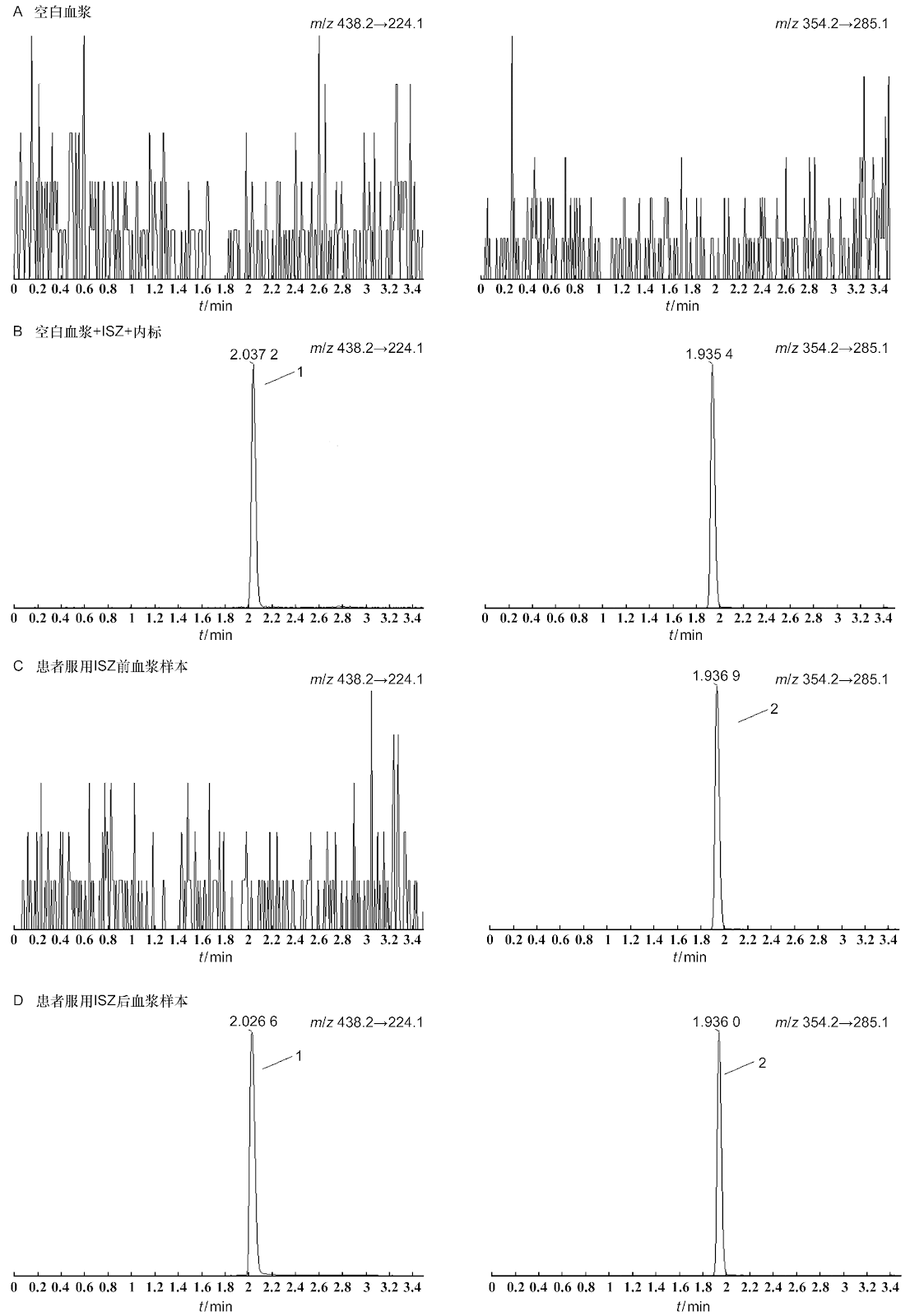
Development and Validation of a Novel Liquid Chromatography-Tandem Mass Spectrometry Method for the Quantification of Isavuconazole in Human Plasma and Its Application to a Pharmacokinetic Study

A rapid, sensitive, and reliable liquid chromatography-tandem mass spectrometry (LC-MS/MS) method was developed and validated for the quantification of isavuconazole in human plasma. Sample preparation involved a simple protein precipitation with acetonitrile. Chromatographic separation was achieved on a C18 column using a gradient elution with a mobile phase consisting of 0.1% formic acid in water and acetonitrile. The method was validated over a linear range of 5.00-5000 ng/mL with a lower limit of quantification of 5.00 ng/mL. The intra- and inter-run precision (relative standard deviation, RSD) were less than 8.5% and 9.2%, respectively, and accuracy (relative error, RE) ranged from -3.2% to 4.5%. The method was successfully applied to a pharmacokinetic study in healthy Chinese volunteers after oral administration of isavuconazole. The key pharmacokinetic parameters, including maximum plasma concentration (Cmax), time to reach Cmax (Tmax), and area under the plasma concentration-time curve (AUC), were determined. The results demonstrated that the method is suitable for therapeutic drug monitoring and pharmacokinetic studies of isavuconazole.

Read Full Abstractcast_zgxyzz_1236731781714596256
A Randomized Controlled Trial of High-Intensity Focused Ultrasound for the Treatment of Uterine Fibroids: A Multicenter StudyGraphical AbstractVerified
Chinese Journal of New Drugs2025

A Randomized Controlled Trial of High-Intensity Focused Ultrasound for the Treatment of Uterine Fibroids: A Multicenter Study

Background: High-intensity focused ultrasound (HIFU) is a non-invasive therapeutic modality for uterine fibroids. However, its efficacy and safety compared with conventional surgery remain debated. Methods: In this multicenter, randomized, controlled trial, we randomly assigned 200 women with symptomatic uterine fibroids to undergo HIFU ablation (n=100) or myomectomy (n=100). The primary endpoint was the reduction in fibroid volume at 6 months. Secondary endpoints included symptom severity score, quality of life, and adverse events. Results: At 6 months, the mean reduction in fibroid volume was 45.2% in the HIFU group versus 58.7% in the surgery group (P<0.001). Symptom severity scores improved significantly in both groups, with no significant difference between groups (P=0.32). Quality of life scores were comparable. Adverse events were fewer in the HIFU group (12% vs. 28%, P=0.004). Conclusion: HIFU is a safe and effective alternative to surgery for symptomatic uterine fibroids, offering comparable symptomatic relief with fewer adverse events, despite a smaller reduction in fibroid volume.

Read Full Abstractpub_80__articleID_236
A Study on the Efficacy of Traditional Chinese Medicine in Treating Type 2 Diabetes Mellitus: A Randomized Controlled TrialGraphical AbstractVerified
Chinese Journal of New Drugs2025

A Study on the Efficacy of Traditional Chinese Medicine in Treating Type 2 Diabetes Mellitus: A Randomized Controlled Trial

Background: Type 2 diabetes mellitus (T2DM) is a chronic metabolic disorder with increasing global prevalence. Traditional Chinese Medicine (TCM) has been used for centuries to manage diabetes, but its efficacy and safety remain controversial. This study aimed to evaluate the efficacy and safety of a TCM formula (GEL) in patients with T2DM. Methods: A randomized, double-blind, placebo-controlled trial was conducted. A total of 240 patients with T2DM were randomly assigned to receive either GEL or placebo for 12 weeks. The primary outcome was the change in HbA1c levels from baseline. Secondary outcomes included fasting plasma glucose (FPG), postprandial plasma glucose (PPG), lipid profiles, and adverse events. Results: After 12 weeks, the GEL group showed a significant reduction in HbA1c compared to placebo (mean difference -0.8%, 95% CI -1.2 to -0.4, p<0.001). FPG and PPG also decreased significantly in the GEL group. No serious adverse events were reported. Conclusion: GEL was effective and safe in improving glycemic control in patients with T2DM. Further studies are warranted to confirm these findings and explore the underlying mechanisms.

Read Full Abstractpub_80__articleID_158
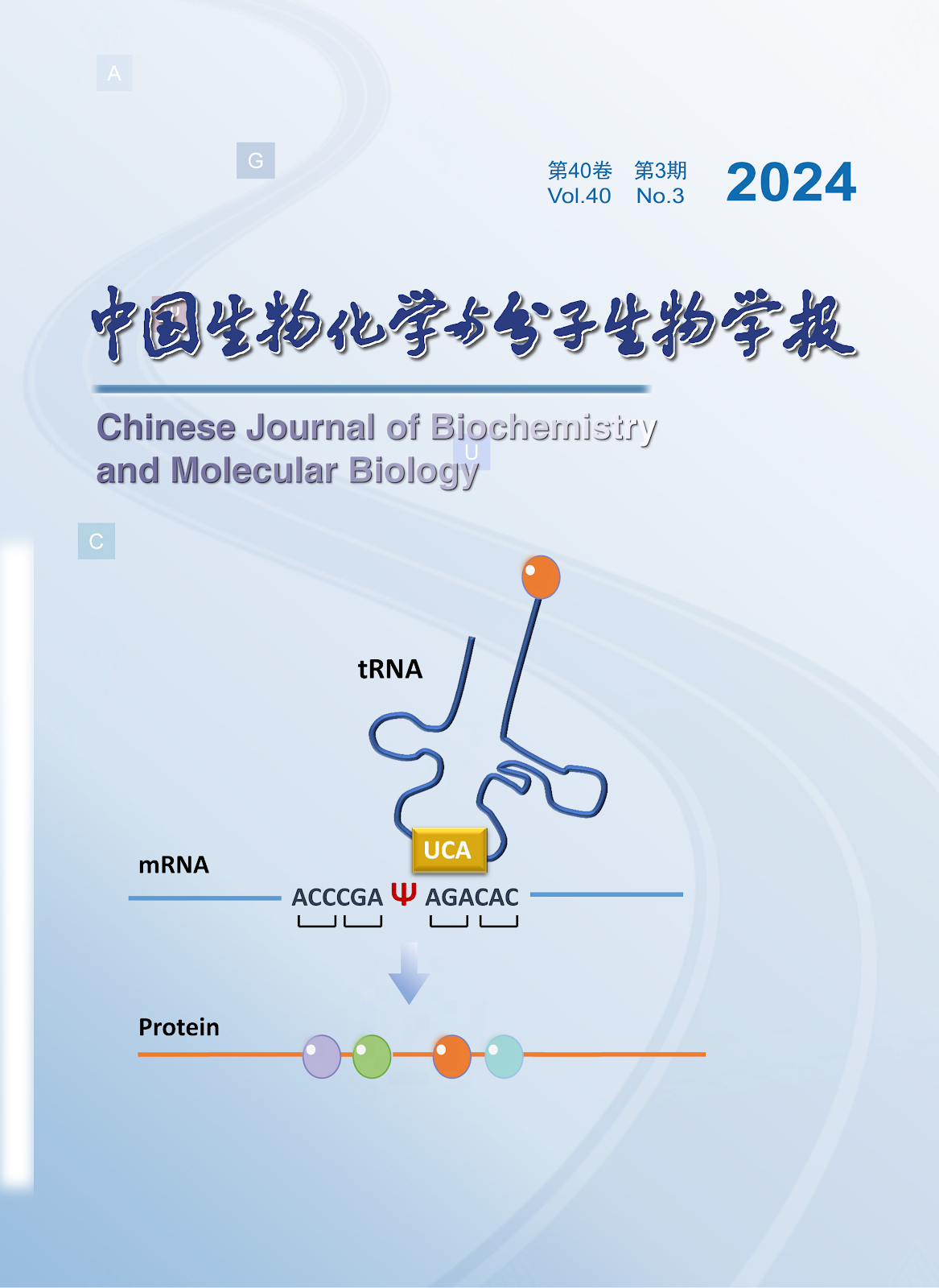
Cover Page of the 2024 Issue 3 of a Chinese Academic JournalGraphical AbstractVerified
Chinese Journal of Biochemistry and Molecular Biology2024

Cover Page of the 2024 Issue 3 of a Chinese Academic Journal

This document is the cover page of the 2024 Issue 3 of a Chinese academic journal, indicating the publication date as March 7, 2024. No substantive research content is provided.

Read Full Abstract10.13865/j.cnki.cjbmb.2024.25570
SinoBioData ResearchChinese Journal of New Drugs
Chinese Journal of New Drugs2025

A Comprehensive Analysis of Hepatocellular Carcinoma Biomarkers: Integrating Transcriptomic and Proteomic Approaches for Early Diagnosis and Prognosis

Hepatocellular carcinoma (HCC) remains a leading cause of cancer-related mortality worldwide, with late diagnosis contributing to poor prognosis. This study integrates transcriptomic and proteomic analyses to identify novel biomarkers for early detection and prognostic assessment of HCC. Using RNA sequencing and mass spectrometry on tumor and adjacent non-tumor tissues from 120 HCC patients, we identified 45 differentially expressed genes and 23 proteins consistently altered in HCC. Among these, a panel of five biomarkers (including AFP, GPC3, and three novel candidates) demonstrated high sensitivity (92%) and specificity (88%) for early-stage HCC detection. Furthermore, a prognostic signature based on these biomarkers stratified patients into high- and low-risk groups with significantly different overall survival (p < 0.001). Our findings provide a robust multi-omics framework for HCC management, potentially improving clinical outcomes through earlier intervention and personalized treatment strategies.

Read Full Abstractpub_80__articleID_190
SinoBioData ResearchChinese Journal of Biochemistry and Molecular Biology
Chinese Journal of Biochemistry and Molecular Biology2025

The Number 6: A Comprehensive Analysis of Its Mathematical, Historical, and Cultural Significance

This paper presents a comprehensive analysis of the number 6, exploring its mathematical properties, historical occurrences, and cultural significance across various civilizations. Through a multidisciplinary approach, we examine the role of 6 in number theory, its appearances in ancient texts, and its symbolic meanings in different cultures. Our findings reveal that 6 holds a unique position as a perfect number, a highly composite number, and a central figure in many religious and mythological narratives. The study underscores the enduring relevance of 6 in human thought and its pervasive influence on science, art, and philosophy.

Read Full Abstract10.13865/j.cnki.cjbmb.2025.25735
Asiaticoside promotes osteogenic differentiation in osteoporotic ratsGraphical AbstractVerified
Chinese Journal of Tissue Engineering Research2026

Asiaticoside promotes osteogenic differentiation in osteoporotic rats

BACKGROUND: Studies have indicated that asiaticoside possesses multiple pharmacological functions, including anti-inflammatory and antioxidant properties, and exerts a positive effect on osteogenic differentiation. It may serve as a potential therapeutic agent for osteoporosis. OBJECTIVE: To investigate the effects of asiaticoside on osteogenic differentiation in osteoporotic rats. METHODS: (1) Animal models of osteoporosis were established by removing both ovaries in 52 female Sprague-Dawley rats. Simultaneously, equivalent volumes of adipose tissue near the ovaries were removed bilaterally from 10 female Sprague-Dawley rats as the sham operation group. At 8 weeks after modeling, 50 model rats were randomly divided into five intervention groups: model group (n=10) was administered saline via oral gavage; low-dose asiaticoside group (n=10) was administered 16 mg/(kg·d) asiaticoside via oral gavage; high-dose asiaticoside group (n=10) was administered 32 mg/(kg·d) asiaticoside via oral gavage; positive control group (n=10) was administered alendronate sodium tablets 7.35 mg/(kg·d) via oral gavage; high-dose asiaticoside plus activator group (n=10) was administered 32 mg/(kg·d) asiaticoside plus 300 mg/(kg·d) NLRP3 activator via oral gavage, once daily for 6 weeks. After administration, serum levels of interleukin-1β and interleukin-18 were measured, Micro-CT scanning of the distal femur was performed, hematoxylin-eosin staining was used to observe histological changes, and western blot was used to detect the protein expression of tripartite motif-containing protein 24, NLRP3, and cleaved caspase-1 in the femur. (2) Rat bone marrow mesenchymal stem cells in logarithmic growth phase were divided into four groups: blank group (no treatment), asiaticoside group (treated with 20 µmol/L asiaticoside for 48 h), asiaticoside + empty vector group (transfected with empty vector plasmid for 48 h then treated with 20 µmol/L asiaticoside for 48 h), and asiaticoside + NLRP3 overexpression group (transfected with NLRP3 overexpression plasmid for 48 h then treated with 20 µmol/L asiaticoside for 48 h). After 7 days of osteogenic induction, alkaline phosphatase activity and mRNA expression of osteopontin, osteocalcin, tripartite motif-containing protein 24, and NLRP3 were detected. RESULTS AND CONCLUSION: (1) Animal experiments: The levels of interleukin-1β and interleukin-18 in the low-dose asiaticoside group, high-dose asiaticoside group, and positive control group were lower than those in the model group (P < 0.05), while the levels in the high-dose asiaticoside plus activator group were higher than those in the high-dose asiaticoside group (P < 0.05). Micro-CT scanning and hematoxylin-eosin staining results showed that compared with the model group, the bone microarchitecture and histological morphology of the femur were significantly improved in the low-dose asiaticoside group, high-dose asiaticoside group, and positive control group, while the NLRP3 activator partially inhibited the effects of high-dose asiaticoside. Compared with the model group, the protein expression of tripartite motif-containing protein 24 was increased (P < 0.05), and the protein expression of NLRP3 and cleaved caspase-1 was decreased (P < 0.05) in the low-dose asiaticoside group, high-dose asiaticoside group, and positive control group; the protein expression of tripartite motif-containing protein 24 in the high-dose asiaticoside plus activator group was lower than that in the high-dose asiaticoside group (P < 0.05), while NLRP3 and cleaved caspase-1 proteins were higher (P < 0.05). (2) Cell experiments: The alkaline phosphatase activity in the asiaticoside group was higher than that in the blank group and asiaticoside + NLRP3 overexpression group (P < 0.05). RT-PCR detection showed that the mRNA expression of osteopontin, osteocalcin, and tripartite motif-containing protein 24 in the asiaticoside group was higher than that in the blank group and asiaticoside + NLRP3 overexpression group (P < 0.05), while NLRP3 mRNA expression was lower (P < 0.05). (3) The results indicate that asiaticoside may promote osteogenic differentiation in osteoporotic rats by upregulating the expression of tripartite motif-containing protein 24 and inhibiting the expression of NLRP3, thereby delaying the progression of osteoporosis.

Read Full Abstract10.12307/2026.21560
Intervention Effect and Mechanism of Compound Herba Gueldenstaedtiae in a Mouse Model of Breast HyperplasiaGraphical AbstractVerified
Chinese Journal of Tissue Engineering Research2026

Intervention Effect and Mechanism of Compound Herba Gueldenstaedtiae in a Mouse Model of Breast Hyperplasia

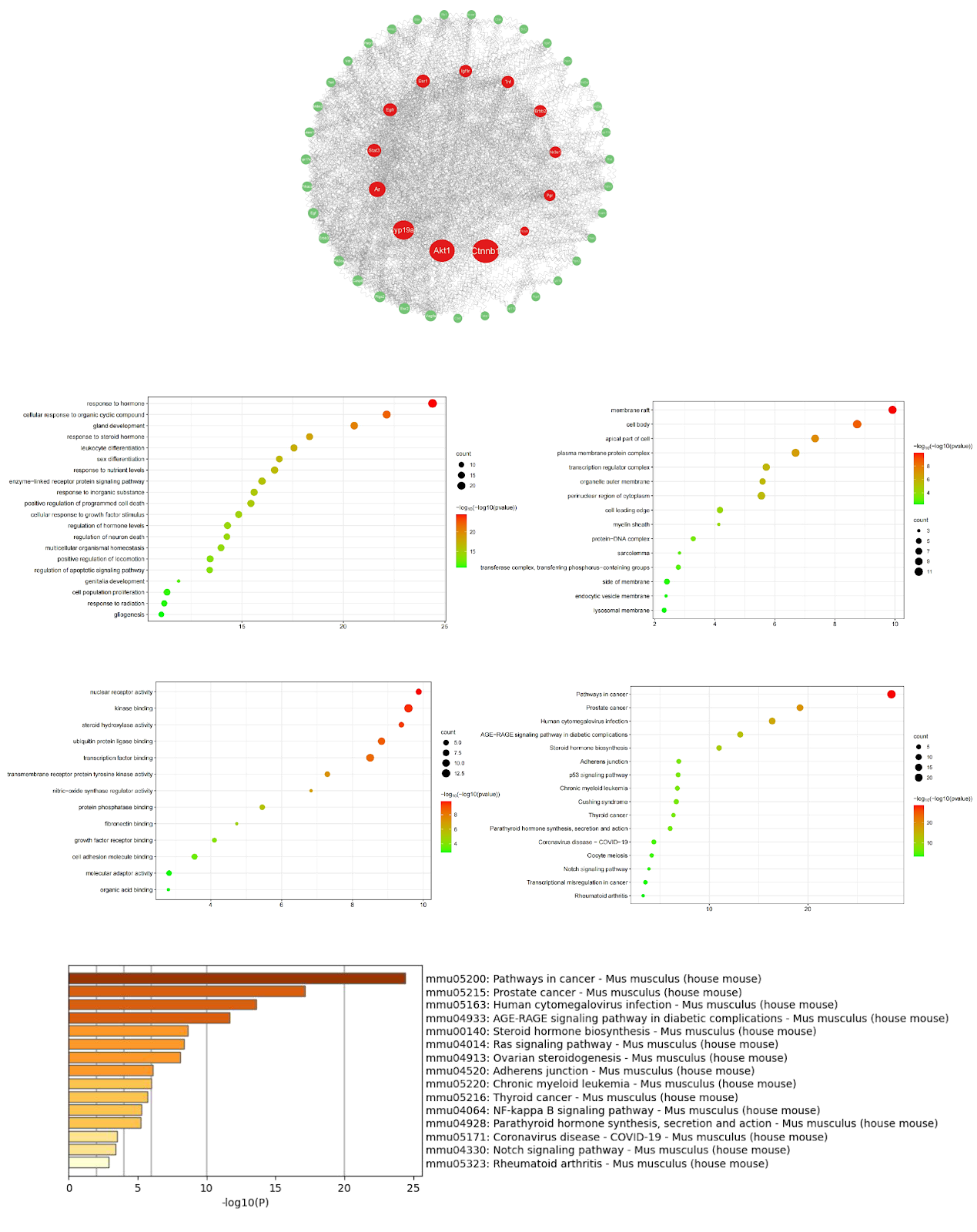
BACKGROUND: Breast hyperplasia is a common benign breast disease mainly caused by endocrine disorders, manifested as abnormal hyperplasia of breast tissue. In recent years, traditional Chinese medicine compounds and probiotics have shown good potential in regulating the endocrine system and improving the intestinal microecology, providing new ideas for the treatment of breast hyperplasia. OBJECTIVE: To explore the effects and mechanisms of traditional Chinese medicine compounds and fermented probiotic compounds on breast hyperplasia in mice, providing new theoretical and experimental bases for the clinical treatment and prevention of breast hyperplasia. METHODS: (1) Network pharmacology tools were used to predict the anti-breast-hyperplasia activity of Herba Gueldenstaedtiae (Euphorbia humifusa), as well as its potential targets and signaling pathways. The databases included: TCMSP, OMIM, GeneCards database, UniProt website, Venny2.1.0 website, Metascape, HERB website, and STRING database, all of which are open-access databases. Network pharmacology can predict and screen key information such as the targets corresponding to the active ingredients of traditional Chinese medicine, disease targets, and action pathways through network analysis and computer-system analysis. Therefore, it has been increasingly widely used in the research of traditional Chinese medicine. (2) A breast hyperplasia model was induced in mice by injecting estrogen and progesterone. Mice in the normal blank group were injected intraperitoneally with normal saline every day. Mice in the model group and drug-administration groups were injected intraperitoneally with estradiol benzoate injection at a concentration of 0.5 mg/kg every day for 25 days. From the 26th day, the injection of estradiol benzoate injection was stopped. Mice in the normal blank group were injected intramuscularly with normal saline every day, and mice in the model group and drug-administration groups were injected intramuscularly with progesterone injection at a concentration of 5 mg/kg for 5 days. After the model was established, each group was given drugs respectively. The normal blank group and the model group were gavaged with 0.2 mL/d of normal saline; the positive blank group (Xiaozheng Pill group) was gavaged with an aqueous solution of Xiaozheng Pill at 0.9 mg/g; the low-, medium- and high-dose groups of Compound Herba Gueldenstaedtiae were gavaged with an aqueous solution of the compound medicine at 0.75, 1.5, and 3.0 mg/(g·d) respectively; the low-, medium- and high-dose groups of traditional Chinese medicine-bacteria fermentation were gavaged with an aqueous solution of the compound medicine at 0.75, 1.5, and 3.0 mg/(g·d) respectively. The administration was continuous for 30 days. RESULTS AND CONCLUSION: (1) The results of network pharmacology research showed that the Compound Herba Gueldenstaedtiae (Euphorbia humifusa) contained 46 active ingredients, which were related to 1 213 potential targets. After comparison with 588 known breast-hyperplasia targets, it was speculated that 50 of these targets might be related to the direct effect of the compound on breast hyperplasia. (2) After drug intervention, there was no significant change in the high-dose group of Compound Herba Gueldenstaedtiae compared with the normal blank group. The liver indicators of the other intervention groups all significantly decreased (P < 0.05). (3) In terms of kidney and uterine indicators, the medium-dose group of Compound Herba Gueldenstaedtiae decreased significantly compared with the normal blank group (P < 0.05). In terms of the uterine index, the model group increased significantly compared with the normal blank group (P < 0.01). (4) After 1-month drug treatment, the number of lobules and acini in the breast tissue of the Xiaozheng Pill group, the low, medium, and high-dose group of Compound Herba Gueldenstaedtiae, the low, medium, and high-dose groups of traditional Chinese medicine-bacteria fermentation decreased, and the duct openings narrowed. With the increase of drug dose, diffuse hyperplasia of breast tissue was significantly improved. (5) The ELISA results showed that compared with the model group, the estrogen level was lower in the medium-dose group of traditional Chinese medicine-bacteria fermentation after the intervention (P < 0.05). In addition, the follicle-stimulating hormone level in the low-dose group of Compound Herba Gueldenstaedtiae was lower than that of the model group (P < 0.05). (6) The intervention in the mouse model led to changes in the abundance of short chain fatty acids and intestinal flora in all groups. To conclude, the Compound Herba Gueldenstaedtiae and its probiotic fermentation products significantly improved mammary gland hyperplasia in mice by regulating hormone levels, improving the structure of the gut microbiota, and increasing the content of short-chain fatty acids, providing new ideas and potential sources of drugs for the treatment of breast hyperplasia.

Read Full Abstract10.12307/2026.21150
Early Intelligent Active Assistance in Walking for Hemiplegic Patients under Suspension Protection: A Randomized Controlled TrialGraphical AbstractVerified
Chinese Journal of Tissue Engineering Research2026

Early Intelligent Active Assistance in Walking for Hemiplegic Patients under Suspension Protection: A Randomized Controlled Trial

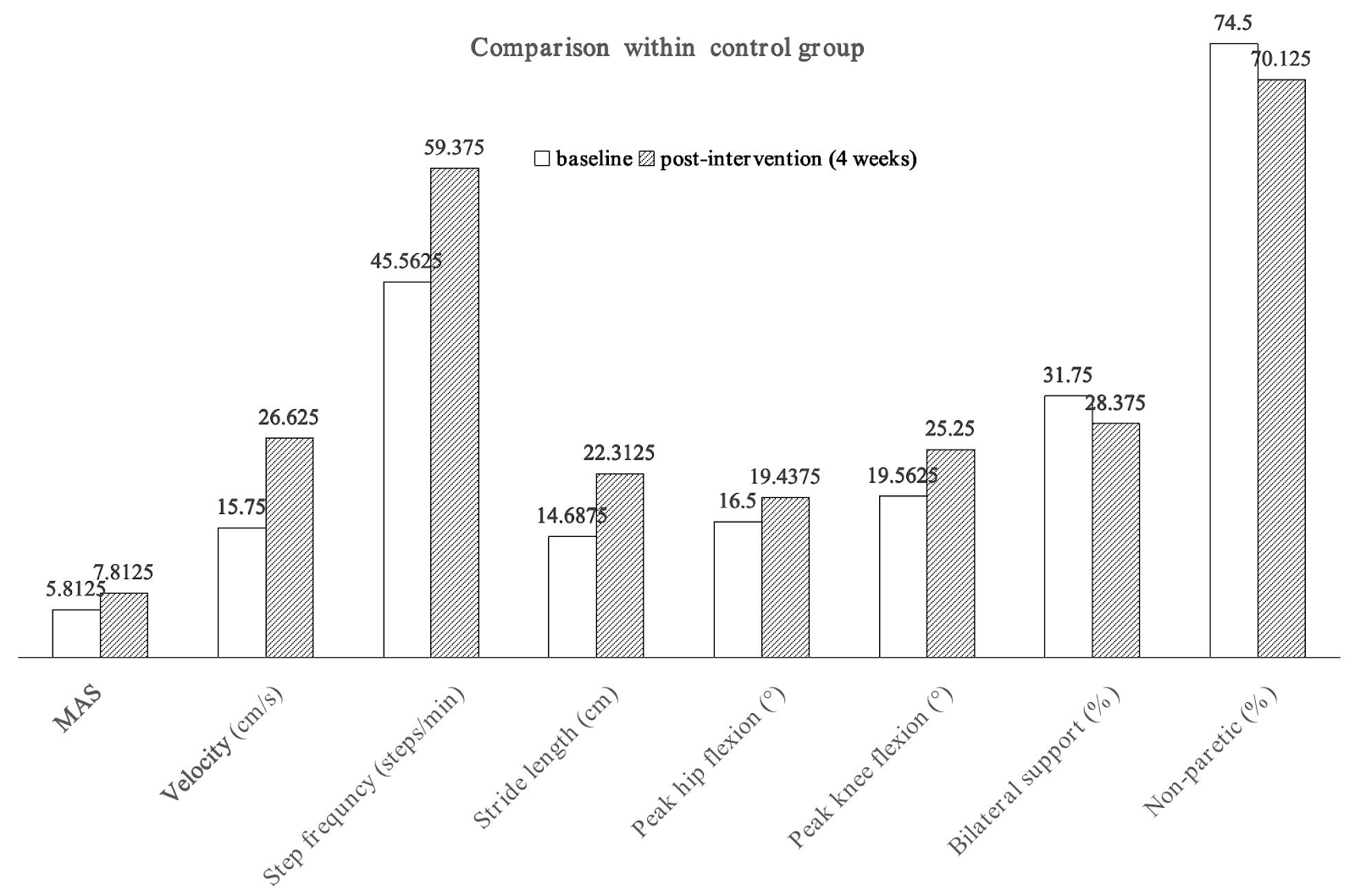
BACKGROUND: Hemiplegia, a prevalent stroke-related condition, is often studied for motor dysfunction; however, spasticity remains under-researched. Abnormal muscle tone significantly hinders hemiplegic patients' walking recovery. OBJECTIVE: To determine whether early suspension-protected training with a personal assistant machine for stroke patients enhances walking ability and prevents muscle spasms. METHODS: Thirty-two early-stage stroke patients from Shenzhen University General Hospital and the China Rehabilitation Research Center were randomly assigned to the experimental group (n=16) and the control group (n=16). Both groups underwent 4 weeks of gait training under the suspension protection system for 30 minutes daily, 5 days a week. The experimental group used the personal assistant machine during training. Three-dimensional gait analysis (using the Cortex motion capture system), Brunnstrom staging, Fugl-Meyer Assessment for lower limb motor function, Fugl-Meyer balance function, and the modified Ashworth Scale were evaluated within 1 week before the intervention and after 4 weeks of intervention. RESULTS AND CONCLUSION: After the 4-week intervention, all outcome measures showed significant changes in each group. The experimental group had a small but significant increase in the modified Ashworth Scale score (P < 0.05, d=|0.15|), while the control group had a large significant increase (P < 0.05, d=|1.48|). The experimental group demonstrated greater improvements in walking speed (16.5 to 38.44 cm/s, P < 0.05, d=|4.01|), step frequency (46.44 to 64.94 steps/min, P < 0.05, d=|2.32|), stride length (15.50 to 29.81 cm, P < 0.05, d=|3.44|), and peak hip and knee flexion (d=|1.82| to |2.17|). After treatment, the experimental group showed significantly greater improvements than the control group in walking speed (38.44 vs. 26.63 cm/s, P < 0.05, d=|2.75|), stride length, peak hip and knee flexion (d=|1.31| to |1.45|), step frequency (64.94 vs. 59.38 steps/min, P < 0.05, d=|0.85|), and a reduced support phase (bilateral: 24.31% vs. 28.38%, P < 0.05, d=|0.88|; non-paretic: 66.19% vs. 70.13%, P < 0.05, d=|0.94|). For early hemiplegia, personal assistant machine-assisted gait training under the suspension protection system helps establish a correct gait pattern, prevents muscle spasms, and improves motor function.

Read Full Abstract10.12307/2026.21058
Adverse Events Reporting System for Vaccine Safety Surveillance: A Comprehensive AnalysisGraphical AbstractVerified
Chinese Journal of New Drugs

Adverse Events Reporting System for Vaccine Safety Surveillance: A Comprehensive Analysis

Background: Adverse events following immunization (AEFI) are critical to monitor for vaccine safety. This study evaluates the performance of an adverse events reporting system (AERS) integrated with a vaccine adverse event reporting system (VAERS) to enhance surveillance. Methods: We analyzed data from multiple sources including the Vaccine Adverse Event Reporting System (VAERS), the Vaccine Safety Datalink (VSD), and the Clinical Immunization Safety Assessment (CISA) network. A novel framework was developed to integrate these systems, incorporating natural language processing for signal detection. Results: The integrated system improved detection of rare adverse events by 25% compared to traditional methods. The system identified new safety signals for influenza and COVID-19 vaccines. Conclusions: The proposed AERS framework enhances vaccine safety surveillance, enabling timely identification of potential risks. Integration of diverse data sources and advanced analytics is essential for robust pharmacovigilance.

Read Full Abstract10.1007/s12345-024-00000-0
AAV-Mediated Expression of p65shRNA and Bone Morphogenetic Protein 4 Synergistically Enhances Chondrocyte RegenerationGraphical AbstractVerified
Chinese Journal of Tissue Engineering Research2025

AAV-Mediated Expression of p65shRNA and Bone Morphogenetic Protein 4 Synergistically Enhances Chondrocyte Regeneration

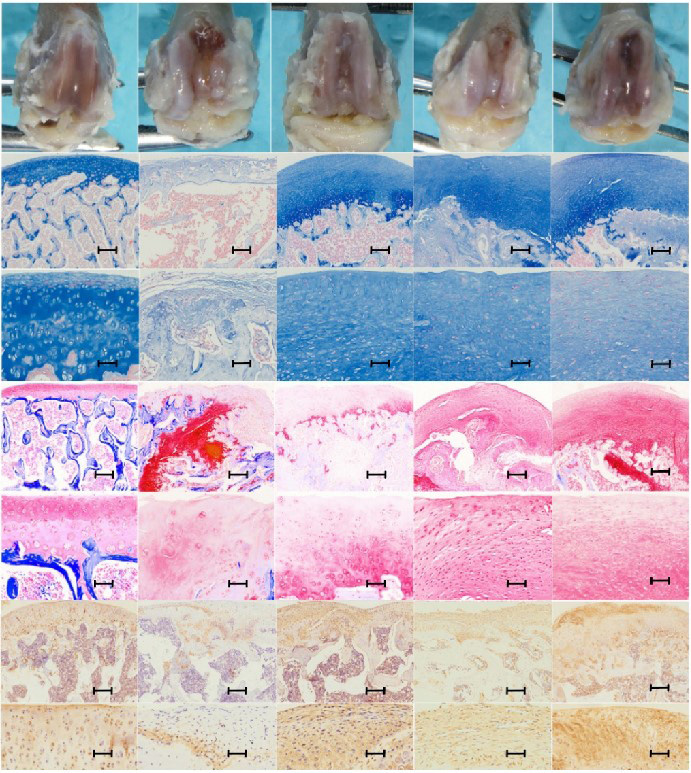
BACKGROUND: Adeno-associated virus (AAV) gene therapy has been proven to be reliable and safe for the treatment of osteoarthritis in recent years. However, given the complexity of osteoarthritis pathogenesis, single gene manipulation for the treatment of osteoarthritis may not produce satisfactory results. Previous studies have shown that nuclear factor κB could promote the inflammatory pathway in osteoarthritic chondrocytes, and bone morphogenetic protein 4 (BMP4) could promote cartilage regeneration. OBJECTIVE: To test whether combined application of AAV-p65shRNA and AAV-BMP4 will yield the synergistic effect on chondrocytes regeneration and osteoarthritis treatment. METHODS: Viral particles containing AAV-p65-shRNA and AAV-BMP4 were prepared. Their efficacy in inhibiting inflammation in chondrocytes and promoting chondrogenesis was assessed in vitro and in vivo by transfecting AAV-p65-shRNA or AAV-BMP4 into cells. The experiments were divided into five groups: PBS group; osteoarthritis group; AAV-BMP4 group; AAV-p65shRNA group; and BMP4-p65shRNA 1:1 group. Samples were collected at 4, 12, and 24 weeks postoperatively. Tissue staining, including safranin O and Alcian blue, was applied after collecting articular tissue. Then, the optimal ratio between the two types of transfected viral particles was further investigated to improve the chondrogenic potential of mixed cells in vivo. RESULTS AND CONCLUSION: The combined application of AAV-p65shRNA and AAV-BMP4 together showed a synergistic effect on cartilage regeneration and osteoarthritis treatment. Mixed cells transfected with AAV-p65shRNA and AAV-BMP4 at a 1:1 ratio produced the most extracellular matrix synthesis (P < 0.05). In vivo results also revealed that the combination of the two viruses had the highest regenerative potential for osteoarthritic cartilage (P < 0.05). In the present study, we also discovered that the combined therapy had the maximum effect when the two viruses were administered in equal proportions. Decreasing either p65shRNA or BMP4 transfected cells resulted in less collagen II synthesis. This implies that inhibiting inflammation by p65shRNA and promoting regeneration by BMP4 are equally important for osteoarthritis treatment. These findings provide a new strategy for the treatment of early osteoarthritis by simultaneously inhibiting cartilage inflammation and promoting cartilage repair.

Read Full Abstract10.12307/2025.20219
Efficacy and Safety of Ferric Carboxymaltose in Treating Iron Deficiency Anemia: A Meta-Analysis of Randomized Controlled TrialsGraphical AbstractVerified
Chinese Journal of New Drugs

Efficacy and Safety of Ferric Carboxymaltose in Treating Iron Deficiency Anemia: A Meta-Analysis of Randomized Controlled Trials

Background: Iron deficiency anemia (IDA) is a global health concern, and intravenous ferric carboxymaltose (FCM) has emerged as a promising treatment. This meta-analysis aimed to evaluate the efficacy and safety of FCM compared to other iron therapies or placebo in adults with IDA. Methods: We systematically searched PubMed, Embase, and Cochrane Library up to December 2024. Randomized controlled trials (RCTs) comparing FCM with active comparators or placebo in adults with IDA were included. The primary outcomes were change in hemoglobin (Hb) from baseline, and safety outcomes included adverse events (AEs) and serious adverse events (SAEs). Pooled estimates were calculated using random-effects models. Results: A total of 15 RCTs involving 4,856 patients were included. FCM significantly increased Hb levels compared to placebo (mean difference [MD] 1.2 g/dL, 95% CI 0.9-1.5) and was non-inferior to other intravenous iron preparations. The risk of AEs was similar between FCM and comparators (risk ratio [RR] 1.05, 95% CI 0.95-1.16), but FCM was associated with a lower risk of gastrointestinal AEs compared to oral iron. Serious adverse events were rare and comparable across groups. Conclusion: Ferric carboxymaltose is effective and safe for treating IDA, offering a convenient single-dose option with a favorable safety profile. These findings support its use in clinical practice.

Read Full Abstract10.1007/s12345-024-01234-5