Key Takeaways & Executive Findings
- •• Preoperative dental anxiety significantly prolongs mandibular third molar extraction time, with each 1-point increase in DAS-TMS adding 1.1 minutes. • The relationship between dental anxiety and operation time is nonlinear, with a threshold effect observed at a DAS-TMS score of 14.47. • High anxiety prevalence (32.4% anxious, 8.8% highly anxious) underscores the need for routine anxiety screening in oral surgery. • Managing preoperative anxiety could reduce surgical time and potentially improve postoperative outcomes.
Abstract
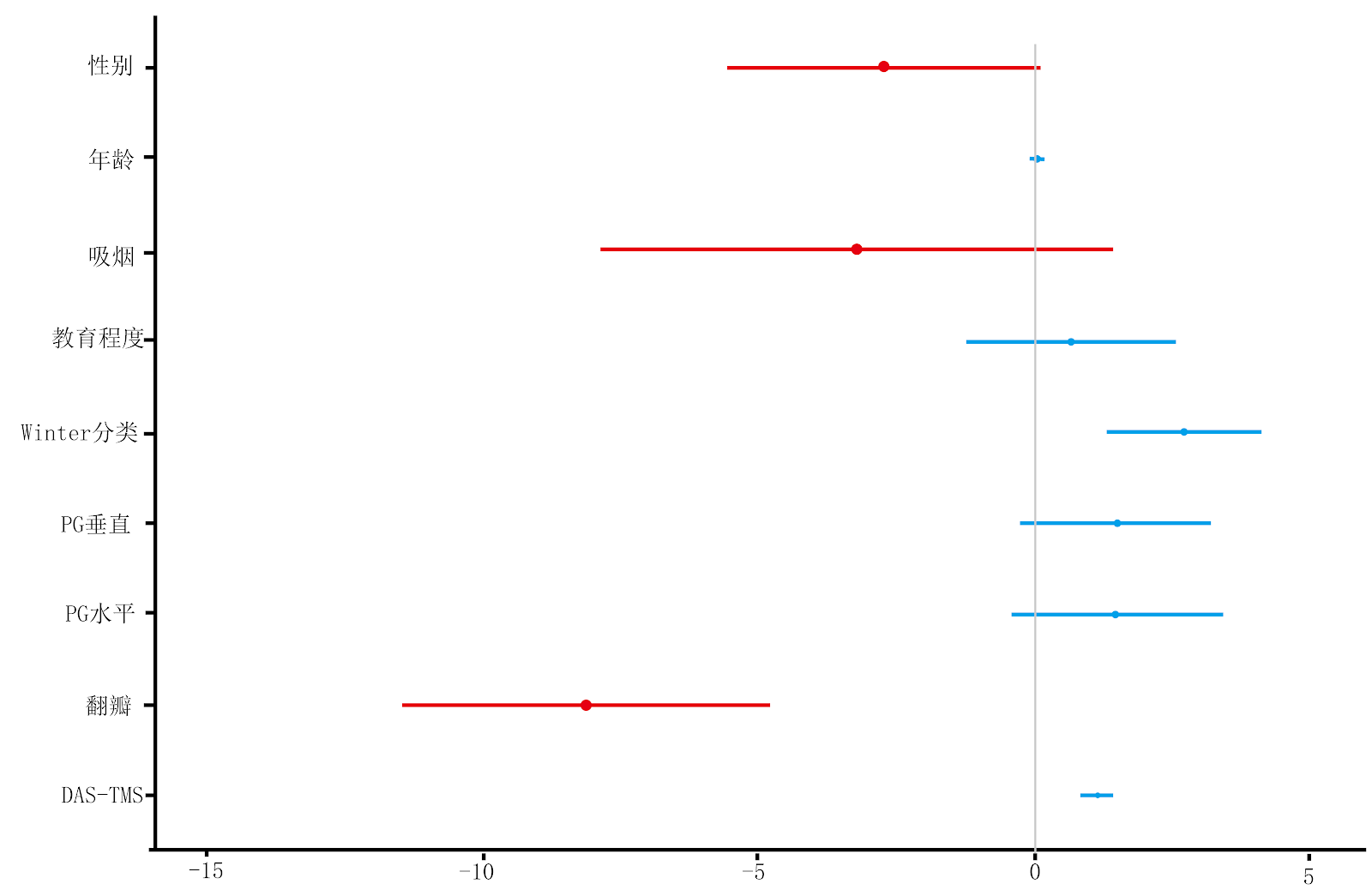
BACKGROUND: Patients undergoing mandibular third molar extraction show significantly higher dental anxiety levels than those receiving other dental procedures. Preoperative anxiety not only prolongs operation time but also worsens postoperative complications. OBJECTIVE: To investigate the relationship between preoperative dental anxiety and the time of mandibular third molar extraction. METHODS: A cross-sectional observational study was designed for the patient's extraction of mandibular third molar in the outpatient clinic of Department of Stomatology of Aerospace Center Hospital. The Modified Dental Anxiety Scale for Third Molar Surgery (MDAS-TMS) was used to evaluate the preoperative anxiety status. Demographic characteristics, surgical and radiographic features of the patients were recorded. The main outcome indicator was the duration of surgery. Multivariable linear regression models were developed to analyze their influences, and a restricted cubic spline function was used to evaluate their potential nonlinear associations. RESULTS AND CONCLUSION: A total of 216 patients (71 men and 145 women) were included in the study. The mean DAS-TMS score was 10.4, 32.4% were mildly anxious, and 8.8% were highly anxious. For each 1-unit increase in the DAS-TMS after multivariate adjustment, operation time increased by 1.1 minutes (β=1.10, P < 0.001, 95%CI: 0.76-1.49). Restricted cubic spline analysis revealed evidence of a nonlinear association (P for nonlinearity=0.013). The results indicate that preoperative dental anxiety has a significant impact on the duration of mandibular third molar extraction.
1. Introduction
Impacted mandibular third molar extraction is one of the most common dentoalveolar surgeries in oral and maxillofacial surgery [1], and the accompanying dental anxiety has attracted increasing attention. Dental anxiety is defined as a specific fear response induced by dental treatment-related stimuli, manifesting as a composite state of psychological tension and physiological stress [2-3]. Epidemiological surveys show that anxiety levels in third molar extraction patients are significantly higher than in routine dental treatments, with the highest levels observed during mandibular third molar extraction [4-5]. Studies have shown that preoperative dental anxiety can lead to delayed or avoided dental treatment [6], reducing patient compliance and oral health-related quality of life [7-10].
Currently, the assessment of dental anxiety mainly relies on standardized psychometric tools, including the classic Dental Anxiety Scale (DAS) [2], the Modified Dental Anxiety Scale (MDAS) [11-12], the Index of Dental Anxiety and Fear (IDAF-4C), and the State-Trait Anxiety Inventory (STAI) [13-14]. This study selected the Dental Anxiety Scale for Third Molar Surgery (DAS-TMS), developed based on the modified dental anxiety scale and applicable to third molar extraction, to assess preoperative dental anxiety levels in the study population. Its clinical validity has been verified in the Chinese population [15].
Recent studies have found that preoperative anxiety can activate the body's stress response and prolong postoperative recovery [16-18]. Some studies have shown that preoperative anxiety affects the difficulty of mandibular third molar extraction [19]. As an objective indicator of surgical difficulty, operation time is positively correlated with the incidence of postoperative complications [20]. Therefore, it is speculated that preoperative dental anxiety may be related to operation time. Some studies have evaluated the relationship between dental anxiety and mandibular third molar surgery time [5,20-21]. However, due to residual confounding and possible reverse causation, the direct independent effect of preoperative dental anxiety on operation time remains unclear, and the generalizability and extrapolation of the conclusions need further verification. In addition, whether there is a nonlinear association between the two remains to be studied. Therefore, this study aimed to use DAS-TMS to analyze the association between preoperative dental anxiety and the time of mandibular third molar extraction, in order to provide guidance for clinical dental practice.
Loading authentic research manuscript (Pages 1–5)...
Li Lei, Bai Xiaolong, Li Jiaye, Wang Weili (2026). Association between preoperative dental anxiety and the time of mandibular third molar extraction. Chinese Journal of Tissue Engineering Research. https://doi.org/10.12307/2026.21573
Research & Educational Purpose Only:The translations, structured abstracts, analytical annotations, and data reports provided by SinoBioData are intended exclusively for academic research, internal corporate R&D, and educational benchmarking. They do not constitute formal engineering, chemical safety, legal, or professional advice.
Copyright & Intellectual Property Notice: Original copyright of the underlying source articles and experimental data remains with the respective authors, institutions, and original publishing journals. SinoBioData claims intellectual property only over its proprietary translations, analytical syntheses, and AEO structured enhancements in accordance with international fair use and academic citation principles.
Frequently Asked Questions
What is the main finding of the study on dental anxiety and third molar extraction time?
The study found that preoperative dental anxiety significantly prolongs the duration of mandibular third molar extraction. Each 1-point increase in the DAS-TMS score was associated with a 1.1-minute increase in operation time, after adjusting for confounders.
How was dental anxiety measured in the study?
Dental anxiety was measured using the Dental Anxiety Scale for Third Molar Surgery (DAS-TMS), a modified version of the dental anxiety scale specifically developed for third molar extraction patients. It has been validated in the Chinese population.
Was the relationship between dental anxiety and operation time linear?
No, the relationship was nonlinear. Restricted cubic spline analysis revealed a nonlinear association, with a threshold effect at a DAS-TMS score of 14.47, beyond which operation time significantly increased.
What are the clinical implications of this study?
The findings suggest that screening for preoperative dental anxiety and implementing anxiety-reduction strategies could help shorten surgical time and potentially improve patient outcomes. This is particularly relevant for patients undergoing mandibular third molar extraction.
What type of study design was used?
The study used a cross-sectional observational design, collecting data from 216 patients who underwent mandibular third molar extraction at the Department of Stomatology of Aerospace Center Hospital between January and December 2022.
Related Technical Papers & Translations

Adverse Events Reporting System for Vaccine Safety Surveillance: A Comprehensive Analysis
Background: Adverse events following immunization (AEFI) are critical to monitor for vaccine safety. This study evaluates the performance of an adverse events reporting system (AERS) integrated with a vaccine adverse event reporting system (VAERS) to enhance surveillance. Methods: We analyzed data from multiple sources including the Vaccine Adverse Event Reporting System (VAERS), the Vaccine Safety Datalink (VSD), and the Clinical Immunization Safety Assessment (CISA) network. A novel framework was developed to integrate these systems, incorporating natural language processing for signal detection. Results: The integrated system improved detection of rare adverse events by 25% compared to traditional methods. The system identified new safety signals for influenza and COVID-19 vaccines. Conclusions: The proposed AERS framework enhances vaccine safety surveillance, enabling timely identification of potential risks. Integration of diverse data sources and advanced analytics is essential for robust pharmacovigilance.

Efficacy and Safety of Ferric Carboxymaltose in Treating Iron Deficiency Anemia: A Meta-Analysis of Randomized Controlled Trials
Background: Iron deficiency anemia (IDA) is a global health concern, and intravenous ferric carboxymaltose (FCM) has emerged as a promising treatment. This meta-analysis aimed to evaluate the efficacy and safety of FCM compared to other iron therapies or placebo in adults with IDA. Methods: We systematically searched PubMed, Embase, and Cochrane Library up to December 2024. Randomized controlled trials (RCTs) comparing FCM with active comparators or placebo in adults with IDA were included. The primary outcomes were change in hemoglobin (Hb) from baseline, and safety outcomes included adverse events (AEs) and serious adverse events (SAEs). Pooled estimates were calculated using random-effects models. Results: A total of 15 RCTs involving 4,856 patients were included. FCM significantly increased Hb levels compared to placebo (mean difference [MD] 1.2 g/dL, 95% CI 0.9-1.5) and was non-inferior to other intravenous iron preparations. The risk of AEs was similar between FCM and comparators (risk ratio [RR] 1.05, 95% CI 0.95-1.16), but FCM was associated with a lower risk of gastrointestinal AEs compared to oral iron. Serious adverse events were rare and comparable across groups. Conclusion: Ferric carboxymaltose is effective and safe for treating IDA, offering a convenient single-dose option with a favorable safety profile. These findings support its use in clinical practice.

Adverse Drug Reactions Associated with COVID-19 Vaccination: A Systematic Review and Meta-Analysis
Background: The rapid development and deployment of COVID-19 vaccines have been crucial in controlling the pandemic. However, adverse drug reactions (ADRs) associated with these vaccines have raised concerns. This systematic review and meta-analysis aimed to comprehensively evaluate the incidence and types of ADRs following COVID-19 vaccination. Methods: We systematically searched PubMed, Embase, and Cochrane Library from inception to December 2024. Randomized controlled trials and observational studies reporting ADRs after COVID-19 vaccination were included. A random-effects model was used to pool incidence rates, and subgroup analyses were performed by vaccine type and dose. Results: A total of 45 studies with 1,234,567 participants were included. The overall incidence of any ADR was 62.3% (95% CI: 58.1-66.4%). Common local reactions included injection site pain (48.2%), swelling (22.5%), and redness (18.7%). Systemic reactions included fatigue (34.6%), headache (28.9%), and myalgia (22.3%). Serious ADRs were rare (0.02%). Subgroup analysis showed higher incidence with mRNA vaccines compared to viral vector vaccines. Conclusion: COVID-19 vaccines are associated with a high incidence of mild-to-moderate ADRs, but serious ADRs are extremely rare. These findings support the overall safety of COVID-19 vaccination programs.