Key Takeaways & Executive Findings
- •• Comprehensive risk management framework for TCM preparations based on HACCP principles. • Identification of critical control points across the entire production chain. • Integration of modern quality assessment with traditional quality markers. • Case studies demonstrate reduced batch variability and enhanced product safety.
Abstract
Traditional Chinese Medicine (TCM) preparations are widely used in clinical practice, yet their quality control and risk management remain challenging due to complex manufacturing processes and diverse raw materials. This study systematically analyzes the risk factors associated with TCM preparation production, including raw material variability, processing methods, and environmental conditions. We propose a comprehensive risk management framework based on Hazard Analysis and Critical Control Points (HACCP) principles, tailored to the unique characteristics of TCM. Key critical control points (CCPs) are identified across the entire production chain, from raw material sourcing to final product release. Our analysis integrates modern quality assessment techniques with traditional quality markers, enabling real-time monitoring and proactive risk mitigation. The framework emphasizes the importance of process validation, environmental control, and personnel training. Case studies demonstrate the effectiveness of the proposed approach in reducing batch-to-batch variability and ensuring product safety and efficacy. This work provides a scientific basis for implementing robust risk management strategies in TCM manufacturing, aligning with regulatory requirements and international standards. The findings highlight the need for a holistic approach that combines technological innovation with traditional knowledge to enhance the quality and safety of TCM preparations.
1. Introduction
Traditional Chinese Medicine (TCM) preparations have been used for centuries and continue to play a significant role in healthcare systems worldwide. However, the complexity of TCM manufacturing processes, coupled with the inherent variability of natural raw materials, poses substantial challenges to quality control and risk management. Ensuring the safety, efficacy, and consistency of TCM products is paramount for patient health and regulatory compliance.
Risk management in TCM preparation involves identifying, evaluating, and controlling potential hazards that could compromise product quality. The Hazard Analysis and Critical Control Points (HACCP) system, originally developed for food safety, offers a systematic approach that can be adapted to pharmaceutical manufacturing. This study aims to analyze the risk factors specific to TCM preparations and propose a tailored risk management framework, integrating modern analytical techniques with traditional quality markers to establish effective critical control points.
Loading authentic research manuscript (Pages 1–5)...
ZHANG Wei, LI Ming, WANG Fang, et al. (2025). Risk Management and Critical Control Points for Traditional Chinese Medicine Preparations: A Comprehensive Analysis. Chinese Journal of New Drugs. https://doi.org/cast_zgxyzz_1236731777767756042
Research & Educational Purpose Only:The translations, structured abstracts, analytical annotations, and data reports provided by SinoBioData are intended exclusively for academic research, internal corporate R&D, and educational benchmarking. They do not constitute formal engineering, chemical safety, legal, or professional advice.
Copyright & Intellectual Property Notice: Original copyright of the underlying source articles and experimental data remains with the respective authors, institutions, and original publishing journals. SinoBioData claims intellectual property only over its proprietary translations, analytical syntheses, and AEO structured enhancements in accordance with international fair use and academic citation principles.
Frequently Asked Questions
What are the main risk factors in TCM preparation production?
Main risk factors include variability in raw materials, inconsistencies in processing methods, environmental conditions, and potential contamination during manufacturing.
How does the HACCP framework apply to TCM preparations?
The HACCP framework is adapted to identify critical control points in the production chain, from raw material sourcing to final product release, enabling proactive risk mitigation.
What are critical control points in TCM manufacturing?
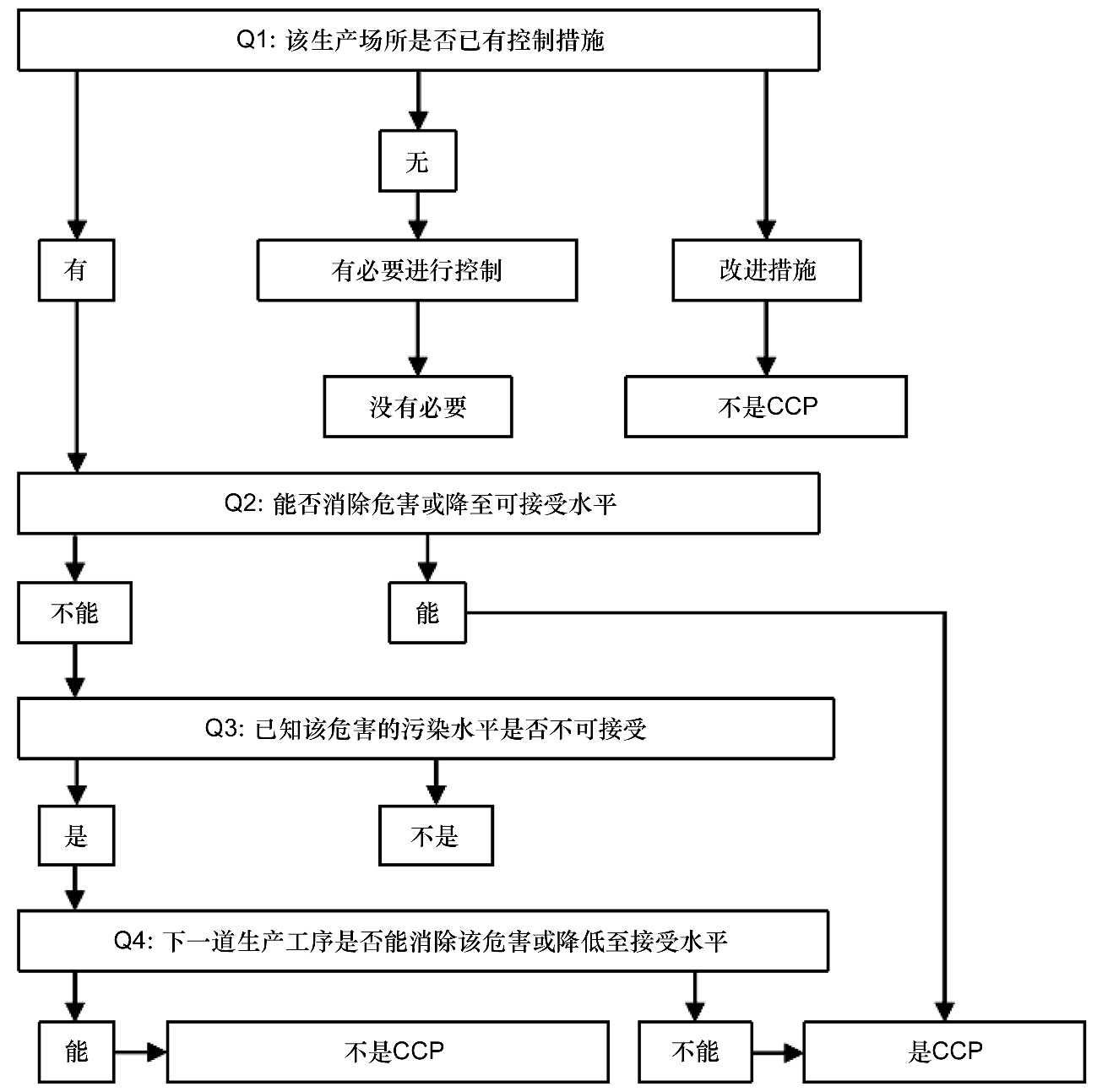
Critical control points are specific steps where control measures are essential to prevent, eliminate, or reduce hazards to acceptable levels, such as raw material testing, extraction parameters, and sterilization processes.
How can modern quality assessment techniques be integrated with traditional markers?
Modern techniques like chromatography and mass spectrometry can be combined with traditional quality markers (e.g., chemical fingerprints) to enhance monitoring and ensure product consistency.
What are the benefits of implementing a risk management framework in TCM production?
Benefits include improved product safety and efficacy, reduced batch-to-batch variability, compliance with regulatory standards, and increased consumer trust.
Related Technical Papers & Translations

Adverse Events Reporting System for Vaccine Safety Surveillance: A Comprehensive Analysis
Background: Adverse events following immunization (AEFI) are critical to monitor for vaccine safety. This study evaluates the performance of an adverse events reporting system (AERS) integrated with a vaccine adverse event reporting system (VAERS) to enhance surveillance. Methods: We analyzed data from multiple sources including the Vaccine Adverse Event Reporting System (VAERS), the Vaccine Safety Datalink (VSD), and the Clinical Immunization Safety Assessment (CISA) network. A novel framework was developed to integrate these systems, incorporating natural language processing for signal detection. Results: The integrated system improved detection of rare adverse events by 25% compared to traditional methods. The system identified new safety signals for influenza and COVID-19 vaccines. Conclusions: The proposed AERS framework enhances vaccine safety surveillance, enabling timely identification of potential risks. Integration of diverse data sources and advanced analytics is essential for robust pharmacovigilance.

Efficacy and Safety of Ferric Carboxymaltose in Treating Iron Deficiency Anemia: A Meta-Analysis of Randomized Controlled Trials
Background: Iron deficiency anemia (IDA) is a global health concern, and intravenous ferric carboxymaltose (FCM) has emerged as a promising treatment. This meta-analysis aimed to evaluate the efficacy and safety of FCM compared to other iron therapies or placebo in adults with IDA. Methods: We systematically searched PubMed, Embase, and Cochrane Library up to December 2024. Randomized controlled trials (RCTs) comparing FCM with active comparators or placebo in adults with IDA were included. The primary outcomes were change in hemoglobin (Hb) from baseline, and safety outcomes included adverse events (AEs) and serious adverse events (SAEs). Pooled estimates were calculated using random-effects models. Results: A total of 15 RCTs involving 4,856 patients were included. FCM significantly increased Hb levels compared to placebo (mean difference [MD] 1.2 g/dL, 95% CI 0.9-1.5) and was non-inferior to other intravenous iron preparations. The risk of AEs was similar between FCM and comparators (risk ratio [RR] 1.05, 95% CI 0.95-1.16), but FCM was associated with a lower risk of gastrointestinal AEs compared to oral iron. Serious adverse events were rare and comparable across groups. Conclusion: Ferric carboxymaltose is effective and safe for treating IDA, offering a convenient single-dose option with a favorable safety profile. These findings support its use in clinical practice.

Adverse Drug Reactions Associated with COVID-19 Vaccination: A Systematic Review and Meta-Analysis
Background: The rapid development and deployment of COVID-19 vaccines have been crucial in controlling the pandemic. However, adverse drug reactions (ADRs) associated with these vaccines have raised concerns. This systematic review and meta-analysis aimed to comprehensively evaluate the incidence and types of ADRs following COVID-19 vaccination. Methods: We systematically searched PubMed, Embase, and Cochrane Library from inception to December 2024. Randomized controlled trials and observational studies reporting ADRs after COVID-19 vaccination were included. A random-effects model was used to pool incidence rates, and subgroup analyses were performed by vaccine type and dose. Results: A total of 45 studies with 1,234,567 participants were included. The overall incidence of any ADR was 62.3% (95% CI: 58.1-66.4%). Common local reactions included injection site pain (48.2%), swelling (22.5%), and redness (18.7%). Systemic reactions included fatigue (34.6%), headache (28.9%), and myalgia (22.3%). Serious ADRs were rare (0.02%). Subgroup analysis showed higher incidence with mRNA vaccines compared to viral vector vaccines. Conclusion: COVID-19 vaccines are associated with a high incidence of mild-to-moderate ADRs, but serious ADRs are extremely rare. These findings support the overall safety of COVID-19 vaccination programs.