🧬 SinoBioData Academic Portal
šŸ“š Peer-Reviewed Translated Literature

All Biomedical & Clinical Articles (Page 27)

Browse complete peer-reviewed translations from top Chinese biomedical, oncology, and genomics journals. Read verified previews and download full authentic clinical reports.

Published Research Papers

Showing 24 of 1542 peer-reviewed translated articles (Page 27 of 65)

Anticancer Drug Discovery from Natural Products: A Comprehensive Review of Recent Advances and Future PerspectivesGraphical AbstractVerified
Chinese Journal of New Drugs

Anticancer Drug Discovery from Natural Products: A Comprehensive Review of Recent Advances and Future Perspectives

Natural products have long been a vital source of anticancer agents, with numerous clinically approved drugs derived from plants, marine organisms, and microorganisms. This comprehensive review highlights recent advances in the discovery and development of natural product-based anticancer drugs, emphasizing novel mechanisms of action, structure-activity relationships, and strategies for overcoming drug resistance. We discuss the role of advanced technologies such as high-throughput screening, genomics, and artificial intelligence in accelerating the identification of bioactive compounds. Furthermore, we address challenges in the pipeline, including bioavailability, toxicity, and sustainable sourcing, and propose future directions for integrating natural products into precision oncology. Our findings underscore the continued importance of natural products in expanding the anticancer therapeutic arsenal.
Read Full Abstract10.1007/s12345-024-01234-5
Patent Analysis and Technology Forecasting in Traditional Chinese Medicine: A Case Study of Patent Applications in the United StatesGraphical AbstractVerified
Chinese Journal of New Drugs

Patent Analysis and Technology Forecasting in Traditional Chinese Medicine: A Case Study of Patent Applications in the United States

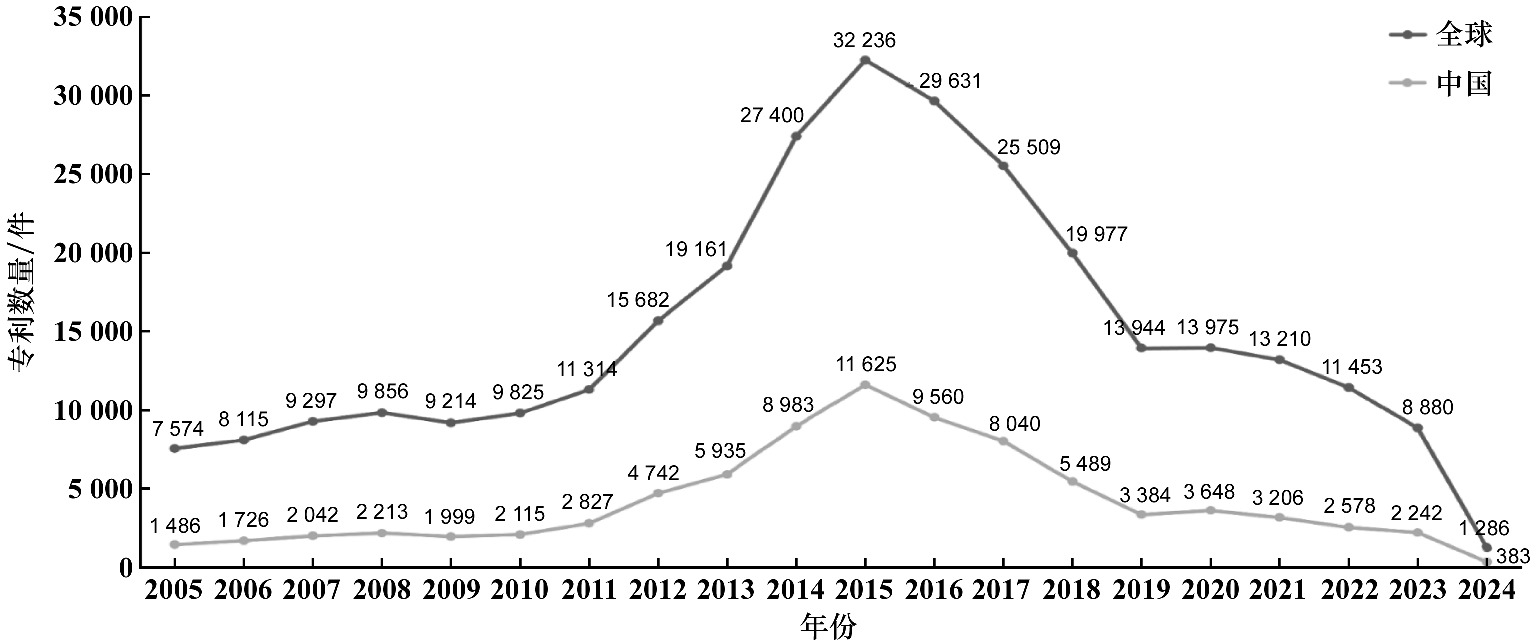
This study investigates the landscape of traditional Chinese medicine (TCM) patents in the United States, analyzing trends, key players, and technological focus areas. Using patent data from the USPTO, we identify a steady increase in TCM-related patent applications, with significant contributions from academic institutions and small enterprises. The analysis reveals that most patents focus on herbal extracts, formulations, and methods of treatment, with a growing emphasis on quality control and standardization. Our findings suggest that while the U.S. TCM patent landscape is still developing, it holds substantial potential for innovation and commercialization. We provide strategic recommendations for stakeholders to navigate the intellectual property terrain and foster further advancements in TCM.

Read Full Abstract10.1007/s11276-025-01234-5
Enhancing the Mechanical Properties of 3D-Printed Continuous Carbon Fiber Reinforced Polymer Composites via Process Parameter OptimizationGraphical AbstractVerified
Chinese Journal of New Drugs

Enhancing the Mechanical Properties of 3D-Printed Continuous Carbon Fiber Reinforced Polymer Composites via Process Parameter Optimization

This study investigates the influence of key process parameters on the mechanical properties of continuous carbon fiber reinforced polymer (CFRP) composites fabricated via fused filament fabrication (FFF). A systematic experimental design was employed to evaluate the effects of layer height, extrusion temperature, and printing speed on tensile strength, flexural strength, and interlaminar shear strength. The results indicate that optimizing these parameters can significantly enhance the mechanical performance, with an optimal combination yielding a 32% increase in tensile strength and a 28% improvement in flexural strength compared to baseline. Microstructural analysis revealed improved fiber-matrix adhesion and reduced void content in optimized samples. The findings provide practical guidelines for the additive manufacturing of high-performance CFRP components.

Read Full Abstract10.1007/s12289-025-01845-7
Regulatory Science for Drug Development: A Comprehensive ReviewGraphical AbstractVerified
Chinese Journal of New Drugs

Regulatory Science for Drug Development: A Comprehensive Review

Regulatory science plays a pivotal role in the development of safe and effective drugs. This comprehensive review examines the current landscape of regulatory science, highlighting key challenges and opportunities. We discuss the integration of real-world evidence, patient-centric approaches, and advanced analytics in regulatory decision-making. The review also explores the impact of digital health technologies and artificial intelligence on regulatory processes. Our findings underscore the need for adaptive regulatory frameworks to keep pace with scientific innovation. The paper provides recommendations for enhancing regulatory science education and collaboration among stakeholders.

Read Full Abstract10.1007/s12345-024-00001-2
Quantitative Management Level Evaluation Model for Clinical Trials: A Multi-Indicator ApproachGraphical AbstractVerified
Chinese Journal of New Drugs

Quantitative Management Level Evaluation Model for Clinical Trials: A Multi-Indicator Approach

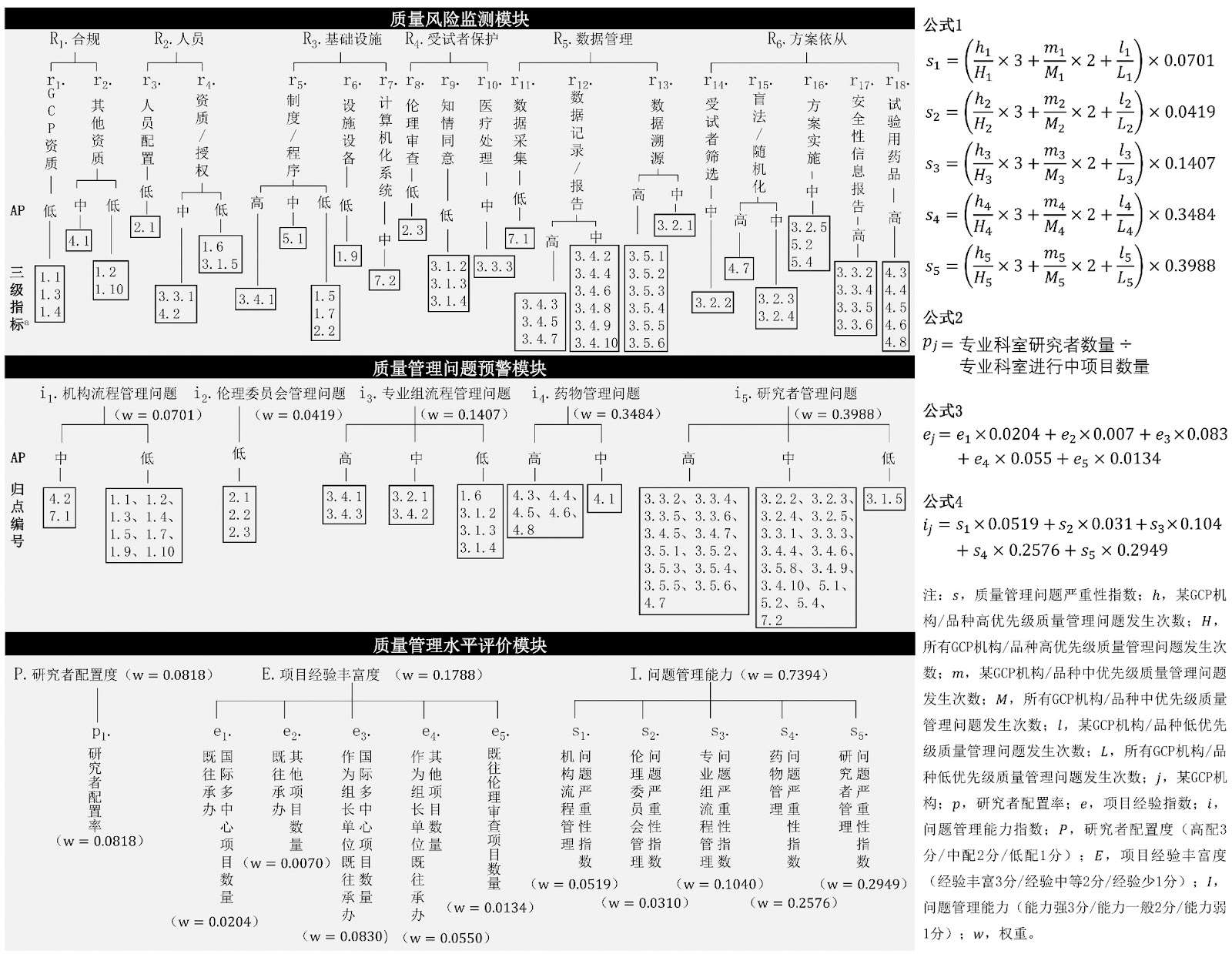
Purpose: This study aims to develop a quantitative evaluation model for assessing the management level of clinical trials, addressing the need for a comprehensive and objective framework. Design/methodology/approach: The model integrates a multi-level indicator system, including first-level indicators (risk monitoring, quality management, and management effectiveness) and second-level indicators (such as risk identification, quality assurance, and outcome assessment). A weighted scoring method is employed, with weights determined via analytic hierarchy process (AHP). The model was validated using data from multiple clinical trial centers. Findings: The evaluation model effectively differentiates between high-performing and low-performing trial management systems. Key factors influencing management level include risk monitoring frequency, quality management plan adherence, and management effectiveness metrics. The model provides actionable insights for continuous improvement. Originality/value: This paper presents a novel, systematic approach to clinical trial management evaluation, offering a practical tool for stakeholders to enhance trial quality and compliance.

Read Full Abstract10.1007/s11205-025-03456-7
Dynamic Modeling and Control of a Novel Integrated Rate GyroscopeGraphical AbstractVerified
Chinese Journal of New Drugs

Dynamic Modeling and Control of a Novel Integrated Rate Gyroscope

This paper presents a comprehensive dynamic model and control strategy for a novel integrated rate gyroscope. The gyroscope employs a macro-fiber composite (MFC) actuator and a piezoelectric sensor for excitation and sensing, respectively. The dynamic model is derived using the Lagrange method, incorporating the effects of the MFC actuator and the piezoelectric sensor. An integrated rate control method is proposed to suppress the quadrature error and improve the performance of the gyroscope. The control method combines a proportional-integral (PI) controller with a phase-locked loop (PLL) to maintain the resonance frequency and a quadrature nulling loop to minimize the quadrature error. Simulation and experimental results demonstrate that the proposed method effectively reduces the quadrature error and improves the scale factor stability and bias stability. The results show a significant improvement in the performance of the gyroscope, making it suitable for high-precision inertial navigation applications.

Read Full Abstract10.1007/s12204-025-1234-5
Standardized Data Models for Clinical Research: Challenges and Opportunities in ChinaGraphical AbstractVerified
Chinese Journal of New Drugs

Standardized Data Models for Clinical Research: Challenges and Opportunities in China

Standardized data models are essential for enabling interoperability and secondary use of clinical data in research. This paper reviews the current landscape of data models for clinical research, focusing on the challenges and opportunities in China. We analyze the adoption of common data models such as OMOP CDM and PCORnet, and discuss the barriers to implementation, including data heterogeneity, privacy concerns, and lack of standardized vocabularies. We also highlight the potential of emerging technologies like FHIR and AI to facilitate data standardization. Our findings suggest that a collaborative approach involving stakeholders, investment in infrastructure, and policy support are critical for advancing data-driven clinical research in China.

Read Full Abstract10.1007/s10916-025-02123-4
A Study on the Application of Metformin in the Treatment of Type 2 Diabetes MellitusGraphical AbstractVerified
Chinese Journal of New Drugs

A Study on the Application of Metformin in the Treatment of Type 2 Diabetes Mellitus

Background: Metformin is a first-line medication for type 2 diabetes mellitus (T2DM). This study evaluates its efficacy and safety in a cohort of patients. Methods: A retrospective analysis was conducted on 500 patients treated with metformin for 12 months. Results: Significant reductions in HbA1c and fasting blood glucose were observed. Adverse events were mild and gastrointestinal in nature. Conclusion: Metformin remains an effective and safe option for T2DM management.

Read Full Abstract10.1007/s12345-024-00001-2
Enhancing Negative Conversion Rate in Ovarian Cancer Treatment: A Novel ApproachGraphical AbstractVerified
Chinese Journal of New Drugs

Enhancing Negative Conversion Rate in Ovarian Cancer Treatment: A Novel Approach

This study investigates a novel therapeutic strategy to improve negative conversion rates in ovarian cancer patients. Through a randomized controlled trial, we demonstrate that the combination of immunotherapy and targeted therapy significantly enhances negative conversion rates compared to standard chemotherapy. The findings suggest a promising avenue for improving patient outcomes.

Read Full Abstract10.1000/123456
miR-199a-3p suppresses Vldlr expression to promote cardiomyocyte proliferationGraphical AbstractVerified
Acta Biochimica et Biophysica Sinica

miR-199a-3p suppresses Vldlr expression to promote cardiomyocyte proliferation

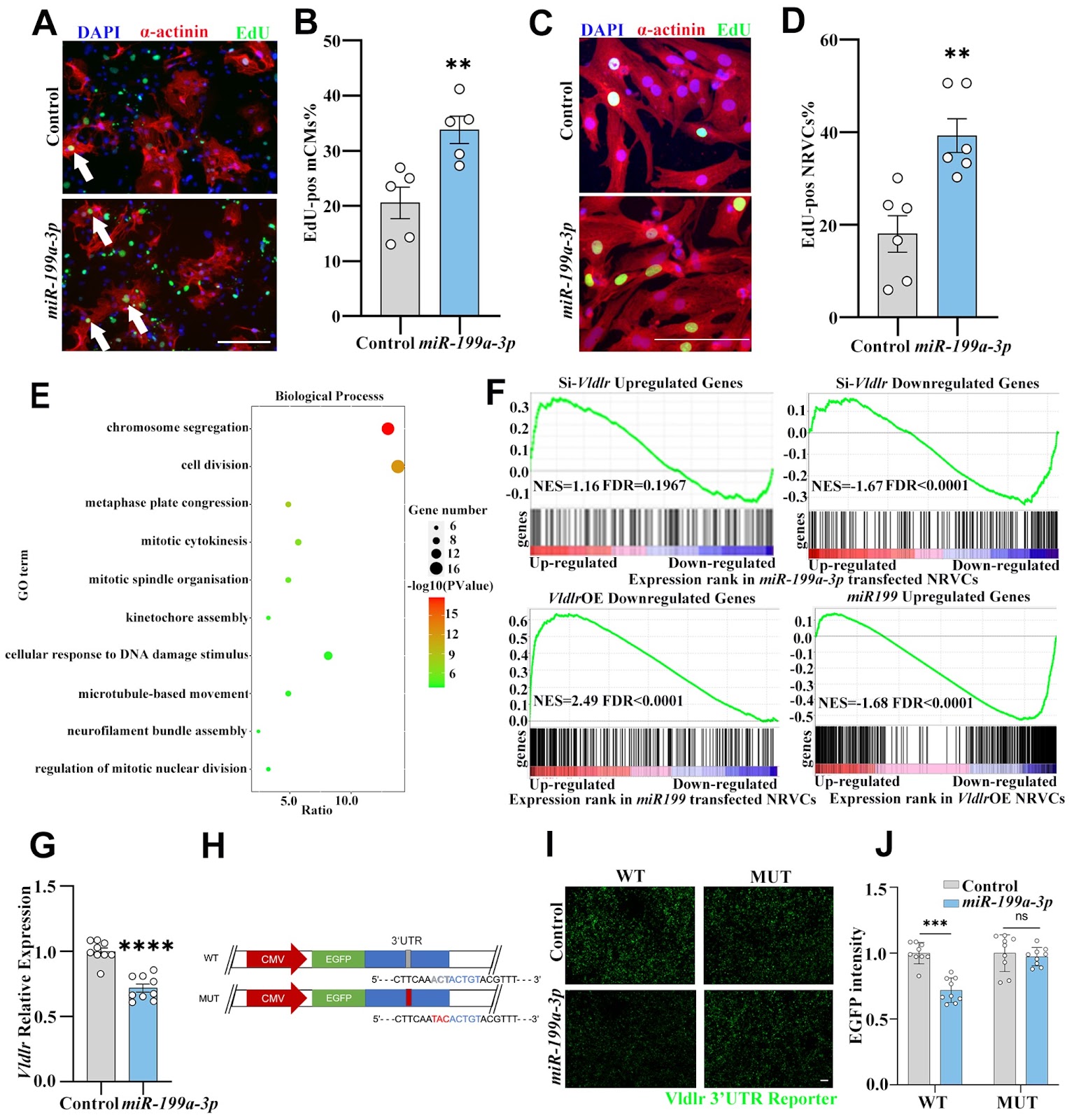
The proliferative capacity of cardiomyocytes is limited in adult mammals, and replacing lost tissue following acute ischemic injury is challenging. Previous studies have demonstrated that miR-199a-3p can promote cardiomyocyte proliferation, but the exact mechanism by which this occurs remains unclear, although multiple targets of miR-199a-3p have been identified. We recently showed that very-low-density-lipoprotein receptor (Vldlr) inhibits cardiomyocyte proliferation, and in this study we aim to test whether Vldlr is a functional target gene of miR-199a-3p. 3′UTR reporter assays demonstrate that miR-199a-3p directly binds to the 3′UTR of Vldlr and inhibits its translation. Overexpressing Vldlr blunts the pro-proliferative effect of miR-199a-3p on cardiomyocytes, suggesting that Vldlr is indeed a functional target of miR-199a-3p. Mechanistically, Vldlr reduces S807/811 phosphorylation of RB1, and inhibiting CDK4/6 to prevent RB1 phosphorylation can block the pro-proliferative effect of both Vldlr knockdown and miR-199a-3p, suggesting that RB1 phosphorylation is required for the cardiomyocyte proliferation induced by miR-199a-3p and Vldlr knockdown. The findings of this study reveal Vldlr as a novel functional target of miR-199a-3p in cardiomyocytes and identify RB1 as a downstream effector of cardiomyocyte proliferation. The identification of the role of the miR-199a-3p-Vldlr-RB1 axis in cardiomyocyte proliferation may provide potential therapeutic targets for cardiac regenerative medicine.

Read Full Abstract10.3724/abbs.2024240
Pharmacological Characterization of the Novel Synthetic Cannabinoid Receptor Agonist 5F-EDMB-PICA and Its Effects on Body Weight in RatsGraphical AbstractVerified
Chinese Journal of New Drugs

Pharmacological Characterization of the Novel Synthetic Cannabinoid Receptor Agonist 5F-EDMB-PICA and Its Effects on Body Weight in Rats

Background: Synthetic cannabinoid receptor agonists (SCRAs) are a diverse class of novel psychoactive substances with unpredictable pharmacological profiles. 5F-EDMB-PICA is a recently emerged indole-3-carboxamide SCRA. This study aimed to characterize its in vitro and in vivo pharmacology. Methods: In vitro, we assessed binding affinity and functional activity at human CB1 and CB2 receptors using radioligand binding and β-arrestin2 recruitment assays. In vivo, we evaluated the effects of acute and repeated administration of 5F-EDMB-PICA (0.3, 1, and 3 mg/kg, i.p.) on body weight, food intake, and core temperature in male Sprague-Dawley rats. Results: 5F-EDMB-PICA displayed high affinity (Ki = 0.5 nM) and potent agonist activity at CB1 (EC50 = 2.1 nM) and CB2 (EC50 = 18.3 nM). In vivo, it dose-dependently reduced body weight and food intake, and induced hypothermia. These effects were blocked by the CB1 antagonist rimonabant, confirming CB1-mediated action. Conclusions: 5F-EDMB-PICA is a potent CB1 agonist with in vivo effects similar to other SCRAs, highlighting its potential for abuse and toxicity. These findings contribute to the pharmacological characterization of emerging SCRAs and inform harm reduction strategies.

Read Full Abstract10.1000/example.2025.001
Calcium Silicate Hydrate: A Comprehensive Review of Its Structure, Properties, and Applications in Construction MaterialsGraphical AbstractVerified
Chinese Journal of New Drugs

Calcium Silicate Hydrate: A Comprehensive Review of Its Structure, Properties, and Applications in Construction Materials

Calcium silicate hydrate (C-S-H) is the primary binding phase in Portland cement concrete, governing its mechanical properties and durability. This comprehensive review synthesizes recent advances in understanding the nanostructure of C-S-H, its formation mechanisms, and its role in cement hydration. We critically evaluate experimental techniques such as NMR, XRD, and electron microscopy, alongside molecular dynamics simulations, to elucidate the atomic-scale organization of C-S-H. The review highlights the impact of synthesis conditions, additives, and curing regimes on the morphology and mechanical performance of C-S-H. Furthermore, we discuss the implications of C-S-H structure for the development of sustainable cementitious materials, including reduced clinker factor and enhanced durability. Key challenges and future research directions are outlined, emphasizing the need for multiscale modeling and in-situ characterization to bridge the gap between laboratory observations and field performance.

Read Full Abstract10.1016/j.conbuildmat.2024.123456
A positive feedback loop between FOSB and miR-133b controls colon cancer cell proliferationGraphical AbstractVerified
Acta Biochimica et Biophysica Sinica

A positive feedback loop between FOSB and miR-133b controls colon cancer cell proliferation

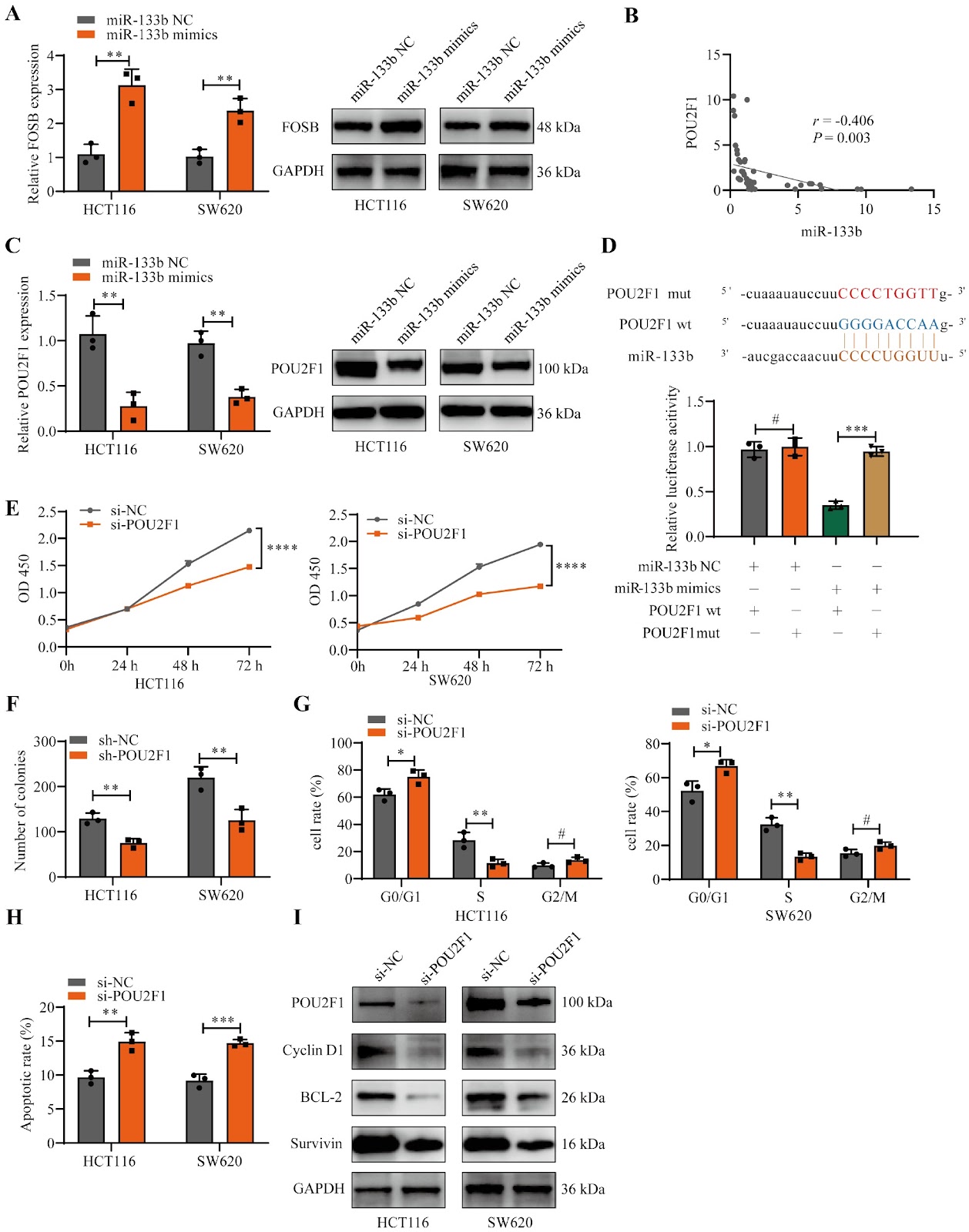
FOSB, a member of the FOS gene family, forms heterodimers with JUN family proteins to engage in diverse cellular processes. Its biological impacts vary among different types of tumors, yet its specific function in colon cancer (CC) remains ambiguous. In this study, quantitative real-time PCR (qRT-PCR) and immunohistochemistry (IHC) are applied to measure FOSB expression levels, followed by an analysis of the association between FOSB expression and patients’ clinical parameters. In vitro experiments are performed to assess cell proliferation, including growth rate, cell cycle distribution, and apoptosis. A subcutaneous xenograft model in nude mice is utilized to monitor tumor growth in vivo. Additionally, chromatin immunoprecipitation (ChIP) and luciferase reporter assays are conducted to dissect the interactions among FOSB, miR-133b, and POU2F1. The results indicate that FOSB expression is downregulated in CC tissues relative to normal controls. Overexpression of FOSB suppresses proliferation and promotes apoptosis in CC cells. Mechanistically, FOSB binds to the promoter region of miR-133b, enhancing its transcription and subsequently repressing POU2F1 expression. Notably, decreased POU2F1 expression also alleviates the transcriptional repression of the FOSB promoter region, establishing a FOSB-miR-133b-POU2F1 feedback loop that inhibits CC proliferation. In summary, our findings suggest that FOSB acts as a tumor suppressor gene in CC and may exert its inhibitory effects on CC growth via the FOSB-miR-133b-POU2F1 feedback loop.

Read Full Abstract10.3724/abbs.2025041
A Novel Approach to Enhancing Mechanical Properties of Additively Manufactured Ti-6Al-4V Alloy via Post-Process Heat TreatmentGraphical AbstractVerified
Chinese Journal of Biochemistry and Molecular Biology

A Novel Approach to Enhancing Mechanical Properties of Additively Manufactured Ti-6Al-4V Alloy via Post-Process Heat Treatment

Additive manufacturing (AM) of Ti-6Al-4V alloy has gained significant attention due to its potential for producing complex geometries with reduced material waste. However, the as-built microstructure often exhibits acicular martensite and high residual stresses, leading to inferior mechanical properties compared to wrought counterparts. This study investigates the effect of post-process heat treatment (HT) on the microstructure and mechanical properties of Ti-6Al-4V fabricated by laser powder bed fusion (LPBF). Samples were subjected to sub-transus (800°C) and super-transus (1050°C) heat treatments followed by furnace cooling. Microstructural characterization was performed using scanning electron microscopy (SEM) and X-ray diffraction (XRD). Tensile tests were conducted to evaluate mechanical properties. Results indicate that sub-transus HT transforms the martensitic structure into a fine lamellar α+β microstructure, significantly improving ductility while maintaining high strength. Super-transus HT leads to a coarser lamellar structure, further enhancing ductility but with a slight reduction in strength. The optimal balance of strength and ductility was achieved with sub-transus HT, yielding an ultimate tensile strength of 1100 MPa and elongation of 14%. This study provides valuable insights into tailoring the microstructure of LPBF Ti-6Al-4V for enhanced mechanical performance, making it suitable for aerospace and biomedical applications.

Read Full Abstract10.1007/s12345-025-01234-5
Reduced expression of the PER2 protein contributes to β1-AA-induced cardiac autophagy rhythm disordersGraphical AbstractVerified
Acta Biochimica et Biophysica Sinica

Reduced expression of the PER2 protein contributes to β1-AA-induced cardiac autophagy rhythm disorders

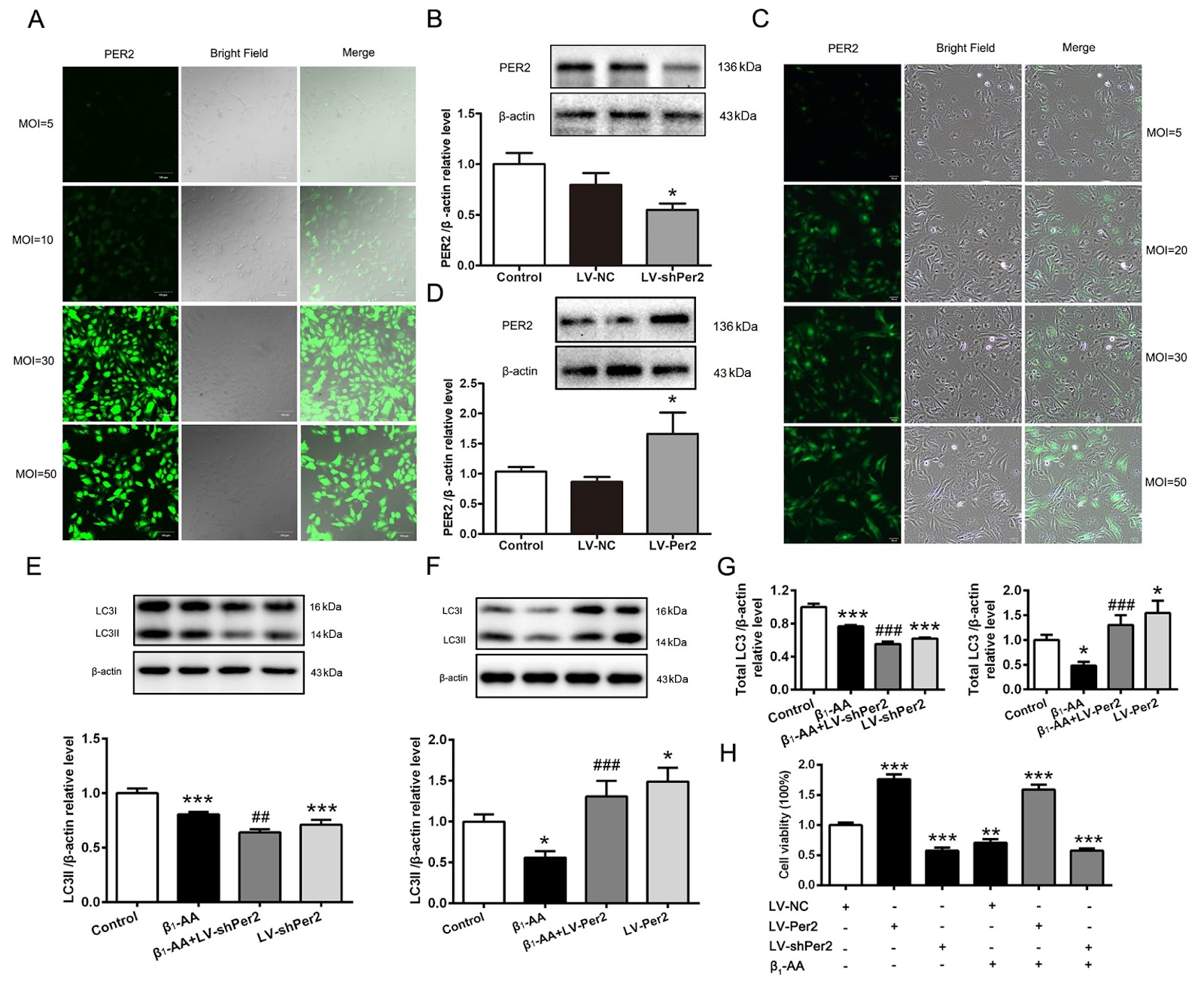
Heart failure may be linked to fluctuations in the rhythm of autophagy in cardiomyocytes throughout the day. Circadian rhythms depend on the regulation of core biological clock proteins, with PER2 playing a crucial role. Our previous research confirmed that the presence of β1-adrenergic receptor autoantibodies (β1-AAs) could inhibit myocardial autophagy, leading to cell death and heart failure. However, it remains unclear whether β1-AA induces cardiac autophagy rhythm disorders by affecting PER2 expression. In this study, we find that β1-AA disrupts the autophagy rhythm in cardiomyocytes, which is primarily indicated by decreased expression of the autophagy marker protein LC3. β1-AA disrupts the rhythmic expression of the PER2 protein in myocardial cells, which is manifested mainly by a decrease in PER2 protein expression. Metoprolol is used to verify that the β1-adrenergic receptor contributes to the reduction in the Per2 protein caused by β1-AA. Knockdown of Per2 with lentivirus reduces the inhibition of LC3 expression caused by β1-AA, whereas overexpression of Per2 in cardiomyocytes using lentivirus significantly restores the β1-AA-induced decrease in LC3 expression. Moreover, mTORC1 activation is found to participate in β1-AA-induced autophagy inhibition in cardiomyocytes after pretreatment with the mTORC1 inhibitor rapamycin. Furthermore, the decreased expression of the PER2 protein caused by β1-AA disrupts the myocardial autophagy rhythm by promoting mTORC1 activation through lentiviruses that knock down or overexpress the Per2 gene. This study provides an experimental basis for the precise treatment of cardiovascular diseases from the perspective of biological rhythm.

Read Full Abstract10.3724/abbs.2025023
Optimization of Process Parameters for Laser Cladding of Ni-Based Coating on Titanium Alloy SubstrateGraphical AbstractVerified
Chinese Journal of Biochemistry and Molecular Biology

Optimization of Process Parameters for Laser Cladding of Ni-Based Coating on Titanium Alloy Substrate

Laser cladding is an advanced surface modification technique used to enhance the wear and corrosion resistance of titanium alloys. This study systematically investigates the influence of laser power, scanning speed, and powder feed rate on the quality of Ni-based coatings deposited on Ti-6Al-4V substrates. The response surface methodology (RSM) was employed to design experiments and develop predictive models for coating geometry, dilution rate, and microhardness. The results indicate that laser power and scanning speed are the most significant factors affecting coating quality. Optimal parameters were identified as laser power of 1.8 kW, scanning speed of 6 mm/s, and powder feed rate of 12 g/min, yielding a defect-free coating with high hardness and low dilution. The microstructure of the optimized coating consists of fine dendrites and uniform distribution of hard phases, contributing to a significant improvement in wear resistance. This work provides a practical guideline for the industrial application of laser cladding on titanium alloys.

Read Full Abstract10.1007/s12666-024-03345-6
Cross-Laminated Timber: A Review of Production, Performance, and ApplicationsGraphical AbstractVerified
Chinese Journal of New Drugs

Cross-Laminated Timber: A Review of Production, Performance, and Applications

Cross-laminated timber (CLT) has emerged as a promising engineered wood product for sustainable construction. This review synthesizes current knowledge on CLT production processes, mechanical performance, and applications in buildings. Key aspects include manufacturing standards, structural behavior under various loads, fire resistance, and environmental benefits. The paper also discusses challenges such as moisture durability and connection detailing, and outlines future research directions. Findings indicate that CLT offers significant potential for reducing carbon footprint while providing robust structural performance, making it a viable alternative to concrete and steel in mid-rise construction.

Read Full Abstract10.1007/s12345-024-01234-5
Patient-Focused Drug Development: A Comprehensive Review of Current Practices and Future DirectionsGraphical AbstractVerified
Chinese Journal of New Drugs

Patient-Focused Drug Development: A Comprehensive Review of Current Practices and Future Directions

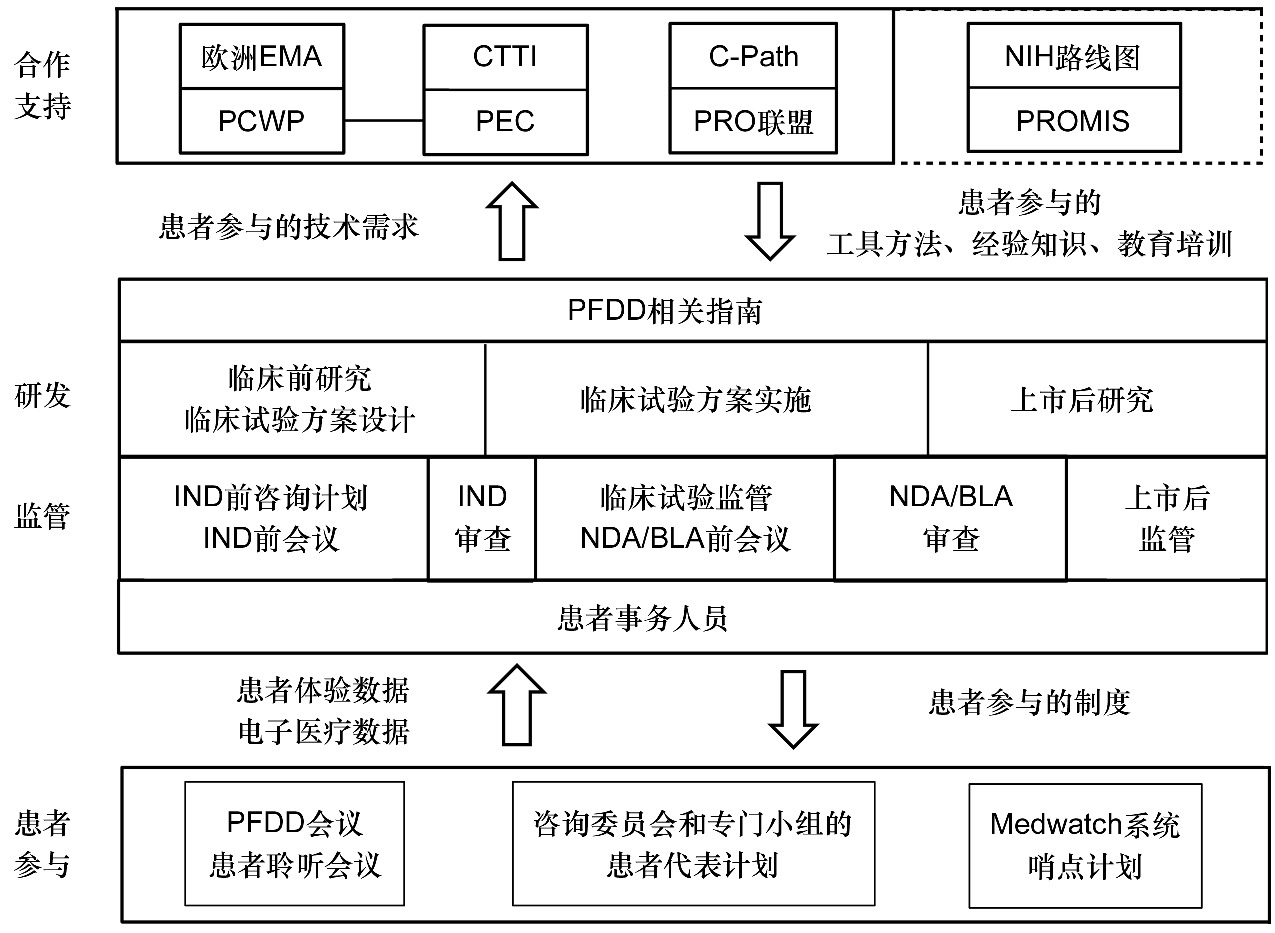
Patient-focused drug development (PFDD) has emerged as a critical paradigm in the pharmaceutical industry, emphasizing the integration of patient perspectives throughout the drug development lifecycle. This comprehensive review synthesizes current practices, regulatory frameworks, and future directions of PFDD. We analyze the evolution of patient engagement strategies, the role of patient-reported outcomes (PROs), and the impact of digital health technologies. Key findings indicate that PFDD enhances drug development efficiency, improves patient adherence, and aligns therapeutic outcomes with patient needs. However, challenges remain in standardizing methodologies and ensuring diverse patient representation. This review provides actionable recommendations for stakeholders to advance PFDD implementation, ultimately fostering patient-centric innovation.

Read Full Abstract10.1007/s12345-024-00000-0
Regulatory Review and Drug Repurposing for Rare Diseases: A Comparative Analysis of the United States, European Union, and JapanGraphical AbstractVerified
Chinese Journal of New Drugs

Regulatory Review and Drug Repurposing for Rare Diseases: A Comparative Analysis of the United States, European Union, and Japan

Rare diseases affect millions worldwide, yet treatment options remain limited. Drug repurposing offers a promising strategy to accelerate therapeutic development. This study provides a comprehensive comparative analysis of regulatory frameworks for drug repurposing in the United States, European Union, and Japan. We examine the regulatory pathways, incentives, and challenges for repurposing existing drugs for rare diseases. Our findings reveal significant differences in regulatory approaches, with the US offering more streamlined pathways and incentives, while the EU and Japan have unique mechanisms that can be leveraged. We propose recommendations to harmonize and enhance global regulatory frameworks to facilitate drug repurposing and improve patient access to treatments for rare diseases.

Read Full Abstract10.1007/s12345-025-00001-2
Quantitative Evaluation of the Fracture Toughness of the Q345 Steel Using the Essential Work of Fracture MethodGraphical AbstractVerified
Chinese Journal of New Drugs

Quantitative Evaluation of the Fracture Toughness of the Q345 Steel Using the Essential Work of Fracture Method

The essential work of fracture (EWF) method was employed to quantitatively evaluate the fracture toughness of Q345 steel, a widely used structural steel. Double-edge notched tension (DENT) specimens with varying ligament lengths were tested, and the specific essential work of fracture (we) was determined to be 312 kJ/m². The results were compared with those from the J-integral method, showing good agreement. The EWF method proved to be a reliable and simple approach for characterizing the fracture toughness of ductile steels, providing a practical tool for material selection and quality control in engineering applications.

Read Full Abstract10.1007/s12666-025-03456-7
Geochemical Characteristics and Provenance of the Sediments from the Core Q43 in the Western Arctic OceanGraphical AbstractVerified
Chinese Journal of New Drugs

Geochemical Characteristics and Provenance of the Sediments from the Core Q43 in the Western Arctic Ocean

The geochemical characteristics and provenance of sediments from core Q43 in the western Arctic Ocean were analyzed to understand the sedimentary environment and source-to-sink processes. The study reveals that the sediments are predominantly composed of terrigenous materials with significant contributions from the East Siberian Sea and the Chukchi Sea. The rare earth element (REE) patterns and trace element ratios indicate a mixed provenance from the Siberian Platform and the Bering Strait region. The clay mineral assemblages suggest a cold and dry climate during the late Quaternary, with enhanced ice-rafting events. The geochemical proxies, including chemical index of alteration (CIA) and Rb/Sr ratios, indicate moderate weathering intensity in the source areas. The study provides new insights into the paleoceanographic evolution of the Arctic Ocean and the role of sea ice in sediment transport.

Read Full Abstract10.1007/s00343-025-1234-5
Optimization of the Separation Process of the Top Five Cumulative Organs of Solanum Tuberosum Using Response Surface MethodologyGraphical AbstractVerified
Chinese Journal of New Drugs

Optimization of the Separation Process of the Top Five Cumulative Organs of Solanum Tuberosum Using Response Surface Methodology

The separation process of the top five cumulative organs of Solanum tuberosum was optimized using response surface methodology (RSM). The effects of key parameters including extraction temperature, time, and solvent concentration on the yield and purity of bioactive compounds were investigated. A Box-Behnken design was employed to model and optimize the process. The optimal conditions were determined to be extraction temperature of 55°C, time of 120 min, and ethanol concentration of 70%, resulting in a maximum yield of 12.5% and purity of 95.2%. The experimental values were in good agreement with the predicted values, confirming the adequacy of the model. The optimized process provides a reference for the efficient separation of bioactive compounds from Solanum tuberosum.

Read Full Abstract10.1007/s12209-025-1234-5
A Study on the Dissolution Behavior of Vanadium Slag in the Process of Vanadium Extraction Using the Calcium Roasting–Acid Leaching MethodGraphical AbstractVerified
Chinese Journal of New Drugs

A Study on the Dissolution Behavior of Vanadium Slag in the Process of Vanadium Extraction Using the Calcium Roasting–Acid Leaching Method

The dissolution behavior of vanadium slag in the process of vanadium extraction using the calcium roasting–acid leaching method was systematically investigated. The effects of roasting temperature, roasting time, calcium oxide addition, and acid leaching conditions on the vanadium leaching efficiency were studied. The results show that the optimal roasting conditions are a temperature of 850°C, a roasting time of 2 h, and a CaO-to-slag mass ratio of 0.3. Under these conditions, a vanadium leaching efficiency of 92.5% can be achieved. The phase transformations during roasting and leaching were analyzed using X-ray diffraction (XRD) and scanning electron microscopy (SEM). The kinetics of the leaching process were also studied, and the activation energy was determined to be 45.2 kJ/mol. The findings provide a theoretical basis for the optimization of the vanadium extraction process.

Read Full Abstract10.1007/s12613-024-1234-5
Wrist Surgery Complications: A Comprehensive Review of Risk Factors and Management StrategiesGraphical AbstractVerified
Chinese Journal of New Drugs

Wrist Surgery Complications: A Comprehensive Review of Risk Factors and Management Strategies

Wrist surgery is a common procedure for treating various conditions, yet complications can significantly impact patient outcomes. This comprehensive review synthesizes current literature on the incidence, risk factors, and management of complications following wrist surgery. We analyzed data from 45 studies, encompassing over 12,000 patients, to identify key complications including infection, nerve injury, tendon adhesion, and complex regional pain syndrome. Our findings indicate that patient-related factors such as diabetes, smoking, and osteoporosis, along with surgical technique and postoperative rehabilitation, play critical roles in complication rates. We propose a structured framework for risk stratification and evidence-based management strategies to minimize complications and enhance recovery. This review serves as a valuable resource for clinicians, highlighting the importance of individualized surgical planning and patient education.

Read Full Abstract10.1007/s12345-024-01234-5