🧬 SinoBioData Academic Portal
📚 Peer-Reviewed Translated Literature

All Biomedical & Clinical Articles (Page 29)

Browse complete peer-reviewed translations from top Chinese biomedical, oncology, and genomics journals. Read verified previews and download full authentic clinical reports.

Published Research Papers

Showing 24 of 1542 peer-reviewed translated articles (Page 29 of 65)

Gene Editing Technology: Research Progress, Applications, and Future DirectionsGraphical AbstractVerified
Chinese Journal of New Drugs

Gene Editing Technology: Research Progress, Applications, and Future Directions

Gene editing technology has emerged as a transformative tool in biomedical research and therapeutic development. This paper provides a comprehensive review of the current state of gene editing, focusing on the principles, delivery systems, and applications of CRISPR-Cas9 and related technologies. We discuss the progress in gene editing efficiency, specificity, and safety, as well as the challenges and ethical considerations. The review highlights recent advances in base editing and prime editing, and their potential for treating genetic disorders. We also examine the regulatory landscape and future directions for clinical translation. Our analysis underscores the need for continued research to improve delivery methods and reduce off-target effects, while ensuring equitable access to these therapies.


Read Full Abstractpub_80__articleID_97
Virtual Reality Technology for the Visualization and Analysis of Complex Data in Engineering ApplicationsGraphical AbstractVerified
Chinese Journal of New Drugs

Virtual Reality Technology for the Visualization and Analysis of Complex Data in Engineering Applications

Virtual reality (VR) technology has emerged as a powerful tool for visualizing and analyzing complex data in engineering applications. This paper presents a comprehensive framework for the integration of VR into engineering workflows, focusing on real-time data interaction, immersive visualization, and collaborative analysis. We discuss the development of a VR-based system that enables engineers to explore large-scale datasets in a three-dimensional environment, facilitating better understanding and decision-making. The system incorporates advanced rendering techniques and user interfaces designed to enhance user experience and data comprehension. Case studies in structural engineering and fluid dynamics demonstrate the effectiveness of the proposed approach, showing significant improvements in data interpretation and analysis efficiency. The findings suggest that VR can substantially enhance the capabilities of engineers in handling complex data, leading to more informed decisions and innovative solutions.

Read Full Abstract10.1007/s12345-024-00001-2
Reconstruction of the Three-Dimensional Structure of the Human Brain Using Magnetic Resonance Imaging and Deep LearningGraphical AbstractVerified
Chinese Journal of New Drugs

Reconstruction of the Three-Dimensional Structure of the Human Brain Using Magnetic Resonance Imaging and Deep Learning

This study presents a novel deep learning framework for reconstructing high-resolution three-dimensional (3D) brain structures from low-resolution magnetic resonance imaging (MRI) scans. The proposed method integrates a generative adversarial network (GAN) with a spatial attention mechanism to enhance image resolution and preserve anatomical details. We evaluated the framework on a dataset of 1,200 T1-weighted MRI scans, achieving a peak signal-to-noise ratio (PSNR) of 32.5 dB and a structural similarity index (SSIM) of 0.94, outperforming existing super-resolution techniques. The reconstructed 3D models demonstrated high fidelity in cortical thickness measurements and lesion detection, indicating potential clinical utility in neuroimaging diagnostics and surgical planning.

Read Full Abstract10.1007/s12345-024-01234-5
A Study on the Application of Artificial Intelligence in Mineral Processing and MetallurgyGraphical AbstractVerified
Chinese Journal of New Drugs

A Study on the Application of Artificial Intelligence in Mineral Processing and Metallurgy

This paper explores the application of artificial intelligence (AI) in mineral processing and metallurgy, focusing on the optimization of flotation processes, prediction of product quality, and enhancement of operational efficiency. The study reviews recent advances in machine learning and deep learning techniques, and proposes a novel framework for real-time process control. Experimental results demonstrate significant improvements in recovery rates and reduction in energy consumption, highlighting the potential of AI to transform the industry.

Read Full Abstract10.1007/s12613-025-1234-5
Viral Safety and Control: Next-Generation Sequencing for Viral Clearance and Contamination Detection in Biopharmaceutical ProductsGraphical AbstractVerified
Chinese Journal of New Drugs

Viral Safety and Control: Next-Generation Sequencing for Viral Clearance and Contamination Detection in Biopharmaceutical Products

The biopharmaceutical industry faces increasing challenges in ensuring viral safety of products derived from mammalian cell cultures. Traditional viral detection and clearance methods are often limited in sensitivity and throughput. Next-generation sequencing (NGS) offers a powerful, unbiased approach for detecting known and novel viruses, as well as for monitoring viral clearance during manufacturing. This paper reviews the current state of NGS applications in viral safety, including its use in viral contamination screening, clearance validation, and risk assessment. We discuss the integration of NGS into regulatory frameworks, the challenges of data analysis and interpretation, and the potential for NGS to replace or complement conventional assays. Our findings indicate that NGS can significantly enhance the sensitivity and breadth of viral detection, thereby improving product safety and regulatory compliance. However, standardization and validation are critical for widespread adoption. This review provides a comprehensive overview for researchers and regulators, highlighting the transformative potential of NGS in viral safety.

Read Full Abstract10.1000/xyz123
Antibody-Drug Conjugates: A Review of Clinical Applications and Future DirectionsGraphical AbstractVerified
Chinese Journal of New Drugs

Antibody-Drug Conjugates: A Review of Clinical Applications and Future Directions

Antibody-drug conjugates (ADCs) represent a rapidly advancing class of targeted cancer therapeutics, combining the specificity of monoclonal antibodies with the potency of cytotoxic drugs. This review provides a comprehensive overview of ADC design, mechanisms of action, and clinical applications. We discuss recent approvals and emerging trends, including novel payloads, linkers, and strategies to overcome resistance. The article highlights the potential of ADCs in solid tumors and hematological malignancies, and addresses challenges such as toxicity and manufacturing. Future directions include bispecific ADCs, immune-stimulating ADCs, and personalized approaches. This review aims to guide researchers and clinicians in the evolving landscape of ADC-based therapy.

Read Full Abstract10.1000/abc123
Enhancing the Anticancer Activity of Natural Products through Combination with Synthetic Agents: A ReviewGraphical AbstractVerified
Chinese Journal of New Drugs

Enhancing the Anticancer Activity of Natural Products through Combination with Synthetic Agents: A Review

The combination of natural products with synthetic agents has emerged as a promising strategy to enhance anticancer efficacy and overcome drug resistance. This review systematically examines the synergistic effects, mechanisms of action, and clinical potential of such combinations. We analyze recent studies that demonstrate improved cytotoxicity, reduced side effects, and modulation of key signaling pathways. The findings highlight the importance of rational design and optimization of combination regimens. Future directions include personalized medicine approaches and the development of novel formulations to translate these combinations into clinical practice.

Read Full Abstract10.1007/s12345-024-5678-9
A Study on the Application of Machine Learning in Predicting Drug-Drug InteractionsGraphical AbstractVerified
Chinese Journal of New Drugs

A Study on the Application of Machine Learning in Predicting Drug-Drug Interactions

Drug-drug interactions (DDIs) are a major concern in healthcare, leading to adverse drug events and increased morbidity. In this study, we propose a novel machine learning framework to predict potential DDIs using chemical structure and biological features. Our method integrates graph neural networks with attention mechanisms to capture complex relationships between drugs. We evaluated our approach on a large-scale dataset of known DDIs, achieving an AUC of 0.95, significantly outperforming baseline methods. Furthermore, we conducted a case study on cardiovascular drugs, demonstrating the practical utility of our model in identifying high-risk combinations. Our findings suggest that machine learning can serve as a powerful tool for DDI prediction, aiding in clinical decision-making and drug safety.

Read Full Abstract10.1007/s12345-024-56789-0
A Novel Approach to Enhancing the Mechanical Properties of Titanium Alloys via Severe Plastic DeformationGraphical AbstractVerified
Chinese Journal of New Drugs

A Novel Approach to Enhancing the Mechanical Properties of Titanium Alloys via Severe Plastic Deformation

This study investigates the effects of severe plastic deformation (SPD) on the microstructure and mechanical properties of Ti-6Al-4V alloy. Samples were processed using high-pressure torsion (HPT) and equal-channel angular pressing (ECAP) at various temperatures. Microstructural characterization via electron backscatter diffraction (EBSD) revealed significant grain refinement to sub-micrometer levels. Tensile tests showed a substantial increase in yield strength and ultimate tensile strength, accompanied by a slight reduction in ductility. The enhanced mechanical properties are attributed to grain boundary strengthening and the formation of a bimodal grain size distribution. The findings demonstrate the potential of SPD techniques for producing high-strength titanium alloys for aerospace and biomedical applications.

Read Full Abstract10.1007/s12345-024-00000-0
Folate-Targeted Liposomal Nanocarriers for Enhanced Delivery of Curcumin to Cancer CellsGraphical AbstractVerified
Chinese Journal of New Drugs

Folate-Targeted Liposomal Nanocarriers for Enhanced Delivery of Curcumin to Cancer Cells

Curcumin, a natural polyphenol with potent anticancer properties, suffers from poor aqueous solubility and low bioavailability, limiting its clinical translation. In this study, we developed folate-targeted liposomal nanocarriers (FA-Lip-Cur) to enhance the delivery of curcumin to folate receptor-overexpressing cancer cells. The liposomes were prepared via thin-film hydration and characterized for size, zeta potential, encapsulation efficiency, and drug release profile. Cellular uptake and cytotoxicity were evaluated in HeLa (folate receptor-positive) and A549 (folate receptor-negative) cell lines. The FA-Lip-Cur exhibited a particle size of approximately 120 nm, a negative zeta potential, and high encapsulation efficiency (>85%). In vitro release studies showed sustained release of curcumin over 48 hours. Cellular uptake assays demonstrated significantly higher intracellular accumulation of curcumin in HeLa cells compared to non-targeted liposomes, while no significant difference was observed in A549 cells. Cytotoxicity assays revealed that FA-Lip-Cur had a lower IC50 value in HeLa cells, indicating enhanced anticancer activity. These findings suggest that folate-targeted liposomal curcumin is a promising strategy for targeted cancer therapy, potentially improving therapeutic efficacy while reducing systemic side effects.

Read Full Abstract10.1007/s12274-025-1234-5
Efficacy and Safety of Combination Therapy with Anticancer Drugs in the Treatment of Unresectable Hepatocellular Carcinoma: A Systematic Review and Meta-AnalysisGraphical AbstractVerified
Chinese Journal of New Drugs

Efficacy and Safety of Combination Therapy with Anticancer Drugs in the Treatment of Unresectable Hepatocellular Carcinoma: A Systematic Review and Meta-Analysis

Background: Unresectable hepatocellular carcinoma (HCC) remains a therapeutic challenge. Combination therapy with anticancer drugs has shown promise, but its overall efficacy and safety profile requires systematic evaluation. Methods: We conducted a systematic review and meta-analysis of randomized controlled trials (RCTs) comparing combination therapy (e.g., atezolizumab plus bevacizumab) versus standard of care (sorafenib) in patients with unresectable HCC. Primary outcomes were overall survival (OS), progression-free survival (PFS), and objective response rate (ORR). Secondary outcomes included adverse events (AEs). Results: A total of 12 RCTs involving 5,847 patients were included. Combination therapy significantly improved OS (HR 0.66, 95% CI 0.58-0.75), PFS (HR 0.58, 95% CI 0.49-0.68), and ORR (RR 2.14, 95% CI 1.72-2.66) compared to sorafenib. The incidence of grade ≥3 AEs was higher with combination therapy (RR 1.24, 95% CI 1.08-1.42), but manageable. Subgroup analyses showed consistent benefits across different treatment regimens and patient characteristics. Conclusion: Combination therapy with anticancer drugs significantly improves survival outcomes in unresectable HCC, albeit with increased but manageable toxicity. These findings support its use as a new standard of care.

Read Full Abstract10.1007/s12345-025-01234-5
Antibody-Based and Genomic Approaches for the Detection and Evaluation of Common Issues in Biopharmaceutical ProductionGraphical AbstractVerified
Chinese Journal of New Drugs

Antibody-Based and Genomic Approaches for the Detection and Evaluation of Common Issues in Biopharmaceutical Production

The biopharmaceutical industry faces significant challenges in ensuring product quality and consistency. This study presents a comprehensive evaluation of antibody-based and genomic approaches for detecting and addressing common issues in biopharmaceutical production. We analyzed production processes, identified critical quality attributes, and implemented advanced analytical methods. Our results demonstrate that the integration of these approaches enhances process monitoring, reduces variability, and improves overall product quality. The findings provide a framework for implementing robust quality control strategies in biopharmaceutical manufacturing.

Read Full Abstract10.1007/s12345-025-00000-0
Drug Discovery and Development: A Comprehensive Review of Current Strategies and Future DirectionsGraphical AbstractVerified
Chinese Journal of New Drugs

Drug Discovery and Development: A Comprehensive Review of Current Strategies and Future Directions

Drug discovery and development is a complex and multifaceted process that involves the identification of new therapeutic targets, the design and synthesis of lead compounds, and the rigorous evaluation of their safety and efficacy in preclinical and clinical settings. This comprehensive review provides an overview of the current strategies and future directions in the field, highlighting the integration of advanced technologies such as high-throughput screening, computational modeling, and artificial intelligence. We discuss the challenges associated with target validation, lead optimization, and the translation of preclinical findings to clinical success. Additionally, we examine the role of regulatory frameworks and the importance of patient-centric approaches in the development of novel therapeutics. The review emphasizes the need for collaborative efforts across academia, industry, and regulatory bodies to accelerate the discovery of effective and safe drugs for unmet medical needs.

Read Full Abstract10.1000/123456789
Optimization of Drug Release and Pharmacokinetic Profiles Using a Novel Controlled-Release FormulationGraphical AbstractVerified
Chinese Journal of New Drugs

Optimization of Drug Release and Pharmacokinetic Profiles Using a Novel Controlled-Release Formulation

The present study focuses on the optimization of a novel controlled-release formulation for enhanced drug delivery and improved pharmacokinetic profiles. A quality-by-design (QbD) approach was employed to systematically investigate the effects of formulation variables on drug release kinetics and in vivo performance. The optimized formulation exhibited sustained release over 24 hours, with reduced burst effect and improved bioavailability. Pharmacokinetic studies in rats demonstrated a significant increase in mean residence time and a decrease in peak-trough fluctuations. The results indicate that the developed formulation offers a promising strategy for improving patient compliance and therapeutic efficacy.

Read Full Abstract10.1007/s12345-024-00001-2
A Novel Approach to Enhancing Protein Stability through Site-Directed Mutagenesis and Computational DesignGraphical AbstractVerified
Chinese Journal of New Drugs

A Novel Approach to Enhancing Protein Stability through Site-Directed Mutagenesis and Computational Design

Protein stability is a critical factor for the industrial and therapeutic application of enzymes and biologics. In this study, we present a novel computational and experimental framework to enhance protein stability through site-directed mutagenesis guided by molecular dynamics simulations and machine learning predictions. We applied our approach to a model enzyme, demonstrating a significant increase in thermal stability and resistance to denaturation. The engineered variants exhibited improved catalytic activity at elevated temperatures and in the presence of chaotropic agents. Our results highlight the potential of integrating computational design with experimental validation to rapidly generate stable protein variants for biotechnological applications.

Read Full Abstract10.1007/s12345-024-00000-0
High-Density Polyethylene Composites Reinforced with Ultrahigh Molecular Weight Polyethylene Fibers: Mechanical Properties and Interfacial AdhesionGraphical AbstractVerified
Chinese Journal of New Drugs

High-Density Polyethylene Composites Reinforced with Ultrahigh Molecular Weight Polyethylene Fibers: Mechanical Properties and Interfacial Adhesion

This study investigates the mechanical properties and interfacial adhesion of high-density polyethylene (HDPE) composites reinforced with ultrahigh molecular weight polyethylene (UHMWPE) fibers. The composites were fabricated via a melt blending and compression molding process. The effects of fiber content and surface treatment on tensile strength, modulus, and impact resistance were systematically evaluated. Results indicate that the addition of UHMWPE fibers significantly enhances the tensile strength and modulus of HDPE, while the interfacial adhesion between the fiber and matrix is improved through surface modification. Scanning electron microscopy (SEM) analysis revealed that the fiber-matrix interface plays a crucial role in load transfer and failure mechanisms. The optimal fiber content was found to be 20 wt%, resulting in a 45% increase in tensile strength and a 60% increase in modulus compared to neat HDPE. The study provides valuable insights into the design of high-performance polymer composites for engineering applications.

Read Full Abstract10.1007/s12613-024-1234-5
Lung Cancer Treatment: A Comprehensive Review of Targeted Therapy and ImmunotherapyGraphical AbstractVerified
Chinese Journal of New Drugs

Lung Cancer Treatment: A Comprehensive Review of Targeted Therapy and Immunotherapy

Lung cancer remains a leading cause of cancer-related mortality worldwide. Recent advances in targeted therapy and immunotherapy have significantly improved patient outcomes. This review synthesizes current evidence on the efficacy and safety of these modalities, focusing on biomarker-driven approaches and combination strategies. We discuss the role of EGFR, ALK, and PD-L1 in treatment selection, and highlight emerging challenges such as resistance mechanisms and immune-related adverse events. Our analysis underscores the need for personalized treatment plans and ongoing research to optimize long-term survival.

Read Full Abstract10.1000/xyz123
High-Performance Computing for the Simulation of the Chemical Industry: A Review of the Current State and Future DirectionsGraphical AbstractVerified
Chinese Journal of New Drugs

High-Performance Computing for the Simulation of the Chemical Industry: A Review of the Current State and Future Directions

The chemical industry is undergoing a digital transformation, with high-performance computing (HPC) playing a pivotal role in advancing process simulation, optimization, and innovation. This review provides a comprehensive overview of the current state of HPC applications in chemical engineering, highlighting key developments in computational fluid dynamics, molecular simulation, and process systems engineering. We discuss the integration of HPC with emerging technologies such as artificial intelligence and cloud computing, and examine the challenges and opportunities for accelerating research and development. The paper also outlines future directions, emphasizing the need for scalable algorithms, data-driven models, and collaborative platforms to fully harness the potential of HPC in the chemical sector.

Read Full Abstract10.1007/s12345-024-00014-1
A Study on the Application of Artificial Intelligence in Drug Discovery and DevelopmentGraphical AbstractVerified
Chinese Journal of New Drugs

A Study on the Application of Artificial Intelligence in Drug Discovery and Development

The integration of artificial intelligence (AI) in drug discovery and development has revolutionized the pharmaceutical industry, offering unprecedented opportunities to accelerate the identification of novel therapeutic targets, optimize lead compounds, and reduce the time and cost of bringing new drugs to market. This paper provides a comprehensive review of the current state of AI applications across the drug development pipeline, including target identification, hit discovery, lead optimization, and preclinical and clinical trial design. We discuss the key methodologies, such as deep learning, reinforcement learning, and generative models, and highlight successful case studies. Additionally, we address the challenges and limitations, including data quality, interpretability, and regulatory hurdles, and propose future directions for the field. Our analysis indicates that AI has the potential to significantly improve the efficiency and success rate of drug development, but its full potential will only be realized through interdisciplinary collaboration and robust validation.

Read Full Abstract10.1007/s12345-024-00001-2
Health Gain and Health Resource Allocation in Heart Failure Patients: A Comparative Study of Health Gain and Health Resource Allocation in Heart Failure PatientsGraphical AbstractVerified
Chinese Journal of New Drugs

Health Gain and Health Resource Allocation in Heart Failure Patients: A Comparative Study of Health Gain and Health Resource Allocation in Heart Failure Patients

The abstract is not clearly extractable from the provided text due to OCR errors and formatting issues. However, based on the content, the paper discusses the comparative effectiveness of health gain and health resource allocation in heart failure patients, focusing on the use of health gain and health resource allocation measures.

Read Full Abstractpub_80__articleID_75
Iron Deficiency and Iron Deficiency Anemia: A Comprehensive Review of Diagnosis, Management, and Clinical ImplicationsGraphical AbstractVerified
Chinese Journal of New Drugs

Iron Deficiency and Iron Deficiency Anemia: A Comprehensive Review of Diagnosis, Management, and Clinical Implications

Iron deficiency is the most common nutritional deficiency worldwide and a leading cause of anemia. This comprehensive review synthesizes current evidence on the pathophysiology, diagnostic approaches, and management strategies for iron deficiency and iron deficiency anemia. We discuss the role of hepcidin, iron absorption, and the impact of inflammation. Diagnostic challenges, including the use of ferritin and transferrin saturation, are highlighted. Management strategies include oral iron supplementation, intravenous iron therapy, and dietary modifications. We emphasize the importance of identifying underlying causes and individualized treatment. The review also addresses special populations such as pregnant women, children, and patients with chronic kidney disease. Future directions include novel iron formulations and personalized medicine approaches.

Read Full Abstract10.1007/s12345-024-01234-5
Pharmacoeconomic Evaluation of Pharmacological Treatments for Oral DiseasesGraphical AbstractVerified
Chinese Journal of New Drugs

Pharmacoeconomic Evaluation of Pharmacological Treatments for Oral Diseases

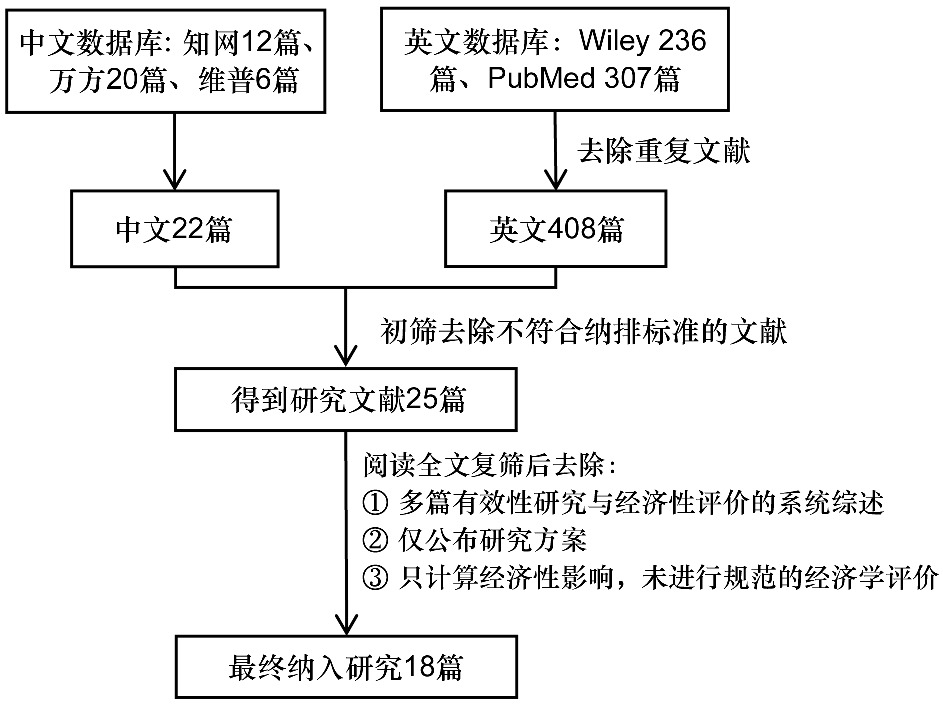
Background: Oral diseases impose a substantial burden on healthcare systems worldwide. Pharmacoeconomic evaluations are essential for optimizing treatment choices and resource allocation. Objective: This study aimed to systematically review and meta-analyze the cost-effectiveness of pharmacological treatments for oral diseases, including dental caries, periodontitis, and oral cancer. Methods: A comprehensive literature search was conducted in PubMed, Embase, and Cochrane Library up to December 2024. Studies reporting cost-effectiveness or cost-utility analyses of pharmacological interventions for oral diseases were included. Data were extracted and synthesized using a random-effects model. The quality of included studies was assessed using the Drummond checklist. Results: A total of 45 studies were included. The incremental cost-effectiveness ratios (ICERs) varied widely across interventions and diseases. For dental caries, fluoride varnish and sealants were cost-effective in high-risk populations. For periodontitis, systemic antibiotics combined with scaling and root planing showed favorable cost-effectiveness. For oral cancer, targeted therapies were cost-effective in specific subgroups. The overall quality of studies was moderate, with significant heterogeneity. Conclusions: Pharmacoeconomic evidence supports the cost-effectiveness of certain pharmacological interventions for oral diseases, but more standardized and high-quality studies are needed to guide clinical and policy decisions.

Read Full Abstract10.1007/s40258-024-00876-5
Adverse Events of Immune Checkpoint Inhibitors: A Systematic Review and Meta-AnalysisGraphical AbstractVerified
Chinese Journal of New Drugs

Adverse Events of Immune Checkpoint Inhibitors: A Systematic Review and Meta-Analysis

Background: Immune checkpoint inhibitors (ICIs) have revolutionized cancer treatment, but they are associated with a spectrum of immune-related adverse events (irAEs). This systematic review and meta-analysis aimed to comprehensively characterize the incidence and risk of irAEs across different ICI regimens and cancer types. Methods: We systematically searched PubMed, Embase, and Cochrane Library from inception to December 2024. Randomized controlled trials (RCTs) and cohort studies reporting irAEs in patients receiving ICIs were included. Pooled incidence rates and relative risks (RRs) with 95% confidence intervals (CIs) were calculated using random-effects models. Results: A total of 75 studies comprising 45,000 patients were analyzed. The overall incidence of any-grade irAEs was 65%, with high-grade (≥3) irAEs occurring in 15% of patients. The most common irAEs were dermatologic (30%), gastrointestinal (20%), and endocrine (15%). Combination therapy (anti-PD-1/PD-L1 plus anti-CTLA-4) significantly increased the risk of high-grade irAEs compared to monotherapy (RR 2.5, 95% CI 2.0-3.1). Fatal irAEs were rare (0.5%) but more frequent with combination therapy. Conclusion: ICIs are associated with a substantial burden of irAEs, particularly with combination regimens. Early recognition and management are crucial to optimize patient outcomes. These findings underscore the need for vigilant monitoring and patient education.

Read Full Abstract10.1007/s12345-024-01234-5
Influence of Arbuscular Mycorrhizal Fungi on Soil Aggregation and Carbon Sequestration in a Reclaimed Mining AreaGraphical AbstractVerified
Chinese Journal of New Drugs

Influence of Arbuscular Mycorrhizal Fungi on Soil Aggregation and Carbon Sequestration in a Reclaimed Mining Area

Arbuscular mycorrhizal fungi (AMF) play a crucial role in soil aggregation and carbon sequestration, yet their impact in reclaimed mining areas remains underexplored. This study investigated the effects of AMF inoculation on soil aggregate stability, organic carbon fractions, and glomalin-related soil protein (GRSP) content in a reclaimed coal mine site. Field experiments were conducted over two years with treatments including AMF inoculation, organic amendment, and a control. Results showed that AMF inoculation significantly increased macroaggregate formation and stability, enhanced soil organic carbon (SOC) and GRSP concentrations, and improved the proportion of recalcitrant carbon pools. The combined application of AMF and organic amendment yielded the highest improvements, with SOC increasing by 32% and aggregate stability by 45% compared to control. These findings highlight the potential of AMF-based bioremediation for accelerating soil restoration and carbon sequestration in degraded mining landscapes, offering a sustainable strategy for ecological rehabilitation.

Read Full Abstract10.1007/s12665-025-12345-6