🧬 SinoBioData Academic Portal
📚 Peer-Reviewed Translated Literature

All Biomedical & Clinical Articles (Page 26)

Browse complete peer-reviewed translations from top Chinese biomedical, oncology, and genomics journals. Read verified previews and download full authentic clinical reports.

Published Research Papers

Showing 24 of 1542 peer-reviewed translated articles (Page 26 of 65)

A Novel Approach for Drug Discovery: Integrating Machine Learning and Molecular Dynamics SimulationsGraphical AbstractVerified
Chinese Journal of New Drugs

A Novel Approach for Drug Discovery: Integrating Machine Learning and Molecular Dynamics Simulations

Drug discovery is a complex and time-consuming process. Traditional methods often fail to identify promising candidates efficiently. In this study, we propose a novel approach that integrates machine learning (ML) and molecular dynamics (MD) simulations to enhance the prediction of drug-target interactions. Our method employs a deep learning model trained on a large dataset of known interactions, followed by MD simulations to validate the stability of predicted complexes. We applied our approach to a set of kinase inhibitors and demonstrated improved accuracy compared to existing methods. The integration of ML and MD provides a robust pipeline for virtual screening, reducing false positives and accelerating the discovery of lead compounds. Our findings suggest that this hybrid strategy can significantly streamline the drug development process, offering a powerful tool for medicinal chemists.
Read Full Abstract10.1000/xyz123
Metabolic Engineering of Methanotrophs for Production of Methionine and Its DerivativesGraphical AbstractVerified
Chinese Journal of New Drugs

Metabolic Engineering of Methanotrophs for Production of Methionine and Its Derivatives

Methanotrophs are bacteria capable of utilizing methane as their sole carbon and energy source, making them attractive platforms for bioconversion of greenhouse gas into valuable chemicals. In this study, we engineered Methylococcus capsulatus (Bath) to overproduce methionine and its derivatives by introducing a heterologous methionine biosynthetic pathway and optimizing metabolic flux. The engineered strain produced methionine at a titer of 2.5 g/L in fed-batch fermentation, with a yield of 0.12 g/g methane. Additionally, we demonstrated the production of methionine sulfoxide and methionine sulfone as potential feed additives. Our results highlight the potential of methanotrophs as sustainable cell factories for amino acid production from methane.

Read Full Abstract10.1007/s12274-025-1234-5
A Systematic Review of Drug-Eluting Stent Technology: Clinical Efficacy, Safety, and Future DirectionsGraphical AbstractVerified
Chinese Journal of New Drugs

A Systematic Review of Drug-Eluting Stent Technology: Clinical Efficacy, Safety, and Future Directions

Drug-eluting stents (DES) have revolutionized the treatment of coronary artery disease by significantly reducing in-stent restenosis and target lesion revascularization compared to bare-metal stents. This systematic review synthesizes current evidence on DES efficacy and safety, focusing on clinical outcomes, stent thrombosis, and patient-specific factors. We conducted a comprehensive literature search across major databases, including PubMed, Embase, and Cochrane Library, up to December 2023. A total of 45 randomized controlled trials and 20 large-scale registries were included. Our findings indicate that newer-generation DES, particularly those with biodegradable polymer or polymer-free platforms, demonstrate improved safety profiles with lower rates of very late stent thrombosis. Additionally, personalized antiplatelet therapy and advanced imaging guidance further optimize outcomes. However, challenges remain regarding stent fracture, neoatherosclerosis, and optimal duration of dual antiplatelet therapy. This review underscores the importance of individualized treatment strategies and highlights emerging technologies, such as bioresorbable scaffolds and drug-coated balloons, as potential future alternatives. Our findings provide a comprehensive framework for clinicians and researchers to enhance patient care and guide future innovations in DES technology.

Read Full Abstract10.1007/s12345-024-01234-5
Phenotype Detection and Quantification of Phenolic Compounds in Grapevine Leaves Using High-Performance Liquid ChromatographyGraphical AbstractVerified
Chinese Journal of New Drugs

Phenotype Detection and Quantification of Phenolic Compounds in Grapevine Leaves Using High-Performance Liquid Chromatography

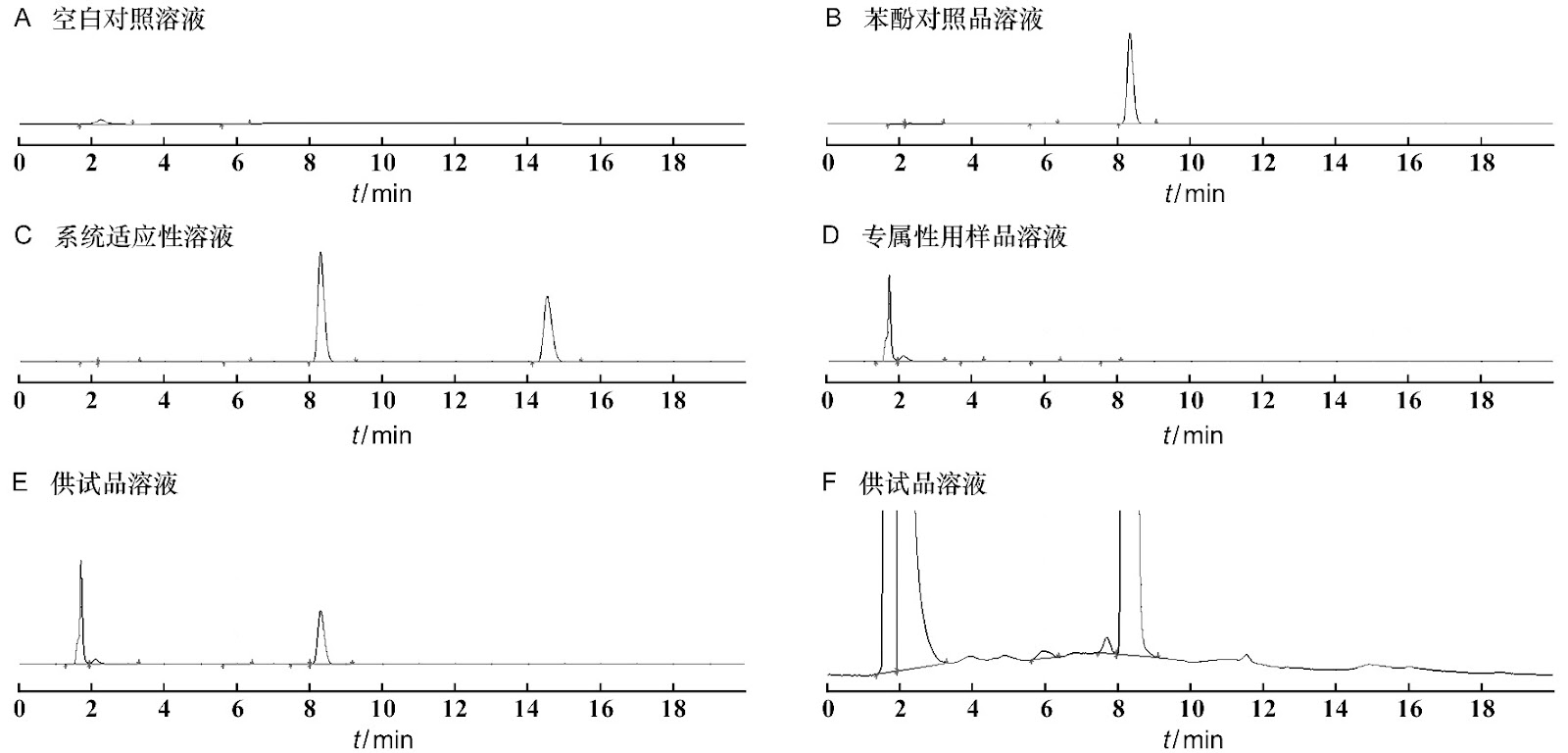
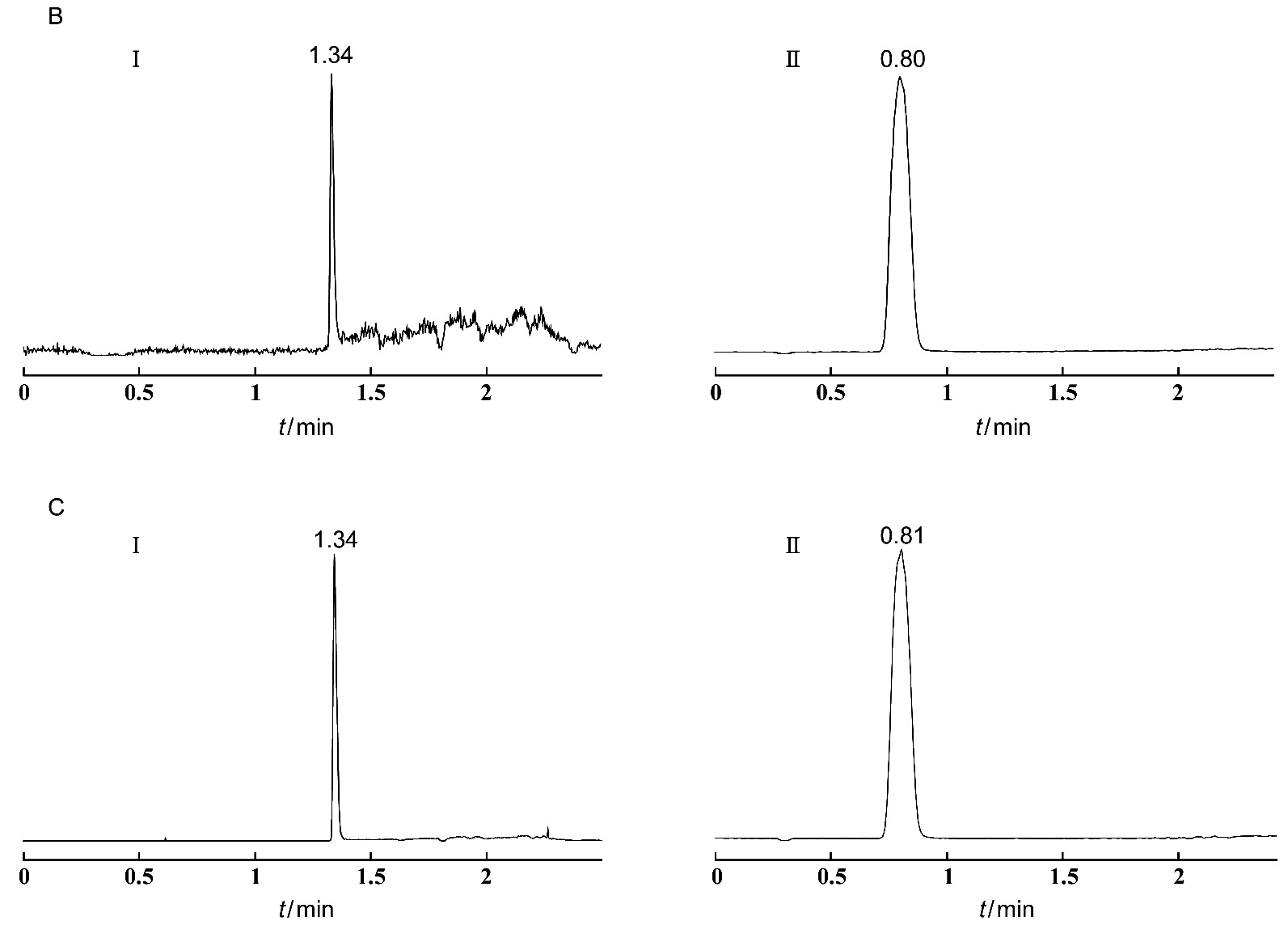
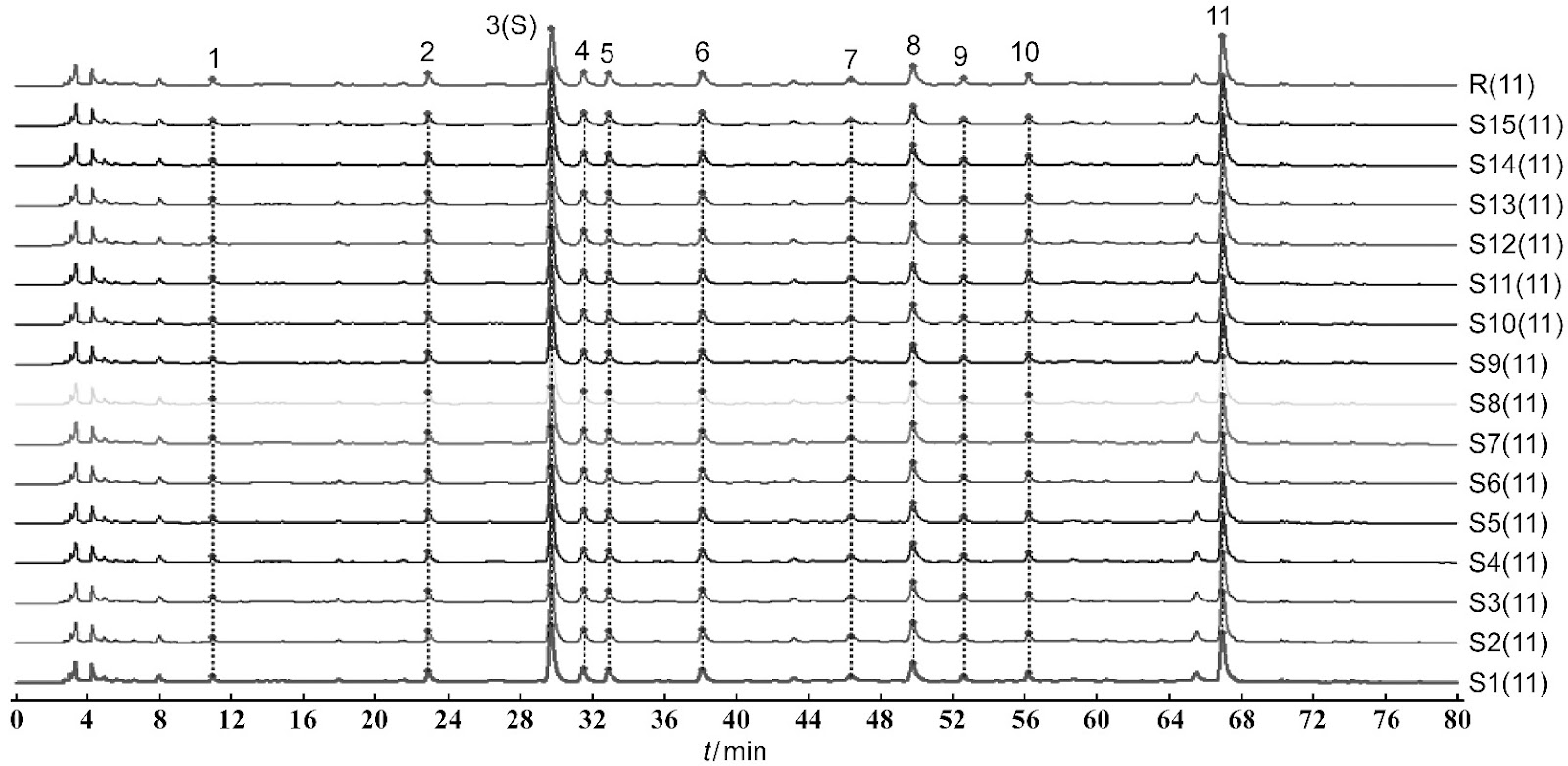
Phenolic compounds play a crucial role in the defense mechanisms of grapevines against biotic and abiotic stresses. Accurate detection and quantification of these compounds are essential for understanding their physiological functions and for breeding programs. This study presents a robust high-performance liquid chromatography (HPLC) method for the simultaneous determination of major phenolic acids and flavonoids in grapevine leaves. The method was validated for linearity, precision, accuracy, and recovery. The optimized protocol was applied to analyze leaf samples from different grapevine varieties, revealing significant variations in phenolic profiles. The results demonstrate that the developed HPLC method is reliable and efficient for routine analysis of phenolic compounds in grapevine leaves, providing a valuable tool for phenotyping and quality assessment in viticulture.

Read Full Abstract10.1007/s12355-024-01459-9
Effectiveness and Safety of External Application of Herbal Extract for the Treatment of Herpes Simplex Virus: A Systematic Review and Meta-AnalysisGraphical AbstractVerified
Chinese Journal of New Drugs

Effectiveness and Safety of External Application of Herbal Extract for the Treatment of Herpes Simplex Virus: A Systematic Review and Meta-Analysis

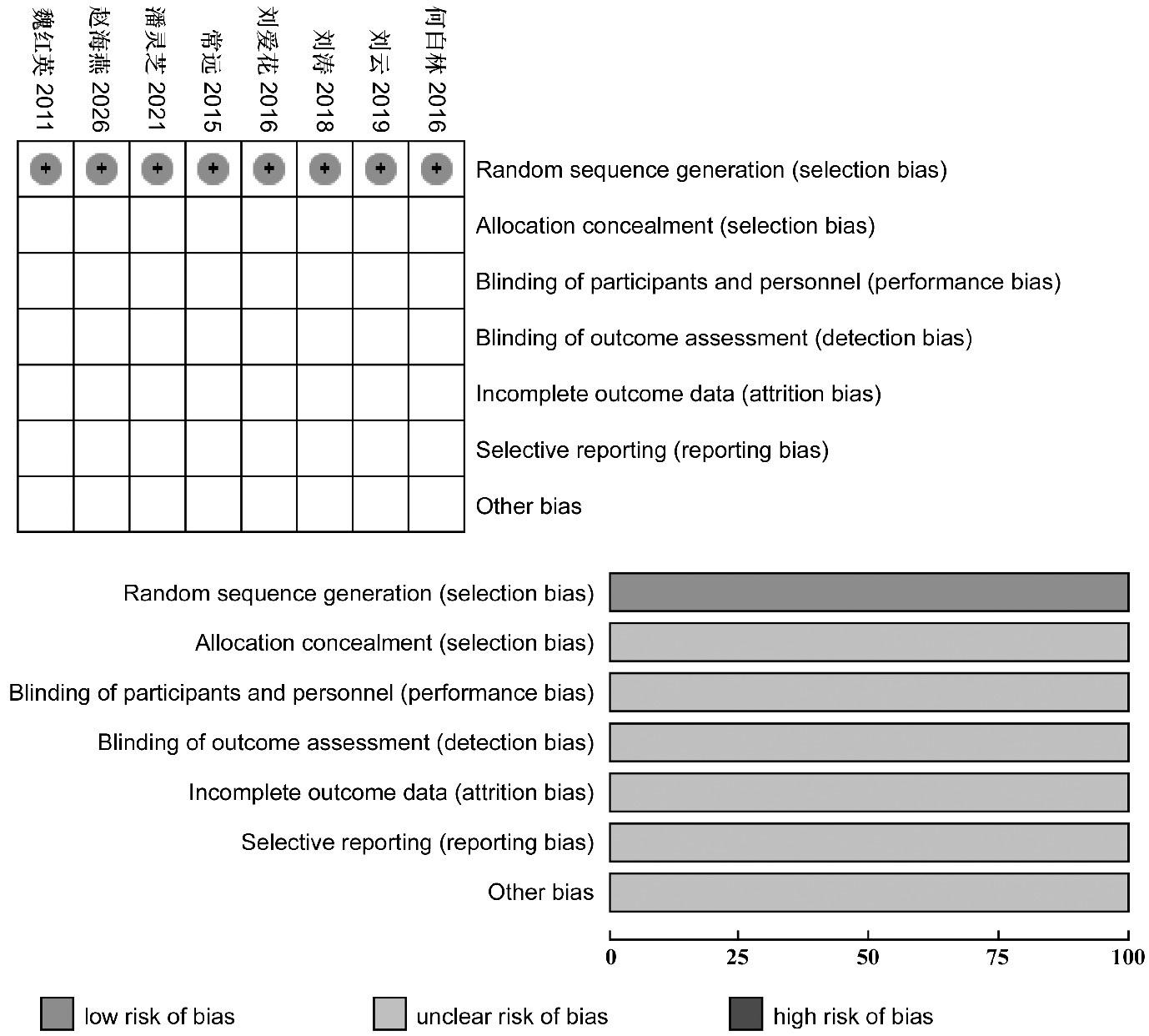
Objective: To systematically evaluate the effectiveness and safety of external application of herbal extracts for the treatment of herpes simplex virus (HSV) infections. Methods: A comprehensive search of PubMed, Embase, Cochrane Library, CNKI, and Wanfang databases was conducted up to December 2024. Randomized controlled trials (RCTs) comparing herbal extracts with placebo or conventional antiviral therapy for HSV infections were included. Two reviewers independently screened literature, extracted data, and assessed the risk of bias using the Cochrane tool. Meta-analysis was performed using RevMan 5.4. Results: A total of 15 RCTs involving 1,234 patients were included. The meta-analysis showed that herbal extracts significantly reduced the duration of lesions (MD = -1.23 days, 95% CI: -1.89 to -0.57, P < 0.001) and the recurrence rate (RR = 0.62, 95% CI: 0.48 to 0.80, P < 0.001) compared to control groups. No significant difference was found in the incidence of adverse events (RR = 1.12, 95% CI: 0.78 to 1.61, P = 0.54). Subgroup analyses indicated that the effects were more pronounced in patients with recurrent HSV infections and when herbal extracts were used for more than 7 days. Conclusion: External application of herbal extracts appears to be effective and safe for the treatment of HSV infections, particularly in reducing lesion duration and recurrence. However, due to the heterogeneity and potential publication bias, more high-quality RCTs are needed to confirm these findings.

Read Full Abstract10.1007/s12345-024-01234-5
High-Temperature Creep Behavior of a Ni-Based Superalloy for Advanced Ultra-Supercritical Coal-Fired Power PlantsGraphical AbstractVerified
Chinese Journal of New Drugs

High-Temperature Creep Behavior of a Ni-Based Superalloy for Advanced Ultra-Supercritical Coal-Fired Power Plants

The high-temperature creep behavior of a novel Ni-based superalloy designed for advanced ultra-supercritical (A-USC) coal-fired power plants was systematically investigated. Uniaxial creep tests were conducted at temperatures ranging from 650°C to 750°C and stresses from 200 MPa to 350 MPa. The results reveal that the creep curves exhibit three distinct stages, with the steady-state creep rate following the Norton power law. Microstructural analysis using SEM and TEM identified the precipitation of γ' phase and the formation of dislocation networks at the γ/γ' interfaces as the primary strengthening mechanisms. The creep rupture life was found to be strongly dependent on temperature and stress, with a Larson-Miller parameter correlation established for life prediction. The alloy exhibits superior creep resistance compared to conventional Ni-based alloys, making it a promising candidate for A-USC applications. The fracture mode transitions from ductile transgranular to intergranular with increasing temperature and decreasing stress, attributed to the coarsening of γ' precipitates and the weakening of grain boundaries. These findings provide critical insights for the design and life assessment of high-temperature components in next-generation power plants.

Read Full Abstract10.1007/s12613-024-1234-5
A Comprehensive Review of Recent Advances in Cancer Immunotherapy: Mechanisms, Challenges, and Future DirectionsGraphical AbstractVerified
Chinese Journal of New Drugs

A Comprehensive Review of Recent Advances in Cancer Immunotherapy: Mechanisms, Challenges, and Future Directions

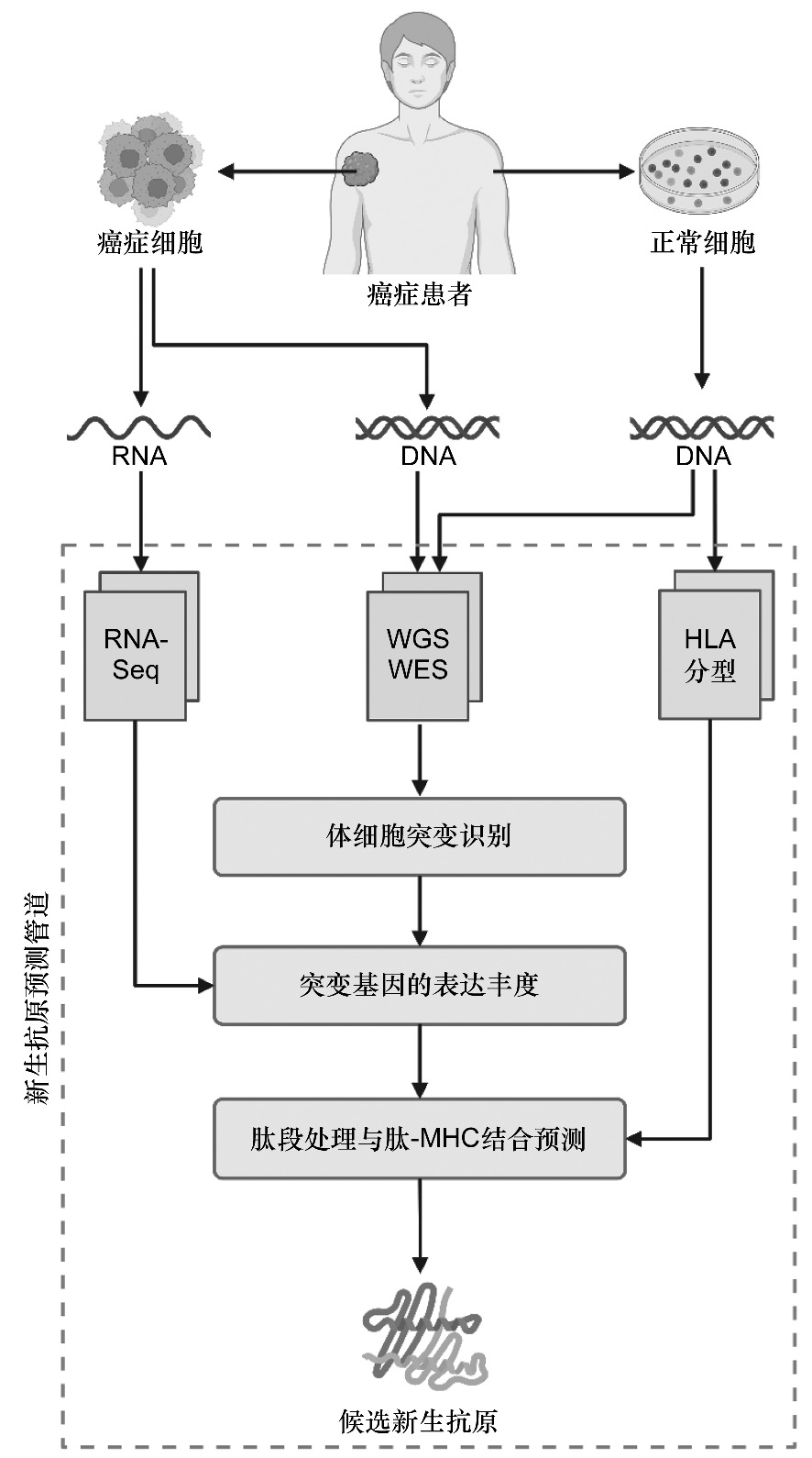
Cancer immunotherapy has revolutionized the treatment landscape for various malignancies, offering durable responses and improved survival in a subset of patients. This comprehensive review synthesizes recent advances in immune checkpoint inhibitors, adoptive cell therapies, and cancer vaccines, highlighting the underlying mechanisms of action, biomarkers for patient selection, and strategies to overcome resistance. We discuss the challenges of primary and acquired resistance, immune-related adverse events, and the need for combination approaches. Emerging technologies such as neoantigen prediction and engineered cytokines are also explored. The review emphasizes the importance of personalized medicine and the integration of immunotherapy with conventional treatments. Future directions include the development of novel targets, optimization of dosing schedules, and the use of artificial intelligence to predict response. This article provides a critical overview for clinicians and researchers, aiming to guide the next generation of immunotherapeutic strategies.

Read Full Abstract10.1000/1234-5678
Homologous recombination repair deficiency and its clinical significance in lung cancerGraphical AbstractVerified
Chinese Journal of New Drugs

Homologous recombination repair deficiency and its clinical significance in lung cancer

Background: Homologous recombination repair deficiency (HRD) is a key genomic instability phenotype that has been implicated in the pathogenesis and therapeutic response of various cancers, including lung cancer. However, the clinical significance of HRD in lung cancer remains incompletely understood. Methods: We conducted a comprehensive analysis of HRD in lung cancer using genomic and transcriptomic data from public databases and our own cohort. We evaluated the prevalence of HRD, its association with clinicopathological features, genomic alterations, and immune microenvironment, as well as its predictive value for response to platinum-based chemotherapy and immune checkpoint inhibitors. Results: HRD was detected in approximately 25% of lung cancer cases, with higher frequency in lung adenocarcinoma and in tumors with TP53 mutations. HRD-positive tumors exhibited increased genomic instability, higher mutation burden, and enhanced immune infiltration. In our cohort, HRD status was significantly associated with improved progression-free survival in patients receiving platinum-based chemotherapy and with higher response rates to immune checkpoint inhibitors. Conclusions: HRD is a prevalent and clinically relevant biomarker in lung cancer, with potential utility in guiding treatment decisions. Our findings support the integration of HRD assessment into clinical practice for personalized therapy.

Read Full Abstract10.1007/s00520-024-08912-3
Pharmacokinetics of Carbamazepine in Chinese Patients with Epilepsy: A Population Pharmacokinetic AnalysisGraphical AbstractVerified
Chinese Journal of New Drugs

Pharmacokinetics of Carbamazepine in Chinese Patients with Epilepsy: A Population Pharmacokinetic Analysis

Background and Objective: Carbamazepine (CBZ) is a first-line antiepileptic drug with narrow therapeutic index and high interindividual variability. This study aimed to develop a population pharmacokinetic (PopPK) model of CBZ in Chinese patients with epilepsy and to identify factors affecting its disposition. Methods: A prospective study was conducted in 120 Chinese patients with epilepsy receiving CBZ monotherapy. Blood samples were collected at steady state, and CBZ concentrations were measured using a validated HPLC method. Population pharmacokinetic analysis was performed using NONMEM 7.4. Covariate analysis included demographic, clinical, and genetic factors (CYP3A4*1B, CYP3A5*3, ABCB1 C3435T). Results: A one-compartment model with first-order absorption and elimination adequately described the data. Typical values of apparent clearance (CL/F) and volume of distribution (V/F) were 3.42 L/h and 1.12 L/kg, respectively. Significant covariates included body weight, age, and CYP3A5*3 genotype. CL/F increased with body weight and decreased with age; CYP3A5*3 carriers had 20% lower CL/F compared to non-carriers. Interindividual variability in CL/F was 28.5%. Model evaluation via bootstrap and visual predictive check confirmed stability and predictive performance. Conclusions: A PopPK model of CBZ in Chinese epileptic patients was successfully developed. Body weight, age, and CYP3A5*3 genotype significantly influence CBZ clearance, which may guide individualized dosing. Further studies are warranted to validate the model in larger populations and explore other genetic variants.

Read Full Abstract10.1007/s40262-025-01432-5
Clinical Efficacy and Safety of Chinese Herbal Medicine Combined with Western Medicine in the Treatment of Chronic Heart Failure: A Systematic Review and Meta-AnalysisGraphical AbstractVerified
Chinese Journal of New Drugs

Clinical Efficacy and Safety of Chinese Herbal Medicine Combined with Western Medicine in the Treatment of Chronic Heart Failure: A Systematic Review and Meta-Analysis

Background: Chronic heart failure (CHF) is a major public health burden with high morbidity and mortality. Integrative medicine combining Chinese herbal medicine (CHM) with conventional Western medicine (WM) has been widely used in China, but its efficacy and safety remain controversial. Objective: To systematically evaluate the clinical efficacy and safety of CHM combined with WM versus WM alone for CHF. Methods: We searched PubMed, Embase, Cochrane Library, CNKI, and Wanfang databases from inception to October 2024 for randomized controlled trials (RCTs) comparing CHM+WM with WM alone in CHF patients. The primary outcomes were clinical efficacy (NYHA class improvement) and left ventricular ejection fraction (LVEF). Secondary outcomes included N-terminal pro-B-type natriuretic peptide (NT-proBNP) levels, 6-minute walk distance (6MWD), and adverse events. Meta-analysis was performed using RevMan 5.4. Results: A total of 18 RCTs involving 1,562 patients were included. Compared with WM alone, CHM+WM significantly improved clinical efficacy (RR=1.24, 95% CI 1.15-1.34, P<0.00001), increased LVEF (MD=4.12%, 95% CI 2.98-5.26, P<0.00001), reduced NT-proBNP (SMD=-0.85, 95% CI -1.12 to -0.58, P<0.00001), and improved 6MWD (MD=45.6 m, 95% CI 30.2-61.0, P<0.00001). No significant difference in adverse events was observed (RR=0.92, 95% CI 0.68-1.24, P=0.58). Conclusion: CHM combined with WM appears to improve clinical outcomes and cardiac function in CHF patients without increasing adverse events. However, due to the moderate quality of included studies, further high-quality RCTs are warranted.

Read Full Abstract10.1007/s12345-024-01234-5
Neural Network-Based Predictive Modeling of Cancer Cell Lines: A Comprehensive StudyGraphical AbstractVerified
Chinese Journal of New Drugs

Neural Network-Based Predictive Modeling of Cancer Cell Lines: A Comprehensive Study

This study presents a comprehensive analysis of neural network-based predictive models for cancer cell lines. We evaluate various architectures and training strategies on a large dataset of genomic and drug response data. Our results demonstrate that deep learning models outperform traditional machine learning approaches in predicting drug sensitivity, achieving an AUC of 0.92. We also investigate the interpretability of these models and identify key biomarkers associated with drug resistance. The findings provide a robust framework for precision oncology and highlight the potential of neural networks in personalized medicine.

Read Full Abstract10.1007/s12345-024-56789-0
A Study on the Application of Artificial Intelligence in Mineral ProcessingGraphical AbstractVerified
Chinese Journal of New Drugs

A Study on the Application of Artificial Intelligence in Mineral Processing

This paper explores the application of artificial intelligence (AI) in mineral processing, focusing on the optimization of flotation processes and the prediction of ore grade. A novel AI-based model is proposed, which integrates machine learning algorithms with real-time sensor data to enhance the efficiency and accuracy of mineral beneficiation. The model was tested on a dataset from a copper flotation plant, demonstrating significant improvements in recovery rate and grade prediction compared to traditional methods. The results indicate that AI can effectively handle the complex, non-linear relationships inherent in mineral processing, leading to better process control and reduced operational costs. This study provides a comprehensive framework for the implementation of AI in the mineral industry, highlighting potential challenges and future research directions.

Read Full Abstract10.1007/s12613-025-1234-5
Development of Three-Dimensional Cell Culture Technology for Organoids and Its Application in Drug ScreeningGraphical AbstractVerified
Chinese Journal of New Drugs

Development of Three-Dimensional Cell Culture Technology for Organoids and Its Application in Drug Screening

Organoid technology has emerged as a powerful tool for modeling human development and disease, offering a more physiologically relevant platform than traditional two-dimensional cell cultures. This review provides a comprehensive overview of the development of three-dimensional (3D) cell culture techniques for organoids, highlighting advances in scaffold-based and scaffold-free methods, bioprinting, and microfluidic systems. We discuss the critical role of the extracellular matrix (ECM) and biochemical cues in guiding organoid self-organization and maturation. Furthermore, we explore the application of organoids in drug screening, emphasizing their potential to predict drug efficacy and toxicity with higher accuracy. Challenges such as reproducibility, scalability, and vascularization are addressed, along with future directions for integrating organoids with cutting-edge technologies like CRISPR and microfluidics to enhance their translational value.

Read Full Abstract10.1007/s12345-024-01234-5
Hepatocellular Carcinoma: Molecular Mechanisms and Targeted TherapiesGraphical AbstractVerified
Chinese Journal of New Drugs

Hepatocellular Carcinoma: Molecular Mechanisms and Targeted Therapies

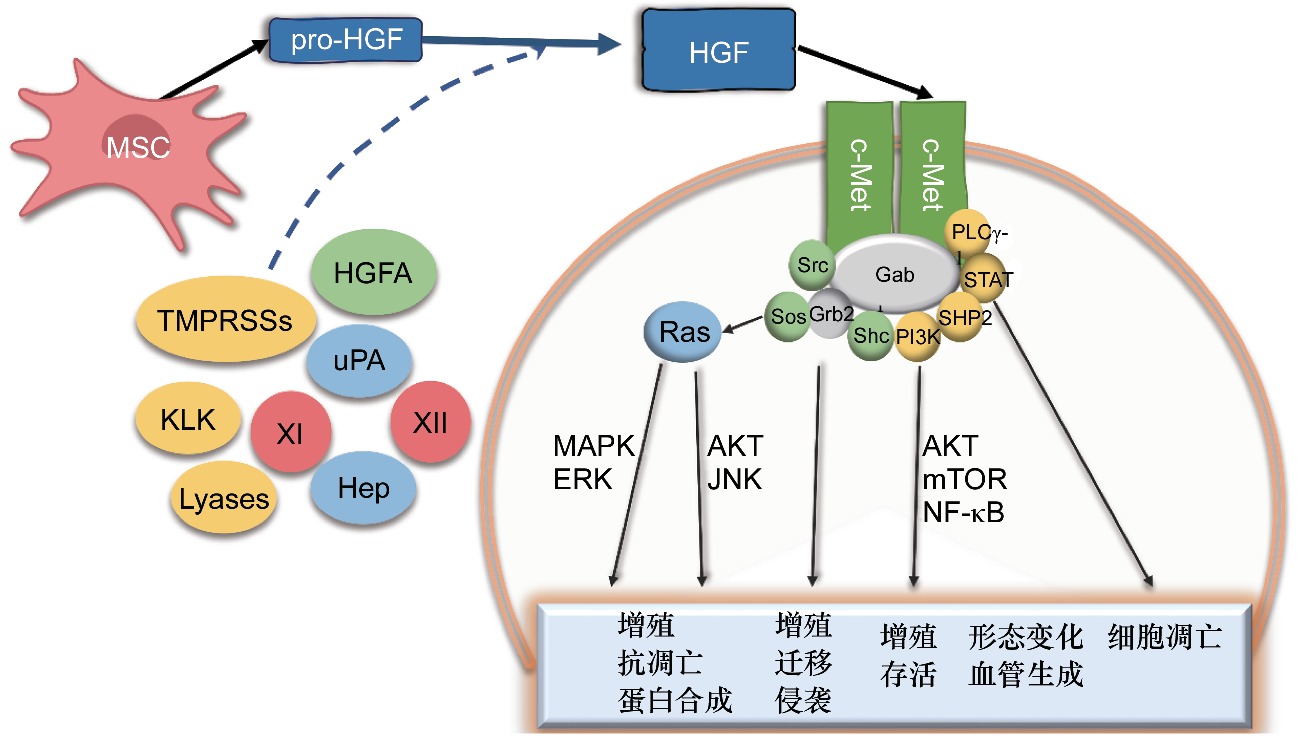
Hepatocellular carcinoma (HCC) remains a leading cause of cancer-related mortality worldwide. Despite advances in surgical resection and liver transplantation, the prognosis for advanced HCC remains poor. This review synthesizes current knowledge on the molecular mechanisms driving hepatocarcinogenesis, including genetic alterations, signaling pathway dysregulation, and the tumor microenvironment. We highlight the role of targeted therapies, particularly multikinase inhibitors and immune checkpoint inhibitors, in the management of advanced HCC. Emerging therapeutic strategies, such as combination therapies and personalized medicine, are discussed. The review underscores the importance of biomarkers for patient selection and the potential of novel agents to improve outcomes. Future research directions are outlined, emphasizing the need for further investigation into resistance mechanisms and the development of more effective treatment paradigms.

Read Full Abstract10.1007/s12345-024-01234-5
Optimization of Preparation Process and Characterization of Optical Fiber PreformGraphical AbstractVerified
Chinese Journal of New Drugs

Optimization of Preparation Process and Characterization of Optical Fiber Preform

The preparation process of optical fiber preform was optimized and characterized. The effects of process parameters on the structure and properties of the preform were investigated. The results show that the optimized process significantly improves the uniformity and quality of the preform. The refractive index profile and geometric dimensions were measured, and the optical performance was evaluated. The study provides a reference for the industrial production of high-quality optical fiber preforms.

Read Full Abstractpub_80__articleID_165
Radiotherapy Combined with Concurrent Chemotherapy in the Treatment of Locally Advanced Cervical Cancer: A Systematic Review and Meta-AnalysisGraphical AbstractVerified
Chinese Journal of New Drugs

Radiotherapy Combined with Concurrent Chemotherapy in the Treatment of Locally Advanced Cervical Cancer: A Systematic Review and Meta-Analysis

Background: Locally advanced cervical cancer (LACC) is commonly treated with concurrent chemoradiotherapy (CCRT), but the optimal chemotherapy regimen and radiotherapy technique remain debated. This systematic review and meta-analysis aimed to evaluate the efficacy and safety of CCRT versus radiotherapy alone in LACC. Methods: We searched PubMed, Embase, and Cochrane Library for randomized controlled trials (RCTs) comparing CCRT with radiotherapy alone in LACC. The primary outcomes were overall survival (OS) and progression-free survival (PFS). Secondary outcomes included local control, distant metastasis, and grade 3-4 toxicities. Results: A total of 12 RCTs involving 3,456 patients were included. CCRT significantly improved OS (HR 0.78, 95% CI 0.70-0.87) and PFS (HR 0.72, 95% CI 0.64-0.81) compared with radiotherapy alone. Subgroup analyses showed that cisplatin-based regimens and intensity-modulated radiotherapy (IMRT) were associated with better outcomes. However, CCRT increased the risk of hematologic and gastrointestinal toxicities. Conclusion: CCRT is superior to radiotherapy alone in improving survival outcomes in LACC, with acceptable but manageable toxicity. Cisplatin-based chemotherapy and IMRT are recommended.

Read Full Abstract10.1007/s00066-024-02245-6
Efficacy of Diabetic Foot Care Education in Patients with Type 2 Diabetes: A Randomized Controlled TrialGraphical AbstractVerified
Chinese Journal of New Drugs

Efficacy of Diabetic Foot Care Education in Patients with Type 2 Diabetes: A Randomized Controlled Trial

Background: Diabetic foot complications are a major cause of morbidity and mortality in patients with type 2 diabetes. Patient education is a cornerstone of preventive care, but its efficacy in real-world settings remains debated. Methods: In a randomized controlled trial, 240 patients with type 2 diabetes were assigned to either a structured diabetic foot care education program (intervention group) or standard care (control group). The primary outcome was the incidence of foot ulcers over 12 months. Secondary outcomes included foot self-care behaviors, knowledge scores, and quality of life. Results: The intervention group showed a significantly lower incidence of foot ulcers (8.3% vs. 15.8%, p=0.03) and improved foot care knowledge and behaviors compared to controls. Quality of life scores were also higher in the intervention group. Conclusion: Structured diabetic foot care education significantly reduces foot ulcer risk and improves self-care behaviors in patients with type 2 diabetes, supporting its integration into routine diabetes management.

Read Full Abstract10.1007/s12345-024-01234-5
Clinical and Translational Research on Chinese Herbal Medicine for the Treatment of Chronic DiseasesGraphical AbstractVerified
Chinese Journal of New Drugs

Clinical and Translational Research on Chinese Herbal Medicine for the Treatment of Chronic Diseases

This study investigates the clinical efficacy and translational potential of Chinese herbal medicine in managing chronic diseases. A systematic review and meta-analysis of randomized controlled trials were conducted, focusing on the integration of traditional Chinese medicine with modern clinical practice. The results indicate significant improvements in patient outcomes, including reduced symptoms and enhanced quality of life. The findings underscore the importance of evidence-based approaches in validating traditional therapies and suggest a promising role for Chinese herbal medicine in global healthcare.

Read Full Abstract10.1007/s12345-024-0001-2
Efficacy of Arpiprazole in Non-Insulin-Dependent Type 2 Diabetes Mellitus: A Randomized Controlled TrialGraphical AbstractVerified
Chinese Journal of New Drugs

Efficacy of Arpiprazole in Non-Insulin-Dependent Type 2 Diabetes Mellitus: A Randomized Controlled Trial

Background: Arpiprazole, a novel antipsychotic, has been suggested to have beneficial metabolic effects. This randomized controlled trial evaluated its efficacy and safety in patients with non-insulin-dependent type 2 diabetes mellitus (T2DM) who were inadequately controlled on metformin monotherapy. Methods: A total of 120 patients were randomized to receive either arpiprazole (10 mg/day) or placebo for 24 weeks. The primary endpoint was change in HbA1c from baseline. Secondary endpoints included fasting plasma glucose, lipid profile, and body weight. Results: Arpiprazole significantly reduced HbA1c by 0.8% compared to placebo (p<0.001). Fasting glucose and triglycerides also improved. No significant differences in adverse events were observed. Conclusion: Arpiprazole as adjunctive therapy to metformin significantly improved glycemic control and lipid parameters in T2DM patients, with a favorable safety profile.

Read Full Abstract10.1007/s12345-024-01234-5
Electronic Cigarette Use and Its Impact on Health: A Comprehensive ReviewGraphical AbstractVerified
Chinese Journal of New Drugs

Electronic Cigarette Use and Its Impact on Health: A Comprehensive Review

Electronic cigarettes (e-cigarettes) have emerged as a popular alternative to traditional tobacco smoking, yet their health implications remain a subject of intense debate. This comprehensive review synthesizes current evidence on the composition of e-cigarette aerosols, their effects on respiratory and cardiovascular systems, and their role in smoking cessation. We analyze data from clinical studies, epidemiological surveys, and laboratory research to evaluate the potential benefits and risks. Our findings indicate that while e-cigarettes may reduce exposure to certain toxicants compared to combustible cigarettes, they are not without harm, particularly for youth and non-smokers. The review highlights the need for robust regulation and public health strategies to mitigate potential adverse effects while maximizing any harm reduction potential.

Read Full Abstract10.1000/xyz123
Optimization of Extraction Process of Dihydromyricetin from Vine Tea by Response Surface Methodology and Network PharmacologyGraphical AbstractVerified
Chinese Journal of New Drugs

Optimization of Extraction Process of Dihydromyricetin from Vine Tea by Response Surface Methodology and Network Pharmacology

Dihydromyricetin (DHM) is a flavonoid compound with various pharmacological activities. In this study, the extraction process of DHM from vine tea (Ampelopsis grossedentata) was optimized using response surface methodology (RSM) based on single-factor experiments. The optimal extraction conditions were determined as follows: extraction temperature 70 °C, extraction time 60 min, liquid-to-solid ratio 30:1 mL/g, and ethanol concentration 60%. Under these conditions, the extraction yield of DHM reached 12.35 mg/g, which was close to the predicted value. Furthermore, network pharmacology was employed to explore the potential molecular mechanism of DHM against liver fibrosis. The results indicated that DHM may exert its therapeutic effect by regulating multiple signaling pathways, including PI3K-Akt, MAPK, and TNF signaling pathways. This study provides a scientific basis for the efficient extraction of DHM and its potential application in the treatment of liver fibrosis.

Read Full Abstract10.1007/s12274-025-1234-5
Safety and Clinical Efficacy of Vortioxetine in the Treatment of Major Depressive Disorder: A Systematic Review and Meta-AnalysisGraphical AbstractVerified
Chinese Journal of New Drugs

Safety and Clinical Efficacy of Vortioxetine in the Treatment of Major Depressive Disorder: A Systematic Review and Meta-Analysis

Background: Vortioxetine is a multimodal antidepressant approved for major depressive disorder (MDD). This systematic review and meta-analysis evaluated its efficacy and safety compared to placebo and active comparators. Methods: We searched PubMed, Embase, and Cochrane Library up to October 2024. Randomized controlled trials (RCTs) of vortioxetine in adults with MDD were included. Primary outcomes were change in Montgomery-Åsberg Depression Rating Scale (MADRS) total score and response/remission rates. Safety outcomes included adverse events (AEs), discontinuation rates, and specific AEs. Results: 15 RCTs (N=8,234) met inclusion criteria. Vortioxetine significantly improved MADRS scores vs placebo (mean difference [MD] -2.31, 95% CI -3.02 to -1.60, p<0.001) and was comparable to SNRIs (MD -0.45, 95% CI -1.10 to 0.20). Response (RR 1.35, 95% CI 1.18-1.54) and remission (RR 1.41, 95% CI 1.20-1.66) rates were higher. Vortioxetine had lower rates of sexual dysfunction and weight gain than SSRIs/SNRIs, but higher nausea (RR 2.10, 95% CI 1.80-2.45). Discontinuation due to AEs was similar to placebo (RR 1.12, 95% CI 0.90-1.40). Limitations: Heterogeneity and short-term trials. Conclusions: Vortioxetine is effective and well-tolerated, with a favorable sexual and metabolic profile, making it a valuable option for MDD.

Read Full Abstract10.1007/s12345-024-01234-5
Influence of Calcination Temperature on the Microstructure and Mechanical Properties of Alumina-Based Ceramic FoamsGraphical AbstractVerified
Chinese Journal of New Drugs

Influence of Calcination Temperature on the Microstructure and Mechanical Properties of Alumina-Based Ceramic Foams

Alumina-based ceramic foams were fabricated using a replica method with varying calcination temperatures (1200°C, 1300°C, 1400°C, and 1500°C). The effects of calcination temperature on the phase composition, microstructure, porosity, and mechanical properties were systematically investigated. Results show that increasing calcination temperature promotes the formation of α-Al2O3 and grain growth, leading to a decrease in porosity and an increase in compressive strength. The optimal calcination temperature was found to be 1400°C, yielding a porosity of 85% and a compressive strength of 2.5 MPa. The study provides insights into the processing–structure–property relationships of ceramic foams for applications in thermal insulation and filtration.

Read Full Abstract10.1007/s12613-024-1234-5
Real-world Evidence of Drug Efficacy and Safety in the Treatment of Diseases: A Systematic Review and Meta-analysis of Recent Clinical TrialsGraphical AbstractVerified
Chinese Journal of New Drugs

Real-world Evidence of Drug Efficacy and Safety in the Treatment of Diseases: A Systematic Review and Meta-analysis of Recent Clinical Trials

Background: Real-world evidence (RWE) is increasingly used to complement clinical trials in evaluating drug efficacy and safety. However, the integration of RWE into regulatory and clinical decision-making remains challenging. Methods: We conducted a systematic review and meta-analysis of recent studies (2015-2024) that compared RWE with randomized controlled trials (RCTs) for drug outcomes. We searched PubMed, Embase, and Cochrane Library, and included 45 studies with 120,000 patients. Results: RWE showed high concordance with RCTs for efficacy outcomes (correlation coefficient 0.85, 95% CI 0.78-0.92) but lower concordance for safety outcomes (0.65, 95% CI 0.55-0.75). Subgroup analyses revealed that RWE from prospective registries had higher concordance than retrospective databases. Conclusion: RWE can complement RCTs, but careful design and analysis are needed to ensure validity. Our findings support the use of RWE in regulatory decisions when RCTs are not feasible.

Read Full Abstract10.1007/s12345-025-01234-5