🧬 SinoBioData Academic Portal
🏛️ Indexed Academic JournalOriginal: 中国病理生理杂志

Chinese Journal of Pathophysiology

Premier Chinese Biomedical Journal indexed in SinoBioData: Chinese Journal of Pathophysiology (中国病理生理杂志).

Total Research Papers: 10
Access: 100% Free Open Access
Browse by Publication Year & VolumeReset All Filters ✕
Select Specific Issue:

Published Research PapersFiltered: Year 2025 • 41

Showing 3 of 10 peer-reviewed papers with full Graphical Abstracts.

Original ResearchVol. 41, Issue 9 • pp. 1674-1684DOI: 10.3969/j.issn.1000-4718.2025.09.002

Melatonin alleviated acute myocardial infarction by inhibiting ferroptosis

Authors: HUANG Xiaohui, WEN Weixing, CHEN Peng, LI Weiwen, LI Jiahuan, CAO Yue, HU Yunzhao, HUANG Yuli

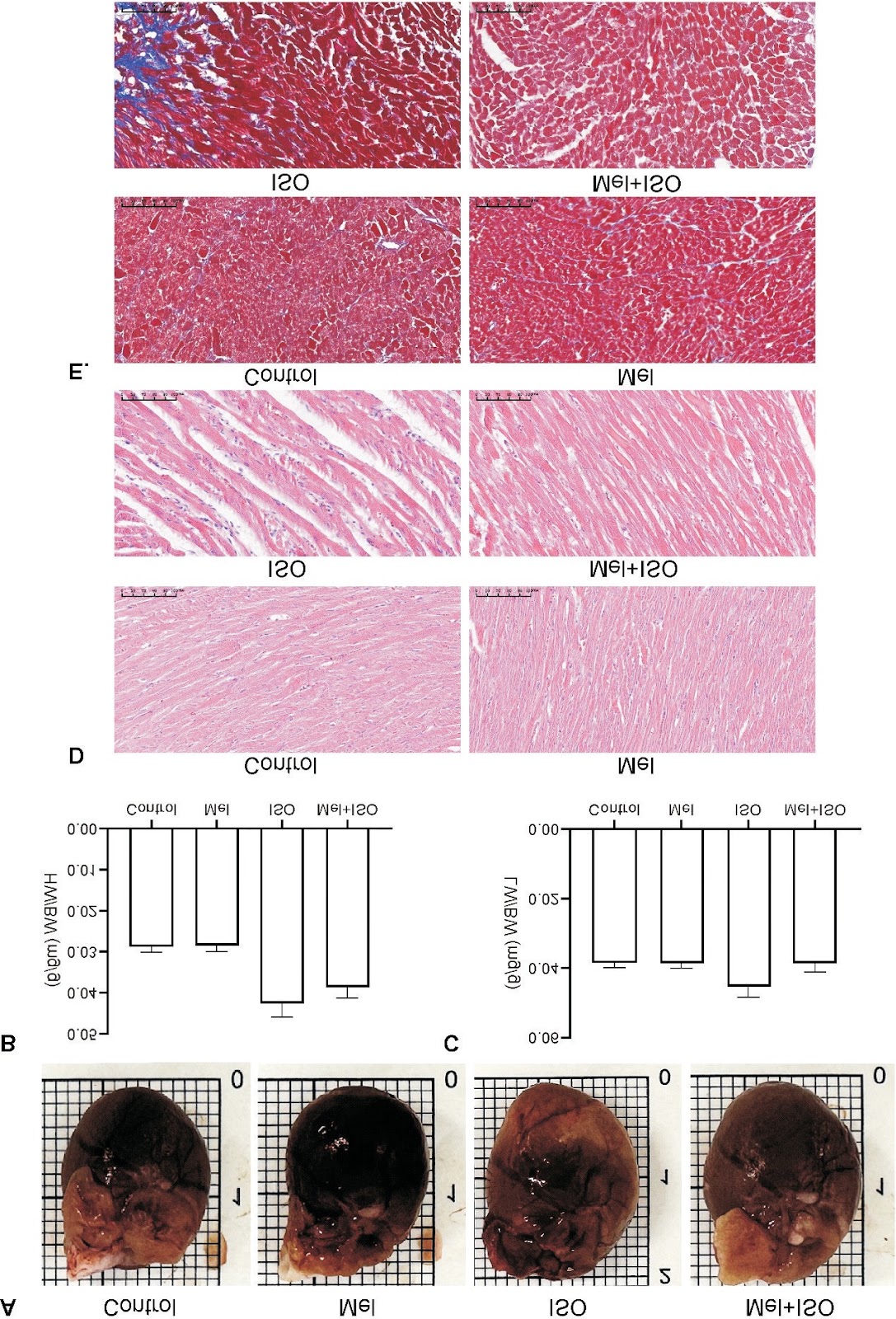
AIM: To investigate whether melatonin can ameliorate acute myocardial infarction (AMI) by inhibiting ferroptosis. METHODS: H9C2 cells were cultured in AnaeroPack system with low sugar and serum-free medium for 10 h to construct a cell model of AMI. Then cells were treated with melatonin and ferroptosis inducer erastin. The cell activity, reactive oxygen species (ROS), lipid peroxidation, mitochondrial membrane potential (MMP), and ferroptosis related protein expression were detected. A rat model of AMI induced by isoprenaline (ISO) injection was established to evaluate the effects of melatonin, in which the myocardial infarction size, cardiac injury, pathological changes, oxidative stress, iron ion and ferroptosis related protein expression were examined. RESULTS: Melatonin decreased the oxidative stress, lipid peroxidation and expression of ferroptosis protein in cardiomyocytes induced by hypoxia, but these effects could be impeded by the ferroptosis inducer erastin. Furthermore, in vivo experiments, we also found that melatonin improved the myocardial infarction size, cardiac injury, pathological changes, oxidative stress, and alleviated iron ion accumulation and ferroptosis. CONCLUSION: The cardioprotective effects of melatonin in AMI are associated with the inhibition of ferroptosis.

Melatonin alleviated acute myocardial infarction by inhibiting ferroptosis
Graphical Abstract
Original ResearchVol. 41, Issue 6 • pp. 1041-1054DOI: 10.3969/j.issn.1000-4718.2025.06.001

Treg-specific AMPKα1 deficiency alters immune cell compositions in immune organs of mice

Authors: RUAN Zhang, YANG Wenjing, YU Tianli, LI Pinxian, ZHANG Shunhui, LIN Caixia, ZHENG Lingyun, WANG Lijing

AIM: Regulatory T cells (Tregs) are a specialized subset of CD4+ T cells primarily involved in immunosuppressive functions. AMP-activated protein kinase (AMPK) serves as a metabolic sensor that governs the differentiation, maturation, and immune functions of Tregs through metabolic reprogramming. However, the impact of AMPKα1 (the catalytic subunit of AMPK) knockout specifically in Tregs on the host's immune microenvironment remains largely unexplored. METHODS: Histological changes in immune organs were assessed using HE staining. The types of immune cells and their relative population percentages in immune organs and blood were quantified through flow cytometry in both AMPKα1flox/flox (AMPKα1fl/fl) mice and Treg-specific AMPKα1 knockout mice (AMPKα1fl/flFoxp3cre mice). RESULTS: Compared to AMPKα1fl/fl mice, the percentage of eosinophils in the bone marrow of AMPKα1fl/flFoxp3cre mice was significantly reduced. Additionally, while the thymus of AMPKα1fl/flFoxp3cre mice exhibited normal structure, both its size and the ratio of thymus weight to body weight were significantly decreased. The knockout of AMPKα1 in Tregs led to a notable reduction in the total percentage of immature double-negative (DN) cells. Consequently, the percentage of CD4+ T cells derived from these DN cells also decreased, even though the percentages of DN1 and DN4 cells were higher in the thymus of AMPKα1fl/flFoxp3cre mice compared to AMPKα1fl/fl mice. Importantly, the proportion of Siglec-F+ CD11b+ eosinophils in the thymus was significantly lower in AMPKα1fl/flFoxp3cre mice. Knockout of AMPKα1 in Tregs resulted in a marked increase in the percentage of CD4+ T cells in peripheral blood, alongside a decrease in the proportion of mature CD8+ T cells. Similarly, the proportion of CD4+ T cells in the spleen of AMPKα1fl/flFoxp3cre mice was elevated compared to AMPKα1fl/fl mice. In contrast, the proportion of neutrophils significantly decreased, while mononuclear cell proportions increased in the spleen of AMPKα1fl/flFoxp3cre mice. In lymph nodes, the medullary boundaries in AMPKα1fl/flFoxp3cre mice were blurred, and the lymphoid follicles were missing, a feature not observed in AMPKα1fl/fl mice. Furthermore, the knockout of AMPKα1 in Tregs reduced the CD3+ T cell population, particularly the CD8+ T cell population, in lymph nodes. Although the mature Treg cell population was significantly lower in AMPKα1fl/flFoxp3cre mice, the percentage of CD4+ T cells was markedly increased. In contrast, there was no statistically significant difference in granulocyte populations between AMPKα1fl/flFoxp3cre and AMPKα1fl/fl mice. CONCLUSION: The populations of mature Tregs, CD8+ T cells and eosinophils in various immune organs were significantly altered in mice with Treg-specific AMPKα1 knockout, suggesting a potential remodeling of the host immune microenvironment in response to inflammatory stimuli.
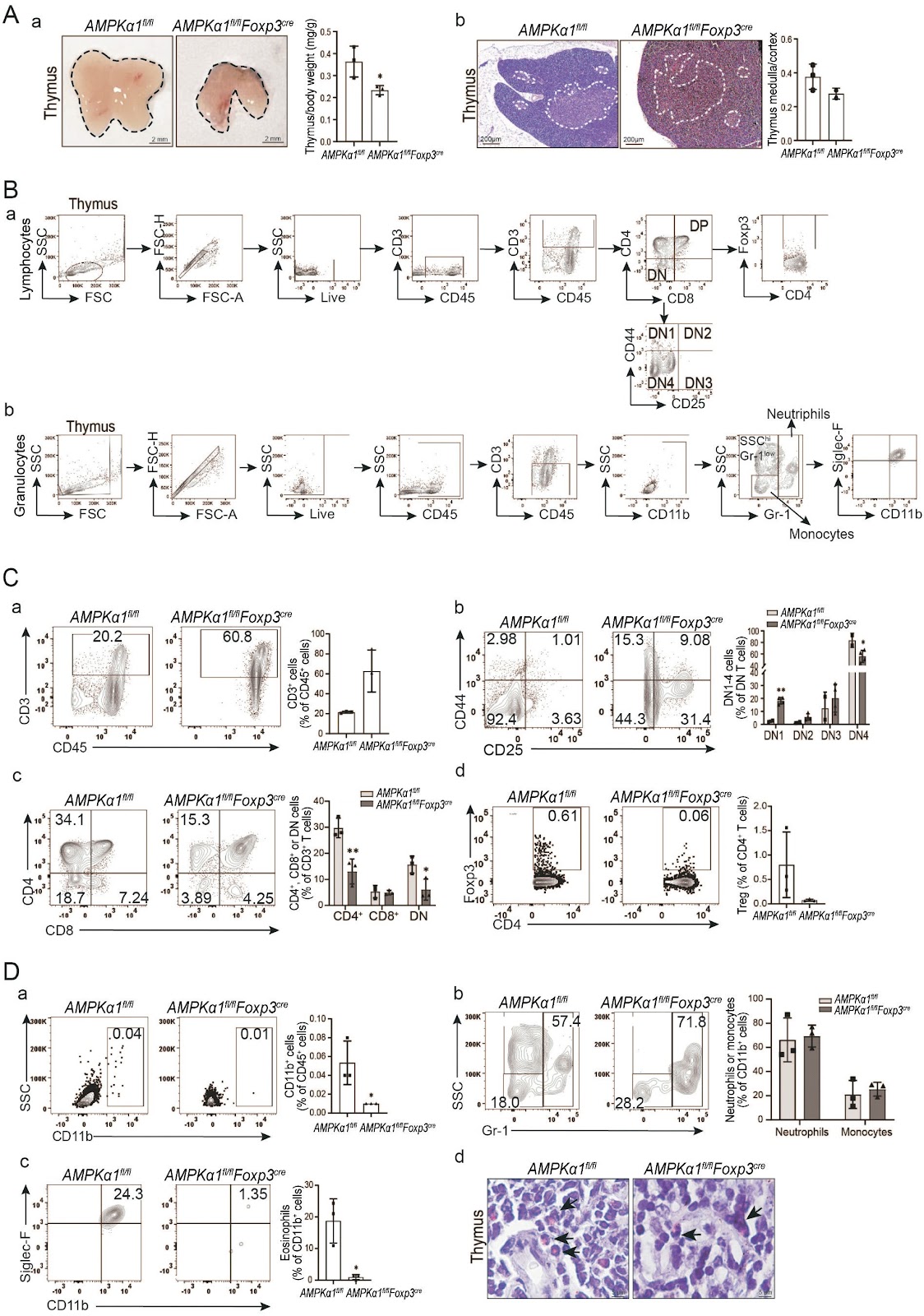
Treg-specific AMPKα1 deficiency alters immune cell compositions in immune organs of mice
Graphical Abstract
Original ResearchVol. 41, Issue 12 • pp. 2289-2298DOI: 10.3969/j.issn.1000-4718.2025.12.001

Forskolin ameliorates ataxia-like behavior in Purkinje cell-Celsr3 cKO mice via cAMP/Epac signaling pathway

Authors: WU Chuyue, GUO Jing, HONG Tu, HUANG Yu, CHEN Shengli, ZHOU Qinji

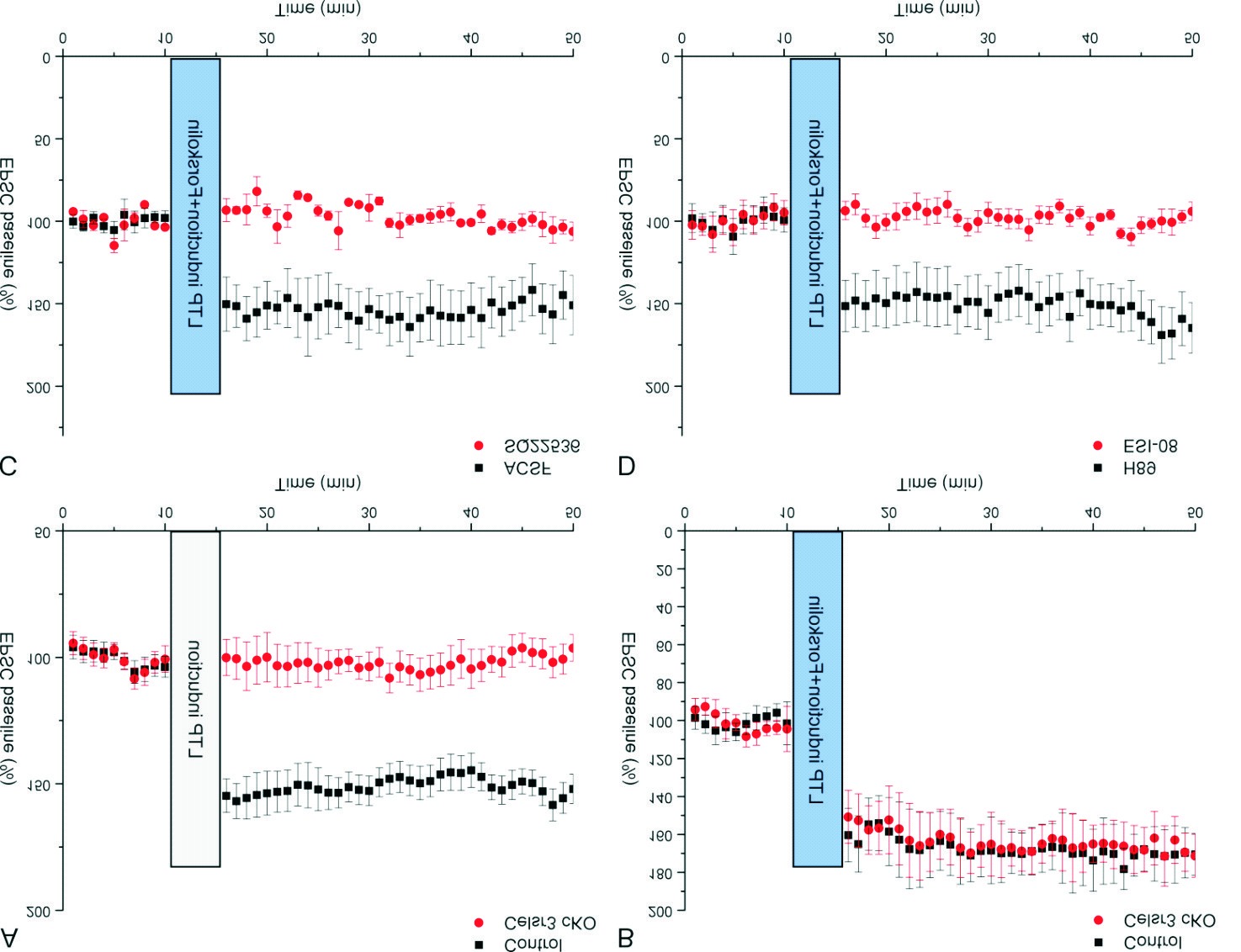
AIM: To evaluate the function and mechanisms of forskolin in treating ataxia-like behavior in Celsr3 conditional knockout (cKO) mice. METHODS: The efficiency of intraperitoneally administered forskolin was evaluated by behavioral tests, and the molecular mechanisms were investigated by patch-clamp experiments. RESULTS: The loss of Celsr3 led to ataxia-like behavior, accompanied by impaired miniature excitatory postsynaptic currents (mEPSCs) and postsynaptic long-term potentiation (LTP) in PCs. The cAMP activator forskolin ameliorated ataxia-like behavior and abrogated the mEPSCs impairment and LTP in model mice. Interestingly, the effects of forskolin could be blocked by SQ22536 (a cAMP antagonist) and ESI-08 (exchange protein activated by cAMP antagonist; Epac) but the H89 (a PKA antagonist) could not block the effects. CONCLUSION: Celsr3 plays an important role in motor coordination by modulating synaptic function, and forskolin may be a valuable therapeutic drug for certain types of inherited cerebellar ataxia.

Forskolin ameliorates ataxia-like behavior in Purkinje cell-Celsr3 cKO mice via cAMP/Epac signaling pathway
Graphical Abstract