🧬 SinoBioData Academic Portal
🏛️ Indexed Academic JournalOriginal: 生物化学与生物物理学报

Acta Biochimica et Biophysica Sinica

Premier Chinese Biomedical Journal indexed in SinoBioData: Acta Biochimica et Biophysica Sinica (生物化学与生物物理学报).

Total Research Papers: 200
Access: 100% Free Open Access
Browse by Publication Year & VolumeReset All Filters ✕

Published Research PapersFiltered: Year 2025 • 57 • 11

Showing 9 of 200 peer-reviewed papers with full Graphical Abstracts.

Original ResearchVol. 57, Issue 11 • pp. 1875-1887DOI: 10.3724/abbs.2025091

Unique gene patterns lead to distinct functional phenotypes and chemosensitivity profiles among subclones obtained from a single glioblastoma cell line

Authors: Daxing Xu, Yingdi Jiang, Jie Li, Lingli Gong, Zhenkun Yang, Bo Zhang, Koukou Li, Jian Zou

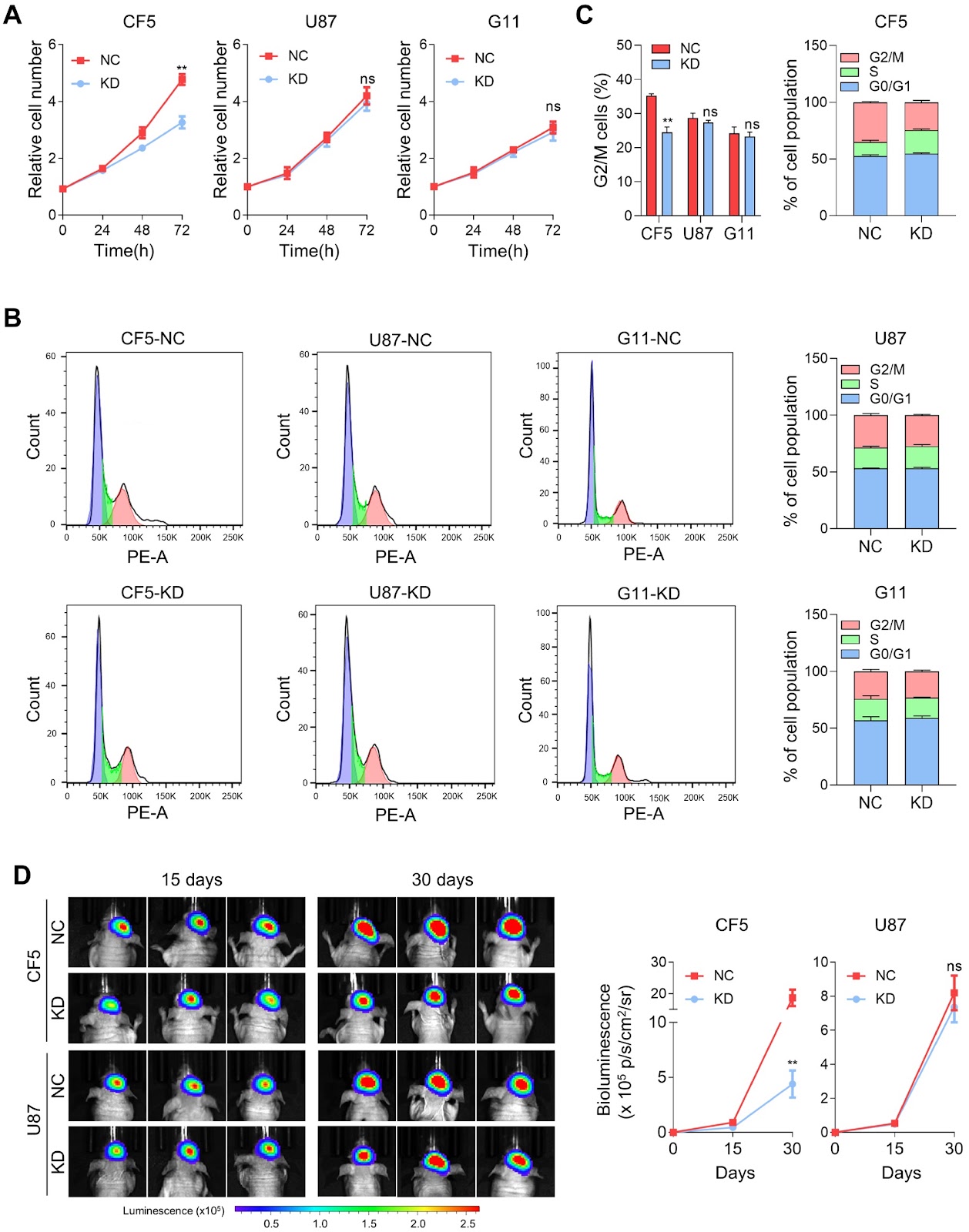
One of the characteristics of malignant tumors is heterogeneity, which refers to the molecular or genetic differences among progeny cells during tumor growth. This heterogeneity contributes to variations in the tumor growth rate, invasive ability, drug sensitivity, and prognosis. To gain a deeper understanding of the molecular background underlying tumor heterogeneity, we construct monoclonal cell lines derived from the glioblastoma (GBM) cell line U87-MG by limiting dilution assays. The selected CF5 and G11 subclones exhibit completely different cell morphologies and, more importantly, distinct functional phenotypes. CF5 exhibits stronger proliferative properties and chemoresistance, whereas G11 shows greater motility and invasion. Transcriptomic sequencing reveals great differences in gene expression among the CF5, G11, and U87 cell lines, and downregulated genes in individual clones are significantly enriched in gene sets related to extracellular matrix function. ITGA11 and ITGA6, as research subjects, are demonstrated to exclusively regulate functional phenotypes and chemotherapy sensitivity in CF5 or G11 cells. In U87 cells, combined knockdown of these two genes significantly inhibits tumor growth and increases chemotherapy sensitivity, but knockdown of either gene alone does not. In summary, these data reveal that even under uniform growth conditions, the heterogeneity of tumor cells and their diverse genetic backgrounds remain significant and persistent. This finding is crucial for accurately identifying tumor-related genes and their functional phenotypes, and a thorough understanding of the genetic and molecular background underlying tumor heterogeneity is essential for comprehensive cancer treatment.
Unique gene patterns lead to distinct functional phenotypes and chemosensitivity profiles among subclones obtained from a single glioblastoma cell line
Graphical Abstract
Original ResearchVol. 57, Issue 11 • pp. 1743-1757DOI: 10.3724/abbs.2025028

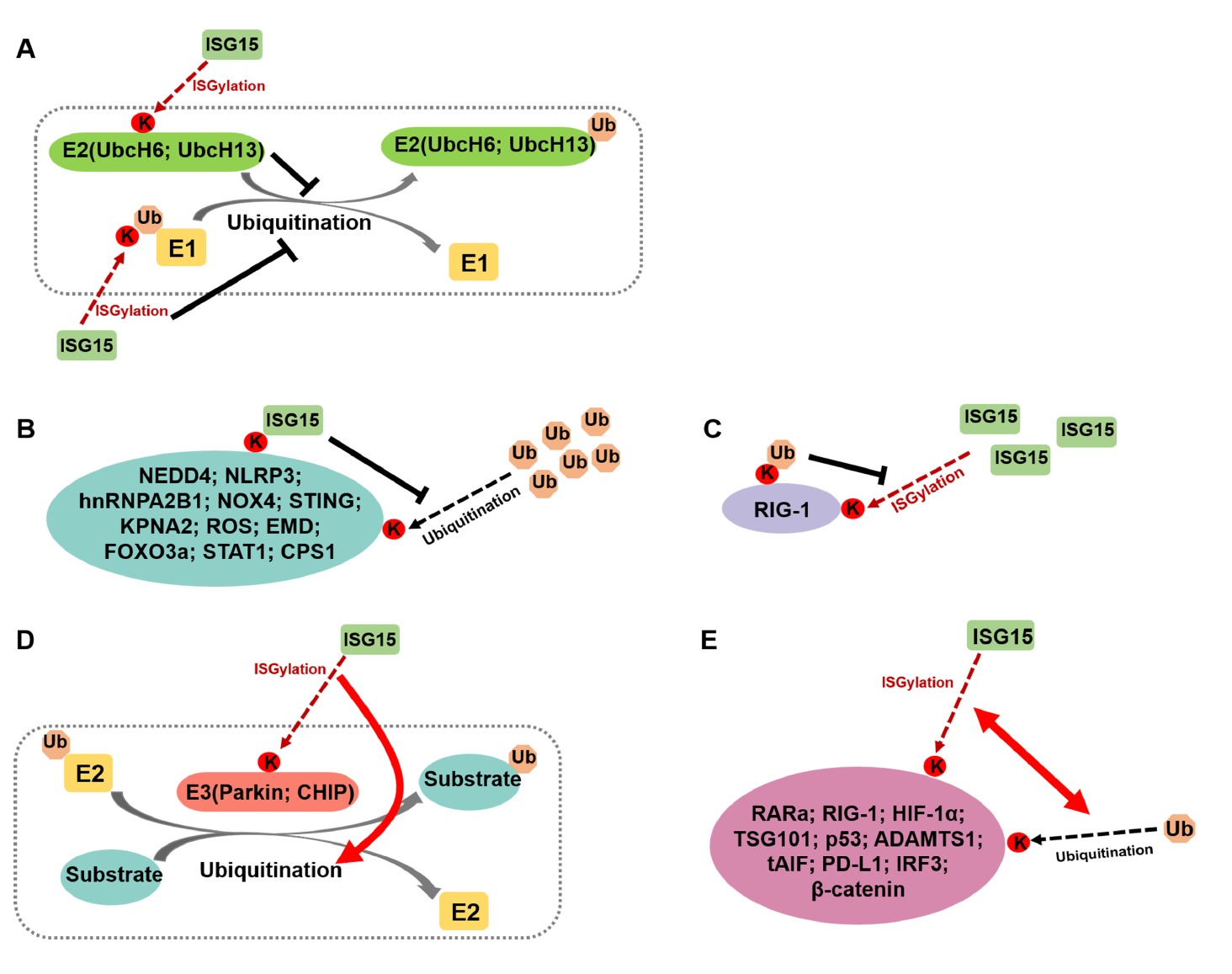
ISGylation: is our genome yearning for such a modification?

Authors: Zheng Chen, Zheng Li, Ying Wang, Zaure Dushimova, Kapanova Gulnara, Shunichi Takeda, Zhongjun Zhou, Xingzhi Xu

ISGylation is the post-translational modification of protein substrates covalently conjugated with the ubiquitin-like protein, interferon-stimulated gene 15 (ISG15). Although initially linked to antiviral immunity, recent evidence highlights important roles for ISGylation in various biological processes, such as maintaining genomic stability, promoting tumourigenesis, and being involved in other pathological conditions. In this review, we examine the molecular mechanisms underlying ISGylation, its interplay with other post-translational modifications, and its involvement in diverse biological and pathological processes. We propose future research directions to advance the field and discuss how ISGylation might be harnessed to ensure human health, particularly genome instability-associated diseases.

ISGylation: is our genome yearning for such a modification?
Graphical Abstract
Original ResearchVol. 57, Issue 11 • pp. 1834-1846DOI: 10.3724/abbs.2025202

VSIG2 hinders gastric cancer progression by suppressing ANXA2-mediated NF-κB pathway activation

Authors: Qingfeng Ni, Yang Wang, Xinyue Bian, Qiuchan Qu, Boyuan Shen, Yuanjie Niu, Jiawei Yu, Jianwei Zhu

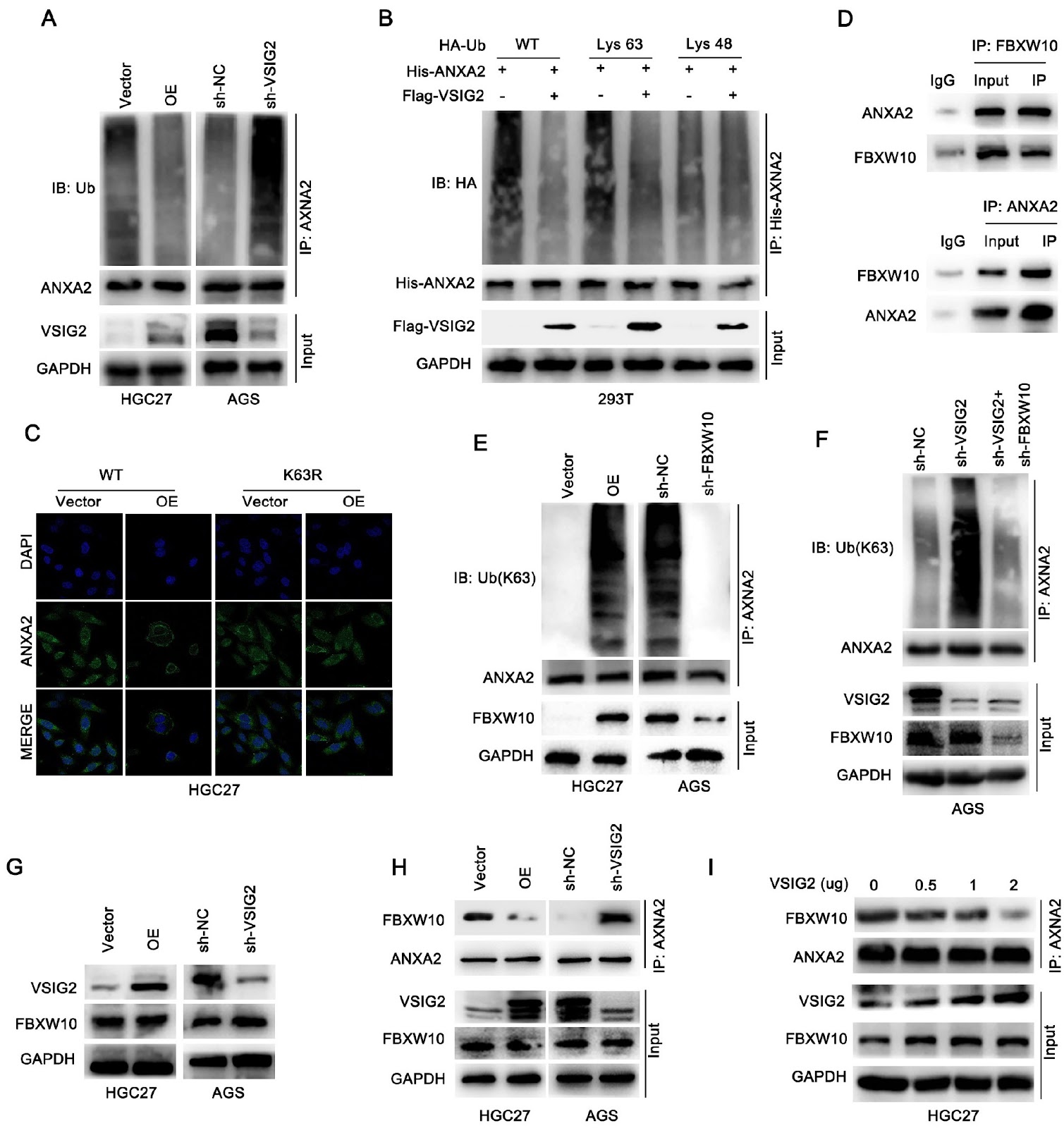
As the fifth most common cancer and the third leading cause of cancer death worldwide, gastric cancer (GC) has long been a serious global health challenge. The purpose of this study was to explore the expression of V-set and immunoglobulin domain containing 2 (VSIG2) in GC and to elucidate its role in GC progression and related mechanisms. Western blot analysis, qRT-PCR and immunohistochemical (IHC) staining are used to detect the expression of VSIG2 in GC cells and tissues. Kaplan-Meier survival curve analysis is performed. The effects of VSIG2 on biological effects related to GC progression in vitro are detected by CCK-8, EdU, Transwell and wound healing assays and in vivo by a nude mouse subcutaneous tumor model and a liver metastasis model. Mechanistically, co-immunoprecipitation, immunofluorescence and ubiquitination experiments are used to explore the regulatory effect of VSIG2 on ANXA2 and the regulatory effect between FBXW10 and ANXA2. VSIG2 is abnormally expressed at low levels in patients with GC and is associated with patient prognosis. Low VSIG2 expression is closely related to tumor size, lymph node metastasis, TNM stage and vascular invasion in GC patients. Functionally, in vitro and in vivo experiments reveal that VSIG2 could inhibit the growth, proliferation and metastasis of GC. Mechanistically, VSIG2 and ANXA2 interact directly in GCs and co-localize at the cell membrane. Further exploration reveals that highly expressed VSIG2 competes with FBXW10 for binding to ANXA2 and relies on FBXW10-mediated K63 polyubiquitination of ANXA2 to induce membrane localization of ANXA2 and further inactivate NF-κB, thereby suppressing GC progression. In summary, VSIG2 is expressed at abnormally low levels in patients with GC, and its low expression is associated with poor patient prognosis. VSIG2 can inhibit the proliferation and migration of GC via the ANXA2/NF-κB pathway. This study elucidates a new mechanism by which VSIG2 inhibits GC progression, which may provide a new perspective for the diagnosis and treatment of GC patients.

VSIG2 hinders gastric cancer progression by suppressing ANXA2-mediated NF-κB pathway activation
Graphical Abstract
Original ResearchVol. 57, Issue 11 • pp. 1814-1823DOI: 10.3724/abbs.2025057

New feature of hMEIOB and hSPATA22 binding to ssDNA from a single-molecule perspective

Authors: Yating Xu, Wei Qu, Erchi Zhou, Qi Sun, Weihao Gong, Lei Xu, Yaoke Lei, Zhangying Jia, Hanqing Shi, Xinghua Zhang, Mengcheng Luo

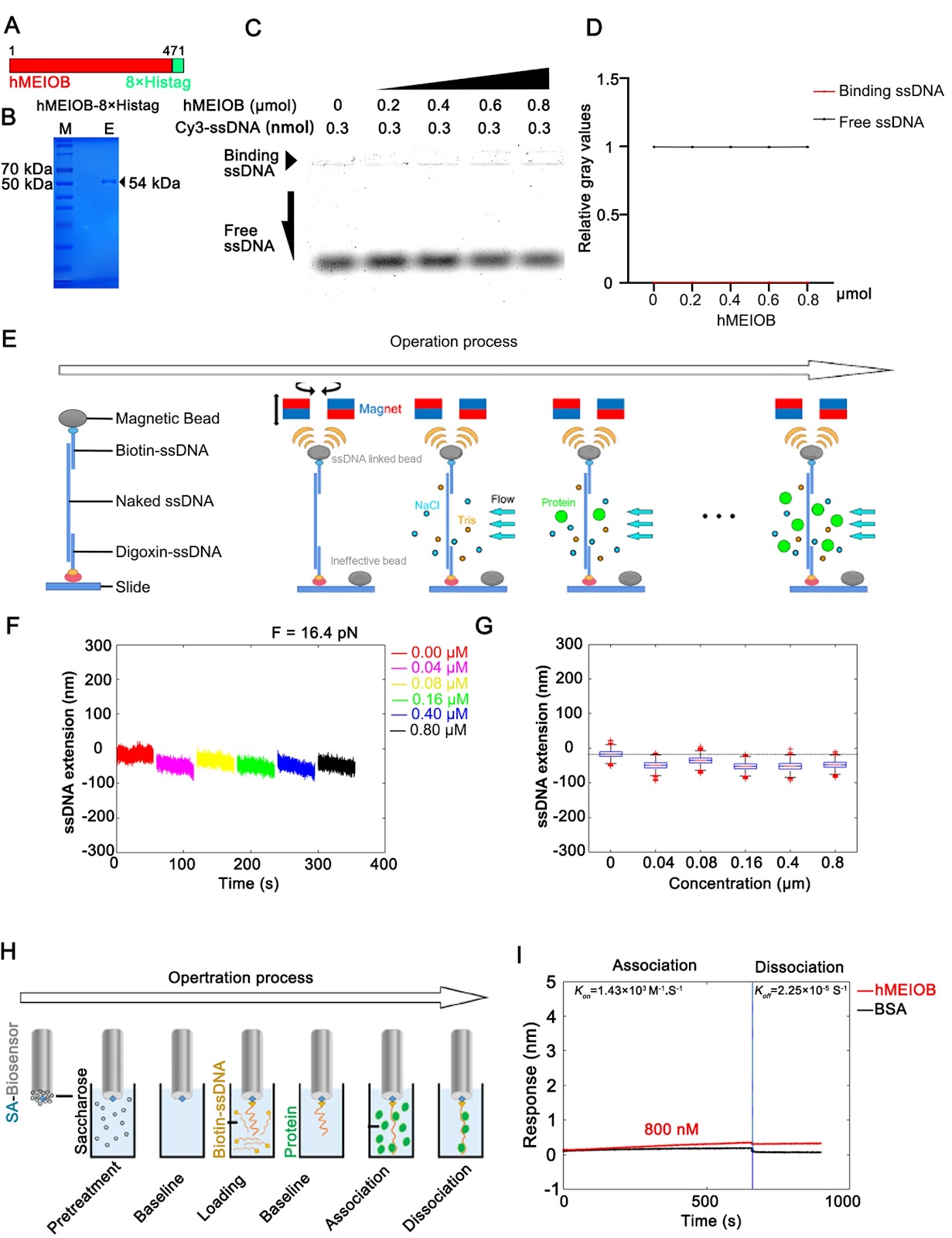
MEIOB and SPATA22 are gonad-specific proteins that function in meiosis recombination. Mutations in these two proteins cause oligospermia or azoospermia in human males. It has been reported that the heterodimer composed of MEIOB and SPATA22 recognizes and binds to the single-strand DNA (ssDNA) protected by the replication protein A (RPA) complex to promote DNA damage repair during homologous recombination. However, the amino acid sequences of the two proteins are inconsistent in humans and rodents, which leads to functional differences in meiosis. In this study, human-derived MEIOB (hMEIOB) and SPATA22 (hSPATA22) are expressed and purified for electrophoretic mobility shift assay (EMSA), magnetic tweezer (MT) assay and bio-layer interferometry (BLI) assay to analyze the ssDNA binding patterns. The results show that hMEIOB has low ssDNA-binding affinity and stability alone, but hSPATA22 binds to ssDNA faster and more stably and promotes ssDNA condensation. Strong binding affinity and stability to ssDNA are present when the hMEIOB-hSPATA22 heterodimer is formed. Moreover, we find that multiple hMEIOB-hSPATA22 heterodimers spontaneously aggregate in vitro. hRPA complex weakens the binding affinity of hMEIOB, hSPATA22 and hMEIOB-hSPATA22 heterodimer to ssDNA, and it can also bind to hSPATA22 and hMEIOB-hSPATA22 heterodimer in vitro, which might be related to the proven function of RPA complex to protect ssDNA and recruit proteins related to DNA damage repair during meiosis. Overall, this study is the first time to elucidate the binding patterns of the hMEIOB and hSPATA22 to ssDNA in vitro, and to verify the relationship between the RPA complex and meiosis-related proteins, MEIOB and SPATA22, from single-molecule perspective.

New feature of hMEIOB and hSPATA22 binding to ssDNA from a single-molecule perspective
Graphical Abstract
Original ResearchVol. 57, Issue 11 • pp. 1888-1896DOI: 10.3724/abbs.2025125

Construction of an ASFV proteome library via multiple optimization strategies for high-throughput analysis

Authors: Songxin Guo, Li Ouyang, Hui Zhang, Ming Li, Wei Zhou, Ao Liang, Lu Wang, Rui Gong, Dianbing Wang, Chenli Liu, Zhuojun Dai, Shengce Tao, Jiaoyu Deng, Guimin Zhang, Xian-En Zhang, Feng Li

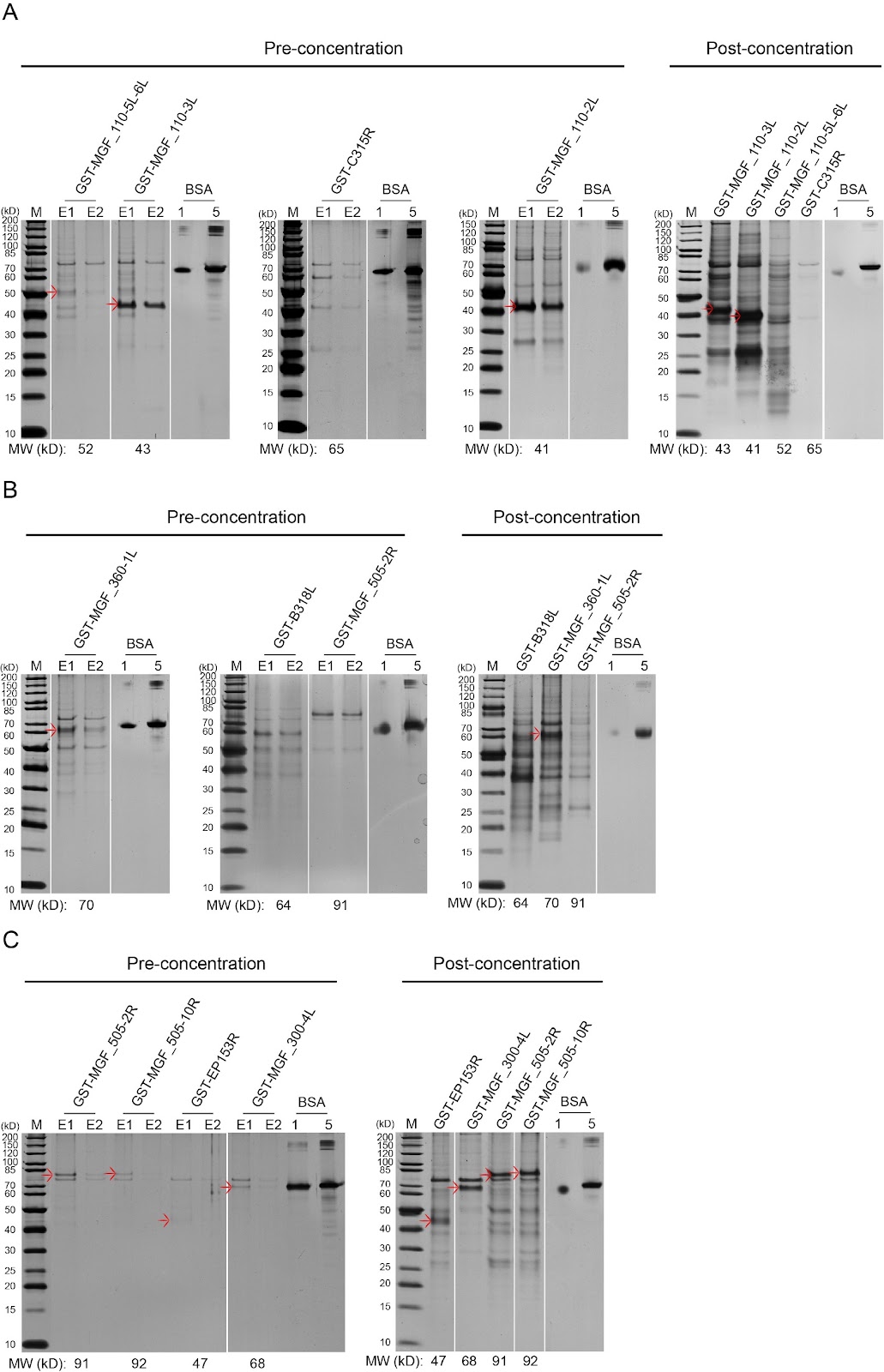
African swine fever virus (ASFV) is a large and structurally complex DNA virus encoding more than 160 proteins, including more than 68 structural proteins. A protein library covering recombinant ASFV proteins is fundamentally important for studies on protein function, antigenicity, vaccine development, and virus-host interactions. Here, to construct an ASFV protein library, we add a glutathione S-transferase (GST) tag at the N-terminus of each ASFV protein to facilitate solubilization and purification and express the recombinant proteins in the yeast host. By optimizing codons, expression vectors and strains and conditions of expression and purification, we achieve satisfactory protein yields for analytical applications and maximized access to the whole proteome of ASFV, with coverage of ca. 95%. Using the library, a protein chip is constructed and used to screen for interactions between ASFV and swine proteins (e.g., IRF3, p65, and IκBα). The ASFV protein library lays the groundwork for understanding and combatting ASFV. The methods for constructing the library are instructive for generating other protein libraries for high-throughput applications.

Construction of an ASFV proteome library via multiple optimization strategies for high-throughput analysis
Graphical Abstract
Original ResearchVol. 57, Issue 11 • pp. 1901-1903DOI: 10.3724/abbs.2025060

Osteocalcin carboxylation/undercarboxylation levels and gene variants associated with type 2 diabetes mellitus in the Chinese Han population

Authors: Luyue Qi, Hong Wu, Xiangqi Li, Yang Xu, Liangyong Liu

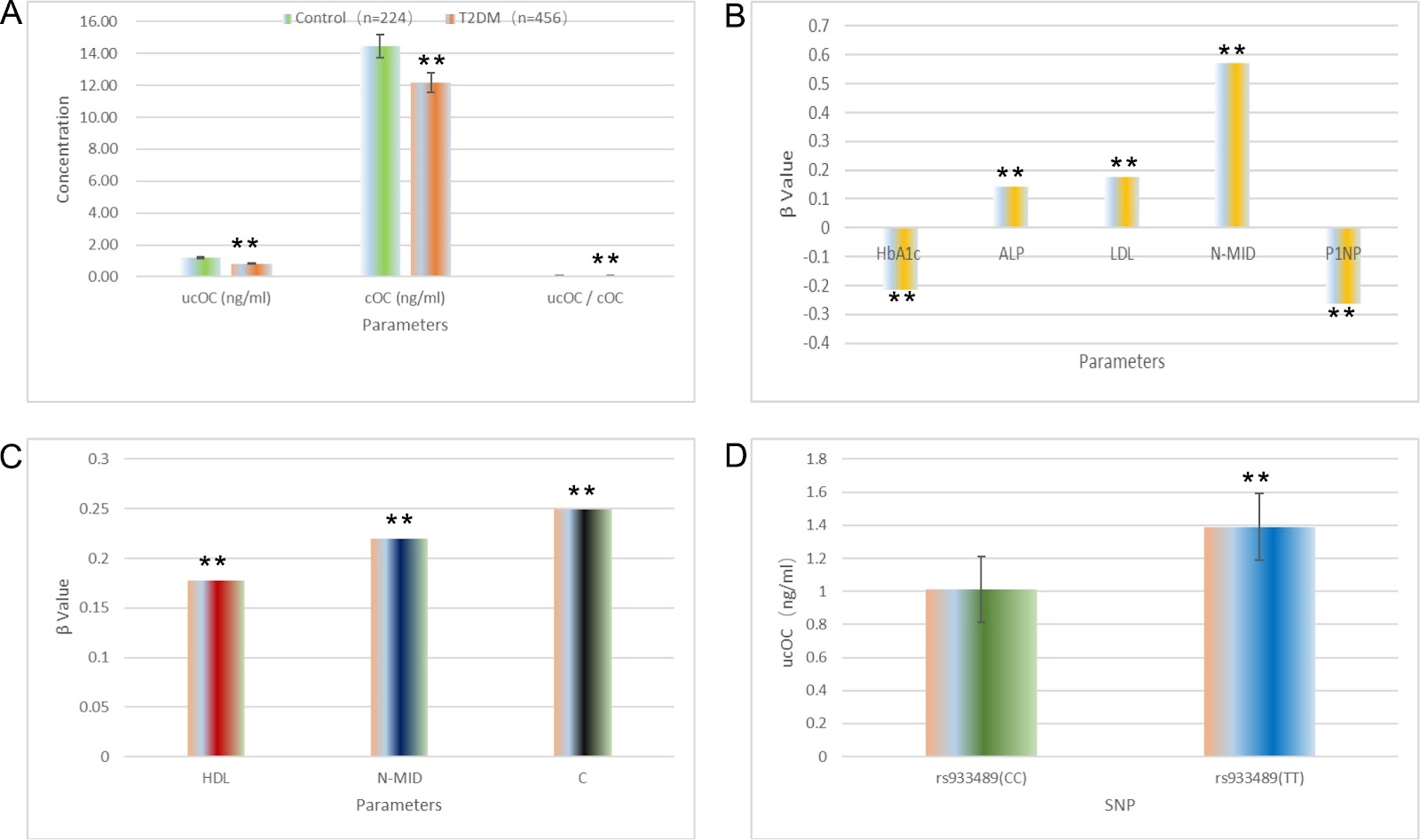
Type 2 diabetes mellitus (T2DM) is an endocrine metabolic disorder characterized by insulin secretion dysfunction and/or insulin resistance. Osteocalcin (OC), or bone γ-carboxyglutamic acid protein (BGP), is a bone matrix protein predominantly produced by osteoblasts. Vitamin K-dependent carboxylation converts OC into gamma-carboxyglutamic acid (Gla)-rich carboxylated osteocalcin (cOC), which binds to hydroxyapatite and can be decarboxylated to undercarboxylated osteocalcin (ucOC) under acidic conditions. While cOC influences bone formation and mineralization, ucOC regulates energy metabolism. This study aimed to explore the associations between T2DM, serum OC levels (including cOC and ucOC), and OC gene polymorphisms in the Chinese Han population. T2DM patients and a healthy cohort, all of Han ethnicity, were categorized into a T2DM group (n = 456) and a control group (n = 224). Serum levels of cOC and ucOC were determined via ELISA. Insulin sensitivity was assessed via HOMA-IR, and pancreatic β-cell function via HOMA-β. Nine SNPs in the OC gene were genotyped via SNaPshot. Compared with controls, T2DM patients presented significantly lower levels of ucOC, cOC, and ucOC/cOC ratio. Additionally, T2DM subjects had elevated BMI, HbA1c, HOMA-IR, ALP, TG, HDL, and LDL levels, with decreased HOMA-β, ALT, AST, hsCRP, and FFA levels. In terms of bone metabolism, T2DM patients presented increased blood phosphorus, ICTP, P1NP, and 25(OH)D levels and decreased blood calcium, N-MID, PTH, and β-CTX levels. Associations between serum cOC and ucOC and various factors were analyzed. In the T2DM group, cOC was inversely correlated with HbA1c and P1NP, and positively correlated with ALP, LDL, and N-MID. ucOC was positively associated with N-MID. In controls, cOC was positively correlated with HDL, N-MID, and PINP, while ucOC correlated with PINP. The study also examined SNPs in the OC gene and their relationships with serum cOC and ucOC.

Osteocalcin carboxylation/undercarboxylation levels and gene variants associated with type 2 diabetes mellitus in the Chinese Han population
Graphical Abstract
Original ResearchVol. 57, Issue 11 • pp. 1824-1833DOI: 10.3724/abbs.2025047

Increased neutrophil senescence is associated with impaired immunosuppressive activity in systemic lupus erythematosus

Authors: Lei Han, Fengling Huang, Qingchen Zhu, Huan Wang, Tianlin Lu, Chunyuan Xiao, Jing Xu, Xiaoyan Zhang, Yichuan Xiao, Xinfang Huang

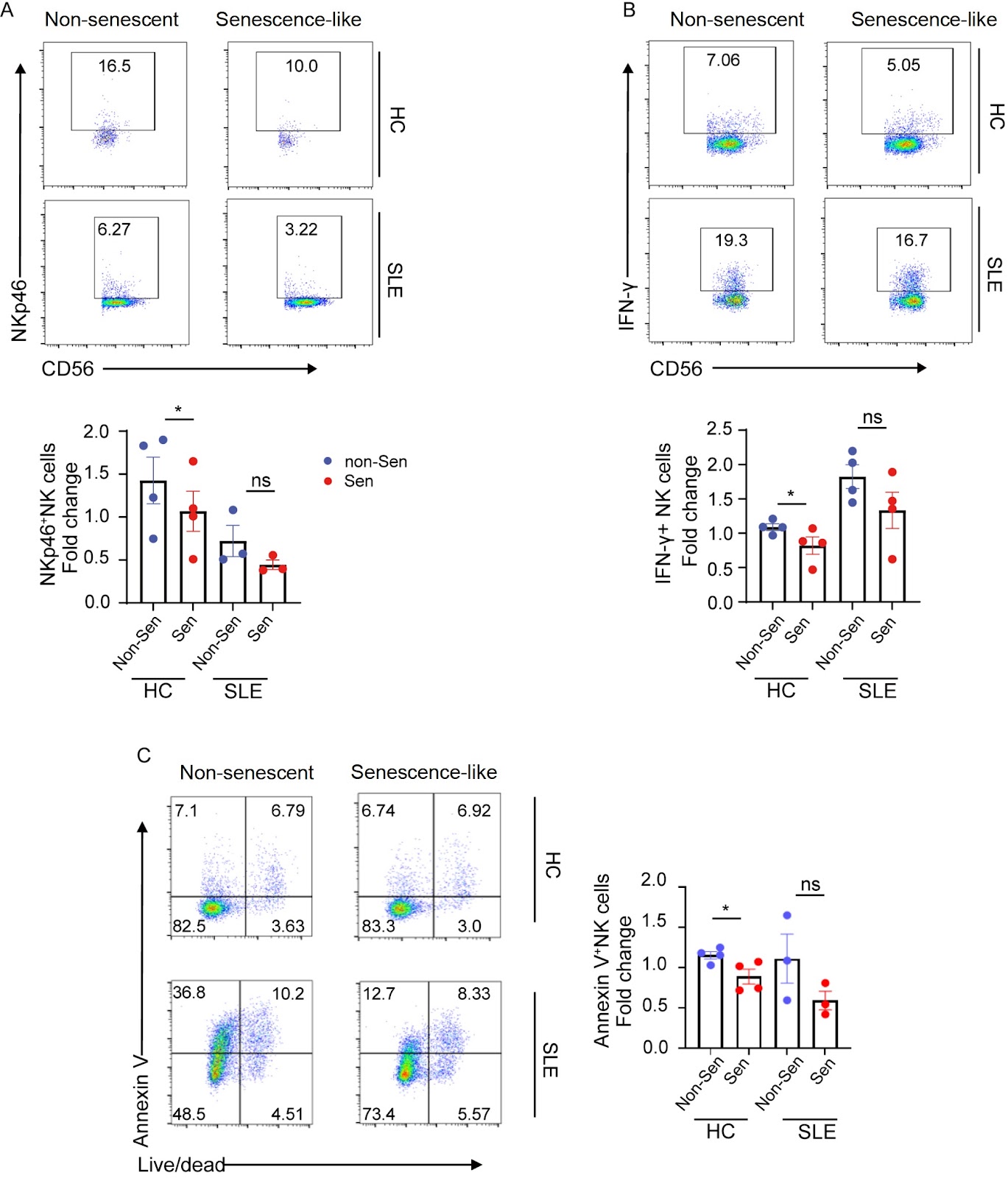
Systemic lupus erythematosus (SLE) is an autoimmune disease characterized by a complex pathogenesis that was previously thought to involve primarily adaptive immunity. Emerging evidence underscores the role of neutrophils in shaping immune dysregulation and inducing organ damage in lupus. This study aims to investigate the dynamics of neutrophil senescence and its relationship with lupus, an area that remains poorly understood. Here, we identify a significantly elevated proportion of CXCR4hiCD62Llo senescence-like neutrophils in the peripheral blood of SLE patients compare to that in the healthy donors. Increased numbers of senescence-like neutrophils are positively correlated with SLE disease activity and autoantibody production in SLE patients. In addition, senescence-like neutrophils derived from SLE patients exhibit an impaired ability to suppress the proinflammatory activity of natural killer (NK) cells and CD4+ T cells. Further mechanistic exploration suggests that these senescence-like neutrophils might exert their immunosuppressive effects via reactive oxygen species (ROS) production under physiological conditions. Our results demonstrate that senescence-like neutrophils could serve as biomarkers for assessing the disease activity of SLE. The compromised immunosuppressive function of senescence-like neutrophils provides a new perspective on SLE pathophysiology and may pave the way for the development of novel therapies.

Increased neutrophil senescence is associated with impaired immunosuppressive activity in systemic lupus erythematosus
Graphical Abstract
Original ResearchVol. 57, Issue 11 • pp. 1897-1900DOI: 10.3724/abbs.2025094

KARs negatively regulate the immune response in lamprey

Authors: Ruyu Zhuang, Zihao Yan, Shuyuan Zhang, Meixuan Li, Feng Sun, Ya Pang, Ding Li, Liang Zhao, Yinglun Han

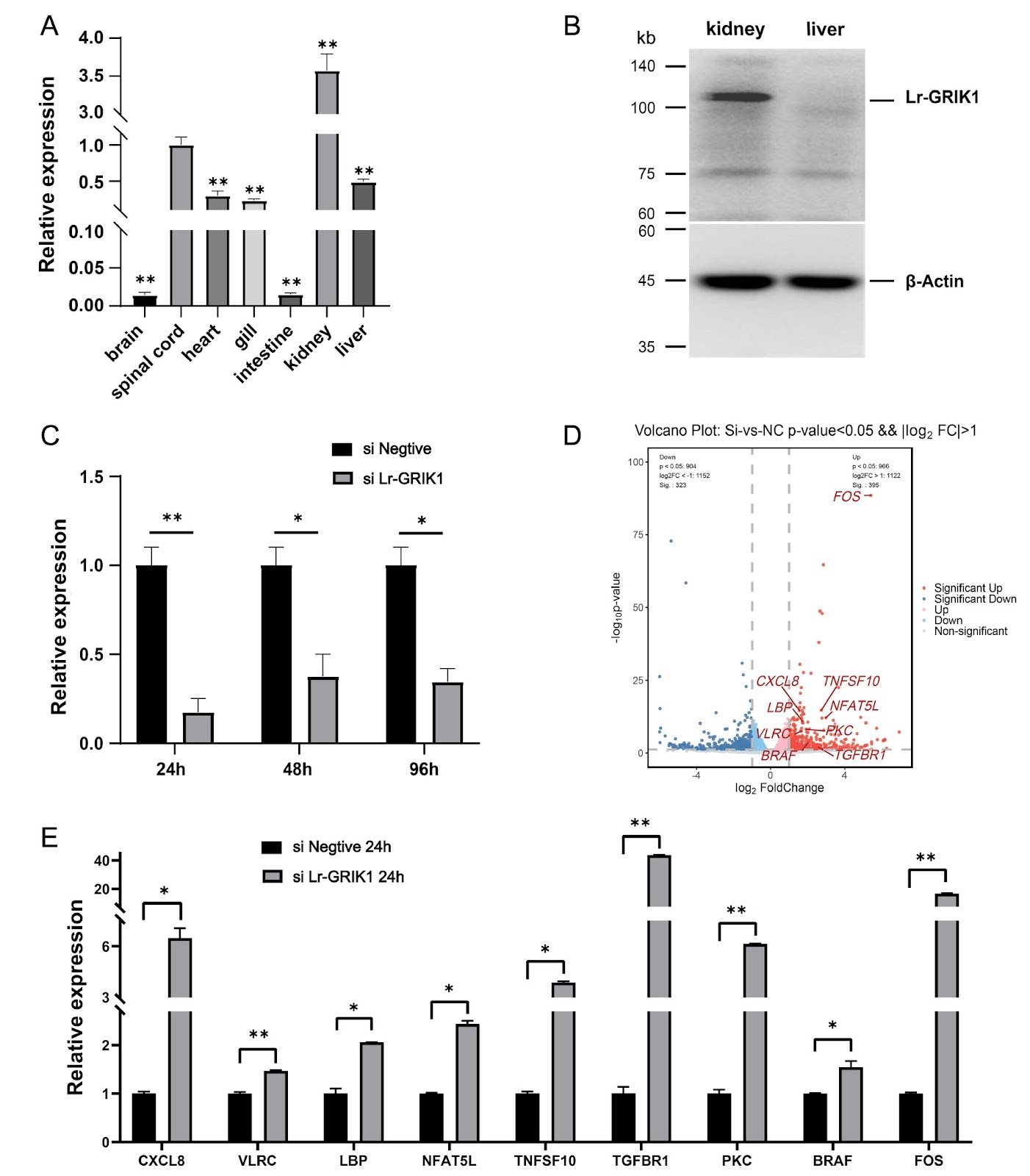
Kainate receptors (KARs) are one of the ionotropic glutamate receptor (iGluR) families, and their antagonists are being investigated for the treatment of several neurological disorders, including Alzheimer’s disease, a neurodegenerative condition, etc. As early as 1990, Bettler et al. [1] first cloned the GRIK1 subunit of KARs, marking a pivotal advancement in understanding these receptors. Members of the iGluR family have been identified in other jawed vertebrates and exhibit conserved structural features. However, research into iGluRs in jawless vertebrates has been limited. Owing to the unique evolutionary position of lampreys, their iGluRs might also present functions distinct from those of jawed vertebrates; therefore, it is particularly important to study iGluRs in lampreys. In this study, we identified four homologous subunits of iGluRs in lampreys, including Lr-GRIA2, Lr-GRIA4, Lr-GRIK1 and Lr-GRIN2B. Lampreys occupy a unique evolutionary position, making phylogenetic analysis of iGluR subunits between lampreys and other species essential for understanding iGluR evolution. Given the distinctive functional characteristics of iGluR family members, particularly KAR subtypes, we focused on the functional validation of Lr-GRIK1. First, we confirmed the expression of Lr-GRIK1 in lampreys and examined its expression profiles across various tissues via qPCR and western blotting. To elucidate the functional role of Lr-GRIK1 in lampreys, we used an siRNA to silence Lr-GRIK1. We subsequently conducted transcriptome sequencing of both the silenced and control groups to construct and analyze their expression profiles. Our analysis revealed differential expression of genes enriched in pathways related to signal transduction and the immune system, highlighting potential roles of Lr-GRIK1 beyond traditional neurotransmission functions. Unlike in jawed vertebrates, transcriptome enrichment provides a new direction for understanding the function of Lr-GRIK1. Therefore, we monitored the changes in Lr-GRIK1 expression in the kidney tissue of lampreys after stimulation. In addition, we confirmed that Lr-GRIK1 affects the expression levels of immune-related molecules during the immune response process. These findings provide insights into the broader functional significance of Lr-GRIK1 in the biology of lampreys.

KARs negatively regulate the immune response in lamprey
Graphical Abstract
Original ResearchVol. 57, Issue 11 • pp. 1767-1779DOI: 10.3724/abbs.2025113

Nobiletin suppresses nasopharyngeal carcinoma by regulating the KEAP1/NRF2/ARE pathway

Authors: Yiyao Liang, Minyan Wei, Yunan Yao, Baizhong Chen, Jinji Deng, Shiqi Xu, Liming Li, Wen Liu, Yi Cai, Guodong Zheng

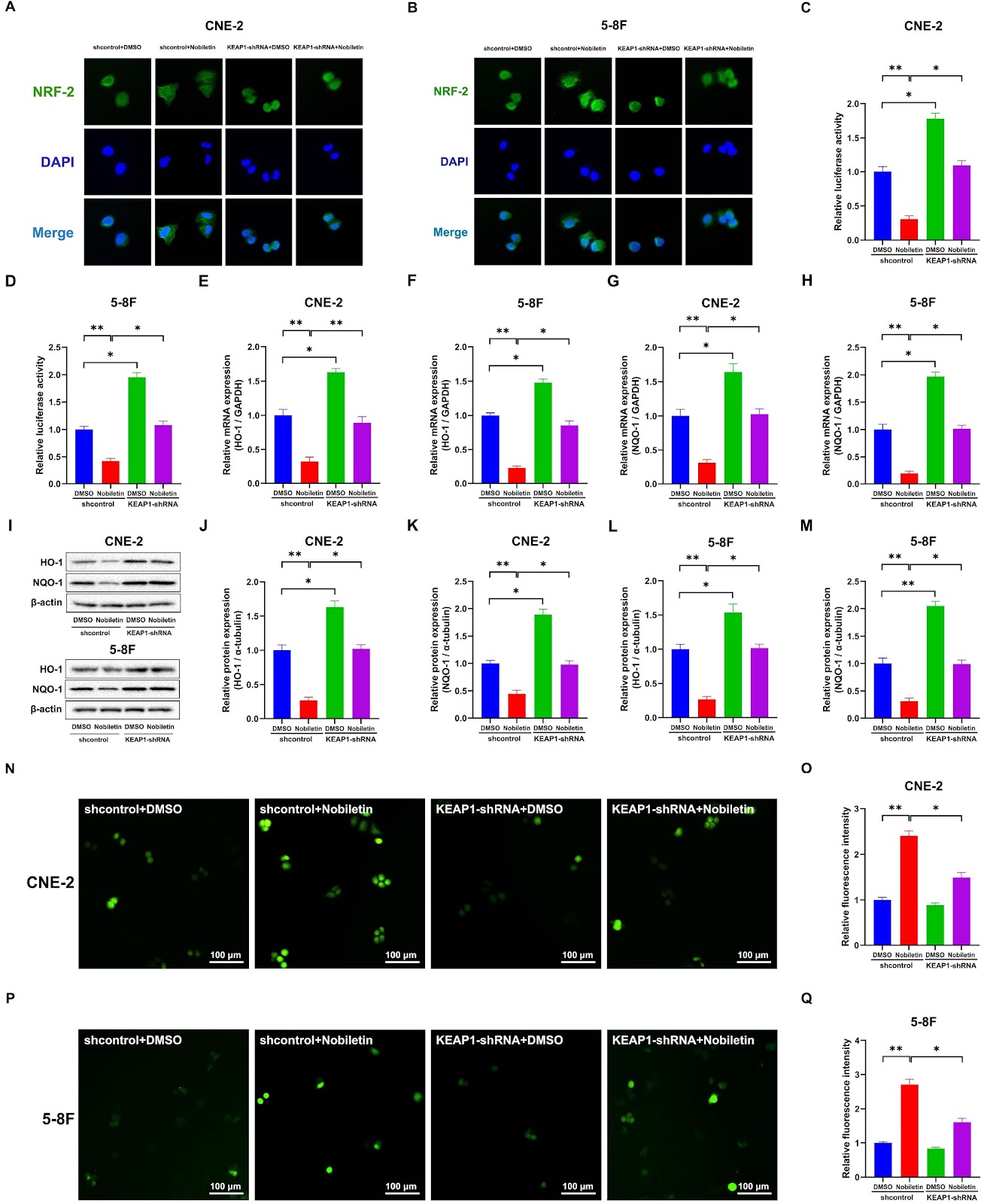
Nasopharyngeal carcinoma (NPC) ranks among the most prevalent malignancies, particularly in East Asia and Southeast Asia. Nobiletin (NOB), an exclusive polymethoxyflavonoid derived from citrus peel, exhibits diverse physiological properties, notably its potent anticancer activity. Kelch-like ECH-associated protein 1 (KEAP1), the repressor protein regulating the nuclear factor erythroid 2-related factor 2 (NRF2) transcription factor, has emerged as a promising strategy for addressing oxidative stress in various diseases. The KEAP1/NRF2/ARE signal is a fundamental pathway within the cellular homeostatic defense system. This study robustly demonstrates the chemopreventive potential of NOB through comprehensive in vitro and in vivo assessments using subcutaneous tumor mouse models. Furthermore, our groundbreaking findings reveal that NOB effectively hinders the migration and invasion capacities of CNE-2 and 5-8F (NPC) cells in a dose- and time-dependent manner. Mechanistically, NOB, a potent KEAP1 activator, significantly disrupts the NRF2/ARE signaling pathway by accelerating the proteasomal degradation of NRF2 and suppressing its nuclear translocation. Consequently, this cascade reduces the expressions of ARE-driven genes and antioxidant enzymes, thereby increasing intracellular reactive oxygen species (ROS) levels and increasing antitumor immunity. Moreover, the sensitivity induced by NOB is markedly diminished in CNE-2 cells following the gene silencing of KEAP1. These findings underscore the pivotal role of NOB in activating KEAP1. Overall, KEAP1 has emerged as a compelling target for potential malignancy treatment in nasopharyngeal carcinoma cell lines. Our results suggest the promising application of NOB as a natural sensitizer in chemotherapy, opening avenues for promising therapeutic interventions.

Nobiletin suppresses nasopharyngeal carcinoma by regulating the KEAP1/NRF2/ARE pathway
Graphical Abstract