🧬 SinoBioData Academic Portal
🏛️ Indexed Academic JournalOriginal: 生物化学与生物物理学报

Acta Biochimica et Biophysica Sinica

Premier Chinese Biomedical Journal indexed in SinoBioData: Acta Biochimica et Biophysica Sinica (生物化学与生物物理学报).

Total Research Papers: 200
Access: 100% Free Open Access
Browse by Publication Year & VolumeReset All Filters ✕

Published Research PapersFiltered: Year 2024 • 56 • 11

Showing 4 of 200 peer-reviewed papers with full Graphical Abstracts.

Original ResearchVol. 56, Issue 11 • pp. 1573-1583DOI: 10.3724/abbs.2024149

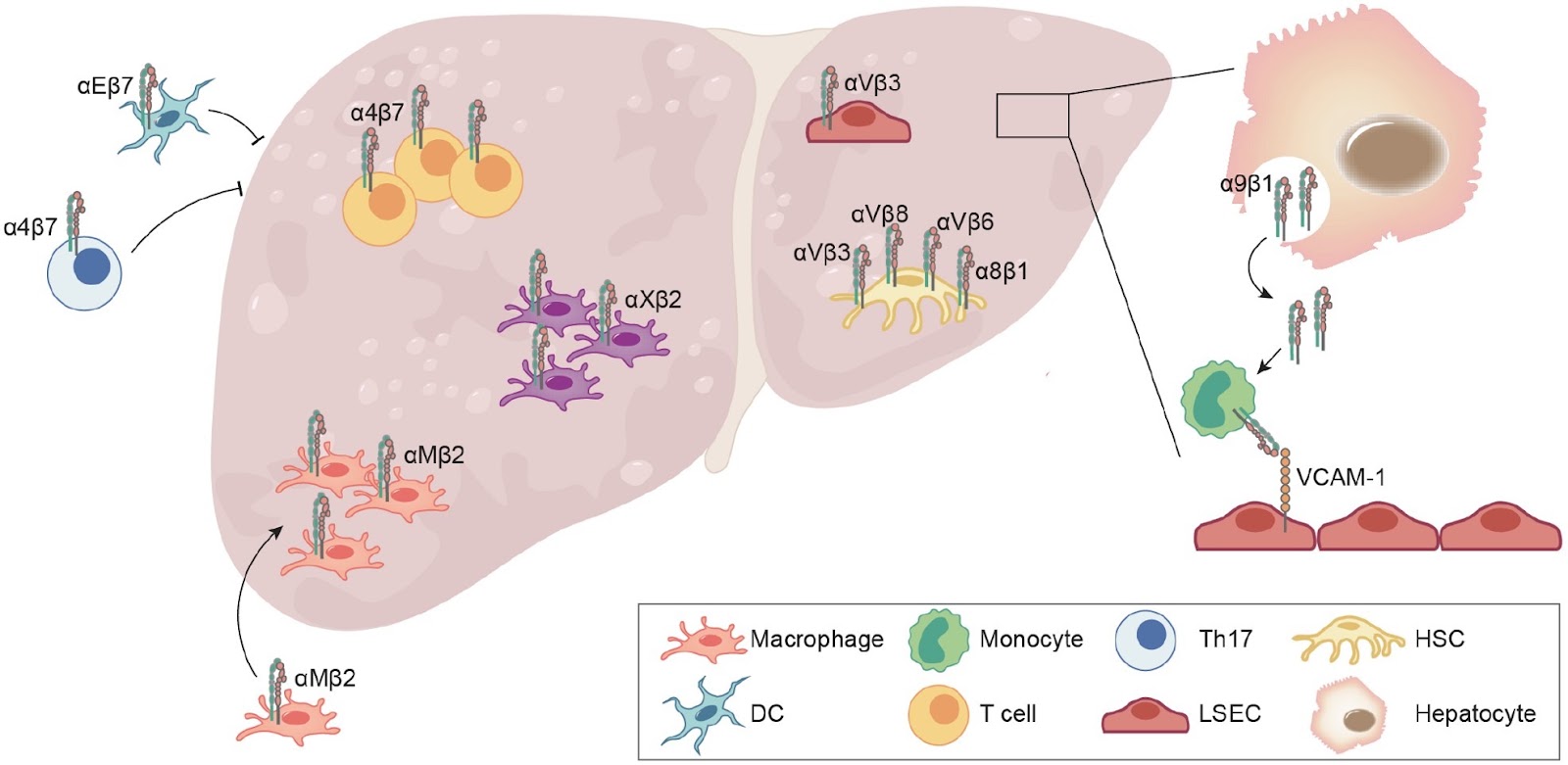
Integrins and NAFLD-associated liver diseases: clinical associations, pathophysiological mechanisms and pharmacological implications

Authors: Yangyue Ni, Mengwen Huang, Shiyang Chen, Shihui Wang, Jianfeng Chen

Nonalcoholic fatty liver disease (NAFLD) is a leading cause of chronic liver disease and poses a substantial health burden with increasing incidence globally. NAFLD encompasses a spectrum extending from hepatic steatosis to nonalcoholic steatohepatitis (NASH), with the possibility of progressing to cirrhosis or, in severe instances, hepatocellular carcinoma (HCC). NAFLD extends beyond simple metabolic disruption and involves multiple immune cell-mediated inflammatory processes. Integrins are a family of heterodimeric transmembrane cell adhesion receptors that regulate various aspects of NAFLD onset and progression, including hepatocellular steatosis, hepatic stellate cell (HSC) activation and immune cell infiltration. In this review, we comprehensively summarize the involvement of integrins in NAFLD, as well as the downstream signal transduction mediated by these receptors. Furthermore, we present the latest clinical and preclinical findings on drugs that target integrins for steatosis, inflammation, fibrosis and NAFLD-related HCC treatment.
Integrins and NAFLD-associated liver diseases: clinical associations, pathophysiological mechanisms and pharmacological implications
Graphical Abstract
Original ResearchVol. 56, Issue 11 • pp. 1644-1658DOI: 10.3724/abbs.2024102

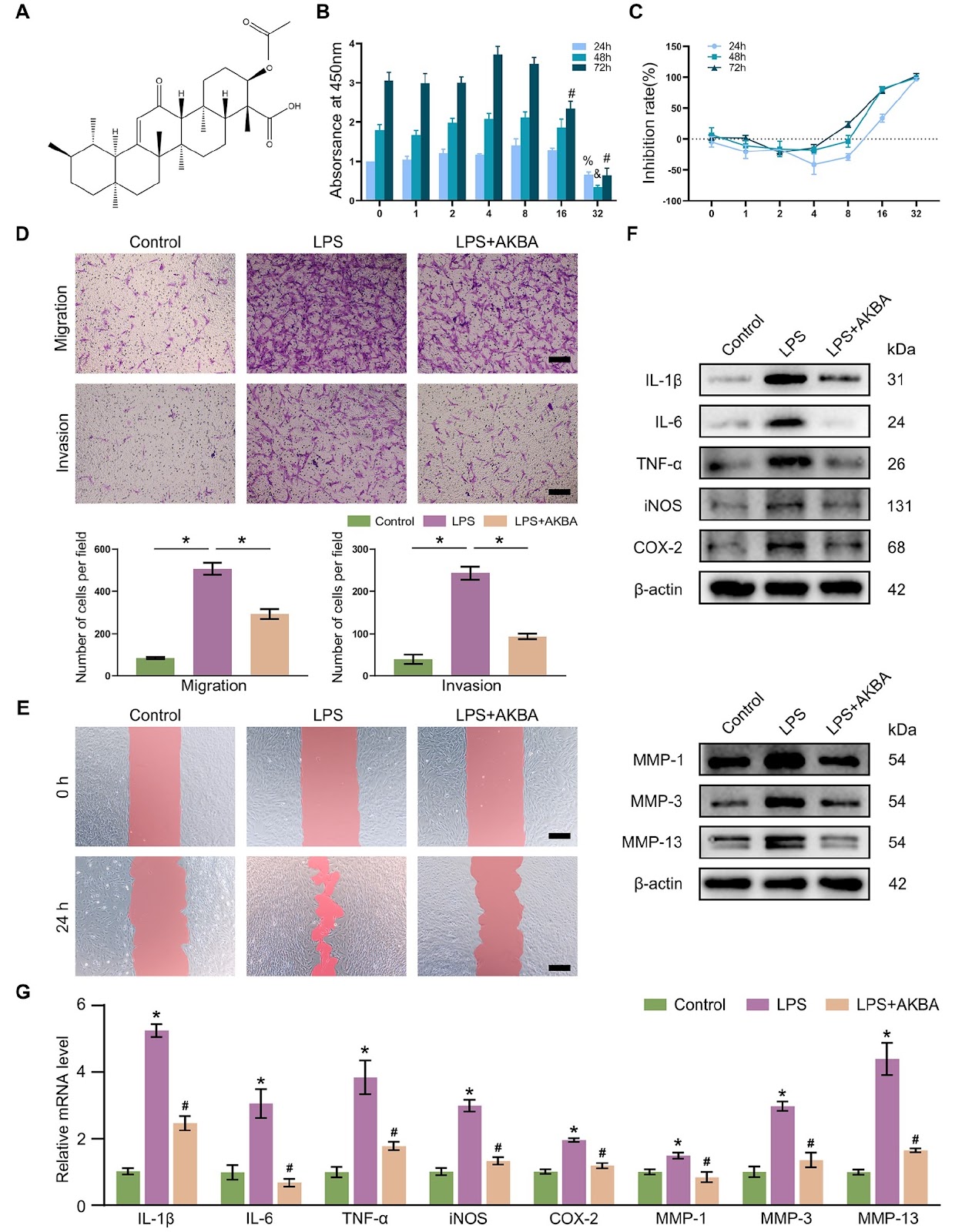
Acetyl-11-keto-β-boswellic acid restrains the progression of synovitis in osteoarthritis via the Nrf2/HO-1 pathway

Authors: Jing Zhou, Xueyan Li, Zeyu Han, Yinhua Qian, Lang Bai, Qibin Han, Maofeng Gao, Yi Xue, Dechun Geng, Xing Yang, Yuefeng Hao

Synovial inflammation plays a key role in osteoarthritis (OA) pathogenesis. Fibroblast-like synoviocytes (FLSs) represent a distinct cell subpopulation within the synovium, and their unique phenotypic alterations are considered significant contributors to inflammation and fibrotic responses. The underlying mechanism by which acetyl-11-keto-β-boswellic acid (AKBA) modulates FLS activation remains unclear. This study aims to assess the beneficial effects of AKBA through both in vitro and in vivo investigations. Network pharmacology evaluation is used to identify potential targets of AKBA in OA. We evaluate the effects of AKBA on FLSs activation in vitro and the regulatory role of AKBA on the Nrf2/HO-1 signaling pathway. ML385 (an Nrf2 inhibitor) is used to verify the binding of AKBA to its target in FLSs. We validate the in vivo efficacy of AKBA in alleviating OA using anterior cruciate ligament transection and destabilization of the medial meniscus (ACLT+DMM) in a rat model. Network pharmacological analysis reveals the potential effect of AKBA on OA. AKBA effectively attenuates lipopolysaccharide (LPS)-induced abnormal migration and invasion and the production of inflammatory mediators, matrix metalloproteinases (MMPs), and reactive oxygen species (ROS) in FLSs, contributing to the restoration of the synovial microenvironment. After treatment with ML385, the effect of AKBA on FLSs is reversed. In vivo studies demonstrate that AKBA mitigates synovial inflammation and fibrotic responses induced by ACLT+DMM in rats via activation of the Nrf2/HO-1 axis. AKBA exhibits theoretical potential for alleviating OA progression through the Nrf2/HO-1 pathway and represents a viable therapeutic candidate for this patient population.

Acetyl-11-keto-β-boswellic acid restrains the progression of synovitis in osteoarthritis via the Nrf2/HO-1 pathway
Graphical Abstract
Original ResearchVol. 56, Issue 11 • pp. 1633-1643DOI: 10.3724/abbs.2024148

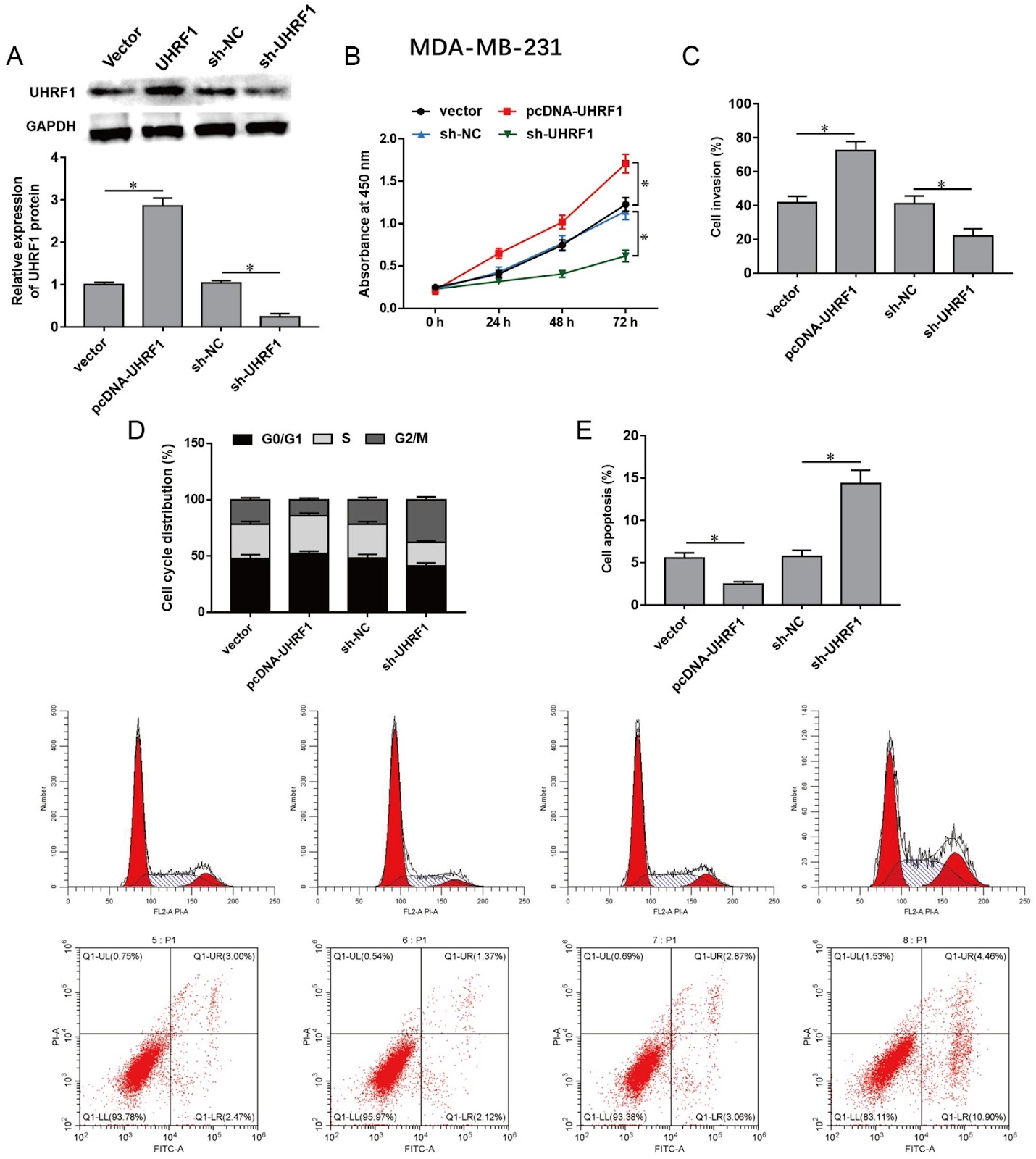
UHRF1 knockdown induces cell cycle arrest and apoptosis in breast cancer cells through the ZBTB16/ANXA7/Cyclin B1 axis

Authors: Di Liu, Qin Du, Yuxuan Zhu, Yize Guo, Ya Guo

Ubiquitin-like containing PHD and RING finger domains 1 (UHRF1) is involved in tumorigenicity through DNA methylation in various cancers, including breast cancer. This study aims to investigate the regulatory mechanisms of UHRF1 in breast cancer progression. Herein, we show that UHRF1 is upregulated in breast cancer tissues and cell lines as measured by western blot analysis and immunohistochemistry. Breast cancer cells are transfected with a UHRF1 overexpression plasmid (pcDNA-UHRF1) or short hairpin RNA targeting UHRF1 (sh-UHRF1), followed by detection of cell proliferation, invasion, apoptosis, and cell cycle. UHRF1 overexpression promotes proliferation and invasion and attenuates cell cycle arrest and apoptosis in breast cancer cells, while UHRF1 knockdown shows the opposite effect. Moreover, methylation-specific PCR and ChIP assays indicate that UHRF1 inhibits zinc finger and BTB domain containing 16 (ZBTB16) expression by promoting ZBTB16 promoter methylation via the recruitment of DNA methyltransferase 1 (DNMT1). Then, a co-IP assay is used to verify the interaction between ZBTB16 and the annexin A7 (ANXA7) protein. ZBTB16 promotes ANXA7 expression and subsequently inhibits Cyclin B1 expression. Rescue experiments reveal that ZBTB16 knockdown reverses the inhibitory effects of UHRF1 knockdown on breast cancer cell malignancies and that ANXA7 knockdown abolishes the inhibitory effects of ZBTB16 overexpression on breast cancer cell malignancies. Additionally, UHRF1 knockdown significantly inhibits xenograft tumor growth in vivo. In conclusion, UHRF1 knockdown inhibits proliferation and invasion, induces cell cycle arrest and apoptosis in breast cancer cells via the ZBTB16/ANXA7/Cyclin B1 axis, and reduces xenograft tumor growth in vivo.

UHRF1 knockdown induces cell cycle arrest and apoptosis in breast cancer cells through the ZBTB16/ANXA7/Cyclin B1 axis
Graphical Abstract
Original ResearchVol. 56, Issue 11 • pp. 1673-1686DOI: 10.3724/abbs.2024134

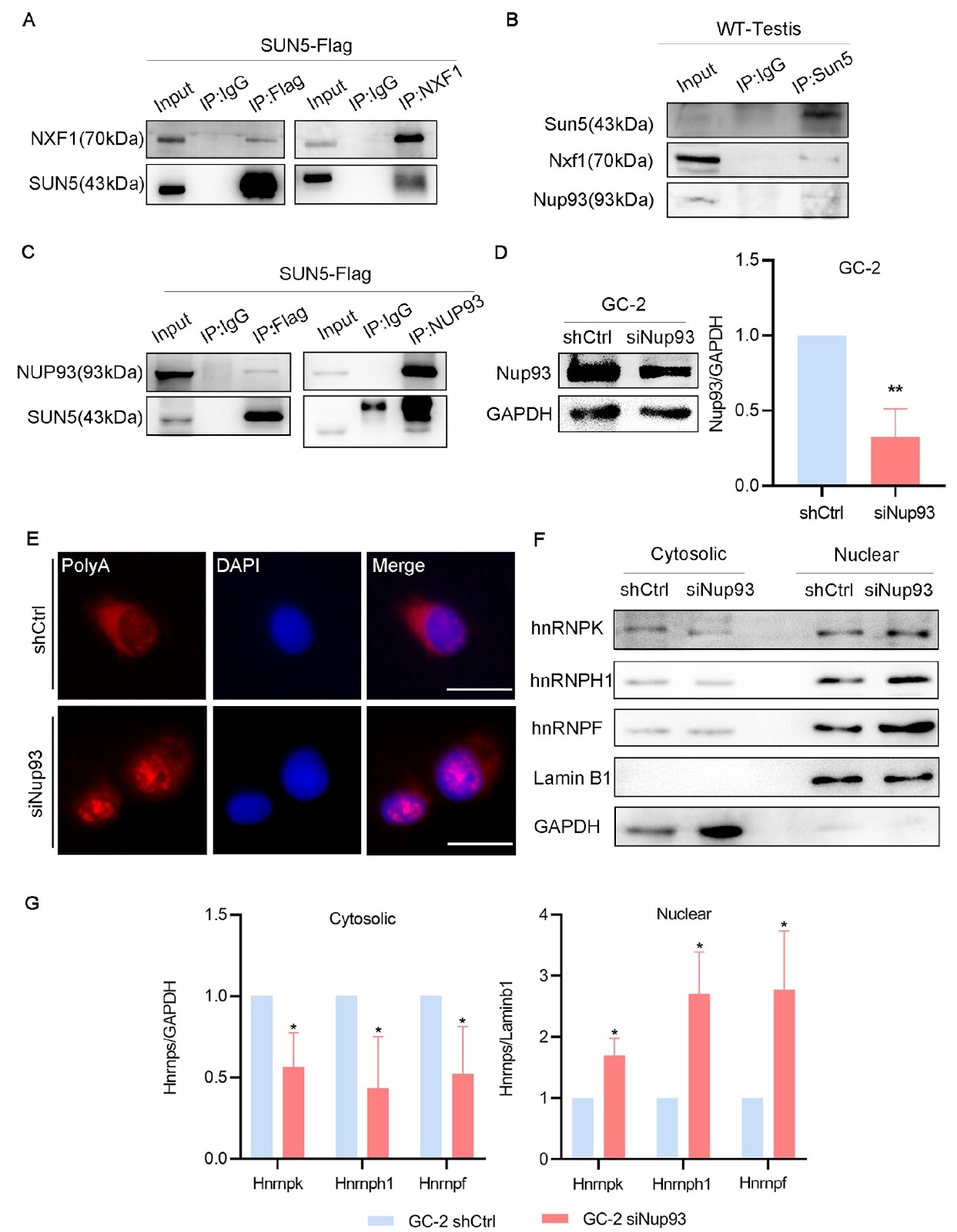
SUN5, a testis-specific nuclear membrane protein, participates in recruitment and export of nuclear mRNA in spermatogenesis

Authors: Xiyi He, Yunfei Zhang, Zenghui Mao, Gang Liu, Lihua Huang, Xiaowen Liu, Yuyan Su, Xiaowei Xing

SUN5, a testis-specific gene, is associated with acephalic spermatozoa syndrome (ASS). Here, we demonstrate that SUN5 is involved in mRNA export. In Sun5-knockout mice (Sun5–/–), poly(A)+ RNA accumulates in the nuclei of germ cells, leading to reduced sperm counts, decreased sperm motility and disrupted sperm head-to-tail junctions. Additionally, in the GC-2 germ cell line with RNA interference of Sun5, heterogeneous nuclear ribonucleoproteins (hnRNPs) and poly (A)+ RNA (mainly mRNA) are retained in the nucleus. Further mechanistic studies reveal that SUN5 interacts with Nxf1 (nuclear RNA export factor 1) and nucleoporin 93 (Nup93). Interference with Nup93 inhibits mRNA export. Treatment with leptomycin B to block the CRM1 pathway indicates that Sun5 regulates mRNA export through an Nxf1-dependent pathway. In Sun5–/– mice, the binding of Nxf1 and Nup93 decreases due to loss of Sun5 function, and the process of submitting Nxf1-binding mRNPs to Nup93 is inhibited, resulting in abnormal spermatogenesis. Together, these data may elucidate a novel pathway for mRNA export in male germ cells.

SUN5, a testis-specific nuclear membrane protein, participates in recruitment and export of nuclear mRNA in spermatogenesis
Graphical Abstract