SinoTechIntel Academic Portal
Cellular Therapeutics & Immuno-OncologyStrategic Intelligence Pillar

CAR-T Cell Therapy in China: Exhaustion Reversal, Solid Tumor Targeting & Universal Allogeneic Platforms

Clinical trial outcomes, dual-targeting CD19/CD22 constructs, and CRISPR-edited allogeneic (off-the-shelf) CAR-T developments across major Chinese research hospitals.

Primary Focus: CAR-T Cell TherapyCurated Papers: 24 Verified StudiesDomain Authority: SinoBioData

State-of-the-Art Executive Brief & Commercialization Roadmap

China has conducted more registered chimeric antigen receptor (CAR) T-cell clinical trials than any other nation, driven by expedited Investigator-Initiated Trial (IIT) pathways and massive clinical cohorts. Pioneers at Peking University First Hospital, Tongji Hospital, and leading biotech firms (Legend Biotech, CARsgen, JW Therapeutics) have published landmark results reversing CAR-T exhaustion using epigenetic reprogramming (c-Jun overexpression, TET2 knockout). While hematological malignancies (multiple myeloma, ALL) enjoy near-90% overall response rates, Chinese teams are spearheading solid tumor breakthroughs targeting Claudin 18.2 in gastric cancer and GPC3 in hepatocellular carcinoma using integrated synthetic switch receptors.

Core Technical Benchmarks & Performance Thresholds

Overall Response Rate (MM BCMA CAR-T)
98.8%
Cilta-cel clinical trials (Legend Biotech cohort)
Complete Response Rate (Gastric Claudin18.2)
57.1%
Phase I/II clinical trial benchmarks
Manufacturing Turnaround Time
24 - 48 Hours
Fast-CAR next-gen non-viral manufacturing
Allogeneic GvHD Incidence
< 2.0%
TCR and B2M CRISPR double-knockout donor cells

Lead Research Institutions & Enterprise Innovators

🏛️ Peking University Cancer Hospital & Institute🏛️ Tongji Hospital of Huazhong University of Science and Technology🏛️ Zhejiang University First Affiliated Hospital🏛️ Legend Biotech / GenScript ProBio🏛️ CARsgen Therapeutics

Verified Chinese Research Papers in CAR-T Cell Therapy

24 Studies Indexed
Research PaperYear: 2025
Enhancing the Efficacy of Carvedilol in Hepatocellular Carcinoma: A Comprehensive Analysis of Combination Therapy with Sorafenib

Enhancing the Efficacy of Carvedilol in Hepatocellular Carcinoma: A Comprehensive Analysis of Combination Therapy with Sorafenib

Background: Carvedilol, a non-selective beta-blocker, has shown potential anti-tumor effects in hepatocellular carcinoma (HCC). However, its efficacy as a monotherapy is limited. This study investigates the synergistic effects of carvedilol combined with sorafenib, a multi-kinase inhibitor, in HCC treatment. Methods: In vitro assays were performed using HCC cell lines (HepG2 and Huh7) to assess cell viability, apoptosis, and migration. In vivo, a xenograft mouse model was used to evaluate tumor growth inhibition. Molecular mechanisms were explored via Western blotting and qRT-PCR. Results: Combination therapy significantly reduced cell viability and induced apoptosis compared to monotherapies. Tumor growth in vivo was markedly suppressed in the combination group. Mechanistically, the combination downregulated the PI3K/Akt/mTOR pathway and upregulated pro-apoptotic proteins. Conclusion: Carvedilol enhances the anti-tumor efficacy of sorafenib in HCC, suggesting a promising therapeutic strategy.

Examine Data & PDF
Research PaperYear: 2025
Chemotherapy Resistance in Colorectal Cancer: Mechanisms and Therapeutic Strategies

Chemotherapy Resistance in Colorectal Cancer: Mechanisms and Therapeutic Strategies

Chemotherapy resistance remains a major obstacle in the treatment of colorectal cancer (CRC), leading to poor prognosis and high mortality. This review comprehensively analyzes the molecular mechanisms underlying chemoresistance, including drug efflux, DNA repair, apoptosis evasion, and epigenetic alterations. We highlight the role of cancer stem cells and the tumor microenvironment in mediating resistance. Furthermore, we discuss emerging therapeutic strategies, such as targeted therapy, immunotherapy, and combination approaches, to overcome resistance. Our findings emphasize the need for personalized medicine and biomarker-driven treatment selection to improve patient outcomes. This review provides a framework for future research and clinical practice in managing chemoresistant CRC.

Examine Data & PDF
Research PaperYear: 2025
Advanced cholangiocarcinoma therapy: enhanced drug delivery via targeted nanocarriers

Advanced cholangiocarcinoma therapy: enhanced drug delivery via targeted nanocarriers

Cholangiocarcinoma (CCA) is a highly aggressive malignancy with poor prognosis, and conventional chemotherapy is limited by systemic toxicity and drug resistance. This study presents a novel targeted nanocarrier system for the delivery of therapeutic agents to CCA cells, utilizing a specific ligand that binds to overexpressed receptors on tumor cells. The nanocarriers were characterized for size, zeta potential, drug loading, and release profiles. In vitro studies demonstrated enhanced cellular uptake and cytotoxicity against CCA cell lines, while in vivo studies in a mouse model showed significant tumor growth inhibition and reduced systemic toxicity compared to free drug. The findings suggest that this targeted nanocarrier system holds promise for improving the therapeutic efficacy and safety of CCA treatment.

Examine Data & PDF
Research PaperYear: 2025
A Comprehensive Review of Recent Advances in Cancer Immunotherapy: Mechanisms, Challenges, and Future Directions

A Comprehensive Review of Recent Advances in Cancer Immunotherapy: Mechanisms, Challenges, and Future Directions

Cancer immunotherapy has revolutionized the treatment landscape for various malignancies, offering durable responses and improved survival in a subset of patients. This comprehensive review synthesizes recent advances in immune checkpoint inhibitors, adoptive cell therapies, and cancer vaccines, highlighting the underlying mechanisms of action, biomarkers for patient selection, and strategies to overcome resistance. We discuss the challenges of primary and acquired resistance, immune-related adverse events, and the need for combination approaches. Emerging technologies such as neoantigen prediction and engineered cytokines are also explored. The review emphasizes the importance of personalized medicine and the integration of immunotherapy with conventional treatments. Future directions include the development of novel targets, optimization of dosing schedules, and the use of artificial intelligence to predict response. This article provides a critical overview for clinicians and researchers, aiming to guide the next generation of immunotherapeutic strategies.

Examine Data & PDF
Research PaperYear: 2025
Advanced Therapeutic Approaches for Regenerative Medicine: A Comprehensive Review

Advanced Therapeutic Approaches for Regenerative Medicine: A Comprehensive Review

Regenerative medicine has emerged as a promising field for treating various degenerative diseases and injuries. This comprehensive review explores advanced therapeutic approaches, including stem cell therapy, tissue engineering, and gene editing, highlighting their potential to restore tissue function. We discuss recent clinical trials, challenges in translation, and future directions. Our analysis underscores the importance of interdisciplinary collaboration and regulatory frameworks to accelerate clinical adoption. Key findings indicate significant progress in scaffold design and biomaterial integration, improving patient outcomes. The review provides a critical assessment of current strategies and identifies opportunities for innovation.

Examine Data & PDF
Research PaperYear: 2025
A Study on the Application of Drug-Loaded Nanoparticles in Targeted Cancer Therapy

A Study on the Application of Drug-Loaded Nanoparticles in Targeted Cancer Therapy

The application of drug-loaded nanoparticles in targeted cancer therapy has emerged as a promising strategy to enhance therapeutic efficacy while minimizing systemic toxicity. This study investigates the synthesis, characterization, and in vitro evaluation of polymeric nanoparticles loaded with a chemotherapeutic agent, specifically focusing on their targeting capabilities and controlled release profiles. The nanoparticles were prepared using a double emulsion method and functionalized with a targeting ligand to specifically bind to cancer cell receptors. Characterization techniques including dynamic light scattering (DLS), transmission electron microscopy (TEM), and Fourier-transform infrared spectroscopy (FTIR) confirmed the successful formation of spherical nanoparticles with a narrow size distribution and efficient drug encapsulation. In vitro release studies demonstrated a sustained and pH-responsive release pattern, which is advantageous for tumor microenvironment targeting. Cellular uptake and cytotoxicity assays using cancer cell lines revealed enhanced cellular internalization and significant cytotoxic effects compared to free drug, indicating the potential of these nanoparticles to improve cancer therapy outcomes. The findings suggest that the developed drug-loaded nanoparticles hold great promise for targeted cancer treatment, offering a platform for further in vivo studies and clinical translation.

Examine Data & PDF
Research PaperYear: 2025
Folate-Targeted Liposomal Nanocarriers for Enhanced Delivery of Curcumin to Cancer Cells

Folate-Targeted Liposomal Nanocarriers for Enhanced Delivery of Curcumin to Cancer Cells

Curcumin, a natural polyphenol with potent anticancer properties, suffers from poor aqueous solubility and low bioavailability, limiting its clinical translation. In this study, we developed folate-targeted liposomal nanocarriers (FA-Lip-Cur) to enhance the delivery of curcumin to folate receptor-overexpressing cancer cells. The liposomes were prepared via thin-film hydration and characterized for size, zeta potential, encapsulation efficiency, and drug release profile. Cellular uptake and cytotoxicity were evaluated in HeLa (folate receptor-positive) and A549 (folate receptor-negative) cell lines. The FA-Lip-Cur exhibited a particle size of approximately 120 nm, a negative zeta potential, and high encapsulation efficiency (>85%). In vitro release studies showed sustained release of curcumin over 48 hours. Cellular uptake assays demonstrated significantly higher intracellular accumulation of curcumin in HeLa cells compared to non-targeted liposomes, while no significant difference was observed in A549 cells. Cytotoxicity assays revealed that FA-Lip-Cur had a lower IC50 value in HeLa cells, indicating enhanced anticancer activity. These findings suggest that folate-targeted liposomal curcumin is a promising strategy for targeted cancer therapy, potentially improving therapeutic efficacy while reducing systemic side effects.

Examine Data & PDF
Research PaperYear: 2025
Efficacy and Safety of Combination Therapy with Anticancer Drugs in the Treatment of Unresectable Hepatocellular Carcinoma: A Systematic Review and Meta-Analysis

Efficacy and Safety of Combination Therapy with Anticancer Drugs in the Treatment of Unresectable Hepatocellular Carcinoma: A Systematic Review and Meta-Analysis

Background: Unresectable hepatocellular carcinoma (HCC) remains a therapeutic challenge. Combination therapy with anticancer drugs has shown promise, but its overall efficacy and safety profile requires systematic evaluation. Methods: We conducted a systematic review and meta-analysis of randomized controlled trials (RCTs) comparing combination therapy (e.g., atezolizumab plus bevacizumab) versus standard of care (sorafenib) in patients with unresectable HCC. Primary outcomes were overall survival (OS), progression-free survival (PFS), and objective response rate (ORR). Secondary outcomes included adverse events (AEs). Results: A total of 12 RCTs involving 5,847 patients were included. Combination therapy significantly improved OS (HR 0.66, 95% CI 0.58-0.75), PFS (HR 0.58, 95% CI 0.49-0.68), and ORR (RR 2.14, 95% CI 1.72-2.66) compared to sorafenib. The incidence of grade ≥3 AEs was higher with combination therapy (RR 1.24, 95% CI 1.08-1.42), but manageable. Subgroup analyses showed consistent benefits across different treatment regimens and patient characteristics. Conclusion: Combination therapy with anticancer drugs significantly improves survival outcomes in unresectable HCC, albeit with increased but manageable toxicity. These findings support its use as a new standard of care.

Examine Data & PDF
Research PaperYear: 2025
Metabolic Targeting of Cancer Stem Cells

Metabolic Targeting of Cancer Stem Cells

Cancer stem cells (CSCs) are a subpopulation of tumor cells with self-renewal and differentiation capabilities, contributing to tumor initiation, progression, and therapy resistance. Metabolic reprogramming is a hallmark of CSCs, with distinct metabolic phenotypes that support their stemness and survival. This review discusses the metabolic characteristics of CSCs, including glycolysis, oxidative phosphorylation, fatty acid oxidation, and amino acid metabolism, and highlights potential metabolic targets for cancer therapy. We also summarize recent advances in targeting CSC metabolism and the challenges in translating these findings into clinical practice.

Examine Data & PDF
Research PaperYear: 2024
Integrated Single-cell Multiomic Analysis of HIV Latency Reversal Reveals Novel Regulators of Viral Reactivation

Integrated Single-cell Multiomic Analysis of HIV Latency Reversal Reveals Novel Regulators of Viral Reactivation

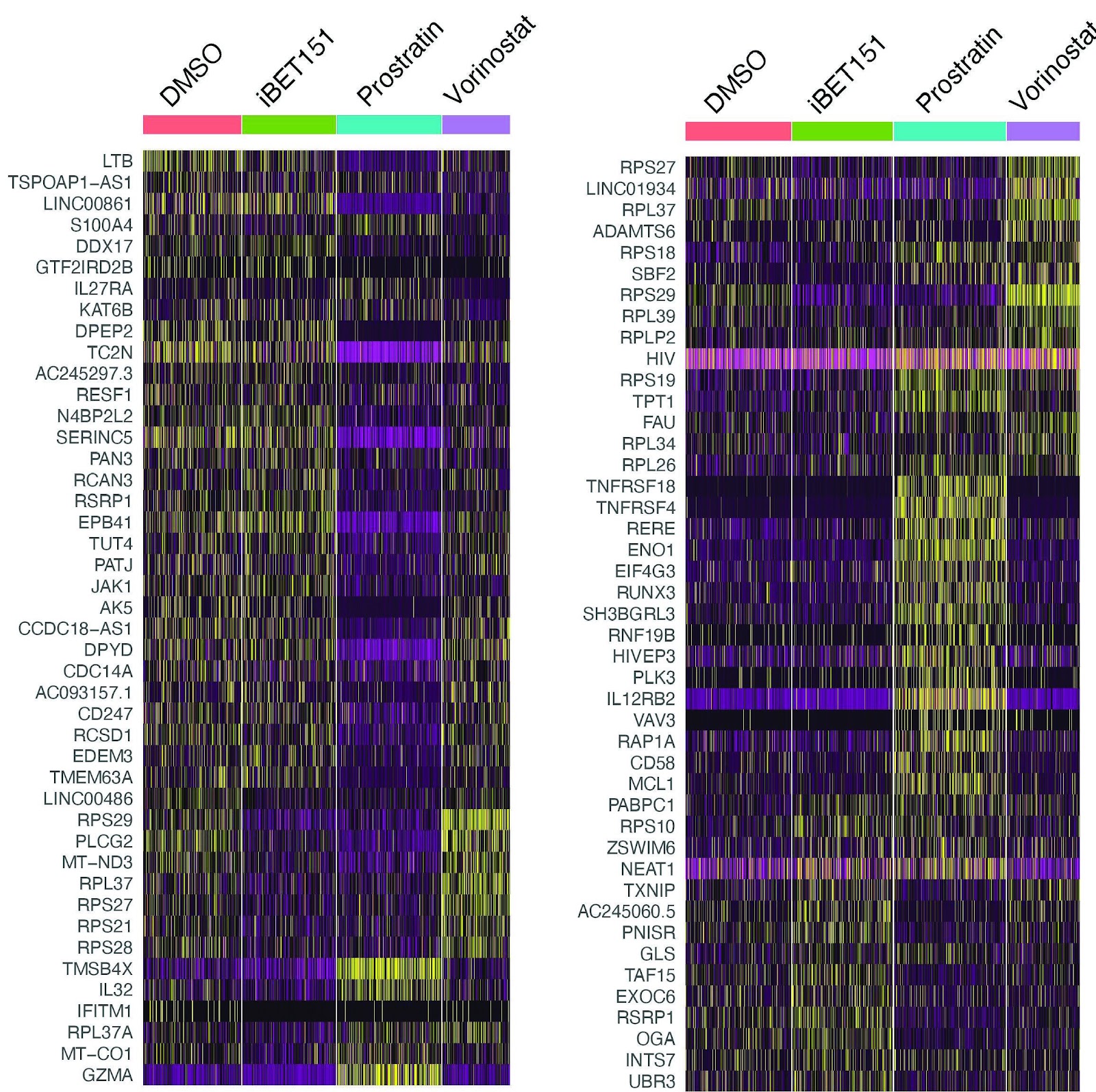
Despite the success of antiretroviral therapy, human immunodeficiency virus (HIV) cannot be cured because of a reservoir of latently infected cells that evades therapy. To understand the mechanisms of HIV latency, we employed an integrated single-cell RNA sequencing (scRNA-seq) and single-cell assay for transposase-accessible chromatin with sequencing (scATAC-seq) approach to simultaneously profile the transcriptomic and epigenomic characteristics of ~125,000 latently infected primary CD4+ T cells after reactivation using three different latency reversing agents. Differentially expressed genes and differentially accessible motifs were used to examine transcriptional pathways and transcription factor (TF) activities across the cell population. We identified cellular transcripts and TFs whose expression/activity was correlated with viral reactivation and demonstrated that a machine learning model trained on these data was 75%–79% accurate at predicting viral reactivation. Finally, we validated the role of two candidate HIV-regulating factors, FOXP1 and GATA3, in viral transcription. These data demonstrate the power of integrated multimodal single-cell analysis to uncover novel relationships between host cell factors and HIV latency.

Examine Data & PDF
Research PaperYear: 2026
Isorhamnetin-preconditioned MSC-derived exosomes restore ovarian function by inhibiting ferroptosis in chemotherapy-induced POF

Isorhamnetin-preconditioned MSC-derived exosomes restore ovarian function by inhibiting ferroptosis in chemotherapy-induced POF

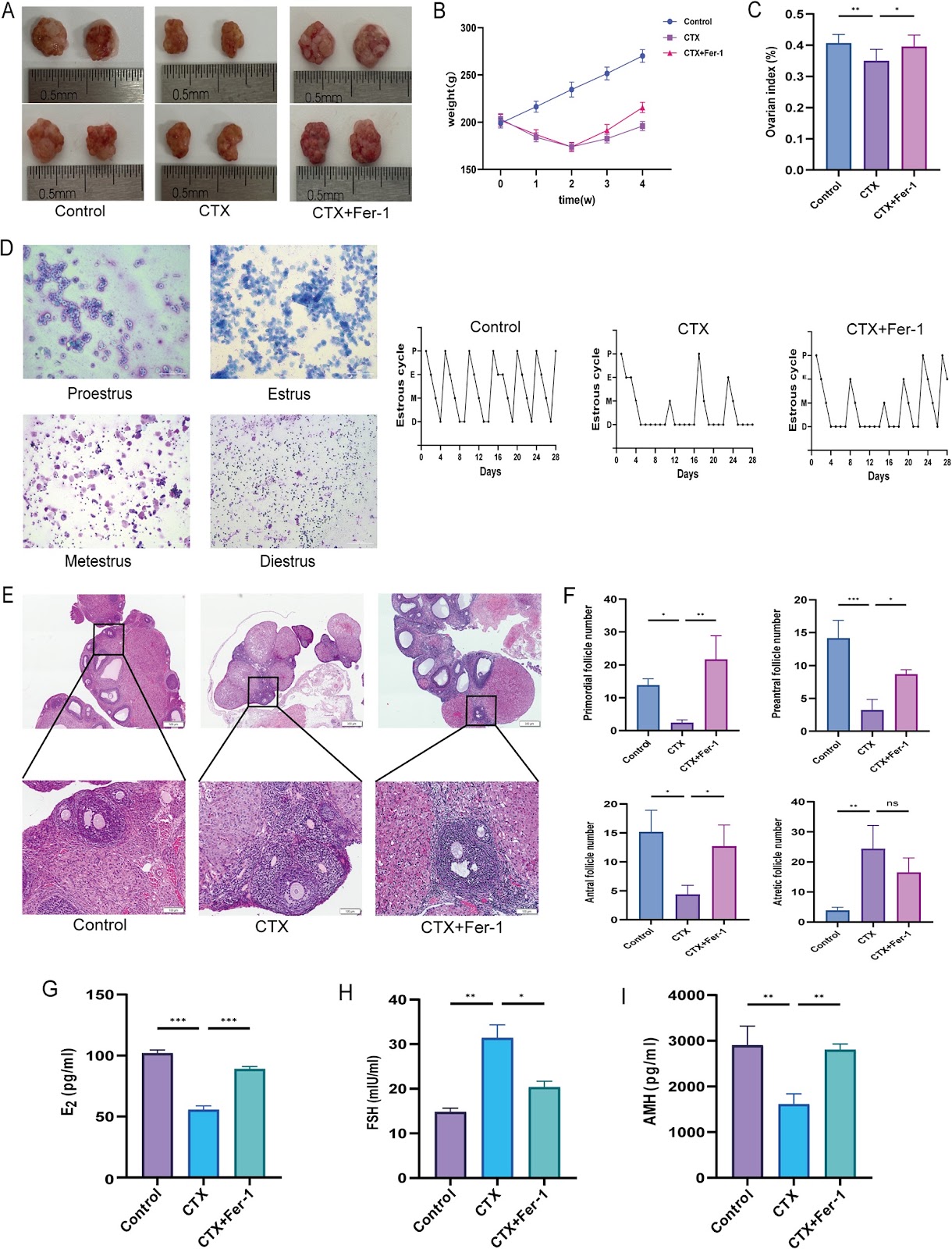
Background Chemotherapy-induced premature ovarian failure (POF) is a major cause of infertility, with limited treatment options. Mesenchymal stem cell-derived exosomes (MSC-Exos) have therapeutic potential. This study investigated whether preconditioning MSCs with the antioxidant flavonoid isorhamnetin (ISO) enhances the efficacy of their exosomes (ISO-MSC-Exos) against POF. Methods A cyclophosphamide-induced POF rat model was established, and the role of the ferroptosis inhibitor ferrostatin-1 was evaluated. MSC-Exos and ISO-MSC-Exos were isolated by ultracentrifugation and administered via tail vein injection. Ovarian recovery was assessed by monitoring the oestrous cycle, serum hormone levels, and histological findings. Lipid peroxidation and iron metabolism were evaluated by quantifying malondialdehyde, glutathione, iron deposition, and mitochondrial ultrastructure. Immunohistochemistry was used to assess the expression levels of GPX4, ACSL4, and FTH1. Proteomic analyses were performed to explore the underlying mechanisms. Results Ferroptosis plays a pivotal role in the cyclophosphamide-induced POF rat model. Both exosome therapies improved ovarian function and suppressed ferroptosis, with ISO-MSC-Exos showing superior efficacy. ISO-MSC-Exos significantly restored hormone levels, ameliorated oestrous cycle disorders, reduced follicular atresia, and enhanced fertility. Furthermore, ISO-MSC-Exos more effectively elevated glutathione levels, reduced malondialdehyde and Fe2⁺ levels, and reversed the abnormal expression of ferroptosis-related proteins GPX4, ACSL4, and FTH1. Proteomic analysis suggested that ISO-MSC-Exos effectively inhibit ferroptosis by downregulating Alox15 and Tf, thereby reducing lipid peroxidation substrates and cellular iron uptake. This finding represents a potential molecular mechanism underlying their superior efficacy compared with that of MSC-Exos. Conclusions ISO-MSC-Exos showed superior efficacy compared with MSC-Exos in restoring ovarian function and inhibiting ferroptosis, suggesting that ISO pretreatment enhances the therapeutic effect of MSC-Exos in the POF

Examine Data & PDF
Research PaperYear: 2026
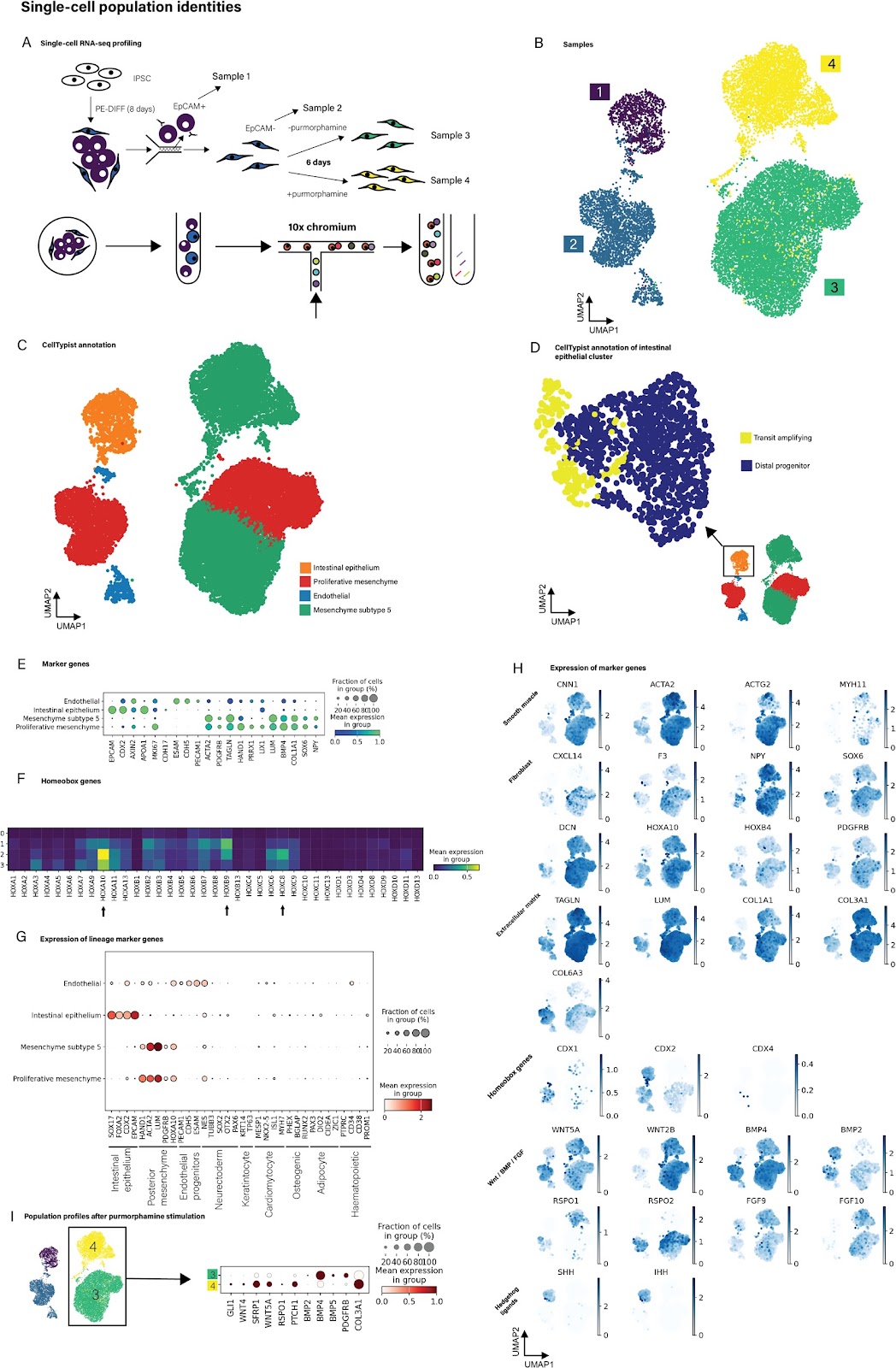
Peptide-based Wnt signal activation enables scalable production of clinical-grade patient-derived intestinal organoids for regenerative cell therapy

Peptide-based Wnt signal activation enables scalable production of clinical-grade patient-derived intestinal organoids for regenerative cell therapy

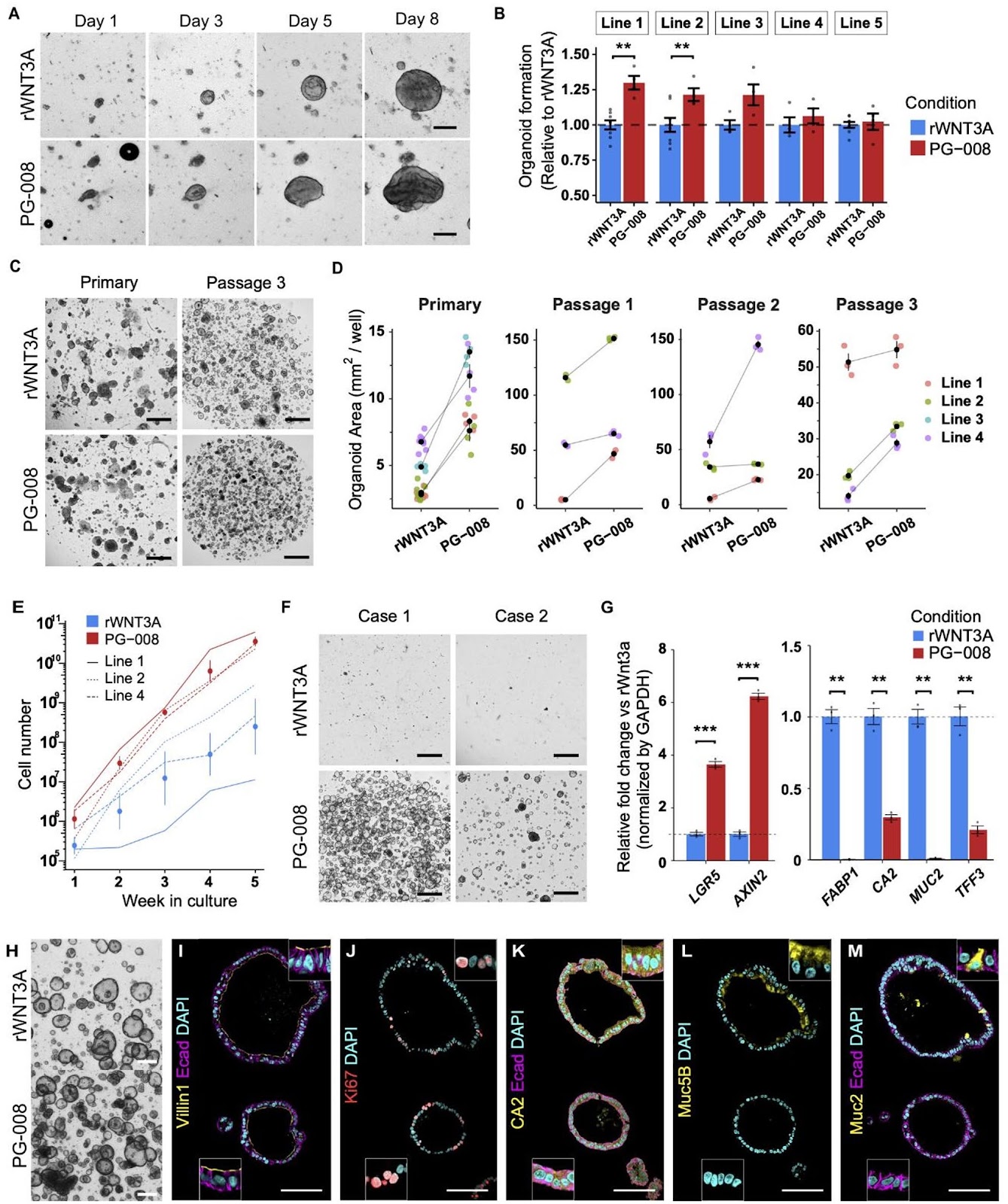
Background Gastrointestinal diseases often involve cellular damage, degeneration or dysfunction in the tract, frequently requiring surgical interventions risking complications and lowered quality of life. Regenerative medicine holds great promise in improving patient care and providing novel treatment options for previously irreparable and untreatable tissues. Despite the clinical potential of intestinal organoids as a resource for regenerative cell therapy and bioengineering, the lack of clinical-grade cultures has hampered further development. Moreover, strategies to efficiently and reliably expand clinical-grade cultures at the scale required for application is limited. Methods A GMP-compliant protocol was developed to generate patient-derived colonic organoids from endoscopic biopsies. Clinical-grade colonic organoids cultured and expanded in Type-I collagen were compared to conventional Matrigel cultured organoids. To improve the culture-, cost-, and time-efficiency of culture expansion, several strategies were developed including organoid area-based passaging, one well plate culture, and the incorporation of Wnt activating peptide, PG-008. Conventional recombinant WNT3A culture was compared to the peptide PG-008 culture using single cell RNA sequencing. Results Clinical-grade collagen cultured organoids exhibited similar culture efficiency to Matrigel. Organoid establishment rate from 60 patients using the GMP-compliant protocol was 82%. The incorporation of PG-008 significantly enhanced organoid growth and stabilized patient-patient variability through intestinal stem cell (ISC) enrichment. Single cell RNA sequencing revealed that PG-008 resulted in remarkably pure culture consisting of ISCs

Examine Data & PDF
Research PaperYear: 2026
Therapeutic potential of mesenchymal stromal cells in COVID-19: a meta-analysis of clinical trials conducted since the pandemic onset

Therapeutic potential of mesenchymal stromal cells in COVID-19: a meta-analysis of clinical trials conducted since the pandemic onset

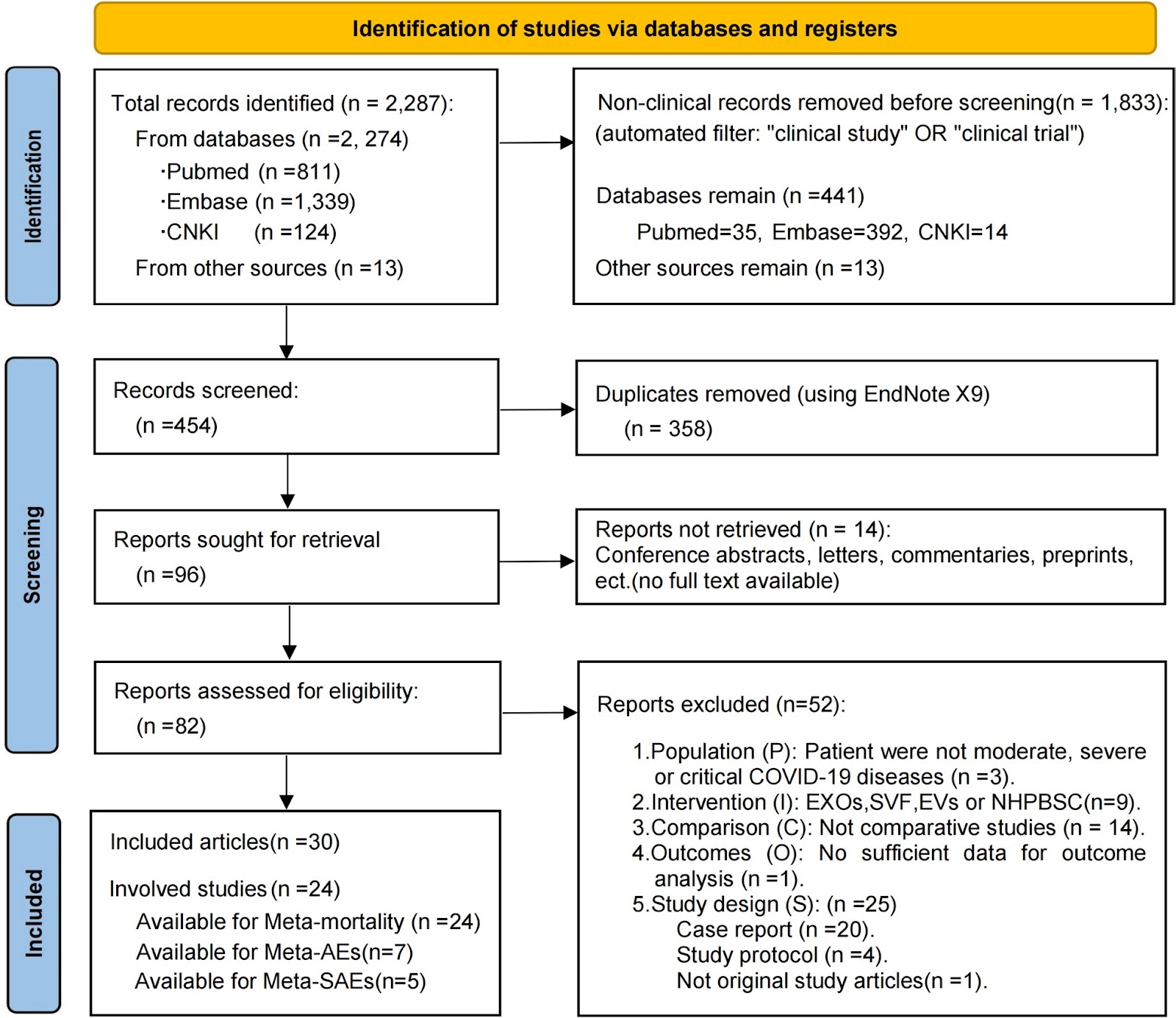
Background Severe acute respiratory syndrome coronavirus 2 (SARS-CoV-2) infection can induce immune dysregulation and multi-organ injury; mesenchymal stromal cell (MSC) therapy has shown promise in clinical trials for COVID-19 and may have broader applicability to pneumonia induced by respiratory viruses (e.g., the influenza virus). This meta-analysis synthesized the available comparative clinical evidence on the safety and efficacy of MSCs in patients with moderate to critical COVID-19 and examined the reported outcomes relevant to Long-COVID. Methods We searched the PubMed, Embase, and CNKI databases for original, comparative studies in moderate, severe, or critical COVID-19 published up to September 2, 2024. Twenty-four eligible studies (13 RCTs and 11 non-randomized controlled trials; n=1080) were included in the mortality meta-analysis. Patients were assigned to either the intervention group (MSC therapy plus standard care) or the control group (standard care with or without placebo). The primary efficacy outcome was all-cause mortality, while the primary safety outcomes were adverse events (AEs) and serious adverse events (SAEs). Secondary outcomes included clinical recovery, hospitalization metrics, chest imaging, and inflammatory biomarkers. We performed a pooled meta-analysis on mortality with subgroup analyses (by disease severity, administration route, dosing frequency, and study design), assessment of publication bias (using funnel plots and Egger’s test), and evaluation of the quality of evidence via the GRADE approach. AEs/SAEs were analyzed using meta-analysis and descriptive statistics, while other secondary outcomes were summarized descriptively. Results MSC therapy significantly reduced all-cause mortality (MSC: 26.4% vs control: 31.9%; fixed-effect OR=0.74, 95% CI 0.55–0.99), with low heterogeneity (I2=2.8%, P=0.422[Q-test]) and no publication bias. The quality of evidence

Examine Data & PDF
Research PaperYear: 2026
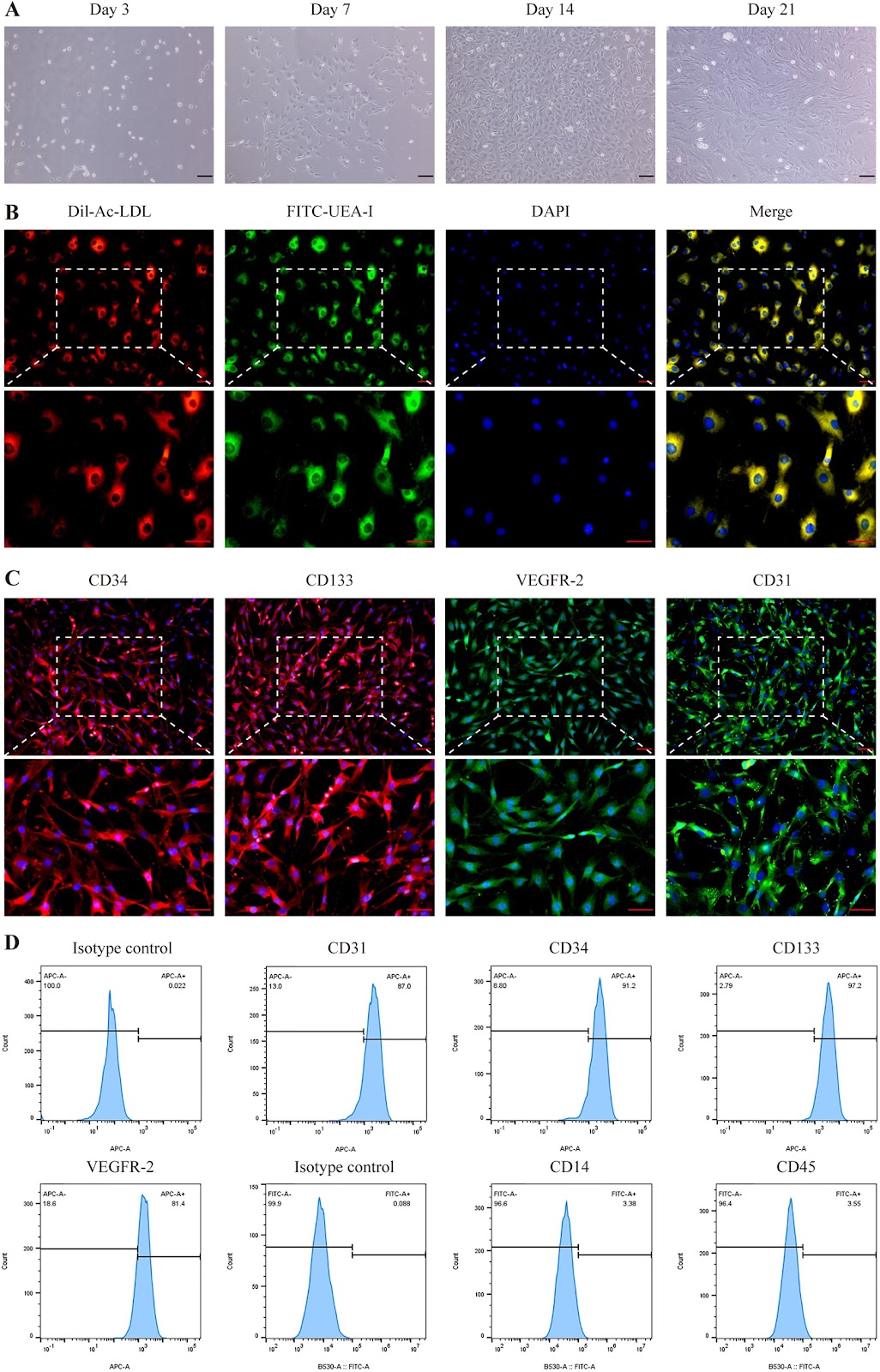
Extracorporeal cardiac shock wave stimulation enhances the therapeutic efficacy of intravenously delivered endothelial colony-forming cells via PI3K/AKT signaling in a rat myocardial infarction model

Extracorporeal cardiac shock wave stimulation enhances the therapeutic efficacy of intravenously delivered endothelial colony-forming cells via PI3K/AKT signaling in a rat myocardial infarction model

Background Extracorporeal cardiac shock wave (ECSW) therapy enhances the function of endothelial colony-forming cells (ECFCs), but whether it can serve as a preconditioning strategy to enhance myocardial infarction (MI) therapy remains unclear. This study investigated the efficacy and mechanism of intravenously delivered ECSW-preconditioned ECFCs (SW-ECFCs) in a rat MI model. Methods ECFCs were isolated from the bone marrow of ApoE-/- rats and fully characterized. RNA sequencing of control ECFCs versus SW-ECFCs revealed significant enrichment of the PI3K/AKT pathway. We therefore performed a series of in vitro functional assays on these cells, including Transwell migration, Matrigel tube formation, CCK-8 proliferation, flow cytometric apoptosis analysis, and VEGF-A ELISA. The role of the PI3K/AKT pathway was interrogated using the inhibitor LY294002. Subsequently, an acute MI model was established in ApoE-/- rats via left anterior descending coronary artery ligation. Rats were randomized into four groups: MI+PBS, MI+ECFCs, MI+SW-ECFCs, and MI+LY294002-pretreated SW-ECFCs (LY-SW-ECFCs), with sham-operated rats as controls. Comprehensive evaluations included echocardiography, serum injury biomarkers, TTC, and histopathological (H&E, Masson) staining, immunohistochemical detection of cardiomyocyte apoptosis and p-eNOS, immunofluorescence assessment of ECFC homing and vascular markers (CD31, α-SMA, VEGF-A), tissue/plasma nitric oxide measurement, and Western blot analysis of PI3K/AKT signaling proteins. Results Transcriptomic analysis revealed significant enrichment of the PI3K/AKT pathway in SW-ECFCs. Functionally, ECSW enhanced ECFCs migration, tube formation, proliferation, and VEGF-A secretion, while reducing apoptosis;

Examine Data & PDF
Research PaperYear: 2026
An open phase I/IIa study evaluating safety, patient-reported outcomes and voice function after surgery, local administration of mesenchymal stromal cells and voice training in patients with vocal fold scarring and dysphonia

An open phase I/IIa study evaluating safety, patient-reported outcomes and voice function after surgery, local administration of mesenchymal stromal cells and voice training in patients with vocal fold scarring and dysphonia

Background Damage to the vocal folds can result in scarring, leading to chronic, severe voice impairments for which lasting and effective treatments are currently lacking. The aim of this clinical trial was to evaluate the safety and effectiveness of autologous bone marrow-derived Mesenchymal Stromal Cell (MSC) therapy for patients with vocal fold scarring and severe dysphonia. Additionally, the study sought to propose a post-operative voice training protocol and explore its potential role in facilitating voice improvement. Methods Eight patients with vocal fold scarring and chronic dysphonia underwent surgical scar resection and autologous MSC injection, followed by voice training. Safety was continuously monitored for up to 36 months postoperatively. Data to evaluate therapeutic efficacy was collected pre-treatment, 3 and 12 months post-treatment. Assessments included analysis of vocal fold vibrations, Phonation Threshold Pressure, and Maximum Phonation Time. Patient-reported measures were collected using the Voice Handicap Index, the Vocal Fatigue Index, and ratings of major symptoms and their impact on daily life. Treatment effectiveness was analyzed at both group and individual levels, with clinically relevant changes predefined.

Examine Data & PDF
Research PaperYear: 2026
Generation of biologically responsive colon-like intestinal tissue patches from human induced pluripotent stem cells using a rapid co-differentiation platform

Generation of biologically responsive colon-like intestinal tissue patches from human induced pluripotent stem cells using a rapid co-differentiation platform

The intestinal mucosa is a complex functional layer which is formed from a diverse range of cell types that include epithelial cells (within crypts and villi) and an array of mesenchymal cells. Many intestinal diseases involve loss of the surface mucosa which can be difficult to restore, and which delays healing and return to normal function. We reason that development of a transplantable intestinal mucosal tissue graft may be a potential therapeutic strategy to aid healing. To be clinically useful, such a tissue graft would need to be capable of rapid production, avoid the risk of host rejection and be demonstrably safe. To create a potential intestinal graft, we developed a novel early-stage human induced pluripotent stem cell (hiPSC) co-differentiation platform capable of generating multiple intestinal cell lineages (epithelial, mesenchymal and endothelial) in 8 days. This protocol is simple to implement, serum-free and greatly reduces the use of animal products. We confirmed the identity of cells by demonstrating that these cells had RNA and protein expression profiles typical of intestinal cell lineages. In particular, we used bulk and single-cell RNA sequencing to characterise global cellular transcriptional profiles robustly and showed that the cells have intestinal identity with early polarisation towards colonic differentiation. The results were replicated across multiple hiPSC lines and in an independent centre. We further cultured the derived cells on collagen hydrogels to form colon-like intestinal patches (CL-IPs). When transplanted into mouse subcutis, CL-IPs formed into colon-like tissue structures, including crypts, stromal and muscle layers. They also developed human-origin vasculature which underwent anastomosis with the murine vasculature to transport murine blood into the graft. Teratoma assays and molecular analyses showed no evidence of residual pluripotency. While at an early stage, this platform shows great potential for further development as a potential source for novel intestinal mucosal regeneration therapy. In addition, the platform is physiologically relevant and thus shows promise as the basis for a new generation of in vitro models of intestinal pathobiology.

Examine Data & PDF
Research PaperYear: 2026
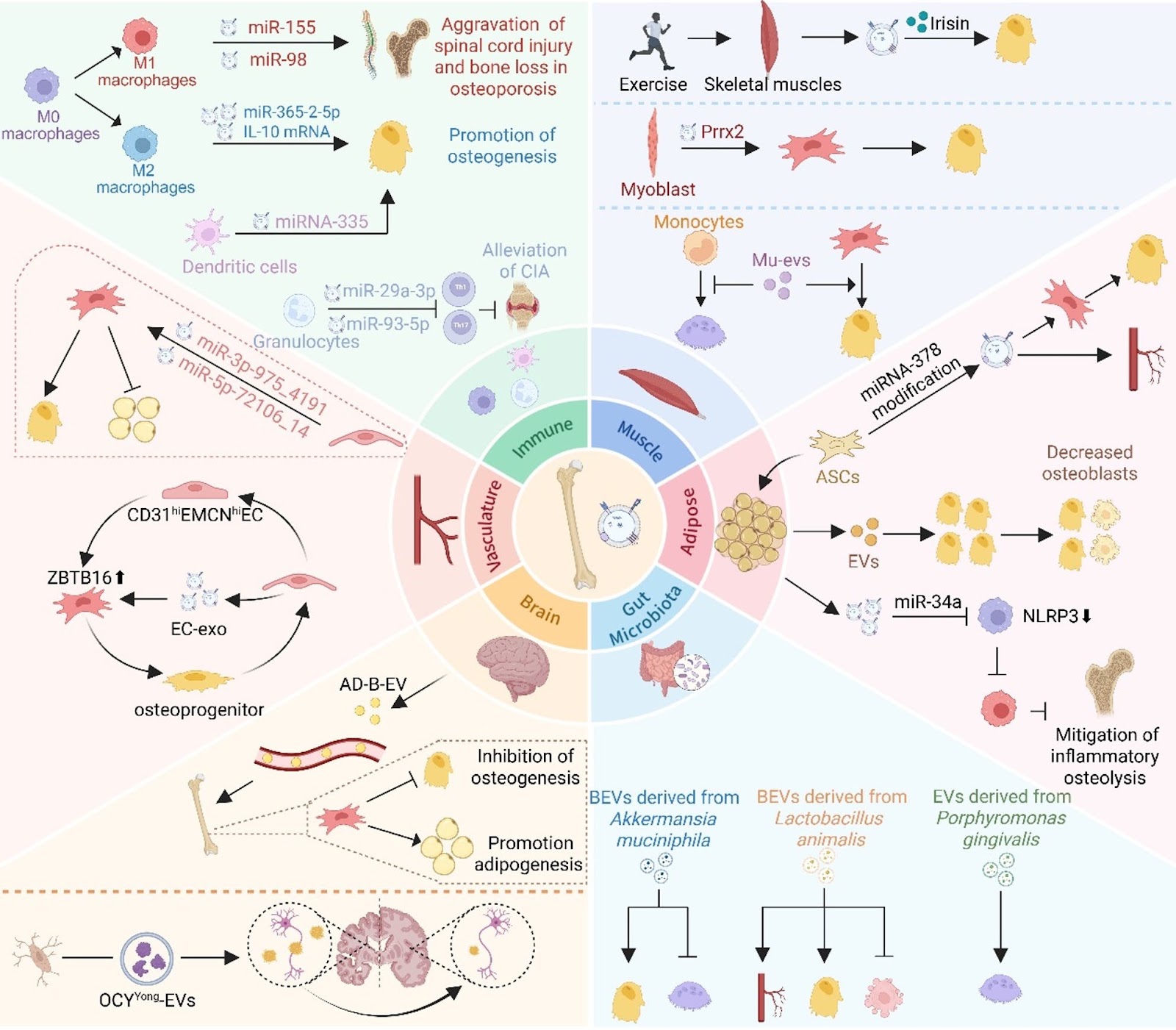
Exosomes in bone health and disease: cellular crosstalk, systemic signaling, and AI-driven advances in regenerative therapy

Exosomes in bone health and disease: cellular crosstalk, systemic signaling, and AI-driven advances in regenerative therapy

Exosomes have emerged as critical mediators of intercellular and inter-organ communication in bone biology. Secreted by bone-resident cells such as osteoblasts, osteoclasts, osteocytes, and mesenchymal stem cells (MSCs), these nanosized vesicles carry diverse molecular cargos that regulate bone remodeling, regeneration, and skeletal homeostasis. In addition to mediating local communication within the bone microenvironment, exosomes also participate in systemic crosstalk communication between bone and other tissues, including skeletal muscle, adipose tissue, gut microbiota, the immune system, the nervous system, and vasculature. Disruption of these exosome-mediated pathways contributes to the development and progression of bone diseases, including osteoporosis, osteoarthritis, osteonecrosis of the femoral head, and bone metastases. This review summarizes current advances in exosome-mediated signaling in both physiological and pathological contexts, with particular emphasis on their roles as biomarkers, therapeutic agents, and drug delivery vehicles. We also discuss the emerging contribution of artificial intelligence (AI) to exosome research, especially in biomarker discovery, disease classification, and target identification, as well as the major challenges that currently limit clinical translation. Together, these insights highlight the potential of exosome-based strategies for precision medicine in bone diseases.

Examine Data & PDF
Research PaperYear: 2026
Mesenchymal stromal cells alleviate pulmonary arterial hypertension by suppressing pulmonary arterial adventitial fibroblast activation and extracellular matrix remodeling via the SOCS3/STAT3 pathway

Mesenchymal stromal cells alleviate pulmonary arterial hypertension by suppressing pulmonary arterial adventitial fibroblast activation and extracellular matrix remodeling via the SOCS3/STAT3 pathway

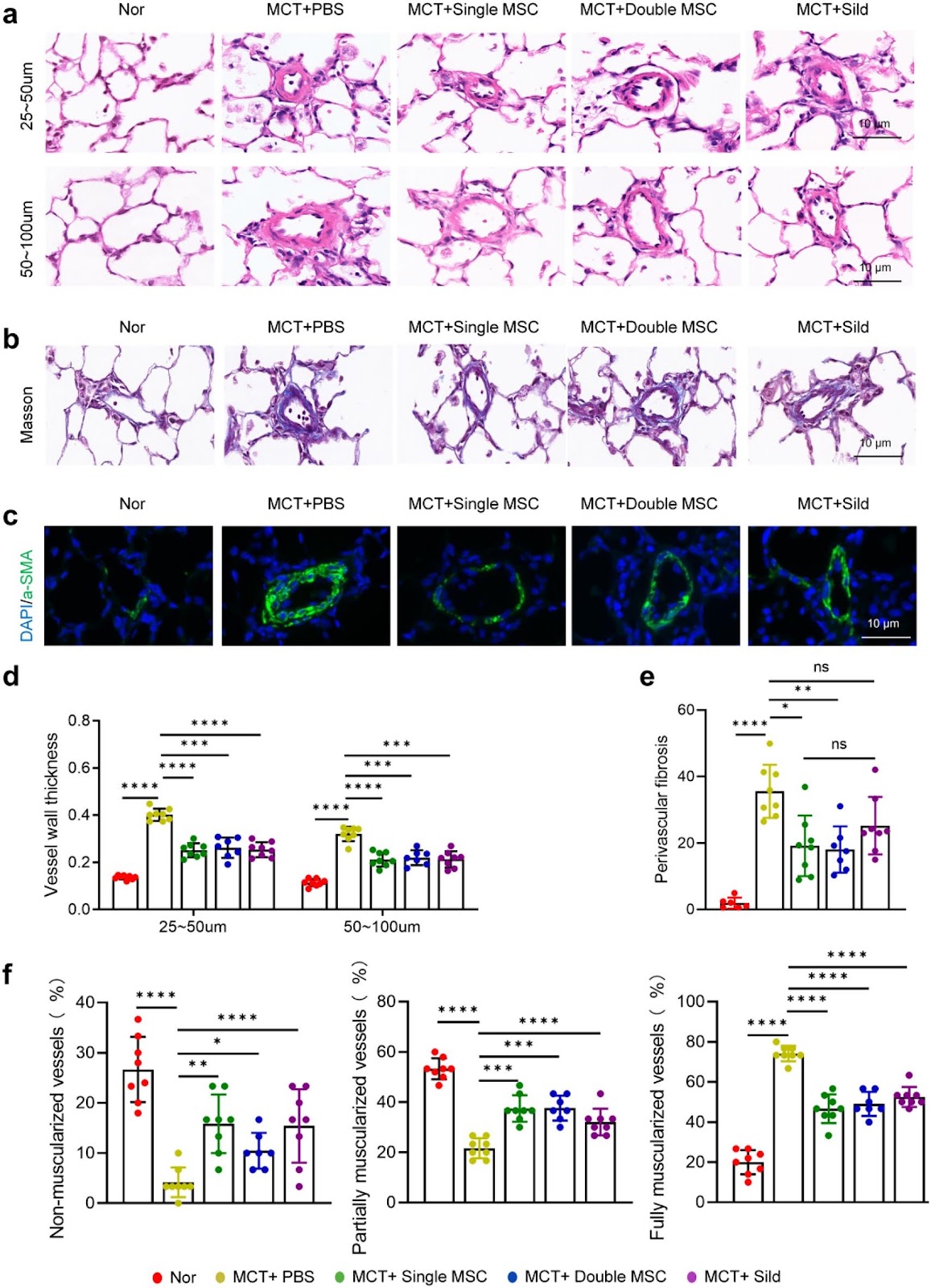
Background Pulmonary arterial hypertension (PAH) is a fatal condition characterized by progressive vascular remodeling in the pulmonary arteries, eventually leading to right heart failure and death. Dysregulated extracellular matrix (ECM) remodeling is central to PAH pathogenesis and represents a potential therapeutic target. Mesenchymal stromal cells (MSCs) have shown promise in preclinical studies; however, the optimal therapeutic window, dosing frequency, and mechanistic basis for their regulation of vascular ECM remain unclear. Methods We employed a monocrotaline (MCT)-induced rat model of PAH to evaluate different MSC treatment regimens, including early administration (day 1 post-MCT), delayed administration (days 7 and 14), and repeated dosing (days 1 and 11). Additionally, we combined in vivo and in vitro approaches to investigate how MSCs modulate the activation of pulmonary arterial adventitial fibroblasts (PAAFs) and influence ECM remodeling. Results Biodistribution studies indicated that MSC retention in lung tissue peaked within 24 h and gradually declined by day 21. A single early dose of MSCs (on day 1) significantly ameliorated PAH progression, increasing the 28-day survival rate, reducing right ventricular systolic pressure (RVSP), improving right ventricular function, and attenuating small pulmonary vascular remodeling, including reductions in medial thickening, excessive muscularization, and collagen deposition. Repeated MSC administration did not provide additional therapeutic benefit. Both in animal models and cell cultures, MSCs effectively suppressed PAAF activation and reduced ECM protein production. This anti-fibrotic effect was mediated via the SOCS3/STAT3 signaling pathway. Conclusions Early single-dose MSC therapy effectively alleviates PAH by suppressing PAAF activation and ECM remodeling through the SOCS3/STAT3 pathway, offering a potential therapeutic strategy for PAH.

Examine Data & PDF
Research PaperYear: 2026
ATG5 overexpression enhances the therapeutic efficacy of mesenchymal stem cells in a mouse colitis model by augmenting anti-inflammatory and antioxidative mechanisms

ATG5 overexpression enhances the therapeutic efficacy of mesenchymal stem cells in a mouse colitis model by augmenting anti-inflammatory and antioxidative mechanisms

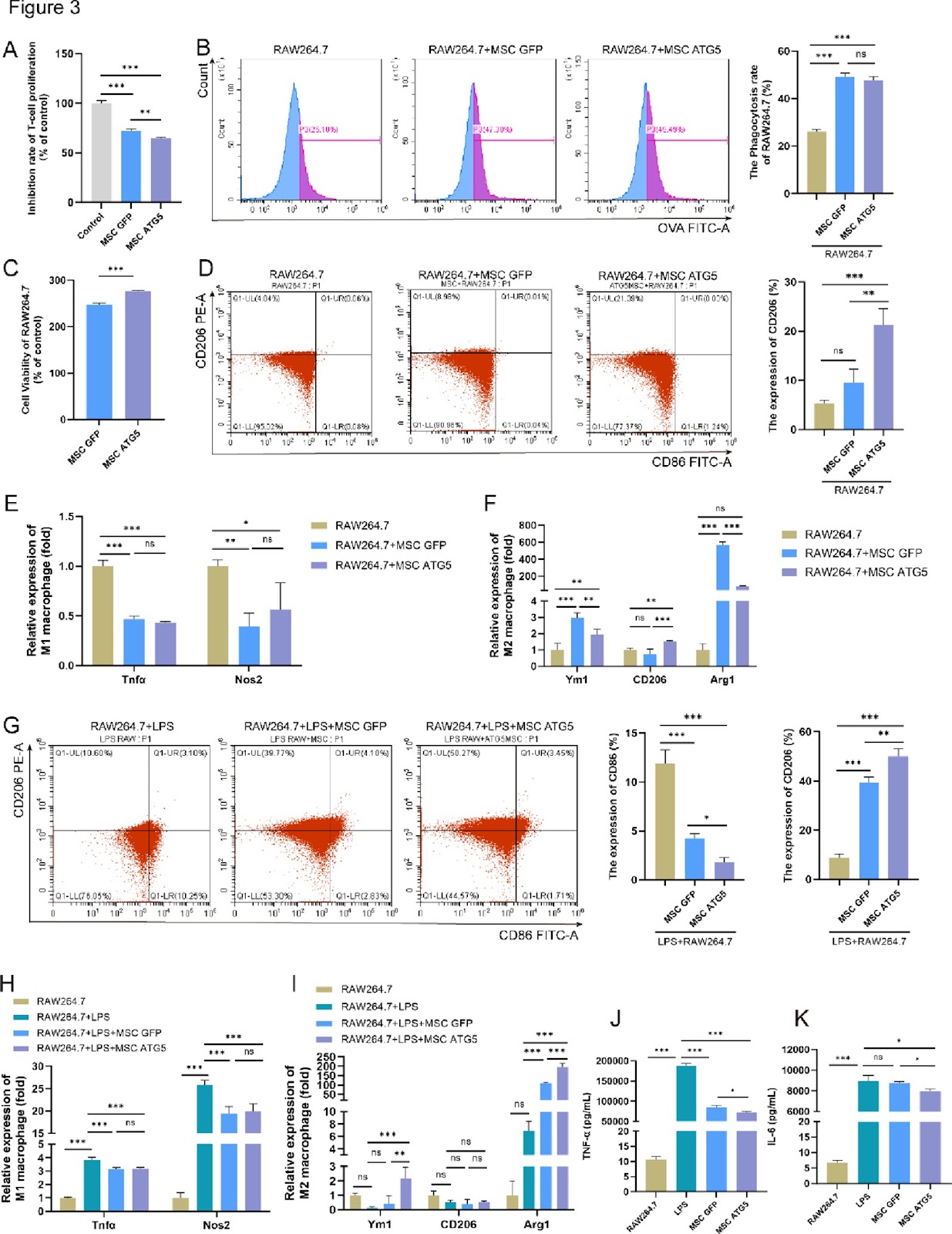
Background The therapeutic efficacy of mesenchymal stem cells (MSCs) can be improved by enhancing their adaptation to the inflammatory microenvironment. Autophagy maintains MSCs functionality, and autophagy-related gene 5 (ATG5) mediates autophagy and regulates the biological functions and therapeutic efficacy of these cells. The aim of this study was to investigate the role of ATG5 in the antioxidant capacity and evaluate the therapeutic effect of ATG5-engineered MSCs for colitis treatment. Methods Cell viability was assessed using a Cell Counting Kit-8. The mRNA expression of autophagy-, antioxidant-, and polarization-related genes was determined through real-time quantitative polymerase chain reaction, and protein expression was analyzed via western blotting. Macrophage polarization markers were analyzed using flow cytometry. Multiomics approaches, including RNA transcriptome sequencing, untargeted metabolomics, and 16S ribosomal RNA microbiota analysis, were also used. Mice with dextran sulfate sodium-induced colitis were used to evaluate the therapeutic efficacy of MSCs. Results Preconditioning MSCs with hypoxia (1% O₂) and serum deprivation significantly enhanced autophagy and upregulated ATG5 expression. Adenovirus-mediated ATG5 overexpression in MSCs (MSCs-ATG5) enhanced their autophagic activity and antioxidant capacity, upregulated HMOX-1, SOD2, and CAT expression, and increased glutathione peroxidase and catalase enzymatic activity, while enhancing cell proliferation, without altering surface marker expression. Further, MSCs-ATG5 significantly promoted M2 macrophage polarization and regulated oxidative stress-related signaling pathways. Additionally, MSCs-ATG5-based therapy markedly ameliorated colitis disease signs in mice. Transcriptome analysis revealed that MSCs-ATG5 suppressed the IL-17/NF-κB inflammatory signaling pathway. This treatment also regulated levels of the anti-inflammatory metabolite prostaglandin D2 (PGD2) in colon tissues.

Examine Data & PDF
Research PaperYear: 2026
Construction of liver organoid models by hepatobiliary differentiation from human induced pluripotent stem cells: state of the art, challenges and improving strategies

Construction of liver organoid models by hepatobiliary differentiation from human induced pluripotent stem cells: state of the art, challenges and improving strategies

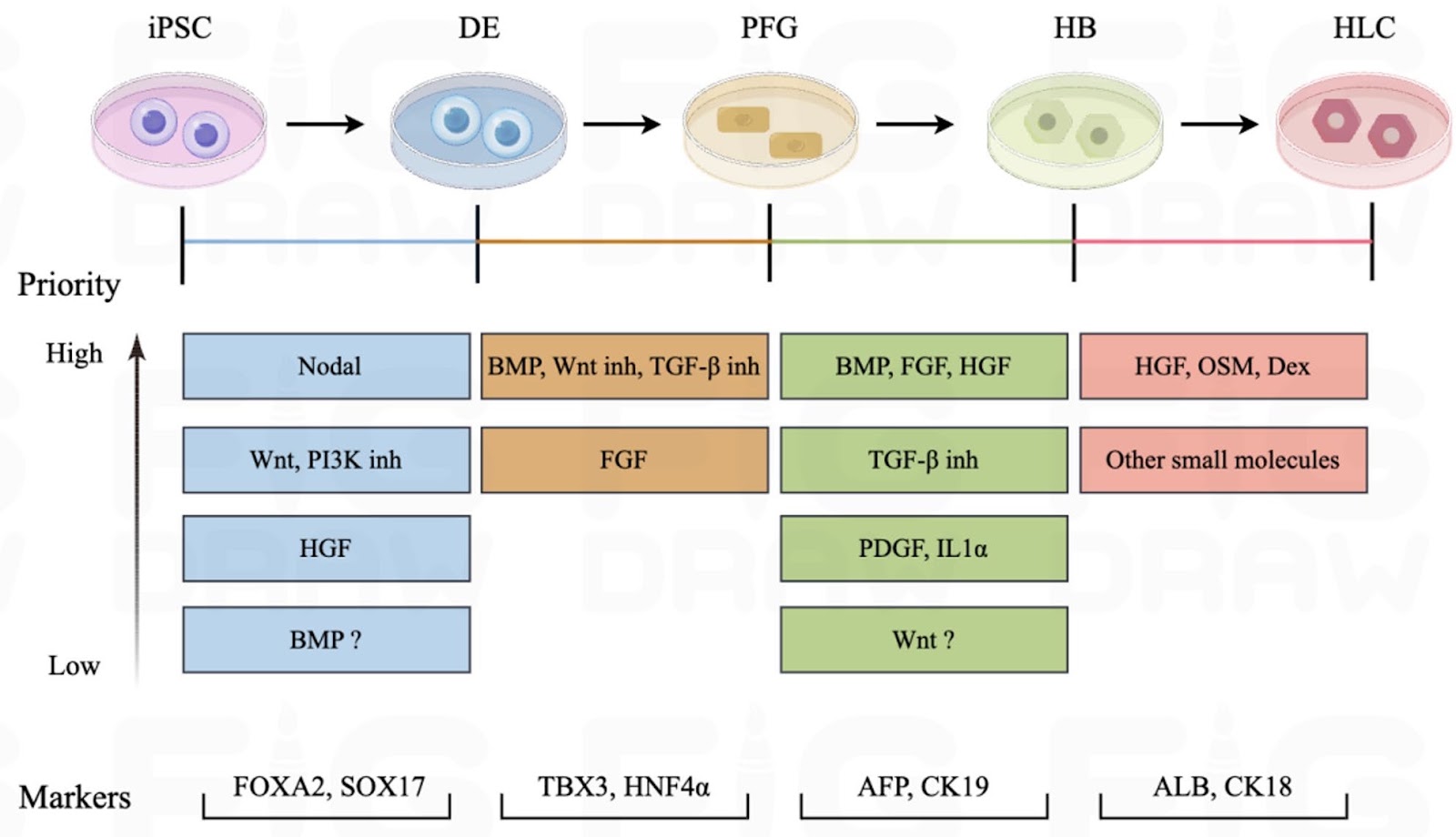
Physiologically relevant liver models are essential for advancing hepatic disorder research, especially for disease modeling and drug development, yet current in vitro systems fail to adequately recapitulate the architecture and function of the liver. Owing to the accessibility, robust proliferation and multilineage differentiation potential of human induced pluripotent stem cells (iPSCs), liver organoids derived from iPSCs have emerged as a promising resource in hepatology. Despite this promise, the field still faces persistent bottlenecks including incomplete hepatic maturation, insufficient incorporation of non-parenchymal cells (notably immune and stromal populations), phenotypic instability, and a lack of consensus on standardized differentiation protocols. Therefore, this review systematically analyzes the challenges and strategies of iPSC differentiation into liver organoids and the related influencing factors by focusing on multidimensional regulation of hepatobiliary development as well as the effects of cellular origin, culture system and liver microenvironment on hepatic differentiation of iPSCs. Moving forward, priority should be given to the following directions: (1) Elucidating the self-assembly mechanism of liver organoids to enable precise control of hepatobiliary differentiation, thereby better governing organoid morphology and improving reproducibility; (2) Replacing exogenous cytokines with small-molecule compounds at different stages of iPSC differentiation to simplify and standardize differentiation protocols; (3) Advancing liver organoid transplantation as a means to validate physiological functionality and shift cell therapy from passive replacement toward active tissue reconstruction; (4) Integrating artificial intelligence to achieve intelligent and precise regulation of hepatic differentiation.

Examine Data & PDF
Research PaperYear: 2026
Mesenchymal stem cell derived exosomes mitigate COVID-19 cytokine storm via Annexin A1 and TGF-β mediated MAPK pathway inhibition

Mesenchymal stem cell derived exosomes mitigate COVID-19 cytokine storm via Annexin A1 and TGF-β mediated MAPK pathway inhibition

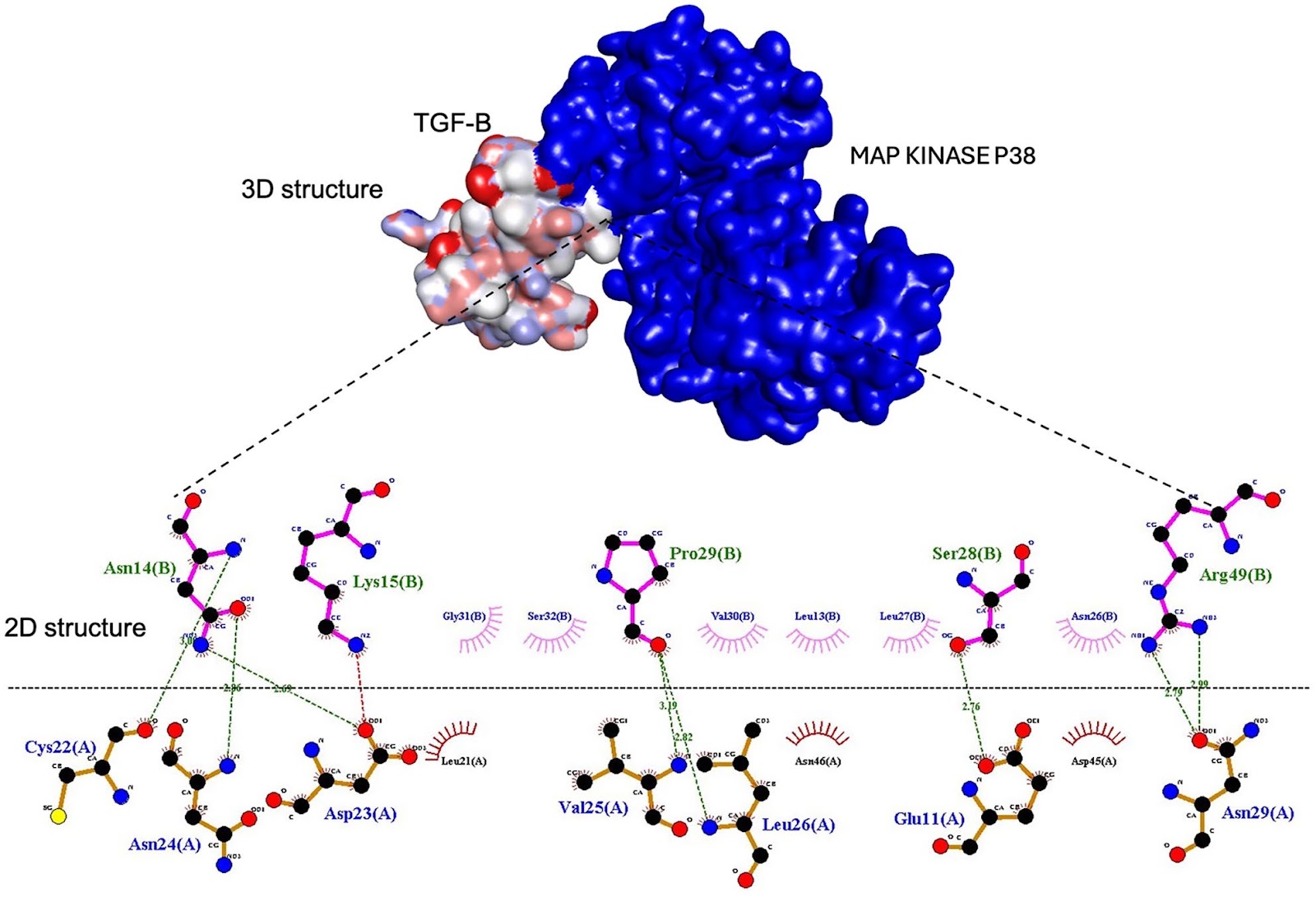
Background Severe COVID-19 is marked by a dysregulated inflammatory response, known as a cytokine storm, resulting in acute respiratory distress syndrome (ARDS) and multiple organ failure. Mesenchymal stem cell-derived exosomes (MSC-Exos) have demonstrated potential as immunomodulatory agents. This work investigates the possibility of MSC-Exos to mitigate excessive inflammation in COVID-19 by targeting the mitogen-activated protein kinase (MAPK) signalling pathway. Methodology We integrated molecular docking analysis between TGF-β and Annexin A1 as exosomal proteins and key component proteins of the MAPK pathway (p38, ERK1/2, JNK1). The in-silico results were then validated in vivo using a Syrian hamster model of SARS-CoV-2 infection. Quantitative PCR (qPCR), western blotting, and histological examination were employed to evaluate the effects of MSC-Exos therapy on MAPK pathway activation, cytokine production, and lung tissue pathology. Results The in-silico study revealed extensive hydrogen bonding and hydrophobic interactions at the protein–protein interfaces between exosomal proteins and MAPK components. These interactions suggest that exosomal proteins may modulate MAPK signaling pathways. In vivo, MSC-Exos administration led to marked downregulation of pivotal genes in the MAPK signaling pathway (MEKK1, MEKK2, MEKK3), diminished phosphorylation of JNK1, p38, and ERK1/2, and lowered production of pro-inflammatory cytokines (IL-1β, IL-6, TNF-α). Histopathological examination demonstrated ameliorated lung tissue structure, characterized by diminished alveolar wall thickness and decreased immune cell infiltration.

Examine Data & PDF
Research PaperYear: 2025
Engineering hypoimmune stem cell-derived beta cells

Engineering hypoimmune stem cell-derived beta cells

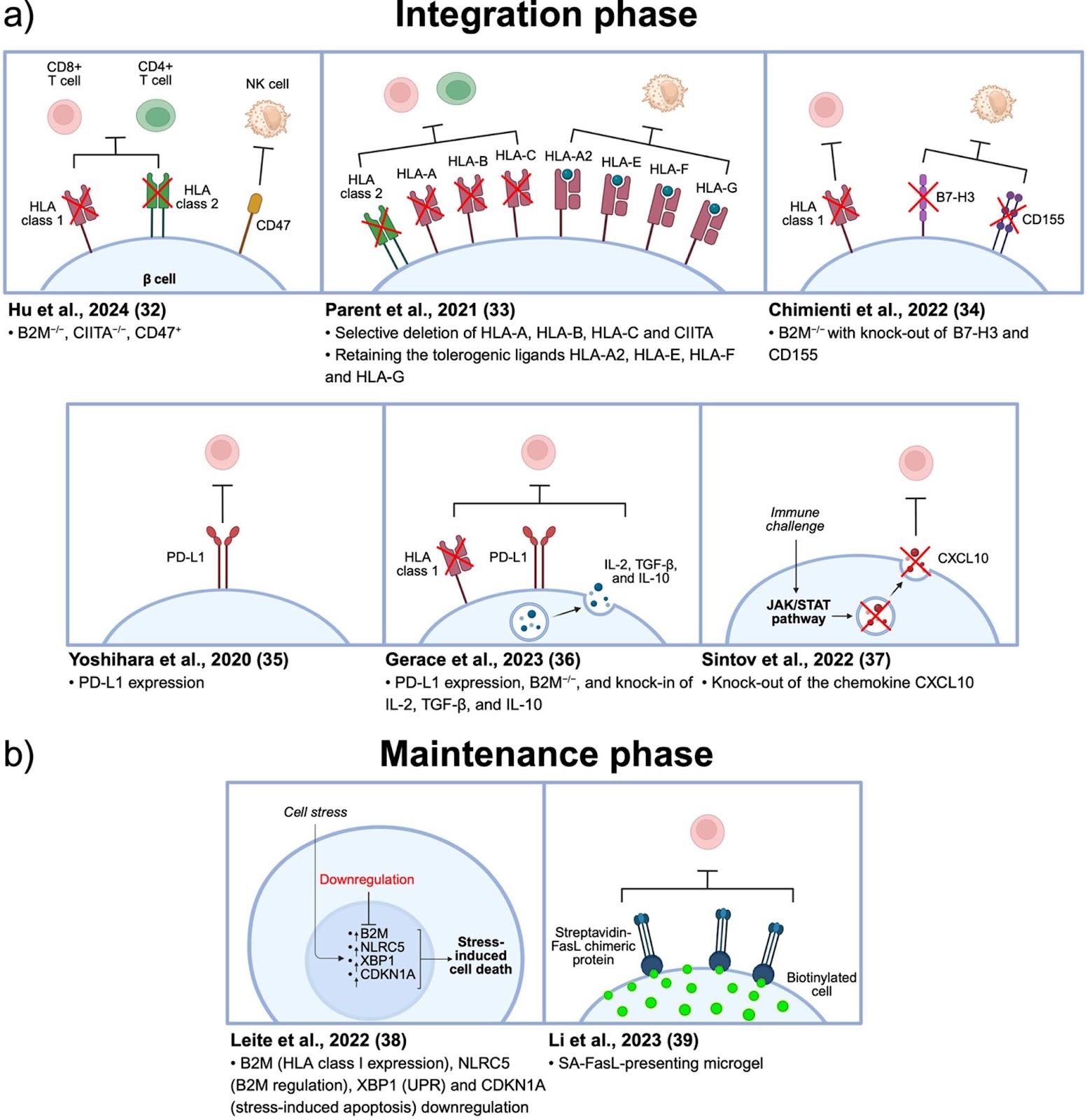
In type 1 diabetes (T1D), autoimmune targeting destroys insulin-producing β cells in the pancreas, creating a chronic state of insulin deficiency. Islet transplantation presents a regenerative cell therapy approach that can re-establish insulin production and intrinsic glycemic control. However, islet transplantation is currently limited by a lack of cadaveric human islet donors and a requirement for life-long immune suppression following transplant. Developments in stem cell maturation and differentiation protocols have enabled production of insulin-producing cells ‘on demand’, thereby addressing the pancreatic donor tissue shortage. Continued reliance on immune suppression to avoid graft rejection, however, can result in opportunistic infection and malignancy, thus remaining a major obstacle for wide-spread application of insulin-producing β cell transplantation. As such, there has been significant interest in identifying alternative strategies for avoiding graft rejection without immune suppression including encapsulation and co-transplantation of accessory immunomodulating cells. However, these approaches are limited by incomplete immune isolation as well as concerns over maintenance of effector function and graft survival in vivo, respectively. Genetically engineering hypoimmune stem cell-derived β cells has thus emerged as a promising strategy for improving islet transplantation outcomes. These approaches leverage our understanding of pathways involved in immune regulation to selectively protect the transplanted insulin-producing cells without affecting systemic immune function. This review will summarize recent bioengineering approaches for generating hypoimmune stem cell-derived β cells. It will also discuss relevant safety concerns and potential genetic targets for future investigation that take inspiration from the development of immune evasive primary islets and chimeric antigen receptor (CAR) T cells.

Examine Data & PDF
Research PaperYear: 2025
Therapeatic evaluation and single cell analysis of adipose stromal vascular fraction isolation from a commercial cell separation system

Therapeatic evaluation and single cell analysis of adipose stromal vascular fraction isolation from a commercial cell separation system

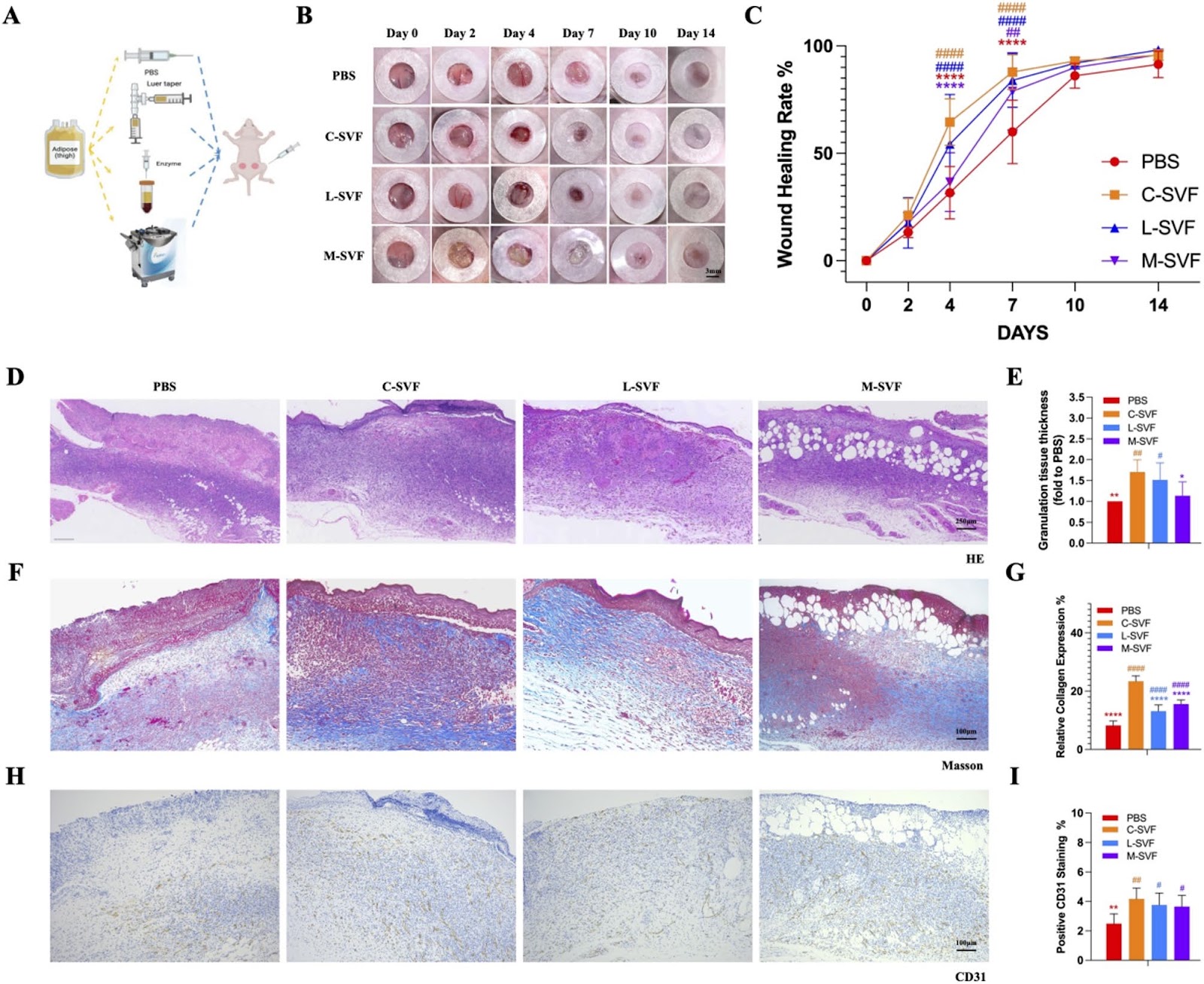
Background In the field of regenerative therapy, the stromal vascular fraction (SVF) extracted from adipose tissue has been widely recognized for its significant benefits. However, the cellular composition and therapeutic effect of SVF products prepared via different methods are unclear. Methods SVF cells were obtained via three approaches: (1) generation of the SVF via mechanical emulsification (M-SVF), (2) generation of the SVF via laboratory enzymatic digestion (L-SVF), and (3) generation of the SVF via commercial cell separation systems (C-SVF). We evaluated their healing effects on mouse wounds. Additionally, we utilized single-nucleus RNA sequencing (snRNA-seq) technology to explore the cellular composition of the C-SVF. Results The cell yield of C-SVF was comparable to that of L-SVF. During in vitro culture, C-SVF exhibited enhanced proliferation and a reduced proportion of apoptotic cells. In a mouse wound model, the application of C-SVF facilitated the closure of mouse wounds and improved collagen remodeling and angiogenesis in the wound area. Additional snRNA-seq analysis revealed that APOE+ adipose-derived stem cells and immune cells, especially M2 anti-inflammatory macrophages, are enriched in C-SVF, which together promote wound repair, and that APOE+ adipose-derived stem cells (ADSCs) and immune cells, especially M2 anti-inflammatory macrophages, are enriched in C-SVF, which jointly regulate and promote wound repair. Conclusion A commercial extraction system is an effective method for isolating viable SVF cells enriched with APOE+ ADSCs and M2 macrophages.

Examine Data & PDF
Research PaperYear: 2025
Long-term outcomes of mesenchymal stem cell therapy in severe COVID-19 patients: 3-year follow-up of a randomized, double-blind, placebo-controlled trial

Long-term outcomes of mesenchymal stem cell therapy in severe COVID-19 patients: 3-year follow-up of a randomized, double-blind, placebo-controlled trial

Background The long-term effects and outcomes of human mesenchymal stem cell (MSC) therapy in patients with severe coronavirus disease 2019 (COVID-19) remain poorly understood. This study aimed to evaluate the extended safety and efficacy of MSC treatment in severe patients with COVID-19 who participated in our earlier randomized, double-blind, placebo-controlled clinical trial, with follow-up conducted over 3 years. Methods One hundred patients with severe COVID-19 were randomized to receive either an MSC infusion (n=65, 4×10^7 cells/dose, on days 0, 3, and 6) or a placebo, with both groups receiving the standard of care. At 36 months post-MSC therapy, patients were followed up to long-term safety and efficacy, particularly the effects of MSC therapy on persistent COVID-19 symptoms. Evaluated outcomes included lung imaging results, 6-min walking distance (6-MWD), pulmonary function test results, quality of life scores based on the Short Form-36 (SF-36) health survey, Long COVID symptoms, new-onset comorbidities, tumor marker levels, and rates of COVID-19 reinfection. Results Three years post-treatment, 46.94% (23/49) of patients in the MSC group and 34.48% (10/29) in the placebo group showed normal findings on computed tomography (CT) images (odds ratio [OR]=1.68, 95% confidence interval [CI]: 0.65–4.34). The general health (GH) score from the SF-36 was higher in the MSC group (67.0) compared to the placebo group (50.0), with a difference of 12.86 (95% CI: 1.44–24.28). Both groups showed similar results for total lung severity scores (TSS), 6-MWD, pulmonary function tests, and Long COVID symptoms. No significant differences between groups were observed in new-onset complications (including tumorigenesis) or tumor marker levels. After adjusting for China’s dynamic zero-COVID-19 strategy, severe acute respiratory syndrome coronavirus 2 (SARS-CoV-2) reinfection rates were 53.06% (26/49) in the MSC group and 67.86% (19/28) in the placebo group (OR=0.54, 95% CI: 0.20–1.41). Conclusions These findings support the long-term safety of MSC therapy in patients with severe COVID-19 over 3 years. MSC treatment may offer potential benefits for lung recovery and improved quality of life in patients experiencing Long COVID symptoms. Trial registration: ClinicalTrials.gov, NCT04288102. Registered 28 February 2020, https://clinicaltrials.gov/study/NCT04288102.

Examine Data & PDF

Frequently Asked Technical Questions (CAR-T Cell Therapy)

Q:Why is China a global hub for CAR-T clinical trials?

China combines a large patient population, rapid hospital-led Investigator-Initiated Trial (IIT) protocols, and significantly lower clinical execution costs, enabling rapid iteration from benchtop to Phase I validation.

Q:What is the most successful Chinese CAR-T product globally?

Ciltacabtagene autoleucel (Carvykti / cilta-cel), originally developed by China’s Legend Biotech and partnered with Janssen, achieved FDA and EMA approval for relapsed/refractory multiple myeloma with industry-leading efficacy.

Explore Related Research Pillars in SinoBioData