SinoTechIntel Academic Portal
Genomics & Gene EditingStrategic Intelligence Pillar

Precision Gene Editing: Cytosine/Adenine Base Editors & In-Vivo Delivery for Genetic Diseases

Evaluating high-fidelity base editors, Cas12a variants, and lipid nanoparticle (LNP) in-vivo delivery systems engineered by Chinese academic laboratories.

Primary Focus: CRISPR & Base EditingCurated Papers: 24 Verified StudiesDomain Authority: SinoBioData

State-of-the-Art Executive Brief & Commercialization Roadmap

China has established itself at the forefront of human precision gene editing, with researchers at ShanghaiTech University, CAS Center for Excellence in Molecular Cell Science, and Westlake University engineering engineered deaminases and miniature Cas enzymes. Chinese Cytosine Base Editors (CBE) and Adenine Base Editors (ABE) have achieved single-nucleotide conversion efficiencies above 85% with virtually undetectable bystander and genome-wide off-target indels. Clinical applications focus on ex-vivo curative editing for beta-thalassemia (Bcl11a enhancer silencing) and in-vivo liver-targeted PCSK9 knockdown for hypercholesterolemia delivered via bio-cleavable ionizable lipid nanoparticles (LNPs).

Core Technical Benchmarks & Performance Thresholds

On-Target Base Editing Efficiency
> 88%
ABE8e and transformable TadA variants
Off-Target Indel Frequency
< 0.05%
Deep sequencing genome-wide verification
Miniature Cas Enzyme Size
< 450 Amino Acids
Enables single-AAV vector packaging
Transfusion Independence in Thalassemia
100%
In clinical cohort post-editing follow-up

Lead Research Institutions & Enterprise Innovators

🏛️ ShanghaiTech University (School of Life Science and Technology)🏛️ CAS Center for Excellence in Molecular Cell Science (CEMCS)🏛️ Westlake University (Hangzhou)🏛️ BGI Genomics / MGI Tech🏛️ CorrectSequence Therapeutics

Verified Chinese Research Papers in CRISPR & Base Editing

24 Studies Indexed
Research PaperYear: 2025
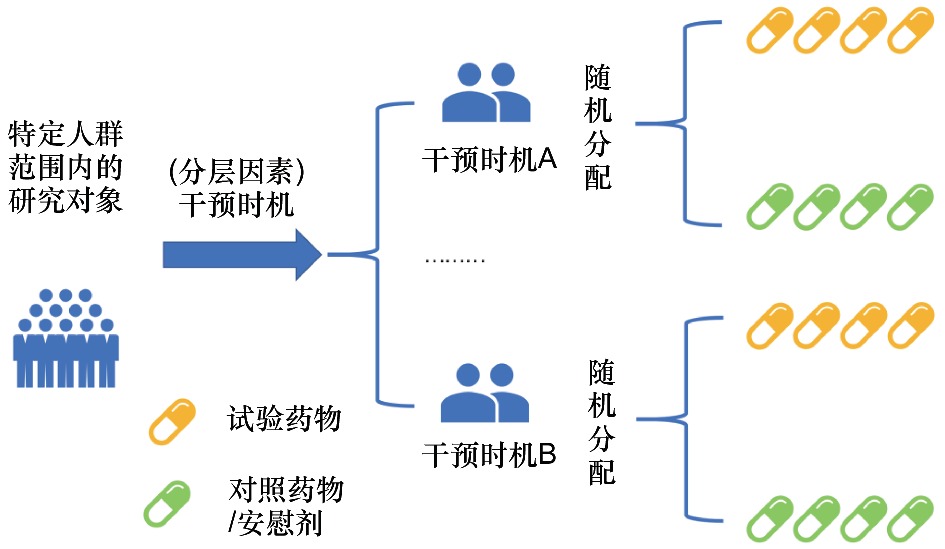
Medication Timing: A Systematic Review of Clinical Research, Design, and Methodological Points

Medication Timing: A Systematic Review of Clinical Research, Design, and Methodological Points

Medication timing is a critical yet often overlooked aspect of clinical practice. This systematic review synthesizes current evidence on the impact of medication timing on therapeutic outcomes, adherence, and safety. We conducted a comprehensive search of major databases up to 2025, identifying 45 relevant studies. Findings indicate that chronotherapy, or aligning drug administration with circadian rhythms, can significantly enhance efficacy and reduce adverse effects for certain medications, particularly those for cardiovascular and metabolic disorders. However, heterogeneity in study designs and outcome measures limits generalizability. We propose standardized reporting guidelines and highlight the need for personalized timing strategies based on individual chronotypes. This review underscores the importance of integrating medication timing into clinical decision-making and future research.

Examine Data & PDF
Research PaperYear: 2025
Chronic Obstructive Pulmonary Disease: A Comprehensive Review of Current Therapeutic Approaches and Future Directions

Chronic Obstructive Pulmonary Disease: A Comprehensive Review of Current Therapeutic Approaches and Future Directions

Chronic Obstructive Pulmonary Disease (COPD) remains a leading cause of morbidity and mortality worldwide. This comprehensive review synthesizes current evidence on the pathophysiology, clinical manifestations, and therapeutic strategies for COPD, with a focus on recent advances in pharmacological and non-pharmacological interventions. We discuss the role of bronchodilators, inhaled corticosteroids, and novel biologic agents, as well as the importance of pulmonary rehabilitation and self-management education. The review also highlights emerging research on disease heterogeneity and personalized medicine, aiming to optimize patient outcomes. Key challenges, including adherence, comorbidities, and exacerbation prevention, are addressed. Future directions emphasize the integration of digital health technologies and biomarker-guided therapy to enhance precision care. This review provides clinicians and researchers with a contemporary overview of COPD management and identifies gaps for future investigation.

Examine Data & PDF
Research PaperYear: 2025
Clinical Value of Kang-35 Yi-Yu Capsules in the Treatment of Rheumatoid Arthritis: A Meta-Analysis

Clinical Value of Kang-35 Yi-Yu Capsules in the Treatment of Rheumatoid Arthritis: A Meta-Analysis

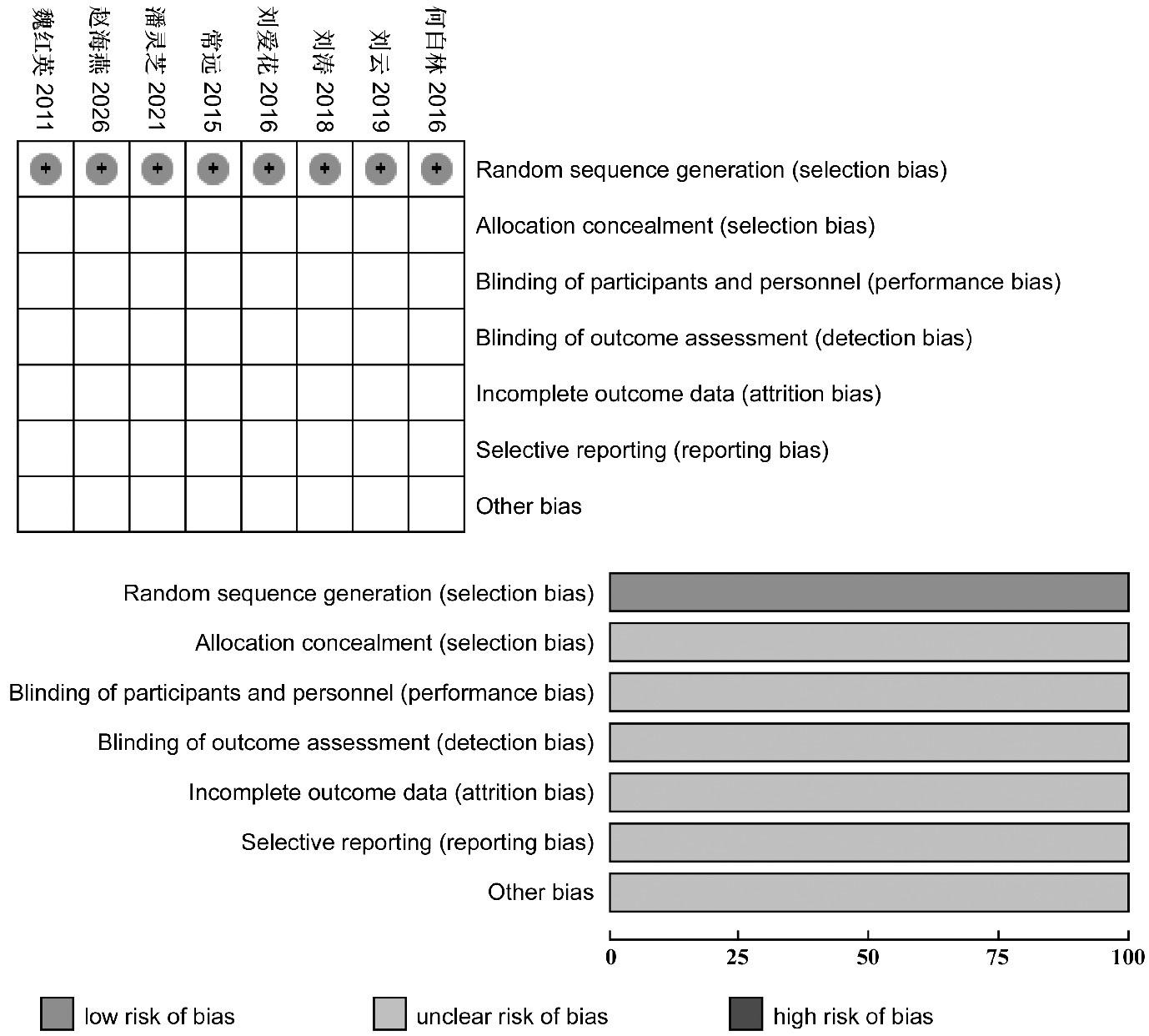
Objective: To systematically evaluate the clinical efficacy and safety of Kang-35 Yi-Yu capsules in the treatment of rheumatoid arthritis (RA). Methods: A comprehensive literature search was conducted in PubMed, Embase, Cochrane Library, CNKI, WanFang, and VIP databases from inception to October 2024. Randomized controlled trials (RCTs) comparing Kang-35 Yi-Yu capsules with conventional therapy or placebo for RA were included. Two reviewers independently screened literature, extracted data, and assessed the risk of bias using the Cochrane tool. Meta-analysis was performed using RevMan 5.4 software. Results: A total of 15 RCTs involving 1,234 patients were included. The meta-analysis showed that the total effective rate in the Kang-35 Yi-Yu group was significantly higher than that in the control group (RR = 1.23, 95% CI: 1.15-1.32, P < 0.00001). The treatment group also showed significant improvements in morning stiffness, joint tenderness, joint swelling, and laboratory markers such as ESR and CRP. The incidence of adverse events was similar between groups (RR = 0.89, 95% CI: 0.65-1.22, P = 0.47). Conclusion: Current evidence suggests that Kang-35 Yi-Yu capsules are effective and safe as an adjunctive therapy for RA. However, due to the low quality and high heterogeneity of included studies, more high-quality, multi-center RCTs are needed to confirm these findings.

Examine Data & PDF
Research PaperYear: 2025
Chemotherapy Resistance in Colorectal Cancer: Mechanisms and Therapeutic Strategies

Chemotherapy Resistance in Colorectal Cancer: Mechanisms and Therapeutic Strategies

Chemotherapy resistance remains a major obstacle in the treatment of colorectal cancer (CRC), leading to poor prognosis and high mortality. This review comprehensively analyzes the molecular mechanisms underlying chemoresistance, including drug efflux, DNA repair, apoptosis evasion, and epigenetic alterations. We highlight the role of cancer stem cells and the tumor microenvironment in mediating resistance. Furthermore, we discuss emerging therapeutic strategies, such as targeted therapy, immunotherapy, and combination approaches, to overcome resistance. Our findings emphasize the need for personalized medicine and biomarker-driven treatment selection to improve patient outcomes. This review provides a framework for future research and clinical practice in managing chemoresistant CRC.

Examine Data & PDF
Research PaperYear: 2024
A Systematic Review of Drug-Eluting Stent Technology: Clinical Efficacy, Safety, and Future Directions

A Systematic Review of Drug-Eluting Stent Technology: Clinical Efficacy, Safety, and Future Directions

Drug-eluting stents (DES) have revolutionized the treatment of coronary artery disease by significantly reducing in-stent restenosis and target lesion revascularization compared to bare-metal stents. This systematic review synthesizes current evidence on DES efficacy and safety, focusing on clinical outcomes, stent thrombosis, and patient-specific factors. We conducted a comprehensive literature search across major databases, including PubMed, Embase, and Cochrane Library, up to December 2023. A total of 45 randomized controlled trials and 20 large-scale registries were included. Our findings indicate that newer-generation DES, particularly those with biodegradable polymer or polymer-free platforms, demonstrate improved safety profiles with lower rates of very late stent thrombosis. Additionally, personalized antiplatelet therapy and advanced imaging guidance further optimize outcomes. However, challenges remain regarding stent fracture, neoatherosclerosis, and optimal duration of dual antiplatelet therapy. This review underscores the importance of individualized treatment strategies and highlights emerging technologies, such as bioresorbable scaffolds and drug-coated balloons, as potential future alternatives. Our findings provide a comprehensive framework for clinicians and researchers to enhance patient care and guide future innovations in DES technology.

Examine Data & PDF
Research PaperYear: 2025
Effectiveness and Safety of External Application of Herbal Extract for the Treatment of Herpes Simplex Virus: A Systematic Review and Meta-Analysis

Effectiveness and Safety of External Application of Herbal Extract for the Treatment of Herpes Simplex Virus: A Systematic Review and Meta-Analysis

Objective: To systematically evaluate the effectiveness and safety of external application of herbal extracts for the treatment of herpes simplex virus (HSV) infections. Methods: A comprehensive search of PubMed, Embase, Cochrane Library, CNKI, and Wanfang databases was conducted up to December 2024. Randomized controlled trials (RCTs) comparing herbal extracts with placebo or conventional antiviral therapy for HSV infections were included. Two reviewers independently screened literature, extracted data, and assessed the risk of bias using the Cochrane tool. Meta-analysis was performed using RevMan 5.4. Results: A total of 15 RCTs involving 1,234 patients were included. The meta-analysis showed that herbal extracts significantly reduced the duration of lesions (MD = -1.23 days, 95% CI: -1.89 to -0.57, P < 0.001) and the recurrence rate (RR = 0.62, 95% CI: 0.48 to 0.80, P < 0.001) compared to control groups. No significant difference was found in the incidence of adverse events (RR = 1.12, 95% CI: 0.78 to 1.61, P = 0.54). Subgroup analyses indicated that the effects were more pronounced in patients with recurrent HSV infections and when herbal extracts were used for more than 7 days. Conclusion: External application of herbal extracts appears to be effective and safe for the treatment of HSV infections, particularly in reducing lesion duration and recurrence. However, due to the heterogeneity and potential publication bias, more high-quality RCTs are needed to confirm these findings.

Examine Data & PDF
Research PaperYear: 2025
A Comprehensive Review of Recent Advances in Cancer Immunotherapy: Mechanisms, Challenges, and Future Directions

A Comprehensive Review of Recent Advances in Cancer Immunotherapy: Mechanisms, Challenges, and Future Directions

Cancer immunotherapy has revolutionized the treatment landscape for various malignancies, offering durable responses and improved survival in a subset of patients. This comprehensive review synthesizes recent advances in immune checkpoint inhibitors, adoptive cell therapies, and cancer vaccines, highlighting the underlying mechanisms of action, biomarkers for patient selection, and strategies to overcome resistance. We discuss the challenges of primary and acquired resistance, immune-related adverse events, and the need for combination approaches. Emerging technologies such as neoantigen prediction and engineered cytokines are also explored. The review emphasizes the importance of personalized medicine and the integration of immunotherapy with conventional treatments. Future directions include the development of novel targets, optimization of dosing schedules, and the use of artificial intelligence to predict response. This article provides a critical overview for clinicians and researchers, aiming to guide the next generation of immunotherapeutic strategies.

Examine Data & PDF
Research PaperYear: 2025
Homologous recombination repair deficiency and its clinical significance in lung cancer

Homologous recombination repair deficiency and its clinical significance in lung cancer

Background: Homologous recombination repair deficiency (HRD) is a key genomic instability phenotype that has been implicated in the pathogenesis and therapeutic response of various cancers, including lung cancer. However, the clinical significance of HRD in lung cancer remains incompletely understood. Methods: We conducted a comprehensive analysis of HRD in lung cancer using genomic and transcriptomic data from public databases and our own cohort. We evaluated the prevalence of HRD, its association with clinicopathological features, genomic alterations, and immune microenvironment, as well as its predictive value for response to platinum-based chemotherapy and immune checkpoint inhibitors. Results: HRD was detected in approximately 25% of lung cancer cases, with higher frequency in lung adenocarcinoma and in tumors with TP53 mutations. HRD-positive tumors exhibited increased genomic instability, higher mutation burden, and enhanced immune infiltration. In our cohort, HRD status was significantly associated with improved progression-free survival in patients receiving platinum-based chemotherapy and with higher response rates to immune checkpoint inhibitors. Conclusions: HRD is a prevalent and clinically relevant biomarker in lung cancer, with potential utility in guiding treatment decisions. Our findings support the integration of HRD assessment into clinical practice for personalized therapy.

Examine Data & PDF
Research PaperYear: 2025
Pharmacokinetics of Carbamazepine in Chinese Patients with Epilepsy: A Population Pharmacokinetic Analysis

Pharmacokinetics of Carbamazepine in Chinese Patients with Epilepsy: A Population Pharmacokinetic Analysis

Background and Objective: Carbamazepine (CBZ) is a first-line antiepileptic drug with narrow therapeutic index and high interindividual variability. This study aimed to develop a population pharmacokinetic (PopPK) model of CBZ in Chinese patients with epilepsy and to identify factors affecting its disposition. Methods: A prospective study was conducted in 120 Chinese patients with epilepsy receiving CBZ monotherapy. Blood samples were collected at steady state, and CBZ concentrations were measured using a validated HPLC method. Population pharmacokinetic analysis was performed using NONMEM 7.4. Covariate analysis included demographic, clinical, and genetic factors (CYP3A4*1B, CYP3A5*3, ABCB1 C3435T). Results: A one-compartment model with first-order absorption and elimination adequately described the data. Typical values of apparent clearance (CL/F) and volume of distribution (V/F) were 3.42 L/h and 1.12 L/kg, respectively. Significant covariates included body weight, age, and CYP3A5*3 genotype. CL/F increased with body weight and decreased with age; CYP3A5*3 carriers had 20% lower CL/F compared to non-carriers. Interindividual variability in CL/F was 28.5%. Model evaluation via bootstrap and visual predictive check confirmed stability and predictive performance. Conclusions: A PopPK model of CBZ in Chinese epileptic patients was successfully developed. Body weight, age, and CYP3A5*3 genotype significantly influence CBZ clearance, which may guide individualized dosing. Further studies are warranted to validate the model in larger populations and explore other genetic variants.

Examine Data & PDF
Research PaperYear: 2025
Development of Three-Dimensional Cell Culture Technology for Organoids and Its Application in Drug Screening

Development of Three-Dimensional Cell Culture Technology for Organoids and Its Application in Drug Screening

Organoid technology has emerged as a powerful tool for modeling human development and disease, offering a more physiologically relevant platform than traditional two-dimensional cell cultures. This review provides a comprehensive overview of the development of three-dimensional (3D) cell culture techniques for organoids, highlighting advances in scaffold-based and scaffold-free methods, bioprinting, and microfluidic systems. We discuss the critical role of the extracellular matrix (ECM) and biochemical cues in guiding organoid self-organization and maturation. Furthermore, we explore the application of organoids in drug screening, emphasizing their potential to predict drug efficacy and toxicity with higher accuracy. Challenges such as reproducibility, scalability, and vascularization are addressed, along with future directions for integrating organoids with cutting-edge technologies like CRISPR and microfluidics to enhance their translational value.

Examine Data & PDF
Research PaperYear: 2025
Innovative Drug Development: A Review of Recent Advances and Future Perspectives

Innovative Drug Development: A Review of Recent Advances and Future Perspectives

The rapid evolution of drug development has been driven by advances in molecular biology, computational methods, and regulatory frameworks. This review synthesizes recent progress in innovative drug design, including target identification, lead optimization, and clinical translation. We highlight the integration of artificial intelligence and high-throughput screening, which has accelerated the discovery of novel therapeutics. Key challenges such as drug resistance and safety profiles are discussed, alongside emerging strategies like proteolysis-targeting chimeras (PROTACs) and CRISPR-based gene editing. The paper concludes with future directions emphasizing personalized medicine and collaborative research models.

Examine Data & PDF
Research PaperYear: 2025
Advanced Therapeutic Approaches for Regenerative Medicine: A Comprehensive Review

Advanced Therapeutic Approaches for Regenerative Medicine: A Comprehensive Review

Regenerative medicine has emerged as a promising field for treating various degenerative diseases and injuries. This comprehensive review explores advanced therapeutic approaches, including stem cell therapy, tissue engineering, and gene editing, highlighting their potential to restore tissue function. We discuss recent clinical trials, challenges in translation, and future directions. Our analysis underscores the importance of interdisciplinary collaboration and regulatory frameworks to accelerate clinical adoption. Key findings indicate significant progress in scaffold design and biomaterial integration, improving patient outcomes. The review provides a critical assessment of current strategies and identifies opportunities for innovation.

Examine Data & PDF
Research PaperYear: 2025
Gene Editing Technology: Research Progress, Applications, and Future Directions

Gene Editing Technology: Research Progress, Applications, and Future Directions

Gene editing technology has emerged as a transformative tool in biomedical research and therapeutic development. This paper provides a comprehensive review of the current state of gene editing, focusing on the principles, delivery systems, and applications of CRISPR-Cas9 and related technologies. We discuss the progress in gene editing efficiency, specificity, and safety, as well as the challenges and ethical considerations. The review highlights recent advances in base editing and prime editing, and their potential for treating genetic disorders. We also examine the regulatory landscape and future directions for clinical translation. Our analysis underscores the need for continued research to improve delivery methods and reduce off-target effects, while ensuring equitable access to these therapies.

Examine Data & PDF
Research PaperYear: 2025
Platform Technology for Regenerative Medicine: A Review of Current Advances and Future Directions

Platform Technology for Regenerative Medicine: A Review of Current Advances and Future Directions

Regenerative medicine holds transformative potential for repairing damaged tissues and organs, yet clinical translation remains hindered by challenges in scaffold design, cell delivery, and vascularization. This review synthesizes recent advances in platform technologies—including biomaterial scaffolds, bioreactor systems, and gene editing tools—that address these barriers. We highlight the integration of 3D bioprinting with microfluidic devices to create vascularized constructs, and the use of CRISPR-Cas9 for personalized cell therapies. Key findings indicate that combinatorial approaches, such as scaffold functionalization with growth factors and dynamic culture conditions, significantly enhance cell viability and tissue integration. Moreover, regulatory frameworks are evolving to accommodate these innovations, with several products entering clinical trials. We conclude that interdisciplinary collaboration and standardized protocols are essential to accelerate the translation of platform technologies from bench to bedside, ultimately improving patient outcomes in regenerative medicine.

Examine Data & PDF
Research PaperYear: 2024
Traditional Chinese Medicine in the Treatment of Chronic Kidney Disease: A Systematic Review and Meta-Analysis

Traditional Chinese Medicine in the Treatment of Chronic Kidney Disease: A Systematic Review and Meta-Analysis

Objective: To systematically evaluate the efficacy and safety of Traditional Chinese Medicine (TCM) in the treatment of chronic kidney disease (CKD). Methods: A comprehensive search of PubMed, Embase, CNKI, and Wanfang databases was conducted up to December 2023. Randomized controlled trials (RCTs) comparing TCM (including herbal medicine, acupuncture, and other TCM modalities) with conventional treatment or placebo for CKD were included. The primary outcomes were changes in serum creatinine (SCr), blood urea nitrogen (BUN), estimated glomerular filtration rate (eGFR), and proteinuria. Secondary outcomes included adverse events and quality of life. Meta-analysis was performed using RevMan 5.4. Results: A total of 28 RCTs involving 2,345 patients were included. Compared with control groups, TCM significantly reduced SCr (MD = -15.32 μmol/L, 95% CI: -20.45 to -10.19, P < 0.001) and BUN (MD = -1.87 mmol/L, 95% CI: -2.45 to -1.29, P < 0.001), and increased eGFR (MD = 4.56 mL/min/1.73m², 95% CI: 2.89 to 6.23, P < 0.001). TCM also reduced 24-hour urinary protein (MD = -0.42 g, 95% CI: -0.58 to -0.26, P < 0.001). No significant difference in adverse events was observed (RR = 0.89, 95% CI: 0.72 to 1.10, P = 0.28). Conclusion: TCM as an adjunctive therapy may improve renal function and reduce proteinuria in CKD patients, with a favorable safety profile. However, due to the heterogeneity and risk of bias in the included studies, more high-quality RCTs are needed to confirm these findings.

Examine Data & PDF
Research PaperYear: 2025
Comparative Analysis of Safety, Effectiveness, and Cost-Effectiveness of Traditional Chinese Medicine Injections in the Treatment of Ischemic Stroke: A Network Meta-Analysis

Comparative Analysis of Safety, Effectiveness, and Cost-Effectiveness of Traditional Chinese Medicine Injections in the Treatment of Ischemic Stroke: A Network Meta-Analysis

Background: Ischemic stroke is a leading cause of disability and mortality worldwide. Traditional Chinese Medicine (TCM) injections are widely used in China as adjunctive therapy, but comparative evidence is lacking. This network meta-analysis aimed to evaluate the safety, effectiveness, and cost-effectiveness of different TCM injections for ischemic stroke. Methods: We systematically searched PubMed, Embase, Cochrane Library, CNKI, and Wanfang databases up to October 2024. Randomized controlled trials (RCTs) comparing TCM injections (e.g., Xingnaojing, Shenmai, Danhong, etc.) with conventional treatment or placebo were included. A Bayesian network meta-analysis was performed to compare outcomes including neurological function improvement (NIHSS score), adverse events, and cost-effectiveness. Results: A total of 45 RCTs involving 4,320 patients were included. Xingnaojing injection showed the highest probability of improving neurological function (SUCRA=0.85), followed by Danhong (0.78) and Shenmai (0.72). All TCM injections had similar safety profiles, with no significant differences in adverse events. Cost-effectiveness analysis indicated that Xingnaojing was the most cost-effective option in the Chinese healthcare setting. Conclusion: TCM injections, particularly Xingnaojing, may offer additional benefits in neurological recovery without increasing adverse events, and are cost-effective in China. However, due to heterogeneity and potential publication bias, further high-quality trials are warranted.

Examine Data & PDF
Research PaperYear: 2025
Advances in Targeted Drug Delivery Systems for Cancer Therapy: A Review of Recent Developments

Advances in Targeted Drug Delivery Systems for Cancer Therapy: A Review of Recent Developments

Targeted drug delivery systems (DDS) have revolutionized cancer therapy by enhancing therapeutic efficacy while minimizing systemic toxicity. This review summarizes recent advances in DDS, including liposomes, polymeric nanoparticles, dendrimers, and antibody-drug conjugates. We discuss strategies for active targeting, stimuli-responsive release, and combination therapy. Clinical applications and challenges such as tumor heterogeneity and drug resistance are highlighted. Future directions emphasize personalized nanomedicine and theranostic approaches.

Examine Data & PDF
Research PaperYear: 2024
Efficiency of Traditional Chinese Medicine in the Treatment of Syndesmosis Injuries: A Systematic Review and Meta-Analysis

Efficiency of Traditional Chinese Medicine in the Treatment of Syndesmosis Injuries: A Systematic Review and Meta-Analysis

Objective: To systematically evaluate the efficacy and safety of Traditional Chinese Medicine (TCM) in the treatment of syndesmosis injuries. Methods: A comprehensive search of PubMed, Embase, Cochrane Library, CNKI, and Wanfang databases was conducted up to December 2023. Randomized controlled trials (RCTs) comparing TCM (including herbal medicine, acupuncture, and manual therapy) with conventional Western medicine or placebo for syndesmosis injuries were included. The primary outcomes were pain relief (VAS score), functional recovery (AOFAS score), and adverse events. Meta-analysis was performed using RevMan 5.4. Results: A total of 12 RCTs involving 1,024 patients were included. The meta-analysis showed that TCM significantly reduced pain (MD = -1.23, 95% CI: -1.56 to -0.90, P < 0.001) and improved functional recovery (MD = 8.45, 95% CI: 5.67 to 11.23, P < 0.001) compared to control groups. The incidence of adverse events was similar between groups (RR = 0.85, 95% CI: 0.62 to 1.16, P = 0.31). Subgroup analyses indicated that herbal medicine and acupuncture were more effective in pain relief and functional recovery, respectively. Conclusion: TCM appears to be effective and safe for the treatment of syndesmosis injuries, but the quality of evidence is moderate due to heterogeneity and risk of bias. More high-quality RCTs are needed to confirm these findings.

Examine Data & PDF
Research PaperYear: 2024
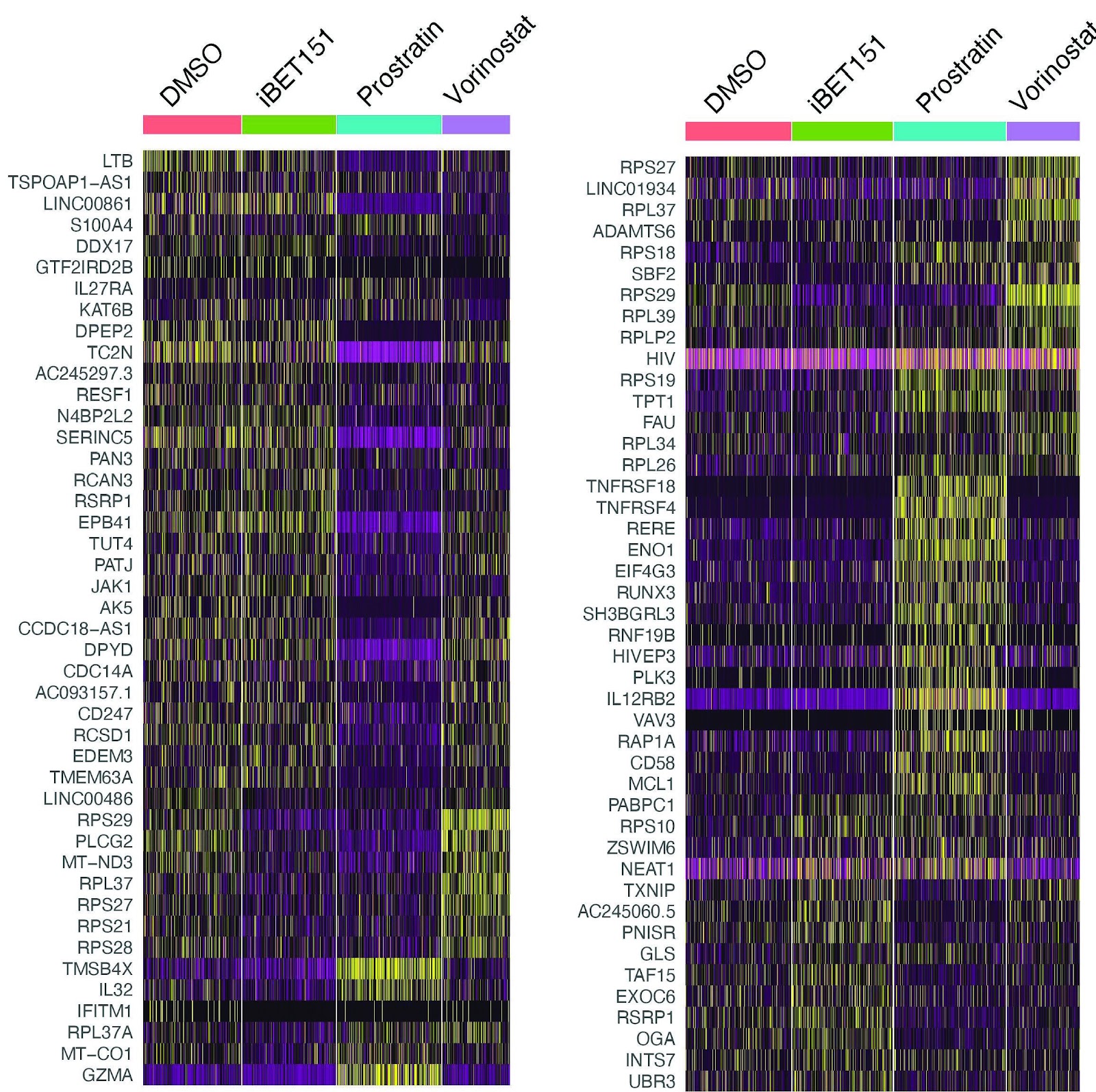
Integrated Single-cell Multiomic Analysis of HIV Latency Reversal Reveals Novel Regulators of Viral Reactivation

Integrated Single-cell Multiomic Analysis of HIV Latency Reversal Reveals Novel Regulators of Viral Reactivation

Despite the success of antiretroviral therapy, human immunodeficiency virus (HIV) cannot be cured because of a reservoir of latently infected cells that evades therapy. To understand the mechanisms of HIV latency, we employed an integrated single-cell RNA sequencing (scRNA-seq) and single-cell assay for transposase-accessible chromatin with sequencing (scATAC-seq) approach to simultaneously profile the transcriptomic and epigenomic characteristics of ~125,000 latently infected primary CD4+ T cells after reactivation using three different latency reversing agents. Differentially expressed genes and differentially accessible motifs were used to examine transcriptional pathways and transcription factor (TF) activities across the cell population. We identified cellular transcripts and TFs whose expression/activity was correlated with viral reactivation and demonstrated that a machine learning model trained on these data was 75%–79% accurate at predicting viral reactivation. Finally, we validated the role of two candidate HIV-regulating factors, FOXP1 and GATA3, in viral transcription. These data demonstrate the power of integrated multimodal single-cell analysis to uncover novel relationships between host cell factors and HIV latency.

Examine Data & PDF
Research PaperYear: 2026
Peptide-based Wnt signal activation enables scalable production of clinical-grade patient-derived intestinal organoids for regenerative cell therapy

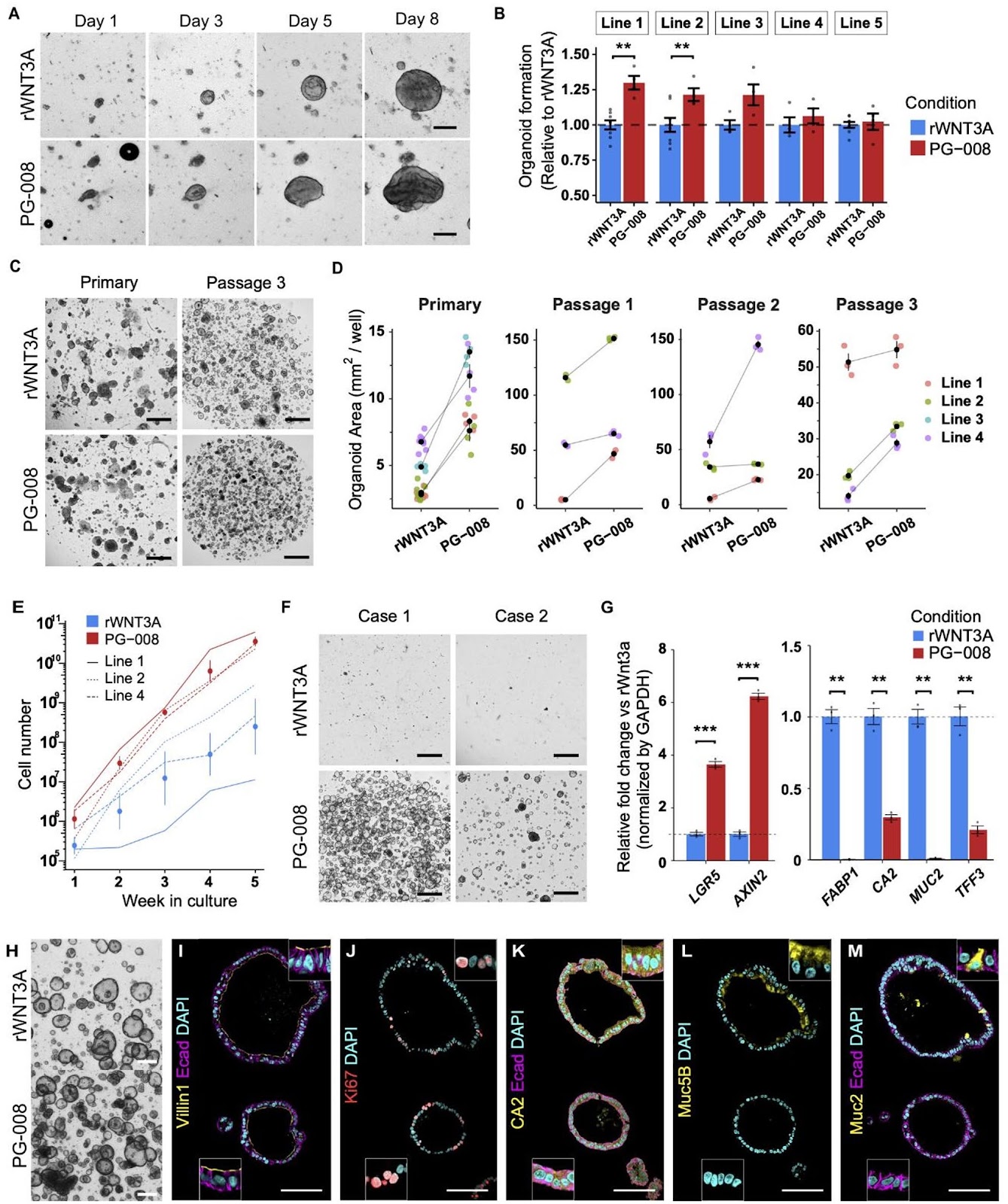
Peptide-based Wnt signal activation enables scalable production of clinical-grade patient-derived intestinal organoids for regenerative cell therapy

Background Gastrointestinal diseases often involve cellular damage, degeneration or dysfunction in the tract, frequently requiring surgical interventions risking complications and lowered quality of life. Regenerative medicine holds great promise in improving patient care and providing novel treatment options for previously irreparable and untreatable tissues. Despite the clinical potential of intestinal organoids as a resource for regenerative cell therapy and bioengineering, the lack of clinical-grade cultures has hampered further development. Moreover, strategies to efficiently and reliably expand clinical-grade cultures at the scale required for application is limited. Methods A GMP-compliant protocol was developed to generate patient-derived colonic organoids from endoscopic biopsies. Clinical-grade colonic organoids cultured and expanded in Type-I collagen were compared to conventional Matrigel cultured organoids. To improve the culture-, cost-, and time-efficiency of culture expansion, several strategies were developed including organoid area-based passaging, one well plate culture, and the incorporation of Wnt activating peptide, PG-008. Conventional recombinant WNT3A culture was compared to the peptide PG-008 culture using single cell RNA sequencing. Results Clinical-grade collagen cultured organoids exhibited similar culture efficiency to Matrigel. Organoid establishment rate from 60 patients using the GMP-compliant protocol was 82%. The incorporation of PG-008 significantly enhanced organoid growth and stabilized patient-patient variability through intestinal stem cell (ISC) enrichment. Single cell RNA sequencing revealed that PG-008 resulted in remarkably pure culture consisting of ISCs

Examine Data & PDF
Research PaperYear: 2026
PTPN2 deficiency amplifies inflammatory signalling and impairs functional maturation of human stem cell-derived islets

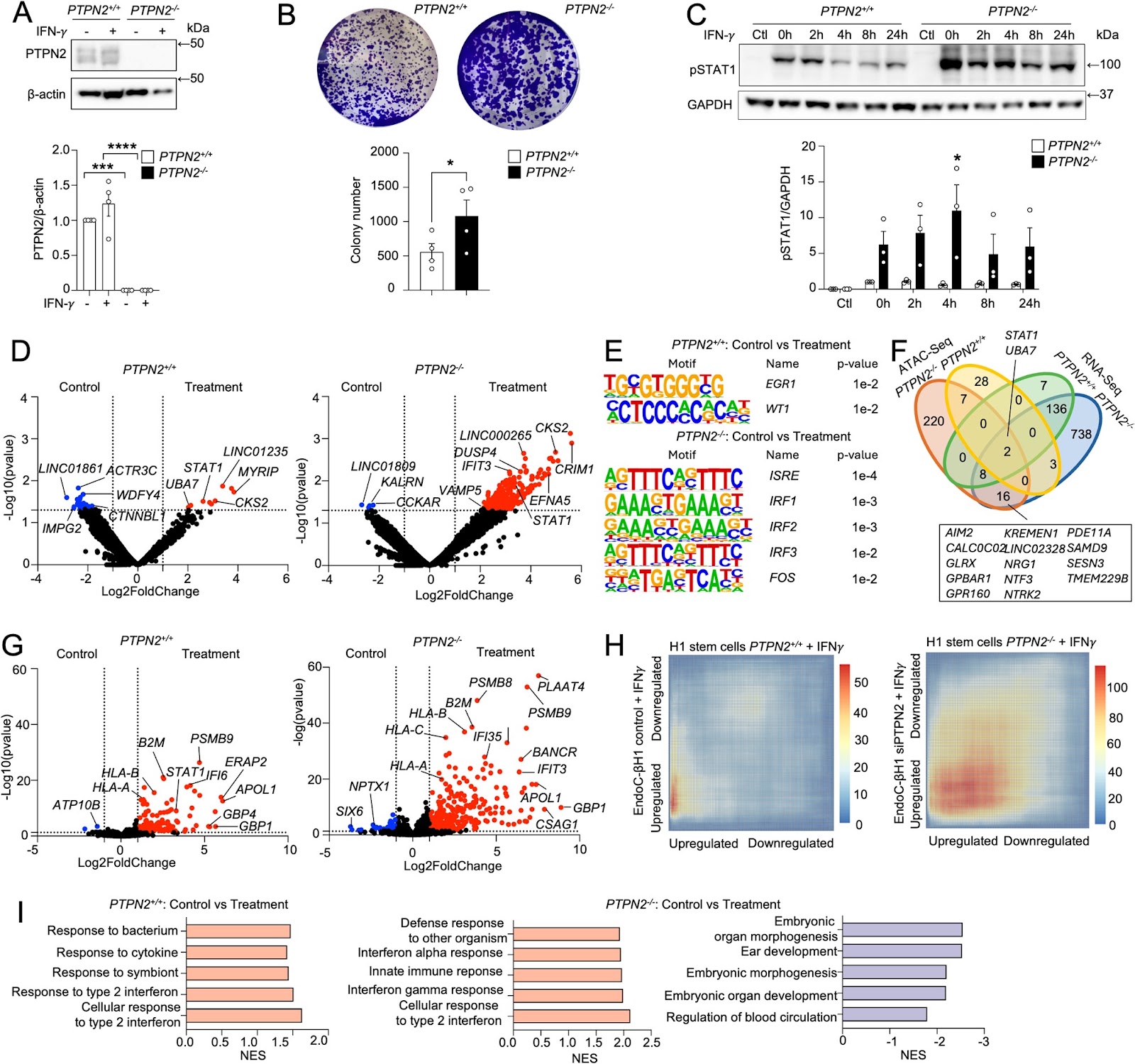
PTPN2 deficiency amplifies inflammatory signalling and impairs functional maturation of human stem cell-derived islets

Background Protein tyrosine phosphatases (PTPs) play key roles in β-cell function and diabetes development. PTPN2 is a candidate gene for type 1 diabetes (T1D) that negatively regulates JAK/STAT signalling. However, the impact of PTPN2 deficiency on the differentiation and functionality of human stem cell-derived somatic metabolic cells remains unclear. Methods PTPN2 expression in β cells from T1D organ donors and during the differentiation of human stem cell-derived islets (SC-islets) was evaluated using single-cell RNA-Sequencing (scRNA-Seq) datasets. We differentiated CRISPR-Cas12a genome-edited PTPN2-deficient H1 human embryonic stem cells (H1-hESCs) into SC-islets, and scRNA-Seq was performed. The maturation and functionality of PTPN2-deficient SC-islets were assessed by implantation under the kidney capsule of NOD-SCID mice. Results scRNA-Seq analysis showed that PTPN2 expression was increased in β cells from recently diagnosed T1D and decreased in long-standing T1D organ donors compared with controls. Conversely, we found that PTPN2 expression was decreased at the early stages of SC-islet differentiation and reconstituted at the later stages, suggesting a developmental dynamic. PTPN2 deficiency exacerbated interferon-induced inflammatory signalling in stem cells and differentiated somatic metabolic cells. Interestingly, PTPN2 deficiency increased hedgehog signalling and reduced SC-islet differentiation efficiency in vitro. In addition, PTPN2-knockout SC-islets exhibited reduced glycaemic control after implantation in vivo, mediated by reduced endocrine cell identity and enhanced interferon signalling. Conclusions Our study postulates a key role of PTPN2 in preserving β-cell function during inflammatory and metabolic stress in SC-islets.

Examine Data & PDF
Research PaperYear: 2026
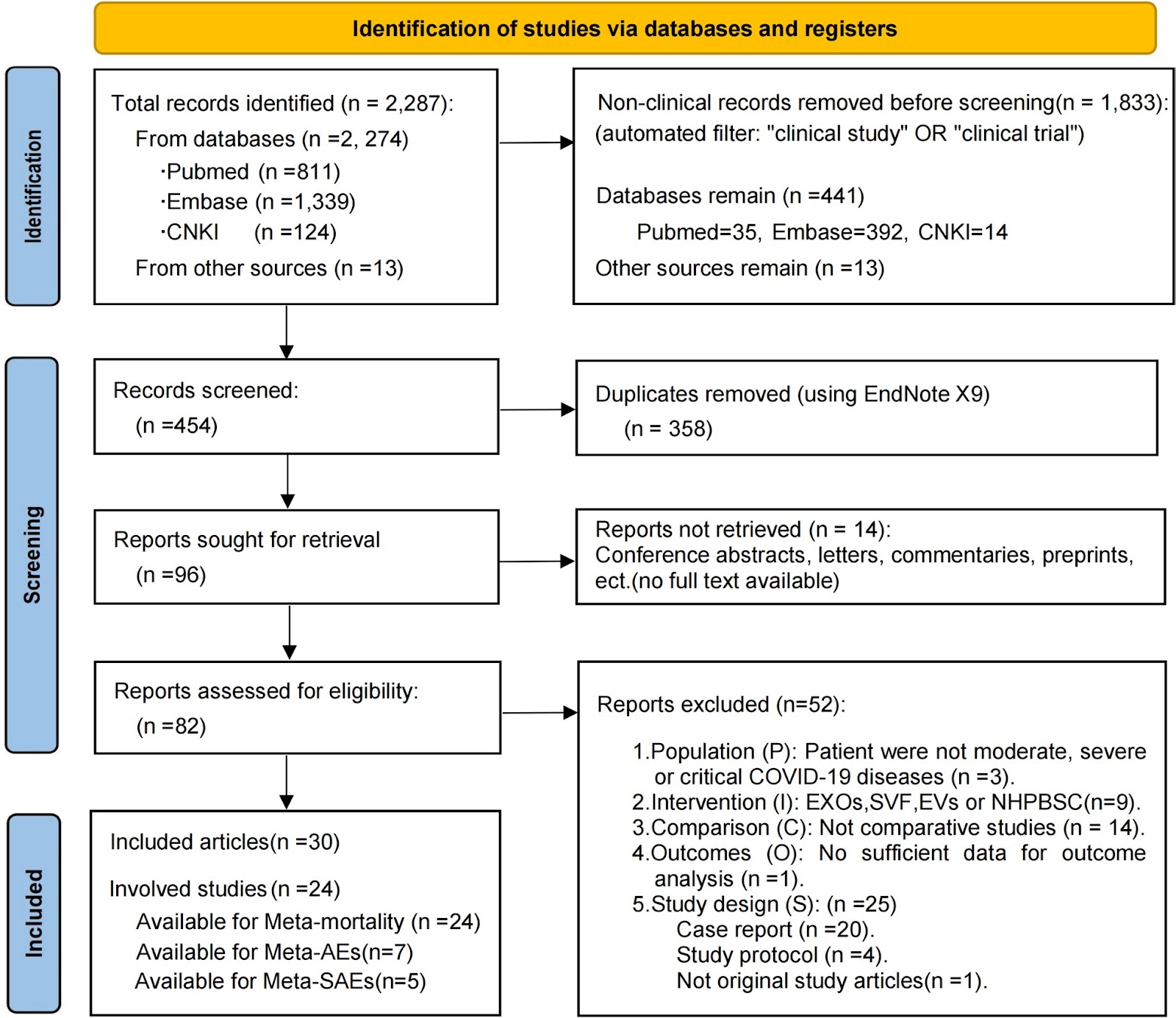
Therapeutic potential of mesenchymal stromal cells in COVID-19: a meta-analysis of clinical trials conducted since the pandemic onset

Therapeutic potential of mesenchymal stromal cells in COVID-19: a meta-analysis of clinical trials conducted since the pandemic onset

Background Severe acute respiratory syndrome coronavirus 2 (SARS-CoV-2) infection can induce immune dysregulation and multi-organ injury; mesenchymal stromal cell (MSC) therapy has shown promise in clinical trials for COVID-19 and may have broader applicability to pneumonia induced by respiratory viruses (e.g., the influenza virus). This meta-analysis synthesized the available comparative clinical evidence on the safety and efficacy of MSCs in patients with moderate to critical COVID-19 and examined the reported outcomes relevant to Long-COVID. Methods We searched the PubMed, Embase, and CNKI databases for original, comparative studies in moderate, severe, or critical COVID-19 published up to September 2, 2024. Twenty-four eligible studies (13 RCTs and 11 non-randomized controlled trials; n=1080) were included in the mortality meta-analysis. Patients were assigned to either the intervention group (MSC therapy plus standard care) or the control group (standard care with or without placebo). The primary efficacy outcome was all-cause mortality, while the primary safety outcomes were adverse events (AEs) and serious adverse events (SAEs). Secondary outcomes included clinical recovery, hospitalization metrics, chest imaging, and inflammatory biomarkers. We performed a pooled meta-analysis on mortality with subgroup analyses (by disease severity, administration route, dosing frequency, and study design), assessment of publication bias (using funnel plots and Egger’s test), and evaluation of the quality of evidence via the GRADE approach. AEs/SAEs were analyzed using meta-analysis and descriptive statistics, while other secondary outcomes were summarized descriptively. Results MSC therapy significantly reduced all-cause mortality (MSC: 26.4% vs control: 31.9%; fixed-effect OR=0.74, 95% CI 0.55–0.99), with low heterogeneity (I2=2.8%, P=0.422[Q-test]) and no publication bias. The quality of evidence

Examine Data & PDF
Research PaperYear: 2026
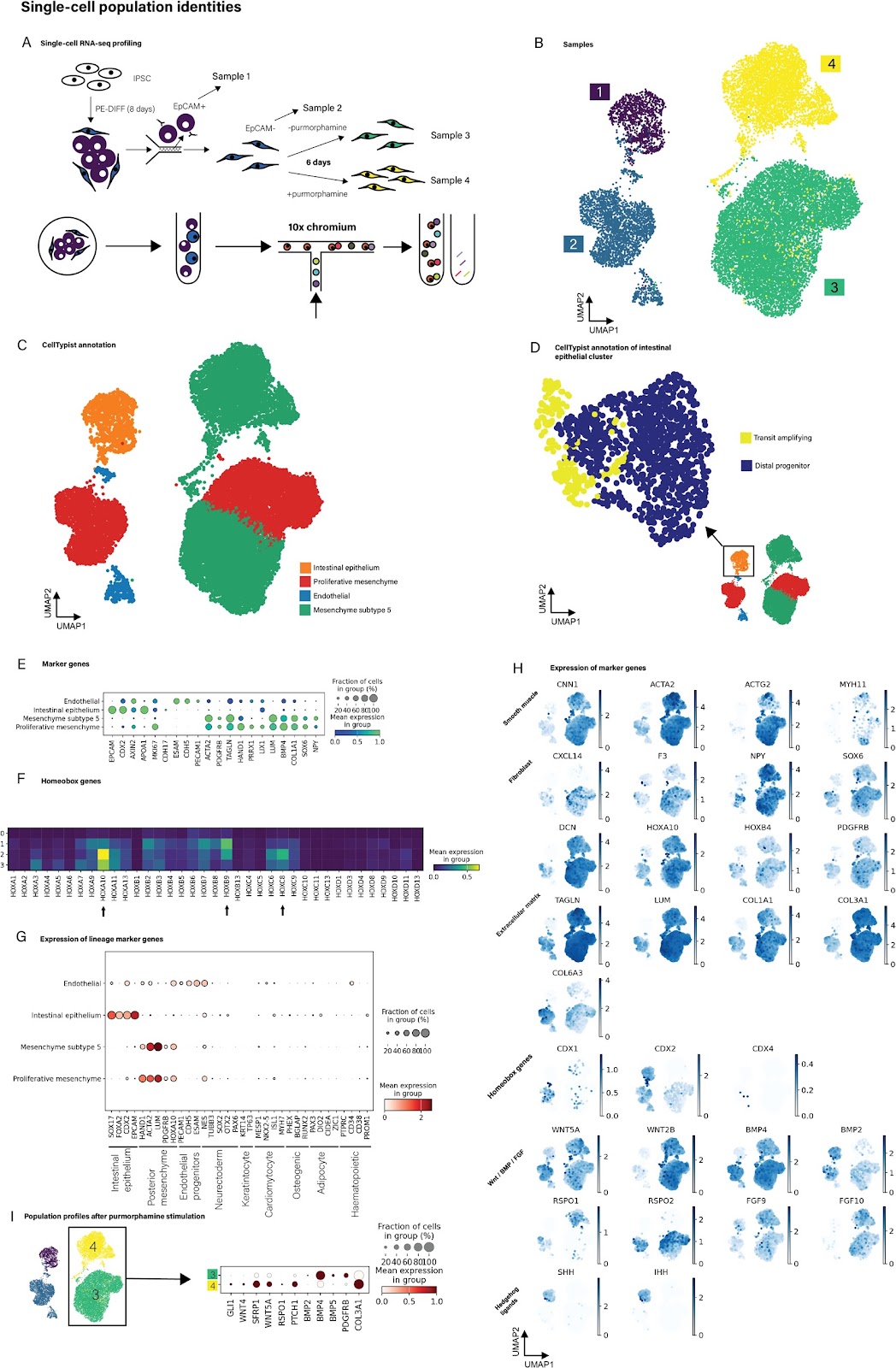
Generation of biologically responsive colon-like intestinal tissue patches from human induced pluripotent stem cells using a rapid co-differentiation platform

Generation of biologically responsive colon-like intestinal tissue patches from human induced pluripotent stem cells using a rapid co-differentiation platform

The intestinal mucosa is a complex functional layer which is formed from a diverse range of cell types that include epithelial cells (within crypts and villi) and an array of mesenchymal cells. Many intestinal diseases involve loss of the surface mucosa which can be difficult to restore, and which delays healing and return to normal function. We reason that development of a transplantable intestinal mucosal tissue graft may be a potential therapeutic strategy to aid healing. To be clinically useful, such a tissue graft would need to be capable of rapid production, avoid the risk of host rejection and be demonstrably safe. To create a potential intestinal graft, we developed a novel early-stage human induced pluripotent stem cell (hiPSC) co-differentiation platform capable of generating multiple intestinal cell lineages (epithelial, mesenchymal and endothelial) in 8 days. This protocol is simple to implement, serum-free and greatly reduces the use of animal products. We confirmed the identity of cells by demonstrating that these cells had RNA and protein expression profiles typical of intestinal cell lineages. In particular, we used bulk and single-cell RNA sequencing to characterise global cellular transcriptional profiles robustly and showed that the cells have intestinal identity with early polarisation towards colonic differentiation. The results were replicated across multiple hiPSC lines and in an independent centre. We further cultured the derived cells on collagen hydrogels to form colon-like intestinal patches (CL-IPs). When transplanted into mouse subcutis, CL-IPs formed into colon-like tissue structures, including crypts, stromal and muscle layers. They also developed human-origin vasculature which underwent anastomosis with the murine vasculature to transport murine blood into the graft. Teratoma assays and molecular analyses showed no evidence of residual pluripotency. While at an early stage, this platform shows great potential for further development as a potential source for novel intestinal mucosal regeneration therapy. In addition, the platform is physiologically relevant and thus shows promise as the basis for a new generation of in vitro models of intestinal pathobiology.

Examine Data & PDF
Research PaperYear: 2026
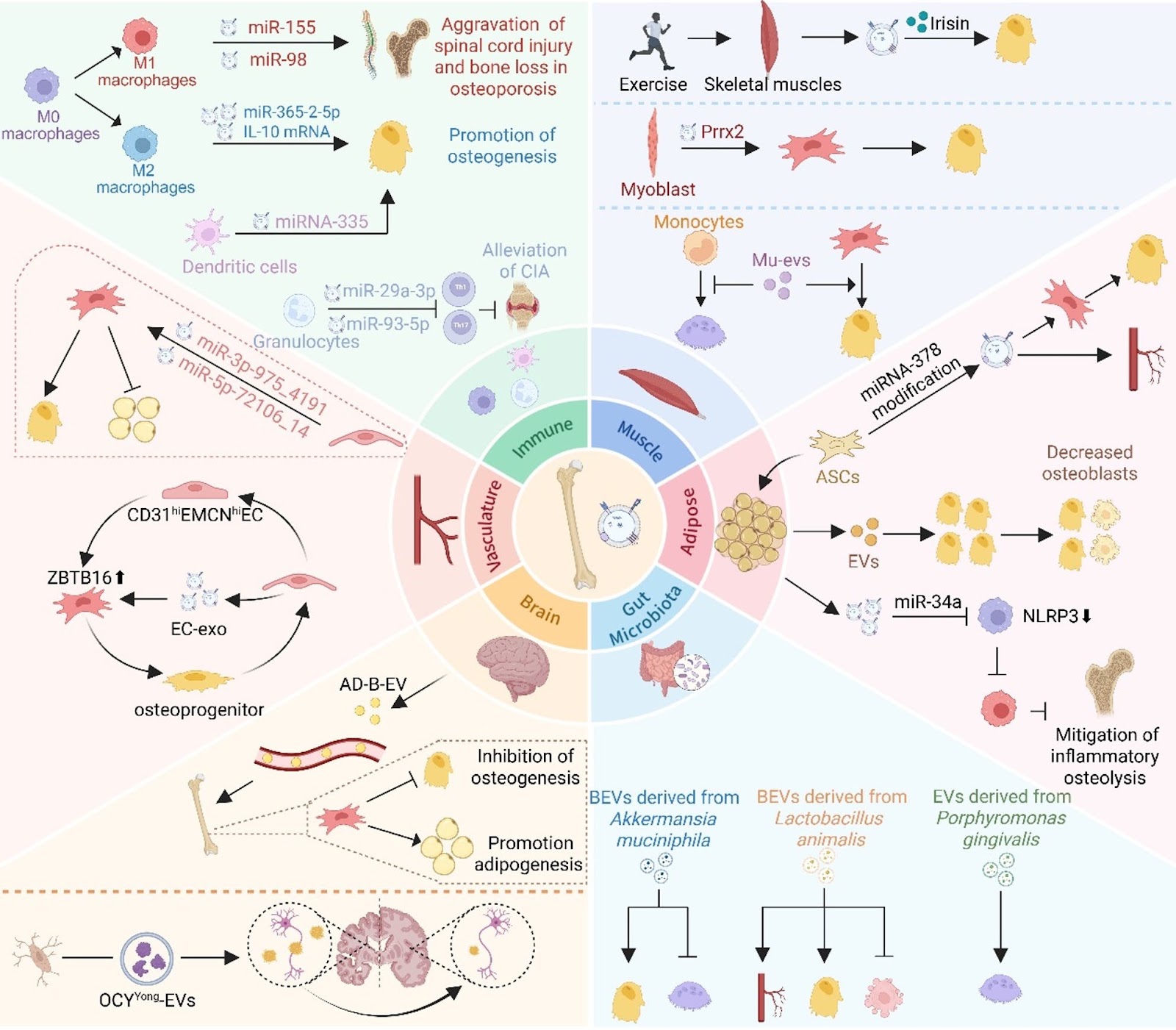
Exosomes in bone health and disease: cellular crosstalk, systemic signaling, and AI-driven advances in regenerative therapy

Exosomes in bone health and disease: cellular crosstalk, systemic signaling, and AI-driven advances in regenerative therapy

Exosomes have emerged as critical mediators of intercellular and inter-organ communication in bone biology. Secreted by bone-resident cells such as osteoblasts, osteoclasts, osteocytes, and mesenchymal stem cells (MSCs), these nanosized vesicles carry diverse molecular cargos that regulate bone remodeling, regeneration, and skeletal homeostasis. In addition to mediating local communication within the bone microenvironment, exosomes also participate in systemic crosstalk communication between bone and other tissues, including skeletal muscle, adipose tissue, gut microbiota, the immune system, the nervous system, and vasculature. Disruption of these exosome-mediated pathways contributes to the development and progression of bone diseases, including osteoporosis, osteoarthritis, osteonecrosis of the femoral head, and bone metastases. This review summarizes current advances in exosome-mediated signaling in both physiological and pathological contexts, with particular emphasis on their roles as biomarkers, therapeutic agents, and drug delivery vehicles. We also discuss the emerging contribution of artificial intelligence (AI) to exosome research, especially in biomarker discovery, disease classification, and target identification, as well as the major challenges that currently limit clinical translation. Together, these insights highlight the potential of exosome-based strategies for precision medicine in bone diseases.

Examine Data & PDF

Frequently Asked Technical Questions (CRISPR & Base Editing)

Q:How is base editing safer than classical CRISPR-Cas9?

Base editing does not induce double-stranded DNA breaks (DSBs), avoiding deleterious translocations, chromothripsis, and large genomic deletions while precisely correcting point mutations.

Q:What is the status of clinical gene editing for beta-thalassemia in China?

Multiple Chinese hospitals have achieved complete transfusion independence in pediatric and adult beta-thalassemia patients following autologous base-edited hematopoietic stem cell transplantation.

Explore Related Research Pillars in SinoBioData