Directly targeting G-quadruplexes contributes to the anti-multiple myeloma efficacy of Epimedokoreanin B
Authors: Pingting Jia, Shangzhao Wang, Wanting Huang, Ye Fang, Jian Gao
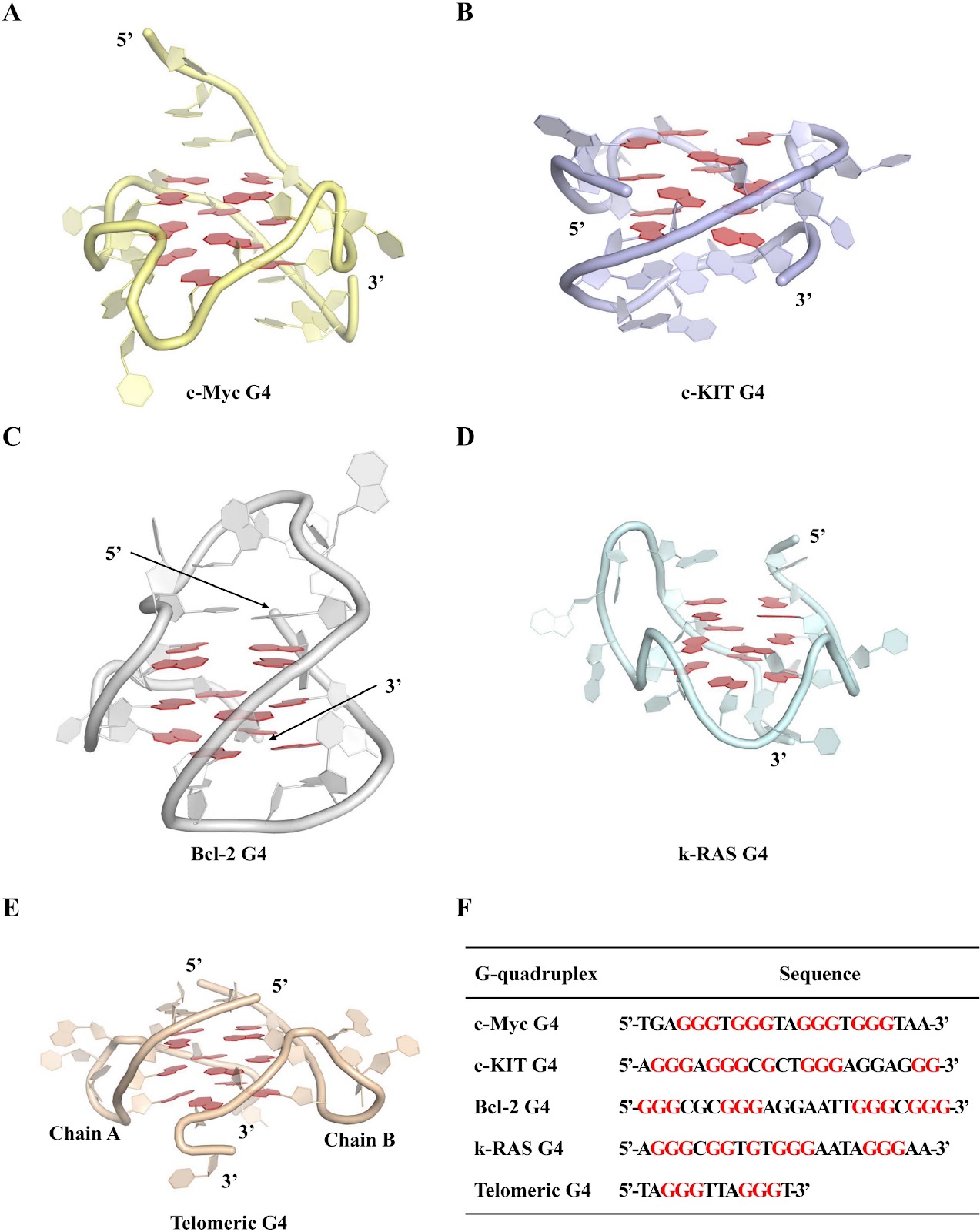
Multiple myeloma (MM) is a hematological malignancy for which novel therapeutic strategies are urgently needed. Epimedokoreanin B (EKB), an isoprenylated flavonoid compound derived from the medicinal plant Epimedium koreanum, has demonstrated promising antitumor activity. However, its effects on MM have not been previously investigated. This study explores the anti-MM activity and the molecular interaction mechanisms between EKB and G-quadruplexes (G4) through a combination of biological activity assessments and computer-aided methodologies. EKB exhibits potent cytotoxicity against the MM cell lines U266 and RPMI-8226, with IC50 values of 5.28 μM and 6.81 μM, respectively. It induces apoptosis in a concentration-dependent manner and specifically stabilizes the G4 structures of oncogenes such as c-Myc, c-KIT, Bcl-2, and k-RAS, as confirmed by BG4 immunofluorescence staining and fluorescence resonance energy transfer (FRET) assays. Additionally, EKB significantly suppresses the mRNA and protein expression levels of these genes in myeloma cells. Computational studies, including molecular docking, molecular dynamics (MD) simulations, and MM/GBSA calculations, confirm the strong binding affinity and stabilizing effects of EKB on G4s, revealing a mechanism involving π-π stacking and hydrogen bonding. This discovery underscores the unique ability of EKB to increase the stability of G4 structures, which are critical for regulating gene expression and inhibiting cancer cell proliferation. This research highlights the therapeutic potential of EKB in targeting these specific molecular structures, thereby offering a more effective approach to managing MM.