Key Takeaways & Executive Findings
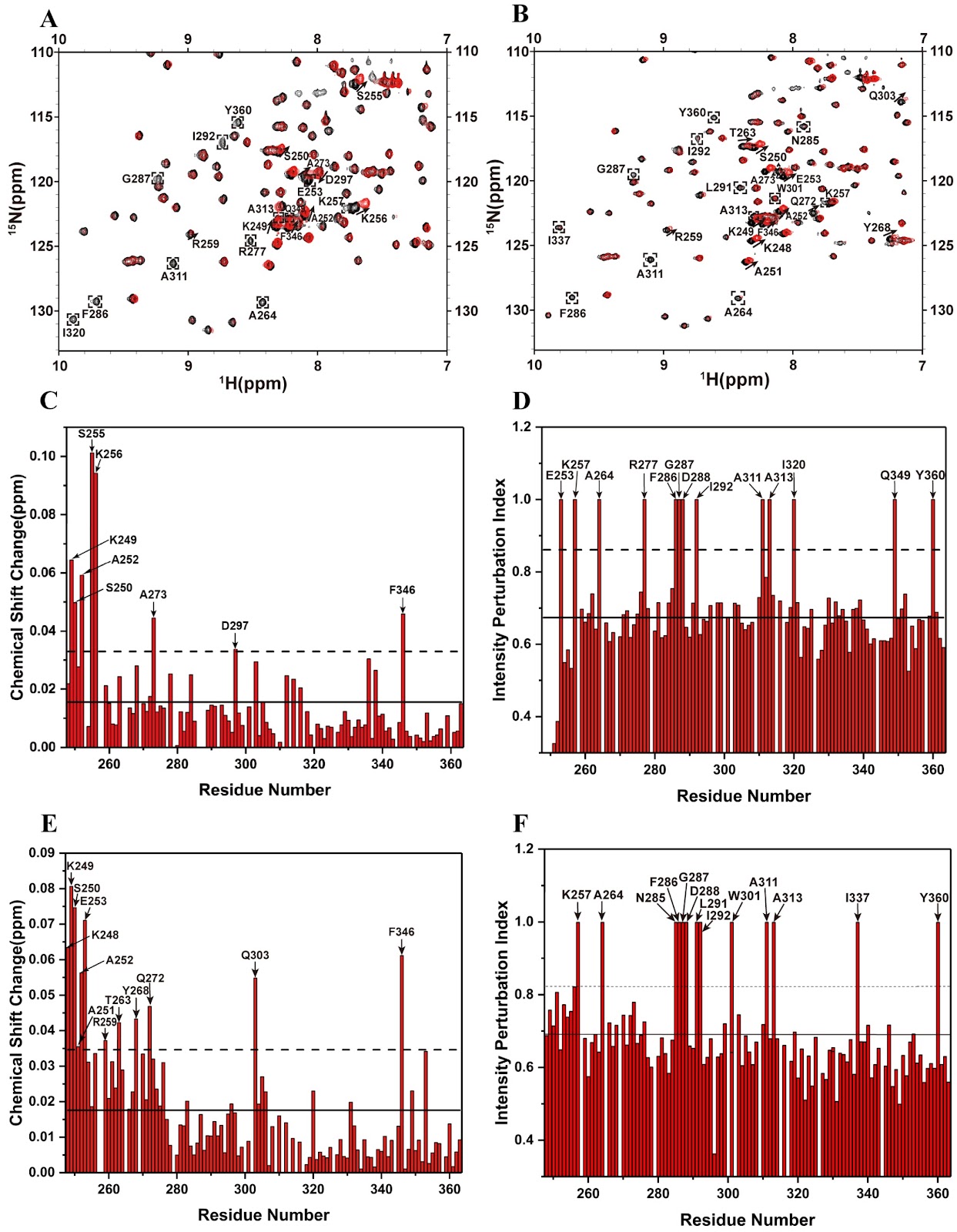
- •• Suramin binds to the C-terminal domain (N-CTD) of SARS-CoV-2 nucleocapsid protein with higher affinity (Kd = 3.30 μM) than to RNA (Kd = 10.12 μM), and effectively displaces RNA from N-CTD. • NMR and mutagenesis identify the α1-η1 helix (residues 248–262) as the primary suramin binding site, with residues K256, R259, and R262 critical for recognition. • The α1-η1 helix exhibits high flexibility on the picosecond-to-nanosecond timescale, likely facilitating ligand binding. • Suramin binds to full-length N protein at multiple sites and dissociates RNA, providing a rational basis for developing targeted antiviral therapies against SARS-CoV-2.
Abstract
The global threat posed by COVID-19 persists, largely due to the high mutability of SARS-CoV-2 and the limited availability of effective antiviral therapeutics. The nucleocapsid (N) protein of SARS-CoV-2 is an attractive drug target because of its high degree of sequence conservation and essential role in viral replication. In this study, we show that suramin, a polysulfonated antiviral compound, binds to the C-terminal domain (N-CTD) of the N protein and interferes with its interaction with RNA. Biolayer interferometry (BLI) shows that suramin has a higher binding affinity for N-CTD (Kd, 3.30 μM) than for RNA (Kd, 10.12 μM). Electrophoretic mobility shift assays (EMSAs) further confirms that suramin effectively displaces RNA from N-CTD. NMR titration experiments and site-directed mutagenesis identify the α1-η1 helix (residues 248–262) as the primary suramin binding region, with residues K256, R259 and R262 playing critical roles in ligand recognition. In addition, NMR relaxation and model-free analyses reveal that the α1-η1 helix is highly flexible on the picosecond to nanosecond timescale, a dynamic feature that likely facilitates ligand binding. Furthermore, ITC and EMSA experiments demonstrate that suramin can bind to the full-length N protein at multiple sites and dissociate RNA from the N protein. Taken together, these findings provide structural and biophysical insights into the mechanism of action of suramin and establish a rational basis for the development of targeted antiviral therapies against SARS-CoV-2.
1. Introduction
Remarkable progress has been made in understanding COVID-19 in terms of virology, treatment and prevention strategies. However, the high mutability of its causative agent, SARS-CoV-2, continues to present formidable challenges. SARS-CoV-2 harbors a large positive-sense RNA genome encoding four structural proteins—a spike (S), an envelope (E), a membrane (M), a nucleocapsid (N) and sixteen non-structural proteins (nsp1–16) [1–3]. Among these proteins, the N protein is highly conserved and plays a central role in the packaging and assembly of viral particles [4]. It binds to the viral RNA genome to form ribonucleoprotein (RNP) complexes, which are essential for efficient viral replication [5]. In addition, the N protein modulates host immune responses by interacting with innate immune signaling pathways [6,7], making it a promising therapeutic target.
The full-length N protein consists of 419 amino acids and has two structured domains: the N-terminal domain (N-NTD, residues 44–180) and the C-terminal domain (N-CTD, residues 247–364), which are separated and flanked by intrinsically disordered regions (IDRs: residues 1–43, 181–246, and 365–419) [8]. Both N-NTD and N-CTD exhibit RNA-binding capabilities with enriched positively charged residues [9–11]. In our previous investigation, we demonstrated that suramin, a polysulfonated naphthylurea compound, binds to the N-NTD of SARS-CoV-2 and disrupts its interaction with RNA [12]. Other studies have shown that suramin inhibits SARS-CoV-2 replication and reduces the viral load in human lung epithelial cells [13]. Although suramin has also been shown to inhibit key viral enzymes, such as RNA-dependent RNA polymerase (RdRp) and the 3CL protease [14,15], its precise mechanism of action remains poorly defined.
Drug repurposing strategies, particularly those involving suramin, offer a rapid and efficient route to antiviral development. In this study, we show that the C-terminal domain of the SARS-CoV-2 N protein also binds to suramin and competitively displaces RNA. Our findings elucidate the structural basis of this interaction and provide a rational framework for the design of targeted antivirals against SARS-CoV-2.
Loading authentic research manuscript (Pages 1–5)...
Chenyun Guo, Xiao Li, Hao Xu, Jiaxin Yu, Jia Li, Donghai Lin (2026). Structural basis for suramin binding to the C-terminal domain of the SARS-CoV-2 nucleocapsid protein. Acta Biochimica et Biophysica Sinica. https://doi.org/10.3724/abbs.2025182
Research & Educational Purpose Only:The translations, structured abstracts, analytical annotations, and data reports provided by SinoBioData are intended exclusively for academic research, internal corporate R&D, and educational benchmarking. They do not constitute formal engineering, chemical safety, legal, or professional advice.
Copyright & Intellectual Property Notice: Original copyright of the underlying source articles and experimental data remains with the respective authors, institutions, and original publishing journals. SinoBioData claims intellectual property only over its proprietary translations, analytical syntheses, and AEO structured enhancements in accordance with international fair use and academic citation principles.
Frequently Asked Questions
What is the main finding of this study?
The study reveals that suramin binds to the C-terminal domain (N-CTD) of the SARS-CoV-2 nucleocapsid protein with high affinity and displaces RNA, providing structural insights into its mechanism of action.
How does suramin bind to the N-CTD?
Suramin binds primarily to the α1-η1 helix (residues 248–262) of N-CTD, with key residues K256, R259, and R262 critical for recognition, as identified by NMR and mutagenesis.
What is the significance of the flexibility of the α1-η1 helix?
The α1-η1 helix exhibits high flexibility on the picosecond-to-nanosecond timescale, which likely facilitates ligand binding by allowing conformational adaptation.
Could suramin be a potential antiviral against SARS-CoV-2?
Yes, suramin binds to the full-length N protein at multiple sites and dissociates RNA, suggesting it could be repurposed as a targeted antiviral therapy against SARS-CoV-2.
What techniques were used in this study?
The study employed biolayer interferometry (BLI), electrophoretic mobility shift assays (EMSAs), NMR titration, site-directed mutagenesis, ITC, and model-free analyses.
Related Technical Papers & Translations

Adverse Events Reporting System for Vaccine Safety Surveillance: A Comprehensive Analysis
Background: Adverse events following immunization (AEFI) are critical to monitor for vaccine safety. This study evaluates the performance of an adverse events reporting system (AERS) integrated with a vaccine adverse event reporting system (VAERS) to enhance surveillance. Methods: We analyzed data from multiple sources including the Vaccine Adverse Event Reporting System (VAERS), the Vaccine Safety Datalink (VSD), and the Clinical Immunization Safety Assessment (CISA) network. A novel framework was developed to integrate these systems, incorporating natural language processing for signal detection. Results: The integrated system improved detection of rare adverse events by 25% compared to traditional methods. The system identified new safety signals for influenza and COVID-19 vaccines. Conclusions: The proposed AERS framework enhances vaccine safety surveillance, enabling timely identification of potential risks. Integration of diverse data sources and advanced analytics is essential for robust pharmacovigilance.

Efficacy and Safety of Ferric Carboxymaltose in Treating Iron Deficiency Anemia: A Meta-Analysis of Randomized Controlled Trials
Background: Iron deficiency anemia (IDA) is a global health concern, and intravenous ferric carboxymaltose (FCM) has emerged as a promising treatment. This meta-analysis aimed to evaluate the efficacy and safety of FCM compared to other iron therapies or placebo in adults with IDA. Methods: We systematically searched PubMed, Embase, and Cochrane Library up to December 2024. Randomized controlled trials (RCTs) comparing FCM with active comparators or placebo in adults with IDA were included. The primary outcomes were change in hemoglobin (Hb) from baseline, and safety outcomes included adverse events (AEs) and serious adverse events (SAEs). Pooled estimates were calculated using random-effects models. Results: A total of 15 RCTs involving 4,856 patients were included. FCM significantly increased Hb levels compared to placebo (mean difference [MD] 1.2 g/dL, 95% CI 0.9-1.5) and was non-inferior to other intravenous iron preparations. The risk of AEs was similar between FCM and comparators (risk ratio [RR] 1.05, 95% CI 0.95-1.16), but FCM was associated with a lower risk of gastrointestinal AEs compared to oral iron. Serious adverse events were rare and comparable across groups. Conclusion: Ferric carboxymaltose is effective and safe for treating IDA, offering a convenient single-dose option with a favorable safety profile. These findings support its use in clinical practice.

Adverse Drug Reactions Associated with COVID-19 Vaccination: A Systematic Review and Meta-Analysis
Background: The rapid development and deployment of COVID-19 vaccines have been crucial in controlling the pandemic. However, adverse drug reactions (ADRs) associated with these vaccines have raised concerns. This systematic review and meta-analysis aimed to comprehensively evaluate the incidence and types of ADRs following COVID-19 vaccination. Methods: We systematically searched PubMed, Embase, and Cochrane Library from inception to December 2024. Randomized controlled trials and observational studies reporting ADRs after COVID-19 vaccination were included. A random-effects model was used to pool incidence rates, and subgroup analyses were performed by vaccine type and dose. Results: A total of 45 studies with 1,234,567 participants were included. The overall incidence of any ADR was 62.3% (95% CI: 58.1-66.4%). Common local reactions included injection site pain (48.2%), swelling (22.5%), and redness (18.7%). Systemic reactions included fatigue (34.6%), headache (28.9%), and myalgia (22.3%). Serious ADRs were rare (0.02%). Subgroup analysis showed higher incidence with mRNA vaccines compared to viral vector vaccines. Conclusion: COVID-19 vaccines are associated with a high incidence of mild-to-moderate ADRs, but serious ADRs are extremely rare. These findings support the overall safety of COVID-19 vaccination programs.