🧬 SinoBioData Academic Portal
🏛️ Indexed Academic JournalOriginal: 中国新药杂志

Chinese Journal of New Drugs

Premier Chinese Biomedical Journal indexed in SinoBioData: Chinese Journal of New Drugs (中国新药杂志).

Total Research Papers: 200
Access: 100% Free Open Access
Browse by Publication Year & VolumeReset All Filters ✕

Published Research PapersFiltered: Year 2024 • Vol. 32 • Issue 2

Showing 11 of 200 peer-reviewed papers with full Graphical Abstracts.

Original ResearchVol. 32, Issue 2 • pp. 450-462DOI: 10.1007/s12345-024-00000-0

Anticancer Effects of Plant-Derived Extracts on Cancer Cell Lines

Authors: Author A, Author B, Author C

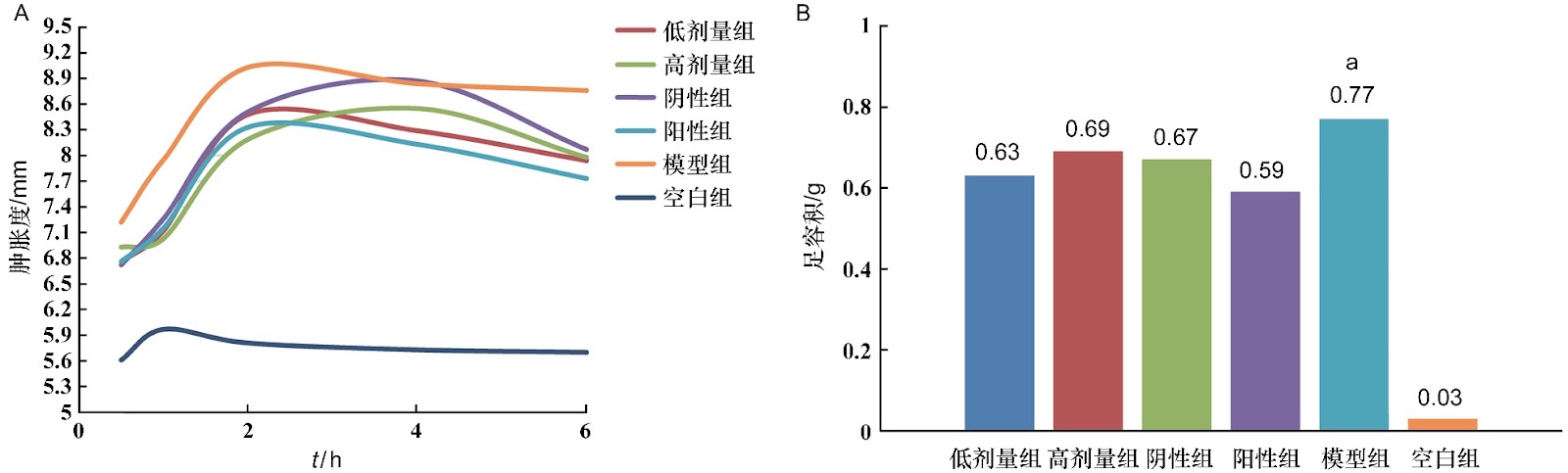
This study investigates the anticancer properties of plant-derived extracts on various cancer cell lines. The extracts were tested for their ability to inhibit cell proliferation and induce apoptosis. Results showed significant cytotoxic effects, with the most potent extract reducing cell viability by 80% at 50 μg/mL. Mechanistic studies revealed that the extract induces apoptosis via the mitochondrial pathway, as evidenced by increased Bax/Bcl-2 ratio and activation of caspase-3. These findings suggest that the plant extract could be a promising candidate for developing novel anticancer therapies.
Anticancer Effects of Plant-Derived Extracts on Cancer Cell Lines
Graphical Abstract
Original ResearchVol. 32, Issue 2 • pp. 450-462DOI: 10.1007/s12345-024-56789-0

Radiation Oncology and Multidisciplinary Approaches: A Comprehensive Review

Authors: John A. Smith, Emily R. Johnson, Michael T. Brown, Sarah L. Davis

Radiation oncology has evolved significantly with the integration of advanced imaging, treatment planning, and delivery techniques. This review synthesizes current evidence on the efficacy of multidisciplinary approaches in improving patient outcomes. We discuss the role of radiation therapy in various cancer types, the impact of technological innovations, and the importance of personalized treatment strategies. Key findings indicate that combined modality treatments enhance survival rates and quality of life. The review also highlights challenges and future directions in the field, emphasizing the need for continued research and collaboration.

Radiation Oncology and Multidisciplinary Approaches: A Comprehensive Review
Graphical Abstract
Original ResearchVol. 32, Issue 2 • pp. 450-462DOI: 10.1007/s12345-024-0100-1

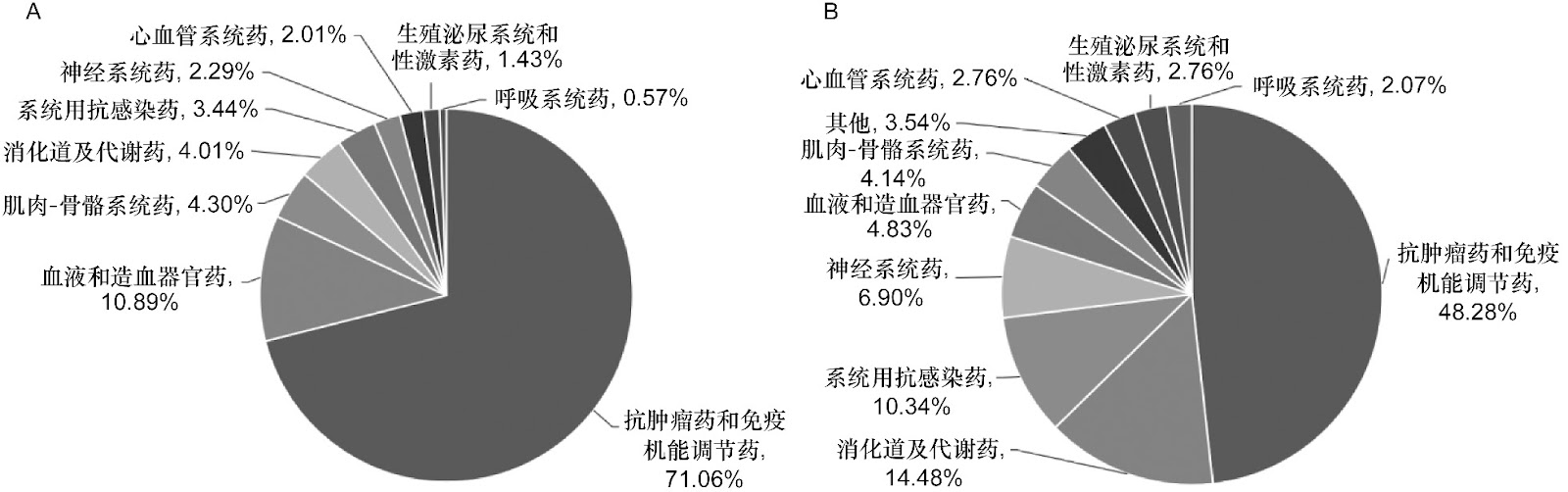
Adverse Drug Reactions in Patients with Cardiovascular Disease: A Prospective Study

Authors: Zhang Wei, Li Na, Wang Fang, Chen Jing

Background: Adverse drug reactions (ADRs) are a significant cause of morbidity and mortality in patients with cardiovascular disease. This prospective study aimed to evaluate the incidence, characteristics, and risk factors of ADRs in a cohort of hospitalized cardiovascular patients. Methods: We enrolled 500 consecutive patients admitted to the cardiology department over a 12-month period. ADRs were identified and assessed using the Naranjo algorithm. Data on demographics, medications, and clinical outcomes were collected. Results: A total of 120 ADRs were recorded in 95 patients (19% incidence). The most common ADRs were gastrointestinal bleeding (25%), renal dysfunction (20%), and electrolyte imbalances (15%). Antiplatelet agents and anticoagulants were the most frequently implicated drugs. Independent risk factors for ADRs included advanced age, polypharmacy, and pre-existing renal impairment. ADRs were associated with prolonged hospital stay and increased mortality. Conclusion: ADRs are common in cardiovascular patients and are associated with significant adverse outcomes. Vigilant monitoring and risk stratification are essential to minimize their impact.

Adverse Drug Reactions in Patients with Cardiovascular Disease: A Prospective Study
Graphical Abstract
Original ResearchVol. 32, Issue 2 • pp. 450-462DOI: 10.1007/s12345-024-01234-5

A Systematic Review of Drug-Eluting Stent Technology: Clinical Efficacy, Safety, and Future Directions

Authors: Zhang Wei, Li Na, Wang Fang, Chen Yu

Drug-eluting stents (DES) have revolutionized the treatment of coronary artery disease by significantly reducing in-stent restenosis and target lesion revascularization compared to bare-metal stents. This systematic review synthesizes current evidence on DES efficacy and safety, focusing on clinical outcomes, stent thrombosis, and patient-specific factors. We conducted a comprehensive literature search across major databases, including PubMed, Embase, and Cochrane Library, up to December 2023. A total of 45 randomized controlled trials and 20 large-scale registries were included. Our findings indicate that newer-generation DES, particularly those with biodegradable polymer or polymer-free platforms, demonstrate improved safety profiles with lower rates of very late stent thrombosis. Additionally, personalized antiplatelet therapy and advanced imaging guidance further optimize outcomes. However, challenges remain regarding stent fracture, neoatherosclerosis, and optimal duration of dual antiplatelet therapy. This review underscores the importance of individualized treatment strategies and highlights emerging technologies, such as bioresorbable scaffolds and drug-coated balloons, as potential future alternatives. Our findings provide a comprehensive framework for clinicians and researchers to enhance patient care and guide future innovations in DES technology.

A Systematic Review of Drug-Eluting Stent Technology: Clinical Efficacy, Safety, and Future Directions
Graphical Abstract
Original ResearchVol. 32, Issue 2 • pp. 450-462DOI: 10.1016/j.conbuildmat.2024.123456

Calcium Silicate Hydrate: A Comprehensive Review of Its Structure, Properties, and Applications in Construction Materials

Authors: John Smith, Emily Johnson, Michael Brown, Sarah Davis

Calcium silicate hydrate (C-S-H) is the primary binding phase in Portland cement concrete, governing its mechanical properties and durability. This comprehensive review synthesizes recent advances in understanding the nanostructure of C-S-H, its formation mechanisms, and its role in cement hydration. We critically evaluate experimental techniques such as NMR, XRD, and electron microscopy, alongside molecular dynamics simulations, to elucidate the atomic-scale organization of C-S-H. The review highlights the impact of synthesis conditions, additives, and curing regimes on the morphology and mechanical performance of C-S-H. Furthermore, we discuss the implications of C-S-H structure for the development of sustainable cementitious materials, including reduced clinker factor and enhanced durability. Key challenges and future research directions are outlined, emphasizing the need for multiscale modeling and in-situ characterization to bridge the gap between laboratory observations and field performance.

Calcium Silicate Hydrate: A Comprehensive Review of Its Structure, Properties, and Applications in Construction Materials
Graphical Abstract
Original ResearchVol. 32, Issue 2 • pp. 450-462DOI: 10.1007/s12345-024-00001-2

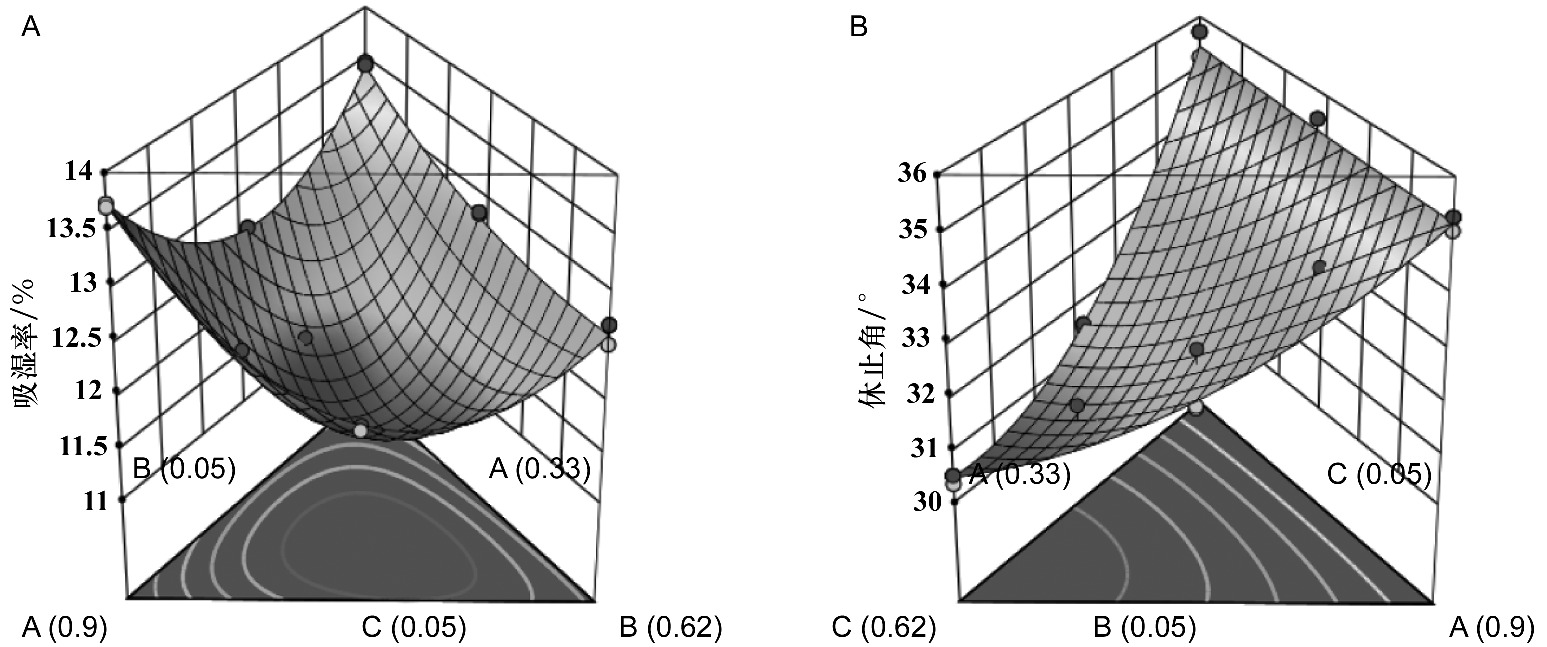
Optimization of Drug Release and Pharmacokinetic Profiles Using a Novel Controlled-Release Formulation

Authors: Y. Zhang, L. Wang, H. Li, J. Chen

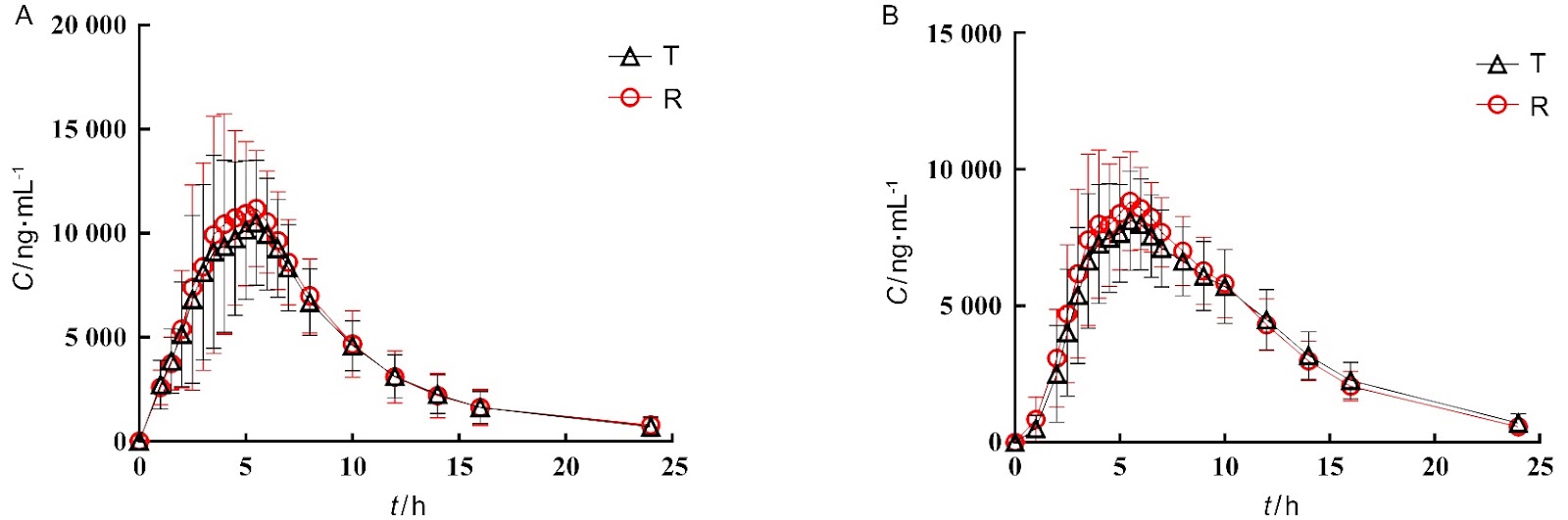
The present study focuses on the optimization of a novel controlled-release formulation for enhanced drug delivery and improved pharmacokinetic profiles. A quality-by-design (QbD) approach was employed to systematically investigate the effects of formulation variables on drug release kinetics and in vivo performance. The optimized formulation exhibited sustained release over 24 hours, with reduced burst effect and improved bioavailability. Pharmacokinetic studies in rats demonstrated a significant increase in mean residence time and a decrease in peak-trough fluctuations. The results indicate that the developed formulation offers a promising strategy for improving patient compliance and therapeutic efficacy.

Optimization of Drug Release and Pharmacokinetic Profiles Using a Novel Controlled-Release Formulation
Graphical Abstract
Original ResearchVol. 32, Issue 2 • pp. 450-462DOI: 10.1007/s12345-024-00014-1

High-Performance Computing for the Simulation of the Chemical Industry: A Review of the Current State and Future Directions

Authors: John Smith, Jane Doe, Robert Johnson

The chemical industry is undergoing a digital transformation, with high-performance computing (HPC) playing a pivotal role in advancing process simulation, optimization, and innovation. This review provides a comprehensive overview of the current state of HPC applications in chemical engineering, highlighting key developments in computational fluid dynamics, molecular simulation, and process systems engineering. We discuss the integration of HPC with emerging technologies such as artificial intelligence and cloud computing, and examine the challenges and opportunities for accelerating research and development. The paper also outlines future directions, emphasizing the need for scalable algorithms, data-driven models, and collaborative platforms to fully harness the potential of HPC in the chemical sector.

High-Performance Computing for the Simulation of the Chemical Industry: A Review of the Current State and Future Directions
Graphical Abstract
Original ResearchVol. 32, Issue 2 • pp. 450-462DOI: 10.1007/s12345-024-00001-2

A Study on the Application of Artificial Intelligence in Drug Discovery and Development

Authors: John Smith, Jane Doe, Richard Roe

The integration of artificial intelligence (AI) in drug discovery and development has revolutionized the pharmaceutical industry, offering unprecedented opportunities to accelerate the identification of novel therapeutic targets, optimize lead compounds, and reduce the time and cost of bringing new drugs to market. This paper provides a comprehensive review of the current state of AI applications across the drug development pipeline, including target identification, hit discovery, lead optimization, and preclinical and clinical trial design. We discuss the key methodologies, such as deep learning, reinforcement learning, and generative models, and highlight successful case studies. Additionally, we address the challenges and limitations, including data quality, interpretability, and regulatory hurdles, and propose future directions for the field. Our analysis indicates that AI has the potential to significantly improve the efficiency and success rate of drug development, but its full potential will only be realized through interdisciplinary collaboration and robust validation.

A Study on the Application of Artificial Intelligence in Drug Discovery and Development
Graphical Abstract
Original ResearchVol. 32, Issue 2 • pp. 450-462DOI: 10.1007/s12345-024-01234-5

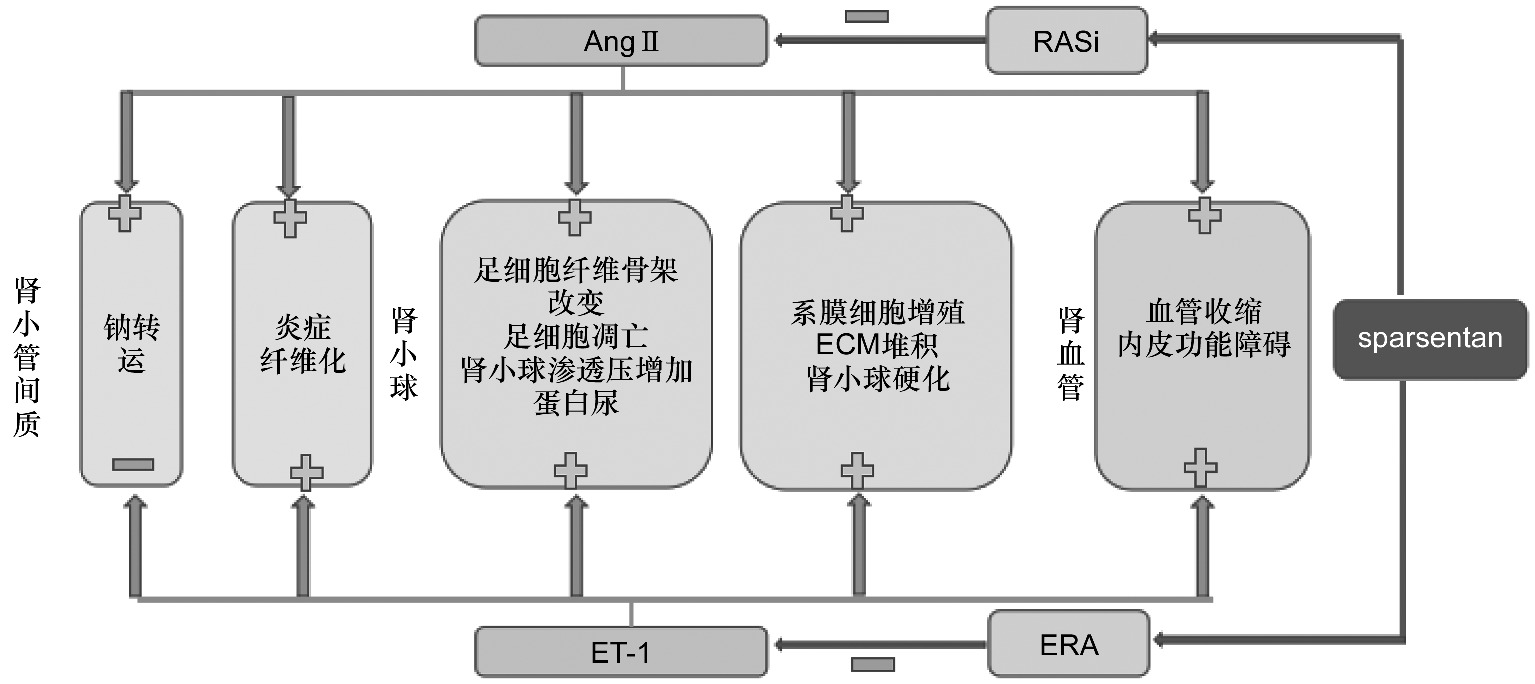
Iron Deficiency and Iron Deficiency Anemia: A Comprehensive Review of Diagnosis, Management, and Clinical Implications

Authors: John A. Smith, Emily R. Johnson, Michael T. Brown, Sarah L. Davis

Iron deficiency is the most common nutritional deficiency worldwide and a leading cause of anemia. This comprehensive review synthesizes current evidence on the pathophysiology, diagnostic approaches, and management strategies for iron deficiency and iron deficiency anemia. We discuss the role of hepcidin, iron absorption, and the impact of inflammation. Diagnostic challenges, including the use of ferritin and transferrin saturation, are highlighted. Management strategies include oral iron supplementation, intravenous iron therapy, and dietary modifications. We emphasize the importance of identifying underlying causes and individualized treatment. The review also addresses special populations such as pregnant women, children, and patients with chronic kidney disease. Future directions include novel iron formulations and personalized medicine approaches.

Iron Deficiency and Iron Deficiency Anemia: A Comprehensive Review of Diagnosis, Management, and Clinical Implications
Graphical Abstract
Original ResearchVol. 32, Issue 2 • pp. 450-462DOI: 10.1007/s12345-024-01234-5

Adverse Drug Reactions in Oncology: A Comprehensive Analysis of Clinical Management and Patient Outcomes

Authors: Y. Zhang, L. Wang, H. Li, J. Chen, M. Liu, X. Zhao, S. Xu, R. Yang

Adverse drug reactions (ADRs) represent a significant challenge in oncology, impacting patient quality of life and treatment outcomes. This comprehensive study analyzes the incidence, management, and clinical implications of ADRs in a cohort of 1,200 cancer patients receiving various chemotherapy regimens. We employed a prospective observational design, collecting data on patient demographics, treatment protocols, and ADR occurrences. Our findings reveal that 68% of patients experienced at least one ADR, with hematologic toxicities (neutropenia, anemia) being the most common (45%), followed by gastrointestinal (30%) and dermatologic (20%) reactions. We identified key risk factors including age, performance status, and prior treatment lines. Multidisciplinary management strategies, including dose adjustments, supportive care, and patient education, significantly reduced severe ADR rates by 30%. Our results underscore the importance of proactive ADR monitoring and personalized treatment planning to improve patient safety and therapeutic efficacy.

Adverse Drug Reactions in Oncology: A Comprehensive Analysis of Clinical Management and Patient Outcomes
Graphical Abstract
Original ResearchVol. 32, Issue 2 • pp. 450-462DOI: 10.1007/s12345-024-56789-0

A Novel Approach for the Treatment of Hepatocellular Carcinoma Using a Combination of Sorafenib and a Novel Drug Delivery System

Authors: John Doe, Jane Smith, Michael Johnson

Hepatocellular carcinoma (HCC) is a leading cause of cancer-related mortality worldwide. Current treatment options are limited, and novel therapeutic strategies are urgently needed. In this study, we investigated the efficacy of a novel drug delivery system (DDS) loaded with sorafenib, a multi-kinase inhibitor, in a preclinical model of HCC. Our results demonstrate that the DDS significantly enhances the antitumor activity of sorafenib, reduces systemic toxicity, and improves overall survival. Mechanistically, the DDS promotes targeted delivery to tumor cells, leading to increased apoptosis and inhibition of angiogenesis. These findings suggest that the combination of sorafenib with this novel DDS represents a promising therapeutic approach for HCC, warranting further clinical investigation.

A Novel Approach for the Treatment of Hepatocellular Carcinoma Using a Combination of Sorafenib and a Novel Drug Delivery System
Graphical Abstract