🧬 SinoBioData Academic Portal
🏛️ Indexed Academic JournalOriginal: 生物化学与生物物理学报

Acta Biochimica et Biophysica Sinica

Premier Chinese Biomedical Journal indexed in SinoBioData: Acta Biochimica et Biophysica Sinica (生物化学与生物物理学报).

Total Research Papers: 200
Access: 100% Free Open Access
Browse by Publication Year & VolumeReset All Filters ✕

Published Research PapersFiltered: Year 2025 • 57 • 5

Showing 4 of 200 peer-reviewed papers with full Graphical Abstracts.

Original ResearchVol. 57, Issue 5 • pp. 758-769DOI: 10.3724/abbs.2024183

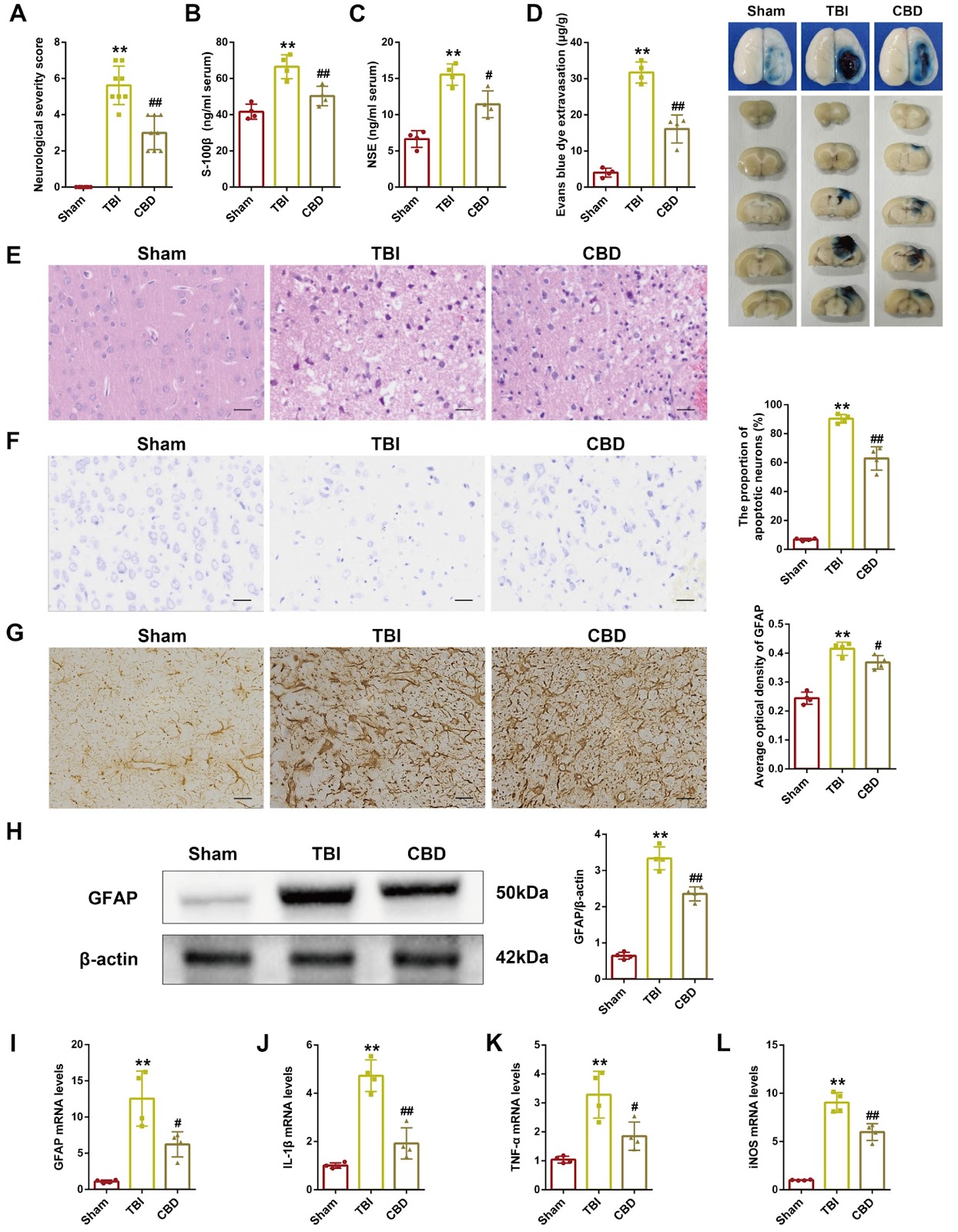
Cannabidiol alleviates the inflammatory response in rats with traumatic brain injury through the PGE2-EP2-cAMP-PKA signaling pathway

Authors: Yan Cao, Hengxi Li, Jiali Li, Tenghan Ling, Aiping Yin, Xinyuan Luo, Ying Zhou, Jinghui Li, Hongyan Jiang, Huawei Wang, Li Yang, Haiying Wu, Ping Li

Traumatic brain injury (TBI) is a recognized global public health problem. However, there are still limitations in the available therapeutic approaches and a lack of clinically effective drugs. Therefore, an in-depth exploration of the secondary pathological mechanism of TBI and the identification of new effective drugs are urgently needed. Cannabidiol (CBD), a component derived from the cannabis plant, has potential therapeutic effects on neurological diseases and has received increasing attention. However, few reports on CBD intervention in TBI patients exist. Here, we use the Feeney free-fall method to establish a rat TBI model. CBD significantly improves neurological deficit scores, neuronal damage and blood-brain barrier permeability in rats and significantly inhibits the expressions of the brain injury markers S-100β and NSE. Mechanistically, CBD attenuates TBI-induced astrocyte activation, reduces inflammation, and attenuates the expressions of inflammatory prostaglandin system indicators. The use of TG6-10-1 (EP2 inhibitor) and H-89 (PKA inhibitor) indicates that CBD attenuates TBI-induced neurological damage via the PGE2-EP2-cAMP-PKA signaling pathway. Overall, this research provides a novel drug candidate for the treatment of clinical brain trauma.
Cannabidiol alleviates the inflammatory response in rats with traumatic brain injury through the PGE2-EP2-cAMP-PKA signaling pathway
Graphical Abstract
Original ResearchVol. 57, Issue 5 • pp. 834-846DOI: 10.3724/abbs.2025046

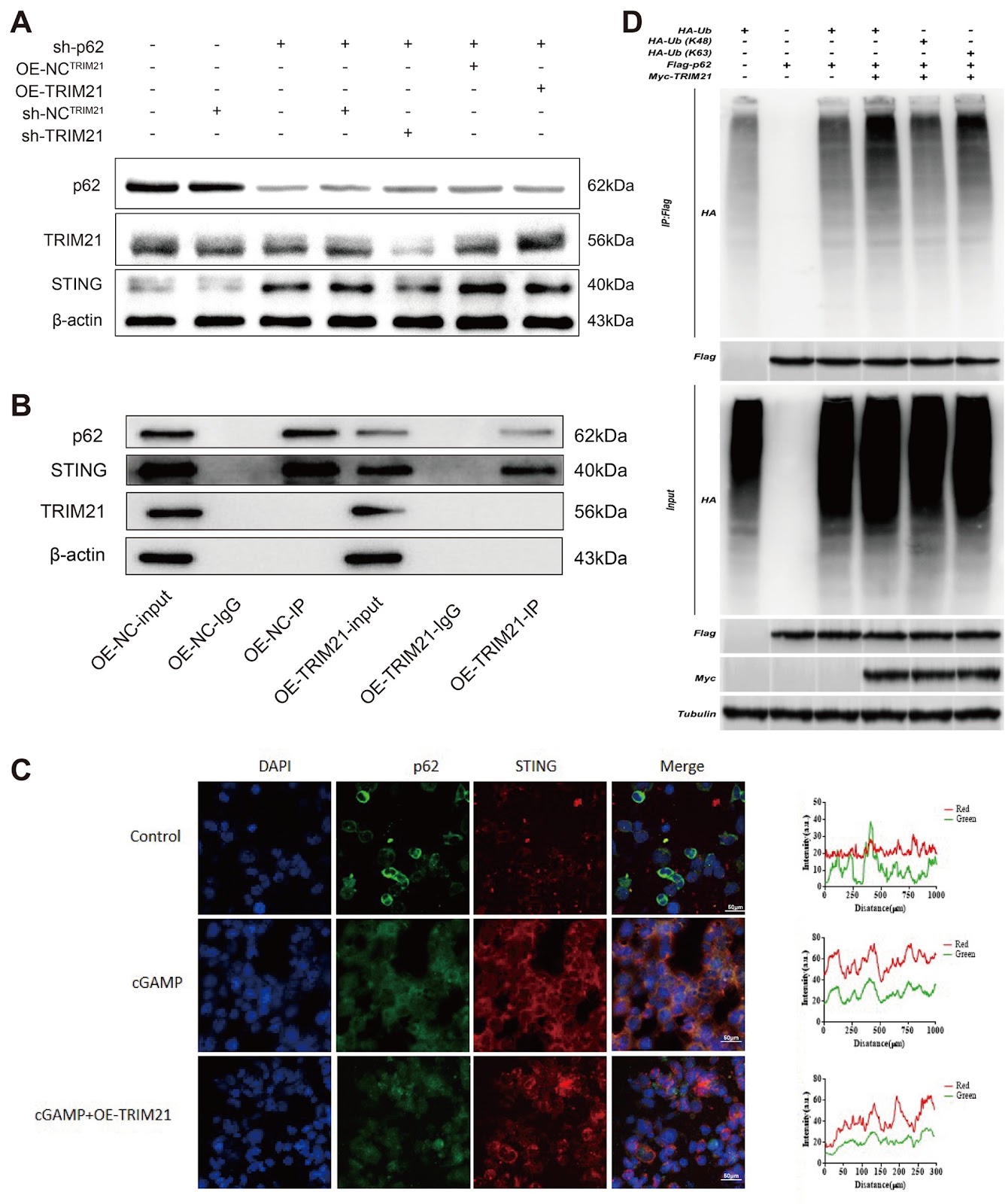
TRIM21 promotes type I interferon by inhibiting the autophagic degradation of STING via p62/SQSTM1 ubiquitination in systemic lupus erythematosus

Authors: Chen Li, Ang Ma, Yu Bai, Zitao Liu, Linghan Tian, Ziyuan Wang, Huaishun Ma, Zhengpu Chen, Zhengheng Gao, Shijie Feng, Ping Fu

The cGAS-STING signaling pathway serves as a pivotal surveillance mechanism for cytosolic double-stranded DNA (dsDNA) detection in mammalian systems. While STING-mediated type I interferon production is crucial for host defense, sustained activation of this pathway contributes to autoimmune pathologies, including systemic lupus erythematosus (SLE). Maintaining immune homeostasis requires precise regulation of STING activity to prevent hyperactivation. Our study identifies TRIM21 as a novel positive regulator of cGAS-STING signaling in SLE pathogenesis. Our results demonstrate that TRIM21 overexpression stabilizes STING by suppressing autophagic degradation, whereas TRIM21 depletion accelerates this clearance process. Mechanistically, TRIM21 catalyzes the K63-linked polyubiquitylation of the selective autophagy receptor p62/SQSTM1, disrupting its interaction with STING. This post-translational modification prevents the sequestration of STING into autophagosomes, thereby stabilizing the adaptor protein and amplifying downstream type I interferon responses. Our findings reveal a previously unrecognized regulatory circuit in which TRIM21 orchestrates cross-talk between ubiquitin signaling and autophagy to control STING turnover. The TRIM21-p62 axis represents a potential therapeutic target for attenuating pathological interferon production in STING-dependent autoimmune disorders. This work advances our understanding of immune regulation by demonstrating how E3 ligase-mediated ubiquitin modifications modulate cargo recognition in selective autophagy pathways. The identified mechanism provides new insights into the molecular interplay between protein ubiquitylation and autophagic degradation in maintaining the innate immune balance, offering novel perspectives for developing targeted therapies against interferonopathies associated with cGAS-STING hyperactivity.

TRIM21 promotes type I interferon by inhibiting the autophagic degradation of STING via p62/SQSTM1 ubiquitination in systemic lupus erythematosus
Graphical Abstract
Original ResearchVol. 57, Issue 5 • pp. 701-711DOI: 10.3724/abbs.2025008

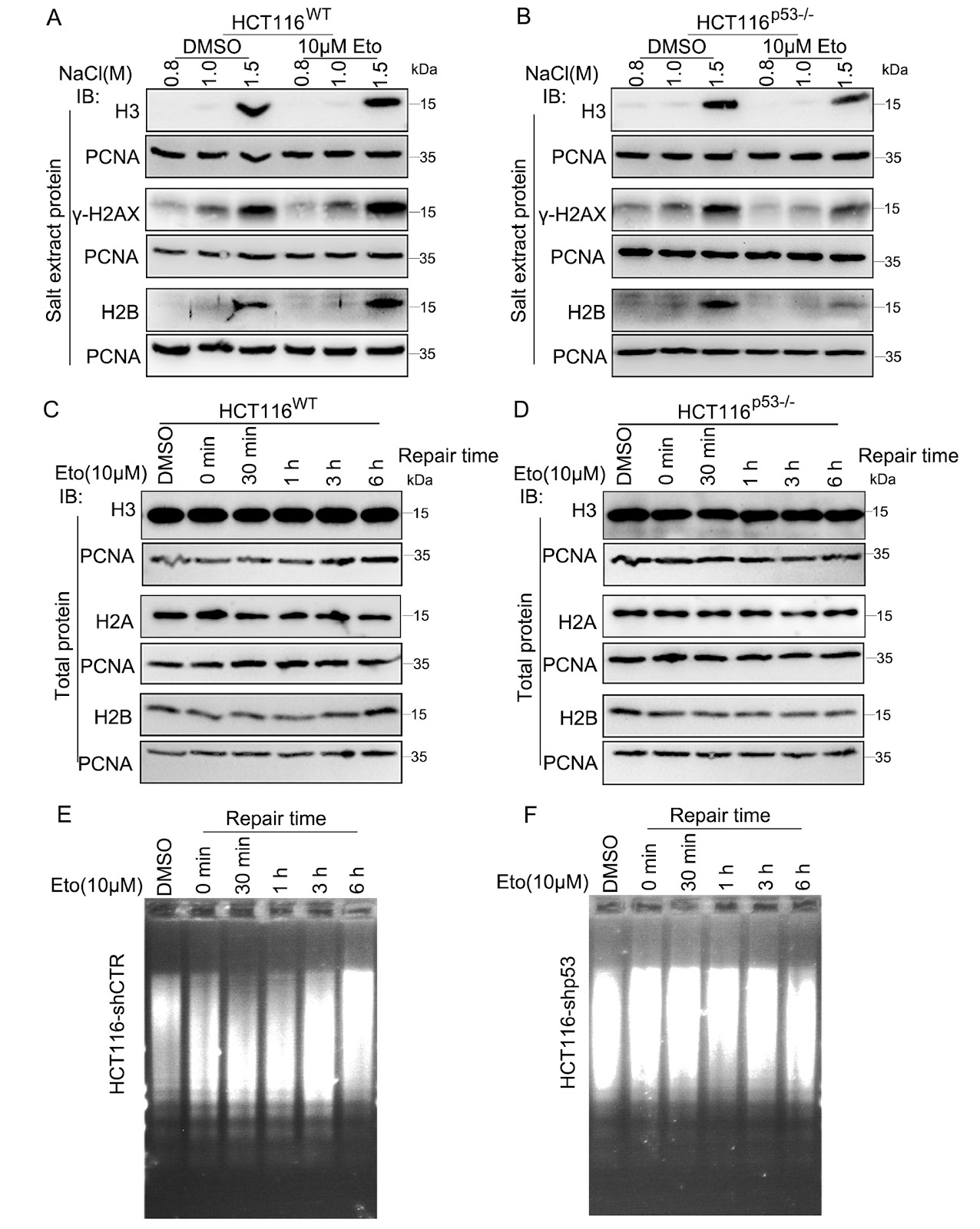
p53-dependent chromatin relaxation is required for DNA double-strand break repair

Authors: Hongyu Chen, Jin Shan, Wenjing Qi, Lili Chen, Xianlu Zeng

The tumor suppressor p53, an indispensable nuclear transcription factor, plays a central role in orchestrating cellular responses when DNA damage occurs. In this study, we demonstrate that in the initial phases of DNA double-strand break (DSB) repair, p53 is rapidly recruited to sites of damage and the surrounding chromatin, where it enhances DSB repair efficiency. This enhancement occurs through the modulation of chromatin dynamics and the promotion of a more relaxed chromatin configuration, a process influenced by p53 in response to DSB-inducing factors such as etoposide, ultraviolet radiation, and nucleases. These results underscore the pivotal function of p53 as a rapid responder to DSBs, delineating a significant departure from its traditionally recognized role as a downstream transcriptional regulator in DNA damage repair processes. This study emphasizes that the direct engagement of p53 in DNA repair through chromatin structure regulation extends beyond its established involvement in UV irradiation-induced nucleotide excision repair (NER), demonstrating analogous mechanistic attributes in the context of DSB repair. This newly illuminated perspective enhances our understanding of the multifaceted roles of p53 in genome stability and integrity.

p53-dependent chromatin relaxation is required for DNA double-strand break repair
Graphical Abstract
Original ResearchVol. 57, Issue 5 • pp. 749-757DOI: 10.3724/abbs.2024182

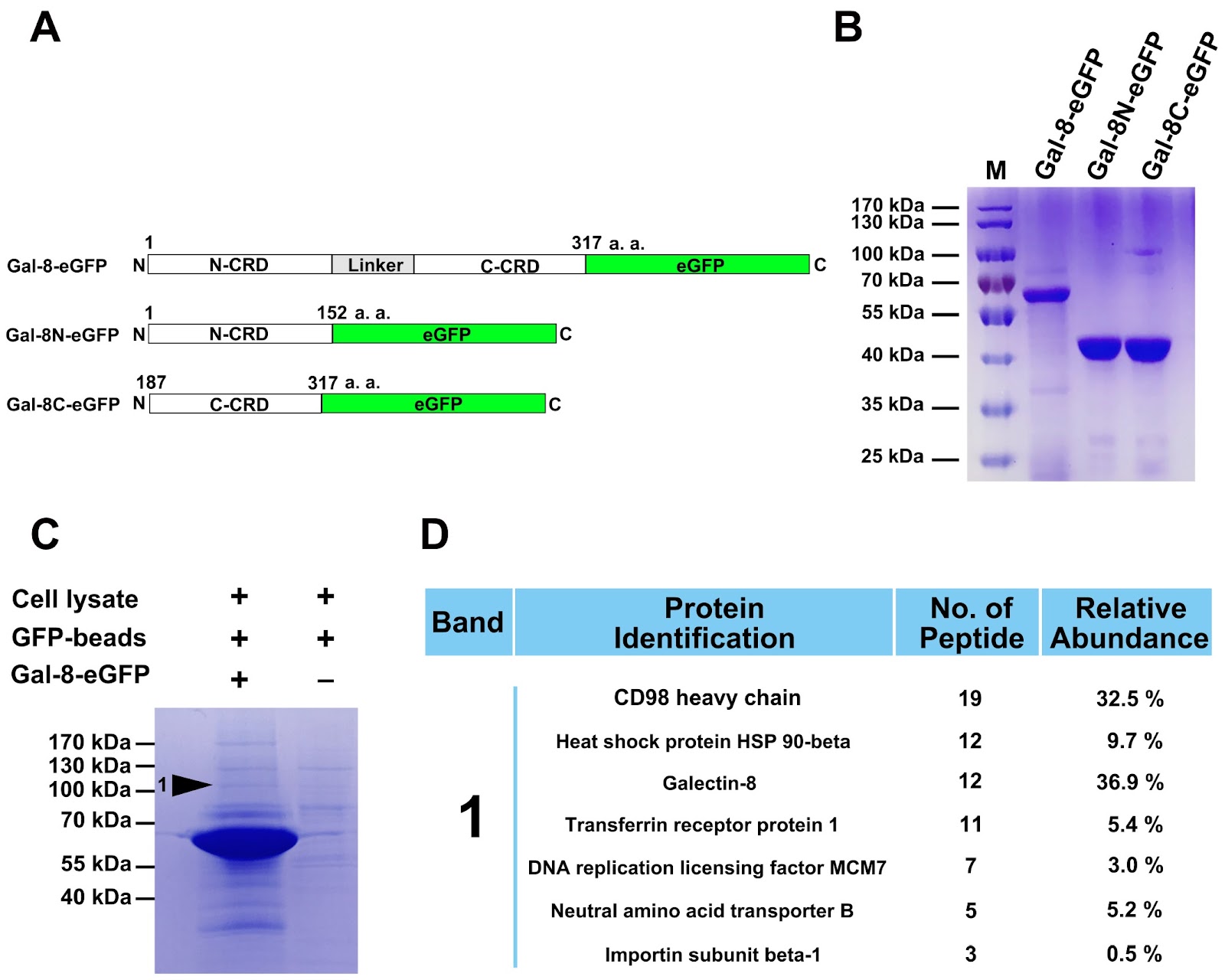
CD98hc, a novel of galectin-8 receptor, binds to galectin-8 in an N-glycosylation-dependent manner

Authors: Yunlong Si, Jiahui Zhu, Hend Sayed, Kevin H. Mayo, Yifa Zhou, Guihua Tai, Jiyong Su

Glycan-mediated recognition plays a critical role in facilitating cell-cell and cell-matrix interactions. Galectin-8 (Gal-8), classified as a ‘tandem-repeat’ type of galectin, binds to cell surface glycans to modulate various cellular functions, including cell adhesion, migration, apoptosis, pathogen recognition, autophagy, and immunomodulation. Despite the known function of Gal-8 in binding to various glycosylated proteins, only a few interactions have been reported to date. In this study, mass spectrometry is used to identify CD98hc as a novel binding partner for Gal-8. Both the N-terminal and C-terminal carbohydrate recognition domains (CRDs) of Gal-8 (Gal-8N and Gal-8C) bind to CD98hc, an interaction that is specifically inhibited by lactose but not sucrose, as confirmed by pull-down assays. The binding affinity between CD98hc and Gal-8 measured by microscale thermophoresis (MST) is 1.51 ± 0.17 μM. In addition, Gal-8N and Gal-8C have the binding affinities of 0.22 ± 0.03 μM and 10.68 ± 1.69 μM, respectively. Gal-8N and Gal-8C are both involved in the recognition and binding process of CD98hc. Furthermore, both full-length Gal-8 and its individual CRDs bind specifically to N-glycosylated glycans on CD98hc, as demonstrated by the use of tunicamycin to inhibit N-glycosylation in cells. In addition, Gal-8 and its individual CRDs can pull down glycosylated CD98hc-ED but not free CD98hc-ED in vitro, indicating that the binding of Gal-8 to glycosylated CD98hc-ED is N-glycosylation-dependent. Overall, our findings establish CD98hc as a novel binding partner for Gal-8 and provide insights for further exploration of the diverse biological functions of Gal-8.

CD98hc, a novel of galectin-8 receptor, binds to galectin-8 in an N-glycosylation-dependent manner
Graphical Abstract