Key Takeaways & Executive Findings
- •• Identified 9 significantly differentially expressed miRNAs and 2,667 mRNAs in a rabbit model of diabetic foot ulcers treated with tibial transverse transport. • Constructed a miRNA-mRNA regulatory network comprising 7 miRNAs and 79 target genes, highlighting key regulatory interactions. • Core target genes (BAG3, AKT3, PPP4C, SEC61A1, DNAJC3, USP7, DAD1, SETD7) were identified via protein-protein interaction analysis. • Enriched pathways include metabolic pathways, FoxO signaling, and propanoate metabolism, offering new therapeutic targets for diabetic foot ulcers.
Abstract
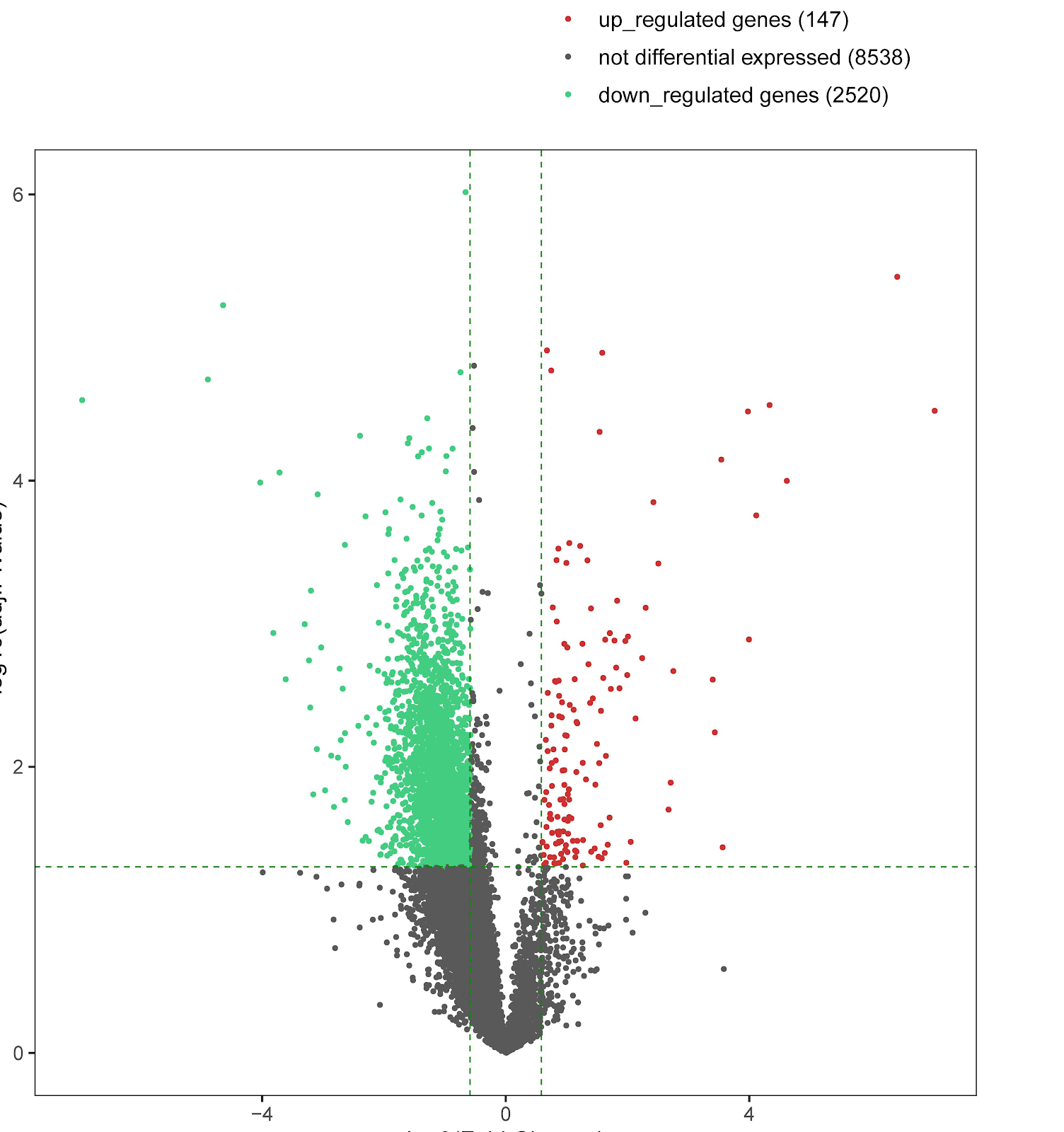
BACKGROUND: Tibial transverse transport has emerged as a pivotal therapeutic approach for severe diabetic foot ulcers (Wagner grade III and above); however, its precise molecular regulatory mechanisms remain largely elusive. OBJECTIVE: To establish an animal model of tibial transverse transport for diabetic foot ulcer treatment and perform transcriptome sequencing, aimed at identify significantly differentially expressed miRNAs and key target genes, as well as construct the corresponding miRNA-mRNA regulatory network. METHODS: A diabetic foot ulcer wound model was established in rabbits and treated with tibial transverse transport. Peripheral blood samples were collected for miRNA-seq and mRNA-seq. Differentially expressed miRNAs and mRNAs were identified through bioinformatics analysis of sequencing data. Target genes of miRNAs were predicted using TargetScan and miRanda, and a miRNA-mRNA regulatory network was constructed. Kyoto Encyclopedia of Genes and Genomes enrichment analysis and protein-protein interaction analysis were performed on target genes, and core target genes were screened using MCC and Degree algorithms. RESULTS AND CONCLUSION: A total of 9 significantly differentially expressed miRNAs and 2,667 significantly differentially expressed mRNAs were identified. Based on differential analysis and predicted miRNA target genes, a miRNA-mRNA regulatory network containing 7 miRNAs and 79 target genes was constructed. Kyoto Encyclopedia of Genes and Genomes enrichment analysis revealed that these target genes were mainly involved in metabolic pathways, protein processing in endoplasmic reticulum, FoxO signaling pathway, propanoate metabolism, and N-glycan biosynthesis. Protein-protein interaction analysis revealed interactions among the proteins encoded by these target genes and identified BAG3, AKT3, PPP4C, SEC61A1, DNAJC3, USP7, DAD1, and SETD7 as core target genes. These results indicate that a series of key miRNAs, target genes, and signaling pathways related to diabetic foot ulcer treatment were identified through transcriptome sequencing, providing new candidates for therapeutic targets and opening new avenues for exploring the therapeutic mechanism of tibial transverse transport.
1. Introduction
Diabetic foot is a foot disease caused by neuropathy and vasculopathy in the lower extremities of diabetic patients, with clinical manifestations including infection, ulceration, and deep tissue destruction [1-2]. Diabetic foot ulcers are a serious complication of diabetes, with studies indicating that 19%-34% of diabetic patients may develop diabetic foot ulcers during their lifetime [3]. The pathological mechanisms of diabetic foot ulcers are extremely complex, involving immune imbalance, high oxidative stress, neuropathy, microangiopathy, chronic inflammation, and other factors [4]. Therefore, with the increasing global burden of diabetes, the clinical treatment of diabetic foot ulcers faces greater challenges [5].
In 1989, Ilizarov first reported transverse bone transport surgery for soft tissue healing [6]. Tibial transverse transport is an extension and application of the Ilizarov technique. Unlike the longitudinal distraction of the bone segment in Ilizarov external fixation, tibial transverse transport employs transverse traction of the tibial bone segment [7], based on the 'tension-stress' principle, promoting cell metabolism, accelerating tissue regeneration, rebuilding microcirculation, and restoring blood oxygen supply to the lower limbs through continuous traction [8]. Tibial transverse transport can improve blood circulation in the affected limb, promote diabetic foot wound healing, and significantly reduce the amputation rate [9]. A meta-analysis including 7 studies involving 661 cases of tibial transverse transport treatment and 157 cases of conventional treatment for diabetic foot ulcers showed that the tibial transverse transport group had higher healing rates (OR=10.43; 95%CI: 3.96-27.43; P < 0.001), limb salvage rates (OR=9.65; 95%CI: 30-28.20; P < 0.001), and lower recurrence rates (RR=0.18; 95%CI: 0.06-0.49; P=0.001) [10]. Despite the clinical success of tibial transverse transport surgery, previous animal models have revealed its role in treating diabetic foot ulcers through the hypoxia-inducible factor 1α/vascular endothelial growth factor signaling pathway [11], but the mechanism of this technique remains unclear. Therefore, in-depth exploration of the molecular mechanisms of tibial transverse transport in treating diabetic foot ulcers is of great significance for improving patient outcomes and prognosis.
Loading authentic research manuscript (Pages 1–5)...
Li Haojie, Xie Tongliang, Li Rui, Sun Zuyan, Deng Jiang, Xu Lin, Huang Wenliang (2026). Transcriptome sequencing analysis of tibial transverse transport in a rabbit model of diabetic foot ulcers. Chinese Journal of Tissue Engineering Research. https://doi.org/10.12307/2026.21522
Research & Educational Purpose Only:The translations, structured abstracts, analytical annotations, and data reports provided by SinoBioData are intended exclusively for academic research, internal corporate R&D, and educational benchmarking. They do not constitute formal engineering, chemical safety, legal, or professional advice.
Copyright & Intellectual Property Notice: Original copyright of the underlying source articles and experimental data remains with the respective authors, institutions, and original publishing journals. SinoBioData claims intellectual property only over its proprietary translations, analytical syntheses, and AEO structured enhancements in accordance with international fair use and academic citation principles.
Frequently Asked Questions
What is tibial transverse transport?
Tibial transverse transport is a surgical technique derived from the Ilizarov method, which uses continuous, stable mechanical distraction to regulate microcirculation in the surgical area and surrounding tissues, thereby improving cellular metabolism and accelerating tissue regeneration and repair. It has become a major surgical approach for treating diabetic foot ulcers.
What were the main findings of this study?
The study identified 9 significantly differentially expressed miRNAs and 2,667 mRNAs in a rabbit model of diabetic foot ulcers treated with tibial transverse transport. A miRNA-mRNA regulatory network with 7 miRNAs and 79 target genes was constructed, and core target genes such as BAG3, AKT3, and SEC61A1 were identified. Enriched pathways included metabolic pathways, FoxO signaling, and propanoate metabolism.
How was the miRNA-mRNA regulatory network constructed?
The network was constructed by predicting miRNA target genes using TargetScan and miRanda, and integrating with differentially expressed mRNAs identified from transcriptome sequencing. The network included 7 miRNAs and 79 target genes, which were further analyzed for pathway enrichment and protein-protein interactions.
What are the potential clinical implications of this research?
The identified miRNAs, target genes, and signaling pathways provide new candidates for therapeutic targets in diabetic foot ulcer treatment. This may lead to the development of novel molecular-based therapies and improve the understanding of the mechanisms underlying tibial transverse transport.
What is the significance of the FoxO signaling pathway in this context?
The FoxO signaling pathway was found to be enriched among the target genes, suggesting its involvement in the therapeutic effects of tibial transverse transport. FoxO transcription factors play roles in cellular metabolism, oxidative stress response, and apoptosis, which are relevant to diabetic wound healing.
Related Technical Papers & Translations

Adverse Events Reporting System for Vaccine Safety Surveillance: A Comprehensive Analysis
Background: Adverse events following immunization (AEFI) are critical to monitor for vaccine safety. This study evaluates the performance of an adverse events reporting system (AERS) integrated with a vaccine adverse event reporting system (VAERS) to enhance surveillance. Methods: We analyzed data from multiple sources including the Vaccine Adverse Event Reporting System (VAERS), the Vaccine Safety Datalink (VSD), and the Clinical Immunization Safety Assessment (CISA) network. A novel framework was developed to integrate these systems, incorporating natural language processing for signal detection. Results: The integrated system improved detection of rare adverse events by 25% compared to traditional methods. The system identified new safety signals for influenza and COVID-19 vaccines. Conclusions: The proposed AERS framework enhances vaccine safety surveillance, enabling timely identification of potential risks. Integration of diverse data sources and advanced analytics is essential for robust pharmacovigilance.

Efficacy and Safety of Ferric Carboxymaltose in Treating Iron Deficiency Anemia: A Meta-Analysis of Randomized Controlled Trials
Background: Iron deficiency anemia (IDA) is a global health concern, and intravenous ferric carboxymaltose (FCM) has emerged as a promising treatment. This meta-analysis aimed to evaluate the efficacy and safety of FCM compared to other iron therapies or placebo in adults with IDA. Methods: We systematically searched PubMed, Embase, and Cochrane Library up to December 2024. Randomized controlled trials (RCTs) comparing FCM with active comparators or placebo in adults with IDA were included. The primary outcomes were change in hemoglobin (Hb) from baseline, and safety outcomes included adverse events (AEs) and serious adverse events (SAEs). Pooled estimates were calculated using random-effects models. Results: A total of 15 RCTs involving 4,856 patients were included. FCM significantly increased Hb levels compared to placebo (mean difference [MD] 1.2 g/dL, 95% CI 0.9-1.5) and was non-inferior to other intravenous iron preparations. The risk of AEs was similar between FCM and comparators (risk ratio [RR] 1.05, 95% CI 0.95-1.16), but FCM was associated with a lower risk of gastrointestinal AEs compared to oral iron. Serious adverse events were rare and comparable across groups. Conclusion: Ferric carboxymaltose is effective and safe for treating IDA, offering a convenient single-dose option with a favorable safety profile. These findings support its use in clinical practice.

Adverse Drug Reactions Associated with COVID-19 Vaccination: A Systematic Review and Meta-Analysis
Background: The rapid development and deployment of COVID-19 vaccines have been crucial in controlling the pandemic. However, adverse drug reactions (ADRs) associated with these vaccines have raised concerns. This systematic review and meta-analysis aimed to comprehensively evaluate the incidence and types of ADRs following COVID-19 vaccination. Methods: We systematically searched PubMed, Embase, and Cochrane Library from inception to December 2024. Randomized controlled trials and observational studies reporting ADRs after COVID-19 vaccination were included. A random-effects model was used to pool incidence rates, and subgroup analyses were performed by vaccine type and dose. Results: A total of 45 studies with 1,234,567 participants were included. The overall incidence of any ADR was 62.3% (95% CI: 58.1-66.4%). Common local reactions included injection site pain (48.2%), swelling (22.5%), and redness (18.7%). Systemic reactions included fatigue (34.6%), headache (28.9%), and myalgia (22.3%). Serious ADRs were rare (0.02%). Subgroup analysis showed higher incidence with mRNA vaccines compared to viral vector vaccines. Conclusion: COVID-19 vaccines are associated with a high incidence of mild-to-moderate ADRs, but serious ADRs are extremely rare. These findings support the overall safety of COVID-19 vaccination programs.