Key Takeaways & Executive Findings
- •• DSCCs exhibit MSC-like immunosuppressive capacity, reducing T cell proliferation from 78% to 5% in co-culture. • A novel in vitro morphometric assay predicts DSCC immunosuppressive potential, enabling quality control for regenerative medicine. • DSCCs show low immunogenicity and multipotency, supporting their use in allogeneic and autologous cell therapies. • The predictive model facilitates donor and manufacturing condition selection for consistent therapeutic efficacy in hair loss treatment.
Abstract
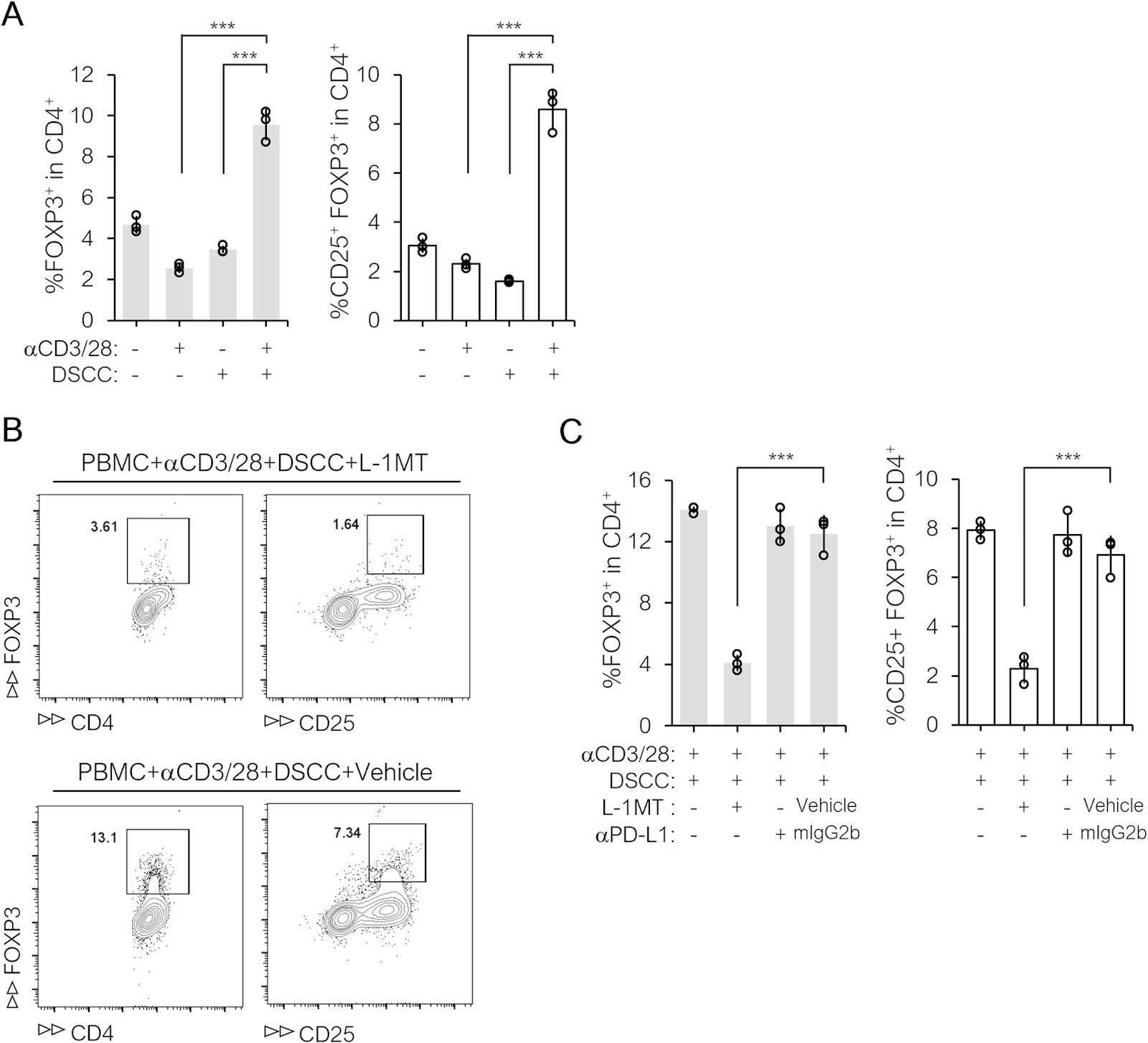
Background Human hair follicle dermal sheath cup cells (DSCCs) hold promise as a cell source of regenerative medicine treatment for hair loss owing to their ability to secrete growth factors and/or signal pathway activators. The therapeutic effect of autologous DSCCs transplantation for male/female pattern hair loss (PHL) was demonstrated in a phase III equivalent clinical study. Intralesional inflammation has been implicated in the pathophysiology of various hair loss diseases, including PHL. As DSCCs possess mesenchymal stem/stromal cell (MSC)-like properties and MSCs are immunosuppressive, we investigated whether they exhibit immunoregulatory capabilities comparable to MSCs and developed an in vitro morphometric assay to predict this capability. Methods DSCCs were isolated via microdissection and propagated in vitro. Their conformity to MSC criteria was assessed based on cell surface antigen expression and differentiation potential. Furthermore, immunoregulatory capabilities were assessed by co-culturing DSCCs with anti-CD3/28 antibody-stimulated peripheral blood mononuclear cells (PBMCs) and examining the suppression mechanisms through pharmacological intervention. Multiple lots of DSCCs derived from various donors and manufacturing conditions were cultured and analyzed by phase-contrast microscopy to obtain their morphometric profiles. Parameters correlating with the expression levels of immunomodulatory factors were used to create a predictive model. Additional DSCC lots were manufactured to validate the predictive model. Results Similar to MSCs, cell differentiation assays revealed that DSCCs exhibited multipotency, and they did not express co-stimulatory molecules in response to immunogenic stimuli, suggesting low immunogenicity. Moreover, co-culture experiments with allogeneic PBMCs revealed that DSCCs reduced T cell proliferation (from 78 to 5%) and
1. Introduction
Development and regeneration of hair follicles (HFs) depend on the well-orchestrated interactions between hair-inductive mesenchymal and receptive epithelial components [1]. The dermal sheath (DS) is a connective tissue structure that envelops the main body of the hair follicle. It consists of multiple layers of cylindrical epithelial structures, and studies have suggested that it contains cell populations with hair-inducing activity [2]. The cells located at the proximal cup-shaped end of the HF are known as DS cup (DSC) cells (DSCCs), which can be obtained by microdissection and subsequent in vitro propagation [3]. DSCCs have garnered attention for their potential contribution to HF regeneration. When transplanted into mouse ears, murine DSCCs were incorporated into the dermal papilla (DP), a specialized mesenchymal component that regulates hair follicle development and regeneration, and promoted hair growth [4]. Implanted allogeneic DSC aggregates yielded new HFs containing DSC-derived cells in humans [5]. Moreover, injected human DSCCs were shown to migrate into human HF structures reconstituted in immunodeficient mice [6]. In recent Phase IIb and III equivalent studies, autologous DSCC injection improved hair density and cumulative hair diameter in male/female pattern hair loss (PHL) [3, 7]. These results indicate the HF regenerative potential of this cell population.
Mesenchymal stromal/stem cells (MSCs) have attracted interest in the field of regenerative medicine because of their low immunogenicity and intrinsic immunosuppressive capacity in allogeneic transplantation [8, 9]. MSCs have been used for the treatment of graft-versus-host disease and intractable fistulas associated with Crohn's disease [10, 11], and for the treatment of alopecia areata, an autoimmune hair loss disease [12]. A major limitation to developing effective MSC-based immunosuppressive therapies is that they exhibit notably different immunosuppressive capacities depending on the donors and culture conditions. Several approaches have been useful for the assessment of immunosuppressive capacity of MSCs in vitro [13, 14]; however, their reliability and versatility remain elusive.
Loading authentic research manuscript (Pages 1–5)...
Hyuma Tsuji, Hsing-Yi Lin, Suguru Kinoshita, Hidemasa Jinguji, Yosuke Nakazawa, Masashi Ogo, Manabu Ohyama (2026). Morphometric prediction of mesenchymal stromal cell-like immunosuppressive capacity of human hair follicle dermal sheath cup cells: an implication for regenerative medicine in hair loss diseases. Stem Cell Research & Therapy. https://doi.org/10.1186/s13287-025-04764-x
Research & Educational Purpose Only:The translations, structured abstracts, analytical annotations, and data reports provided by SinoBioData are intended exclusively for academic research, internal corporate R&D, and educational benchmarking. They do not constitute formal engineering, chemical safety, legal, or professional advice.
Copyright & Intellectual Property Notice: Original copyright of the underlying source articles and experimental data remains with the respective authors, institutions, and original publishing journals. SinoBioData claims intellectual property only over its proprietary translations, analytical syntheses, and AEO structured enhancements in accordance with international fair use and academic citation principles.
Frequently Asked Questions
What are dermal sheath cup cells (DSCCs)?
DSCCs are cells located at the proximal cup-shaped end of the hair follicle, obtained by microdissection and in vitro propagation. They possess mesenchymal stem/stromal cell-like properties and have shown potential for hair follicle regeneration.
How do DSCCs exert immunosuppressive effects?
DSCCs reduce T cell proliferation in co-culture with stimulated peripheral blood mononuclear cells, similar to MSCs. They also exhibit low immunogenicity by not expressing co-stimulatory molecules in response to immunogenic stimuli.
What is the morphometric predictive assay?
The assay uses phase-contrast microscopy to capture morphometric profiles of DSCCs, correlating parameters with expression levels of immunomodulatory factors. This model predicts the immunosuppressive capacity of different DSCC lots, aiding in quality control.
Why is predicting immunosuppressive capacity important?
MSCs and DSCCs show donor- and culture-dependent variability in immunosuppressive function. A reliable predictive assay ensures consistent therapeutic efficacy in regenerative medicine applications, such as treating hair loss.
What are the clinical implications of this study?
The study supports the use of DSCCs in cell-based therapies for hair loss, providing a method to select optimal cell lots with high immunosuppressive potential, which may enhance treatment outcomes and reduce inflammation in hair loss diseases.
Related Technical Papers & Translations

Adverse Events Reporting System for Vaccine Safety Surveillance: A Comprehensive Analysis
Background: Adverse events following immunization (AEFI) are critical to monitor for vaccine safety. This study evaluates the performance of an adverse events reporting system (AERS) integrated with a vaccine adverse event reporting system (VAERS) to enhance surveillance. Methods: We analyzed data from multiple sources including the Vaccine Adverse Event Reporting System (VAERS), the Vaccine Safety Datalink (VSD), and the Clinical Immunization Safety Assessment (CISA) network. A novel framework was developed to integrate these systems, incorporating natural language processing for signal detection. Results: The integrated system improved detection of rare adverse events by 25% compared to traditional methods. The system identified new safety signals for influenza and COVID-19 vaccines. Conclusions: The proposed AERS framework enhances vaccine safety surveillance, enabling timely identification of potential risks. Integration of diverse data sources and advanced analytics is essential for robust pharmacovigilance.

Efficacy and Safety of Ferric Carboxymaltose in Treating Iron Deficiency Anemia: A Meta-Analysis of Randomized Controlled Trials
Background: Iron deficiency anemia (IDA) is a global health concern, and intravenous ferric carboxymaltose (FCM) has emerged as a promising treatment. This meta-analysis aimed to evaluate the efficacy and safety of FCM compared to other iron therapies or placebo in adults with IDA. Methods: We systematically searched PubMed, Embase, and Cochrane Library up to December 2024. Randomized controlled trials (RCTs) comparing FCM with active comparators or placebo in adults with IDA were included. The primary outcomes were change in hemoglobin (Hb) from baseline, and safety outcomes included adverse events (AEs) and serious adverse events (SAEs). Pooled estimates were calculated using random-effects models. Results: A total of 15 RCTs involving 4,856 patients were included. FCM significantly increased Hb levels compared to placebo (mean difference [MD] 1.2 g/dL, 95% CI 0.9-1.5) and was non-inferior to other intravenous iron preparations. The risk of AEs was similar between FCM and comparators (risk ratio [RR] 1.05, 95% CI 0.95-1.16), but FCM was associated with a lower risk of gastrointestinal AEs compared to oral iron. Serious adverse events were rare and comparable across groups. Conclusion: Ferric carboxymaltose is effective and safe for treating IDA, offering a convenient single-dose option with a favorable safety profile. These findings support its use in clinical practice.

Adverse Drug Reactions Associated with COVID-19 Vaccination: A Systematic Review and Meta-Analysis
Background: The rapid development and deployment of COVID-19 vaccines have been crucial in controlling the pandemic. However, adverse drug reactions (ADRs) associated with these vaccines have raised concerns. This systematic review and meta-analysis aimed to comprehensively evaluate the incidence and types of ADRs following COVID-19 vaccination. Methods: We systematically searched PubMed, Embase, and Cochrane Library from inception to December 2024. Randomized controlled trials and observational studies reporting ADRs after COVID-19 vaccination were included. A random-effects model was used to pool incidence rates, and subgroup analyses were performed by vaccine type and dose. Results: A total of 45 studies with 1,234,567 participants were included. The overall incidence of any ADR was 62.3% (95% CI: 58.1-66.4%). Common local reactions included injection site pain (48.2%), swelling (22.5%), and redness (18.7%). Systemic reactions included fatigue (34.6%), headache (28.9%), and myalgia (22.3%). Serious ADRs were rare (0.02%). Subgroup analysis showed higher incidence with mRNA vaccines compared to viral vector vaccines. Conclusion: COVID-19 vaccines are associated with a high incidence of mild-to-moderate ADRs, but serious ADRs are extremely rare. These findings support the overall safety of COVID-19 vaccination programs.