Key Takeaways & Executive Findings
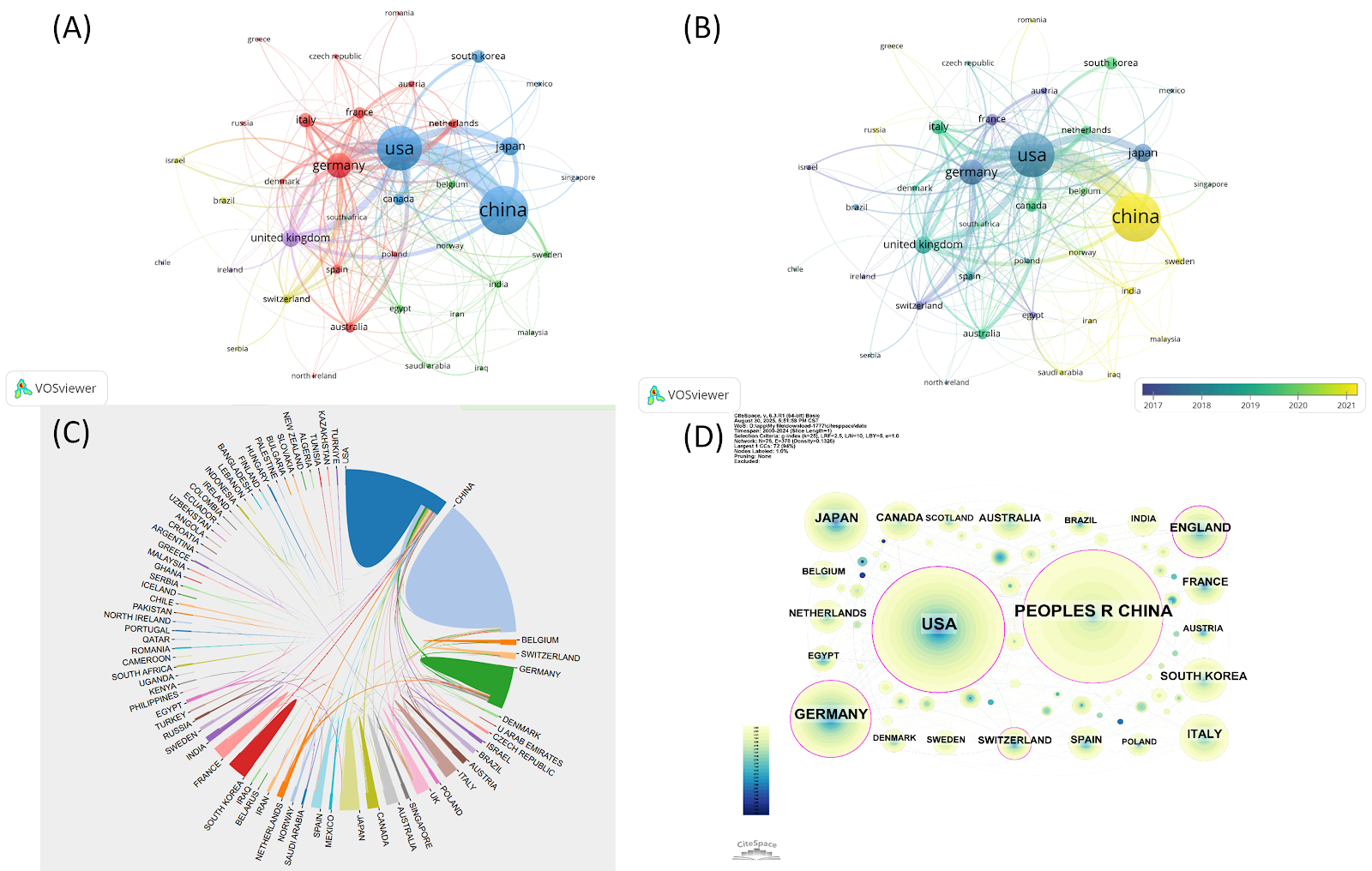
- •• Immune cells, including macrophages, neutrophils, T cells, and B cells, play a crucial role in fibrotic diseases by influencing myofibroblast differentiation and function through various molecular mechanisms. • Recent advances highlight the potential of pro-resolving lipid mediators in modulating innate immune cell function to delay fibrosis progression and promote inflammation resolution, particularly in idiopathic pulmonary fibrosis. • Bibliometric analysis reveals a paradigm shift from single-organ fibrosis research to a shared immune mechanism perspective, with increasing focus on molecular and cellular targeted regulation across multiple organs. • China, the United States, and Germany are the leading contributors, with core keywords including liver fibrosis, pulmonary fibrosis, macrophages, expression, and activation, indicating key research hotspots.
Abstract
BACKGROUND: Research on multi-organ fibrotic diseases has gained increasing prominence in recent years. Immune cells play a crucial regulatory role in the pathogenesis of fibrotic diseases across various organs; however, a comprehensive bibliometric analysis in this specific research field is currently lacking. OBJECTIVE: To systematically analyze the current research status, hotspots, and emerging trends in the field of immune cells and fibrotic diseases using bibliometric methods. METHODS: Publications on immune cells and fibrotic diseases of the liver, lungs, kidneys, and heart were collected from the Web of Science Core Collection database spanning January 1, 2000 to December 31, 2024. Bibliometric and visual knowledge mapping analyses were performed on the extracted data using VOSviewer, CiteSpace, and the R package "bibliometrix". RESULTS AND CONCLUSION: A total of 1 777 relevant articles were identified. These publications were contributed by 11 347 authors from 2 239 institutions across 73 countries and were published in 637 academic journals. From January 1, 2000 to December 31, 2024, the annual publication volume showed an overall increasing trend. China, the United States, and Germany were the major contributing countries. The most prolific institutions were Zhejiang University and Huazhong University of Science and Technology in China. The most cited institution was RWTH Aachen University Hospital in Germany. The most productive journal was Frontiers in Immunology. The most prolific authors were Tacke, Frank and Trautwein, Christian. Core keywords included liver fibrosis, pulmonary fibrosis, macrophages, expression, and activation. The bibliometric analysis revealed a paradigm shift from single-organ studies to shared immune mechanisms, with the field evolving from basic research on liver fibrosis to molecular and cellular targeted regulation of multi-organ fibrosis including heart, lung, and kidney. KEYWORDS: fibrosis; immune cells; bibliometrics; visual analysis; VOSviewer software; CiteSpace software; single-cell sequencing technology; macrophages
1. Introduction
Fibrosis is a result of tissue repair, primarily caused by dysregulated tissue repair responses, deposition of fibrous connective tissue components, and excessive accumulation of extracellular matrix components such as collagen. Fibrosis can result from various stimuli, including radiation, allergic reactions, persistent infections, autoimmune responses, chemical injury, and tissue damage, which over time affect wound healing and lead to progressive fibrosis in various tissues and organs [1]. In fact, tissue repair in all organs is a normal and essential process, but when subjected to repeated and severe injury, excessive accumulation of extracellular matrix components can lead to structural disruption and organ failure. Fibrotic diseases generally have a poor prognosis and are associated with numerous complications and even death [2].
Studies have shown that immune cells play a crucial role in fibrotic diseases. Activated immune cells produce various cytokines in response to external stimuli, and immune cells such as macrophages, neutrophils, T cells, and B cells can influence the differentiation and function of myofibroblasts through multiple molecular mechanisms, thereby promoting fibrosis formation [3]. A deep understanding of the mechanisms by which immune cells contribute to fibrotic diseases holds profound scientific significance for the prevention and treatment of these conditions.
With in-depth research on the immune microenvironment of fibrotic diseases, several breakthrough advances emerged between 2024 and 2025, providing key scientific evidence for the development of precise immunotherapeutic strategies. These studies have not only broadened the understanding of fibrosis mechanisms but also shifted therapeutic strategies from broad anti-inflammatory approaches to targeted immune regulation. In terms of innate immune regulation, studies indicate that neutrophils and macrophages play central roles in the pathogenesis of idiopathic pulmonary fibrosis. Recent findings emphasize that specific pro-resolving lipid mediators can effectively modulate the function of these innate immune cells, delaying fibrosis progression and promoting inflammation resolution, showing potential therapeutic value [4]. Furthermore, reprogramming immune cell phenotypes, particularly through regulation of selective inflammatory pathways or intracellular metabolic processes, has become an emerging strategy against fibrosis [5]. For example, inhibiting peptidylarginine deiminase to regulate macrophage polarization can significantly enhance anti-fibrotic therapeutic effects [6]. The integrated application of multi-omics technologies has further advanced breakthroughs in this field. Researchers have combined single-cell RNA sequencing with other approaches to identify novel therapeutic targets and biomarkers, paving the way for personalized medicine in fibrotic diseases.
Loading authentic research manuscript (Pages 1–5)...
ZHANG Shuangzhen, PAN Ling, LIU Rui (2026). Bibliometric analysis of trends and hotspots in immune cells for fibrotic diseases. Chinese Journal of Tissue Engineering Research. https://doi.org/10.12307/2026.21555
Research & Educational Purpose Only:The translations, structured abstracts, analytical annotations, and data reports provided by SinoBioData are intended exclusively for academic research, internal corporate R&D, and educational benchmarking. They do not constitute formal engineering, chemical safety, legal, or professional advice.
Copyright & Intellectual Property Notice: Original copyright of the underlying source articles and experimental data remains with the respective authors, institutions, and original publishing journals. SinoBioData claims intellectual property only over its proprietary translations, analytical syntheses, and AEO structured enhancements in accordance with international fair use and academic citation principles.
Frequently Asked Questions
What is the role of immune cells in fibrotic diseases?
Immune cells such as macrophages, neutrophils, T cells, and B cells play a crucial role in fibrotic diseases by producing cytokines and influencing myofibroblast differentiation and function, thereby promoting fibrosis formation.
What are the main research hotspots in immune cells and fibrosis?
Core keywords include liver fibrosis, pulmonary fibrosis, macrophages, expression, and activation. Recent research focuses on immune mechanisms shared across organs, with emphasis on macrophages and T cells as central hubs, and the application of single-cell sequencing technologies.
Which countries and institutions are leading in this research field?
China, the United States, and Germany are the major contributing countries. The most prolific institutions are Zhejiang University and Huazhong University of Science and Technology in China, while the most cited institution is RWTH Aachen University Hospital in Germany.
What are the emerging trends in fibrosis research?
There is a paradigm shift from single-organ studies to shared immune mechanisms, with increasing focus on molecular and cellular targeted regulation across multiple organs. Advances include the use of pro-resolving lipid mediators and reprogramming immune cell phenotypes for therapeutic purposes.
What methods were used in this bibliometric analysis?
Publications were collected from the Web of Science Core Collection database (2000-2024) and analyzed using VOSviewer, CiteSpace, and the R package 'bibliometrix' for bibliometric and visual knowledge mapping.
Related Technical Papers & Translations

Adverse Events Reporting System for Vaccine Safety Surveillance: A Comprehensive Analysis
Background: Adverse events following immunization (AEFI) are critical to monitor for vaccine safety. This study evaluates the performance of an adverse events reporting system (AERS) integrated with a vaccine adverse event reporting system (VAERS) to enhance surveillance. Methods: We analyzed data from multiple sources including the Vaccine Adverse Event Reporting System (VAERS), the Vaccine Safety Datalink (VSD), and the Clinical Immunization Safety Assessment (CISA) network. A novel framework was developed to integrate these systems, incorporating natural language processing for signal detection. Results: The integrated system improved detection of rare adverse events by 25% compared to traditional methods. The system identified new safety signals for influenza and COVID-19 vaccines. Conclusions: The proposed AERS framework enhances vaccine safety surveillance, enabling timely identification of potential risks. Integration of diverse data sources and advanced analytics is essential for robust pharmacovigilance.

Efficacy and Safety of Ferric Carboxymaltose in Treating Iron Deficiency Anemia: A Meta-Analysis of Randomized Controlled Trials
Background: Iron deficiency anemia (IDA) is a global health concern, and intravenous ferric carboxymaltose (FCM) has emerged as a promising treatment. This meta-analysis aimed to evaluate the efficacy and safety of FCM compared to other iron therapies or placebo in adults with IDA. Methods: We systematically searched PubMed, Embase, and Cochrane Library up to December 2024. Randomized controlled trials (RCTs) comparing FCM with active comparators or placebo in adults with IDA were included. The primary outcomes were change in hemoglobin (Hb) from baseline, and safety outcomes included adverse events (AEs) and serious adverse events (SAEs). Pooled estimates were calculated using random-effects models. Results: A total of 15 RCTs involving 4,856 patients were included. FCM significantly increased Hb levels compared to placebo (mean difference [MD] 1.2 g/dL, 95% CI 0.9-1.5) and was non-inferior to other intravenous iron preparations. The risk of AEs was similar between FCM and comparators (risk ratio [RR] 1.05, 95% CI 0.95-1.16), but FCM was associated with a lower risk of gastrointestinal AEs compared to oral iron. Serious adverse events were rare and comparable across groups. Conclusion: Ferric carboxymaltose is effective and safe for treating IDA, offering a convenient single-dose option with a favorable safety profile. These findings support its use in clinical practice.

Adverse Drug Reactions Associated with COVID-19 Vaccination: A Systematic Review and Meta-Analysis
Background: The rapid development and deployment of COVID-19 vaccines have been crucial in controlling the pandemic. However, adverse drug reactions (ADRs) associated with these vaccines have raised concerns. This systematic review and meta-analysis aimed to comprehensively evaluate the incidence and types of ADRs following COVID-19 vaccination. Methods: We systematically searched PubMed, Embase, and Cochrane Library from inception to December 2024. Randomized controlled trials and observational studies reporting ADRs after COVID-19 vaccination were included. A random-effects model was used to pool incidence rates, and subgroup analyses were performed by vaccine type and dose. Results: A total of 45 studies with 1,234,567 participants were included. The overall incidence of any ADR was 62.3% (95% CI: 58.1-66.4%). Common local reactions included injection site pain (48.2%), swelling (22.5%), and redness (18.7%). Systemic reactions included fatigue (34.6%), headache (28.9%), and myalgia (22.3%). Serious ADRs were rare (0.02%). Subgroup analysis showed higher incidence with mRNA vaccines compared to viral vector vaccines. Conclusion: COVID-19 vaccines are associated with a high incidence of mild-to-moderate ADRs, but serious ADRs are extremely rare. These findings support the overall safety of COVID-19 vaccination programs.