🧬 SinoBioData Academic Portal
🏛️ Indexed Academic JournalOriginal: 基因组蛋白质组与生物信息学报

Genomics, Proteomics & Bioinformatics

Premier Chinese Biomedical Journal indexed in SinoBioData: Genomics, Proteomics & Bioinformatics (基因组蛋白质组与生物信息学报).

Total Research Papers: 18
Access: 100% Free Open Access
Browse by Publication Year & VolumeReset All Filters ✕

Published Research PapersFiltered: Year 2024 • None

Showing 4 of 18 peer-reviewed papers with full Graphical Abstracts.

Original ResearchVol. None, NoneDOI: 10.1093/gpb/art_1123

GametesOmics: A Comprehensive Multi-omics Database for Exploring the Gametogenesis in Humans and Mice

Authors: Jianting An, Jing Wang, Siming Kong, Shi Song, Wei Chen, Peng Yuan, Qilong He, Yidong Chen, Ye Li, Yi Yang, Wei Wang, Rong Li, Liying Yan, Zhiqiang Yan, Jie Qiao

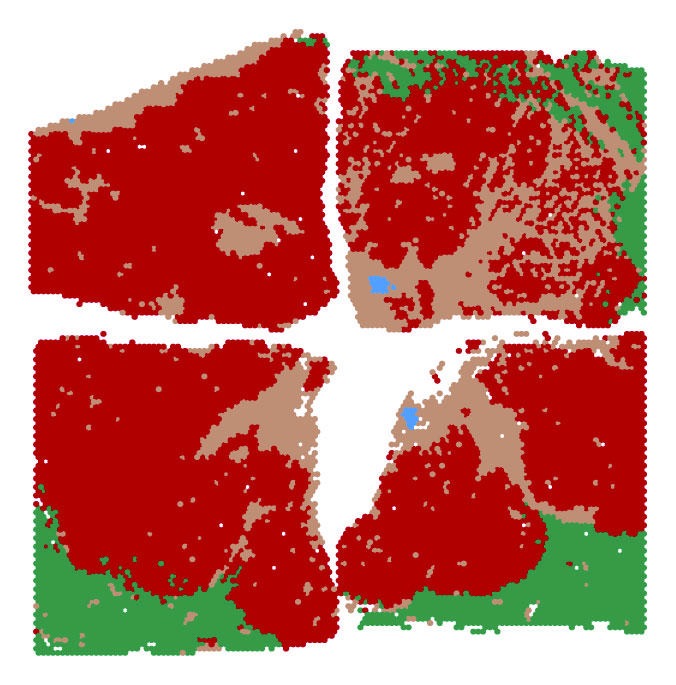
Gametogenesis plays an important role in the reproduction and evolution of species. The transcriptomic and epigenetic alterations in this process can influence the reproductive capacity, fertilization, and embryonic development. The rapidly increasing single-cell studies have provided valuable multi-omics resources. However, data from different layers and sequencing platforms have not been uniformed and integrated, which greatly limits their use for exploring the molecular mechanisms that underlie oogenesis and spermatogenesis. Here, we develop GametesOmics, a comprehensive database that integrates the data of gene expression, DNA methylation, and chromatin accessibility during oogenesis and spermatogenesis in humans and mice. GametesOmics provides a user-friendly website and various tools, including Search and Advanced Search for querying the expression and epigenetic modification(s) of each gene; Tools with Differentially expressed gene (DEG) analysis for identifying DEGs, Correlation analysis for demonstrating the genetic and epigenetic changes, Visualization for displaying single-cell clusters and screening marker genes as well as master transcription factors (TFs), and MethylView for studying the genomic distribution of epigenetic modifications. GametesOmics also provides Genome Browser and Ortholog for tracking and comparing gene expression, DNA methylation, and chromatin accessibility between humans and mice. GametesOmics offers a comprehensive resource for biologists and clinicians to decipher the cell fate transition in germ cell development, and can be accessed at http://gametesomics.cn/.
GametesOmics: A Comprehensive Multi-omics Database for Exploring the Gametogenesis in Humans and Mice
Graphical Abstract
Original ResearchVol. None, NoneDOI: 10.1093/gpb/art_1118

Integrated Single-cell Multiomic Analysis of HIV Latency Reversal Reveals Novel Regulators of Viral Reactivation

Authors: Manickam Ashokkumar, Wenwen Mei, Jackson J. Peterson, Yuriko Harigaya, David M. Murdoch, David M. Margolis, Caleb Kornfein, Alex Oesterling, Zhicheng Guo, Cynthia D. Rudin, Yuchao Jiang, Edward P. Browne

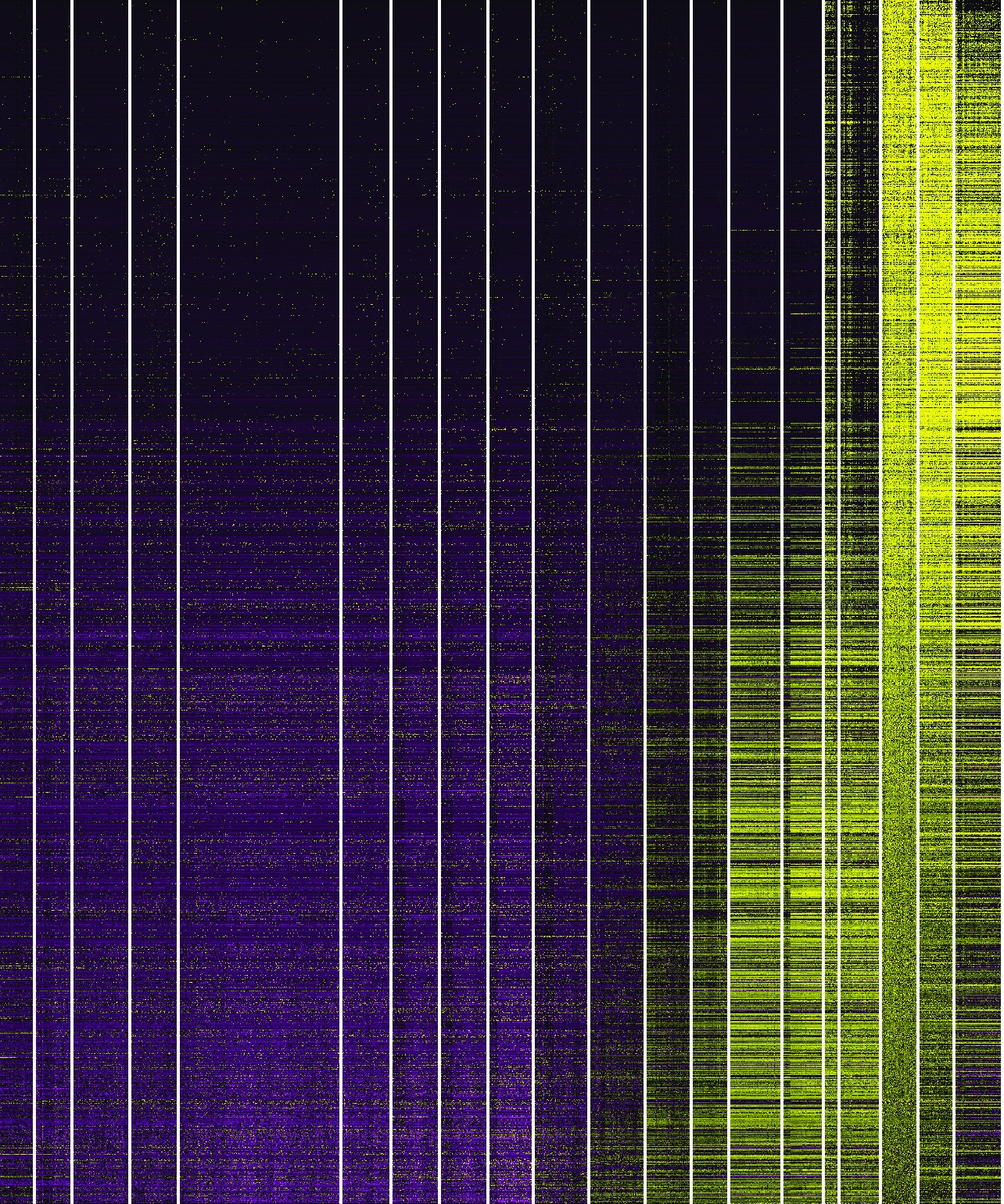
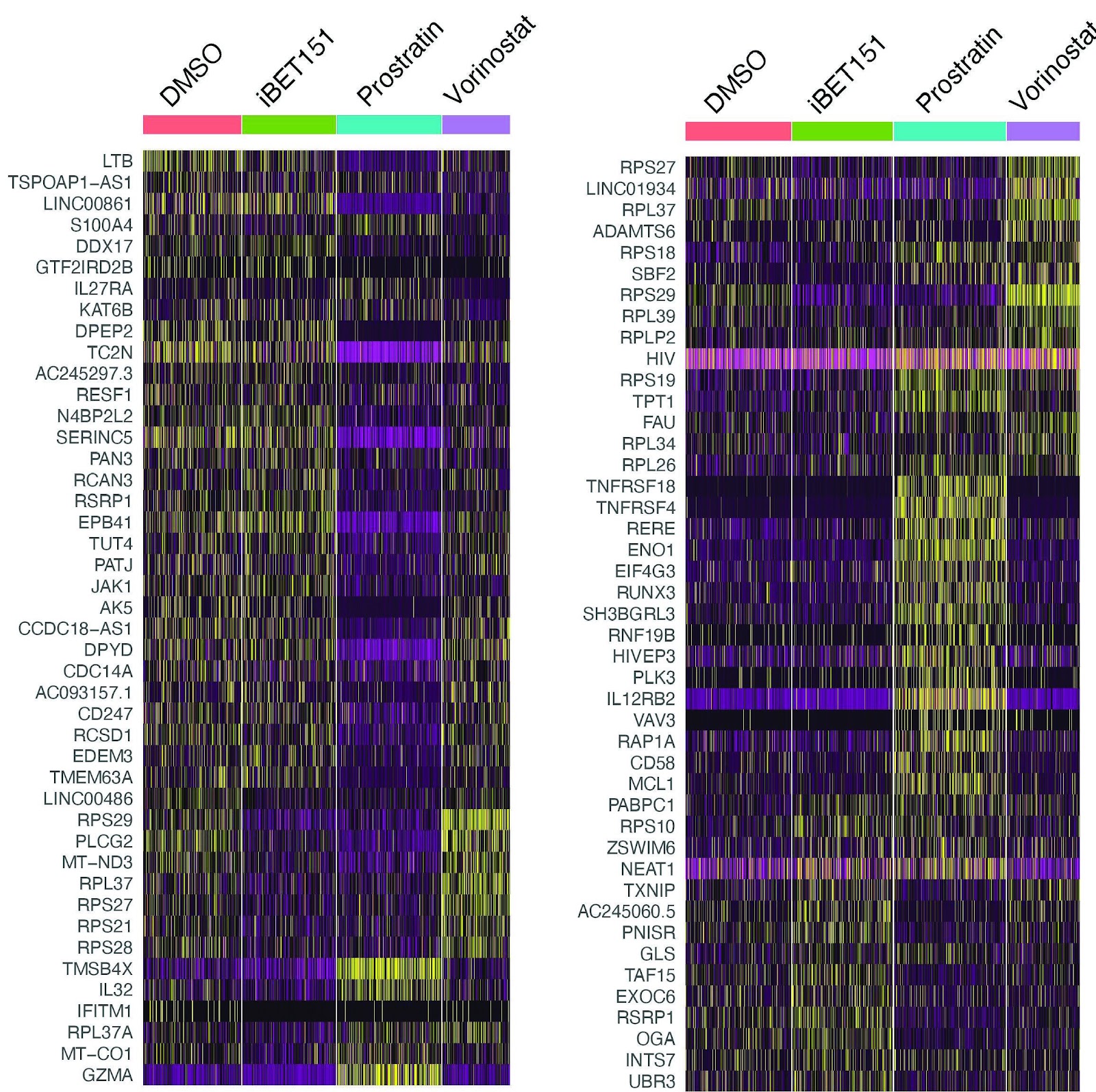
Despite the success of antiretroviral therapy, human immunodeficiency virus (HIV) cannot be cured because of a reservoir of latently infected cells that evades therapy. To understand the mechanisms of HIV latency, we employed an integrated single-cell RNA sequencing (scRNA-seq) and single-cell assay for transposase-accessible chromatin with sequencing (scATAC-seq) approach to simultaneously profile the transcriptomic and epigenomic characteristics of ~125,000 latently infected primary CD4+ T cells after reactivation using three different latency reversing agents. Differentially expressed genes and differentially accessible motifs were used to examine transcriptional pathways and transcription factor (TF) activities across the cell population. We identified cellular transcripts and TFs whose expression/activity was correlated with viral reactivation and demonstrated that a machine learning model trained on these data was 75%–79% accurate at predicting viral reactivation. Finally, we validated the role of two candidate HIV-regulating factors, FOXP1 and GATA3, in viral transcription. These data demonstrate the power of integrated multimodal single-cell analysis to uncover novel relationships between host cell factors and HIV latency.

Integrated Single-cell Multiomic Analysis of HIV Latency Reversal Reveals Novel Regulators of Viral Reactivation
Graphical Abstract
Original ResearchVol. None, NoneDOI: 10.1093/gpb/art_1124

HCCDB v2.0: Decompose Expression Variations by Single-cell RNA-seq and Spatial Transcriptomics in HCC

Authors: Ziming Jiang, Yanhong Wu, Yuxin Miao, Kaige Deng, Fan Yang, Shuhuan Xu, Yupeng Wang, Renke You, Lei Zhang, Yuhan Fan, Wenbo Guo, Qiuyu Lian, Lei Chen, Xuegong Zhang, Yongchang Zheng, Jin Gu

Large-scale transcriptomic data are crucial for understanding the molecular features of hepatocellular carcinoma (HCC). Integrated 15 transcriptomic datasets of HCC clinical samples, the first version of HCC database (HCCDB v1.0) was released in 2018. Through the meta-analysis of differentially expressed genes and prognosis-related genes across multiple datasets, it provides a systematic view of the altered biological processes and the inter-patient heterogeneities of HCC with high reproducibility and robustness. With four years having passed, the database now needs integration of recently published datasets. Furthermore, the latest single-cell and spatial transcriptomics have provided a great opportunity to decipher complex gene expression variations at the cellular level with spatial architecture. Here, we present HCCDB v2.0, an updated version that combines bulk, single-cell, and spatial transcriptomic data of HCC clinical samples. It dramatically expands the bulk sample size by adding 1656 new samples from 11 datasets to the existing 3917 samples, thereby enhancing the reliability of transcriptomic meta-analysis. A total of 182,832 cells and 69,352 spatial spots are added to the single-cell and spatial transcriptomics sections, respectively. A novel single-cell level and 2-dimension (sc-2D) metric is proposed as well to summarize cell type-specific and dysregulated gene expression patterns. Results are all graphically visualized in our online portal, allowing users to easily retrieve data through a user-friendly interface and navigate between different views. With extensive clinical phenotypes and transcriptomic data in the database, we show two applications for identifying prognosis-associated cells and tumor microenvironment. HCCDB v2.0 is available at http://lifeome.net/database/hccdb2.

HCCDB v2.0: Decompose Expression Variations by Single-cell RNA-seq and Spatial Transcriptomics in HCC
Graphical Abstract
Original ResearchVol. None, NoneDOI: 10.1093/gpb/art_1126

Q-BioLiP: A Comprehensive Resource for Quaternary Structure-based Protein–ligand Interactions

Authors: Hong Wei, Wenkai Wang, Zhenling Peng, Jianyi Yang

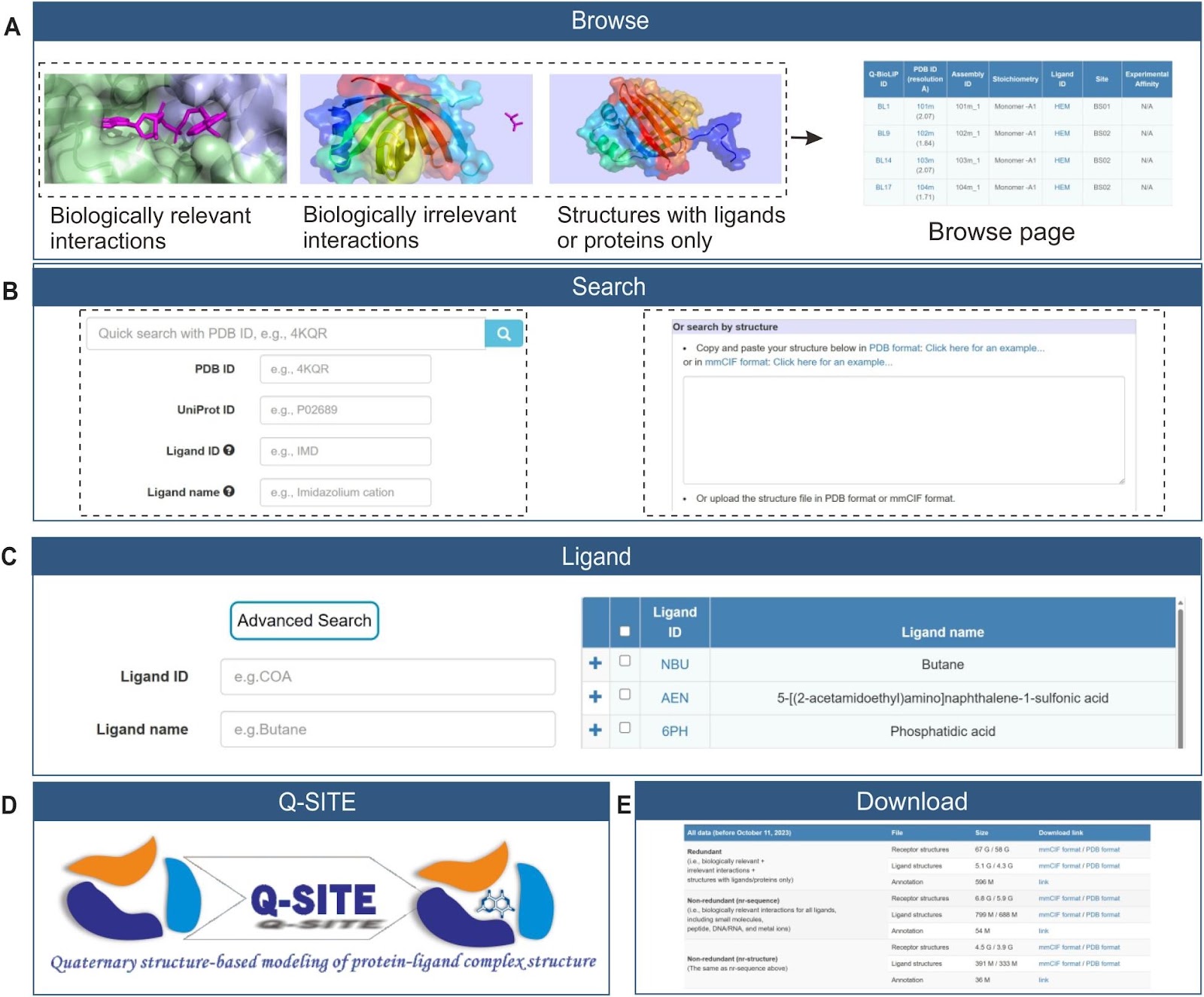
Since its establishment in 2013, BioLiP has become one of the widely used resources for protein–ligand interactions. Nevertheless, several known issues occurred with it over the past decade. For example, the protein–ligand interactions are represented in the form of single chain-based tertiary structures, which may be inappropriate as many interactions involve multiple protein chains (known as quaternary structures). We sought to address these issues, resulting in Q-BioLiP, a comprehensive resource for quaternary structure-based protein–ligand interactions. The major features of Q-BioLiP include: (1) representing protein structures in the form of quaternary structures rather than single chain-based tertiary structures; (2) pairing DNA/RNA chains properly rather than separation; (3) providing both experimental and predicted binding affinities; (4) retaining both biologically relevant and irrelevant interactions to alleviate the wrong justification of ligands’ biological relevance; and (5) developing a new quaternary structure-based algorithm for the modelling of protein–ligand complex structure. With these new features, Q-BioLiP is expected to be a valuable resource for studying biomolecule interactions, including protein–small molecule interaction, protein–metal ion interaction, protein–peptide interaction, protein–protein interaction, protein–DNA/RNA interaction, and RNA–small molecule interaction. Q-BioLiP is freely available at https://yanglab.qd.sdu.edu.cn/Q-BioLiP/.

Q-BioLiP: A Comprehensive Resource for Quaternary Structure-based Protein–ligand Interactions
Graphical Abstract